Reflective Tactical Embroidered Badge Suppliers and Manufacturers
Compare 29 verified suppliers offering Reflective Tactical Embroidered Badge options with varying lead times, MOQs, and response speeds. Review product attributes like material and thickness before requesting samples to finalize your order; review the available evidence before requesting comparable quotations from suitable candidates.
Updated
Suppliers List
Ele-Badge Gifts (zhongshan) Co., Limited
- Manufacturer, Trading Company
- Lead time旺季: "1 - 3000":14,"> 3000":"To be negotiated", 淡季: "1 - 3000":14,"> 3000":"To be negotiated"
- Avg. response≤ 2h
Main productsPVC Patch, Embroidery Patch, Chenille Patch, Embroidery Keychain, PVC Keychain
Shanghai Rui Mao Textile Co., Ltd.
- Trading Company
- Shanghai, China
- Lead time0 days
- Avg. response≤ 4h
Main productscotton dust bag,cotton tote bag,poly mailer bag,enamel pin,poly carry bag
Main marketsNorth America(50.00%), Central America(10.00%), Western Europe(10.00%), Eastern Europe(10.00%), South America(10.00%), Southern Europe(5.00%), Northern Europe(5.00%)
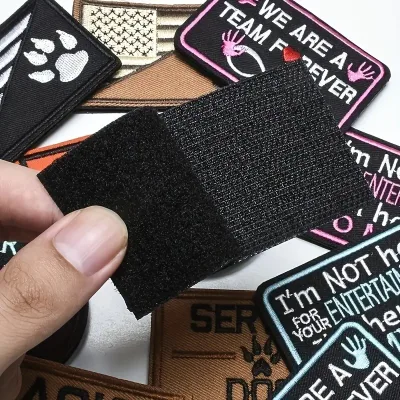
Custom Embroidery Patches Embroidered Tactical Patch Armband Patch Uniform Badge
$0.15 - $1.00
MOQ: 50 pieces
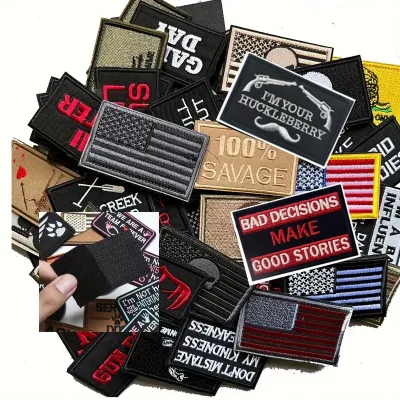
Tactical Patches Clothes Embroidery Embroidered Tactical Badges Hook and Loop for Jeans Jacket
$0.15 - $1.00
MOQ: 50 pieces
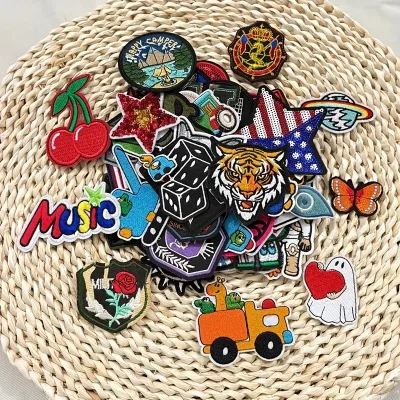

Jiangsu Casdilly Dress Co., Ltd.
- Verified by TUVRHEINLAND
- Combined
- China Jiangsu
- Lead time30 days
- Avg. response≤ 13h
Main productsUniform, Business Suits, Overcoat, Hats, Pants, Cap, Pant, Shirt
Main marketsSouth America,Southeast Asia/ Mideast,Domestic,Europe
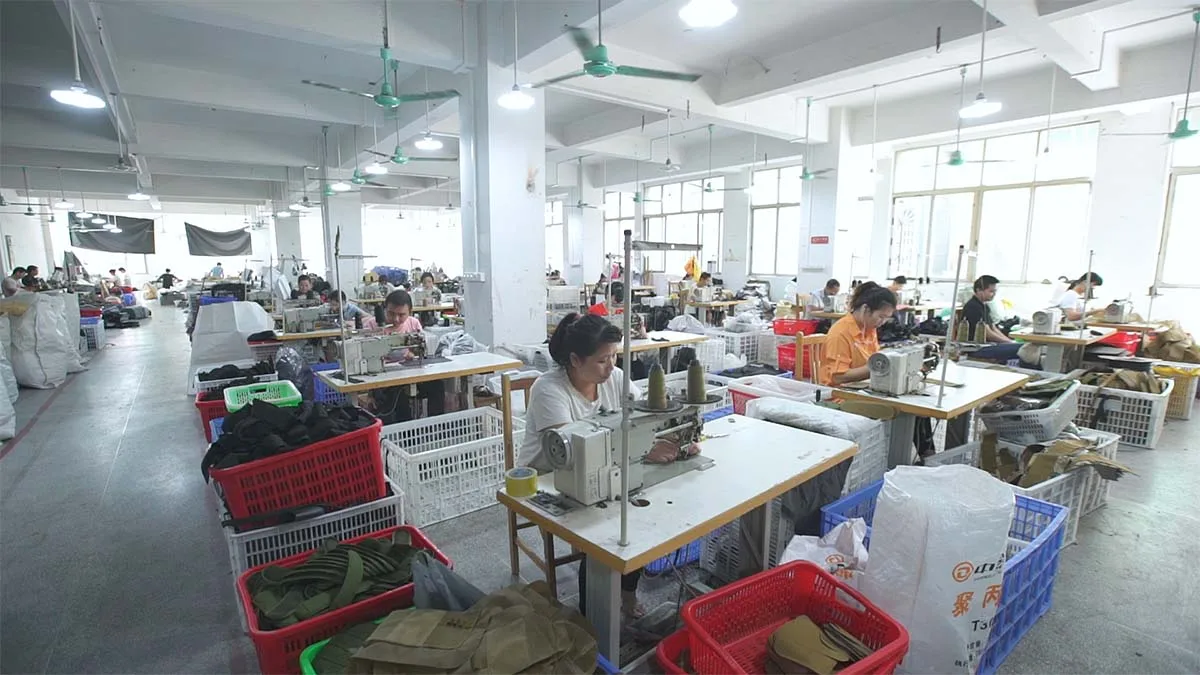
Guangzhou Dinghong Tourism Supplies Co., Ltd.
- Manufacturer
- Guangdong, China
- Lead time7 days
- Avg. response≤ 3h
Main productsBackpacks,Vests,Waist Bag,Chest Bag,Pouch
Main marketsDomestic Market(20.00%), Central America(20.00%), North America(20.00%), Eastern Asia(10.00%), Northern Europe(10.00%), Eastern Europe(10.00%), Western Europe(10.00%)
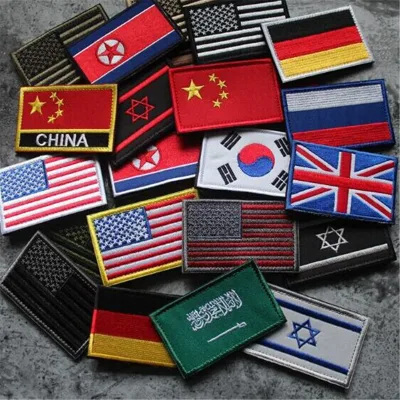
3D National Flag Patch Embroidery Badge for Clothes/Backpack Tactical Emblem Decoration
$0.50 - $0.80
MOQ: 100 pieces
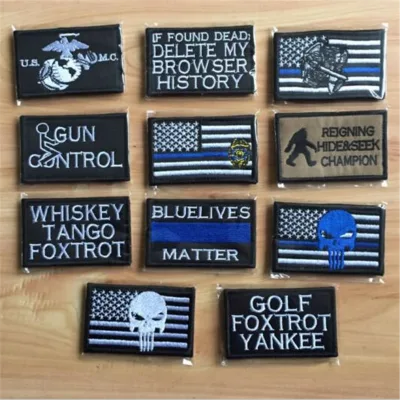
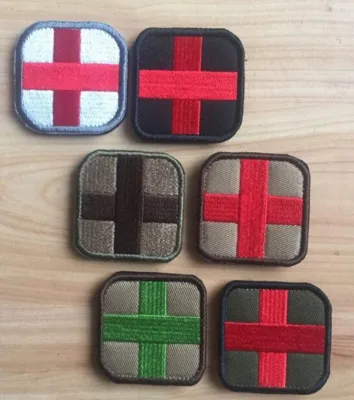
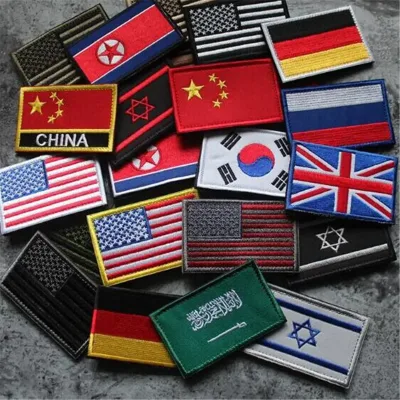
Factory Wholesale Tactical Patch Embroidery Badges for Bag Jeans Hat T Shirt DIY Appliques Craft
$0.50 - $0.80
MOQ: 10 pieces
Chongqing Caspar Import & Export Trade Co., Ltd.
- Trading Company
- Chongqing, China
- Lead time7 days
- Avg. response≤ 6h
Main productsClothing Accessories,Car Adornment,home accessories
Main marketsSoutheast Asia(24.00%), North America(19.00%), Mid East(12.00%), Domestic Market(9.00%), Oceania(8.00%), Western Europe(5.00%), Eastern Asia(5.00%), Southern Europe(3.00%), Eastern Europe(3.00%), South America(3.00%), South Asia(2.00%), Central America(2.00%), Northern Europe(2.00%), Africa(1.00%)

China Xinxing Shanghai Import and Export Co., Ltd.
- Verified by TUVRHEINLAND
- Trading Company
- China Shanghai
- Lead time15 days
- Avg. response≤ 7h
Main productsAnti-Riot Suit
Main marketsSouth America,Africa,Southeast Asia/ Mideast,Europe

- Trading Company,Manufacturer/Factory
- China Guangdong
- Lead time15 days
- Avg. response≤ 7h
Main productsCoin, Lapel Pin, Keychain, Lanyard, Medal, Promotional Items, Golf Marker Divot Tool, Badge, Embroidery, Police Badge
Main marketsSouth America,Eastern Europe,Mid East,North America,Southeast Asia,Eastern Asia,Oceania,Western Europe,Africa

LIZHUO INTERNATIONAL CO., LTD.
- Verified by SGS
- Trading Company
- China Guangdong
- Lead time23 days
- Avg. response≤ 3h
Main productsEmbroidery Patch, Woven Label, Embroidery Lace, Hangtag, Printing Label, School Bag, Embroidery Fabric, String
Main marketsEast Asia(Japan/ South Korea)

Tactical Patch Embroidered Patch Embroidery Patches Badge Decoration for Halloween Cloth
$0.05 - $0.75
MOQ: 100 Pieces


$0.05 - $0.75
MOQ: 100 Pieces

Jiaxing Jinhua Accessories Co., Ltd.
- Verified by TüVRheinland
- Trading Company
- Lead time7 days
- Avg. response≤ 3h
Main productsEmbroidery Patches, Hardware Accessories, Sponge Cup, Plastic Accessories, Woven Label
Main marketsNorth America(30%), Domestic Market(13%), Eastern Europe(10%)

Zhongshan Leon crafts and gifts Co., Ltd.
- Verified by SGS
- Trading Company,Manufacturer/Factory
- China Guangdong
- Lead time23 days
- Avg. response≤ 3h
Main productsMetal Pin Badge, Wallet Badge, Sports Medal, Honor Medal, Belt & Buckle, Challenge Coins, Fridge Magnet, Different Kind of Security Products, Keychain, Embroidery Patch
Main marketsSouth America,Eastern Europe,Mid East,North America,Southeast Asia,Eastern Asia,Oceania,Western Europe,Africa


Factory Custom Logo Outdoor Agent Tactical Undershirt Front Patch Badge Embroidered Patches
$0.20 - $0.40
MOQ: 100 Pieces


Shenzhen Awells Gift Co., Ltd.
- Verified by SGS
- Combined
- China Guangdong
- Lead time15 days
- Avg. response≤ 1h
Main productsEmbroidery Patch, PVC Patch, Woven Patch, Chenille Patch, Embroidery Keychain, Woven Keychain, PVC Keychain, Lanyard, Lapel Pin, Cap
Main marketsSoutheast Asia/ Mideast,Europe,Australia,North America

Qiyu (Xiamen) Outdoor Products Co., Ltd.
- Trading Company
- FUJIAN, China
- Lead time0 days
- Avg. response≤ 4h
Main productsThermal Underwear,Sportswear,Outdoor Clothing,Bags,Gloves
Main marketsNorth America(25.00%), Western Europe(15.00%), Eastern Europe(15.00%), Mid East(15.00%), Africa(10.00%), South America(10.00%), Southeast Asia(5.00%), Eastern Asia(3.00%), Oceania(2.00%)
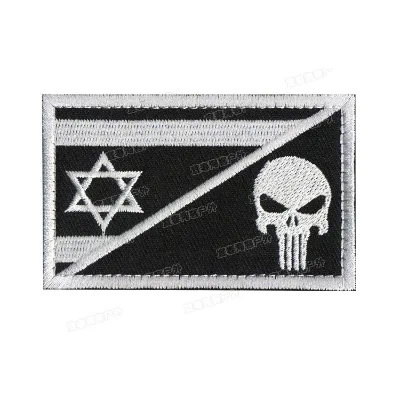
Embroidery Skull Badge Outdoor Bag Backpack Stickers Tactical Country Hat Clothes Patches
$0.40 - $0.45
MOQ: 500 pieces
Shenzhen Awells Craft Co., Ltd.
- Verified by SGS Group
- Manufacturer, Trading Company
- Lead time10 days
- Avg. response≤ 2h
Main productsPVC Patch, Embroidery Patch, Woven Patch, PVC Keychain, Embroidery Keychain
Main marketsNorth America(70%), Western Europe(12%), Eastern Europe(5%)
Shenzhen Awells Gift Co., Ltd.
- Verified by SGS Group
- Manufacturer, Trading Company
- Lead time10 days
- Avg. response≤ 3h
Main productsEmbroidery Patch, Soft PVC Patch, Woven Patch, Sublimation Printing Patch, Embroidery Key Chain
Main marketsNorth America(50%), Western Europe(38%), Eastern Europe(2%)

Zhongshan Lixin Crafts Co.,Ltd.
- Verified by BV
- Combined
- China Guangdong
- Lead time15 days
- Avg. response≤ 1h
Main productsPatch, Sports Event Medal, Enamel Pin, Custom Keychain, Challenge Coin, Fridge Magnet
Main marketsDomestic


$0.50 - $0.60
MOQ: 100 Pieces


Shanghai China Best Source Industrial Development Co., Ltd.
- Trading Company,Manufacturer/Factory
- China Shanghai
- Lead time45 days
- Avg. response≤ 7h
Main productsMilitary & Police, Security, Camouflage Net, Hunting, Outdoor, Backpack, Uniform, Cap, Clothing, Boots
Main marketsSouth America,Eastern Europe,Mid East,North America,Southeast Asia,Eastern Asia,Oceania,Western Europe,Africa

Metal Police Badge for Military Gift at Factory Military Beret Shoulder Badge
$0.10 - $1.00
MOQ: 500 Pieces

Foshan Chengyi Computer Embroidery Co., Ltd.
- Verified by SGS Group
- Manufacturer, Trading Company
- Lead time0 days
- Avg. response≤ 2h
Main productsEmbroidery Patch, Sequin Embroidery Patch, Chenille Embroidery Patch, Toothbrush Embroidery Patch, Beaded Embroidery Patch
Main marketsNorth America(90%), Domestic Market(2%), South America(1%)

- Verified by TUVRHEINLAND
- Trading Company
- China Guangdong
- Lead time15 days
- Avg. response≤ 4h
Main productsBadge, Medal, Key Chain, Key Ring, Coin, Pin, Bottle Opener, Wrist Band, Lanyard, Trophy
Main marketsSoutheast Asia/ Mideast,Europe,North America


Custom Metal Enamel Gold Silver USA Military Army Police Security Guard Badge
$0.10 - $1.00
MOQ: 50 Pieces


China Custom High Quality Metal 3D Gold Enamel Printed Military Police Badge
$0.20 - $4.00
MOQ: 50 Pieces

Custom Metal Brass Logo Gold Silver Military Navy Souvenir Gift Police Badge
$0.10 - $1.00
MOQ: 50 Pieces

Daqin (luoyang) Supply Chain Co., Ltd.
- Manufacturer, Trading Company
- Henan, China
- Lead time0 days
- Avg. response≤ 2h
Main productsToy Gun,Toy Gun Model,Simulation Toy Weapons,Outdoor Sports,Stuffed Toys
Main marketsEastern Europe(20.00%), Southern Europe(20.00%), Western Europe(20.00%), South America(10.00%), Northern Europe(10.00%), Central America(10.00%), North America(10.00%)

Zhongshan Lucky Art & Crafts Gifts Co., Ltd.
- Verified by BV
- Combined
- China Guangdong
- Lead time15 days
- Avg. response≤ 3h
Main productsCustom Medal, Key Chain, Custom Coin, Custom Lapel Pin, Custom Lanyard, Custom Badge, Custom Patch, Custom Air Fresheners, Custom Silicone Bracelets, Custom Cufflinks
Main marketsEast Asia(Japan/ South Korea),Europe,North America


Personalized Custom Made Metal Police Badge, Military Metal Badge with Safety Pin
$0.12 - $0.32
MOQ: 50 Pieces

Meishan Shunjieru Arts & Crafts Co., Ltd.
- Verified by SGS
- Trading Company
- China Sichuan
- Lead time15 days
- Avg. response≤ 2h
Main productsBadge Coin Emblem Medal
Main marketsSoutheast Asia/ Mideast,Europe,Australia,North America

- Verified by BV
- Trading Company
- China Guangdong
- Lead time15 days
- Avg. response≤ 5h
Main productsPromotional Gift, Badge, Medal, Keychain, Dog Tag, Cufflink, Fridge Magnet, Luggage Tag, Coin, Patch
Main marketsSouth America,Southeast Asia/ Mideast,Europe,Australia,North America
Dongguan Lin Wang Garment Accessory Co., Ltd.
- Verified by SGS Group
- Trading Company
- Lead time8 days
- Avg. response≤ 2h
Main productsEmbroidery Patch, Silicone Heat Transfer, Soft PVC Patch, Scout Neckerchief, Keychain
Main marketsNorth America(77%), Western Europe(10%), Eastern Europe(5%)

Factory Custom Embroidery Patch Navy Tactical Velcro Badge for Uniform Fast Delivery OEM Support
$0.0411 - $0.0923
MOQ: 100 pieces
$0.1556 - $0.3097
MOQ: 50 pieces

$0.041 - $0.0922
MOQ: 100 pieces

Shanghai China Commandos Co., Ltd.
- Verified by TUVRHEINLAND
- Manufacturer/Factory,Group Corporation
- China Shanghai
- Lead time45 days
- Avg. response≤ 3h
Main productsCustom Security Uniforms, Business Service Suits, Railway Uniforms, Industrial Workwear, Security Duty Belts, Safety & Formal Shoes, Uniform Hats & Berets, Uniform Supporting Accessories, Custom Uniform Full Sets, Etiquette Gloves
Main marketsSouth America,Eastern Europe,Mid East,North America,Southeast Asia,Eastern Asia,Oceania,Western Europe,Africa

Custom Logo Badges Tactical Uniform Clothes Accessories Hat Rubber Silicone PVC Badge
$0.30 - $0.80
MOQ: 1000 PCS

Custom Logo PVC Silicone Badges Rubber Badge for Tactical Uniform/Clothes/Bag/Hat
$0.30 - $0.80
MOQ: 1000 PCS
Yiwu Yifeng Clothing Accessories Co., Ltd.
- Trading Company
- Zhejiang, China
- Lead time7 days
- Avg. response≤ 5h
Main productsembroidery patch,heat transfer,stickers,iron on patch,sewing thread
Main marketsNorth America(30.00%), Western Europe(10.00%), Northern Europe(10.00%), Southern Europe(10.00%), Southeast Asia(10.00%), Eastern Europe(10.00%), South America(10.00%), Mid East(5.00%), South Asia(2.50%), Oceania(2.50%)
Dongguan Lin Wang Garment Accessory Co., Ltd.
- Manufacturer, Trading Company
- Lead time旺季: "1 - 500":10,"501 - 1000":12,"> 1000":"To be negotiated", 淡季: "1 - 500":10,"501 - 1000":12,"> 1000":"To be negotiated"
- Avg. response≤ 2h
Main productsPVC Rubber Patches, Embroidery Patch, Silicone Heat Transfer, Garment Label, Keychains
Quanzhou Langyide Changtai Clothing Accessories Co., Ltd.
- Manufacturer, Trading Company
- Fujian, China
- Lead time0 days
- Avg. response≤ 3h
Main productsWoven labels,Lanyard,Embroidery,Drop Plastic,Leather Label
Main marketsSoutheast Asia(50.00%), Domestic Market(40.00%), Africa(10.00%), Mid East(10.00%)
$0.1238 - $0.5056
MOQ: 50 pieces

Zhongshan Hansing Crafts Co., Ltd.
- Verified by TUVRHEINLAND
- Trading Company
- China Guangdong
- Lead time15 days
- Avg. response≤ 3h
Main productsCustom Coin, Badge, Medal, Keychain, Lapel Pin
Main marketsEurope


Custom Logo 2D/3D Tactical Badges Soft Rubber PVC Patches with No Minimum
$0.60 - $0.95
MOQ: 100 Pieces

- Verified by BV
- Combined
- China Guangdong
- Lead time15 days
- Avg. response≤ 6h
Main productsSouvenir Badge, Lanyard, Keychain, Medal, Challenge Coin, Silicone Wristband, Fabric Bracelet, Dog Tag, Trolley Token Coin, Tin Button
Main marketsSouth America,Africa,Southeast Asia/ Mideast,East Asia(Japan/ South Korea),Europe,Australia,North America


Factory Cheap Custom Police Badge in Special Design with 2D Logo From China
$0.08 - $0.25
MOQ: 50 Pieces
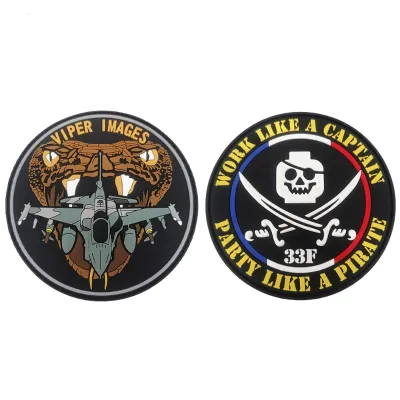


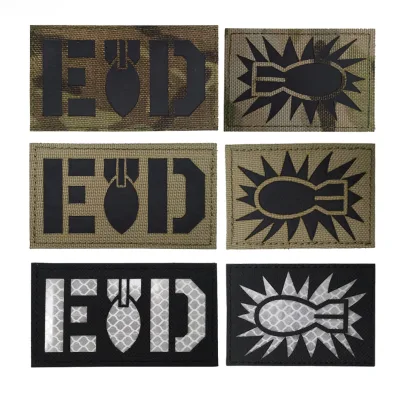
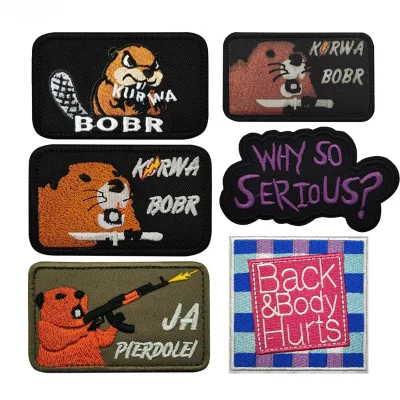
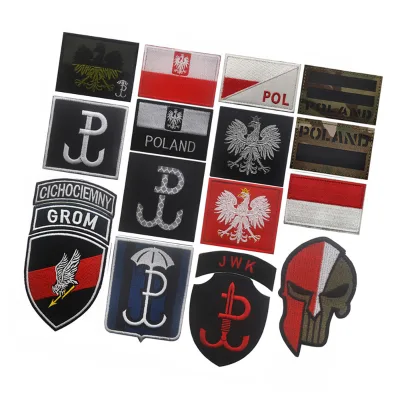
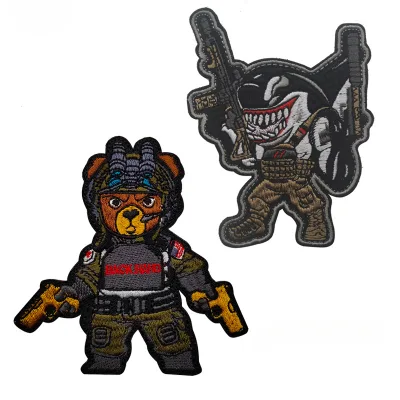
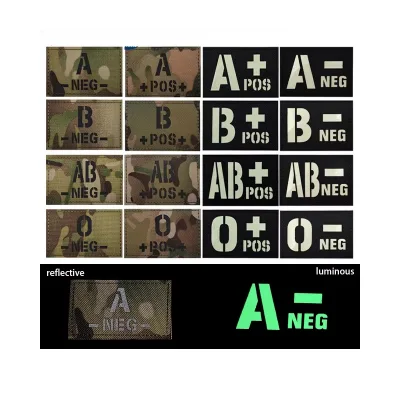
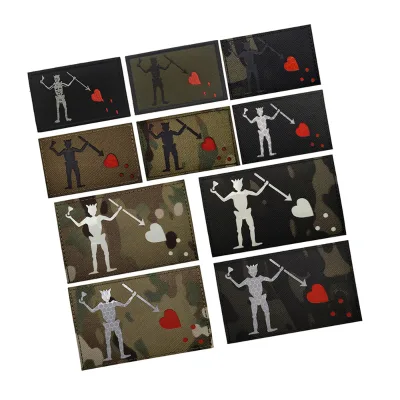


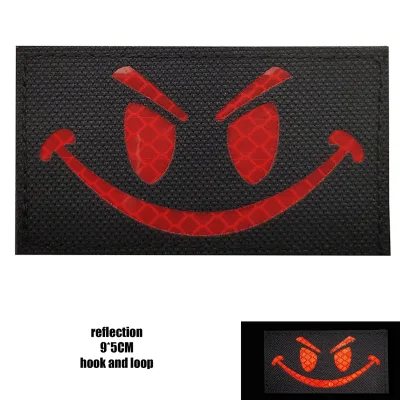
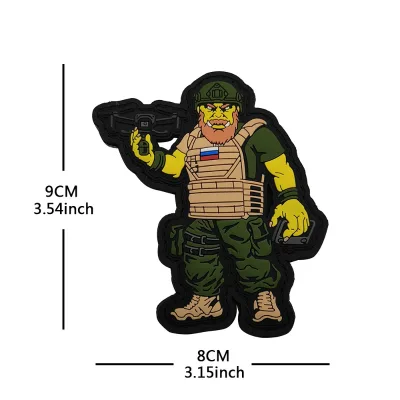


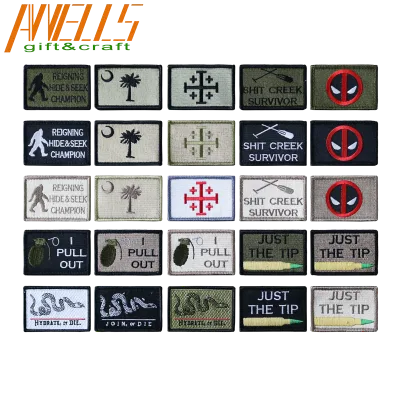
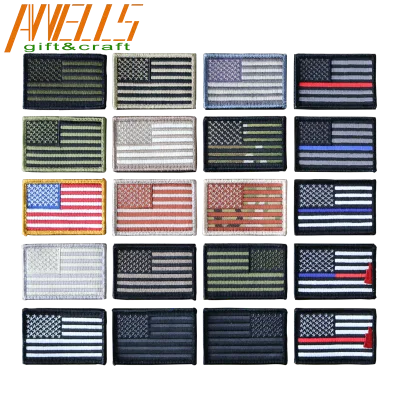
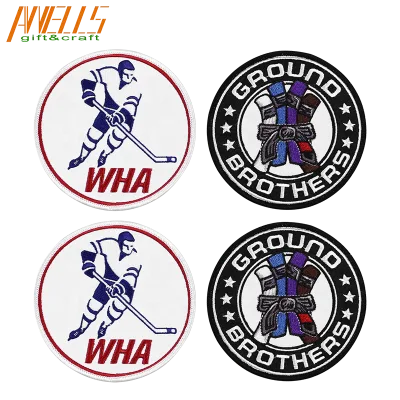
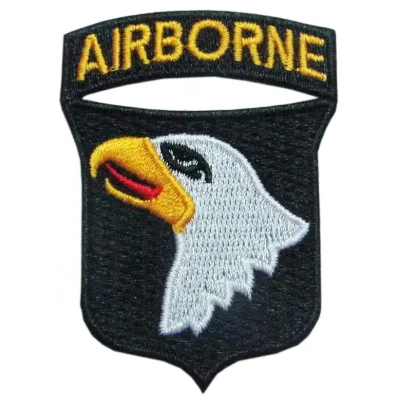
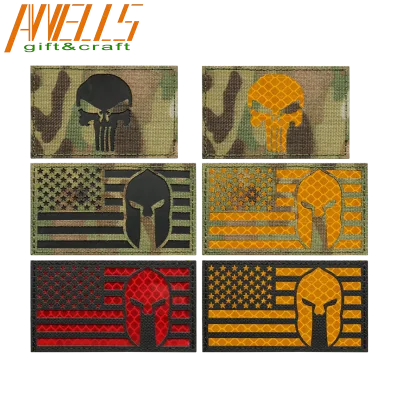
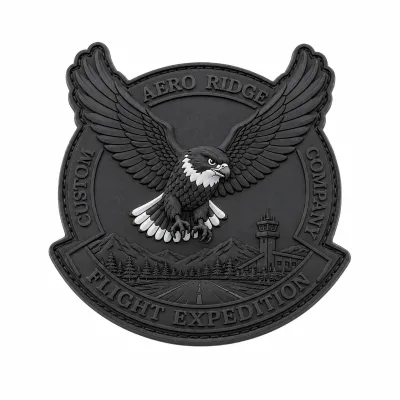
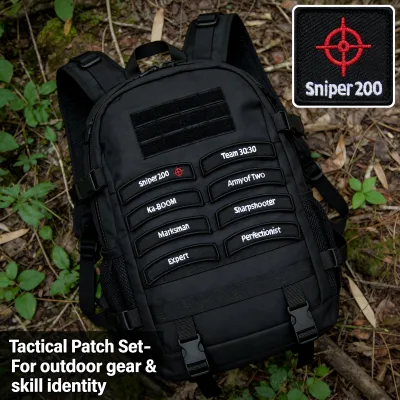
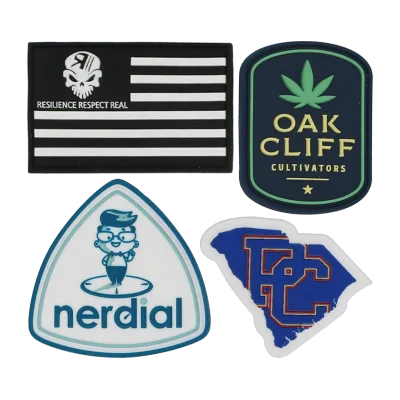
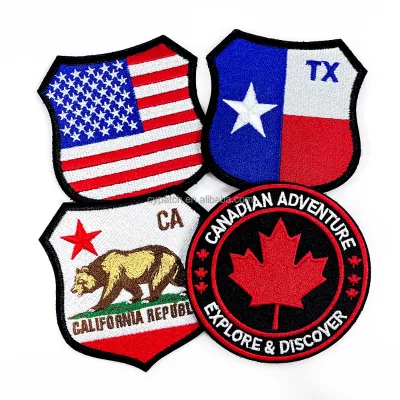
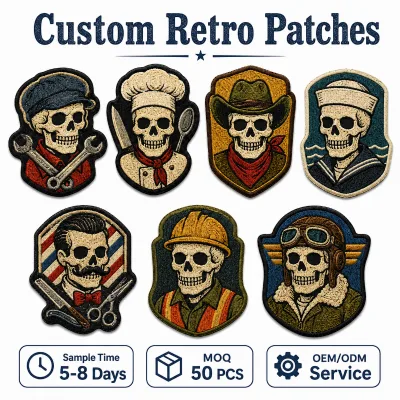
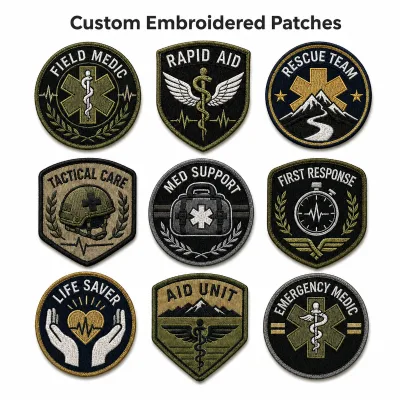


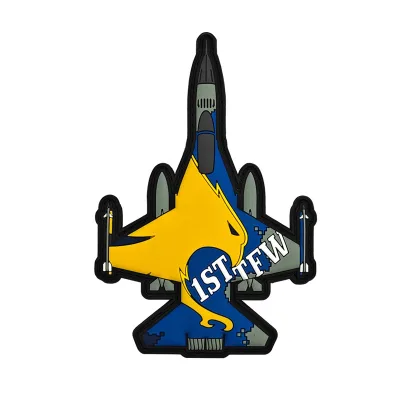
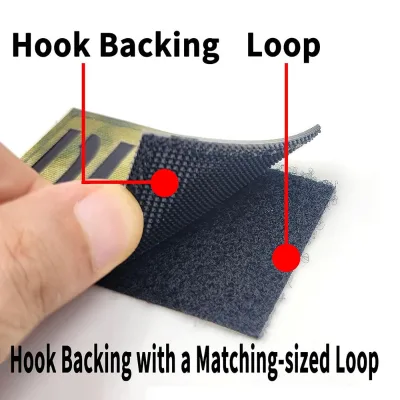
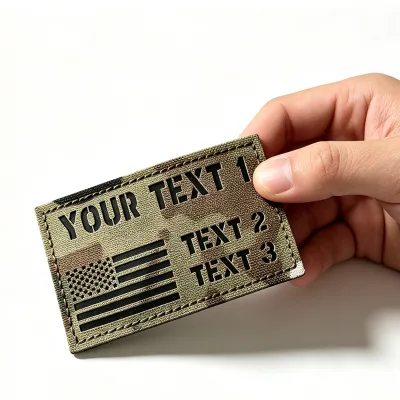
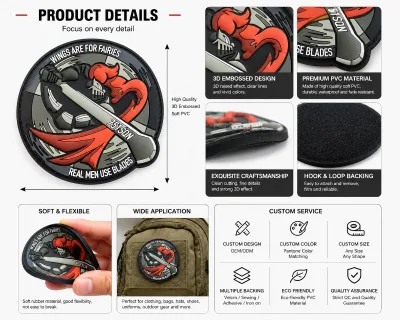
Comprehensive Sourcing Guide
Reflective Tactical Embroidered Badge Supplier Concentration and Factory Types
The current supplier landscape for reflective tactical embroidered badges reveals a distinct mix of manufacturing capabilities and trading structures. Data indicates that the primary company types operating in this niche are Manufacturers and Trading Companies. This duality is critical for buyers to understand, as it directly influences pricing flexibility, communication speed, and production control. Manufacturers typically offer direct access to factory floors, which can streamline complex customizations for items like custom medic cross badges or tactical reflective patches. These entities often possess the specific machinery required for techniques such as appliqué or 3D embroidery, ensuring that the physical attributes of the badge, such as thickness and color customization, meet precise specifications. On the other hand, Trading Companies may provide a broader catalog of related accessories, such as cotton dust bags or enamel pins, allowing for consolidated sourcing. However, they act as intermediaries, which can add layers to the communication process. Buyers must discern whether a supplier is a direct producer or a reseller to accurately assess the reliability of production timelines and the authenticity of quality control measures.
Geographic concentration plays a significant role in the availability and cost structure of these badges. Evidence points to specific regions like Guangdong and Shanghai in China as key hubs for this type of production. Suppliers located in Guangdong often highlight advantages such as fast delivery and low prices, leveraging the region’s mature supply chain for materials like nylon, fabric, and PVC rubber. The presence of manufacturers in these areas suggests a high density of specialized factories capable of handling high-volume orders for tactical gear accessories. Conversely, suppliers based in Shanghai may focus more on trading and export logistics, offering diverse product ranges including uniform badges and armband patches. This regional distinction helps buyers identify clusters of expertise. For instance, a buyer seeking intricate 3D logo designs might find more direct manufacturing support in Guangdong, while those prioritizing a wide variety of textile-based patches might engage with Shanghai-based trading entities. Understanding these geographic nuances allows for more targeted supplier outreach and better alignment with logistical expectations.
How to Verify Reflective Tactical Embroidered Badge Suppliers
Verifying the legitimacy and capability of a supplier requires a multi-layered approach that goes beyond surface-level product listings. One of the most effective methods is to scrutinize the sample process, which serves as a tangible proof of quality and responsiveness. Many suppliers in this category indicate a sample time of approximately three to five days, which is a standard benchmark for evaluating design accuracy and material quality. Buyers should request samples of specific items, such as custom medic cross badges or tactical tag embroidered name patches, to assess the finish of the embroidery, the durability of the reflective elements, and the precision of the border cuts. A reliable supplier will provide samples that match the described attributes, such as the specified thickness of three to eight millimeters or the use of eco-friendly PVC rubber. Additionally, the ability to produce a sample quickly and accurately is a strong indicator of a supplier’s operational efficiency and attention to detail.
Another critical verification step involves checking the supplier’s response time and communication protocols. Data shows that response times can vary, with some suppliers responding within two hours and others taking up to four hours. A faster response time often correlates with a more dedicated customer service team, which is essential for resolving issues related to custom designs or urgent orders. Buyers should also examine the detailed product attributes provided, such as the main material composition, whether it is nylon, fabric, or rubber, and the specific technics used, such as appliqué or full embroidery. Suppliers that provide comprehensive information about their production capabilities, including border options like laser-cut or merrowed edges, are generally more transparent and trustworthy. Furthermore, verifying the place of origin, whether it is Guangdong or Shanghai, can help buyers assess the supplier’s logistical advantages and potential shipping costs. By combining sample evaluation with communication analysis and attribute verification, buyers can build a robust profile of each potential partner.
What to Compare Across Reflective Tactical Embroidered Badge Suppliers
When evaluating multiple suppliers, it is essential to compare key operational metrics to determine the best fit for specific project needs. One of the most significant factors is the Minimum Order Quantity (MOQ). Many suppliers in this sector set an MOQ of fifty pieces, which is a common threshold for custom embroidered and PVC patches. This low entry point allows for flexibility in testing the market or fulfilling small-scale orders. However, buyers should also consider the pricing structure relative to the MOQ. Prices for these badges can range significantly, with some items starting as low as $0.18 per piece for basic PVC patches, while more complex embroidered or reflective badges may cost between $0.59 and $1.30 per unit. Comparing these price points against the quality of materials, such as the use of high-grade nylon or eco-friendly rubber, helps in assessing value for money. Additionally, buyers should look for suppliers that offer customization options, such as 2D or 3D logo designs, and ensure that the pricing includes all necessary services like design and production.
Lead time and production capacity are another crucial area for comparison. Suppliers often differentiate their lead times based on order volume and seasonality. For instance, orders between one and three thousand pieces may have a lead time of fourteen days, while larger quantities might require negotiation. This variability highlights the importance of aligning order sizes with the supplier’s current capacity. Buyers should also compare the range of main products offered by each supplier. Some may specialize in tactical patches and keychains, while others might offer a broader array of accessories like tote bags or poly mailers. This specialization can indicate a supplier’s core competency and reliability in specific product categories. Furthermore, comparing the shipping options provided, such as express services via DHL, FedEx, or UPS, can impact the overall delivery timeline and cost. By systematically comparing MOQs, prices, lead times, and product ranges, buyers can make informed decisions that balance cost, quality, and speed.
Common Reflective Tactical Embroidered Badge Sourcing Risks
Sourcing reflective tactical embroidered badges comes with inherent risks that buyers must proactively manage to ensure successful outcomes. One significant risk is the discrepancy between sample quality and mass production output. While suppliers may provide high-quality samples within three to five days, there is no guarantee that the bulk order will maintain the same level of craftsmanship. Issues such as inconsistent embroidery density, color fading, or poor adhesion of reflective materials can arise if the supplier lacks rigorous quality control processes. Buyers should mitigate this risk by clearly defining quality standards in the contract and requesting pre-shipment inspections. Additionally, the complexity of custom designs, such as 3D logos or intricate reflective patterns, can lead to production delays or errors if the supplier’s machinery is not adequately equipped. It is crucial to verify the supplier’s technical capabilities, including their use of advanced technics like appliqué or injection molding, before placing large orders.
Another common risk is the misalignment of expectations regarding lead times and shipping logistics. Suppliers may quote optimistic lead times that do not account for peak seasons or material shortages. For example, while a standard lead time might be fourteen days, actual delivery could be extended during busy periods. Buyers should also be cautious of suppliers who do not provide clear shipping options or who rely on less reliable logistics partners. The risk of customs delays or additional duties can further complicate the supply chain, especially when sourcing from regions like Guangdong or Shanghai. To address these risks, buyers should establish clear communication channels and request regular updates on production status. It is also advisable to work with suppliers who offer flexible shipping solutions, such as air or sea freight options, to accommodate different urgency levels. By anticipating these potential pitfalls and implementing robust verification and communication strategies, buyers can minimize disruptions and ensure a smoother sourcing experience.
Reflective Tactical Embroidered Badge Regional Sourcing and Logistics
The geographic location of suppliers significantly impacts the logistics and cost structure of sourcing reflective tactical embroidered badges. Suppliers based in Guangdong, China, are often praised for their fast delivery capabilities and competitive pricing, largely due to the region’s dense manufacturing ecosystem and proximity to major ports. This location advantage allows for quicker turnaround times and lower shipping costs, particularly for orders destined for international markets. Buyers sourcing from Guangdong can benefit from the region’s specialized supply chains for materials like nylon, fabric, and PVC rubber, which are readily available and cost-effective. However, it is essential to verify the specific logistics partners used by these suppliers to ensure reliable and timely delivery. Suppliers in Shanghai, on the other hand, may offer different logistical advantages, such as easier access to international trade hubs and a broader range of trading services. Buyers should consider the destination of their goods when choosing between these regions, as shipping routes and transit times can vary significantly.
Logistics planning also involves selecting the appropriate shipping method based on order urgency and volume. Suppliers often provide multiple shipping options, including express services via DHL, FedEx, UPS, and EMS, as well as air and sea freight. Express shipping is ideal for small, urgent orders, such as samples or low-volume batches, while sea freight is more cost-effective for larger shipments. Buyers should calculate the total landed cost, including shipping fees, insurance, and potential customs duties, to make an informed decision. Additionally, the packaging of the badges, such as OPP bags or cartons, can affect shipping efficiency and product protection. Suppliers that offer customized packing solutions can help optimize space and reduce damage risks during transit. By understanding the logistical implications of regional sourcing and carefully selecting shipping methods, buyers can streamline their supply chain and ensure that products arrive in optimal condition and within the desired timeframe.
Reflective Tactical Embroidered Badge Commercial Terms and Order Planning
Effective order planning for reflective tactical embroidered badges requires a thorough understanding of commercial terms and payment structures. Buyers should prioritize suppliers that offer secure payment methods, such as escrow services, to protect their financial interests until the goods are received and verified. This is particularly important for custom orders, where the risk of non-delivery or quality issues is higher. Additionally, buyers should negotiate clear terms regarding sample costs, which are often refundable upon placing a bulk order. Understanding the pricing tiers is also crucial, as costs can vary based on the complexity of the design, the material used, and the order quantity. For instance, basic PVC patches may start at $0.18 per piece, while more intricate embroidered badges can cost up to $1.30. Buyers should request detailed quotations that break down these costs to ensure transparency and avoid hidden fees.
Order planning also involves aligning production schedules with business needs to avoid stockouts or excess inventory. Buyers should consider the supplier’s lead times and production capacity when placing orders, especially during peak seasons. Establishing a long-term relationship with a reliable supplier can lead to better pricing and priority production slots. It is also advisable to plan for contingencies, such as potential delays or quality issues, by maintaining a buffer stock or having alternative suppliers identified. Clear communication of specifications, including design files, material preferences, and packaging requirements, is essential to prevent misunderstandings. By carefully managing commercial terms and order planning, buyers can optimize their procurement process, reduce costs, and ensure a steady supply of high-quality reflective tactical embroidered badges for their customers.
FAQs
What is the minimum order quantity for custom patches?
The minimum order quantity is 50 pieces for most custom patch products. This applies to various styles including PVC, embroidered, and chenille options. Buyers can order small batches to test designs before committing to larger production runs. This low threshold helps reduce initial risk for new projects.
How long does sample production take?
Sample production typically requires 3 to 5 days to complete. This timeframe allows manufacturers to create physical prototypes for buyer approval. Once the design is confirmed, the sample process ensures that colors, materials, and dimensions match the final product expectations before mass production begins.
What are the standard lead times for bulk orders?
Bulk lead times are generally 14 days for orders under 3000 units. For quantities exceeding 3000 units, production schedules must be negotiated directly with the supplier. These timelines apply to both peak and off-peak seasons, though buyers should confirm specific dates to avoid delays.
What materials are used for tactical patches?
Common materials include nylon, fabric, rubber, and eco-friendly PVC. Embroidered patches often use polyester or canvas fabrics for durability. PVC patches utilize rubber compounds for a soft, 3D appearance. Buyers can select materials based on specific usage requirements such as washability, texture, or environmental standards.
What is the price range for custom patches?
Prices typically range from $0.18 to $1.30 per piece depending on complexity. Simple embroidered tags may cost around $0.59, while detailed PVC designs can reach $1.30. Costs vary based on material choice, color count, and whether the design requires 2D or 3D effects for the final product.
Where are these patches manufactured?
Manufacturing locations include Guangdong and Shanghai in China. Suppliers in these regions offer established production capabilities for apparel accessories. Buyers can verify specific factory locations during the inquiry process to ensure alignment with logistics preferences and quality control requirements for their specific supply chain needs.