Adjustable Flood Irrigation Hydroponic System Suppliers and Manufacturers
Source 25 Adjustable Flood Irrigation Hydroponic System suppliers from China Guangdong. Compare lead times, MOQs, and response rates to find suitable partners. Review product specifications and request quotes today; review the available evidence before requesting comparable quotations from suitable candidates.
Updated
Suppliers List

Foshan Reinfa Agtech Co., Ltd.
- Verified by SGS
- Combined
- China Guangdong
- Lead time23 days
- Avg. response≤ 4h
Main productsVertical Grow System, Grow Rack, Rolling Bench, Vertical Grow Rack, Hydroponic Grow System, Mobile Grow Rack, Vertical Farming Machinery
Main marketsOthers(foreignTradeCapacity.exportBusinessCapacityMarketOther),Southeast Asia/ Mideast,North America

Customizable Hydroponic Ebb and Flow Irrigation System for Leafy Greens and Herbs
$180.00 - $220.00
MOQ: 10 Square Meters

High-Yield Flood and Drain Hydroponic System for Vertical Vegetable Growth
$180.00 - $220.00
MOQ: 10 Square Meters

Automatic Hydroponic Growing System with Irrigation Control for Indoor Farming
$180.00 - $220.00
MOQ: 1 Square Meters

$180.00 - $220.00
MOQ: 10 Square Meters

Modular Vertical Hydroponic System for Efficient Greenhouse Farming
$180.00 - $220.00
MOQ: 1 Square Meters

Strawberry System Space-Saving, Efficient Irrigation, Good Airflow, Easy Management
$180.00 - $220.00
MOQ: 1 Pieces

- Manufacturer
- China Guangdong
- Lead time23 days
- Avg. response≤ 3h
Main productsPVC Trunking, PVC Pipe, PVC Fittings, Gi Box, Street Light, Flood Light, Light Fitting, AAC Cable, Metal Box, PPR Pipe
Main marketsAfrica,Southeast Asia/ Mideast,Australia

Hydroponics Growing System Indoor Irrigation Hydroponics Equipment Hydroponic Automatic
$1.45 - $1.85
MOQ: 1000 Meters


Hydroponics System Indoor Irrigation System Used Hydroponic Systems for Sale
$2.10 - $2.30
MOQ: 1000 Meters


Weifang City Huide Agriculture And Animal Husbandry Technology Co., Ltd.
- Manufacturer, Trading Company
- Shandong, China
- Lead time30 days
- Avg. response≤ 3h
Main productsAnimal Ear Tag,Animal Syringe,Proportional Pump,Bull Ring,Bull Nose Ring Pliers
Main marketsSouth Asia(20.00%), Eastern Asia(20.00%), Mid East(10.00%), Oceania(10.00%), Western Europe(10.00%), Eastern Europe(10.00%), South America(5.00%), Northern Europe(5.00%), North America(5.00%), Africa(5.00%)
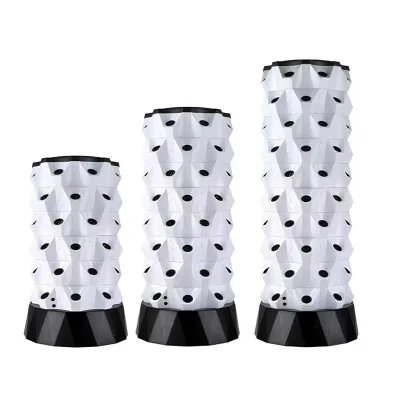
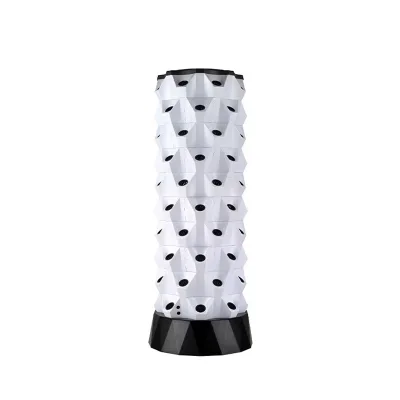
Stacking Garden Vertical Hydroponic System Water-Efficient Energy-Saving
$93.1741 - $175.994
MOQ: 1 boxes

- Verified by BV
- Trading Company
- China Guangdong
- Lead time30 days
- Avg. response≤ 3h
Main productsHydroponic System, Hydroponic Sponge, Nft Channel, Strawberry Gutter/Tower, Raised Garden Bed, Dutch Bucket, Plastic Net Pot, Substrate, Vegetable Mould, Greenhouse
Main marketsSouth America,Africa,Southeast Asia/ Mideast,East Asia(Japan/ South Korea),Europe,Australia,North America

PVC Hydroponic Hydroponics Farm Irrigation Hydroponics System for Vegetable
$1.60 - $2.50
MOQ: 1000 Meters

Hydroponic Channels Greenhouse Vertical Hydroponics System for Farming System
$1.60 - $2.50
MOQ: 1000 Pieces
Hangzhou Triumph Imp And Exp Co., Ltd.
- Verified by TüVRheinland
- Manufacturer, Trading Company
- Lead time30 days
- Avg. response≤ 2h
Main productsCarbon Filter, Duct Fan, Grow Light, Grow Rack, Grow Tent
Main marketsNorth America(33%), Southern Europe(25%), Western Europe(24%)
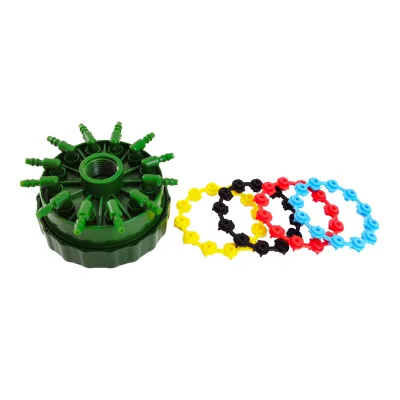
$9.24 - $10.50
MOQ: 100 pieces
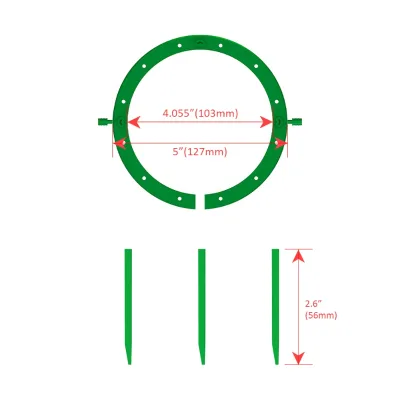
$0.70 - $1.00
MOQ: 100 pieces
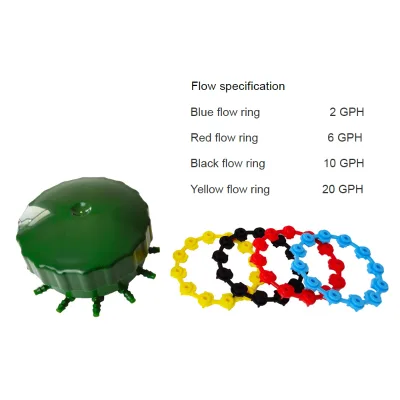

Shandong Jiuzhou Yishuo Agricultural Technology Co., Ltd.
- Verified by SGS
- Combined
- China Shandong
- Lead time30 days
- Avg. response≤ 3h
Main productsAgricultural Greenhouse, Commercial Greenhouse, Glass Greenhouse, Venlo Greenhouse, Hydroponic System, Smart Greenhouse, Multi-Span Greenhouse, Greenhouse Equipment, Polycarbonate Greenhouse, Greenhouse Skeleton
Main marketsDomestic

Automated Agricultural Greenhouse for Hydroponic Farming with Smart Irrigation System
$7.00 - $20.00
MOQ: 300 Square Meters

Smart Hydroponic Greenhouse with Energy Saving Irrigation System
$7.00 - $19.00
MOQ: 100 Square Meters

Advanced Climate Control Hydroponic Greenhouse System for Plants
$7.00 - $19.00
MOQ: 100 Square Meters


Hydroponic Greenhouse for Vegetable Farming with Smart Water Management System
$8.00 - $14.00
MOQ: 300 Square Meters

Chongqing Green Pioneer Technology Co., Ltd.
- Trading Company
- Chongqing, China
- Lead time0 days
- Avg. response≤ 2h
Main productsIrrigation & Hydroponics Equipment,Hydroponic Vertical farming,Hydroponic Garden Tower,Intelligent Hydroponic system,Indoor Hydroponic System
Main marketsNorthern Europe(30.00%), North America(25.00%), Southern Europe(10.00%), Western Europe(10.00%), Eastern Asia(10.00%), Eastern Europe(10.00%), South America(5.00%)
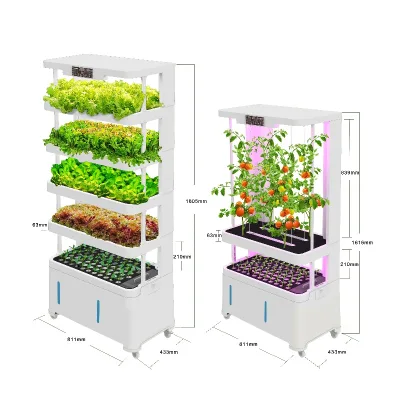
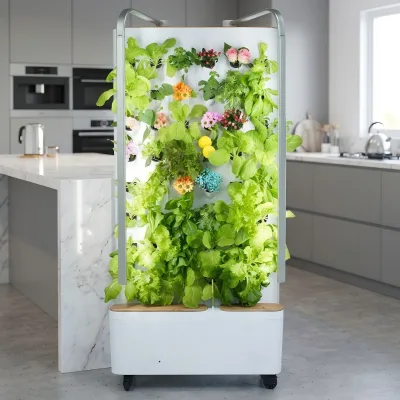
Automatic Vertical Hydroponic Growing System with APP Control Pump Aeroponic/Drip Irrigation
$360.00 - $428.00
MOQ: 1
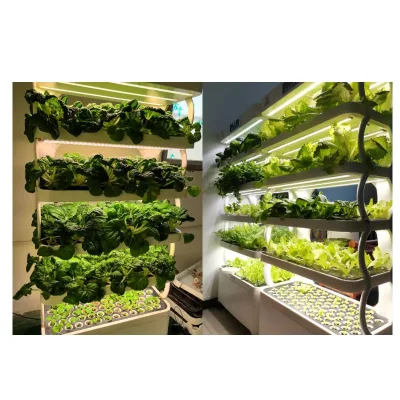
Hydroblue Technology (Shanghai) Co., Ltd.
- Trading Company
- shanghai, China
- Lead time0 days
- Avg. response≤ 2h
Main productsContainer hydroponics planter,Greenhouse hydroponics system(OEM),Greenhouse Tidal system,Home&Garden hydroponics,Greenhouse components
Main marketsSouthern Europe(14.00%), Northern Europe(14.00%), Central America(14.00%), Western Europe(14.00%), Eastern Europe(14.00%), South America(14.00%), North America(14.00%)
Zhengzhou Lyine Agriculture Technology Co.,Ltd
- Verified by SGS Group
- Manufacturer, Trading Company
- Lead time7 days
- Avg. response≤ 3h
Main productsHydroponic Growing System, Container Farming, Fodder Solution, Tower Garden, Microgreen System
Main marketsNorth America(20%), Mid East(20%), Domestic Market(20%)
Hefei Kangchui Electronic Commerce Co., Ltd.
- Verified by SGS Group
- Trading Company
- Lead time0 days
- Avg. response≤ 2h
Main productsPlant Pots, Garden Tools, Artificial Plant, Artificial Grass, Hydroponic Tower
Main marketsConfidential(100%)

Dongguan Riteng Industrial Co., Ltd.
- Trading Company,Manufacturer/Factory
- China Guangdong
- Lead time15 days
- Avg. response≤ 25h
Main productsPlastic Extrusion Profiles, Plastic Injection Profiles, Aluminum Extrusion Profiles, Nft Hydroponic System, Low-Smoke Halogen-Free Trunking
Main marketsSouth America,Eastern Europe,Mid East,North America,Southeast Asia,Eastern Asia,Oceania,Western Europe,Africa

Anhui Tpack Import&Export Co., Ltd
- Verified by SGS
- Trading Company
- China Anhui
- Lead time30 days
- Avg. response≤ 3h
Main productsVertical Hydroponic, Greenhouse Glass, Dutch Bucket, Greenhouse PC-Board, Hydroponic Nft System, Greenhouse Film, Seedbed, Full Spectrum Grow Light, HVAC System, Grow Container
Main marketsNorth America


Multi-Functional Hydroponic System with Vertical Hydroponic System for Versatile Gardening Solutions
$159.00 - $199.00
MOQ: 1 Sets
Fujian Dafengshou Irrigation Technology Co., Ltd.
- Verified by TüVRheinland
- Manufacturer, Trading Company
- Lead time10 days
- Avg. response≤ 1h
Main productsDrip Irrigation System And Parts
Main marketsDomestic Market(99%), Southeast Asia(1%)
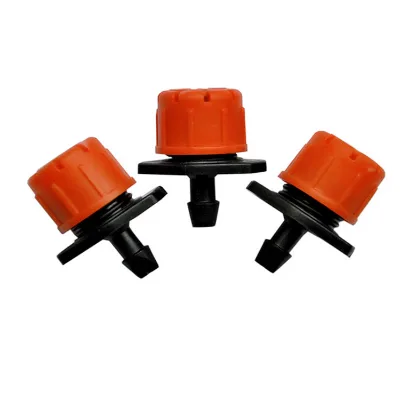
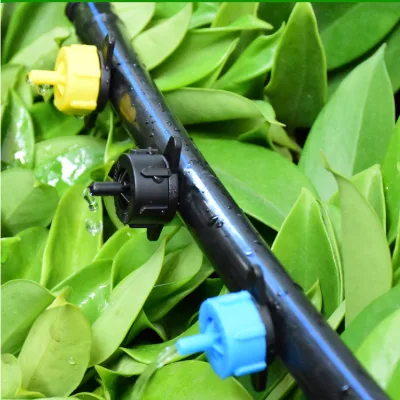
Agricultural Drip Irrigationsystem Plastic Water Dipper Set Pipes With Adjustable Dripper
$160.1197 - $200.1493
MOQ: 8000 Minimum
Anyang Bainer Agricultural Technology Co., Ltd.
- Verified by Intertek
- Trading Company
- Lead time7 days
- Avg. response≤ 2h
Main productsGreen House, Hydroponic Planting System, Seedbed, Irrigation system

Shenzhen Mego Electronics Co., Ltd.
- Manufacturer, Trading Company, Distributor/Wholesaler
- Guangdong, China
- Lead time0 days
- Avg. response≤ 3h
Main productsFlood Tables,Grow Trays,Grow Pot,Drip Irrigation Parts,LED Grow Light
Main marketsNorth America(75.00%), Africa(10.00%), Western Europe(5.00%), Eastern Asia(5.00%), Eastern Europe(5.00%)

Shouguang Greentime Agriculture Technology Co., Ltd.
- Verified by BV
- Trading Company,Manufacturer/Factory
- China Shandong
- Lead time23 days
- Avg. response≤ 6h
Main productsGlass Greenhouse, Greenhouse, Film Greenhouse, Polycarbonate Greenhouse, Tunnel Greenhouse, Light Deprivation Greenhouse, Agriculture Greenhouse, Multi-Span Greenhouse, Rolling Bench, Warehouse
Main marketsSouth America,Eastern Europe,Mid East,North America,Southeast Asia,Eastern Asia,Oceania,Western Europe,Africa

China Commercial Industrial Hydroponics Irrigation Growing System Farming Vegetable
$2.80 - $3.87
MOQ: 200 Meters

$0.088 - $2.80
MOQ: 500 Meters
Foshan GrowSpec BioTech Co., Ltd.
- Manufacturer, Trading Company
- Guangdong, China
- Lead time35 days
- Avg. response≤ 10h
Main productsVertical Grow System,Container Farm,Modular Climate Chamber Solution,LED Grow Light,Turnkey Solution
Main marketsEastern Asia(30.00%), North America(30.00%), Western Europe(15.00%), Mid East(3.00%), South America(3.00%), Africa(3.00%), Southeast Asia(3.00%), South Asia(2.00%), Oceania(2.00%), Southern Europe(2.00%), Northern Europe(2.00%), Central America(2.00%), Eastern Europe(2.00%), Domestic Market(1.00%)
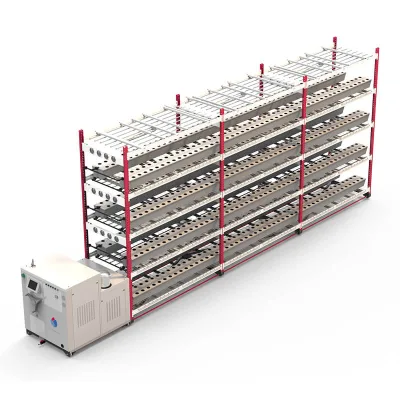
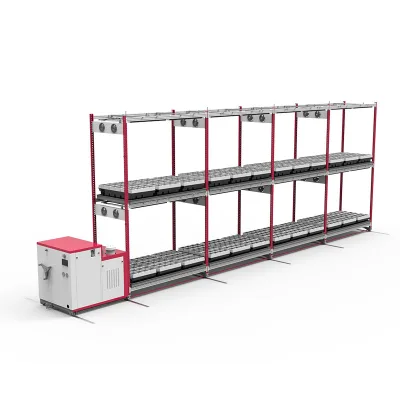
Automated Vertical Farming System | Smart Hydroponic Indoor Grow Units
$25703.433 - $31872.2569
MOQ: 1 sets
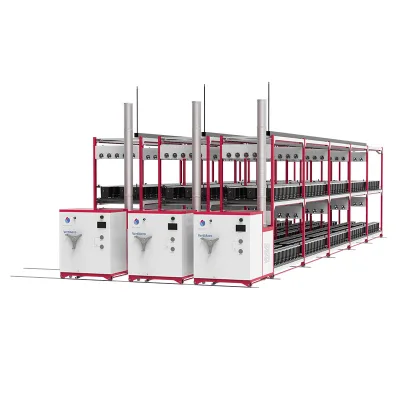
Hydroponic Garden Kit with Irrigation Circulating and Hydroponic Grow Light and Indoor Grow Box
$20705.0564 - $51762.641
MOQ: 1 Minimum
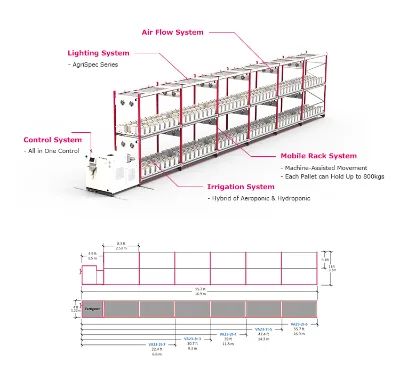
$10281.3732 - $30844.1196
MOQ: 1 Minimum
Hebei Changsheng Plastic Industry Co., Ltd.
- Verified by Intertek
- Trading Company
- Lead time30 days
- Avg. response≤ 2h
Main productsPVC Resin, Soft PVC Granules, Injection PVC Granules, PP/HDPE/LDPE/LLDPE/PET/PS, Plastic Granules and Products
Main marketsAfrica(38%), South America(10%), Western Europe(10%)

Wuxi Liford Import and Export Co., Ltd.
- Verified by SGS
- Trading Company
- China Jiangsu
- Lead time15 days
- Avg. response≤ 2h
Main productsDrum Truck, Coating Line, Forklift Drum Grab, Coating Machine, Electrocoating Production Line, E-Coating Line, Liquid Coating Line, Powder Painting Machine, Painting Equipment, Aluminum Coil Coating Line for Window-Shades
Main marketsEurope,North America

Automatic Water Circulation Hydroponics Growing System for Vertical Farming
$648.50 - $958.50
MOQ: 1 Pieces

Wenzhou Junyoung Technology Co., Ltd.
- Manufacturer
- Zhejiang, China
- Lead time15 days
- Avg. response≤ 3h
Main productsWater Level Control Valve, Filter, Toilet Fill Valve, Tankbuddy, Vigor Valve
Main marketsSoutheast Asia(60.00%), South America(10.00%), Africa(10.00%), North America(5.00%), South Asia(2.00%), Eastern Asia(2.00%), Oceania(2.00%), Western Europe(2.00%), Central America(2.00%), Mid East(2.00%), Southern Europe(1.00%), Northern Europe(1.00%), Eastern Europe(1.00%)
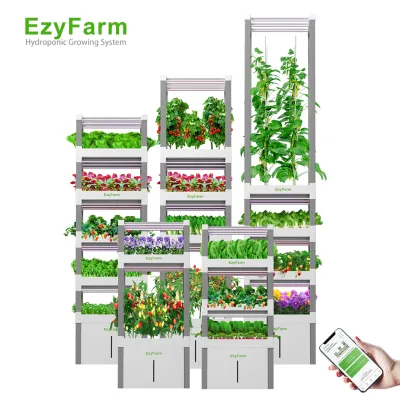
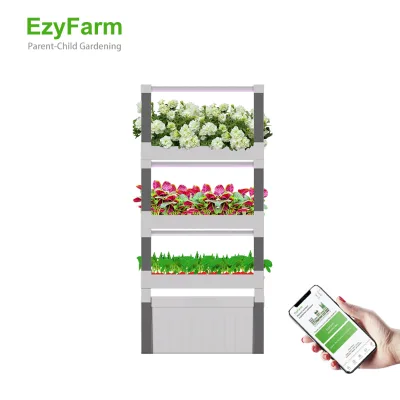
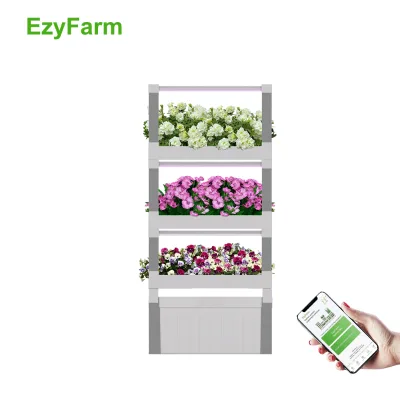
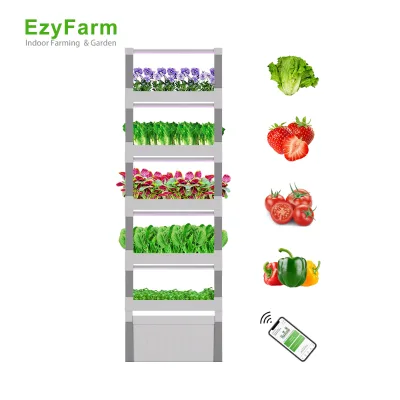
Indoor Vertical Farming System with Patented Layered Nutrient Design
$3969.00 - $4585.00
Foshan Shunde Maoduoyu Trading Co., Ltd.
- Manufacturer, Trading Company, Distributor/Wholesaler
- Guangdong, China
- Lead time0 days
- Avg. response≤ 1h
Main productsIndustrial machinery,Commercial machinery,Packaging machinery,Filling machinery,Food machinery
Main marketsNorth America(50.00%), Southeast Asia(10.00%), Mid East(10.00%), Central America(10.00%), Domestic Market(5.00%), Western Europe(5.00%), Northern Europe(3.00%), South Asia(2.00%), Oceania(1.00%), Eastern Asia(1.00%), Eastern Europe(1.00%), South America(1.00%), Africa(1.00%)
NINGBO RUINUOAISIMI TRADING CO., LTD.
- Trading Company
- Zhejiang, China
- Lead time30 days
- Avg. response≤ 4h
Main productsGreenhouses,Vertical Farming,Irrigation Accessory,Hydroponic Growing systems,seeding trays
Main marketsNorth America(40.00%), Western Europe(20.00%), Mid East(20.00%), South America(10.00%), Southeast Asia(5.00%), Oceania(5.00%)
- Verified by SGS Group
- Manufacturer, Trading Company
- Lead time25 days
- Avg. response≤ 2h
Main productsHydroponic NFT Channel, Hydroponic Dutch Bucket, Strawberry Gutter, Plastic Net Pot, Growing Media Rockwool
Main marketsMid East(30%), North America(10%), Africa(10%)
Shandong Hyrt International Trading Co., Ltd.
- Verified by SGS Group
- Manufacturer, Trading Company
- Lead time15 days
- Avg. response≤ 2h
Main productsSprinklers and Drippers, Compression Fittings, Drip Fittings and Valves, Filters and Fertilizer, Drip Pipe and Tape
Main marketsAfrica(30%), North America(17%), Mid East(15%)

DFSHOU IRRIGATION TECHNOLOGY CO., LTD.
- Verified by BV
- Combined
- China Fujian
- Lead time23 days
- Avg. response≤ 2h
Main productsDrip Irrigation System
Main marketsSouth America,Southeast Asia/ Mideast,Europe,Australia,North America
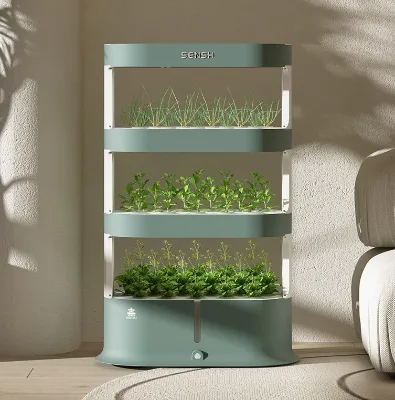
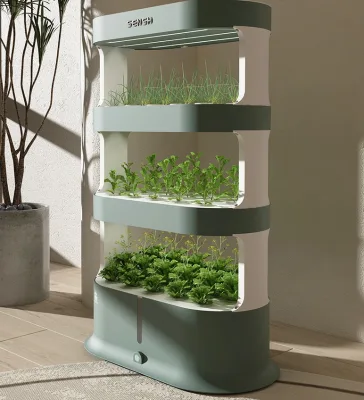
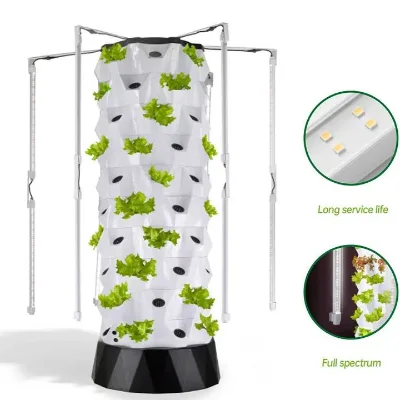


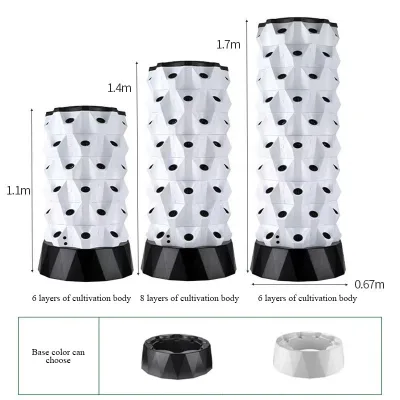
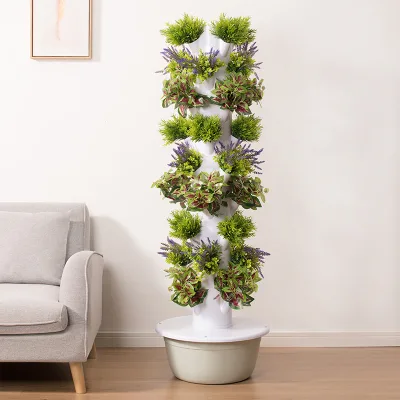
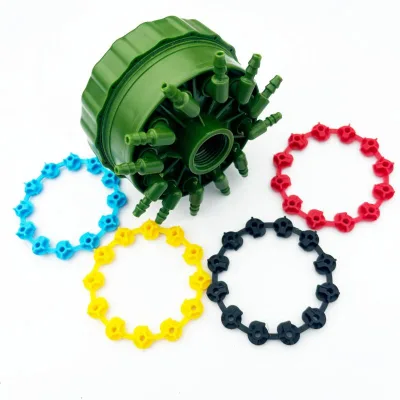
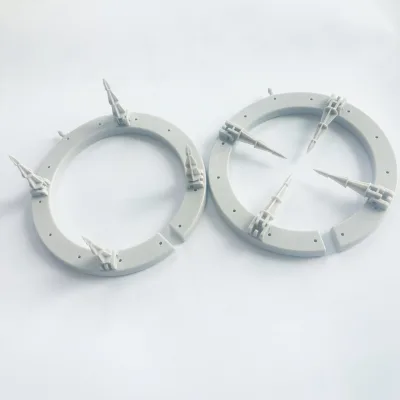
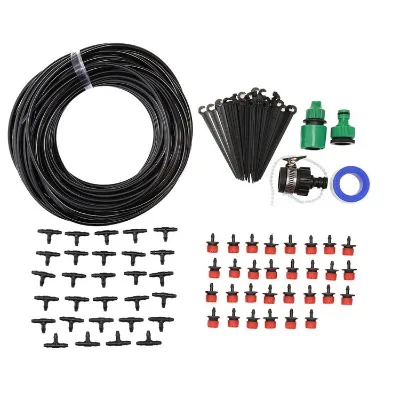


Comprehensive Sourcing Guide
Adjustable Flood Irrigation Hydroponic System Supplier Concentration and Factory Types
The current supplier landscape for adjustable flood irrigation hydroponic systems reveals a distinct concentration of manufacturing activity within China, specifically in the Guangdong province. This regional clustering is significant for buyers seeking to understand the supply chain dynamics of vertical farming machinery and related irrigation equipment. The observed data indicates that a substantial portion of the available suppliers are located in this specific geographic area, which serves as a major hub for industrial machinery and agricultural equipment production. This concentration suggests that buyers can expect a high density of potential partners in this region, offering a wide variety of product configurations, from rolling benches to complex vertical grow racks. The presence of multiple suppliers in Guangdong implies a mature ecosystem with established logistics networks and specialized labor forces familiar with the intricacies of hydroponic system assembly.
Supplier types in this category vary, with the market showing a mix of combined entities and pure manufacturers. Some suppliers operate as combined companies, potentially offering both trading services and manufacturing capabilities, while others are strictly manufacturers with their own brands and original design manufacturing (ODM) capacities. This diversity allows buyers to choose partners based on their specific needs for customization, brand ownership, or direct factory pricing. The availability of ODM and own brand capabilities among these suppliers indicates a flexible supply chain that can accommodate private labeling and custom engineering requirements. Buyers should recognize that the factory type influences not only the pricing structure but also the level of technical support and post-sales service available, as manufacturers often have deeper technical expertise in system integration and irrigation control mechanisms.
How to Verify Adjustable Flood Irrigation Hydroponic System Suppliers
Verification is a critical step in ensuring the reliability of suppliers offering adjustable flood irrigation hydroponic systems. Buyers should prioritize suppliers that have undergone third-party verification processes, such as those conducted by SGS, which provides an additional layer of trust regarding the supplier's operational legitimacy and product quality standards. The presence of verification badges or certifications on supplier profiles serves as a preliminary indicator of their commitment to meeting international business standards. However, verification alone is not sufficient; buyers must also assess the supplier's response time, which can be a strong indicator of their operational efficiency and customer service quality. A faster response time, such as those observed in the range of 2.81 to 3.41 hours, suggests that the supplier has dedicated teams ready to address inquiries promptly, which is essential for resolving technical questions or negotiating contract terms efficiently.
Beyond verification badges and response speeds, buyers should examine the supplier's main product offerings to ensure alignment with their specific needs. Suppliers listing vertical grow systems, hydroponic flood tables, and mobile grow racks as their main products are likely to have more specialized expertise in adjustable flood irrigation technologies compared to those with broader, unrelated product lines. Additionally, checking for the availability of video outgoing inspections or machinery test reports can provide tangible evidence of the supplier's quality control processes. These video proofs allow buyers to visually verify the construction quality, material integrity, and functional performance of the hydroponic systems before committing to an order. By combining verification status, response metrics, product specialization, and quality assurance evidence, buyers can build a comprehensive profile of supplier reliability and capability.
What to Compare Across Adjustable Flood Irrigation Hydroponic System Suppliers
When evaluating multiple suppliers for adjustable flood irrigation hydroponic systems, buyers must compare key operational metrics to determine the best fit for their project requirements. Lead time is a crucial factor, with observed data indicating a lead time of approximately 23 days for certain systems, while other suppliers may offer delivery windows ranging from 10 to 25 days. Comparing these lead times helps buyers plan their installation schedules and manage inventory expectations effectively. Additionally, the minimum order quantity (MOQ) varies significantly across suppliers, with some requiring as few as one set, while others may demand higher volumes, such as 1000 meters for specific components like PVC NFT channels. Understanding these MOQ differences is essential for buyers who may be starting with smaller pilot projects or scaling up to large commercial installations.
Price and customization options are also critical comparison points. The price range for hydroponic systems can vary, with some products listed between $180 and $220, while others, such as PVC channels, may be priced between $1.45 and $2.05 per unit. Buyers should compare these prices in the context of the materials used, such as food-grade PVC, stainless steel, or aluminum, and the level of customization available. Many suppliers offer customizable sizes, colors, and layer configurations, which can impact the final cost. Furthermore, comparing the supplier's capacity for original equipment manufacturing (OEM) and original design manufacturing (ODM) can reveal their ability to tailor systems to specific brand or technical requirements. By systematically comparing lead times, MOQs, prices, and customization capabilities, buyers can make informed decisions that balance cost, speed, and technical suitability.
Common Adjustable Flood Irrigation Hydroponic System Sourcing Risks
Sourcing adjustable flood irrigation hydroponic systems from international suppliers introduces several potential risks that buyers must proactively manage. One significant risk is the variability in product quality and material specifications, as different suppliers may use varying grades of steel, aluminum, or plastic components. Without clear specifications and quality assurance protocols, buyers may receive systems that do not meet their durability or hygiene standards, particularly for food-grade applications. Another risk is the discrepancy between quoted lead times and actual delivery dates, which can disrupt project timelines and increase storage costs. Buyers should be cautious of suppliers who provide vague delivery estimates or fail to provide detailed production schedules, as this can lead to delays in setting up their hydroponic facilities.
Communication and after-sales support are also areas where risks often emerge. Suppliers with slower response times or limited technical expertise may struggle to provide adequate support during system installation or troubleshooting. This is particularly important for complex systems involving automated irrigation controls and multi-layer structures. Additionally, there is a risk related to intellectual property and customization agreements, especially when working with suppliers offering OEM or ODM services. Buyers must ensure that contracts clearly define ownership of custom designs and specifications to avoid potential disputes. To mitigate these risks, buyers should conduct thorough due diligence, request detailed product specifications, and establish clear communication channels with suppliers before finalizing any orders.
Adjustable Flood Irrigation Hydroponic System Regional Sourcing and Logistics
The geographic concentration of suppliers in Guangdong, China, has significant implications for sourcing and logistics planning. Buyers sourcing from this region can benefit from established export infrastructure and competitive freight rates, but they must also account for the distance and potential transit times involved in international shipping. Understanding the logistics network is crucial for calculating the total landed cost of the hydroponic systems, which includes not only the product price but also shipping, insurance, and customs duties. Buyers should work with suppliers who have experience in exporting to their target market and can provide accurate estimates for freight costs and delivery schedules. Additionally, considering the packaging standards, such as standard export packing or wooden packaging, is important to ensure that the systems arrive in good condition and are easy to handle upon receipt.
Regional sourcing also offers opportunities for buyers to visit factories or arrange third-party inspections to verify production quality and capacity. For buyers located in Asia or nearby regions, the proximity to Guangdong may allow for more frequent site visits and closer collaboration with suppliers. However, buyers from other regions may need to rely more heavily on digital communication and remote verification methods. It is also important to consider the supplier's ability to handle different shipping methods, such as sea freight or air freight, depending on the urgency and size of the order. By understanding the logistical advantages and challenges associated with sourcing from specific regions, buyers can optimize their supply chain and ensure timely delivery of their adjustable flood irrigation hydroponic systems.
Adjustable Flood Irrigation Hydroponic System Commercial Terms and Order Planning
Commercial terms and order planning are essential components of a successful sourcing strategy for adjustable flood irrigation hydroponic systems. Buyers should carefully review the payment terms offered by suppliers, such as the availability of escrow services, which provide a secure transaction environment by holding funds until the buyer confirms receipt and satisfaction with the goods. Understanding the payment structure, including deposits and final payments, helps buyers manage their cash flow and financial risk. Additionally, buyers should clarify the warranty terms and after-sales support policies, as these can significantly impact the long-term cost of ownership and operational reliability of the hydroponic systems. Suppliers that offer comprehensive warranties and responsive technical support can provide greater peace of mind and reduce the risk of unexpected maintenance costs.
Order planning involves determining the appropriate quantity and configuration of systems based on the buyer's production needs and space constraints. Buyers should consider the scalability of the systems, as many suppliers offer modular designs that can be expanded or reconfigured as the business grows. Planning for future expansion can help buyers avoid the need for additional sourcing efforts and ensure a seamless transition to larger production volumes. Furthermore, buyers should coordinate with suppliers to align production schedules with their installation timelines, ensuring that all components, including irrigation controls and structural elements, are delivered simultaneously. By carefully planning commercial terms and order logistics, buyers can streamline their procurement process and establish a reliable supply chain for their adjustable flood irrigation hydroponic systems.
FAQs
What is the minimum order quantity for flood irrigation systems?
The minimum order quantity varies by supplier configuration. Some manufacturers accept a single set as the MOQ for customized vertical hydroponic units. Others require a minimum of 10 sets for standard commercial models. For PVC NFT channels, the MOQ is typically 1000 meters. Buyers should verify the specific unit requirements with the supplier before placing an order.
How long does delivery take for these hydroponic systems?
Lead times generally range from 20 to 25 days for standard production runs. Some suppliers indicate a general lead time of 23 days for assembled vertical farming machinery. Specific PVC channel components may also require 20 days for manufacturing and packaging. Buyers should confirm the exact delivery schedule with the supplier based on their customized order volume and specifications.
Are these systems customizable for specific greenhouse layouts?
Yes, customization is widely available for vertical hydroponic systems. Suppliers offer customized sizes, colors, and multi-layer structures to fit specific greenhouse dimensions. Models like the Unifarm and Farmdrip Strawberry systems allow for tailored layer counts and irrigation configurations. Buyers can request specific dimensions and material preferences to ensure the system integrates seamlessly with their existing indoor farming infrastructure.
What materials are used in these hydroponic grow racks?
Common materials include steel, stainless steel, aluminum, and ABS plastic for structural frames. Some systems utilize food-grade PVC material for NFT channels and irrigation components. The choice of material depends on the specific model and intended application, such as strawberry or leafy green cultivation. Buyers should verify the material specifications to ensure durability and suitability for their specific growing environment.
What is the price range for vertical hydroponic systems?
Prices for vertical hydroponic systems vary based on configuration and materials. Complete vertical grow systems may range from $180 to $220 per unit. PVC NFT channels are priced between $1.45 and $2.05 per meter. The final cost depends on the number of layers, irrigation type, and customization options. Buyers should request detailed quotes to understand the total investment required for their specific setup.
Where are these hydroponic systems manufactured?
These systems are primarily manufactured in Guangdong, China. Specific production locations include Foshan and other areas within the Guangdong province. This region is known for its industrial machinery and agricultural equipment manufacturing capabilities. Buyers can verify the exact place of origin for each product model to ensure alignment with their sourcing preferences and logistics requirements.