Rechargeable Automatic Plant Sprayer Suppliers and Manufacturers
Explore 25 verified suppliers offering rechargeable automatic plant sprayers with adjustable nozzles and battery power. Compare ISO9001 certifications, lead times, and MOQs to find the right fit. Contact suppliers directly to request quotes; review the available evidence before requesting comparable quotations from suitable candidates.
Updated
Suppliers List

Taizhou City Order Machinery Co., Ltd.
- Verified by TUVRHEINLAND
- Combined
- China Zhejiang
- Lead time30 days
- Avg. response≤ 11h
Main productsSprayer, Knapsack Sprayer, Backpack Sprayer, Electric Sprayer, Battery Sprayer, Pressure Sprayer, Hand Sprayer, Manual Sprayer, Power Sprayer, Sprayer Pump
Main marketsOthers(foreignTradeCapacity.exportBusinessCapacityMarketOther),Europe

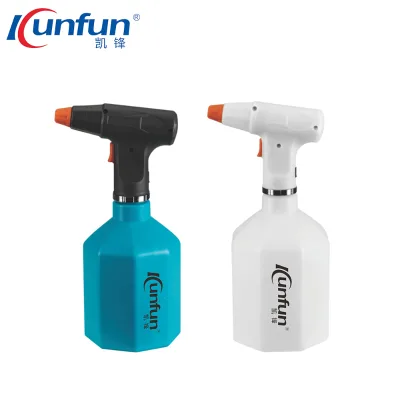
Electric Water Sprayer 2L Automatic Plant Spray Bottle USB Rechargeable Garden Sprayer
$4.43 - $4.68
MOQ: 1000 Pieces

Electric Spray Bottle 2L Rechargeable Battery Powered Sprayer Automatic Plant Pump Sprayer
$4.43 - $4.68
MOQ: 1000 Pieces

Electric Garden Sprayer 2L Handheld Rechargeable Battery Powered Sprayer
$4.43 - $4.68
MOQ: 1000 Pieces


Taizhou Kaifeng Plastic&Steel Co., Ltd.
- Manufacturer
- Zhejiang, China
- Lead time30 days
- Avg. response≤ 2h
Main productssprayer,battery sprayer,manual sprayer,power sprayer,lawn mower
Main marketsDomestic Market(41.08%), South Asia(15.23%), Mid East(7.12%), Africa(5.71%), Eastern Europe(5.19%), Southern Europe(4.59%), South America(4.28%), Southeast Asia(4.17%), North America(3.98%), Western Europe(3.95%), Northern Europe(1.76%), Central America(1.25%), Oceania(1.17%), Eastern Asia(0.52%)

Shandong Lvcheng Intelligent Technology Co., Ltd
- Verified by SGS
- Manufacturer
- China Shandong
- Lead time15 days
- Avg. response≤ 16h
Main productsSprayer, Electric Sprayer, Manual Sprayer, Manual Fertilizer Spreader, Electric Fertilizer Applicator, Handheld Fertilizer Applicator, Electric Pollinator, Corn Fertilizer Applicator, Liquid Fertilizer Applicator, Tobacco Bud Suppressor
Main marketsDomestic

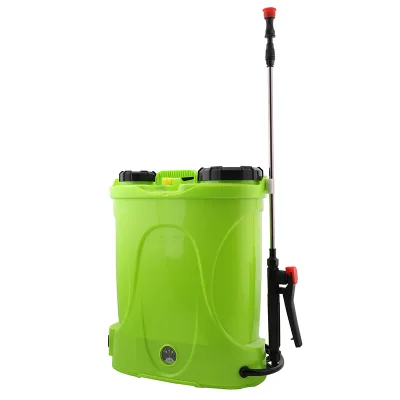
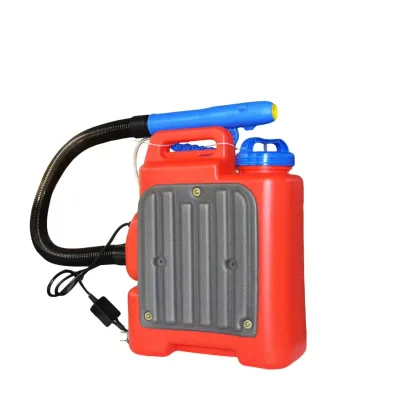
Electric Garden Sprayer Rechargeable Backpack Agricultural Sprayer with CE Certification
$9.35 - $25.91
MOQ: 740 Pieces


Taizhou Guangfeng Plastic Co., Ltd.
- Verified by BV
- Combined
- China Zhejiang
- Lead time23 days
- Avg. response≤ 16h
Main productsSprayer, Electric Sprayer, Hand Sprayer
Main marketsSouth America,Africa,Southeast Asia/ Mideast,East Asia(Japan/ South Korea),Europe,North America


$14.00 - $18.00
MOQ: 100 Pieces

Changzhou Hantechn Imp.& Exp. Co., Ltd.
- Verified by SGS Group
- Trading Company
- Lead time35 days
- Avg. response≤ 3h
Main productsPot&planter, Watering&irrigation, Plant Propagation, Hydroponic Gardening, Garden Tools
Main marketsWestern Europe(30%), South America(15%), Oceania(12%)

Taizhou Luqiao Dayuan Machinery Co., Ltd.
- Verified by TUVRHEINLAND
- Combined
- China Zhejiang
- Lead time30 days
- Avg. response≤ 6h
Main productsElectric Sprayer, Hand Sprayer, Manual Sprayer, Garden Sprayer, Pressure Sprayer, Knapsack Sprayer, Agriculture Sprayer, Agricultural Sprayer, Battery Sprayer, Power Sprayer
Main marketsDomestic


8L Rechargeable Electric Sprayer with Adjustable Nozzle for Agriculture
$12.30 - $20.00
MOQ: 500 Pieces


16L New Style Tank Knapsack Electric Sprayer Rechargeable Battery Sprayer for Agriculture
$13.30 - $20.00
MOQ: 500 Pieces

Taizhou Lanbo Machinery Co., Ltd.
- Verified by TUVRHEINLAND
- Manufacturer/Factory
- China Zhejiang
- Lead time0 days
- Avg. response≤ 17h
Main productsGenerator

Linyi Taixin Industry and Trade Co., Ltd.
- Verified by SGS
- Combined
- China Shandong
- Lead time15 days
- Avg. response≤ 2h
Main productsHand Push Planter, Transplanting Machine, Manual Fertilizer Applicator, Backpack Electric Sprayer
Main marketsSouth America,Africa
- Verified by Intertek
- Trading Company
- Lead time7 days
- Avg. response≤ 1h
Main productsFruit Vegetable Machine, Meat Processing Machine, Pastry Bakery Machine, Snack Machine, Feed Processing Machine
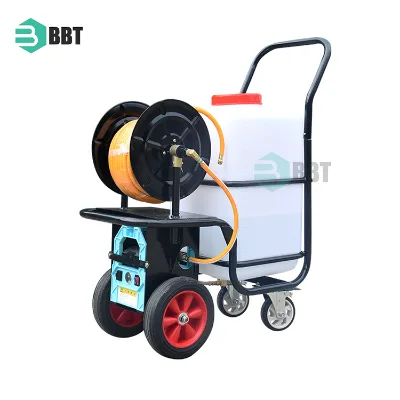
$154.8315 - $177.846
MOQ: 1 Minimum
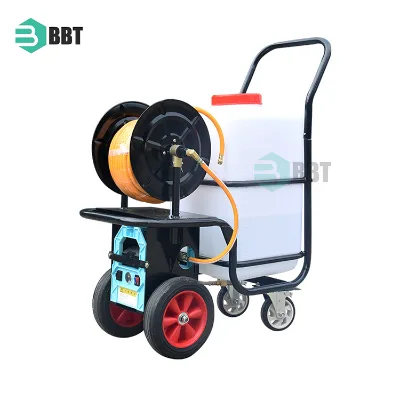
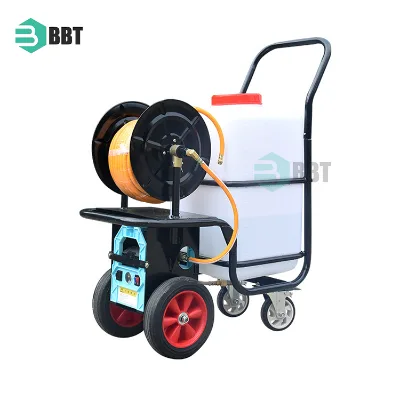
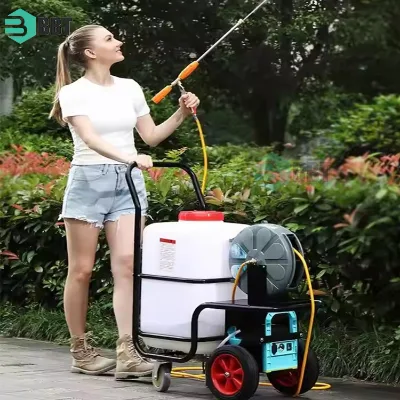
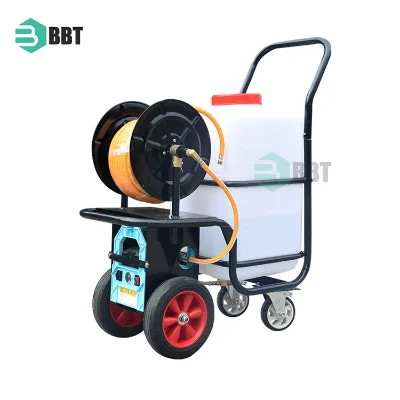
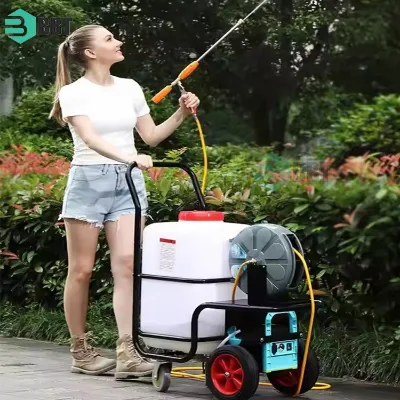
Henan Best Machinery Co., Ltd.
- Trading Company
- Henan, China
- Lead time7 days
- Avg. response≤ 7h
Main productsbrush cutter,farm cultivator,mini weeder,walking tractor,farm spraying machine
Main marketsEastern Asia(21.00%), Southeast Asia(19.00%), South America(10.00%), Africa(9.00%), Western Europe(7.00%), South Asia(7.00%), North America(6.00%), Oceania(5.00%), Mid East(5.00%), Eastern Europe(3.00%), Southern Europe(3.00%), Northern Europe(2.00%), Central America(2.00%), Domestic Market(1.00%)

Taizhou City Xiefeng Machinery Co., Ltd.
- Verified by BV
- Combined
- China Zhejiang
- Lead time30 days
- Avg. response≤ 6h
Main productsSprayer, Battery Sprayer Pump, Hand Sprayers, Plastic Sprayer, Knapsack Sprayers, Manual Sprayers, Electrical Sprayer, Pump, 2 in 1 Sprayer, Trigger Sprayer
Main marketsAfrica,Southeast Asia/ Mideast,Europe
Taizhou Kobold Sprayer Co., Ltd.
- Verified by SGS Group
- Trading Company
- Lead time30 days
- Avg. response≤ 6h
Main productsElectric Sprayer, Hand Sprayer, Sprayer Parts
Main marketsWestern Europe(30%), South America(25%), North America(15%)

Shandong Msang Machinery Co., Ltd.
- Verified by SGS
- Combined
- China Shandong
- Lead time15 days
- Avg. response≤ 3h
Main productsGolf Carts Forklift Mini Loader
Main marketsSoutheast Asia/ Mideast,Europe,North America


Spray Machine Remote Control Robot Wireless Sprayer Gasoline Sprayer
$2400.00 - $2500.00
MOQ: 1 Pieces
- Verified by TüVRheinland
- Manufacturer, Trading Company
- Lead time3 days
- Avg. response≤ 2h
Main productsMini Excavator, Lawn Mower, Mini Loader, Packing Machine, Spray Machine
Main marketsNorth America(22%), Domestic Market(20%), Eastern Europe(15%)

Taizhou Lvqingting Sprayer Co., Ltd.
- Manufacturer
- Zhejiang, China
- Lead time60 days
- Avg. response≤ 2h
Main productsBackpack Sprayer,Manual sprayer,Electric sprayer,Lawn Mower,Garden Sprayer
Main marketsDomestic Market(50.00%), Southeast Asia(10.00%), North America(10.00%), Mid East(10.00%), Eastern Europe(2.00%), South Asia(2.00%), Southern Europe(2.00%), Northern Europe(2.00%), Central America(2.00%), Western Europe(2.00%), Eastern Asia(2.00%), South America(2.00%), Oceania(2.00%), Africa(2.00%)
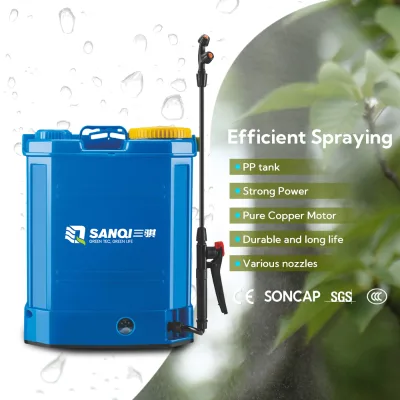
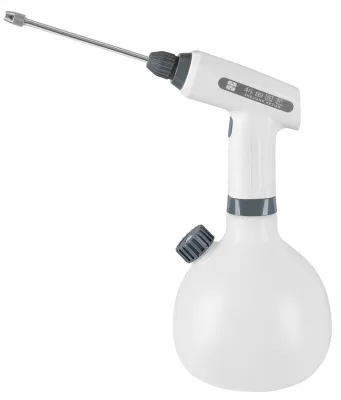
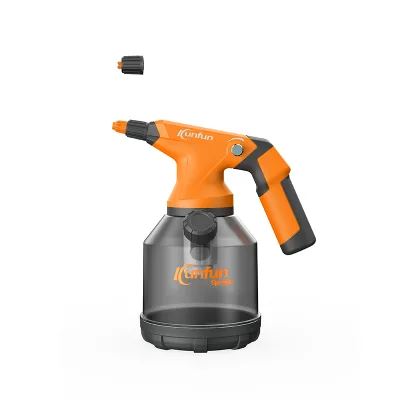
1.5L/2L Electric Plant Sprayer Bottle USB Rechargeable Garden Watering Can Home Disinfection Clean
$7.20 - $8.90
MOQ: 200 pieces
Guizhou Chuangnuo Technology Co., Ltd.
- Trading Company
- Guizhou, China
- Lead time15 days
- Avg. response≤ 1h
Main productschain saw,Micro tiller,Alternator
Main marketsSoutheast Asia(25.00%), Africa(15.00%), Eastern Asia(15.00%), Mid East(15.00%), South America(15.00%), Eastern Europe(10.00%), North America(5.00%)
Foshan Shunde Maoduoyu Trading Co., Ltd.
- Manufacturer, Trading Company, Distributor/Wholesaler
- Guangdong, China
- Lead time0 days
- Avg. response≤ 1h
Main productsIndustrial machinery,Commercial machinery,Packaging machinery,Filling machinery,Food machinery
Main marketsNorth America(50.00%), Southeast Asia(10.00%), Mid East(10.00%), Central America(10.00%), Domestic Market(5.00%), Western Europe(5.00%), Northern Europe(3.00%), South Asia(2.00%), Oceania(1.00%), Eastern Asia(1.00%), Eastern Europe(1.00%), South America(1.00%), Africa(1.00%)
$13.6106 - $72.2359
MOQ: 1 Minimum
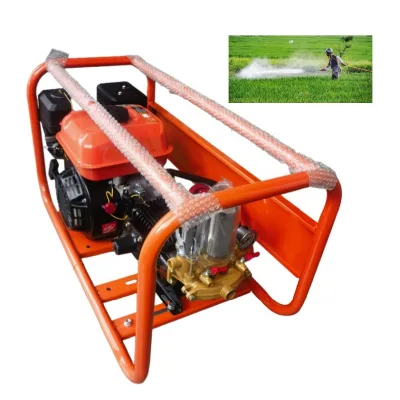
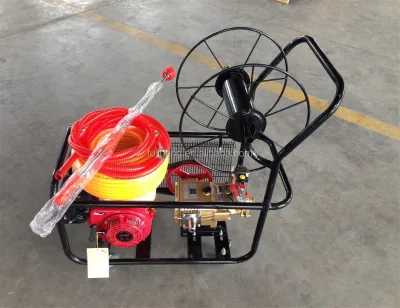
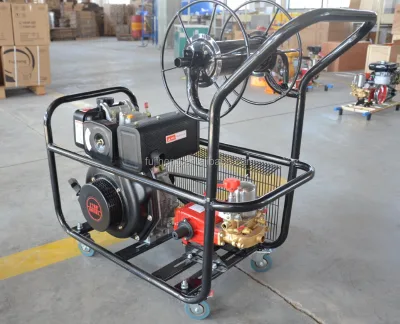
Powerful Gasoline Engine Sprayer New Condition Ideal for LargeScale Agricultural Applications
$58.00 - $139.00
MOQ: 1 Minimum
Taizhou Guangfeng Plastic Co., Ltd.
- Verified by Intertek
- Manufacturer, Trading Company
- Lead time20 days
Main productsManual Sprayer, Battery Sprayer, Sprayer Parts, Garden Sprayer
Main marketsAfrica(45%), Southeast Asia(22%), Domestic Market(16%)
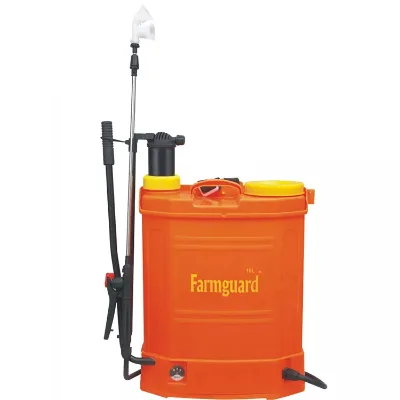
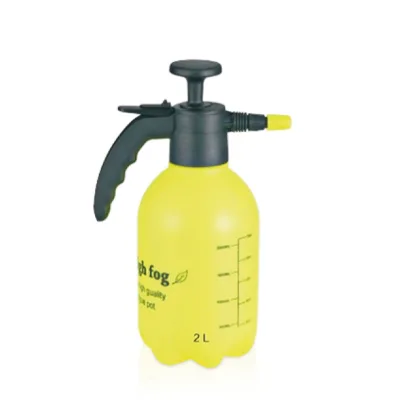
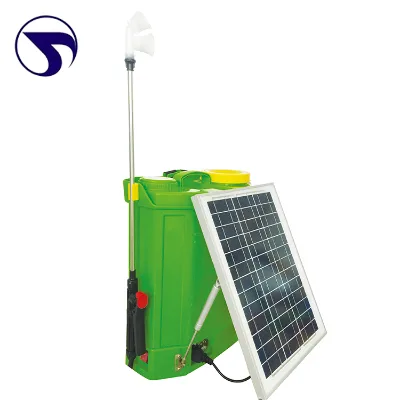
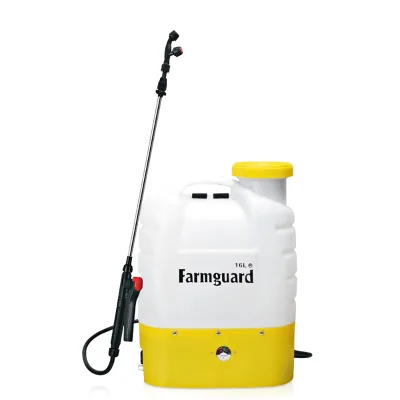
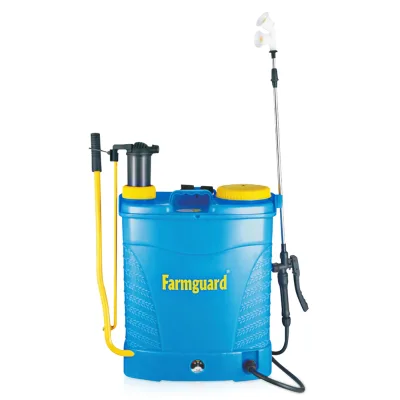
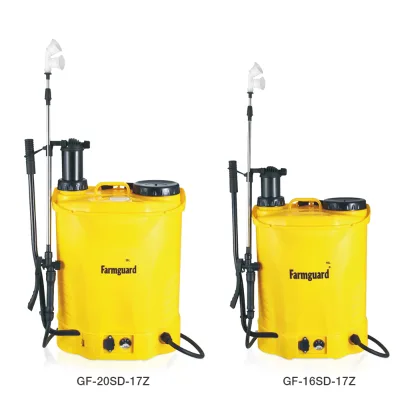
Good Price 6.0KGS Electric Lithium-ion Rechargeable Battery Sprayer
$14.7969 - $25.5128
MOQ: 100 Minimum
Yancheng Fujiheng Power Machinery Company Limited
- Verified by Intertek
- Manufacturer, Trading Company
- Lead time15 days
- Avg. response≤ 5h
Main productsGenerator, Water Pump, Engine, Construction Machinery, Agricultural Machinery
Main marketsSouth America(30%), North America(10%), Southeast Asia(10%)
Taizhou City Chunfeng Machinery Co., Ltd.
- Manufacturer, Trading Company
- Lead time旺季: "1 - 6000":30,"> 6000":"To be negotiated", 淡季: "1 - 6000":30,"> 6000":"To be negotiated"
- Avg. response≤ 6h
Main productsIrrigation Drip Tape, Rain Tape, Sprayer, Agricultural Sprayer

- Verified by SGS
- Trading Company
- China Zhejiang
- Lead time15 days
- Avg. response≤ 3h
Main productsWater Pump, Submersible Pump, Deep Well Pump, Land Pump, Solar Pump, Permanent Magnet Multi-Stage Centrifugal Pump, Pressure Switch, Plunger Pump, Car Washing, Sprayer
Main marketsSouth America,Southeast Asia/ Mideast,Domestic,Europe
Taizhou Guangfeng Plastic Co., Ltd.
- Manufacturer, Trading Company
- Lead time旺季: "1 - 2000":15,"2001 - 5000":2000,"> 5000":"To be negotiated", 淡季: "1 - 2000":15,"2001 - 5000":2000,"> 5000":"To be negotiated"
- Avg. response≤ 7h
Main productsManual Sprayer, Battery Sprayer
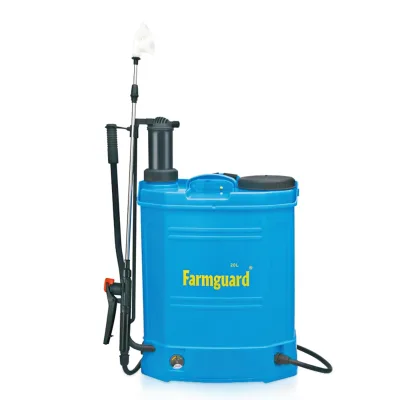
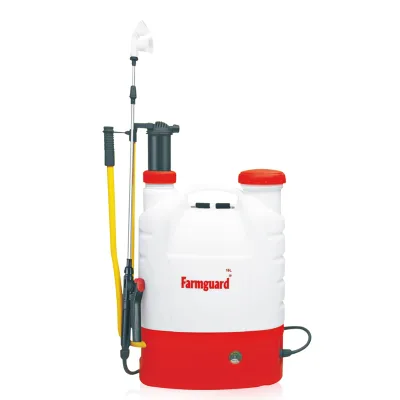
Hot Selling 16Lt 2 in 1 Backpack Pump Sprayer Agriculture Battery Sprayer Pump
$16.72 - $18.91
MOQ: 100 pieces

Shandong Lingfeng Machinery Manufacturing Co., Ltd
- Verified by SGS
- Combined
- China Shandong
- Lead time30 days
- Avg. response≤ 3h
Main productsAir Sprayer, Hand Tractor, Agricultural Sprayer, Orchard Sprayer, Walking Tractor, Cultivator
Main marketsDomestic
Taizhou Kaifeng Plastic & Steel Co., Ltd.
- Verified by TüVRheinland
- Manufacturer, Trading Company
- Lead time20 days
- Avg. response≤ 5h
Main productsSprayer, Tiller, Electric Garden Machinery
Main marketsSoutheast Asia(18%), Africa(17%), Mid East(12%)

LINYI GOLD YUNJI INDUSTRY TECHNOLOGY CO.,LTD.
- Trading Company
- China Shandong
- Lead time15 days
- Avg. response≤ 25h
Main productsCargo Bar, Jack Bar, Cargo Lock Plank, Decking Beam, Shoring Bar, Track and Truck Accessories, Steel, Aluminum Cargo Bar, Steel Cargo Bar, Aluminum Jack Bar
Main marketsAfrica,Southeast Asia/ Mideast,East Asia(Japan/ South Korea),Domestic,Europe,North America


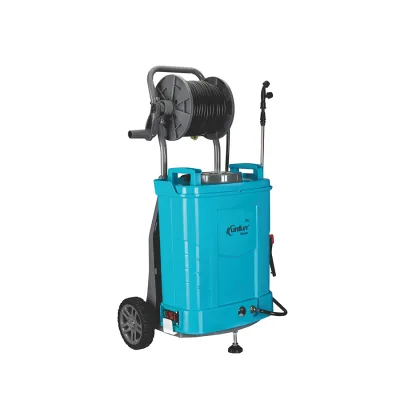
20L Agriculture Rechargeable Sprayer, 2 in 1 Portable Battery Sprayer for Sale
Negotiable
MOQ: 1 Pieces

Agriculture Spray Machine Sprayer Orchard Machine Agricultural Sprayer Battery
Negotiable
MOQ: 1 Pieces

Agriculture Spray Machine Sprayer Orchard Machine Agricultural Sprayer Battery
Negotiable
MOQ: 1 Pieces
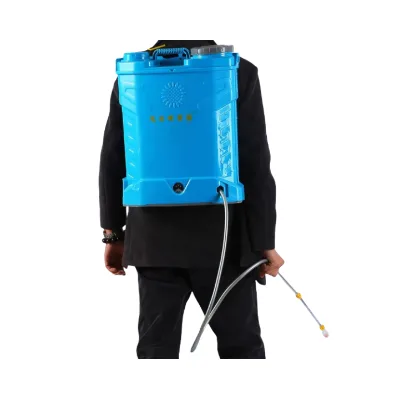


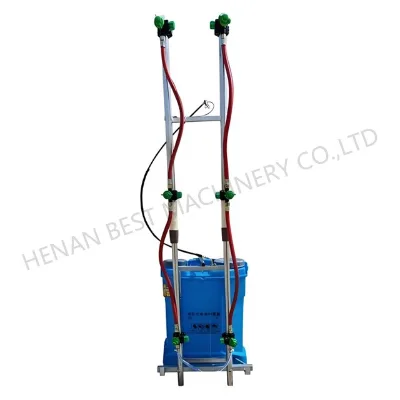
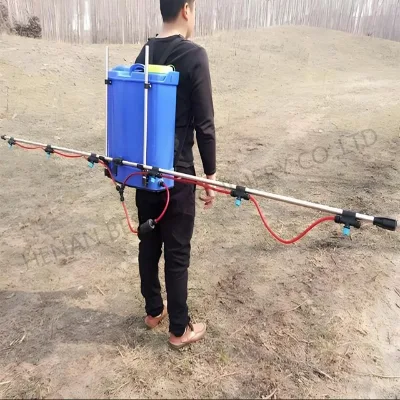
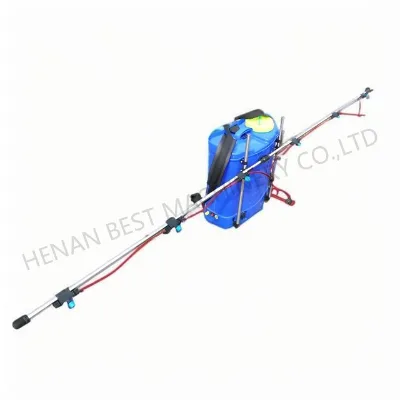


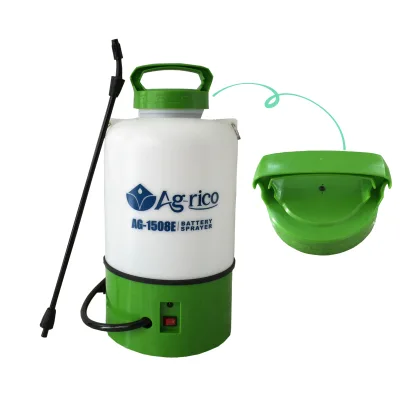
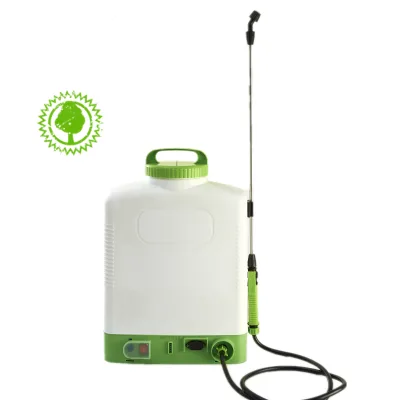
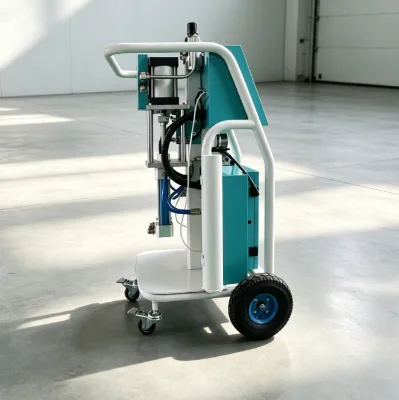
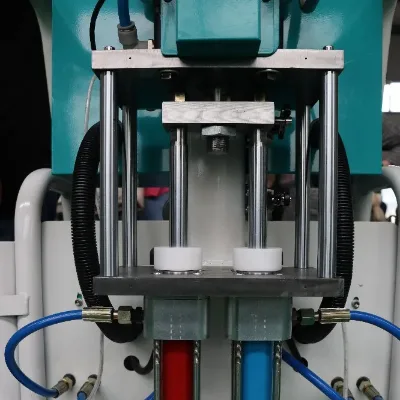


Comprehensive Sourcing Guide
Rechargeable Automatic Plant Sprayer Supplier Concentration and Factory Types
The current supplier landscape for rechargeable automatic plant sprayers reveals a distinct concentration of manufacturing activity within China, specifically in the Zhejiang province. This regional clustering is significant because it indicates a mature industrial ecosystem where supply chains for plastic injection molding, battery components, and pump mechanisms are already established. Buyers evaluating potential partners should recognize that suppliers located in this area often benefit from shared infrastructure and specialized labor pools, which can streamline production processes. The presence of both combined trading companies and pure manufacturers in the results suggests a diverse market structure. Combined entities may offer broader product ranges, including manual sprayers and lawn mowers, while manufacturers focus intensely on the technical specifications of electric and battery-powered units. Understanding this distinction is crucial for buyers who need to determine whether they are dealing with a direct factory or an intermediary, as this impacts pricing flexibility and communication efficiency.
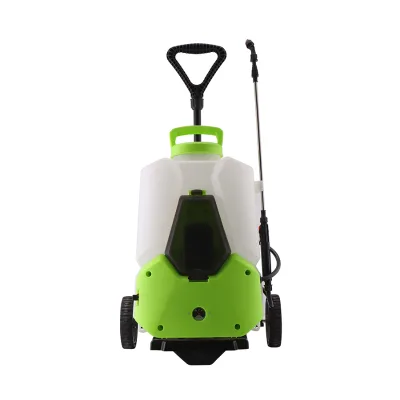
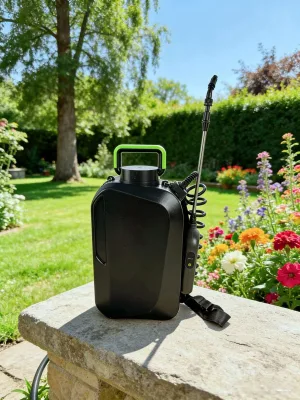
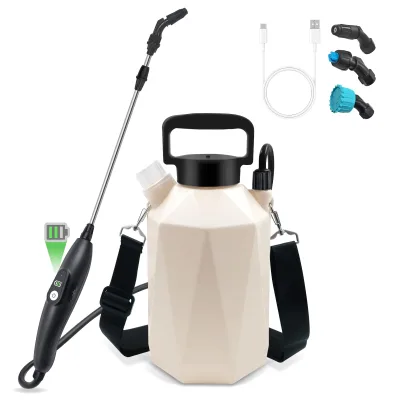
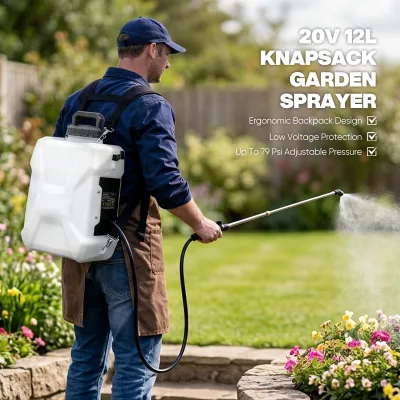
Factory types vary significantly in their operational focus and capabilities, which directly influences the buyer’s sourcing strategy. The observed data highlights that many suppliers possess ODM and OEM capabilities, allowing for substantial customization of product designs, colors, and branding. This is particularly relevant for buyers seeking private label solutions or unique product differentiators in the garden equipment market. Some suppliers specialize in handheld units with specific capacities, such as 2L or 5L tanks, while others focus on larger knapsack-style sprayers for agricultural use. The material composition, primarily plastic and PP, along with power sources ranging from USB rechargeable to lithium battery systems, further diversifies the factory output. Buyers must assess whether a supplier’s primary product mix aligns with their specific volume requirements and technical needs. For instance, a supplier listing lawn mowers alongside sprayers might have broader manufacturing resources, whereas a specialized sprayer factory might offer deeper technical expertise in pump pressure and nozzle adjustment mechanisms.
How to Verify Rechargeable Automatic Plant Sprayer Suppliers
Verification is a critical step in mitigating risk when sourcing rechargeable automatic plant sprayers, as the market contains a mix of verified manufacturers and trading companies. Buyers should prioritize suppliers who have undergone third-party verification processes, such as those conducted by TÜV Rheinland, which provides an additional layer of confidence regarding the supplier’s business legitimacy and operational stability. The presence of such verification badges in search results serves as an initial filter, helping buyers distinguish between established entities and potentially less reliable sources. However, verification alone is not sufficient; buyers must also examine the specific certifications listed for the products themselves. For example, some suppliers display ISO9001:2015 certificates, indicating adherence to quality management standards, while others may list ISO14001, reflecting environmental management practices. These certifications are particularly important for buyers operating in markets with strict regulatory requirements for electrical and plastic products.
Beyond certifications, buyers should scrutinize the detailed product attributes and specifications provided by the supplier to ensure technical compliance and quality. The product evidence shows specific details such as nozzle types, power sources, and material compositions, which should be cross-referenced with the buyer’s technical requirements. For instance, verifying that a sprayer uses a specific battery voltage, such as 12V, or features a particular lance material, like stainless steel, is essential for ensuring durability and performance. Buyers should also check for customization availability, as this can indicate the supplier’s flexibility and willingness to accommodate specific design changes. Additionally, the response time of the supplier, which can vary from a few hours to over ten hours, is a practical indicator of their operational efficiency and customer service quality. A faster response time often correlates with better communication throughout the order fulfillment process, reducing the risk of misunderstandings or delays.
What to Compare Across Rechargeable Automatic Plant Sprayer Suppliers
When comparing suppliers, buyers must evaluate a range of commercial and operational metrics to identify the most suitable partner for their needs. One of the most significant factors is the Minimum Order Quantity (MOQ), which can vary widely from 200 units to 2000 units depending on the supplier and product type. Buyers with smaller initial orders may need to focus on suppliers with lower MOQs, such as those offering 200 or 300 units, while larger buyers can leverage higher volumes to negotiate better pricing. Price is another critical dimension, with observed ranges varying from approximately $4.43 to $18.50 per unit based on capacity, features, and customization options. Buyers should compare these prices against their target margins and consider whether the cost includes packaging, branding, or other value-added services. It is also important to note that prices may fluctuate based on raw material costs and order volume, so buyers should request updated quotes for their specific requirements.
Lead time and response speed are equally important factors that impact supply chain reliability and inventory management. Suppliers may have lead times ranging from 15 days to 30 days, depending on production capacity and current order backlog. Buyers should align these lead times with their sales forecasts to avoid stockouts or excess inventory. Additionally, the supplier’s response time, which can be as low as two hours or as high as ten hours, affects the speed of issue resolution and order processing. Buyers should also compare the main products offered by each supplier to ensure they have the necessary expertise and inventory depth. For example, a supplier specializing in electric sprayers may offer better technical support than a general trading company. By systematically comparing these metrics, buyers can create a shortlist of suppliers that best fit their operational and financial criteria.
Common Rechargeable Automatic Plant Sprayer Sourcing Risks
Sourcing rechargeable automatic plant sprayers involves several inherent risks that buyers must actively manage to ensure a successful procurement process. One significant risk is the variability in product quality, particularly regarding the battery and pump components. Since these are critical functional parts, any defect can lead to product failures in the field, resulting in returns and reputational damage. Buyers should be cautious of suppliers who do not provide detailed specifications for battery capacity, voltage, or charging times. Additionally, the material quality of the plastic tank and nozzle assembly can vary, affecting the sprayer’s durability and resistance to corrosion. Buyers should request samples to physically inspect the build quality and test the functionality before committing to large orders. Without proper quality control measures, buyers may receive products that do not meet their performance standards, leading to costly disputes and delays.
Another common risk is the misalignment of commercial terms and delivery expectations. Suppliers may have different payment terms, such as requiring a 30% deposit before production, which can impact cash flow. Buyers must clearly understand these terms and ensure they are comfortable with the financial commitment. Additionally, delivery details, such as whether the price includes shipping or if it is an ex-works quote, can significantly affect the total landed cost. Buyers should also be aware of potential customs and regulatory hurdles in their destination markets, particularly for electrical products. Ensuring that the supplier’s products comply with local safety and environmental standards is essential to avoid clearance issues. By proactively identifying and addressing these risks, buyers can minimize disruptions and ensure a smoother sourcing experience.
Rechargeable Automatic Plant Sprayer Regional Sourcing and Logistics
Regional sourcing from China, particularly Zhejiang province, offers logistical advantages due to the concentration of manufacturing facilities and established export infrastructure. Buyers sourcing from this region can benefit from efficient freight forwarding services and competitive shipping rates, which help reduce overall logistics costs. However, buyers must also consider the lead times associated with international shipping, which can add several weeks to the total delivery timeline. It is crucial to coordinate closely with suppliers to ensure that production is completed well in advance of the desired delivery date. Additionally, buyers should evaluate the supplier’s packaging standards, as proper packaging is essential to prevent damage during transit. The observed packing details, such as 18 pieces per carton or 12 pieces per carton, should be considered when planning warehouse storage and distribution.
Logistics planning also involves understanding the supplier’s export documentation and compliance requirements. Buyers should ensure that the supplier can provide all necessary documents, such as commercial invoices, packing lists, and certificates of origin, to facilitate smooth customs clearance. For electrical products, additional documentation may be required to prove compliance with safety standards in the destination country. Buyers should also consider the environmental impact of their sourcing decisions, as many suppliers in Zhejiang are increasingly adopting sustainable manufacturing practices. By leveraging the regional expertise of suppliers in this area, buyers can optimize their supply chain and reduce the risk of logistical disruptions. Proper planning and communication are key to ensuring that products arrive on time and in good condition.
Rechargeable Automatic Plant Sprayer Commercial Terms and Order Planning
Effective order planning requires a thorough understanding of the commercial terms offered by suppliers, including pricing structures, payment methods, and delivery conditions. Buyers should negotiate clear terms that protect their interests, such as specifying the exact product specifications, quality standards, and delivery dates in the contract. Payment terms, such as the requirement for a deposit and the balance upon shipment, should be agreed upon in advance to avoid misunderstandings. Buyers should also consider using secure payment methods, such as escrow services, to mitigate the risk of non-delivery or non-conformance. Additionally, buyers should plan for potential variations in order volume, as suppliers may offer discounts for larger quantities. By carefully structuring their commercial terms, buyers can ensure a fair and transparent trading relationship.
Order planning also involves forecasting demand and aligning production schedules with market needs. Buyers should work closely with suppliers to establish a reliable production timeline, taking into account lead times and potential delays. Regular communication is essential to monitor progress and address any issues that arise during production. Buyers should also plan for post-order activities, such as quality inspections and logistics coordination, to ensure a smooth delivery process. By integrating these commercial and logistical considerations into their sourcing strategy, buyers can optimize their operations and achieve better business outcomes. The key to success lies in building strong relationships with suppliers who are committed to quality, reliability, and mutual growth.
FAQs
What is the price range for rechargeable automatic plant sprayers?
Prices typically range from $4.43 to $18.50 per unit depending on capacity and features. Smaller handheld models start around $4.43, while larger knapsack sprayers cost up to $18.50. Buyers should verify exact pricing with suppliers as costs vary by order volume and customization requirements.
What is the minimum order quantity for these sprayers?
Minimum order quantities vary significantly by model, ranging from 200 to 2000 pieces. Some suppliers require 200 units for specific knapsack models, while others demand 1000 or 2000 pieces for handheld variants. Buyers must check individual product listings to confirm the specific MOQ applicable to their chosen sprayer type.
How long does delivery take for these orders?
Standard lead times are approximately 30 days, though some suppliers offer faster delivery within 15 days after receiving a deposit. Delivery details depend on the specific manufacturer and order size. Buyers should confirm exact timelines with their chosen supplier to ensure timely receipt of goods for their projects.
Are these sprayers certified for quality assurance?
Many suppliers hold ISO9001:2015 certificates and undergo TUVRHEINLAND verification to ensure product quality. Some manufacturers also provide ISO14001 certification for environmental management. Buyers should request valid certificates directly from suppliers to verify compliance with international quality and safety standards before placing large orders.
What power sources do these automatic sprayers use?
Most rechargeable automatic sprayers use battery-powered sources, including lithium batteries for USB rechargeable models. Some larger knapsack sprayers utilize electric power with specific battery capacities like 12V. Buyers should select the power source that best fits their usage needs, whether for light garden tasks or heavy agricultural applications.
Where are these sprayer manufacturers located?
Manufacturers are primarily located in Zhejiang, China, a major hub for garden equipment production. This region offers a concentrated supply chain for plastic and electric sprayer components. Buyers sourcing from this location can benefit from established logistics networks and competitive manufacturing costs for bulk orders.
Can I customize the sprayer design and logo?
Customization is available for many models, including logo printing and specific color options like blue or green. Suppliers offer OEM and ODM services to tailor products to brand requirements. Buyers should discuss customization details and potential additional costs with suppliers to ensure the final product meets their specific branding needs.