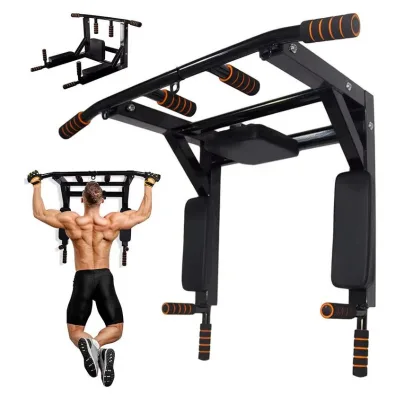
adjustable pull-up dip station Suppliers and Manufacturers
Source 34 adjustable pull-up dip station suppliers in Zhejiang, China. Compare lead times, MOQs, and prices to find the right fit. Contact verified manufacturers directly to request quotes and verify production capabilities; review the available evidence before requesting comparable quotations from suitable candidates.
Updated
Suppliers List

Hangzhou Qingchun Fitness Equipment Co., Ltd.
- Manufacturer, Trading Company
- Zhejiang, China
- Lead time35 days
- Avg. response≤ 5h
Main productskids gym,Fitness equipment,gymnastics bar,Pull-up Station,Hammock
Main marketsEastern Asia(40.00%), North America(25.00%), Western Europe(10.00%), Northern Europe(6.00%), Southern Europe(6.00%), South Asia(3.00%), South America(2.00%)
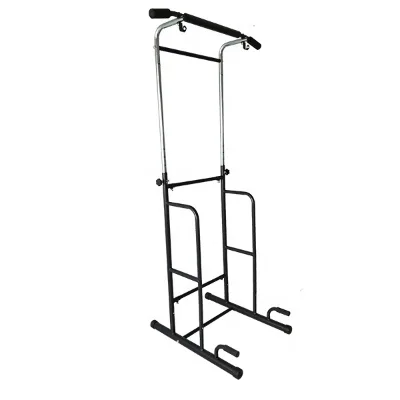
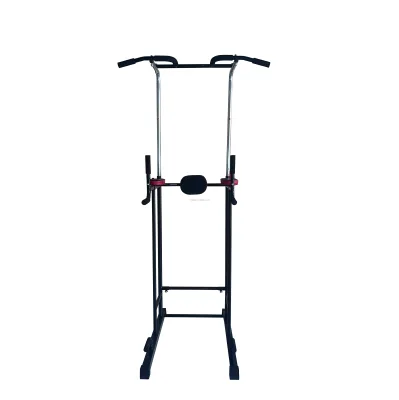
Manufacturer Supply Home Gym Dip Station Pull Ups Push Ups Height Adjustable Dip Station
$37.50 - $38.50
MOQ: 360
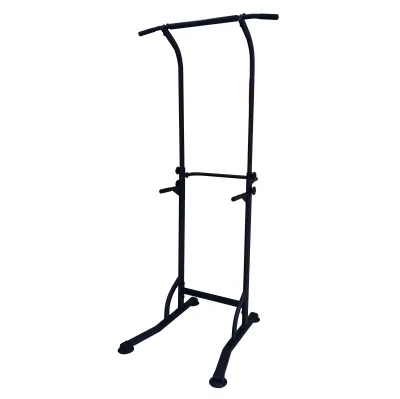
$26.0274 - $27.0522
MOQ: 530 sets
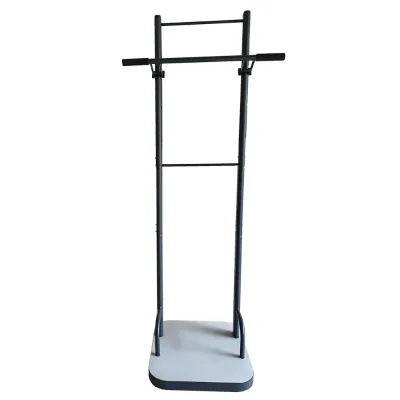
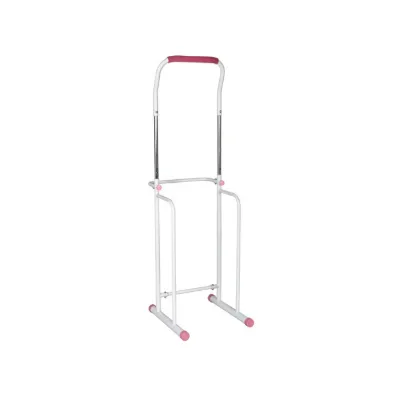
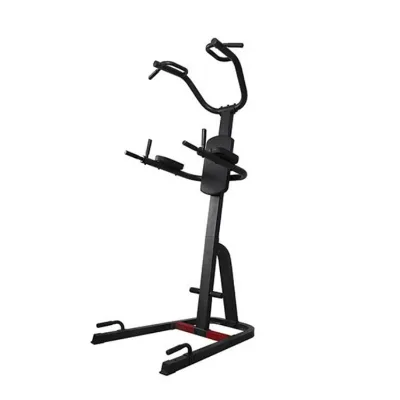
Stable Multi-function Home Chin Up Station Sturdy Dip Station Standing Power Tower XK-011
$28.7337 - $30.8161
MOQ: 300 pieces
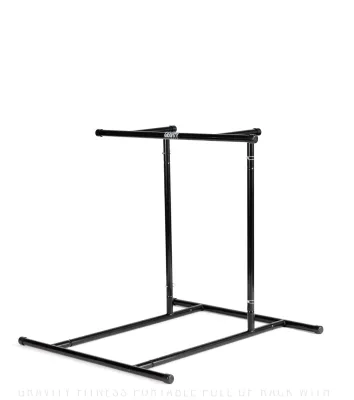
New Arrival Steel Foldable Portable Dip Bar Pull-up Rack Home Gym Install Without Any Screws
$32.50 - $34.00
MOQ: 280
Jinyun Haobai Fitness Equipment Co., Ltd.
- Manufacturer, Trading Company
- Zhejiang, China
- Lead time30 days
- Avg. response≤ 11h
Main productssupine board,Electric handstand,children's horizontal bar,Weight lifting bed
Main marketsNorth America(50.00%), Eastern Asia(50.00%)
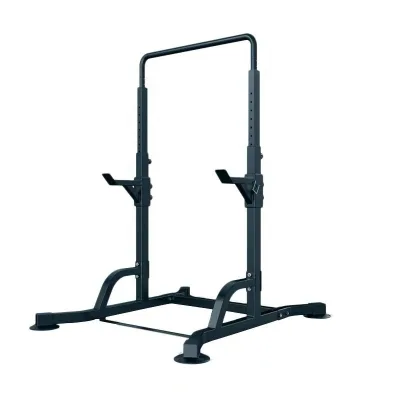
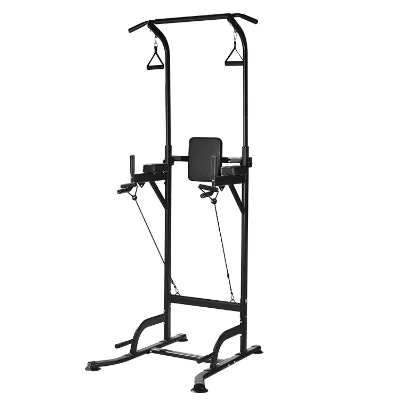
Advanced Technology Portable Multi-functional Adjustable Pull up Dip Station
$36.1359 - $38.2004
MOQ: 2 pieces
Yongkang City Hecheng industry and trade Co., LTD
- Manufacturer, Trading Company
- Zhejiang Province, China
- Lead time15 days
- Avg. response≤ 2h
Main productsSPINNING,treadmill,dumbbell bench,rowing machine,Mini stepper
Main marketsNorth America(40.00%), Southeast Asia(34.00%), Africa(5.00%), Mid East(5.00%), Central America(3.00%), South Asia(3.00%), South America(2.00%), Eastern Europe(2.00%), Oceania(1.00%), Eastern Asia(1.00%), Western Europe(1.00%), Northern Europe(1.00%), Southern Europe(1.00%), Domestic Market(1.00%)
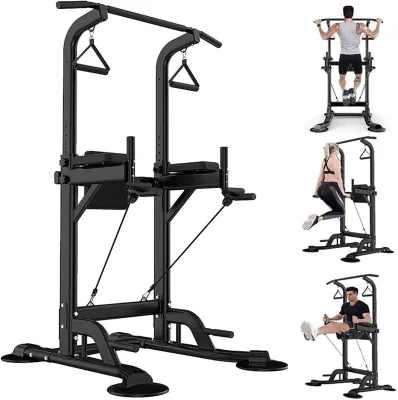
Multifunction Home Adjustable Pull up Station Power Tower Chin up Station Dip Station
$35.5704 - $38.1854
MOQ: 10 pieces
- Verified by Intertek
- Manufacturer, Trading Company
- Lead time15 days
- Avg. response≤ 3h
Main productsSmart Wearable Technology and Accessories, Plate Loaded Machines, Treadmills, Pin Load Selection Machines, Pilates Reformers
Main marketsWestern Europe(30%), South America(20%), Mid East(20%)
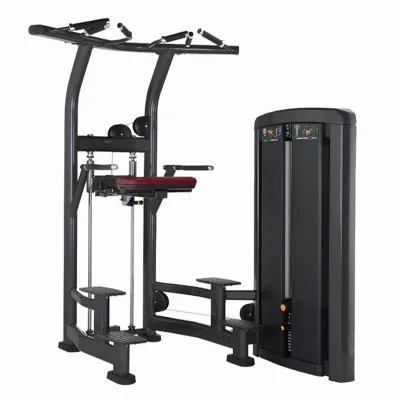
$829.6218 - $878.1804
MOQ: 2 pieces
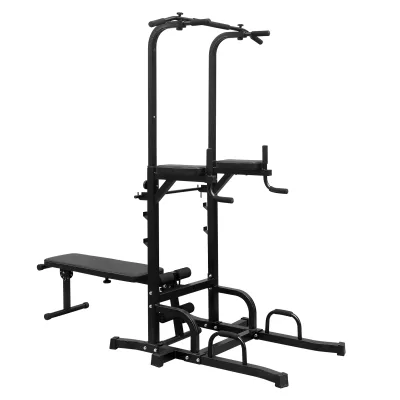
$144.6423 - $173.5704
MOQ: 1 pieces

Qingdao Juyuan Fitness Technology Co., Ltd.
- Verified by TUVRHEINLAND
- Combined
- China Shandong
- Lead time30 days
- Avg. response≤ 12h
Main productsCommercial Fitness Equipment, Stair Climber, Strength Equipment
Main marketsEurope,North America


Pull up Bar Power Tower Exercise Euipment for Home Gym DIP Station Adjustable Height DIP Stands
$410.00 - $460.00
MOQ: 1 Sets


- Verified by TUVRHEINLAND
- Trading Company
- China Anhui
- Lead time30 days
- Avg. response≤ 6h
Main productsDumbbells, Kettlebells, Barbells, Weight Plates, Crossfit Gym, Home Gym, Power Rack, Aerobic Step, Yoga Mat, Foam Roller
Main marketsEurope,Australia,North America

Adjustable DIP Parallel Bar Versatile DIP Station for Home Gym Workouts
$18.00 - $20.00
MOQ: 100 Pairs


DEQING SISTER SPORTS CO., LTD.
- Verified by TUVRHEINLAND
- Combined
- China Zhejiang
- Lead time30 days
- Avg. response≤ 5h
Main productsGym Equipment, Fitness Equipment, Home Gym, Treadmill, Weight Bench, Power Tower, Fitness Rack, Spin Bike, Exercise Bike, Dumbbells
Main marketsSouth America,Others(foreignTradeCapacity.exportBusinessCapacityMarketOther),Europe

Adjustable Pull-up Bar Parallel Bars Push UPS Stand Power Tower DIP Station
$60.00 - $63.00
MOQ: 100 Pieces


Factory Supply Home Use Multi Gym Adjustable Door Pull-up Bar DIP Pull up Station for Doorways
$8.50 - $9.50
MOQ: 300 Pieces

Versatile Height Adjustable Fitness Strength Equipment Pull up and DIP Bar Stand
$9.80 - $11.30
MOQ: 100 Sets

Ningbo Lontime Leisure Products Co., Ltd
- Manufacturer, Trading Company
- Zhejiang, China
- Lead time0 days
- Avg. response≤ 9h
Main productsAdjustable Weight Bench,Rowing Machine,Stair Stepper,Foldable Trampoline,yoga products
Main marketsNorth America(40.00%), Southern Europe(10.00%), Mid East(10.00%), Western Europe(10.00%), Eastern Europe(10.00%), South America(10.00%), Northern Europe(5.00%), South Asia(2.00%), Eastern Asia(1.00%), Central America(1.00%), Southeast Asia(1.00%)
- Trading Company
- Zhejiang, China
- Lead time0 days
- Avg. response≤ 6h
Main productsFitness Equipment,Weight Lifting,Yoga Products,Fitness Accessories,Outdoor Sports
Main marketsNorth America(60.00%), Western Europe(10.00%), Southern Europe(5.00%), Oceania(5.00%), Northern Europe(5.00%), Southeast Asia(5.00%), Eastern Europe(5.00%), South Asia(1.00%), Mid East(1.00%), Africa(1.00%), South America(1.00%), Eastern Asia(1.00%)
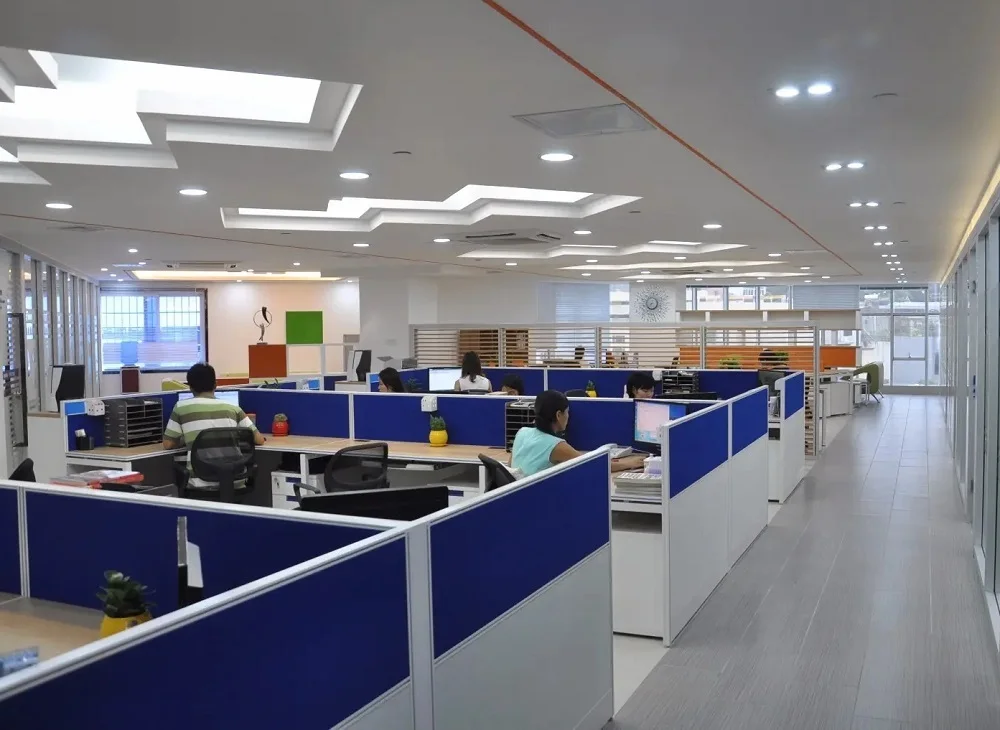
Changsha Kesun Sports Equipment Co.,Ltd.
- Trading Company
- Hunan, China
- Lead time15 days
- Avg. response≤ 4h
Main productsBall feeding machine,Ball series,gym equipment,stroller board,outdoor products
Main marketsNorth America(35.00%), Northern Europe(20.00%), Eastern Europe(20.00%), Southern Europe(10.00%), Western Europe(10.00%), Oceania(5.00%)

Dezhou Aoshengjia Fitness Equipment Co., Ltd.
- Verified by CTI
- Combined
- China Shandong
- Lead time30 days
- Avg. response≤ 5h
Main productsFitness Equipment
Main marketsSouth America,Southeast Asia/ Mideast,Domestic

Pin Loaded DIP & Chin Assist Machine Multi Function Assisted Pull up DIP Station for Fitness Center
$550.00 - $560.00
MOQ: 1 Pieces

Asj-L8041 Assist DIP Chin Station Gym Multi-Functional Pull up Station
$279.00 - $309.00
MOQ: 1 Pieces

Shandong Coolbuild Fitness Equipment Co., Ltd
- Verified by SGS
- Combined
- China Shandong
- Lead time30 days
- Avg. response≤ 2h
Main productsSporting Goods, Fitness Equipment, Gym Equipment, Cardio Equipment, Treadmill, Gym Machine, Fitness Machine
Main marketsSouth America

SHANDONG BRIGHTWAY FITNESS EQUIPMENT CO., LTD.
- Verified by TUVRHEINLAND
- Combined
- China Shandong
- Lead time15 days
- Avg. response≤ 2h
Main productsFitness Equipment, Gym Equipment, Treadmill, Gym Accessories, Fitness Accessories, Commercial Treadmill
Main marketsNorth America

$660.00 - $800.00
MOQ: 10 Pieces


Nantong Get-Fit Sports Co., Ltd.
- Verified by TUVRHEINLAND
- Combined
- China Jiangsu
- Lead time30 days
- Avg. response≤ 3h
Main productsDumbbell, Weight Plate, Barbell, Gym Machine, Maquinas De Gimnasio, Pilates Reformer, Kettlebell, Gym Equipment, Fitness Equipment, Gym
Main marketsSouth America,Southeast Asia/ Mideast,East Asia(Japan/ South Korea),Europe,Australia,North America


Multi-Function DIP Station Parallel Bars Pull up DIP Bar Home Abdominal Training
$30.00 - $32.50
MOQ: 50 pieces

Wholesale Portable Push up DIP Bar Station for Crossfit Workout Strength Training
$30.00 - $31.50
MOQ: 100 sets
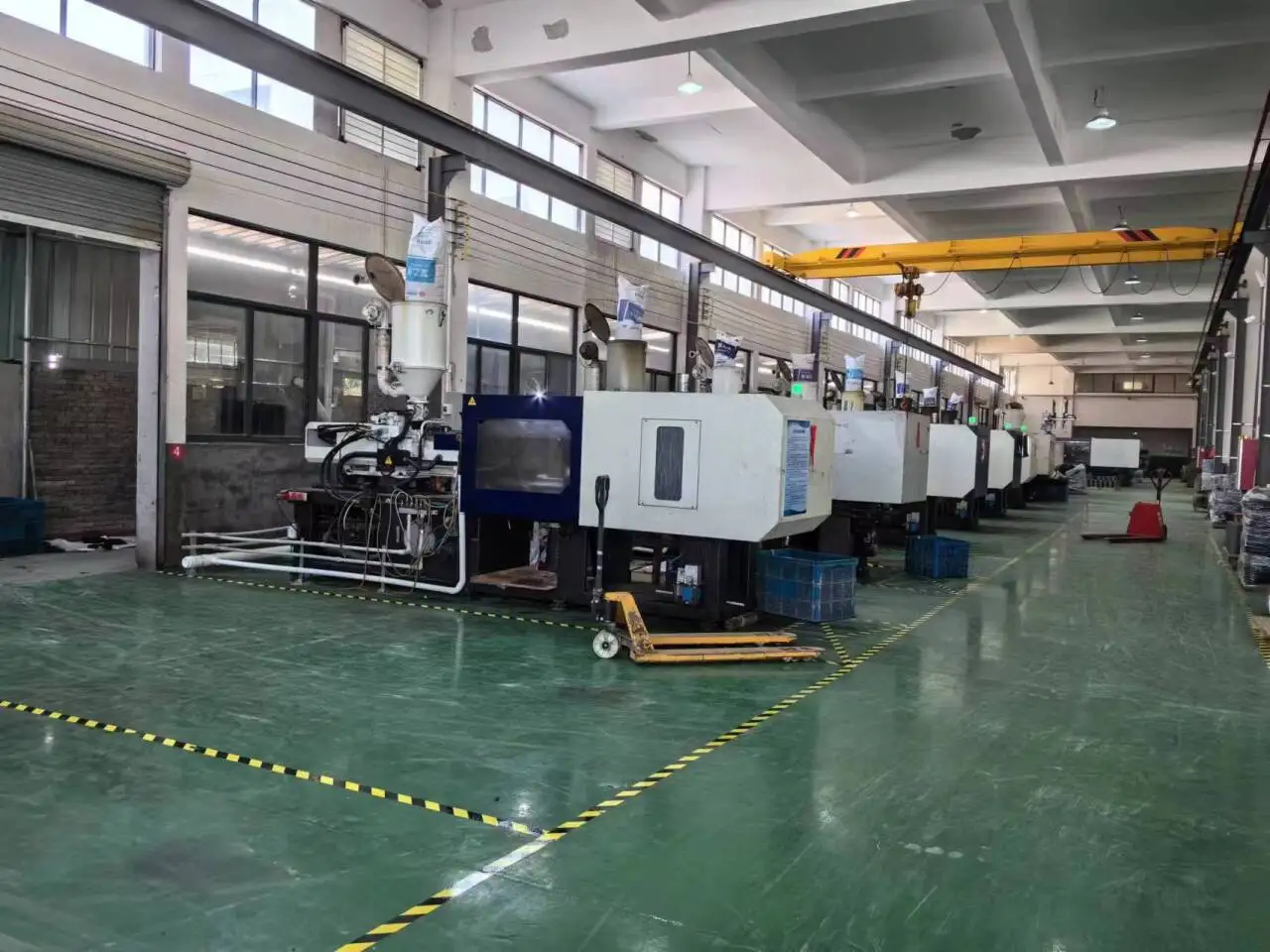
Zhejiang Zuojian Industry and Trade Co.,LTD
- Manufacturer
- Zhejiang, China
- Lead time15 days
- Avg. response≤ 4h
Main productsAdjustable Dumbbell,Door Gym bar,Adjustable Kettlebell,Dancing Pole,Pull Up Staion
Main marketsEastern Asia(30.00%), North America(30.00%), Western Europe(20.00%), Southern Europe(5.00%), Central America(5.00%), South Asia(5.00%), Southeast Asia(3.00%), Domestic Market(2.00%)
- Trading Company
- Jiangsu, China
- Lead time15 days
- Avg. response≤ 1h
Main productsSutuspension Trainer/Ballet Strap/Resistance Bands/Booty Belt/Hip Cicle/Speed Che/Trampoline/Weight-lifting Belt/AB Roller/Yoga Ball,Suspension Trainer,Yoga Blanket,Massage ball,Wateproof dry bag
Main marketsNorth America(52.00%), Western Europe(20.00%), Northern Europe(10.00%), Oceania(5.00%), South America(5.00%), Mid East(5.00%), Domestic Market(3.00%)
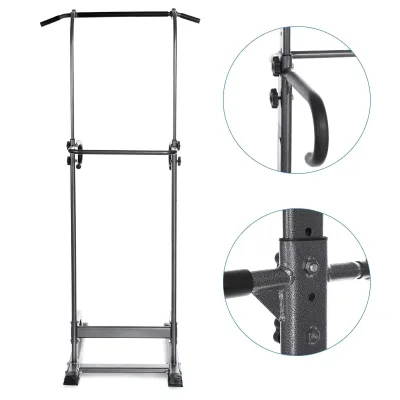
$36.98 - $49.98
MOQ: 50 sets

HEFEI MERRYBODY SPORTS CO., LTD.
- Verified by TUVRHEINLAND
- Trading Company
- China Anhui
- Lead time30 days
- Avg. response≤ 11h
Main productsDumbbell, Gym Ball, Exercise Mat, Boules Set, Bench, Foam Roller, Barbell, Pilate Ring, Pilate Products
Main marketsSouth America,Southeast Asia/ Mideast,East Asia(Japan/ South Korea),Europe,Australia,North America

$45.00 - $59.00
MOQ: 50 Pieces

Black Mountain Products Heavy Duty Stand, DIP Station Strength Training DIP Stands
$13.85 - $16.00
MOQ: 100 Pieces

Fitness Training Equipment Multifunctional Pull-up Portable Adjustable Parallel Bars
$17.00 - $28.00
MOQ: 100 Pieces

Yiwu Feide Sports Goods Co., Ltd.
- Verified by SGS Group
- Manufacturer, Trading Company
- Lead time20 days
- Avg. response≤ 4h
Main productsFoam Roller, Resistance Bands, Weight Vest, Pull Up Bar, Dumbbell
Main marketsNorth America(31%), Western Europe(21%), Eastern Europe(9%)

DEZHOU HENGQING FITNESS EQUIPMENT CO., LTD.
- Combined
- China Shandong
- Lead time23 days
- Avg. response≤ 7h
Main productsGym Equipment, Fitness Equipment, Strength Equipment, Cardio Equipment
Main marketsSouth America,Southeast Asia/ Mideast,Europe

$600.00 - $640.00
MOQ: 1 Pieces


New Fitness Multi Function Chin up Tower Pull up DIP Exercise Equipment Gym Station
$280.00 - $300.00
MOQ: 1 Pieces

Anhui Craftsmanship E-Commerce Co., Ltd.
- Trading Company
- Anhui, China
- Lead time30 days
- Avg. response≤ 2h
Main productsSquat Racks,Training Chairs and Storage Racks,Barbell Bars,Dumbbells,Weight Plate
Main marketsNorth America(70.00%), Northern Europe(5.00%), Western Europe(5.00%), Mid East(5.00%), Africa(5.00%), Eastern Europe(5.00%), South America(5.00%)

Jiangsu Jiewei Sports Facilities Co., Ltd.
- Verified by SGS
- Combined
- China Jiangsu
- Lead time30 days
- Avg. response≤ 1h
Main productsGym Equipment; Outdoor Fitness Equipment; , Basketball Stand; Sports Equipment, Gym Machine
Main marketsAfrica,Domestic,North America
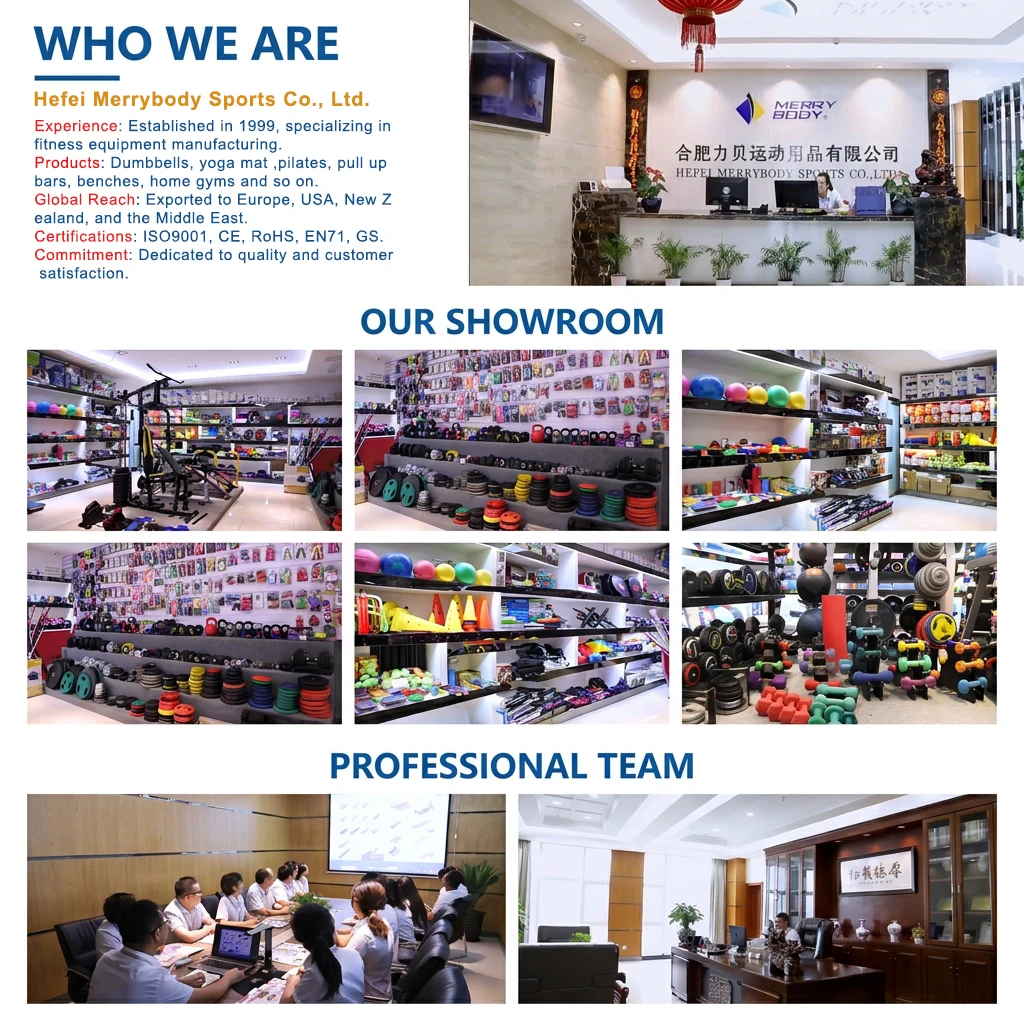
Hefei Merrybody Sports Co., Ltd.
- Trading Company
- Anhui, China
- Lead time30 days
- Avg. response≤ 5h
Main productsFitness Equipment,Sporting Goods
Main marketsWestern Europe(20.00%), North America(12.00%), Southern Europe(10.00%), South America(10.00%), Mid East(10.00%), Southeast Asia(8.00%), Central America(5.00%), Northern Europe(5.00%), Eastern Asia(5.00%), Eastern Europe(5.00%), Africa(4.00%), South Asia(4.00%), Oceania(2.00%)

Nantong Vigor Sport Goods Co., Ltd.
- Verified by SGS
- Combined
- China Jiangsu
- Lead time30 days
- Avg. response≤ 3h
Main productsFunctional Trainers, Cardio Cross Training Equipment, Free Weights, Accessories and Attachment, Spare Part, Gym Space Solution
Main marketsEurope


Professional Multi-Functional Power Tower Pull up and DIP Station for Home Gym
$77.15 - $82.85
MOQ: 30 Sets


- Trading Company
- Anhui, China
- Lead time15 days
- Avg. response≤ 1h
Main productsFree Weights,Electric Scooters,Benches & Racks,Spinning Bikes,Dip Stands
Main marketsNorthern Europe(50.00%), North America(30.00%), Southern Europe(10.00%), Western Europe(10.00%)
Dingzhou Eric Sports Co., Ltd.
- Manufacturer, Trading Company
- Hebei, China
- Lead time20 days
- Avg. response≤ 3h
Main productsDumbbell,Barbell,Dumbbel Bar,Barbell Bar,Olympic Bar
Main marketsDomestic Market(20.00%), South America(20.00%), North America(20.00%), Central America(10.00%), Africa(10.00%), Mid East(10.00%), Western Europe(5.00%), South Asia(5.00%)
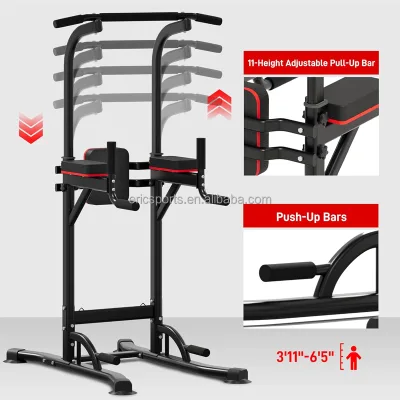
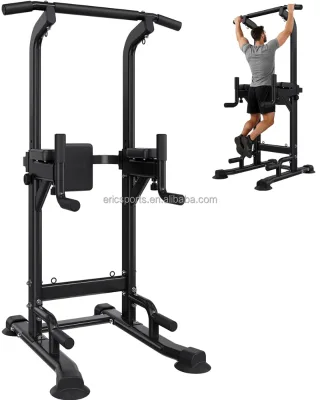
Free Standing Dip Station Pull-up Bar Power Tower
$39.00 - $42.00
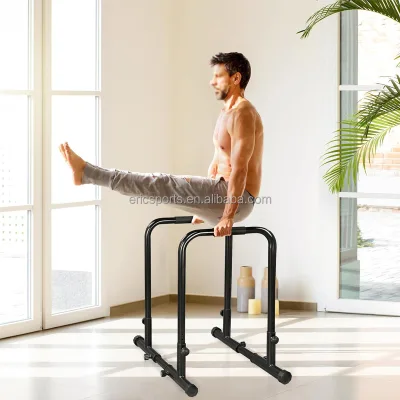
Rizhao Healthbridge Sports Goods Co., Ltd.
- Trading Company
- Shandong, China
- Lead time20 days
- Avg. response≤ 2h
Main productsTraining Rack, Outdoor Sport , Barbell Plate, Kettlebell, Ball Game
Main marketsNorth America(38.00%), South America(22.00%), Eastern Asia(11.00%), Southeast Asia(8.00%), Africa(4.00%), South Asia(3.00%), Eastern Europe(3.00%), Northern Europe(2.00%), Domestic Market(2.00%), Southern Europe(2.00%), Mid East(2.00%), Central America(1.00%), Western Europe(1.00%), Oceania(1.00%)
Zhejiang Benjin Industry And Trade Co., Ltd.
- Manufacturer, Trading Company
- Zhejiang, China
- Lead time15 days
- Avg. response≤ 4h
Main productsDumbbell; Dumbbell Stand,Fitness Pole,Door Gym Bar,Fitness Board
Main marketsNorth America(35.00%), Western Europe(25.00%), Oceania(15.00%), Eastern Asia(10.00%), Southern Europe(5.00%), Northern Europe(5.00%), South Asia(2.00%), South America(1.00%), Southeast Asia(1.00%), Mid East(1.00%)
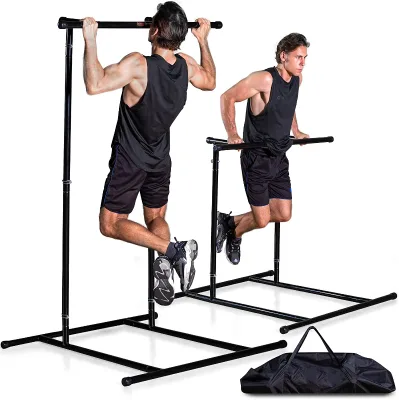
Portable Pull up Trainer Pull up Station Dip Stand Station Calisthenics With Carry Bag
$37.8877
MOQ: 265 Minimum
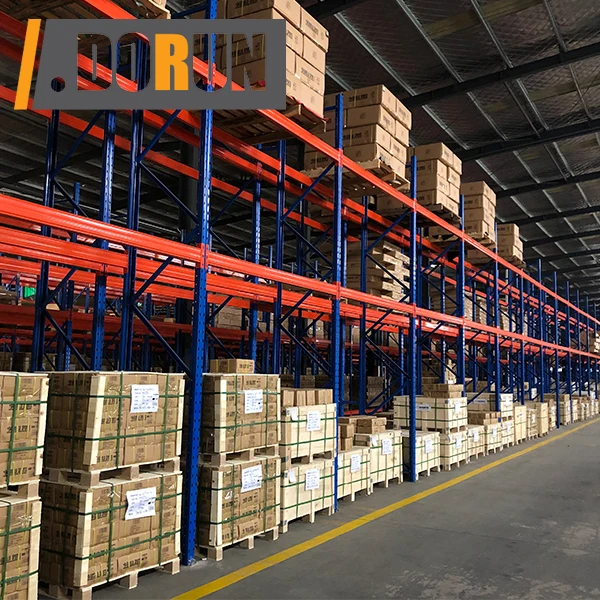
Nantong Dorun Sports Co., Ltd.
- Trading Company
- Jiangsu, China
- Lead time20 days
- Avg. response≤ 10h
Main productsOlympic bar,dumbbell,barbell,plastic products,corssfit
Main marketsNorth America(35.00%), South America(30.00%), Eastern Europe(12.00%), Northern Europe(10.00%), Domestic Market(5.00%), Mid East(5.00%), Southeast Asia(3.00%)

Sanhe City Guiyuxing Sporting Goods Co., Ltd.
- Verified by TUVRHEINLAND
- Combined
- China Hebei
- Lead time15 days
- Avg. response≤ 3h
Main productsFitness Equipment, Outdoor Fitness Equipment, Outdoor Fitness, Rock Climbing Treadwalls, Outdoor Playground Equipment, Outdoor Gym, Outdoor Sports Equipment, Outdoor Fitness Goods, Park Bench, Playground
Main marketsAfrica,Southeast Asia/ Mideast,Domestic,Europe

Heavy-Duty Galvanized Steel Push-up and DIP Station for Outdoor Fitness
$369.00 - $380.00
MOQ: 1 Pieces


Nantong Get Power Fitness Equipment Co., Ltd.
- Verified by TüVRheinland
- Trading Company
- Lead time30 days
- Avg. response≤ 2h
Main productsDumbbell, Barbell, Weight Plate, Power Rack, Bench
Main marketsNorthern Europe(40%), North America(20%), Southeast Asia(20%)

Dezhou Huixin Intelligent Technology Co., Ltd.
- Verified by SGS
- Combined
- China Shandong
- Lead time30 days
- Avg. response≤ 5h
Main productsFitness Equipment
Main marketsDomestic

$513.00 - $571.00
MOQ: 1 Pieces

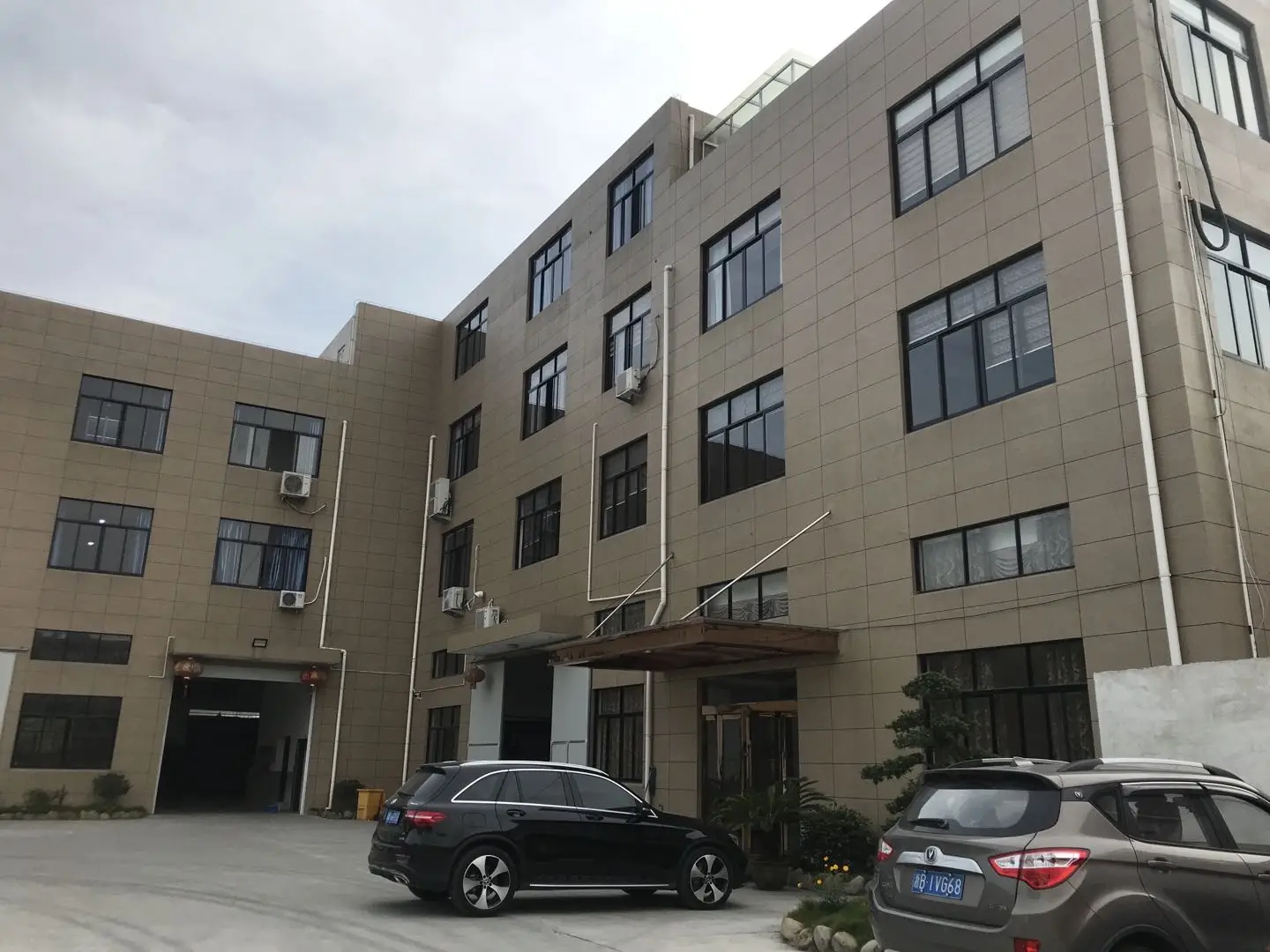
Ningbo Yunding Sports Product Co., Ltd.
- Trading Company
- Zhejiang, China
- Lead time30 days
- Avg. response≤ 4h
Main productsFree Weight,Strength Training,Yoga&Pilates,Resistance Training,Power Rack
Main marketsNorth America(35.00%), Eastern Europe(25.00%), South America(10.00%), Southern Europe(5.00%), Northern Europe(5.00%), Western Europe(5.00%), Eastern Asia(5.00%), Oceania(5.00%), Southeast Asia(5.00%)

Shandong Tianzhan Fitness Equipment Co., Ltd.
- Verified by BV
- Combined
- China Shandong
- Lead time30 days
- Avg. response≤ 9h
Main productsGym Equipment, Fitness Equipment, Strength Machines, Exercise Bike, Body Building Machines, Commercial Fitness Equipment, Motorized Treadmill, Fitness Equipment Gym Machine, Free Weight Accessories, Treadmill
Main marketsSouth America,Southeast Asia/ Mideast,East Asia(Japan/ South Korea),Europe,Australia,North America

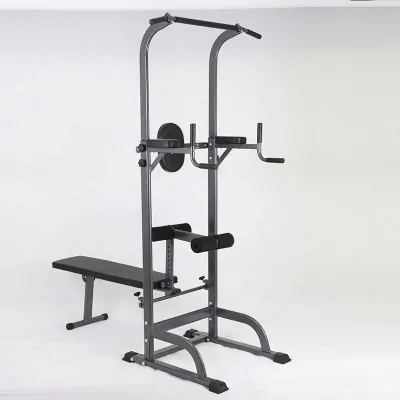
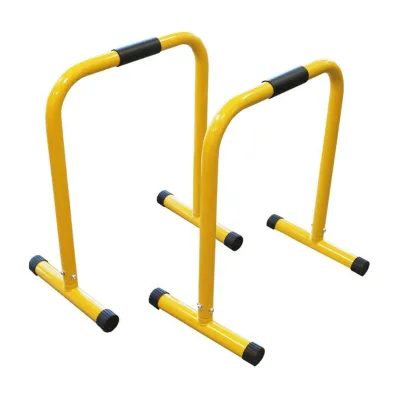
Super Gym Machine Fitness Equipment Chin up/ DIP Station Strength Machine Assisted Chin up/DIP
$348.00 - $425.00
MOQ: 1 Pieces

New Design Triceps DIP Commercial-Grade Triceps DIP Station for Upper Body Workouts
$398.00 - $498.00
MOQ: 5 Pieces

All Universe Fitness Technology (Qingdao) Co., Ltd.
- Verified by BV
- Manufacturer/Factory
- China Shandong
- Lead time45 days
- Avg. response≤ 4h
Main productsCommercial Treadmill, Curved Treadmill, Cardio Equipment, Gym Equipment, Fitness Equipment, Spinning Bike, Indoor Fitness Equipment, Strengthen Equipment, Fitness Bench
Main marketsSouth America,Eastern Europe,Mid East,North America,Southeast Asia,Eastern Asia,Oceania,Western Europe,Africa
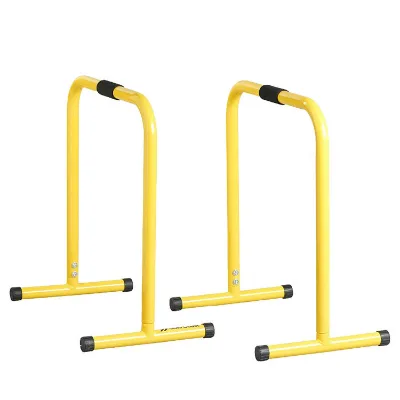
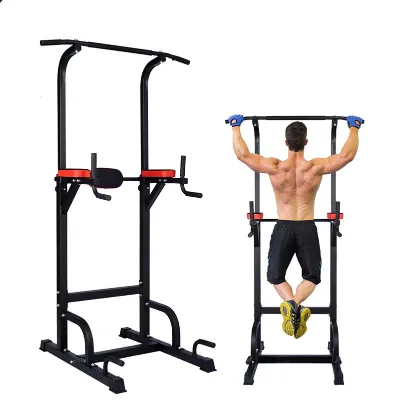
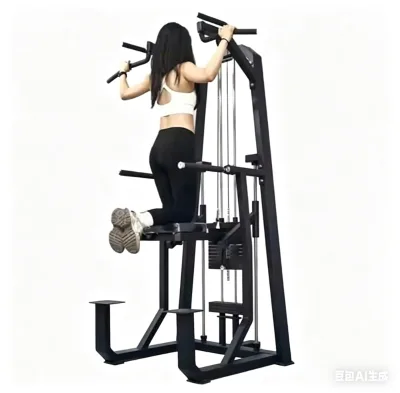
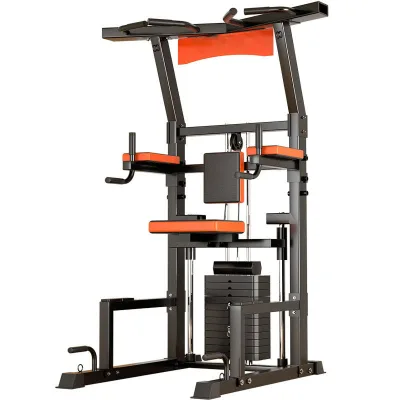


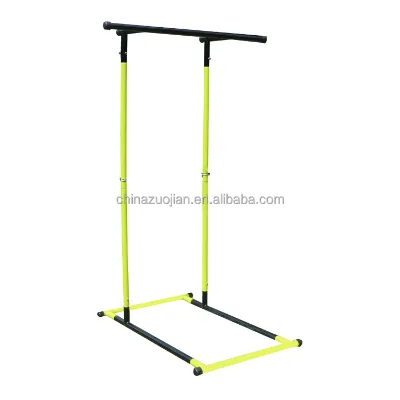
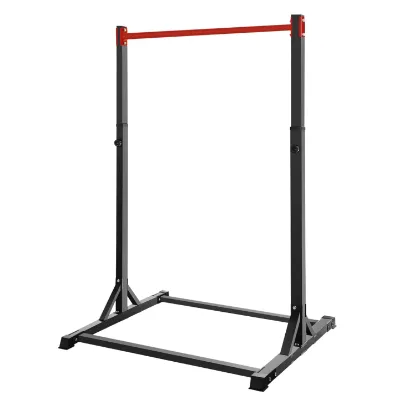
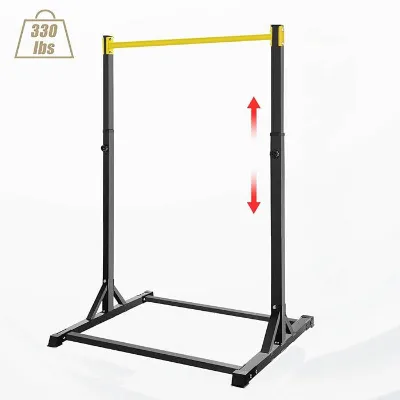
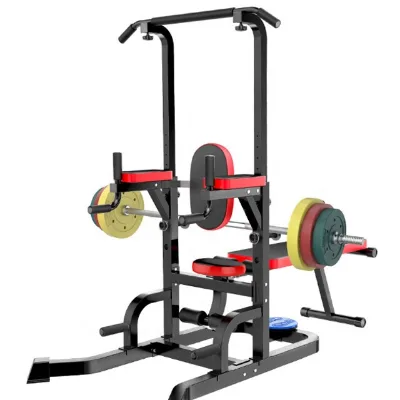
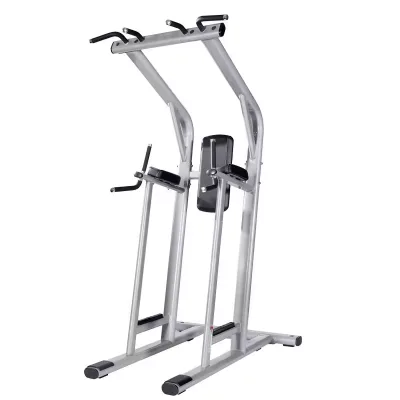


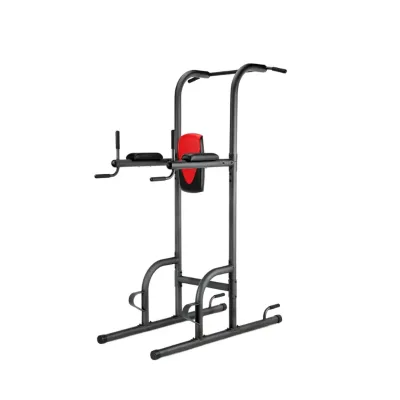
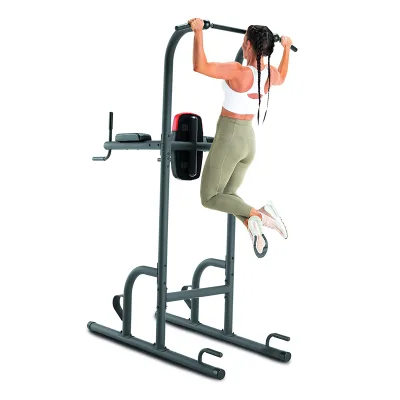
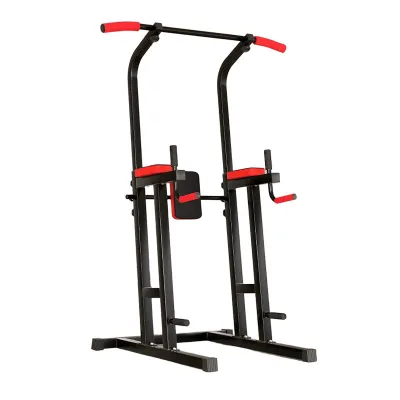
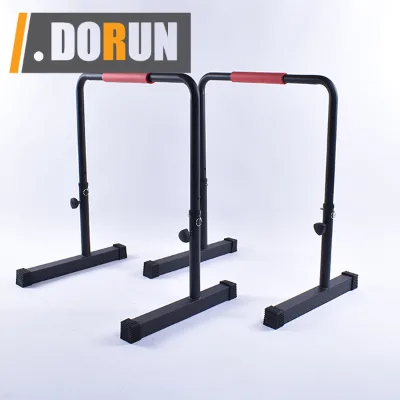
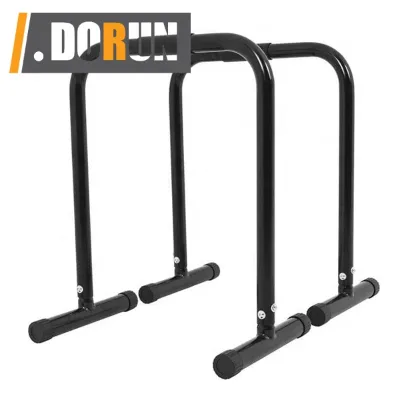
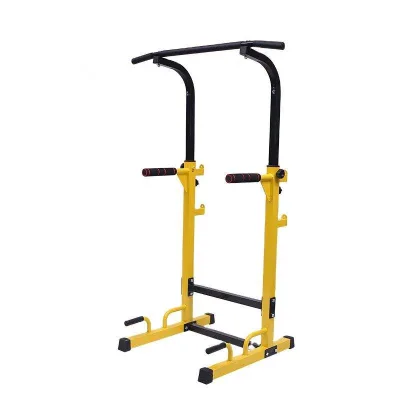
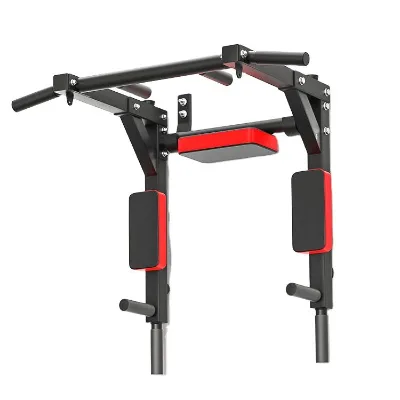


Comprehensive Sourcing Guide
Adjustable Pull-Up Dip Station Supplier Concentration and Factory Types
Buyers sourcing an adjustable pull-up dip station will find that the supplier results on this page point to a single, well-defined manufacturing region: Zhejiang, China. This concentration is meaningful for sourcing strategy. When multiple suppliers ship from the same province, tooling expertise, steel tube supply, powder-coating capacity and freight forwarders serving that region are already established, which shortens onboarding and makes it easier to move tooling between factories if a relationship fails. It also means factory audits can be batched: a buyer visiting the region can often inspect several candidate manufacturers in one trip. Note that supplier listings can change between searches, so re-confirm that the factories you shortlist still show the same provenance when you receive updated results.
The supplier type labels on this page include both Manufacturer and Trading Company, which is typical for this category. Manufacturers are generally the right contact for custom branding, structural modifications and volume pricing; trading companies may be useful when a buyer wants to combine a power tower order with other fitness equipment lines. A practical first question to any supplier is whether the quoted model is produced in their own workshop or resourced from a neighbor, because this affects quality control, warranty responsibility and how quickly an adjustable-height design change can be validated. Ask for workshop photos, a production video of the specific station model, and the factory's own business license registration scope.
How to Verify Adjustable Pull-Up Dip Station Suppliers
Verification should start with the attributes suppliers themselves publish, then move to documents the buyer requests. In the results on this page, suppliers disclose origin (Zhejiang, China), model numbers, brand names, materials and OEM/ODM acceptance. Cross-check that the model number shown in the listing matches what appears on quotation documents and sample cartons; discrepancies are an early signal that a trading intermediary is resourcing from elsewhere. Company type labels distinguish manufacturers from trading companies, but treat these as claims to be confirmed: request the factory address, then verify it independently against the business registration rather than accepting the address printed on a quote.
Because a power tower is a load-bearing structure used for bodyweight training, product-level verification matters as much as company-level checks. Ask for the material specification — several listings here cite steel or iron with plastic and NBR grip components — and confirm wall thickness, weld process and coating in writing. Request a sample and load-test it yourself or through a third-party inspection firm before placing a production order. Ask how height-adjustment mechanisms are assembled and whether the adjustment holes are reamed or simply punched. Finally, verify the supplier's willingness to allow a pre-shipment inspection at the factory. A manufacturer confident in its own output rarely refuses one, while resourced orders often do, which is exactly the distinction you are trying to detect.
What to Compare Across Adjustable Pull-Up Dip Station Suppliers
Comparison should be built on the dimensions suppliers actually display rather than assumptions. On this page you can compare several concrete attributes. Lead times range from 35-50 days on one height-adjustable model, 50 days on a steel dip station, to 45 days on a twelve-height unit — meaningful spread for planning a launch window. Minimum order quantities also vary widely: 260 pieces on a wheeled heavy-duty base model, 300 pieces on two other stations, 360 on the steel unit, and 530 on the twelve-adjustable-height design. That difference can decide whether a first order is feasible for a smaller buyer. Quoted price ranges on this page span roughly from the mid-twenties to about fifty dollars per unit, but treat these as listing prices to be re-quoted, not commitments.
Also compare response speed — one supplier here shows a five-hour response time — and use it as a proxy for account management quality, not as a contractual term. Main product lines matter: suppliers listing kids gym equipment, gymnastics bars and hammocks alongside fitness stations may prioritize different production seasons. Compare packaging details, since carton sizes and gross weights here differ substantially and affect freight cost per unit. Establishment year is another displayed label to weigh, though treat it as one signal among many. Build a simple comparison sheet with every disclosed attribute, then fill gaps through direct questions.
Common Adjustable Pull-Up Dip Station Sourcing Risks
The most common risk in this category is treating listing attributes as guarantees. A quoted lead time of 35-50 days can slip when steel prices move or when peak fitness season fills production slots; the 50-day declarations on this page should be confirmed against the supplier's current order book before you sign. Price bands shown in listings are also frequently recalculated once packaging, finish or logo requirements change — the listings here show customization options for heat-transfer printing, stickers and logos, and each of those touches unit cost. Never budget from a listing price alone.
Structural and compliance risk is second. Adjustable-height stations rely on pins, knobs or welded ladders to lock position, and a failed lock at full extension injures the user. A listing stating "12 Adjustable Heights" or "5 different heights adjustment" describes the design, not the safety of each locking state. Test every adjustment position on the sample, not just one. Third risk: MOQ mismatch. With minimums on this page ranging from 260 to 530 pieces, buyers sometimes accept a higher MOQ model to reach a lower unit price and then struggle to sell the volume. Fourth, origin ambiguity: a "Place of Origin: Zhejiang, China" label tells you the ship-from region but not necessarily the producing factory. Confirm who actually welds and coats the unit, who owns the tooling, and who bears warranty liability if a batch fails after delivery. Get each answer in the contract, not in chat.
Adjustable Pull-Up Dip Station Regional Sourcing and Logistics
Because the suppliers on this page cluster in Zhejiang, China, regional logistics planning is relatively straightforward but still requires diligence. Zhejiang sits near major eastern Chinese ports, which simplifies container booking and generally keeps inland haulage short for a bulky item like a power tower. Still, confirm the exact loading port with each supplier and whether they quote FOB or another Incoterm; a factory's distance from the port affects trucking cost and the risk of late container loading, which is a real issue for cartoned goods with fixed vessel cutoffs.
Carton dimensions deserve close attention. The listings on this page show single package sizes ranging from around 102-106 cm in length down to cartons near 114 cm, with gross weights from roughly 13 to 21.7 kilograms per carton. These differences change how many units fit a 20-foot or 40-foot container, so calculate container utilization per model before comparing unit prices — a cheaper station that wastes container space can cost more landed. Ask whether cartons are brown-box, customized or color-boxed, since packaging changes volumetric weight. For sample shipments, the 14.6-21.7 kg range means samples typically go by express air rather than courier parcel, and sample weight should be confirmed. Finally, ask each supplier for their standard lead time quotation including transit documentation time, and align your production calendar with both the 35-50 day windows some list and seasonal port congestion.
Adjustable Pull-Up Dip Station Commercial Terms and Order Planning
Order planning should be anchored to the concrete terms suppliers publish. On this page, MOQs range from 260 pieces (the wheeled heavy-duty base model) through 300, 360 and up to 530 pieces, and per-unit listing prices range from roughly the mid-twenties to about fifty dollars. When you request formal quotes, ask suppliers to restate MOQ, unit price at your target quantity, packaging specification, and lead time in the proforma invoice, so the proforma — not the marketplace listing — becomes the governing document. Confirm payment terms explicitly; one listing on this page shows T/T as the stated payment method, and a typical structure would be a deposit with balance against shipping documents, but you must agree the exact split in writing.
Plan your first order around the sample-to-production cycle: sample approval, then a deposit, then a 35-50 day production window, then inspection, then booking. Build buffer into launch dates because adjustment hardware, logo printing and packaging customization each add steps. Consider splitting a first order across two models if your MOQ budget allows, to test market response. Clarify customization ownership: who pays for printing plates or dies, and whether tooling belongs to you. Finally, agree the inspection standard — what defect rate triggers rework — and document it before production begins. Every commercial promise discussed in chat should migrate into the signed proforma and contract before any deposit is paid.
FAQs
What is the typical lead time for manufacturing dip stations?
Manufacturers generally require 35 to 50 days to produce these units. This timeframe accounts for material sourcing, steel fabrication, and final assembly. Buyers should confirm specific delivery schedules with suppliers before placing orders to ensure alignment with project timelines.
What is the minimum order quantity for home gym dip stations?
Minimum order quantities typically range from 260 to 530 pieces depending on the model. Standard configurations often require 300 or 360 units. Custom designs may have different thresholds, so verifying the specific MOQ with the supplier is essential for accurate planning.
Where are these fitness equipment manufacturers located?
Most suppliers are located in Zhejiang, China. This region is a known hub for manufacturing fitness equipment and strength training gear. Buyers can expect efficient logistics and established supply chains when sourcing from this specific geographic area for their equipment needs.
What materials are used in constructing these pull-up stations?
Common materials include steel, iron, plastic, and NBR foam. Steel provides the necessary structural integrity for heavy-duty use. NBR is often used for padding to ensure user comfort during exercises. Buyers should check specific product specifications for exact material compositions.
What is the price range for adjustable dip stations?
Prices generally range from $26 to $50 per unit. The cost varies based on features like height adjustment, weight capacity, and included accessories. Bulk orders often secure better pricing. Buyers should request detailed quotes to understand the final cost for their specific requirements.
Do suppliers offer customization for logos and packaging?
Yes, many manufacturers provide OEM and ODM services. Buyers can customize logos using heat-transfer printing or stickers. Packaging can also be tailored to specific requirements, such as customized cartons. This allows brands to maintain their identity throughout the supply chain.
How quickly do suppliers typically respond to inquiries?
Suppliers usually respond within five hours. This rapid response time helps buyers clarify specifications and negotiate terms efficiently. Quick communication is vital for resolving technical questions about dimensions, materials, and shipping logistics before finalizing purchase agreements.