Tartan Knitted Baby Romper Suppliers and Manufacturers
Explore 25 verified suppliers offering Tartan Knitted Baby Romper options with varying lead times, MOQs, and certifications. Compare response times, supply abilities, and product standards to select the right partner for your needs; review the available evidence before requesting comparable quotations from suitable candidates.
Updated
Suppliers List

Shanghai Hexuan Baby Products Co., Ltd.
- Verified by SGS
- Trading Company
- China Shanghai
- Lead time15 days
- Avg. response≤ 5h
Main productsBaby Wear Baby Cloth Diaper Bibs Baby Rompers
Main marketsSouth America,Africa,Southeast Asia/ Mideast,East Asia(Japan/ South Korea),Europe,Australia,North America

Tong Lu Spring River Knitting Group Co., Ltd.
- Verified by BV
- Manufacturer/Factory
- China Zhejiang
- Lead time60 days
- Avg. response≤ 25h
Main productsSweater, Cashmere Cardigan, Cashmere Sweater, Knitwear, Merino Sweater, Knitted Pullover, Kid Sweater, Wool Sweater, Women Sweater, Men Sweater
Main marketsEastern Europe,Mid East,North America,Eastern Asia,Western Europe

- Verified by SGS
- Combined
- China Sichuan
- Lead time15 days
- Avg. response≤ 3h
Main productsCashmere Sweater, Baby Sweater, Wool Sweater, Cotton T Shirt, Organic Cotton Garments, Cashmere Pants, Cashmere Scarf, Baby Knitwear, Baby Blankets, Kids Sweaters
Main marketsEast Asia(Japan/ South Korea),Domestic,Europe,Australia,North America

Spring Baby Boys and Girls Jumpsuits Newborn Baby Knitted Romper Toddler
$12.00 - $20.00
MOQ: 2 pieces

Organic Cotton Knitting Baby One-Piece Romper for Spring Autumn and Winter
$11.00 - $20.00
MOQ: 2 pieces

New Style Pure Cotton Knitted Baby Romper Toddler Jumper Unisex Baby Knitwear
$8.00 - $19.00
MOQ: 1 pieces

Summer Newborn Baby Romper Short Sleeved Knitted Cotton Baby One-Piece Jumpsuit
$10.00 - $22.00
MOQ: 2 pieces

Hot Sale 100% Cotton Summer Spring Baby Rompers Infant Boys Girls Knitwear
$9.00 - $18.00
MOQ: 1 pieces

Pink Cotton Knitting Short Leg Romper Baby One-Piece Romper for Spring Summer.
$9.00 - $20.00
MOQ: 1 pieces

Suntex Import & Export Trading Co., Ltd.
- Verified by SGS
- Trading Company,Manufacturer/Factory
- China Hebei
- Lead time23 days
- Avg. response≤ 6h
Main productsBaby Diaper, Baby Blanket, Bedding Set, Baby Crib Bedding Product, Mattress Protector, Baby Muslin Swaddle, Towel, Baby Bath Product, Baby Garment, Table Cloth
Main marketsSouth America,Eastern Europe,Mid East,North America,Southeast Asia,Eastern Asia,Oceania,Western Europe,Africa

Shijiazhuang Cool Apparel Co., Ltd.
- Verified by BV
- Combined
- China Hebei
- Lead time23 days
- Avg. response≤ 8h
Main productsBaby Cloth, Baby Romper, Baby Bib, Baby Onesie, Baby Pajamas, T-Shirts, Polo Shirts, Pajamas, Baby Sleeping Bag, Baby Hats
Main marketsSouth America,Africa,Southeast Asia/ Mideast,East Asia(Japan/ South Korea),Domestic,Europe,Australia,North America


2023 Infant Baby Cotton Knitted Romper Spring and Autumn off-White Rabbit Knitted Cotton Romper
$6.80 - $7.50
MOQ: 1 Pieces

Qingdao Finefine Trade Co., Ltd.
- Trading Company
- Shandong, China
- Lead time60 days
- Avg. response≤ 23h
Main productsT-shirts,hoodies & sweatshirts,jackets,underwears,baby clothing
Main marketsNorth America(50.00%), Africa(20.00%), Western Europe(10.00%), Oceania(10.00%), South America(10.00%)
Shanghai Jingzhi Apparel Co., Ltd.
- Manufacturer, Trading Company
- Lead time旺季: "1 - 30":15,"31 - 500":20,"> 500":"To be negotiated", 淡季: "1 - 30":15,"31 - 500":20,"> 500":"To be negotiated"
- Avg. response≤ 5h
Main productsKid Clothes
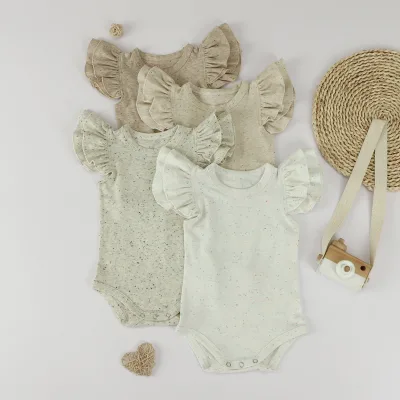
Wholesale baby ruffle sleeve romper Cotton Summer Bodysuits Baby Romper For Kids
$3.9034 - $7.6089
MOQ: 1 pieces
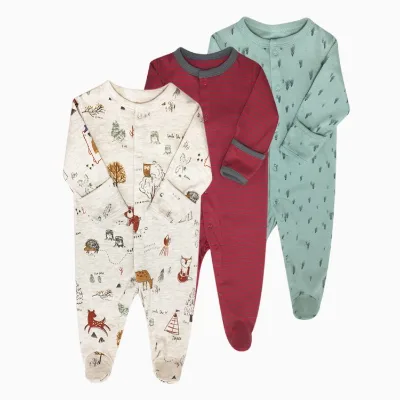
High Quality soft knitted children romper dot printed baby cotton romper for girls
$3.3982 - $4.428
MOQ: 5 pieces
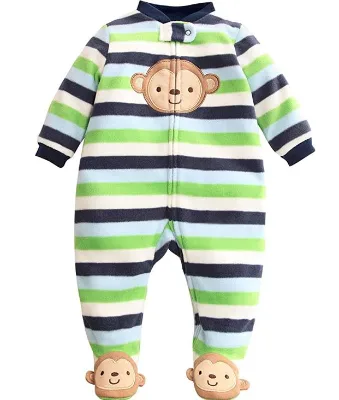
$2.3684 - $4.9422
MOQ: 300 pieces
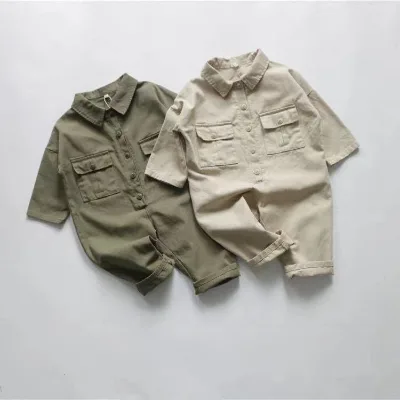
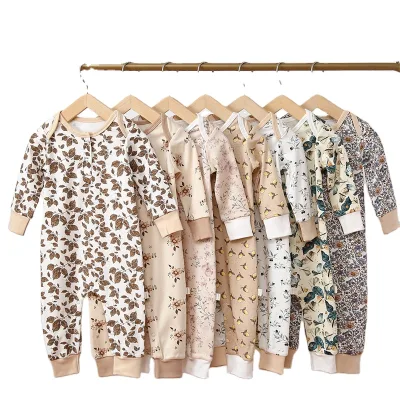
Huzhou Zhili Jingcheng Apparel Co., Ltd.
- Verified by Intertek
- Manufacturer, Trading Company
- Lead time0 days
- Avg. response≤ 6h
Main productsKid Clothes, Apparel Accessory, Baby Supplies, Kids Shoes
Main marketsMid East(45%), Africa(30%), North America(15%)
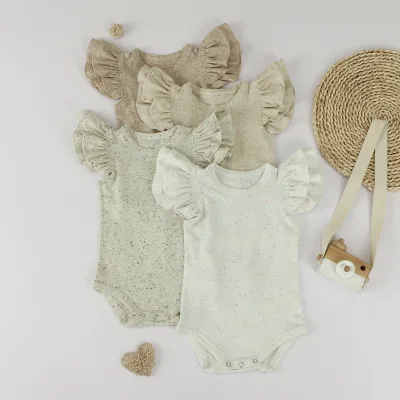
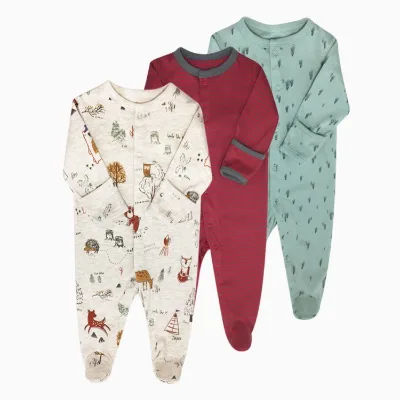
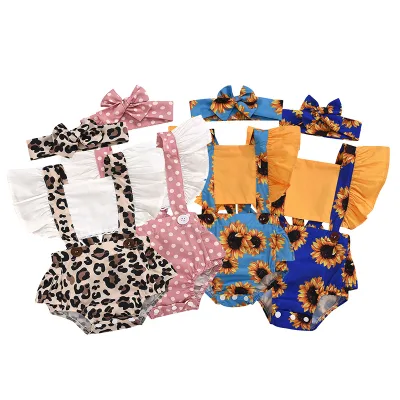
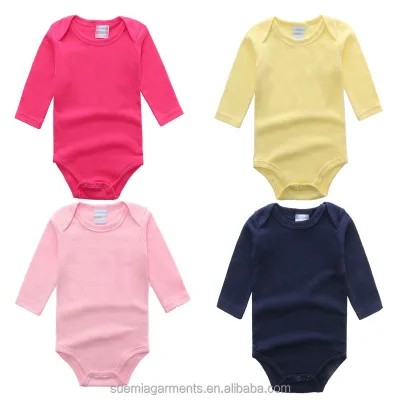
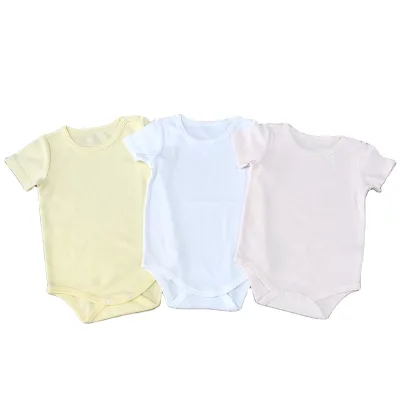
$1.30 - $1.80
MOQ: 2 pieces
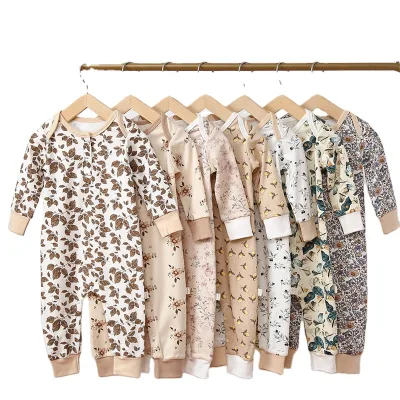
Best sell kids one-piece baby pure cotton bubble rompers flower printing long sleeve baby rompers
$7.20 - $8.10
MOQ: 10 pieces

Quanzhou Everbest Garment Manufacturing CO.,LTD
- Verified by CTI
- Trading Company,Manufacturer/Factory
- China Fujian
- Lead time45 days
- Avg. response≤ 4h
Main productsKids Clothes, Baby Clothes, Sports Shoes, Gym Clothes, Baby Accessories, Fitness Equipment, Sport Wear
Main marketsSouth America,Eastern Europe,Mid East,North America,Southeast Asia,Eastern Asia,Oceania,Western Europe,Africa


$7.10 - $8.00
MOQ: 50 piece

Cotton Girls Ribbed Knit Plain Sleeveless Boutique Newborn Baby Jumpsuit Romper
$6.70 - $7.50
MOQ: 50 piece


Newborn Baby Clothes Soft Cotton Unisex Infant 3 Piece Knit Set Summer Baby Rompers Set
$5.20 - $5.80
MOQ: 50 piece

Quanzhou Zonse Garment Co., Ltd.
- Manufacturer/Factory
- China Fujian
- Lead time30 days
- Avg. response≤ 25h
Main productsUnderwear, Boxer Briefs, Boxer Short, Hipster, Panty, T Shirt, Baby Romper, Baby Bibs, Swimwear, Lingerier
Main marketsSouth America,Eastern Europe,Mid East,North America,Southeast Asia,Eastern Asia,Oceania,Western Europe,Africa
Inner Mongolia Field Textile Products Co., Ltd.
- Verified by TüVRheinland
- Trading Company
- Lead time40 days
- Avg. response≤ 3h
Main productsCashmere Scarf, Cashmere Shawl, Wool Scarf, Cashmere Sweater, Wool Sweater
Main marketsNorth America(40%), Oceania(20%), Eastern Asia(20%)
Shanghai Fullystar Apparel Co., Ltd.
- Manufacturer, Trading Company
- Shanghai, China
- Lead time60 days
- Avg. response≤ 4h
Main productsKnitted Clothing,Woven Clothing,kids clothing
Main marketsNorth America(28.00%), Eastern Asia(23.50%), South America(13.50%), Central America(10.50%), Western Europe(9.50%), Eastern Europe(9.50%), Africa(5.50%)

Dongguan Ardi Apparel Co., Ltd.
- Verified by TUVRHEINLAND
- Manufacturer/Factory
- China Guangdong
- Lead time45 days
- Avg. response≤ 10h
Main productsSweater, Knitwear, Cardigan, Pullover Jumper, Poncho Cape, Coats, Scarf, Beanie Hats, Tights Leggings
Main marketsSouth America,Eastern Europe,Mid East,North America,Southeast Asia,Eastern Asia,Oceania,Western Europe,Africa

New Design Custom Babi Boutique Striation Knitted Toddler Unisex Baby Knit Romper Clothes
$5.90 - $14.90
MOQ: 100 Pieces

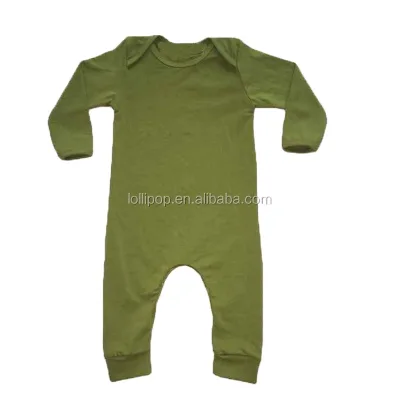
Yiwu Lollipop-Professional Garment Factory
- Trading Company
- Zhejiang, China
- Lead time7 days
- Avg. response≤ 4h
Main productsBaby clothes,baby rompers,leotards,Bloomers,T-shirt
Main marketsNorth America(65.00%), Africa(5.00%), Southeast Asia(5.00%), Eastern Europe(5.00%), South America(5.00%), Western Europe(5.00%), Northern Europe(2.00%), Eastern Asia(2.00%), South Asia(1.00%), Mid East(1.00%), Southern Europe(1.00%)
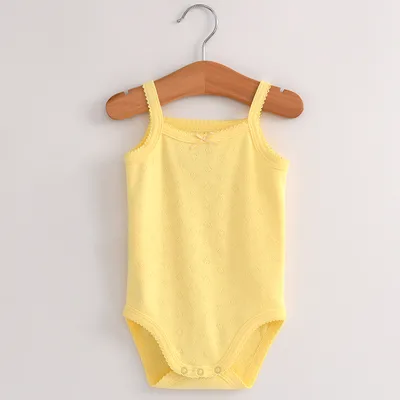
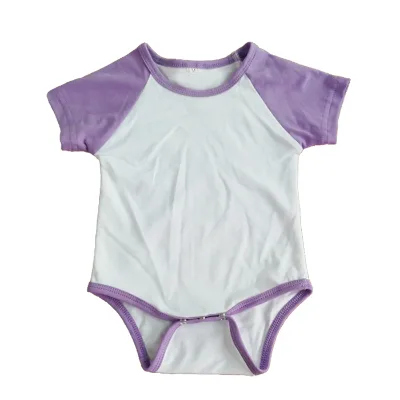
$2.20 - $2.30
MOQ: 4 pieces
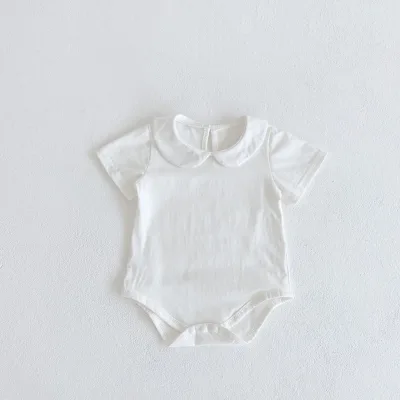
$3.8075 - $4.3216
MOQ: 5 pieces
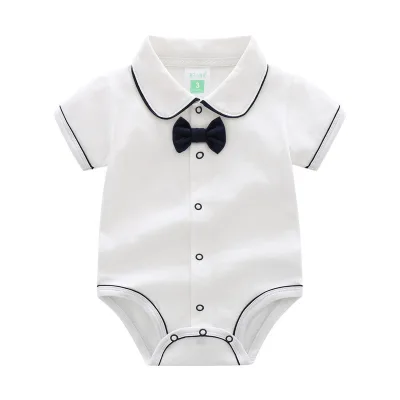
$4.0908 - $4.7039
MOQ: 5 pieces
Yiwu Kaiya E-Commerce Co., Ltd.
- Verified by TüVRheinland
- Manufacturer, Trading Company
- Lead time15 days
- Avg. response≤ 2h
Main productsGirls Clothing Sets, Boys Clothing Sets, Baby Rompers, Girls T-Shirts& Polo Shirts, Family Matching Outfits
Main marketsNorth America(80%), Oceania(20%)
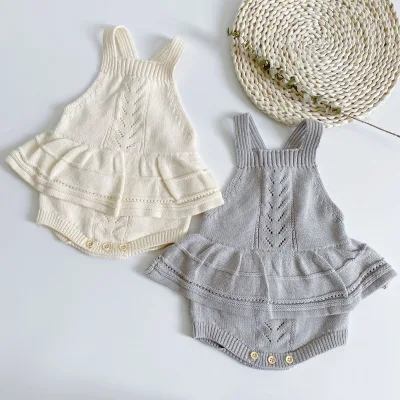
Fashion Design Newborn Girls Rompers Cotton Fabric Baby Knitted Jumpsuit
$7.1967 - $9.2563
MOQ: 20 pieces
$9.2563 - $11.316
MOQ: 30 pieces

WEIFANG YIPPEE TEXTILE TECHNOLOGY CO., LTD.
- Trading Company
- China Shandong
- Lead time0 days
- Avg. response≤ 16h
Main productsMuslin Swaddle Blanket, Sweatpants, T-Shirt, Hoodies, Sweatshirt, Shorts, Spunlace Non Woven Fabric, Pajamas, Towels, Blanket
Yiwu Sophia Garments Co., Ltd.
- Verified by SGS Group
- Trading Company
- Lead time14 days
- Avg. response≤ 1h
Main productsBaby Rompers, Children Clothing, Baby Hats
Main marketsNorth America(60%), Oceania(40%)
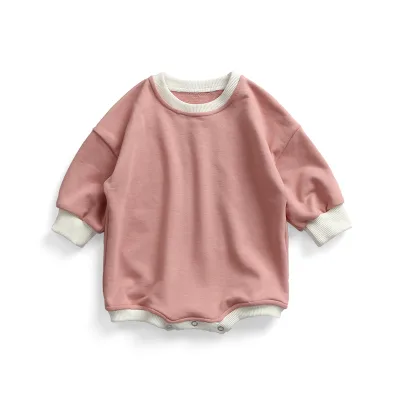
2023 New Design Baby Romper Long Sleeves O-neck Soft Fabric Loose Leisure Newborn Toddlers Romper
$8.29 - $9.19
MOQ: 30 pieces
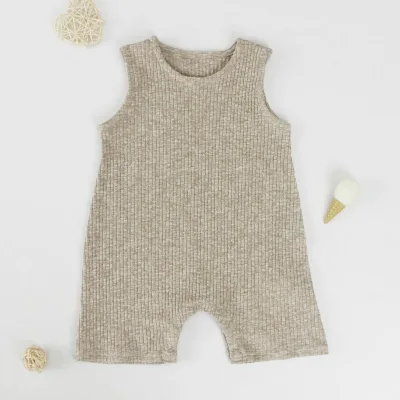
$6.1639 - $8.2205
MOQ: 30 pieces
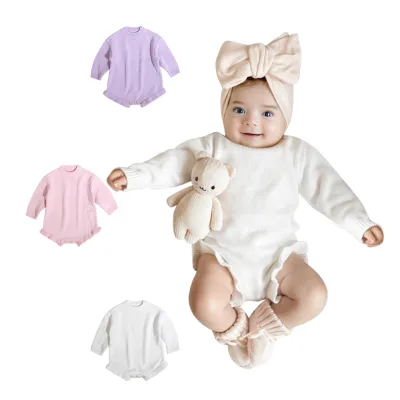

Goldely Garment Import and Export Inc.
- Verified by SGS
- Trading Company
- China Guangdong
- Lead time15 days
- Avg. response≤ 5h
Main marketsNorth America


Timeless Neutral Baby Romper, Cotton Knitted Turtle Neck, Long Sleeves Autumn Jumpsuit
$5.00 - $6.00
MOQ: 100 piece


$4.00 - $6.00
MOQ: 100 PIECE

$5.00 - $6.00
MOQ: 100 piece

Qingdao Lovely Shine Ind Co., Ltd.
- Verified by SGS Group
- Manufacturer, Trading Company
- Lead time50 days
- Avg. response≤ 2h
Main productsHome Textile Product, Baby Kids Cloths, Fashion Apparel
Main marketsNorth America(35%), Oceania(10%), Eastern Europe(8%)
Quanzhou BKD Kids Wear Co., Ltd.
- Verified by Intertek
- Manufacturer, Trading Company
- Lead time45 days
- Avg. response≤ 6h
Main productsBaby Romper, Baby Bodysuit, Girl's Clothing, Baby Clothing Sets , Other Leisurewear
Main marketsNorth America(60%), Southeast Asia(16%), Oceania(12%)
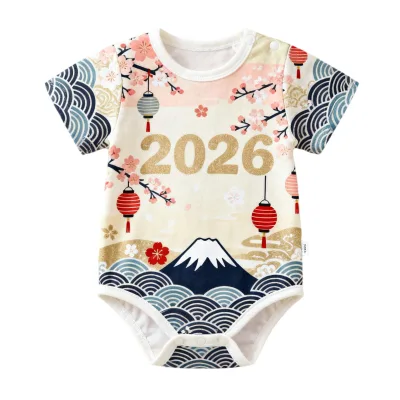
$1.9937 - $2.7282
MOQ: 200 pieces
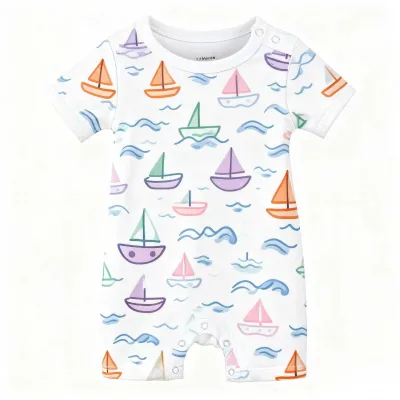
$2.262 - $2.8796
MOQ: 200 sets
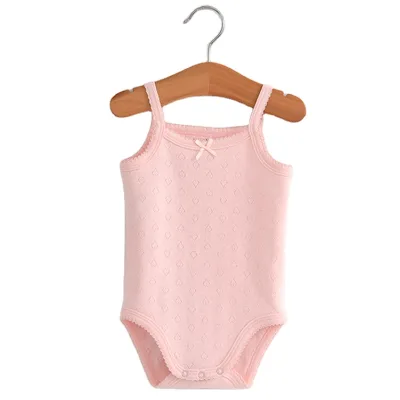
Summer Pure Cotton Custom Design Baby Rompers Newborn Sleeveless Baby Body
$1.9337 - $2.6532
MOQ: 300 pieces
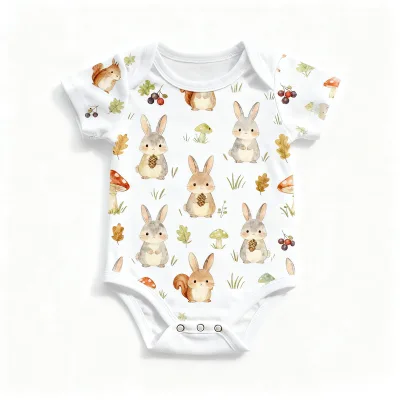
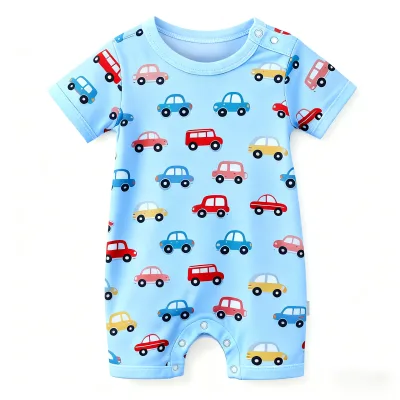
$4.1507 - $6.1219
MOQ: 200 pieces
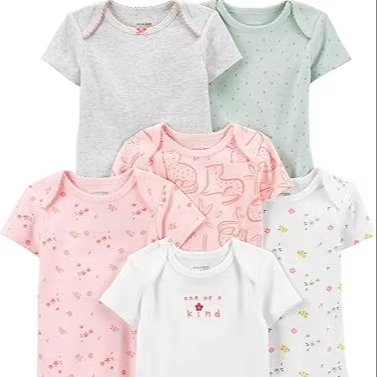
$1.88 - $1.92
MOQ: 200 pieces
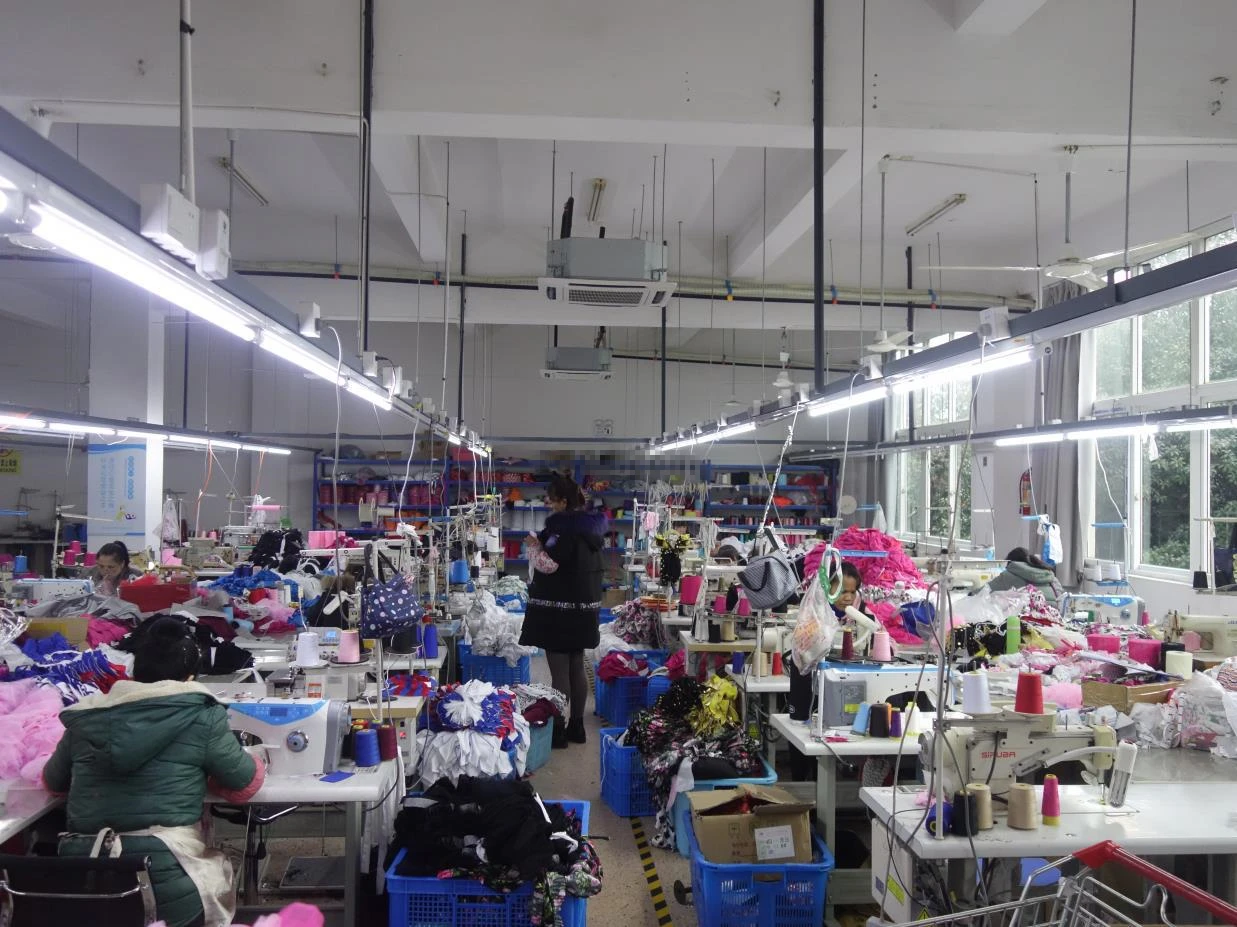
Guangzhou Langai E-Commerce Co., Ltd.
- Trading Company
- Guangdong, China
- Lead time25 days
- Avg. response≤ 5h
Main productsbaby romper,girl dress,clothing set,baby&toddler pants,accessories
Main marketsNorth America(30.00%), Oceania(10.00%), Domestic Market(10.00%), Western Europe(10.00%), Northern Europe(7.00%), Southeast Asia(6.00%), South America(5.00%), Central America(5.00%), Mid East(5.00%), Eastern Europe(3.00%), Africa(3.00%), South Asia(3.00%), Eastern Asia(2.00%), Southern Europe(1.00%)
Suzhou Mygreen Textiles Co., Ltd.
- Verified by Intertek
- Trading Company
- Lead time15 days
- Avg. response≤ 4h
Main productsBaby Blanket, Plush Toy, Baby Clothes, Baby Towel
Main marketsNorth America(35%), Eastern Europe(25%), South America(5%)
Foshan Nanadi Apparel Co., Ltd.
- Verified by SGS Group
- Manufacturer, Trading Company
- Lead time30 days
- Avg. response≤ 2h
Main productsDress, Tops, Pants, Knit sweater, Blanket
Main marketsNorth America(75%), Oceania(25%)
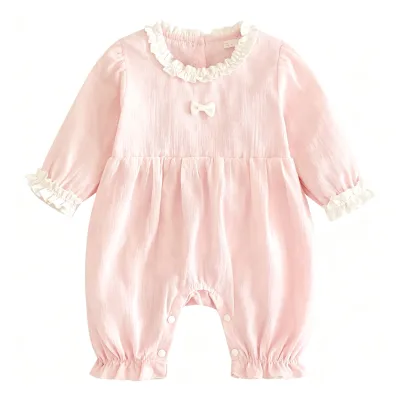
Autumn Long-Sleeve Cotton Romper for Newborns Casual Button Baby Romper Flutter Sleeve Lace Collar
$6.1444 - $12.2873
MOQ: 1 pieces
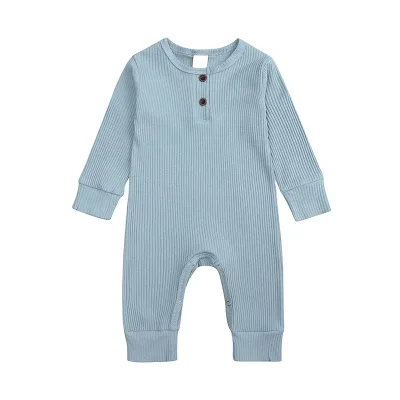
$8.30 - $13.4865
MOQ: 1 pieces
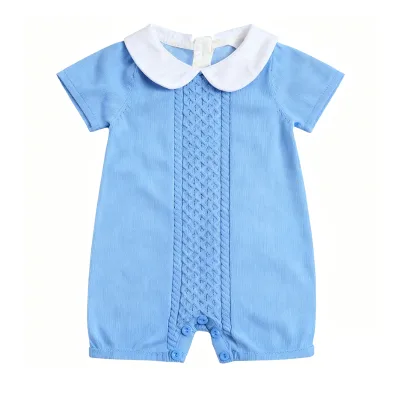
$6.2253 - $12.4492
MOQ: 1 pieces
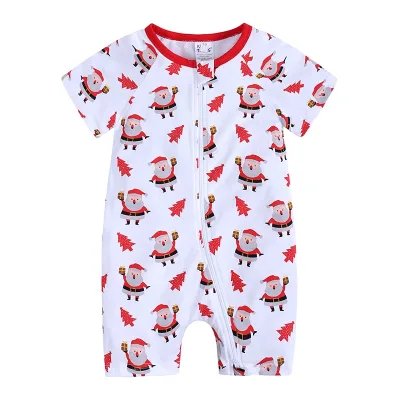
$6.1819 - $14.4144
MOQ: 20 pieces
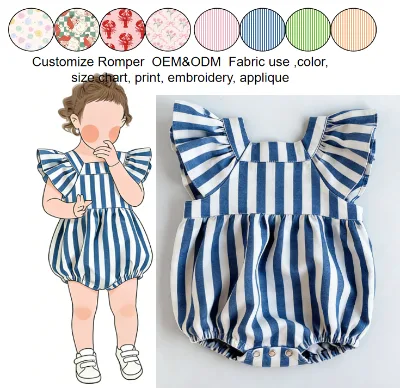
Custom 100% Cotton Infant Newborn romper flutter sleeve with Optional Back design bubble
$8.192 - $10.2397
MOQ: 2 pieces
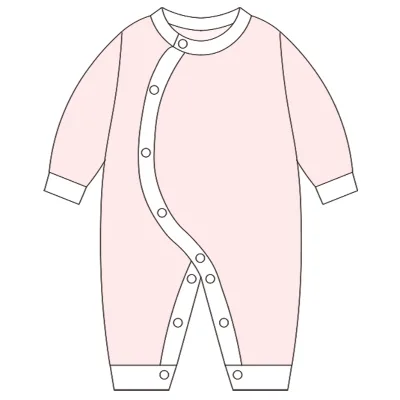
One-Piece Baby Suit for Newborns Comfortable Knitted Crawling Suit with Cute Candy Colors
$10.0628 - $14.3994
MOQ: 10 pieces
Dongguan Lion Bear Baby Products Co., Ltd.
- Manufacturer, Trading Company
- Guangdong, China
- Lead time30 days
- Avg. response≤ 4h
Main productsBaby clothes,Baby blanket,baby sleepbag,baby towel,baby bibs
Main marketsSouth America(20.00%), Southeast Asia(20.00%), North America(20.00%), Africa(15.00%), Domestic Market(5.00%), Central America(5.00%), Western Europe(5.00%), Eastern Europe(5.00%), Mid East(5.00%)
- Verified by Intertek
- Manufacturer, Trading Company
- Lead time7 days
- Avg. response≤ 3h
Main productsChildren's Pants, Children's Shirt, Children's Dress
Main marketsWestern Europe(40%), North America(30%), South America(30%)
$5.1775 - $10.8827
MOQ: 1 pieces




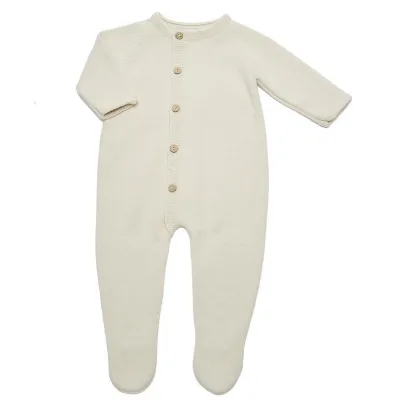
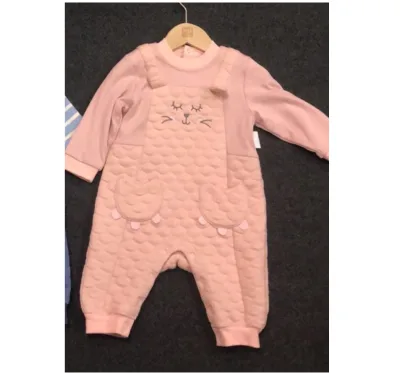
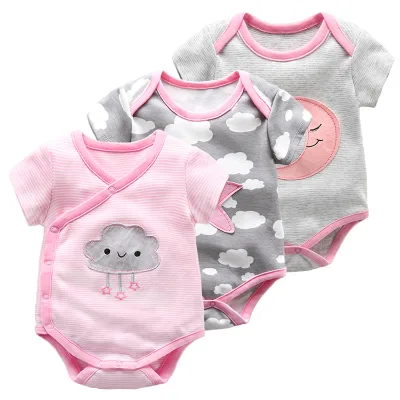
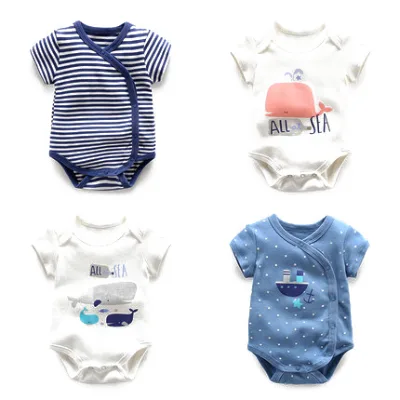


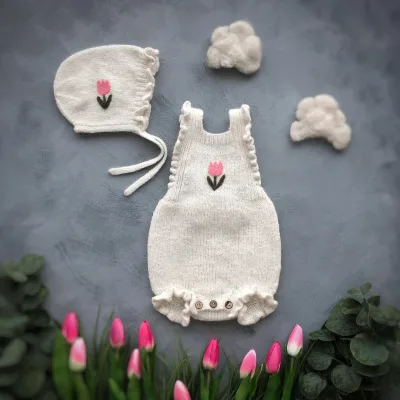
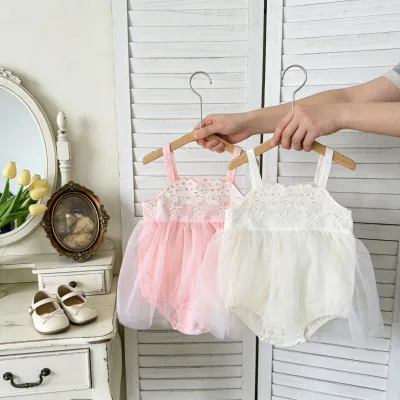
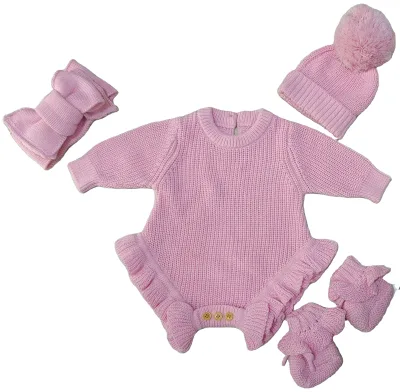
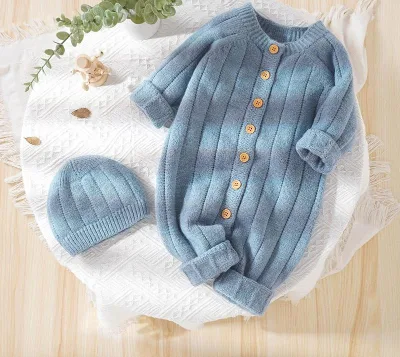
Comprehensive Sourcing Guide
Tartan Knitted Baby Romper Supplier Concentration and Factory Types
The current supplier landscape for tartan knitted baby rompers reveals a distinct split between trading companies and direct manufacturers, each offering different advantages for sourcing. Evidence indicates that suppliers located in China, specifically in Shanghai and Zhejiang provinces, are actively listing baby clothing items such as rompers, sweaters, and knitwear. These regions serve as key hubs for textile production, where factories often specialize in specific garment types like knitted cotton sweaters or plain organic baby rompers. Buyers should note that while some entities identify as trading companies, others operate as manufacturers with established factory facilities. This distinction is critical because it influences the level of control a buyer has over the production process, material sourcing, and customization capabilities. Understanding the company type helps in determining whether to expect direct factory pricing or a markup for intermediary services.
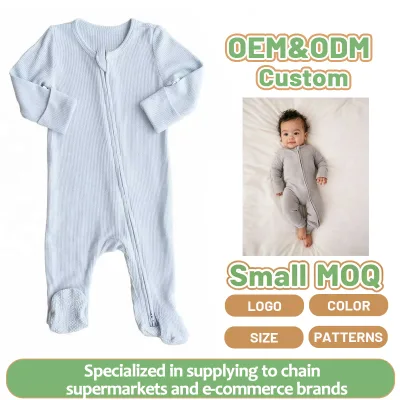
In terms of production capacity, many suppliers offer both OEM and ODM services, allowing for significant customization of tartan patterns and knit structures. Some manufacturers highlight their ability to produce custom designs, including specific colorways and button placements, which is essential for creating unique tartan knitted baby rompers. The presence of RD capacity for both OEM and ODM suggests that these suppliers can adapt to specific design requirements rather than just offering off-the-shelf items. Additionally, some suppliers maintain their own brands, indicating a level of market experience and design sophistication. Buyers evaluating these suppliers should look for evidence of past production runs similar to tartan knits, as this indicates familiarity with the specific challenges of knitting plaid patterns, such as pattern matching and fabric tension. The concentration of these capabilities in specific Chinese provinces provides a centralized sourcing option for buyers seeking scalable production of specialized knitwear.
How to Verify Tartan Knitted Baby Romper Suppliers
Verifying the legitimacy and capability of suppliers requires a close examination of their verification badges and system certifications. Current data shows that some suppliers hold SGS verification, while others possess BV verification, indicating third-party audits of their business operations. Beyond basic verification, system certifications such as WRAP, BSCI, ISO 9000, and ISO 9001 are present among manufacturer-type suppliers. These certifications are crucial for ensuring that the factory adheres to international standards for labor practices, quality management, and environmental responsibility. Buyers should prioritize suppliers with these specific certifications, as they provide a higher level of assurance regarding ethical manufacturing and consistent quality control. The presence of these badges is a strong indicator that the supplier has undergone rigorous external audits, reducing the risk of working with non-compliant facilities.
Response time and sample availability are also key metrics for verifying supplier reliability. Suppliers with faster response times, such as those averaging under five hours, often demonstrate better communication channels and operational efficiency. Additionally, the availability of sample orders is a practical way to assess product quality before committing to large volumes. Some suppliers support seven-day sample order lead times, which is beneficial for rapid prototyping and design validation. Buyers should request samples to check the knit quality, tartan pattern alignment, and fabric softness, which are critical for baby clothing. The ability to provide customized samples according to specific designs further indicates a supplier's flexibility and technical competence. By combining verification badges with performance metrics like response speed and sample support, buyers can build a more accurate profile of each supplier's reliability and suitability for their specific needs.
What to Compare Across Tartan Knitted Baby Romper Suppliers
When comparing suppliers, lead time and minimum order quantity (MOQ) are primary differentiators that impact inventory planning and cash flow. Current facts show a wide range in lead times, with some suppliers offering fifteen-day turnaround times while others require up to sixty days. This variance often correlates with the supplier's type and current order backlog. Similarly, MOQs vary significantly, from as low as one piece for certain stock items to hundreds of pieces for custom knitted rompers. Buyers must align these metrics with their sales volume and storage capabilities. For instance, a supplier with a low MOQ but a long lead time might be suitable for testing new designs, whereas a supplier with a higher MOQ but shorter lead time could be better for replenishing popular styles. Understanding these trade-offs is essential for effective supply chain management.
Price and supply ability are also critical factors in supplier comparison. The price range for baby rompers can vary from approximately $1.50 to over $19.00, depending on material composition, customization level, and order volume. Suppliers offering 100% cotton rompers may have different pricing structures compared to those using polyester-cotton blends. Additionally, supply ability, such as 5000 sets per week, indicates the supplier's production capacity and reliability in meeting large orders. Buyers should compare not just the unit price but also the total cost of ownership, including shipping and potential tariffs. The availability of stock items versus made-to-order production also affects pricing and lead times. By systematically comparing these dimensions, buyers can identify suppliers that offer the best balance of cost, speed, and capacity for their specific Tartan Knitted Baby Romper requirements.
Common Tartan Knitted Baby Romper Sourcing Risks
One significant risk in sourcing tartan knitted baby rompers is the potential inconsistency in pattern matching and knit quality. Tartan patterns require precise alignment, which can be challenging in mass production, especially if the supplier lacks specialized knitting equipment or experienced technicians. Buyers may encounter issues where the plaid pattern does not match at the seams, leading to rejected goods or customer dissatisfaction. Additionally, the softness and breathability of the knit fabric are critical for baby clothing, and variations in material quality can affect the final product's comfort and safety. Suppliers using blended materials like polyester-cotton may offer lower costs but might not meet the premium feel expected for high-end baby wear. Buyers must ensure that the supplier has strict quality control measures in place to mitigate these risks.
Another risk is the discrepancy between stated lead times and actual delivery dates. While some suppliers advertise short lead times, external factors such as raw material shortages or production bottlenecks can cause delays. This is particularly relevant for custom orders, which require additional time for pattern creation and sample approval. Buyers should also be cautious of suppliers with vague or inconsistent product descriptions, as this may indicate a lack of transparency or expertise. Furthermore, the risk of intellectual property infringement exists if the tartan pattern is proprietary or copyrighted. Buyers should verify that the supplier has the right to produce the specific design and that it does not infringe on existing trademarks. By identifying these risks early, buyers can implement safeguards such as detailed contracts, regular communication, and third-party inspections to protect their interests.
Tartan Knitted Baby Romper Regional Sourcing and Logistics
Sourcing from China, particularly from Shanghai and Zhejiang provinces, offers logistical advantages due to established textile infrastructure and port access. Shanghai, as a major international port, facilitates efficient export shipping, reducing transit times for buyers in North America and Europe. Zhejiang province, known for its manufacturing clusters, provides a dense network of suppliers and raw material sources, which can streamline the production process. Buyers should consider the proximity of the supplier to these logistics hubs when calculating shipping costs and delivery schedules. The concentration of suppliers in these regions also means that buyers can potentially visit multiple factories in a single trip, facilitating better relationship building and quality audits. This regional clustering enhances the efficiency of the sourcing process, making it easier to manage complex orders.
However, buyers must also account for the variability in shipping methods and customs procedures. Different suppliers may have preferred logistics partners, which can affect the reliability and cost of shipping. Buyers should clarify whether the supplier offers FOB, CIF, or DDP terms, as this impacts who is responsible for shipping and insurance. Additionally, the type of packaging used by the supplier, such as OPP bags or cartons, can affect the volume and weight of the shipment, influencing freight costs. Buyers should ensure that the packaging is durable enough to protect the knitwear during transit, preventing damage to the tartan patterns and fabric. By understanding the logistical landscape of these Chinese regions, buyers can optimize their supply chain for cost and speed, ensuring timely delivery of tartan knitted baby rompers to their target markets.
Tartan Knitted Baby Romper Commercial Terms and Order Planning
Commercial terms such as payment methods and return policies are essential components of order planning. Buyers should negotiate clear terms regarding payment milestones, such as a deposit upon order confirmation and the balance upon shipment. This structure helps manage cash flow and reduces financial risk. Additionally, understanding the supplier's policy on defective goods is crucial, as it determines how issues are resolved if the received rompers do not meet quality standards. Buyers should also inquire about the availability of escrow services, which can provide an additional layer of security for transactions. Clear commercial terms help prevent misunderstandings and ensure a smooth transaction process, allowing buyers to focus on sales and marketing rather than supply chain disputes.
Order planning should also consider the customization process and its impact on production timelines. Custom tartan knitted baby rompers require detailed specifications, including fabric weight, stitch type, and button style. Buyers should provide comprehensive tech packs to suppliers to ensure accurate production. The sample approval process is a critical step in this planning, as it allows buyers to verify the design before mass production. Buyers should allocate sufficient time for sample revisions and approvals to avoid delays in the final delivery. Additionally, planning for seasonal demand is important, as tartan patterns are often associated with specific seasons like autumn and winter. By aligning order planning with seasonal trends and supplier capabilities, buyers can optimize inventory levels and maximize sales opportunities for tartan knitted baby rompers.
FAQs
What is the price range for tartan knitted baby rompers?
Prices for these items typically range from 1.50 to 19.99 dollars per unit. Specific costs depend on material composition, order quantity, and customization requirements. Some suppliers offer lower prices for basic cotton styles while knitted sweaters command higher rates.
What are the minimum order quantities for these products?
Minimum order quantities vary significantly by supplier and product type. Some listings accept orders as low as one set, while others require 10 bags or 300 pieces. Buyers should verify specific MOQs with each vendor before placing bulk orders to ensure feasibility.
How long does it take to receive samples or orders?
Sample lead times generally range from three to seven days for stock items. Full production delivery can take up to 60 days depending on the supplier. Some vendors support seven-day sample orders, while others require ten to twenty-five days for custom designs.
Are these rompers available in unisex or specific gender options?
Many listings offer unisex options suitable for both boys and girls. Specific products are also available for girls or toddlers with distinct styles. Buyers can find rompers with round necks and long sleeves designed for various age groups including newborns and toddlers.
What materials are used to make these knitted baby rompers?
Materials include 100% cotton, polyester blends, and knitted fabrics. Some products feature organic cotton or specific blends for breathability. Buyers should check product attributes for exact material composition to ensure suitability for sensitive skin and desired comfort levels.
Do suppliers offer customization services for these rompers?
Customization is available for many listed products including design and color options. Suppliers support OEM and ODM services for tailored requirements. Buyers can request specific patterns, packaging, or branding details directly with the manufacturer to meet unique market needs.
Where are the manufacturers of these rompers located?
Manufacturers are primarily located in Shanghai, China, and Zhejiang province. These regions host both trading companies and direct manufacturers. Buyers can verify specific factory locations to assess logistics costs and shipping times for international orders.