Android 4G LTE Embedded Motherboard Suppliers and Manufacturers
Explore 25 verified suppliers offering Android 4G LTE Embedded Motherboard with varying lead times, certifications, and response speeds. Compare specifications like chipset, memory, and voltage to find the right fit for your project; review the available evidence before requesting comparable quotations from suitable candidates.
Updated
Suppliers List

Shenzhen Hyy Technology Co., Ltd
- Verified by TUVRHEINLAND
- Trading Company
- China Guangdong
- Lead time15 days
- Avg. response≤ 1h
Main productsLCD Display, Android Tablet, Advertising Display, LCD Monitor, Mini PC, LCD Screen, Touch Screen Monitor, Touch Screen Display, Digital Signage, All in One PC
Main marketsDomestic

Long Lasting Performance Android Motherboard 4G LTE Motherboard Industrial Motherboard
$10.00 - $90.00
MOQ: 1 Pieces

Reduce Development Costs Lvds Motherboard 4G LTE Motherboard Industrial Motherboard
$10.00 - $90.00
MOQ: 1 Pieces
Shenzhen Le Hua Display Electronic Technology Co., Ltd.
- Manufacturer, Trading Company
- Guangdong, China
- Lead time10 days
- Avg. response≤ 7h
Main products7\~32\ Industrial Touch Monitor,Industrial Panel PC Support Windows/Android,MES Workstation Panel PC with RFID Reader/Barcode Scanner/Camera,Industrial Box Mini PC,ARM/X86 Motherboard(RK3568/RK3588/RK3576/RK3288/RK3399/A64/i3/i5/i7/J6412/J4125/J1900)
Main marketsDomestic Market(30.00%), Northern Europe(15.00%), North America(15.00%), South America(7.00%), Southeast Asia(7.00%), Eastern Europe(6.00%), Eastern Asia(5.00%), Western Europe(4.00%), Southern Europe(4.00%), Oceania(2.00%), Central America(2.00%), Africa(1.00%), South Asia(1.00%), Mid East(1.00%)
Zhengzhou Qiyang Technology Co., Ltd.
- Verified by Intertek
- Manufacturer, Trading Company
- Lead time5 days
- Avg. response≤ 2h
Main productsIndustrial Motherboard, Panel Pc, Industrial Mini Pc, Industrial Monitor, Industrial Pc
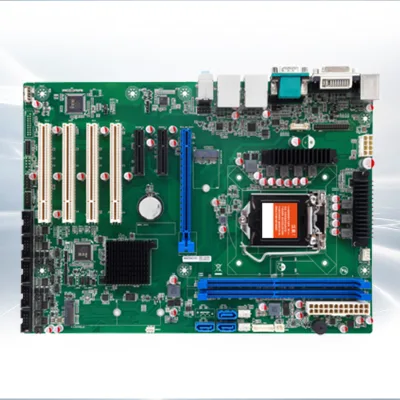
$102.00 - $121.00
$99.4512 - $118.0987
MOQ: 1 pieces
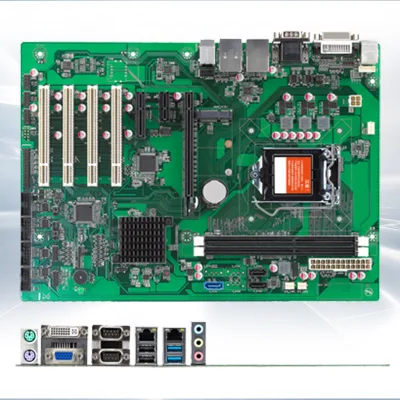
Guangdong High Praise Technology Co., Ltd.
- Manufacturer, Trading Company
- Guangdong, China
- Lead time7 days
- Avg. response≤ 2h
Main productsITX Motherboard,Industrial Touch Panel,Android Motherboard,Mini PC,ARM Board
Main marketsEastern Europe(30.00%), Mid East(20.00%), South Asia(20.00%), North America(20.00%), South America(10.00%)
CND Electronic Technology (shenzhen) Co., Ltd.
- Manufacturer, Trading Company
- Guangdong, China
- Lead time15 days
- Avg. response≤ 15h
Main productsled tv board,lcd android board,lcd industrial touch monitor,lcd android touch monitor,video encoder
Main marketsDomestic Market(40.00%), North America(10.00%), South Asia(10.00%), Southeast Asia(5.00%), South America(5.00%), Northern Europe(5.00%), Central America(5.00%), Western Europe(5.00%), Eastern Asia(5.00%), Mid East(5.00%), Africa(5.00%)
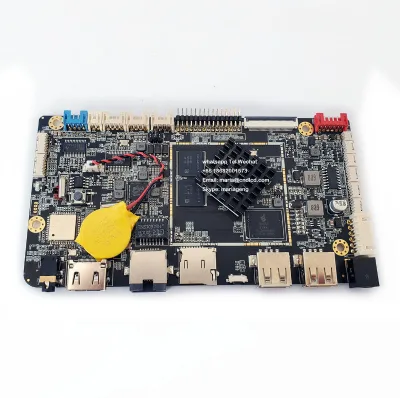
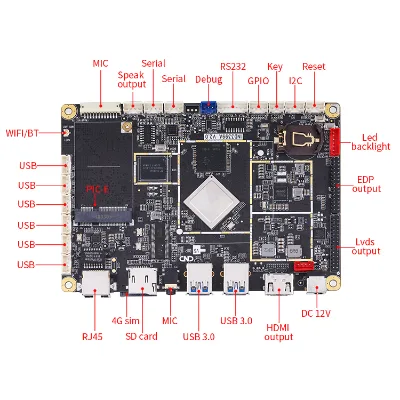
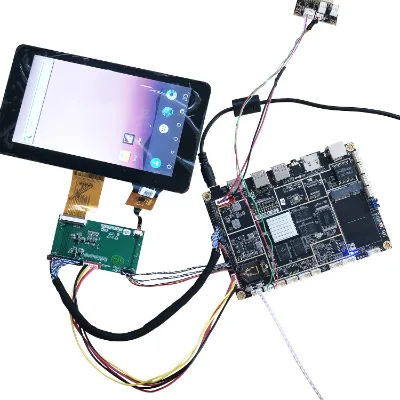
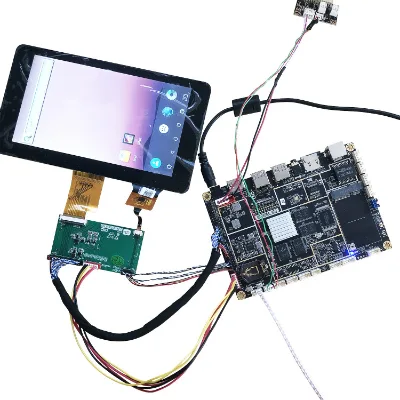
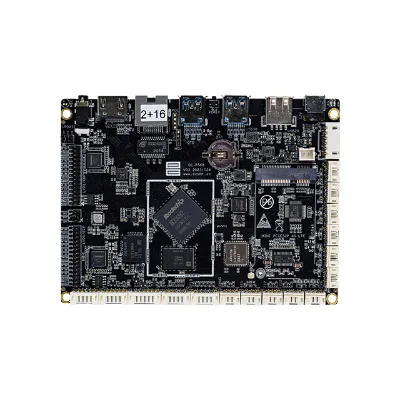
Cheap android motherboard 2G+16G android 7.1 development control mainboard RK3288
$46.00 - $60.00
MOQ: 1 pieces
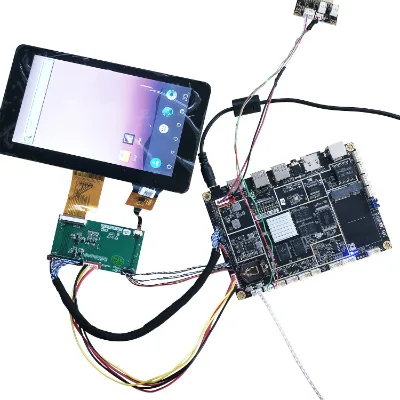
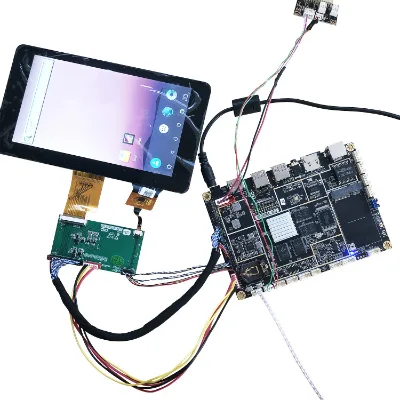
$61.519 - $66.6455
MOQ: 1 pieces

Shenzhen Grandtop Electronics Co., Ltd.
- Trading Company,Manufacturer/Factory
- China Guangdong
- Lead time30 days
- Avg. response≤ 3h
Main productsPCB Assembly, Robotic Control PCB Assembly, Industrial Control PCBA, Medical PCBA, Financial PCBA, Contract Manufacturer, Automatic Control PCB Assembly, OEM &ODM PCBA, Turnkey Service PCBA, One Stop PCB Assembly
Main marketsSouth America,Eastern Europe,Mid East,North America,Southeast Asia,Eastern Asia,Western Europe,Africa


Original Factory X86 Intel Industrial Embedded Motherboard with Built in Display Core
$85.90 - $109.90
MOQ: 2 Pieces

Shenzhen Elsky Technology Co., Ltd.
- Verified by SGS
- Combined
- China Guangdong
- Lead time30 days
- Avg. response≤ 6h
Main productsMotherboard, Mini PC, OPS Mini PC, Industrial PC
Main marketsDomestic


Cheap Mini-Pcie 4G WiFi Embedded Motherboard for IoT Gateway and Surveillance System
$112.00 - $117.00
MOQ: 1 Pieces

$36.00 - $39.00
MOQ: 1 Pieces

Cheap Mini-Pcie 4G WiFi Embedded Motherboard for IoT Gateway and Surveillance System Qm8900
$119.00 - $124.00
MOQ: 1 Pieces

Wholesale RS485 Support Wide Temperature Embedded Motherboard for Industrial Robot Control
$77.00 - $82.00
MOQ: 1 Pieces

Shenzhen Jiaweishi Electronic Technology Co., Ltd.
- Manufacturer
- Guangdong, China
- Lead time3 days
- Avg. response≤ 6h
Main productsindustry panel pc,industrial android panel pc,industrial motherboard,industrial mini pc,industiral box pc
Main marketsDomestic Market(40.00%), Eastern Asia(10.00%), North America(10.00%), Western Europe(10.00%), Southeast Asia(5.00%), Mid East(5.00%), Oceania(5.00%), South America(5.00%), Southern Europe(2.00%), Northern Europe(2.00%), Eastern Europe(2.00%), Africa(2.00%), South Asia(1.50%), Central America(0.50%)
Baoding Forlinx Embedded Technology Co., Ltd.
- Manufacturer, Trading Company
- Hebei, China
- Lead time0 days
- Avg. response≤ 6h
Main productsembedded ARM single board computer,development board,CPU module,expand modules,LCD module
Main marketsDomestic Market(80.00%), Western Europe(5.00%), North America(3.00%), Southern Europe(3.00%), Eastern Asia(3.00%), Northern Europe(1.50%), South Asia(1.00%), Southeast Asia(1.00%), Eastern Europe(1.00%), South America(1.00%), Oceania(0.50%)

Shenzhen Anjier Technology Co., Ltd
- Verified by SGS
- Trading Company
- China Guangdong
- Lead time30 days
- Avg. response≤ 5h
Main productsDevelopment Board, Core Board(Som), All in One Computer, Advertising Display, Smart Frame
Main marketsOthers(foreignTradeCapacity.exportBusinessCapacityMarketOther),Southeast Asia/ Mideast,Europe


T972 Android 11 Industrial Smart Motherboard Amlogic Quad Core Cortex-A55 4K
$59.99 - $65.99
MOQ: 100 Pieces

R&O Industrial Technology Co., Limited
- Manufacturer/Factory,Group Corporation
- China Guangdong
- Lead time23 days
- Avg. response≤ 4h
Main productsMotherboard, Firewall Motherboard, Electronic Components, IC, Network Security Appliance, Mini PC, Chipset, Industrial Embedded Computer, OEM, Mainboard
Main marketsSouth America,Eastern Europe,Mid East,North America,Southeast Asia,Eastern Asia,Oceania,Western Europe,Africa


8 Ports Gigabit Ethernet Industrial Motherboard with SIM Slot Support 3G Lte 4G
$66.00 - $170.00
MOQ: 5 Pieces


Intel J4125 Firewall Motherboard with Four Gigabit Ethernet Ports and Pfsense Compatibility
$120.00 - $280.00
MOQ: 1 Pieces
Shenzhen Baijie Technology Co., Ltd.
- Manufacturer, Trading Company
- Guangdong, China
- Lead time15 days
- Avg. response≤ 1h
Main productsDevelopment board,hardware customize,software service,embedded development board,core board
Main marketsNorth America(20.00%), Western Europe(10.00%), Domestic Market(10.00%), Mid East(10.00%), Oceania(10.00%), Southeast Asia(10.00%), Eastern Europe(10.00%), Eastern Asia(5.00%), South Asia(5.00%), Southern Europe(5.00%), Central America(5.00%)
Shenzhen Kongduan Technology Co., Ltd.
- Manufacturer
- Guangdong, China
- Lead time0 days
- Avg. response≤ 6h
Main productsIndustrial Motherboards,Industrial PC,Mini PC,Industrial Panel PC,Network Security Mainboard
Main marketsMid East(9.00%), Domestic Market(7.00%), South Asia(7.00%), Southern Europe(7.00%), Northern Europe(7.00%), Central America(7.00%), Western Europe(7.00%), Eastern Asia(7.00%), North America(7.00%), Oceania(7.00%), Africa(7.00%), Southeast Asia(7.00%), Eastern Europe(7.00%), South America(7.00%)

Guangzhou Senke Electronic Co., Ltd.
- Verified by BV
- Combined
- China Guangdong
- Lead time15 days
- Avg. response≤ 10h
Main productsIndustrial Panel PC, Digital Signage, All in One PC, LCD Display, Ad Player, Advertising Display, Advertising Player, Kiosk, Touch Screen Kiosk, LCD Monitor
Main marketsSouth America,Africa,Others(foreignTradeCapacity.exportBusinessCapacityMarketOther),Southeast Asia/ Mideast,East Asia(Japan/ South Korea),Europe,Australia,North America

Sbc Motherboard Computing Android Rk35562 Rk3568 Rk3588 Processor Mini Itx Embedded Mainboard
$65.00 - $77.00
MOQ: 1 Pieces

$65.00 - $77.00
MOQ: 1 Pieces

$65.00 - $77.00
MOQ: 1 Pieces
Guangzhou Dingchang Electronic Technology Co., Ltd.
- Manufacturer, Trading Company
- Guangdong, China
- Lead time12 days
- Avg. response≤ 2h
Main productsAndroid Development Board, PCBA, Industrial All In One PC, Motherboards
Main marketsDomestic Market(60.00%), South Asia(20.00%), Mid East(10.00%), South America(5.00%), Northern Europe(5.00%)

Shenzhen Piesia Electronic Technology Co., Ltd.
- Manufacturer/Factory
- China Guangdong
- Lead time15 days
- Avg. response≤ 8h
Main productsMotherboard, Mini Itx Motherboard, 3.5 Inch Embedded Motherboard, Industrial Motherboard, Industrial PC Parts, Main Board, Industrial PC, Network Motherboard, X86 Motherboard, Sbc Motherboard
Main marketsSouth America,Eastern Europe,Mid East,North America,Southeast Asia,Eastern Asia,Oceania,Western Europe,Africa


$112.00 - $125.00
MOQ: 1 Pieces

Onboard Mobile I7-1165g7 11th Processor 8GB DDR4 2*LAN 6*COM Laptop Motherboards
$359.00
MOQ: 1 Pieces


4u Server Case Board Intel 12th LGA 1700 Q670 4*DDR5 3*LAN 6*COM Pcie Industrial ATX Motherboard
$192.00 - $228.00
MOQ: 1 Pieces

Shenzhen Jiexingtong Technology Co., Ltd.
- Manufacturer
- Guangdong, China
- Lead time7 days
- Avg. response≤ 1h
Main productsindustrial computer,Mini pc,Network server,Industrial panel pc,industrial mainboard
Main marketsNorth America(30.00%), South America(20.00%), Western Europe(14.00%), Eastern Europe(11.00%), Northern Europe(5.00%), Southern Europe(4.00%), Oceania(3.00%), Southeast Asia(3.00%), Eastern Asia(2.00%), Domestic Market(2.00%), Central America(2.00%), South Asia(2.00%), Africa(1.00%), Mid East(1.00%)
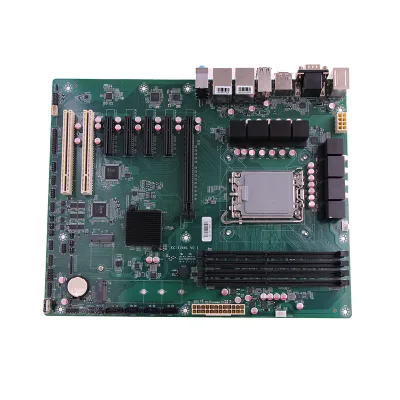
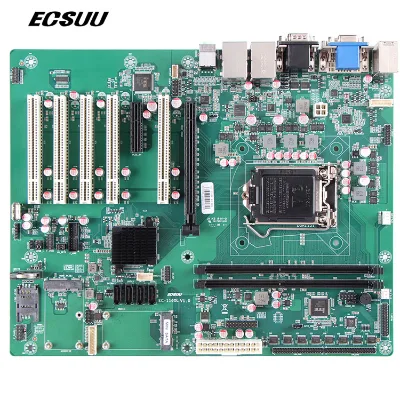
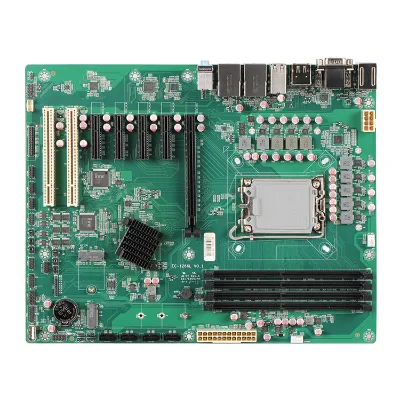
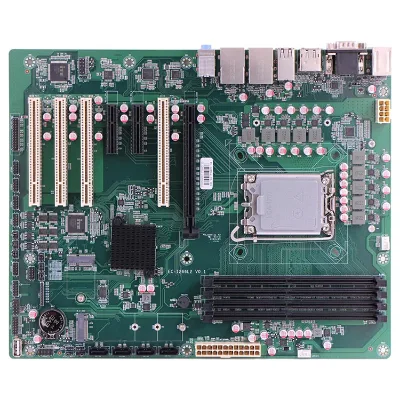
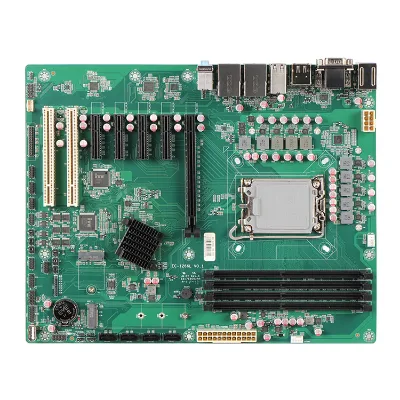
$302.4652 - $333.2232
MOQ: 1 boxes
Shenzhen Aiostar Electronics Co., Ltd.
- Verified by TüVRheinland
- Manufacturer, Trading Company
- Lead time15 days
- Avg. response≤ 5h
Main productsIndustrial Motherboard, OPS PC, Industrial Panel PC, Mini PC, Industrial PC
Main marketsNorth America(20%), Western Europe(16%), Eastern Europe(15%)

- Verified by SGS
- Trading Company,Manufacturer/Factory,Group Corporation
- China Guangdong
- Lead time15 days
- Avg. response≤ 18h
Main productsPCBA/PCB Assembly, Cable/Wire Harness Assemb, Sheet Metal Fabrication, Kiosk Machine OEM/ODM, Order Machine OEM/ODM, Product Assembly, LED Industrial Lights
Main marketsSouth America,Eastern Europe,Mid East,North America,Southeast Asia,Eastern Asia,Oceania,Western Europe,Africa

Shenzhen STHL Technology Co., Ltd.
- Verified by TUVRHEINLAND
- Combined
- China Guangdong
- Lead time15 days
- Avg. response≤ 11h
Main productsPCBA, PCB, PCB Board, PCB Assembly, Circuit Board, PCB Design, PCB Layout, Printed Circuit Board, LED Circuit Board, Electronic Components
Main marketsSouth America

Electronic Component Circuit PCB Board Industrial Control Computer Parts Motherboard
$10.00 - $30.00
MOQ: 1 pcs


Zhengzhou Qiyang Technology Co., Ltd.
- Verified by SGS
- Combined
- China Henan
- Lead time15 days
- Avg. response≤ 4h
Main productsIndustrial PC, Industrial Panel PC, Industrial Monitor, Industrial Motherboard, Fanless Mini PC, Embedded Box PC
Main marketsSouth America,Others(foreignTradeCapacity.exportBusinessCapacityMarketOther),Southeast Asia/ Mideast,Europe,North America

OEM/ODM Core B75 Embedded Industrial ATX Motherboard with 5*SATA+1*Msata 11*USB
$113.00 - $126.00
MOQ: 1 pieces

OEM/ODM Core B75 Embedded Industrial ATX Motherboard with DDR3 2*Non-Eccu-Dlmm Slot up To16GB
$113.00 - $126.00
MOQ: 1 pieces

Shenzhen ITZR Technology Co., Ltd.
- Verified by TUVRHEINLAND
- Combined
- China Guangdong
- Lead time15 days
- Avg. response≤ 9h
Main productsLaptop, Motherboard, Tablet PC, All in One PC, Mobile, Graphics Cards, Mini PC, VGA Card, Ipc, Mainboard
Main marketsSouth America,Southeast Asia/ Mideast


Esonic Motherboard H310cna, Support LGA1151 Processor, Gigabyte LAN, HiFi Audio
Negotiable
MOQ: 1 Pieces
Shenzhen Liontron Technology Co., Ltd.
- Manufacturer
- Guangdong, China
- Lead time0 days
- Avg. response≤ 2h
Main productsARM board,Android board,control board,SOM board,AI box
Main marketsSouth America(30.00%), Southeast Asia(30.00%), Africa(20.00%), North America(20.00%)
Shenzhen Evolution Computer Co., Ltd.
- Verified by Intertek
- Manufacturer, Trading Company
- Lead time7 days
- Avg. response≤ 2h
Main productsIndustrial PC, Panel PC, Motherboards, Mini PC, All-in-One PC
Main marketsDomestic Market(60%), Western Europe(16%), Southeast Asia(15%)
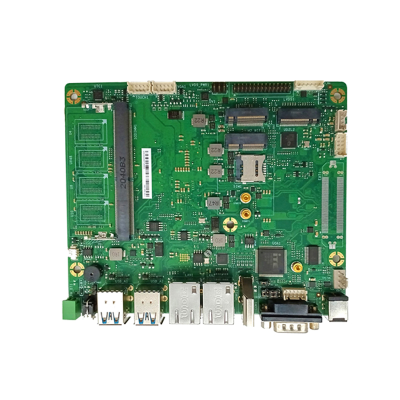
$464.642 - $470.8239
MOQ: 1 sets
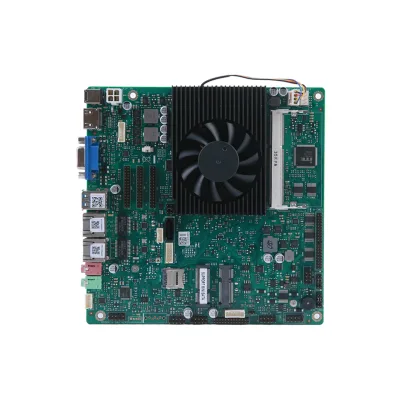
$91.3521 - $101.7326
MOQ: 5 Minimum
Shenzhen Abeloe Technology Co., Ltd.
- Manufacturer, Trading Company
- Lead time旺季: "1 - 100":31,"101 - 500":35,"501 - 1000":40,"> 1000":"To be negotiated", 淡季: "1 - 100":31,"101 - 500":35,"501 - 1000":40,"> 1000":"To be negotiated"
- Avg. response≤ 3h
Main productsLCD Monitor, Gaming Monitor, Tablet PC, Touch Screen Moitor, All In One PC
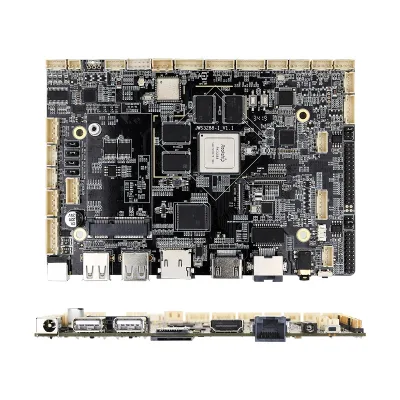
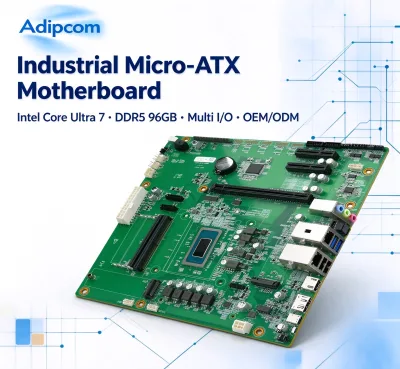
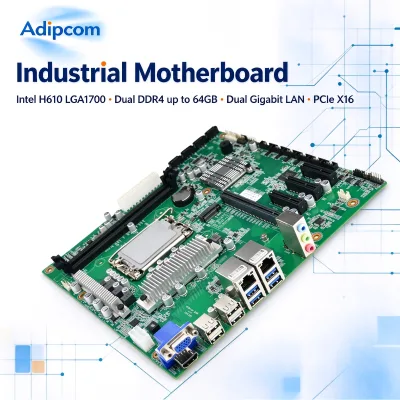
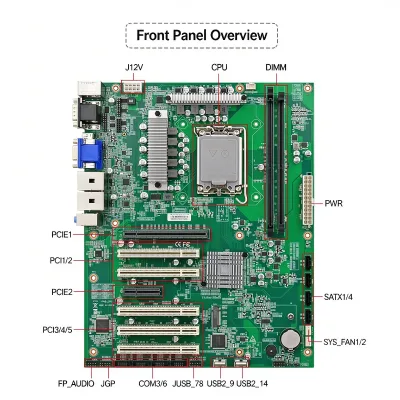
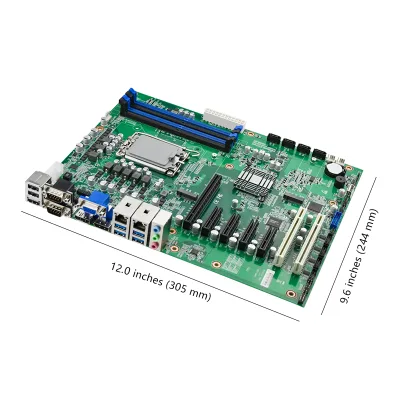
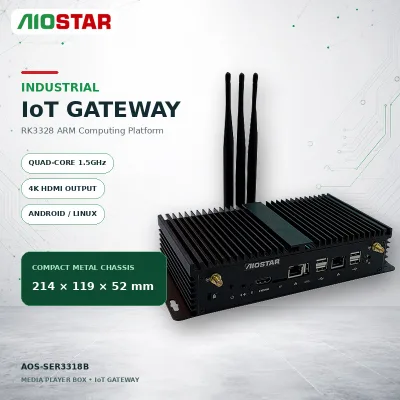
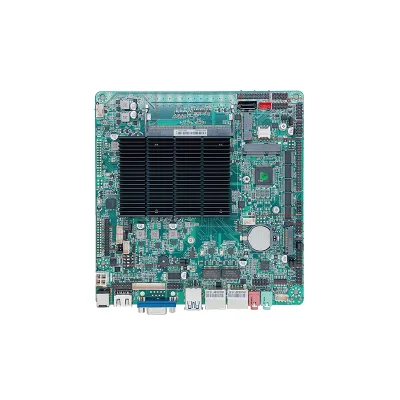
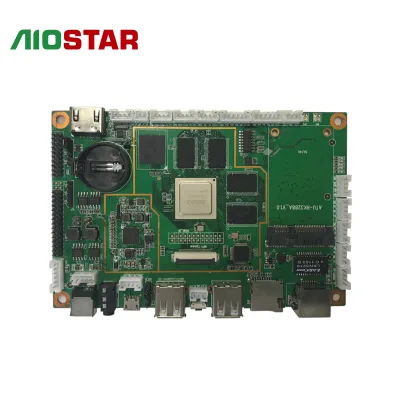
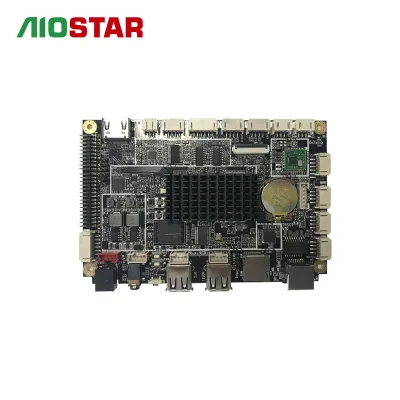


Comprehensive Sourcing Guide
Android 4G LTE Embedded Motherboard Supplier Concentration and Factory Types
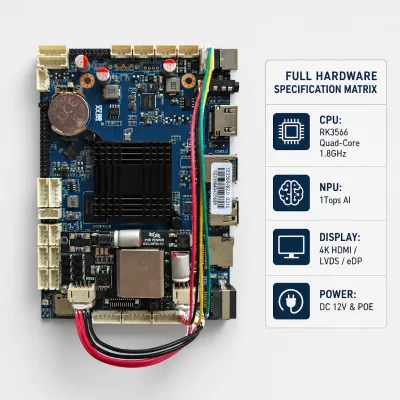
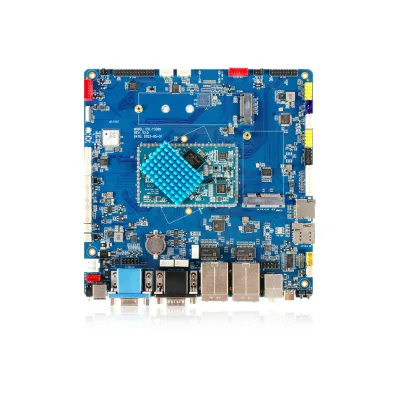
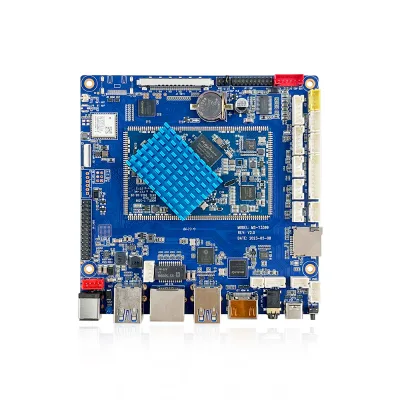
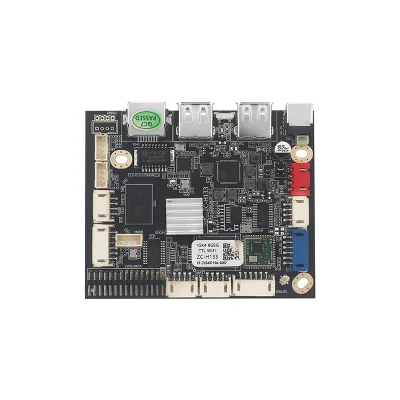
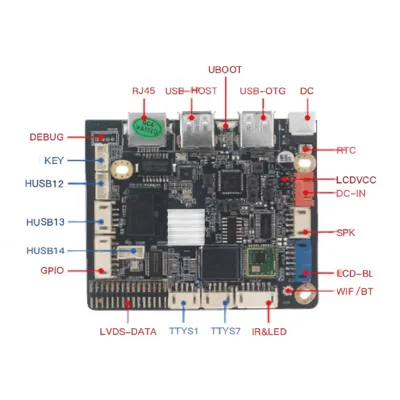
The current supplier landscape for Android 4G LTE embedded motherboards reveals a distinct concentration of manufacturing and trading entities within specific geographic regions. Evidence indicates that a significant portion of these suppliers are located in China, with Guangdong emerging as a primary hub for this specialized hardware. This regional clustering is not accidental; it reflects the mature supply chain infrastructure for consumer electronics and computer hardware components. Buyers evaluating potential partners should recognize that suppliers in this region often benefit from proximity to component distributors, assembly facilities, and testing laboratories. When assessing supplier profiles, it is crucial to distinguish between pure trading companies and those with manufacturing capabilities. Some suppliers are identified explicitly as trading companies, which may offer broader product ranges but potentially less direct control over production schedules. Others are listed as manufacturers or hybrid entities, combining both trading and manufacturing functions. This distinction impacts how buyers should approach negotiations regarding customization, quality control, and intellectual property protection. The presence of verified entities such as those certified by TÜV Rheinland or Intertek adds a layer of credibility to the sourcing process, suggesting that these suppliers have undergone rigorous third-party assessments. However, verification status alone does not guarantee production capacity or technical expertise. Buyers must look beyond the company type label and examine the specific product evidence provided. For instance, detailed product attributes like chipset specifications (RK3399, RK3288), memory configurations, and interface options (LVDS, EDP, HDMI) provide tangible proof of technical capability. Suppliers listing complex embedded boards with specific industrial applications demonstrate a higher level of engineering proficiency compared to those offering generic components. Understanding this mix of factory types and geographic concentrations allows buyers to tailor their sourcing strategy, prioritizing suppliers whose operational model aligns with their specific needs for volume, customization, and speed.
Furthermore, the diversity in company types extends to the range of main products offered by these suppliers. Many entities in this sector do not limit themselves to motherboards alone but offer a comprehensive suite of related hardware. Common main products include LCD displays, Android tablets, advertising displays, mini PCs, and industrial panel PCs. This product breadth suggests that many suppliers are integrated solution providers rather than single-component vendors. For buyers seeking a complete embedded system, partnering with a supplier that also manufactures displays or enclosures can streamline the integration process. However, this breadth can also be a double-edged sword. A supplier with a wide product range might not have specialized deep expertise in the specific nuances of 4G LTE connectivity or industrial-grade stability. Therefore, buyers should scrutinize the specific product keywords and descriptions to ensure the supplier’s core competency aligns with the critical requirements of the Android 4G LTE Embedded Motherboard. For example, keywords such as "Industrial Motherboard," "Custom PCBA," and "4G LTE Motherboard" indicate a focus on ruggedized, connectivity-enabled solutions. In contrast, generic terms might suggest a more consumer-oriented approach. The verification badges, such as ISO 9001 or IEC 62368, further support the claim of industrial-grade manufacturing standards. By analyzing the combination of location, company type, and product portfolio, buyers can effectively segment the supplier base into tiers based on their likely capability to deliver high-quality, specialized embedded hardware. This initial segmentation is the first step in building a robust supplier shortlist that balances cost, quality, and reliability.
How to Verify Android 4G LTE Embedded Motherboard Suppliers
Verifying the legitimacy and capability of Android 4G LTE Embedded Motherboard suppliers requires a multi-layered approach that goes beyond surface-level profile reviews. The first critical step is to examine the verification badges and third-party certifications displayed on supplier profiles. In the current results, several suppliers hold verification from reputable organizations such as TÜV Rheinland and Intertek. These badges indicate that the supplier has undergone specific audits regarding their business operations, quality management systems, or product safety. Additionally, system certifications like ISO 9001, IEC 62368, CE, RoHS, CCC, and FCC are frequently cited. These certifications are not merely decorative; they represent compliance with international standards for quality management and electromagnetic compatibility. Buyers should request copies of these certificates and verify their validity through the issuing bodies. It is also important to check the scope of these certifications to ensure they cover the specific manufacturing processes relevant to embedded motherboards. Beyond certifications, buyers should analyze the product evidence provided in the supplier’s catalog. Detailed product attributes, such as chipset models (RK3399, RK3288), memory types (DDR3, DDR4), and interface specifications (LVDS, EDP, HDMI), serve as technical proof of the supplier’s engineering capabilities. A supplier that provides comprehensive technical data is more likely to be a genuine manufacturer or a highly specialized trading company with deep technical knowledge. Buyers should look for consistency between the claimed capabilities and the detailed product specifications. For instance, a supplier claiming to produce industrial-grade motherboards should list features like wide operating temperature ranges, robust power input specifications, and industrial connectors. Inconsistencies between the marketing claims and the technical data can be a red flag.
In addition to technical verification, buyers should assess the supplier’s responsiveness and operational transparency. Response time is a key indicator of a supplier’s commitment to customer service and their ability to handle urgent inquiries. In the observed data, response times vary, with some suppliers showing very quick response rates while others take longer. A faster response time often correlates with a more active sales team and better communication channels, which are crucial for complex hardware projects. Buyers should also look for evidence of past performance, such as order history or customer reviews, if available. While specific supplier names should not be named, the general trend of verified suppliers with detailed product listings tends to indicate a higher level of professionalism. Another critical aspect of verification is the clarity of the supply chain. Buyers should inquire about the origin of key components, such as the 4G LTE modules and processors. Suppliers who are transparent about their component sourcing are less likely to encounter supply chain disruptions or quality issues. Furthermore, buyers should verify the supplier’s ability to handle customization requests. The product evidence shows that customization is available for many motherboards, but the extent of this customization varies. Buyers should ask specific questions about the customization process, including design support, prototyping capabilities, and minimum order quantities for custom runs. By combining verification of certifications, analysis of technical product data, assessment of responsiveness, and inquiry into supply chain transparency, buyers can build a comprehensive picture of a supplier’s reliability. This thorough verification process minimizes the risk of partnering with unreliable entities and ensures that the selected supplier can meet the specific technical and operational requirements of the Android 4G LTE Embedded Motherboard project.
What to Compare Across Android 4G LTE Embedded Motherboard Suppliers
When evaluating multiple suppliers for Android 4G LTE embedded motherboards, buyers must systematically compare key operational and commercial dimensions to identify the best fit for their specific needs. One of the most critical factors is the lead time, which directly impacts project timelines and inventory management. In the current supplier results, lead times vary significantly, ranging from as short as 5 days to 15 days or more. A shorter lead time is advantageous for projects with tight deadlines or those requiring rapid prototyping, but it may come at a higher cost or with limited customization options. Buyers should align their lead time requirements with their project schedule and negotiate clearly defined delivery terms. Another essential comparison point is the Minimum Order Quantity (MOQ). The data shows that some suppliers have an MOQ of just 1 unit, which is ideal for prototyping, small batch production, or testing phases. Others may have higher MOQs, which are more suitable for mass production. Understanding the MOQ structure helps buyers plan their procurement strategy, especially when transitioning from prototype to production. Additionally, buyers should compare the response times of different suppliers. A supplier with a response time of 0.12 hours versus one with a 7-hour response time can make a significant difference in the efficiency of the sourcing process, particularly when resolving technical issues or negotiating terms. Faster response times often indicate a more agile and customer-centric organization.
Price is another vital dimension for comparison, but it must be analyzed in the context of value rather than just the lowest cost. The price range for Android 4G LTE embedded motherboards in the current results spans from approximately $10 to over $90, depending on specifications and customization. Buyers should request detailed quotations that break down costs for components, assembly, testing, and shipping. Comparing prices across suppliers with similar technical specifications ensures a fair evaluation. It is also important to consider the total cost of ownership, including potential costs for rework, delays, or quality issues. Suppliers with higher upfront prices may offer better quality control, longer warranties, or more comprehensive support, which can reduce long-term risks. Furthermore, buyers should compare the range of main products and additional services offered. Some suppliers provide comprehensive solutions, including displays, enclosures, and software support, which can simplify the integration process. Others may focus solely on the motherboard, requiring buyers to source other components separately. The availability of customization services, such as graphic processing or custom PCB design, is also a key differentiator. Suppliers that offer robust customization capabilities can help buyers tailor the motherboard to their specific application requirements. By systematically comparing lead times, MOQs, response times, prices, and service offerings, buyers can make informed decisions that balance cost, quality, and operational efficiency. This structured comparison process ensures that the selected supplier aligns with the buyer’s strategic goals and project requirements.
Common Android 4G LTE Embedded Motherboard Sourcing Risks
Sourcing Android 4G LTE embedded motherboards involves several inherent risks that buyers must proactively manage to ensure project success. One of the primary risks is the variability in product quality and performance, particularly regarding the 4G LTE connectivity and stability. Embedded motherboards are complex electronic devices that integrate multiple components, including processors, memory, and wireless modules. Any defect in these components can lead to system failures, connectivity issues, or reduced lifespan. Buyers should mitigate this risk by requesting detailed technical specifications and performance test reports from suppliers. It is crucial to verify that the motherboards meet the specific environmental and operational requirements of the intended application, such as industrial temperature ranges or electromagnetic interference resistance. Another significant risk is the potential for supply chain disruptions, especially for critical components like 4G LTE modules and processors. Global supply chain volatility can lead to delays in component availability, impacting production schedules. Buyers should assess the supplier’s supply chain resilience by inquiring about their component sourcing strategies and inventory management practices. Suppliers who maintain relationships with multiple component manufacturers or hold sufficient stock of critical parts are better positioned to handle disruptions. Additionally, buyers should consider the risk of intellectual property infringement, particularly when dealing with custom designs or proprietary software. Ensuring that the supplier has robust IP protection measures in place and signs appropriate non-disclosure agreements is essential to safeguarding proprietary technology.
A further risk is the mismatch between supplier capabilities and buyer expectations, often stemming from inadequate communication or unclear specifications. This can lead to delays, rework, or unsatisfactory product outcomes. To mitigate this, buyers should invest time in clearly defining their technical requirements and maintaining open lines of communication with the supplier. Regular progress updates and milestone checks can help identify and address issues early in the process. Another risk is the financial exposure associated with large orders or custom manufacturing. If a supplier fails to deliver or delivers substandard products, the buyer may face significant financial losses. Using secure payment methods, such as escrow services, can help protect buyers’ funds until the goods are received and verified. Buyers should also verify the supplier’s financial stability and reputation through third
FAQs
What is the lead time for these motherboards?
Lead times vary by supplier, with observed ranges from 5 to 15 days. Some manufacturers offer faster turnaround of 5 days, while trading companies may require up to 15 days. Buyers should confirm specific delivery schedules before placing orders to ensure timely project completion.
What certifications do these products hold?
Products often carry RoHS and CE certifications, ensuring compliance with safety and environmental standards. Some suppliers also hold ISO 9001, IEC 62368, CCC, and FCC certifications. Verification bodies like TÜV Rheinland and Intertek may validate these claims, so buyers should request current certificates.
What is the minimum order quantity required?
The minimum order quantity is typically 1 unit for many suppliers, allowing for small batch testing. This low MOQ supports prototyping and initial market entry without large inventory commitments. Buyers should verify specific MOQs per product model, as some custom configurations might have different thresholds.
Where are these motherboards manufactured?
All observed products originate from Guangdong, China, a major hub for electronics manufacturing. This region offers established supply chains for components like RK3399 and RK3288 chipsets. Buyers should confirm the specific factory location within Guangdong to assess logistics and potential shipping costs accurately.
What is the price range for these boards?
Prices range from 10.00 to 90.00 USD depending on specifications and customization. Specific models like the RK3399 board are priced around 84.50 USD, while basic units start lower. Buyers should request detailed quotes based on their required RAM, storage, and interface configurations to get accurate pricing.
What response times can buyers expect?
Supplier response times vary significantly, with some replying within 0.12 hours and others taking up to 7 hours. Faster response times often indicate higher availability or dedicated support teams. Buyers should prioritize suppliers with quick reply rates to ensure efficient communication during the sourcing process.
What memory types are supported?
Supported memory types include DDR3 and DDR4, with capacities ranging from 2GB to 64GB. Some models support up to 4GB DDR3, while others accommodate up to 64GB DDR4. Buyers must check specific product attributes to ensure compatibility with their application requirements and performance needs.