Android 350cd Brightness Digital Poster Suppliers and Manufacturers
Compare 28 verified suppliers offering Android 350cd Brightness Digital Poster units with varying lead times, certifications, and response speeds. Review product attributes like screen size and touch capabilities before requesting quotes; review the available evidence before requesting comparable quotations from suitable candidates.
Updated
Suppliers List

Shenzhen Avlink Technology Co., Ltd.
- Verified by SGS
- Trading Company
- China Guangdong
- Lead time15 days
- Avg. response≤ 3h
Main productsDigital Signage, Stretch Screen, 23.6inch Round Display, Display Stretch Screen, Touch Screen, LCD Android Monitor, TV Screen, Holographic Display
Main marketsOthers(foreignTradeCapacity.exportBusinessCapacityMarketOther)

Dongguan Kingone Technology Co., Ltd.
- Verified by SGS
- Combined
- China Guangdong
- Lead time15 days
- Avg. response≤ 4h
Main productsDigital Signage, Advertising Display, Interactive Whiteboard, Interactive Flat Panel, Smart Board, Touch Screen Kiosk, Industrial PC Panel, Wall Mount Display, Digital Kiosk, Outdoor Digital Signage
Main marketsDomestic

iMGS Smart Glass Technologies(Fujian)Co., Ltd.
- Verified by TUVRHEINLAND
- Combined
- China Fujian
- Lead time15 days
- Avg. response≤ 4h
Main productsAdvertising Machine, LCD Display, LCD Screen, Traditional Screen, Touch Screen, LED Screen, Kiosk, Digital Signage, Smart TV
Main marketsDomestic

Shenzhen Yaxunda LCD Display Equipment Co., Ltd.
- Verified by TUVRHEINLAND
- Combined
- China Guangdong
- Lead time15 days
- Avg. response≤ 5h
Main productsOutdoor Digital Signage, Digital Window Display, Drive Thru Menu Display, Touch Screen Kiosk, LCD Video Wall, LED Display, Stretched Bar Display
Main marketsSouth America,Southeast Asia/ Mideast,East Asia(Japan/ South Korea),Europe,Australia,North America


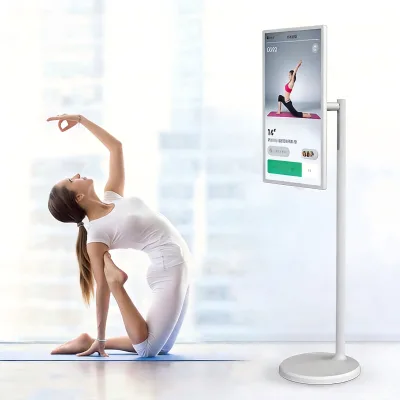
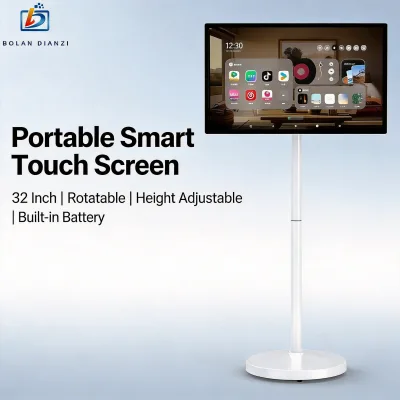
Portable Outdoor Digital Poster 43 Inch Outdoor Battery Digital Signage
$999.00 - $1199.00
MOQ: 1 Sets

$899.00 - $1099.00
MOQ: 1 Pieces

$1100.00 - $1590.00
MOQ: 1 Pieces

Shenzhen Haoshida Science And Technology Ltd.
- Verified by SGS Group
- Manufacturer, Trading Company
- Lead time5 days
- Avg. response≤ 4h
Main productsSmart TV, Advertising Equipment, Touch Screen Kiosk, Interactive Whiteboard, Digital Sinage
Shenzhen Jingzhi Technology Co., Ltd.
- Manufacturer, Distributor/Wholesaler, Business Service (Transportation, finance, travel, Ads, etc)
- Guangdong, China
- Lead time15 days
- Avg. response≤ 2h
Main productsLCD Advertising Display,Touchscreen Advertising Display,CCTV LCD Monitor,Quiosco de autopedido,Panel PC industrial
Main marketsSouth America(20.00%), Eastern Europe(20.00%), Southeast Asia(15.00%), Central America(15.00%), North America(10.00%), Southern Europe(10.00%), Northern Europe(5.00%), South Asia(5.00%)

Shenzhen Windro Technology Co., Ltd.
- Verified by CTI
- Manufacturer/Factory
- China Guangdong
- Lead time15 days
- Avg. response≤ 2h
Main productsIndustrial Panel PC, Digital Signage, Mini PC, All in One Computer, LCD Monitor, Industrial Computer, Advertising Player
Main marketsSouth America,Eastern Europe,Mid East,North America,Southeast Asia,Eastern Asia,Oceania,Western Europe,Africa


Digital Signage Screen Display 32 43 55 Inch Foldable Portable Outdoor Digital LCD Poster
$798.00 - $880.00
MOQ: 1 Pieces

Movable Digital Poster Outdoor Touch LCD Portable with Wheels Display Advertising
$688.00 - $738.00
MOQ: 1 Pieces

Ultra-Thin Bezels 500 Nits Wall Mount Digital Poster Advertising Screen 55 Inch
$368.00 - $468.00
MOQ: 1 Pieces


Guangzhou Bems Electronics Co., Ltd.
- Verified by SGS
- Combined
- China Guangdong
- Lead time15 days
- Avg. response≤ 5h
Main productsDigital Signage and Displays, Interactive Whiteboard, All in One Touch Screen, Outdoor Totem Kiosk, LCD Menu Board Screen
Main marketsSoutheast Asia/ Mideast,Europe
Shenzhen Letine Technology Co., Ltd.
- Manufacturer, Trading Company
- Lead time旺季: "1 - 15":10,"> 15":"To be negotiated", 淡季: "1 - 15":10,"> 15":"To be negotiated"
- Avg. response≤ 1h
Main productsAdvertising Player, ODM Tablet pc, ODM Motherboard, Interactive Boards, Industrial Tablet PC
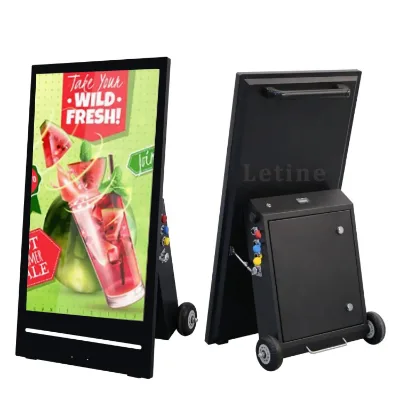
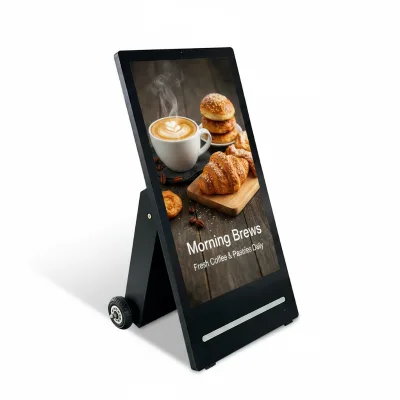
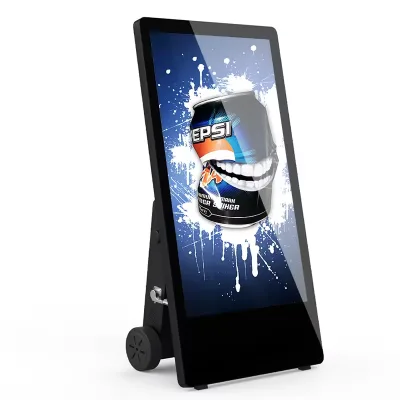
$742.3333 - $932.7797
MOQ: 1 units
$329.5537 - $344.016
MOQ: 1 pieces

Shenzhen Optim Technology Co., Ltd.
- Manufacturer/Factory
- China Guangdong
- Lead time23 days
- Avg. response≤ 6h
Main productsDigital Signage, Interactive Flat Panel, Kiosk, Monitor, Touch Screen, All in One PC, Industrial PC, LED Screen, 3D Holographic Display, Android Tablet
Main marketsSouth America,Eastern Europe,Mid East,North America,Southeast Asia,Eastern Asia,Oceania,Western Europe,Africa
Shenzhen Mercedes Technology Co., Ltd.
- Verified by SGS Group
- Manufacturer, Trading Company
- Lead time3 days
- Avg. response≤ 2h
Main productsLCD Digital Signage, Touch Screen Kiosk, Self Service Kiosk, LCD Video Wall, Outdoor Advertising Kiosk
Main marketsNorth America(20%), Eastern Europe(16%), Southeast Asia(12%)
46 Inch LCD Video Poster With Digital Ad Player Goodview Displayer Tv Wall Mount(MD-460)
$750.00 - $950.00
MOQ: 1 Minimum
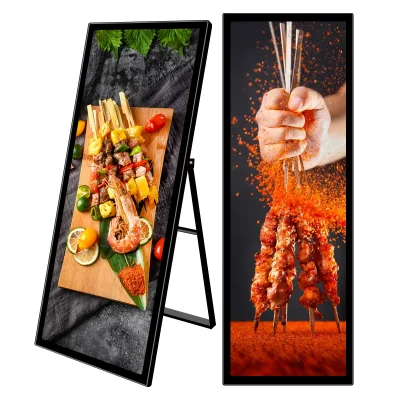
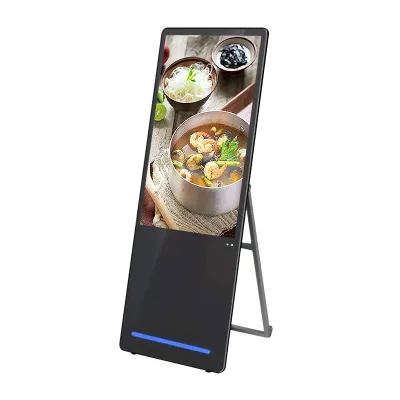
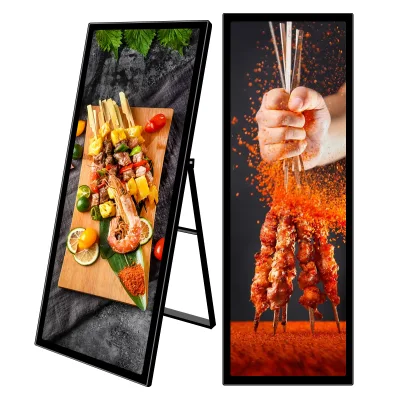
43 Inch Portable Outdoor Digital Poster IP65 Waterproof with SDK Handle and Casters
$410.684
MOQ: 1 Minimum

- Verified by TUVRHEINLAND
- Manufacturer/Factory
- China Guangdong
- Lead time23 days
- Avg. response≤ 3h
Main productsLCD Digital Signage, LED Digital Display, LED Screen Display, 3D LED Display, LED Rental Display, Lamp Pole LED Display, Shelf LED Display, LED Poster Display, LCD Poster Diusplay, Lamp Pole Banner Bracket
Main marketsSouth America,Eastern Europe,Mid East,Eastern Asia,Africa

55inch Rotate LCD Screen Kiosk Display Interactive Digital Poster for Advertising Promotion
$499.00 - $999.00
MOQ: 1 Pieces


Foldable 43inch Media Video Signage Screen Display Standalone Poster LCD Digital Poster
$388.00 - $999.00
MOQ: 1 Pieces

Indoor Free Standing Full Screen LCD Digital Display Poster for Promotion
$388.00 - $999.00
MOQ: 1 Pieces

Indoor Foldable Full Color LED Screen Panel Standee Portable Display Board Digital Poster
$938.00 - $2498.00
MOQ: 5 Pieces

Shenzhen Opulux Interactive Technology Co. Ltd
- Verified by SGS
- Trading Company,Manufacturer/Factory
- China Guangdong
- Lead time23 days
- Avg. response≤ 1h
Main productsInteractive Flat Panels, Digital Signage Displays, Touch Screen Kiosk, Self-Service Ordering Kiosks, High-Brightness Displays, Outdoor Displays, 3D Holographic Cabinet
Main marketsSouth America,Eastern Europe,Mid East,North America,Southeast Asia,Eastern Asia,Oceania,Western Europe,Africa

Semi-Outdoor Indoor Portable Digital Poster Indoor Movable Android LCD Digital Signage
$760.00 - $850.00
MOQ: 1 Pieces


$760.00 - $850.00
MOQ: 1 Pieces


Shanghai Senke Electronic Technology Co., Ltd.
- Verified by SGS
- Combined
- China Shanghai
- Lead time30 days
- Avg. response≤ 8h
Main productsAll in One PC, Digital Signage, LCD Monitor, Industrial Panel PC, Outdoor Digital Signage, LCD Video Wall, Touch Screen Kiosk, Digital Interactive Whiteboard, LCD Transparent Showcase, LCD Digital Shelf Display
Main marketsSoutheast Asia/ Mideast,Domestic,Europe
Hangzhou Bolan Electronics Co., Ltd.
- Verified by Intertek
- Manufacturer, Trading Company
- Lead time0 days
- Avg. response≤ 1h
Main productsFloor Type Advertising Machine, Wall-mounted Advertising Machine, Conferencing Machine, Touch All-in-one Machine, Industrial Computer
Main marketsDomestic Market(60%), Southeast Asia(20%), North America(10%)
Shenzhen Hdfocus Technology Co., Ltd.
- Manufacturer, Trading Company
- Lead time旺季: "1 - 1":7,"2 - 100":14,"> 100":"To be negotiated", 淡季: "1 - 1":7,"2 - 100":14,"> 100":"To be negotiated"
- Avg. response≤ 2h
Main products3D Hologram Fan, Interactive Whiteboard, Digital Signage Display, Digital Podium, Payment Kiosk
Shenzhen Lifewatch Information Technology Co., Ltd.
- Verified by Intertek
- Manufacturer, Trading Company
- Lead time20 days
- Avg. response≤ 2h
Main productsAdvertising LCD Screen, LCD Touch Table, Self-Service Order LCD Kiosk
Main marketsNorth America(20%), South America(10%), Eastern Europe(10%)

Guangzhou Zongheng Technology Co., Ltd.
- Trading Company,Manufacturer/Factory
- China Guangdong
- Lead time15 days
- Avg. response≤ 5h
Main productsDigital Singage, LCD Video Wall, Touch Screen Kiosk, Touch Screen Monitor, Interactive Whiteboard, LCD Advertising Player, Multimedia Player, Indoor Digital Singage, Outdoor Digital Singage
Main marketsSouth America,Eastern Europe,Mid East,North America,Southeast Asia,Eastern Asia,Oceania,Western Europe,Africa


Indoor Portable Advertising LED Display Digital Poster with Foldable Stand
$260.00 - $300.00
MOQ: 1 Pieces

Shenzhen Dinosaur Display Co., Ltd.
- Verified by SGS
- Trading Company,Manufacturer/Factory
- China Guangdong
- Lead time15 days
- Avg. response≤ 4h
Main productsDisplay, Digital Signage, Interactive Whiteboard, Smart Touch Table, Vido Wall, Payment Kiosk
Main marketsSouth America,Eastern Europe,Mid East,North America,Southeast Asia,Eastern Asia,Oceania,Western Europe,Africa


Indoor LCD Display Digital Signage with 350 500 Nits Brightness for Advertising
$297.00 - $688.00
MOQ: 1 units

Portable 4K Advertising LCD Screen Digital Poster with Battery for Outdoor Promotions
$714.00 - $1070.00
MOQ: 1 units


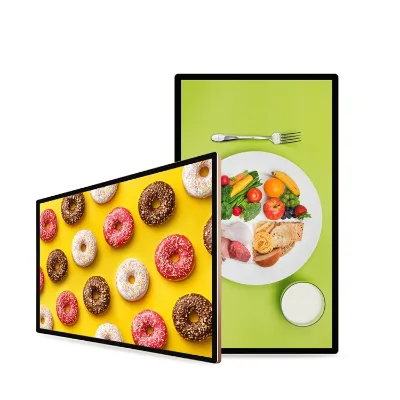
Wall Mounted Digital Signage with High-Resolution Display for Advertising
$169.00 - $199.00
MOQ: 2 units
Luliang (Shenzhen) Information Technology Co., Ltd.
- Verified by TüVRheinland
- Manufacturer, Trading Company
- Lead time5 days
- Avg. response≤ 1h
Main productsIndoor Digital Signage, Outdoor Advertising Terminals, Mobile Digital Displays
Main marketsDomestic Market(50%), Southeast Asia(21%), North America(5%)
Shenzhen GemDragon Display Technology Co., Ltd.
- Verified by SGS Group
- Trading Company
- Lead time3 days
- Avg. response≤ 5h
Main productsLCD Video Wall, Digital Signage, Advertising Player, Kiosk, Interactive Whiteboard
Main marketsNorth America(20%), Southeast Asia(20%), South America(15%)
Liaoning Anchen Technology Co., Ltd.
- Verified by Intertek
- Manufacturer, Trading Company
- Lead time5 days
- Avg. response≤ 1h
Main productsInteractive Board, Digital Signage and Display Screen, Touch Screen Kiosk, Payment Kiosk, Window Digital Display
Main marketsSouthern Europe(30%), Oceania(15%), Western Europe(15%)
Guangzhou Li Cheng Electronic Technology Co., Ltd.
- Verified by SGS Group
- Manufacturer, Trading Company
- Lead time15 days
- Avg. response≤ 5h
Main productsOutdoor High Brightness LCD Display, High Brightness LCD Window Display, Outdoor LED Advertising Display, LED Billboards Outdoor, Alumimnum light box
Main marketsSouth America(10%), Eastern Europe(10%), Western Europe(10%)

- Manufacturer/Factory
- China Guangdong
- Lead time90 days
- Avg. response≤ 5h
Main productsDigital Signage, LCD Kiosk, LCD Video Wall, LCD Totem, Ultra-Wide Stretch Bar LCD Display, Interactive Kiosk Touch Screen Kiosk, Advertising Player, LCD Display, Interactive Touch White Board, Media Player
Main marketsSouth America,Eastern Europe,Mid East,North America,Southeast Asia,Eastern Asia,Western Europe

43 Inch Ultra Slim Waterproof Movable Digital Signage LCD Poster with Wheels
$439.00 - $499.00
MOQ: 10 Pieces

Guangdong Duiying Electronic Technology Co., Ltd.
- Verified by TüVRheinland
- Trading Company
- Lead time7 days
- Avg. response≤ 1h
Main productsInteractive Whiteboard, 3D Hologram Box, Digital Signage, Stand By Me TV, Transparent Oled Display
Main marketsDomestic Market(27%), North America(15%), Southeast Asia(10%)

Shenzhen Starview Tech Co., Ltd.
- Verified by BV
- Manufacturer/Factory
- China Guangdong
- Lead time15 days
- Avg. response≤ 12h
Main productsSelf Ordering Kiosk, Smart Touch Table, Digital Signage, Outdoor Display, Window Shop Display, LED Screens
Main marketsSouth America,Eastern Europe,Mid East,North America,Southeast Asia,Eastern Asia,Oceania,Western Europe,Africa

Outdoor Waterproof 43 Inch Digital Signage Portable LCD Digital Poster with Recharge Battery
$499.00 - $799.00
MOQ: 1 Pieces

Outdoor Waterproof High-Brightness LCD Advertising Display Digital Signage Poster with Battery
$499.00 - $799.00
MOQ: 1 Pieces

$599.00 - $999.00
MOQ: 1 Pieces

$599.00 - $999.00
MOQ: 1 Pieces
- Verified by SGS Group
- Manufacturer, Trading Company
- Lead time10 days
- Avg. response≤ 3h
Main productsDigital Signage
- Trading Company
- Guangdong, China
- Lead time5 days
- Avg. response≤ 1h
Main productsLCD Video Wall, Digital Signage, Stretched LCD Display, Digital Window Display, Touch Kiosk
Main marketsNorth America(16.00%), South America(14.00%), Western Europe(11.00%), Northern Europe(11.00%), Eastern Europe(11.00%), Mid East(11.00%), Central America(10.00%), Southern Europe(9.00%), South Asia(2.00%), Eastern Asia(2.00%), Oceania(1.00%), Africa(1.00%), Southeast Asia(1.00%)
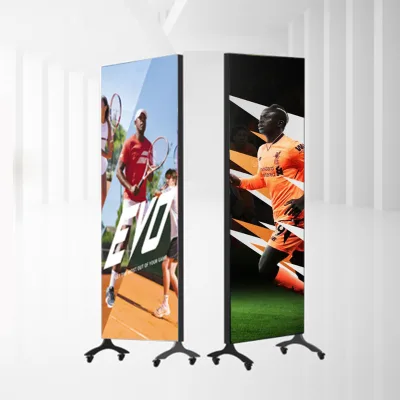
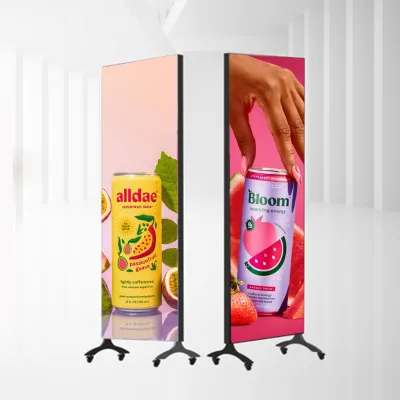
Multi-screen Split Display LED Digital Poster Screen Led Digital Signage
$345.00 - $3439.00





Comprehensive Sourcing Guide
Android 350cd Brightness Digital Poster Supplier Concentration and Factory Types
The landscape for sourcing Android-based digital signage with specific brightness requirements is defined by distinct manufacturing clusters and varied company structures. Current data indicates that suppliers are concentrated in regions such as Guangdong and Fujian in China, which are established hubs for electronics manufacturing. These locations provide the necessary supply chain infrastructure for producing LCD panels, touch screens, and Android motherboard assemblies. Buyers should recognize that the presence of suppliers in these specific provinces often correlates with access to component manufacturers, which can influence lead times and customization capabilities. However, the exact concentration of factories producing the specific 350cd brightness specification is not explicitly detailed in the available results, so buyers must verify the manufacturing base of each potential partner. The primary product categories observed include digital signage, advertising displays, and interactive whiteboards, suggesting that many suppliers offer a broad range of commercial equipment rather than specializing solely in low-brightness indoor posters. This breadth of product offering can be advantageous for buyers seeking a single source for multiple display types, but it requires careful vetting to ensure the supplier has dedicated production lines for the specific Android poster models required.
Company types in this sector vary significantly, ranging from pure trading companies to combined entities that may include manufacturing capabilities. The available facts identify some suppliers as trading companies, which typically act as intermediaries between the buyer and the factory. These entities often provide flexibility in order sizes and may offer a wider selection of products from various factories. In contrast, other suppliers are listed as combined types, which might imply a mix of trading and direct manufacturing or a more integrated supply chain. Understanding this distinction is crucial for negotiation and quality control. Trading companies may have faster response times due to their focus on customer service, but they might have less direct control over production schedules. Combined entities or factories may offer better pricing for larger volumes and more direct communication regarding technical specifications like the Android operating system version or the specific LCD panel brand. Buyers should inquire about the actual manufacturing location and whether the supplier owns the production facilities or sources from third parties. This information helps in assessing the reliability of the supply chain and the potential for customizing the digital poster to meet specific brightness and resolution requirements.
How to Verify Android 350cd Brightness Digital Poster Suppliers
Verifying the legitimacy and capability of suppliers requires a multi-layered approach that goes beyond simple profile reviews. One critical step is to check for third-party verification badges, such as SGS, which indicates that an independent agency has assessed the supplier’s business operations. The presence of such verification provides a baseline level of trust regarding the company’s legal status and operational history. However, verification of the company does not automatically verify the quality of the specific products, such as the Android digital poster with 350cd brightness. Buyers must therefore dig deeper into the product-specific evidence provided. This includes examining the detailed product attributes, such as the screen technology, resolution, and operating system. For instance, some products are listed with Android OS, while others support Windows or Linux, so confirming the exact software environment is essential for compatibility with existing content management systems. Additionally, buyers should look for certifications like CE, RoHS, and FCC, which indicate compliance with international safety and environmental standards. These certifications are often listed in the product attributes and serve as a proxy for the quality of the manufacturing process.
Beyond certifications, buyers should actively engage with suppliers to request detailed technical specifications and sample units. The response time of a supplier, which can be observed in the data, is a strong indicator of their operational efficiency and customer service quality. A supplier with a low response time, such as under three days, is likely more responsive to inquiries and potential issues during the production process. Buyers should also verify the warranty terms, which are often specified as one to three years for digital signage products. A longer warranty period can indicate the supplier’s confidence in the durability of their products, particularly the LCD panels and touch screens. It is also important to confirm the origin of the TFT panel brand, as some suppliers specify brands like LG, which can affect the overall quality and longevity of the display. Buyers should ask for test reports or factory audit videos to verify the production capabilities. If the supplier claims to be a factory, they should be able to provide evidence of their manufacturing lines. This due diligence helps mitigate the risk of receiving substandard products that do not meet the specified brightness or Android functionality requirements.
What to Compare Across Android 350cd Brightness Digital Poster Suppliers
When evaluating multiple suppliers, buyers must compare a range of commercial and technical parameters to find the best fit for their needs. One of the most critical factors is the lead time, which can vary significantly between suppliers. The available data shows lead times ranging from 15 to 20 days for production, but this can be influenced by the order size and customization requirements. Buyers should also compare the minimum order quantity (MOQ), which is listed as low as one unit for some suppliers, making them suitable for small-scale projects or testing. However, for larger deployments, buyers may need to negotiate better pricing and more favorable terms with suppliers who have higher MOQs. The price range is another key comparison point, with some products listed at specific price points such as $90, $255, or $1500, depending on the size and features. Buyers should ensure that the price includes all necessary components, such as the Android motherboard, touch screen, and mounting hardware, to avoid hidden costs. Additionally, the customization options available, such as OEM and ODM support, should be compared to determine which supplier can best accommodate specific branding or functional requirements.
Technical specifications also vary across suppliers and must be carefully compared. For example, the touch screen type can be infrared, capacitive, or both, which affects the user experience and durability. Buyers should also compare the resolution options, such as 4K or 2K, and the brightness levels, ensuring that the 350cd specification is met for indoor use. The operating system is another critical factor, with some suppliers offering Android, Windows, or Linux options. Buyers should verify the memory and storage capacity, such as 4GB RAM and 32GB storage, which are important for running complex digital signage software. The interface types, such as HDMI and USB, should also be compared to ensure compatibility with existing content sources. Furthermore, the warranty terms and after-sales support should be evaluated, as some suppliers offer up to three years of support. The response time of the supplier is also a practical consideration, as faster responses can lead to quicker resolution of any issues during the ordering process. By systematically comparing these factors, buyers can make an informed decision that balances cost, quality, and service.
Common Android 350cd Brightness Digital Poster Sourcing Risks
Sourcing digital signage from international suppliers involves several risks that buyers must proactively manage. One significant risk is the discrepancy between the advertised specifications and the actual product received. For instance, a supplier may claim a brightness of 350cd, but the actual unit might have lower luminance, affecting visibility in well-lit environments. This risk is heightened when dealing with trading companies that may not have direct control over the manufacturing process. Buyers should mitigate this by requesting detailed technical data sheets and, if possible, conducting pre-shipment inspections. Another risk is the variability in the quality of the Android operating system implementation. Some suppliers may use older or less stable versions of Android, which can lead to software glitches or compatibility issues with content management systems. Buyers should verify the Android version and request software updates or support to ensure long-term usability. Additionally, the quality of the touch screen can vary, with infrared touch screens being more susceptible to dust and scratches compared to capacitive touch screens. Buyers should specify the preferred touch technology in their purchase orders to avoid receiving inferior components.
Logistical risks are also prevalent in international sourcing, particularly regarding the packaging and shipping of fragile LCD panels. The available data indicates that products are often packed in wooden cases or boxes, but the adequacy of this packaging can vary. Damage during transit can result in costly replacements and delays. Buyers should ensure that the supplier uses robust packaging standards and consider purchasing shipping insurance. Another risk is the potential for delays in production or shipping, which can disrupt project timelines. Lead times can be affected by supply chain disruptions, customs clearance, or production bottlenecks. Buyers should maintain open communication with their suppliers and have contingency plans in place. Furthermore, there is a risk of intellectual property infringement if the supplier uses unauthorized software or designs. Buyers should ensure that the supplier has the necessary licenses for the Android OS and any other software used in the digital poster. Finally, currency fluctuations and payment risks should be managed by using secure payment methods, such as escrow services, to protect the buyer’s funds until the goods are received and verified.
Android 350cd Brightness Digital Poster Regional Sourcing and Logistics
The regional concentration of suppliers in China, particularly in Guangdong and Fujian, offers logistical advantages for international buyers. These provinces are well-connected to major ports and shipping routes, facilitating efficient export of digital signage products. Buyers should consider the proximity of the supplier to these ports when calculating shipping costs and transit times. Guangdong, for example, is home to Shenzhen, a global electronics hub, which often results in faster access to components and finished goods. However, buyers must also account for the specific logistics requirements of LCD displays, which are sensitive to shock and temperature changes. The available data mentions wooden case packing, which is suitable for protecting the panels during transit, but buyers should verify the packaging standards with their supplier. Additionally, the size of the digital poster, such as 55-inch or 75-inch models, will impact the shipping volume and cost. Buyers should work with their supplier to optimize the packaging to minimize volumetric weight and reduce shipping expenses.
Customs clearance and import regulations are another critical aspect of regional sourcing. Buyers should ensure that their supplier provides all necessary documentation, including commercial invoices, packing lists, and certificates of origin. The certifications mentioned, such as CE, RoHS, and FCC, may be required for customs clearance in various countries. Buyers should also be aware of any specific import duties or taxes that apply to digital signage products in their country. Working with a freight forwarder who has experience in handling electronics can help streamline the customs process and reduce the risk of delays. Furthermore, buyers should consider the lead time for shipping, which can vary depending on the mode of transport. Air freight is faster but more expensive, while sea freight is more cost-effective but takes longer. Buyers should choose the shipping method that best aligns with their project timeline and budget. Finally, buyers should establish clear communication channels with their supplier to track the shipment and address any issues that may arise during transit.
Android 350cd Brightness Digital Poster Commercial Terms and Order Planning
Effective order planning requires a clear understanding of the commercial terms offered by suppliers. The minimum order quantity (MOQ) is a key factor, with some suppliers allowing orders as low as one unit, which is ideal for small projects or prototyping. For larger orders, buyers should negotiate volume discounts and more favorable payment terms. The price range for digital posters varies significantly, from around $90 for smaller models to over $1500 for larger, feature-rich units. Buyers should request detailed quotations that break down the costs of the display, touch screen, Android motherboard, and any additional accessories. It is also important to clarify whether the price includes shipping, taxes, and installation support. The warranty terms, which can range from one to three years, should be explicitly stated in the contract. Buyers should ensure that the warranty covers both parts and labor, and
FAQs
What is the price range for 350cd digital posters?
Prices for these displays typically range from $90 to $1500 depending on size and features. Smaller wall-mounted units start around $90, while larger floor-standing models with content management can reach $1500. Buyers should verify specific pricing for their required screen size and touch capabilities.
What certifications do these displays have?
Manufacturers commonly provide CE, RoHS, FCC, and ISO9001 certifications for these units. Some models also include IP65 ratings for outdoor durability. Buyers should request specific certificate copies to ensure compliance with local safety and environmental regulations before placing bulk orders.
What is the typical lead time for orders?
Standard lead times are generally 15 to 20 days for production. This timeframe applies to most OEM and ODM orders for digital signage. Buyers should confirm exact delivery schedules with suppliers, as rush orders or custom configurations may extend the manufacturing period.
Are OEM and ODM services available?
Yes, most suppliers support both OEM and ODM customization. Buyers can request custom branding, packaging, and specific hardware configurations. This flexibility allows businesses to tailor displays for specific retail or corporate environments while maintaining brand consistency across their digital signage networks.
What screen sizes are available?
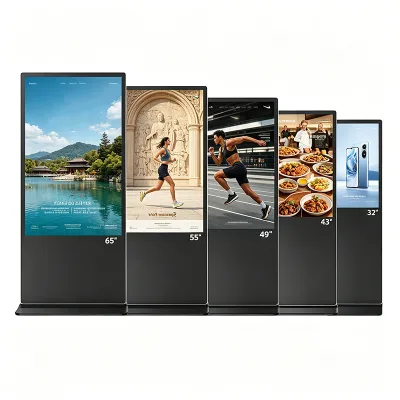
Common sizes include 32, 43, 55, 65, 75, and 86 inches. Buyers can choose from wall-mounted or floor-standing options based on their installation needs. Larger sizes often feature higher brightness levels and advanced touch technologies for interactive applications.
What is the minimum order quantity?
The minimum order quantity is typically one unit for sample orders. This allows buyers to test quality before committing to larger purchases. Bulk orders may offer better pricing, but single units are available for evaluation purposes without significant financial risk.
What operating systems are supported?
Displays support Android, Windows, and Linux operating systems. Buyers can choose based on their content management software requirements. Android is common for media players, while Windows offers broader application compatibility for interactive kiosks and digital signage solutions.