anti-drip double fluid atomizing nozzle Suppliers and Manufacturers
Compare 27 verified suppliers offering anti-drip double fluid atomizing nozzles with details on location, lead times, certifications, and pricing. Review product specifications and request samples to finalize your sourcing decision; review the available evidence before requesting comparable quotations from suitable candidates.
Updated
Suppliers List

CY Spraying & Purification Technology Limited
- Verified by BV
- Manufacturer/Factory
- China Guangdong
- Lead time23 days
- Avg. response≤ 9h
Main productsSpray Nozzle, Plastic Nozzle, Mist Nozzle, Industrial Nozzle, Cooker Filter, Kitchen Range Hoods Filter
Main marketsSouth America,Eastern Europe,Mid East,North America,Southeast Asia,Eastern Asia,Oceania,Western Europe,Africa


Stainless Steel Air Atomizing Nozzle - Industrial High-Pressure Dual-Fluid Atomizing Head
$5.00 - $8.00
MOQ: 10 Pieces


Stainless Steel Two Fluid Mini Fogger Spray Nozzle Nozzle Air Atomizing Nozzle
$25.00 - $35.00
MOQ: 20 Pieces

Dongguan Yaoshun Spray Technology Co., Ltd.
- Verified by SGS Group
- Trading Company
- Lead time1 days
- Avg. response≤ 2h
Main productsSpray Nozzle, Spray Gun, Fog Machine, Humidifier, Water Pump
Main marketsNorth America(30%), Southeast Asia(15%), Mid East(15%)
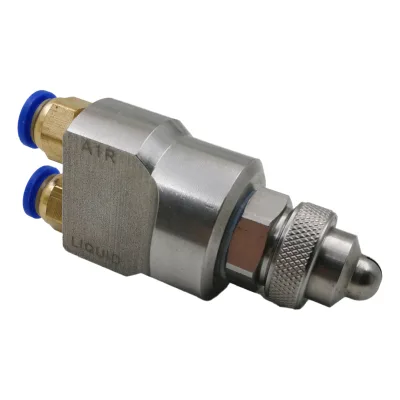
$10.1385 - $15.5193
MOQ: 1 pieces
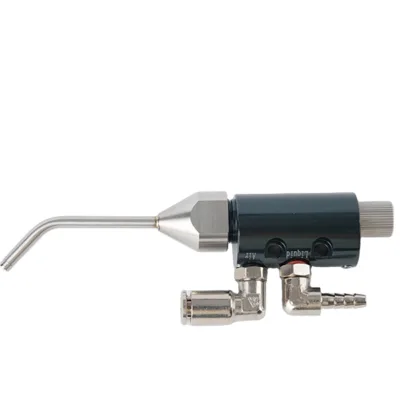
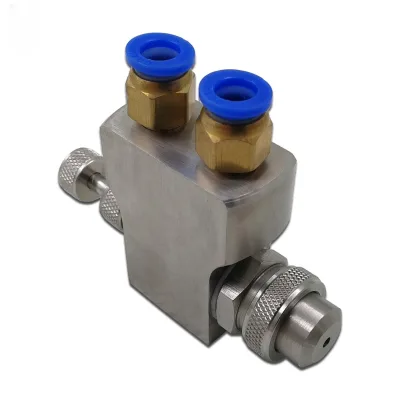
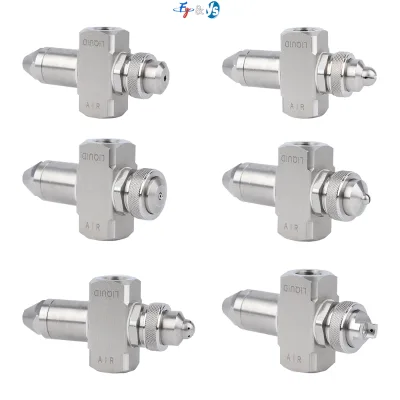
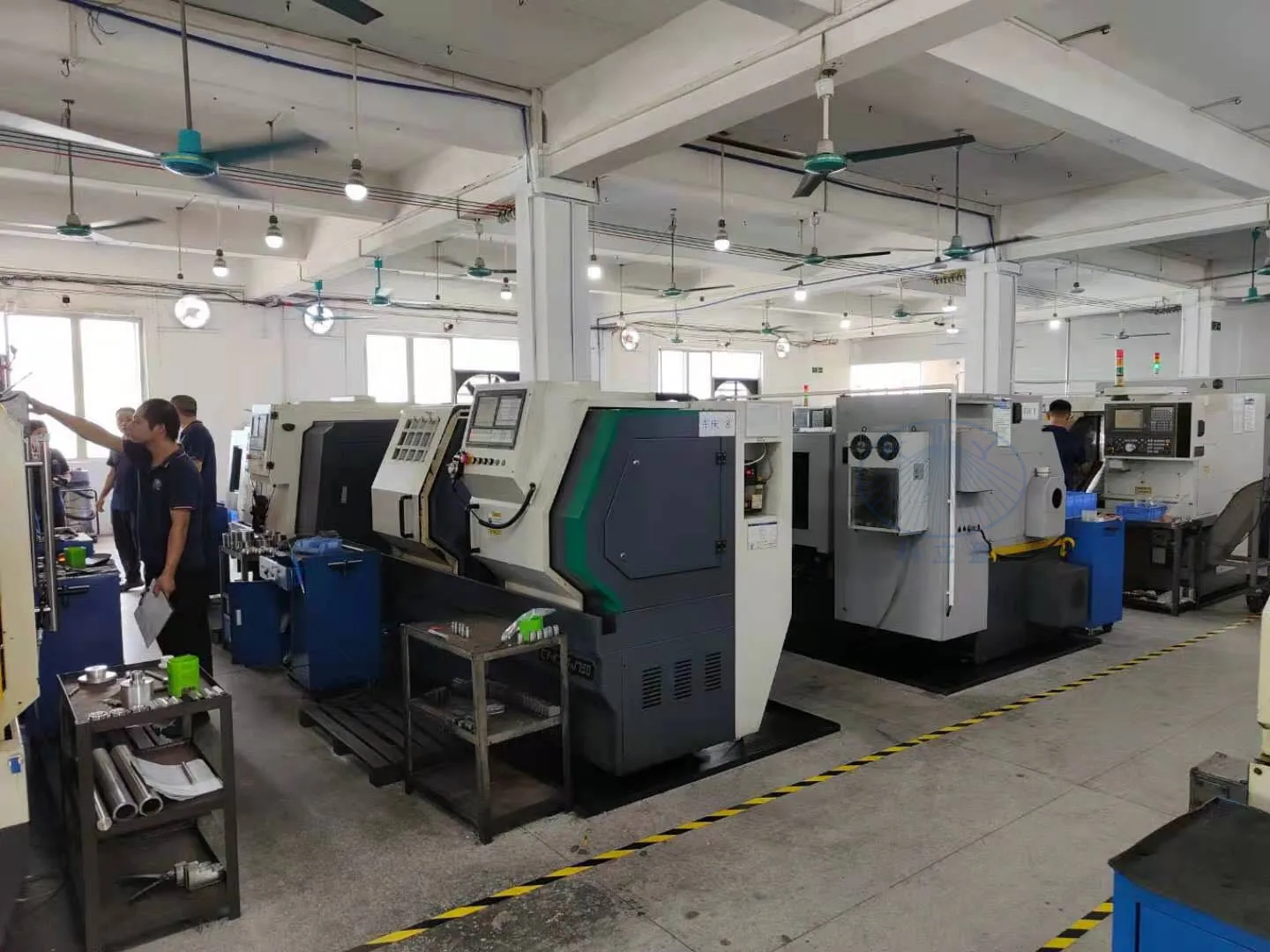
Keliying Intelligent Equipment Technology (Guangzhou) Co., Ltd.
- Manufacturer, Trading Company
- Guangdong, China
- Lead time10 days
- Avg. response≤ 10h
Main productsTank Cleaning Nozzle,Tank Cleaning Machine,Tank Cleaning Equipment,Misting System,Industrial Spray Nozzle
Main marketsSoutheast Asia(20.00%), Western Europe(20.00%), South America(20.00%), North America(20.00%), Eastern Europe(10.00%), Africa(5.00%), Oceania(5.00%)

Shanghai Xinhou Spraying & Purification Equipment Co., Limited
- Trading Company
- China Shanghai
- Lead time15 days
- Avg. response≤ 3h
Main productsPlastic Nozzle, Misting Nozzle, Spray Nozzle, Clamp Nozzle, Eductor Nozzle, Flat Fan Nozzle, Full Cone Nozzle, Spray Gun, Windjet Nozzle, Air Atomizing Nozzle
Main marketsSouth America,Africa,Southeast Asia/ Mideast,East Asia(Japan/ South Korea),Domestic,Europe,Australia,North America

Stainless Steel Cooling Anti-Drip Hydraulic Air Water Atomizing Spray Nozzle
$13.80 - $35.80
MOQ: 1 Pieces


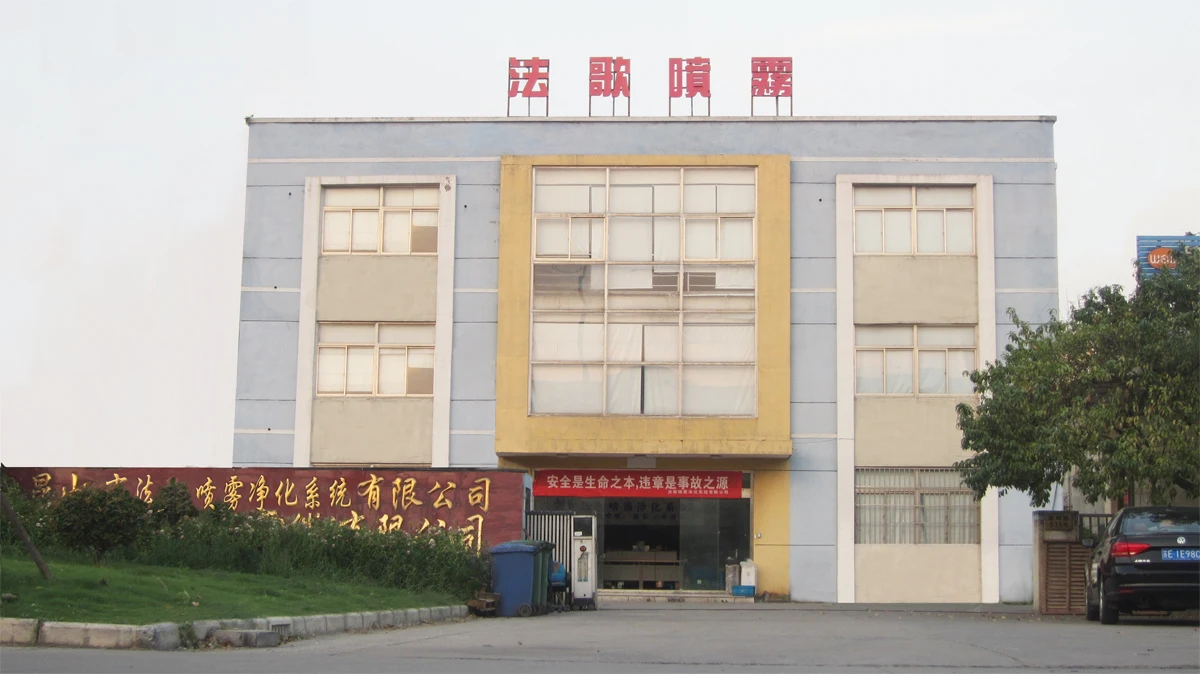
Kunshan Fog Spraying& Purification System Co., Ltd.
- Manufacturer, Trading Company
- Jiangsu, China
- Lead time0 days
- Avg. response≤ 5h
Main productsNozzle,Industrial Nozzle,Spray nozzle,spray system,filter
Main marketsEastern Asia(15.00%), North America(15.00%), South America(10.00%), Mid East(10.00%), Africa(10.00%), South Asia(10.00%), Northern Europe(10.00%), Southeast Asia(5.00%), Southern Europe(5.00%), Eastern Europe(5.00%), Western Europe(5.00%)

AMK Metallurgical Machinery Group Co., Ltd.
- Trading Company,Manufacturer/Factory
- China Jiangsu
- Lead time45 days
- Avg. response≤ 3h
Main productsCopper Mould Tube, Shear Blades, Oxygen Lance Pipe, Mould Assembly, Water Jacket, Spray Nozzle, CCM Spare Parts, Straightener Roller, Graphite Electrode Conductive Arm, Copper Electrode Holder
Main marketsMid East,North America,Eastern Asia,Western Europe,Africa

Xiamen Superb Technology Co., Ltd.
- Combined
- China Fujian
- Lead time15 days
- Avg. response≤ 6h
Main productsIrrigation System, Drip Tape, Solenoid Valve, Filter, Hydraulic Valve, Sprinkler, Irrigation Pipe, Connector, Micro Sprayer, Dripper
Main marketsSouth America,Africa,Others(foreignTradeCapacity.exportBusinessCapacityMarketOther),Southeast Asia/ Mideast,East Asia(Japan/ South Korea),Domestic,Europe,Australia,North America


Anti-Drip Fine Atomizing Spray Nozzle with Filter High Pressure Quick-Connect
$0.19 - $0.26
MOQ: 100 Pieces
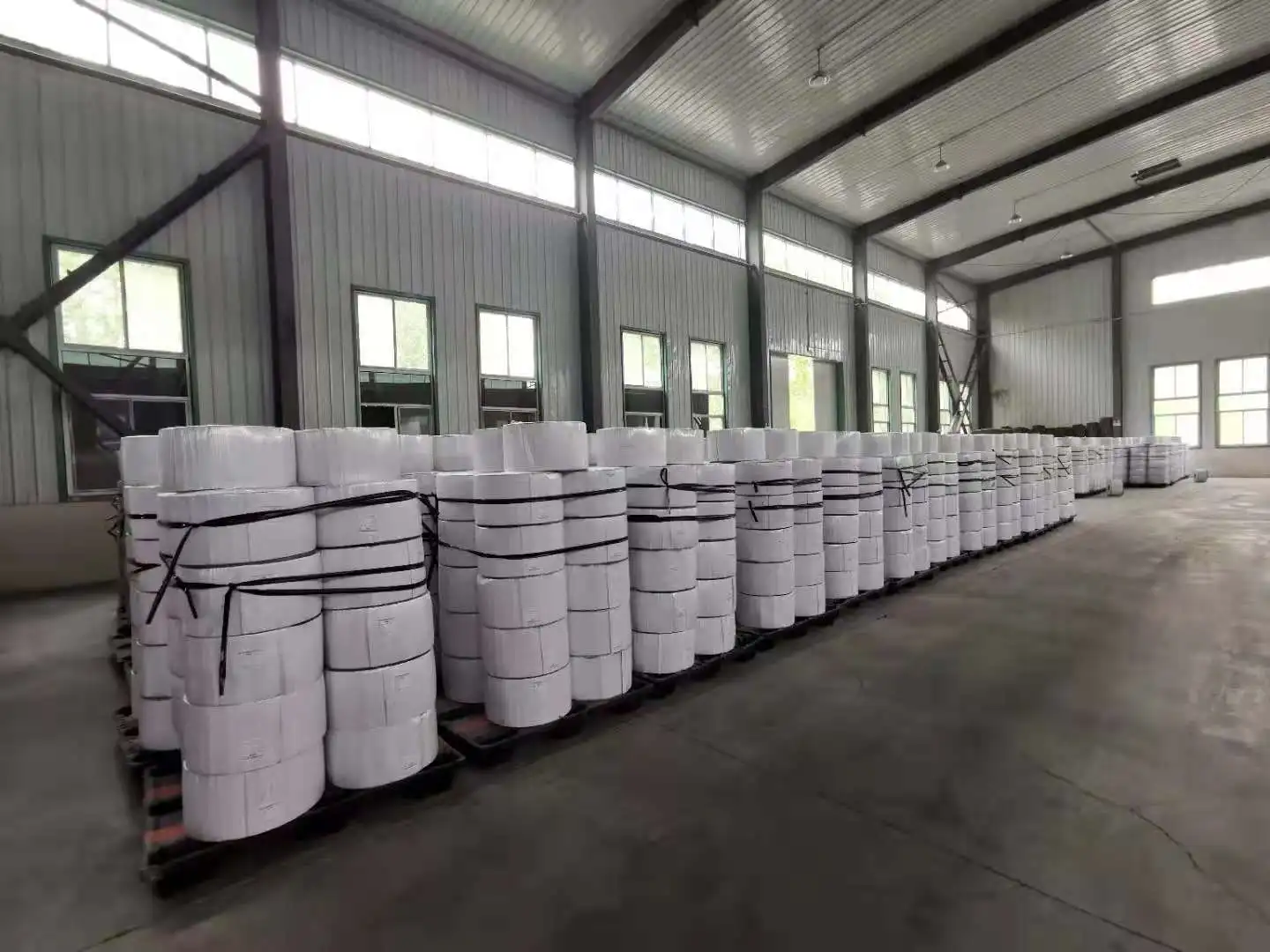
Tianjin Jinwo Business Co., Limited.
- Trading Company
- Tianjin, China
- Lead time15 days
- Avg. response≤ 2h
Main productsgarden irrigation,Drip irrigation equipments,irrigation pipe and hose,irrigation rain gun,garden sprinkler
Main marketsEastern Asia(30.00%), Central America(10.00%), Domestic Market(10.00%), North America(10.00%), Africa(10.00%), South America(10.00%), Western Europe(5.00%), South Asia(5.00%), Southern Europe(5.00%)
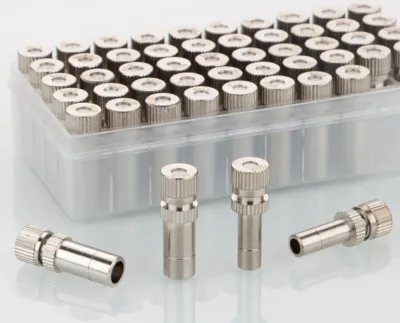
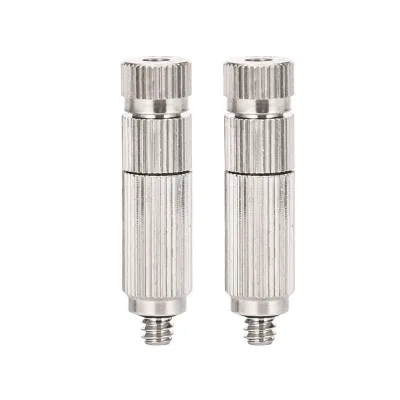
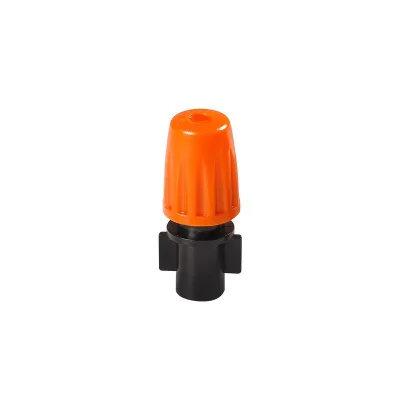
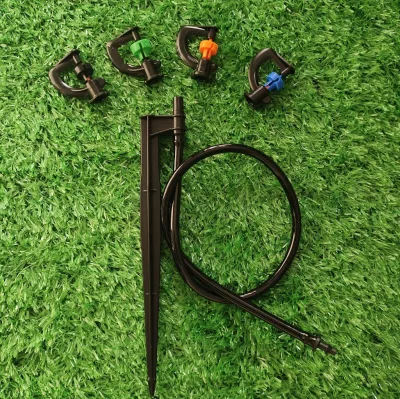
Factory Direct Sales 6mm Micro-drop Atomizing Nozzle Adjustable Atomizing Nozzle
$0.0308 - $0.0513
MOQ: 200 pieces

Nantong Braun Machinery Co., Ltd.
- Trading Company,Manufacturer/Factory
- China Jiangsu
- Lead time23 days
- Avg. response≤ 13h
Main productsPerforating Rollers, Vario Bars, Faller Bar, Braiding Machines, Embroidery Machine, Crochet Machine, Weft Yarn Machine, Doubling Winder, Bobbin Winder, Centrifuges
Main marketsSouth America,Eastern Europe,Mid East,North America,Southeast Asia,Eastern Asia,Oceania,Western Europe,Africa
Dongguan Fengyun Spray Technology Development Co., Ltd.
- Manufacturer, Trading Company
- Guangdong, China
- Lead time1 days
- Avg. response≤ 2h
Main productsSpray Nozzle series,Fog machine System,Air Knife,Spray Gun,machine series
Main marketsDomestic Market(20.00%), Eastern Europe(15.00%), Southern Europe(12.00%), Western Europe(10.00%), Northern Europe(8.00%), South America(6.00%), South Asia(6.00%), Eastern Asia(5.00%), North America(4.00%), Central America(4.00%), Southeast Asia(4.00%), Mid East(3.00%), Oceania(2.00%), Africa(1.00%)
Dongguan CS Hardware Technology Co., Ltd
- Verified by SGS Group
- Trading Company
- Lead time15 days
- Avg. response≤ 2h
Main productsSewer Pipe Cleaning Nozzle, Fan Nozzle, Tank Cleaning Nozzle, Car / Sprinkler Cleaning Accessories, Burner System
Main marketsNorth America(23%), Southeast Asia(23%), Eastern Europe(18%)
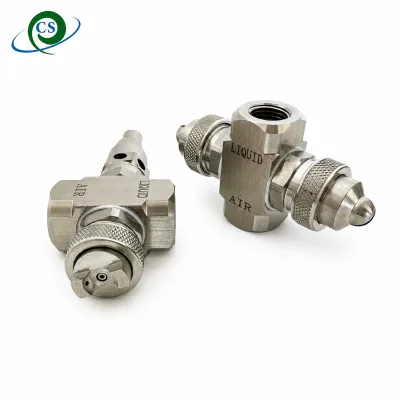
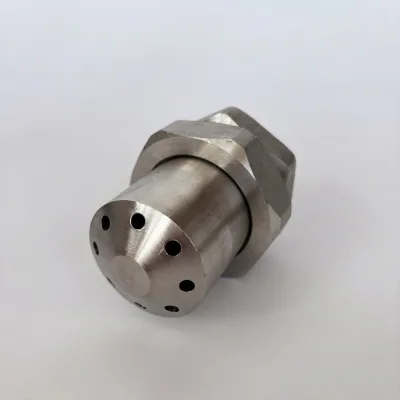
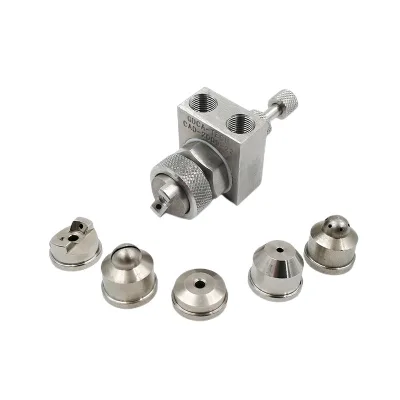
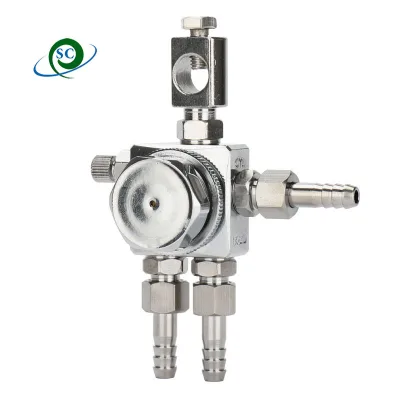
SS316L Material Air Water Atomiser Multi-stage Atomization Nozzle
$112.00 - $135.00
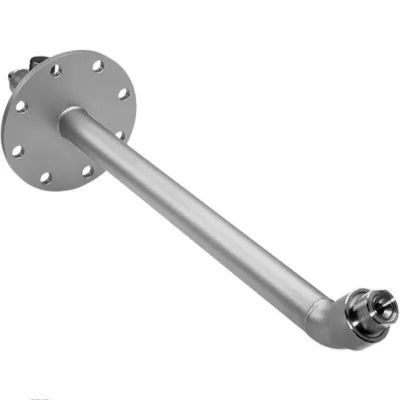
$351.4982 - $412.4923
MOQ: 1 pieces
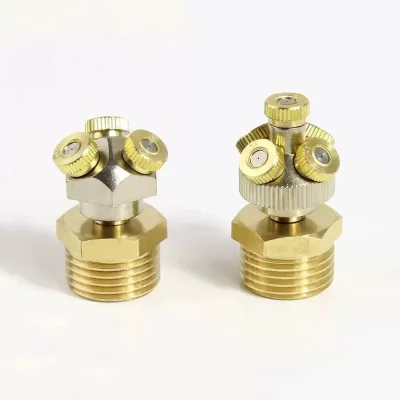
Nantong Braun Machinery Co., Ltd.
- Manufacturer, Trading Company
- Jiangsu, China
- Lead time15 days
- Avg. response≤ 6h
Main productsWoollen systems parts,Open end spinning parts,Autoconer parts,Pinned rollers,braiding machines & carriers
Main marketsEastern Europe(20.00%), South America(20.00%), North America(20.00%), Mid East(10.00%), Africa(10.00%), Southeast Asia(10.00%), Southern Europe(5.00%), Western Europe(5.00%)
Guangzhou Xiran Hardware Co., Ltd.
- Manufacturer, Trading Company
- Guangdong, China
- Lead time7 days
- Avg. response≤ 4h
Main productsHardware tools,Hand Tool,Power tools,pneumatic tool,Spray gun
Main marketsSouth Asia(5.00%), Mid East(5.00%), Central America(5.00%), Western Europe(5.00%), Southeast Asia(5.00%), Eastern Europe(5.00%), South America(5.00%), North America(5.00%), Southern Europe(4.00%), Oceania(3.00%), Eastern Asia(2.00%), Africa(2.00%), Northern Europe(2.00%), Domestic Market(1.00%)
Dong Guan CY Spraying & Purification Technology Limited
- Verified by SGS Group
- Trading Company
- Lead time5 days
- Avg. response≤ 3h
Main productsSpray Nozzle, Sand Blasting Nozzle And Accessories, Water Filter Nozzle
Main marketsDomestic Market(60%), Southeast Asia(12%), Eastern Europe(8%)
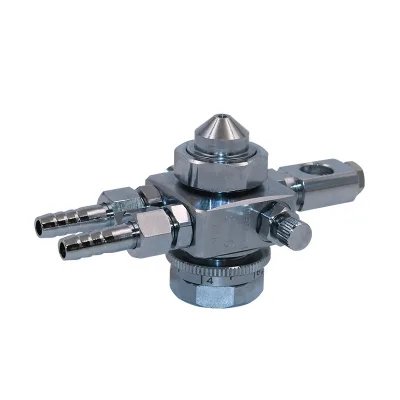
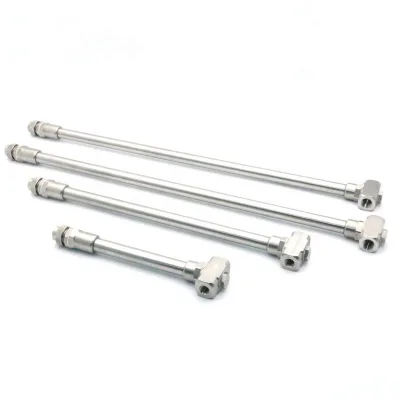
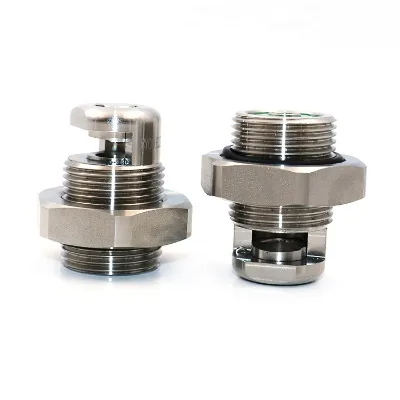
DK Series Anti Drip Air Atomizing Nozzle Automatic Chocolate Spray Gun
$32.8332 - $38.9899
MOQ: 1 parcels
$9.2352 - $12.3136
MOQ: 10 pieces

Shenzhen Eternal Technology Co., Ltd
- Verified by SGS
- Manufacturer/Factory
- China Guangdong
- Lead time15 days
- Avg. response≤ 1h
Main productsPVA/PP/PVC/PU Sponge Rollers, Rubber Rollers, Plastic Rollers, Metal Rollers, Conveyor Shaft, Ball Valves & Pipes & Pipe Fittings, Flow Meter, Pressure Gauge, Filters, Pumps
Main marketsSouth America,Eastern Europe,Mid East,North America,Southeast Asia,Eastern Asia,Oceania,Western Europe,Africa
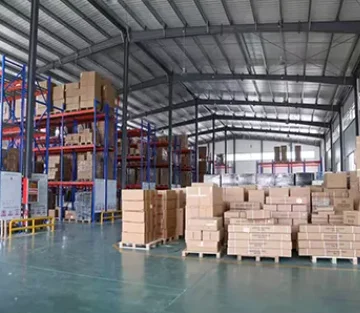
Yangzhou Lionye Technology Co., Ltd.
- Trading Company
- Jiangsu, China
- Lead time30 days
- Avg. response≤ 3h
Main productsTape,Rope,Film,Paper Mill Accessary,Hardware
Main marketsSouth America(30.00%), Eastern Europe(30.00%), North America(15.00%), Northern Europe(10.00%), Southeast Asia(10.00%), Domestic Market(5.00%)

Taizhou Luqiao Dayuan Machinery Co., Ltd.
- Verified by TUVRHEINLAND
- Combined
- China Zhejiang
- Lead time30 days
- Avg. response≤ 6h
Main productsElectric Sprayer, Hand Sprayer, Manual Sprayer, Garden Sprayer, Pressure Sprayer, Knapsack Sprayer, Agriculture Sprayer, Agricultural Sprayer, Battery Sprayer, Power Sprayer
Main marketsDomestic

Keliying Intelligent Equipment Technology (Guangzhou) Co., Ltd.
- Combined
- China Guangdong
- Lead time15 days
- Avg. response≤ 10h
Main productsTank Cleaning Nozzle, Drum Washer, Tank Cleaning Machine, IBC Tote Cleaner, Flat Fan Nozzle, Full Cone Nozzle, Air Atomizing Nozzle, Air Nozzles, Misting System, Industrial Spray Nozzle
Main marketsSoutheast Asia/ Mideast,Europe,North America
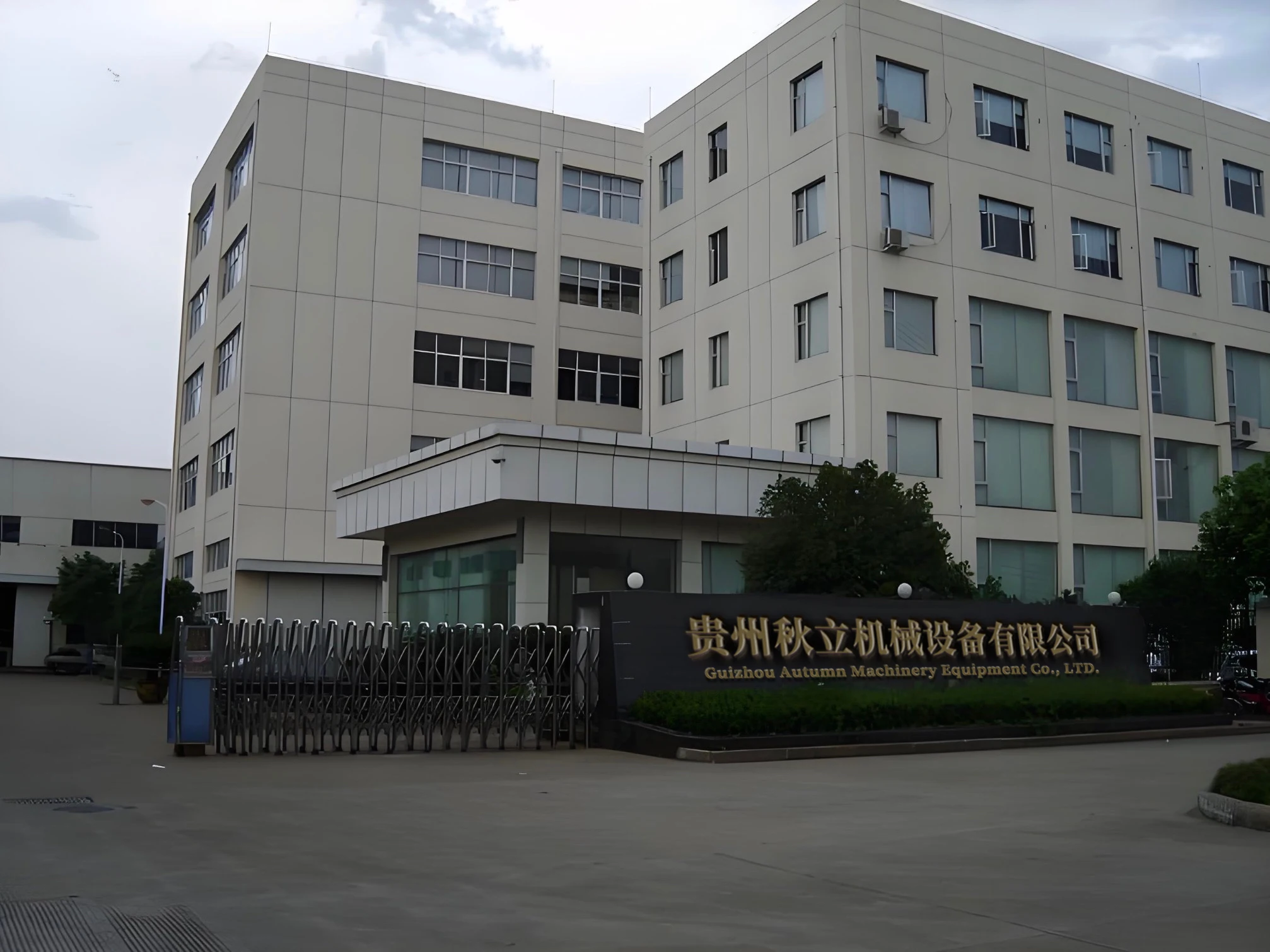
Guizhou Autumn Machinery Equipment Co., Ltd.
- Trading Company
- Guizhou, China
- Lead time25 days
- Avg. response≤ 6h
Main productsSpray gun,Spray lance,Spray nozzle,Adapter,Surface cleaner
Main marketsNorth America(47.00%), South America(23.00%), Southeast Asia(20.00%), Africa(7.00%), Mid East(2.00%), Oceania(1.00%)
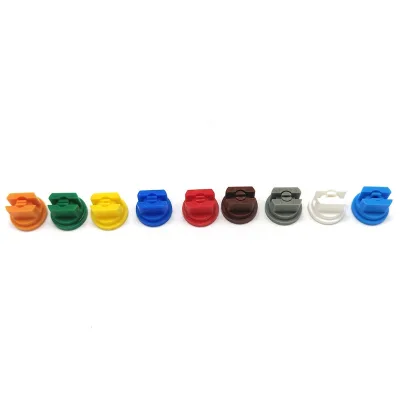
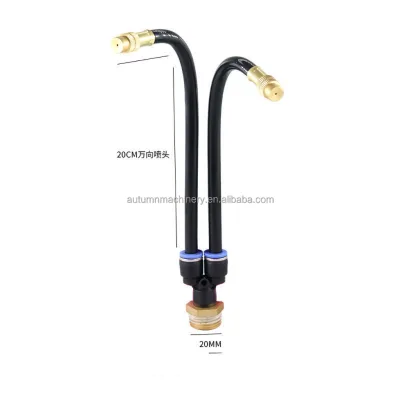
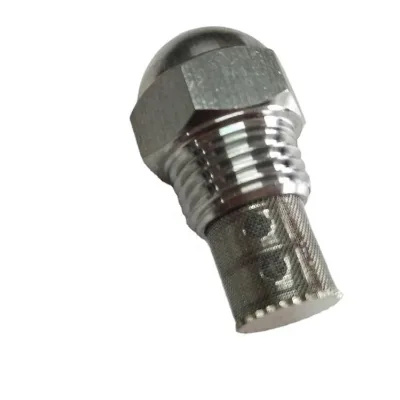
Atomizing Universal Nozzle, Humidifying Nozzle, Adjustable Water Spraying Nozzle Accessories
$1.0456 - $3.1368
MOQ: 1 pieces
Linyi Fengchong Hardware Fittings Co., Ltd.
- Trading Company
- Shandong, China
- Lead time31 days
- Avg. response≤ 5h
Main productsIrrigation fittings,fire hose,Agricultural irrigation water belt
Main marketsDomestic Market(80.00%), North America(20.00%)
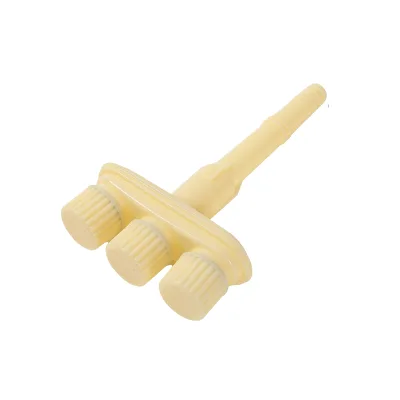
Manufacturers Wholesale Atomized Drip Irrigation System Garden Car Sprayer Pipe Water Nozzles
$0.42 - $0.67
MOQ: 200 Minimum
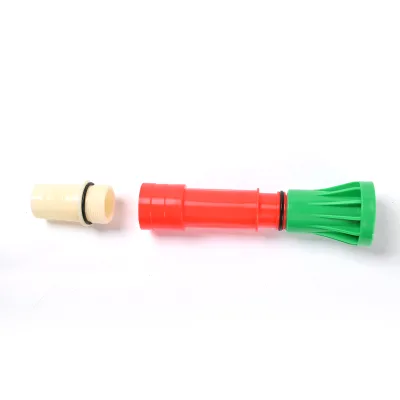
Agricultural Spray Nozzle,Adjustable Atomizing Agricultural Sprayer Nozzle,Agricultural Sprayer
$0.37 - $0.63
MOQ: 200 Minimum
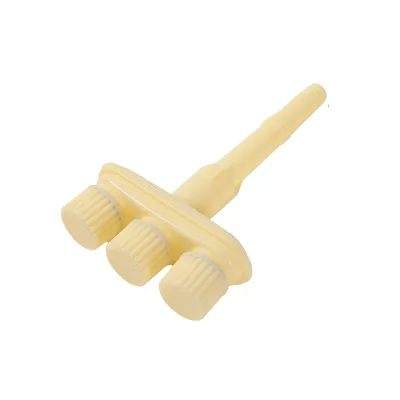
$0.42 - $0.67
MOQ: 200 Minimum
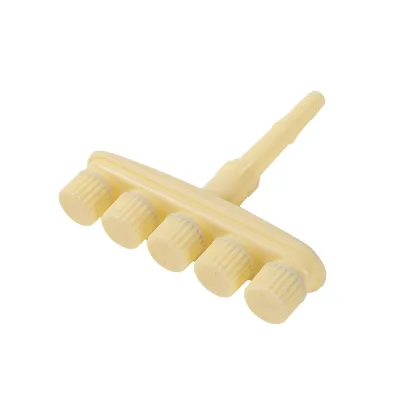
$0.42 - $0.67
MOQ: 200 Minimum
$0.42 - $0.67
MOQ: 200 Minimum
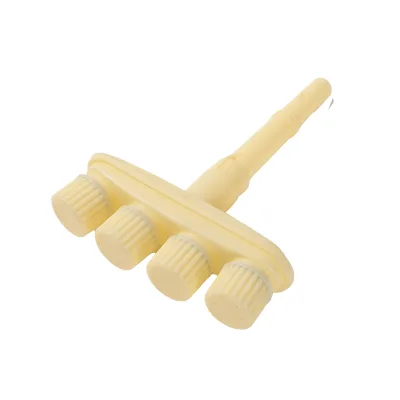

Ningbo Beilun Bolan Industry & Trade Co., Ltd.
- Manufacturer/Factory
- China Zhejiang
- Lead time120 days
- Avg. response≤ 18h
Main productsSprayer, Trigger Sprayer, Pump, Plastic Cap, Trigger, Mould, Mist Sprayer, Lotion Pumps, Caps, Brush
Main marketsSouth America,Eastern Europe,Mid East,North America,Southeast Asia,Eastern Asia,Oceania,Western Europe,Africa

- Combined
- China Zhejiang
- Lead time30 days
- Avg. response≤ 14h
Main productsFuel Dispenser, Station Equipment, LPG Dispenser, Parts of Fuel Dispenser, Gas Dispenser, Petrol Dispenser, Oil Refueling Equipment, Fuel Pump, Diesel Dispenser, Dispenser
Main marketsSouth America,Africa,Southeast Asia/ Mideast

Tianjin Latino Environmental Technology Co., Ltd.
- Verified by TUVRHEINLAND
- Trading Company
- China Tianjin
- Lead time15 days
- Avg. response≤ 2h
Main productsCooling Tower, Round Cooling Tower, Square Cross Flow Cooling Tower, Square Counter Flow Cooling Tower, Cooling Tower PVC Fill, Cooling Tower Fan, Cooling Tower Drift Eliminator, Cooling Tower Parts, Cooling Tower Nozzle, FRP Profile
Main marketsSouth America,Others(foreignTradeCapacity.exportBusinessCapacityMarketOther),Southeast Asia/ Mideast,East Asia(Japan/ South Korea),Europe,Australia

XUZHOU DESHENG PETROL MACHINE CO., LTD.
- Verified by SGS
- Trading Company,Manufacturer/Factory
- China Jiangsu
- Lead time23 days
- Avg. response≤ 7h
Main productsFuel Nozzle, Fuel Dispenser, Fuel Station Parts, Fuel Tanker Parts, Fuel Tanker Manhole Cover, Fuel Tanker Bottom Valve, Mobile Fuel Station, Fuel Nozzle Parts, Fuel Dispenser Parts
Main marketsSouth America,Eastern Europe,Mid East,North America,Southeast Asia,Eastern Asia,Oceania,Western Europe,Africa

Zhejiang Maide Machine Co., Ltd.
- Verified by BV
- Combined
- China Zhejiang
- Lead time15 days
- Avg. response≤ 25h
Main productsAutomatic Nozzle, Fuel Dispenser Meter, Vane Pump, LPG Dispenser, Electric Transfer Pump, Positive Displacement Meter
Main marketsSouth America,Africa,Southeast Asia/ Mideast,East Asia(Japan/ South Korea),Europe,Australia,North America

- Verified by SGS
- Combined
- China Zhejiang
- Lead time45 days
- Avg. response≤ 3h
Main productsFire Extinguisher, Hose Reels, Cabinet
Main marketsSouth America,Africa,Southeast Asia/ Mideast,East Asia(Japan/ South Korea),Domestic,Europe,Australia,North America

Guangdong Laswim Water Environment Equipment Co., Ltd.
- Verified by BV
- Combined
- China Guangdong
- Lead time15 days
- Avg. response≤ 11h
Main productsSand Filter, Pool Pump, Pool Underwater Light, Salt Chlorinator, Heat Pump, Pool Ladder, Pool Plastic Fittings, Filtration Unit, Massage Products, Hydrotherapy Equipment
Main marketsSouth America,Africa,Southeast Asia/ Mideast,East Asia(Japan/ South Korea),Europe,Australia,North America
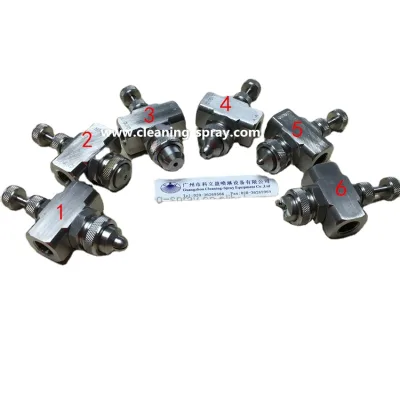
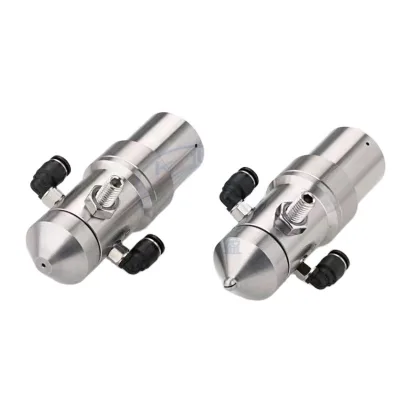
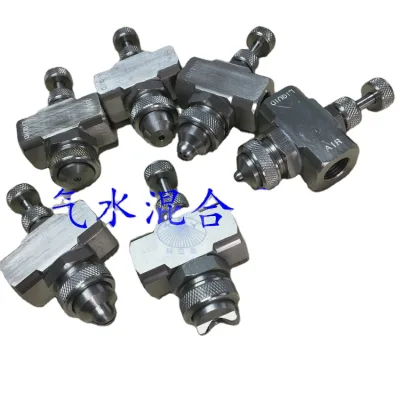
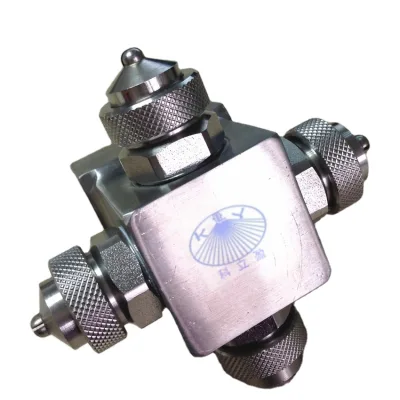
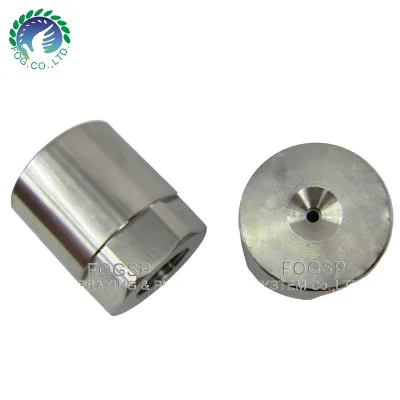
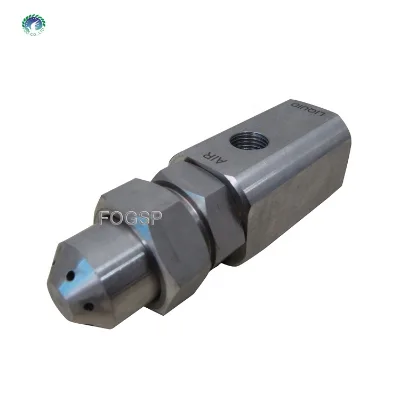
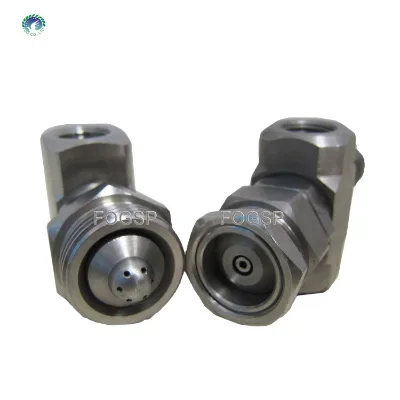
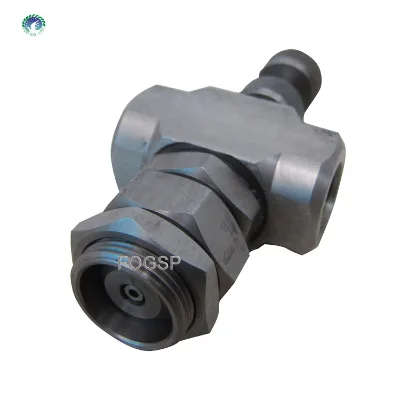
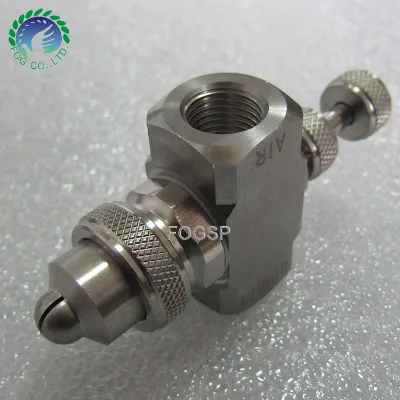
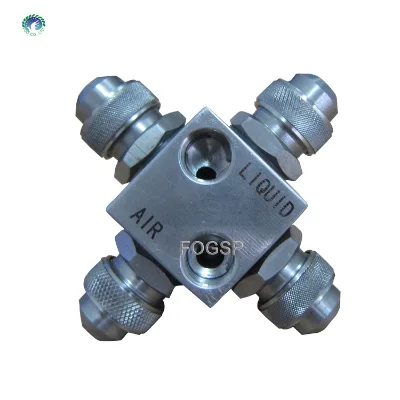


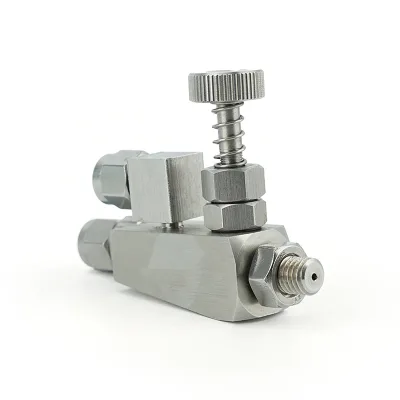
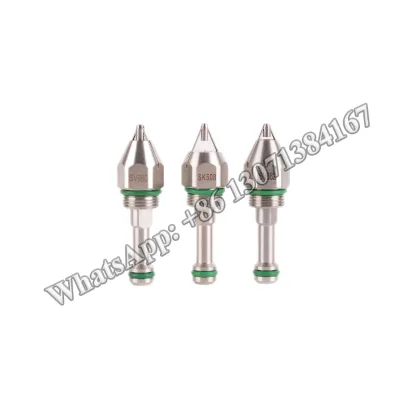
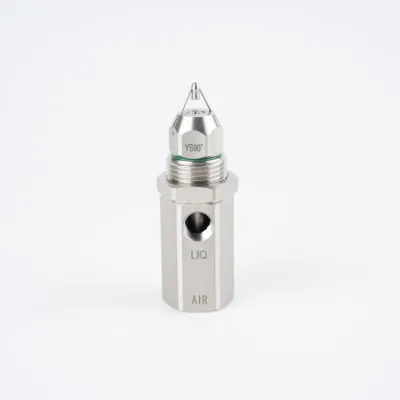
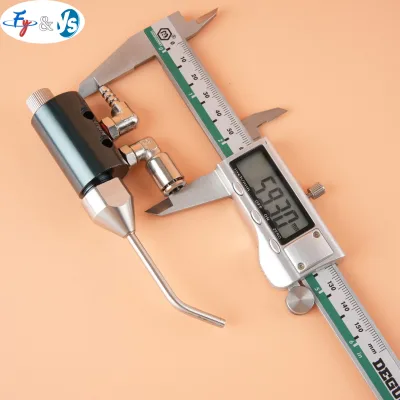
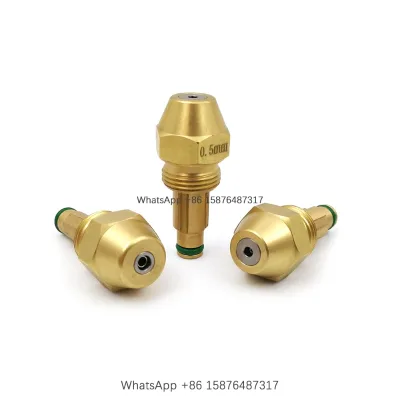
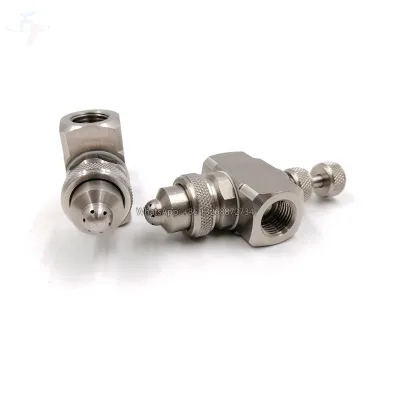
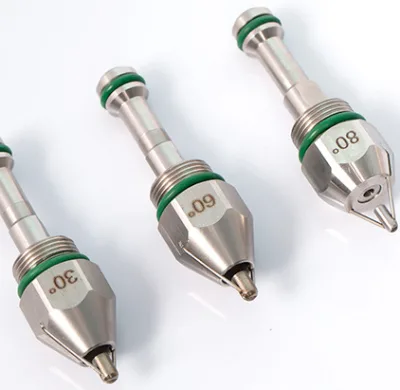
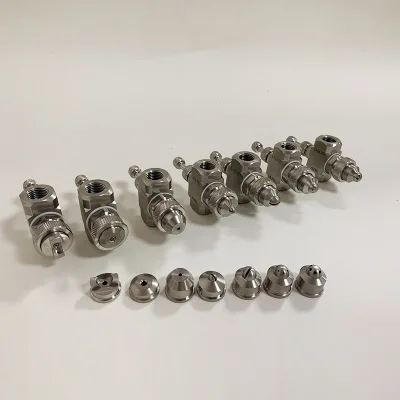
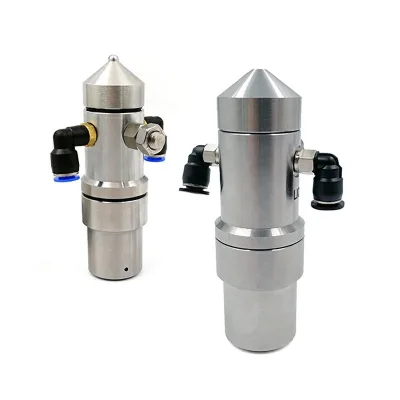
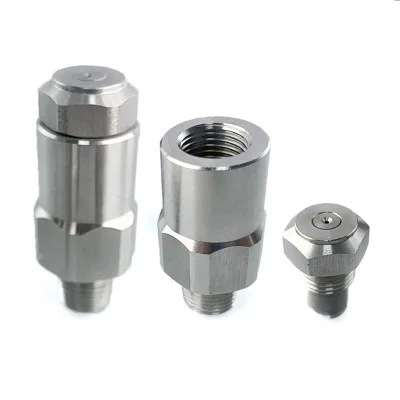
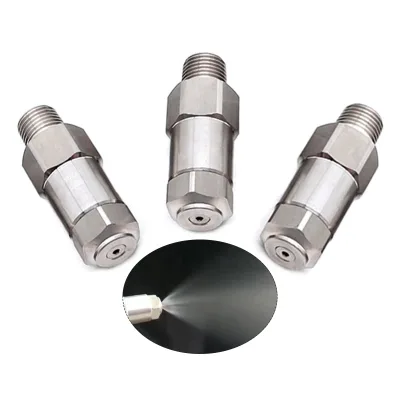


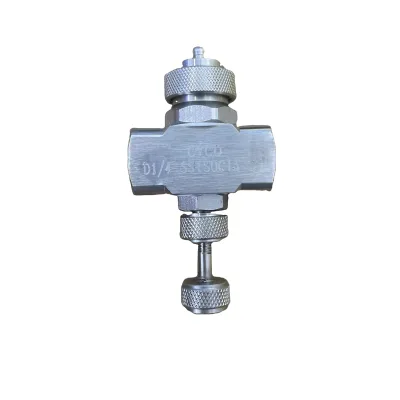
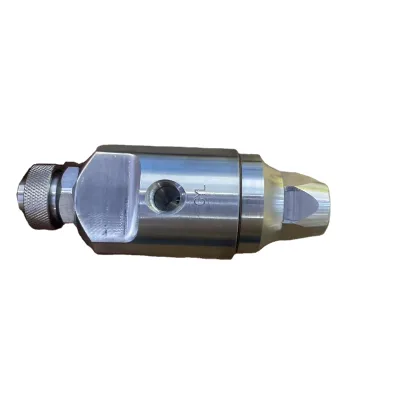
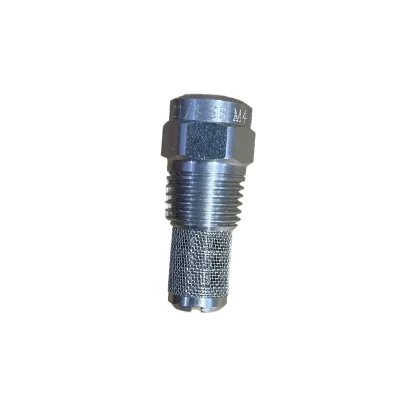


Comprehensive Sourcing Guide
Anti-Drip Double Fluid Atomizing Nozzle Supplier Concentration and Factory Types
The current supplier landscape for anti-drip double fluid atomizing nozzles reveals a distinct split between manufacturing entities and trading companies, each offering different value propositions for buyers seeking industrial components. Evidence indicates that a significant portion of the available suppliers are classified as manufacturers or factories, primarily located in China, with specific concentration in the Guangdong region. These factory-type suppliers typically possess direct control over production processes, allowing them to offer OEM capabilities and customize products according to specific technical requirements. The presence of ISO certifications such as ISO 9000, ISO 14001, and ISO 9001 among these manufacturers suggests a baseline commitment to quality management systems and environmental standards, which is crucial for industrial buyers who require consistent product performance and regulatory compliance. These suppliers often list main products that include various types of spray nozzles, plastic nozzles, and industrial nozzles, indicating a broad capability in fluid control equipment. The verification status of some of these manufacturers includes BV certification, providing an additional layer of trust regarding their operational legitimacy and financial stability. Buyers looking for direct factory engagement should prioritize these entities, as they are more likely to accommodate complex customization requests and provide detailed technical support for dual-fluid atomizing applications.
In contrast, the supplier pool also includes trading companies that act as intermediaries between manufacturers and end-users. These trading entities are often verified by SGS Group and may offer faster response times, such as a reported average response time of two hours, which can be advantageous for buyers needing quick quotations or logistical coordination. While trading companies might not have direct manufacturing facilities, they often aggregate products from multiple sources, providing a wider variety of options in terms of design and application. Some trading companies specialize in related equipment such as fog machines, humidifiers, and water pumps, suggesting a broader portfolio that could simplify sourcing for buyers with multiple equipment needs. The main products listed for these trading companies include spray guns and dust removal nozzles, indicating a focus on practical, ready-to-use solutions. Although they may not offer the same level of deep customization as factories, their ability to process samples and handle graphic processing can be beneficial for buyers who need rapid prototyping or specific branding on standard components. Understanding this dichotomy between factory and trading company structures is essential for buyers to align their sourcing strategy with their specific needs for customization, speed, and supply chain transparency.
How to Verify Anti-Drip Double Fluid Atomizing Nozzle Suppliers
Verifying the legitimacy and capability of anti-drip double fluid atomizing nozzle suppliers requires a multi-layered approach that goes beyond simple profile reviews. Buyers should prioritize suppliers who display third-party verification badges, such as BV or SGS Group, as these indicate that an independent agency has audited the company’s business license, factory conditions, and operational history. For manufacturers, checking for relevant system certifications is critical; the presence of ISO 9001, ISO 14001, and ISO 20000 certifications suggests that the supplier adheres to international standards for quality management, environmental protection, and information security. These certifications are not merely decorative but reflect a structured approach to production control, which is vital for ensuring that atomizing nozzles meet precise pressure and flow rate specifications. Additionally, buyers should examine the product evidence provided, looking for detailed attributes such as material composition, thread sizes, and spray patterns. Products made from stainless steel grades like SS303, SS304, and SS316, or brass and PP materials, indicate a focus on durability and corrosion resistance, which are key factors in the longevity of atomizing nozzles in industrial environments.
Beyond certifications and product details, buyers must assess the supplier’s responsiveness and transparency in communication. A supplier’s response time is a strong indicator of their operational efficiency and customer service quality; for instance, a response time of 8.70 hours or faster suggests a dedicated support team ready to address inquiries promptly. Buyers should also look for clear information on customization capabilities, such as OEM availability or sample processing services, which demonstrate the supplier’s flexibility in meeting unique project requirements. It is important to verify the origin of the products, as some listings specify origins like Dong Guan, China, which can help buyers assess logistical factors and potential tariffs. Furthermore, buyers should request detailed product specifications, including working pressure ranges, flow rates, and certification marks like CE or RoHS, to ensure compliance with regional safety and environmental regulations. By cross-referencing these verification points, buyers can build a reliable shortlist of suppliers who are not only legally compliant but also technically capable of delivering high-quality anti-drip double fluid atomizing nozzles that meet their specific operational needs.
What to Compare Across Anti-Drip Double Fluid Atomizing Nozzle Suppliers
When evaluating multiple suppliers for anti-drip double fluid atomizing nozzles, buyers must systematically compare key operational and commercial metrics to identify the best fit for their procurement goals. One of the most critical factors is the minimum order quantity (MOQ), which varies significantly across suppliers. For example, some suppliers may have an MOQ of just one piece, making them suitable for small-scale testing or low-volume applications, while others may require orders of 50 or 100 pieces, which is more appropriate for bulk industrial procurement. Comparing MOQs helps buyers align their purchasing volume with their inventory management strategies and cash flow constraints. Additionally, lead times are a crucial consideration, especially for projects with tight deadlines. Suppliers with shorter lead times, such as those reporting a lead time of one day or 23 days, offer different levels of supply chain agility. Buyers should weigh these lead times against their production schedules to avoid delays, while also considering whether the supplier offers expedited shipping options for urgent orders.
Price and customization options are another vital area for comparison. The price range for atomizing nozzles can vary widely, with some products listed between $1.30 and $35.00 per unit, depending on material, complexity, and order volume. Buyers should not only look at the unit price but also consider the total cost of ownership, including shipping, tariffs, and potential rework costs due to quality issues. Customization capabilities, such as the availability of OEM services or specific thread sizes like 1/8" or 1/4", should be matched against the buyer’s technical requirements. Suppliers that offer internal or external mixing types and various spray patterns, such as flat fan or round spray, provide greater flexibility for different application scenarios. Furthermore, comparing the main products offered by each supplier can reveal their specialization; some may focus on industrial nozzles, while others may offer a broader range of cleaning equipment parts. By meticulously comparing these dimensions, buyers can make informed decisions that balance cost, quality, and supply chain reliability.
Common Anti-Drip Double Fluid Atomizing Nozzle Sourcing Risks
Sourcing anti-drip double fluid atomizing nozzles from international suppliers introduces several risks that buyers must proactively manage to ensure successful procurement. One significant risk is the potential mismatch between product specifications and actual delivery, particularly when dealing with complex fluid dynamics components. Atomizing nozzles rely on precise internal geometries to achieve the desired spray pattern and droplet size, and any deviation in manufacturing tolerances can lead to poor performance, such as dripping or uneven misting. Buyers must be vigilant about verifying material grades, as listings may claim stainless steel construction but deliver inferior alloys that corrode quickly in humid or chemical environments. The risk is compounded if the supplier lacks robust quality control processes, which can be mitigated by requesting detailed material certificates and conducting pre-shipment inspections. Additionally, the variability in response times and lead times among suppliers can disrupt project timelines, especially if a supplier underestimates production capacity or faces unexpected delays in raw material sourcing.
Another common risk is the lack of transparency in commercial terms and after-sales support. Some suppliers may offer attractive initial prices but impose hidden costs through high shipping fees, customs duties, or strict return policies. Buyers should also be cautious of suppliers who do not provide clear warranty information, as the absence of a warranty clause can leave buyers without recourse in case of product failure. The risk of intellectual property infringement is also present when working with suppliers that offer extensive customization services, as buyers must ensure that their proprietary designs are protected. Furthermore, relying on trading companies without verifying their direct relationship with manufacturers can lead to communication gaps and reduced accountability. To mitigate these risks, buyers should establish clear contractual agreements that specify quality standards, delivery schedules, and liability clauses. Conducting regular audits and maintaining open communication channels with suppliers can also help identify and address potential issues before they escalate, ensuring a smoother sourcing experience for anti-drip double fluid atomizing nozzles.
Anti-Drip Double Fluid Atomizing Nozzle Regional Sourcing and Logistics
The regional concentration of anti-drip double fluid atomizing nozzle suppliers, particularly in China’s Guangdong province, offers both advantages and logistical considerations for global buyers. Guangdong is a major manufacturing hub known for its efficient supply chains and advanced industrial infrastructure, which can lead to competitive pricing and faster production cycles. Buyers sourcing from this region can benefit from the proximity to ports and logistics networks, facilitating smoother export processes. However, the geographic distance from other major markets, such as North America or Europe, introduces longer transit times and higher shipping costs. Buyers must factor in these logistical variables when planning their inventory and delivery schedules. Additionally, regional trade policies and tariffs can impact the final cost of goods, so buyers should stay informed about any changes in import regulations that may affect their sourcing strategy. Understanding the specific location of suppliers, such as Dong Guan, can also help buyers assess the local industrial ecosystem and potential for on-site visits or audits.
Logistics planning also involves selecting the appropriate shipping method based on the urgency and volume of the order. For smaller orders with low MOQs, express shipping may be cost-effective, while bulk orders might benefit from sea freight to reduce per-unit costs. Buyers should work closely with their suppliers to determine the most efficient shipping routes and packaging methods, as proper packaging is crucial to prevent damage to delicate nozzle components during transit. Some suppliers offer standard export carton packaging, which provides a baseline level of protection, but buyers may need to request additional packaging solutions for high-value or fragile items. Furthermore, buyers should consider the environmental impact of their logistics choices, as many suppliers now offer eco-friendly packaging options that align with global sustainability goals. By carefully managing regional sourcing and logistics, buyers can optimize their supply chain, reduce costs, and ensure the timely delivery of anti-drip double fluid atomizing nozzles to their operational sites.
Anti-Drip Double Fluid Atomizing Nozzle Commercial Terms and Order Planning
Effective order planning for anti-drip double fluid atomizing nozzles requires a thorough understanding of commercial terms and payment structures to minimize financial risk and ensure smooth transactions. Buyers should prioritize suppliers who offer secure payment methods, such as escrow services, which protect both parties by holding funds until the goods are received and verified. This is particularly important when dealing with new suppliers or large orders, as it provides a layer of financial security against potential fraud or non-delivery. Additionally, buyers should negotiate clear payment terms, such as a deposit followed by balance upon shipment, to align cash flow with production schedules. It is also crucial to clarify the Incoterms, such as FOB or CIF, to determine who is responsible for shipping costs and insurance. Understanding these terms helps buyers accurately calculate the total landed cost and avoid unexpected expenses.
Order planning should also account for the supplier’s production capacity and lead times to avoid bottlenecks. Buyers should establish a consistent ordering rhythm, especially if they rely on a single supplier for critical components. For
FAQs
What materials are used for anti-drip nozzles?
Manufacturers typically use brass, SS303, SS304, SS316, PP, or PVC for these components. The specific material choice depends on the required corrosion resistance and pressure tolerance for your industrial cleaning or humidification application. Selecting the right alloy ensures longevity and performance under varying environmental conditions.
What is the typical lead time for orders?
Lead times generally range from one to twenty-three days depending on the supplier type and order volume. Trading companies often offer faster turnaround times of one day, while manufacturers may require up to twenty-three days for production. Confirm the exact schedule with your chosen vendor before placing the order.
What is the minimum order quantity required?
Minimum order quantities vary significantly, ranging from one piece to fifty pieces. Some suppliers accept single-unit orders for testing, while others require bulk purchases of fifty units. Always verify the specific MOQ with the supplier to ensure it aligns with your procurement budget and inventory needs.
What certifications do these nozzles hold?
Products commonly hold CE and RoHS certifications, with some manufacturers also possessing ISO 9001, ISO 14001, and ISO 20000 system certifications. These standards verify quality management and environmental compliance. Buyers should request valid certificates to ensure the products meet international safety and manufacturing requirements.
How quickly do suppliers respond to inquiries?
Response times vary, with some suppliers replying within two hours and others taking up to eight hours. Faster response times often indicate higher availability and dedicated customer support teams. Prompt communication helps resolve technical questions about thread sizes and spray patterns more efficiently during the sourcing process.
What is the price range for these nozzles?
Prices range from approximately one dollar to thirty-five dollars per unit depending on the model and material. Basic joints may cost around one dollar, while complex stainless steel atomizing heads can exceed thirty dollars. The final price depends on customization options, thread specifications, and the total order quantity.