Medical Grade Baby Incubator with Alarm System Suppliers and Manufacturers
Source Medical Grade Baby Incubator with Alarm System from 30 verified suppliers. Compare response times, lead times, certifications, and locations to find the right partner. Contact suppliers directly to request quotes and verify specifications; review the available evidence before requesting comparable quotations from suitable candidates.
Updated
Suppliers List
Shanghai Flower Medical Equipment Co., Ltd.
- Verified by SGS Group
- Manufacturer, Trading Company
- Lead time10 days
- Avg. response≤ 1h
Main productsOperation Lamp, Operation Table, Medical Pendant, Hospital Furniture, Hospital Bed
Main marketsSoutheast Asia(30%), North America(20%), Africa(20%)
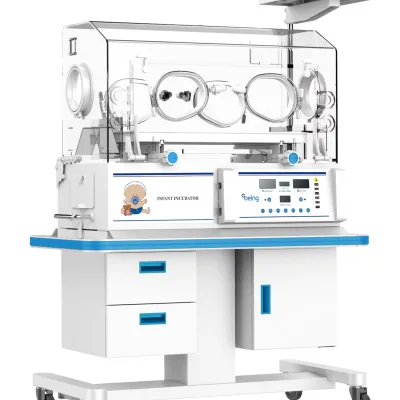
Medical Grade Baby Incubator with Oxygen Concentration Monitor and Alarm System
$1501.1732 - $1604.7024
MOQ: 50 Minimum

- Verified by TUVRHEINLAND
- Manufacturer/Factory
- China Anhui
- Lead time23 days
- Avg. response≤ 3h
Main productsInfusion Pump, Anesthesia Machine, Stainless Steel Cages, Medical Ventilator, Patient Monitor, Surgical Operation Table, Hospital Bed, Hospital Furniture, Surgical Lamp, Patient Incubator
Main marketsSouth America,Eastern Europe,Mid East,North America,Southeast Asia,Eastern Asia,Oceania,Western Europe,Africa

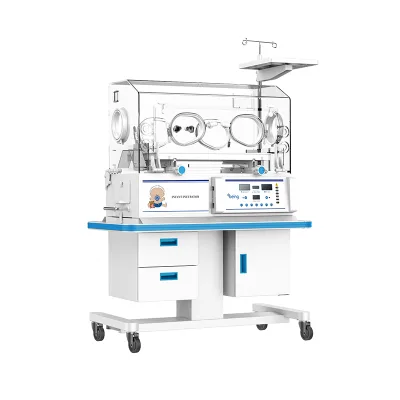
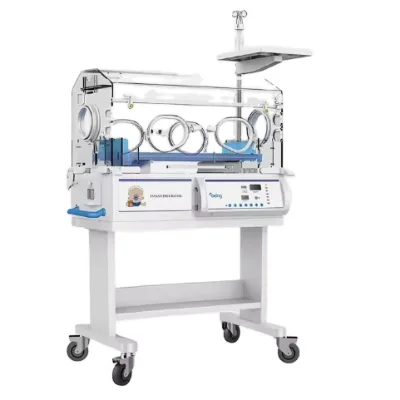
Hospital Medical Newborn Infant Incubator Neonatal Baby Incubators with Humidity System
$500.00 - $1500.00
MOQ: 1 Pieces


Changsha Skyfavor Medical Devices Co., Ltd
- Verified by SGS
- Trading Company,Manufacturer/Factory
- China Hunan
- Lead time23 days
- Avg. response≤ 4h
Main productsInfusion Pump, Patient Monitor, Medical Gas Pipeline, Incubator, Vacuum Pump, Oxygen Generator, Zone Valve Box, Medical Gas Outlet, Medical Pendant, Anaesthesia Machine
Main marketsSouth America,Eastern Europe,Mid East,Southeast Asia,Eastern Asia,Africa

Medical Grade Infant Incubator with Stable Temperature and Humidity Management
$2500.00 - $2700.00
MOQ: 1 Pieces


Benemed (Hongkong) Industry Co., Limited
- Verified by TUVRHEINLAND
- Trading Company,Manufacturer/Factory
- China Henan
- Lead time23 days
- Avg. response≤ 6h
Main productsHematology Analyzer, Ultrasound Scanner, Patient Monitor, Chemistry Analyzer, Electrolyte Analyzer, Urine Analyzer, ECG Machine, Pulse Oximeter, Ot Light, X-ray Film Viewer
Main marketsSouth America,Eastern Europe,Mid East,Southeast Asia,Eastern Asia,Western Europe,Africa
Jiangsu Suxin Medical Equipment Co., Ltd.
- Verified by TüVRheinland
- Manufacturer, Trading Company
- Lead time30 days
- Avg. response≤ 3h
Main productsOperating Table, Operating Lamp, Delivery Bed, Hospital Beds, Medical Pendant
Main marketsDomestic Market(23%), Southeast Asia(15%), Africa(15%)
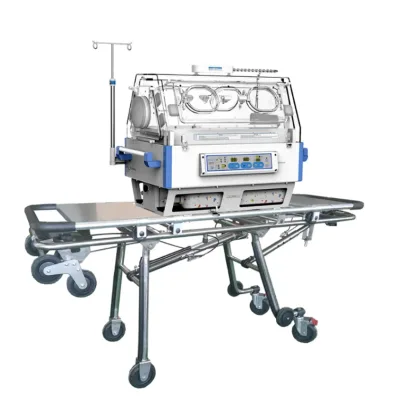
Medical Neonatal Infant Baby Mobile Infant Incubator with Trolley Mobile Transport Incubator
$4898.2391 - $5611.5454
MOQ: 1 sets
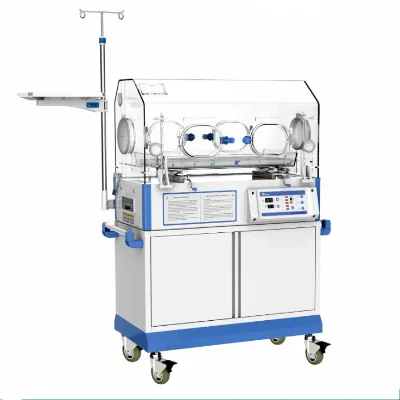
Good Quality Baby Incubator Infant Care Equipment Infant Incubator
$2074.8922 - $3112.3382
MOQ: 1 sets
Hangzhou Livie Technology Co., Ltd.
- Verified by TüVRheinland
- Manufacturer, Trading Company
- Lead time30 days
- Avg. response≤ 2h
Main productsBlood Lipid Meter, Eye Massager, Hemoglobin Meter, Oxygen Concentrator, IVD
Main marketsAfrica(20%), Southeast Asia(18%), Southern Europe(15%)
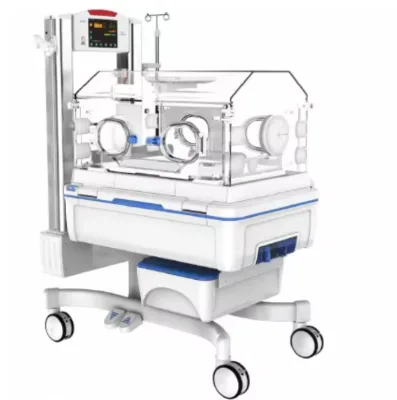
Medical Infant Care Machine Manufacturer Premature Baby Incubator
$1316.9782 - $1728.5338
MOQ: 1 boxes
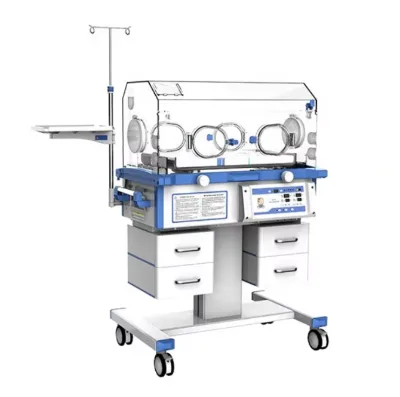
$1311.5597 - $1721.4218
MOQ: 1 boxes

Novalion Medical Instrument Co., Ltd.
- Verified by SGS
- Trading Company
- China Jiangsu
- Lead time15 days
- Avg. response≤ 6h
Main productsWheelchair, Hospital Bed, Operating Table, Commode Chair, Medical Trolley, Stretcher, Walker, Electric Wheelchair, Wheel Chair, Medical Bed
Main marketsSouth America,Africa,Southeast Asia/ Mideast,Domestic

Shanghai MedEco Industry Co., Ltd.
- Trading Company
- China Shanghai
- Lead time15 days
- Avg. response≤ 9h
Main productsOperating Lamp, Operating Table, Surgical Stapler, Veterinary Equipment, Dialysis Chair, Infant Incubator, Medical Pendant, Hemodialysis Equipment, Surgical Suture, Oxygen Concentrator
Main marketsAfrica,Europe,North America


CE Medical Baby Closed Premature Infant Incubator with Temperature Control
$1150.00 - $1350.00
MOQ: 5 Pieces

Medical Equipmenrt Infant Care Incubator with Temperature Control and Humidity Control
$1000.00 - $3000.00
MOQ: 5 Pieces


Perlong Medical Equipment Co., Ltd.
- Trading Company,Manufacturer/Factory
- China Jiangsu
- Lead time15 days
- Avg. response≤ 10h
Main productsMedical Equipment, Anesthesia, Monitor, X-ray, Lab, ECG, Ultrasound, Dental, Ventilator, Biochemistry
Main marketsSouth America,Eastern Europe,Mid East,North America,Southeast Asia,Eastern Asia,Oceania,Western Europe,Africa

- Verified by TUVRHEINLAND
- Trading Company,Manufacturer/Factory
- China Hunan
- Lead time38 days
- Avg. response≤ 13h
Main productsMicrocope Centrifuge Water Bath Heating Mantel, Shaker Stirrer Incubator and Oven Freezer Aas, Autoclave &Sterilizer Water Distiller pH Meter, Spectrophotometer Viscometer Balance&Scale HPLC, Lab Glassware; Electrophoresis Suction Machine, ECG Thermometer Ultrasound Scanner, Operating Table Lamp Bed Wheel Chair, Infusion Oxygen Concentrator Cylinder, X-ray Machine Hematology Analyzer, Human Models Medical Disposable
Main marketsSouth America,Eastern Europe,Mid East,North America,Southeast Asia,Eastern Asia,Oceania,Western Europe,Africa
Guangzhou Labon Medical Equipment Co., Limited
- Verified by Intertek
- Trading Company
- Lead time15 days
- Avg. response≤ 6h
Main productsElectrolyte Analyzer, Hematology Analyzer, Ultrasound Scanner, Examination Bed, Microscope
Main marketsSoutheast Asia(28%), Africa(22%), Eastern Europe(18%)
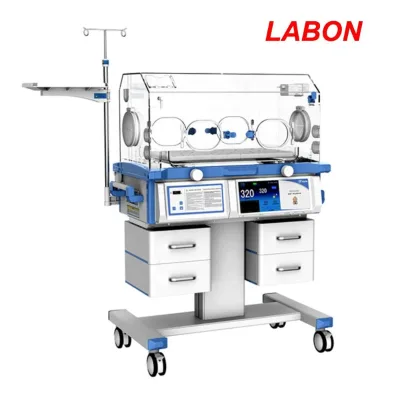
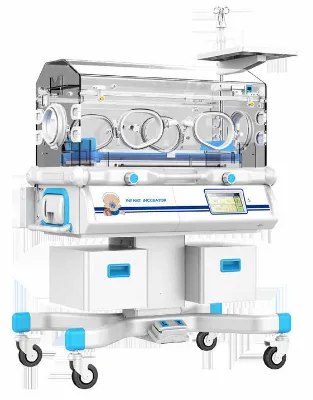
4000A/B/C LCD Touch Screen Hospital Incubators Medical Device Infant Incubator Machine
$1933.942 - $3939.5096
MOQ: 1 Minimum
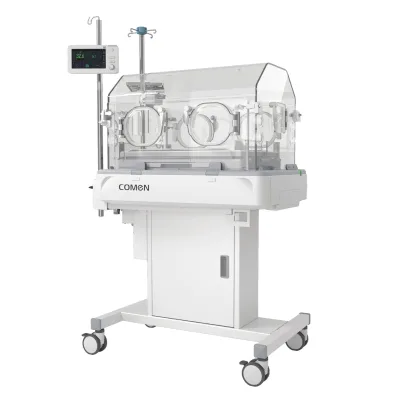
COMEN B2 Infant Incubator Neonatal Incubator Infant Care Equipment for Newborn Baby Care
$2558.1226 - $3069.7471
MOQ: 1 Minimum
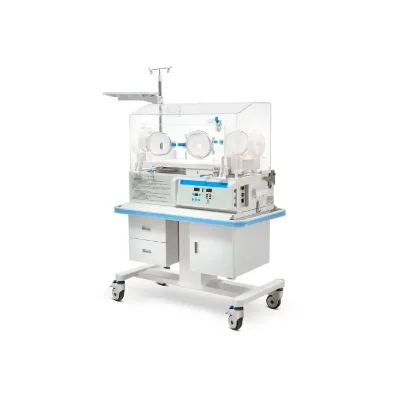
Hospital Equipment David Baby Infant Incubator YP-90/90A/90B/90AB/90AC
$2066.3051 - $3099.4577
MOQ: 1 Minimum
- Manufacturer, Trading Company
- Lead time旺季: "1 - 1":7,"> 1":"To be negotiated", 淡季: "1 - 1":7,"> 1":"To be negotiated"
- Avg. response≤ 4h
Main productsMedical X-ray Equipments & Accessories, Medical Ultrasound Instruments, Emergency & Clinics Apparatuses, Clinical Analytical Instruments, Veterinary Medical Equipments
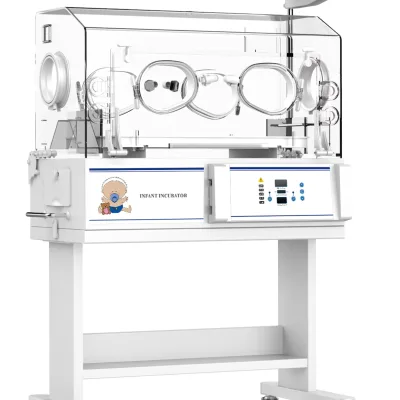
$602.695 - $878.9718
MOQ: 1 Minimum
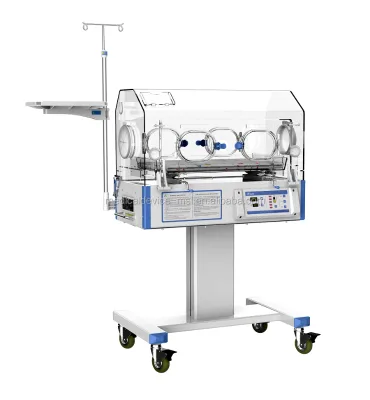
All in One Baby Incubator Baby Incubator Hospital Equipmentbaby Incubator Controller
$999.00 - $1137.00
MOQ: 1 Minimum
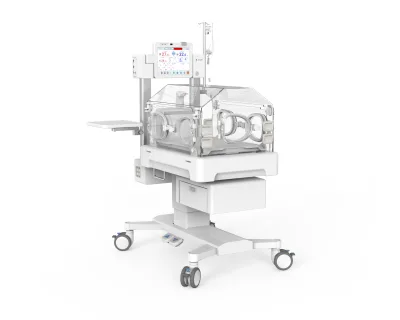
Infant Incubator Baby Radiation Warmer Baby Care Products Medical Equipment
$1999.00 - $2999.00
MOQ: 1 Minimum
Yiwu Medco Health Care Co., Ltd.
- Verified by TüVRheinland
- Trading Company
- Lead time15 days
- Avg. response≤ 5h
Main productsMedical Equipment
Main marketsAfrica(35%), Mid East(35%), Eastern Europe(6%)
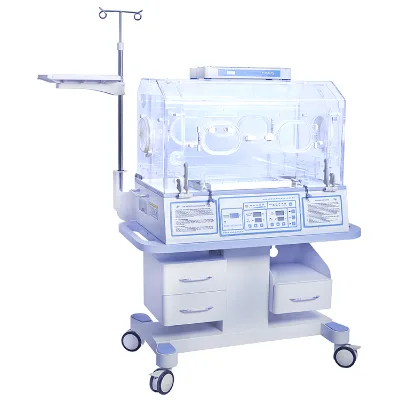
Medical Baby Adjustable Microcomputer Control Temperature System Infant Incubator for Hospital
$816.3732 - $918.4198
MOQ: 1 pieces
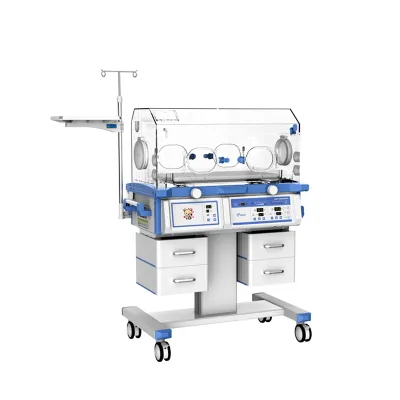
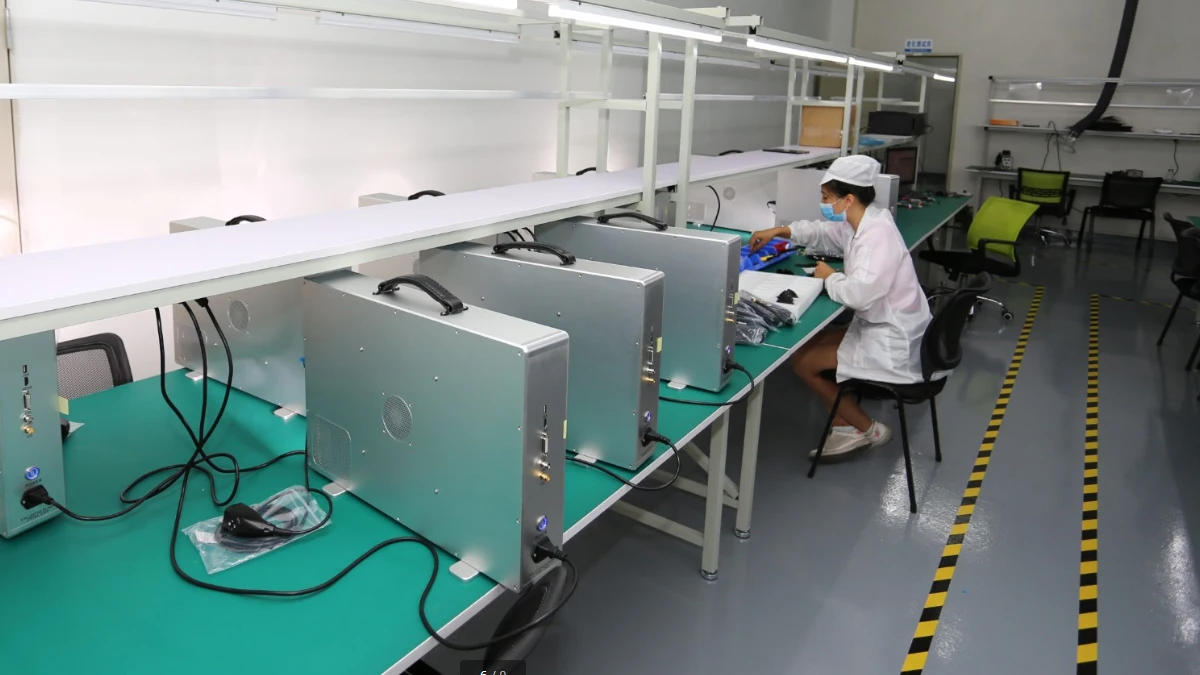
- Trading Company
- Jiangsu, China
- Lead time5 days
- Avg. response≤ 3h
Main productsEndoscope Imaging,Ultrasound imaging,Optical Instruments,Radiography Equipment,Animal&Veterinary instrument
Main marketsMid East(15.00%), Southeast Asia(15.00%), South Asia(10.00%), South America(10.00%), Africa(10.00%), Domestic Market(10.00%), Central America(10.00%), North America(5.00%), Eastern Europe(5.00%), Western Europe(5.00%), Eastern Asia(3.00%), Northern Europe(2.00%)
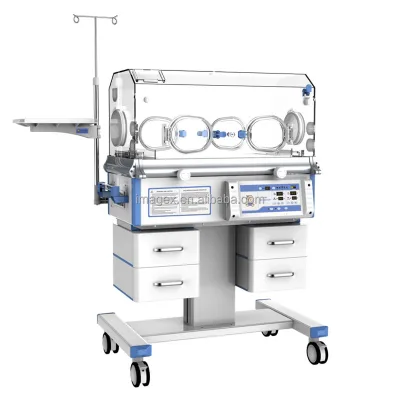
Newborn Infant Incubator for Premature Babies with Temperature Control
$1539.0923 - $5130.3076
MOQ: 1 Minimum
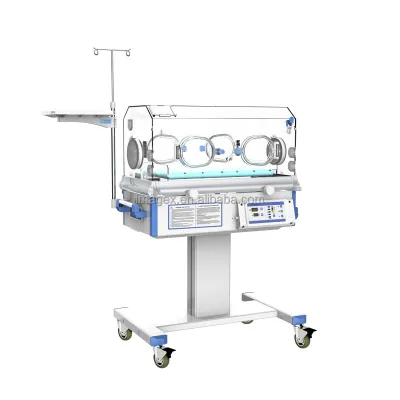
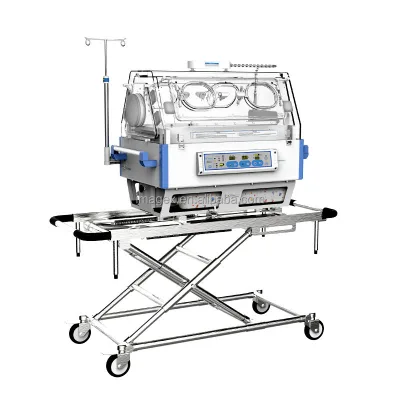
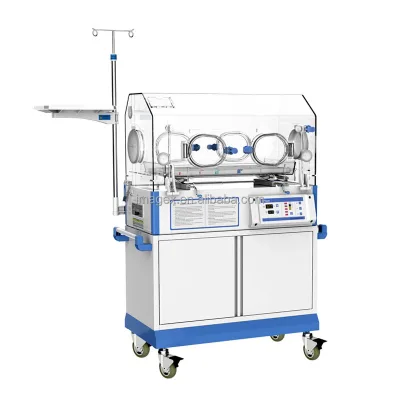
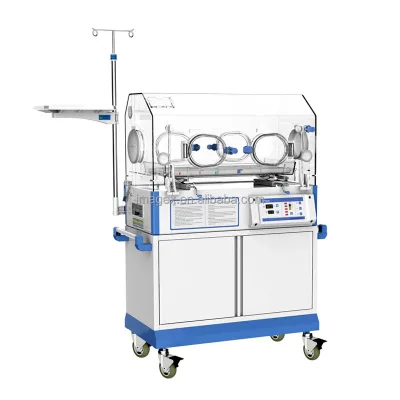
Advanced Neonatal Incubator for Premature and Low Birth Weight Babies
$1025.7384 - $5133.8232
MOQ: 1 Minimum
- Manufacturer, Trading Company
- Lead time旺季: "1 - 1":7,"> 1":"To be negotiated", 淡季: "1 - 1":7,"> 1":"To be negotiated"
- Avg. response≤ 4h
Main productsMedical X-ray Equipments & Accessories, Medical Ultrasound Instruments, Emergency & Clinics Apparatuses, Clinical Analytical Instruments, Veterinary Medical Equipments
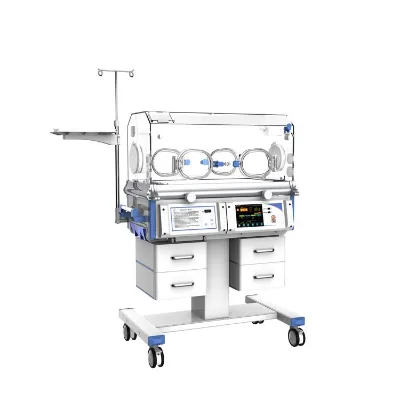
Msl Baby Care Equipment Medical Hospital Radiant Baby Infant Incubator With LED Phototherapy Unit
$888.00 - $1700.00
MOQ: 1 Minimum
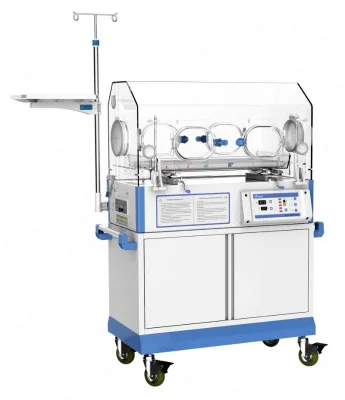
Neonatal Baby Incubator Infant Care Equipment Infant Incubator MSLBI02 with LED Phototherapy Unit
$699.00 - $2799.00
MOQ: 1 Minimum
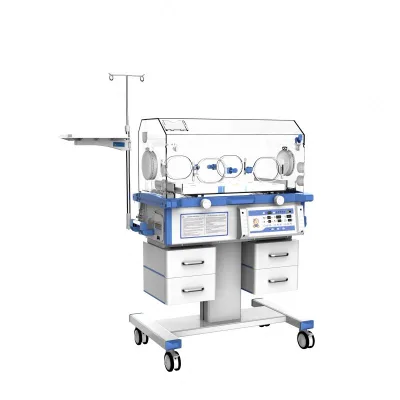
Medical Transport Premature Newborn Baby Care Equipment Infant Incubator Hospital Equipment
$3073.9658 - $4047.3891
MOQ: 1 Minimum
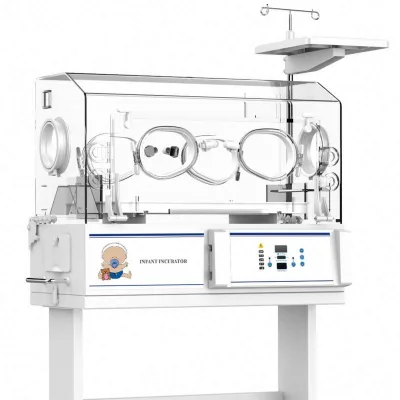
Infant Care Equipment Infant Incubator Hospital Transport Infant Incubators MSLBI30
$479.00 - $979.00
MOQ: 1 Minimum
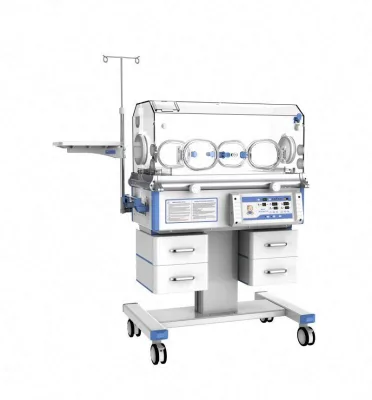
Low Price China Medical Newborn Infant Care Incubator NICU Baby Bassinet Incubator
$1390.00 - $3825.00
MOQ: 1 Minimum

Nanjing Poweam Medical Co., Ltd.
- Manufacturer/Factory
- China Jiangsu
- Lead time15 days
- Avg. response≤ 22h
Main productsUltrasound Scanner, Color Doppler, X-ray Film, X-ray Film Processor, ECG, Microplate Reader, Ivd Analyzer, Medical Furniture, Slit Lamp Microscope, Oxygen Concentrator
Main marketsSouth America,Eastern Europe,Mid East,North America,Southeast Asia,Eastern Asia,Oceania,Western Europe,Africa

Medical Equipment Baby Infant Incubator with LCD Display (Baby Care 5G)
$2000.00 - $5000.00
MOQ: 1 Pieces


- Trading Company
- Guangdong, China
- Lead time10 days
- Avg. response≤ 5h
Main productsIn Vitro Diagnostics,Life-support devices,Medical Consumables,Medical imaging medical facilities,Home medical and rehabilitation equipment
Main marketsAfrica(34.00%), Eastern Europe(15.00%), Mid East(13.00%), North America(8.00%), Southeast Asia(8.00%), Western Europe(4.00%), South Asia(4.00%), Southern Europe(3.00%), South America(3.00%), Eastern Asia(3.00%), Central America(2.00%), Oceania(2.00%), Northern Europe(1.00%)
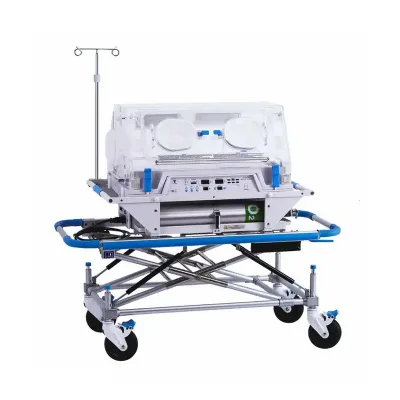
$5328.2075 - $5635.604
MOQ: 1 Minimum
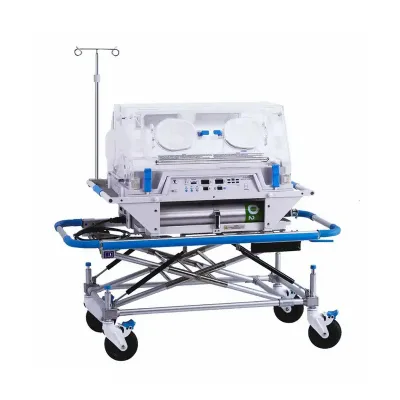
$5383.5176 - $5694.1051
MOQ: 1 Minimum
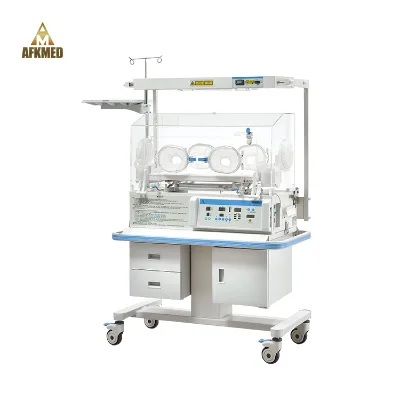
$3105.8755 - $3727.0506
MOQ: 1 Minimum
HANGZHOU BOYN EQUIPMENT IMPORT & EXPORT CO.,LTD
- Verified by TüVRheinland
- Trading Company
- Lead time0 days
- Avg. response≤ 1h
Main productsLaboratory Instrument, XRF Equipment, UV Vis Spectrophotometer, Centrifuge, Magnetic Stirrer
Main marketsNorth America(15%), South America(15%), Southeast Asia(15%)

- Combined
- China Guangdong
- Lead time30 days
- Avg. response≤ 10h
Main productsFirst Aid Kits, Kinesiology Tape, Rigid Strapping Tape, Coach Tape, Lite Eab, Precut Kinesio, CPR Mask, Band Aid Box, Zinc Oxide Tape, Cohesive Bandage
Main marketsSouth America,Africa,Southeast Asia/ Mideast,East Asia(Japan/ South Korea),Domestic,Europe,Australia,North America

Medical Equipment Hospital Mobile Infant Baby Incubator Medical Neonate Incubator
$790.00 - $860.00
MOQ: 1 Pieces

Guangzhou Leyte Medical Equipment Co., Ltd.
- Trading Company
- Lead time旺季: "1 - 1":15,"> 1":"To be negotiated", 淡季: "1 - 1":15,"> 1":"To be negotiated"
- Avg. response≤ 1h
Main productsElectrosurgical Generator, Endoscope, Anesthesia Machine, Operation Light, Operation Table
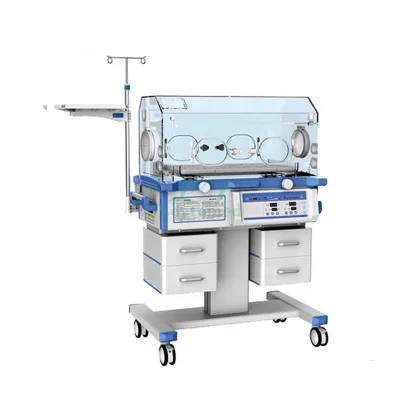
LTII02A Medical Equipments Hospital Safety Baby Health Infant Care Infant Incubator
$2500.00 - $2700.00
MOQ: 1 Minimum
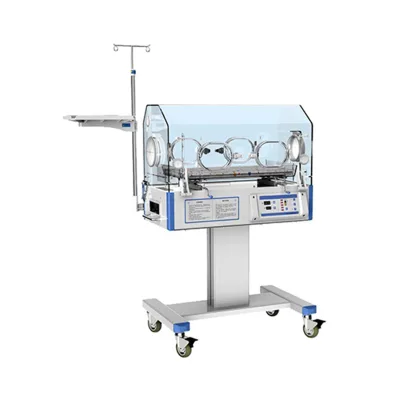
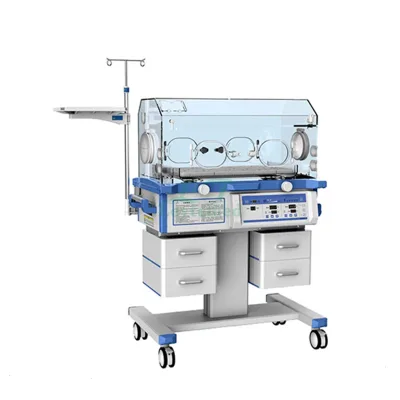
LTII02B High Quality Top Grade Baby Incubator NICU Infant Incubator for Maternal Infant Care
$2869.0348 - $3073.9658
MOQ: 1 Minimum
Guangzhou Leyte Medical Equipment Co., Ltd.
- Verified by SGS Group
- Trading Company
- Lead time10 days
- Avg. response≤ 1h
Main productsElectrosurgical Generator, Endoscope, Anesthesia Machine, Operation Light, Operation Table
Main marketsAfrica(30%), Southeast Asia(10%), North America(5%)
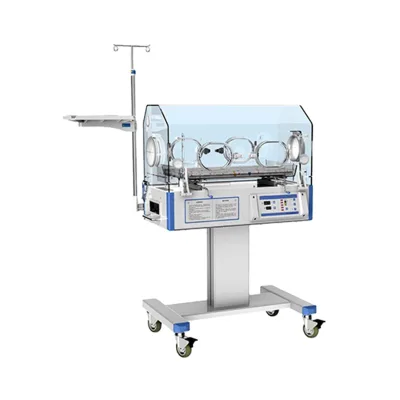
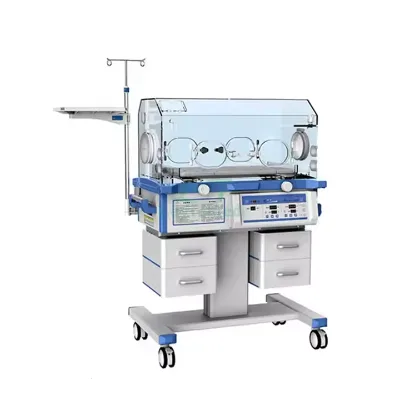
LTII02B High Quality Top Grade Baby Incubator NICU Infant Incubator for Baby Ward
$2900.00 - $3000.00
MOQ: 1 Minimum

Shenzhen Joyce Medical Co., Ltd.
- Trading Company, Agent, Distributor/Wholesaler
- Guangdong, China
- Lead time30 days
- Avg. response≤ 3h
Main productsUItrasonic Diagnosis,Hematology Analyzer,Biochemistry Analyzer,Fluorescence immunoanalyzer,Medical Consumables
Main marketsAfrica(40.00%), Southeast Asia(30.00%), South Asia(10.00%), Southern Europe(10.00%), North America(10.00%)

- Verified by BV
- Combined
- China Jiangsu
- Lead time15 days
- Avg. response≤ 4h
Main productsOven, Incubator, Baby Incubator, Vacuum Oven, Biological Safety Cabinet, Cooling Incubator, CO2 Incubator, Orbital Shaker, Clean Bench, Vacuum Pump
Main marketsSouth America,Africa,Southeast Asia/ Mideast,Europe,North America


Infant Care ICU Emergency Hospital Incubator Premature Baby Infant Incubator
$780.00 - $790.00
MOQ: 1 Pieces


CE Certification Factory Direct Cheap Hospital Baby Incubator Infant Incubator
$1100.00 - $1350.00
MOQ: 1 Pieces
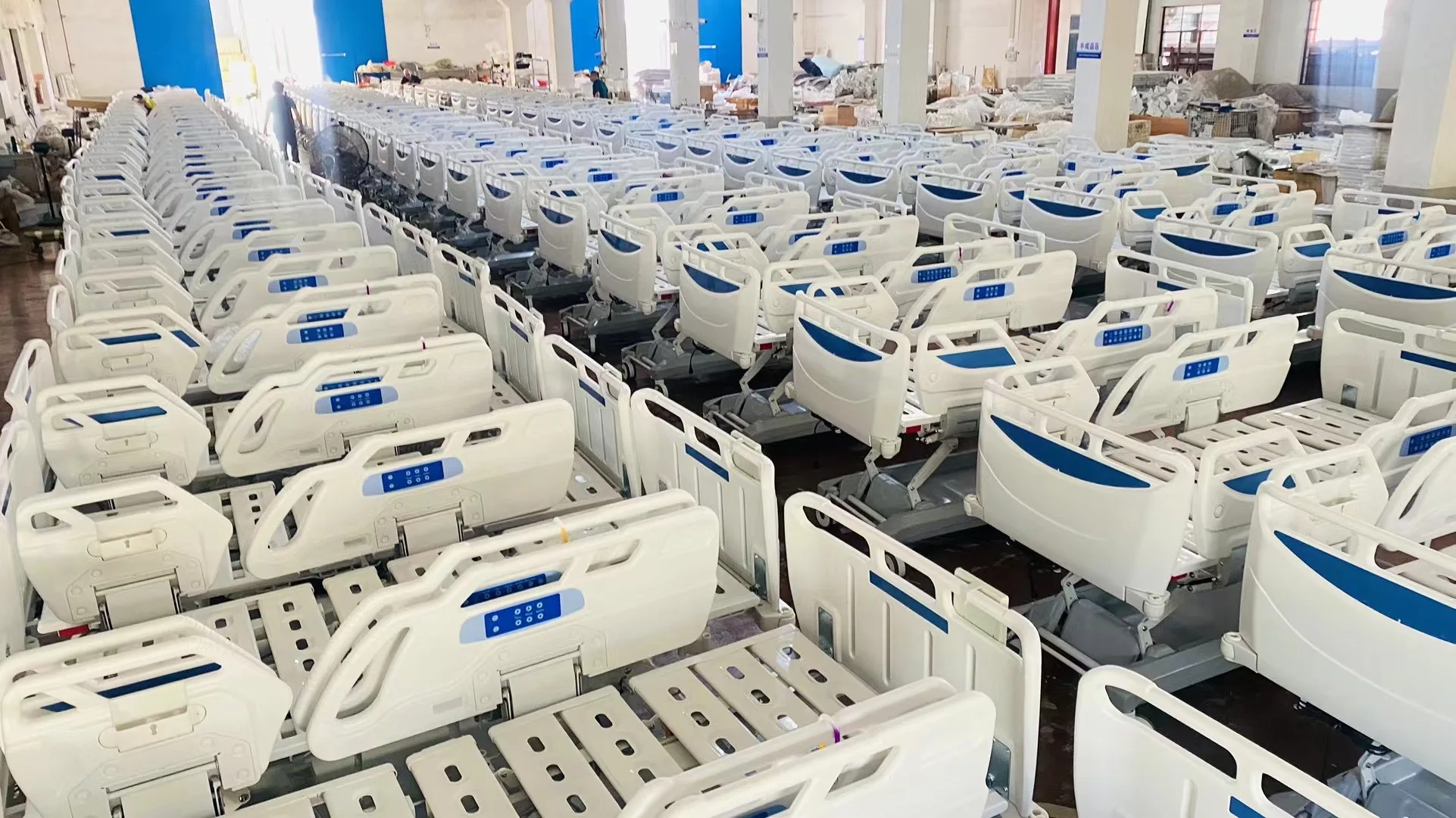
Nanjing Long Medical Technology Co., Ltd.
- Trading Company
- Jiangsu, China
- Lead time15 days
- Avg. response≤ 2h
Main productsSurgery & ICU Equipment Anesthesia Unit Ventilator Oxygen blender Defibrillator Patient Monitor Vital Sign Monitor ECG/EMG Infusion Pump Syringe Pump Operation Lamp Operation Table Suction Machine,X-ray Series Mobile X-ray Equipment C-arm Unit DR system Automatic Film Processor Ultrasound Scanner/Printer,Lab Device Automatic Hematology Analyzer Electrolyte Analyzer Blood Coagulation Analyzer Centrifuge Machine Urine Analyzer Spectrometer Microscope Semi-Biochemistry Analyzer Auto-Biochemistry Analyzer Elisa Reader Bath Incubator,Sterilizers Autoclave Jaundice Tester Infant Radiant Warmer Infant Incubator Medical Furniture Blood Bank Refrigerator Ultra Low Temperature Freezer Pharmaceutical Refrigerator Mortuary Freezer,Medical Consumables
Main marketsDomestic Market(12.50%), South Asia(12.50%), Eastern Asia(12.50%), Mid East(12.50%), Africa(12.50%), Southeast Asia(12.50%), South America(12.50%), North America(12.50%)
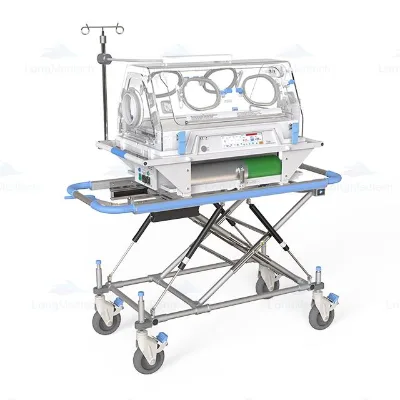
Transport Incubator Emergency Rescue Transport Infant Care Equipment Baby Infant Incubator for Sale
$903.5541 - $6119.5182
MOQ: 1 Minimum
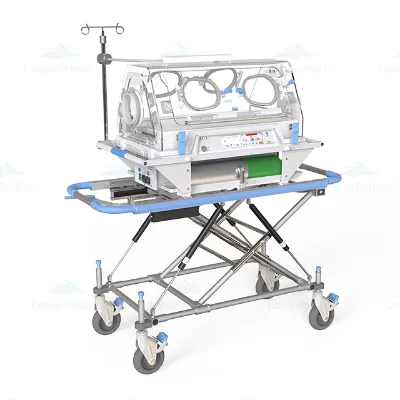

Guangzhou Yueshen Medical Equipment Co., Ltd.
- Trading Company,Manufacturer/Factory
- China Guangdong
- Lead time15 days
- Avg. response≤ 14h
Main productsMedical X-ray Machine, Veterinary Equipment, Medical Equipment, Hospital Furinture, B Ultrasound Scanner, Portable X-ray Machine, Mobile X Ray Machine, Medical C-Arm X Ray Machine, ECG, Monitor
Main marketsSouth America,Eastern Europe,Mid East,North America,Southeast Asia,Eastern Asia,Oceania,Western Europe,Africa


Medical Equipment Baby Incubator Infant Care Equipment Infant Incubator Transport Incubator
$7507.00 - $8580.00
MOQ: 1 unit

Pioway Medical Lab Equipment Co., Ltd.
- Trading Company
- China Jiangsu
- Lead time15 days
- Avg. response≤ 2h
Main productsHematology Analyzer, Chemistry Analyzer, Electrolyte Analyzer, Ultrasound Scanner, X-ray Machine, Patient Monitor, ECG Machine, Hospital Bed, Microscope, Centrifuge
Main marketsSouth America,Africa,Southeast Asia/ Mideast,North America
- Trading Company
- Hong Kong S.A.R.
- Lead time0 days
- Avg. response≤ 3h
Main productsin-vitro diagnostics,medical imaging equipment,surgical instruments,spare parts and consumables,Veterinary products
Main marketsAfrica(30.00%), Mid East(15.00%), Eastern Asia(10.00%), South America(10.00%), Domestic Market(10.00%), North America(10.00%), South Asia(10.00%), Southeast Asia(10.00%), Central America(5.00%), Eastern Europe(5.00%)
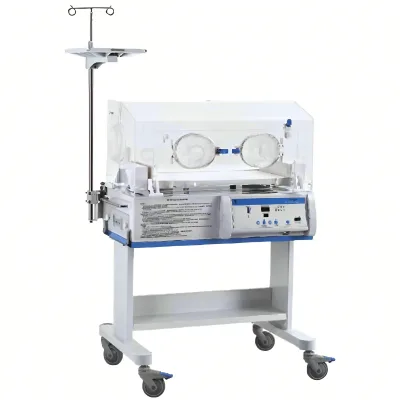
$880.00 - $1450.00
MOQ: 1 Minimum
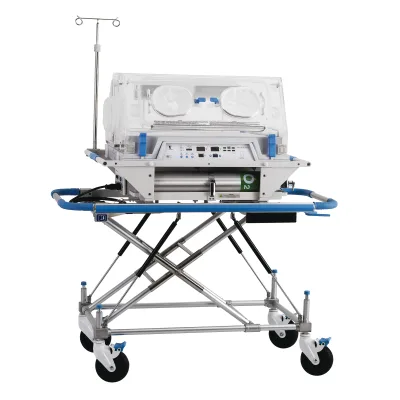
High Quality Electric Medical Mobile Infant Incubator for Baby Transport and Hospital Use
$4533.3647 - $5563.6749
MOQ: 1 Minimum
Nanjing Longcare Medical Equipment Co., Ltd.
- Trading Company
- Jiangsu, China
- Lead time7 days
- Avg. response≤ 2h
Main productsImaging Equipment,ICU equipment,OR Equipment,First-aid Equipment,Sterlizer
Main marketsSoutheast Asia(60.00%), Africa(20.00%), North America(10.00%), Mid East(5.00%), Eastern Europe(5.00%)
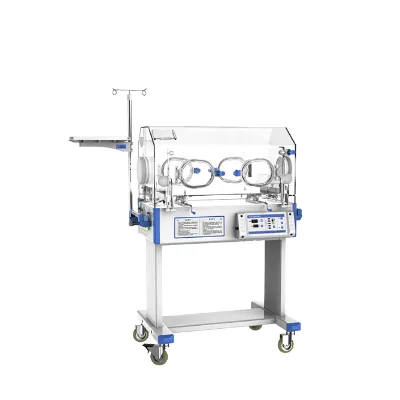
$1032.4345 - $2064.869
MOQ: 1 Minimum
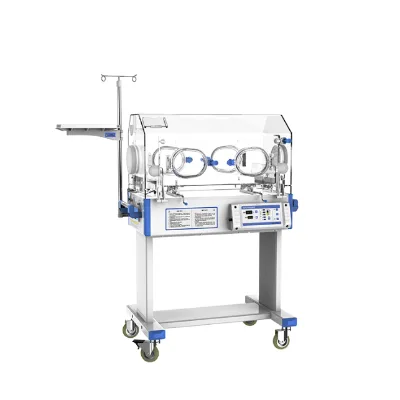
$1023.9522 - $2047.9043
MOQ: 1 Minimum
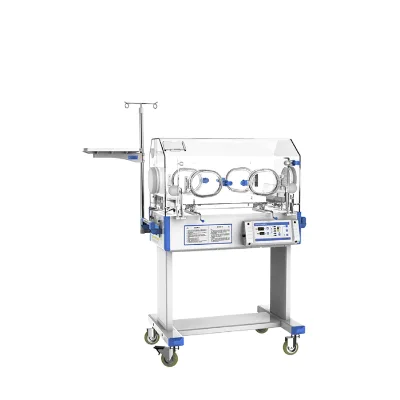
Factory Sale High Performance High Quality Incubator Machine for Baby & Infant for Hospital NICU Use
$1028.1858 - $2056.3717
MOQ: 1 Minimum
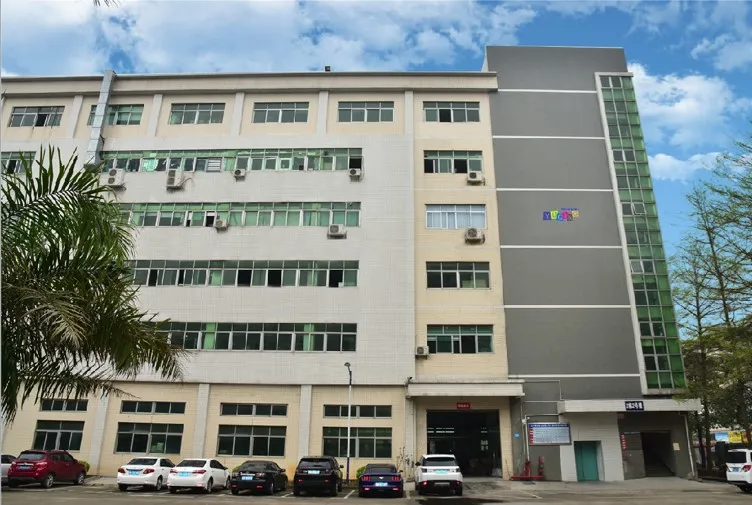
Shenzhen Horsky Technology Co., Limited
- Manufacturer
- Guangdong, China
- Lead time15 days
- Avg. response≤ 2h
Main productsClinic medical products,Household medical products,Hospital medical products,Rehabilitation equipment,Red Light Rehabilitation
Main marketsNorth America(30.00%), Western Europe(15.00%), Northern Europe(10.00%), Central America(5.00%), South America(5.00%), Domestic Market(5.00%), Mid East(5.00%), South Asia(5.00%), Eastern Europe(5.00%), Southeast Asia(5.00%), Southern Europe(4.00%), Eastern Asia(2.00%), Oceania(2.00%), Africa(2.00%)
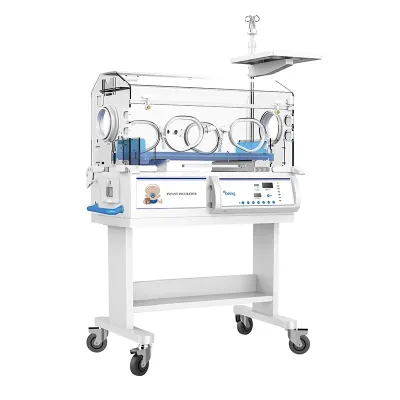
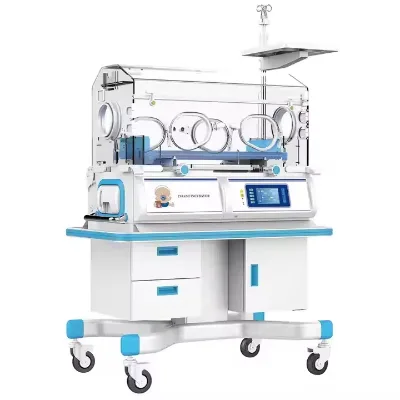
$2048.2873 - $2740.9532
MOQ: 1 pieces
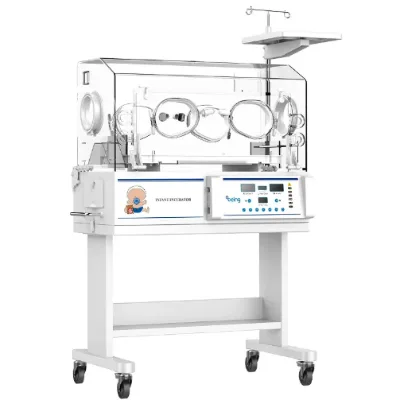
$1093.3486 - $1419.5978
MOQ: 1 pieces
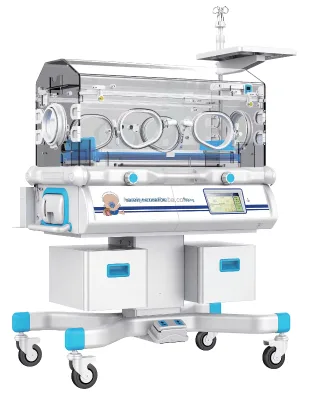
$4532.3878 - $5921.0124
MOQ: 1 pieces
Guangzhou Maya Medical Equipment Co., Ltd.
- Verified by SGS Group
- Manufacturer, Trading Company
- Lead time15 days
- Avg. response≤ 2h
Main productsB Ultrsound, X Ray System, CT, MRI, Endoscope
Main marketsMid East(31%), Africa(23%), South America(18%)
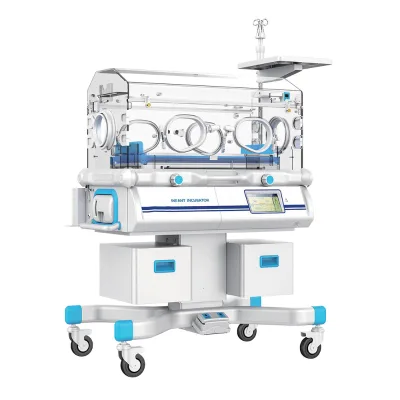
$4404.9944 - $6588.5336
MOQ: 1
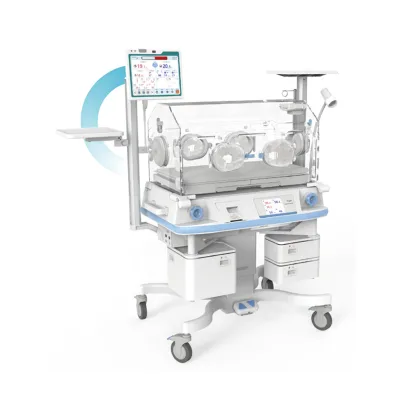
MY-F007A-C Metal Safety Standard Infant Incubator Electric Baby Wards for Infant Care Equipment
$8055.9869 - $10069.9829
MOQ: 1 sets
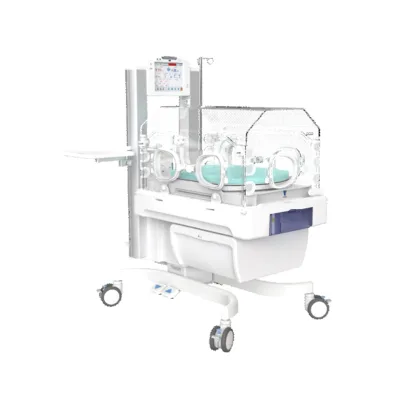
$8196.219 - $8811.0121
MOQ: 1 units




Comprehensive Sourcing Guide
Medical Grade Baby Incubator with Alarm System Supplier Concentration and Factory Types
Suppliers offering a Medical Grade Baby Incubator with Alarm System on major B2B platforms come in two dominant company types: manufacturers/factories and trading companies, and many profiles combine both labels. The product evidence in this category shows suppliers whose main product lines include operation lamps, operation tables, medical pendants, hospital beds and hospital furniture, alongside suppliers whose catalogs span infusion pumps, patient monitors, anaesthesia machines and patient incubators. This breadth matters: a factory that builds incubators as part of a wider hospital furniture or infant care equipment line may differ significantly in engineering depth from one focused on neonatal devices. Model-level listings, such as Class I classified infant incubators with oxygen concentration monitoring, give a useful signal of how developed a supplier's incubator offering actually is.
Because listed locations in the current results include Anhui, Hunan and Shanghai-origin product declarations, buyers should treat incubator manufacturing as geographically spread rather than clustered in one province. When the search page does not expose a concentration, the buyer's job is to build one: map the suppliers found, note each registered address and production city, and check whether the same factory reappears behind multiple trading-company storefronts. Grouping suppliers by region before first contact makes it easier to plan combined factory audits, compare freight origins, and identify whether a given trading company is relisting another supplier's incubator rather than controlling its own production line.
How to Verify Medical Grade Baby Incubator with Alarm System Suppliers
Verification starts with the on-platform evidence that is actually displayed, then moves to documents the supplier must supply directly. Several suppliers in this category carry third-party on-site verification from bodies such as SGS or TÜV Rheinland, and system certifications including ISO 13485 and ISO 9001 appear on manufacturer profiles, with GMP listed on at least one. Treat these as screening filters, not proof of product conformity: a quality management certificate covers the factory's processes, while the incubator itself needs its own regulatory classification evidence. The product listings themselves claim Class I instrument classification and certifications stated as FDA, ISO and CE on some items, so ask for the certificate numbers behind those claims and check them against the issuing body's public database.
Second, verify the gap between the storefront and the factory. Ask for a business licence matching the legal entity that will sign the contract, recent incubator-specific test reports covering temperature uniformity and alarm function, and a production video or live walkthrough of the assembly line. Request the exact model number in writing — listings show models such as BIN-3000B, WMIC-5000 and WMBT-100 — and confirm that the certificate you are shown applies to that model, not to a sibling product. For an alarm-equipped device, insist on functional demonstration of the oxygen concentration and temperature alarms before any deposit, and record the demonstration on video for your compliance file.
What to Compare Across Medical Grade Baby Incubator with Alarm System Suppliers
Build a comparison sheet from the dimensions visible on supplier profiles, while remembering that not every listing displays every attribute. Useful on-page fields include supplier type (manufacturer versus trading company), verification body, system certifications, average response time, stated lead time, and main product lines. The current results show response times ranging from roughly one hour to under four, and lead times from around ten days to over twenty, which is a meaningful operational difference if you have an installation deadline. A supplier with a 1-hour response time but no incubator-focused certifications deserves more scrutiny than a slower responder with ISO 13485 and GMP on its profile.
Compare the products themselves on the same rows. Listings differ on MOQ — one incubator listing shows an MOQ of 50 units while another shows an MOQ of 1 — and on price ranges that span from roughly $500–$1,500 for some baby incubator models up to $1,500–$1,600 and $2,000–$5,000 for transport and higher-spec units. Check dimensions and weights where stated: one model lists a 140×90×110 cm package, 150 kg gross weight, and a 110 kg unit with a 73.6×38.6 cm mattress; another states skin and air servo temperature control with a 20–37 °C air mode range and ten tubing access ports. Warranty length, OEM availability, customization scope and after-sale service terms such as onsite training complete the picture.
Common Medical Grade Baby Incubator with Alarm System Sourcing Risks
The most serious risk is regulatory mismatch. Listings in this category declare conflicting classifications and certification sets — some state Class I, others list FDA, ISO and CE on the same product family — and a device intended for hospital neonatal care may face stricter national requirements than the label suggests. If you import without confirming that the alarm, temperature control and oxygen monitoring functions have been tested to your destination market's applicable standard, you risk customs detention, failed hospital acceptance, or liability exposure. Never accept a scanned certificate without a verifiable number, and never assume a factory-level ISO 13485 certificate covers individual unit conformity.
Commercial and logistical risks follow closely. Low advertised prices on incubator listings can correspond to base configurations without the alarm or humidity options you specified, so lock a full technical specification sheet and acceptance criteria into the contract. Very low MOQs invite small sample orders, but a single-unit trial will not reveal batch-level quality variation. Long lead times quoted on some profiles can stretch further if alarm sensors or displays must be sourced specially. Finally, verify who actually manufactures the unit: where a trading company fronts a hospital equipment catalog spanning incubators, beds and pendants, component-level warranty service may depend on an unnamed upstream factory. Define spare-parts availability, alarm calibration support and onsite training responsibilities in writing before payment.
Medical Grade Baby Incubator with Alarm System Regional Sourcing and Logistics
The verified location data in this category points to sourcing from several Chinese provinces rather than a single hub: supplier registrations and product origins include Anhui and Hunan, and specific incubator listings declare Shanghai as the place of origin. This spread affects logistics planning in concrete ways. A unit weighing around 110 kg net and 130–150 kg gross, packed in a wooden case measuring roughly 107×68×160 cm or 140×90×110 cm, is heavy freight regardless of origin, so obtain quotes from the actual departure port nearest each factory rather than assuming a national default. Shanghai-origin goods may clear export formalities faster due to port density, while inland Anhui or Hunan suppliers add domestic trucking to the leg.
Plan the freight mode and Incoterms around device sensitivity. An incubator with an alarm system contains sensors, displays and electronics that should not be exposed to rough handling or freezing transit temperatures; ask each supplier how the wooden case protects the hood, mattress and control module, and whether shock indicators are fitted. Sea freight suits full hospital projects, while air freight may be justified for urgent replacement units despite the weight. Confirm export documentation competence per supplier — medical device export declarations, packing lists matching gross weights, and certificates accompanying the shipment — because a factory new to medical exports can cause delays that a trading company's customs team would otherwise absorb.
Medical Grade Baby Incubator with Alarm System Commercial Terms and Order Planning
Order planning should start with a staged commercial structure: a paid sample or factory-acceptance unit, then a batch order contingent on written acceptance criteria. Where a listing shows an MOQ of 1, use it to secure a demonstration unit and test the alarm system, oxygen monitoring, temperature servo modes and humidity function against your specification. Where the displayed MOQ is 50 units — as one incubator listing shows — negotiate whether a smaller first lot is possible at a stated price adjustment rather than walking away, since hospital projects often scale in phases. Put the agreed price range in context: listings in this category span roughly $500 to $5,000 depending on model and configuration, so a quote far below the range for your specified configuration warrants a line-by-line configuration check.
Set payment and delivery terms that match device risk. Structure payments as a modest deposit with the balance due after pre-shipment inspection, ideally including a functional alarm test witnessed or video-recorded. Reconcile the quoted lead time — displayed figures range from about 10 to 23 days — with the time needed for wooden-case packing, export documentation and any certification copies for your customs broker. Confirm warranty length (one year appears in listings), onsite training availability, OEM/customization scope, and spare-parts supply terms. Finally, agree acceptance language mirroring the listings' own phrase — usable "after passing the acceptance" — so hospital installation cannot be blocked by disputes over what conformity means.
FAQs
What is the price range for medical grade baby incubators?
Prices for medical grade baby incubators typically range from $500 to $5000 depending on features and model. Basic units start around $500, while advanced transport incubators with comprehensive monitoring systems can cost up to $5000. Buyers should verify specific pricing for their required specifications and order quantities.
What certifications do these incubators hold?
Many medical grade baby incubators are certified with FDA, ISO, and CE standards. Some manufacturers also hold ISO 13485 and ISO 9001 system certifications. These credentials ensure compliance with international medical device regulations. Buyers should request valid certificates to confirm product safety and regulatory approval for their region.
What is the typical lead time for orders?
Lead times for medical grade baby incubators vary between 10 and 23 days depending on the supplier and customization needs. Standard models may ship faster, while customized units require additional processing time. Buyers should confirm exact delivery schedules with suppliers before placing orders to ensure timely project completion.
What is the minimum order quantity for incubators?
Minimum order quantities for medical grade baby incubators range from 1 to 50 units. Some suppliers accept single unit orders for testing or small clinics, while others require bulk purchases. Buyers should check specific MOQ requirements with suppliers to align with their procurement budget and inventory needs.
Where are these incubators manufactured?
Medical grade baby incubators are primarily manufactured in China, with production facilities located in regions like Shanghai, Anhui, and Hunan. These areas offer established supply chains for medical equipment. Buyers can verify specific manufacturing locations to assess logistics costs and supply chain reliability for their international shipments.
What customization options are available?
Suppliers offer OEM and ODM customization services for medical grade baby incubators. Options include graphic processing, sample processing, and on-demand customization. Some models allow for specific feature adjustments. Buyers should discuss their unique requirements with manufacturers to ensure the final product meets their clinical specifications and branding needs.