Automatic Pneumatic Beverage Filling Machine Suppliers and Manufacturers
Source 32 verified suppliers for Automatic Pneumatic Beverage Filling Machine units. Compare key dimensions including location, lead time, MOQ, and pricing to identify suitable partners. Review detailed specifications and request quotes directly from the platform; review the available evidence before requesting comparable quotations from suitable candidates.
Updated
Suppliers List

Zhejiang Newway Food Machinery Co., Ltd.
- Verified by CTI
- Combined
- China Zhejiang
- Lead time30 days
- Avg. response≤ 5h
Main productsFilling Machine, Sealing Machine
Main marketsDomestic

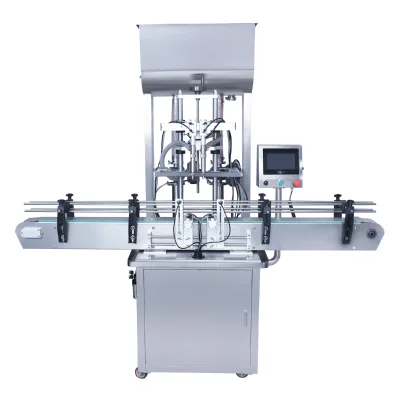
Compact Automatic Pneumatic High Speed Durable Beverage Filling Machine
$40000.00 - $120000.00
MOQ: 1 Sets

Robust Durable Automatic High Speed Pneumatic Sealed Beverage Filling Machine
$40000.00 - $120000.00
MOQ: 1 Sets

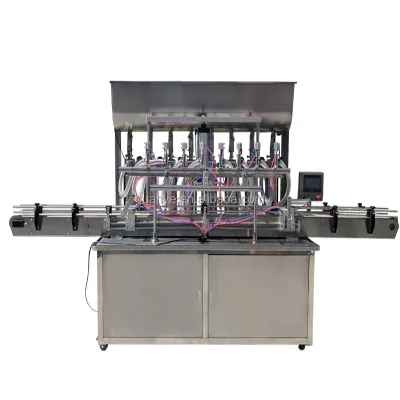
Automatic Electric High Speed Pneumatic Robust Durable Beverage Filling Machine
$40000.00 - $120000.00
MOQ: 1 Sets

Professional Advanced Automatic Pneumatic Durable Beverage Filling Machine
$40000.00 - $120000.00
MOQ: 1 Sets

Jiangmen Greenfall Water Treatment Technology Co., Ltd.
- Verified by Intertek
- Manufacturer, Trading Company
- Lead time15 days
- Avg. response≤ 2h
Main productsWater Treatment Machine, Bottle Water Filling Production Line, Packing Machine
Main marketsAfrica(60%), Mid East(15%), North America(10%)
Henan Rui Youna Machinery Co., LTD
- Trading Company
- Henan, China
- Lead time3 days
- Avg. response≤ 3h
Main productsPacking Machine,Filling Machine,Capping Machine,Labeling Machine,Sealing Machine
Main marketsDomestic Market(40.00%), North America(16.00%), Africa(12.00%), Western Europe(7.00%), Southeast Asia(7.00%), South America(3.00%), Eastern Europe(3.00%), Mid East(3.00%), Northern Europe(2.00%), Eastern Asia(2.00%), Oceania(2.00%), Central America(1.00%), South Asia(1.00%), Southern Europe(1.00%)

Zhangjiagang King Machine Tech Co., Ltd.
- Verified by BV
- Combined
- China Jiangsu
- Lead time45 days
- Avg. response≤ 4h
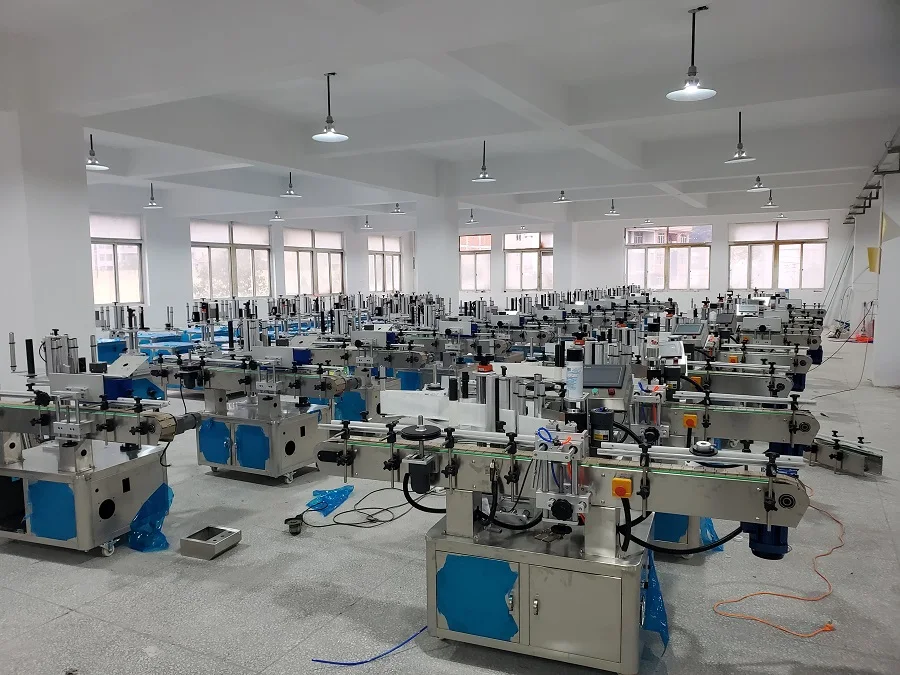
Main productsWater Filling Machine, Beverage Filling Machine, Carbonated Drink Filling Machine, 5gallon Bottle Filling Machine, Bottle Blowing Machine, Glass Bottle Filling Machine, Can Filling Machine, Wrapping Machine, Juice Filling Machine, Labeling Machine
Main marketsSoutheast Asia/ Mideast
Jiaozuo Fonfar International Trade Co., Ltd.
- Trading Company
- Henan, China
- Lead time3 days
- Avg. response≤ 2h
Main productsPacking machine,Filling Machine,Capping Machine,Labeling Machine,Vacuum Packing Machine
Main marketsSoutheast Asia(23.00%), Eastern Asia(15.00%), South America(15.00%), Mid East(12.00%), Oceania(10.00%), Eastern Europe(6.00%), Western Europe(5.00%), North America(5.00%), Southern Europe(4.00%), Northern Europe(3.00%), Central America(2.00%)
Henan K Snow Machinery Co., Ltd.
- Manufacturer, Trading Company
- Henan, China
- Lead time5 days
- Avg. response≤ 2h
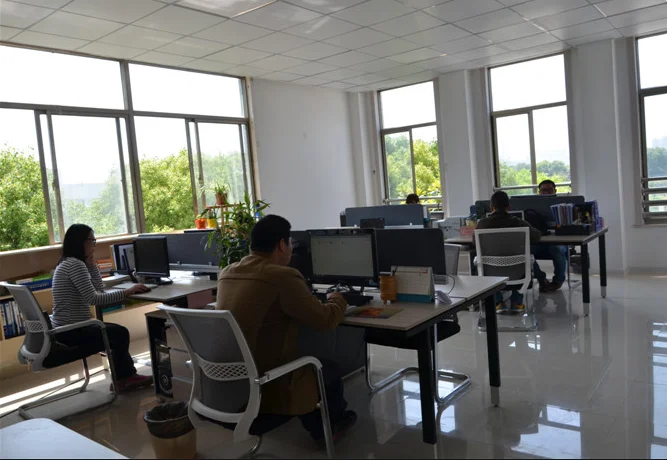
Main productsvertical automatic packing machine,liquid/cream filling machine,tube filling sealing machine,shrink packing machine,labeling machine
Main marketsSoutheast Asia(15.00%), North America(15.00%), Northern Europe(10.00%), Domestic Market(10.00%), Eastern Europe(10.00%), Southern Europe(6.00%), Africa(5.00%), Central America(5.00%), Western Europe(5.00%), South America(5.00%), Oceania(5.00%), Eastern Asia(3.00%), South Asia(3.00%), Mid East(3.00%)
Henan Cyril Machinery Equipment Co., Ltd
- Trading Company
- He'nan, China
- Lead time10 days
- Avg. response≤ 4h
Main productsFilling Machine, Labeling Machine, Capping Machine, Packaging Machine, Coding Machine
Main marketsDomestic Market(40.00%), South America(15.00%), Mid East(10.00%), North America(5.00%), Western Europe(5.00%), Central America(5.00%), Southeast Asia(5.00%), South Asia(3.00%), Eastern Asia(2.00%), Oceania(2.00%), Southern Europe(2.00%), Northern Europe(2.00%), Africa(2.00%), Eastern Europe(2.00%)
Dongguan Rainbow Pack Machine Co., Ltd.
- Manufacturer
- Guangdong, China
- Lead time5 days
- Avg. response≤ 6h
Main productsFilling machine,Sealing machine,Capping machine,Labeling machine,Packing machine
Main marketsSoutheast Asia(15.00%), Africa(10.00%), North America(10.00%), South Asia(10.00%), South America(10.00%), Domestic Market(5.00%), Eastern Europe(5.00%), Southern Europe(5.00%), Northern Europe(5.00%), Central America(5.00%), Western Europe(5.00%), Eastern Asia(5.00%), Mid East(5.00%), Oceania(5.00%)
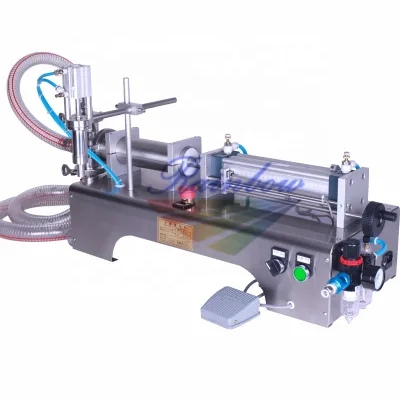
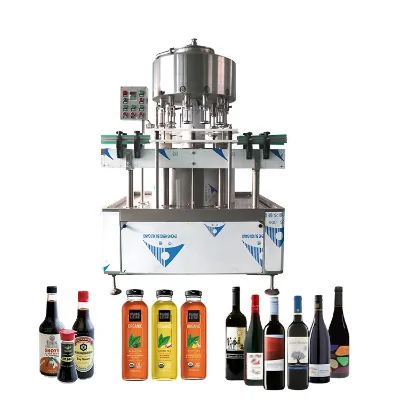
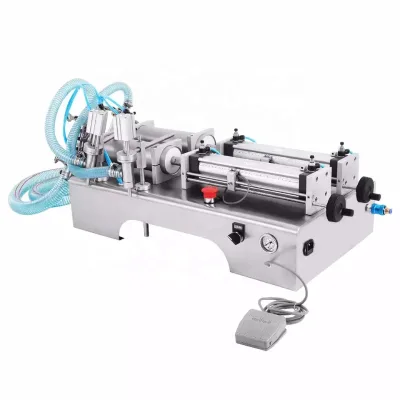
Horizontal Pneumatic 50-500ml Juice Beverage Filling Machine
$310.00 - $350.00
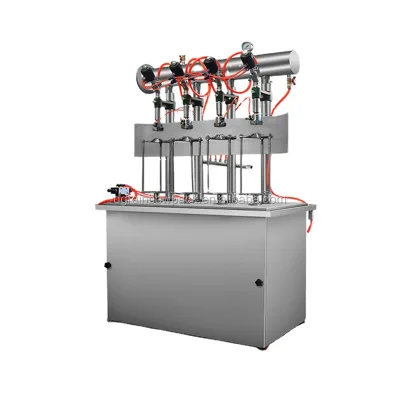
$1000.00 - $1380.00
MOQ: 1 sets

Shandong Backace Machinery Co., Ltd.
- Verified by TUVRHEINLAND
- Combined
- China Shandong
- Lead time15 days
- Avg. response≤ 5h
Main productsFilling Machine, Filling Production Line, Bottle Washing Machine, Capping Machine, Labeling Machine, Sealing Machine, Filling Line, Juice Filling Machine, Red Wine Filling Machine, Liquid Filling Machine
Main marketsDomestic

Zhangjiagang City Tango Machinery Co., Ltd.
- Trading Company
- China Jiangsu
- Lead time60 days
- Avg. response≤ 5h
Main productsWater Bottle Filling Produdction Line, 3in1 Bottle Filling Machine, Bottlig Machine, Wrapping Machine, Labeling Machine, Carton Package Machine, Beverage Filling Machine, Juice Production Line, Carbonated Beverage Production Line, 5gallon Production Line
Main marketsSouth America,Eastern Europe,Mid East,North America,Southeast Asia,Eastern Asia,Oceania,Western Europe,Africa

Qingzhou Tongda Packaging Machinery Co., Ltd.
- Verified by BV
- Combined
- China Shandong
- Lead time30 days
- Avg. response≤ 3h
Main productsFilling Machine, Capping Machine, Labeling Machine, Bottle Washing Machine, Bottle Drying Machine, Wine Filling Machine, Oil Filling Machine, Glass Bottle Washing Machine, Glass Bottle Filling Machine, Palletizer
Main marketsSoutheast Asia/ Mideast,Europe


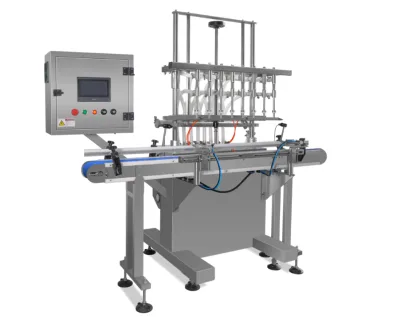
Full Automatic Filling Machine Liquid Filling Line for Beverages Production Line.
$40000.00 - $48000.00
MOQ: 1 Sets


Zhangjiagang Sino-Tech Machinery Co., Ltd.
- Verified by BV
- Combined
- China Jiangsu
- Lead time30 days
- Avg. response≤ 6h
Main productsExtrusion Blow Molding Machine, PVC Pipe Bending Machine, Plastic Extrusion Machine, Plastic Pulverizer, Plastic Profile Extrusion Machine, Pet Bottle Blow Molding Machine, Plastic Sheet Production Line, Plastic Recyling Machine, Plastic Pelletizing Line, Injection Molding Machine
Main marketsAfrica,Europe,Australia
Wenzhou Guanye Packing Machinery Co., Ltd.
- Manufacturer, Trading Company
- Zhejiang, China
- Lead time10 days
- Avg. response≤ 4h
Main productsSealing machine,Filling machine,Cup filling and sealing machine,Foil sealing machine,Packing machine
Main marketsSouth Asia(30.00%), Domestic Market(20.00%), South America(20.00%), Eastern Europe(5.00%), Northern Europe(5.00%), Western Europe(5.00%), Eastern Asia(5.00%), Oceania(5.00%), Central America(4.00%), North America(1.00%)
Henan Baiying Machinery Equipment Co, Ltd.
- Manufacturer, Trading Company
- Henan, China
- Lead time10 days
- Avg. response≤ 2h
Main productsFilling Machine,Labeling Machine,Capping Machine,Packing Machine,Sealing Machine
Main marketsDomestic Market(20.00%), South America(15.00%), Mid East(10.00%), South Asia(9.00%), Northern Europe(7.00%), Southeast Asia(7.00%), Western Europe(6.00%), Eastern Asia(6.00%), North America(6.00%), Southern Europe(4.00%), Central America(3.00%), Eastern Europe(3.00%), Oceania(2.00%), Africa(2.00%)

ZhangJiaGang City YuFeng Beverage Machinery Co., Ltd.
- Verified by TUVRHEINLAND
- Trading Company,Manufacturer/Factory
- China Jiangsu
- Lead time45 days
- Avg. response≤ 25h
Main productsFilling Machine, Water Treatment, Canning Machine, Juice Mixing Line, Packing Machine, Labeling Machine, Bottle Blowing Machine, Beer Filling Machine, Carbonated Drink Filling Machine, 5 Gallon Filling Line
Main marketsSouth America,Eastern Europe,Mid East,North America,Southeast Asia,Eastern Asia,Oceania,Western Europe,Africa

Shanghai Paixie Packing Machinery Co., Ltd.
- Verified by BV
- Combined
- China Shanghai
- Lead time23 days
- Avg. response≤ 1h
Main productsPacking Machine, Liquid Filling Machine, Vape Equipment, Packaging Machine, Olive Oil Machine, Box Packing Machine, Wrapping Machine, Labeling Machine, Capping Machine, Filling Machine
Main marketsNorth America


High-Precision Automatic Liquid Filling Machine for Wine and Beverages
$9300.00 - $19600.00
MOQ: 1 Pieces


High-Performance Liquid Filling Machine for Beverage Production Efficiency
$9300.00 - $19600.00
MOQ: 1 Pieces
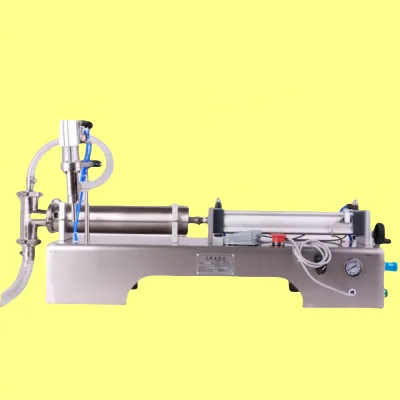
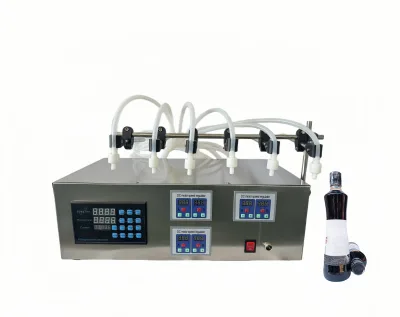
Dongguan Haixingda Machinery Co., Ltd.
- Trading Company
- Lead time旺季: "1 - 1":5,"2 - 10":7,"> 10":"To be negotiated", 淡季: "1 - 1":5,"2 - 10":7,"> 10":"To be negotiated"
- Avg. response≤ 2h
Main productsFilling Machine, Packing Machine, Plastic Welding Machine, Multi-Function Packaging Machines, Labeling Machine
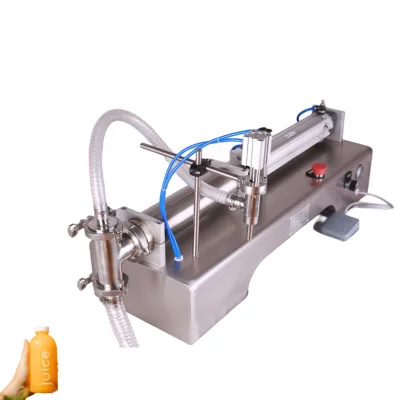
$5140.9292 - $5655.0221
MOQ: 1 sets

Zhangjiagang Klio Machinery Co., Ltd.
- Verified by SGS
- Combined
- China Jiangsu
- Lead time15 days
- Avg. response≤ 1h
Main marketsSoutheast Asia/ Mideast,Domestic

High-Precision Automatic Beverage Filling Machine for Efficient Production
$5000.00 - $20000.00
MOQ: 1 Sets


Automated Beverage Filling Machine for Bottling and Canning Solutions
$5000.00 - $20000.00
MOQ: 1 Sets


High-Tech Advanced Automatic Beverage Filling Machine for Efficient Production
$5000.00 - $20000.00
MOQ: 1 Sets

Zhengzhou Hento Machinery Co., Ltd.
- Verified by SGS
- Trading Company,Manufacturer/Factory,Group Corporation
- China Henan
- Lead time15 days
- Avg. response≤ 6h
Main productsMeat Processing Machinery, Egg Processing Machinery, Dairy Processing Machinery, Fruit & Vegetable Processing Machinery, Grain Product Making Machines, Snack Machines, Nuts Processing Machinery, Packing Machines, Drying Machines, Commodity Making Machines
Main marketsSouth America,Eastern Europe,Mid East,North America,Southeast Asia,Eastern Asia,Oceania,Western Europe,Africa

Guangzhou Sanxin Machinery Co., Ltd.
- Verified by SGS
- Manufacturer
- China Guangdong
- Lead time15 days
- Avg. response≤ 6h
Main productsCosmetic Machine, Three Dimensional Packing Machine, Shrink Wrapper
Main marketsSoutheast Asia/ Mideast,Domestic


Fully Automatic and Efficient Multi Head Carbonated Beverage Filling Machine
$4000.00 - $12000.00
MOQ: 1 Sets

Automatic Multi-Head Liquor Beverage Filling Machine Can Be Customized
$4000.00 - $12000.00
MOQ: 1 Sets

Shanghai Leadworld Machinery Technology Co., Ltd.
- Verified by BV
- Combined
- China Shanghai
- Lead time30 days
- Avg. response≤ 2h
Main productsFilling Machine, Packing Machine, Filling Production Line, Palletizer/De-Palletizer, Vacuum Packing Machine, Canned Food Production Line, Fruit&Vegetable Washing Machine, Conveyor, Bottle Washing Machine, Labeling Machine
Main marketsSouth America,Africa,Southeast Asia/ Mideast,East Asia(Japan/ South Korea),Domestic,Europe,Australia,North America
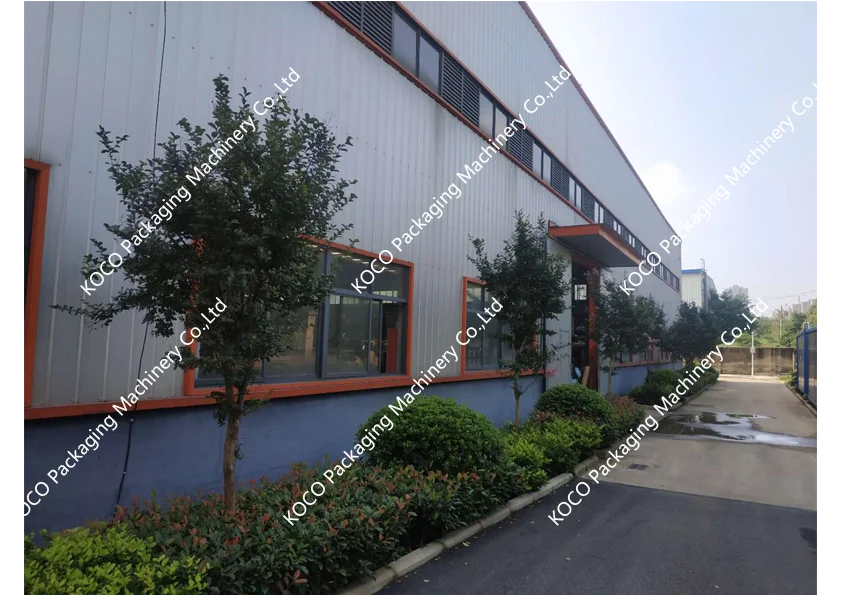
Koco Packaging Machinery Co., Ltd.
- Trading Company
- Anhui, China
- Lead time0 days
- Avg. response≤ 2h
Main productsLiquid Filling Machine,Liquid Packaging Machine,Water Treatment Equipment
Main marketsAfrica(80.00%), Mid East(15.00%), North America(5.00%)
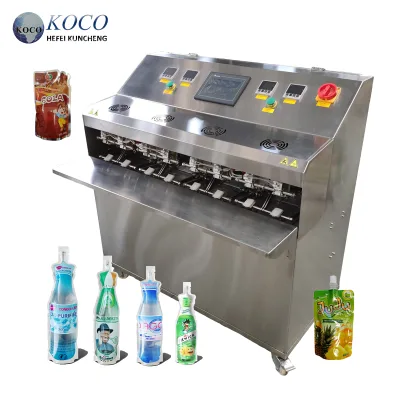
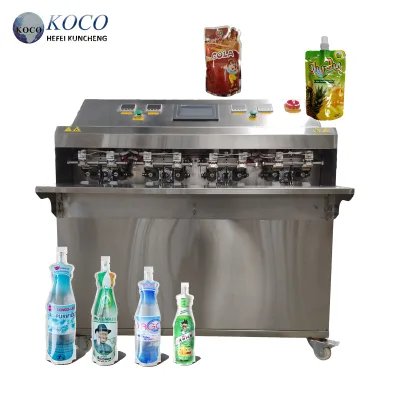
High-Power Semi-Automatic Juice Filling Machine with Stand-Up Pre-Made Bags
$2450.00 - $3050.00
MOQ: 1 sets

Wenzhou Accurate Machinery Manufacturing Co., Ltd.
- Manufacturer, Trading Company
- Zhejiang, China
- Lead time20 days
- Avg. response≤ 24h
Main productsFilling machine,Water treatment plant
Main marketsAfrica(40.00%), Domestic Market(20.00%), South Asia(20.00%), Mid East(10.00%), South America(10.00%)
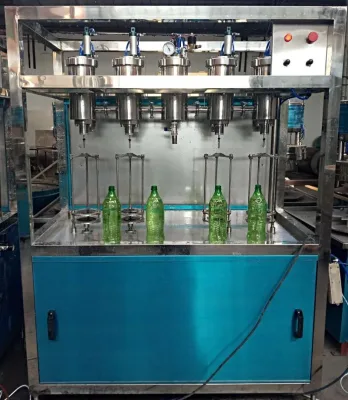
Semi-automatic Constant Pressure Beer Filling Machine for Gas Beverage
$1500.00 - $5500.00
MOQ: 1 Minimum
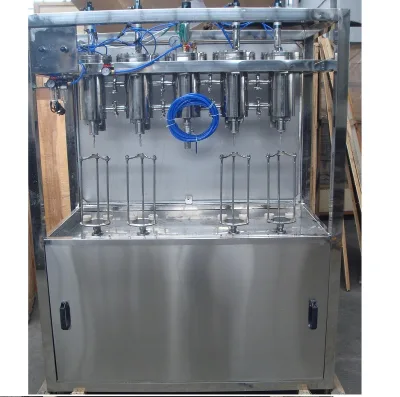
Guangdong Leva Packaging Equipment Co., Ltd.
- Manufacturer, Trading Company
- Lead time旺季: "1 - 1":25,"> 1":"To be negotiated", 淡季: "1 - 1":25,"> 1":"To be negotiated"
- Avg. response≤ 2h
Main productsCan Sealing Machine , Capping Machine , Labeling Machine , Round Accumulation Table , Filling Machine
Zhangjiagang King Machine Co., Ltd.
- Manufacturer, Trading Company
- Lead time旺季: "1 - 1":45,"> 1":"To be negotiated", 淡季: "1 - 1":45,"> 1":"To be negotiated"
Main productsBeverage Machinery, Filling Line
- Verified by SGS Group
- Manufacturer, Trading Company
- Lead time7 days
- Avg. response≤ 2h
Main productsLobe Pump, Gear Pump, Screw Pump, Centrifugal Pump, High Viscosity Liquid Rotor Pump
Main marketsMid East(20%), Southeast Asia(15%), Eastern Europe(10%)

Luohe Tianheng Machinery Co., Ltd.
- Verified by TUVRHEINLAND
- Combined
- China Henan
- Lead time15 days
- Avg. response≤ 4h
Main productsPackaging Machinery, Grain Machinery, Flour Mill, Oil Press, Food Machinery.
Main marketsSoutheast Asia/ Mideast


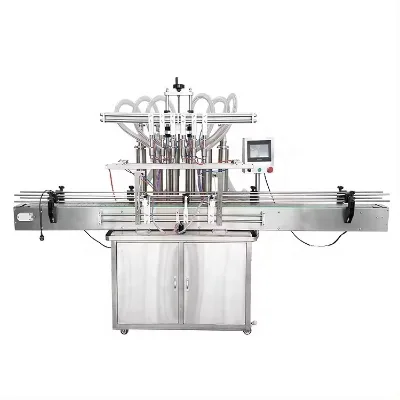
High-Speed Automatic Multi-Head Liquid Filling Machine for Beverages
$2180.00 - $2280.00
MOQ: 1 Pieces

Benson Intelligent Equipment (Shandong) Co., Ltd.
- Verified by BV
- Combined
- China Shandong
- Lead time23 days
- Avg. response≤ 1h
Main productsPacking Machinery, Packaging Machinery
Main marketsDomestic,North America

Anhui Peiyu Packaging Technology Co.,Ltd.
- Verified by TUVRHEINLAND
- Combined
- China Anhui
- Lead time60 days
- Avg. response≤ 3h
Main productsWrap Around Case Packer, Label Shrink Sleeve Machine, PE Film Shrink Wrapping Machine, Pet Food Machine, Sleeve Labeling Machine, Retort, Palletizer, OPP Labeller, Air Conveyor, Robot Palletizer
Main marketsSoutheast Asia/ Mideast,Domestic


Fully Automatic and Highly Stable Can Filling Machine Beverage Can Filler
$60000.00 - $3000000.00
MOQ: 1 Sets


- Verified by BV
- Trading Company
- China Hebei
- Lead time30 days
- Avg. response≤ 1h
Main productsElbow Machine, Induction Pipe Bending Machine, Tee Machine, Seamless Elbow, Pipe Expanding Machine, Hydraulic Press, GOST Elbow, Tee
Main marketsSouth America,Africa,Southeast Asia/ Mideast,East Asia(Japan/ South Korea),Europe,North America


High-Speed Beverage Machine for Filling and Capping Bottles Efficiently
$4000.00 - $9700.00
MOQ: 1 Pieces


Shenyang Innov Technology Co., Ltd.
- Verified by SGS
- Trading Company
- China Liaoning
- Lead time23 days
- Avg. response≤ 2h
Main productsInkjet Printer, Laser Marking Machine
Main marketsSouth America,North America

Multi-Functional Water Filling Machine Beverage Filling Machine for Drinks Water Wine
$11125.00 - $12015.00
MOQ: 1 Pieces

Reliable Water Filler Machine Beverage Filling Machine Suitable for Drinks Water Wine
$11125.00 - $12015.00
MOQ: 1 Pieces
Henan Foodline Machinery Co., Ltd.
- Trading Company
- Henan, China
- Lead time10 days
- Avg. response≤ 4h
Main productsFried production line,Fruit and vegetable processing machinery,Vending machine,Food trailer,Puffed snack food processing line
Main marketsNorth America(22.00%), Eastern Europe(12.00%), Western Europe(12.00%), Domestic Market(8.00%), Southeast Asia(7.00%), Mid East(6.00%), Central America(6.00%), Oceania(5.00%), Northern Europe(5.00%), Southern Europe(5.00%), South America(4.00%), Africa(3.00%), Eastern Asia(3.00%), South Asia(2.00%)
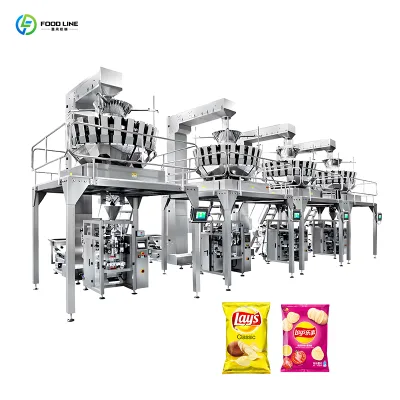
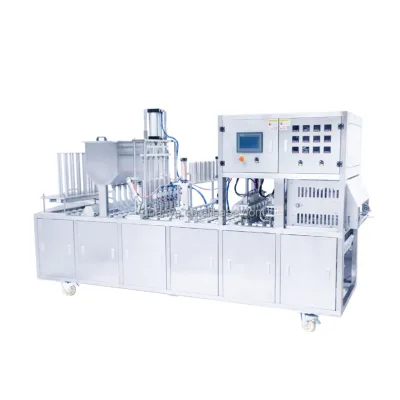
High Performance Automatic Bottle Cup Filler Machine Food Packaging Machinery
$4700.00 - $7900.00
MOQ: 1 units
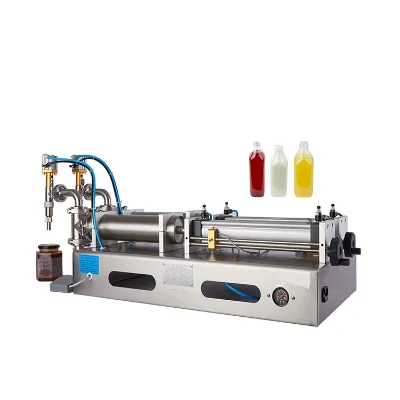
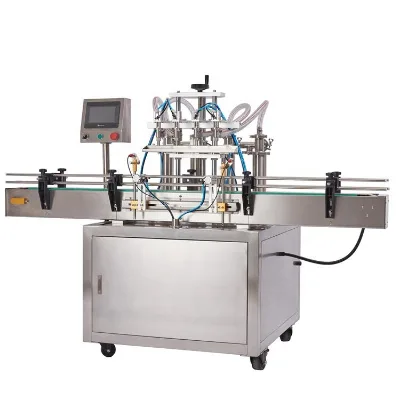


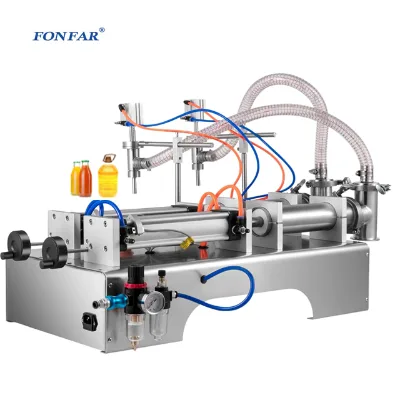
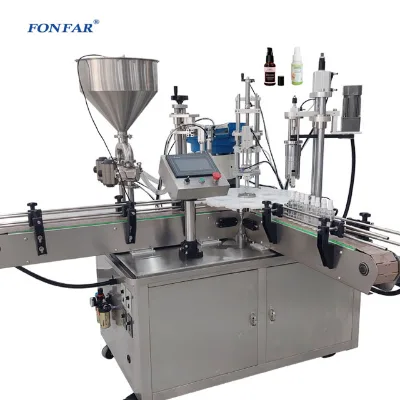
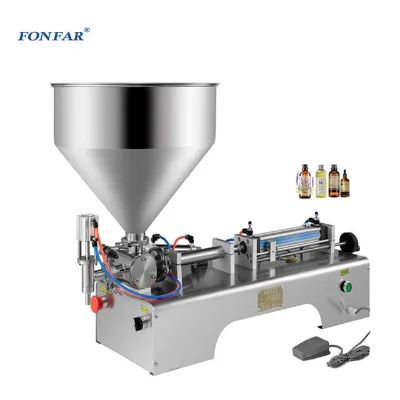
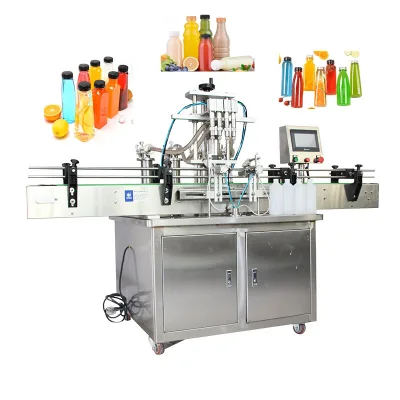
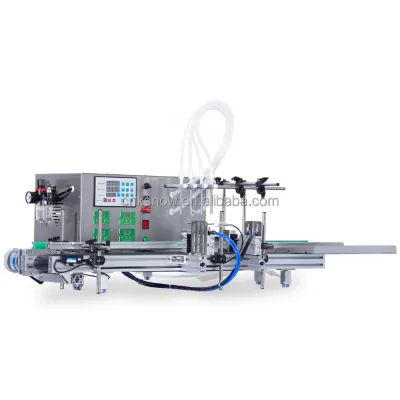
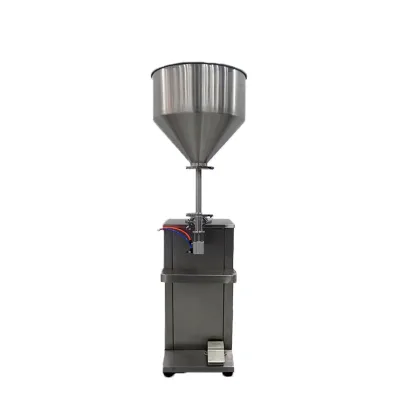




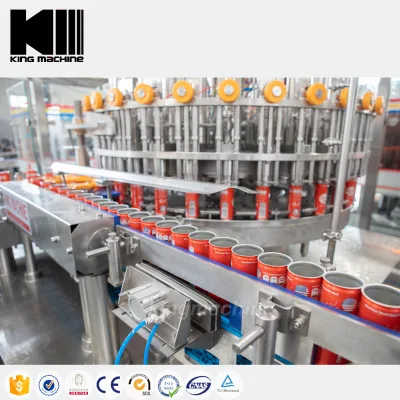
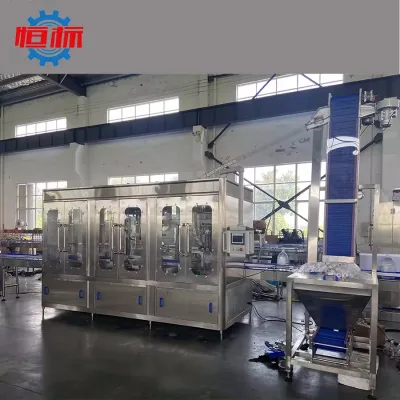
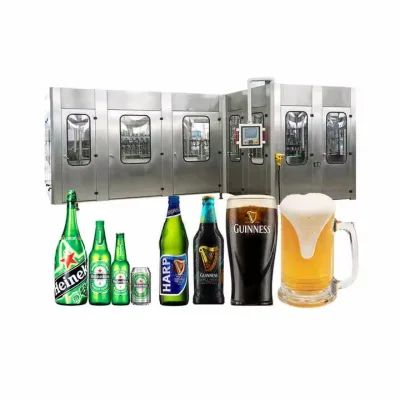


Comprehensive Sourcing Guide
Automatic Pneumatic Beverage Filling Machine Supplier Concentration and Factory Types
Suppliers of automatic pneumatic beverage filling machines on B2B platforms tend to cluster in established Chinese manufacturing provinces, and the current results reflect that pattern. Verified results in this category point to Zhejiang and Henan as supplier locations, with an additional listing originating from Guangdong, suggesting that buyers should treat several provinces as credible sourcing regions rather than assuming a single dominant cluster. Company types in the results also vary: one supplier is listed as a combined manufacturer and trading operation, another as a manufacturer and trading company, and another purely as a trading company. This mix matters because the legal entity behind the listing may or may not be the factory that will build the machine.
When scouting this category, buyers should map clusters themselves before contacting anyone. Filter search results by location and note which provinces appear repeatedly across multiple verified listings; the repetition itself is the evidence of a cluster. Then sort by company type to see whether a region is dominated by factories, traders, or a blend. A blend is common in beverage machinery because assembly plants often outsource components such as pumps, PLCs and pressure vessels. For this keyword, expect listings to span filling machines, sealing machines, capping machines and complete bottled-water production lines, so a "supplier" may be a specialist in one machine type rather than a turnkey line builder. Confirm which machine the supplier actually manufactures before treating it as a factory match for your project.
How to Verify Automatic Pneumatic Beverage Filling Machine Suppliers
Verification for this category should start with the third-party badges shown on the platform listing, because these are the only credentials the buyer can see before making contact. In the current results, one supplier carries CTI verification and another carries Intertek verification, and one supplier displays a system certification referencing the 2006/42/EC machinery directive. These are concrete, checkable attributes, but they describe the listing owner, not necessarily the production site. Ask the supplier directly whether the verification and the certification apply to the entity that will manufacture your filling machine, and request the certificate number so you can confirm scope and validity with the issuing body.
Beyond displayed badges, verification depends on what the listing itself discloses. Strong signals in this category include a machinery test report marked as provided, video outgoing-inspection marked as provided, a stated warranty period, and an after-sales commitment such as engineers available to service machinery overseas. Several listings in these results show exactly those attributes, which gives buyers a benchmark for what a complete listing looks like. Cross-check the product's stated place of origin against the supplier's registered location; if they differ, ask which site ships the goods. Finally, verify the machine model number, voltage specification and stainless steel grade in writing. A supplier that cannot confirm its own listed attributes, such as a 304 or 316 material grade or a stated filling accuracy, is unlikely to be reliable on points that are not listed at all.
What to Compare Across Automatic Pneumatic Beverage Filling Machine Suppliers
Comparison should be built only from attributes that suppliers actually display, and buyers should expect gaps. In the current results, response times range from roughly two hours to about four hours, so response speed is a usable sorting dimension even though it is not shown for every supplier. Lead time is another differential: one verified supplier lists 15 days and another lists 30 days, a two-fold difference that directly affects project scheduling. Note that neither figure is guaranteed for a customized pneumatic filling machine, so treat displayed lead times as a baseline for the standard configuration only.
Product-level comparison is where this category becomes richer. One supplier lists filling machines priced between roughly 40,000 and 120,000 US dollars with a minimum order quantity of one unit, while another lists a lower-priced filling machine at around 3,800 US dollars and a carbonated-drink model near 3,250 US dollars. That price spread signals very different machine scales and configurations, so price comparisons are meaningless without matching capacity, automation grade and materials. Compare the stated machinery capacity in bottles per hour, filling accuracy, power rating, weight, voltage, and whether the machine handles barrels or bottles. Also compare customization: one listing states customizable, another states available, and a supplier's research capability is described as OEM or customized on demand. Finally, compare main product portfolios, because a supplier focused on filling and sealing machines will support this category differently from a general packaging-machinery trader.
Common Automatic Pneumatic Beverage Filling Machine Sourcing Risks
The most common risk in this category is entity ambiguity. Because the results include pure trading companies alongside combined manufacturer-trader entities, a buyer may negotiate with an intermediary, then discover the actual factory has different lead times, quality standards or customization limits. Ask at the first contact whether the responding company is the manufacturer, and request evidence such as a business license matching the factory name. A second risk is specification drift: listings in this category combine attributes from multiple machine types, including filling machines and sealing machines under one product umbrella, so a buyer who orders from a listing title rather than a signed specification sheet may receive a different configuration than expected.
Price misunderstanding is a third risk. The gap between a roughly 3,250-dollar carbonated-drink unit and a 40,000-to-120,000-dollar filling and sealing line shows that "beverage filling machine" covers vastly different products. Buyers who request quotes without specifying capacity, bottle format and automation grade will receive incomparable offers. A fourth risk is unverified service commitments. Several listings promise overseas engineer service, one-year warranties and test reports, but these are listing attributes, not contractual terms; if they matter to the buyer, they must appear in the purchase contract. Finally, beware of lead-time assumptions: a 15-day or 30-day displayed lead time usually applies to standard stock configurations, and customized pneumatic systems commonly take longer. Confirm the lead time for your exact configuration before scheduling installation, utility hookups or production trials at your facility.
Automatic Pneumatic Beverage Filling Machine Regional Sourcing and Logistics
The regional picture from the current results is multi-province rather than single-cluster: Zhejiang and Henan appear as supplier locations, and one product listing states Guangdong as its place of origin. For buyers, this means regional sourcing strategy should weigh what each area is verified for on the listing itself, not assumptions about provincial specialties. Zhejiang and Henan listings in these results both cover filling and packaging machinery, while the Guangdong listing is tied to bottled-water filling production lines. When shortlisting, group suppliers by province and compare within each group first, because freight costs, factory-visit logistics and component supply chains often differ by region.
Logistics planning should follow from the machine's physical data, which several listings provide. Weights of roughly 450 to 2,000 kilograms and dimensions such as 2,100 by 1,500 by 2,200 millimeters indicate sea freight is the normal mode, and one listing explicitly states unpackaged or seaworthy packing while another specifies film packing with a wooden case. Confirm packing method in the contract, since wooden cases destined for many markets require ISPM-compliant treatment. For heavy machinery, ask whether the quoted price includes inland transport to port, and clarify who handles loading. Buyers planning factory visits should note that Zhejiang, Henan and Guangdong are geographically distant, so a multi-supplier trip requires realistic routing. Where a visit is not possible, request a live video walkthrough of the production floor and a video of the specific machine running, which several listings already support through provided inspection videos.
Automatic Pneumatic Beverage Filling Machine Commercial Terms and Order Planning
Commercial terms should be negotiated in writing around the attributes the listings expose. Price anchors in the current results range from about 3,250 dollars for a compact carbonated-drink unit to a 40,000-to-120,000-dollar range for an automatic filling and sealing machine, with one listing stating a minimum order quantity of one unit. A one-unit MOQ is typical for capital equipment, but buyers should still confirm whether the quoted price covers the exact configuration, spare parts, tooling and commissioning, or only the base machine. Ask separately for the cost of consumable contact parts, changeover components and a recommended spare-parts kit, because these items drive lifetime cost in filling equipment.
Order planning should sequence milestones against the displayed lead times rather than trusting them blindly. With one verified supplier listing 15 days and another 30 days, a realistic plan is to confirm the configuration-dependent lead time, then add time for the machinery test report, video outgoing inspection and any third-party inspection the buyer arranges. Secure the warranty term, the stated filling accuracy, and the overseas service commitment as contract clauses, and define acceptance criteria tied to those figures before paying the balance. Payment structure for custom machinery commonly splits deposit and balance; keep a meaningful balance payable only after the machine passes the agreed test. Finally, align shipping terms with the packing method, confirm voltage compatibility with your facility, and schedule engineer dispatch or remote commissioning so the installation window matches the actual delivery date.
FAQs
What is the price range for automatic pneumatic beverage filling machines?
Prices typically range from $3,250 to $120,000 depending on specifications. Basic models start around $3,250, while high-speed industrial units can exceed $120,000. Buyers should verify exact costs based on capacity and customization needs.
What is the minimum order quantity for these machines?
The minimum order quantity is generally one unit. Suppliers often allow single-item purchases for testing or small-scale operations. This low MOQ facilitates easier entry for new buyers evaluating machine performance before larger commitments.
How long does delivery take for these filling machines?
Lead times vary between 15 and 30 days. Faster production is available from some manufacturers, while others require a full month. Buyers should confirm specific schedules with suppliers to align with their production timelines.
Are suppliers verified for quality and reliability?
Yes, suppliers hold verifications from CTI and Intertek. These certifications ensure adherence to safety and quality standards. Buyers can rely on these third-party validations to assess supplier credibility and machine compliance before placing orders.
What materials are used in constructing these machines?
Machines are primarily constructed from 304 or 316 stainless steel. This material ensures durability and hygiene for beverage applications. The stainless steel construction resists corrosion and meets food-grade standards for safe liquid processing.
What is the typical response time from suppliers?
Response times are approximately 2 to 4 hours. Quick replies indicate active sales teams ready to assist. Buyers can expect prompt communication regarding inquiries, quotes, and technical support for their filling machine requirements.