Source Automatic Pneumatic Beverage Filling Machine for Soft Drinks
Find and compare 30 Automatic Pneumatic Beverage Filling Machine options from China. Explore models like CM-600 and Kingmachine units with capacities up to 24000bph, featuring 304 stainless steel construction and customizable dosing devices for efficient production; compare the available evidence and request quotations based on your requirements.
Updated
Key considerations
Products List
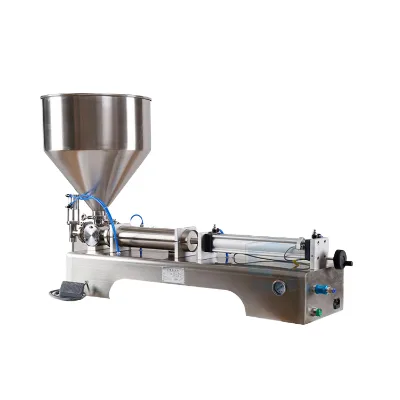

Compact Automatic Pneumatic High Speed Durable Beverage Filling Machine
$40000.00 - $120000.00
MOQ: 1 Sets

Robust Durable Automatic High Speed Pneumatic Sealed Beverage Filling Machine
$40000.00 - $120000.00
MOQ: 1 Sets
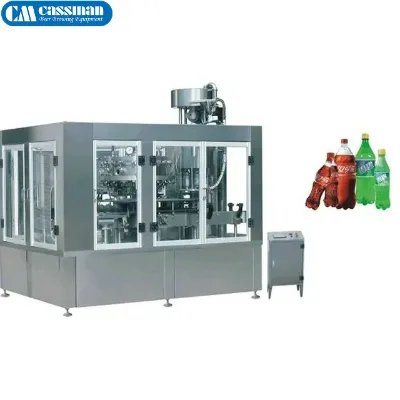


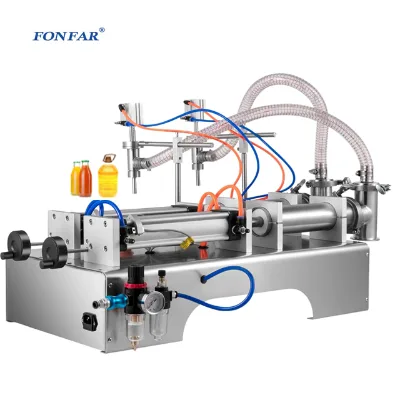
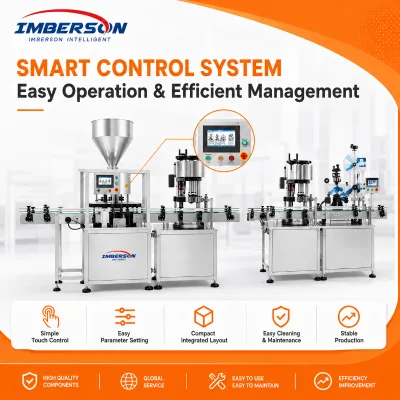
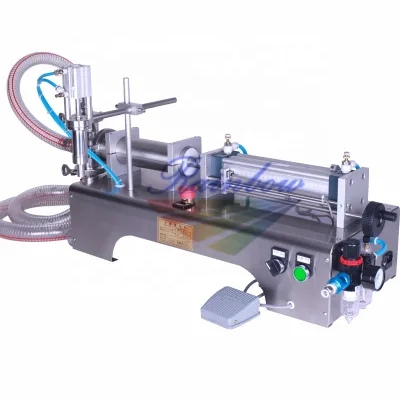


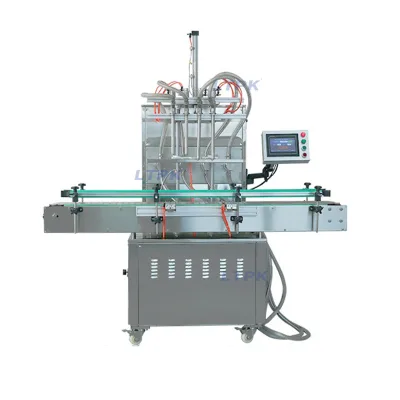


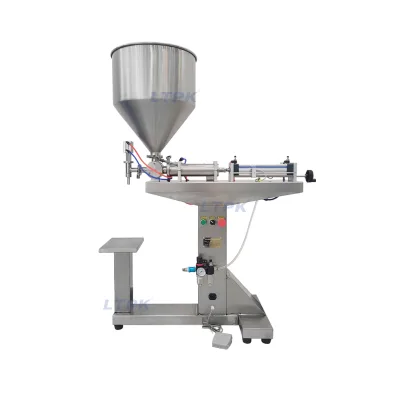
Vertical Pneumatic Food-Grade No-Drip Filling Machine - for Liquid Beverage Packaging
$388.3451 - $408.8388
MOQ: 1 sets


Full Automatic Filling Machine Liquid Filling Line for Beverages Production Line.
$40000.00 - $48000.00
MOQ: 1 Sets
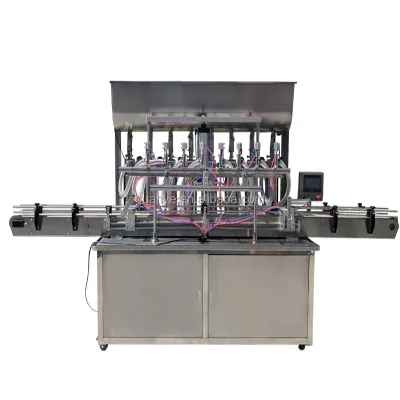
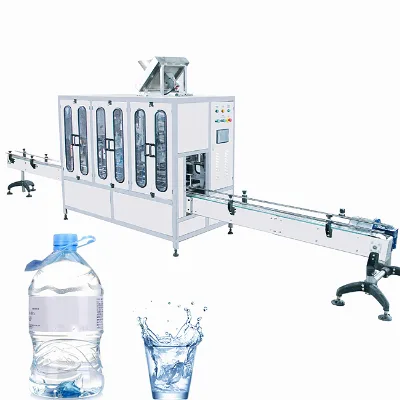


High-Precision Automatic Liquid Filling Machine for Wine and Beverages
$9300.00 - $19600.00
MOQ: 1 Pieces

High-Performance Liquid Filling Machine for Beverage Production Efficiency
$9300.00 - $19600.00
MOQ: 1 Pieces
Comprehensive Sourcing Guide
Automatic Pneumatic Beverage Filling Machine Sourcing Guide
Procuring an Automatic Pneumatic Beverage Filling Machine requires a precise understanding of the mechanical principles that drive production efficiency. These systems typically utilize atmospheric pressure or back-pressure filling methods to ensure consistent dosing of liquid products into various containers. Buyers must evaluate whether the machine’s structure, such as linear or rotary configurations, aligns with their facility’s spatial constraints and throughput requirements. The choice between plunger and rotor dosing devices further dictates the precision and versatility of the filling process, impacting the final product quality.
The operational scope of these machines extends beyond simple filling to include sealing and packaging integration. Many units are designed as fully automatic systems that handle outpacking tasks, ensuring a seamless workflow from filling to final product readiness. Key attributes like the conveyor material, often stainless steel 304, and the lifting structure, which may be pneumatic, play critical roles in maintaining hygiene and operational stability. Understanding these mechanical interdependencies allows procurement teams to select equipment that minimizes downtime and maximizes output consistency in high-volume beverage production environments.
Product Scope and Observed Listing Signals
Market listings for automatic pneumatic beverage filling machines reveal a wide spectrum of capabilities, with observed prices ranging from $310 to $300,000 USD. This variance reflects differences in automation levels, capacity, and brand reputation, with some suppliers offering customizable options to meet specific production needs. The minimum order quantity (MOQ) is frequently listed as one unit, indicating that manufacturers are willing to accommodate single-unit purchases for pilot lines or small-scale operations. Buyers should carefully assess whether the listed price includes essential accessories or if additional costs apply for installation and training.
Observed specifications highlight diverse model numbers and capacities, such as 1000 BPH or 2000 BPH, catering to varying production scales. Some machines are designed for carbonated soft drinks, utilizing pressure filling principles to maintain carbonation levels, while others focus on general liquid filling with atmospheric pressure. The packaging material for the machines themselves varies, with options including seaworthy packing, wooden cases, or standard export packing. These signals suggest that buyers must verify the specific model’s suitability for their product type, whether it involves plastic bottles, cans, or other container formats, to ensure compatibility and performance.
Technical Specifications to Verify
When evaluating technical specifications, buyers must prioritize the filling range and container compatibility to ensure the machine meets production demands. Common filling ranges observed include 200 to 2000 ml, which suits a variety of beverage sizes, but verification is essential to confirm the machine’s adaptability to different bottle shapes and sizes. The automatic grade, typically fully automatic, reduces manual intervention, but the complexity of the control system should be assessed for ease of use and maintenance. Additionally, the number of filling valve heads, such as multi-head configurations, directly impacts throughput and should be matched against peak production requirements.
Material construction and power consumption are critical factors influencing longevity and operational costs. The use of 304 stainless steel for contact parts ensures corrosion resistance and compliance with food safety standards, while the power rating, often around 50W for specific components, affects energy efficiency. Buyers should also verify the dosing device type, whether plunger or rotor, as this determines the accuracy of liquid dispensing. Furthermore, the conveyor structure, often a stainless steel belt, must be robust enough to handle the weight and movement of containers without causing damage or misalignment during the filling process.
Compliance and Safety Documentation
Compliance with international standards is non-negotiable for beverage filling machinery, particularly regarding electrical safety and mechanical integrity. Buyers should request documentation confirming adherence to CE certification and ISO 9001 standards, which indicate that the manufacturer follows rigorous quality management processes. These certifications are crucial for ensuring that the machine operates safely in industrial environments and meets the regulatory requirements of the destination market. Without proper certification, buyers risk facing customs delays, legal liabilities, or operational hazards that could disrupt production schedules.
Safety features and maintenance protocols must also be thoroughly documented to protect operators and ensure long-term reliability. The guarantee period, often listed as 12 months, provides a baseline for warranty coverage, but buyers should clarify what components are included and what constitutes normal wear and tear. Additionally, the availability of life-long service support is a significant advantage, as it ensures access to spare parts and technical assistance throughout the machine’s lifecycle. Buyers must verify that the supplier provides comprehensive user manuals and safety guidelines to facilitate proper operation and minimize the risk of accidents.
Cost Drivers and Commercial Terms
Several factors influence the total cost of ownership for automatic pneumatic beverage filling machines, including capacity, automation level, and customization options. Higher capacity machines, such as those capable of 2000 to 24000 BPH, command higher prices due to their complex engineering and increased material usage. Customization, such as adapting the machine for specific container types or filling principles, adds to the initial cost but can enhance operational efficiency. Buyers should also consider the packaging method, whether standard export packing or wooden cases, as this affects shipping costs and protection during transit.
Commercial terms, including payment conditions and after-sales service, play a significant role in the overall procurement strategy. Suppliers offering life-long service and a 12-month maintenance period provide added value by reducing long-term operational risks. However, buyers must clarify the scope of these services, including response times and coverage for spare parts. It is also essential to verify the origin of the machine, with many suppliers based in Jiang Su Province, China, and to assess the reliability of the brand, such as Kingmachine, in terms of market reputation and customer feedback.
Supplier Qualification and Quality Control
Supplier qualification is a critical step in ensuring the reliability and performance of the purchased equipment. Buyers should verify the manufacturer’s production capabilities, including their capacity to produce machines with specific model numbers like CM-600 or CGF18-18-6. A robust quality control process should be in place, with inspections conducted at various stages of production to identify and rectify defects early. Buyers may request third-party inspection reports or factory audits to confirm that the supplier adheres to international quality standards and maintains consistent manufacturing practices.
Quality control extends to the testing and validation of the machine’s performance before shipment. Buyers should ensure that the supplier conducts rigorous tests to verify filling accuracy, sealing integrity, and overall operational stability. Documentation of these tests, including performance data and compliance certificates, should be provided to the buyer for review. Additionally, buyers should assess the supplier’s ability to provide training and technical support, as this ensures that their team can operate and maintain the machine effectively, minimizing downtime and maximizing productivity.
Long-Term Procurement Checks
Long-term procurement success depends on establishing a sustainable relationship with the supplier and ensuring ongoing support for the equipment. Buyers should monitor the supplier’s responsiveness to service requests and their ability to provide timely spare parts, as this impacts the machine’s uptime and overall efficiency. Regular maintenance checks, aligned with the 12-month guarantee period, should be scheduled to prevent unexpected failures and extend the machine’s lifespan. Buyers must also stay informed about technological advancements in filling machinery to ensure their equipment remains competitive and efficient.
Continuous evaluation of the machine’s performance in the production environment is essential for identifying areas for improvement. Buyers should track key metrics such as filling accuracy, throughput, and maintenance frequency to assess the machine’s reliability and cost-effectiveness. Feedback from operators and maintenance staff should be regularly collected to identify any operational issues or safety concerns. By maintaining open communication with the supplier and proactively addressing potential problems, buyers can ensure that their Automatic Pneumatic Beverage Filling Machine continues to meet production demands and deliver value over its entire lifecycle.
FAQs
What is the filling capacity of the Automatic Pneumatic Beverage Filling Machine?
The machine offers a capacity of 1000BPH or 2000bph depending on the specific model selected. This volumetric filling machine utilizes atmospheric pressure or back pressure principles to ensure accurate dosing. It is designed for high-efficiency production lines, accommodating various bottle sizes and liquid types with consistent performance.
Can the Automatic Pneumatic Beverage Filling Machine be customized for specific needs?
Yes, the Automatic Pneumatic Beverage Filling Machine is fully customizable to meet unique production requirements. Buyers can select from various models such as CM-600 or CGF18-18-6. The system supports multi-head filling valves and linear structures, allowing for tailored configurations that align with specific operational workflows and container types.
What materials are used in the construction of the Automatic Pneumatic Beverage Filling Machine?
The Automatic Pneumatic Beverage Filling Machine is constructed primarily from 304 stainless steel, ensuring durability and hygiene for food-grade applications. The conveyor belt is also made of stainless steel 304. This material choice supports easy cleaning and resistance to corrosion, making it suitable for soft drinks and other liquid products.
What certifications does the Automatic Pneumatic Beverage Filling Machine hold?
The Automatic Pneumatic Beverage Filling Machine holds CE Certificate and ISO9000: 9001 standards compliance. These certifications verify that the manufacturing processes and product safety meet international quality and regulatory requirements. Buyers can rely on these documented standards when sourcing equipment for regulated industries requiring strict adherence to quality management systems.
What is the warranty and after-sales service for the Automatic Pneumatic Beverage Filling Machine?
The Automatic Pneumatic Beverage Filling Machine comes with a 12-month guarantee and maintenance period. The supplier provides life-long service support to assist with ongoing operational needs. This comprehensive after-sales package ensures that buyers receive continuous technical assistance and maintenance guidance throughout the machine's operational lifecycle for sustained performance.
How is the Automatic Pneumatic Beverage Filling Machine packed for shipping?
The Automatic Pneumatic Beverage Filling Machine is packed in wooden cases or standard export packing for secure transit. Some models may use unpackaged seaworthy packing depending on the configuration. This robust packaging method protects the machinery from damage during international shipping, ensuring that the equipment arrives at the destination in optimal condition for installation.