Automatic Wax Filling Machine Suppliers and Manufacturers
Source 26 Automatic Wax Filling Machine suppliers from Henan, China. Compare CE-certified models with 220V voltage, 1-2 year warranties, and 3-25 day lead times. Verify pricing and MOQ directly with factories; review the available evidence before requesting comparable quotations from suitable candidates.
Updated
Suppliers List
Zhengzhou Heze Machinery Co., Ltd.
- Trading Company
- Henan, China
- Lead time25 days
- Avg. response≤ 6h
Main productsFood Making Machine,Fabric cutting machine,Western Kitchen Equipments,Fruit and Vegetable Processing Machine,Cutting machine
Main marketsNorth America(20.00%), Eastern Europe(15.00%), Central America(10.00%), Western Europe(10.00%), Africa(10.00%), Southeast Asia(10.00%), South America(10.00%), Northern Europe(5.00%), Mid East(5.00%), South Asia(2.00%), Eastern Asia(2.00%), Domestic Market(1.00%)
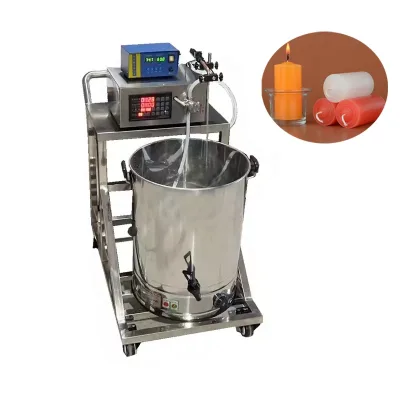
High Accuracy Candle Wax Pouring Filling Machine Semiautomatic Wax Filling Machine
$918.4198 - $969.4439
MOQ: 1 sets
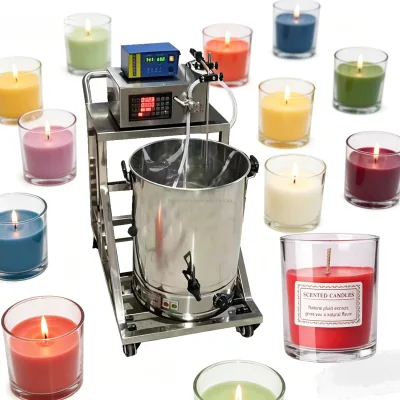
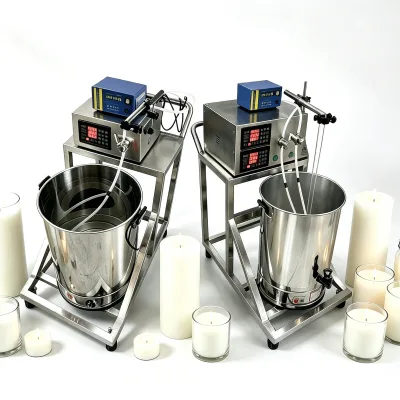
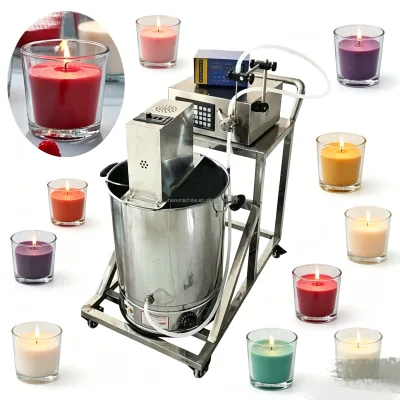
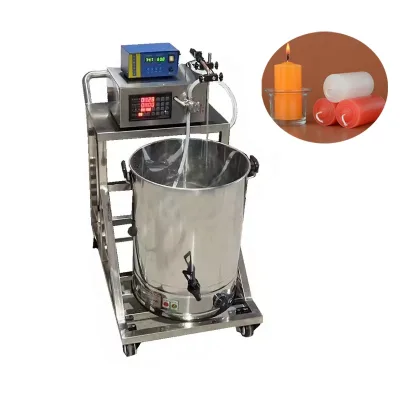
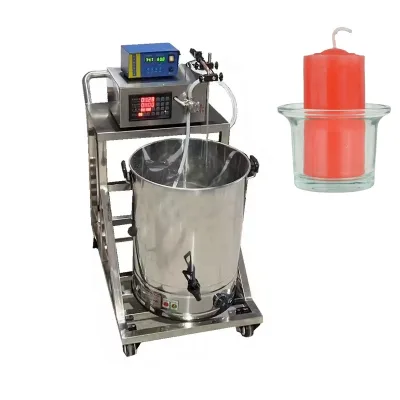
Candle Filling Machine Tealight Wax Making Machine Paraffin Scent Wax Dispensing Filler Machine
$923.4554 - $974.7592
MOQ: 1 sets
Henan Rui Youna Machinery Co., LTD
- Trading Company
- Henan, China
- Lead time3 days
- Avg. response≤ 3h
Main productsPacking Machine,Filling Machine,Capping Machine,Labeling Machine,Sealing Machine
Main marketsDomestic Market(40.00%), North America(16.00%), Africa(12.00%), Western Europe(7.00%), Southeast Asia(7.00%), South America(3.00%), Eastern Europe(3.00%), Mid East(3.00%), Northern Europe(2.00%), Eastern Asia(2.00%), Oceania(2.00%), Central America(1.00%), South Asia(1.00%), Southern Europe(1.00%)
Guangzhou Hansen Machinery Equipment Co., Ltd
- Verified by SGS Group
- Manufacturer, Trading Company
- Lead time0 days
- Avg. response≤ 2h
Main productsVacuum Emulsifier, Filling Machine, Labeling Machine, Sealing Machine, Capping Machine
Main marketsDomestic Market(50%), Western Europe(20%), Southeast Asia(20%)
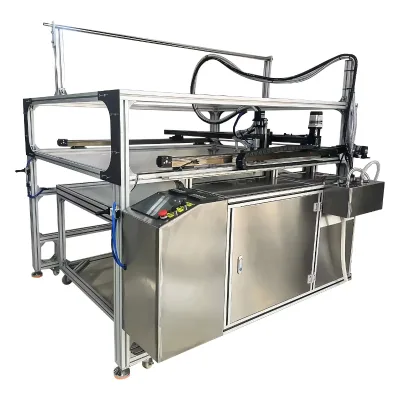
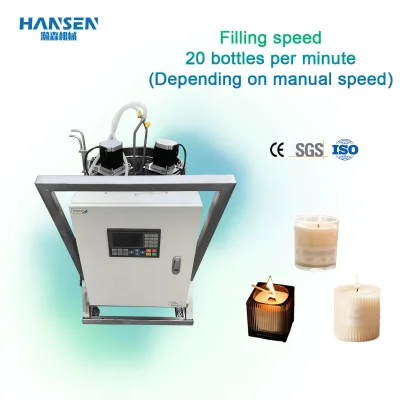
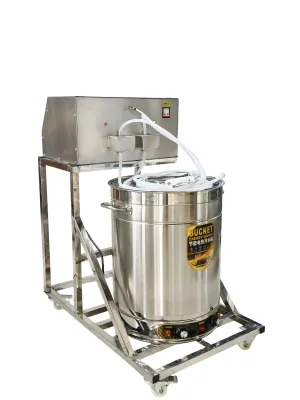
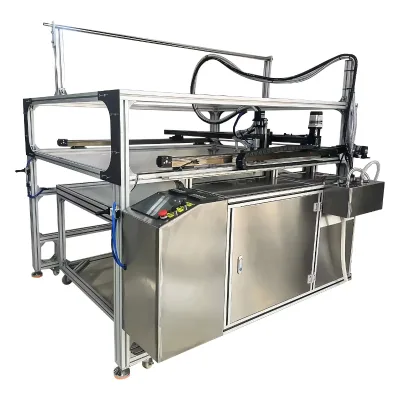
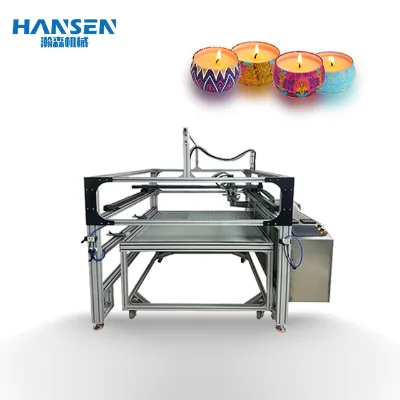
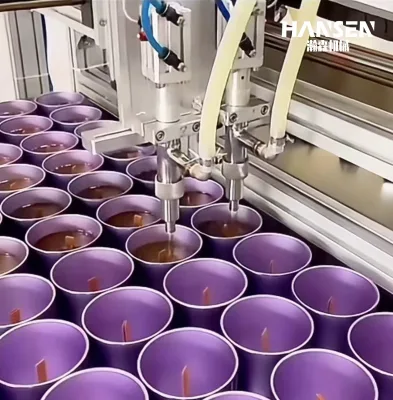
Wax Machine and Wax Industrial Candle Making Machines
$9700.00 - $15000.00

Guangzhou Hansen Machinery Equipment Co., Ltd.
- Verified by TUVRHEINLAND
- Combined
- China Guangdong
- Lead time30 days
- Avg. response≤ 3h
Main marketsDomestic,Europe


Automatic Scented Candle Wax Filling Machine for Candle Production
$14000.00 - $15000.00
MOQ: 1 Pieces

Automatic Adjustable Candle Filling Machine for Soy Wax Candle Commercial Production
$1300.00
MOQ: 1 Pieces


Zhengzhou Jawo Machinery Co., Ltd.
- Verified by TUVRHEINLAND
- Manufacturer/Factory
- China Henan
- Lead time15 days
- Avg. response≤ 6h
Main productsSausage Making Machine, Dumpling Machine, Frozen Meat Cutter, French Fries Production Line, Garlic Separator, Egg Grading Machine, Sand Blasting Machine, Metal Detector, Embroidery Machine, Spray Dryer
Main marketsSouth America,Eastern Europe,Mid East,North America,Southeast Asia,Eastern Asia,Oceania,Western Europe,Africa

Automatic Paraffin Wax Machine Wax Filling Machine Wax Candle Machine for Sale
$700.00 - $1400.00
MOQ: 1 Sets


Factory Price Candle Filling Machine Paste Filling Machine with High Quality
$500.00 - $689.00
MOQ: 2 Sets


Zhengzhou Honest Machinery Co., Ltd.
- Trading Company,Manufacturer/Factory
- China Henan
- Lead time15 days
- Avg. response≤ 5h
Main productsFood Machinery, Packing Machines, Microwave Equipment, Drying Machines, Grain Product Making Machines, Commodity Making Machines, Texitle Machines, Construction Machinery
Main marketsSouth America,Eastern Europe,Mid East,North America,Southeast Asia,Eastern Asia,Oceania,Western Europe,Africa

Cangzhou Longway Imp & Exp Co., Ltd.
- Trading Company
- Hebei, China
- Lead time20 days
- Avg. response≤ 2h
Main productsFilling Machine/Strapping Machine/Bottle Labeling Machine/Sealing Machine/Carton Machine,strapping machine,packing machine,printing machine,mixing machine
Main marketsWestern Europe(14.00%), Southeast Asia(9.00%), Mid East(9.00%), Southern Europe(9.00%), Eastern Asia(8.00%), Eastern Europe(8.00%), Northern Europe(8.00%), South Asia(8.00%), Domestic Market(7.00%), North America(5.00%), Africa(5.00%), South America(4.00%), Oceania(3.00%), Central America(3.00%)
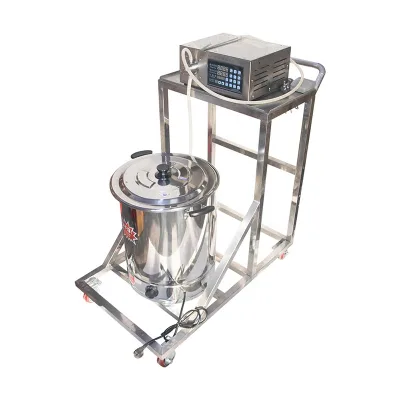
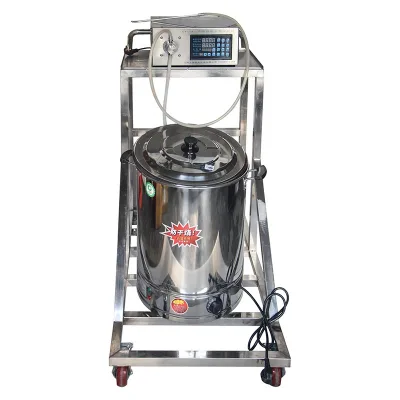
$390.00 - $449.00
MOQ: 1 sets
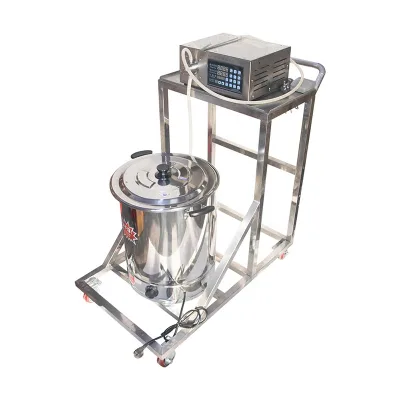
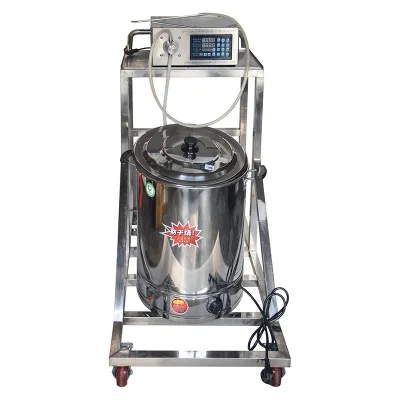
Durable Polish Wax Filling Machines/Candle Filling Machine Nail Polish Filling Machine
$559.00 - $579.00
MOQ: 1 sets
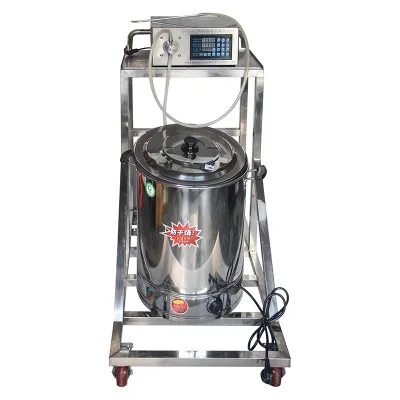
5 L Wax Candle Filling Machine Heated Wax Dispensing Machine Uv Gel Glue Machine 300 ml
$504.1565 - $565.8889
MOQ: 1 sets
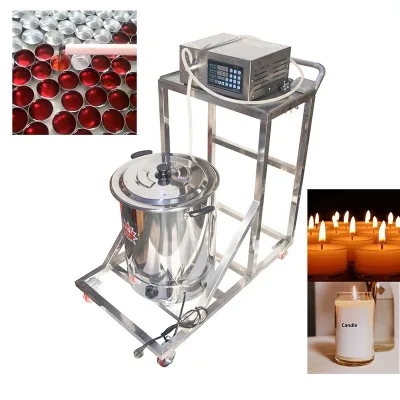
Constant Temperature Filler Machine,Cosmetic Lip Gloss / Lipstick Hair Wax Heating Filling Equipment
$559.00 - $579.00
MOQ: 1 sets
- Verified by Intertek
- Trading Company
- Lead time7 days
- Avg. response≤ 1h
Main productsFruit Vegetable Machine, Meat Processing Machine, Pastry Bakery Machine, Snack Machine, Feed Processing Machine
Zhengzhou Share Machinery Co., Ltd.
- Trading Company
- Henan, China
- Lead time7 days
- Avg. response≤ 3h
Main productsConstruction Machinery/Industrial Machinery/Printing Machinery
Main marketsSouth America(20.00%), North America(20.00%), Africa(10.00%), Southeast Asia(10.00%), Eastern Europe(10.00%), Oceania(7.00%), South Asia(5.00%), Southern Europe(5.00%), Central America(5.00%), Western Europe(2.00%), Eastern Asia(2.00%), Northern Europe(2.00%), Mid East(2.00%)

Fushun Junda Wax Industry Co., Ltd.
- Verified by BV
- Manufacturer/Factory
- China Liaoning
- Lead time15 days
- Avg. response≤ 3h
Main productsWax, Paraffin Wax, Lubricating Oil, Hydraulic Oil, Candle, Soy Wax, Candle Making Machine, Fischer-Tropsch Wax, Stearic Acid, Microcrystalline Wax
Main marketsSouth America,Eastern Europe,North America,Southeast Asia,Africa

Zhengzhou Gashili Machinery Co., Ltd.
- Manufacturer/Factory
- China Henan
- Lead time23 days
- Avg. response≤ 6h
Main productsInstant Noodle Making Line, Oil Pressing Machine, Peanut Butter Making Line, Candle Making Machine, Paper Cone Making Machine for Textile, Nut Processing Equipment, Vegetable and Fruit Processing Equipment, Wood Pallet Making Machine, Waste Recycling Equipment, Fertilizer Production Line
Main marketsSouth America,Eastern Europe,Mid East,North America,Southeast Asia,Eastern Asia,Oceania,Western Europe,Africa
- Verified by TüVRheinland
- Trading Company
- Lead time5 days
- Avg. response≤ 4h
Main productsFilling Machine, Packing Machine, Gummy Machine, Beverage Machine, Labeling Machine
Main marketsNorth America(50%), Western Europe(20%), South Asia(10%)
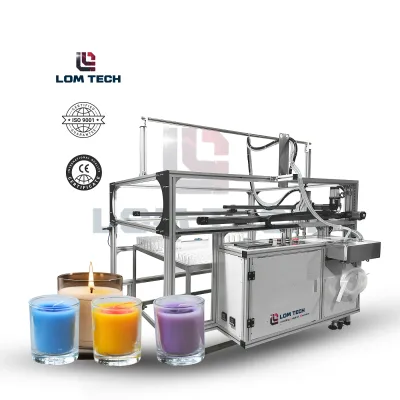
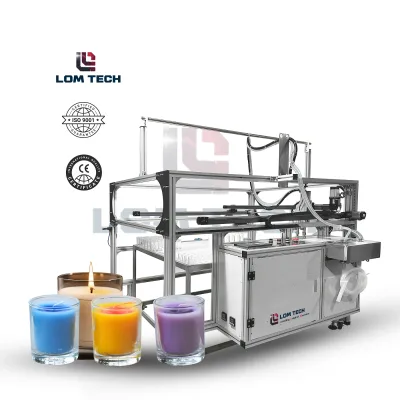
$15594.2292 - $18713.075
MOQ: 1 pieces
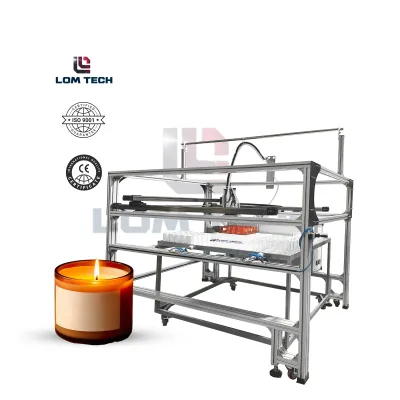
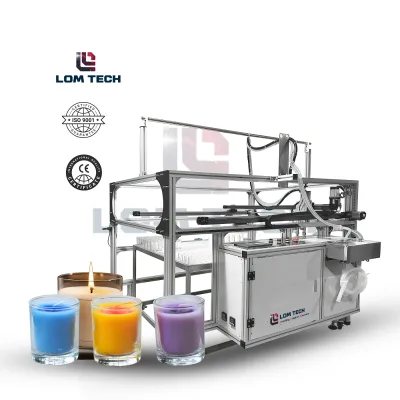
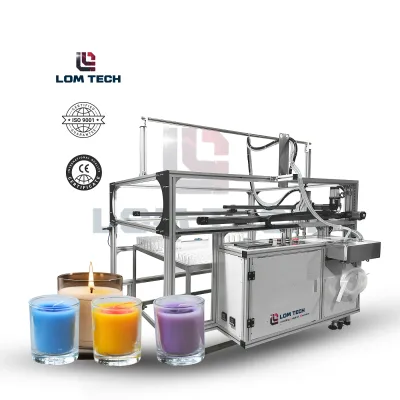
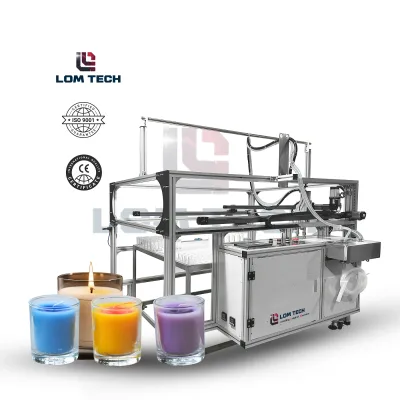
Liaoning Gaoge New Material Co., Ltd.
- Manufacturer, Trading Company
- Liaoning, China
- Lead time20 days
- Avg. response≤ 4h
Main productscandle machine,Wax raw material,candle accessories,candle,chemical raw materials
Main marketsSouthern Europe(15.00%), South Asia(15.00%), South America(10.00%), North America(10.00%), Central America(10.00%), Eastern Asia(10.00%), Northern Europe(7.00%), Mid East(5.00%), Southeast Asia(5.00%), Eastern Europe(5.00%), Oceania(3.00%), Africa(3.00%), Western Europe(2.00%)

Guangzhou Silian Machinery Co., Ltd.
- Verified by CTI
- Combined
- China Guangdong
- Lead time30 days
- Avg. response≤ 4h
Main marketsAfrica,Southeast Asia/ Mideast,East Asia(Japan/ South Korea),Domestic,Europe,Australia,North America


Wax Melting Equipment Candle Making Machine Liquid Filling Machinery
$8500.00 - $9700.00
MOQ: 1 kilograms


Guangzhou Cosmati Technology Co., Ltd
- Verified by TUVRHEINLAND
- Trading Company
- China Guangdong
- Lead time23 days
- Avg. response≤ 3h
Main productsVacuum Emulsifying Mixer, Liquid Washing Homogenizing Mixer, Liquid Soap Mixer Machine, Perfume Filling Machine, Dry Powder Mixing Machine, Color Cosmetic Making Machine, Filling Capping Labeling Machine, Lab Homogenizer, Mixing Tank, Cream Making Machine
Main marketsSoutheast Asia/ Mideast,Europe,North America


Liquid Filler Equipment with Heater Hot Balm Heating Wax Filling Machine
$5200.00 - $5500.00
MOQ: 1 Pieces


Zhengzhou Hento Machinery Co., Ltd.
- Verified by SGS
- Trading Company,Manufacturer/Factory,Group Corporation
- China Henan
- Lead time15 days
- Avg. response≤ 6h
Main productsMeat Processing Machinery, Egg Processing Machinery, Dairy Processing Machinery, Fruit & Vegetable Processing Machinery, Grain Product Making Machines, Snack Machines, Nuts Processing Machinery, Packing Machines, Drying Machines, Commodity Making Machines
Main marketsSouth America,Eastern Europe,Mid East,North America,Southeast Asia,Eastern Asia,Oceania,Western Europe,Africa
ZHE CHENG HONGXIN MACHINRERY FACTORY
- Verified by TüVRheinland
- Manufacturer, Trading Company
- Lead time15 days
- Avg. response≤ 3h
Main productsIntestine Case Cleaning Machine, Sesame Peeling Machine, Cardboard Expanding Shredder Machine, Flax Brake, Grain Thresher Machine
Main marketsNorth America(20%), Southeast Asia(20%), Africa(20%)
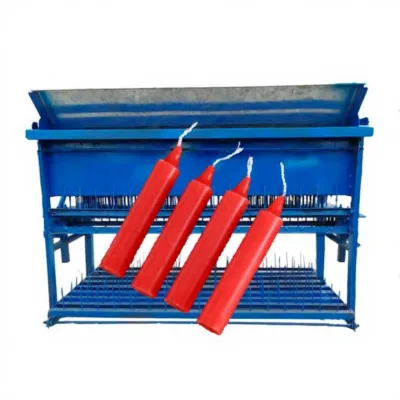
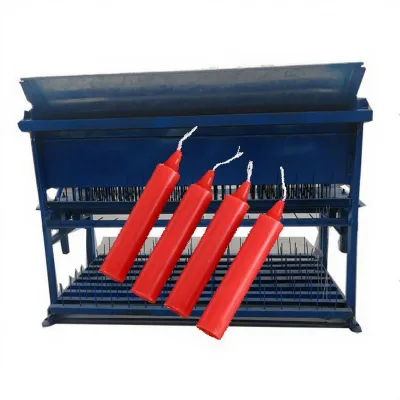
Automatic Copper Candle Machine Candle Wax Filling Machine Paraffin Wax Candle Making Machine
$513.3823 - $616.0588
MOQ: 1 sets

Cangzhou Leadway Machinery Equipment Co., Ltd.
- Trading Company
- Hebei, China
- Lead time3 days
- Avg. response≤ 2h
Main productsFilling Machine,Sealing machine,strapping machine,Inkjet printer,Mixing machine
Main marketsWestern Europe(20.00%), North America(15.00%), Africa(10.00%), Northern Europe(10.00%), Eastern Asia(10.00%), Eastern Europe(6.00%), Southeast Asia(5.00%), Central America(5.00%), South America(5.00%), South Asia(5.00%), Oceania(5.00%), Mid East(4.00%)
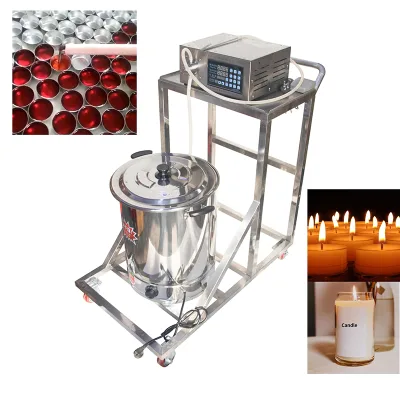
Industrial Hot Candle Wax Filling Machine Gear Pump Paraffin Candle Wax Filler Machine
$439.5772 - $460.0709
MOQ: 1 sets
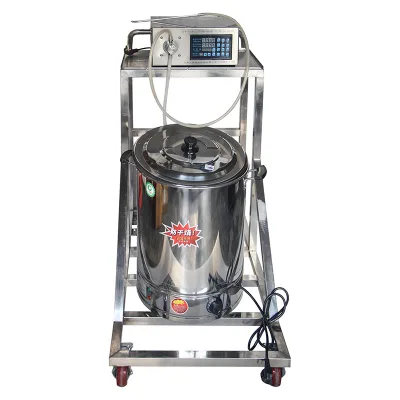
$307.3966 - $358.6301
MOQ: 1 sets
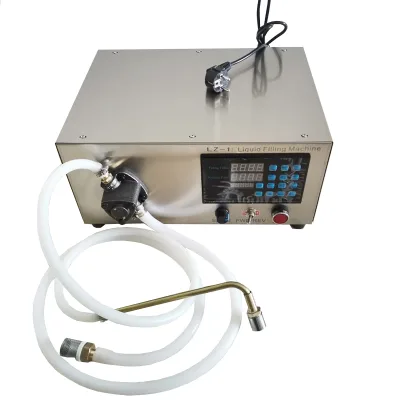
Wax Butter Candle Filler Liquid Filling Machine With Mixer and Heater
$256.1646 - $338.1364
MOQ: 1 sets
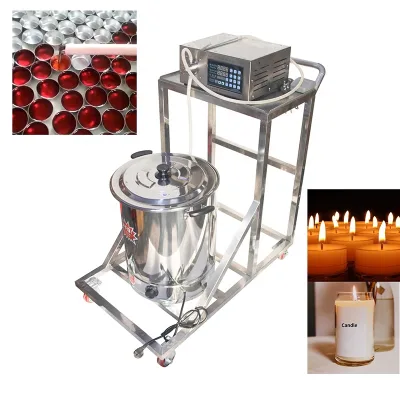
Small Volume Soy Wax Candle Filling Machine Candle Wax Filler Heating Pouring Oil
$531.7966 - $562.5364
MOQ: 1 sets
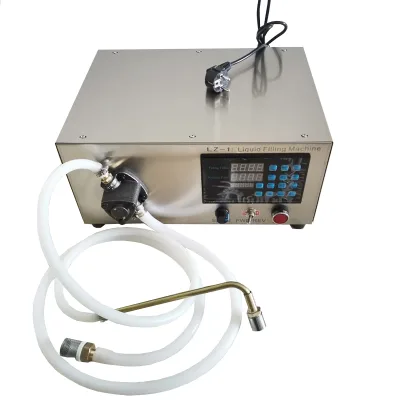
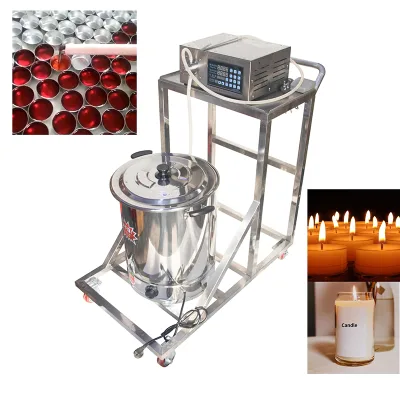
Hot Liquid Candle Filling Wax Machine Birthday Candle Making Machine
$440.4822 - $461.0178
MOQ: 1 sets

Guangzhou Huichuang Machinery Equipment Co., Ltd
- Verified by TUVRHEINLAND
- Trading Company,Manufacturer/Factory
- China Guangdong
- Lead time0 days
- Avg. response≤ 6h
Main productsCosmetics Machine, Mixing Machine, Filling Machine, Packing Machine, Homogenizer Mixer, Liquid Soap Making Machines, Emulsifying Mixer, Homogenizer, Piston Filling Machines, Tube Filler and Sealer
Henan Deshine Machinery Co., Ltd.
- Trading Company
- Henan, China
- Lead time7 days
- Avg. response≤ 2h
Main productsMeat Processing Equipment,Vegetable and fruit Processing Equipment,Food processing machine,Slaughtering Equipment,Chocolate Processing Equipment
Main marketsAfrica(19.00%), North America(15.00%), Southeast Asia(12.00%), Oceania(10.00%), Eastern Asia(7.00%), Mid East(6.00%), Northern Europe(6.00%), Eastern Europe(5.00%), South Asia(3.00%), South America(3.00%), Central America(3.00%), Western Europe(3.00%), Domestic Market(2.00%)

Zhangjiagang King Machine Tech Co., Ltd.
- Verified by BV
- Combined
- China Jiangsu
- Lead time45 days
- Avg. response≤ 4h
Main productsWater Filling Machine, Beverage Filling Machine, Carbonated Drink Filling Machine, 5gallon Bottle Filling Machine, Bottle Blowing Machine, Glass Bottle Filling Machine, Can Filling Machine, Wrapping Machine, Juice Filling Machine, Labeling Machine
Main marketsSoutheast Asia/ Mideast

Zhaoqing Aode Chemical Equipment Co., Ltd.
- Verified by SGS
- Combined
- China Guangdong
- Lead time30 days
- Avg. response≤ 6h
Main productsStainless Steel Reactor, Disperser, Mixing Machines, Grinding Machine, Dispersion Vessel, Emulsifier, Vacuum Degassing Mixer, Solvent Recovery Unit, Condenser, Pipework Installation Project
Main marketsSoutheast Asia/ Mideast,Domestic,Europe
Zhengzhou Aslan Machinery Co., Ltd.
- Trading Company
- Henan, China
- Lead time7 days
- Avg. response≤ 8h
Main productsFood Packing Machine,tray sealing machine,liquid filling machine,vacuum packing machine,straw pipe packing machine
Main marketsSoutheast Asia(37.00%), North America(22.00%), South America(17.00%), Northern Europe(13.00%), Domestic Market(6.00%), Mid East(5.00%)
- Trading Company
- Zhejiang, China
- Lead time0 days
- Avg. response≤ 10h
Main productsfilling machine,capping machine,labeling machine,gummy machine,packing machine
Main marketsNorth America(40.00%), South America(20.00%), Eastern Europe(10.00%), Eastern Asia(10.00%), Western Europe(10.00%), Southern Europe(10.00%)

Zhengzhou Junlan Machinery Equipment Co., Ltd.
- Trading Company
- Henan, China
- Lead time7 days
- Avg. response≤ 2h
Main productsfood machine,vegetable machine,farm machine,industrial machinery,Corona silicone tube
Main marketsSouth Asia(30.00%), Africa(30.00%), Eastern Asia(10.00%), Mid East(10.00%), South America(5.00%), Southeast Asia(5.00%), Eastern Europe(5.00%), North America(5.00%)

Shanghai Leadworld Machinery Technology Co., Ltd.
- Verified by BV
- Combined
- China Shanghai
- Lead time30 days
- Avg. response≤ 2h
Main productsFilling Machine, Packing Machine, Filling Production Line, Palletizer/De-Palletizer, Vacuum Packing Machine, Canned Food Production Line, Fruit&Vegetable Washing Machine, Conveyor, Bottle Washing Machine, Labeling Machine
Main marketsSouth America,Africa,Southeast Asia/ Mideast,East Asia(Japan/ South Korea),Domestic,Europe,Australia,North America








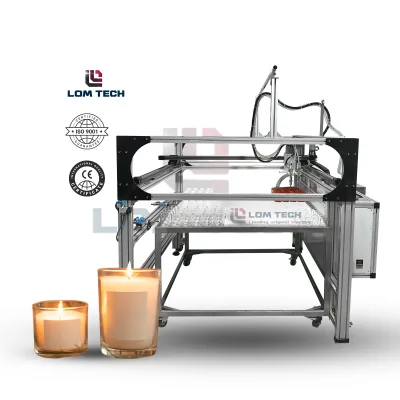
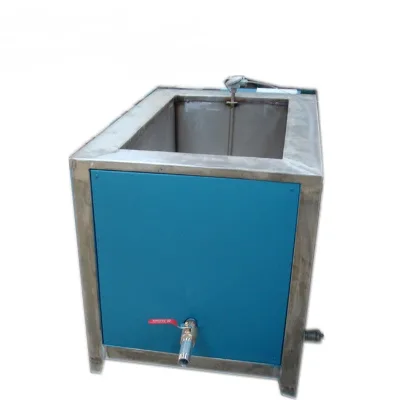
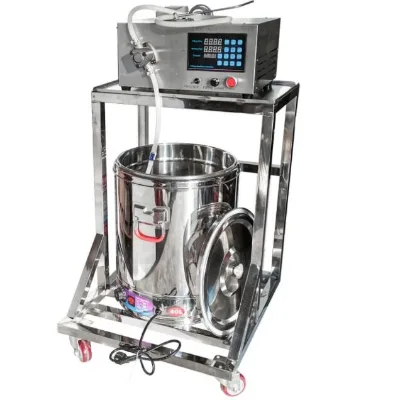


Comprehensive Sourcing Guide
Automatic Wax Filling Machine Supplier Concentration and Factory Types
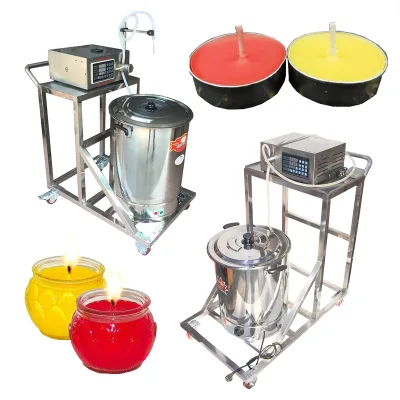
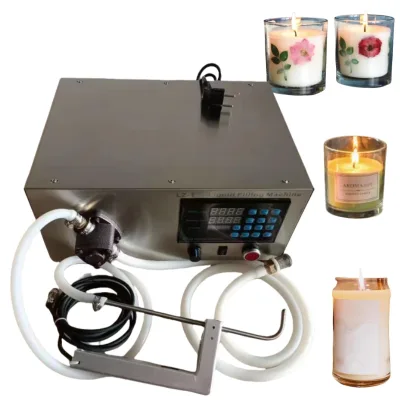
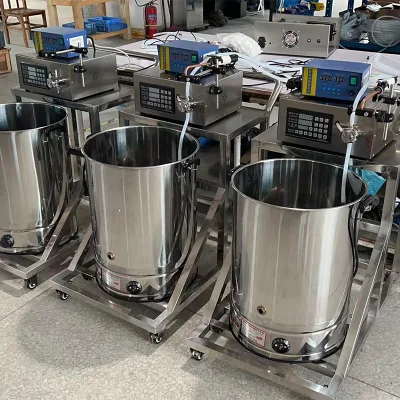
When searching for an Automatic Wax Filling Machine, buyers will notice that many listings on B2B platforms point to suppliers based in Henan, China, which appears in the current results as a place of origin for several candle and wax filling products. Henan has a visible presence in this category, with suppliers listing wax melting, pouring and filling equipment alongside food making machines, fruit and vegetable processing machines and western kitchen equipment. Buyers should treat this concentration as a starting point rather than a guarantee: a listed province tells you where a company registers or ships from, not necessarily where the machine is assembled. Always ask for the actual production address and confirm whether the facility handles machining, welding and electrical assembly in-house.
Supplier types in this category split into trading companies and manufacturers. The current results include at least one trading company whose main products span food machinery and cutting equipment, while other suppliers focus on packing, filling, capping, labeling and sealing machines, suggesting a packaging-equipment specialization. Trading companies can be useful for bundling orders and handling export paperwork, but they add a layer between you and the factory, which can slow technical communication. Manufacturer-direct suppliers usually respond faster to engineering questions about nozzles, heating pots and pump configurations. Ask each candidate to describe its role honestly, then cross-check with business registration details and, where possible, a video walkthrough of the production floor.
How to Verify Automatic Wax Filling Machine Suppliers
Verification starts with documents. In the current results, several wax filling machine listings state that a machinery test report is provided and that video outgoing-inspection is included, and one listing mentions CE as a system certification. Treat these as claims to confirm, not facts to assume: request copies of the actual test report for the specific model you intend to buy, ask which body issued any CE marking and what it covers, and request a live video of the machine running with wax at your target viscosity before payment. A supplier thatresists showing a working unit is a warning sign regardless of how complete its listing looks.
Beyond paperwork, verify operational capacity. Ask for photos or video of the workshop, the names of core component suppliers for pumps and motors, and references from previous candle or cosmetics buyers in your market. Check how long the company has been exporting, whether it has experience with your destination port, and who will handle after-sales support. Response behavior during the inquiry stage is itself verification data: in the current results, average response times range from roughly three to six hours, and a supplier that answers slowly before you have paid will rarely improve afterward. Finally, confirm the legal entity name on the invoice matches the name on the platform listing, and use a payment channel that offers protection rather than a direct transfer to an unverified account.
What to Compare Across Automatic Wax Filling Machine Suppliers
Build a comparison sheet using the attributes suppliers actually display. In the current results you can compare lead times, with one supplier showing around three days and another around twenty-five days, and response times ranging from three to six hours. Minimum order quantities also differ; several wax filling machine listings show an MOQ of one unit, which suits pilot lines and small candle producers. Note that not every supplier displays every attribute, so record gaps explicitly and ask direct questions rather than assuming a missing value means a favorable one.
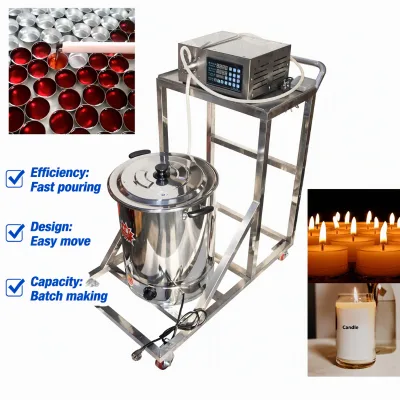
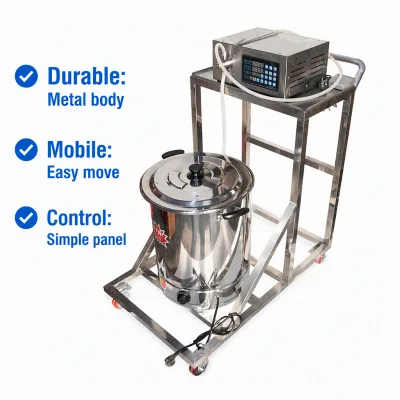
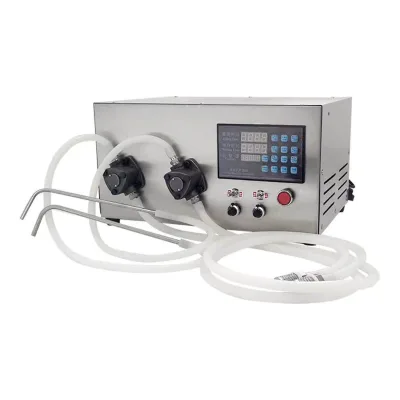
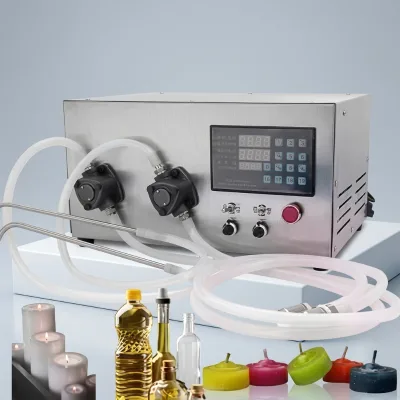
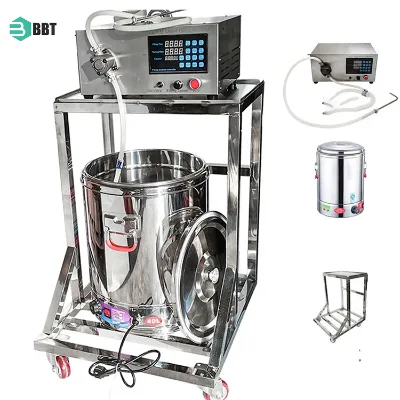
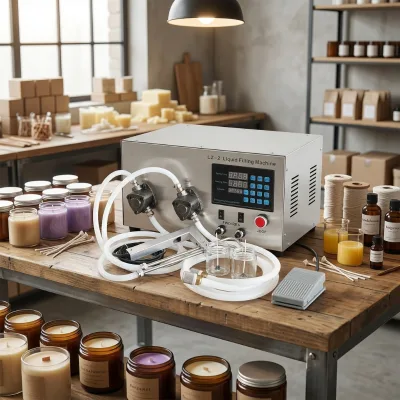
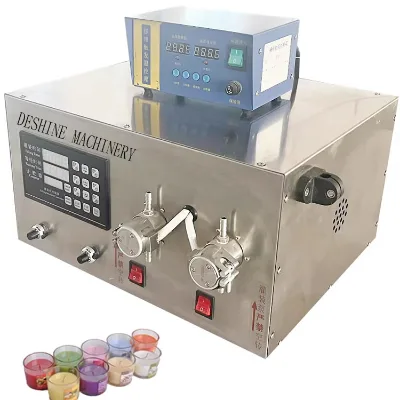
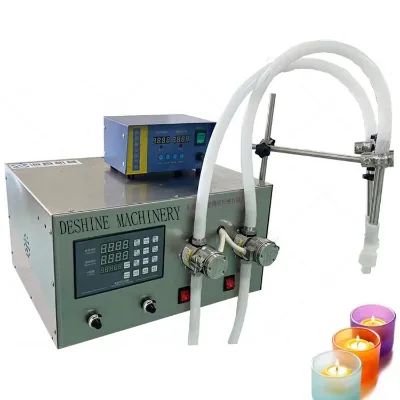
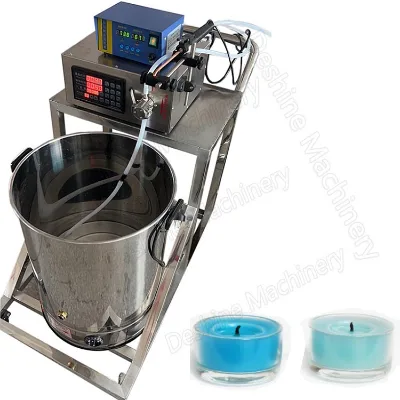
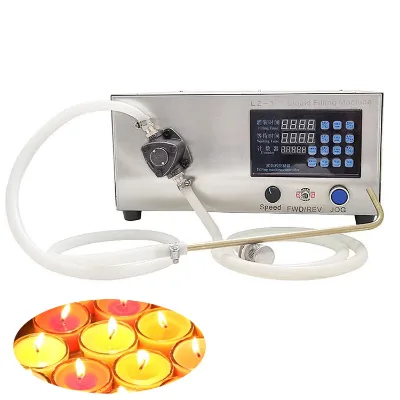
Compare the machines themselves using listing data where available. Current product attributes include filling accuracy figures such as ninety-nine percent, filling ranges starting at three milliliters, temperature settings from zero to three hundred degrees Celsius on some models and zero to one hundred on others, production capacity of four liters per minute, stainless steel 304 construction, single or multiple nozzles, voltages of 220V, weights between thirty and eighty kilograms, and warranties of one or two years. Also compare main product portfolios: a supplier whose core business is filling, capping and sealing machinery may offer deeper engineering support than one selling wax machines alongside unrelated food equipment. Price ranges in the current results cluster between roughly nine hundred and nine hundred seventy-five dollars per unit, but treat listed prices as starting points for negotiation, since configuration changes such as pump count and heating pot size affect final cost.
Common Automatic Wax Filling Machine Sourcing Risks
The most frequent risk is specification drift between listing and shipment. A listing may advertise a semi-automatic desktop machine with a pump as the core component, but the delivered unit could use a different pump brand, a thinner heating pot, or unlisted materials. Mitigate this by writing every critical attribute into the purchase contract: model number, material grade, nozzle count, temperature range, filling accuracy, capacity, voltage and warranty period. Current listings show model numbers and detailed attribute tables; ask the supplier to confirm in writing that the contract model matches the listing exactly.
Second is the trading-company transparency risk. When a trading company sits between you and the factory, warranty claims and spare parts requests can stall because neither party accepts responsibility. Clarify contractually who honors the one- or two-year warranties shown in current listings and who ships replacement pumps or heating elements. Third is quality verification risk: even where a machinery test report is listed as provided, reports can be generic rather than model-specific, so insist on a report naming your serial number. Fourth is logistics damage, since these machines weigh forty-five to eighty kilograms gross and contain heating and pump components vulnerable to transit shock. Require export-grade crating, specify insurance, and inspect the machine on arrival before signing carrier documents. Finally, beware of unusually low quotes that quietly remove test reports, inspection videos or after-sales support.
Automatic Wax Filling Machine Regional Sourcing and Logistics
The only location supported by the current results is Henan, China, which appears as both a supplier location and a place of origin for wax filling machines in this category. That makes Henan a reasonable focus for initial outreach, but buyers should not conclude the category is exclusive to one province. Where location data is unavailable or unverified, identify clusters yourself: run category-specific searches, note which provinces recur across multiple independent listings, and weight those regions in your shortlist. A cluster usually means more competitive pricing and easier access to spare parts and component vendors, but it also means more resellers posing as factories, so verification discipline matters more, not less.
On logistics, plan around the physical characteristics in the current listings. Machines ship in single packages, with example package dimensions of 106 by 62 by 85 centimeters and 70 by 51 by 50 centimeters, and gross weights from fifty to eighty kilograms. Single units can move by express or LCL freight, while multi-unit orders justify LCL palletization or a full container. Lead times in the current results range from roughly three days to twenty-five days, so confirm whether the quoted lead time covers production only or production plus inland transport and booking. Ask which nearby port the supplier uses, who arranges export customs clearance, and whether the quote is FOB, EXW or CIF, because these terms shift responsibility and cost significantly for heavy machinery.
Automatic Wax Filling Machine Commercial Terms and Order Planning
Structure payments to protect cash while keeping the supplier motivated. A common pattern for machinery is a deposit with the balance due after pre-shipment inspection, and given that current listings show machinery test reports and video outgoing-inspection as available, tie the balance payment to receipt of those artifacts for your specific unit. Use a payment method with buyer protection or escrow where the platform offers it, and avoid full prepayment to unverified entities. Confirm the warranty in writing: current listings show both one-year and two-year warranties depending on the model, so the difference is real and negotiable, and specify whether the warranty covers parts, labor and shipping of replacements.
Plan the order around MOQ and lead-time data. Several wax filling machine listings show an MOQ of one, so a validation order of a single unit is feasible; use it to test filling accuracy, heating performance and wax compatibility with your specific formulation before committing to volume. Current results show listed unit prices roughly between nine hundred and nine hundred seventy-five dollars, so budget for the machine plus freight, crating, import duties and any local electrical adaptation to your mains voltage. Sequence the timeline: inquiry and specification confirmation, sample or pilot unit, inspection and test report review, balance payment, shipment, then installation support via the video technical support and online support channels that some listings state they provide. Keep spare pump and heating components on the first order to avoid a second freight cost for small parts.
FAQs
What is the price range for automatic wax filling machines?
Prices typically range from $900 to $975 per unit. This cost covers semi-automatic desktop models suitable for small-scale production. Buyers should verify specific pricing based on the selected model and configuration. Additional costs may apply for shipping and customs duties depending on the destination country.
What is the minimum order quantity for these machines?
The minimum order quantity is one unit. This allows buyers to test the equipment before committing to larger orders. It is ideal for startups or small workshops looking to automate their candle production process without significant initial inventory investment.
How long does delivery take for these machines?
Lead times vary between 3 and 25 days depending on the supplier and machine complexity. Faster delivery is available for standard models, while custom configurations may require additional manufacturing time. Buyers should confirm the exact lead time with the supplier before placing an order.
What certifications do these machines have?
Machines typically carry CE certification, ensuring compliance with European safety standards. This certification indicates that the equipment meets essential health and safety requirements for operation. Buyers should request the specific certification documents to verify compliance for their local market regulations.
What is the response time for supplier inquiries?
Supplier response times range from 3 to 6 hours. Quick responses facilitate efficient communication regarding technical specifications and pricing. Buyers can expect timely updates on order status and support inquiries. Faster response times often indicate a more responsive and customer-focused supplier.
What warranty is provided for these machines?
Warranties typically range from 1 to 2 years. This coverage includes core components such as motors and pumps. Buyers should review the warranty terms to understand what is covered and the process for claiming support. Extended warranty options may be available for additional cost.