Biodegradable Food Paper Standpouch Suppliers and Manufacturers
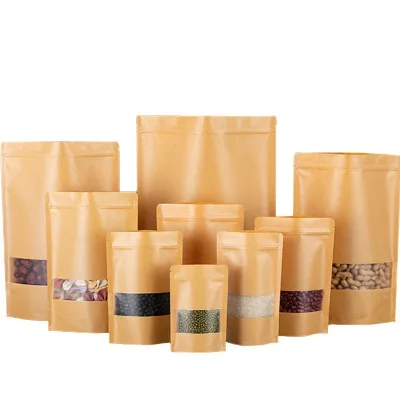
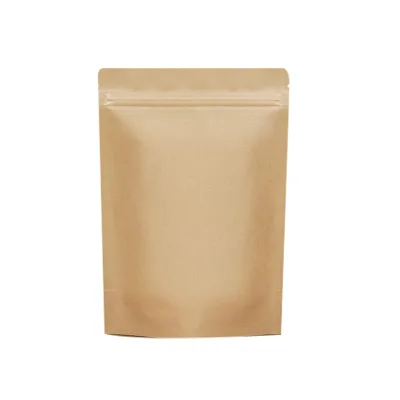
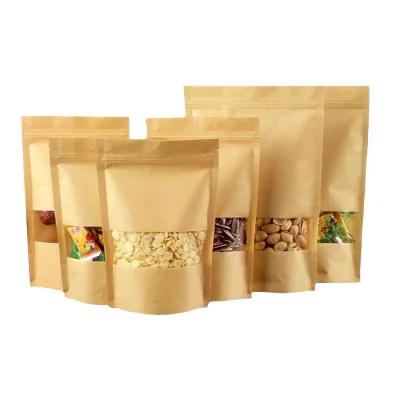
Find 31 verified suppliers offering Biodegradable Food Paper Standpouch with varying lead times, certifications, and response speeds. Compare dimensions, materials, and MOQs to source the right packaging for your needs today; review the available evidence before requesting comparable quotations from suitable candidates.
Updated
Suppliers List

Shantou Weiyi Packaging Co., Ltd.
- Verified by SGS
- Combined
- China Guangdong
- Lead time15 days
- Avg. response≤ 10h
Main productsSpout Pouch, Coffee Bag, Food Packaging Bag, Packaging Film, Stand up Pouch, Zipper Bag, Plastic Bag, Tea Bag, Aluminum Foil Bag, Packaging Bag
Main marketsSoutheast Asia/ Mideast,Domestic


Biodegradable White Kraft Paper Food Snack Coconut Stand-up Pouch with Tear Zipper
$0.02
MOQ: 20000 Pieces

Tianjin Unipack Packaging Material Co., Ltd
- Verified by BV
- Manufacturer/Factory,Group Corporation
- China Tianjin
- Lead time23 days
- Avg. response≤ 9h
Main productsAesptic Bag, Packaging Bag, Pet Bottle, Food Bag, Microwave Popcorn Bag, Bag in Box, Stand up Pouch, Food Packaging Bag, Snack Bag, Spout Bag
Main marketsSouth America,Eastern Europe,Mid East,North America,Southeast Asia,Eastern Asia,Oceania,Western Europe,Africa


Food Packaging Supplies Biodegradable Bags Kraft Paper Bag for Food
$0.035 - $0.04
MOQ: 1200000 Pieces

Beijing Honghai Packaging Co., Ltd.
- Verified by TUVRHEINLAND
- Trading Company
- China Beijing
- Lead time15 days
- Avg. response≤ 7h
Main productsCoffee Bag, Mylar Bag, Food Bag, Pet Food Bag
Main marketsEurope,Australia,North America


Food Stand up Pouch Biodegradable Versatile and Durable Packaging Food Bag
$0.01 - $0.05
MOQ: 1000 Pieces


Biodegradable Custom Printing Stand up Pouches for Food with Moisture Proof
$0.01 - $0.05
MOQ: 1000 Pieces

Eco-Friendly Biodegradable Custom Printing Ziplock Stand up Pouch for Food Bag 250g-1kg
$0.01 - $0.06
MOQ: 500 Pieces
Qingdao Fullsun Biotechnology Packaging Co., Ltd
- Verified by BV
- Combined
- China Shandong
- Lead time15 days
- Avg. response≤ 17h
Main productsBiodegradable Bag
Main marketsNorth America
Shenzhen Linlan Plastic Products Co., Ltd.
- Verified by SGS Group
- Manufacturer, Trading Company
- Lead time7 days
- Avg. response≤ 2h
Main productsFood Packaging Bags, Cosmetic Packaging Bags, Electronics Packaging Bags, Daily Life Products Packaging Bags, Gift Packaging Bags
Main marketsNorth America(30%), South America(10%), Eastern Europe(5%)

JIANGMEN MST PACKAGING GROUP LIMITED
- Verified by BV
- Trading Company
- China Guangdong
- Lead time30 days
- Avg. response≤ 2h
Main productsPackaging Bag, Box Pouch, Kraft Paper Bag, Paper Bag, Coffee Bag, Plastic Bag, Compostable Bags, Recyclable Bags, Biodegradable Bags, Spout Pouch
Main marketsEurope,Australia,North America


Custom Printed Biodegradable Food Bags Stand up Zip Lock Packaging Pouch
$0.05 - $0.25
MOQ: 10000 Pieces

Stand up Pouch Zip Lock Dried Biodegradable Kraft Paper Bag Food Packaging
$0.20 - $0.29
MOQ: 10000 Pieces


Guang Dong Asuwant Packaging Co.,Ltd
- Verified by SGS Group
- Manufacturer, Trading Company
- Lead time16 days
- Avg. response≤ 4h
Main productsChild Resistant Bag/Zip Lock Bag, Flat Bottom Bag/Food Pouch, Kraft Paper Bag, Compostable Bags, Paper Box
Main marketsNorth America(85%), Domestic Market(3%), South America(1%)

Qingdao Yunrui Plastic Industry Co., Ltd.
- Verified by BV
- Trading Company
- China Shandong
- Lead time30 days
- Avg. response≤ 6h
Main productsPlastic Bag, Vacuum Bag, Self Standing and Self Sealing Bag, Liquid Bag, Coffee Bag, Aluminum Foil Bag, Kraft Paper Bag, Aluminum Plated Bag, Retort Pouch, Eight Sided Sealing Bag
Main marketsSoutheast Asia/ Mideast,East Asia(Japan/ South Korea),Europe,Australia,North America

Kraft Paper Food Packaging Biodegradable Yellow Kraft Paper Stand up Pouch
$0.005 - $0.20
MOQ: 100000 Pieces

Food Grade Biodegradable Mylar Bags Plastic Kraft Paper Bag Stand up Pouch
$0.005 - $0.20
MOQ: 100000 Pieces


Customized Biodegradable Compostable Soft Goods Packaging Bag Kraft Paper Pouch for Food
$0.005 - $0.20
MOQ: 100000 Pieces

Factory Custom Low MOQ Biodegradable Food Packaging White Kraft Paper Stand up Zipper Pouch
$0.005 - $0.20
MOQ: 100000 Pieces

- Manufacturer, Trading Company
- Lead time旺季: "1 - 20000":15,"> 20000":"To be negotiated", 淡季: "1 - 20000":15,"> 20000":"To be negotiated"
- Avg. response≤ 4h
Main productsPlastic Packaging Bag, Kraft Paper Packaging Bag, Spout Pouch, Mylar Bag, Food Packaging Bag

Wenzhou Qiangsen Import and Export Co., Ltd.
- Verified by BV
- Trading Company
- China Zhejiang
- Lead time30 days
- Avg. response≤ 4h
Main productsFood Container, Cornstarch Cutlery, Paper Plate, Salad Bowl, Paper Bag, Bamboo Stick, Wooden Cutlery, Greaseproof Paper, Bamboo Cutlery, Paper Cup
Main marketsSoutheast Asia/ Mideast,North America


Food Use Different Size Biodegradable Kraft Paper Bag with Flat Bottom Standable
$0.02 - $0.03
MOQ: 50000 pc
Shantou Jinping District Chuangxin Packaging Materials Firm
- Trading Company
- Guangdong, China
- Lead time0 days
- Avg. response≤ 8h
Main productsFlexible packaging,Packaging film,Packaging bags & pouches,Packaging foil,Lids
Main marketsDomestic Market(20.00%), Southeast Asia(20.00%), South America(15.00%), North America(15.00%), Africa(10.00%), Southern Europe(10.00%), Western Europe(10.00%)

Cangzhou Zhonghua Packaging Co., Ltd.
- Manufacturer, Trading Company
- Hebei, China
- Lead time15 days
- Avg. response≤ 2h
Main productsFood Vacuum Bag,Aluminum Foil Bag,Zipper Bag,Custom Printing Bag,Mylar Bag
Main marketsDomestic Market(60.00%), North America(10.00%), Oceania(5.00%), Southeast Asia(5.00%), Western Europe(5.00%), Southern Europe(5.00%), South Asia(5.00%), Eastern Europe(2.00%), Mid East(2.00%), Central America(1.00%)
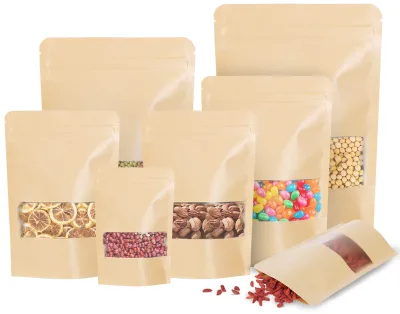
Bolsas De Papel Biodegradable Food Grade Nut Snack Packaging Zipper Bag Kraft Paper Standup Pouch
$0.01 - $0.03
MOQ: 100 pieces
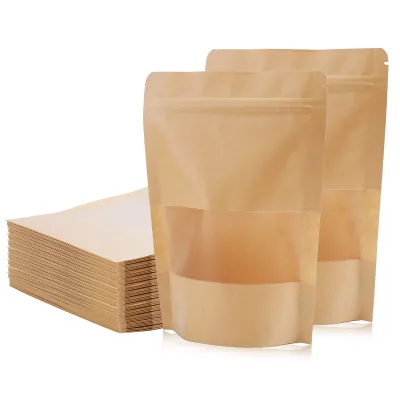
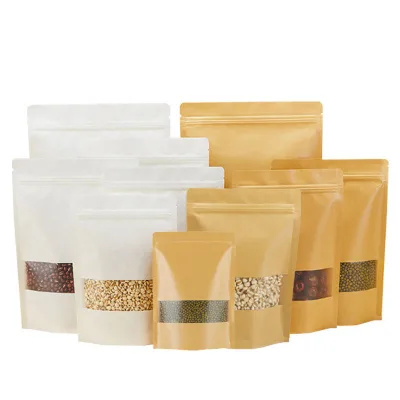
$0.01 - $0.03
MOQ: 5000 pieces
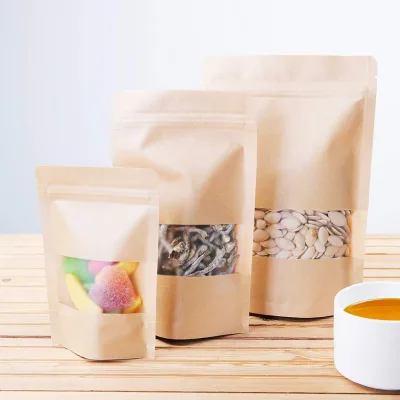
$0.15 - $0.30
MOQ: 1000 pieces

Kazuo Beiyin Paper and Plastic Packing Co., Ltd.
- Verified by CTI
- Combined
- China Hebei
- Lead time23 days
- Avg. response≤ 2h
Main productsFlexible Packaging, Stand up Pouches, Food Packaging, Coffee Packaging, Snack Packaging, Mylar Bags, Roll Film, Spouted Pouches, Flat Bottom Bags, Packaging Bags
Main marketsSouth America,Africa,Southeast Asia/ Mideast,Europe,Australia,North America

Guangdong Shunfa Colour Printing Co., Ltd.
- Verified by BV
- Combined
- China Guangdong
- Lead time15 days
- Avg. response≤ 10h
Main productsPackaging&Printing, Kraft Paper Tote Bag, Vertical Zipper Bag, Food Packaging Film Roll, Valve Zipper Bag, PE Bag
Main marketsSoutheast Asia/ Mideast,North America

Custom Printed Food Packaging Kraft Paper Compostable Biodegradable Stand up Pouch
$0.02 - $0.05
MOQ: 5000 Pieces

Kraft Paper Standup Pouch with Window and Handle Food Packaging Greaseproof Bag
$0.01 - $0.10
MOQ: 30000 Pieces

Custom Printed Food Packaging Kraft Paper Compostable Biodegradable Stand up Pouch with Window
$0.02 - $0.05
MOQ: 5000 Pieces
Shenzhen Rainbow Packaging Co., Ltd.
- Manufacturer, Trading Company
- Lead time旺季: "1 - 1000000":12,"> 1000000":"To be negotiated", 淡季: "1 - 1000000":12,"> 1000000":"To be negotiated"
- Avg. response≤ 5h
Main productsMylar Bag, Food Packaging Bag, Paper Bags, Labels, Paper Card & Box

Dongguan Fuhehu Packaging Co., Ltd
- Verified by SGS
- Trading Company,Manufacturer/Factory
- China Guangdong
- Lead time15 days
- Avg. response≤ 25h
Main productsCoffee Bag, Stand up Pouch, Flat Bottom Pouch, Mylar Pouch, Quad Seal Bag, Aluminum Foil Bag, Spout Pouch, Vacuum Bag, Food Packaging Bag, Back Seal Bag
Main marketsSouth America,Eastern Europe,Mid East,North America,Southeast Asia,Eastern Asia,Oceania,Western Europe,Africa

Custom Biodegradable Resealable Kraft Paper Ziplock Bag Food Stand up Packaging Pouch
$0.04 - $0.08
MOQ: 10000 Pieces

Custom Eco Friendly Biodegradable Kraft Paper Food Stand up Pouch with Ziplock
$0.04 - $0.08
MOQ: 10000 Pieces

Quanzhou Ibody Imp.&Exp. Co., Ltd.
- Verified by CTI
- Manufacturer/Factory
- China Fujian
- Lead time23 days
- Avg. response≤ 2h
Main productsGift Paper Bag, Gift Paper Box, Art Paper Bag, Kraft Paper Bag, White Cardboard Box, Nonwoven Bag, Cotton Bag, Ziplock Paper Bag, Paper Bowl, Paper Box
Main marketsEastern Europe,Mid East,North America,Eastern Asia,Oceania,Western Europe


Recyclable Resealable Ziplock Food Kraft Paper Stand up Flat Pouches Packaging
$0.015 - $0.025
MOQ: 10000 Pieces

MOLIA PACKAGING (QINGDAO) CO., LTD.
- Verified by BV
- Combined
- China Shandong
- Lead time23 days
- Avg. response≤ 6h
Main productsFood Packaging
Main marketsAfrica,Europe,North America

Degradable Compostable PLA Paper Bag Biodegradable Stand up Kraft Paper Pouch
$0.01 - $0.50
MOQ: 5000 Pieces


Eco Friendly Kraft Stand up Resealable Pouches Food Packaging Kraft Paper Bags
$0.15 - $0.40
MOQ: 500 Pieces

Shenzhen Huachuaf Technology Co., Ltd.
- Manufacturer, Trading Company
- Lead time旺季: "1 - 100000":15,"> 100000":"To be negotiated", 淡季: "1 - 100000":15,"> 100000":"To be negotiated"
- Avg. response≤ 3h
Main productsPlastic Packaging Bag, Mylar Bag, Die-cut Bag, Stand Up Pouch, Paper Box
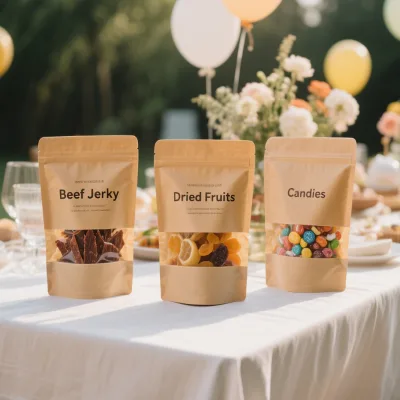
$0.0103 - $0.0924
MOQ: 500 pieces
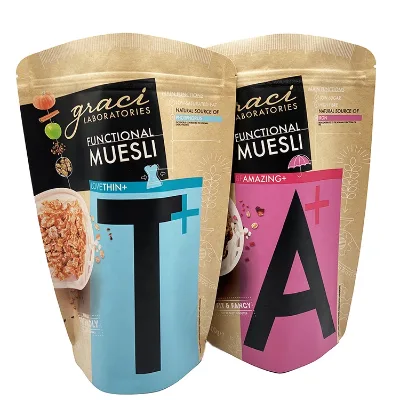
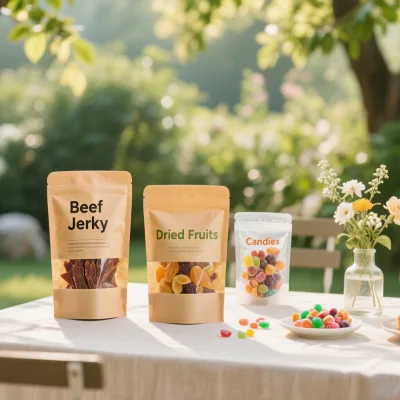
$0.0105 - $0.0946
MOQ: 500 pieces
Zhongshan Ald Import And Export Co., Ltd.
- Trading Company
- Guangdong, China
- Lead time7 days
- Avg. response≤ 8h
Main productscompostable bag,biodegradable film,Packaging bags,printing,customized bag
Main marketsDomestic Market(50.00%), North America(10.00%), South America(5.00%), South Asia(5.00%), Northern Europe(5.00%), Western Europe(5.00%), Mid East(5.00%), Oceania(5.00%), Southeast Asia(5.00%), Eastern Europe(5.00%)
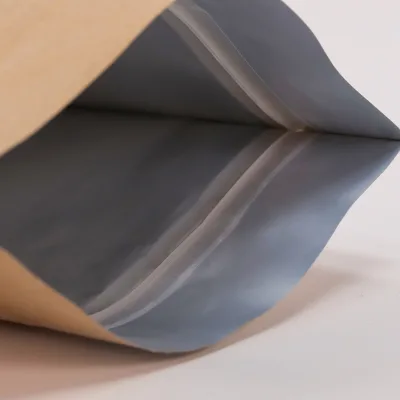
Custom Printed Biodegradable Stand-Up Pouch with Zipper and Valve for Food Storage and Display
$0.1036 - $0.5187
MOQ: 1000 units
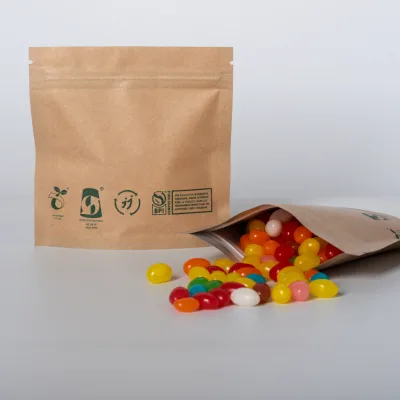
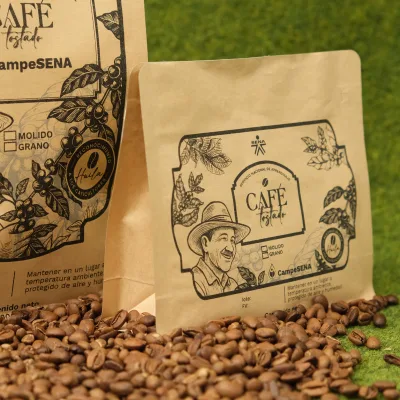
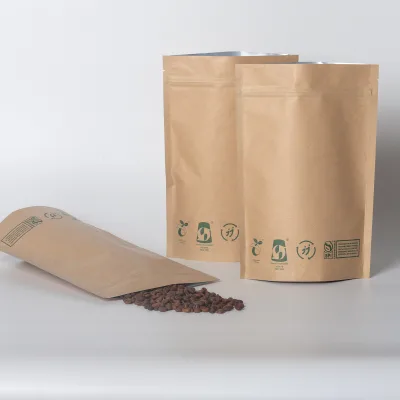
Custom Printed Stand-Up Pouch Kraft Paper with Valve for Food for Storage and Display
$0.1027 - $0.5142
MOQ: 1 units
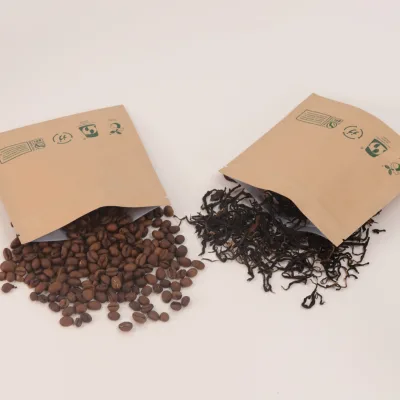

Dongguang Runyang International Trading Co., Ltd.
- Verified by SGS
- Trading Company
- China Hebei
- Lead time30 days
- Avg. response≤ 1h
Main productsCarton Machine, Plastic Packaging Bag, Packaging Machinery, Corrugated Cardboard Production Line, Cardboard Printer Slotter Die Cutter Machine, Carton Folder Gluer Stitcher Machine, Cardboard Fluter / Film Laminating Machine, Corrugated Machinery, Hardboard Production Line, Corrugated Carton Production Line
Main marketsNorth America

Tianjin Xiezuo Trading Co., Ltd.
- Verified by SGS
- Trading Company
- China Tianjin
- Lead time15 days
- Avg. response≤ 6h
Main productsPaper and Plastic Packaging
Main marketsNorth America
Chaozhou Chaoan District Bosheng Packaging Co., Ltd.
- Manufacturer, Trading Company
- Guangdong, China
- Lead time15 days
- Avg. response≤ 2h
Main productsPackaging Bag
Main marketsDomestic Market(40.00%), North America(25.00%), Southeast Asia(20.00%), Eastern Europe(15.00%)
Hebei Silu International Trade Co., Ltd.
- Trading Company
- Hebei, China
- Lead time10 days
- Avg. response≤ 3h
Main productsplastic packing bag
Main marketsEastern Europe(20.00%), South Asia(10.00%), Western Europe(10.00%), Eastern Asia(10.00%), Mid East(10.00%), Africa(10.00%), Southeast Asia(10.00%), North America(10.00%), South America(10.00%)
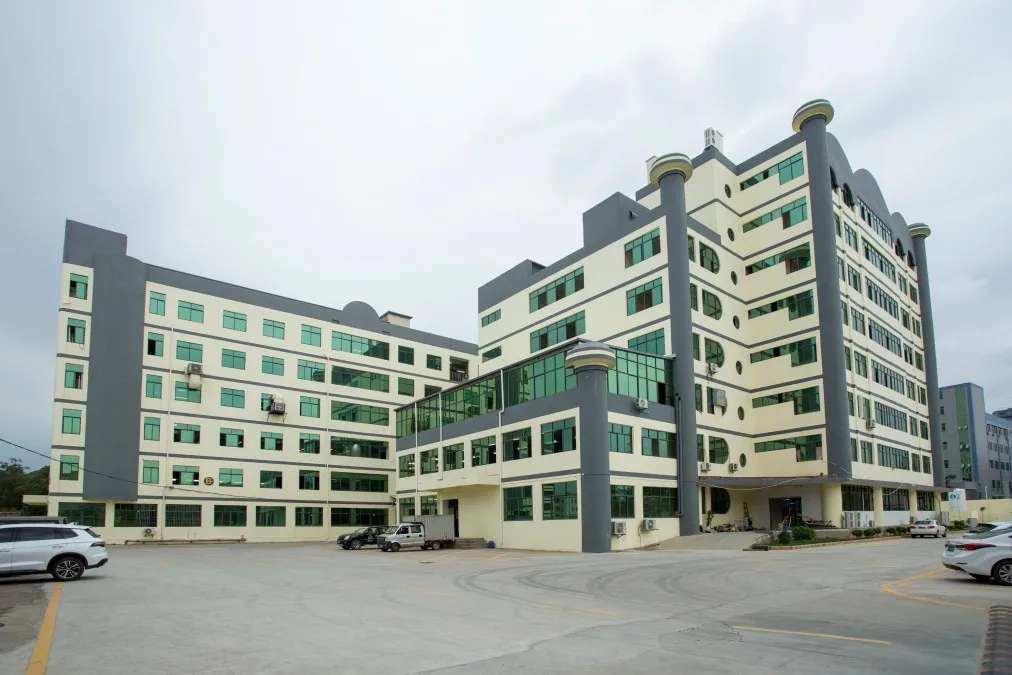
Dongguan High Join Packaging Co., Ltd.
- Manufacturer, Trading Company
- Guangdong, China
- Lead time20 days
- Avg. response≤ 2h
Main productsbreastmilk storage bag,microwave sterilizer bag,baby food pouch,milk powder storagebag,retort pouch
Main marketsDomestic Market(56.00%), North America(12.00%), Western Europe(6.00%), Eastern Europe(5.00%), South America(4.00%), Southeast Asia(4.00%), Mid East(4.00%), South Asia(3.00%), Africa(2.00%), Southern Europe(2.00%), Northern Europe(2.00%)
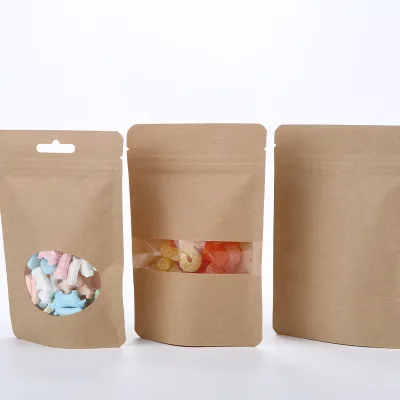
$0.8604 - $0.8709
MOQ: 5000 pieces

GUANGZHOU RICHER IMPORT AND EXPORT TRADE CO.,LTD.
- Verified by SGS
- Trading Company,Manufacturer/Factory
- China Guangdong
- Lead time45 days
- Avg. response≤ 6h
Main productsWhite Cigarette Rolling Paper, Machine Glazed Paper, Typewriter Paper, Mf Bleached Acid Free Tissue Paper, Food Packing Paper, Kraft Paper, Carbonless Base Paper
Main marketsSouth America,Eastern Europe,Mid East,North America,Southeast Asia,Eastern Asia,Oceania,Western Europe,Africa

- Verified by TUVRHEINLAND
- Combined
- China Fujian
- Lead time23 days
- Avg. response≤ 5h
Main productsSpout Pouch, Packaging Film, Chicken Bag, Stand up Pouch, Zipper Bag, Laminate Film, Vacuum Bag, Aluminum Bag, Pet Food Packaging, Quad Pouch
Main marketsSoutheast Asia/ Mideast,Europe,Australia
Shenzhen Qiancheng Packaging Co., Ltd.
- Manufacturer, Trading Company, Buying Office
- Guangdong, China
- Lead time15 days
- Avg. response≤ 2h
Main productsStand Up Pouch,Food Package Bag,Paper Box,Display Box,Label Sticker
Main marketsNorth America(70.00%), Oceania(10.00%), Southern Europe(5.00%), Northern Europe(5.00%), Western Europe(5.00%), Eastern Europe(5.00%)
Zhejiang Jiahe Printing Co., Ltd.
- Verified by SGS Group
- Manufacturer, Trading Company
- Lead time30 days
- Avg. response≤ 2h
Main productsFood Package
Main marketsDomestic Market(70%), Southeast Asia(10%), North America(5%)
Guangzhou Ben En Packaging Co., Ltd.
- Verified by TüVRheinland
- Manufacturer, Trading Company
- Lead time20 days
- Avg. response≤ 4h
Main productsCoffee Bag, Food Bag, Spout Bag, Child Resistant Bag, Biodegradable Bag
Main marketsEastern Europe(32%), South America(18%), Eastern Asia(12%)
Chaozhou Baina Printing Co., Ltd.
- Manufacturer, Trading Company
- Guangdong, China
- Lead time15 days
- Avg. response≤ 6h
Main productsPackaging Bag
Main marketsDomestic Market(45.00%), Southeast Asia(20.00%), South America(15.00%), North America(5.00%), Western Europe(5.00%), Mid East(3.00%), Southern Europe(2.00%), Northern Europe(2.00%), Eastern Asia(2.00%), South Asia(1.00%)


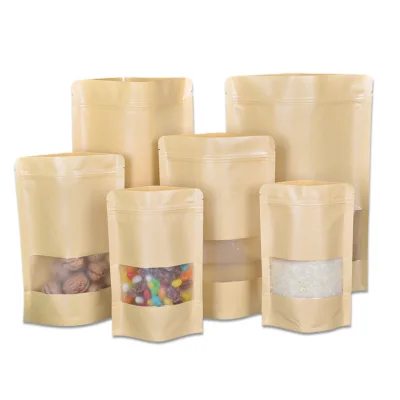
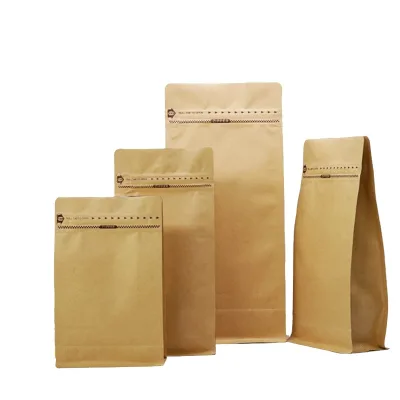
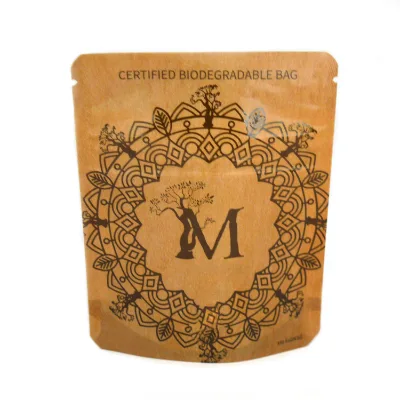
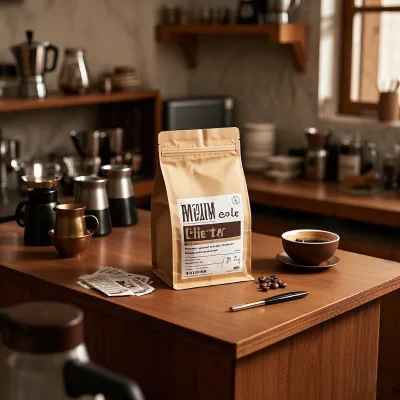
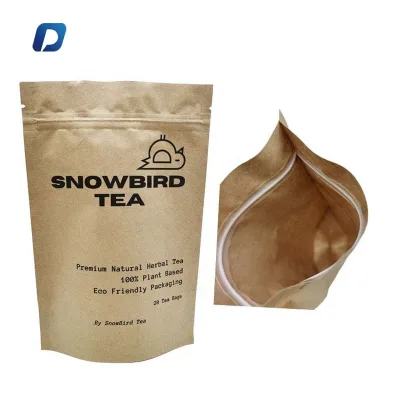
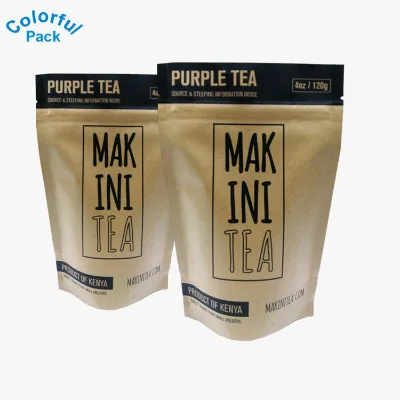
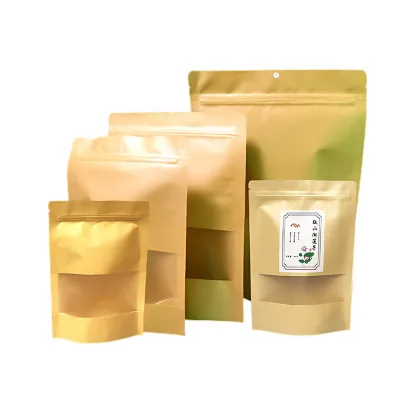
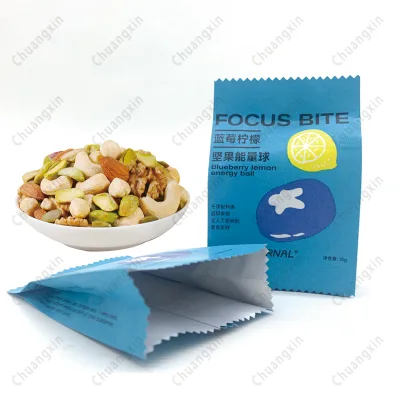






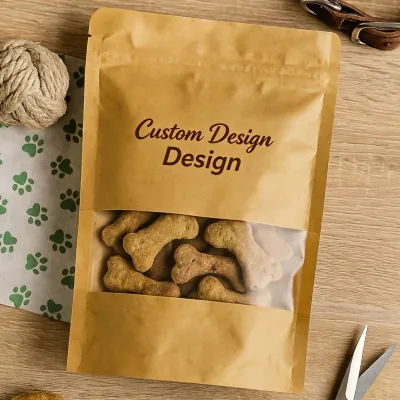
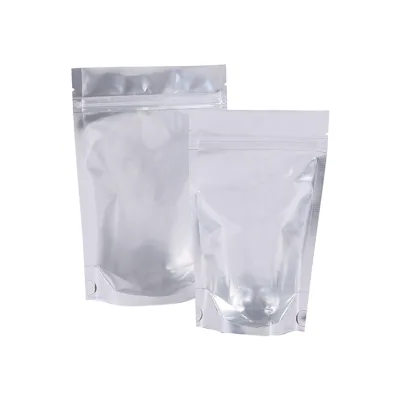
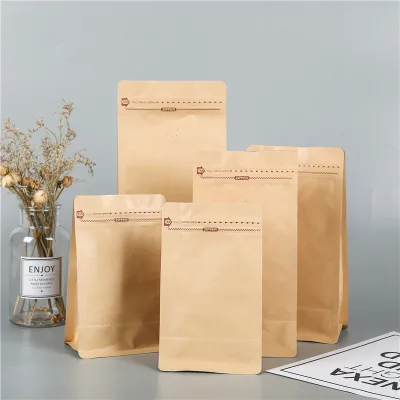
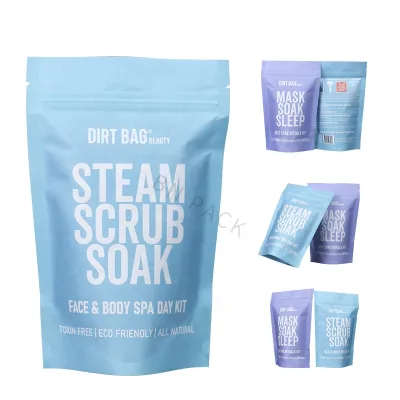
Comprehensive Sourcing Guide
Biodegradable Food Paper Standpouch Supplier Concentration and Factory Types
The current supplier landscape for biodegradable food paper standpouches reveals a distinct geographic concentration within China, specifically highlighting manufacturing hubs in Guangdong, Tianjin, and Beijing. These locations serve as primary clusters for producers offering a wide array of packaging solutions, including spout pouches, coffee bags, and various food packaging films. Buyers evaluating these regions should note that Guangdong-based entities often present as combined company types, suggesting a blend of manufacturing capabilities and trading operations. This structural diversity allows for flexible engagement models, where buyers might interact directly with production lines or through intermediaries who manage logistics and quality control. The presence of suppliers in Tianjin and Beijing further diversifies the sourcing options, with some entities operating as manufacturer factories or group corporations, while others function primarily as trading companies. Understanding this distribution helps buyers align their procurement strategy with the specific operational strengths of each regional cluster, ensuring that the chosen supplier’s location supports their logistical and communication needs effectively.
Within these clusters, the company types vary significantly, ranging from pure manufacturers to trading companies and combined entities. Guangdong suppliers often list main products that include stand-up pouches, zipper bags, and aluminum foil bags, indicating a broad production capacity. In contrast, Tianjin-based suppliers may emphasize certifications such as ISO 9000, BRC, and HACCP, reflecting a focus on standardized quality management systems. Beijing-based suppliers, often identified as trading companies, may offer different product focuses, such as coffee bags and mylar bags, potentially leveraging their location for easier access to international markets or specific client networks. This variation in company type and product focus means that buyers must carefully assess whether they require direct factory access for cost efficiency or the flexibility of a trading company for smaller, more diverse orders. The distinction between these types directly impacts the buyer’s ability to customize products, negotiate prices, and manage supply chain risks, making it a critical factor in the initial supplier selection process.
How to Verify Biodegradable Food Paper Standpouch Suppliers
Verification is a critical step in ensuring the reliability and capability of Biodegradable Food Paper Standpouch suppliers, particularly when dealing with international trade. Buyers should prioritize suppliers who have undergone third-party verification processes, as indicated by badges such as SGS, BV, or TÜV Rheinland. These verifications provide an additional layer of confidence regarding the supplier’s business legitimacy and operational standards. For instance, some suppliers in the current results are verified by SGS, while others hold BV or TÜV Rheinland certifications. This external validation helps mitigate the risk of engaging with fraudulent or non-compliant entities. Buyers should actively look for these verification badges on supplier profiles and understand that while verification is a strong positive indicator, it does not replace the need for thorough due diligence. It is essential to cross-reference these verification claims with other available data points, such as company registration details and historical performance metrics, to build a comprehensive view of the supplier’s credibility.
Beyond basic verification, buyers should assess the specific certifications and standards held by the supplier, which are particularly important for food packaging applications. Some suppliers display certifications such as ISO 9000, ISO 14000, ISO 22000, BRC, and HACCP, which are crucial for ensuring food safety and environmental compliance. These certifications indicate that the supplier has implemented robust quality management systems and adheres to international standards for food packaging production. Buyers should request copies of these certificates and verify their validity and scope. Additionally, the presence of specific product attributes, such as biodegradability claims or material specifications like paper or plastic, should be scrutinized. Buyers must ensure that the supplier’s claims about biodegradability are supported by relevant test results or certifications, as this is a key selling point for many end consumers. By combining third-party verification with a detailed review of certifications and product specifications, buyers can significantly reduce the risk of sourcing non-compliant or low-quality packaging materials.
What to Compare Across Biodegradable Food Paper Standpouch Suppliers
When evaluating multiple suppliers for biodegradable food paper standpouches, buyers must compare several key dimensions to identify the most suitable partner for their specific needs. One critical factor is the minimum order quantity (MOQ), which can vary significantly across suppliers. For example, some suppliers may have an MOQ of 5,000 units, while others might require 20,000 or even 50,000 units. This variation can impact the buyer’s inventory management and cash flow, especially for smaller businesses or those testing new markets. Buyers should also consider the price range, which in some cases is listed as low as $0.01 to $0.04 per unit, depending on the product specifications and order volume. Comparing these costs against the MOQ helps buyers determine the total investment required for their initial orders. Additionally, the response time of the supplier is an important metric, with some suppliers showing response times as low as 6.48 hours, indicating a high level of customer service and operational efficiency.
Another crucial aspect to compare is the lead time and production capacity. Suppliers may have lead times ranging from 15 to 23 days, which can affect the buyer’s ability to meet market demand and manage stock levels. Buyers should also assess the supplier’s capacity for customization, including options for OEM, ODM, and own brand development. Some suppliers offer custom printing, size acceptance, and various material options, such as paper or plastic, which can be tailored to specific product requirements. The main products offered by each supplier should also be compared to ensure alignment with the buyer’s needs. For instance, some suppliers specialize in stand-up pouches and zipper bags, while others focus on coffee bags or mylar bags. By systematically comparing these factors, buyers can create a weighted scoring system to objectively evaluate suppliers and select the one that best balances cost, quality, and service. This structured approach ensures that the final decision is based on comprehensive data rather than subjective impressions.
Common Biodegradable Food Paper Standpouch Sourcing Risks
Sourcing biodegradable food paper standpouches from international suppliers introduces several risks that buyers must proactively manage to ensure a smooth procurement process. One significant risk is the potential discrepancy between the supplier’s claims and the actual product quality, particularly regarding biodegradability. Buyers must be cautious of suppliers who make vague or unsubstantiated claims about their products being biodegradable without providing supporting documentation or certifications. This can lead to regulatory issues in the buyer’s home market, where strict standards for biodegradable materials may apply. Additionally, the material composition of the standpouches, whether paper, plastic, or a composite, must be clearly defined and verified. Some products may list materials like BOPP, CPP, or VMPET, which may not align with the buyer’s expectations for a purely paper-based biodegradable product. Buyers should request detailed material specifications and test reports to ensure that the products meet their specific environmental and functional requirements.
Another common risk is the variability in supplier reliability and communication. While some suppliers demonstrate quick response times and transparent operations, others may be less responsive or provide incomplete information. This can lead to delays in order processing, production, and shipping, impacting the buyer’s supply chain. Furthermore, the lack of standardized pricing and MOQs across suppliers can create confusion and make it difficult to compare offers accurately. Buyers should also be aware of the potential for hidden costs, such as shipping, customs duties, and inspection fees, which can significantly increase the total cost of ownership. To mitigate these risks, buyers should establish clear communication channels, request detailed quotations that include all costs, and conduct regular quality checks during production. Building a strong relationship with the supplier through regular interactions and clear expectations can also help reduce the likelihood of misunderstandings and disputes. By anticipating these risks and implementing robust mitigation strategies, buyers can protect their interests and ensure a successful sourcing experience.
Biodegradable Food Paper Standpouch Regional Sourcing and Logistics
The geographic location of suppliers plays a pivotal role in determining the logistics and shipping costs associated with biodegradable food paper standpouches. Suppliers located in China, particularly in regions like Guangdong, Tianjin, and Beijing, offer distinct logistical advantages and challenges. Guangdong, being a major manufacturing hub, often provides access to a wide range of suppliers and efficient port facilities, which can facilitate faster shipping times to various international destinations. However, buyers must also consider the specific port of loading and the distance to their final destination, as these factors directly impact transit times and freight costs. Tianjin, located in northern China, may offer different shipping routes and potential cost advantages for buyers in specific regions, while Beijing, as a capital city, may have different logistical considerations, such as stricter environmental regulations or higher operational costs. Understanding these regional nuances helps buyers optimize their supply chain and select suppliers that align with their logistical preferences.
Logistics planning also involves coordinating with freight forwarders and understanding the various shipping options available, such as sea freight, air freight, or express courier services. Sea freight is typically the most cost-effective option for large volumes, but it comes with longer transit times, which can affect inventory management. Air freight, while faster, is significantly more expensive and is usually reserved for urgent or high-value orders. Buyers should also consider the packaging and handling requirements of the standpouches, as improper handling can lead to damage during transit. Some suppliers offer carton box packaging, which provides additional protection, but buyers should verify the packaging standards and ensure they meet their specific needs. Additionally, buyers should be aware of any import regulations or documentation requirements in their home country, such as customs declarations or certificates of origin, which can affect the clearance process. By carefully planning the logistics and selecting suppliers with compatible shipping capabilities, buyers can minimize delays and ensure the timely delivery of their orders.
Biodegradable Food Paper Standpouch Commercial Terms and Order Planning
Effective order planning for biodegradable food paper standpouches requires a thorough understanding of the commercial terms offered by suppliers, including payment methods, delivery schedules, and after-sales support. Buyers should negotiate clear payment terms, such as a deposit followed by the balance upon shipment or completion of production, to manage cash flow and mitigate financial risk. It is also essential to define the delivery schedule explicitly, including the lead time from order confirmation to shipment, and to establish penalties for delays if applicable. Some suppliers may offer flexible payment options or escrow services, which can provide an additional layer of security for both parties. Buyers should also inquire about the supplier’s return and refund policies in case of quality issues or non-conformance to specifications. Understanding these commercial terms helps buyers structure their orders in a way that aligns with their financial capabilities and risk tolerance.
Order planning should also take into account the supplier’s production capacity and the buyer’s forecasted demand. Buyers should communicate their volume requirements clearly and discuss the possibility of scaling up or down based on market conditions. Some suppliers may offer volume discounts or preferential pricing for larger orders, which can be leveraged to reduce unit costs. Additionally, buyers should consider the supplier’s ability to handle custom orders, including specific sizes, designs, and branding requirements. Clear communication of these specifications is crucial to avoid misunderstandings and ensure that the final product meets the buyer’s expectations. Buyers should also plan for regular quality inspections, either through third-party agencies or by visiting the supplier’s facility, to ensure that the products meet the agreed-upon standards. By integrating these commercial and operational considerations into their order planning process, buyers can build a resilient and efficient supply chain that supports their business growth and customer satisfaction.
FAQs
What is the typical lead time for biodegradable food paper standpouches?
Manufacturers in China generally require 15 to 23 days to produce and ship orders. This timeframe depends on the specific supplier location and current production capacity. Buyers should confirm exact dates during negotiation to ensure timely delivery for their inventory needs.
What are the minimum order quantities for these packaging bags?
Minimum order quantities vary significantly by supplier, ranging from 5,000 to 1,200,000 units. Some factories accept lower volumes for standard items, while others require large bulk orders. Buyers must check specific product listings to determine the applicable MOQ for their purchase volume.
Are these biodegradable pouches suitable for food packaging applications?
Yes, many suppliers offer products specifically designed for food-grade industrial use. Materials include kraft paper and biodegradable plastics that meet safety standards. Buyers should verify certifications like ISO 22000 or HACCP to ensure the packaging complies with local food safety regulations.
What customization options are available for these stand-up pouches?
Suppliers typically offer full customization including custom sizes, logos, and printing colors. Options range from basic designs to complex eight-color printing. Buyers can request specific dimensions and materials to match their brand identity and product requirements effectively.
How quickly do suppliers respond to sourcing inquiries?
Response times generally range from 6.48 to 9.30 hours. Faster responses often indicate higher engagement levels from trading companies or active manufacturers. Buyers should expect replies within a day and follow up promptly to secure quotes and samples.
What certifications do these packaging suppliers hold?
Certifications vary by supplier, with some holding ISO 9000, BRC, ISO 14000, ISO 22000, and HACCP. Others may have third-party verifications like SGS or BV. Buyers should request valid certificates to ensure quality management and environmental compliance standards are met.