ASTM Child Resistant Pill Bottle Suppliers and Manufacturers
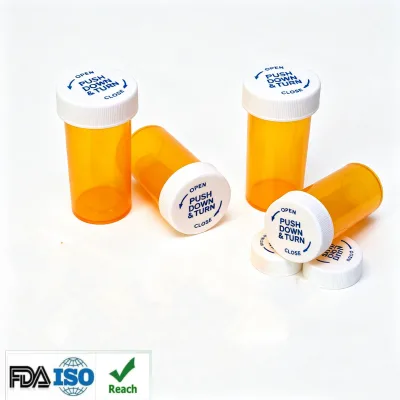
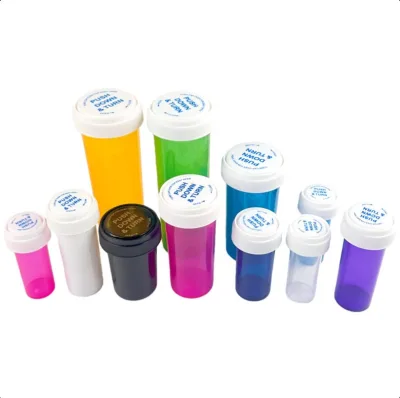
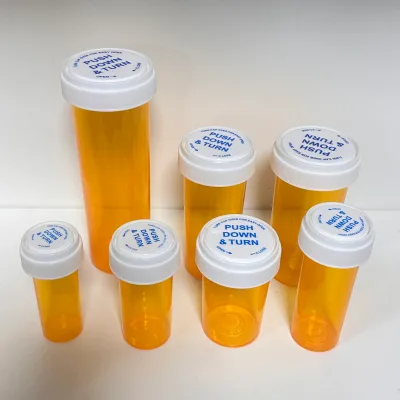
Compare 27 verified suppliers offering ASTM Child Resistant Pill Bottle options from China with varying lead times, certifications, and MOQs. Review product specs like HDPE material and child-resistant caps to select a factory for your needs; review the available evidence before requesting comparable quotations from suitable candidates.
Updated
Suppliers List

Hubei Mingda Plastics Products Co., Ltd.
- Verified by BV
- Manufacturer/Factory
- China Hubei
- Lead time23 days
- Avg. response≤ 11h
Main productsHDPE Bottle, Pet Bottle, Plastic Bottle/Container/Packaging, Pills Bottle, Tablets Bottle, Capsules Bottle, Powder Protein Jar, Food Bottle, Food Container, PCR Plastic Container
Main marketsSouth America,Eastern Europe,Mid East,North America,Southeast Asia,Eastern Asia,Oceania,Western Europe,Africa
Hebei Lingka Trading Co., Ltd.
- Trading Company
- Hebei, China
- Lead time10 days
- Avg. response≤ 3h
Main productsPET Preform,Plastic Bottle,Glass Bottle,Cosmetic Jar,Aluminum Cans
Main marketsSouth America(20.00%), North America(20.00%), Eastern Asia(10.00%), Eastern Europe(10.00%), Central America(8.00%), Western Europe(6.00%), Africa(5.00%), Oceania(5.00%), Southeast Asia(5.00%), Mid East(5.00%), Northern Europe(3.00%), Southern Europe(2.00%), South Asia(1.00%)
Guangzhou Yiwei New Material Co., Ltd
- Trading Company
- guangdong, China
- Lead time10 days
- Avg. response≤ 1h
Main productsplastic bottle,plastic jar,plastic cup,plastic soft tube,plastic packaging
Main marketsNorth America(50.00%), Mid East(40.00%), Western Europe(30.00%), Oceania(30.00%), Northern Europe(30.00%), Eastern Europe(30.00%), South Asia(20.00%), Southern Europe(20.00%), Southeast Asia(20.00%), Africa(10.00%), Eastern Asia(10.00%), Central America(10.00%), South America(10.00%), Domestic Market(5.00%)

Advantrio Packaging (Shandong) LLC
- Verified by TUVRHEINLAND
- Trading Company
- China Shandong
- Lead time23 days
- Avg. response≤ 3h
Main productsPlastic Bottles, Plastic Caps, Glass Bottles, Glass Vials, Droppers, Perfume Glass Bottles, Food Glass Jars, Juice Bottles, Medicine Bottles, PET Bottles
Main marketsSouth America,North America,Southeast Asia

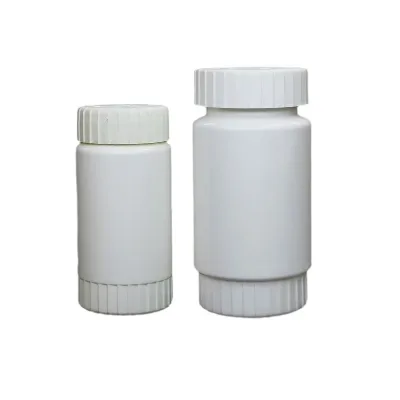
100cc White Plastic Pill Bottles for Medicine with White Child Resistant Plastic Cap
$0.1187 - $0.1343
MOQ: 10000 Pieces

520ml HDPE Bottle Child Proof Cap Pill Bottle Packaging Medicine Pharmaceutical Pill Bottles
$0.21 - $0.2178
MOQ: 10000 Pieces

225ml HDPE Bottle Child Proof Cap Pill Bottle Packaging Medicine Pharmaceutical Pill Bottles
$0.1209 - $0.1287
MOQ: 10000 Pieces


Empty 625cc Brown PET Pill Bottles for Medicine with Child Resistant Plastic Cap
$0.2603 - $0.2757
MOQ: 10000 Pieces


NOVA PACKAGING TECHNOLOGY(SHANDONG) Co., LTD
- Verified by CTI
- Manufacturer/Factory
- China Shandong
- Lead time45 days
- Avg. response≤ 4h
Main productsPerfume Bottle, Glass Bottle, Dropper Bottle, Essential Oil Bottle, Perfume Cap, Custom Perfume Bottle, Perfume Pump Sprayer, Car Perfume Bottle, Diffuser Bottle, Mini Perfume Bottle
Main marketsSouth America,Eastern Europe,Mid East,North America,Southeast Asia,Eastern Asia,Oceania,Western Europe,Africa

$0.05 - $0.07
MOQ: 500 Pieces


$0.19 - $0.26
MOQ: 500 Pieces


Taizhou Huangyan Chengyue Commodity Co., Ltd.
- Verified by SGS Group
- Manufacturer, Trading Company
- Lead time30 days
- Avg. response≤ 2h
Main productsPlastic Bottle And Vials
Main marketsNorth America(95%), Domestic Market(3%), Mid East(2%)
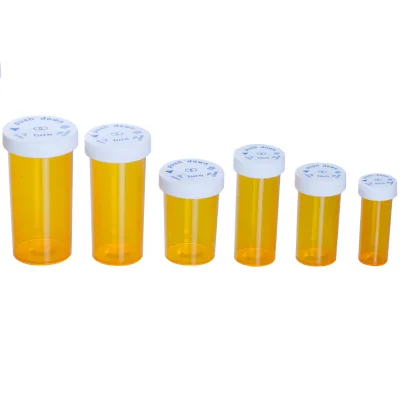
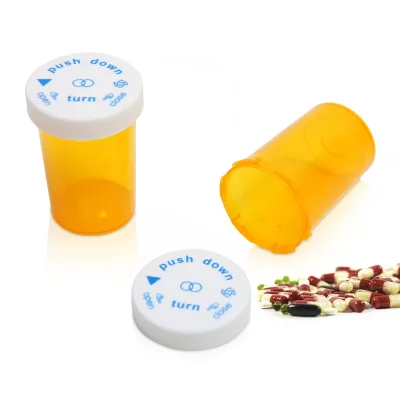
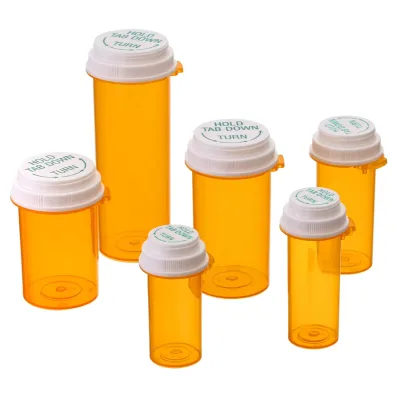
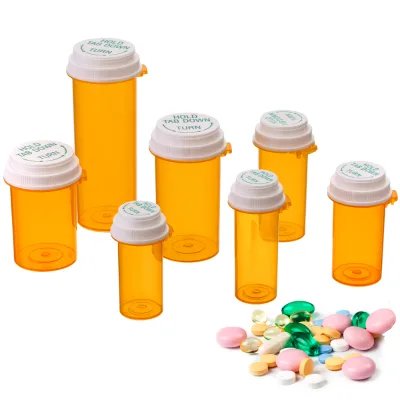
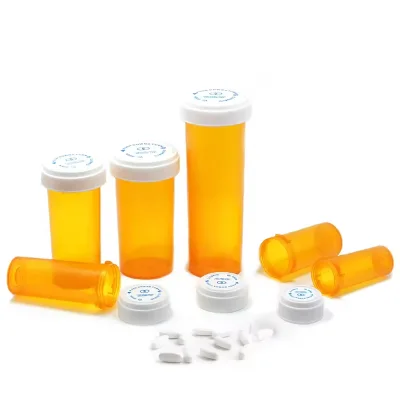
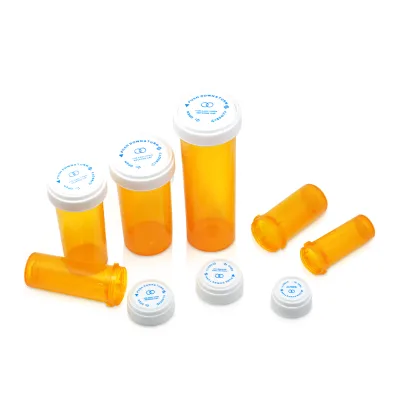
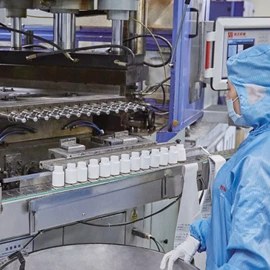
Plastic clear Mini Pill Child Proof Child Resistant Vial Container 50ml
$12.80 - $13.96
MOQ: 100 cartons
Foshan Qianfeng Industry Co., Ltd.
- Manufacturer
- Guangdong, China
- Lead time25 days
- Avg. response≤ 1h
Main productsplastic bottles,plastic containers,pill packer bottles,medical plastic bottles,pharmaceutical Plastic bottle
Main marketsDomestic Market(70.00%), Oceania(20.00%), North America(10.00%)

Anhui Avantis Packaging Technology Co., Ltd.
- Verified by CTI
- Trading Company
- China Anhui
- Lead time23 days
- Avg. response≤ 5h
Main productsGlass Bottle, Glass Container, Rolling Tray, Mylar Bag, Rolling Cone Tube, Plastic Joint Tubes, Glass Tube, Hinged Cap Vials, Child-Resistant Packaging, Sitz Bath
Main marketsSouth America,Africa,Southeast Asia/ Mideast,Europe,Australia,North America

Medicine Packing Pill Bottle Plastic Reversible Vials Pill Bottles DRAM Vials with a Child Resistant
$0.08 - $0.20
MOQ: 1000 Pieces


Cangzhou Weikang Package Co., Ltd.
- Verified by BV
- Trading Company
- China Hebei
- Lead time15 days
- Avg. response≤ 3h
Main productsPlastic Bottle, Spray Bottle, Medicine Bottle, Pill Bottle, Test Cassette, Capsule Bottle, Supplement Bottle, Hand Snitizer Bottle, Glass Bottle
Main marketsSouth America,Africa,Southeast Asia/ Mideast,East Asia(Japan/ South Korea),Domestic,Europe,Australia,North America


$0.01 - $0.05
MOQ: 10000 Pieces
Guangzhou Best Packaging Products Co., Ltd.
- Manufacturer, Trading Company
- Guangdong, China
- Lead time0 days
- Avg. response≤ 7h
Main productsglass bottle,glass jar,plastic bottle,plastic jar,child proof packaging
Main marketsNorth America(20.00%), South America(15.00%), Central America(10.00%), Eastern Europe(10.00%), Domestic Market(5.00%), South Asia(5.00%), Southern Europe(5.00%), Northern Europe(5.00%), Southeast Asia(5.00%), Western Europe(5.00%), Eastern Asia(5.00%), Mid East(5.00%), Africa(5.00%)
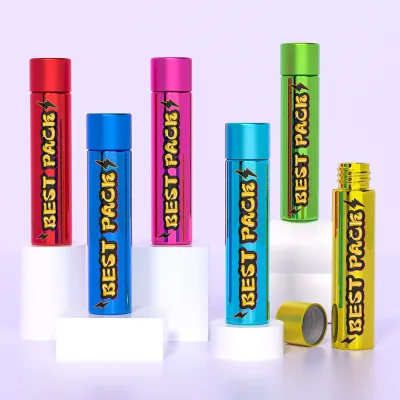
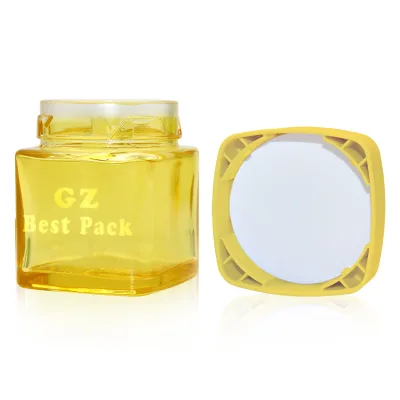
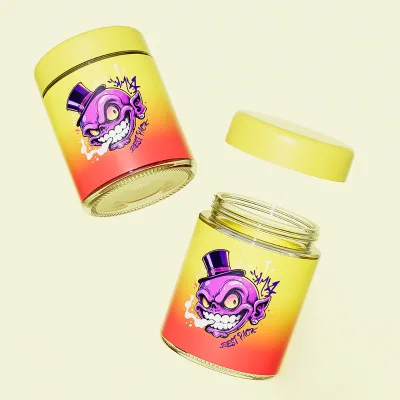
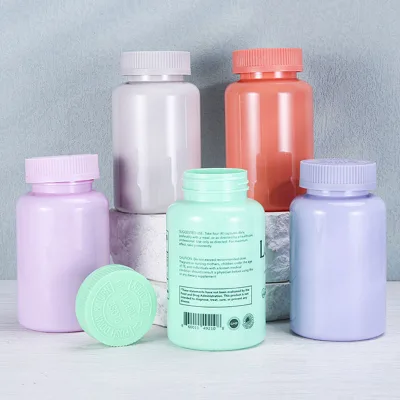
150cc 100ml Empty Child Resistant pink Vitamin Pill Bottle for Sale with Pet Plastic
$0.20 - $0.30
MOQ: 5000 Minimum
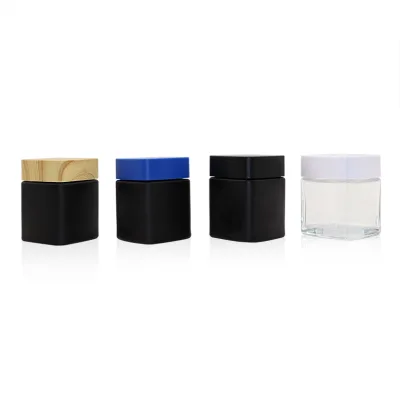
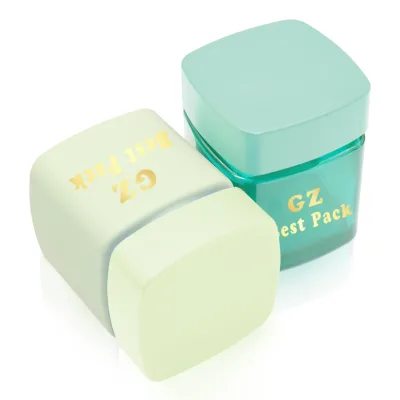
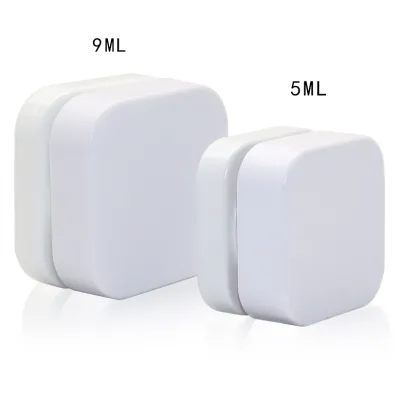
70g 110ml 220ml 2oz 4oz Child-Resistant Glass Jars PET Base Pill Container with Color 250ml Capacity
$0.1035 - $0.3118
MOQ: 10000 Minimum

Wuhan Carma Technology Co., Ltd.
- Trading Company
- Hubei, China
- Lead time30 days
- Avg. response≤ 1h
Main productsEmpty Capsules,Empty Vegetable Capsule,Capsule Bottles,Pharma Machines,Capsule counting machine
Main marketsWestern Europe(27.00%), North America(22.00%), Eastern Europe(16.00%), Northern Europe(12.00%), Oceania(6.00%), South America(6.00%), Southern Europe(5.00%), Mid East(2.00%), Eastern Asia(1.00%), Southeast Asia(1.00%), Central America(1.00%), Africa(1.00%)
Anhui Avantis Packaging Technology Co., Ltd.
- Manufacturer, Trading Company
- Lead time旺季: "1 - 10000":15,"10001 - 50000":20,"50001 - 100000":25,"> 100000":"To be negotiated", 淡季: "1 - 10000":15,"10001 - 50000":20,"50001 - 100000":25,"> 100000":"To be negotiated"
- Avg. response≤ 3h
Main productsPlastic Bottle,Glass Jar,Plastic Bag,Tin Box,Paper Bag
- Trading Company
- Hubei, China
- Lead time25 days
- Avg. response≤ 2h
Main productsJuice Bottles,Food Containers,Medication Bottles,Sauce Squeeze Bottles,Cosmetic Package Bottles
Main marketsCentral America(20.00%), Mid East(10.00%), Domestic Market(10.00%), Africa(10.00%), Southeast Asia(10.00%), South Asia(10.00%), South America(10.00%), North America(5.00%), Oceania(5.00%), Eastern Europe(5.00%), Eastern Asia(2.00%), Northern Europe(2.00%), Western Europe(1.00%)
Yuyao Guchang Plastic Products Co., Ltd.
- Manufacturer
- Zhejiang, China
- Lead time0 days
- Avg. response≤ 4h
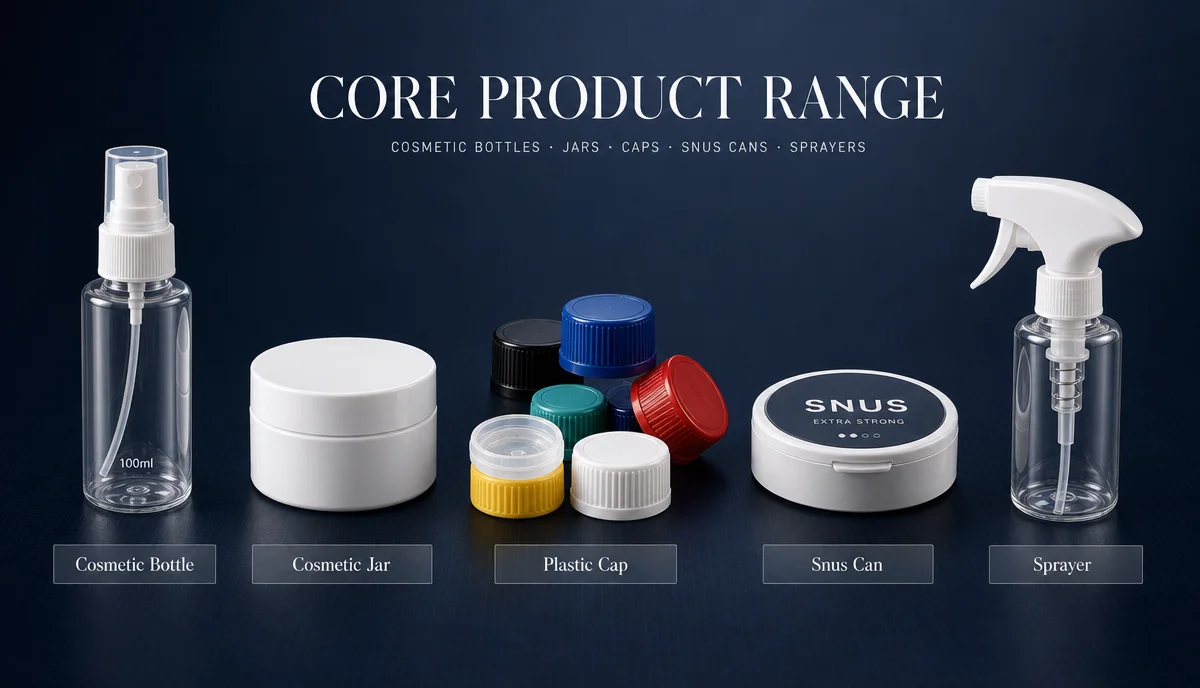
Main productsplastic vials,bottle&jar,sprayer,cap,snus can
Main marketsNorth America(50.00%), Mid East(10.00%), Oceania(10.00%), Northern Europe(10.00%), Eastern Europe(10.00%), South America(10.00%), Southern Europe(5.00%), Western Europe(5.00%)
Anhui Avantis Packaging Technology Co., Ltd.
- Manufacturer, Trading Company
- Lead time旺季: "1 - 50000":10,"50001 - 100000":14,"> 100000":"To be negotiated", 淡季: "1 - 50000":10,"50001 - 100000":14,"> 100000":"To be negotiated"
- Avg. response≤ 4h
Main productsplastic jars,glass jars
Tiantai Biolife Plastic Co., Ltd.
- Manufacturer, Trading Company
- Zhejiang, China
- Lead time15 days
- Avg. response≤ 11h
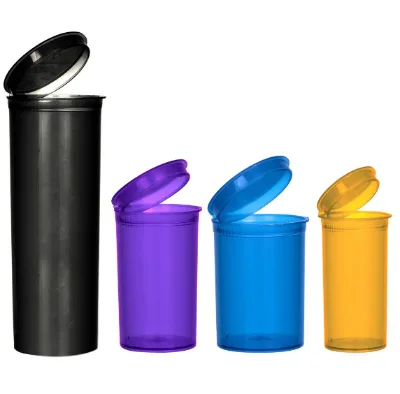
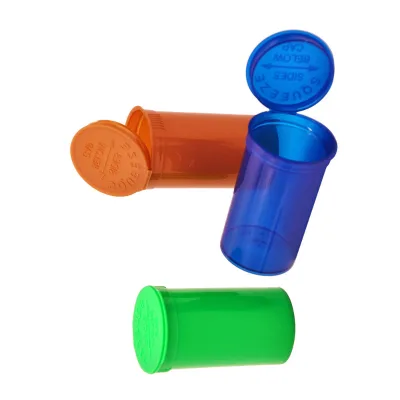
Main productsSharp Container,Specimen Container,Pop Top Vial,Reversible Vial,Plastic Tube
Main marketsNorth America(55.00%), Mid East(30.00%), South America(10.00%), Domestic Market(5.00%)
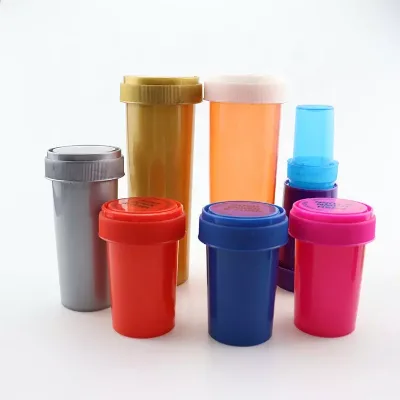
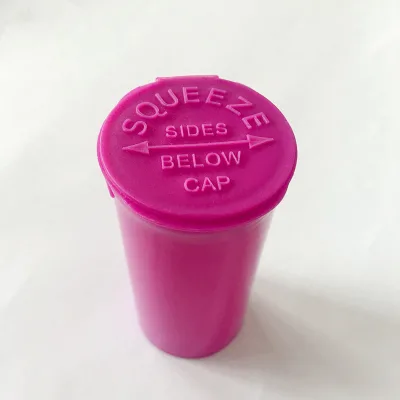
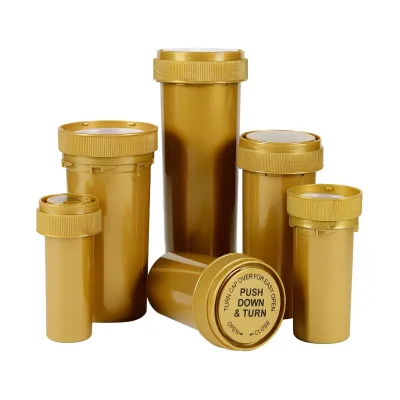
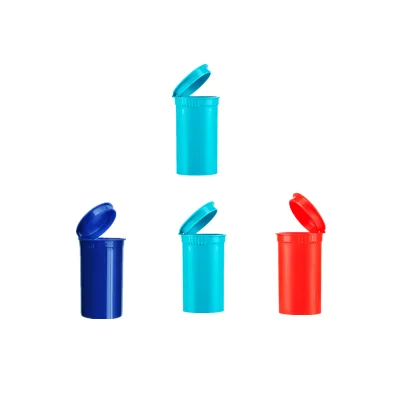
Child-Resistant Reversible RX Pharmacy Vials Plastic Pill Bottles for Convenient Dispensing
$0.03
MOQ: 10000 Minimum

SHANTOU DAFU PLASTIC PRODUCTS FACTORY CO., LTD.
- Combined
- China Guangdong
- Lead time15 days
- Avg. response≤ 8h
Main productsPlastic Container, Plastic Container for Pharmaceuticals, Plastic Bottle, Plastic Bottle for Healthcare Products, Plastic Bottle for Pharmaceuticals, Plastic Container for Healthcare Products, Plastic Caps, Plastic Lids, Plastic Medicinal Conainer, Plastic Medicinal Bottle
Main marketsSoutheast Asia/ Mideast,Europe,North America
Qingdao Kush Packaging Co., Ltd.
- Trading Company
- Shandong, China
- Lead time25 days
- Avg. response≤ 2h
Main productsGlass Jars,PET Jars,Mylar Bags,Paper Boxes,Tins
Main marketsNorth America(40.00%), Western Europe(10.00%), Africa(10.00%), Oceania(5.00%), Southern Europe(5.00%), South America(5.00%), Northern Europe(5.00%), Southeast Asia(4.00%), South Asia(4.00%), Eastern Asia(4.00%), Central America(3.00%), Mid East(3.00%), Eastern Europe(2.00%)

Xiamen Atom Packing Solutions Company Limitted
- Manufacturer, Trading Company
- Fujian, China
- Lead time5 days
- Avg. response≤ 2h
Main productsPlastic Bottle,Packaging Labels,Aluminium Metal Can,Lids For Bottles,Plastic jars
Main marketsDomestic Market(70.00%), Western Europe(6.00%), Southeast Asia(5.00%), Eastern Europe(5.00%), Eastern Asia(3.00%), Africa(3.00%), Oceania(2.00%), South America(2.00%), North America(2.00%), Mid East(1.00%), South Asia(1.00%)

Wuhan Yipai Packaging Co., Ltd.
- Trading Company
- Hubei, China
- Lead time18 days
- Avg. response≤ 6h
Main productsPlastic bottles,Plastic jars,Glass bottles,Glass jars,Plastic lids/closures
Main marketsNorth America(40.00%), South America(25.00%), Mid East(15.00%), Western Europe(10.00%), Central America(5.00%), Oceania(5.00%)
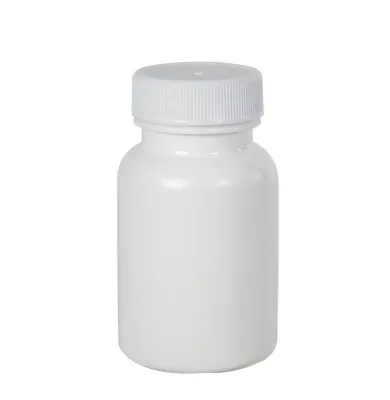
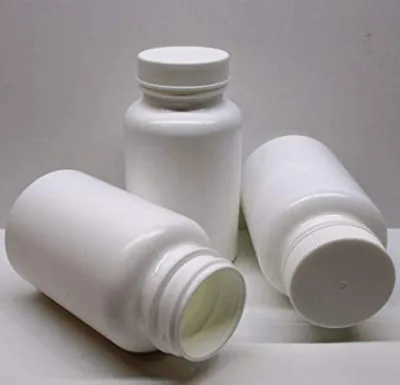
$0.14 - $0.16
MOQ: 20000 pieces
- Manufacturer, Trading Company
- Lead time旺季: "1 - 100000":31,"> 100000":"To be negotiated", 淡季: "1 - 100000":31,"> 100000":"To be negotiated"
- Avg. response≤ 2h
Main productsPlastic Bottle, Plastic Jar, PET Bottle, PET Jar, Plastic Container
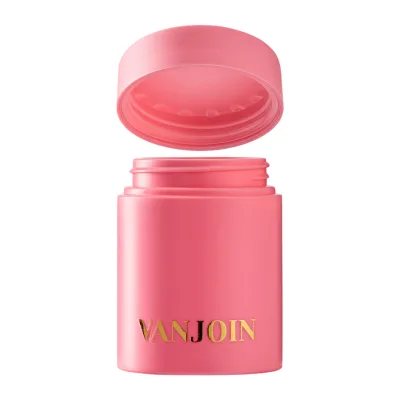
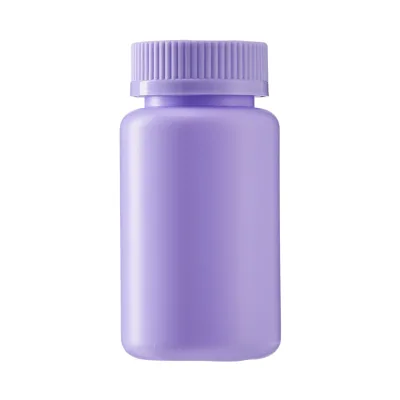
$0.1559 - $0.2069
MOQ: 10000 pieces
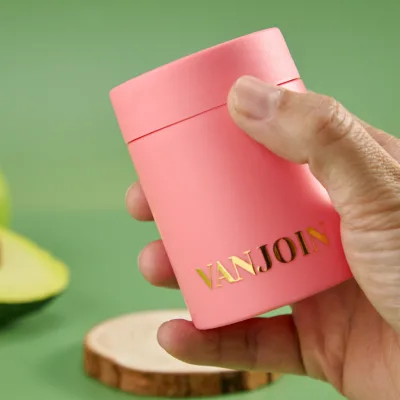
Guizhou Changrong Jiahe Technology Co., Ltd.
- Trading Company
- Guizhou, China
- Lead time20 days
- Avg. response≤ 4h
Main productsbottle,luggage,school bag,crystal craft,cosmetic
Main marketsEastern Europe(20.00%), North America(20.00%), Domestic Market(10.00%), Southern Europe(10.00%), Northern Europe(10.00%), Mid East(10.00%), Africa(10.00%), South America(10.00%)
Nanning Yuebo Packaging Solutions Co., Ltd.
- Verified by Intertek
- Trading Company
- Lead time30 days
- Avg. response≤ 2h
Main productsGlass Bottle, Glass Jar, Perfume Bottle, Medicine Bottle, Cosmetic Bottle
Main marketsNorth America(20%), Southeast Asia(20%), South America(8%)
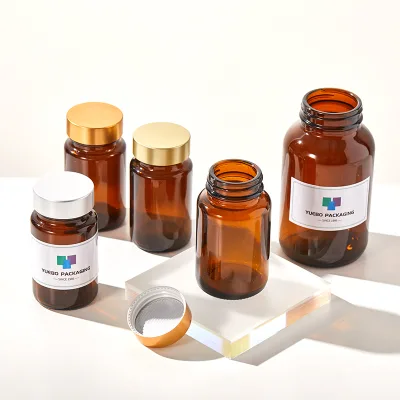
30 cc pill bottle glass empty pill bottle packaging glass pill bottles with child safety cap
$0.10 - $0.21
MOQ: 5000 pieces
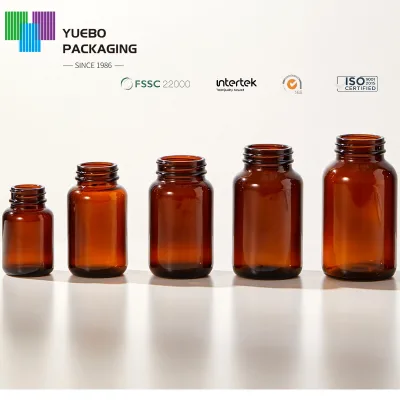
150ml pill supplement bottle frost glass pill bottle custom bottles for pills and seal
$0.13 - $0.21
MOQ: 5000 pieces
Shijiazhuang Fujiu Packing Products Co., Ltd.
- Trading Company
- Hebei, China
- Lead time0 days
- Avg. response≤ 3h
Main productsGlass bottle,Plastic bottle,Cosmetic bottle,Paper box,Shrink film
Main marketsNorth America(40.00%), Eastern Europe(30.00%), Domestic Market(10.00%), South America(5.00%), Southeast Asia(5.00%), Central America(3.00%), Western Europe(2.00%), Northern Europe(2.00%), Africa(1.00%), Mid East(1.00%), Oceania(1.00%)
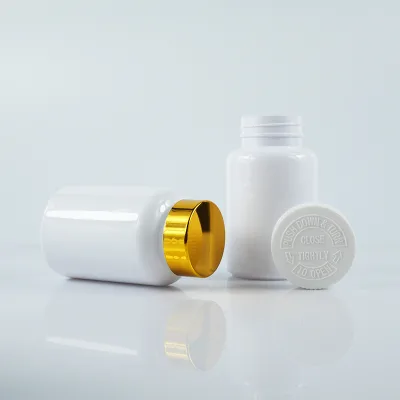
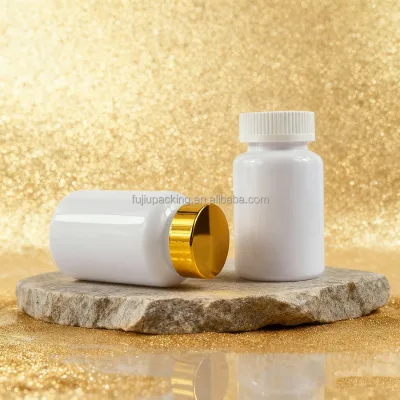
$0.0367 - $0.3253
MOQ: 1000 Minimum
Shijiazhuang Baotou Import And Export Trade Co., Ltd.
- Trading Company
- Hebei, China
- Lead time5 days
- Avg. response≤ 2h
Main productsplastic Bottle,glass Bottle,cream jar,sticker,Paper Box
Main marketsNorth America(50.00%), Oceania(15.00%), South America(10.00%), Eastern Asia(5.00%), South Asia(5.00%), Southeast Asia(5.00%), Northern Europe(2.00%), Western Europe(2.00%), Eastern Europe(2.00%), Southern Europe(2.00%), Africa(1.00%), Mid East(1.00%)

Xuzhou Huajing Glass Products Co., Ltd.
- Verified by BV
- Combined
- China Jiangsu
- Lead time23 days
- Avg. response≤ 8h
Main productsGlass Bottle, Glass Jar, Water Bottle, Perfume Bottle, Mason Jars, Candle Jar, Plastic Bottles, Lids Bottle Caps Closures, Wine Bottle, Juice Bottle
Main marketsSouth America,Africa,Southeast Asia/ Mideast,East Asia(Japan/ South Korea),Domestic,Europe,Australia,North America


$0.199 - $0.231
MOQ: 5000 Pieces

Ningbo Pack Imp. & Exp. Co., Ltd.
- Verified by SGS
- Trading Company,Manufacturer/Factory
- China Zhejiang
- Lead time30 days
- Avg. response≤ 9h
Main productsAluminum Jar, Aluminum Bottle, Tin Box, Glass Dropper Bottle, Glass Tube, Paper Box, Paper Tube, Plastic Pop Top Tube, Plastic Bottle, Silicone Gummy Mold
Main marketsSouth America,Eastern Europe,Mid East,North America,Southeast Asia,Eastern Asia,Oceania,Western Europe,Africa






Comprehensive Sourcing Guide
ASTM Child Resistant Pill Bottle Supplier Concentration and Factory Types
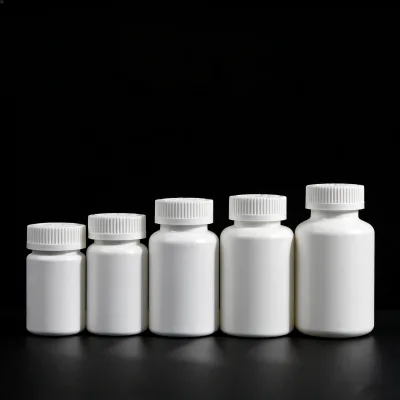
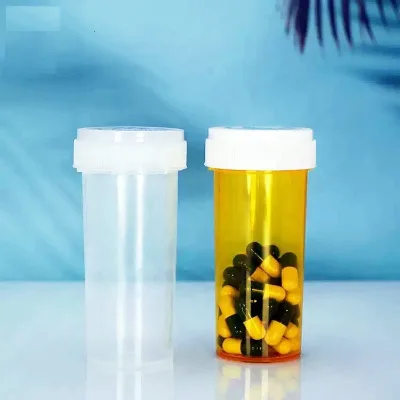
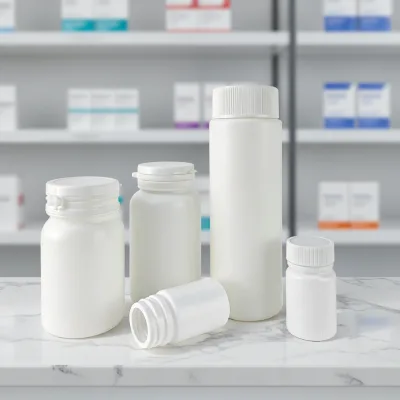
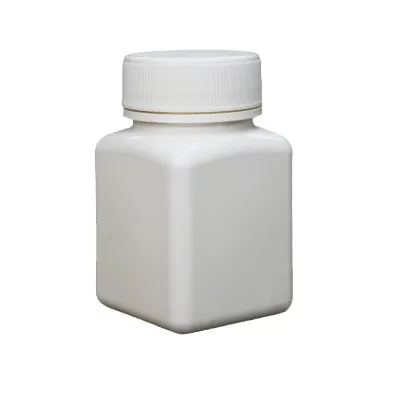
The current supplier landscape for child-resistant pill bottles reveals a distinct concentration of manufacturing capabilities within specific Chinese provinces, primarily Hubei and Hebei. Suppliers located in Hubei are predominantly identified as manufacturers or factories, indicating a direct production source for high-volume orders. These entities often specialize in a broad range of plastic packaging solutions, including HDPE bottles, PET containers, and specialized pharmaceutical packaging. The presence of established factory types in this region suggests a mature supply chain infrastructure capable of handling complex molding and assembly processes required for child-resistant closures. Buyers seeking direct factory engagement will find these Hubei-based entities particularly relevant, as they offer OEM and ODM services alongside their own brand offerings. This concentration allows for efficient sourcing of standardized components while still permitting customization for specific brand requirements.
In contrast, suppliers located in Hebei and Guangdong present a different operational profile, with some identified as trading companies rather than direct manufacturers. Trading companies in Hebei often facilitate access to a wider variety of plastic packaging products, including PET preforms, glass bottles, and cosmetic jars, in addition to pill bottles. This structure can be advantageous for buyers who require a consolidated supplier for multiple packaging types or who need flexible order quantities that may not meet the minimum thresholds of large factories. The distinction between factory and trading company is critical for understanding the supply chain dynamics. Factories typically offer deeper control over production quality and material sourcing, while trading companies may provide greater logistical flexibility and a broader product catalog. Understanding this split helps buyers align their sourcing strategy with their specific needs for volume, customization, and product diversity.
How to Verify ASTM Child Resistant Pill Bottle Suppliers
Verifying the legitimacy and capability of suppliers requires a multi-layered approach that goes beyond basic company profiles. One of the most immediate indicators of supplier reliability is the verification status provided by third-party inspection agencies. For instance, some suppliers in the current results display BV verification, which signifies that an independent body has audited their business operations and facilities. This verification adds a layer of trust regarding the company’s legal existence and operational capacity. Buyers should prioritize suppliers with such verified badges, as it reduces the risk of engaging with fraudulent entities. Additionally, the response time metric offers insight into the supplier’s operational efficiency. A response time of approximately ten hours or less, as seen with some manufacturers, suggests a responsive sales team capable of addressing inquiries promptly. This responsiveness is crucial for negotiating technical specifications and resolving issues during the sourcing process.
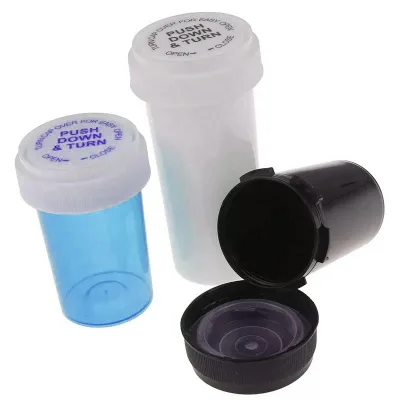
Certifications and system standards are equally vital for verifying compliance with international safety and quality benchmarks. Suppliers in the Hubei region often hold a suite of certifications including ISO 9001, ISO 14001, OHSAS 18001, and HACCP. These certifications indicate adherence to quality management, environmental protection, occupational health and safety, and food safety standards, respectively. For child-resistant bottles, the presence of ISO and SGS certifications is particularly relevant, as it suggests the supplier’s processes are aligned with international quality expectations. Buyers should request copies of these certificates and verify their validity through the issuing bodies. Furthermore, product-specific attributes such as material composition (HDPE or PET) and closure types (CRC or PLC) should be cross-referenced with the supplier’s stated capabilities. Ensuring that the supplier explicitly lists these features in their product descriptions confirms their technical proficiency in manufacturing child-resistant packaging.
What to Compare Across ASTM Child Resistant Pill Bottle Suppliers
When evaluating multiple suppliers, comparing key operational metrics is essential for determining the best fit for your procurement needs. Lead time is a critical factor, with some suppliers indicating a production lead time of around twenty-three days, while others may offer faster turnaround times. This variation can significantly impact your inventory planning and ability to meet market demand. Buyers should align their order schedules with the supplier’s stated lead times to avoid stockouts or excess inventory. Similarly, the Minimum Order Quantity (MOQ) varies widely across the supplier base. Some manufacturers require MOQs of ten thousand sets or more, which is suitable for large-scale distribution. In contrast, other suppliers, particularly trading companies, may offer lower MOQs of five hundred units, catering to smaller businesses or trial orders. Understanding these thresholds helps buyers determine which suppliers can accommodate their current volume requirements without incurring unnecessary costs.
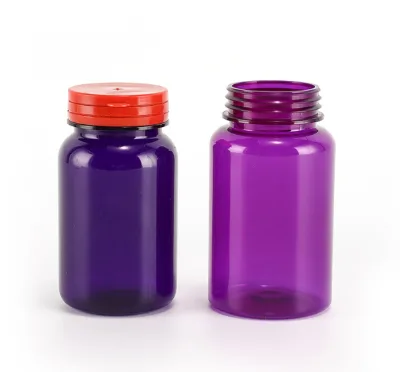
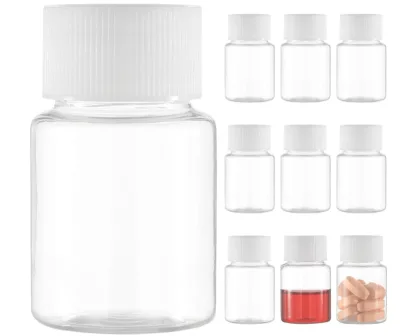
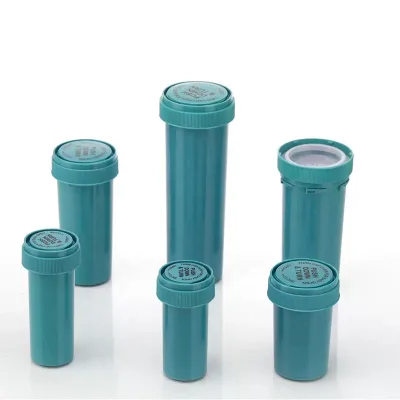
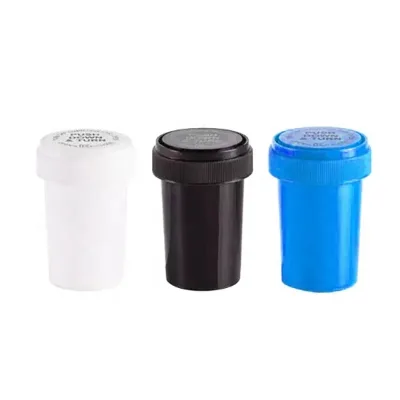
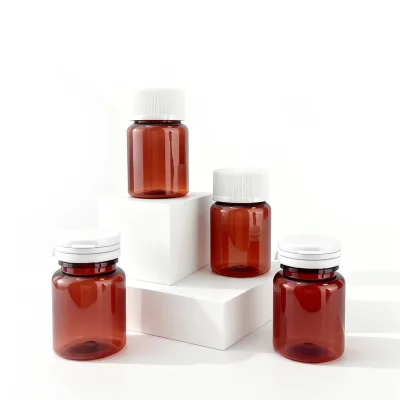
Product specifications and pricing structures also require careful comparison. The material used for the bottles, whether HDPE or PET, affects both the cost and the suitability for specific products. HDPE bottles are often preferred for their durability and chemical resistance, while PET bottles may offer better clarity. Buyers should compare the unit prices, which can range from approximately $0.08 to $0.40 per bottle, depending on the material, size, and customization options. Additionally, features such as the inclusion of measuring cups, child-resistant caps, and custom printing services should be evaluated. Some suppliers offer free samples, which is a valuable opportunity to assess product quality before committing to a large order. By systematically comparing these attributes, buyers can identify suppliers that offer the best balance of cost, quality, and service for their specific requirements.
Common ASTM Child Resistant Pill Bottle Sourcing Risks
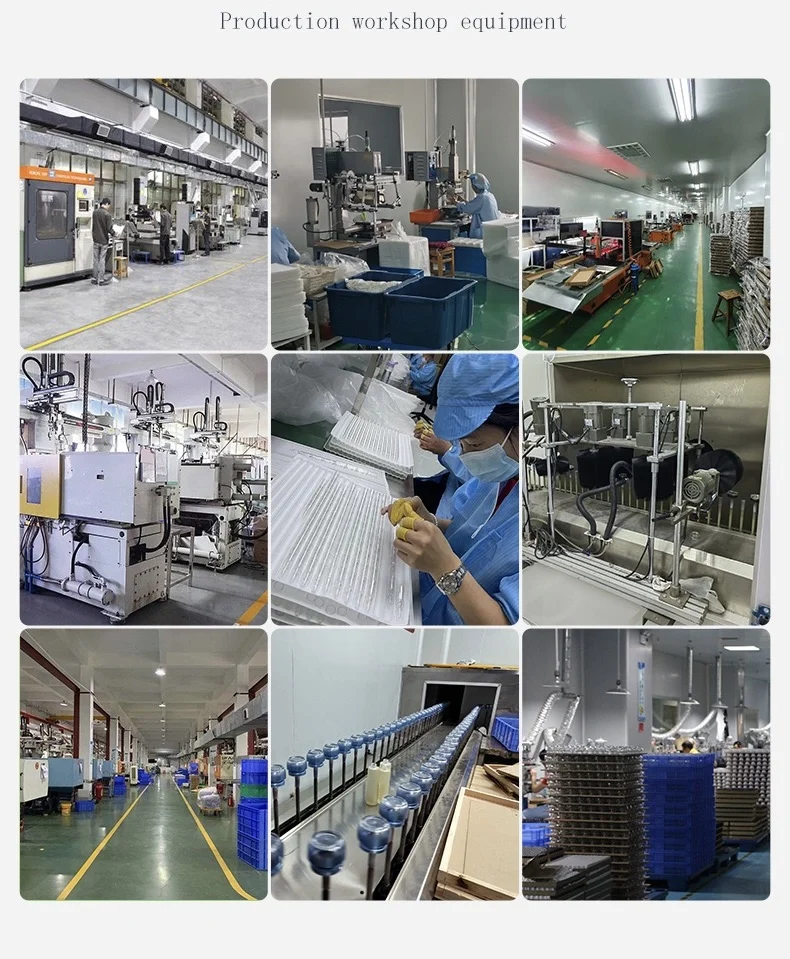
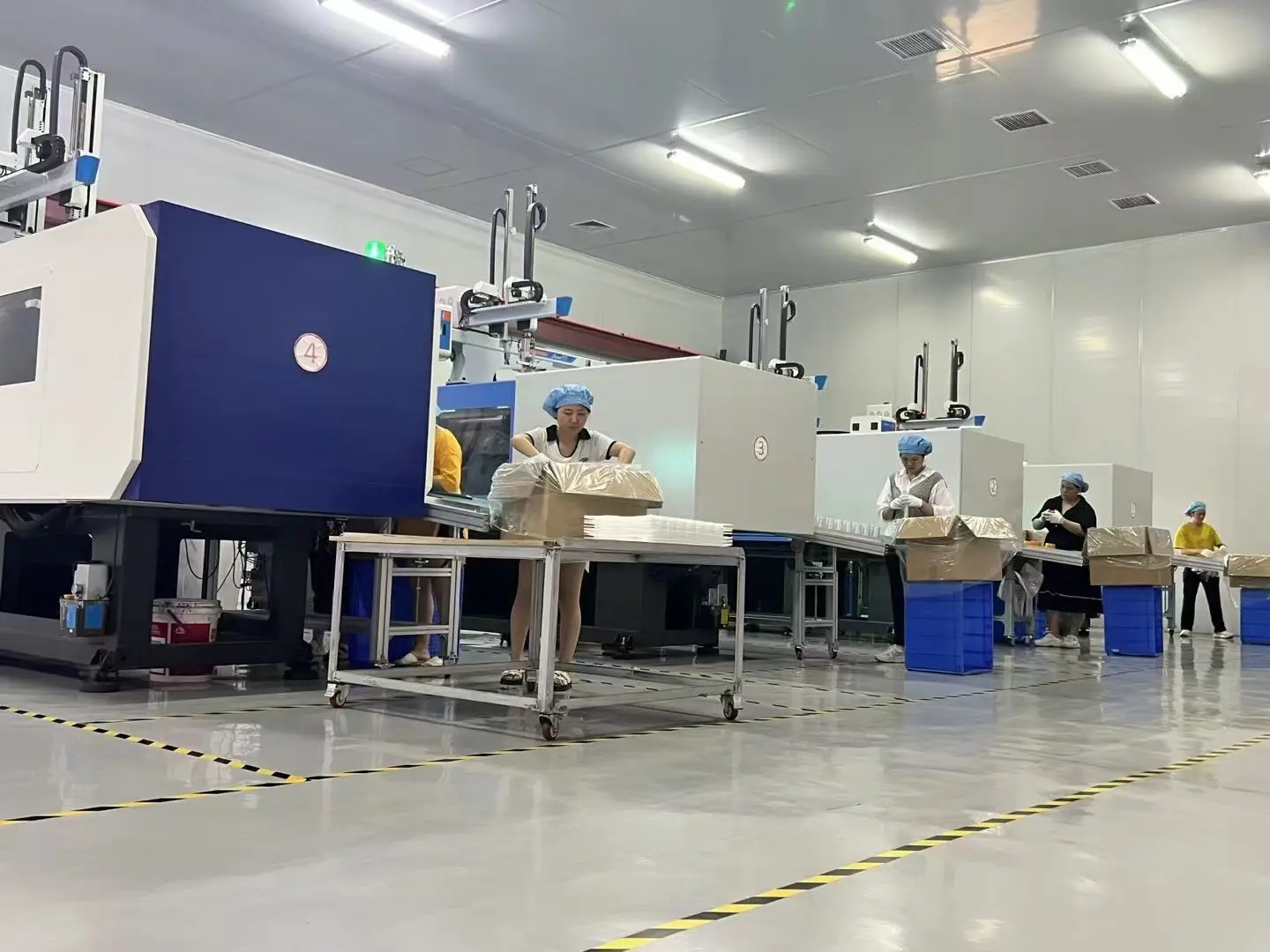
One of the primary risks in sourcing child-resistant pill bottles is the potential mismatch between claimed capabilities and actual production capacity. Buyers may encounter suppliers who advertise extensive product ranges but lack the specialized machinery required for manufacturing child-resistant closures. This discrepancy can lead to delays or quality issues if the supplier subcontracts parts of the production process without adequate oversight. To mitigate this risk, buyers should verify the supplier’s manufacturing equipment and process flow. Requesting detailed information about the molding and assembly processes can provide insight into the supplier’s technical expertise. Additionally, the risk of material inconsistency is significant, as the performance of child-resistant closures depends heavily on the plastic type and thickness. Buyers should ensure that the supplier uses consistent, high-quality materials that meet the specified standards for durability and safety.
Another common risk is the lack of clear communication regarding compliance and testing standards. While some suppliers mention certifications like ISO or SGS, they may not provide specific test reports for child-resistance performance. Buyers should explicitly request test results that demonstrate the bottle’s ability to withstand the required child-resistance tests. Without this evidence, there is a risk of non-compliance with regulatory requirements in target markets. Furthermore, the risk of logistical delays cannot be overlooked, especially when sourcing from international suppliers. Factors such as port congestion, customs clearance, and transportation mode can impact delivery times. Buyers should establish clear communication channels and request regular updates on production and shipping status. By proactively addressing these risks, buyers can ensure a smoother sourcing experience and maintain the integrity of their supply chain.
ASTM Child Resistant Pill Bottle Regional Sourcing and Logistics
Sourcing from different regions in China offers distinct logistical advantages and challenges that buyers must consider. Suppliers in Hubei, being located in central China, may benefit from established industrial clusters and infrastructure that support large-scale manufacturing. This region’s concentration of factories can facilitate efficient raw material sourcing and production coordination. However, buyers should also consider the transportation costs and lead times associated with shipping from this location. Depending on the destination port, transit times may vary, impacting the overall supply chain efficiency. On the other hand, suppliers in Hebei and Guangdong offer alternative logistical profiles. Guangdong, being a major coastal province, often has direct access to international shipping routes, which can reduce transit times to global markets. Buyers should evaluate the proximity of the supplier to major ports and the availability of reliable freight forwarders to optimize logistics.
The choice of transportation mode is another critical logistical consideration. Suppliers often offer various delivery terms, including EXW, FOB, CIF, and DDU, each with different implications for cost and responsibility. Buyers should select the term that best aligns with their logistics capabilities and risk tolerance. For instance, FOB terms require the buyer to arrange and pay for ocean freight, while CIF terms include the cost of insurance and freight up to the destination port. Additionally, the packaging method, such as palletizing and wrapping, can affect the efficiency of loading and unloading at the destination. Buyers should ensure that the supplier’s packaging practices meet their warehouse handling requirements to prevent damage during transit. By carefully planning the logistics strategy, buyers can minimize costs and ensure timely delivery of their child-resistant pill bottles.
ASTM Child Resistant Pill Bottle Commercial Terms and Order Planning
Commercial terms and order planning are pivotal for managing the financial and operational aspects of sourcing child-resistant pill bottles. Pricing structures often vary based on order volume, with manufacturers offering competitive rates for larger quantities. Buyers should negotiate prices based on their projected annual requirements to secure the best possible rates. Additionally, payment terms such as T/T or L/C should be discussed and agreed upon before placing the order. Clear payment terms help manage cash flow and reduce financial risk. Buyers should also consider the cost of samples, as some suppliers offer free samples while others charge a fee. Evaluating the sample cost against the potential order size can help determine the overall value proposition of the supplier. By understanding the commercial terms, buyers can make informed decisions that align with their budget and financial strategies.
Order planning involves coordinating production schedules, quality inspections, and delivery timelines to ensure a smooth supply chain. Buyers should establish a detailed production plan that accounts for the supplier’s lead time and any potential delays. Regular communication with the supplier is essential to monitor progress and address any issues promptly. Additionally, buyers should plan for quality control measures, such as pre-shipment inspections, to ensure that the products meet the specified standards. This proactive approach helps prevent defects and ensures that the final products are ready for distribution. By integrating commercial terms with effective order planning, buyers can optimize their sourcing process, reduce risks, and maintain a reliable supply of high-quality child-resistant pill bottles for their market.
FAQs
What certifications do these plastic pill bottles hold?
Suppliers in Hubei and Hebei hold ISO 9001, ISO 14001, OHSAS 18001, and HACCP certifications. Some products also carry FDA and SGS approvals. Verify specific certificates for your region before ordering to ensure compliance with local pharmaceutical packaging regulations.
What is the minimum order quantity for child resistant bottles?
Minimum order quantities vary by supplier and product model. Some listings require 10,000 sets, while others accept orders as low as 500 units. Check the specific product page for the exact MOQ, as it depends on the material type and customization options selected.
How long does it take to receive these plastic bottles?
Lead times range from 10 days to 23 days depending on the supplier location and order volume. Suppliers in Hebei often quote 10 days, while those in Hubei may require up to 23 days. Confirm the exact delivery schedule with the manufacturer before finalizing payment.
Are free samples available for these medicine pill containers?
Some suppliers offer free samples for their HDPE and PET plastic bottles. This option is available for specific models like MD-001 series. Contact the seller directly to request a sample, as availability depends on current stock levels and the specific product configuration you need.
What materials are used for these child proof pill bottles?
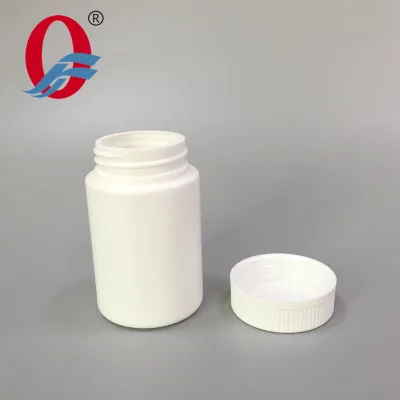
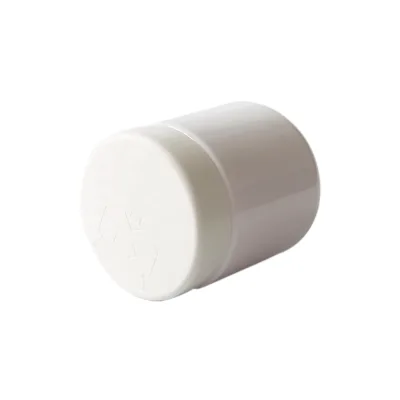
Most bottles are made from HDPE or PET plastic to ensure durability and safety. Some listings specify PE material for white round bottles. Always check the product attributes to confirm the material type matches your storage requirements for vitamins, pharmaceuticals, or herbal supplements.
Can these bottles be customized with my brand logo?
Customization is available for many plastic bottle models, including silk screen printing options. Suppliers in Hebei and Hubei offer branding services for specific product lines. Inquire about printing costs and design requirements to ensure your logo meets the manufacturer's technical specifications for application.
What is the price range for these plastic pill containers?
Prices typically range from 0.08 to 0.40 per unit depending on the material and volume. Specific models like MD-012 are priced around 0.20, while others may cost up to 0.40. Request a detailed quote based on your quantity to get the most accurate pricing for your order.