Source Recycled PET Food Packing Tray for Kitchen, Catering, Retail
Compare 30 listings for Recycled PET Food Packing Tray options from verified Chinese manufacturers. Buyers can evaluate specifications like material grade, capacity, and customization features for kitchen and catering applications; compare the available evidence and request quotations based on your requirements.
Updated
Key considerations
Products List


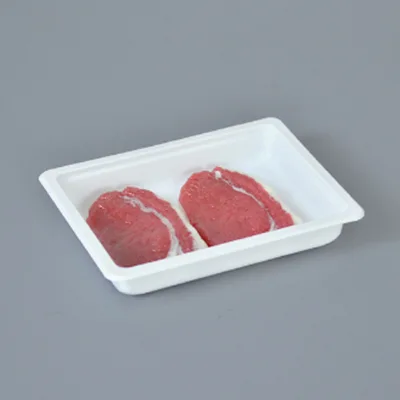
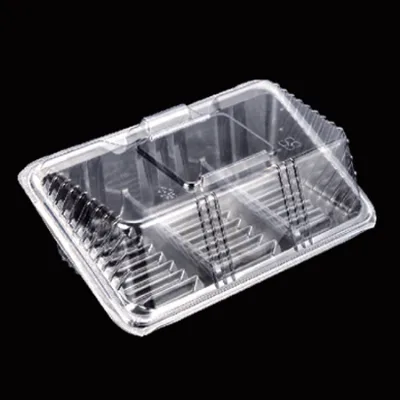
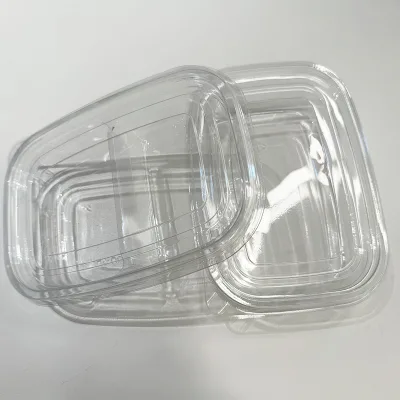
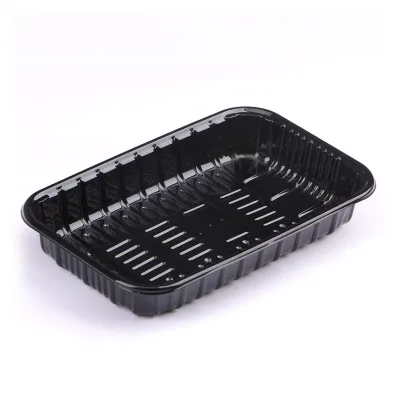
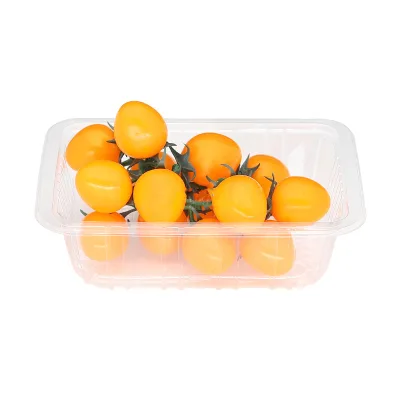
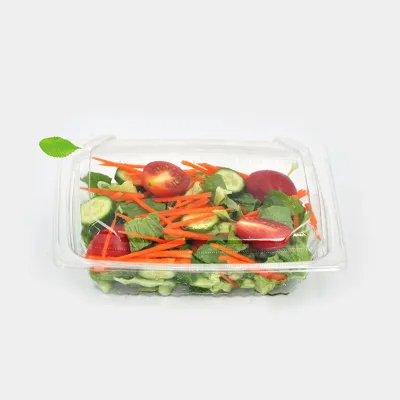

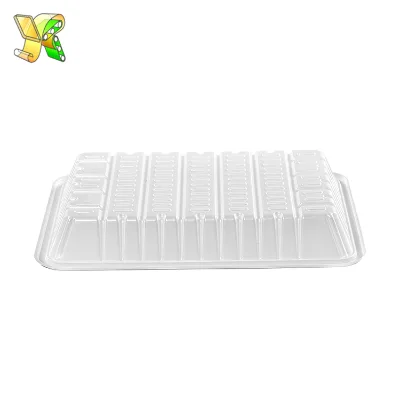
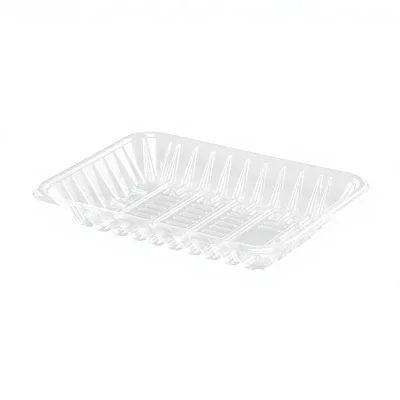
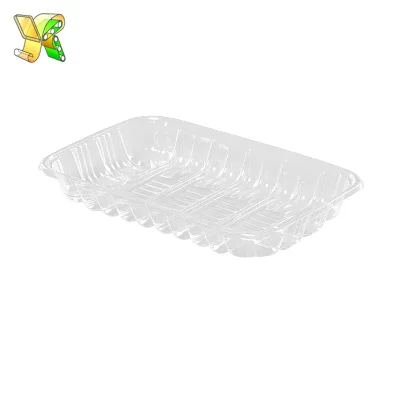
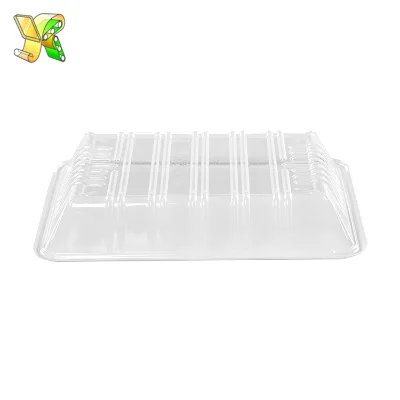
Factory Supply APET Food Packing Tray
$0.04 - $0.36
MOQ: 50000 Pieces
JIANGSU JINCAI POLYMER MATERIALS SCIENCE AND TECHNOLOGY CO., LTD.

Different Size Food Tray Pet Material Food Container
$0.04 - $0.36
MOQ: 50000 Pieces
JIANGSU JINCAI POLYMER MATERIALS SCIENCE AND TECHNOLOGY CO., LTD.


Customized Size Pet Tray with Lid Food Tray
$0.04 - $0.36
MOQ: 50000 Pieces
JIANGSU JINCAI POLYMER MATERIALS SCIENCE AND TECHNOLOGY CO., LTD.

APET Pet Food Packaging Plastic Disposable Food Tray
$0.04 - $0.36
MOQ: 50000 Pieces
JIANGSU JINCAI POLYMER MATERIALS SCIENCE AND TECHNOLOGY CO., LTD.


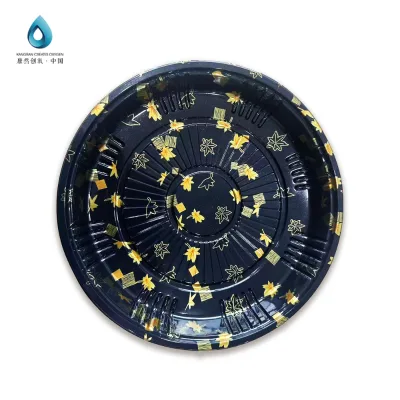
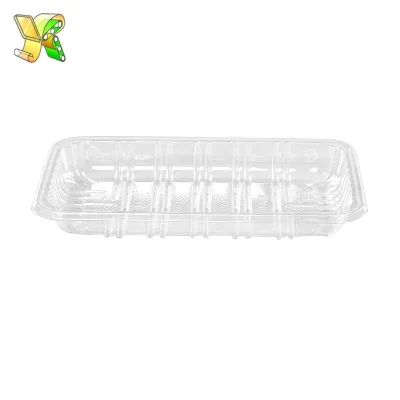

Comprehensive Sourcing Guide
Recycled PET Food Packing Tray Sourcing Guide
Sourcing recycled PET food packing trays requires a careful balance between sustainability goals and functional performance. Buyers must navigate a market where material composition varies significantly between virgin and post-consumer recycled grades. The primary advantage lies in the reduced environmental footprint, but this comes with strict requirements for food safety compliance. Procurement teams need to verify that the recycled content meets specific regulatory thresholds for direct food contact applications.
The supply chain for these trays is heavily concentrated in manufacturing hubs like Guangdong and Jiangsu in China. Suppliers often offer customization options for shape, size, and branding, which adds complexity to the sourcing process. Buyers should prioritize suppliers who provide transparent documentation on their recycling processes and material traceability. Understanding the specific grade of PET used is crucial, as it directly impacts the tray’s durability, clarity, and resistance to heat during storage or reheating.
Product Scope and Observed Listing Signals
The observed market for recycled PET trays includes a wide range of specifications, from standard blister packs to custom-shaped containers. Listings frequently highlight features such as microwavability and ovenability, which are critical for modern food service applications. Buyers should note that while many products claim to be eco-friendly, the actual recycled content percentage must be verified through supplier documentation. The presence of aluminum foil variants also indicates a hybrid market where material choices are driven by specific barrier requirements.
Price points in the observed range suggest a competitive market with significant volume discounts available. Minimum order quantities typically start at 600 units but can scale up to 100,000, reflecting the industrial nature of this procurement category. Suppliers often provide customization services, including logo printing and tailored dimensions, which can impact lead times and unit costs. Buyers must distinguish between standard off-the-shelf items and bespoke solutions, as the latter require more rigorous quality assurance protocols.
Technical Specifications to Verify
Technical verification begins with confirming the plastic type, ensuring it is indeed PET or R-PET suitable for food contact. Buyers should request detailed specifications regarding thickness, as this affects both the structural integrity and the material cost of the tray. Dimensions such as top, base, and height measurements must align with the buyer’s filling and packaging equipment. Customized sizes are common, so precise tolerances should be defined in the purchase agreement to avoid fitment issues.
Surface state and processing methods are equally important for performance evaluation. Single light aluminum foil coatings may be applied to enhance barrier properties, while blister processes offer specific shaping capabilities. Buyers must verify the tray’s ability to withstand thermal stress if it is marketed as microwavable or ovenable. Additionally, the clarity and color consistency of the recycled material should be assessed, as variations can affect brand perception and consumer acceptance in retail environments.
Compliance and Safety Documentation
Food safety compliance is non-negotiable for any packaging material intended for direct food contact. Buyers must ensure that suppliers provide certificates of analysis and compliance with relevant food safety standards, such as FDA or EU regulations. The use of recycled materials introduces additional scrutiny regarding potential contaminants, so third-party testing reports are essential. These documents should confirm that the recycled PET meets strict limits for heavy metals, volatile organic compounds, and other hazardous substances.
Traceability is another critical aspect of compliance. Suppliers should be able to demonstrate the source of their recycled material and the processing steps involved in transforming it into food-grade trays. Buyers should request documentation that outlines the supplier’s quality management system and its adherence to international standards. This includes verifying that the production facility maintains hygiene protocols that prevent cross-contamination during the manufacturing process.
Cost Drivers and Commercial Terms
Cost structures for recycled PET trays are influenced by raw material prices, which fluctuate with global PET resin markets. Volume discounts are significant, with larger orders yielding lower unit costs, but buyers must balance this with storage and inventory holding costs. Customization features, such as specific shapes or printed logos, add to the base price and may require higher minimum order quantities. Lead times can also vary based on the complexity of the order and the supplier’s current production capacity.
Payment terms and shipping logistics play a crucial role in the total cost of ownership. Buyers should negotiate favorable payment terms, such as letters of credit or partial upfront payments, to mitigate risk. Shipping costs can be substantial due to the volume-to-weight ratio of plastic trays, so optimizing packaging density is key. Buyers should also consider the potential for tariffs or import duties, which can significantly impact the final landed cost of the product.
Supplier Qualification and Quality Control
Supplier qualification involves a thorough assessment of their manufacturing capabilities and quality control systems. Buyers should conduct on-site audits or request virtual tours to verify production lines and testing facilities. It is essential to confirm that the supplier has experience in producing food-grade packaging and adheres to strict quality standards. References from existing clients in the food industry can provide valuable insights into the supplier’s reliability and product consistency.
Quality control protocols should include regular testing for mechanical strength, thermal stability, and chemical migration. Buyers should establish clear acceptance criteria for defects, such as warping, discoloration, or structural weaknesses. Implementing a robust inspection process, including pre-shipment inspections, helps ensure that the delivered goods meet the specified requirements. Long-term partnerships should be built on mutual trust and a shared commitment to quality and continuous improvement.
Long-Term Procurement Checks
Long-term procurement success depends on continuous monitoring of supplier performance and market trends. Buyers should regularly review supplier quality metrics, including defect rates and delivery reliability, to identify potential issues early. Staying informed about changes in recycling regulations and material standards is crucial for maintaining compliance. Engaging in regular dialogue with suppliers can help drive innovation and cost-saving opportunities in packaging design and material selection.
Sustainability goals should be integrated into the procurement strategy, with regular assessments of the environmental impact of the packaging. Buyers should encourage suppliers to adopt best practices in recycling and waste reduction. Building a resilient supply chain involves diversifying suppliers and maintaining safety stock to mitigate risks associated with supply disruptions. Ultimately, a proactive approach to procurement ensures that the organization meets its operational needs while advancing its sustainability objectives.
FAQs
Can recycled PET food packing trays be customized for specific kitchen needs?
Yes, customization is available for these trays to meet specific kitchen requirements. Buyers can request customized sizes and shapes, such as the 21.5*14.5*2.5CM standard or other dimensions. The material is PET, and features like logo printing are supported. This flexibility allows businesses to tailor packaging solutions for various household and commercial food use applications effectively.
What are the key features of the MTA1 model aluminum foil container?
The MTA1 model is a medium-sized tray made from aluminum foil with a black closure. It is designed for kitchen use and food packaging. The product originates from Guangdong, China, and comes in packs of 500 pieces per carton. Its specifications include a single light aluminum foil surface state, making it suitable for disposable foil food container applications.
Is the HSQY brand PET tray suitable for microwave and oven use?
Yes, the HSQY brand PET tray is designed to be microwavable and ovenable. It is made from food-grade PET plastic and features a blister packaging process. The tray is available in black, white, natural, or custom colors. It is recyclable and eco-friendly, making it a safe and sustainable choice for heating and serving food in household or commercial settings.
What is the capacity and size of the MC70-24 model tray?
The MC70-24 model tray has a capacity of 58ml. Its dimensions include a top width of 70mm, a base width of 53mm, and a height of 24mm. This compact size is ideal for small food portions. The product originates from Guangdong, China, and accepts custom orders, allowing buyers to adjust specifications to fit their specific packaging needs.
How are the recycled PET trays packaged for bulk shipping?
The trays are packaged in cartons containing 500 pieces each. This standard packing method ensures efficient handling and storage for bulk orders. The packaging is designed to protect the trays during transit. Buyers can also request custom packaging solutions if needed. This approach supports large-scale distribution for food packaging and tableware applications in the global market.
What materials are used in the production of these food packing trays?
The trays are primarily made from PET plastic, including food-grade PET and RPET variants. Some models also utilize aluminum foil for specific container types. The materials are selected for their durability, safety, and eco-friendly properties. The production process includes blister forming for plastic trays and single light aluminum foil treatment for foil containers, ensuring high-quality food packaging solutions.