Cosmetic Grade Amber Plastic Jar Suppliers and Manufacturers
Compare 24 verified Cosmetic Grade Amber Plastic Jar factories in China Zhejiang and Ningbo. Review ISO certifications, lead times, and MOQs to source plastic cosmetic jars with CIQ or SGS standards. Request samples to verify customization options; review the available evidence before requesting comparable quotations from suitable candidates.
Updated
Suppliers List

YUYAO YIHE COMMODITY CO., LTD.
- Verified by TUVRHEINLAND
- Manufacturer/Factory
- China Zhejiang
- Lead time23 days
- Avg. response≤ 5h
Main products20ml Pocket Perfume Bottle with Caps, Trigger Sprayer, Lotion Pump, Mist Sprayer, Pet Bottle, Disc Top Cap, Flip Top Cap, Foam Sprayer, Foam Sprayer Bottle, Perfume Sprayer
Main marketsSouth America,Eastern Europe,Mid East,North America,Southeast Asia,Eastern Asia,Oceania,Western Europe

ningbo crown commodity co.,ltd
- Verified by SGS
- Combined
- China Zhejiang
- Lead time30 days
- Avg. response≤ 25h
Main productsPerfume Sprayer, Lotion Pump, Trigger Sprayer, Pet Bottle, Cosmetic Package, Eyeliner Package
Main marketsAfrica,Southeast Asia/ Mideast,Europe,North America

Ningbo Beixuan International Trading Co., Ltd.
- Verified by TUVRHEINLAND
- Manufacturer/Factory
- China Zhejiang
- Lead time15 days
- Avg. response≤ 10h
Main productsPlastic Bottle, Plastic Cup, Plastic Honey Jar, Plastic Food Container, Glass Juice/ Beverage Bottle, Glass Jar, Glass Wine Bottle, Glass Essential Oil Bottles, Cosmetic & Perfume Glass Bottles, Paper Cup
Main marketsSouth America,Eastern Europe,Mid East,North America,Southeast Asia,Eastern Asia,Oceania,Western Europe,Africa
Impac International Trading Co., Ltd. (zhangjiagang)
- Verified by Intertek
- Trading Company
- Lead time30 days
- Avg. response≤ 4h
Main productsAcrylic Bottles And Jars, Plastic Bottles And Jars, Glass Bottles And Jars, Cosmetic Packaging, Spray Bottles
Main marketsNorth America(45%), Western Europe(25%), South America(8%)
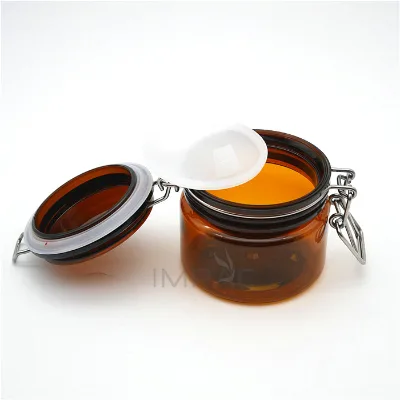
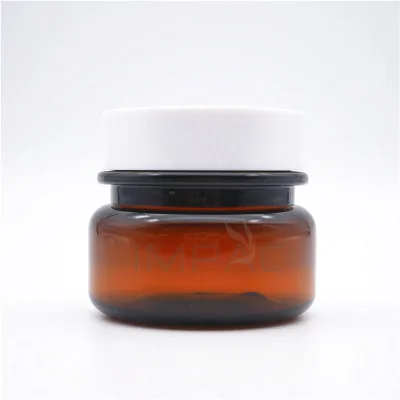
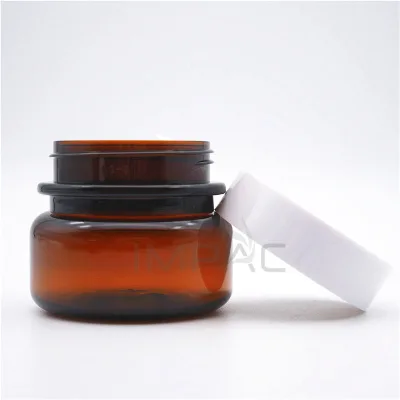
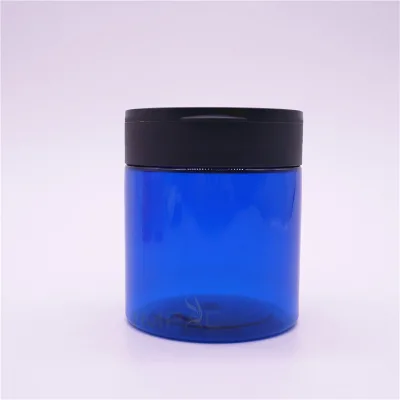
Cute Cosmetic Amber Pet Plastic Jars with Screw Lid 60g 2oz Container
$0.105 - $1.0508
MOQ: 10000 Minimum

Jinhua Allies Import and Export Co., Ltd.
- Verified by SGS
- Manufacturer/Factory
- China Zhejiang
- Lead time23 days
- Avg. response≤ 7h
Main productsCanister, Container, Bottle, Cosmetic, Make up, Plastic Packaging, Eyeshadow, Palette, Box, Compact Case
Main marketsSouth America,Mid East


Cosmetic Face Cream Container 30g Amber Glass Cosmetic Jar with Wholesaler
$0.12 - $0.75
MOQ: 10000 Pieces

Xuzhou Crystal Glass Products Co., Ltd.
- Verified by SGS
- Trading Company
- China Jiangsu
- Lead time30 days
- Avg. response≤ 4h
Main productsGlass Bottle, Beverage Bottle, Wine Bottle, Mason Jar, Food Storage Jar, Spice Bottle, Spice Grinder, Table Glassware, Cosmetic Bottle, Cup
Main marketsOthers(foreignTradeCapacity.exportBusinessCapacityMarketOther),Europe

Ningbo YMS Imp & Exp Co., Ltd.
- Trading Company
- China Zhejiang
- Lead time45 days
- Avg. response≤ 9h
Main productsLipstick Case, Cosmetic Compact, Lip Gloss Case, Mascara Tube, Eyeliner Bottle, Cosmetic Pen, Acrylic Jar, Cosmetic Pot, Loose Powder Container, Airless Lotion Bottle
Main marketsSouth America,Southeast Asia/ Mideast,Europe

Yuyao Xianghao Mold Technology Company Limited
- Verified by BV
- Trading Company
- China Zhejiang
- Lead time30 days
- Avg. response≤ 9h
Main productsInjection Mold, Plastic Mold, Injection Molding, Rapid Prototyping, 3D Pritting, Manhole Cover Mold, Silicone Rubber Mould, Wire Rack, Car Air Compressor, LED Light
Main marketsNorth America

Ningbo Langyi Plastic Industry Co., Ltd.
- Verified by TUVRHEINLAND
- Combined
- China Zhejiang
- Lead time23 days
- Avg. response≤ 3h
Main productsCosmetic Packaging, Trigger Sprayer, Mist Sprayer, Lotion Pump, Cream Pump, Cosmetic Bottle, Acrylic Bottle, Airless Bottle, Cream Jar, Packaging Bottles
Main marketsSouth America,Southeast Asia/ Mideast,Europe


Hot Sale Colorful Plastic Cosmetic Jar PP Cream Containers Plastics Jar for Cosmetics and Skincare
$0.059 - $0.062
MOQ: 10000 Pieces


Anhui Avantis Packaging Technology Co., Ltd.
- Manufacturer, Trading Company
- Lead time旺季: "1 - 10000":25,"10001 - 50000":35,"> 50000":"To be negotiated", 淡季: "1 - 10000":25,"10001 - 50000":35,"> 50000":"To be negotiated"
- Avg. response≤ 3h
Main productsPlastic Bottle,Glass Jar,Plastic Bag,Tin Box,Paper Bag
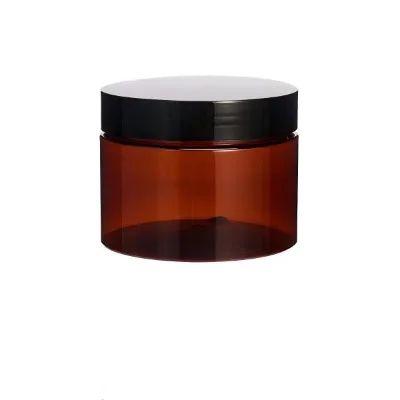
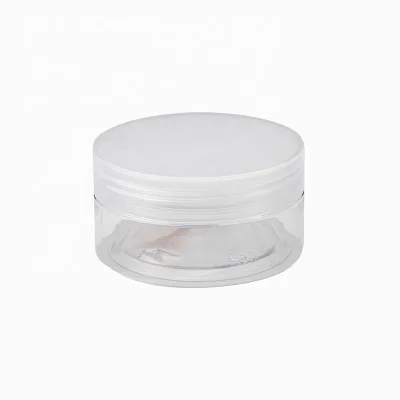
30ml Full clear sealed Round PET Food Grade Plastic Cream Jar with Screw Lid
$0.09 - $0.28
MOQ: 5000 Minimum

Hebei Shengjin Package Co., Ltd.
- Verified by TUVRHEINLAND
- Manufacturer/Factory
- China Hebei
- Lead time0 days
- Avg. response≤ 3h
Main productsGlass Bottle, Cosmetic Bottle, Perfume Bottle, Dropper Bottle, Pill Bottle
Main marketsSouth America,Eastern Europe,Mid East,North America,Southeast Asia,Eastern Asia,Oceania,Western Europe,Africa


Glass Cream Jar 60g 100g Glass Cosmetic Container Amber Cosmetic Jars with Lid
$0.20
MOQ: 10000 Pieces


Hangzhou Mig Packaging Co., Ltd.
- Verified by SGS Group
- Manufacturer, Trading Company
- Lead time30 days
- Avg. response≤ 3h
Main productsCosmetic Plastic Bottle, Cosmetic Glass Bottle, Cosmetic Cream Jar, Aluminum Bottle, Spray Pump
Main marketsNorth America(25%), Western Europe(20%), Southeast Asia(10%)
Hangzhou Sunshine Packaging Technology Co., Ltd.
- Verified by SGS Group
- Trading Company
- Lead time30 days
- Avg. response≤ 4h
Main productsBottles
Main marketsNorth America(35%), Mid East(30%), Eastern Asia(15%)
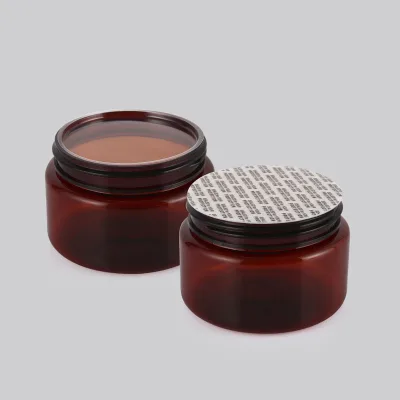
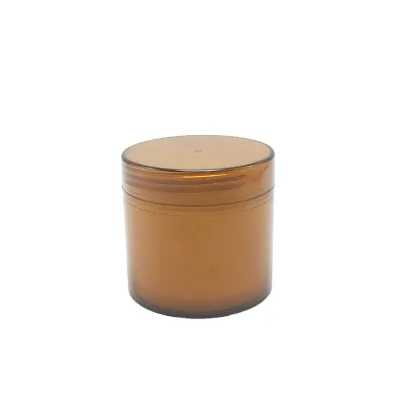
200ml Cosmetics Amber PET Plastic Jar Empty Recyclable for Skin Care Use
$0.4407 - $0.727
MOQ: 500 pieces

Ningbo Somewang Packaging Co., Ltd.
- Verified by SGS
- Combined
- China Zhejiang
- Lead time23 days
- Avg. response≤ 4h
Main productsCosmetic Packaging, Cosmetic Bottle, Plastic Bottle, Cosmetic Tube, Cream Jar, Lotion Pump, Mist Sprayer, Trigger Sprayer, Plastic Cap, Glass Bottle
Main marketsSoutheast Asia/ Mideast,Europe,North America


120ml 240ml Plastic Jar Amber Jar Factory Price with Cap Wholesale Plastic Cream Jar
$0.157 - $0.17
MOQ: 10000 Pieces

100ml/200ml PP Plastic Cosmetic Jar with Lid for Body Butter and Other Cream Cosmetics
$0.10 - $0.11
MOQ: 10000 Pieces
HONG KONG AQUIMAN TRADING CO., LIMITED
- Verified by SGS Group
- Trading Company
- Lead time10 days
- Avg. response≤ 2h
Main productsCosmetic Packaging, Glass Bottles, Plastic Bottles, Jar, Boxes

Xuzhou Boklan Import & Export Trade Co., Ltd.
- Verified by TUVRHEINLAND
- Trading Company,Manufacturer/Factory
- China Jiangsu
- Lead time38 days
- Avg. response≤ 9h
Main productsGlass Jar, Glass Bottle, Liquor Glass Bottle, Lids Caps Corks, Cosmetic Jar, Essential Oil Bottle, Glass Tube, Sauce Bottle, Mason Jar, Plastic Bottle
Main marketsSouth America,Eastern Europe,Mid East,North America,Southeast Asia,Eastern Asia,Oceania,Western Europe,Africa

30ml 1oz Straight Side Amber Glass Jar Cosmetic Cream Jar with Plastic Lid
$0.23 - $0.29
MOQ: 5000 Pieces


Luxury 4oz 120ml Amber Glass Cosmetic Face Cream Jars with Black Plastic Lids
$0.23 - $0.29
MOQ: 5000 Pieces

120ml 4oz Amber Glass Container Cosmetic Glass Jar with Silver Metal Cap
$0.23 - $0.29
MOQ: 5000 Pieces

Hotsale 60ml Amber Glass Jar Bottle Container Cream Jar with Plastic Cap
$0.17 - $0.25
MOQ: 5000 Pieces


Suzhou Glass Point Packaging Co., Ltd.
- Manufacturer/Factory
- China Jiangsu
- Lead time23 days
- Avg. response≤ 3h
Main productsGlass Bottle, Glass Jar, Perfume Bottle, Bottle, Olive Oil Bottle, Medicine Bottle, Mason Jar, Roller Bottle, Glass Dropper, Caps
Main marketsSouth America,Eastern Europe,Mid East,North America,Southeast Asia,Eastern Asia,Oceania,Western Europe,Africa


OEM 1oz 2oz 3oz 4oz Amber Glass Container Cosmetic Packaging Glass Jar
$0.07 - $0.50
MOQ: 20000 Pieces

Shenzhen Bright Glassware Co., Ltd.
- Verified by SGS
- Trading Company
- China Guangdong
- Lead time30 days
- Avg. response≤ 5h
Main productsGlassware, Candle Jar, Glass Candle Holder, Reed Diffuser Bottle, Glass Perfume Bottle, Drinkware, Food Storage Jar, Candle Lid, Packaging Gift Box


50ml 100ml Empty Amber Cosmetic Cream Set Glass Jar with Screw Plastic Lid
$0.20 - $1.60
MOQ: 3000 Pieces

- Trading Company
- Hebei, China
- Lead time0 days
- Avg. response≤ 3h
Main productsplastic bottles,glass bottles and jras,aluminum bottles and jars,paper tube&box,Makeup packaging
Main marketsSouth Asia(100.00%), Southern Europe(100.00%), Northern Europe(100.00%), Central America(100.00%), Western Europe(100.00%), Eastern Asia(100.00%), Mid East(100.00%), Oceania(100.00%), Domestic Market(100.00%), Southeast Asia(100.00%), Eastern Europe(100.00%), South America(100.00%), North America(100.00%), Africa(80.00%)
Nanning Yuebo Packaging Solutions Co., Ltd.
- Verified by Intertek
- Trading Company
- Lead time30 days
- Avg. response≤ 2h
Main productsGlass Bottle, Glass Jar, Perfume Bottle, Medicine Bottle, Cosmetic Bottle
Main marketsNorth America(20%), Southeast Asia(20%), South America(8%)
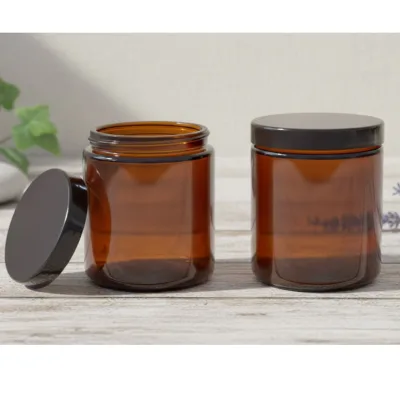
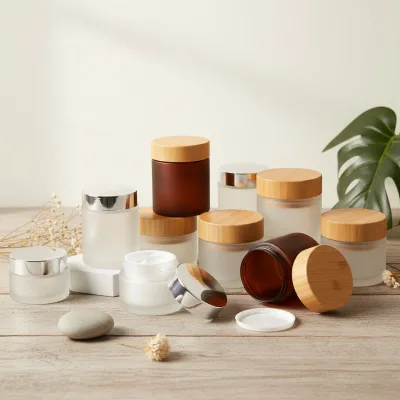
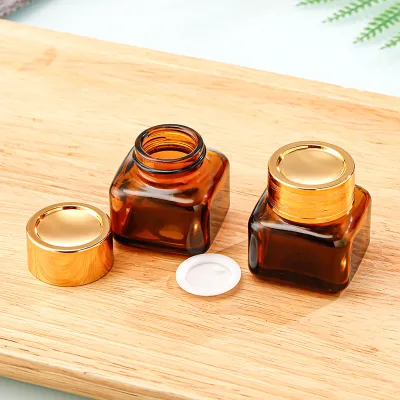
Glass skincare packaging Square glass amber cosmetic jar 120g empty glass cosmetic jar with lid
$0.04 - $0.20
MOQ: 5000 pieces
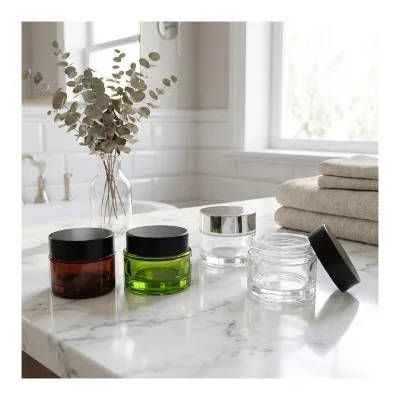
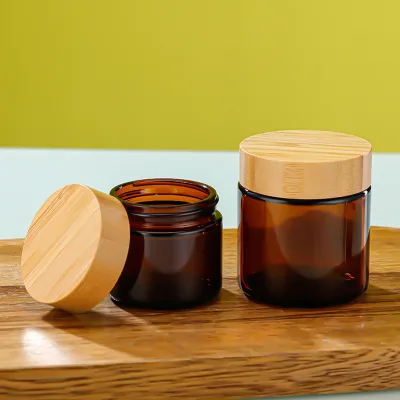
Cosmetic glass jar 100 150 200 g stock amber glass jar amber glass jars with bamboo lids
$0.13 - $0.21
MOQ: 5000

Anhui Avantis Packaging Technology Co., Ltd.
- Verified by CTI
- Trading Company
- China Anhui
- Lead time23 days
- Avg. response≤ 5h
Main productsGlass Bottle, Glass Container, Rolling Tray, Mylar Bag, Rolling Cone Tube, Plastic Joint Tubes, Glass Tube, Hinged Cap Vials, Child-Resistant Packaging, Sitz Bath
Main marketsSouth America,Africa,Southeast Asia/ Mideast,Europe,Australia,North America


Cosmetic Packaging Clear Amber Black Pet White Plastic Cream Jar for Personal Care
$0.05 - $0.15
MOQ: 1000 Pieces
Shijiazhuang Leguang Trading Co., Ltd.
- Verified by SGS Group
- Trading Company
- Lead time3 days
- Avg. response≤ 2h
Main productsCosmetic Plastic bottles, Cream Jar, Glass Spray Bottle, Cosmetic Jar, Paper Tube
Main marketsNorth America(30%), Western Europe(20%), Southeast Asia(20%)

Xuzhou Yanjia Glassware Co., Ltd.
- Verified by BV
- Trading Company,Manufacturer/Factory
- China Jiangsu
- Lead time0 days
- Avg. response≤ 5h
Main productsGlass Bottle, Glass Jar, Honey Jar, Wine Bottle, Jam Jar, Juice Bottle, Glass Candle Jar, Tin Lid, Bottle Cap, Perfume Bottle

Customized Empty Amber Glass Cream Jar Round Shape Face Cream Cosmetic Jars
$0.10 - $0.25
MOQ: 1000 Pieces

Fuyun Packaging (Guangzhou) Co., Ltd.
- Verified by TüVRheinland
- Manufacturer, Trading Company
- Lead time25 days
- Avg. response≤ 3h
Main productsPlastic Bottles, Foam Bottle, Shampoo Bottle, Spray Bottle, Plastic Jar
Main marketsNorth America(25%), Southeast Asia(15%), Mid East(15%)


Comprehensive Sourcing Guide
Cosmetic Grade Amber Plastic Jar Supplier Concentration and Factory Types
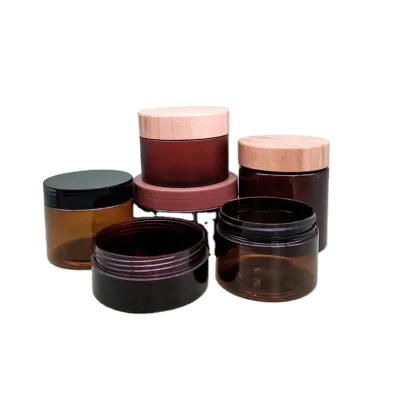
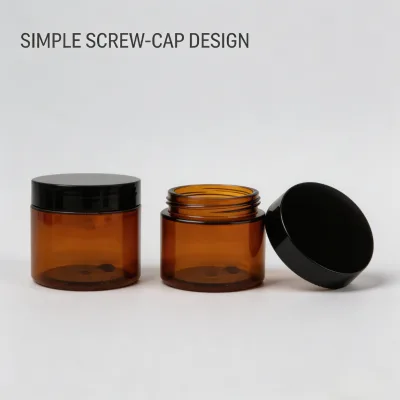
The current supplier landscape for cosmetic grade amber plastic jars reveals a distinct concentration of manufacturing capabilities within specific industrial regions, with China Zhejiang emerging as a primary hub for production. This geographic clustering suggests a mature supply chain ecosystem where raw material sourcing, molding expertise, and finishing services are co-located, potentially reducing logistical friction for buyers. Suppliers in this region often operate as manufacturers or factories, indicating a direct line from production to sale, which can offer greater control over quality and pricing structures compared to trading entities. The presence of established factories in Zhejiang implies that buyers may find vendors with deep experience in plastic injection molding and secondary processing techniques required for amber-colored cosmetic packaging. This concentration is not merely a random distribution but reflects the historical development of packaging industries in coastal China, where infrastructure supports high-volume output and export logistics.
Beyond Zhejiang, the supplier base includes various company types such as combined entities that may blend manufacturing with trading functions, offering a broader range of product lines including perfumes, lotions, and other plastic containers. These combined suppliers often list main products that extend beyond simple jars to include trigger sprayers, lotion pumps, and pet bottles, suggesting a one-stop-shop capability for complete packaging solutions. The diversity in company types means buyers must carefully distinguish between pure manufacturers and those with mixed operational models, as this distinction impacts lead times, customization flexibility, and minimum order quantities. While some suppliers focus exclusively on plastic jars, others integrate cosmetic packaging into a wider portfolio, which can be advantageous for brands seeking cohesive design elements across their product line. Understanding these structural differences allows buyers to align their sourcing strategy with their specific needs for volume, customization, and supply chain simplicity.
How to Verify Cosmetic Grade Amber Plastic Jar Suppliers
Verifying the legitimacy and capability of suppliers requires a multi-layered approach that goes beyond surface-level profile reviews, focusing on tangible evidence of operational maturity and compliance. Buyers should prioritize suppliers who hold recognized third-party verifications, such as those provided by TÜV Rheinland or SGS, which serve as independent validations of the supplier’s business practices and production standards. These certifications are critical indicators of a supplier’s commitment to quality management and ethical business operations, providing a layer of trust that is difficult to fabricate. Additionally, system certifications like ISO 9001 and ISO 14001 demonstrate a supplier’s adherence to international standards for quality control and environmental management, which are particularly relevant for cosmetic packaging that may be subject to strict regulatory scrutiny in target markets. Buyers should actively request and review these certification documents to ensure they are current and applicable to the specific products being sourced.
Response time and verification status are also key metrics for assessing supplier reliability, with faster response times often correlating with better customer service and operational efficiency. A supplier’s response time, measured in hours, can indicate their capacity to handle inquiries and resolve issues promptly, which is vital for maintaining project timelines. Furthermore, buyers should examine the specific product attributes listed, such as material composition, customization options, and eco-friendly claims, to ensure they align with the supplier’s stated capabilities. For instance, some suppliers offer products labeled as eco-friendly or made from specific plastics like PP, which may require additional verification to confirm the accuracy of these claims. By cross-referencing these product details with the supplier’s verification status and certification history, buyers can build a comprehensive profile of each potential partner, reducing the risk of engaging with unreliable or non-compliant vendors.
What to Compare Across Cosmetic Grade Amber Plastic Jar Suppliers
When evaluating multiple suppliers, buyers must systematically compare key operational metrics such as lead times, minimum order quantities, and daily production capacities to determine which vendor best fits their supply chain requirements. Lead times can vary significantly, with some suppliers offering production windows of 10-20 days while others may require 20-25 days or even longer, impacting inventory planning and market launch schedules. Minimum order quantities are another critical differentiator, ranging from 10,000 pieces to 30,000 pieces or more, which can influence the feasibility of small-batch trials or large-scale production runs. Buyers should also consider daily production capacities, such as 50,000 pieces per day, to assess whether a supplier can meet peak demand periods without causing bottlenecks. These quantitative metrics provide a clear basis for comparison, allowing buyers to identify suppliers that offer the right balance of speed, volume, and flexibility for their specific business needs.
In addition to operational metrics, buyers should compare the range of customization options, pricing structures, and additional services offered by each supplier. Customization capabilities, such as the ability to produce jars in specific colors, sizes, or with custom logos, are essential for brands seeking unique packaging solutions. Pricing should be analyzed in the context of the product specifications, with some suppliers offering competitive rates for standard items while others may charge premiums for specialized features or eco-friendly materials. Buyers should also inquire about sample policies, as some suppliers provide free samples to facilitate product evaluation, while others may charge for shipping or sample preparation. By comparing these qualitative and quantitative factors across suppliers, buyers can make informed decisions that align with their brand identity, budget constraints, and logistical requirements, ensuring a successful sourcing outcome.
Common Cosmetic Grade Amber Plastic Jar Sourcing Risks
Sourcing cosmetic grade amber plastic jars involves several inherent risks that buyers must proactively manage to avoid disruptions and quality issues. One significant risk is the potential for misalignment between the supplier’s stated capabilities and their actual production output, particularly regarding customization and material specifications. Suppliers may claim to offer eco-friendly materials or specific plastic types, but without rigorous verification, buyers risk receiving products that do not meet their regulatory or branding requirements. This discrepancy can lead to costly rework, delayed launches, or even compliance violations in target markets. Additionally, the variability in lead times and production capacities can pose challenges for buyers who rely on just-in-time inventory strategies, as delays in one supplier’s production line can cascade through the entire supply chain. Buyers must therefore establish clear communication channels and contingency plans to mitigate these operational risks.
Another common risk is the lack of transparency in pricing and additional costs, which can inflate the total cost of ownership beyond initial quotes. Suppliers may offer low base prices but charge extra for tooling, mold fees, or expedited shipping, which can significantly impact the final cost. Furthermore, the quality of packaging materials can vary, with some suppliers using lower-grade plastics that may not provide adequate protection for cosmetic products or may degrade over time. Buyers should also be cautious of suppliers who do not provide detailed product attributes or certifications, as this lack of documentation can hinder compliance efforts and damage brand reputation. By identifying these risks early in the sourcing process, buyers can implement stricter quality control measures, negotiate clearer terms, and select suppliers with proven track records, thereby reducing the likelihood of adverse outcomes.
Cosmetic Grade Amber Plastic Jar Regional Sourcing and Logistics
Regional sourcing decisions play a crucial role in determining the efficiency and cost-effectiveness of the supply chain for cosmetic grade amber plastic jars. Suppliers located in China Zhejiang benefit from established logistics networks and proximity to major ports, which can facilitate faster and more reliable shipping to global markets. This geographic advantage reduces transit times and lowers freight costs, making it an attractive option for buyers seeking to optimize their supply chain. However, buyers must also consider the broader regional context, including potential trade barriers, tariffs, and geopolitical factors that could impact shipping schedules and costs. Understanding these regional dynamics allows buyers to make informed decisions about where to source their packaging, balancing cost savings with supply chain resilience.
Logistics planning should also account for the specific packaging requirements of the product, such as the need for safe export packing to prevent damage during transit. Suppliers who offer specialized packing solutions, such as export cartons or safe export packs, can help minimize the risk of product damage and reduce insurance claims. Buyers should work closely with their chosen suppliers to develop a comprehensive logistics strategy that includes proper labeling, documentation, and insurance coverage. Additionally, buyers should consider the environmental impact of their shipping choices, opting for suppliers who prioritize eco-friendly practices and sustainable packaging materials. By integrating regional sourcing insights with robust logistics planning, buyers can create a supply chain that is both efficient and resilient, ensuring the timely delivery of high-quality cosmetic packaging to their customers.
Cosmetic Grade Amber Plastic Jar Commercial Terms and Order Planning
Effective order planning for cosmetic grade amber plastic jars requires a thorough understanding of the commercial terms offered by suppliers, including payment structures, warranty policies, and after-sales support. Buyers should negotiate clear terms that define the responsibilities of both parties, ensuring that any issues related to quality or delivery are addressed promptly and fairly. Payment terms, such as deposits and balance payments, should be structured to protect the buyer’s interests while providing the supplier with the necessary cash flow to execute the order. Additionally, buyers should inquire about the supplier’s policy on defective products and returns, as this can significantly impact the overall cost and risk of the sourcing process. By establishing transparent and fair commercial terms, buyers can build a strong foundation for a long-term partnership with their suppliers.
Order planning should also consider the scalability of the supplier’s production capabilities, ensuring that they can accommodate future growth and increased demand. Buyers should discuss volume discounts, tiered pricing, and long-term contract options with their suppliers to secure favorable terms as their business expands. Furthermore, buyers should plan for regular quality audits and performance reviews to ensure that the supplier continues to meet their standards and expectations. By integrating commercial terms with strategic order planning, buyers can create a flexible and scalable supply chain that supports their business objectives. This approach not only reduces risk but also enhances the buyer’s ability to respond to market changes and customer demands, ensuring sustained success in the competitive cosmetic packaging industry.
FAQs
What is the typical lead time for plastic cosmetic jars?
Lead times vary by supplier and order size. Some manufacturers offer production within 10 to 20 days, while others may require 20 to 25 days. Specific timelines depend on customization needs and current factory capacity.
What are the minimum order quantities for these jars?
Minimum order quantities differ significantly across suppliers. Some factories require orders of 10,000 pieces, while others set the threshold at 30,000 pieces. Buyers should verify specific MOQs before placing bulk orders.
Are these plastic jars available with custom designs?
Yes, customization is widely available for plastic cosmetic jars. Suppliers offer options for custom colors, logos, and specific dimensions. Many manufacturers support both OEM and ODM services to meet unique branding requirements.
What certifications do the plastic jar suppliers hold?
Suppliers often hold ISO 9001 and ISO 14001 certifications for quality and environmental management. Some products also carry CIQ or SGS certifications. Buyers should request specific certificates to ensure compliance with safety standards.
Where are the manufacturers of these jars located?
Most manufacturers are located in Zhejiang, China, with some operations based in Ningbo. These regions are known for their packaging industry clusters. Buyers can expect efficient logistics from these established manufacturing hubs.
What is the price range for plastic cosmetic jars?
Prices typically range from 0.03 to 0.27 USD per unit depending on specifications. Some basic models start as low as 0.05 USD, while specialized designs may cost up to 0.15 USD. Volume discounts often apply.
Do suppliers offer free samples for testing?
Many suppliers provide free samples for quality evaluation. This allows buyers to verify material quality and design before committing to large orders. However, shipping costs for samples may vary by supplier policy.
How quickly do suppliers respond to inquiries?
Response times vary, with some suppliers replying within 4 hours and others taking up to 25 hours. Faster response times often indicate higher operational efficiency. Buyers should check specific supplier profiles for accurate estimates.