Recycled Material Screen Display Box Suppliers and Manufacturers
Compare 26 verified suppliers offering recycled material screen display boxes with varying lead times, MOQs, and certifications like SGS and ISO. Review product attributes such as material, printing options, and sample delivery times to select the right factory for your needs.
Updated
Suppliers List

Shanghai Forests Packaging Group Co., Ltd.
- Verified by CTI
- Combined
- China Shanghai
- Lead time15 days
- Avg. response≤ 10h
Main productsPaper Gift Box, Carton Cardboard Box, Gift Box, Paper Box, Carton Box, Cardboard Box, Corrugated Box, Packaging Box, Paper Packaging, Paper Carton
Main marketsDomestic,Europe,North America

Kunshan Deco POP Display Co., Ltd.
- Verified by TUVRHEINLAND
- Trading Company,Manufacturer/Factory
- China Shanghai
- Lead time15 days
- Avg. response≤ 2h
Main productsDisplay Stand, Cardboard Display Stand, Floor Display, Counter Display, Cardboard Display Box, Paper Display, Pop Display, Pallet Display, Acrylic Display, Display Rack Shelf
Main marketsSouth America,Eastern Europe,Mid East,North America,Southeast Asia,Eastern Asia,Oceania,Western Europe,Africa

Shanghai Coffe Packing Group Co., Ltd.
- Verified by CTI
- Combined
- China Shanghai
- Lead time15 days
- Avg. response≤ 8h
Main productsPaper Gift Box, Carton Cardboard Box, Gift Box, Paper Box, Carton Box, Cardboard Box, Corrugated Box, Packaging Box, Paper Packaging, Paper Carton
Main marketsDomestic,Europe,Australia,North America
Jiangxi Kelier Industry And Trade Co., Ltd.
- Manufacturer, Trading Company
- Jiangxi, China
- Lead time7 days
- Avg. response≤ 11h
Main productsAcrylic table,Acrylic chair,Acrylic desk,Acrylic furniture,Acrylic shelf
Main marketsNorth America(30.00%), Northern Europe(20.00%), Western Europe(20.00%), Eastern Europe(20.00%)
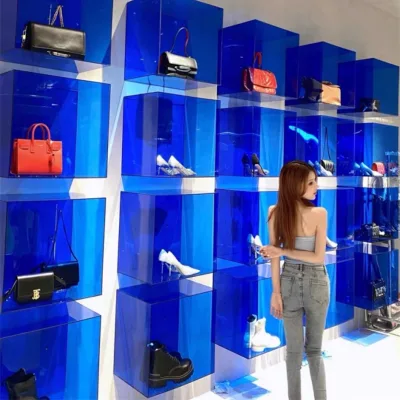
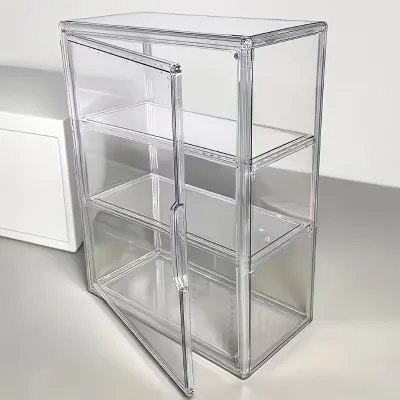
Wall Mounted Acrylic Color Storage Box Clothing Store Bag and Clothing Display Box
$22.90 - $24.90
MOQ: 1
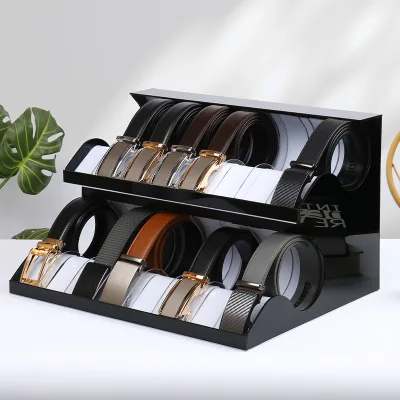
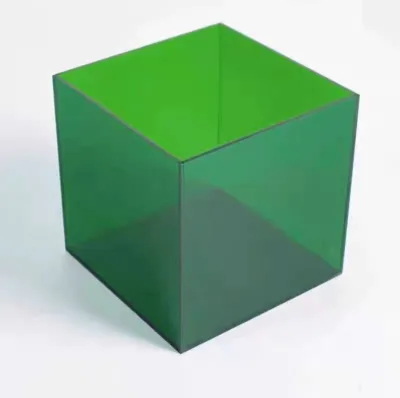
Shenzhen Superbest Acrylic Product Co., Ltd.
- Manufacturer, Trading Company
- Guangdong, China
- Lead time15 days
- Avg. response≤ 8h
Main productsAcrylic Display,Acrylic Box,Acrylic Photo Frame,Acrylic Gifts
Main marketsDomestic Market(28.00%), North America(15.00%), Southern Europe(10.00%), Eastern Europe(10.00%), Western Europe(9.00%), South Asia(5.00%), Central America(5.00%), Northern Europe(5.00%), Southeast Asia(5.00%), Eastern Asia(2.00%), South America(2.00%), Oceania(2.00%), Mid East(2.00%)

Yangzhou Meiyi Machinery Technology Co., Ltd.
- Verified by SGS
- Combined
- China Jiangsu
- Lead time15 days
- Avg. response≤ 3h
Main marketsDomestic
- Verified by TüVRheinland
- Trading Company
- Lead time30 days
- Avg. response≤ 9h
Main productsPrinting Paper, Packing Paper, Food Paper, Paper Products, Thermal Paper
Main marketsSoutheast Asia(34%), South America(21%), Africa(19%)

Shenzhen FWS Technology Co., Ltd.
- Verified by TUVRHEINLAND
- Manufacturer/Factory
- China Guangdong
- Lead time15 days
- Avg. response≤ 3h
Main productsOutdoor LED Disipay, Indoor LED Display, High Definition Full Color LED Screen, LED Module, P2.5 Full Color LED Display Indoor, P8 Full Color LED Disipaly Outdoor, LED Video Billboard, LED Display Power Supply, LED Dipslay System, Die-Casting Cabinet
Main marketsSouth America,Eastern Europe,Mid East,North America,Southeast Asia,Eastern Asia,Oceania,Western Europe,Africa


Customizable Full Color Cardboard Display Box with LED Screen
$211.00 - $244.00
MOQ: 100 Square Meters

Shanghai Woods Packaging Co., Ltd.
- Verified by CTI
- Combined
- China Shanghai
- Lead time15 days
- Avg. response≤ 10h
Main productsGift Box, Paper Box, Carton Box, Pizza Box, Paper Gift Box, Carton Cardboard Box
Main marketsAustralia,North America
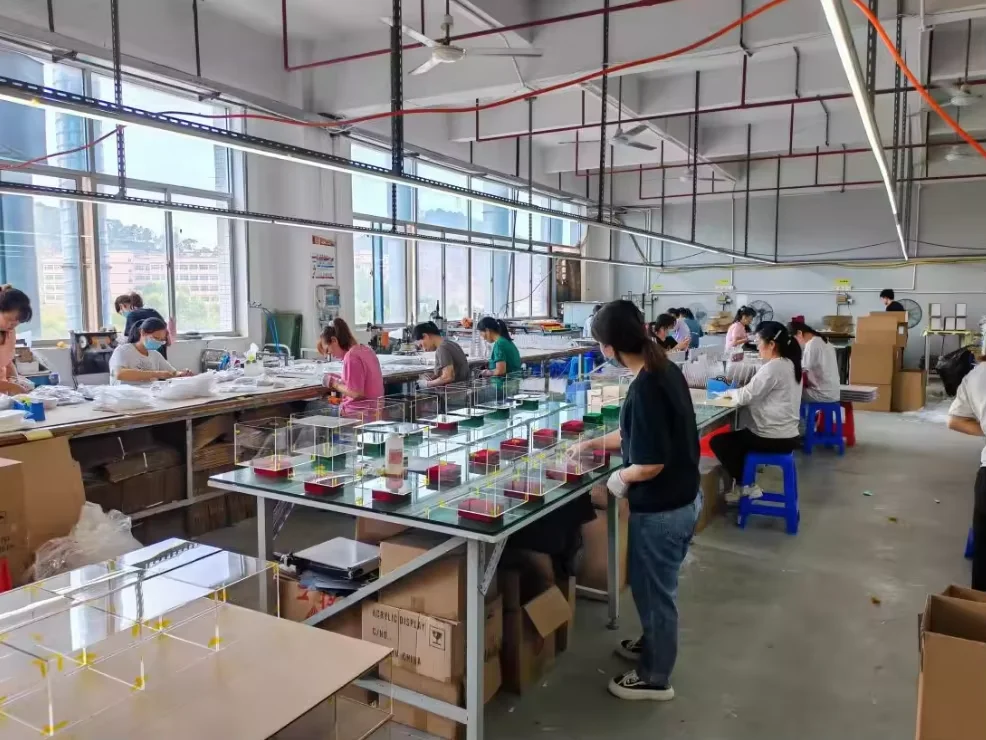
Hubei Dayu Technology Co., Ltd.
- Trading Company
- Hubei, China
- Lead time15 days
- Avg. response≤ 6h
Main productsAcrylic Display,Acrylic Custom Project,Display Project,Acrylic Photo frame,Acrylic + Wood
Main marketsNorth America(50.00%), South America(30.00%), Domestic Market(10.00%), Eastern Europe(10.00%)
Wenzhou Jinda Exhibition Supplies Co., Ltd.
- Verified by Intertek
- Manufacturer, Trading Company
- Lead time30 days
- Avg. response≤ 6h
Main productsAcrylic Cases, Acrylic Photo Frame, Multi Function Display Rack, Acrylic Sign Holder, Card Slabs
Main marketsNorth America(50%), Western Europe(20%), Eastern Asia(10%)

Shanghai Xutai Industrial Co., Ltd.
- Verified by SGS
- Manufacturer/Factory
- China Shanghai
- Lead time23 days
- Avg. response≤ 1h
Main productsDisplay Stand, Display Rack, Display Box, Iron Display Shelf, Acrylic Display Stand, Paper Display Stand, Supermarket Display Rack, Design Display Stand; , Custom Display Stand, Paper PDQ
Main marketsSouth America,Mid East,North America,Southeast Asia,Oceania,Western Europe,Africa
Jinhua Weihai Plexiglass Product Co., Ltd.
- Verified by SGS Group
- Manufacturer, Trading Company
- Lead time15 days
- Avg. response≤ 3h
Main productsAcrylic Displays, Acrylic Furniture, Acrylic tray, Photo Frames, Acrylic keychain
Shenzhen HaiweiXun Technology Co., Ltd.
- Verified by Intertek
- Manufacturer, Trading Company
- Guangdong, China
- Lead time0 days
- Avg. response≤ 1h
Main productsAcrylic Box, Acrylic Display Stand, Acrylic Storage Box, Acrylic Advertising Sign, Acrylic LED-illuminated Display Product
Main marketsNorth America(25%), Eastern Europe(10%), Western Europe(10%)

Linyi Mengfa Plastic Products Co., Ltd
- Verified by BV
- Combined
- China Shandong
- Lead time30 days
- Avg. response≤ 2h
Main productsPlastic Display Container, Plastic Shopping Basket, Industrial Pallet
Main marketsDomestic
Dongguan Favoritetec Packing Co., Ltd.
- Manufacturer, Trading Company
- Guangdong, China
- Lead time15 days
- Avg. response≤ 4h
Main productsMailer Box,Rigid Box,Color box,Paper Shopping Bags,Packaging Boxes
Main marketsNorth America(40.00%), Southern Europe(5.00%), Northern Europe(5.00%), Central America(5.00%), Western Europe(5.00%), Eastern Asia(5.00%), Mid East(5.00%), Oceania(5.00%), Domestic Market(5.00%), Southeast Asia(5.00%), Eastern Europe(5.00%), South America(5.00%), Africa(3.00%), South Asia(2.00%)
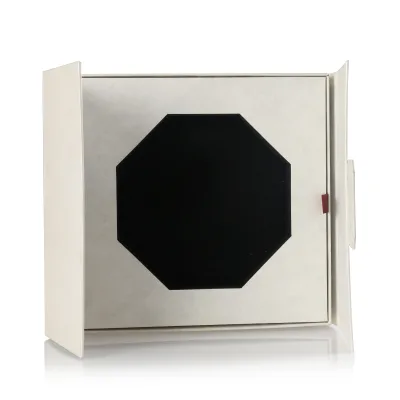
$0.6701 - $0.9788
MOQ: 500 pieces

Master Display Products (zhongshan) Co., Ltd.
- Manufacturer
- Guangdong, China
- Lead time20 days
- Avg. response≤ 2h
Main productsMetal Display Rack/Phone Display Cabinet/Wooden Display Stand/Scooter Display Stand/Acrylic Display Boxes
Main marketsNorth America(30.00%), Western Europe(30.00%), Southeast Asia(20.00%), Northern Europe(10.00%), Southern Europe(5.00%), Eastern Europe(5.00%)

Ningbo Paiaopai Display Co., Ltd
- Verified by TUVRHEINLAND
- Combined
- China Zhejiang
- Lead time30 days
- Avg. response≤ 2h
Main productsMakeup Cosmetic Display Organizer Beauty, Jewelry Display Stand for Necklace Breclet Tray, Counter Display for Retial Store Sunglass, Buffet Display for Cake Dessert Party Stand, Funko Pop Acrylic Box Pokemon Etb Booster Pack, Acrylic Sign Label Price Tag Display Holder Fram, Juice Wine Display Racking Shelf Showcase, Acrylic Floor Display Pop up Display Side Table, House Decoration Display Stand Desktop Vase, Store Display Rack Supermarket Metal Acrylic PVC
Main marketsDomestic,North America
Shenzhen BOSN Display Co., Ltd.
- Verified by SGS Group
- Manufacturer, Trading Company
- Lead time20 days
- Avg. response≤ 2h
Main productsAcrylic Podium, Acrylic Table, Acrylic Chair, Acrylic Display, Acrylic Box
Main marketsNorth America(35%), Western Europe(20%), Oceania(10%)
Zhongshan Jihong Artwork Co., Limited
- Verified by TüVRheinland
- Manufacturer, Trading Company
- GUANGDONG, China
- Lead time10 days
- Avg. response≤ 1h
Main productsAcrylic Box, Acrylic Display Rack, Acrylic Crafts, Acrylic Mahjong Tiles, Acrylic Advertising
Main marketsNorth America(50%), Eastern Europe(10%), Southeast Asia(10%)

- Trading Company,Manufacturer/Factory
- China Guangdong
- Lead time23 days
- Avg. response≤ 2h
Main productsAcrylic Display Stand, Acrylic Box, Acrylic Photo Frame, Acrylic Tray, Acrylic Makeup Organizer, Acrylic Menu Holder, Acrylic Award, Acrylic Case, Plexiglass Display, Plexiglass Shelf
Main marketsSouth America,Eastern Europe,Mid East,North America,Southeast Asia,Eastern Asia,Oceania,Western Europe,Africa

Eonjoy Plastics (Guangzhou) Co., Ltd.
- Trading Company
- China Guangdong
- Lead time0 days
- Avg. response≤ 1h
Main productsAcrylic Display, Acrylic Photo Frame, Acrylic Cosmetic Display, Artifact in Resin, Lucite Tray, Transparent Storage Box, Acrylic Box

Acrylic Display Case & Magnetic Buckle & Dustproof Protection Clear Showcase Box
$5.80 - $7.90
MOQ: 50 Pieces


Dongguan DND Display Products Co., Ltd.
- Verified by SGS
- Combined
- China Guangdong
- Lead time23 days
- Avg. response≤ 4h
Main productsAcrylic Household Products, Acrylic Display Products, Acrylic Furniture
Main marketsSoutheast Asia/ Mideast,Domestic,Europe,North America

Longgang Feiying Craft Gift Co., Ltd.
- Verified by TUVRHEINLAND
- Trading Company
- China Zhejiang
- Lead time15 days
- Avg. response≤ 4h
Main productsAcrylic Keychain, Acrylic Fridge Magnets, Acrylic Standee, Acrylic Sheet, Acrylic Flowing Sand Fridge Magnet, Customized Acrylic Keychains, Customized Acrylic Standees, Acrylic Coaster, Acrylic
Main marketsDomestic
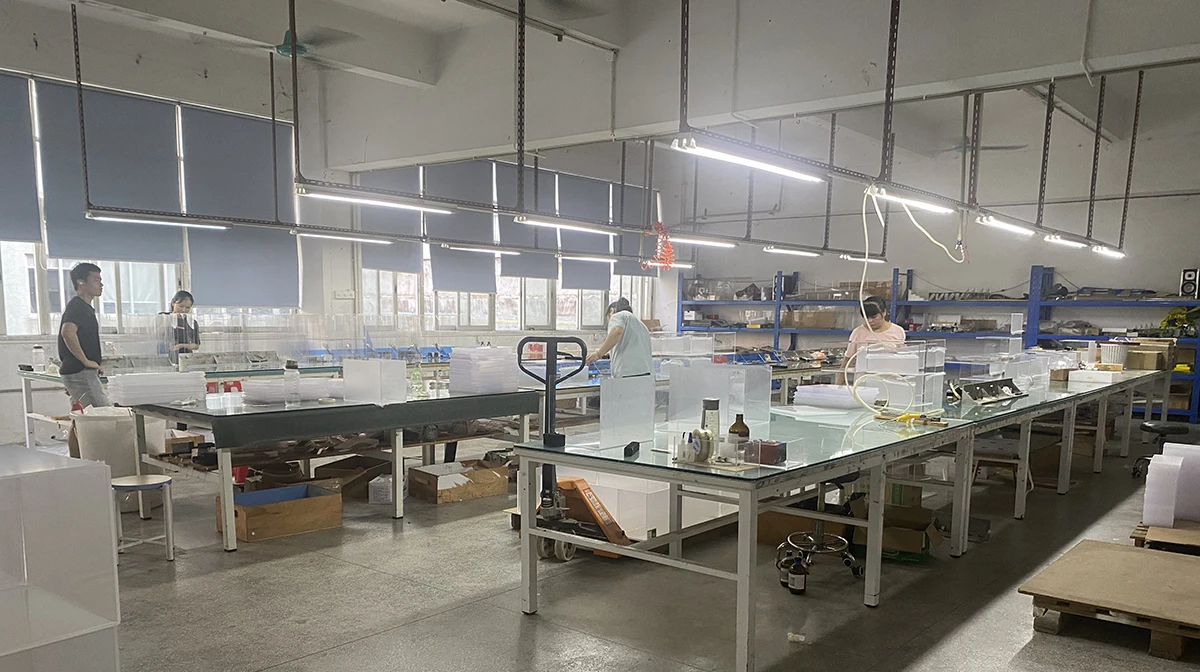
Dongguan Guangzhi Crafts Co., Ltd
- Manufacturer, Trading Company
- Guangdong, China
- Lead time10 days
- Avg. response≤ 5h
Main productsAcrylic Products,Dispalying & Packaging,Precision Machining,Gifts&Rewards,Promotional Items
Main marketsNorth America(30.00%), Western Europe(25.00%), Oceania(10.00%), Northern Europe(8.00%), Mid East(8.00%), Southern Europe(7.00%), Eastern Asia(5.00%), Central America(3.00%), South America(2.00%), Eastern Europe(2.00%)
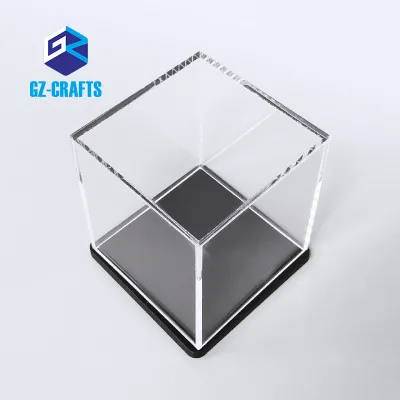
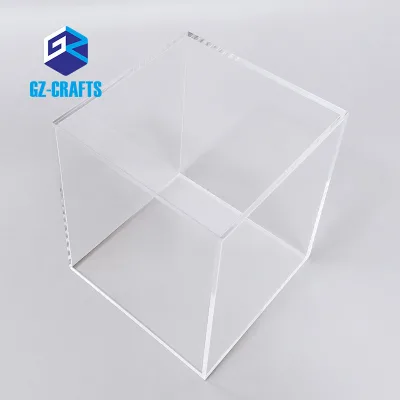
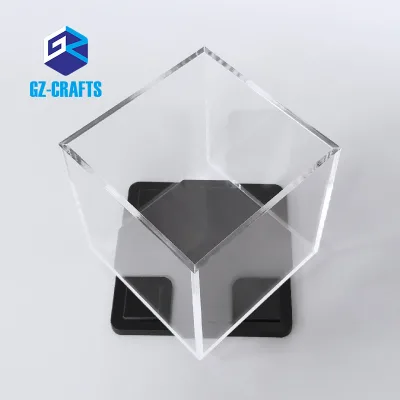
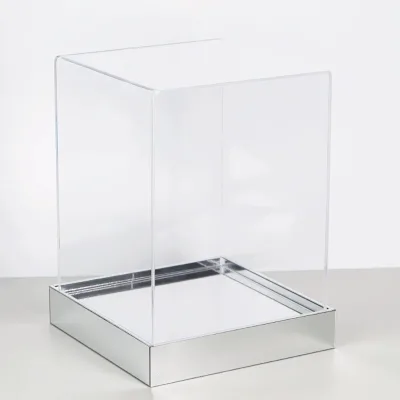
Exhibition Acrylic Display Box Custom Design Square Acrylic Transparent Box With Base
$0.60 - $6.50
MOQ: 100 Minimum
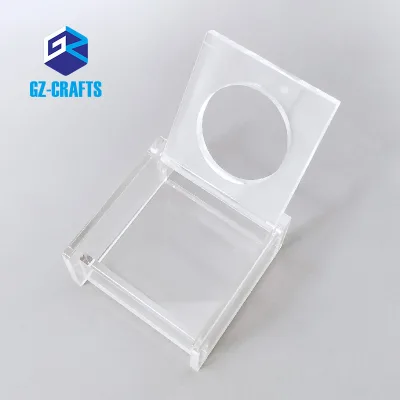
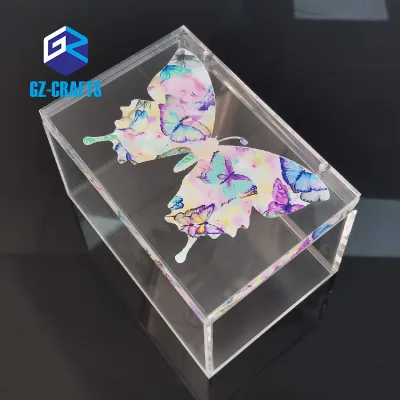
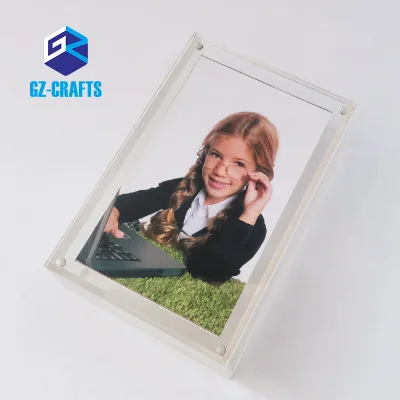
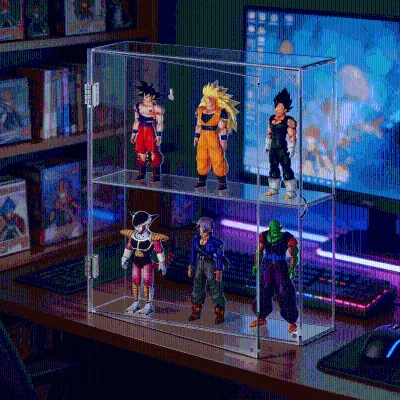
Clear Acrylic Picture Display Box Custom Acrylic Magnetic Booster Box With Picture Frame
$4.3516 - $8.9101
MOQ: 100 Minimum
Ningbo Maolin Plastic Technology Co., Ltd.
- Manufacturer, Trading Company
- Lead time旺季: "1 - 300":15,"> 300":"To be negotiated", 淡季: "1 - 300":15,"> 300":"To be negotiated"
- Avg. response≤ 5h
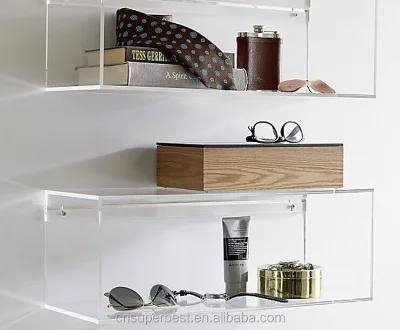
Main productsDisplay Shelf,Acrylic Display,Supermarket Display Shelf,Cosmetics Display Shelf,Display Stand














Comprehensive Sourcing Guide
Recycled Material Screen Display Box Supplier Concentration and Factory Types
The current supplier landscape for recycled material screen display boxes reveals a concentration of manufacturing capabilities primarily within China, with specific operational hubs identified in Shanghai and Zhejiang Province. These regions serve as critical nodes for packaging production, offering a dense network of factories that specialize in both corrugated and rigid paper structures. The data indicates that suppliers in Shanghai often leverage established logistics infrastructure, while those in Zhejiang, particularly in Taizhou City, demonstrate strong capabilities in customized display solutions. This geographic clustering allows buyers to evaluate suppliers based on regional strengths, such as Shanghai’s focus on electronic and apparel packaging versus Zhejiang’s emphasis on durable, solid structures for retail environments. Understanding these location-based distinctions helps in narrowing down potential partners who align with specific logistical or production needs.
Factory types in this sector vary significantly, ranging from pure trading companies to combined entities that offer both OEM and ODM services. Many suppliers listed possess the capacity for own brand development, indicating a mature level of manufacturing sophistication that goes beyond simple assembly. The presence of combined company types suggests that some suppliers may act as intermediaries while also maintaining direct control over production lines, which can impact lead times and quality control processes. Buyers should carefully distinguish between pure manufacturers and trading entities, as the latter may offer broader product ranges but potentially less direct oversight of the recycling and material processing stages. The verification status of these suppliers, such as CTI verification, provides an additional layer of confidence regarding their operational legitimacy and compliance with international standards, though it does not guarantee specific material sourcing practices.
How to Verify Recycled Material Screen Display Box Suppliers
Verifying suppliers for recycled material screen display boxes requires a multi-layered approach that goes beyond basic company registration checks. Buyers should prioritize suppliers who hold recognized material certifications such as SGS, BV, TUV, and ISO standards, as these indicate a commitment to quality and environmental compliance. The presence of these certifications is particularly crucial when dealing with recycled materials, as it ensures that the input materials meet specific safety and sustainability criteria. Additionally, checking for ISO9001 and ISO14001 certifications can provide insight into the supplier’s quality management systems and environmental policies, which are essential for maintaining consistent product quality and reducing ecological impact. Buyers should request copies of these certificates and verify their validity through the issuing bodies to ensure they are current and applicable to the specific products being ordered.
Response time and verification badges are also critical indicators of supplier reliability and operational efficiency. A response time of approximately 9.80 hours suggests a moderate level of engagement, but buyers should look for suppliers who demonstrate quicker turnaround times for inquiries and sample requests. The availability of free samples for stock items can be a valuable tool for assessing material quality and print accuracy before committing to a large order. Furthermore, buyers should verify the supplier’s production capabilities by requesting detailed information about their manufacturing processes, including how they handle recycled material sourcing and processing. It is advisable to ask for references or case studies from previous clients, particularly those in similar industries such as electronics, apparel, or cosmetics, to gauge the supplier’s experience and reliability in delivering high-quality display boxes.
What to Compare Across Recycled Material Screen Display Box Suppliers
When comparing suppliers, buyers should focus on key operational metrics such as lead times, minimum order quantities (MOQ), and pricing structures. Lead times can vary significantly, with some suppliers offering production times of 7-10 working days, while others may require up to 15 days or more for mass production. Understanding these timelines is crucial for planning inventory and meeting launch deadlines, especially for time-sensitive retail campaigns. MOQs also differ, ranging from 500 pieces to 3000 pieces, which can impact the feasibility of small-batch orders or trial runs. Buyers should evaluate whether the supplier’s MOQ aligns with their sales projections and storage capabilities, and negotiate flexibility if possible, particularly for first-time orders or custom designs.
Pricing is another critical factor, with costs ranging from $0.21 to $1.13 per unit depending on material complexity, printing requirements, and order volume. Buyers should request detailed quotes that break down costs for materials, printing, and packaging to understand the value proposition of each supplier. Additionally, comparing the customization options available, such as logo printing, dimension adjustments, and structural designs, can help identify suppliers who offer the most tailored solutions. The availability of OEM services and the ability to accept custom art files in formats like PDF, CDR, and AI are also important considerations. Buyers should assess the supplier’s flexibility in accommodating specific design requirements and their willingness to provide samples for approval before mass production begins.
Common Recycled Material Screen Display Box Sourcing Risks
One of the primary risks in sourcing recycled material screen display boxes is the inconsistency in material quality and structural integrity. Recycled paper can vary in strength and durability depending on the source and processing methods, which may affect the box’s ability to withstand stacking and handling during shipping and display. Buyers should mitigate this risk by requesting detailed material specifications and testing reports from suppliers, ensuring that the recycled content meets the required strength standards for their specific application. Additionally, the risk of color variation in printing is significant, especially when using recycled substrates that may have inherent color differences. Buyers should insist on proofing and sample approvals to ensure that the final product matches the desired aesthetic and brand guidelines.
Another common risk is the discrepancy between quoted lead times and actual delivery dates, which can disrupt supply chain planning. Suppliers may underestimate the time required for material sourcing, production, and quality control, leading to delays that impact retail launches. To mitigate this, buyers should establish clear communication channels and request regular updates on production progress. It is also advisable to include penalty clauses in contracts for late deliveries to incentivize timely performance. Furthermore, the risk of non-compliance with environmental regulations in the supplier’s country of origin can pose reputational and legal challenges. Buyers should verify that the supplier adheres to international environmental standards and has the necessary certifications to support their claims of using recycled materials.
Recycled Material Screen Display Box Regional Sourcing and Logistics
Sourcing recycled material screen display boxes from China offers access to a mature manufacturing ecosystem with established logistics networks. Suppliers in Shanghai benefit from proximity to major ports, facilitating efficient export operations for sea, air, and express shipments. This geographic advantage can reduce transit times and costs, particularly for large-volume orders destined for international markets. Buyers should consider the logistical implications of sourcing from different regions, such as Zhejiang Province, which may have different port access and shipping rates. Understanding these regional differences can help in optimizing supply chain efficiency and reducing overall procurement costs. Additionally, buyers should evaluate the supplier’s experience with international shipping and their ability to handle customs documentation and compliance requirements.
Logistics planning should also account for the packaging and protection of the display boxes during transit. Suppliers often use master cartons, kraft paper, or pallets to ensure safe delivery, but buyers should verify that the packaging method is suitable for the specific product dimensions and weight. For fragile or high-value displays, additional protective measures may be necessary to prevent damage during handling. Buyers should also consider the environmental impact of packaging materials, opting for suppliers who use recyclable or biodegradable packaging solutions. Coordinating with freight forwarders early in the process can help in securing better shipping rates and ensuring timely delivery. It is also advisable to have a contingency plan for potential delays or disruptions in the shipping route, such as port congestion or weather-related issues.
Recycled Material Screen Display Box Commercial Terms and Order Planning
Commercial terms for recycled material screen display boxes typically include payment conditions, warranty policies, and after-sales support. Buyers should negotiate favorable payment terms, such as a deposit followed by balance payment upon shipment, to mitigate financial risk. It is also important to clarify the supplier’s warranty policy for defects or damages, ensuring that there is a clear process for claims and replacements. After-sales support, including technical assistance and customer service responsiveness, can be a valuable differentiator among suppliers. Buyers should assess the supplier’s commitment to customer satisfaction and their ability to resolve issues promptly and effectively. Establishing a strong relationship with the supplier can lead to better pricing, priority production, and improved service quality over time.
Order planning should involve a detailed timeline that accounts for design approval, sample production, mass production, and shipping. Buyers should allocate sufficient time for each stage to avoid bottlenecks and ensure timely delivery. It is advisable to start the process with a small trial order to test the supplier’s capabilities and quality standards before committing to a larger volume. This approach allows for adjustments and refinements based on initial feedback, reducing the risk of large-scale errors. Additionally, buyers should consider the seasonal demand for display boxes and plan orders accordingly to avoid peak season delays and price increases. Maintaining open communication with the supplier throughout the order process can help in managing expectations and addressing any issues that arise promptly.
FAQs
What is the typical lead time for recycled display boxes?
Manufacturers generally require 7 to 15 days for mass production. Some suppliers offer faster turnaround times of 7 to 10 working days for standard orders. Sample delivery usually takes 7 to 8 days before bulk production begins. Buyers should confirm specific timelines with the supplier to ensure alignment with project schedules.
What is the minimum order quantity for these boxes?
Minimum order quantities typically range from 500 to 3000 pieces. Some suppliers accept orders as low as 500 units, while others require 1000 or 3000 pieces. This variation depends on the customization level and material specifications. Buyers should verify the exact MOQ with the supplier before placing an order.
Are recycled material display boxes available with custom printing?
Yes, customization is widely available for recycled material display boxes. Suppliers offer options for CMYK, Pantone, or single-color printing. Buyers can request custom dimensions, logos, and structural designs. The material certification often includes SGS, BV, or ISO standards to ensure quality and sustainability compliance for specific branding needs.
What is the price range for recycled display boxes?
Prices generally range from $0.21 to $1.13 per unit. The cost varies based on material thickness, printing complexity, and order volume. Some suppliers offer rates as low as $0.36, while others charge up to $1.13. Buyers should request quotes based on their specific quantity and design requirements to get accurate pricing.
Where are these suppliers located?
Suppliers are primarily located in China, specifically in Shanghai, Zhejiang, and Taizhou City. These regions are known for their packaging manufacturing capabilities. Buyers can filter results by location to find suppliers closer to their shipping routes. This helps reduce logistics costs and improve supply chain efficiency for international orders.
Do suppliers offer OEM services for display boxes?
Yes, many suppliers provide OEM and ODM services. Buyers can customize the design, structure, and branding of the boxes. Suppliers often accept custom art files in PDF, CDR, or AI formats. This allows businesses to create unique packaging solutions that align with their brand identity and product requirements.