Source Biodegradable Food Paper Standpouch for Food, Gift, and Stationery
Find 30 verified options for Biodegradable Food Paper Standpouch designed for food, gift, and stationery packaging. Compare customization, sealing methods, and material structures from suppliers in China to find the right solution; compare the available evidence and request quotations based on your requirements.
Updated
Key considerations
Products List


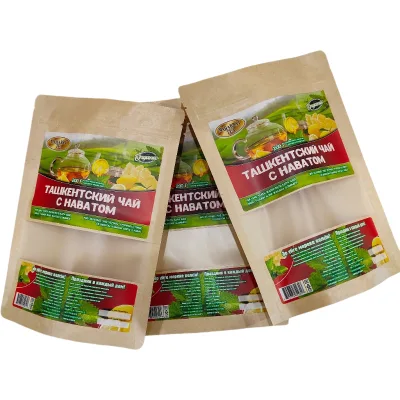
Food Stand up Pouch Biodegradable Versatile and Durable Packaging Food Bag
$0.01 - $0.05
MOQ: 1000 Pieces

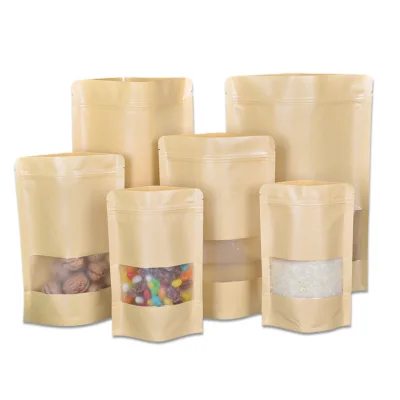


Custom Printed Biodegradable Food Bags Stand up Zip Lock Packaging Pouch
$0.05 - $0.25
MOQ: 10000 Pieces


Food Packaging Plastic Bag Biodegradable Compostable Stand up Pouch Plastic Bag
$0.28 - $0.30
MOQ: 10000 Pieces

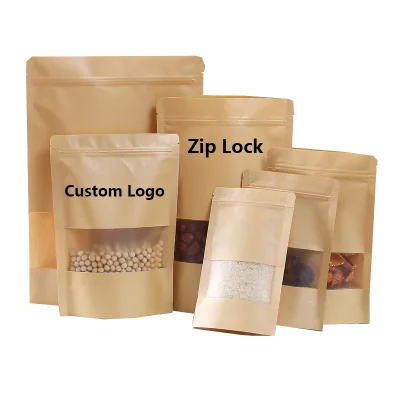
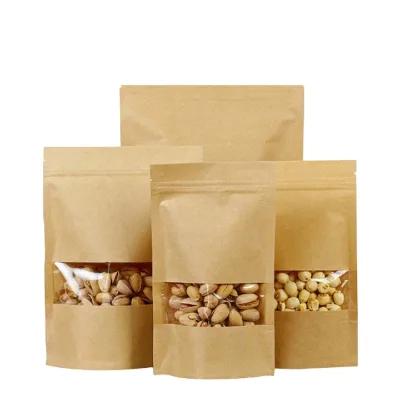
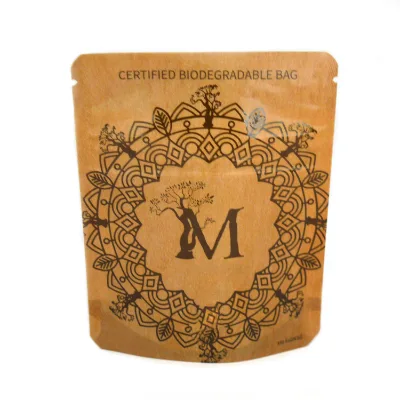
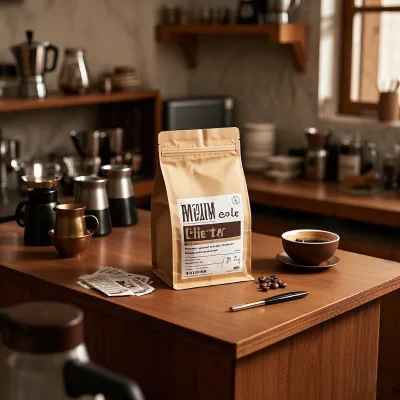

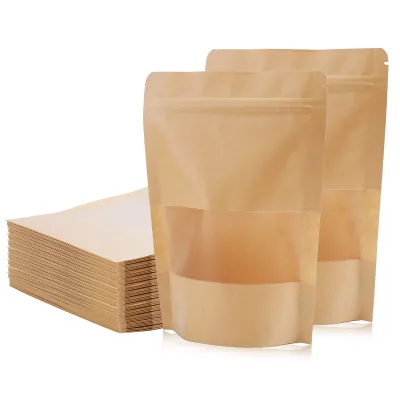
Kraft Paper Food Packaging Biodegradable Yellow Kraft Paper Stand up Pouch
$0.005 - $0.20
MOQ: 100000 Pieces

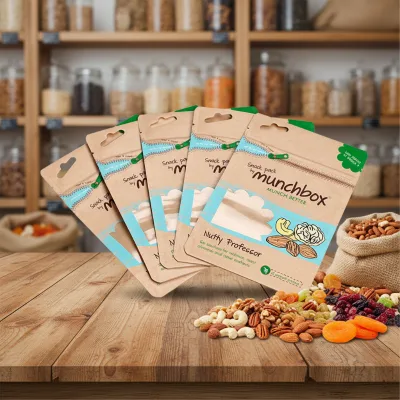
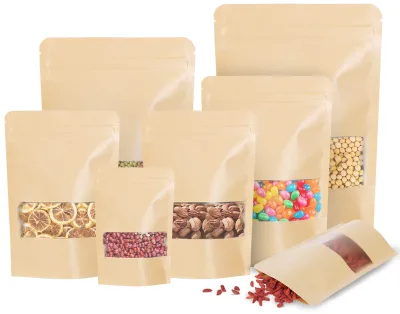
Food Grade Biodegradable Mylar Bags Plastic Kraft Paper Bag Stand up Pouch
$0.005 - $0.20
MOQ: 100000 Pieces




Comprehensive Sourcing Guide
Biodegradable Food Paper Standpouch Sourcing Guide
Buyers must first distinguish between paper-based and plastic-composite structures when sourcing biodegradable food stand-up pouches, as the supplied data reveals a mix of materials including paper, BOPP, and PE layers. While some listings explicitly identify Kraft Paper as a biodegradable option, others describe composite structures like BOPP/VMPET/LDPE which may not meet strict biodegradability criteria without specific certification. This distinction is critical because the term "biodegradable" often applies to the paper component or specific coating, whereas the functional barrier layers might remain synthetic.
Procurement teams should verify the exact material composition listed in the product specifications to ensure alignment with sustainability goals. The observed listings show variations such as "Kraft Paper Food Packaging Biodegradable" alongside "Plastic" and "BOPP" attributes, indicating that not all stand-up pouches in this category are fully biodegradable. Buyers need to scrutinize the "Material Structure" field to confirm if the entire bag or only specific parts are designed to degrade, preventing the accidental procurement of conventional plastic packaging under a green label.
Product Scope and Observed Listing Signals
The market for these packaging solutions includes diverse product models ranging from specific dimensions like 13824cm to fully customizable sizes, reflecting the flexibility offered by suppliers. Listings indicate that customization is a standard feature, with options for custom shapes, colors, and logos, allowing brands to tailor the packaging to their specific food product requirements. The observed price range of 0.01 to 0.5 USD suggests a wide variance in unit costs, likely driven by material complexity, order volume, and the specific barrier properties required for different food types.
Buyers should note that the observed Minimum Order Quantities (MOQ) span from 100 to 100,000 units, creating a significant barrier for small-scale startups while offering economies of scale for large manufacturers. The packaging style is consistently identified as "Doypack" or "Stand up Pouch," often featuring flat bag packaging or zipper closures depending on the specific model. Understanding these signals helps buyers align their order volume and design needs with supplier capabilities, ensuring they select a product that fits both their budget and their logistical constraints.
Technical Specifications to Verify
Technical verification must focus on the layered structure and sealing methods to ensure the pouch can protect food products effectively. The supplied facts highlight a "BOPP/VMPET/LDPE" structure for some items, which offers high barrier properties, while others rely on "Kraft Paper" with "CPP" heat seal layers. Buyers must confirm that the "Functional Layer" and "Hardness" attributes match the specific food item being packaged, as rigid structures may be unsuitable for liquid foods while flexible ones might lack the necessary moisture proofing.
Sealing performance and transparency are equally critical technical parameters that require direct validation against the product data sheet. Listings mention "Flat Bag Packaging" and "Zipper Closure" as distinct sealing methods, each offering different levels of reusability and freshness retention. Additionally, the "Surface Handling" options, such as matt or shiny finishing, and the "Transparency" levels, ranging from opaque to transparent, must be selected based on the brand's visual identity and the need for product visibility.
Compliance and Safety Documentation
Compliance verification is essential because the term "biodegradable" is often associated with specific standards that must be explicitly confirmed by the supplier. While the context mentions general standards like EN 13432 and ASTM D6400 as background, buyers must demand current test reports proving that the specific paper or composite pouch meets these criteria for the intended market. Relying on general claims without documented proof can lead to regulatory issues, especially when the product is marketed as "Bio-Degradable" or "Recyclable."
Food safety compliance requires that the materials used, such as PE or Kraft Paper, are certified for direct food contact. The observed "Industrial Use" is listed as "Food," but this generic label does not guarantee compliance with local food safety regulations in the destination country. Buyers should request documentation confirming that the "Surface Printing" and "Sealing Method" do not introduce contaminants, ensuring the final package is safe for the intended food application without relying on unverified supplier assertions.
Cost Drivers and Commercial Terms
Cost drivers in this sector are heavily influenced by the complexity of the material structure and the extent of customization required. The presence of multiple layers like VMPET and the use of specialized printing methods such as "Gravure Printing" significantly increase production costs compared to single-layer paper bags. Buyers should anticipate that requests for custom shapes, colors, and logos will add to the base unit price, which is already variable based on the observed range of 0.01 to 0.5 USD.
Commercial terms must be carefully negotiated to account for the wide range of observed MOQs and the specific packaging requirements. The "Carton Box Packaging" or "Box" packing method noted in the listings affects shipping efficiency and final landed costs, as denser packing reduces freight expenses. Buyers should clarify whether the quoted price includes the cost of custom molds for shapes or if the "Custom Size Accepted" standard incurs additional setup fees, ensuring the total cost of ownership is accurately calculated before placing an order.
Supplier Qualification and Quality Control
Supplier qualification should prioritize manufacturers who demonstrate a clear understanding of the distinction between paper and plastic composite structures. The observed data shows suppliers offering both "Paper" and "Plastic" options, indicating a need to verify their specific expertise in biodegradable materials. Buyers should assess whether the supplier has the capability to produce the "Composite Packaging Bag" structure with the required "Moisture Proof" and "Waterproof Performance" attributes consistently across large batches.
Quality control processes must be validated through on-site audits or detailed third-party inspection reports, focusing on the "Making Process" and surface finishing. The "Surface Handling" options like matt or shiny finishing can vary in quality, affecting the durability and aesthetic appeal of the final product. Buyers should establish clear acceptance criteria for the "Bag Type" and "Sealing Method" to ensure that the "Self-sealing" or "Zipper Closure" mechanisms function correctly and do not fail during transit or storage.
Long-Term Procurement Checks
Long-term procurement success depends on establishing a reliable supply chain that can maintain consistent quality and material composition over time. Buyers should monitor the supplier's ability to adhere to the "Custom Order" specifications and ensure that the "Product Name" and "Design" services remain stable as production scales. Regular audits of the "Place of Origin" and "Brand Name" details help verify that the supply chain remains transparent and that the products continue to meet the original sustainability and safety claims.
Continuous verification of the "Feature" set, such as "Moisture Proof" and "Recyclable" status, is necessary to ensure the packaging remains compliant with evolving environmental regulations. As market standards shift, buyers must re-evaluate the "Standard" and "Certification" status of their suppliers to confirm that the "Biodegradable" claims remain valid. Establishing a feedback loop for performance data allows buyers to adjust their specifications proactively, ensuring the long-term viability of the packaging solution for their food products.
FAQs
Can biodegradable food paper standpouches be customized with logos?
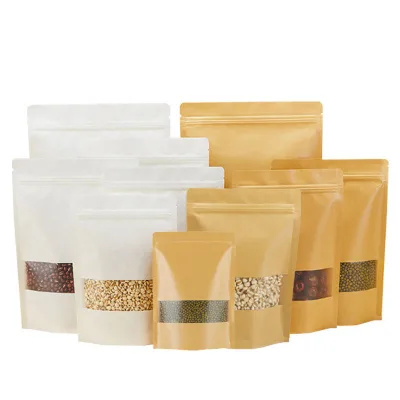
Yes, customization is available for these packaging solutions. Buyers can accept customized logos and design services to create unique branding. The products support custom shapes and colors, allowing for tailored appearances. This flexibility ensures that the packaging aligns perfectly with specific brand identities and marketing requirements for various food items.
What materials are used in biodegradable food paper standpouches?
These pouches primarily utilize paper and plastic materials. Specific structures include BOPP, VMPET, and LDPE layers for durability. Some variants are made from kraft paper, which is noted for being biodegradable. The combination of these materials ensures the bags are moisture-proof and suitable for industrial food use while maintaining structural integrity.
What are the standard specifications for these stand up pouches?
Standard specifications include models like WY-01-07 and SU-110202331. Common dimensions are 15*20*10 cm, 13*8*24 cm, and 12*7*21 cm. Custom sizes are accepted to meet specific product needs. The pouches are rigid, opaque, and feature a basic layered structure, ensuring they are sturdy and suitable for various packaging applications.
How are these food packaging bags sealed and packed?
The bags utilize flat bag packaging and zipper closures for secure sealing. Some options include self-sealing methods for convenience. For shipping, they are packed in carton boxes or individual boxes. This packaging method protects the products during transit and ensures they arrive in pristine condition, ready for immediate use by buyers in the food industry.
Where are these biodegradable pouches manufactured?
These products originate from China, specifically from regions like Hebei. Manufacturers in this area provide competitive sourcing options for global buyers. The production process involves composite packaging techniques to ensure quality. Buyers can source directly from these factories to access cost-effective solutions for their food packaging needs.
What features make these pouches suitable for food packaging?
These pouches are moisture-proof and waterproof, protecting food items from humidity. They are designed for industrial food use, ensuring safety and hygiene. The materials are often recyclable and bio-degradable, supporting sustainable practices. The rigid structure and matte or shiny finishing options enhance product presentation while maintaining functional performance for various food types.