Source Glossy Beverage Shrink Sleeve for bottles, cans, and jars
Compare 30 listings for Glossy Beverage Shrink Sleeve options including PVC, PET, and BOPP materials. Buyers can evaluate customization, printing methods, and shrinkage rates for food and beverage packaging needs; compare the available evidence and request quotations based on your requirements.
Updated
Key considerations
Products List


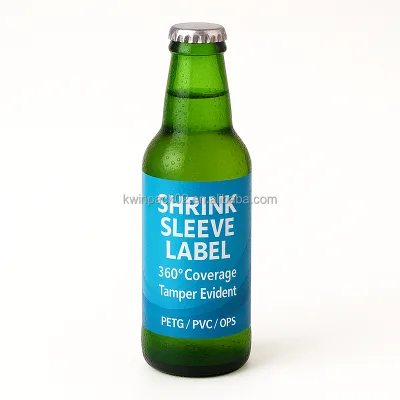
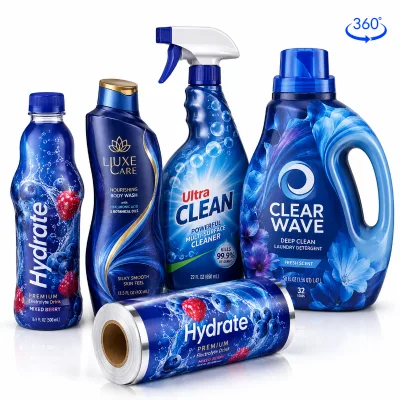
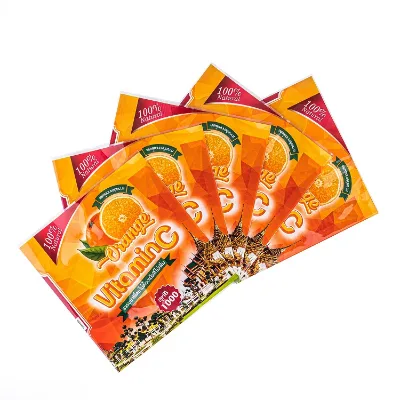
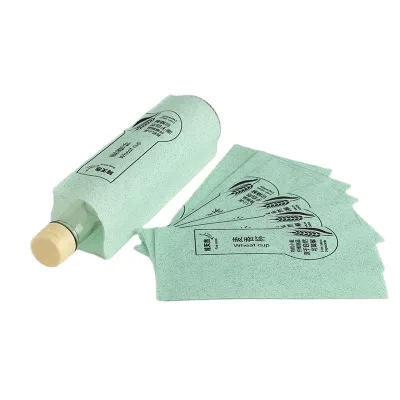
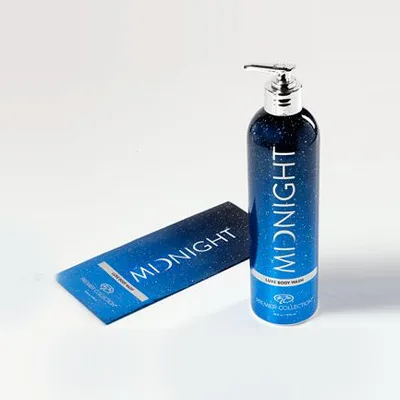
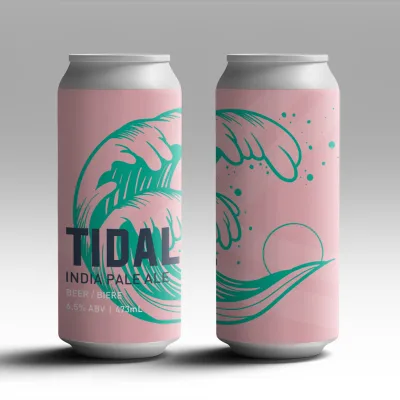
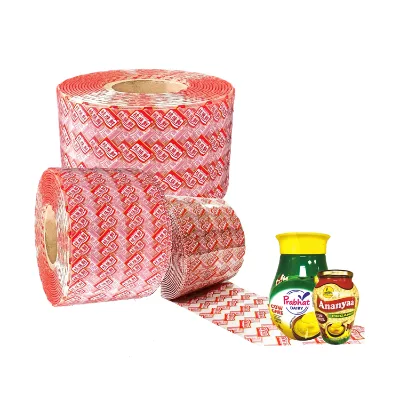
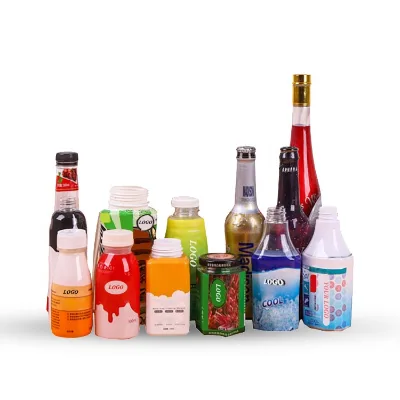
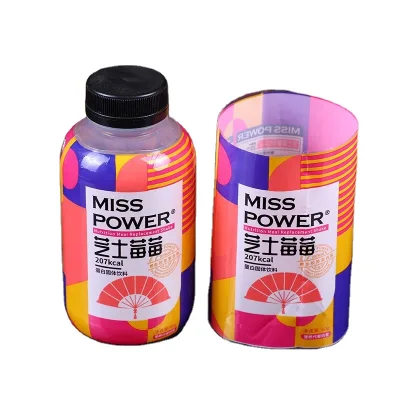
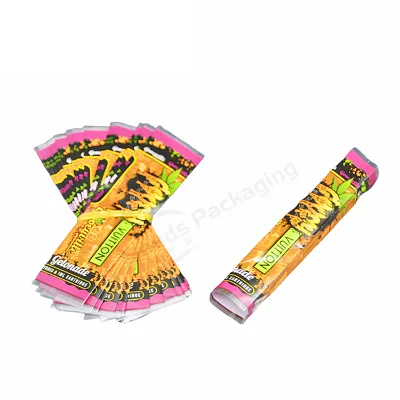
Customized Beverage Bottle Packaging Glossy Durable Shrink Sleeve Label
$0.05 - $0.50
MOQ: 50000 Pieces


High Shrinkage Durable Shrink Packaging Sleeve Label for Beverage Bottle
$0.05 - $0.50
MOQ: 50000 Pieces






Comprehensive Sourcing Guide
Glossy Beverage Shrink Sleeve Sourcing Guide
Sourcing glossy beverage shrink sleeves requires a careful balance of aesthetic appeal and functional performance. Buyers must prioritize materials that deliver high-clarity finishes while maintaining structural integrity during the shrinking process. The observed market data indicates a diverse range of options, including PVC, PET, BOPP, and PETG substrates, each offering distinct properties for different production environments. Understanding these material differences is critical for selecting the right sleeve for specific beverage containers, ensuring both visual impact and operational efficiency.
Procurement teams should also consider the customization capabilities available from suppliers. Many manufacturers offer tailored solutions, including custom branding, specific shrinkage ratios, and specialized printing techniques such as gravure or digital printing. The ability to provide samples freely allows buyers to test the glossy finish and shrinkage behavior before committing to large orders. This flexibility supports rapid product development and ensures that the final packaging aligns with brand identity and consumer expectations in the competitive beverage market.
Product Scope and Observed Listing Signals
The current market landscape for glossy beverage shrink sleeves reveals a wide variety of product listings with varying specifications. Observed price points range from $0 to $5.99 USD, reflecting differences in material quality, order volume, and customization complexity. Minimum order quantities (MOQs) vary significantly, starting from as low as 1 unit up to 50,000 units, catering to both small-scale startups and large industrial buyers. This variability allows purchasers to align their procurement strategy with their production capacity and inventory management preferences.
Product attributes indicate that many sleeves are designed for opaque or transparent applications, with some offering basic level layered structures. Common packaging methods include bags and cartons, ensuring safe transport and storage. The observed listings highlight features such as heat shrinkability, waterproof properties, and specific shrinkage percentages, which are crucial for ensuring a tight fit on beverage containers. Buyers should carefully review these signals to match product capabilities with their specific operational needs, avoiding mismatches that could lead to production delays or quality issues.
Technical Specifications to Verify
Verifying technical specifications is essential to ensure the shrink sleeves meet production requirements. Key parameters include shrinkage ratios, which can range from 45%-50% in the transverse direction (Td) to 70%-75% for other materials, and minimal shrinkage in the machine direction (MD) at 0-2%. These ratios determine how well the sleeve conforms to the container shape. Buyers must confirm that the selected material, whether PVC, PET, or BOPP, aligns with the thermal profile of their labeling equipment to prevent distortion or incomplete shrinking.
Surface finish and printing quality are also critical technical aspects. Glossy and matte finishes are available, with printing processes supporting up to 10 colors via gravure or digital methods. Additional enhancements like gold stamping, color printing, and laser printing can elevate the visual appeal. It is vital to verify the adhesion properties and durability of the print, especially for beverages that may be exposed to condensation or cold temperatures. Ensuring these specifications are met guarantees a professional appearance and long-lasting label integrity.
Compliance and Safety Documentation
Compliance with safety and environmental standards is non-negotiable for beverage packaging. Buyers should request documentation confirming that materials meet relevant regulations, such as REACH and RoHS, which govern the use of hazardous substances. Although specific certification statuses may vary by supplier, verifying that the PVC, PET, or other materials used are food-grade is essential. This ensures that the packaging does not contaminate the beverage, maintaining product safety and regulatory compliance in target markets.
Additionally, suppliers should provide material safety data sheets (MSDS) and certificates of analysis (CoA) to verify the chemical composition and purity of the shrink sleeves. These documents help assess the environmental impact and recyclability of the packaging, which is increasingly important for brand reputation. Buyers must also ensure that the printing inks and adhesives used are compliant with food contact regulations. Thorough review of these documents mitigates legal risks and supports sustainable sourcing practices.
Cost Drivers and Commercial Terms
Several factors influence the cost of glossy beverage shrink sleeves, including material type, order volume, and customization level. Higher-quality materials like PETG or specialized PVC formulations may command higher prices but offer better performance and aesthetics. Customization options, such as unique shapes, specific shrinkage ratios, or complex printing designs, also add to the cost. Buyers should negotiate based on volume discounts, as larger orders often reduce per-unit costs significantly, improving overall profitability.
Commercial terms, including payment methods, lead times, and shipping arrangements, play a crucial role in total cost of ownership. Suppliers may offer flexible payment terms for established relationships, while new buyers might face stricter conditions. Lead times can vary based on production capacity and order complexity, so aligning procurement schedules with production needs is vital. Additionally, understanding shipping costs and packaging requirements helps avoid unexpected expenses, ensuring a predictable budget for the sourcing project.
Supplier Qualification and Quality Control
Qualifying suppliers involves assessing their manufacturing capabilities, quality control processes, and track record. Buyers should verify that suppliers have experience in producing shrink sleeves for the beverage industry, ensuring they understand the specific demands of this sector. Requesting references and case studies can provide insights into their reliability and consistency. Additionally, evaluating their quality control measures, such as in-process inspections and final product testing, helps ensure that every batch meets the required standards for gloss, shrinkage, and print quality.
Establishing clear quality agreements and inspection protocols is essential for maintaining consistency. Buyers should define acceptable tolerances for dimensions, shrinkage ratios, and visual defects. Regular audits and sample testing can help monitor supplier performance over time. Furthermore, ensuring that suppliers have robust traceability systems in place allows for quick identification and resolution of any quality issues. This proactive approach minimizes the risk of production disruptions and maintains high standards of product quality.
Long-Term Procurement Checks
Long-term procurement success depends on continuous monitoring and relationship management. Buyers should regularly review supplier performance metrics, including on-time delivery rates, defect rates, and responsiveness to issues. Establishing key performance indicators (KPIs) helps track these metrics objectively and identify areas for improvement. Regular communication with suppliers fosters collaboration and allows for joint problem-solving, ensuring that any emerging challenges are addressed promptly and effectively.
Additionally, staying informed about market trends and technological advancements in shrink sleeve packaging is crucial. New materials or printing techniques may offer improved performance or cost savings, providing opportunities for innovation. Buyers should periodically reassess their sourcing strategy to ensure it aligns with evolving business needs and market conditions. By maintaining a flexible and informed approach, organizations can secure a reliable supply of high-quality glossy beverage shrink sleeves, supporting their brand growth and market competitiveness.
FAQs
What materials are used for glossy beverage shrink sleeves?
The available materials include PVC, PP, BOPP, and PETG. These options allow for customization to meet specific beverage packaging needs while ensuring the product remains heat shrinkable and suitable for industrial food use applications.
Can I get custom branding on these shrink labels?
Yes, custom branding is available with options for gold stamping, color printing, and laser printing. The printing process supports gravure printing at most 10 colors, allowing for detailed designs on the glossy or matte finished surfaces.
What is the minimum order quantity for these products?
The minimum order quantity can range from 1 to 50,000 units depending on the specific supplier and product model. Some listings indicate a specific MOQ of 100 kilograms, while others accept custom orders with flexible quantities.
How are these shrink sleeves packaged for shipment?
Packaging options include bags, boxes, and cartons depending on the specific product configuration. The basic level packaging often utilizes flat bag packaging methods, ensuring the shrink labels are protected during transit from the origin in China.
Which printing methods are supported for these labels?
Supported printing methods include digital printing and gravure printing with up to 10 colors. Additional finishing options like gold stamping and laser printing are available to enhance the visual appeal of the Glossy Beverage Shrink Sleeve labels.
Are samples freely provided for these shrink sleeves?
Yes, samples are freely provided to potential buyers for evaluation. This allows clients to verify the heat shrinkable features, transparency, and hardness before committing to a larger order for their beverage packaging requirements.
What is the origin of these shrink sleeve products?
The products originate from China, specifically from locations such as Guangdong and Anhui. This origin ensures access to established manufacturing capabilities for producing customized shrink labels with various material compositions like PVC and PET.