Refillable Double Wall Bottle Suppliers and Manufacturers
Compare 20 verified suppliers offering refillable double wall bottles with varying lead times, certifications, and customization options. Review response times and MOQs to select a factory in Guangdong or Zhejiang that meets your production needs; review the available evidence before requesting comparable quotations from suitable candidates.
Updated
Suppliers List

Guangzhou Koodee Metal Co., Ltd.
- Verified by CTI
- Combined
- China Guangdong
- Lead time45 days
- Avg. response≤ 10h
Main productsWater Bottle, Stainless Steel Water Bottle, Stainless Steel Tumbler, Coffee Mug, Vacuum Flask, Sport Water Bottle, Drinks Bottle, Stainless Steel Bottle, Doule Wall Water Bottle, Travel Mug
Main marketsSouth America,Southeast Asia/ Mideast,East Asia(Japan/ South Korea),Domestic,Europe,North America

Wenzhou Guanmin Import and Export Co., Ltd.
- Verified by BV
- Trading Company,Manufacturer/Factory
- China Zhejiang
- Lead time120 days
- Avg. response≤ 7h
Main productsShopping Bag, Cooler Bag, Notebook, Pen, Color Pencil, Lanyard, Beach Ball, Umbrella, Sunshade, Air Freshener
Main marketsSouth America,Eastern Europe,Mid East,North America,Southeast Asia,Eastern Asia,Western Europe

Yangjiang Aohea Plastic Hardware Products Co., Ltd.
- Manufacturer/Factory
- China Guangdong
- Lead time23 days
- Avg. response≤ 23h
Main productsWater Bottle, Drink Water Bottle, Stainless Steel Vacuum Bottle, Portable Water Bottle, BPA Free Bottle, Spray Bottle, Sports Water Bottle, Vacuum Bottle, Plastic Drink Bottle, Tritan Sports Bottle
Main marketsSouth America,Eastern Europe,Mid East,North America,Southeast Asia,Eastern Asia,Oceania,Western Europe,Africa


Manufacturer Custom Reusable High Quality Sports Drinking Water Bottle Double Wall Insulated Bottles
$2.90 - $3.10
MOQ: 200 Pieces


316 Stainless Steel Reusable Thermal Bottle Double Wall Insulation BPA-Free & Non-Toxic
$3.40 - $4.30
MOQ: 200 Pieces

Guangzhou Haha Housewares Manufacturing Co., Ltd.
- Trading Company
- Guangdong, China
- Lead time30 days
- Avg. response≤ 5h
Main productsTumbler,Water Bottle,Mug,Can Cooler
Main marketsNorth America(85.00%), Northern Europe(3.00%), South America(2.00%), South Asia(1.00%), Southern Europe(1.00%), Eastern Europe(1.00%), Central America(1.00%), Western Europe(1.00%), Eastern Asia(1.00%), Mid East(1.00%), Oceania(1.00%), Africa(1.00%), Southeast Asia(1.00%)
Hefei Base Environment Protection Technology Co., Ltd.
- Manufacturer, Trading Company
- Anhui, China
- Lead time20 days
- Avg. response≤ 2h
Main productsVacuum Thermal Bottles,Protein Shaker Bottle,Plastic Bottles,Outdoor Tents,Camping Furniture
Main marketsSouth America(15.00%), North America(15.00%), Mid East(10.00%), Eastern Europe(10.00%), Domestic Market(5.00%), South Asia(5.00%), Southern Europe(5.00%), Northern Europe(5.00%), Central America(5.00%), Western Europe(5.00%), Eastern Asia(5.00%), Southeast Asia(5.00%), Oceania(5.00%), Africa(5.00%)
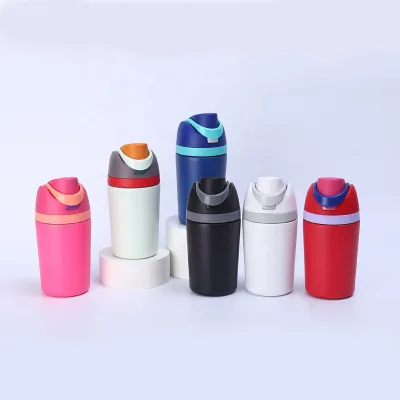
Eco-friendly 350ML 12OZ Reusable Oem Double Wall Insulated Water Bottle with Flip Straw
$2.68 - $3.10
MOQ: 100 pieces

Shanghai Touch Industrial Development Co., Ltd.
- Verified by TUVRHEINLAND
- Combined
- China Shanghai
- Lead time15 days
- Avg. response≤ 5h
Main productsInstant Hot Pack, Hot Cold Pack, Gel Eye Mask, Gel Ice Pack, Gel Bottle Cooler, Instant Ice Pack, Hand Warmer, Heat Pack, Cooling Scarf, Gel Beads
Main marketsSouth America,Others(foreignTradeCapacity.exportBusinessCapacityMarketOther),Southeast Asia/ Mideast,East Asia(Japan/ South Korea),Domestic,Europe,Australia,North America


2022 Double Wall Stainless Steel Bottle with Customized Color for Outdoor
$2.80 - $3.50
MOQ: 1000 Pieces


- Verified by SGS Group
- Trading Company
- Lead time30 days
- Avg. response≤ 2h
Main productsInsulated Water Bottle, Wine Tumbler, Bamboo Bottle, Sport Water Bottle, Glass Water Bottle
Main marketsNorth America(25%), Western Europe(20%), Eastern Europe(10%)

Jinjiang Jiaxing Import and Export Co., Ltd.
- Verified by CTI
- Manufacturer/Factory
- China Fujian
- Lead time120 days
- Avg. response≤ 2h
Main productsShoes, Slipper, Clothes, Promotion Gifts, Silicone Products, Outdoor Sports Products, Bags, Fashion Accessories, Consumer Electronics
Main marketsSouth America,Eastern Europe,Mid East,North America,Southeast Asia,Eastern Asia,Oceania,Western Europe,Africa
Everich Commerce Group Limited
- Manufacturer, Trading Company
- Lead time旺季: "1 - 500":35,"501 - 1000":45,"1001 - 5000":60,"> 5000":"To be negotiated", 淡季: "1 - 500":35,"501 - 1000":45,"1001 - 5000":60,"> 5000":"To be negotiated"
- Avg. response≤ 4h
Main productsWater Bottle, Tumbler & Mug, Lunch Box & Food Storage, Cooler Box and Bag, Drinkware Accessories
Shenzhen Lampda Photoelectric Technology Co., Ltd.
- Verified by TüVRheinland
- Manufacturer, Trading Company
- Lead time12 days
- Avg. response≤ 3h
Main productsUV Self-Cleaning Water Bottle, Shaker Bottle, Smart Water Bottle, Toothbrush Holder, Pacifier Sterilizer
Main marketsNorth America(25%), Western Europe(21%), Eastern Europe(10%)
$1.439 - $1.8498
MOQ: 100 pieces

Xiamen Newtop Material Company
- Verified by TUVRHEINLAND
- Combined
- China Fujian
- Lead time15 days
- Avg. response≤ 3h
Main productsSilicone Pet Prodcuts, Silicone Housewares Product, Silicone Baby Product, Silicone Parts, Silicone Cap, Silicone Breast Pump, Slow Feeder, Silicone Pet Mat, Silicone Gasket, Silicone Hose
Main marketsEurope,North America
- Manufacturer, Trading Company
- Hong Kong S.A.R.
- Lead time7 days
- Avg. response≤ 6h
Main productsTumbler
Main marketsNorth America(57.00%), Eastern Europe(19.00%), Southern Europe(11.00%), Western Europe(7.00%), Oceania(6.00%)
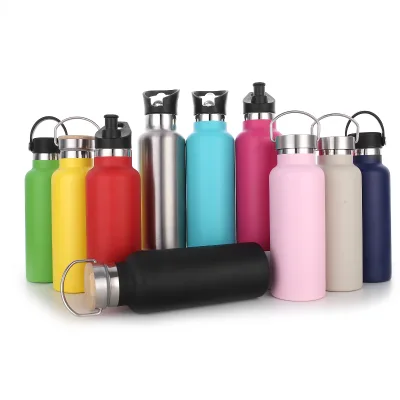
$2.0476 - $2.5318
MOQ: 20 pieces
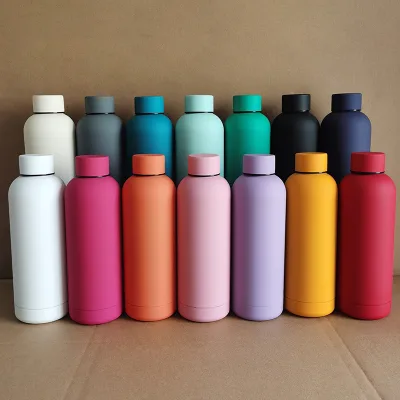
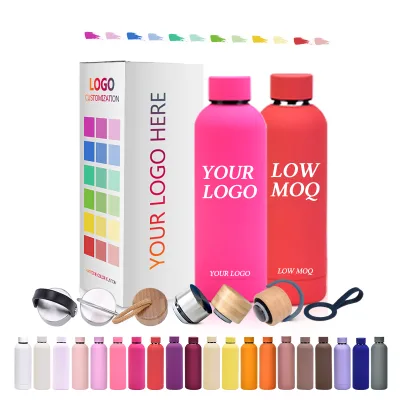
$2.2305 - $2.8541
MOQ: 20 pieces
Zhejiang Chengpeng Industry & Trade Co., Ltd.
- Verified by Intertek
- Manufacturer, Trading Company
- Lead time35 days
- Avg. response≤ 11h
Main productsSport Bottle, Water Bottle, Vacuum Tumbler, Travel Mug, Can Cooler
Main marketsNorth America(50%), Northern Europe(13%), Western Europe(11%)

Shanghai Karry Industrial Co., Ltd.
- Verified by BV
- Combined
- China Zhejiang
- Lead time30 days
- Avg. response≤ 6h
Main productsSports Bottle
Main marketsSoutheast Asia/ Mideast,Europe,North America

Water New Arrival Stainless Steel Double Walled Eco Friendly Reusable Bottle with Handle Lid
$2.50 - $3.30
MOQ: 500 Pieces

32oz Water 2023 Stock BPA Free 304 Leakproof Portable Large Wide Mouth Double Wall Bottle
$2.65 - $3.45
MOQ: 500 Pieces

Water Bottles Insulated Stainless Steel Reusable Portable Airless Bulk Travel Bottles
$2.28 - $2.88
MOQ: 500 Pieces

- Verified by TUVRHEINLAND
- Trading Company,Manufacturer/Factory
- China Jiangsu
- Lead time23 days
- Avg. response≤ 4h
Main productsMedal, Coin, Lapel Pin, PVC Patch, Embroidery Patch, Keychain, Button Badge, Silicone Wristband, Lanyards, Gift
Main marketsSouth America,Eastern Europe,Mid East,North America,Oceania,Western Europe

Shenzhen Kingline Technology Development Co., Ltd.
- Verified by BV
- Trading Company
- China Guangdong
- Lead time15 days
- Avg. response≤ 5h
Main productsShaker Bottle, Water Bottle, Sports Water Bottle, Pill Box, Stainless Steel Water Bottle, Vacuum Flask, Water Jug, Travel Water Bottle, Gym Water Bottle, Cycling Water Bottle
Main marketsSouth America,Southeast Asia/ Mideast,Europe,Australia,North America

Yongkang Trust Cup Industry Co.,ltd
- Trading Company
- Zhejiang, China
- Lead time30 days
- Avg. response≤ 13h
Main productsvacuum flask,water bottle,travel mug,coffee mug,hip flask
Main marketsSouth America(26.00%), North America(12.00%), Southeast Asia(11.00%), Africa(8.00%), Eastern Europe(8.00%), Western Europe(6.00%), Northern Europe(5.00%), Central America(5.00%), Mid East(5.00%), Domestic Market(3.00%), Southern Europe(3.00%), Oceania(3.00%), Eastern Asia(3.00%), South Asia(2.00%)
- Trading Company
- Jiangsu Province, China
- Lead time0 days
- Avg. response≤ 8h
Main productswooden jigsaw puzzles,wooden balance board,wooden toys,wooden coatrack,wooden stools
Main marketsNorth America(30.00%), Western Europe(20.00%), South America(10.00%), Eastern Asia(10.00%), Northern Europe(10.00%), South Asia(5.00%), Southern Europe(5.00%), Mid East(5.00%), Central America(5.00%)
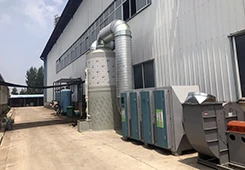
Xuzhou Didian International Trade Co., Ltd.
- Manufacturer, Trading Company
- Jiangsu, China
- Lead time20 days
- Avg. response≤ 3h
Main productsGlass Bottle,dropper bottle,Perfume Bottle,essential oil bottle,wine bottle
Main marketsWestern Europe(22.00%), South America(21.11%), North America(11.11%), Southeast Asia(9.21%), Eastern Europe(6.21%), Africa(4.21%), Mid East(2.91%), Oceania(2.10%), Eastern Asia(1.90%)

Qingdao Crystal Glass Co., Ltd
- Verified by TUVRHEINLAND
- Combined
- China Shandong
- Lead time15 days
- Avg. response≤ 4h
Main productsWine Bottle, Glass Bottle, Liquor Glass Bottle, Vodka Glass Bottle, Whiskey Glass Bottle, Tequila Glass Bottle, Brandy Glass Bottle, Glass Container, Glass Jar, Perfume Bottle
Main marketsNorth America






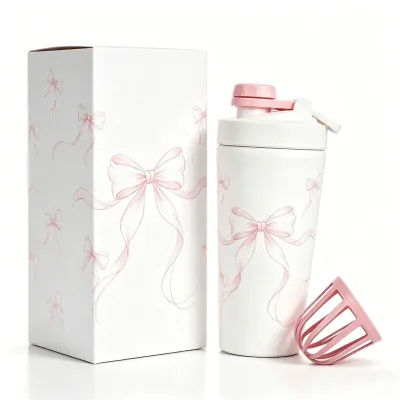


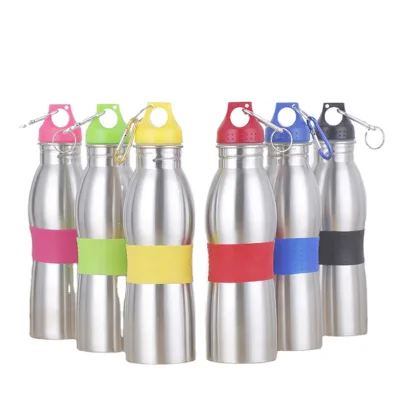
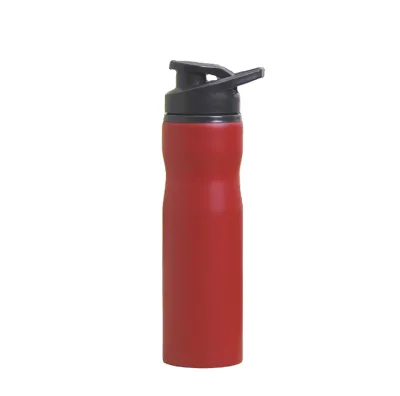
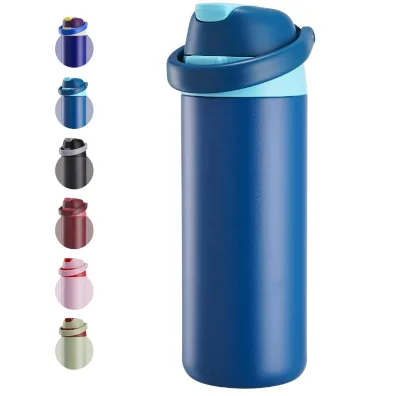


Comprehensive Sourcing Guide
Refillable Double Wall Bottle Supplier Concentration and Factory Types
The current supplier landscape for refillable double wall bottles reveals a distinct geographic concentration in China, specifically within the Guangdong and Zhejiang provinces. These regions serve as primary manufacturing hubs, leveraging established supply chains for stainless steel and plastic components. Suppliers in Guangdong often specialize in complex vacuum insulation technologies, offering products like stainless steel tumblers and sport water bottles with double-wall construction. In contrast, Zhejiang-based entities may present a broader mix of trading companies and manufacturers, sometimes diversifying into related promotional items like shopping bags or notebooks alongside drinkware. This regional clustering allows buyers to access specialized industrial ecosystems, though it requires careful verification to distinguish between pure factories and trading intermediaries. The presence of combined company types indicates that some suppliers operate as both manufacturers and trading entities, which can streamline communication but may obscure the true origin of production. Buyers must scrutinize the specific factory type listed, such as Manufacturer/Factory versus Trading Company, to understand the directness of their supply chain.
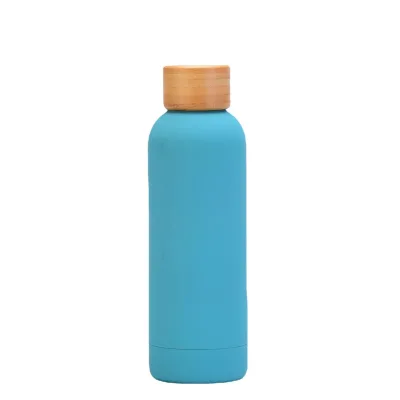
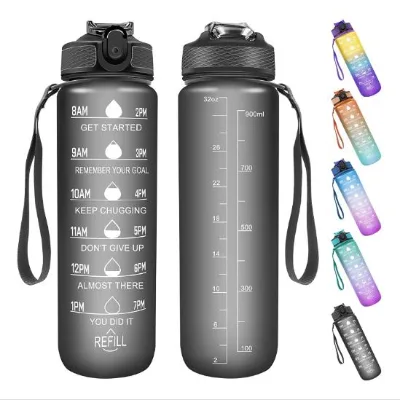
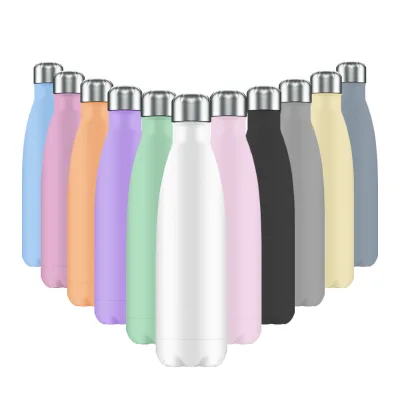
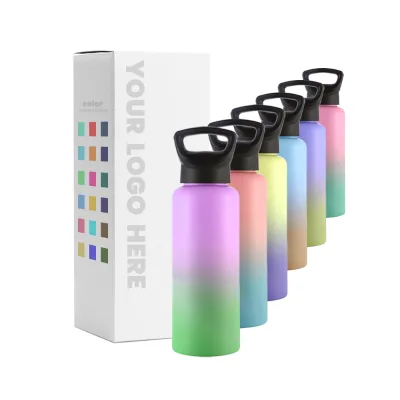
Factory types vary significantly in their operational focus and capabilities. Many suppliers offer both OEM and ODM services, allowing for extensive customization of shapes, colors, and branding. For instance, some manufacturers provide bullet-shaped or straight stainless steel bottles with double-wall vacuum insulation, while others focus on eco-friendly materials or specific certifications like LFGB and FDA. The availability of customization options, such as logo printing or unique packaging, is a key differentiator among these factory types. Buyers should assess whether the supplier’s primary business aligns with their volume needs and customization requirements. A pure manufacturer might offer better pricing for large orders but have higher MOQs, whereas a trading company might provide more flexibility for smaller, mixed orders. Understanding this distinction is crucial for selecting a partner that can meet specific production timelines and quality standards without unnecessary intermediation.
How to Verify Refillable Double Wall Bottle Suppliers
Verification is a critical step in mitigating risk when sourcing refillable double wall bottles from international suppliers. Buyers should prioritize suppliers who have undergone third-party verification processes, such as CTI or BV, which provide an additional layer of confidence regarding the supplier’s legitimacy and operational capacity. These verifications often include on-site checks of manufacturing facilities, quality control processes, and business licenses. Additionally, system certifications like ISO9001:2015 and ISO14001:2015 indicate a commitment to quality management and environmental standards, which are particularly important for food-contact products. Certifications such as BSCI, SEDEX, and ISO 13485 may also be present, reflecting adherence to social responsibility and specific industry standards. Buyers should request copies of these certificates and verify their validity through the issuing bodies to ensure they are current and applicable to the specific products being sourced.
Beyond certifications, buyers should evaluate the supplier’s response time and communication efficiency as indicators of their reliability. A quick response time, such as under ten hours, suggests a dedicated customer service team that can address inquiries and resolve issues promptly. This is especially important for complex orders involving custom designs or urgent production schedules. Buyers should also look for evidence of product quality, such as detailed product attributes including material specifications (e.g., SS304 inner, SS201 outer) and feature descriptions like leak-proof designs. Requesting samples is a practical way to verify these claims, allowing buyers to assess the build quality, insulation performance, and finish of the bottles. Furthermore, checking for factory audit reports, such as those from BSCI or Sedex, can provide insights into the working conditions and ethical practices of the supplier, ensuring alignment with corporate social responsibility goals.
What to Compare Across Refillable Double Wall Bottle Suppliers
When evaluating multiple suppliers, buyers must compare key operational metrics to identify the most suitable partner for their needs. Lead time is a critical factor, with some suppliers offering production times as short as 23 days, while others may require up to 120 days. This variance can significantly impact inventory planning and market launch strategies. Buyers should also compare minimum order quantities (MOQs), which can range from 1,000 to 3,000 units or more, depending on the supplier’s capacity and customization requirements. Pricing is another essential dimension, with costs varying based on material quality, design complexity, and order volume. For example, prices may range from $0.50 to $5.00 per unit, reflecting differences in stainless steel grades, insulation technology, and additional features like 360-degree covers or leak-proof mechanisms. Buyers should request detailed quotations that break down costs to understand the value proposition of each supplier.
Response time and customization capabilities are also vital comparison points. Suppliers with faster response times, such as those under seven hours, can facilitate quicker decision-making and problem resolution. Customization options, including logo placement, color choices, and packaging designs, should be clearly defined and compared across suppliers. Some suppliers may offer advanced features like double-tier structures or specific insulation times, which can be crucial for meeting specific market demands. Buyers should also assess the supplier’s main product focus to ensure they have expertise in refillable double wall bottles rather than a broad, unfocused catalog. Additionally, comparing the supplier’s established years and track record can provide insights into their stability and experience in the industry. By systematically evaluating these dimensions, buyers can make informed decisions that balance cost, quality, and service efficiency.
Common Refillable Double Wall Bottle Sourcing Risks
One of the primary risks in sourcing refillable double wall bottles is the potential discrepancy between claimed and actual product quality. Suppliers may advertise high-grade stainless steel, such as SS304, but deliver products with inferior materials like SS201, which can affect durability and safety. Buyers must verify material specifications through third-party testing or detailed product attributes to ensure compliance with food-grade standards. Another risk is the inconsistency in lead times, where suppliers may promise rapid production but fail to meet deadlines due to capacity constraints or supply chain disruptions. This can lead to stockouts and missed market opportunities, particularly for seasonal products. Buyers should establish clear contractual terms regarding production schedules and penalties for delays to mitigate this risk. Additionally, the complexity of customization can introduce errors in design or branding, requiring rigorous pre-production approvals and sample checks.
Quality control failures are another significant concern, especially when dealing with manufacturers that lack robust inspection processes. Defects such as leaks, poor insulation, or finish imperfections can result in high return rates and customer dissatisfaction. Buyers should implement strict quality assurance protocols, including pre-shipment inspections and random sampling, to catch defects before goods leave the factory. There is also the risk of intellectual property infringement if suppliers reuse designs or logos without authorization. Buyers must ensure that all custom designs are protected and that suppliers adhere to confidentiality agreements. Furthermore, environmental and social compliance risks, such as non-compliance with BSCI or SEDEX standards, can damage brand reputation. Buyers should conduct regular audits and monitor supplier performance to ensure ongoing adherence to ethical and environmental standards, protecting their brand from potential controversies.
Refillable Double Wall Bottle Regional Sourcing and Logistics
Sourcing from specific regions like Guangdong and Zhejiang offers logistical advantages due to their proximity to major ports and established shipping routes. Guangdong, in particular, is a hub for high-tech manufacturing and export-oriented industries, providing efficient access to global markets. Buyers should consider the impact of regional logistics on lead times and shipping costs, as suppliers in these areas may benefit from streamlined customs clearance and frequent shipping schedules. However, buyers must also account for potential regional disruptions, such as labor shortages or raw material price fluctuations, which can affect production stability. Understanding the local supply chain dynamics can help buyers anticipate delays and negotiate better terms. Additionally, buyers should evaluate the supplier’s experience with international shipping to ensure they can handle documentation, packaging, and compliance requirements effectively.
Logistics planning should also include considerations for packaging and protection during transit. Double wall bottles are susceptible to dents and scratches, so suppliers must use appropriate packaging materials, such as sturdy boxes or OPP bags, to prevent damage. Buyers should specify packaging requirements in their contracts to ensure products arrive in pristine condition. Furthermore, buyers should assess the supplier’s ability to consolidate shipments, especially when ordering from multiple suppliers or combining different product types. This can reduce shipping costs and simplify customs clearance. Buyers should also consider the environmental impact of logistics, opting for suppliers who use eco-friendly packaging and sustainable shipping practices. By integrating logistics planning into the sourcing strategy, buyers can optimize costs, reduce risks, and ensure timely delivery of their refillable double wall bottles to global markets.
Refillable Double Wall Bottle Commercial Terms and Order Planning
Commercial terms play a crucial role in defining the financial and operational framework of the sourcing relationship. Buyers should negotiate clear payment terms, such as deposits and balance payments upon shipment, to manage cash flow and risk. It is essential to specify the Incoterms, such as FOB or CIF, to determine responsibility for shipping and insurance costs. Buyers should also establish clear quality acceptance criteria and return policies to address any post-delivery issues. Additionally, buyers should consider the impact of currency fluctuations and exchange rates on pricing, especially for long-term contracts. By locking in prices or using hedging strategies, buyers can protect themselves from market volatility. Clear communication of these terms in the purchase order helps prevent misunderstandings and ensures both parties are aligned on expectations.
Order planning should be aligned with the supplier’s production capacity and lead times to avoid bottlenecks. Buyers should provide accurate forecasts and update them regularly to help suppliers plan their production schedules. This is particularly important for customized products, which may require longer lead times for design approval and tooling. Buyers should also consider the MOQs and plan their orders accordingly to maximize efficiency and minimize costs. For example, consolidating orders to meet MOQs can reduce per-unit costs and shipping expenses. Additionally, buyers should establish a buffer stock strategy to account for potential delays or quality issues. Regular communication with the supplier regarding production progress and any changes in demand can help maintain a smooth supply chain. By integrating commercial terms and order planning, buyers can build a resilient and efficient sourcing strategy for refillable double wall bottles.
FAQs
What is the price range for double wall bottles?
Prices typically range from $0.50 to $5.00 per unit depending on specifications. Some suppliers offer rates as low as $0.50 for basic models, while premium vacuum-insulated options cost up to $5.00. Buyers should verify exact quotes based on order volume and customization needs.
What certifications are available for these bottles?
Common certifications include ISO9001:2015, ISO14001:2015, BSCI, SEDEX, LFGB, and FDA. These ensure quality management and food safety compliance. Buyers should request valid certificates to verify that the manufacturer meets international standards for materials and production processes before placing large orders.
What is the minimum order quantity for customization?
Minimum order quantities generally start at 1,000 units for standard items and 3,000 units for customized designs. Some suppliers require higher volumes for specific features like custom logos or unique shapes. Buyers must confirm MOQs directly with suppliers to ensure alignment with their budget and inventory plans.
How long does production take for orders?
Lead times vary significantly, ranging from 15 to 120 days. Some manufacturers complete orders in 15-20 days, while others require up to 45 or 120 days. Buyers should clarify production schedules early to avoid delays, especially for urgent shipments or complex custom designs requiring additional processing.
Where are these suppliers located?
Suppliers are primarily located in Guangdong and Zhejiang provinces in China. These regions are known for strong manufacturing capabilities in drinkware and related accessories. Buyers can filter results by location to prioritize suppliers closer to shipping ports or those with specific regional logistical advantages for their target markets.
Can I get custom logos on these bottles?
Yes, customization is available for logos, colors, and shapes. Suppliers offer OEM and ODM services to tailor products to specific brand requirements. Buyers should provide design files and confirm printing methods to ensure the final product matches their branding guidelines and quality expectations.