Source Disposable PP Bamboo Bottle for beverage, juice, and water
Find 30 listings for the Disposable PP Bamboo Bottle suitable for beverage, juice, and water packaging. Buyers can compare specifications like volume, thickness, and sealing types from suppliers in Zhejiang, China; compare the available evidence and request quotations based on your requirements.
Updated
Key considerations
Products List
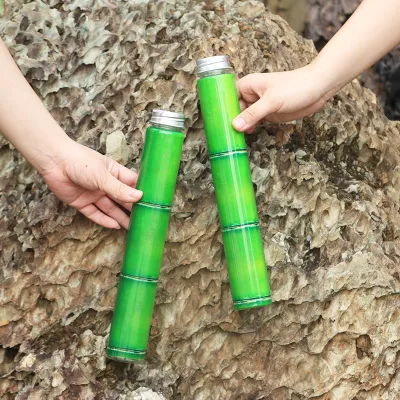
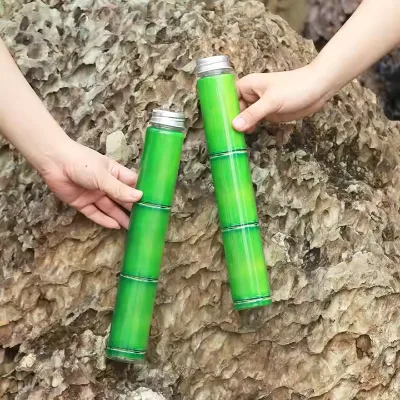
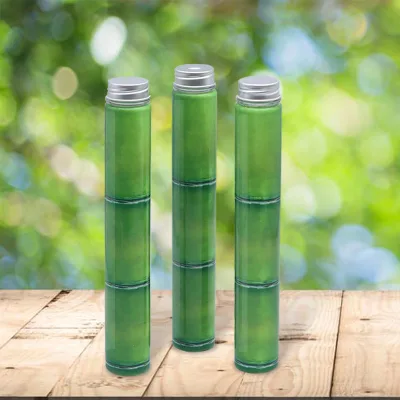
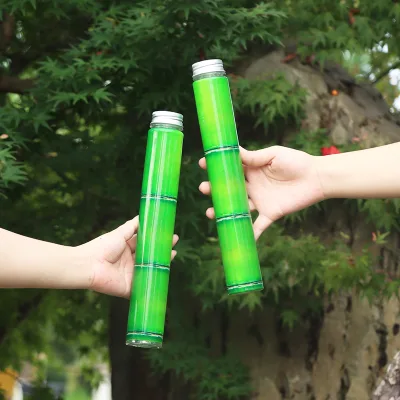


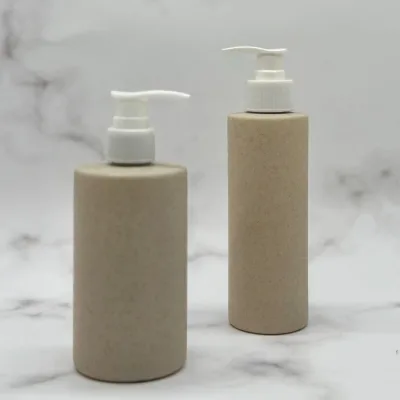


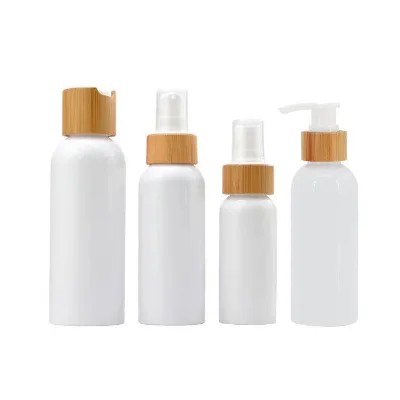
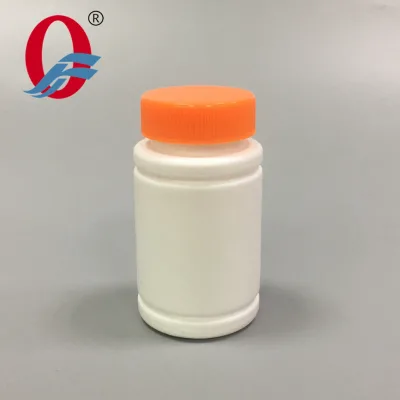
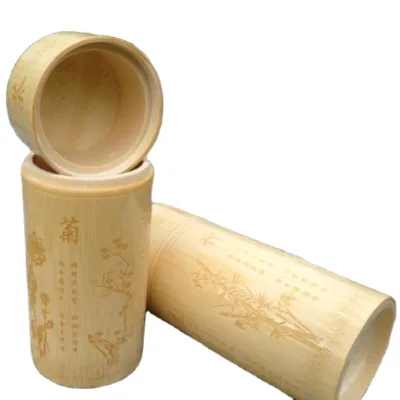

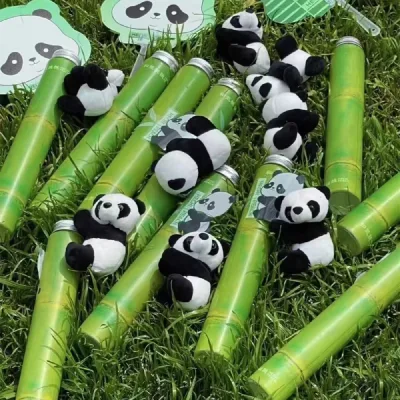
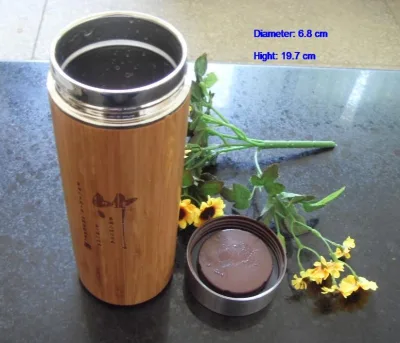
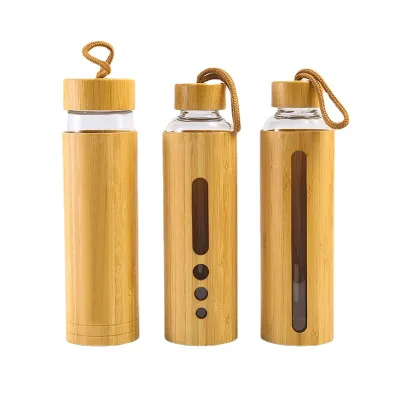


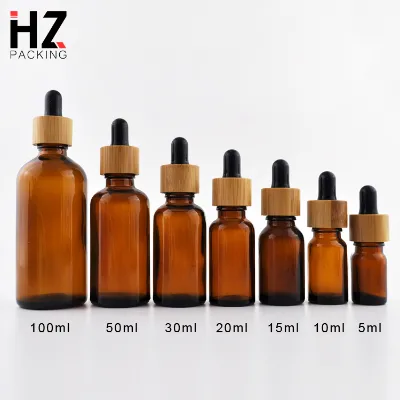

300ml Bamboo Pet Bottle Frosted Pet 130ml Bottle Bamboo Pet Bottle with Bamboo Lid
$0.5037 - $0.9549
MOQ: 5 Minimum


Comprehensive Sourcing Guide
Disposable PP Bamboo Bottle Sourcing Guide
Procuring disposable beverage containers that blend polypropylene construction with bamboo-inspired aesthetics requires careful evaluation of material integrity and visual appeal. Buyers must distinguish between genuine bamboo fiber composites and standard plastic bottles printed with bamboo graphics, as the latter are more common in the current market. The observed listings indicate a strong preference for PP and PET materials, with specific model numbers like 38-400-220Pp Bamboo suggesting a design focus rather than a material composition. Understanding this distinction is critical for ensuring the product meets both sustainability claims and functional durability requirements for cold beverage applications.
The sourcing landscape is dominated by manufacturers in Zhejiang, China, who offer extensive customization options for branding and packaging. These suppliers typically provide OEM and ODM services, allowing buyers to tailor the bottle’s shape, color, and sealing mechanism to their specific brand identity. With observed shapes ranging from cylinders to cones and rounds, the flexibility in design is high. However, buyers should verify the actual material composition to ensure it aligns with their regulatory and marketing goals, particularly when targeting eco-conscious consumers who may scrutinize the "bamboo" label closely.
Product Scope and Observed Listing Signals
The current market offers a diverse range of disposable beverage bottles, primarily constructed from polypropylene (PP) and polyethylene terephthalate (PET). Observed product attributes highlight a volume capacity of 400ml, which is ideal for single-serve juice and beverage packaging. The color options include green and transparent finishes, with some models featuring UV coating or silk screen printing to achieve a bamboo-like aesthetic. These visual treatments are applied to plastic substrates, meaning the "bamboo" aspect is largely decorative. Buyers should expect a variety of shapes, including cylinder, cone, and round designs, to suit different ergonomic and shelf-display needs.
Sealing mechanisms vary across the observed listings, with screw caps and aluminum caps being the primary options. This variation impacts the barrier properties and resealability of the final product. The single gross weight of these bottles is consistently low, ranging from 0.040 kg to 0.045 kg, indicating a lightweight design that reduces shipping costs. Packaging is typically bagged and boxed, with single package sizes varying from 20x20x20 cm to 30x20x30 cm. These dimensions suggest efficient palletization and storage, which are crucial for logistics planning. Buyers must confirm the specific sealing type required for their product’s shelf-life and distribution channel.
Technical Specifications to Verify
Thickness is a critical technical parameter that directly influences the bottle’s durability and cost. Observed specifications range from 0.1 mm to 1 mm, with specific models citing 0.3 mm, 0.5 mm, and 1 mm thicknesses. Thicker walls generally provide better impact resistance and barrier performance but increase material costs. Buyers should verify the exact thickness required for their beverage’s acidity and carbonation levels, if any. The model numbers, such as 62 or PET, often correlate with these structural variations. Understanding the relationship between thickness and performance is essential for optimizing the balance between product protection and material efficiency.
Printing and surface handling techniques also play a significant role in the final product quality. Options include UV printing, silk screen printing, and UV coating, which affect the durability of the bamboo graphic and the tactile feel of the bottle. The acceptance of custom logo and graphic design allows for strong brand differentiation. However, buyers must ensure that the printing process does not compromise the bottle’s structural integrity or food safety. The single package size and gross weight should be cross-referenced with the material thickness to ensure consistency across production batches. Clear specifications prevent discrepancies between samples and mass production.
Compliance and Safety Documentation
Food contact safety is paramount when sourcing disposable beverage bottles. Observed certifications include FDA and CE, which are essential for markets in North America and Europe, respectively. Buyers must verify that these certifications are current and applicable to the specific material grade used in production. The use of 100% PET or PP materials generally aligns with food safety standards, but documentation must be provided for each batch. Compliance with local regulations regarding plastic waste and recycling is also increasingly important. Buyers should request test reports that confirm the absence of harmful substances and ensure the material is suitable for direct beverage contact.
Regulatory compliance extends beyond initial certification to include ongoing quality assurance. Buyers should inquire about the supplier’s quality management systems and their adherence to international standards. The ability to provide traceability for raw materials is a key indicator of a reliable supplier. Additionally, buyers must consider the environmental regulations in their target markets, such as extended producer responsibility (EPR) schemes. Ensuring that the product meets these regulatory requirements helps avoid legal risks and enhances brand reputation. Clear communication with the supplier regarding compliance documentation is essential for smooth customs clearance and market entry.
Cost Drivers and Commercial Terms
The price range for these bottles is observed to be between 0 and 1400 USD, which likely reflects bulk pricing for large orders rather than unit costs. The minimum order quantity (MOQ) varies significantly, from 220 units to 10,000 units, depending on the customization level and material choice. Higher customization, such as unique shapes or complex printing, typically increases the MOQ and unit price. Buyers should negotiate based on volume commitments and clarify whether the price includes tooling, printing plates, and shipping costs. Understanding the cost structure helps in budgeting for the total landed cost of the product.
Commercial terms also include lead times and payment conditions, which are not explicitly detailed in the observed data but are critical for supply chain planning. Buyers should establish clear agreements on production schedules and delivery timelines to avoid stockouts. Payment terms, such as deposits and balance payments, should be aligned with industry standards to mitigate financial risk. The single item selling unit suggests that pricing is per piece, but bulk discounts may apply. Buyers must also consider the cost of packaging and logistics, which can significantly impact the overall expense. Transparent communication with suppliers regarding these terms ensures a smooth procurement process.
Supplier Qualification and Quality Control
Supplier qualification is a critical step in ensuring consistent product quality and reliable delivery. Buyers should verify the supplier’s manufacturing capabilities, including their production capacity and quality control processes. The brand name ChenRan and the company Taizhou Chenran Packaging Technology Co., Ltd. are observed in the listings, indicating established manufacturers in the region. Buyers should request samples to evaluate the physical quality, print accuracy, and sealing integrity. Conducting factory audits or third-party inspections can provide additional assurance of the supplier’s operational standards and compliance with ethical labor practices.
Quality control measures should be defined in the purchase agreement, including acceptance criteria for defects and tolerances. Buyers should specify the acceptable range for dimensions, weight, and print quality. Regular quality checks during production and before shipment help identify and rectify issues early. The supplier’s ability to provide consistent product quality across batches is a key indicator of their reliability. Buyers should also establish a clear process for handling non-conforming products, including returns and replacements. Building a strong relationship with the supplier through clear communication and mutual expectations fosters long-term partnership and operational efficiency.
Long-Term Procurement Checks
Long-term procurement success depends on continuous monitoring of supplier performance and market trends. Buyers should regularly review supplier metrics, such as on-time delivery rates, defect rates, and responsiveness to issues. Maintaining a diversified supplier base can mitigate risks associated with single-source dependencies. Staying informed about changes in material costs, regulatory requirements, and consumer preferences is essential for adapting procurement strategies. Buyers should also evaluate the supplier’s innovation capabilities, such as their ability to develop new designs or sustainable materials, to stay competitive in the market.
Sustainability is an increasingly important factor in long-term procurement decisions. Buyers should assess the supplier’s efforts to reduce environmental impact, such as using recycled materials or optimizing energy consumption. The observed use of PP and PET materials offers opportunities for recycling, but buyers must ensure proper disposal and recycling infrastructure is available in their target markets. Engaging with suppliers on sustainability initiatives can enhance brand value and meet consumer expectations. Regularly revisiting procurement strategies and supplier relationships ensures alignment with business goals and market demands, fostering resilience and growth in the long run.
FAQs
What is the typical volume capacity for these bottles?
The typical volume capacity for these bottles is 400ml as observed in the product specifications. This capacity is suitable for beverage packaging and aligns with the industrial use cases listed for the disposable bamboo bottle designs available from suppliers in Zhejiang.
Which materials are used for the bottle collar and body?
The bottle collar is made of plastic, while the body material is specified as 100% PET or PP plastic. These materials ensure durability and safety for beverage juice packaging, with some models featuring a screw cap or aluminum cap for sealing.
Can suppliers accept customized logo designs for these bottles?
Yes, suppliers accept customized logo designs for these bottles. The product attributes indicate that OEM and ODM services are available, allowing buyers to request specific graphic designs or branding on the transparent or green bottles with UV coating or screen printing.
What is the minimum order quantity for purchasing these bottles?
The minimum order quantity varies, with observed values ranging from 220 units up to 10,000 units depending on the specific supplier and model. Buyers should verify the exact MOQ requirements for their chosen model number and customization needs before placing an order.
How are these bottles sealed and packaged for shipment?
These bottles are sealed using either a screw cap or an aluminum cap depending on the specific model. They are typically packaged in bags and boxes, with single package sizes varying around 20 to 30 centimeters to ensure safe transport during shipping.
What certifications do these bottles hold for safety compliance?
The bottles hold FDA and CE certifications to ensure safety compliance for beverage packaging. These certifications confirm that the materials meet international standards for food contact, making them suitable for use with juices and other drinks in various global markets.
Where are these disposable bamboo bottles manufactured?
These disposable bamboo bottles are manufactured in Zhejiang, China. This location is a known hub for packaging production, offering a range of models with different shapes like cylinders or cones, and varying thicknesses from 0.1mm to 1mm for diverse applications.