Disposable Flannel Cotton Face Cover Suppliers and Manufacturers
Compare 16 verified suppliers offering Disposable Flannel Cotton Face Cover with details on location, lead times, certifications, and response times. Review product specs and request samples to proceed with sourcing; review the available evidence before requesting comparable quotations from suitable candidates.
Updated
Suppliers List

Hubei Mingerkang Health & Safety Appliances Co., Ltd.
- Verified by SGS
- Trading Company,Manufacturer/Factory
- China Hubei
- Lead time23 days
- Avg. response≤ 4h
Main productsFace Mask, Shoe Cover, Protective Clothing, Isolation Gown, Bouffant Cap, Surgical Gown, Lab Coat, Disposable Coverall, Disposable Face Mask, Medical Face Mask
Main marketsSouth America,Eastern Europe,Mid East,North America,Southeast Asia,Eastern Asia,Oceania,Western Europe,Africa

- Verified by BV
- Manufacturer/Factory
- China Hubei
- Lead time23 days
- Avg. response≤ 19h
Main productsDisposable Medical Supplies, Disposable Nonwoven Products, Disposable Polyethylene Products, Disposable Paper Consumables
Main marketsSouth America,Eastern Europe,Mid East,North America,Southeast Asia,Eastern Asia,Oceania,Western Europe,Africa

Xiantao Topmed Nonwoven Protective Products Co., Ltd.
- Verified by BV
- Combined
- China Hubei
- Lead time23 days
- Avg. response≤ 4h
Main productsSurgical Gown, Surgical Pack, Surgical Drape, Lsolation Gown, Lab Coat, Disposable Coverall, Bed Sheet, Disposable Cap, Face Mask, Dental Bib
Main marketsSouth America,Europe,North America


$0.014 - $0.025
MOQ: 50000 Pieces
Wuhan Huatian Innovation Trade And Industry Co., Ltd.
- Trading Company
- Hubei, China
- Lead time30 days
- Avg. response≤ 7h
Main productsDisposable Non-Woven Products,Disposable Plastic Products (Non-medical),Disposable Clothing,Overalls Sauna Suits,Lab Coat
Main marketsSouth Asia(14.00%), Western Europe(14.00%), Eastern Asia(14.00%), Southeast Asia(14.00%), Eastern Europe(14.00%), South America(14.00%), North America(14.00%)
Hubei Healthwell Protective Products Co., Ltd.
- Verified by SGS Group
- Trading Company
- Lead time30 days
- Avg. response≤ 5h
Main productsHeadphone Cover, Coverall, Lab Coat, Disposable Cap, Shoe Cover
Main marketsNorth America(20%), South America(20%), Northern Europe(20%)
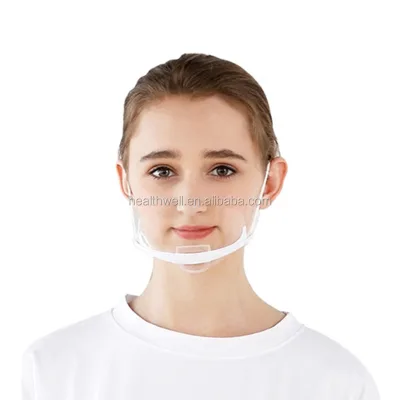
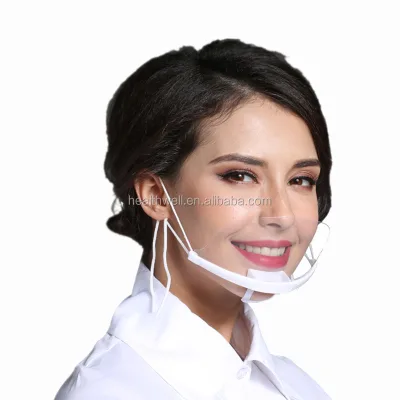
Food Industry Use Face Mouth Cover Plastic Mouth Cover Antifog Reusable Clear Face Mouth Cover
$0.4114
MOQ: 2000 Minimum

HUBEI HEALTHWELL PROTECTIVE PRODUCTS CO., LTD.
- Verified by SGS
- Trading Company,Manufacturer/Factory
- China Hubei
- Lead time23 days
- Avg. response≤ 5h
Main productsHeadphone Cover, Coverall, Isolation Gown, Lab Coat, Bouffant Cap, Shoe Cpver, Surgical Gown, Face Mask, Clip Cap, Surgical Packs
Main marketsSouth America,Eastern Europe,Mid East,North America,Southeast Asia,Eastern Asia,Oceania,Western Europe,Africa

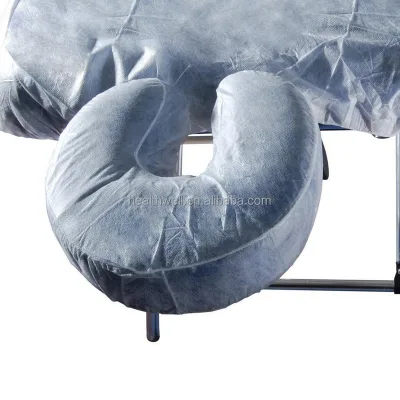
Disposable Non Woven White Color U Shape Face Rest Cradle Neck Pillow Case Cover
$0.08
MOQ: 50000 Pieces

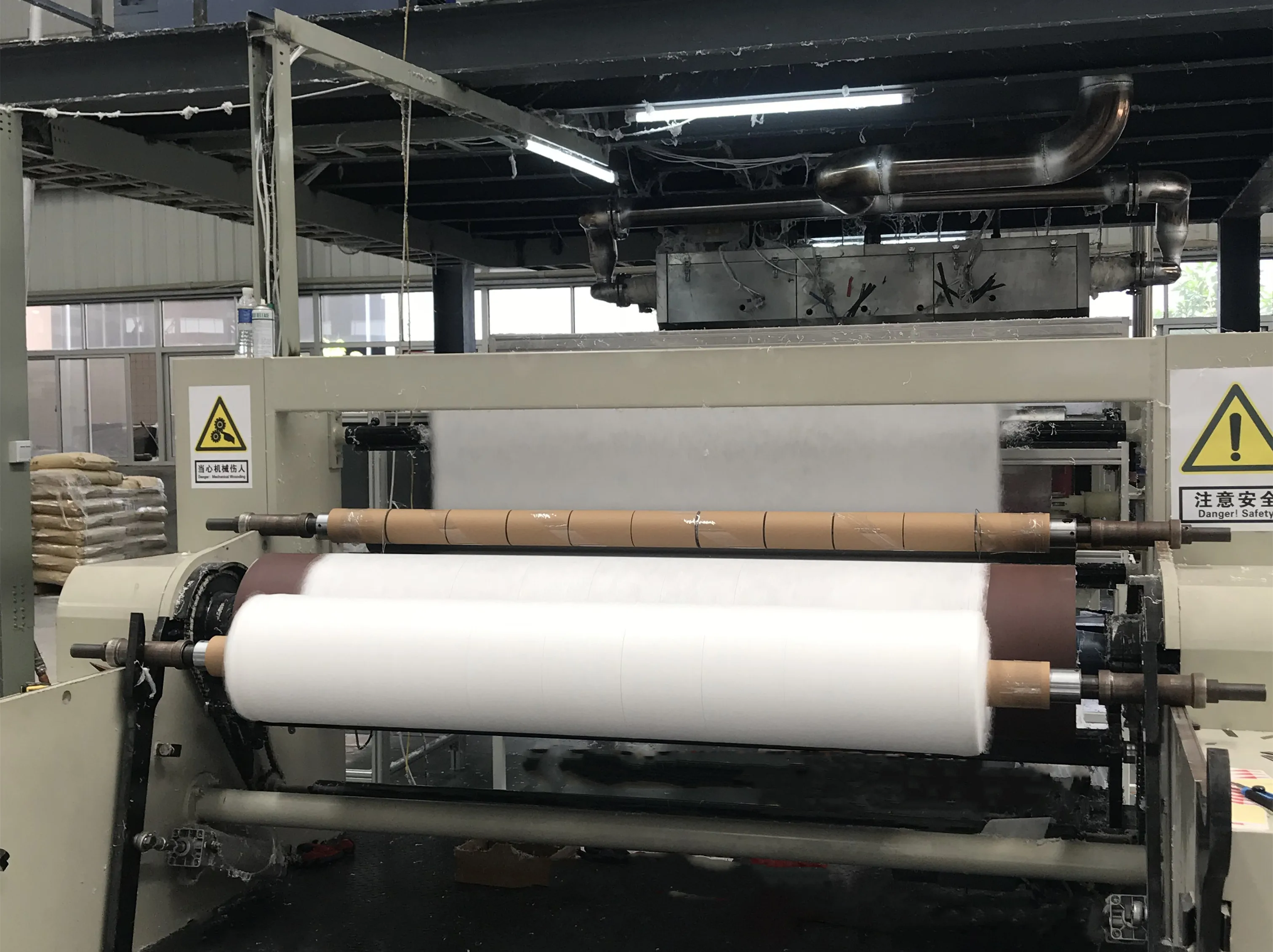
Fujian Angel Nonwoven Fabric Tech Co., Ltd.
- Manufacturer
- Fujian, China
- Lead time7 days
- Avg. response≤ 5h
Main productsNonwoven Fabric,Weed Control/Landscape Cover,Disposable Tablecloth,Disposable Bedsheet,Nonwoven Bag
Main marketsNorth America(16.00%), Southeast Asia(15.00%), Central America(10.00%), Africa(9.00%), Oceania(8.00%), Eastern Europe(7.00%), Western Europe(7.00%), Mid East(6.00%), Northern Europe(6.00%), South America(6.00%), Domestic Market(5.00%), South Asia(3.00%), Eastern Asia(2.00%)
Hefei Fast Nonwoven Products Co., Ltd.
- Trading Company
- Anhui, China
- Lead time15 days
- Avg. response≤ 3h
Main productsMeltblown nonwoven,Elastic earloop,nose wire,Spunbond Nonwoven,Activated Carbon Nonwoven
Main marketsSoutheast Asia(90.00%), Domestic Market(5.00%), South America(5.00%)

Wellmien Healthcare Tech. (Suzhou) Co., Ltd.
- Verified by BV
- Trading Company
- China Jiangsu
- Lead time15 days
- Avg. response≤ 3h
Main productsUnderpads, Surgical Pack, Wound Care, Emergency Blanket, Face Masks, Surgical Masks, Shoe Cover, First Aid Product, Emergency Transfer Sheet, Body Bag
Main marketsSouth America,Southeast Asia/ Mideast,Europe

Disposable 3-Ply Safety Protective Breathable Non-Woven Face Cover with High Filtration
$0.013 - $0.015
MOQ: 200000 Pieces

Cool Fashion Surgical Disposable Face Mask Stylish 3-Ply Medical Face Cover
$0.02 - $0.03
MOQ: 200000 Pieces

Disposable 3-Ply Fashion Lace Face Coverings Mask for Outdoor Office
$0.06 - $0.065
MOQ: 200000 Pieces


Laian Yonghao Sanitary Material Co., Ltd.
- Trading Company,Manufacturer/Factory
- China Anhui
- Lead time23 days
- Avg. response≤ 14h
Main productsDisposable Bibs, Disposable Dental Bib, Disposable Bedsheet, Disposable Couch Roll, Medical Paper Sheet Crepe Paper Sheet, Disposable Protection Sheet Smooth Paper Sheet, Disposable Underpad, Disposable Washing Glove, Molton Glove Disposable Toilet Seat Cover, Face Mask Surgical Drape Packs
Main marketsSouth America,Eastern Europe,Mid East,North America,Southeast Asia,Oceania,Western Europe,Africa

Changzhou Shengkang Medical Instrument Co., Ltd.
- Verified by SGS
- Trading Company,Manufacturer/Factory
- China Jiangsu
- Lead time23 days
- Avg. response≤ 7h
Main productsDental Bib, Saliva Ejector, Micro Applicator, Disposable Dental Kit, Cotton Roll, Cheek Retractors, Disposable Impression Tray, Self-Sealing Sterilization Pouch, Disposable Ded Sheet, Cotton Gauze
Main marketsSouth America,Eastern Europe,Mid East,North America,Southeast Asia,Eastern Asia,Oceania,Western Europe,Africa

Qingdao Meiji Labor Products Co., Ltd.
- Trading Company,Manufacturer/Factory
- China Shandong
- Lead time0 days
- Avg. response≤ 6h
Main productsSafety Gloves, Work Gloves, Safety Shoes, Safety Glasses, Other PPE
Main marketsSouth America,Eastern Europe,Mid East,North America,Southeast Asia,Eastern Asia,Oceania,Western Europe,Africa
Dongguan Hengqiang Leather Goods Co., Ltd.
- Manufacturer, Trading Company
- Guangdong, China
- Lead time35 days
- Avg. response≤ 8h
Main productsBackpack; Handbag; Garment Bag; Apron; Play Mat
Main marketsNorth America(60.00%), Oceania(15.00%), Western Europe(5.00%), South America(5.00%), Eastern Asia(5.00%), Mid East(5.00%), Eastern Europe(5.00%)
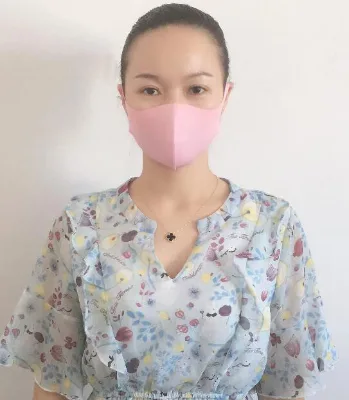
Repeatable Washing Mouth Cover Nose Cover Non-woven Fabric Face Mask for Women
$0.2379 - $0.2693
MOQ: 1000 pieces
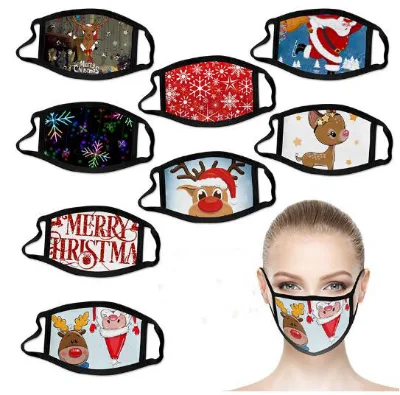
$0.65 - $0.67
MOQ: 1000 pieces

Hangzhou Linan Huasheng Daily Necessities Co., Ltd.
- Manufacturer/Factory
- China Zhejiang
- Lead time23 days
- Avg. response≤ 10h
Main productsCompressed Towels, Face Mask, Dry Wipes, Cleaning Wipes, Disposable Compressed Towel, Nonwoven Dry Wipes, Roll Towels, Bamboo Product, Canister Wipes, Makeup Remover
Main marketsSouth America,Eastern Europe,Mid East,North America,Southeast Asia,Eastern Asia,Oceania,Western Europe,Africa

Nonwoven Spunlace Cotton Face Mask Sheet Disposable Compressed Face Mask
$0.014 - $0.03
MOQ: 100000 Pieces


- Combined
- China Anhui
- Lead time30 days
- Avg. response≤ 5h
Main productsNitrile Gloves, Vinyl Glove, Disposable Gloves, Examination Glove, Medical Gloves, Food Gloves, Dental Consumables, Specimen Transportation Bag, Sterilisation Pouch, Absorbent Pouches
Main marketsSouth America,Africa,Southeast Asia/ Mideast,East Asia(Japan/ South Korea),Domestic,Europe,Australia,North America

Shanghai J&D International Co., Ltd.
- Trading Company
- China Shanghai
- Lead time23 days
- Avg. response≤ 18h
Main productsShirts, Necktie, Ties, Scarves, Waistcoat, Cufflink, Neckwear, Accessories
Main marketsSoutheast Asia/ Mideast,Domestic,Europe,Australia,North America





Comprehensive Sourcing Guide
Disposable Flannel Cotton Face Cover Supplier Concentration and Factory Types
The current supplier landscape for disposable face coverings reveals a distinct concentration of manufacturing and trading entities located in China, specifically within the Hubei region. This geographic clustering suggests a mature industrial ecosystem where raw material supply chains, such as non-woven fabrics and spunlace materials, are readily accessible to producers. Buyers evaluating suppliers for disposable flannel cotton face covers should recognize that while the specific material composition may vary, the operational infrastructure in this region is optimized for high-volume production of personal protective equipment and medical consumables. The presence of both trading companies and manufacturer/factories indicates a diverse market structure where some entities focus on direct production while others facilitate logistics and quality assurance for multiple factories. This duality allows buyers to choose between direct factory engagement for cost efficiency or trading company support for streamlined communication and consolidated shipping. Understanding this concentration helps in assessing the reliability of supply chains, as regional hubs often benefit from shared logistics networks and specialized labor pools that reduce overhead costs.
Supplier types in this sector range from pure manufacturers to combined entities that offer both OEM and ODM services. Many suppliers in the Hubei area possess the capability to produce a wide array of protective gear, including surgical gowns, isolation gowns, and various types of masks, indicating a versatile production line that can adapt to different material requirements. Some suppliers hold specific certifications such as ISO 9001, ISO 13485, and BSCI, which signal adherence to international quality and social compliance standards. Verification badges from agencies like SGS and BV further enhance trust by confirming that the supplier’s operations have been independently audited. Buyers should note that while the core keyword focuses on flannel cotton, the actual product listings often emphasize non-woven fabrics, spunlace, and multi-layer constructions. This discrepancy highlights the importance of verifying material specifications directly with the supplier, as the term "flannel cotton" might be used loosely in marketing to describe soft, breathable, or cotton-blend non-woven materials rather than traditional woven cotton flannel.
How to Verify Disposable Flannel Cotton Face Cover Suppliers
Verifying the legitimacy and capability of suppliers requires a multi-layered approach that goes beyond surface-level profile reviews. Buyers should prioritize suppliers who display third-party verification badges, such as those from SGS or Bureau Veritas, as these indicate that an independent agency has inspected the factory’s physical premises and operational processes. Additionally, checking for system certifications like ISO 9001, ISO 13485, and BSCI is crucial, as these standards ensure that the supplier maintains consistent quality management systems and adheres to ethical labor practices. For medical or high-grade protective face covers, it is essential to confirm that the supplier holds relevant product certifications, such as CE, FDA, or specific national standards like YY/T 0969, which govern the performance and safety of medical masks. Buyers must also scrutinize the supplier’s response time, as a rapid response often correlates with efficient internal communication and customer service capabilities. A response time of under four hours, as seen in some verified profiles, suggests a dedicated team ready to address inquiries and resolve issues promptly, which is vital for maintaining smooth procurement operations.
Beyond certifications and response metrics, buyers should request and review detailed product specifications and sample results to ensure material compliance. Since the term "flannel cotton" may not align with standard industrial terminology for disposable masks, buyers must ask for explicit material composition details, such as whether the product uses spunlace, non-woven polypropylene, or actual cotton blends. Suppliers should provide clear information on sterilization methods, such as Ethylene Oxide sterilization, and confirm whether the products are sterile or non-sterile, as this impacts storage and usage requirements. It is also advisable to verify the supplier’s production capacity and customization options, including the ability to print logos or adjust packaging sizes. Buyers should check if the supplier offers OEM or ODM services, which indicates flexibility in meeting specific brand or design requirements. Furthermore, examining the supplier’s main product list can reveal their expertise; a supplier specializing in disposable medical supplies and non-woven products is likely more reliable for face coverings than a general trading company with a broad, unfocused inventory.
What to Compare Across Disposable Flannel Cotton Face Cover Suppliers
When evaluating multiple suppliers, buyers should systematically compare key operational metrics to identify the most suitable partner for their specific needs. Lead time is a critical factor, as it directly impacts inventory management and delivery schedules. Some suppliers offer sample lead times of three to five days, while order lead times may range from twenty to twenty-three days, depending on order volume and customization requirements. Buyers should also compare minimum order quantities (MOQ), which can vary significantly from fifty pieces for samples to fifty thousand pieces for bulk orders. Understanding these thresholds helps in planning budget allocation and storage capacity. Response time is another important comparative metric, with some suppliers responding within hours while others may take longer. A faster response time often indicates better customer service and a higher likelihood of resolving issues quickly during the procurement process. Buyers should also consider the supplier’s location, as proximity to major ports like Shanghai or Wuhan can influence shipping costs and transit times.
Price and payment terms are essential elements in the comparison process, although buyers should be cautious of extremely low prices that may indicate compromised quality. Some suppliers offer competitive pricing structures with flexible payment options, including T/T with a deposit, LC, Western Union, and PayPal. It is also important to compare the quality guarantee periods and after-sales support offered by different suppliers. While some suppliers provide a two-year quality guarantee, others may have shorter or undefined periods. Buyers should also evaluate the customization options available, such as logo printing, color variations, and packaging designs. Suppliers that offer free samples can be particularly valuable for testing product quality before committing to a large order. Additionally, comparing the supplier’s production capacity and ability to handle OEM or ODM requests can help determine their suitability for long-term partnerships. Buyers should also consider the supplier’s experience in exporting to their target market, as this can impact compliance with local regulations and standards.
Common Disposable Flannel Cotton Face Cover Sourcing Risks
One of the primary risks in sourcing disposable face covers is the potential mismatch between marketing terminology and actual product specifications. The term "flannel cotton" may be used loosely to describe various non-woven materials, leading to confusion about the product’s breathability, filtration efficiency, and durability. Buyers must ensure that the material composition aligns with their specific requirements, as non-woven fabrics and actual cotton blends have different performance characteristics. Another significant risk is the variability in quality control standards among suppliers. While some suppliers hold rigorous certifications like ISO 13485, others may lack proper quality management systems, increasing the risk of receiving substandard products. Buyers should also be aware of the risks associated with unverified suppliers, as they may not adhere to ethical labor practices or environmental regulations. This can lead to reputational damage and legal issues, particularly if the products are sold in markets with strict compliance requirements.
Logistical and supply chain disruptions pose another considerable risk, especially when sourcing from distant regions. Delays in production or shipping can disrupt inventory levels and impact customer satisfaction. Buyers should also consider the risk of currency fluctuations and changes in shipping costs, which can affect the final landed cost of the products. Additionally, there is a risk of intellectual property infringement if suppliers are not properly vetted, particularly when custom designs or logos are involved. Buyers should ensure that contracts include clear clauses protecting their intellectual property and specifying penalties for non-compliance. Another risk is the lack of transparency in pricing, where hidden fees for packaging, labeling, or additional services may increase the total cost. Buyers should request detailed quotes that include all potential charges to avoid unexpected expenses. Finally, buyers should be cautious of suppliers who do not provide adequate after-sales support, as this can complicate the resolution of quality issues or returns.
Disposable Flannel Cotton Face Cover Regional Sourcing and Logistics
Sourcing from the Hubei region in China offers several logistical advantages due to its central location and well-developed infrastructure. Suppliers in this area often have access to major transportation networks, including rail and road links, which facilitate efficient distribution to domestic and international markets. The proximity to ports like Shanghai and Wuhan allows for flexible shipping options, enabling buyers to choose between sea freight for cost efficiency and air freight for urgent orders. Buyers should consider the impact of regional logistics on lead times and shipping costs, as these factors can vary depending on the supplier’s specific location and the chosen shipping method. Additionally, the concentration of suppliers in this region may lead to economies of scale, potentially reducing production costs and improving availability of raw materials. However, buyers should also be aware of potential regional disruptions, such as weather events or local policy changes, which could affect production and shipping schedules.
To mitigate logistical risks, buyers should establish clear communication channels with suppliers regarding shipping arrangements and tracking. It is advisable to work with suppliers who have experience in exporting to the buyer’s target market, as they can provide valuable insights into customs regulations and documentation requirements. Buyers should also consider using freight forwarders with expertise in handling medical or protective equipment shipments to ensure compliance with international standards. Additionally, buyers should plan for potential delays by maintaining adequate safety stock and diversifying their supplier base. Understanding the lead times for samples and bulk orders is crucial for effective inventory management. Buyers should also consider the environmental impact of their sourcing decisions, as some suppliers may offer eco-friendly packaging or sustainable production practices. By carefully planning logistics and maintaining open communication, buyers can minimize risks and ensure a smooth procurement process.
Disposable Flannel Cotton Face Cover Commercial Terms and Order Planning
Effective order planning requires a thorough understanding of the commercial terms offered by suppliers, including payment structures, pricing models, and delivery conditions. Buyers should negotiate clear payment terms that align with their cash flow needs, such as T/T with a deposit or LC for larger orders. It is also important to clarify the pricing structure, including any additional costs for customization, packaging, or shipping. Buyers should request detailed quotes that break down these costs to avoid hidden fees. Additionally, buyers should establish clear delivery schedules and penalties for delays to ensure timely receipt of goods. Understanding the supplier’s return and refund policies is also crucial, as this can impact the resolution of quality issues. Buyers should also consider the supplier’s capacity to handle large orders and their ability to scale production as needed.
To optimize order planning, buyers should maintain a long-term relationship with their suppliers, fostering trust and collaboration. Regular communication and feedback can help identify potential issues early and improve the overall procurement process. Buyers should also consider implementing a supplier evaluation system to monitor performance and identify areas for improvement. This can include tracking metrics such as on-time delivery, product quality, and responsiveness. Additionally, buyers should stay informed about market trends and regulatory changes that may impact their sourcing decisions. By adopting a strategic approach to commercial terms and order planning, buyers can enhance their supply chain resilience and achieve better value from their supplier partnerships. This proactive stance ensures that buyers are well-prepared to handle challenges and capitalize on opportunities in the dynamic disposable face cover market.
FAQs
Are these face covers sterilized?
Manufacturers in Hubei offer both sterilized and non-sterilized options. Some products use Ethylene Oxide Sterilization for medical-grade safety, while others follow the YY/T 0969 standard for non-sterilized use. Buyers should verify the specific sterilization method and standard listed on the product page to ensure compliance with their intended application requirements.
What is the typical lead time?
Production lead times generally range from 20 to 23 days for bulk orders. Sample delivery is faster, typically taking 3 to 6 days. These timelines depend on order volume and customization needs. Buyers should confirm exact delivery schedules with the supplier before finalizing payment to align with their project deadlines.
What certifications do suppliers hold?
Suppliers often hold ISO 9001, ISO 13485, and BSCI certifications. Some products also meet CE, FDA, and ISO standards. Verification services like SGS and BV are available. Buyers should request current certification documents to ensure the manufacturer meets international quality and safety requirements for their specific market or regulatory environment.
What is the minimum order quantity?
MOQs vary significantly by product type. Some face masks have an MOQ of 50 pieces, while others require 50,000 pieces. This difference often reflects the manufacturing scale and packaging format. Buyers should check the specific product listing for the exact MOQ to determine if it fits their procurement volume and budget constraints.
Can I get custom branding?
Customization is available for many products, including logo printing and OEM/ODM services. Suppliers support custom branding for face covers and related protective gear. Buyers should discuss design specifications and minimum requirements for custom orders directly with the manufacturer to ensure the final product meets their brand identity and quality expectations.
Where are the suppliers located?
Most suppliers are located in Hubei, China, with loading ports in Wuhan or Shanghai. This region is a major hub for medical and protective product manufacturing. Buyers should consider the shipping origin when calculating logistics costs and delivery times. Proximity to major ports can facilitate efficient export processes for international orders.
What payment terms are accepted?
Common payment terms include T/T with a 30% deposit, LC, Western Union, and PayPal. Some suppliers may offer additional secure payment options. Buyers should verify the accepted payment methods and terms before placing an order. Using secure payment channels helps protect both parties and ensures smooth transaction processing for international trade.