eco-friendly thickened double-layer cotton quilt Suppliers and Manufacturers
Compare 27 verified suppliers offering eco-friendly thickened double-layer cotton quilt options with varying lead times, response speeds, and customization capabilities. Review product specifications like material composition and MOQ to select the right partner for your sourcing needs; review the available evidence before requesting comparable quotations from suitable candidates.
Updated
Suppliers List

Shanghai Jspeed Industry Co., Ltd.
- Verified by BV
- Trading Company
- China Shanghai
- Lead time60 days
- Avg. response≤ 7h
Main productsMen/Women Swimwear, Underwear, Bra, Socks, Men/Women Pants, Men/Women Jackets, Dress, Sportwear, Skirt, Shirt
Main marketsEurope

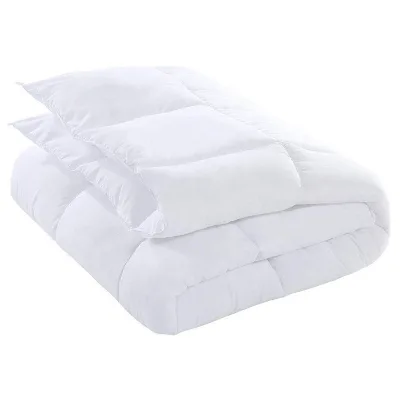
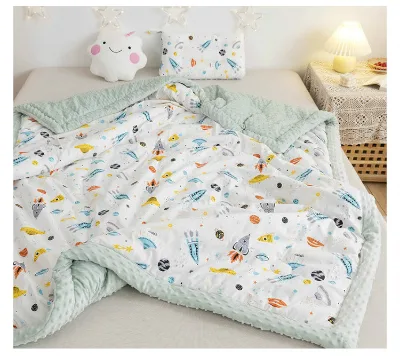
Double Layer Yarn Warm Single Spring and Autumn Children's Cotton Quilt
$20.00 - $30.00
MOQ: 200 Pieces


Ningbo Jemo Textile Tech Co., Ltd.
- Trading Company
- Zhejiang, China
- Lead time0 days
- Avg. response≤ 1h
Main productsWeighted Blanket, Knitted Blanket, Outdoor Blanket, Bed Sheet Sets, Comforter And Duvet
Main marketsSouth America(30.00%), North America(20.00%), Oceania(10.00%), Western Europe(10.00%), Southern Europe(10.00%), Northern Europe(10.00%), Eastern Europe(10.00%)
Anhui Sunrise Home Textiles Co., Ltd
- Verified by TüVRheinland
- Manufacturer, Trading Company
- Lead time60 days
- Avg. response≤ 3h
Main productsDown Duvet, Polyester Quilt, Pillow, Mattress Topper, Japanese Futon Mattress
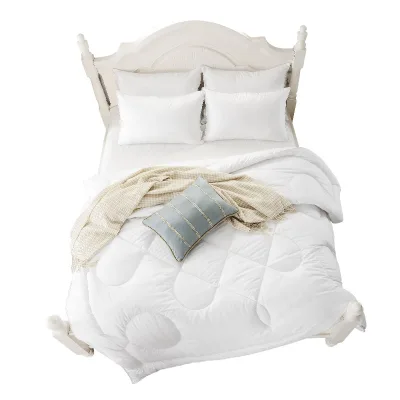
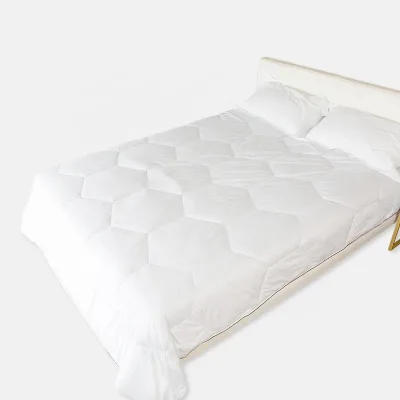
Hypoallergenic Solid Color Down Alternative Mix Fiber Blanket Bamboo Cotton Quilt
$27.7987 - $29.9305
MOQ: 300
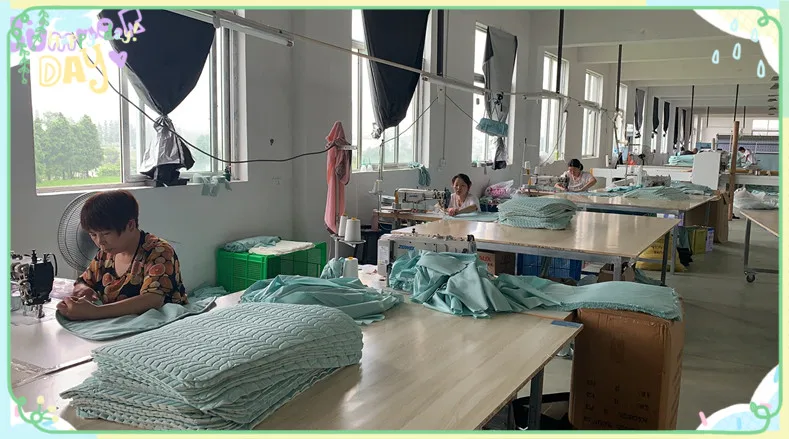
Wenzhou Mumeng Home Textiles Co., Ltd.
- Manufacturer
- Zhejiang, China
- Lead time15 days
- Avg. response≤ 2h
Main productspillow,latex mattress,latex slipper,pillow case,quilt
Main marketsDomestic Market(42.00%), North America(10.00%), South America(8.00%), Northern Europe(8.00%), Central America(8.00%), Western Europe(8.00%), Mid East(8.00%), Eastern Europe(8.00%)
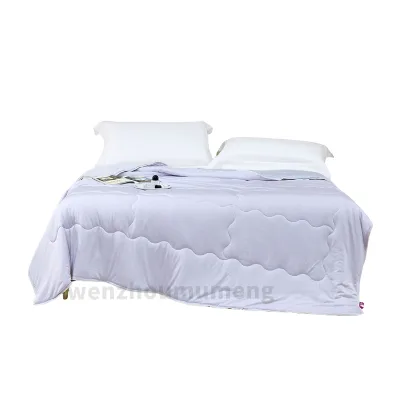
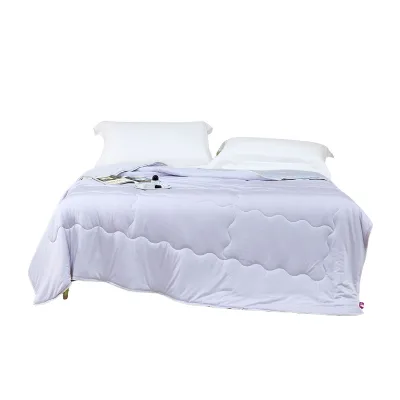
$23.6488 - $46.2698
MOQ: 1 pieces
$23.568 - $46.1097
MOQ: 1 pieces
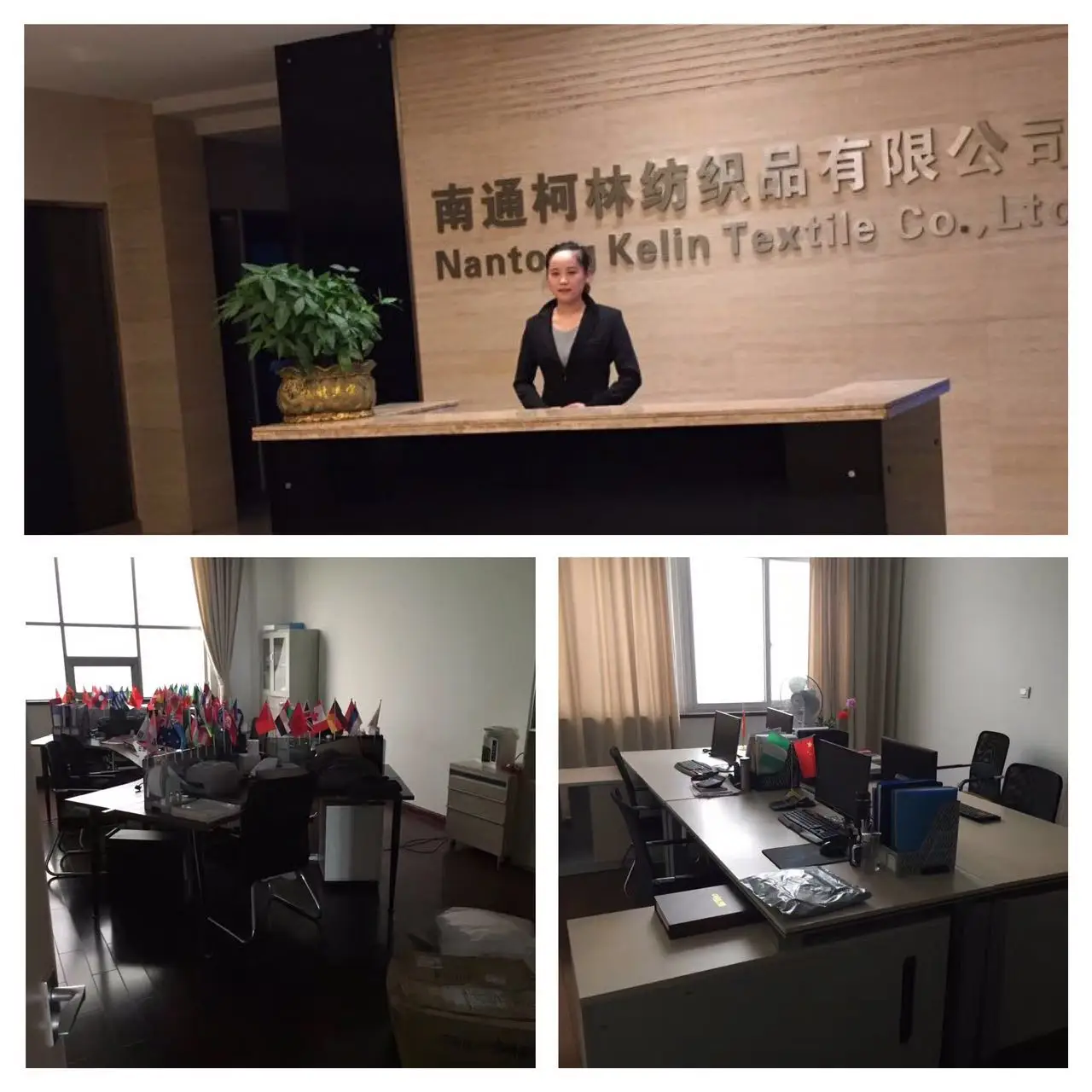
Nantong Kelin Textile Co., Ltd.
- Manufacturer, Trading Company
- Jiangsu, China
- Lead time30 days
- Avg. response≤ 5h
Main productsBed Linen; Bath Linen; Fabric
Main marketsDomestic Market(44.00%), Mid East(20.00%), Southeast Asia(20.00%), North America(10.00%), Oceania(3.00%), Eastern Asia(2.00%), Africa(1.00%)
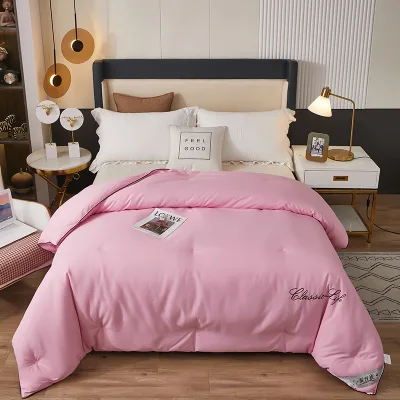
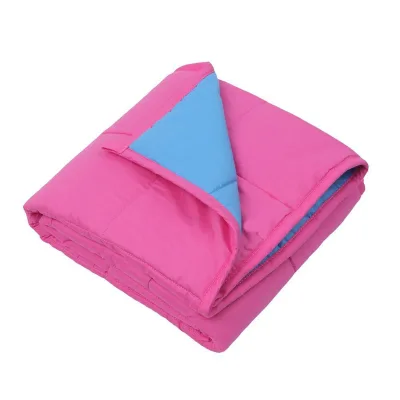
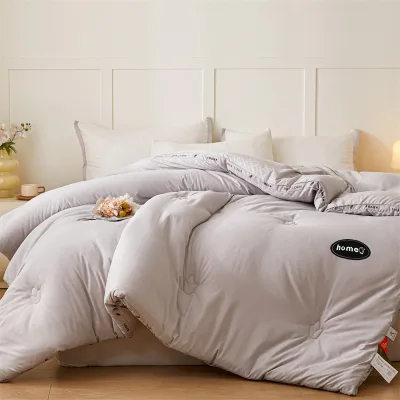
Double Stitched Cotton Quilt Reinforced Edges for Durability Ultralight Sleeping Quilt
$14.80 - $16.80
MOQ: 10 pieces
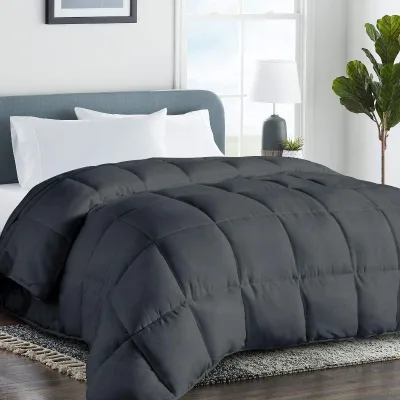
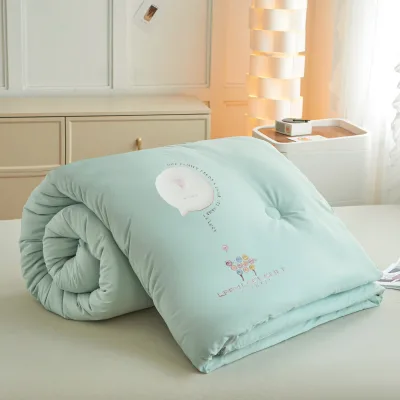
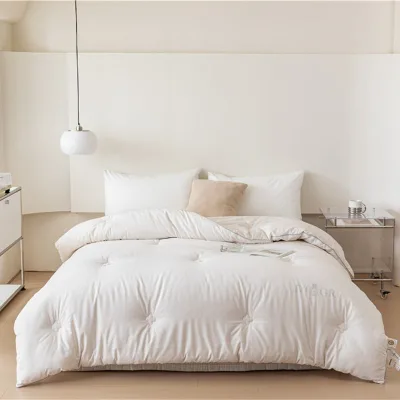
Queen Size Cotton Quilt Lightweight yet Warm for Year Round Comfort Cotton Quilt
$19.80 - $25.85
MOQ: 10
- Verified by Intertek
- Manufacturer, Trading Company
- Lead time20 days
- Avg. response≤ 3h
Main productsDown Duvet Pillow, Downalternative Comforter Pillow, Silk Bedding Sets, Waterproof Mattress Protector, Weighted Blanket
Main marketsWestern Europe(35%), Eastern Asia(30%), North America(20%)

Shanghai Easun Group Imp & Exp Co., Ltd.
- Verified by TUVRHEINLAND
- Trading Company
- China Shanghai
- Lead time15 days
- Avg. response≤ 19h
Main productsBlankets, Home Slippers, Bedding Sets, Towel, Amenity Kits, Airline Supply, Hospital Supply, Hotel Supply, Railway Supply, Pillow&Case
Main marketsAfrica,Southeast Asia/ Mideast,Europe

Cotton Gauze Quilt Double Comforter Comforter Quilt Set White Cotton Quilt
$15.00 - $35.00
MOQ: 300 Pieces

Hotel Bedspread Double Comforter Patch Quilts Quilt Grey Hotel Comforter Duvet Coverlet
$3.00 - $10.00
MOQ: 500 Sets

Patchwork Velvet Bedspread Super Soft Quilts Double Quilt Reversible Microfiber Comforter
$7.98 - $19.65
MOQ: 500 set

Comforter Patchwork Quilt Blue Linen Quilt Double Quilt White Quilt Striped Bedspread
$3.00 - $10.00
MOQ: 500 Pieces


Hangzhou Grand Home Textile Co., Ltd.
- Combined
- China Zhejiang
- Lead time30 days
- Avg. response≤ 10h
Main productsPillow, Quilt, Blanket, Mattress, Cushion, Mattress Top, Quilt Cover Set, Down Duvet
Main marketsSouth America,Southeast Asia/ Mideast,East Asia(Japan/ South Korea),Europe,Australia,North America


Autumn and Winter Quilt Thickened Winter Quilt Spring and Autumn Quilt Gift Quilt
$10.00 - $20.00
MOQ: 300 Pieces


Jiangsu Pengyuan Textile Group Co., Ltd.
- Manufacturer
- China Jiangsu
- Lead time30 days
- Avg. response≤ 6h
Main productsHotel Pillow, Home Textile, Cushion, Hotel Bed Linen, Hotel Towel, Mattress Protector, Quilt, Bed Runner, Bathrobe, Laundry Bag
Main marketsSoutheast Asia/ Mideast,North America

Factory Custom Hotel Collection Soft White Cotton Quilt Winter Super Soft Comforter Cotton Quilt
$3.98 - $6.98
MOQ: 50 Pieces


Premium 100% Cotton Quilt Comforter Lightweight Hotel Grade Simple Style Quilt
$3.98 - $6.98
MOQ: 50 Pieces

Nantong Sufang Textile Co., Ltd.
- Verified by Intertek
- Manufacturer, Trading Company
- Lead time15 days
- Avg. response≤ 4h
Main productsBedding Set, Mattress, Quilt, Pillow, Towel
Main marketsOceania(50%), Southeast Asia(25%), Mid East(20%)
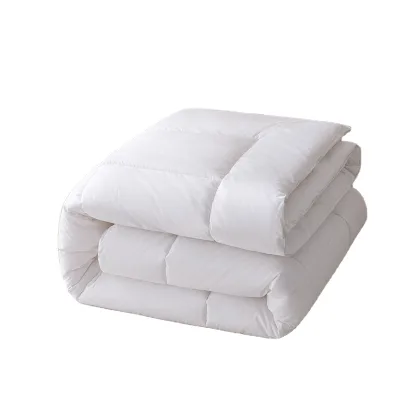
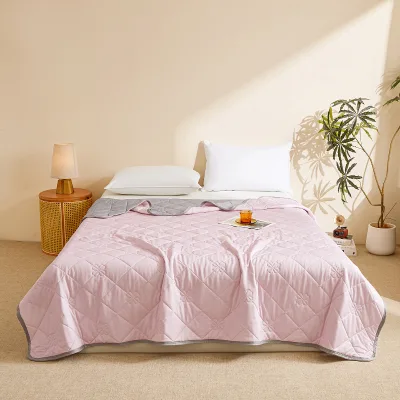
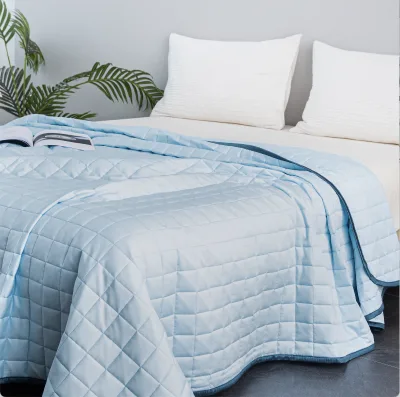
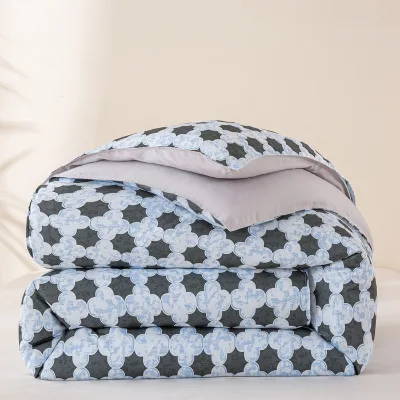
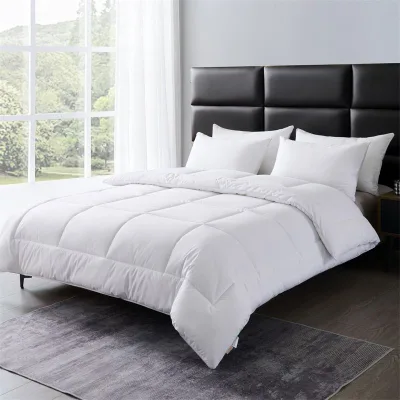
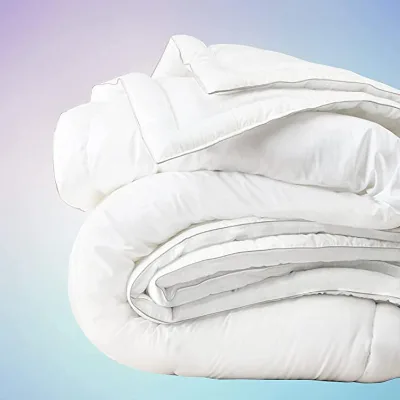
Soft Plain Microfiber Quilt Eco-Friendly Handmade Simple Style for Home & Hotel Use
$6.3281 - $9.4906
MOQ: 50 pieces
Wuhan Best Industrial Trading Co., Ltd.
- Trading Company
- Hubei, China
- Lead time20 days
- Avg. response≤ 11h
Main productsBedding, Blanket, Curtain, Towel, Sofa Cover
Main marketsWestern Europe(20.00%), Southern Europe(20.00%), Northern Europe(20.00%), Eastern Europe(20.00%), North America(10.00%), South America(10.00%)
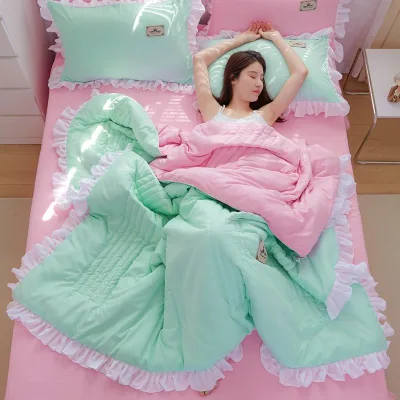
Wholesale Summer Cool by Four-piece Lace Style Household Machine Washable Cotton Thin Quilt
$15.3699 - $17.2145
MOQ: 10 Minimum

Hangzhou Mosheng Textiles Co., Ltd.
- Verified by BV
- Trading Company,Manufacturer/Factory
- China Zhejiang
- Lead time45 days
- Avg. response≤ 6h
Main productsWeighted Blanket, Comforter, Bed Sheet Set, Pillow, Mattress Topper, Mattress Pad, Mattress Protector, Fabric, Reading Pillow, Cushion
Main marketsSouth America,Eastern Europe,Mid East,North America,Southeast Asia,Eastern Asia,Oceania,Western Europe,Africa


Quilt All-Seasons Down Comforter Duvet for Home and Hotel Use Elegant Quilts for Double Bed
$15.80 - $38.90
MOQ: 200 Pieces

Bamboo Filling Microfiber Quilt Comforter with Cotton Fabric Designed with High Quality
$15.80 - $38.90
MOQ: 200 Pieces


Excellent Duvet 100% Cotton Comfortable Quilted Durable Down Comforter
$15.80 - $38.90
MOQ: 200 Pieces
Jiangsu Suntree Textile Co., Ltd.
- Verified by TüVRheinland
- Manufacturer, Trading Company
- Lead time20 days
- Avg. response≤ 2h
Main productsHotel Duvet Covers, Sheets, Pillowcases, Duvet, Pillow
Main marketsDomestic Market(68%), Mid East(10%), Southeast Asia(5%)
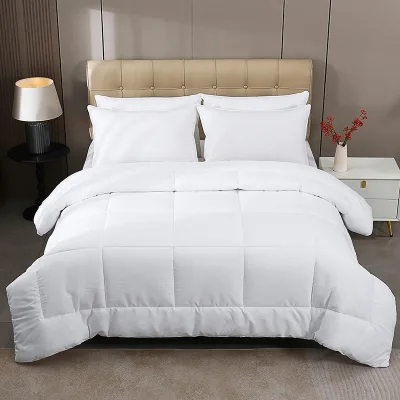
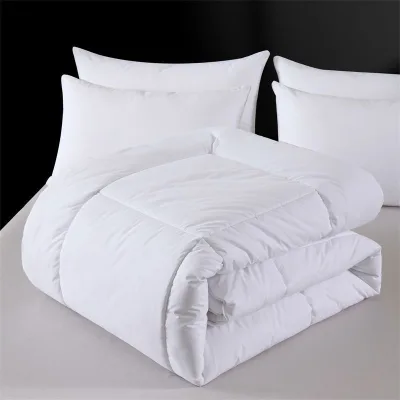
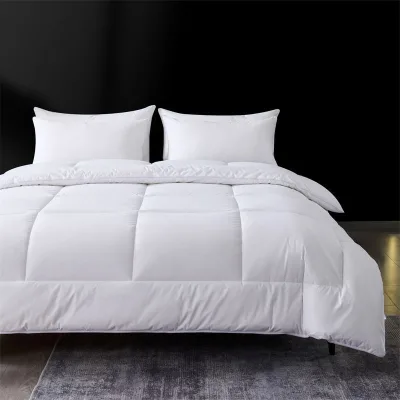
New Design Luxury Bedding Lightweight Warmth Quilt with Washable Microfiber Polyester Filling
$8.1397 - $9.2737
MOQ: 50 pieces
Guangzhou Shining Textile Co., Ltd.
- Verified by TüVRheinland
- Manufacturer, Trading Company
- Lead time45 days
- Avg. response≤ 3h
Main productsBedding Set, Home Textile, Pillow & Quilt, Bed Sheet, Towel
Main marketsNorth America(60%), Eastern Europe(10%), Oceania(10%)
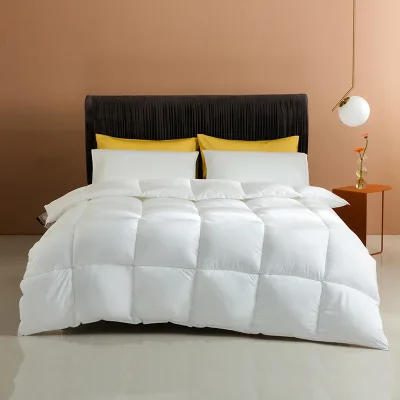
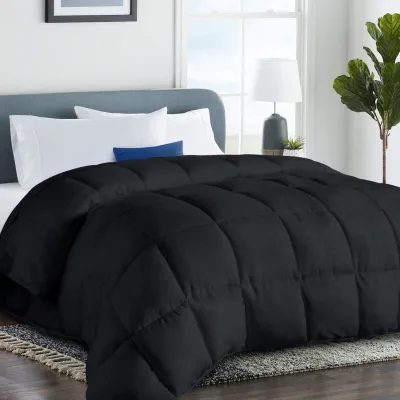
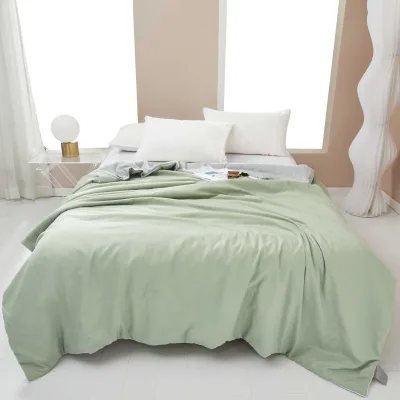
solid colors summer quilt Filling antibacterial cotton quilt A class standard cooling thin comforter
$8.80 - $16.80
MOQ: 20 Minimum
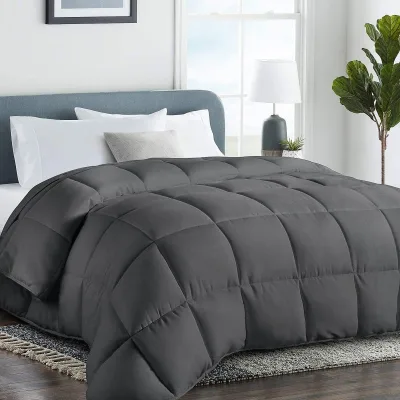
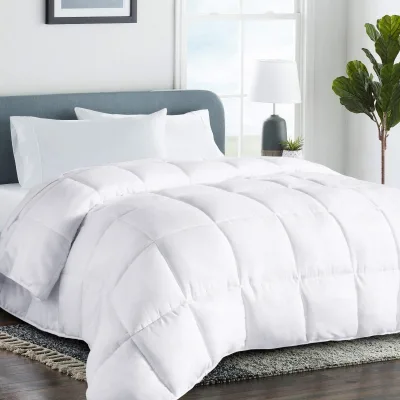

Nantong Javian Textile Co., Ltd
- Verified by SGS
- Manufacturer/Factory,Other
- China Jiangsu
- Lead time23 days
- Avg. response≤ 18h
Main productsBedding and Sleeping Products, Mattress- Memory Foam or Letax Mattress, Pillows and Cushions, Vaccumed Packed Mattress Topper, Textile Bedding Set, Blanket Quilt Duvet and Comforter, Textile Fabric, Sheet Set in Microfiber Cotton Bamboo and Othe, U-Shaped Travel Pillow, Textile Tape and Lace
Main marketsSouth America,Eastern Europe,North America,Southeast Asia,Oceania,Western Europe
- Manufacturer, Trading Company
- Lead time旺季: "1 - 500":45,"> 500":"To be negotiated", 淡季: "1 - 500":45,"> 500":"To be negotiated"
- Avg. response≤ 4h
Main productsDuvet, Pillow, Mattress Topper, Weighted Blanket, Bedding Set
- Verified by SGS Group
- Manufacturer, Trading Company
- Lead time40 days
- Avg. response≤ 2h
Main productsBedding Set, Towel, Pillow, Pillow Cover, Duvet
Shanghai Fance International Trading Co., Ltd.
- Verified by Intertek
- Trading Company
- Lead time0 days
- Avg. response≤ 9h
Main productsTowel, Bathrobe, Bedding set, Disposable toothpaste and toothbrush, Hotel Slippers
Main marketsNorth America(30%), Eastern Europe(30%), Africa(13%)

Hangzhou Winde Home Furnishing Co., Ltd.
- China Jiangsu
- Lead time0 days
- Avg. response≤ 4h
Main productsBedding, Bedding Set, Duvet Cover Set, Bed Sheet Set, Hotel Bedding, Crib Bedding, Baby Bedding, Blanket, Bedspread, Towel

- Verified by SGS
- Trading Company,Manufacturer/Factory
- China Jiangsu
- Lead time45 days
- Avg. response≤ 7h
Main productsKnitting Sheet Set, Performance Sheet Set, Cooling Sheet Set, Mattress Protector, Mattress Cover, Mattress Pad, Mattress Topper, Waterproof Duvet Cover, Pram Liner, Trolley Liner
Main marketsMid East,North America,Southeast Asia,Oceania,Western Europe

Moisture Wicking Soft Cool Feeling Summer Comfortable Premium Cotton Cooling Quilt
$25.00 - $40.00
MOQ: 300 Sets

Comfortable Hypoallergenic Cool Feeling Summer High Quality Durable Cotton Cooling Quilt
$25.00 - $40.00
MOQ: 300 Sets

Hangzhou Dowin Hometextile Co., Ltd.
- Verified by TUVRHEINLAND
- Combined
- China Zhejiang
- Lead time60 days
- Avg. response≤ 4h
Main productsSheet Set, Pillow, Comforter, Mattress Protective Cover
Main marketsEurope,Australia
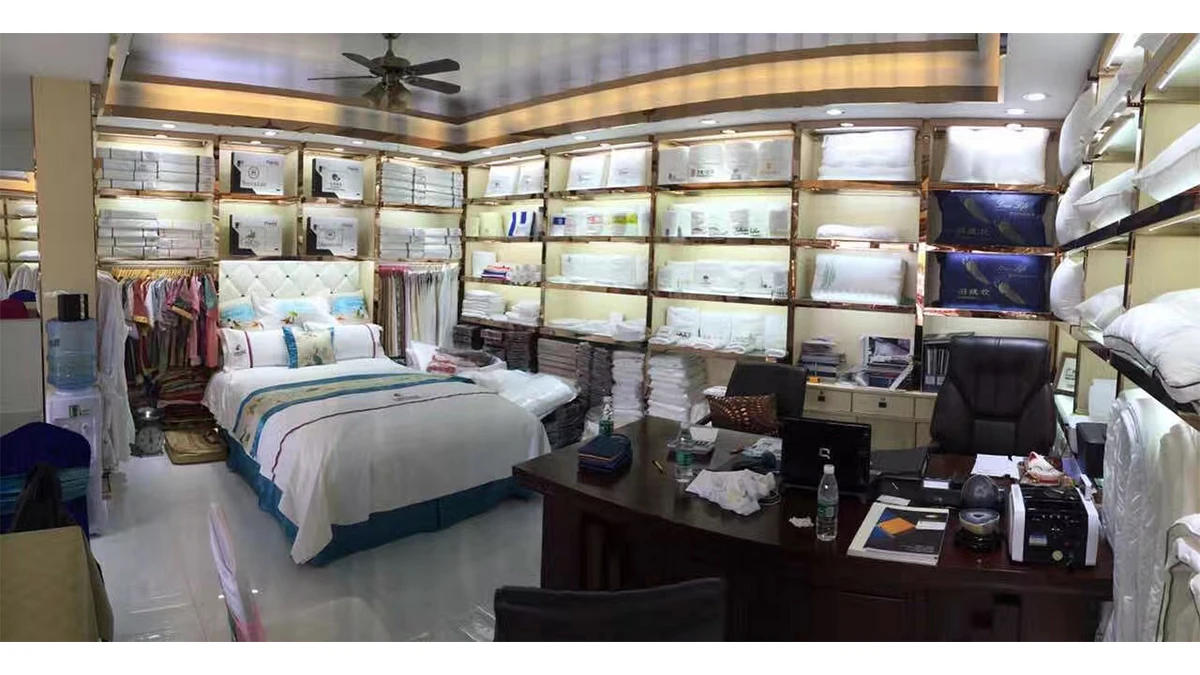
Guangzhou Juntu Hotel Supplies Co., Ltd.
- Manufacturer, Trading Company, Buying Office
- Guangdong, China
- Lead time15 days
- Avg. response≤ 10h
Main productshotel linen,hotel cosmetics products,leatherware,lobby supplies,guestroom products
Main marketsDomestic Market(41.70%), Southeast Asia(18.70%), Mid East(12.30%), Africa(8.20%), Eastern Asia(6.20%), Western Europe(5.40%), South Asia(5.20%), Eastern Europe(2.30%)
Nantong Youmian Haochen Textile Co., Ltd.
- Verified by SGS Group
- Manufacturer, Trading Company
- Lead time35 days
- Avg. response≤ 4h
Main productsBedding Sets, Towels, Quilt, Bathrobe, Mattress
Main marketsDomestic Market(70%), Eastern Asia(15%), Mid East(7%)

KAIHUA WECAN TEXTILE CO., LTD.
- Trading Company
- China Zhejiang
- Lead time30 days
- Avg. response≤ 16h
Main productsTowel, Bed Sheet Set, Quilt, Blanket, Car Seat Fabric, Bus Curatin
Main marketsEurope,Australia,North America
Hangzhou Saint Glory Hometextile Co., Ltd.
- Verified by Intertek
- Manufacturer, Trading Company
- Lead time45 days
- Avg. response≤ 7h
Main productsDuvet, Pillow, Sheet Set, Mattress Topper Protector, Cooling Blanket
Main marketsNorth America(50%), Western Europe(14%), South America(10%)
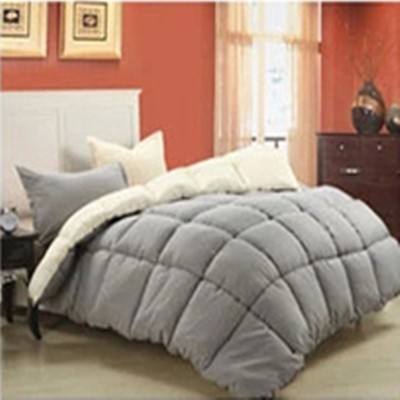
Wholesale Cheap Soft Cotton Sustainable king Size Cream Colored Polyester Quilted Quilts
$8.59 - $8.99
MOQ: 300 pieces
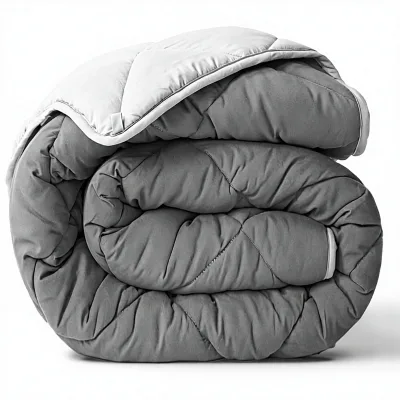
Guigang City Linda Down Products Co., Ltd.
- Manufacturer, Trading Company
- Guangxi, China
- Lead time0 days
- Avg. response≤ 2h
Main productsDown Comforter, Down Pillow, Down Cushion, Bedding Set
Main marketsDomestic Market(100.00%), Eastern Europe(100.00%), South America(100.00%), South Asia(100.00%), Africa(100.00%), Southeast Asia(100.00%), Central America(100.00%), Mid East(100.00%), North America(25.00%), Western Europe(25.00%), Eastern Asia(20.00%), Oceania(10.00%), Southern Europe(10.00%), Northern Europe(10.00%)
Dongguan Yuexin Industrial Co., Ltd.
- Manufacturer, Trading Company
- Guangdong, China
- Lead time5 days
- Avg. response≤ 4h
Main productsFiber fill,Wadding,Felt,Pillow,Artificial snow
Main marketsDomestic Market(30.00%), Southeast Asia(10.00%), North America(10.00%), Mid East(9.00%), South Asia(5.00%), Southern Europe(5.00%), Northern Europe(5.00%), Central America(5.00%), Eastern Europe(5.00%), Western Europe(5.00%), Eastern Asia(5.00%), South America(5.00%), Africa(1.00%)






Comprehensive Sourcing Guide
Eco-Friendly Thickened Double-Layer Cotton Quilt Supplier Concentration and Factory Types
The current supplier landscape for eco-friendly thickened double-layer cotton quilts reveals a distinct geographic concentration in China, specifically within the Shanghai and Zhejiang provinces. These regions serve as primary manufacturing hubs where supply chains for home textiles are highly developed. Suppliers located in Shanghai often operate as trading companies, leveraging their proximity to major ports and international business centers to facilitate export logistics. This structural advantage allows them to manage complex orders efficiently, although it may introduce an intermediary layer between the buyer and the actual production facility. In contrast, suppliers based in Zhejiang are frequently positioned closer to raw material sources and specialized textile manufacturing clusters, which can offer distinct advantages in terms of production speed and cost control for bulk orders. Understanding this geographic distribution is crucial for buyers who need to balance logistical convenience with manufacturing proximity. The presence of these specific locations in supplier results provides a clear starting point for identifying potential partners, as these areas have established reputations for producing high-volume bedding items. Buyers should consider how the location of a supplier impacts their ability to conduct factory audits, manage quality control processes, and coordinate shipping schedules. The concentration of suppliers in these two provinces suggests a mature ecosystem where specialized services, from fabric sourcing to finishing, are readily available. This density of industry players fosters competition, which can drive innovation in product design and pricing, but it also requires buyers to be discerning in their selection process to ensure they are partnering with a supplier that aligns with their specific quality and ethical standards.
Supplier types in this category vary significantly, ranging from pure trading companies to factories with integrated design and production capabilities. Many suppliers in the current results identify as trading companies, which means they may not own the manufacturing equipment but instead coordinate production with partner factories. This model can offer buyers greater flexibility in product variety and order customization, as trading companies often aggregate products from multiple sources. However, it also means that direct communication with the production floor might be limited, potentially affecting responsiveness to technical queries or urgent changes. On the other hand, some suppliers may have direct factory ties, offering more transparency into the manufacturing process and potentially lower costs due to the elimination of intermediary margins. The distinction between these types is critical for buyers who prioritize direct oversight or specific manufacturing techniques. For instance, if a buyer requires strict adherence to eco-friendly certifications or specific weaving patterns, knowing whether the supplier is a trader or a manufacturer can influence the decision. Additionally, the main products listed by suppliers often extend beyond quilts to include other home textiles like sheets, comforters, and blankets, indicating a broad capability in the bedding sector. This diversification can be beneficial for buyers looking to consolidate their sourcing needs, but it also requires careful evaluation to ensure that the supplier’s expertise in quilts is not diluted by their broader product range. Buyers should investigate the specific nature of each supplier’s operations to determine if their business model aligns with their procurement strategy and risk tolerance.
How to Verify Eco-Friendly Thickened Double-Layer Cotton Quilt Suppliers
Verifying the legitimacy and capability of suppliers requires a multi-layered approach that goes beyond surface-level profile information. One of the primary indicators of reliability is the verification status provided by third-party inspection agencies. In the current results, some suppliers display BV verification, which signifies that a reputable inspection company has conducted an audit of their business operations. This verification can provide confidence in the supplier’s legal existence and basic operational integrity, but it does not guarantee product quality or ethical manufacturing practices. Buyers should treat this as a baseline requirement rather than a comprehensive quality assurance measure. To gain deeper insights, buyers should request detailed audit reports that cover social compliance, environmental standards, and quality management systems. These reports can reveal whether the supplier adheres to international labor laws, manages waste responsibly, and maintains consistent quality control protocols. Additionally, buyers should verify the supplier’s business license and tax registration to ensure they are a legally registered entity capable of issuing proper invoices and handling export documentation. This due diligence is essential for mitigating legal and financial risks associated with international trade. Furthermore, checking the supplier’s history and track record can provide valuable context. Buyers should look for evidence of long-term relationships with established brands or consistent positive feedback from previous clients. This historical data can indicate stability and reliability, which are crucial for long-term sourcing partnerships.
Beyond documentation, direct engagement and technical assessment are vital for verifying supplier competence. Buyers should initiate conversations to gauge the supplier’s responsiveness and technical knowledge. The response time metric, such as the 6.45 hours observed in some results, can serve as an initial indicator of communication efficiency, but buyers should also assess the quality and depth of the responses. A supplier that provides detailed answers to technical questions about fabric composition, stitching techniques, and eco-friendly certifications demonstrates a higher level of expertise. Buyers should also request samples to evaluate the physical quality of the eco-friendly thickened double-layer cotton quilts. Samples allow buyers to assess the softness, durability, and overall craftsmanship of the product, which cannot be determined from images or descriptions alone. When requesting samples, buyers should specify their exact requirements, including fabric weight, filling type, and finishing details, to ensure the sample accurately represents the final product. Additionally, buyers should inquire about the supplier’s quality control process during production. Understanding how the supplier inspects raw materials, monitors production stages, and conducts final inspections can provide insight into their commitment to quality. Buyers should also verify the supplier’s ability to provide relevant certifications, such as OEKO-TEX or GOTS, if these are critical to their brand positioning. These certifications require rigorous testing and auditing, so a supplier’s ability to provide valid certificates is a strong indicator of their compliance with eco-friendly standards. By combining documentary verification with direct engagement and physical assessment, buyers can build a comprehensive picture of a supplier’s reliability and capability.
What to Compare Across Eco-Friendly Thickened Double-Layer Cotton Quilt Suppliers
When evaluating multiple suppliers, buyers must systematically compare key operational metrics to identify the most suitable partner for their needs. One critical dimension is the minimum order quantity (MOQ), which varies significantly across suppliers. For instance, some suppliers may have an MOQ of 200 units, while others might accept orders as low as 10 pieces. This variation can have a substantial impact on a buyer’s inventory management and cash flow. Buyers with limited capital or those testing new markets may prefer suppliers with lower MOQs, even if the unit price is slightly higher. Conversely, buyers with established distribution channels and high volume requirements may benefit from suppliers with higher MOQs, which often come with more competitive pricing. Understanding the MOQ structure is essential for aligning supplier capabilities with the buyer’s business model. Additionally, buyers should compare the lead times offered by different suppliers. Lead times determine how quickly orders can be fulfilled and delivered to the end customer. Some suppliers may have a lead time of 60 days, while others might offer faster turnaround times. Faster lead times can be crucial for responding to market trends or fulfilling urgent orders, but they may come at a premium cost. Buyers should assess their own supply chain requirements to determine whether speed or cost is the higher priority. Comparing lead times also helps buyers plan their production schedules and manage customer expectations effectively.
Another important factor to compare is the pricing structure and payment terms. Prices for eco-friendly thickened double-layer cotton quilts can range from approximately $6.60 to $30.00 per unit, depending on factors such as material quality, customization options, and order volume. Buyers should request detailed quotations that break down costs for materials, labor, and overhead to understand the value proposition of each supplier. Additionally, buyers should compare the payment terms offered, such as the use of escrow services or other secure payment methods. Escrow services can provide an additional layer of protection for buyers by holding funds until the goods are received and verified. This is particularly important for new suppliers or large orders where the risk of non-delivery or quality issues is higher. Buyers should also consider the supplier’s main product range and specialization. Suppliers that focus primarily on bedding items may have deeper expertise and better quality control in this category compared to those with a broader, more diversified product portfolio. Furthermore, buyers should evaluate the supplier’s customization capabilities, including options for logo printing, packaging design, and fabric selection. The ability to customize products can be a significant competitive advantage for buyers looking to differentiate their offerings in the market. By systematically comparing these operational metrics, buyers can make informed decisions that balance cost, quality, and service levels to optimize their sourcing strategy.
Common Eco-Friendly Thickened Double-Layer Cotton Quilt Sourcing Risks
Sourcing eco-friendly thickened double-layer cotton quilts involves several inherent risks that buyers must proactively manage to ensure a successful procurement process. One significant risk is the discrepancy between claimed eco-friendly attributes and actual product composition. Suppliers may market their products as "eco-friendly" or "organic," but without proper certification, these claims may be unsubstantiated. Buyers face the risk of receiving products that do not meet their sustainability standards, which can damage their brand reputation and lead to customer dissatisfaction. To mitigate this risk, buyers must rigorously verify certifications and request test reports from accredited laboratories. It is essential to ensure that the cotton used is genuinely organic and that the manufacturing process adheres to environmentally friendly practices. Another risk is the variability in product quality, particularly regarding the thickness and durability of the double-layer construction. Inconsistent stitching or filling distribution can lead to premature wear and tear, resulting in high return rates and negative reviews. Buyers should establish clear quality specifications and conduct thorough inspections during production and before shipment. Implementing a robust quality control plan, including third-party inspections, can help identify and address quality issues before they reach the market. Additionally, buyers should be aware of the risk of supply chain disruptions, which can affect lead times and availability. Geopolitical tensions, natural disasters, or raw material shortages can impact production schedules. Buyers should diversify their supplier base and maintain open communication with suppliers to stay informed about potential disruptions.
Communication and cultural barriers also pose significant risks in international sourcing. Misunderstandings regarding product specifications, packaging requirements, or delivery instructions can lead to costly errors and delays. Buyers should invest in clear and detailed communication channels, using written confirmations for all critical details. It is advisable to use visual aids, such as diagrams or samples, to ensure mutual understanding of product requirements. Furthermore, buyers should be cautious of suppliers who are not transparent about their business practices or who resist providing necessary documentation. Lack of transparency can be a red flag for potential issues with legality, ethics, or quality. Buyers should prioritize suppliers who demonstrate openness and willingness to collaborate. Another risk is the potential for intellectual property infringement, especially if buyers are working with custom designs. Suppliers may share designs with competitors or produce unauthorized copies. Buyers should protect their intellectual property through non-disclosure agreements and clear contractual terms. Additionally, buyers should be mindful of currency fluctuations and exchange rate risks, which can impact the final cost of goods. Hedging strategies or fixed-price contracts can help mitigate these financial risks. By identifying and addressing these common risks, buyers can build a more resilient and reliable sourcing strategy for eco-friendly thickened double-layer cotton quilts.
Eco-Friendly Thickened Double-Layer Cotton Quilt Regional Sourcing and Logistics
The geographic location of suppliers plays a pivotal role in determining logistics efficiency and cost structures for eco-friendly thickened double-layer cotton quilts. Suppliers located in Shanghai and Zhejiang, China, benefit from proximity to major international shipping hubs, which can reduce transit times and freight costs. Shanghai, in particular, is a global port city with extensive container shipping networks, making it an ideal location for exporting large volumes of goods. Buyers sourcing from Shanghai-based suppliers may experience faster
FAQs
What is the price range for eco-friendly thickened double-layer cotton quilts?
Prices for these quilts typically range from $6.60 to $30.00 per unit depending on material composition and customization. Suppliers in China offer competitive rates, with basic polyester blends starting lower and 100% cotton options reaching higher price points. Buyers should verify specific costs based on order volume and selected features.
What is the minimum order quantity for these quilts?
Minimum order quantities vary significantly among suppliers, ranging from 10 pieces to 200 pieces. Some manufacturers accept small trial orders of just 10 units, while others require a minimum of 200 for production. Buyers should check individual supplier listings to confirm the specific MOQ applicable to their desired product specifications.
How long does production take for custom orders?
Lead times for manufacturing these quilts generally range from zero to 60 days depending on the supplier and order complexity. Some factories in Zhejiang report immediate availability, while others in Shanghai may require up to two months for production. Buyers should confirm specific timelines with suppliers before placing bulk orders.
Are these quilts available with custom branding and labels?
Yes, many suppliers offer customization services including custom labels, patterns, and packaging. Products are often available with embroidered or printed designs, and buyers can request specific sizes and materials. OEM and ODM services are commonly accepted, allowing for tailored branding solutions to meet specific market requirements.
What materials are used in these thickened double-layer quilts?
These quilts are typically made from 100% cotton, polyester, or blended materials like polyester and cotton. Filling options include cotton, polyester fiber, or wool for added warmth. The outer layers often feature embroidered or printed patterns, ensuring both durability and aesthetic appeal for home or hotel use.
Where are these quilt suppliers located?
Suppliers for these quilts are primarily located in China, specifically in regions like Shanghai and Zhejiang. These areas are known for their textile manufacturing capabilities and offer a wide range of bedding products. Buyers can source directly from these locations to benefit from established supply chains and competitive pricing.