bohemian environment-friendly ceramic dinnerware Suppliers and Manufacturers
Find 29 verified suppliers offering bohemian environment-friendly ceramic dinnerware with details on certifications, lead times, and MOQs. Compare options from factories in China Shandong and Guangdong to source eco-friendly ceramic tableware sets today; review the available evidence before requesting comparable quotations from suitable candidates.
Updated
Suppliers List

Zibo Timestone International Co., Ltd.
- Manufacturer/Factory
- China Shandong
- Lead time45 days
- Avg. response≤ 11h
Main productsCeramic Dinnerware, Ceramic Mugs, Stainless Steel Bottles Mugs and Tumblers, Glass Bottles Mugs and Tumblers, Dinnerware, Tableware, Glassware, Kitchenware, Household Items, Ceramic Granding Balls and Filters
Main marketsSouth America,Eastern Europe,Mid East,North America,Southeast Asia,Eastern Asia,Oceania,Western Europe,Africa

Shenzhen Hua Mei Industry Development Ltd.
- Verified by TUVRHEINLAND
- Trading Company
- China Guangdong
- Lead time60 days
- Avg. response≤ 3h
Main productsDinnerware, Porcelain Dinnerware, Ceramic Dinnerware, Ceramic Bowl, Ceramic Mug, Porcelain Bowl
Main marketsSoutheast Asia/ Mideast,Europe,Australia,North America

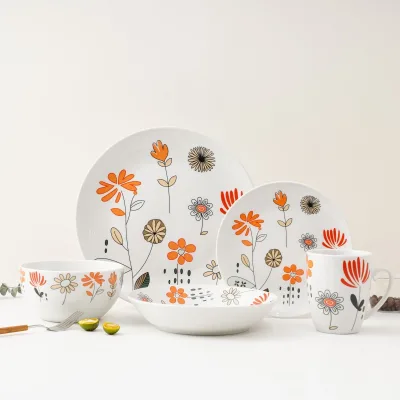
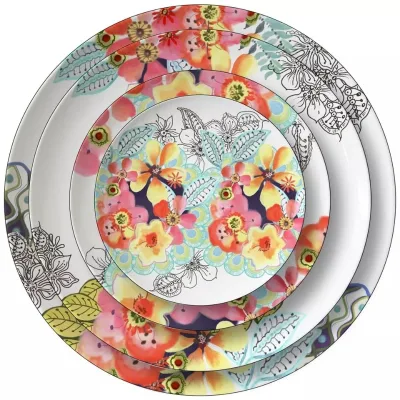
Eco-Friendly Floral Pattern Porcelain Dinnerware Ceramic Tableware for Festivals
$1.99 - $2.99
MOQ: 1000 Pieces

Eco-Friendly Floral Tableware Porcelain Dinner Plate Set Ceramic Dinnerware Kitchenware
$1.99 - $2.99
MOQ: 1000 Pieces


- Verified by TüVRheinland
- Manufacturer, Trading Company
- Lead time25 days
- Avg. response≤ 3h
Main productsDrinkware, Ceramicware, Barware, Kitchenware, Glass Bottles
Main marketsNorth America(20%), South America(20%), Southeast Asia(20%)
Environmental Protection custom printed houseware ceramic bone china dinner plates
$1.80 - $3.00
MOQ: 5000 pieces
Changsha Happy Go Products Developing Co., Ltd.
- Trading Company
- Hunan, China
- Lead time60 days
- Avg. response≤ 9h
Main productsDinner Set,Dinnerware,ceramic mug,coffee mug,tableware
Main marketsWestern Europe(32.96%), Northern Europe(15.30%), Eastern Europe(14.30%), South America(9.25%), Eastern Asia(9.14%), Africa(6.50%), North America(6.02%), Southeast Asia(4.93%), Oceania(1.60%)

- Verified by TUVRHEINLAND
- Trading Company
- China Hunan
- Lead time45 days
- Avg. response≤ 1h
Main productsCeramic Mug, Vacuum Flask, Dinner Set, Cup, Mug, Thermal Bottle, Ceramic Dinner Set, Glass Jar, Glass Cup, Wine Cup
Main marketsSoutheast Asia/ Mideast
- Manufacturer, Trading Company
- Fujian, China
- Lead time0 days
- Avg. response≤ 13h
Main productsTABLEWARE,CERAMIC PLATE,CUP,KITCHEN,CUSTOMIZE
Main marketsNorth America(40.00%)

Rollin Porcelain Industrial Co., Ltd.
- Verified by BV
- Manufacturer/Factory
- China Guangdong
- Lead time45 days
- Avg. response≤ 5h
Main productsPorcelain Dinnerware, Tableware, Dinner Set, Dinner Plate, Hotel and Restaurant Tableware, Bone China, Cutlery, Glassware, Ceramic Plate, Porcelain
Main marketsEastern Europe,Mid East,North America,Southeast Asia,Eastern Asia,Oceania,Western Europe


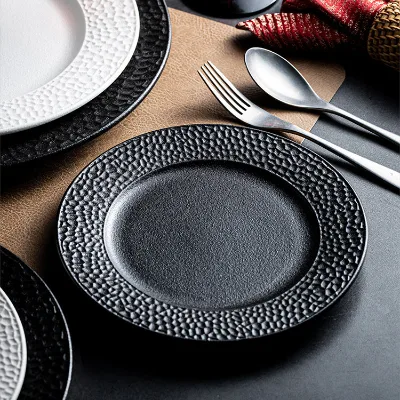
Hot Sale Dinnerware Classical Black Tableware for Restaurant Hotel Wedding Dinner Set
$2.73 - $2.85
MOQ: 100 Pieces

Xiamen Jozing Industrial Co., Ltd.
- Verified by Intertek
- Trading Company
- Lead time15 days
- Avg. response≤ 3h
Main productsCeramic Dinnerware, Ceramic Mug & Cup, Ceramic Cup & Saucers, Ceramic Decoration & Vase, Ceramic Bakeware
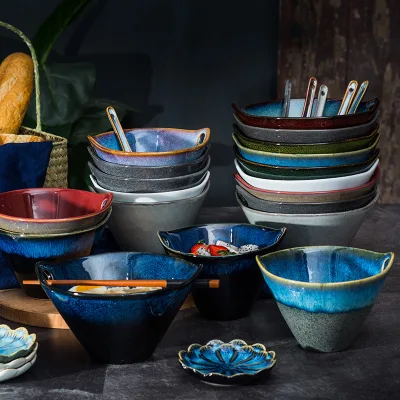
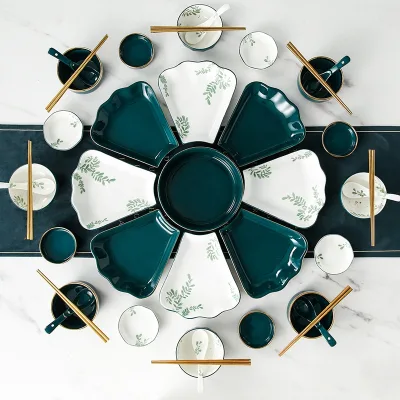
Ceramic Tableware Creative Dish Plate Spoon Assorted Dinnerware New Year Eve Dinner Set
$21.3563 - $50.3094
MOQ: 4 Minimum
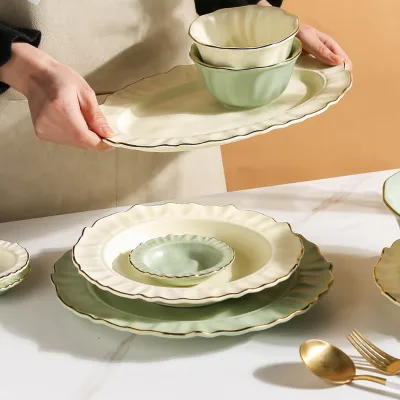
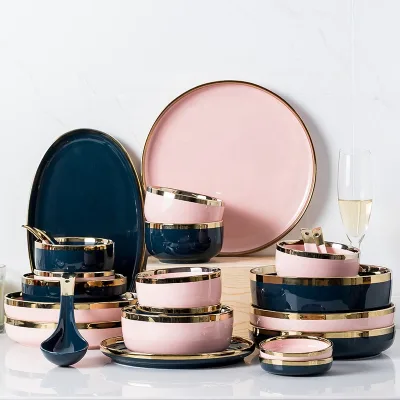
Nordic Creative Design Ceramic Plates Porcelain Dinnerware Set for Wedding Party Use
$30.1449 - $74.6532
MOQ: 24 Minimum
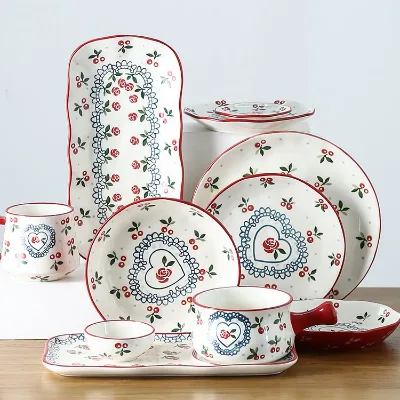
High Quality Hand-Painted Creative Design Cherry Pattern Ceramic Tableware Dinnerware Sets
$1.10 - $48.90
MOQ: 20 Minimum

Linyi Longying International Trade Co., Ltd.
- Verified by TUVRHEINLAND
- Trading Company
- China Shandong
- Lead time15 days
- Avg. response≤ 5h
Main productsTableware, Dinnerware, Porcelainware, Dinner Set, Hotel Porcelain, Ceramic Dinner Set, Ceramic Plate and Bowl, Tableware Plate and Bowl, Stoneware, Glassware
Main marketsOthers(foreignTradeCapacity.exportBusinessCapacityMarketOther),Europe

Modern Minimalist Floral-Designed Porcelainware Ceramic Tableware 20PCS Dinner Set
$8.60 - $8.80
MOQ: 800 Sets


Refined Minimalist Chinese-Style Floral Ceramic Porcelainware Tableware Dinner Set
$0.39
MOQ: 1200 Pieces


$6.93 - $7.30
MOQ: 800 Sets


Changsha Happy Go Products Developing Co., Ltd.
- Trading Company
- China Hunan
- Lead time45 days
- Avg. response≤ 6h
Main productsCoffee Mug, Dinner Set, Bowl, Mug, Dinnerware, Tableware, Plate, Porcelain, Crockery, Coffee Cup
Main marketsSouth America,Africa,Southeast Asia/ Mideast,East Asia(Japan/ South Korea),Europe,Australia,North America
Guangxi Youyuan Investment Co., Ltd.
- Manufacturer, Trading Company
- Guangxi, China
- Lead time7 days
- Avg. response≤ 3h
Main productsCeramic Dinnerware Set, Dinner Plates Dishes, Coffee Cup Mugs, Irregular Plate, Soup Bowl
Main marketsNorth America(25.00%), Southeast Asia(20.00%), South America(15.00%), Western Europe(10.00%), Northern Europe(5.00%), Eastern Europe(5.00%), Mid East(5.00%), Oceania(4.00%), Eastern Asia(3.00%), South Asia(2.00%), Southern Europe(2.00%), Central America(2.00%), Africa(2.00%)
Yantai Estick Bamboo And Wooden Products Co., Ltd.
- Verified by SGS Group
- Manufacturer, Trading Company
- Lead time30 days
- Avg. response≤ 1h
Main productsBamboo Whisk, Matcha Whisk Set, Disposable Tableware, Flatware, Bamboo Steamer
Main marketsNorth America(35%), Western Europe(15%), Southeast Asia(10%)

- Verified by BV
- Trading Company
- China Guangdong
- Lead time60 days
- Avg. response≤ 3h
Main productsCeramic Decal Mug, Ceramic Dinner Set, Ceramic Aromatherapy Bottle, Ceramic Vase
Main marketsSouth America,Southeast Asia/ Mideast,Europe,North America

Guangzhou Garbo International Trading Co., Ltd.
- Verified by TUVRHEINLAND
- Trading Company,Manufacturer/Factory
- China Guangdong
- Lead time45 days
- Avg. response≤ 5h
Main productsGlassware, Glass Cup, Glass Mug, Glass Bowl, Glass Candy Jar, Glass Pitcher, Glass Ice Cream Cup and Ice Bucket, Opal Glassware, Stainless Steel Cutlery, Ceramic Dinnerware
Main marketsSouth America,Eastern Europe,Mid East,North America,Southeast Asia,Eastern Asia,Oceania,Western Europe,Africa


12PCS Set Ribbed Glazed Ceramic Dinnerware Set Stoneware Dinner Set Plate Bowl
$5.64 - $6.90
MOQ: 1000 Sets
Shenzhen Tao Hui Industrial Co., Ltd.
- Verified by TüVRheinland
- Manufacturer, Trading Company
- Lead time60 days
- Avg. response≤ 7h
Main productsPorcelain Products
Main marketsWestern Europe(30%), North America(20%), Southeast Asia(10%)

- Verified by BV
- Trading Company
- China Shandong
- Lead time30 days
- Avg. response≤ 3h
Main productsCeramic Mugs, Ceramic Dinnerware, Ceramic Tea Set, Ceramic Kitchen Ware, Custom Drum Shape Ceramic Coffee Mug, 24oz Large Capacity 3D Embossed Mug, Porcelain Cappuccino Cup and Saucer, 14oz Custom Souvenirs Ceramic Mug, 12 Sets Vintage Reactive Glazed Tableware, Custom Royal White Ceramic Milk Jar
Main marketsNorth America

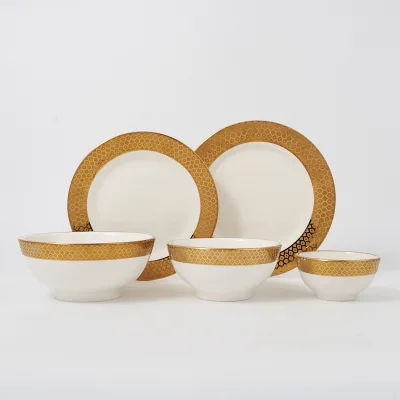
New Design Chinese Dinnerware Luxury Ceramic Tableware Custom Porcelain Dinnerware
$1.00 - $15.00
MOQ: 5000 Pieces

New Selling Ceramic Christmas Dinnerware Custom Porcelain Dinnerware for Gift
$0.80 - $3.00
MOQ: 5000 Pieces
Liling Jinyou Trading Co., Ltd.
- Verified by TüVRheinland
- Trading Company
- Lead time50 days
- Avg. response≤ 4h
Main productsCeramic Cups, Ceramic Plates, Ceramic Bowls, Ceramic Tableware, Ceramic Cups And Dishes
Main marketsEastern Europe(30%), Southeast Asia(20%), North America(10%)
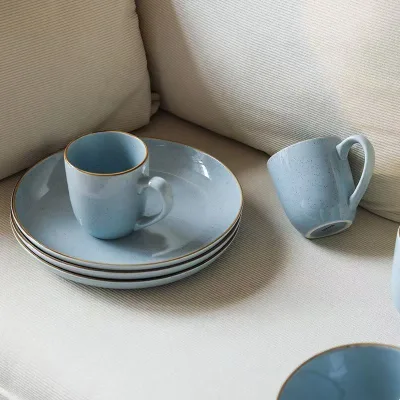
$17.6822 - $19.5455
MOQ: 1000 sets
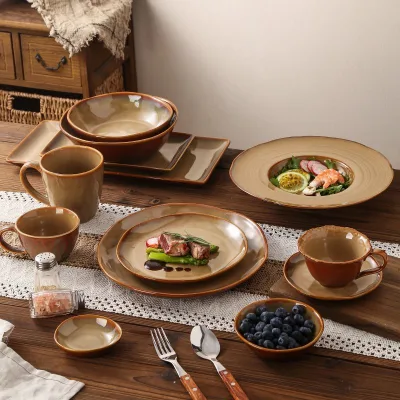
$17.6822 - $19.5455
MOQ: 1000 sets
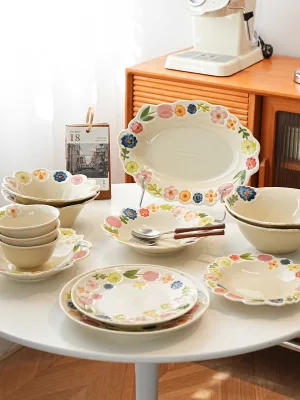
High Quality Good Price Bohemian Tableware New Fashion Floral Style Ceramic Tableware for Restaurant
$17.6822 - $19.5455
MOQ: 1000 pieces
Linyi Tuosen Ceramics Co., Ltd.
- Trading Company
- Shandong, China
- Lead time30 days
- Avg. response≤ 4h
Main productsceramic dinnerware,porcelain dinnerware,ceramic plate,ceramic bowl,dinnerware sets
Main marketsMid East(20.00%), South America(20.00%), Western Europe(15.00%), Eastern Asia(15.00%), Eastern Europe(15.00%), Southeast Asia(15.00%)
Liling New Flourish Ceramic Co., Ltd.
- Verified by Intertek
- Trading Company
- Lead time50 days
- Avg. response≤ 6h
Main productsCeramic mug , Ceramic bowl, Ceramic dinner ware sets, Ceramic wase, Ceramic plate
Main marketsWestern Europe(41%), Northern Europe(40%), North America(15%)
Liling Gaodeng Ceramic Industry Co., Ltd.
- Trading Company
- Hunan, China
- Lead time30 days
- Avg. response≤ 2h
Main productsCeramic Mug, Ceramic Bowl, Ceramic Plate, Ceramic Dinner Set
Main marketsNorth America(25.00%), Western Europe(20.00%), Domestic Market(18.00%), Oceania(10.00%), South America(9.00%), Northern Europe(8.00%), Eastern Europe(6.00%), Southern Europe(2.00%), Mid East(2.00%)
Linyi Queenza Industry & Trade Co., Ltd.
- Trading Company
- Shandong, China
- Lead time25 days
- Avg. response≤ 14h
Main productsdinnerware,dinner set,dinner plate,bowl,mug
Main marketsDomestic Market(20.00%), Southeast Asia(20.00%), Mid East(10.00%), Africa(10.00%), South America(10.00%), Eastern Europe(5.00%), South Asia(5.00%), Northern Europe(5.00%), Oceania(5.00%)
Hangzhou Jade New Materials Co., Ltd
- Trading Company
- Zhejiang, China
- Lead time30 days
- Avg. response≤ 1h
Main productsHome decoration,Coffee&Tea Cup,Kitchenware Set,Glassware,Dinnerware Set
Main marketsMid East(20.00%), Africa(15.00%), South America(15.00%), South Asia(10.00%), Western Europe(10.00%), Eastern Asia(10.00%), North America(10.00%), Southeast Asia(10.00%)
$2.5708 - $2.6742
MOQ: 50 sets
Guangdong Qunfa Ceramics Co., Ltd.
- Manufacturer, Trading Company
- Guangdong Province, China
- Lead time55 days
- Avg. response≤ 2h
Main productsMug,Pet Bowls,Bakeware,Tableware,Flower Pot
Main marketsSouth America(42.50%), North America(42.50%), Southeast Asia(5.00%), Central America(5.00%), Northern Europe(2.50%), Eastern Europe(2.50%)

Chaozhou Chaoan Chaoda Ceramics Co., Ltd.
- Manufacturer
- Guangdong, China
- Lead time7 days
- Avg. response≤ 6h
Main productsCeramic Plates,Ceramic Bowls,Ceramic Cups
Main marketsWestern Europe(50.00%), North America(25.00%), Southeast Asia(15.00%), South America(10.00%)
Shanxi Yan Yuan Ge Industry&Trade Co., Ltd.
- Trading Company
- Shanxi, China
- Lead time30 days
- Avg. response≤ 3h
Main productsGlass Plate, Glass Bowl, Wine Glass, Glass Decanter, Porcelain Plate
Main marketsNorth America(41.00%), South America(22.00%), Eastern Europe(15.00%), Africa(8.00%), Northern Europe(5.00%), Southeast Asia(5.00%), Southern Europe(4.00%), South Asia(0.00%), Eastern Asia(0.00%), Oceania(0.00%), Western Europe(0.00%), Central America(0.00%), Domestic Market(0.00%), Mid East(0.00%)
Linyi Hongshun Porcelain Co., Ltd.
- Verified by SGS Group
- Manufacturer, Trading Company
- Lead time30 days
- Avg. response≤ 2h
Main productsCeramic Tableware
Main marketsNorth America(35%), Western Europe(30%), Domestic Market(15%)

Wenzhou Cathylin International Trade Co., Ltd.
- Verified by TUVRHEINLAND
- Trading Company
- China Zhejiang
- Lead time15 days
- Avg. response≤ 5h
Main productsFlatware, Cutlery, Kitchen Tools, Tableware, Cookware, Bakeware, Drinkware
Main marketsNorth America
- Verified by SGS Group
- Trading Company
- Lead time20 days
- Avg. response≤ 10h
Main productsKitchenware, Coffee French Maker, Plastic Bento Box, Bamboo Wooden Kitchen Items, Ceramic & Glass Products
Main marketsNorthern Europe(20%), South Asia(20%), North America(10%)

- Verified by SGS
- Trading Company,Manufacturer/Factory,Other
- China Zhejiang
- Lead time38 days
- Avg. response≤ 14h
Main productsBath Mat, Cushion, Wooden Toys, Fitness Equipment, Cosmetic Bag, Luggage, Festival Products, Gym Items, Face Mask, Paracord Bracelet
Main marketsSouth America,Eastern Europe,Mid East,North America,Southeast Asia,Eastern Asia,Oceania,Western Europe,Africa


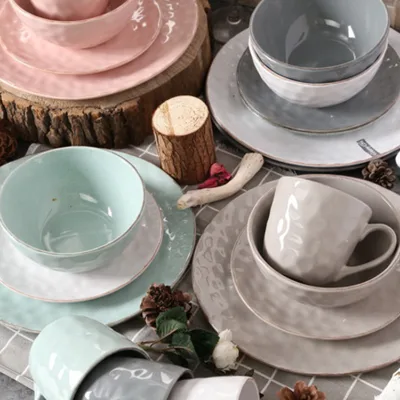
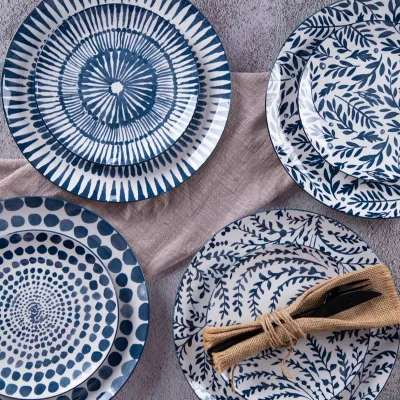


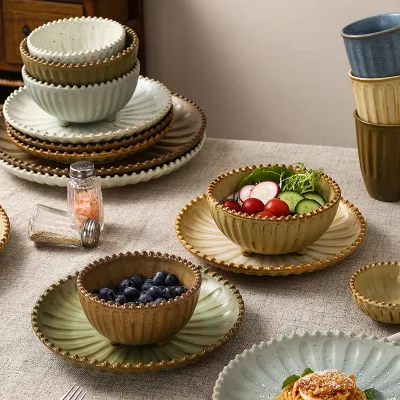
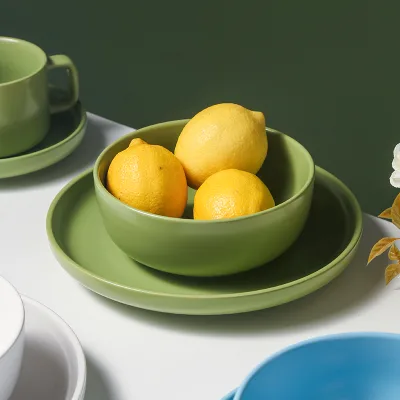




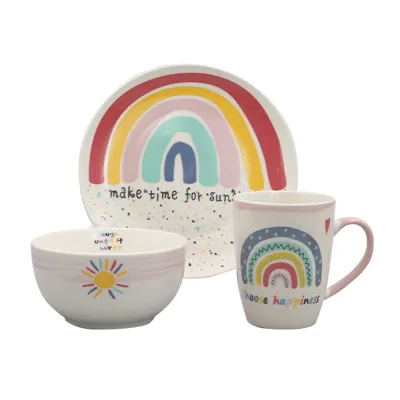
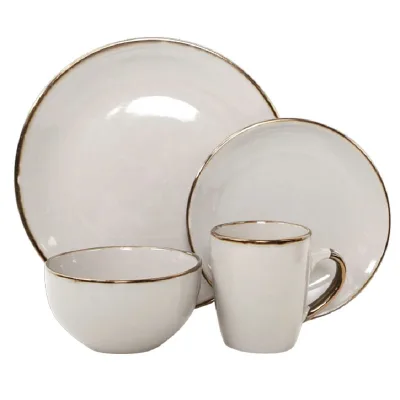
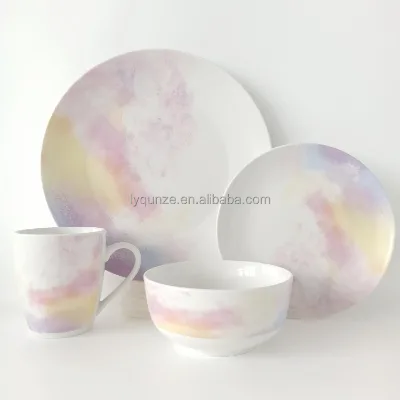
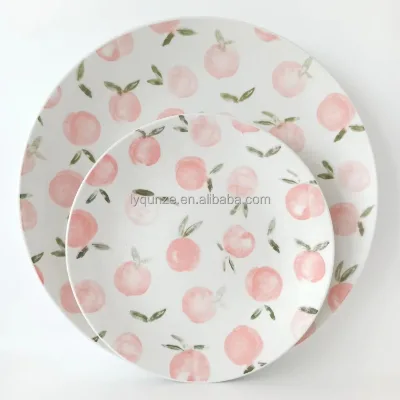
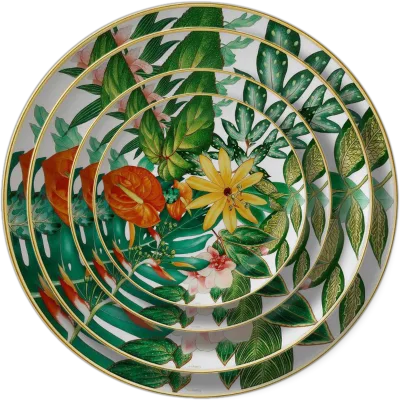
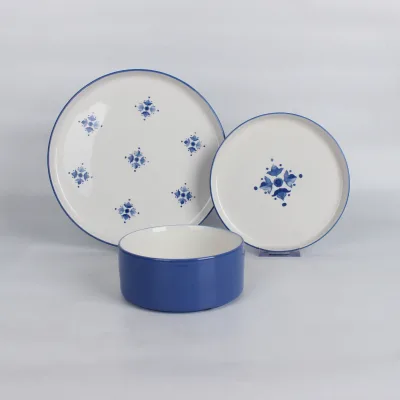
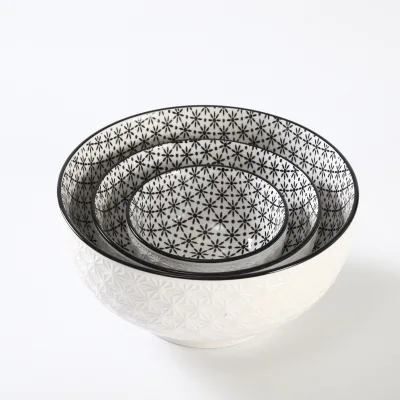
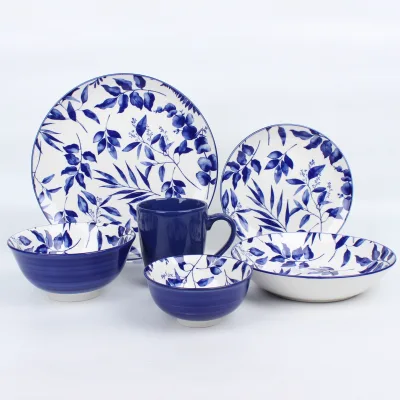




Comprehensive Sourcing Guide
Bohemian Environment-Friendly Ceramic Dinnerware Supplier Concentration and Factory Types
The current supplier landscape for bohemian environment-friendly ceramic dinnerware reveals a distinct geographic concentration in China, with specific manufacturing hubs identified in Shandong and Guangdong provinces. These regions are critical for sourcing because they host a high density of manufacturers capable of producing the complex, eco-friendly ceramic products required for this niche. The presence of factories in Shandong, particularly in areas like Zibo, indicates a strong industrial base for ceramic production, leveraging local clay resources and established kiln infrastructure. Buyers evaluating suppliers should recognize that location is not merely a logistical detail but a signal of supply chain maturity. Suppliers located in these established clusters often benefit from proximity to raw material sources and specialized labor pools, which can influence both product quality and production efficiency. When assessing potential partners, verifying the specific city or province listed in the supplier profile provides immediate insight into their operational context. A supplier based in Shandong may have different logistical advantages compared to one in Guangdong, particularly regarding shipping routes to North America or Europe. Understanding this geographic distribution helps buyers narrow their search to regions with proven expertise in ceramic manufacturing, reducing the risk of engaging with trading companies that lack direct factory oversight. The concentration of manufacturers in these specific Chinese provinces suggests that the majority of viable suppliers for this product category are likely located within these industrial zones, making location verification a primary step in the sourcing process.
Beyond geography, the type of business entity plays a crucial role in determining the flexibility and reliability of the supply chain. The available data indicates that the majority of suppliers in this category operate as Manufacturer/Factory entities rather than pure trading companies. This distinction is vital for buyers seeking direct control over production quality and customization options. Factory-type suppliers typically offer OEM and ODM services, allowing for significant customization of bohemian designs, colors, and eco-friendly features. For instance, some suppliers explicitly list capabilities for own branding and custom designs, which is essential for creating unique bohemian aesthetic products. The presence of OEM/ODM capabilities suggests that these factories have the engineering and design teams necessary to adapt standard ceramic forms into specialized bohemian styles. Buyers should prioritize suppliers who clearly identify as manufacturers, as this often correlates with better pricing structures and more direct communication regarding production issues. However, it is important to verify this claim through site audits or video inspections, as some entities may misrepresent their operational model. The combination of factory status and specific regional location provides a robust framework for evaluating the supplier’s capacity to handle large orders while maintaining the intricate details required for bohemian ceramic dinnerware. This dual focus on location and entity type ensures that buyers are engaging with partners who have the physical infrastructure and operational intent to deliver high-quality, customized ceramic products.
How to Verify Bohemian Environment-Friendly Ceramic Dinnerware Suppliers
Verifying the legitimacy and capability of suppliers requires a multi-layered approach that goes beyond surface-level profile information. One of the most critical steps is to audit the system certifications listed in the supplier’s profile. Certifications such as BSCI, ISO 9000, ISO 9001, and SEDEX are strong indicators of a supplier’s commitment to quality management and social responsibility. For bohemian environment-friendly ceramic dinnerware, these certifications ensure that the manufacturing process adheres to international standards for both product quality and ethical labor practices. Buyers should request copies of these certificates and verify their validity through the issuing bodies. Additionally, product-specific certifications like CE/EU, FDA, and SGS are essential for ensuring that the ceramic materials are safe for food contact and meet regulatory requirements in target markets. The presence of these certifications on individual product listings, such as the "Two-Tone Color Ceramic Dinnerware" or "Fashion Style Ceramic Fine China Dinnerware," provides concrete evidence of compliance. However, buyers must not assume that all suppliers possess these credentials; verification is necessary to confirm that the certifications are current and applicable to the specific products being ordered. This due diligence helps mitigate the risk of receiving non-compliant goods that could lead to customs delays or legal issues in the destination country.
Another crucial aspect of verification is assessing the supplier’s responsiveness and operational transparency. The response time metric, such as the observed average of 10.66 hours, offers a quantitative measure of how quickly a supplier engages with potential buyers. A faster response time often correlates with better customer service and more efficient order processing, which is vital for maintaining supply chain momentum. Buyers should also examine the supplier’s main product listings to ensure they align with the bohemian aesthetic and eco-friendly requirements. For example, products described as "Eco-Friendly" and made from "Ceramic & Porcelain" with specific certifications like LFGB and SGS provide tangible evidence of the supplier’s product range. It is important to cross-reference these product details with the supplier’s general profile to ensure consistency. If a supplier claims to specialize in bohemian ceramics but their main products are generic tableware, this discrepancy may indicate a lack of specialized expertise. Furthermore, buyers should inquire about the supplier’s customization capabilities, as bohemian designs often require unique shapes, colors, and finishes. Asking for samples or virtual tours of the factory can provide additional insights into the production process and quality control measures. By combining certification audits, response time analysis, and product verification, buyers can build a comprehensive picture of a supplier’s reliability and suitability for their specific sourcing needs. This thorough verification process ensures that the chosen partner can deliver high-quality, compliant, and aesthetically pleasing bohemian ceramic dinnerware.
What to Compare Across Bohemian Environment-Friendly Ceramic Dinnerware Suppliers
When evaluating multiple suppliers, it is essential to compare key operational metrics to identify the most suitable partner for your specific needs. One of the primary factors to consider is the minimum order quantity (MOQ), which varies significantly across different suppliers and product lines. For instance, some suppliers may have an MOQ of 650 sets for certain dinnerware sets, while others may require 2205 sets for similar products. Understanding these MOQ differences is crucial for aligning supplier capabilities with your inventory requirements and budget constraints. Lower MOQs may be preferable for testing new markets or launching limited edition bohemian collections, whereas higher MOQs might offer better unit economics for established product lines. Buyers should also compare the lead times, which indicate the duration from order placement to shipment. A lead time of 45 days, as observed in some supplier profiles, provides a benchmark for planning production schedules and managing customer expectations. Variations in lead times can impact your ability to meet seasonal demand or respond to sudden market changes, so it is important to select suppliers whose production cycles align with your business timeline. Additionally, comparing the price ranges for similar products can help identify cost-effective options without compromising on quality. For example, prices for ceramic dinnerware sets may range from $6.00 to $11.20, depending on the complexity of the design, material quality, and certification requirements. Buyers should analyze these price differences in the context of the overall value proposition, including customization options and packaging quality.
Beyond quantitative metrics, comparing the customization capabilities and product specifications is vital for ensuring that the final product meets your brand’s unique requirements. Suppliers may offer different levels of customization, such as logo printing, color matching, or unique shape designs. The availability of OEM and ODM services, as indicated in some supplier profiles, suggests a higher degree of flexibility in product development. Buyers should also compare the specific product attributes, such as plate sizes, bowl dimensions, and material compositions, to ensure they match the bohemian aesthetic and functional needs of your target market. For instance, some products may feature "Two-Tone Color" designs or "Embossed" patterns, which are key elements of the bohemian style. Comparing these design features across suppliers can help identify those with the most relevant expertise in creating authentic bohemian ceramic dinnerware. Additionally, evaluating the packaging options, such as "1set/Color Box" or "1set/Gift Box," can impact the perceived value of the product and its suitability for retail or gifting markets. Buyers should also consider the supplier’s ability to provide detailed product descriptions and specifications, as this reflects their professionalism and attention to detail. By systematically comparing these operational and product-related factors, buyers can make informed decisions that balance cost, quality, and customization needs. This comparative analysis ensures that the selected supplier can deliver bohemian environment-friendly ceramic dinnerware that aligns with your brand’s identity and market positioning.
Common Bohemian Environment-Friendly Ceramic Dinnerware Sourcing Risks
Sourcing bohemian environment-friendly ceramic dinnerware involves several inherent risks that buyers must proactively manage to ensure a successful procurement process. One significant risk is the potential for quality inconsistencies, particularly when dealing with customized or handcrafted items. Bohemian designs often rely on unique artistic elements, such as specific color glazes or embossed patterns, which can be difficult to replicate consistently across large production runs. If a supplier lacks robust quality control measures, there is a risk of receiving products with defects, such as cracks, uneven coloring, or misshapen forms. This risk is exacerbated when working with suppliers who have high MOQs, as the pressure to meet volume targets may compromise attention to detail. Buyers should mitigate this risk by requesting pre-production samples and conducting thorough inspections upon receipt. Additionally, verifying the supplier’s certification status, such as ISO 9001, can provide assurance that they have standardized processes in place to maintain quality consistency. Another risk is the potential for delays in production or shipping, which can disrupt your supply chain and impact customer satisfaction. Lead times can vary based on factors such as raw material availability, production capacity, and logistical constraints. Buyers should establish clear communication channels with suppliers to monitor production progress and address any potential bottlenecks early. It is also important to consider the risk of non-compliance with international standards, particularly regarding food safety and environmental regulations. Products must meet specific certifications, such as FDA, LFGB, or CE/EU, to be legally sold in many markets. Buyers should verify that the supplier’s products are tested and certified by reputable third-party agencies to avoid legal issues and reputational damage.
A further risk is the potential for miscommunication regarding product specifications and customization requirements. Bohemian ceramic dinnerware often involves intricate design details that must be accurately translated from concept to production. If the supplier misunderstands the design intent or lacks the technical expertise to execute it, the final product may not meet your expectations. This risk can be minimized by providing detailed technical drawings, color codes, and material specifications to the supplier. Additionally, buyers should confirm the supplier’s ability to handle the specific customization requests, such as logo printing or unique packaging. Another risk is the financial exposure associated with large orders, particularly when dealing with new or unverified suppliers. To mitigate this risk, buyers should consider using secure payment methods, such as escrow services, which protect funds until the goods are received and inspected. It is also important to review the supplier’s contract terms, including warranties, return policies, and dispute resolution mechanisms. By identifying and addressing these common risks through proactive verification, clear communication, and secure transaction practices, buyers can safeguard their investments and ensure a smooth sourcing experience for bohemian environment-friendly ceramic dinnerware. This risk-aware approach enables buyers to navigate the complexities of international procurement with confidence and minimize potential disruptions to their business operations.
Bohemian Environment-Friendly Ceramic Dinnerware Regional Sourcing and Logistics
The geographic location of suppliers significantly influences the logistics and shipping dynamics for bohemian environment-friendly ceramic dinnerware. Suppliers located in China, particularly in Shandong and Guangdong provinces, offer distinct logistical advantages and challenges that buyers must consider when planning their supply chain. Shandong
FAQs
Are the ceramic dinnerware sets eco-friendly?
Yes, the available ceramic dinnerware sets are explicitly described as eco-friendly. This feature is consistently listed across multiple product attributes, indicating that the manufacturing processes and materials used prioritize environmental sustainability for buyers seeking green sourcing options.
What certifications do the ceramic products hold?
The ceramic dinnerware products hold several key certifications including FDA, LFGB, SGS, CE/EU, and CIQ. These certifications ensure that the tableware meets international safety and quality standards, providing assurance for food contact applications and regulatory compliance in various markets.
What is the typical lead time for orders?
The typical lead time for these ceramic dinnerware orders is 45 days. Buyers should plan their inventory and logistics accordingly to account for this production duration, ensuring timely delivery for retail seasons or specific project deadlines without unexpected delays.
What is the minimum order quantity for sets?
The minimum order quantities vary by product style, ranging from 650 sets to 2205 sets. Specific items like the Fashion Style Ceramic Fine China Dinnerware require 1800 sets, while the 16PCS Elegant Embossed White Ceramic Dinnerware has an MOQ of 1080 sets.
Where are these ceramic suppliers located?
The suppliers for these ceramic dinnerware items are located in China, specifically in the Shandong and Guangdong provinces. Zibo in Shandong is noted as a production origin, indicating a concentration of manufacturing capabilities in these key Chinese industrial regions for tableware.
What is the price range for ceramic sets?
The price range for the ceramic dinnerware sets spans from approximately $6.00 to $11.20 per set. Specific items like the 16PCS Elegant Embossed White Ceramic Dinnerware are priced at $6.00, while the Two-Tone Color Ceramic Dinnerware Tableware ranges up to $11.20.