Source Vacuum Insulated Ice Bucket with Tongs for bars, hotels, and events
Explore 30 Vacuum Insulated Ice Bucket with Tongs options from verified suppliers. Compare stainless steel models with double-wall designs, varying capacities, and customization features for bar, hotel, and event applications; compare the available evidence and request quotations based on your requirements.
Updated
Key considerations
Products List
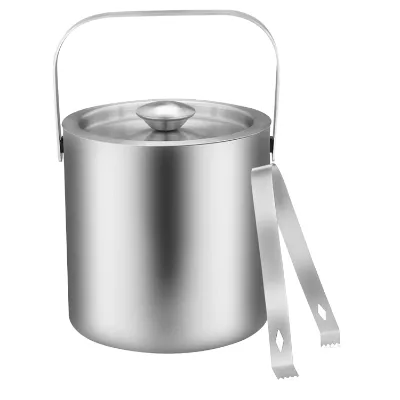
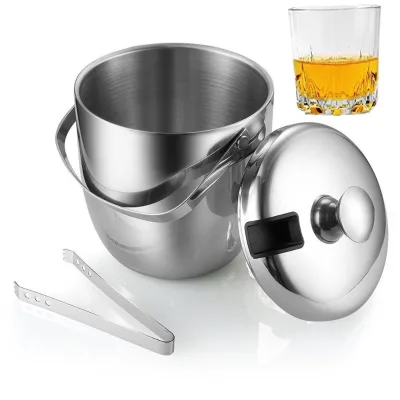
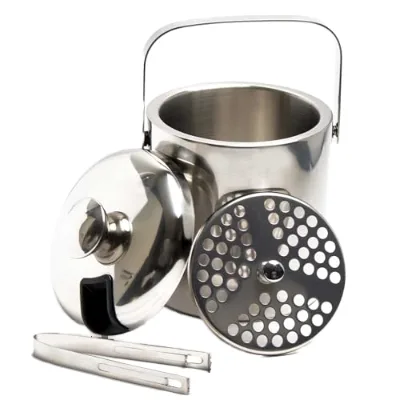


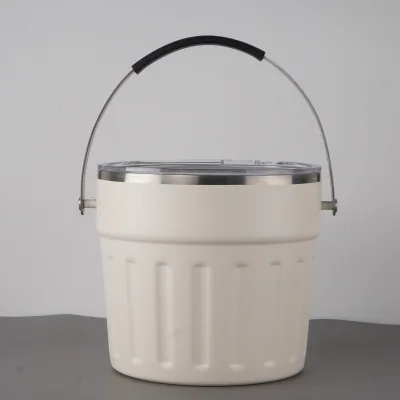


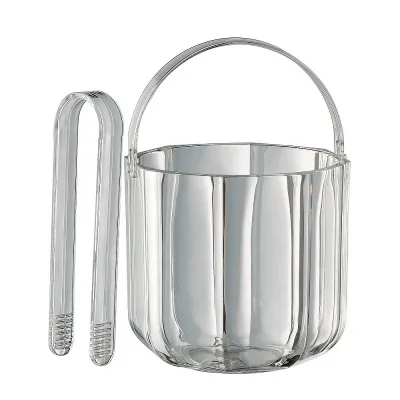
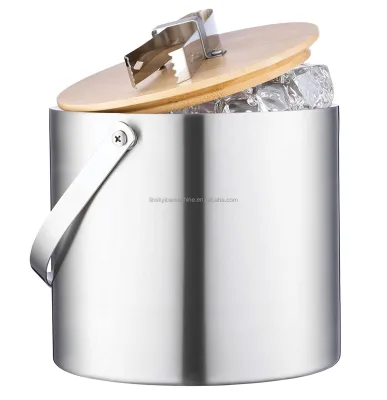


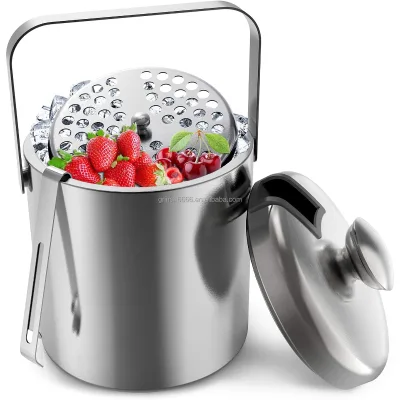
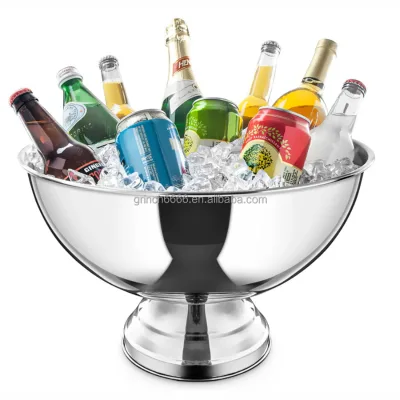
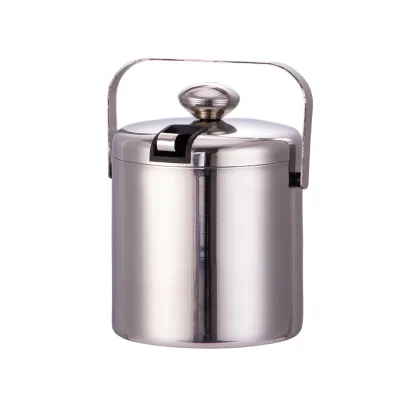
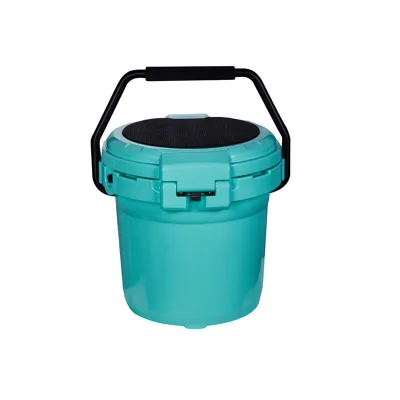
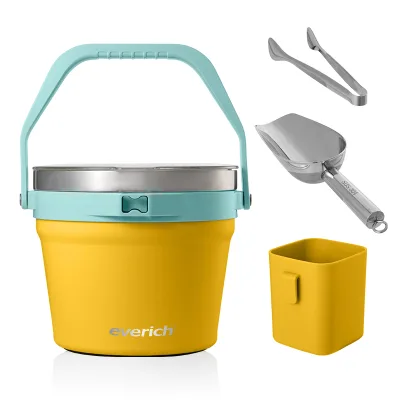
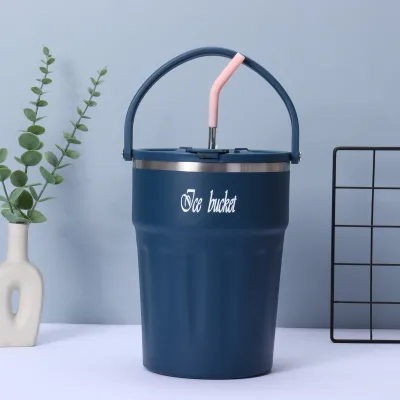
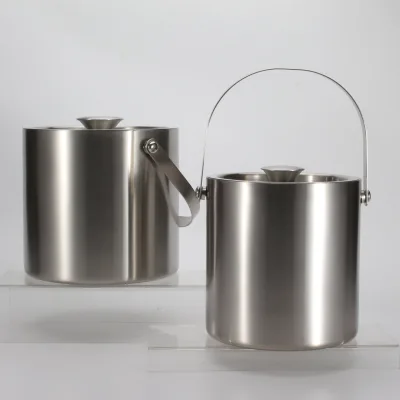
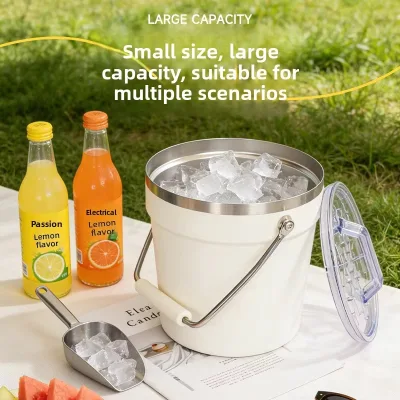
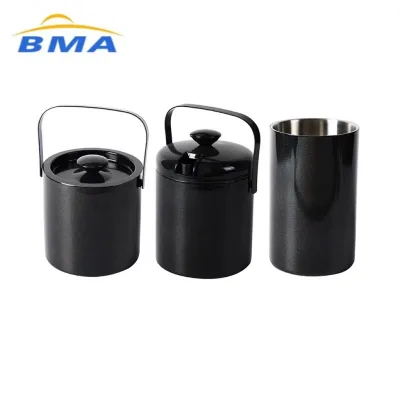
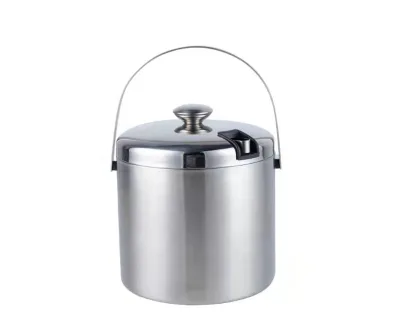
Comprehensive Sourcing Guide
Vacuum Insulated Ice Bucket with Tongs Sourcing Guide
Procuring vacuum insulated ice buckets with tongs requires a clear understanding of the dual functionality these units provide in high-volume hospitality environments. These tools are primarily designed for bars, hotels, and luxury service settings where maintaining ice integrity and aesthetic presentation are equally critical. The core value proposition lies in the double-wall construction, which minimizes condensation and thermal transfer, ensuring that ice remains solid for extended periods without dripping onto surfaces. Buyers must recognize that this category encompasses both dedicated cocktail shakers and pure water or ice storage buckets, each serving distinct operational needs within a single establishment.
The observed market signals indicate a strong preference for stainless steel materials, particularly in brushed or silver finishes that convey a sense of luxury and durability. Suppliers often highlight features such as double-layer designs and included ice tongs, which streamline service workflows by keeping hands dry and sanitary. It is essential to distinguish between products marketed as cocktail shakers and those classified as ice buckets or coolers, as their internal geometries and volume capacities differ significantly. Understanding these distinctions helps procurement teams align their orders with specific service stations, whether for front-of-house bar operations or back-of-house beverage preparation areas.
Product Scope and Observed Listing Signals
The current listing landscape reveals a diverse range of vacuum insulated products, with prices observed between $1.03 and $49 USD, reflecting variations in material thickness, brand reputation, and customization options. Minimum order quantities (MOQs) vary widely from single items to 2,000 units, allowing both small boutique hotels and large chain establishments to source according to their scale. Key attributes frequently highlighted include sustainable manufacturing practices, eco-friendly materials, and customizable logos, which are vital for brands seeking to reinforce their corporate identity through branded barware. Buyers should note that while some listings emphasize luxury styling, others focus on practical utility, such as open versus closed mouth designs.
Specific product models like HKSK0729 and ES4009 demonstrate the variability in dimensions and capacities available in the market. For instance, some units feature a diameter of 5-10 cm with a single volume of 0 cm³, suggesting they may be compact shakers or specialized tools rather than large storage buckets. In contrast, other models offer capacities of 1.2L or 1.3L with dimensions such as D150X H136/205mm, indicating larger ice buckets suitable for bulk storage. The inclusion of ice tongs is a common feature, enhancing the product's utility by providing a hygienic method for handling ice. Procurement teams must carefully review these specifications to ensure the selected items match the physical constraints of their service areas.
Technical Specifications to Verify
When evaluating vacuum insulated ice buckets, verifying the double-wall construction is paramount to ensuring effective thermal insulation. Buyers should confirm that the vacuum seal is intact and durable, as any compromise can lead to rapid ice melting and excessive condensation on the exterior surface. The material composition, typically stainless steel, should be checked for grade and thickness, as these factors influence both longevity and resistance to corrosion. Additionally, the finish, whether brushed or polished, affects not only aesthetics but also the ease of cleaning and maintenance in high-traffic environments. It is crucial to ensure that the product’s design aligns with the intended application, whether it is for serving cocktails or storing ice for general use.
Capacity and dimensional accuracy are critical technical specifications that must be validated against the supplier’s provided data. Listings may indicate capacities of 1.2L or 1.3L, but actual internal volume can vary due to wall thickness and design nuances. Buyers should request detailed packaging dimensions, such as 18.8X15.6X15.4 cm, to calculate shipping costs and storage requirements accurately. The inclusion of accessories like ice tongs should be explicitly confirmed, as their absence can impact operational efficiency. Furthermore, verifying the folded or unfolded state of the product is important for items that may be collapsible, ensuring they fit within designated storage spaces when not in use.
Compliance and Safety Documentation
Ensuring that vacuum insulated ice buckets meet relevant food safety standards is a non-negotiable aspect of the procurement process. Buyers must verify that the stainless steel used is food-grade and free from harmful contaminants, as these products will come into direct contact with consumables. While specific certifications like BSCI may be mentioned in background contexts, procurement teams should request up-to-date documentation to confirm compliance with international safety regulations. This includes verifying that the manufacturing processes adhere to strict hygiene protocols, particularly for products intended for hotel or commercial bar use. Documentation should also cover any coatings or finishes applied to the steel to ensure they are non-toxic and durable.
Customization options, such as logo printing or engraving, introduce additional compliance considerations that must be addressed. Buyers should ensure that any branding materials used are safe for food-contact surfaces and do not compromise the integrity of the vacuum seal. It is advisable to request samples of customized products to assess the quality of the branding and its resistance to wear and tear. Additionally, verifying that the supplier adheres to recognized hotel standards can provide assurance of consistent quality and reliability. Procurement teams should maintain a clear record of all compliance documents to facilitate audits and ensure ongoing adherence to safety protocols.
Cost Drivers and Commercial Terms
The cost of vacuum insulated ice buckets is influenced by several factors, including material quality, manufacturing complexity, and customization requirements. Stainless steel is a premium material that contributes significantly to the final price, while double-wall vacuum insulation adds to the production cost due to the specialized equipment required. Buyers should be aware that lower-priced items may compromise on insulation efficiency or material thickness, potentially leading to higher replacement costs over time. Understanding these cost drivers allows procurement teams to make informed decisions that balance budget constraints with long-term value and performance expectations.
Commercial terms, such as payment structures and shipping arrangements, also play a crucial role in the overall cost of procurement. Many suppliers require a 30% deposit with the balance due before shipment, which is a standard practice in international trade. Buyers should negotiate clear terms regarding lead times and shipping methods to avoid unexpected delays or additional costs. Packaging details, such as carton packing, should be confirmed to ensure products are protected during transit. Additionally, considering the MOQs and unit prices helps in optimizing order sizes to achieve economies of scale without overstocking inventory.
Supplier Qualification and Quality Control
Selecting a reliable supplier for vacuum insulated ice buckets requires thorough due diligence to ensure consistent quality and service. Buyers should verify the supplier’s place of origin, with Guangdong, China, being a common hub for such manufacturing. This region is known for its expertise in stainless steel fabrication, but it is essential to assess the supplier’s specific capabilities and track record. Requesting references or case studies from previous clients can provide insights into the supplier’s reliability and ability to meet deadlines. Additionally, verifying the supplier’s production capacity ensures they can handle large orders without compromising quality.
Quality control measures should be clearly defined and agreed upon before placing orders. Buyers should insist on pre-shipment inspections to verify product dimensions, material quality, and functional integrity. This includes checking for defects in the vacuum seal, finish, and included accessories like ice tongs. Establishing a clear communication channel with the supplier allows for prompt resolution of any issues that arise during production or delivery. Furthermore, considering the supplier’s willingness to accept OEM requests and provide customized solutions can indicate their flexibility and commitment to meeting specific buyer requirements.
Long-Term Procurement Checks
Establishing long-term procurement relationships with suppliers of vacuum insulated ice buckets requires ongoing monitoring and evaluation. Buyers should regularly assess product performance in real-world settings to identify any issues related to insulation efficiency, durability, or aesthetic wear. Feedback from staff and customers can provide valuable insights into the practical usability of the products. Additionally, staying informed about industry trends and technological advancements can help buyers identify opportunities for upgrading their barware inventory. Regular reviews of supplier performance, including delivery times and customer service, are essential for maintaining a high standard of procurement.
Sustainability and ethical sourcing are increasingly important considerations for long-term procurement strategies. Buyers should prioritize suppliers who demonstrate a commitment to eco-friendly practices and sustainable manufacturing processes. This includes verifying the use of recyclable materials and minimizing waste during production. Additionally, ensuring that suppliers adhere to fair labor practices and ethical standards contributes to a positive brand image. By focusing on these long-term checks, procurement teams can build resilient supply chains that support both operational efficiency and corporate social responsibility goals.
FAQs
What materials are used for vacuum insulated ice buckets?
The products are constructed from stainless steel to ensure durability and thermal efficiency. This material choice supports the double-wall design which maintains temperature control. The brushed finish provides a sleek appearance suitable for bar environments. Buyers can expect a robust build quality that resists corrosion and wear during frequent use in commercial settings.
Can I customize the logo on these ice buckets?
Yes, customization is available for these ice buckets. The supplier accepts OEM requests, allowing buyers to add their specific branding. This service supports tailored marketing for hotels or bars. Buyers should confirm design details with the manufacturer to ensure the logo fits the brushed stainless steel surface effectively for professional presentation.
What is the capacity of the double layer ice bucket?
The double layer ice bucket offers a capacity of 1.2 liters. This volume is ideal for chilling beverages efficiently in bar settings. The design includes a double wall structure to enhance insulation performance. Buyers seeking a compact yet functional solution for ice storage will find this capacity suitable for standard service requirements in hospitality venues.
Are ice tongs included with the vacuum insulated bucket?
Yes, ice tongs are included with the vacuum insulated bucket. This addition ensures convenient ice handling without requiring separate purchases. The tongs complement the bucket's functionality for bar service. Buyers receive a complete set ready for immediate use, enhancing operational efficiency in hotels or restaurants that require quick and hygienic ice retrieval.
What is the packaging type for these ice buckets?
The ice buckets are packaged in carton packages for safe transport. This packaging method protects the brushed stainless steel finish during shipping. Buyers can expect secure handling from the manufacturer in Guangdong, China. The carton packing ensures the product arrives in pristine condition, ready for distribution to hotels or bars without damage to the double-wall structure.
What payment terms are accepted for these ice buckets?
The accepted payment terms require a 30% deposit first. The balance must be paid before shipment to finalize the order. This structure is standard for B2B transactions involving customized or bulk orders. Buyers should plan their cash flow accordingly to ensure timely production and delivery of the stainless steel ice buckets to their specified destination.