Source eco-friendly moscow mule cup for Kitchen, Restaurant and Bar
Compare 30 eco-friendly moscow mule cup options featuring stainless steel 304 construction, leak-proof designs, and double-wall insulation. Buyers can review specifications like 450ml and 500ml capacities, irregular shapes, and custom or non-customized styles for kitchen, restaurant, and bar applications; compare the available evidence and request quotations based on your requirements.
Updated
Key considerations
Products List


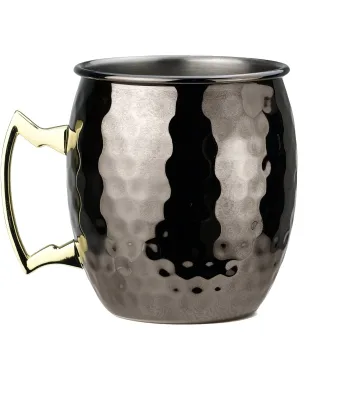
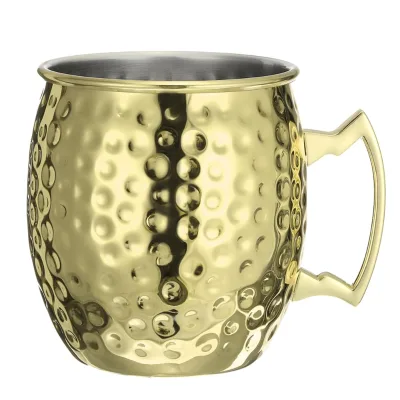
Solid Hammered Moscow Mule Cup Custom Logo Stainless Steel Moscow Mule Mug
$3.00 - $3.50
MOQ: 500 Pieces


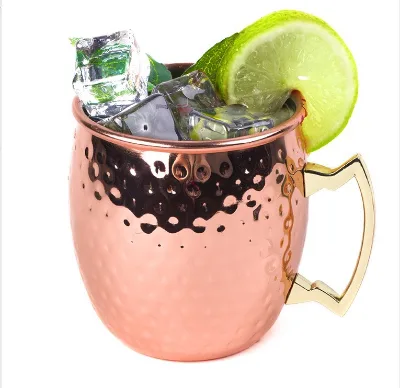
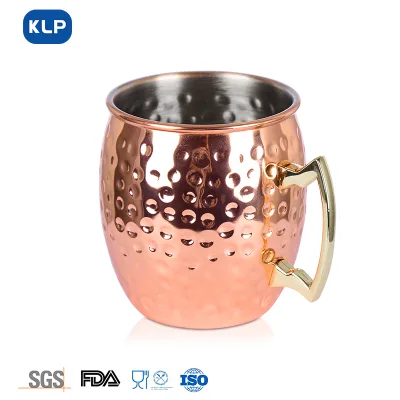
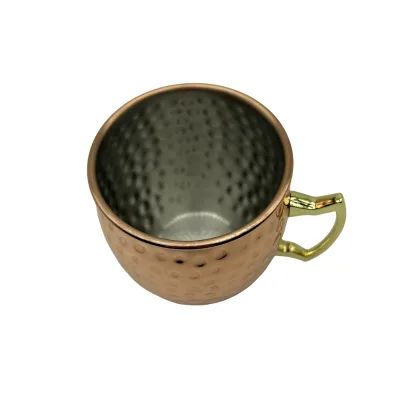
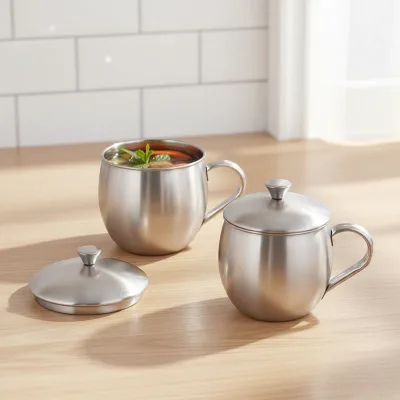
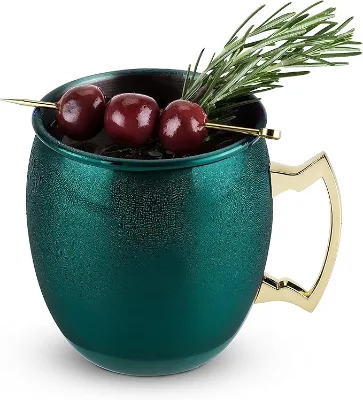
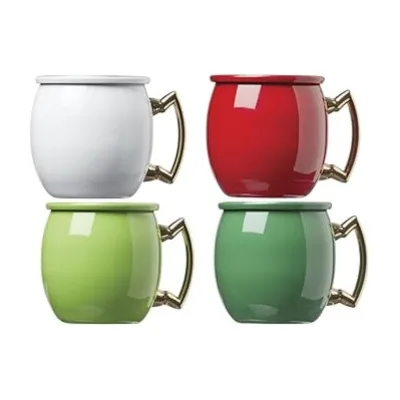
Stainless Steel Green Moscow Mule Cup for the Christmas Holiday Season 304 Food Grade Material
$1.8318 - $2.4284
MOQ: 500 pieces
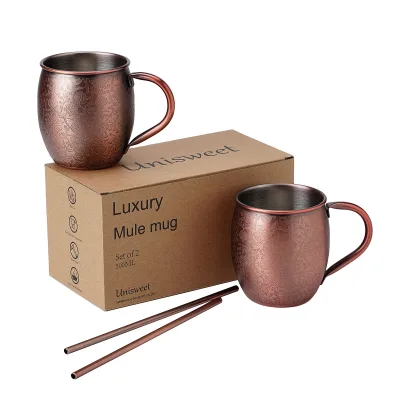
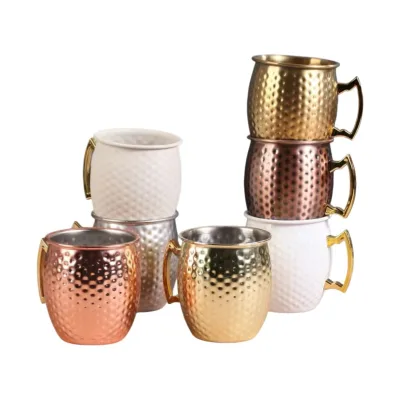


High Quality Stainless Steel Copper Mug Hammered Solid Copper Cup Moscow Mule Mugs
$1.00 - $2.00
MOQ: 100 Pieces


Comprehensive Sourcing Guide
Eco-Friendly Moscow Mule Cup Sourcing Guide
Procuring eco-friendly Moscow Mule cups requires a nuanced understanding of material sustainability and functional design. Buyers must distinguish between marketing claims and verifiable material properties, particularly when sourcing stainless steel alternatives to traditional copper. The observed market data indicates a strong presence of stainless steel 304 options, which offer durability and recyclability. Sourcing teams should prioritize suppliers who provide transparent material certifications to ensure the product meets both environmental standards and food safety requirements.
The aesthetic and functional versatility of these cups allows for broad application across hospitality sectors. Observed listings highlight features such as leak-proof designs and double-wall insulation, which enhance user experience in bar and restaurant environments. Buyers should evaluate how customization options, such as printing or color variations, align with brand identity. Understanding the balance between eco-friendly material claims and practical performance metrics is essential for making informed procurement decisions that satisfy both sustainability goals and operational needs.
Product Scope and Observed Listing Signals
The current market landscape for Moscow Mule cups reveals a diverse range of product attributes tailored to different buyer needs. Observed listings indicate that products are primarily categorized as beer mugs or tumblers, with specific models like TM80050 and BR5623 available. These items often feature simple styles with unicolor or colored finishes, catering to both minimalist and vibrant branding requirements. The presence of handles in some designs, such as those with handgrip shapes, adds ergonomic value for customers in high-volume service settings.
Capacity and dimension specifications vary significantly across suppliers, reflecting the need for flexibility in product selection. Standard capacities observed include 14 oz and 500ml, with dimensions such as D93xH100mm and D89xW137xH90mm noted in product data. Buyers should verify these specifications against their operational requirements, as inconsistencies in size can impact storage and serving efficiency. The availability of customized and non-customized options further expands the scope, allowing businesses to choose between off-the-shelf solutions and tailored branding opportunities.
Technical Specifications to Verify
Material composition is a critical technical specification that directly impacts both the eco-friendly claim and product longevity. Stainless steel 304 is a commonly observed material, offering corrosion resistance and food-grade safety. Buyers must verify the thickness of the steel, with observed values such as 0.6mm providing insight into durability. Thicker materials generally offer better insulation and resistance to denting, which is crucial for high-traffic environments like bars and restaurants. Confirming the exact alloy grade ensures the product meets international food safety standards.
Dimensional accuracy and capacity verification are essential to prevent operational discrepancies. Specifications such as D93xH100mm and D3.66"xH3.94" highlight the importance of precise measurements in procurement. Buyers should request detailed technical drawings or samples to confirm that the cup dimensions align with their existing glassware or serving equipment. Additionally, features like double-wall construction and leak-proof designs should be validated through physical testing to ensure they perform as advertised under real-world conditions.
Compliance and Safety Documentation
Ensuring compliance with food safety standards is paramount when sourcing drinkware for commercial use. Buyers should request documentation that verifies the material's compliance with relevant international regulations, such as FDA or EU standards for food contact materials. While specific certifications like CE were observed in background data, buyers must confirm that these apply to the specific product model and material composition. Transparent supply chain documentation helps mitigate risks associated with non-compliant materials that could pose health hazards.
Environmental certifications and eco-friendly claims require rigorous verification to avoid greenwashing. Buyers should ask for third-party audits or material safety data sheets that support sustainability assertions. This includes verifying the recyclability of the stainless steel and the environmental impact of the manufacturing process. Clear documentation on packaging materials, such as export cartons, also contributes to the overall sustainability profile. Establishing a clear audit trail for compliance ensures that the procurement aligns with corporate social responsibility goals.
Cost Drivers and Commercial Terms
Pricing in the Moscow Mule cup market is influenced by material costs, customization levels, and order volume. Observed price ranges vary, reflecting differences in quality, design complexity, and supplier positioning. Buyers should analyze the cost structure to understand the impact of features like double-wall insulation or printed designs on the final price. Volume discounts are common, with MOQs ranging from 100 to 5000 pieces, allowing for flexibility in initial orders and future replenishments.
Commercial terms such as packing and lead times are critical for supply chain planning. Standard packing configurations, like 24 pieces per carton, affect shipping efficiency and storage requirements. Buyers should negotiate clear terms regarding lead times to ensure timely delivery, especially for customized orders that may require additional production steps. Understanding the total landed cost, including shipping and duties, provides a more accurate picture of the financial investment required for the procurement.
Supplier Qualification and Quality Control
Supplier qualification involves assessing manufacturing capabilities and quality management systems. Buyers should prioritize suppliers who demonstrate a commitment to quality through consistent product standards and reliable production processes. Observing advantages such as factory direct sales can indicate better control over quality and pricing. It is essential to verify the supplier's ability to maintain consistency across large orders, particularly when customization is involved.
Quality control measures should be established before production begins. Buyers should define clear acceptance criteria for dimensions, material thickness, and finish quality. Implementing pre-shipment inspections can help identify defects early, reducing the risk of receiving non-conforming goods. Establishing a feedback loop with the supplier for continuous improvement ensures that any issues are addressed promptly. A robust quality control process protects the buyer's brand reputation and ensures customer satisfaction.
Long-Term Procurement Checks
Long-term procurement success depends on maintaining strong supplier relationships and adapting to market changes. Buyers should regularly review supplier performance metrics, including on-time delivery rates and product quality consistency. Building a partnership based on mutual trust and clear communication facilitates smoother transactions and better problem resolution. Regular audits and site visits can provide deeper insights into the supplier's operations and commitment to quality.
Staying informed about industry trends and regulatory changes is crucial for long-term compliance and competitiveness. Buyers should monitor developments in sustainable materials and manufacturing practices to ensure their procurement strategy remains aligned with evolving environmental standards. Periodic reassessment of product specifications and supplier capabilities helps identify opportunities for cost savings or quality improvements. A proactive approach to procurement management ensures that the business remains agile and responsive to market dynamics.
FAQs
What materials are used for eco-friendly moscow mule cups?
These cups are typically crafted from Stainless Steel 304, ensuring durability and safety for daily use. The material is robust, resistant to corrosion, and suitable for both hot and cold beverages. This construction supports the eco-friendly positioning by offering a long-lasting alternative to single-use plastics, making it ideal for bars and restaurants seeking sustainable options.
Can I customize the design of these stainless steel cups?
Yes, customization is available for many models, allowing for specific branding or design preferences. Some items are marked as customized, while others are non-customized standard stock. Buyers can select from various styles, including simple or colored finishes, to match their establishment's aesthetic. This flexibility helps businesses create unique merchandise for their customers.
What is the typical capacity of these Moscow Mule cups?
The capacity varies by model, with common sizes including 14 oz and 500ml options. Specific models like BR5620 offer 500ml capacity, while others may provide 450ml or 14 oz volumes. These sizes are standard for serving cocktails and beverages in bars and restaurants, ensuring adequate portion sizes for customers while maintaining the classic Moscow Mule presentation style.
Are these cups leak-proof and suitable for outdoor use?
Many models feature leak-proof designs, making them reliable for various applications including outdoor events and travel. The double-wall construction often provides insulation, keeping drinks cold or hot for longer periods. This functionality supports use in cars, offices, and homes, offering versatility beyond traditional bar settings while maintaining the structural integrity required for frequent handling and transport.
What are the standard packaging details for bulk orders?
Packaging typically includes 24 pieces per carton for standard models, ensuring efficient shipping and handling. Export cartons are used to protect the stainless steel items during transit. This standardized packing helps suppliers manage inventory and logistics effectively, providing buyers with clear expectations for quantity per shipment and ensuring the products arrive in good condition for resale or immediate use.
Which applications are these cups best suited for?
These cups are designed for use in kitchens, restaurants, bars, and hotels. They are also suitable for home use, gifts, and outdoor parties. The versatile design supports various beverage services, from casual dining to professional hospitality settings. Their durable construction and aesthetic appeal make them a practical choice for businesses looking to enhance their drink service offerings with reliable, stylish tableware.