Korean Style Divided Sauce Plate Suppliers and Manufacturers
Explore 18 verified options for Korean Style Divided Sauce Plate with details on location, lead times, and certifications. Compare MOQs, response times, and product specs to select the right factory for your needs; review the available evidence before requesting comparable quotations from suitable candidates.
Updated
Suppliers List

Dongguan ShunTa Melamine Products Co., Ltd.
- Verified by CTI
- Combined
- China Guangdong
- Lead time15 days
- Avg. response≤ 9h
Main productsMelamine, Table Ware, Tableware, Household, Kitchen Ware, Pets Accessories, Chopsticks, Ashtray, Cushions, Bowls
Main marketsSoutheast Asia/ Mideast,East Asia(Japan/ South Korea),Domestic,Europe,Australia,North America


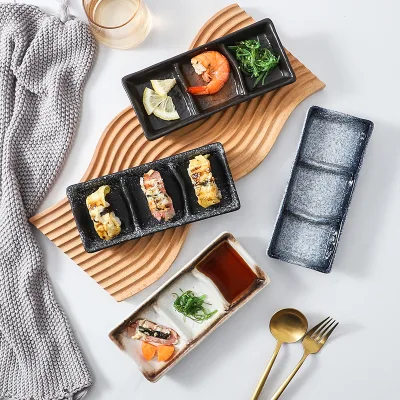
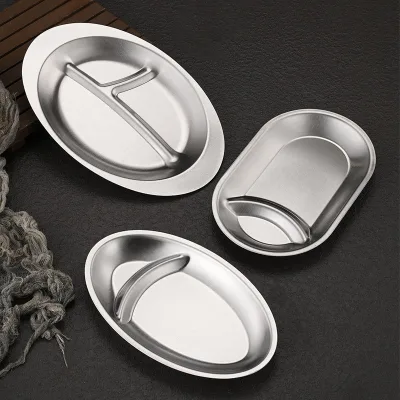
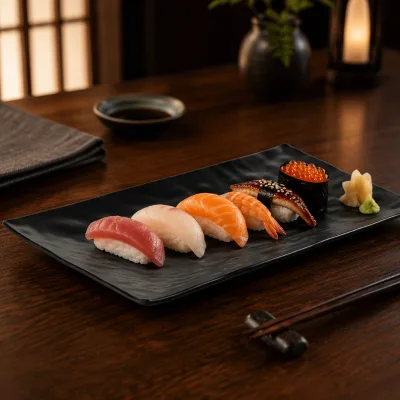
Divided Sauce Plate Melamine Material 2-Divided Sauce Plate Sushi Restaurant Sauce Plate
$0.46 - $0.58
MOQ: 500 Pieces

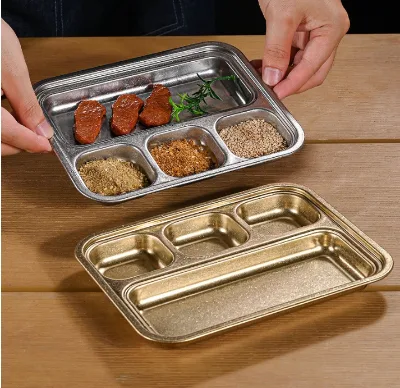
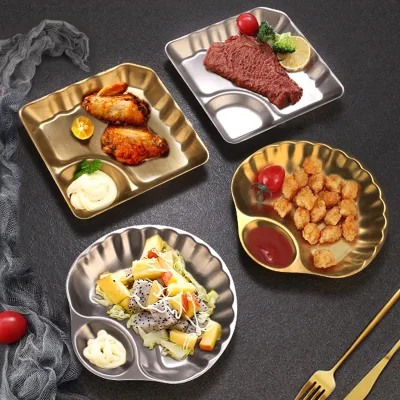
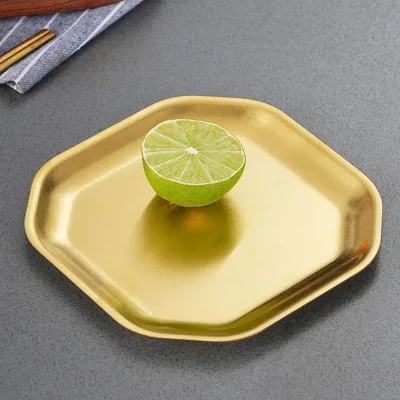
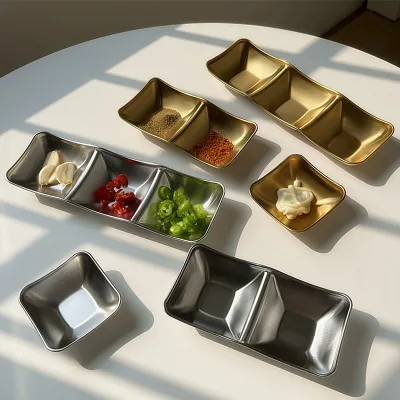
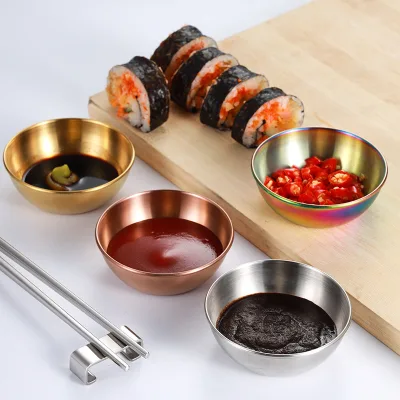
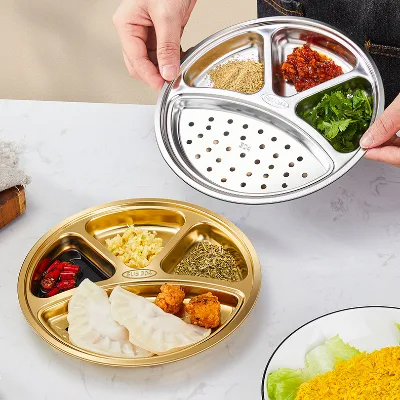
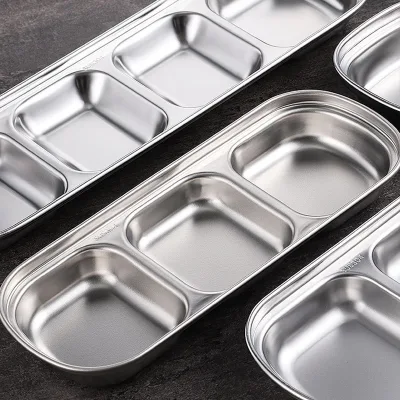
Korean Barbecue Bulgogi Sauce Serving Plate 3-Divided Gold Sauce Dish Metal Platter Shallow Plate
$2.04 - $2.52
MOQ: 160 Pieces

Korean Barbecue Bulgogi Sauce Dish 304 Stainless Steel Gold Seasoning Dish 2-Divided Plates Platter
$1.62 - $2.00
MOQ: 200 Pieces

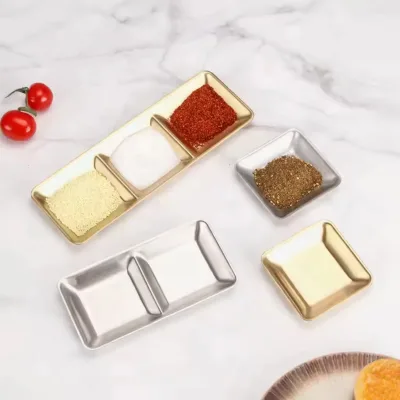
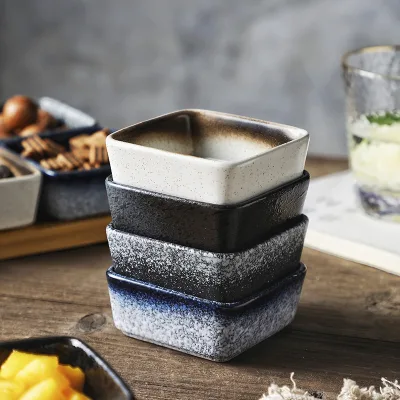
Square Sauce Dish Melamine Sauce Dish Imitation Porcelain Tableware Korean Sauce Dish
$1.94 - $2.42
MOQ: 500 Pieces

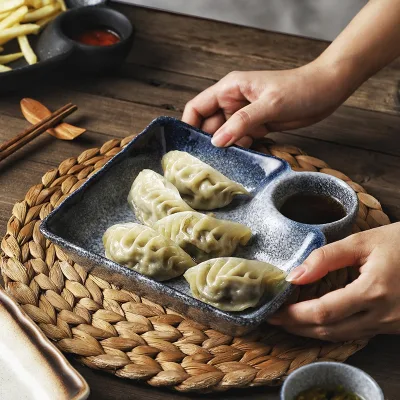
5 Inch Blue Lines Pattern Melamine Plates Side Dishes Serving Sauce Dich Korean Style
$0.94 - $1.29
MOQ: 96 Pieces

Dongguan Meansen Technology Co., Ltd.
- Manufacturer, Trading Company
- Guangdong, China
- Lead time0 days
- Avg. response≤ 2h
Main productsstainless steel tableware,stainless steel cutlery,stainless steel beauty tool,other metal products
Main marketsNorth America(40.00%), Eastern Europe(20.00%), Domestic Market(20.00%), South America(10.00%), Northern Europe(10.00%)
Guangzhou Chenxuan Technology Co., Ltd.
- Trading Company, Distributor/Wholesaler, Other
- Guangdong, China
- Lead time10 days
- Avg. response≤ 2h
Main productssteel kitchenware,round dinner plate,retro cutlery set,gold dinner plate,korean gold dinner plate
Main marketsWestern Europe(30.00%), North America(30.00%), Mid East(15.00%), Oceania(15.00%), South America(10.00%)
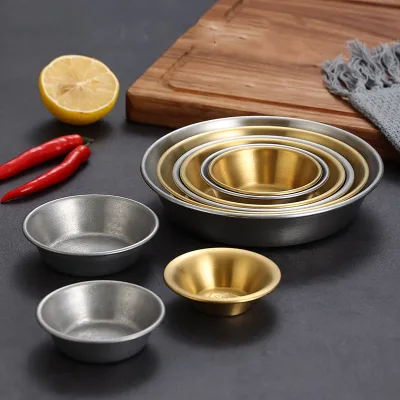
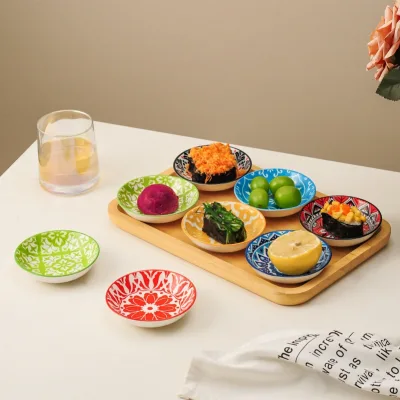
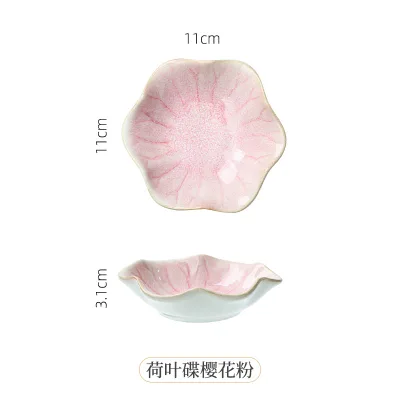
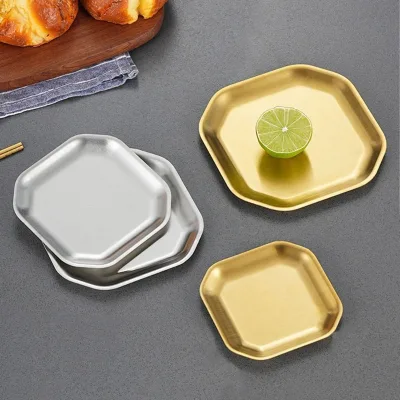
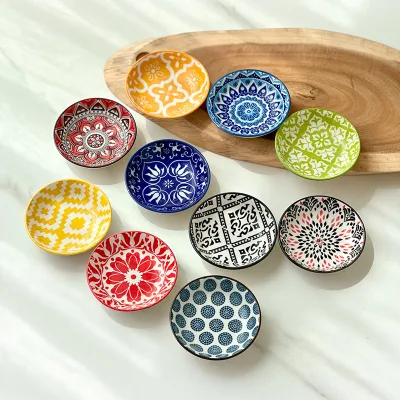
$0.26 - $0.30
MOQ: 50 pieces
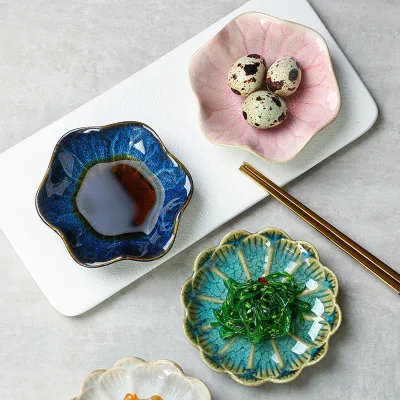

Chaozhou Chaoan Chaoda Ceramics Co., Ltd.
- Manufacturer
- Guangdong, China
- Lead time7 days
- Avg. response≤ 6h
Main productsCeramic Plates,Ceramic Bowls,Ceramic Cups
Main marketsWestern Europe(50.00%), North America(25.00%), Southeast Asia(15.00%), South America(10.00%)

Shen Zhen Liyonda Technology Co.,Ltd
- Manufacturer, Trading Company
- Guangdong, China
- Lead time5 days
- Avg. response≤ 2h
Main productsFurnitures,Decoration materials,tableware,leather,glassware
Main marketsNorth America(20.00%), Southeast Asia(10.00%), Eastern Asia(10.00%), Northern Europe(10.00%), Mid East(8.00%), Oceania(8.00%), South America(8.00%), Southern Europe(5.00%), Western Europe(5.00%), Eastern Europe(5.00%), South Asia(3.00%), Central America(3.00%), Domestic Market(3.00%), Africa(2.00%)
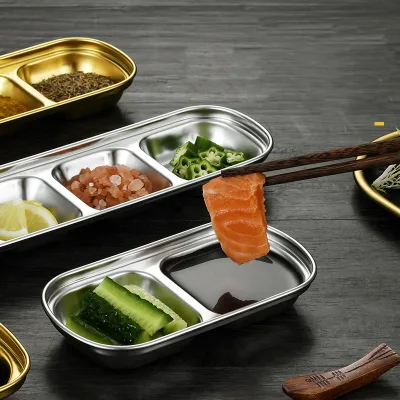
Korean Style Hot Pot Seasoning Dish Plates for Restaurantbulk Stainless Steel Dinner Plate
$0.3807 - $1.3761
MOQ: 2 Minimum
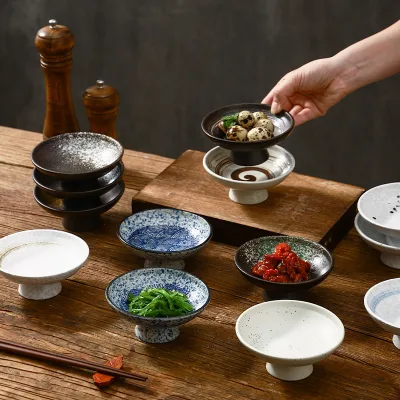
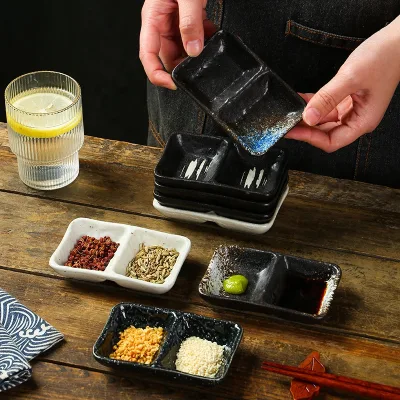
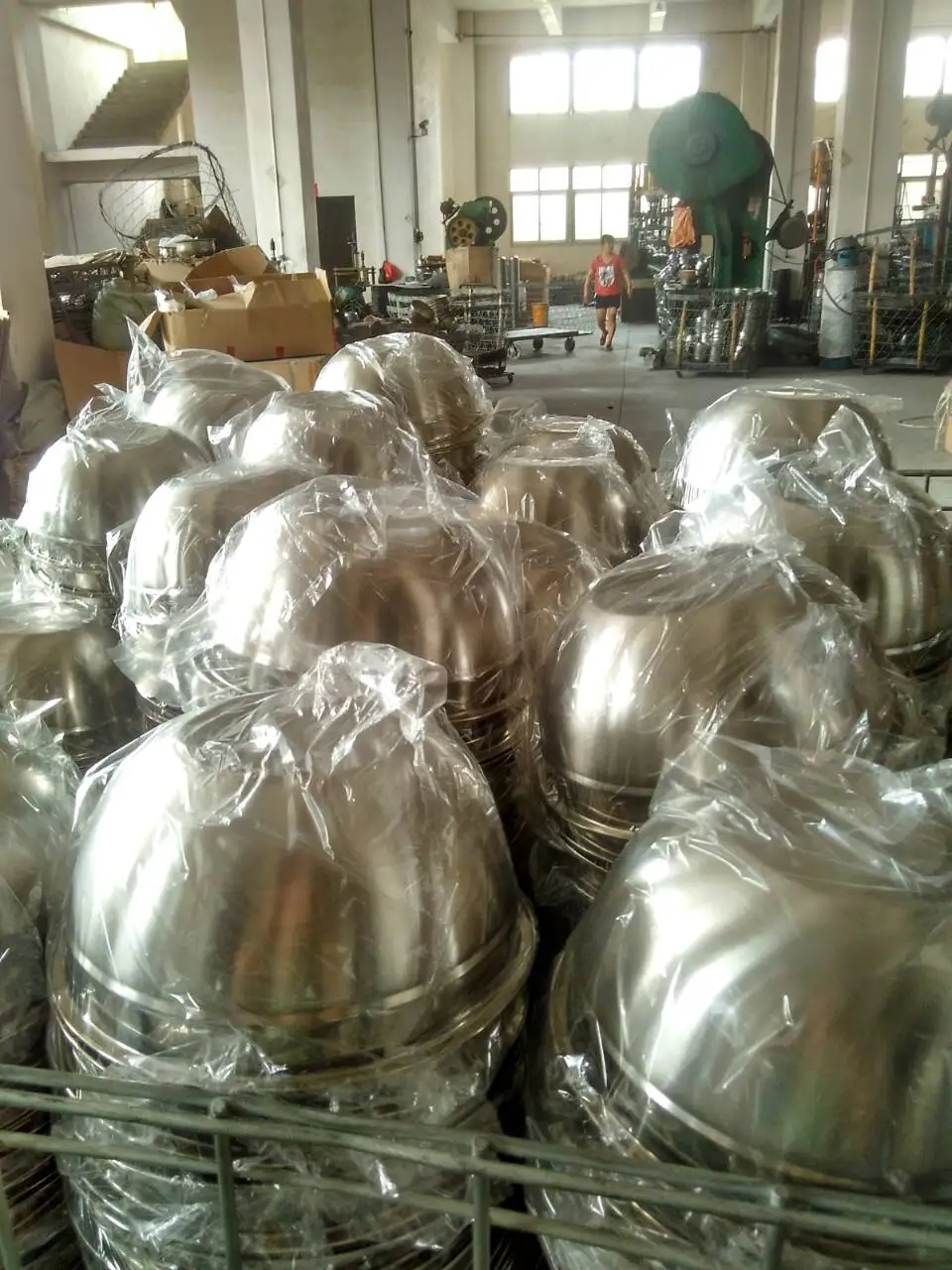
Chaozhou Chaoan Caitang Happy Cooking Hardware Factory
- Manufacturer, Trading Company
- Guangdong Province, China
- Lead time45 days
- Avg. response≤ 6h
Main productsCookware Set,Lunch Box,Kettle,Hotel Supplies,Bowl
Main marketsDomestic Market(100.00%), South Asia(100.00%), Eastern Europe(100.00%), Southern Europe(100.00%), Northern Europe(100.00%), Central America(100.00%), Eastern Asia(100.00%), Mid East(100.00%), Oceania(100.00%), Western Europe(30.00%), Southeast Asia(20.00%), North America(20.00%), South America(20.00%), Africa(10.00%)
Liling Daily Ceramic Co., Ltd.
- Trading Company
- Hunan, China
- Lead time45 days
- Avg. response≤ 3h
Main productsStoneware Mug,Ceramic Bowl,Ceramic Cup & Saucer,Ceramic plate,Ceramic dinner set
Main marketsEastern Europe(12.10%), Southeast Asia(9.80%), Africa(9.80%), Eastern Asia(9.80%), Domestic Market(9.70%), Western Europe(8.50%), North America(7.30%), Northern Europe(7.30%), South America(6.10%), Mid East(4.90%), South Asia(4.90%), Southern Europe(4.90%), Central America(4.90%)
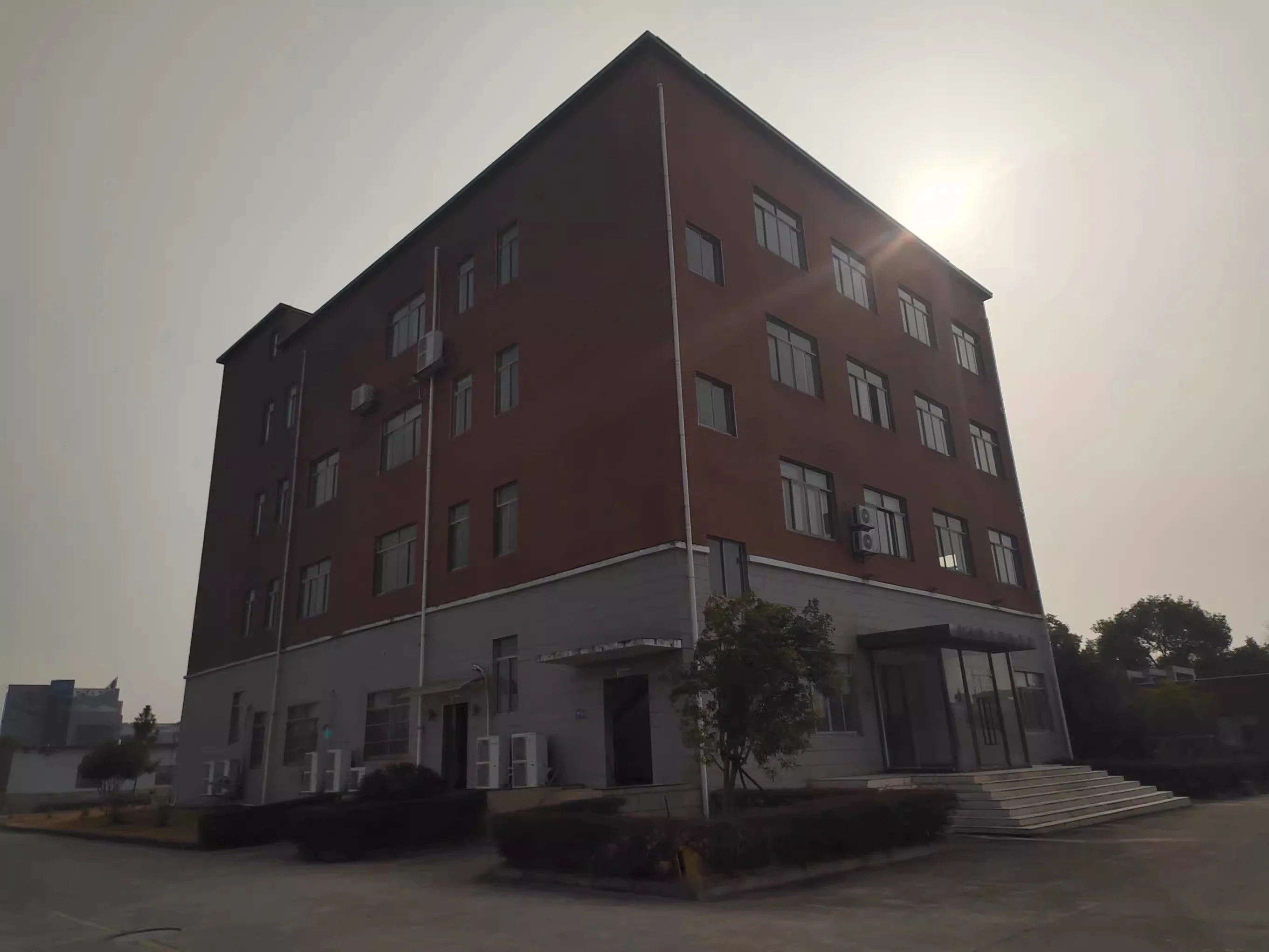
Guangzhou Chaoda Commercial Trading Co., Ltd.
- Manufacturer, Trading Company, Distributor/Wholesaler
- Guangdong, China
- Lead time5 days
- Avg. response≤ 3h
Main productsFood tray,Bowl,Sauce dish,Tableware,Barbecue grill
Main marketsNorth America(15.00%), South America(15.00%), Southeast Asia(15.00%), Eastern Europe(10.00%), Mid East(10.00%), Africa(5.00%), Oceania(5.00%), Eastern Asia(5.00%), Western Europe(5.00%), Central America(5.00%), Northern Europe(4.00%), Southern Europe(4.00%), South Asia(1.00%), Domestic Market(1.00%)
- Manufacturer, Trading Company
- Fujian, China
- Lead time0 days
- Avg. response≤ 13h
Main productsTABLEWARE,CERAMIC PLATE,CUP,KITCHEN,CUSTOMIZE
Main marketsNorth America(40.00%)
CHAOZHOU CHAOAN JINQILIN STAINLESS STEEL CO., LTD.
- Manufacturer, Trading Company
- Guangdong, China
- Lead time20 days
- Avg. response≤ 3h
Main productsKorean Stainless Steel Tableware,Stainless Steel Pot Set,Food Storage Box
Main marketsEastern Asia(45.00%), Eastern Europe(20.00%), Africa(15.00%), North America(15.00%), Southeast Asia(5.00%)

Chaozhou Lianying Trading Co., Ltd
- Manufacturer, Trading Company
- Guangdong, China
- Lead time15 days
- Avg. response≤ 3h
Main productsWater Boiler,Vacuum Bottle,Food Warmer,GN Pan,Juice Dispenser
Main marketsMid East(25.00%), Domestic Market(25.00%), South Asia(20.00%), Eastern Europe(20.00%), Eastern Asia(10.00%)

Rollin Porcelain Industrial Co., Ltd.
- Verified by BV
- Manufacturer/Factory
- China Guangdong
- Lead time45 days
- Avg. response≤ 5h
Main productsPorcelain Dinnerware, Tableware, Dinner Set, Dinner Plate, Hotel and Restaurant Tableware, Bone China, Cutlery, Glassware, Ceramic Plate, Porcelain
Main marketsEastern Europe,Mid East,North America,Southeast Asia,Eastern Asia,Oceania,Western Europe
Guangzhou Lemo Technology Co., Ltd.,
- Manufacturer, Trading Company
- Guangdong, China
- Lead time0 days
- Avg. response≤ 5h
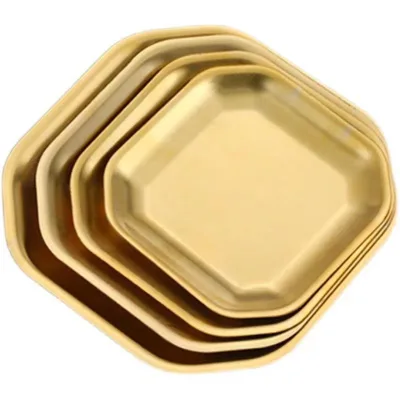
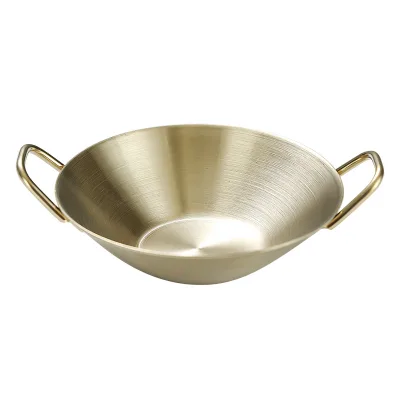
Main productsStainless steel pressure cooker, Set soup pot, Stainless steel bowl, Stainless steel hot pot, Stainless steel plate
Main marketsNorth America(25.00%), Eastern Europe(20.00%), Southeast Asia(18.00%), Western Europe(10.00%), Eastern Asia(10.00%), Central America(4.00%), South Asia(3.00%), South America(3.00%), Northern Europe(3.00%), Africa(3.00%), Oceania(1.00%)
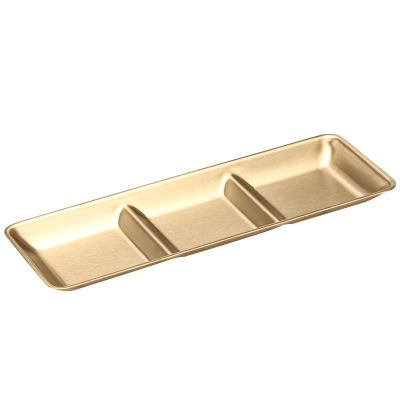
$0.4527 - $1.2022
MOQ: 500 Minimum

Lihao Houseware (Guangzhou) Co., Ltd
- Verified by SGS
- Manufacturer/Factory,Other
- China Guangdong
- Lead time23 days
- Avg. response≤ 2h
Main productsHotel Restaurant Supplies, Hotel & Restaurant Essentials, Catering Equipment, Commercial Catering Equipment, Chafing Dishes & Food Warmers, Hotelware, Buffet Serving Ware, Tableware (Dinnerware / Cutlery), Glassware, Food Display Stand
Main marketsSouth America,Eastern Europe,Mid East,North America,Southeast Asia,Eastern Asia,Oceania,Western Europe,Africa

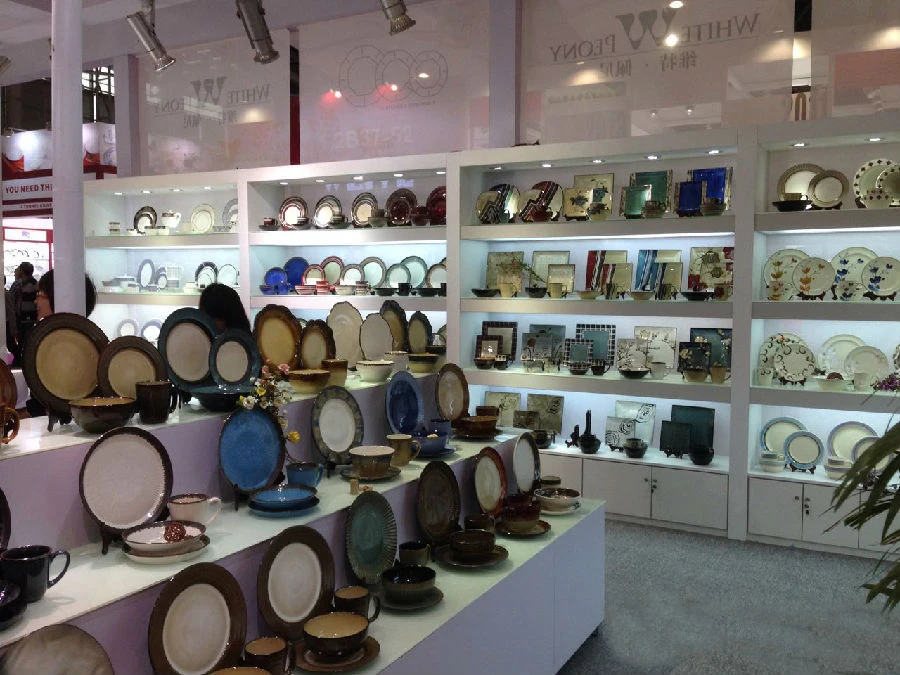
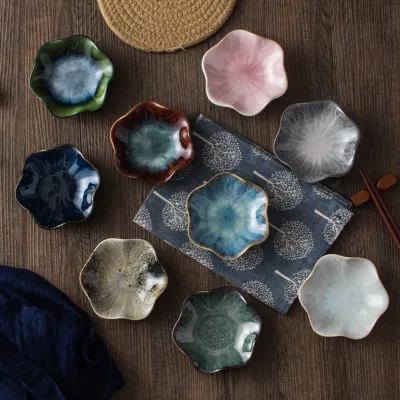
New Style Round Korean Ceramic Soy Sauce Dishes, Seasoning Dipping Plates for Restaurant Home
$0.49 - $0.99
MOQ: 100 Pieces

Chaozhou Sanding Pottery Co., Ltd.
- Trading Company
- Guangdong Province, China
- Lead time3 days
- Avg. response≤ 3h
Main productsPromotional Ceramic Mugs,Stainless Steel Tumblers,Enamel Mugs,Ceramic Dinner Set,Ceramic Soup Pot
Main marketsNorth America(35.00%), Mid East(10.00%), Western Europe(10.00%), Eastern Europe(10.00%), Northern Europe(10.00%), Southeast Asia(6.00%), Eastern Asia(5.00%), Southern Europe(5.00%), Oceania(3.00%), South America(2.00%), Domestic Market(1.00%), South Asia(1.00%), Africa(1.00%), Central America(1.00%)
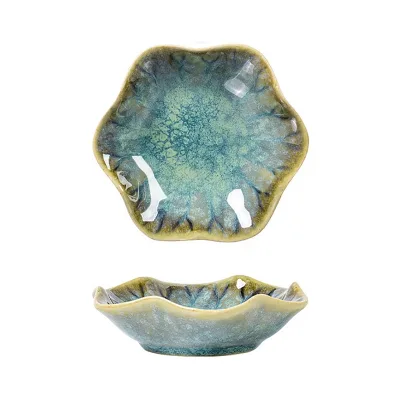
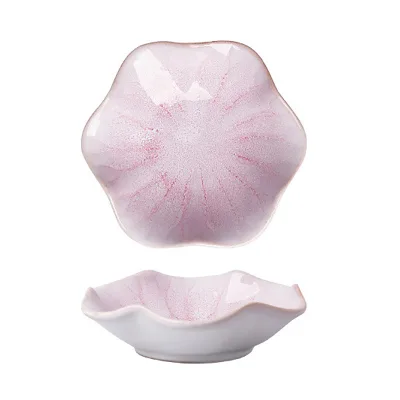
$0.79 - $1.19
MOQ: 2 pieces
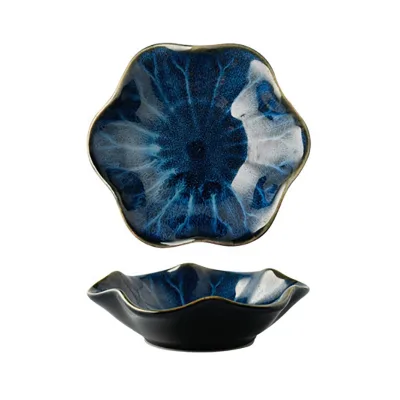
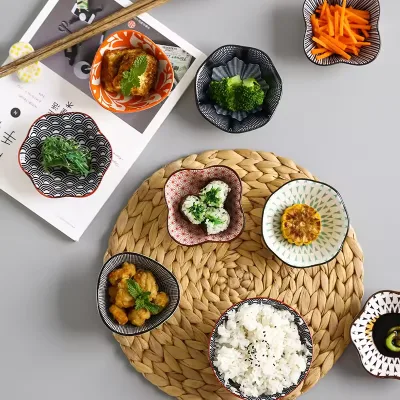
Japanese Style Household Nordic Tableware Small Hot Pot Flavor Plates Ceramic Tableware Bone Plates
$0.79 - $1.19
MOQ: 2 pieces
- Manufacturer, Trading Company
- Shandong, China
- Lead time10 days
- Avg. response≤ 1h
Main productskorean bbq grill,gas grill barbecue,korean bbq grill table,korean bbq table grill,korean bbq grill
Main marketsNorth America(26.00%), Western Europe(10.00%), Eastern Asia(10.00%), South Asia(10.00%), Southeast Asia(10.00%), Eastern Europe(10.00%), Southern Europe(10.00%), Northern Europe(4.00%), Africa(4.00%), Central America(3.00%), South America(3.00%)
Hangzhou Jade New Materials Co., Ltd
- Trading Company
- Zhejiang, China
- Lead time30 days
- Avg. response≤ 1h
Main productsHome decoration,Coffee&Tea Cup,Kitchenware Set,Glassware,Dinnerware Set
Main marketsMid East(20.00%), Africa(15.00%), South America(15.00%), South Asia(10.00%), Western Europe(10.00%), Eastern Asia(10.00%), North America(10.00%), Southeast Asia(10.00%)
Xiamen Dashing Jewelry Co., Ltd.
- Trading Company
- Lead time旺季: "1 - 2000":15,"> 2000":"To be negotiated", 淡季: "1 - 2000":15,"> 2000":"To be negotiated"
- Avg. response≤ 5h
Main productsDrinkware, Party Supplies, Home Decoration, Garden Supplies


Comprehensive Sourcing Guide
Korean Style Divided Sauce Plate Supplier Concentration and Factory Types
The sourcing landscape for Korean style divided sauce plates is heavily concentrated in specific manufacturing hubs, with Guangdong, China emerging as a primary location for these goods. This regional focus allows buyers to access a dense network of suppliers specializing in both melamine and stainless steel variants, which are the dominant materials for this product category. The presence of combined company types, including manufacturers and trading companies, offers flexibility in engagement models. Buyers can choose to work directly with factories that hold ISO9001:2015 certification or engage with trading entities that may offer broader product assortments. The concentration in Guangdong facilitates efficient supply chain logistics, as many suppliers are located in close proximity to major shipping ports and industrial zones. This geographic clustering reduces transportation costs and lead times for raw materials and finished goods. Furthermore, the region’s established infrastructure supports both OEM and ODM capabilities, allowing brands to customize designs or leverage existing factory molds. The availability of own brand services alongside standard production enables diverse business models, from private labeling to white-label distribution. Understanding this concentration helps buyers target their outreach efforts more effectively, focusing on regions with proven expertise in tableware and kitchen accessories. The density of suppliers in this area also fosters competition, which can drive innovation in design and quality control processes. Buyers should leverage this geographic advantage by verifying local factory credentials and assessing their capacity to handle large-volume orders. The presence of verified suppliers, such as those with CTI verification, adds a layer of trust to the sourcing process. By focusing on Guangdong-based suppliers, buyers can streamline their communication and inspection processes, ensuring that quality standards are met before shipment. This regional expertise is particularly valuable for buyers seeking consistent supply of Korean-style tableware, where design nuances and material quality are critical. The concentration also means that buyers can often find multiple suppliers for similar products, allowing for comparative evaluation based on price, lead time, and customization options. This competitive environment benefits buyers by providing choices and reducing dependency on a single source.
How to Verify Korean Style Divided Sauce Plate Suppliers
Verifying suppliers requires a systematic approach to confirm their legitimacy, capabilities, and compliance with international standards. Buyers should prioritize suppliers that display clear verification badges, such as CTI verification, which indicates that a third-party inspection has been conducted. This verification process helps ensure that the supplier’s business license, factory location, and production capacity are authentic. Additionally, checking for system certifications like ISO9001:2015 is crucial, as it demonstrates a commitment to quality management systems. For food-contact products like sauce plates, material safety certifications are paramount. Buyers must verify that products hold relevant food safety certifications, such as FDA, CE/EU, or Disney standards, depending on the target market. These certifications ensure that the materials used, whether melamine or stainless steel, are safe for repeated use and do not leach harmful substances. It is also important to assess the supplier’s response time, as a quick and professional reply often indicates a well-organized operation. Suppliers with response times under ten hours are generally more reliable for urgent inquiries and order tracking. Buyers should also examine the supplier’s main products to ensure they specialize in tableware rather than offering a disparate range of unrelated items. A focused product portfolio suggests deeper expertise and better quality control. Furthermore, checking for OEM/ODM capabilities can reveal the supplier’s flexibility and technical proficiency. Suppliers that offer customization services are often more equipped to handle specific brand requirements. Buyers should request samples to physically inspect the product quality, including the finish, durability, and packaging. The packaging details, such as inner box and master box configurations, can also indicate the supplier’s attention to detail and protection standards during transit. By combining digital verification with physical sample evaluation, buyers can build a comprehensive profile of each supplier’s reliability and suitability for their needs. This multi-layered verification process minimizes the risk of partnering with unreliable vendors and ensures a smoother procurement experience.
What to Compare Across Korean Style Divided Sauce Plate Suppliers
When evaluating multiple suppliers, buyers should compare key operational metrics to identify the best fit for their business needs. Lead time is a critical factor, as it impacts inventory management and customer satisfaction. Suppliers with shorter lead times, such as those offering fifteen-day production cycles, allow for faster order fulfillment and reduced stockouts. Minimum Order Quantity (MOQ) is another essential comparison point, as it affects cash flow and storage requirements. Some suppliers may have low MOQs, such as 50 pieces for stainless steel items, which are ideal for small businesses or testing new markets. Others may require higher volumes, like 3000 pieces for melamine plates, which suit large-scale distributors. Price ranges also vary significantly based on material and complexity. Melamine plates may range from $0.30 to $0.58 per unit, while stainless steel options can cost between $1.62 and $2.52. Buyers should analyze these prices in the context of the MOQ and lead time to determine the true cost efficiency. Response time is another comparative metric, with faster responses indicating better customer service and operational efficiency. Suppliers with response times under three hours are often more responsive to urgent requests and changes. Additionally, buyers should compare the customization options available, such as logo printing, color variations, and packaging designs. Suppliers that offer flexible customization can help brands differentiate their products in the market. The material specifications, such as 304 stainless steel or high-quality melamine, should also be compared to ensure durability and safety. Buyers should also look at the product standards and dimensions to ensure they meet their specific requirements. By systematically comparing these factors, buyers can make informed decisions that balance cost, quality, and service levels. This comparative analysis helps in selecting suppliers that align with the buyer’s strategic goals and operational constraints.
Common Korean Style Divided Sauce Plate Sourcing Risks
Sourcing Korean style divided sauce plates involves several potential risks that buyers must mitigate to ensure a successful procurement process. One significant risk is the variability in product quality, particularly with melamine items that may appear similar but differ in durability and safety. Buyers must be cautious of suppliers who do not provide clear certification details or who offer prices that seem too good to be true. Low prices may indicate the use of inferior materials or lack of proper quality control measures. Another risk is the discrepancy between sample quality and bulk production. Buyers should ensure that the supplier has a robust quality assurance process to maintain consistency across large orders. Packaging issues can also pose a risk, as improper packing can lead to damage during transit. Buyers should verify that suppliers use appropriate packaging, such as inner boxes and master boxes, to protect the products. Additionally, there is a risk of communication breakdowns, especially with suppliers in different time zones. Buyers should establish clear communication channels and regular update schedules to prevent misunderstandings. Delays in production or shipping can disrupt supply chains, so buyers should monitor lead times closely and have contingency plans in place. There is also the risk of intellectual property infringement if buyers share proprietary designs with unverified suppliers. It is crucial to use non-disclosure agreements and work with suppliers who respect intellectual property rights. Furthermore, buyers should be aware of potential changes in import regulations or tariffs that could affect costs. Staying informed about trade policies and working with experienced suppliers can help mitigate these risks. By proactively addressing these potential issues, buyers can reduce the likelihood of disruptions and ensure a smooth sourcing experience.
Korean Style Divided Sauce Plate Regional Sourcing and Logistics
Regional sourcing plays a vital role in optimizing logistics and reducing costs for Korean style divided sauce plates. Suppliers located in Guangdong, China, benefit from proximity to major shipping hubs, which facilitates efficient export processes. This geographic advantage allows for faster transit times to international markets, reducing the overall lead time from order placement to delivery. Buyers should consider the logistics implications of sourcing from this region, including customs clearance procedures and freight costs. Working with suppliers who have experience in international shipping can help navigate these complexities. The availability of combined supplier types, including manufacturers and trading companies, offers flexibility in logistics arrangements. Trading companies may offer consolidated shipping options, which can be cost-effective for smaller orders. Buyers should also consider the packaging dimensions and weight when calculating freight costs, as these factors directly impact shipping expenses. Suppliers that provide detailed packing information, such as single package size and gross weight, enable buyers to plan logistics more accurately. Additionally, buyers should evaluate the supplier’s ability to handle different shipping methods, such as sea freight or air freight, depending on the urgency of the order. Sea freight is generally more cost-effective for large volumes, while air freight is suitable for urgent or smaller shipments. Buyers should also consider the impact of seasonal demand on logistics, as peak seasons may lead to capacity constraints and higher freight rates. By understanding the regional logistics landscape, buyers can make informed decisions that optimize their supply chain efficiency. This knowledge helps in selecting suppliers who can provide reliable and cost-effective shipping solutions.
Korean Style Divided Sauce Plate Commercial Terms and Order Planning
Effective order planning and clear commercial terms are essential for successful sourcing of Korean style divided sauce plates. Buyers should negotiate payment terms that align with their cash flow needs, such as using escrow services to secure transactions. Escrow provides a layer of protection by holding funds until the buyer confirms receipt and quality of the goods. This method reduces the risk of fraud and ensures that suppliers are motivated to deliver on time. Buyers should also clarify the terms for customization, including any additional costs for logo printing or special packaging. Understanding the MOQ requirements is crucial for planning production schedules and inventory levels. Suppliers with low MOQs offer flexibility for testing new markets, while higher MOQs may provide better unit prices. Buyers should also discuss the lead time for production and shipping, ensuring that it aligns with their sales cycles. Clear communication about delivery dates helps in managing customer expectations and avoiding stockouts. Additionally, buyers should establish a process for handling defects or discrepancies, including return policies and compensation terms. This ensures that any issues are resolved promptly and fairly. Buyers should also consider the long-term relationship with suppliers, as consistent ordering can lead to better pricing and priority service. Regular performance reviews and feedback can help maintain high standards and improve collaboration. By focusing on these commercial aspects, buyers can build a stable and efficient sourcing strategy. This approach minimizes risks and maximizes the value derived from supplier partnerships.
FAQs
What is the price range for melamine divided sauce plates?
Melamine divided sauce plates typically range from $0.30 to $0.58 per unit. Prices vary based on specific design features, customization options, and order volume. Buyers should verify exact pricing with suppliers, as costs depend on material quality and production complexity.
What certifications are available for melamine sauce plates?
Melamine sauce plates commonly hold FDA, CE/EU, and ISO9001:2015 certifications. These ensure compliance with food safety and quality management standards. Buyers should request valid certificates to confirm that products meet international regulatory requirements for kitchenware and dining accessories.
What is the minimum order quantity for melamine plates?
Minimum order quantities for melamine plates generally start at 3000 pieces. Some suppliers may offer lower MOQs for specific models or customized designs. Buyers should confirm exact MOQs with manufacturers, as requirements vary based on production capacity and inventory status.
What is the lead time for manufacturing sauce plates?
Manufacturing lead times for sauce plates are typically around 15 days. This duration covers production, quality control, and packaging processes. Buyers should confirm specific timelines with suppliers, as lead times may vary based on order size, customization needs, and current production schedules.
Can I customize the logo on melamine sauce plates?
Yes, logo customization is available for melamine sauce plates. Suppliers accept custom branding to meet specific business requirements. Buyers should provide design files and confirm printing methods with manufacturers to ensure accurate logo placement and durability on the final product.
What is the response time for supplier inquiries?
Supplier response times average approximately 8.94 hours. This metric indicates how quickly manufacturers typically reply to initial inquiries. Buyers should expect prompt communication, though response speeds may vary based on supplier workload, time zones, and the complexity of the inquiry.
Where are these sauce plates manufactured?
These sauce plates are manufactured in Guangdong, China. This region is known for its robust manufacturing infrastructure and expertise in tableware production. Buyers should verify specific factory locations and capabilities to ensure alignment with their sourcing requirements and quality standards.