Source eco-friendly non-slip mixing bowl for Catering, Home, and Events
Compare 30 listings for the eco-friendly non-slip mixing bowl from verified Chinese manufacturers. Buyers can evaluate materials like plastic and stainless steel, customization options, and MOQs ranging from 1 to 8000 pieces for catering, home, and event needs; compare the available evidence and request quotations based on your requirements.
Updated
Key considerations
Products List
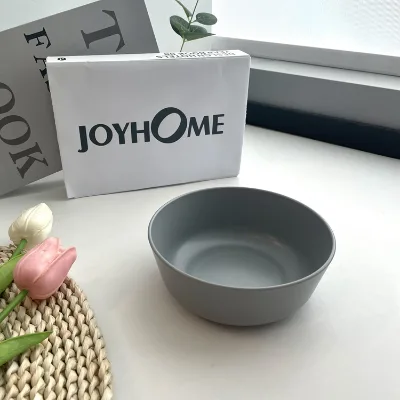


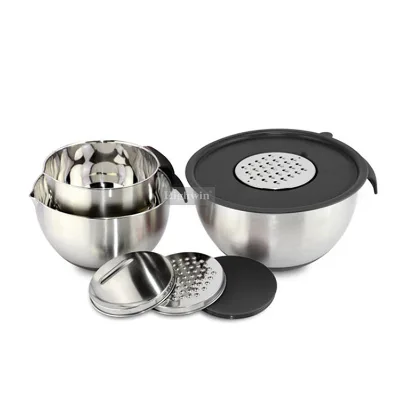
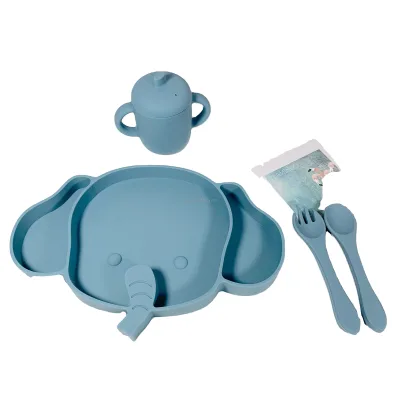
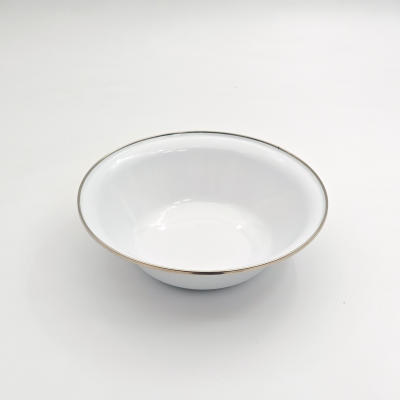



Comprehensive Sourcing Guide
Eco-Friendly Non-Slip Mixing Bowl Sourcing Guide
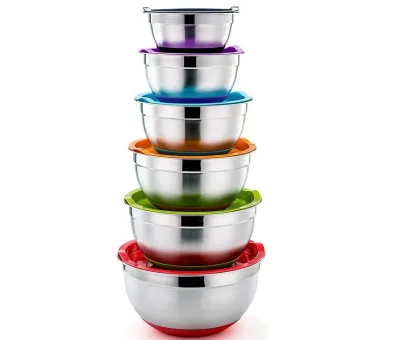
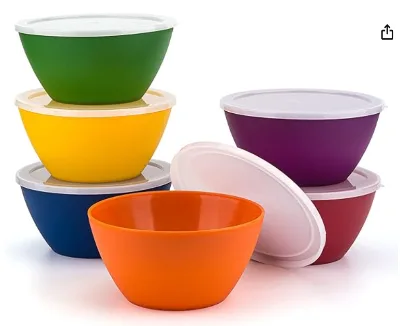
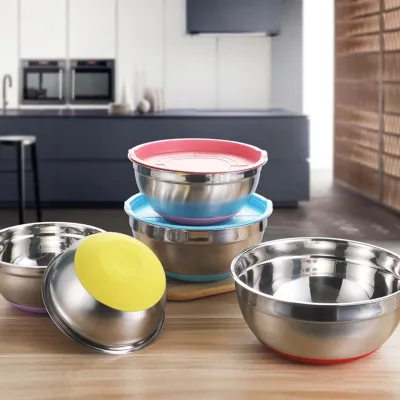
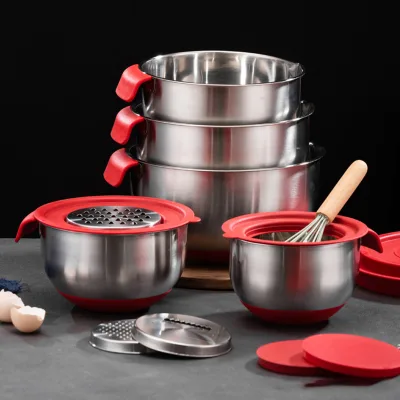
Sourcing eco-friendly non-slip mixing bowls requires balancing material integrity with functional design, particularly for commercial kitchens and promotional giveaways. The observed market data indicates a diverse range of options, from plastic hydroformed bowls to stainless steel polished variants, each serving distinct operational needs. Buyers must carefully distinguish between disposable and non-disposable options, as the latter often aligns better with sustainability goals and long-term cost efficiency. The presence of customized colors and eco-friendly features suggests a growing demand for products that meet both aesthetic preferences and environmental standards.
Procurement teams should prioritize suppliers who offer OEM/ODM support, allowing for brand-specific customization such as logo printing and tailored packaging. The observed listings highlight various origins, including Zhejiang and Guangdong provinces in China, which are known for their manufacturing capabilities in both plastic and metal dinnerware. Understanding the specific technique used, whether hydroforming for plastic or polishing for metal, is crucial for assessing durability and finish quality. This guide provides a structured approach to evaluating these products based on verified attributes and commercial terms.
Product Scope and Observed Listing Signals
The current market landscape for mixing bowls includes a wide variety of materials and styles, ranging from classic plastic designs to modern luxury stainless steel options. Observed listings show that products are available in customized colors, unicolor finishes, and multicolor options, catering to different branding and aesthetic requirements. The presence of features like eco-friendliness and non-slip properties indicates a focus on user experience and environmental responsibility. Buyers should note that while some products are marketed as eco-friendly, the material composition varies significantly, with plastic and stainless steel being the primary materials observed.
Commercial signals reveal that MOQs range from as low as one piece to as high as 8000 pieces, offering flexibility for both small-scale trials and large-volume orders. The observed price range of $0.5 to $10 USD suggests a competitive market with options for various budget constraints. Products are often packaged in export cartons, OPP bags, or color boxes, depending on the supplier and product type. The availability of customization, including logo printing and specific dimensions, allows buyers to tailor products to their specific needs, whether for home kitchen use or promotional giveaways.
Technical Specifications to Verify
When evaluating technical specifications, buyers must verify the material composition and construction techniques to ensure durability and safety. For plastic bowls, hydroforming is a common technique that provides shape and resilience, while stainless steel options often feature a polished finish for a sleek appearance. It is essential to confirm the exact dimensions, as observed listings include diameters ranging from 16cm to 24cm, and models like MX-823 or WT-E110101 may have specific size constraints. Buyers should also check the single package size, which can impact shipping costs and storage efficiency, with some listings indicating dimensions like 20x20x30 cm.
The model numbers and standards provided by suppliers, such as DIA160*85MM or 48OZ capacity, serve as critical reference points for ordering accuracy. Buyers should verify if the product is non-disposable, as this affects its suitability for repeated use in commercial settings. Additionally, the design style, whether classic or modern luxury, should align with the intended application, whether for home kitchens or high-end hospitality. Confirming these technical details with the supplier before placing an order helps prevent discrepancies and ensures that the received products meet the specified requirements.
Compliance and Safety Documentation
Compliance with food safety standards is paramount when sourcing mixing bowls, especially those intended for direct food contact. Observed listings indicate that some products carry FDA and LFGB certifications, which are critical for ensuring that materials do not leach harmful substances into food. Buyers should request valid certification documents from suppliers to verify that the products meet these rigorous safety standards. It is important to note that not all products in the market may have these certifications, so due diligence is necessary to avoid sourcing non-compliant items.
In addition to certifications, buyers should inquire about the testing procedures used to validate the eco-friendly claims of the products. While some listings highlight eco-friendly features, the specific environmental standards or certifications supporting these claims should be clarified. For stainless steel products, verifying the grade of steel used can provide insights into its corrosion resistance and longevity. Ensuring that all documentation is up-to-date and directly applicable to the specific model numbers ordered is essential for maintaining regulatory compliance and protecting brand reputation.
Cost Drivers and Commercial Terms
Cost drivers for mixing bowls include material type, production technique, and customization requirements. Plastic bowls produced via hydroforming may offer lower costs compared to stainless steel options, which involve more complex polishing and finishing processes. The MOQ significantly influences the unit price, with lower MOQs often resulting in higher per-unit costs. Buyers should negotiate terms that balance volume discounts with the need for flexibility, especially when testing new designs or colors. The observed MOQ range of 1 to 8000 pieces allows for strategic ordering based on inventory needs and cash flow considerations.
Commercial terms also encompass packaging and shipping logistics, which can impact the total landed cost. Products packaged in 5-layer export cartons or color boxes may incur higher packaging costs but offer better protection during transit. Buyers should clarify whether the quoted prices include shipping and handling, and if not, factor in these additional expenses. The availability of OEM/ODM support may also affect pricing, as custom designs and logo printing require additional setup and production time. Understanding these cost drivers helps buyers make informed decisions and optimize their procurement strategy.
Supplier Qualification and Quality Control
Supplier qualification is a critical step in ensuring the reliability and consistency of the sourced mixing bowls. Buyers should verify the supplier’s production capabilities, including their experience with hydroforming for plastic and polishing for metal products. Checking the supplier’s track record in exporting to your target market can provide insights into their understanding of international standards and logistics. It is advisable to request samples to assess the quality of the finish, the accuracy of dimensions, and the overall durability of the products before committing to large orders.
Quality control measures should be clearly defined and agreed upon with the supplier. This includes specifying inspection criteria for material defects, color consistency, and packaging integrity. Buyers should consider implementing third-party inspections for large orders to ensure that the products meet the agreed-upon standards. The observed listings indicate that some suppliers support customized packaging, which requires additional quality checks to ensure that branding elements are correctly applied. Establishing a robust quality control process helps mitigate risks and ensures that the final products meet the buyer’s expectations.
Long-Term Procurement Checks
Long-term procurement success depends on continuous monitoring of supplier performance and market trends. Buyers should regularly review supplier compliance with agreed-upon standards and certifications, ensuring that any changes in production processes do not compromise product quality. Tracking the performance of the products in the market, including customer feedback on durability and ease of use, can provide valuable insights for future sourcing decisions. It is also important to stay informed about emerging materials and techniques that may offer better eco-friendly options or cost efficiencies.
Building a strong relationship with suppliers through consistent communication and fair negotiation practices can lead to better terms and priority service. Buyers should periodically reassess their supplier base to ensure they are leveraging the most competitive and reliable partners. Monitoring changes in MOQs and pricing trends can help in planning inventory and budgeting more effectively. By maintaining a proactive approach to supplier management and quality assurance, buyers can secure a steady supply of high-quality mixing bowls that meet their evolving business needs.
FAQs
What materials are used for eco-friendly non-slip mixing bowls?
Manufacturers typically use plastic or stainless steel for these bowls. The product list includes options made from durable plastic with hydroforming techniques. Other listings feature stainless steel construction with polished finishes. Both materials offer sturdy performance for kitchen tasks while meeting specific eco-friendly or durability requirements for buyers.
Can I customize the color of these mixing bowls?
Yes, customization is available for many models. Some products offer customized colors to match brand identities. Others provide unicolor or multicolor options depending on the specific model. Buyers can often request specific color schemes for giveaways or home kitchen use, ensuring the final product aligns with their visual requirements.
What certifications do these bowls typically hold?
Many listed products hold FDA and LFGB certifications. These standards ensure the materials are safe for food contact. Buyers sourcing for international markets should verify these certifications with suppliers. The presence of these marks indicates compliance with common safety regulations for kitchenware and dining accessories.
What is the typical MOQ for these products?
The minimum order quantity varies significantly by supplier. Observed ranges span from 1 piece to 8000 pieces. Some listings specify an MOQ of 1000 pieces, while others allow smaller trial orders. Buyers should check specific product pages to confirm the exact MOQ required for their desired model and customization level.
Where are these bowls typically manufactured?
Most products originate from China, specifically Zhejiang and Guangdong provinces. Locations like Jiangmen in Guangdong are common manufacturing hubs. Buyers can expect production centers in these regions for both plastic and metal variants. The origin impacts logistics and lead times, so verifying the specific factory location is recommended.
Are these bowls suitable for giveaways or home use?
Yes, they serve multiple occasions including giveaways and home kitchens. Some models are explicitly labeled for giveaways with eco-friendly features. Others are designed for modern luxury home kitchen use. The versatility allows buyers to source the same product type for promotional events or retail distribution.