CE Certified Ceramic Dinnerware Plate Suppliers and Manufacturers
Compare 28 suppliers offering CE Certified Ceramic Dinnerware Plate with verified certifications like BSCI, ISO 9001, and FDA. Review lead times, MOQs, and response times to select a factory in Shandong or Fujian for your bulk order needs; review the available evidence before requesting comparable quotations from suitable candidates.
Updated
Suppliers List

Zibo Timestone International Co., Ltd.
- Manufacturer/Factory
- China Shandong
- Lead time45 days
- Avg. response≤ 11h
Main productsCeramic Dinnerware, Ceramic Mugs, Stainless Steel Bottles Mugs and Tumblers, Glass Bottles Mugs and Tumblers, Dinnerware, Tableware, Glassware, Kitchenware, Household Items, Ceramic Granding Balls and Filters
Main marketsSouth America,Eastern Europe,Mid East,North America,Southeast Asia,Eastern Asia,Oceania,Western Europe,Africa

- Verified by SGS
- Combined
- China Fujian
- Lead time30 days
- Avg. response≤ 23h
Main productsGlass Sand Glass Cullet
Main marketsAfrica

Linyi Feifan Imp. & Exp. Co., Ltd.
- Verified by TUVRHEINLAND
- Trading Company
- China Shandong
- Lead time30 days
- Avg. response≤ 12h
Main productsEnamel Mug/Cup, Enamel Bowl, Enamel Basin, Enamel Plate/Tray/Kettle, Enamel Casserole/Pot, Enamel Bucket, Safety Shoe/Boot, Safety Gloves
Main marketsSoutheast Asia/ Mideast,Domestic
- Verified by TüVRheinland
- Manufacturer, Trading Company
- Lead time25 days
- Avg. response≤ 3h
Main productsDrinkware, Ceramicware, Barware, Kitchenware, Glass Bottles
Main marketsNorth America(20%), South America(20%), Southeast Asia(20%)

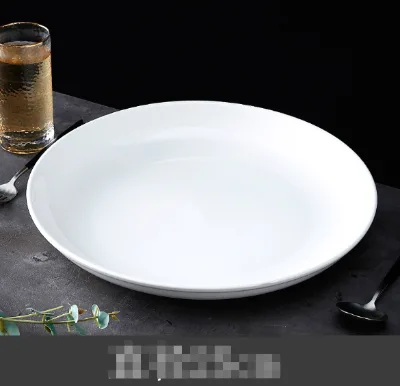
Various size promotional eco-friendly food grade ceramic dinner plates
$0.8694 - $0.9729
MOQ: 1000 pieces

$2.30 - $2.50
MOQ: 1000 pieces

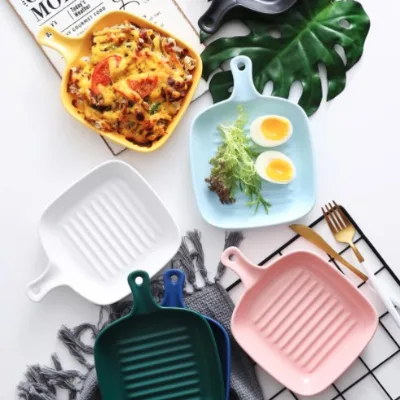
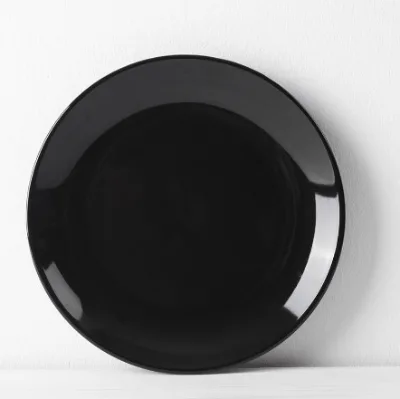
Environmental Protection custom printed houseware ceramic bone china dinner plates
$1.80 - $3.00
MOQ: 5000 pieces

Rollin Porcelain Industrial Co., Ltd.
- Verified by BV
- Manufacturer/Factory
- China Guangdong
- Lead time45 days
- Avg. response≤ 5h
Main productsPorcelain Dinnerware, Tableware, Dinner Set, Dinner Plate, Hotel and Restaurant Tableware, Bone China, Cutlery, Glassware, Ceramic Plate, Porcelain
Main marketsEastern Europe,Mid East,North America,Southeast Asia,Eastern Asia,Oceania,Western Europe


Porcelain Dinner Plate Wholesale Ceramic Dinner Plate Restaurant, Hotel Dinner Plate
$1.38 - $10.00
MOQ: 100 Sets


Chaozhou Jiesheng Ceramics Co., Ltd.
- Verified by TüVRheinland
- Manufacturer, Trading Company
- Lead time20 days
- Avg. response≤ 3h
Main productsDinnerware, Stoneware, Ceramic Plate, Kitchenware, Bakeware
Main marketsNorth America(40%), Western Europe(25%), South America(10%)
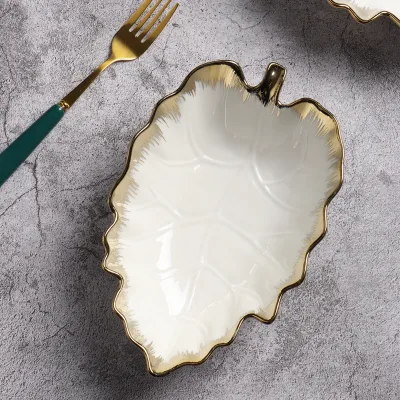
Very Large Ceramic Plates Dinner Plate Snacks Gold Trimmed Ceramic Dinner Plates
$2.64 - $3.04
MOQ: 200
Chaozhou Lingjian Ceramics Co., Ltd.
- Manufacturer, Trading Company
- Guangdong, China
- Lead time15 days
- Avg. response≤ 4h
Main productsCeramic mug,Ceramic plate,Ceramic bowl,Dinnerware,Ceramic coaster
Main marketsNorth America(40.00%), Northern Europe(30.00%), Mid East(10.00%), Domestic Market(7.00%), Western Europe(5.00%), Eastern Europe(5.00%), South America(3.00%)

- Verified by TUVRHEINLAND
- Trading Company
- China Hunan
- Lead time45 days
- Avg. response≤ 1h
Main productsCeramic Mug, Vacuum Flask, Dinner Set, Cup, Mug, Thermal Bottle, Ceramic Dinner Set, Glass Jar, Glass Cup, Wine Cup
Main marketsSoutheast Asia/ Mideast


Eco-Friendly Dinner Dessert Plate Pad Printing Porcelain Ceramic Plate Tableware
$0.25 - $0.90
MOQ: 5000 Pieces


Dehua Beauty Rich Arts & Crafts Co., Ltd.
- Manufacturer, Trading Company
- Fujian, China
- Lead time30 days
- Avg. response≤ 7h
Main productsPolyresin crafts,Ceramic crafts,PVC crafts,Home decoration,Garden decoration
Main marketsEastern Europe(15.00%), North America(15.00%), South America(12.00%), Mid East(5.00%), Oceania(5.00%), South Asia(3.00%), Southern Europe(3.00%), Northern Europe(3.00%), Central America(3.00%), Western Europe(3.00%), Eastern Asia(3.00%), Domestic Market(3.00%), Southeast Asia(3.00%), Africa(2.00%)
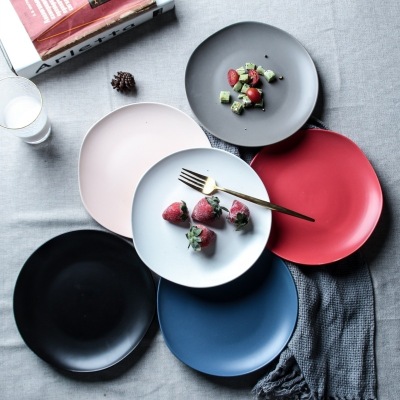
Made in China High Quality Creative Ceramic Tableware Breakfast Fruit Plate Ceramic Dinner Plate
$6.7665 - $18.4707
MOQ: 500 pieces
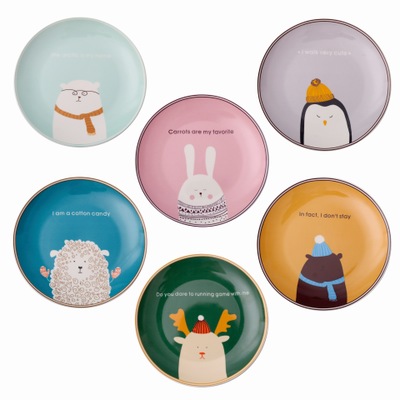
$4.1118 - $6.1714
MOQ: 500 pieces
Xiamen Yoyo Ceramic Trading Co., Ltd.
- Verified by Intertek
- Manufacturer, Trading Company
- Lead time55 days
- Avg. response≤ 6h
Main productsCandle Jar, Daily Ceramic Ware, Home Decoration, Garden Decoration, Bathroom Accessory
Main marketsNorth America(45%), Oceania(20%), Western Europe(20%)
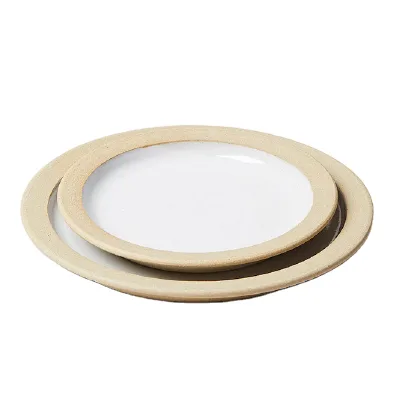
Rustic Minimalist Porcelain Dinnerware Household Ceramic Dinner Plate for Steak Salad Fruit
$1.9022 - $3.3832
MOQ: 1 pieces
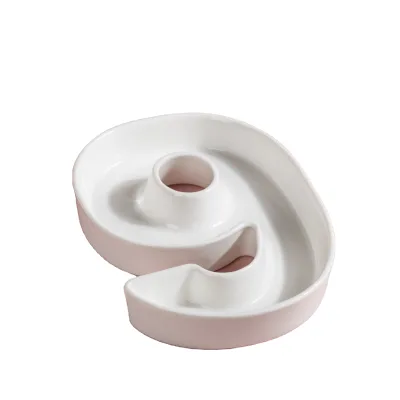
Custom Decorative Ceramic Dinner Plate for Nut Sugar Dessert Eco-Friendly Custom Dinnerware
$3.0804 - $4.4056
MOQ: 1 pieces
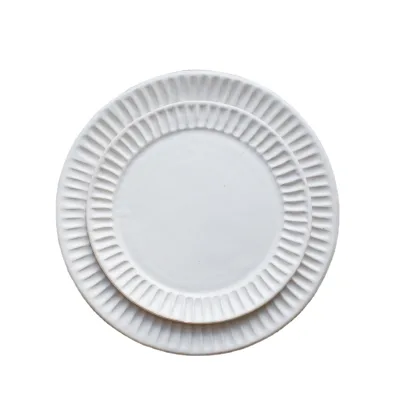
Nordic White Embossed Wholesale Ceramic Dinner Plate for Home Restaurant
$2.00 - $3.59
MOQ: 1000 pieces
Shenzhen Yifan Founder Electronics Co., Ltd.
- Trading Company
- Lead time旺季: "1 - 100":10,"101 - 500":15,"> 500":"To be negotiated", 淡季: "1 - 100":10,"101 - 500":15,"> 500":"To be negotiated"
- Avg. response≤ 2h
Main productsFlatware, Ceramic Tableware, Chopsticks, Straw, Kitchenware
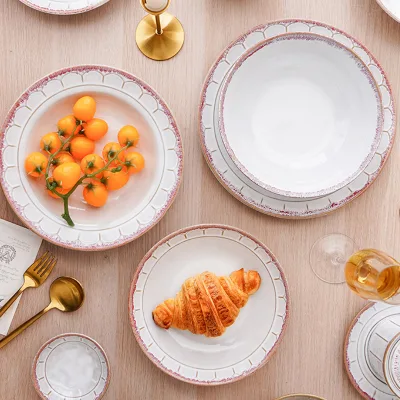
$2.2485 - $7.8143
MOQ: 10 Minimum
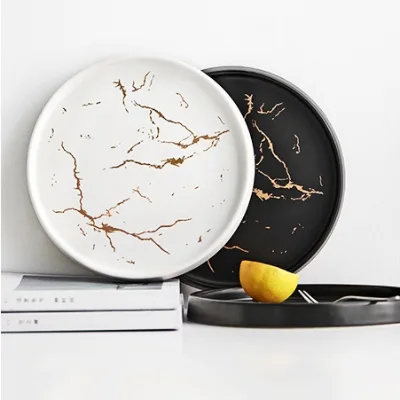
$1.553 - $1.7613
MOQ: 100 pieces
- Manufacturer, Trading Company
- Guangdong, China
- Lead time45 days
- Avg. response≤ 1h
Main productsFondue Set,Cup & Saucer,Dinnerware,Kitchenware,Bathroom Set
Main marketsWestern Europe(36.00%), Oceania(10.00%), Southern Europe(8.00%), North America(8.00%), Eastern Europe(6.25%), Mid East(5.00%), Central America(5.00%), Northern Europe(4.52%), South Asia(4.50%), South America(3.65%), Southeast Asia(3.48%), Domestic Market(2.43%), Africa(1.82%), Eastern Asia(1.35%)

- Manufacturer/Factory
- China Fujian
- Lead time38 days
- Avg. response≤ 2h
Main productsKeychains, Bags, Caps, Balls
Main marketsSouth America,Eastern Europe,Mid East,North America,Southeast Asia,Eastern Asia,Oceania,Western Europe,Africa
Chaozhou Sanding Pottery Co., Ltd.
- Trading Company
- Guangdong Province, China
- Lead time3 days
- Avg. response≤ 3h
Main productsPromotional Ceramic Mugs,Stainless Steel Tumblers,Enamel Mugs,Ceramic Dinner Set,Ceramic Soup Pot
Main marketsNorth America(35.00%), Mid East(10.00%), Western Europe(10.00%), Eastern Europe(10.00%), Northern Europe(10.00%), Southeast Asia(6.00%), Eastern Asia(5.00%), Southern Europe(5.00%), Oceania(3.00%), South America(2.00%), Domestic Market(1.00%), South Asia(1.00%), Africa(1.00%), Central America(1.00%)

Guangdong Hongdahuang Ceramics Co. Ltd
- Verified by SGS
- Combined
- China Guangdong
- Lead time45 days
- Avg. response≤ 10h
Main marketsDomestic,North America


Environmentally Friendly Durable Ceramic Dinnerware Plate for Fast Food Restaurants
$1.30 - $8.00
MOQ: 100 Pieces
Shenzhen Sanbo Home And Garden Manufacturing Co., Ltd.
- Manufacturer, Trading Company
- Gaungdong, China
- Lead time15 days
- Avg. response≤ 3h
Main productsstainless steel dinnerware,metal cake holder,glass cake holder,cake tools,ceramic dinnerware
Main marketsAfrica(20.00%), Southeast Asia(10.00%), Eastern Europe(10.00%), Oceania(10.00%), Southern Europe(9.00%), Central America(8.00%), Northern Europe(8.00%), South Asia(6.00%), South America(4.00%), Western Europe(4.00%), Eastern Asia(3.00%), Mid East(3.00%), North America(3.00%), Domestic Market(2.00%)

Changsha Happy Go Products Developing Co., Ltd.
- Trading Company
- China Hunan
- Lead time45 days
- Avg. response≤ 6h
Main productsCoffee Mug, Dinner Set, Bowl, Mug, Dinnerware, Tableware, Plate, Porcelain, Crockery, Coffee Cup
Main marketsSouth America,Africa,Southeast Asia/ Mideast,East Asia(Japan/ South Korea),Europe,Australia,North America

Danyang Liou Kitchenware Co., Ltd.
- Verified by CTI
- Combined
- China Jiangsu
- Lead time23 days
- Avg. response≤ 5h
Main productsCutlery, Flatware, Charger Plate, Wine Glass, Bone China Plate, Glass Plate
Main marketsDomestic,North America
Foshan Ron Hospitality Supplies Co., Ltd.
- Trading Company
- Lead time旺季: "1 - 200":29,"> 200":"To be negotiated", 淡季: "1 - 200":29,"> 200":"To be negotiated"
- Avg. response≤ 2h
Main productsRestaurant Furniture,Ceramic Plate,Kitchenware,Tableware,Drinkware
Huairen Huaiyi Porcelain Technology Co., Ltd.
- Verified by Intertek
- Manufacturer, Trading Company
- Lead time45 days
- Avg. response≤ 6h
Main productsDinnerware Set, Coffee Cup and Saucer, Ceramic Plates, Mugs, Cutlery
Main marketsDomestic Market(60%), North America(10%), Western Europe(10%)

- Verified by BV
- Trading Company
- China Shandong
- Lead time30 days
- Avg. response≤ 3h
Main productsCeramic Mugs, Ceramic Dinnerware, Ceramic Tea Set, Ceramic Kitchen Ware, Custom Drum Shape Ceramic Coffee Mug, 24oz Large Capacity 3D Embossed Mug, Porcelain Cappuccino Cup and Saucer, 14oz Custom Souvenirs Ceramic Mug, 12 Sets Vintage Reactive Glazed Tableware, Custom Royal White Ceramic Milk Jar
Main marketsNorth America

Luxury Ceramic Dinner Plate Round Ceramic Fruit Plate Custom Porcelain Food Plate
$1.00 - $5.00
MOQ: 5000 Sets

Restaurant Tableware Healthy Unique Dessert Dinner Plate Porcelain Serving Plate
$1.00 - $3.00
MOQ: 5000 Pieces
Ron Supply Chain (foshan) Co., Ltd.
- Verified by TüVRheinland
- Manufacturer, Trading Company
- Lead time30 days
- Avg. response≤ 2h
Main productsRestaurant Furniture, Hotel Furniture, Outdoor Furniture, Bar Furniture, Flatware
Main marketsNorth America(60%), Oceania(20%), Southeast Asia(5%)
$3.9948 - $4.569
MOQ: 200 pieces
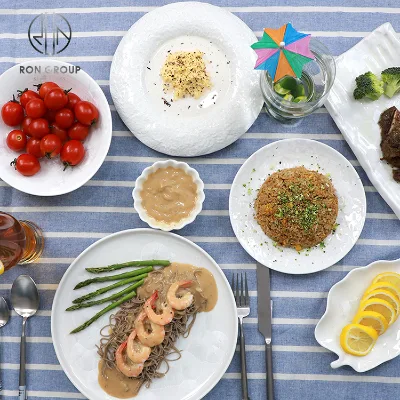
White plates restaurant porcelain round gift ceramic dinner plates dinnerware set dishes luxury
$5.00 - $5.10
MOQ: 50 pieces
Danyang Liou Kitchenware Co., Ltd.
- Manufacturer, Trading Company
- Jiangsu, China
- Lead time10 days
- Avg. response≤ 4h
Main productsFlatware,Glass Plates,Wine Glass,Bone China Plates
Main marketsNorth America(50.00%), Domestic Market(30.00%), Western Europe(20.00%)
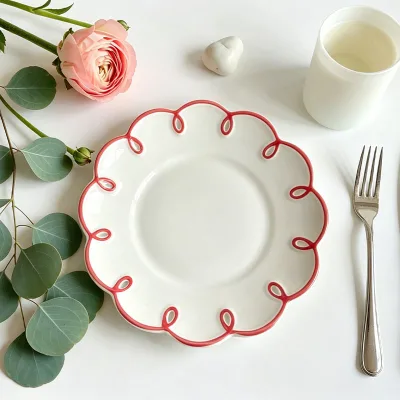
Customizable color lace ceramic plate for wedding
$3.20 - $3.90
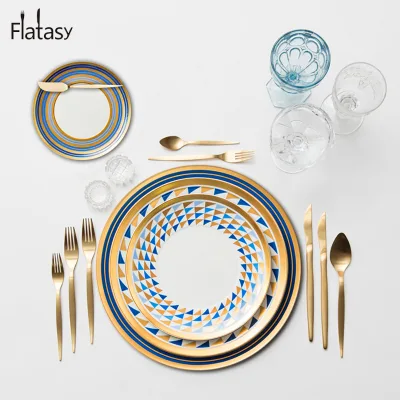
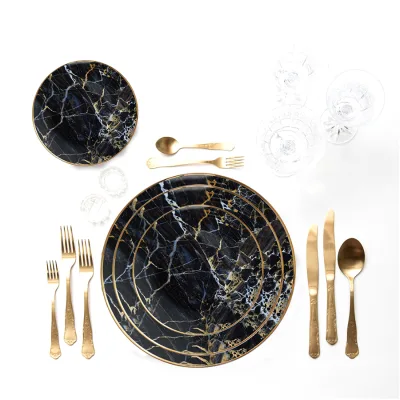
Chaozhou Loving Home Porcelain Co., Ltd.
- Verified by Intertek
- Manufacturer, Trading Company
- Lead time60 days
- Avg. response≤ 7h
Main productsCeramic Tea Sets, Ceramic Dinnerware, Ceramic Serving Sets
Main marketsWestern Europe(26%), Eastern Europe(25%), Domestic Market(20%)
Guangzhou H.F. Houseware Limited
- Manufacturer, Trading Company
- Guangdong, China
- Lead time60 days
- Avg. response≤ 2h
Main productsPorcelain,Stoneware,Stainless Steel Cutlery,Plastic Handle Cutlery,ceramic mug
Main marketsNorth America(49.00%), Western Europe(37.00%), Southern Europe(12.00%), Mid East(2.00%)

- Verified by SGS
- Trading Company,Manufacturer/Factory,Other
- China Zhejiang
- Lead time38 days
- Avg. response≤ 14h
Main productsBath Mat, Cushion, Wooden Toys, Fitness Equipment, Cosmetic Bag, Luggage, Festival Products, Gym Items, Face Mask, Paracord Bracelet
Main marketsSouth America,Eastern Europe,Mid East,North America,Southeast Asia,Eastern Asia,Oceania,Western Europe,Africa
Shenzhen Tao Hui Industrial Co., Ltd.
- Verified by TüVRheinland
- Manufacturer, Trading Company
- Lead time60 days
- Avg. response≤ 7h
Main productsPorcelain Products
Main marketsWestern Europe(30%), North America(20%), Southeast Asia(10%)

Guangzhou Nantian Sources Co., Ltd.
- Manufacturer/Factory
- China Guangdong
- Lead time15 days
- Avg. response≤ 6h
Main productsKitchen Equipment, Kitchenware, Food Machine, Kitchen Appliance, Glassware, Food Machinery, Bakery Equipment, Dinnerware, Kitchen Utensils, Food Processor
Main marketsSouth America,Mid East,Southeast Asia,Eastern Asia,Oceania,Africa

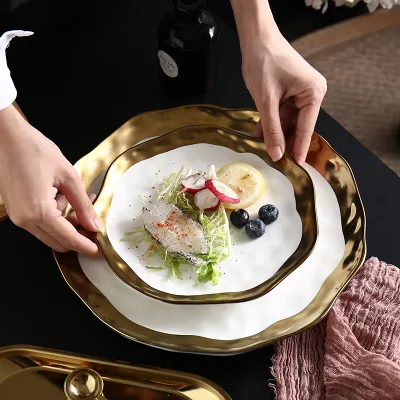
Porcelain Dinner Plate Wholesale Ceramic Dinner Plate Ceramic Dinner Plates
Negotiable
MOQ: 100 Pieces








Comprehensive Sourcing Guide
CE Certified Ceramic Dinnerware Plate Supplier Concentration and Factory Types
The current supplier landscape for CE Certified Ceramic Dinnerware Plate reveals a distinct concentration of manufacturing capabilities within specific Chinese industrial zones. Data indicates that a significant portion of verified manufacturers and factories are located in Shandong Province, with specific clusters identified in Zibo and Linyi City. These regions are historically known for their ceramic production infrastructure, offering buyers access to established supply chains for porcelain and ceramic materials. In contrast, other suppliers operating in Fujian Province, such as those in Fuzhou, present a different operational profile, often categorized as combined entities or trading companies rather than pure manufacturers. This geographic split is critical for buyers to understand, as it influences not only the type of entity they are engaging with but also the logistical and quality control dynamics inherent to each region. The presence of manufacturers in Shandong suggests a direct link to raw material sources and production facilities, whereas suppliers in Fujian may offer different service models, potentially focusing on specialized designs or international trade facilitation.
Understanding the company type is equally important when evaluating these regional concentrations. The data shows a mix of Manufacturer/Factory entities, Trading Companies, and Combined business structures. Manufacturer/Factory types, predominantly found in Shandong, typically offer OEM and ODM capabilities, allowing for deep customization of product models and branding. For instance, some Shandong-based suppliers list their own brands alongside OEM services, indicating a robust internal R&D capacity. On the other hand, Trading Companies and Combined entities, such as those in Fujian, may provide a broader range of product categories, including enamel goods or safety equipment, alongside ceramic dinnerware. This diversification can be advantageous for buyers seeking a single source for multiple product lines, but it requires careful verification of their actual manufacturing control. Buyers must distinguish between suppliers who own the production line and those who act as intermediaries, as this distinction affects pricing transparency, communication efficiency, and the ability to resolve production issues directly. The concentration of factory types in Shandong provides a clear path for buyers prioritizing direct manufacturing relationships, while the Fujian-based options offer alternative sourcing strategies for those willing to work with trading entities.
How to Verify CE Certified Ceramic Dinnerware Plate Suppliers
Verification of CE Certified Ceramic Dinnerware Plate suppliers requires a multi-layered approach that goes beyond simple product listings. Buyers must prioritize suppliers who display recognized system certifications such as ISO 9001, BSCI, SEDEX, or ISO 9000. These certifications indicate that the supplier’s management systems meet international standards for quality control and social responsibility. Additionally, product-specific certifications like CE/EU, FDA, and SGS are crucial for ensuring that the ceramic materials are safe for food contact and comply with export regulations. The presence of these certifications on product attributes, such as those listed for models TMC15032802 and TMSHDP-0414, provides a baseline for trust. However, buyers should not assume that a listed certification is current or valid without further due diligence. It is advisable to request copies of the actual certificates and verify their expiration dates and scope with the issuing bodies. This step is particularly important for suppliers claiming eco-friendly features or specific material grades, as these claims must be backed by verifiable documentation.
Beyond certifications, buyers should assess the supplier’s verification status and response metrics. Some suppliers are verified by third-party inspection agencies like SGS or TÜV Rheinland, which adds an extra layer of credibility to their business operations. The response time is another key indicator of supplier reliability; for example, a response time of 10.66 hours suggests a more agile communication process compared to a 22.57-hour response time. Buyers should also examine the supplier’s main products and company type to ensure alignment with their sourcing needs. A supplier listing "Ceramic Dinnerware" as a main product is likely more specialized than one listing "Glass Sand Glass Cullet" or "Safety Shoes." Furthermore, buyers should verify the supplier’s origin claims, such as Zibo, Shandong, or Fuzhou, China, by cross-referencing with business licenses or factory audit reports. This comprehensive verification process helps mitigate the risk of engaging with unverified entities and ensures that the supplier has the necessary infrastructure and compliance measures in place to deliver high-quality ce certified ceramic dinnerware plates.
What to Compare Across CE Certified Ceramic Dinnerware Plate Suppliers
When comparing CE Certified Ceramic Dinnerware Plate suppliers, buyers must evaluate a range of operational and commercial metrics to determine the best fit for their procurement strategy. Key dimensions include lead time, minimum order quantity (MOQ), response speed, and pricing structures. For instance, some suppliers offer a lead time of 45 days, while others may provide faster turnaround times of 30 days. These differences can significantly impact inventory management and order fulfillment schedules. Similarly, MOQs vary widely, with some suppliers requiring as few as 2,000 pieces, while others demand 10,000 pieces or even 25 tons for bulk orders. Buyers should align these MOQs with their sales volume and storage capacity to avoid overstocking or production delays. Additionally, the response time, ranging from approximately 10 to 22 hours, serves as a proxy for the supplier’s customer service quality and operational efficiency. Faster response times often correlate with better communication and quicker resolution of inquiries, which is vital for maintaining smooth supply chain operations.
Pricing and customization options are also critical factors in supplier comparison. The data shows price ranges for ceramic plates, with some items priced around $0.30 to $0.61 per unit, while others may be quoted in bulk tonnage, such as $3,000 to $10,000 per ton. Buyers must clarify whether these prices include packaging, shipping, and taxes, as these costs can vary significantly. Customization capabilities, such as available printing, color options, and size variations, should also be compared. Some suppliers offer multicolor options with sizes ranging from 5.5 to 11.5 inches, while others provide unicolor plates in specific dimensions like 10.5 inches or 7.5 inches. The availability of OEM and ODM services allows buyers to tailor products to their brand identity, but this may come with higher MOQs or longer lead times. By systematically comparing these attributes, buyers can identify suppliers that offer the best balance of cost, quality, and service, ensuring that their sourcing decisions are data-driven and aligned with their business objectives.
Common CE Certified Ceramic Dinnerware Plate Sourcing Risks
Sourcing CE Certified Ceramic Dinnerware Plate from international suppliers involves several inherent risks that buyers must proactively manage. One significant risk is the potential discrepancy between claimed certifications and actual product compliance. While suppliers may list CE/EU, FDA, or SGS certifications, there is a risk that these certifications may not cover the specific product models or batches being ordered. Buyers must ensure that the certifications are valid for the exact materials and manufacturing processes used. Another risk is the variability in product quality, particularly when dealing with suppliers who offer "Ab Grade" products. This grade may indicate minor imperfections that do not affect functionality but could impact aesthetic appeal, especially for premium market segments. Buyers should request samples to verify quality standards and inspect for issues such as chipping, uneven glazing, or color inconsistencies. Additionally, the risk of communication barriers cannot be overlooked, especially when working with suppliers in different time zones or with limited English proficiency. Misunderstandings regarding specifications, packaging requirements, or delivery schedules can lead to costly errors and delays.
Logistical and supply chain disruptions also pose a substantial risk in ceramic sourcing. Ceramic products are fragile and require careful packaging to prevent damage during transit. Suppliers may use bulk packing or color box packing, but the adequacy of these methods depends on the shipping route and handling conditions. Buyers should verify the supplier’s packaging standards and consider using third-party inspection services to ensure that products are packed securely. Furthermore, the reliance on a single supplier or region can create vulnerability to supply chain shocks, such as raw material shortages or production halts. Diversifying the supplier base across different regions, such as Shandong and Fujian, can mitigate this risk. Buyers should also be aware of the potential for hidden costs, such as customs duties, import taxes, and freight charges, which can significantly impact the total landed cost. By identifying and addressing these risks early in the sourcing process, buyers can establish more resilient and reliable supply chains for their CE Certified Ceramic Dinnerware Plate needs.
CE Certified Ceramic Dinnerware Plate Regional Sourcing and Logistics
Regional sourcing strategies for CE Certified Ceramic Dinnerware Plate are heavily influenced by the geographic location of suppliers, which impacts logistics, lead times, and overall cost efficiency. Suppliers located in Shandong Province, particularly in Zibo and Linyi City, benefit from established ceramic manufacturing clusters that provide access to raw materials and specialized labor. This concentration can lead to competitive pricing and faster production cycles, as seen in suppliers with lead times of 45 days. However, buyers must consider the logistical implications of sourcing from this region, including port accessibility and freight costs. In contrast, suppliers in Fujian Province, such as those in Fuzhou, may offer different logistical advantages, potentially closer proximity to certain international shipping routes. The choice between these regions should be based on a comprehensive analysis of total landed cost, including manufacturing, packaging, and transportation expenses. Buyers should also evaluate the supplier’s experience with international shipping and their ability to handle export documentation efficiently.
Logistics planning must also account for the specific requirements of ceramic products, which are sensitive to handling and environmental conditions. Suppliers in Shandong may use bulk packing or color box packing, while those in Fujian might employ cardboard boxes and wooden frames for larger items like dinnerware trays. The choice of packaging affects the number of units that can be shipped per container, influencing freight costs and delivery timelines. Buyers should work closely with suppliers to optimize packaging designs to maximize container utilization while ensuring product safety. Additionally, the response time of suppliers, which varies from 10 to 22 hours, can impact the speed of logistics coordination. Faster response times enable quicker resolution of shipping issues, such as customs clearance delays or carrier changes. By understanding the regional strengths and logistical nuances of different supplier locations, buyers can develop more effective sourcing strategies that balance cost, speed, and reliability. This regional awareness is essential for managing the complexities of international ceramic trade and ensuring timely delivery of ce certified dinnerware plates.
CE Certified Ceramic Dinnerware Plate Commercial Terms and Order Planning
Effective order planning for CE Certified Ceramic Dinnerware Plate requires a thorough understanding of commercial terms, including pricing structures, payment conditions, and delivery schedules. Suppliers may offer different pricing models, such as per-unit prices for smaller orders or bulk tonnage rates for larger quantities. For example, some suppliers quote prices around $0.30 to $0.61 per plate, while others may provide quotes in the range of $3,000 to $10,000 per ton. Buyers must clarify whether these prices are FOB, CIF, or EXW, as this determines who bears the risk and cost of transportation. Additionally, payment terms, such as T/T, L/C, or escrow services, should be negotiated to ensure financial security. Suppliers with higher response times or longer lead times may require larger deposits or stricter payment conditions to mitigate their risk. Buyers should also consider the impact of MOQs on cash flow, as high MOQs can tie up capital in inventory. By aligning commercial terms with their financial capabilities and risk tolerance, buyers can establish sustainable and profitable sourcing relationships.
Order planning must also account for the customization and production capabilities of suppliers. Suppliers offering OEM and ODM services
FAQs
Are ceramic dinner plates CE certified and FDA compliant?
Yes, many ceramic dinner plates carry CE/EU, FDA, and SGS certifications. These credentials ensure the products meet international safety and quality standards for food contact. Buyers should verify specific product listings for these marks to confirm compliance before placing orders.
What is the typical lead time for ceramic dinnerware?
Typical lead times range from 30 to 45 days depending on the supplier and order volume. Manufacturers in China often require 45 days for standard ceramic production, while some suppliers may offer faster 30-day turnaround for specific items or stock availability.
What is the minimum order quantity for ceramic plates?
Minimum order quantities vary significantly, often starting at 2,000 pieces for standard items. Some suppliers require 5,000 or 10,000 pieces, while bulk ceramic tray orders may have MOQs of 25 tons. Buyers should check specific product pages for exact quantity requirements.
What is the price range for CE certified ceramic plates?
Prices for ceramic dinner plates typically range from $0.30 to $1.20 per piece. Bulk ceramic tray orders may cost between $3,000 and $10,000. Final pricing depends on customization, material grade, and order volume, so buyers should request detailed quotes.
Where are these ceramic dinnerware manufacturers located?
Manufacturers are primarily located in China, specifically in Shandong and Fujian provinces. Key production hubs include Zibo in Shandong and Fuzhou in Fujian. These regions are known for ceramic and glassware production, offering various supplier types including factories and trading companies.
Do suppliers offer OEM and ODM services for plates?
Yes, many manufacturers offer OEM and ODM services for ceramic dinnerware. Buyers can customize designs, colors, and packaging. Some suppliers also support own brand development. Customization options are typically available for orders meeting the specified minimum quantity requirements.