Source Modern Pudding Bottle for Wedding, Kitchen, and Business Gifts
Compare 30 listings for the Modern Pudding Bottle featuring glass bodies and cork lids. Buyers can evaluate options for wedding candy, cheesecake, and hydroponic containers with customizable logos and capacities; compare the available evidence and request quotations based on your requirements.
Updated
Key considerations
Products List
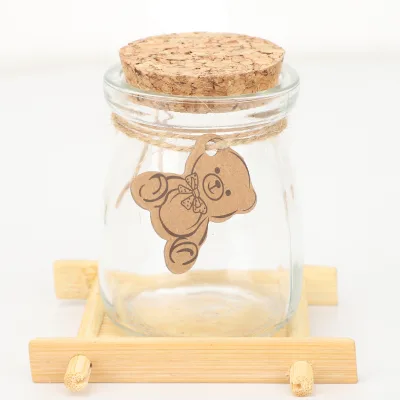


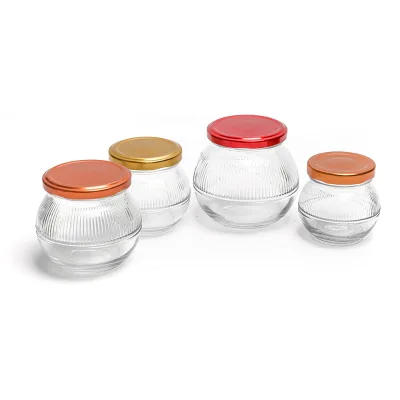
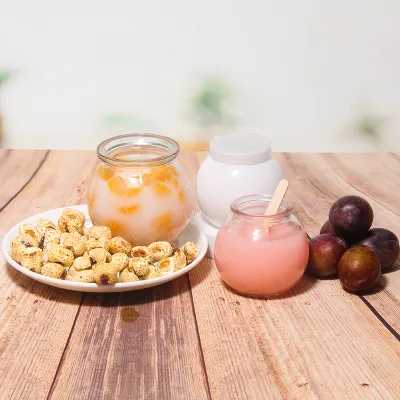
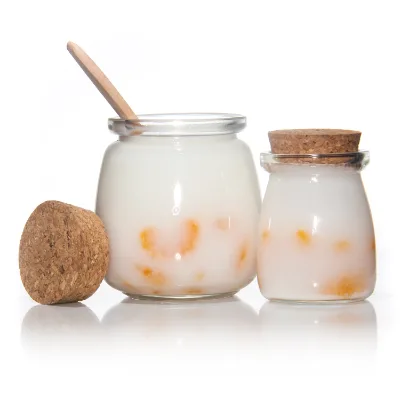
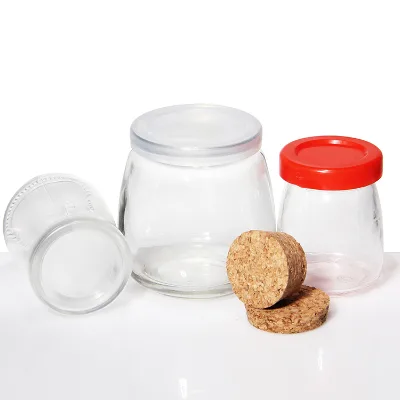


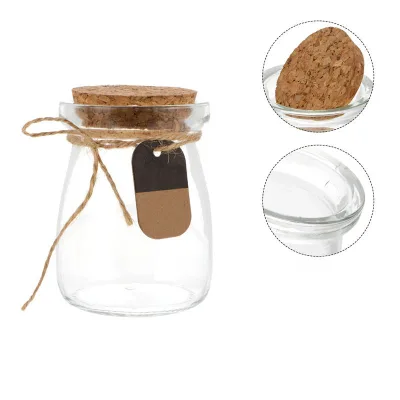
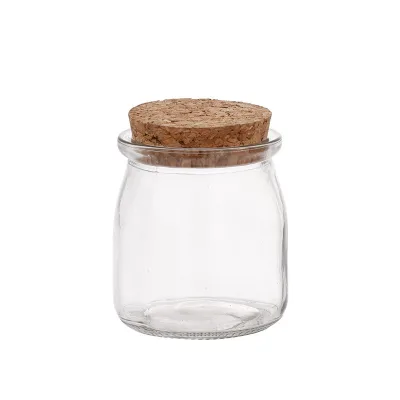
Wide Mouth Glass Square Shape Pudding Bottle/ Transparent Jar/Tie Plug Jar
$0.076 - $0.096
MOQ: 10000 Pieces
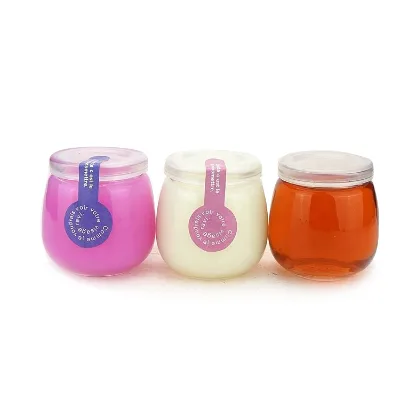
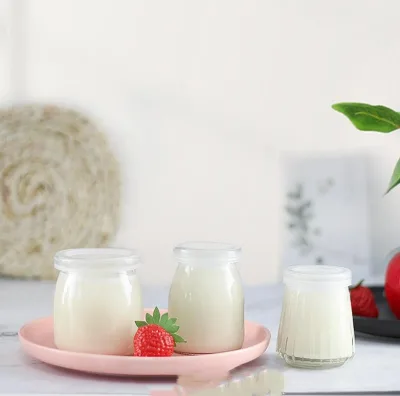


Comprehensive Sourcing Guide
Modern Pudding Bottle Sourcing Guide
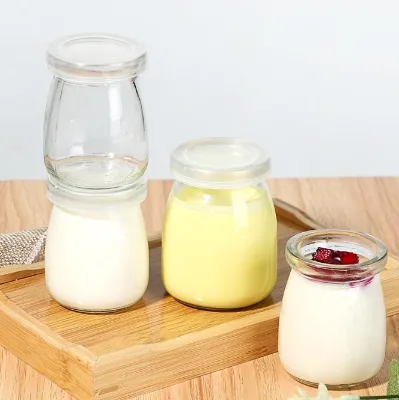
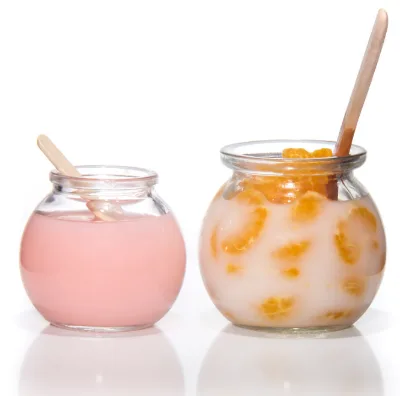
Procurement teams evaluating modern pudding bottles must first distinguish between single-use glass containers and reusable storage solutions, as the supplied data indicates a dual market presence. The observed listings reveal products specifically designed for pudding, yogurt, and hydroponic applications, featuring cylindrical or round bottle shapes with capacities ranging from 100 mL to 200 mL. Buyers should verify whether the intended use requires a steamable feature, as some glass containers are explicitly rated for heating, while others are intended solely for cold storage or display.
Commercial viability depends heavily on understanding the variance in minimum order quantities, which currently spans from 10 units for small trials to 5,000 pieces for stock items. Sourcing strategies must account for these thresholds, as the lower MOQs often apply to customized orders with longer lead times, whereas higher volume stock items may offer faster delivery. Procurement professionals should align their initial order volume with the specific supplier's stock status to balance cost efficiency against the need for rapid market entry.
Product Scope and Observed Listing Signals
The product scope for modern pudding bottles encompasses a variety of functional designs, including steamable glass jars and shaped bottles suitable for wedding candy or business gifts. The observed listings highlight a primary material composition of glass, often paired with lids made from cork, metal, or plastic, depending on the specific customization requirements. Buyers must carefully review the "applicable space" attributes, as many items are marketed specifically for kitchen use, while others are positioned as versatile containers for beverages and food storage.
Listing signals indicate a strong emphasis on customization, with options for logo printing, capacity adjustments, and color variations ranging from clear to painted finishes. The presence of "Country" style attributes suggests a design aesthetic that may appeal to specific regional markets or thematic events. Procurement teams should scrutinize the "feature" tags, such as eco-friendly claims, to ensure they align with corporate sustainability goals, while noting that these attributes are observations of specific listings rather than universal guarantees for all suppliers in the category.
Technical Specifications to Verify
Technical verification begins with confirming the physical dimensions and capacity, as observed listings specify sizes like 7.55.55 cm and capacities of 100 mL. Buyers must ensure that the single package size and gross weight align with their logistics planning, as variations in packaging, such as OPP bags or air express options, can significantly impact shipping costs. The shape of the bottle, whether cylindrical or round, is a critical specification that affects stacking efficiency and shelf presentation, requiring precise confirmation before finalizing any order.
Sealing mechanisms and lid materials are equally critical technical parameters, with observed data indicating crown caps, metal lids, or plastic options. The "sealing type" directly influences the product's ability to maintain freshness for applications like milk, pudding, or yogurt, making it essential to validate the integrity of the closure system. Additionally, the model numbers, such as CT-713 or Ahmohan-001, serve as unique identifiers that buyers should cross-reference to ensure they are sourcing the exact configuration required for their specific application needs.
Compliance and Safety Documentation
While the supplied facts do not explicitly list specific certification standards, buyers must request documentation proving that the glass material and lid components are food-grade safe. The "food container feature" of being steamable implies a need for thermal resistance testing, which should be verified through supplier-provided test results or compliance certificates. Procurement teams should not assume safety compliance based on product descriptions alone; instead, they must demand evidence that the materials meet relevant international food safety standards for the intended region of sale.
Safety documentation should also cover the eco-friendly claims observed in the listings, requiring proof of material recyclability or sustainable sourcing practices. Since the products are used for direct food contact, including applications like pudding and yogurt, verifying that the glass and any painted colors are non-toxic is a mandatory step. Buyers should ensure that the supplier can provide a Declaration of Conformity or similar documentation that explicitly addresses the safety of the glass body and the specific lid materials used in the final product.
Cost Drivers and Commercial Terms
Cost drivers for modern pudding bottles are heavily influenced by the customization level, with options for logos and capacity adjustments adding to the base price. The observed price range of 0.05 to 1.5 USD suggests significant variance based on order volume and specific material choices, such as metal versus plastic lids. Buyers must analyze the total landed cost, considering that higher customization often correlates with longer lead times, such as the observed 25-day delivery window for certain models.
Commercial terms regarding samples and shipping methods are critical components of the procurement strategy, as free samples are available but shipping costs for air express or sea freight vary. The minimum order quantity of 5,000 pieces for stock items versus 10 pieces for custom orders creates a distinct cost structure that affects unit economics. Procurement teams should negotiate based on the "Selling Units" and "Packing" details to optimize inventory levels, ensuring that the chosen terms align with their cash flow and storage capabilities.
Supplier Qualification and Quality Control
Supplier qualification requires a thorough review of the place of origin, with observed data pointing to ANH and China as primary manufacturing hubs. Buyers should verify the supplier's production capacity and consistency, as the "functional design" of multifunctional bottles demands high manufacturing precision to ensure uniformity across batches. The availability of OEM services and customized logos indicates a supplier's flexibility, but this must be balanced against their ability to maintain strict quality control standards during mass production.
Quality control protocols should include pre-shipment inspections to verify the physical integrity of the glass and the accuracy of the sealing mechanisms. Given the "shape" variations from cylindrical to round bottles, visual inspection for defects like bubbles or uneven coloring is essential. Procurement teams should establish clear acceptance criteria based on the observed specifications, such as the single gross weight of 0.500 kg, to ensure that the delivered goods match the agreed-upon technical parameters and packaging standards.
Long-Term Procurement Checks
Long-term procurement success relies on monitoring the stability of supply chains and the consistency of product attributes over time. Buyers should regularly audit suppliers to ensure that the "material" composition, such as glass and cork or metal lids, remains unchanged without compromising quality. The "application" scope, which includes wedding candy and hydroponic containers, may evolve, requiring suppliers to adapt their production lines while maintaining the core specifications of the pudding bottle.
Sustainability and regulatory compliance are increasingly vital for long-term partnerships, necessitating ongoing verification of eco-friendly claims and food safety standards. Procurement teams should track changes in lead times and MOQs, as market fluctuations can impact the availability of stock items versus custom orders. Establishing a robust relationship with suppliers who can provide free samples and maintain consistent delivery times will ensure a reliable supply of modern pudding bottles for future business needs.
FAQs
What is the material composition of the Ahmohan glass pudding bottle?
The Ahmohan glass pudding bottle is constructed from glass material for the body and cork for the lid. The cap or lid material can be metal, plastic, or customized to meet specific requirements. This combination ensures durability and an eco-friendly profile suitable for various food and beverage applications.
Can the Modern Pudding Bottle be customized with a logo?
Yes, the product supports customized logos and capacity adjustments. OEM services are acceptable, allowing buyers to tailor the design for specific branding needs. This customization is available for applications such as wedding candy bottles, cheesecake packaging, or hydroponic containers, ensuring the product aligns with unique business requirements.
What is the minimum order quantity for these glass containers?
The minimum order quantity is listed as 10 units for general inquiries. However, for stock items, the MOQ is specified as 5000 pieces. Buyers should verify the specific stock status and pricing tiers with suppliers to determine the exact order requirements for their intended volume and application needs.
What are the dimensions and capacity of the standard model?
The standard model features a size of 7.5 by 5.5 by 5 cm with a capacity of 100 mL. The single package size is 10 by 20 by 10 cm, and the single gross weight is 0.500 kg. These specifications make it suitable for kitchen use and various food storage applications.
How long is the delivery time for bulk orders?
The standard delivery time for production orders is 25 days. Buyers can also request free samples to evaluate quality before placing a larger order. Shipping methods include air express and sea shipping, allowing flexibility in logistics planning based on urgency and volume requirements for the glass food storage jars.
Is the glass pudding bottle suitable for steamable food applications?
Yes, the product is explicitly described as steamable. It is designed for use with milk, pudding, yogurt, and other beverages or foods. The glass material and crown cap sealing type ensure safe containment during steamable processes, making it a functional choice for commercial food packaging and direct consumer use.