eco-friendly water absorbing felt coaster Suppliers and Manufacturers
Compare 29 verified suppliers offering eco-friendly water absorbing felt coaster with customizable sizes, thickness, and certifications like RoHS and REACH. Review response times and lead times to select a manufacturer for your bulk order needs; review the available evidence before requesting comparable quotations from suitable candidates.
Updated
Suppliers List
Hebei Zhongrun Felt Products Co., Ltd.
- Verified by TüVRheinland
- Manufacturer, Trading Company
- Lead time15 days
- Avg. response≤ 4h
Main productsCoaster And Placemat, Diaper Caddy, Storage Basket, Felt Bag, Grow Bag
Main marketsNorth America(35%), Western Europe(20%), Oceania(10%)
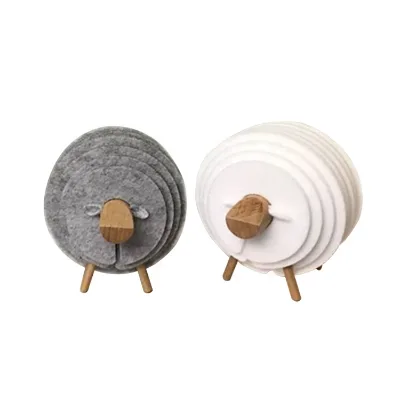
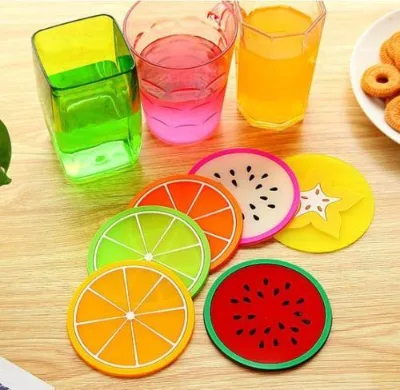
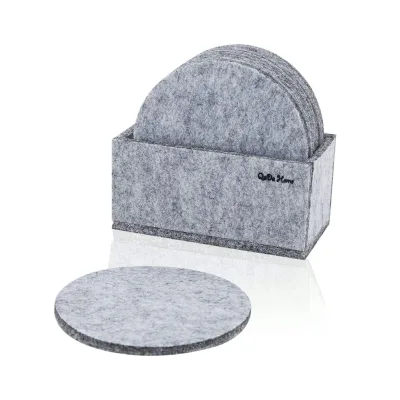
Eco-Friendly 100% Biodegradable Coasters Absorbent Felt Coasters for Drinks Bar Home
$0.06 - $0.09
MOQ: 100
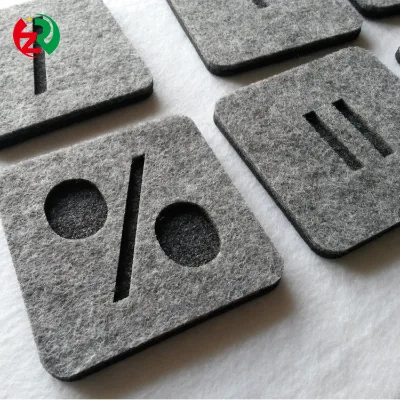
Classic Eco-Friendly Felt Cup Pads Mat Laser Cut Floppy Disk Coaster with Customizable Options
$0.60 - $0.90
MOQ: 100 pieces
Guangzhou Giftway Crafts Co., Ltd.
- Manufacturer
- Guangdong, China
- Lead time7 days
- Avg. response≤ 2h
Main productsMagnetic products,Coaster and mouse pad,Soft PVC and silicone products,Tinplate products,Eva and Paper products
Main marketsNorth America(35.00%), Domestic Market(16.00%), Western Europe(8.00%), Southeast Asia(7.00%), Northern Europe(6.00%), Mid East(6.00%), Southern Europe(5.00%), Oceania(3.00%), South America(3.00%), Eastern Europe(3.00%), Eastern Asia(3.00%), Central America(2.00%), Africa(2.00%), South Asia(1.00%)
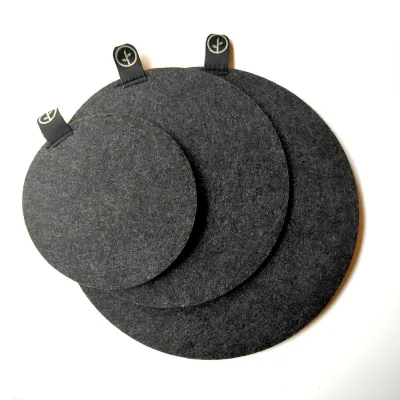
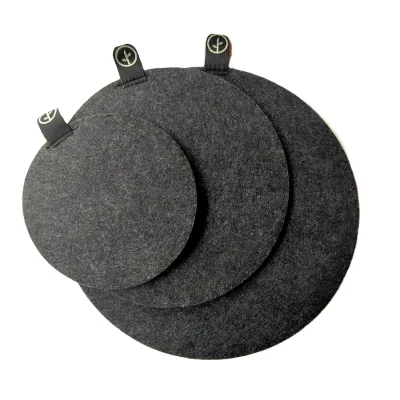
New Arrived Round Shape Felt coaster
$0.15 - $0.60

LION PROMOTIONAL GIFT CO., LIMITED
- Verified by TUVRHEINLAND
- Trading Company
- China Zhejiang
- Lead time30 days
- Avg. response≤ 25h
Main productsPromotional Gifts, Giveaways, Advertising Gift, Premium Items, Publicity Material, Freebie Items, Marketing Gifts, Campaign Gifts, Promotional Products, China Gifts Supplier
Main marketsAfrica,Europe,North America

XinMao Packaging Products Dongguan Co., Ltd.
- Verified by SGS
- Manufacturer
- China Guangdong
- Lead time15 days
- Avg. response≤ 14h
Main productsNeoprene Bag, Laptop Sleeve, Bottle / Can Cooler, Phone / Camera Bag, Ice / Lunch Bag, Key Chain / Glasses Holder, Neoprene Gloves, Shopping Bag, Cosmetic/Pennies/Stationery Pouch, Felt Bag
Main marketsEurope,Australia

Custom Eco-Friendly Wool Felt Placemats Gifts Table Coasters for Drink
$0.646 - $0.822
MOQ: 500 Pieces


Jiangsu Miaohong Environmental Protection New Material Co., Ltd.
- Verified by BV
- Combined
- China Jiangsu
- Lead time15 days
- Avg. response≤ 7h
Main productsSponge, Cleaning Sponge, Kitchen Sponge, Dishcloth, Magic Sponge
Main marketsSouth America,Southeast Asia/ Mideast,Domestic,Europe,North America

$0.20 - $0.30
MOQ: 1000 Pieces


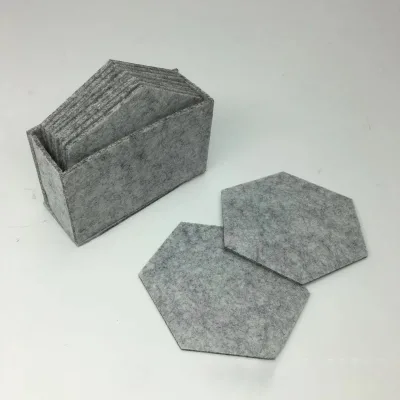
2022 Hot Sales Polygonal Felt Teacup Coaster Restaurant Coasters Sublimated
$0.20 - $0.30
MOQ: 1000 Pieces


Nangong Kangnai Felt Products Co., Ltd.
- Verified by TüVRheinland
- Manufacturer, Trading Company
- Lead time0 days
- Avg. response≤ 3h
Main productsFelt Children's Busy Board, Felt Bag, Felt Mat, Christmas Pendant, Felt
Main marketsDomestic Market(50%), North America(30%), Oceania(10%)
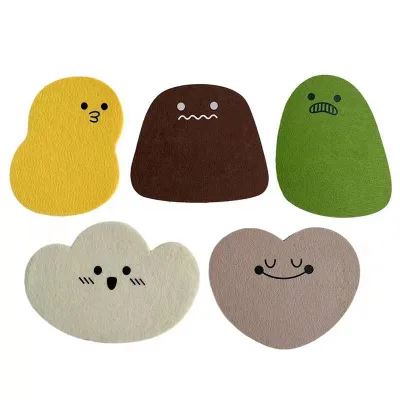
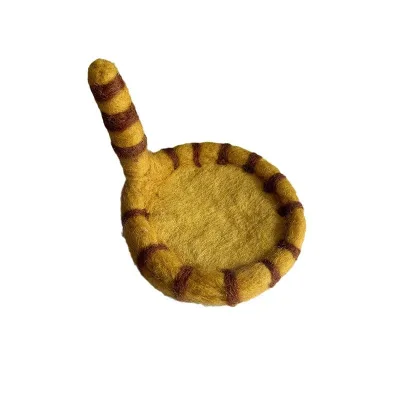
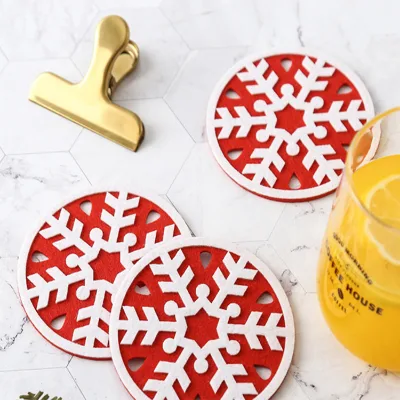
Professional Good Quality Custom Pattern Hollowed Out Felt coaster with Great Price
$0.35 - $1.18
MOQ: 100 pieces
Weixian Chenrun Felt Products Co., Ltd.
- Verified by Intertek
- Manufacturer, Trading Company
- Lead time15 days
- Avg. response≤ 2h
Main productsStorage Baskets, Diaper Bags, Cosmetic Bags and Cases, Mommy Bags, Educational Toys
Main marketsDomestic Market(20%), North America(18%), Eastern Europe(10%)
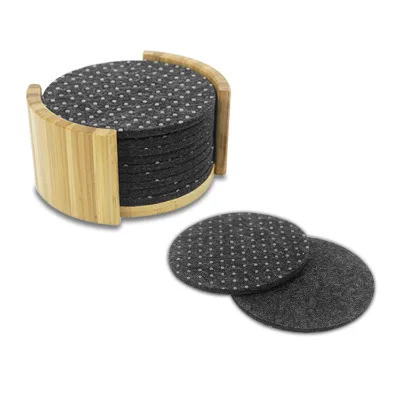
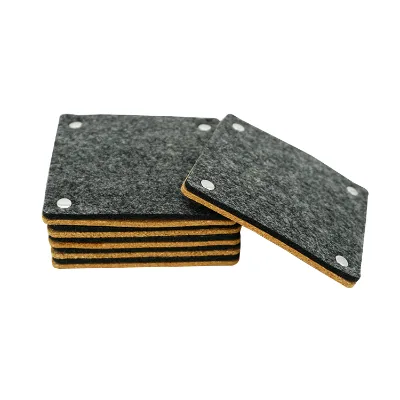
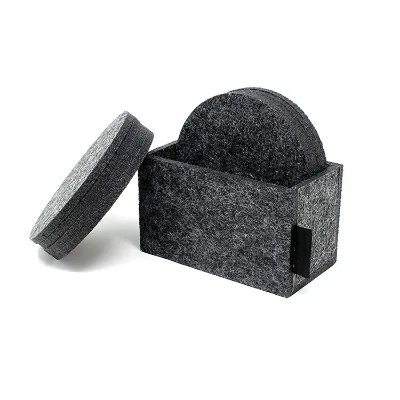
High Quality Water Absorbent Custom Classic Printed Heat-resistant Felt coaster for Drink
$0.61 - $0.67
MOQ: 100 sets
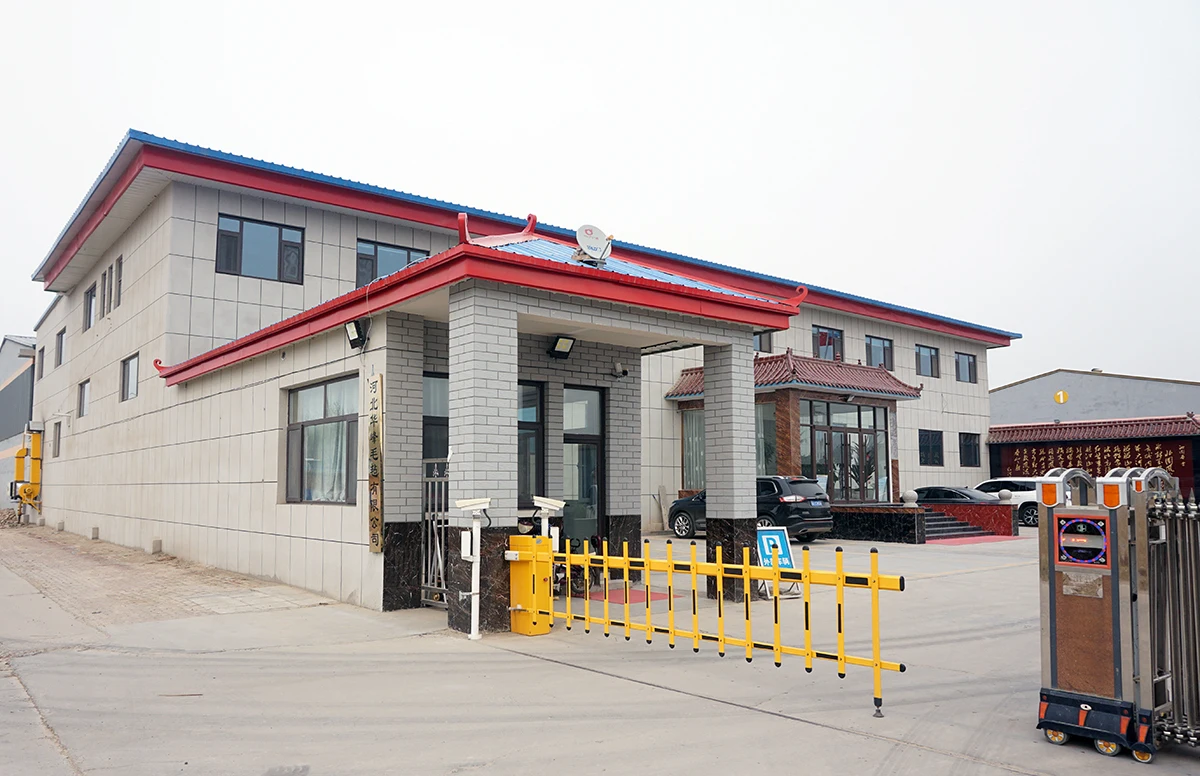
- Manufacturer, Trading Company
- Heibei, China
- Lead time15 days
- Avg. response≤ 6h
Main productsFelt storage,Felt pet supplies,Festive Decoration,felt table mat,Wool Felted Animal/Kids Educational Toys/Felt Fabric/Felt Pet House/Wool Ironing Mat/Felt Bag/Felt Mat & Pad/Holiday Decorations/Wool Dryer Ball/Felt Diaper Caddy/Felt Crafts
Main marketsNorth America(41.00%), Domestic Market(32.00%), Western Europe(10.00%), South America(9.00%), Oceania(4.00%), Eastern Asia(3.00%), Southeast Asia(1.00%)

Guizhou Fuding Rubber & Plastic Co., Ltd.
- Verified by SGS
- Combined
- China Guizhou
- Lead time23 days
- Avg. response≤ 4h
Main productsMouse Pad, Yoga Mat, Door Mat, Chair Mat, Bed Runner, Chess Mat, Floor Mat, Rubber Roll Material
Main marketsSouth America,Others(foreignTradeCapacity.exportBusinessCapacityMarketOther),Southeast Asia/ Mideast,East Asia(Japan/ South Korea),Domestic,Europe,Australia,North America


Custom Logo Plastic Silicone Mat Eco-Friendly Softcoaster Mat Rubber Cup Coasters for Drinks
$0.58 - $0.79
MOQ: 1000 Pieces

Eco-Friendly Coaster Mat Wholesale Custom Coasters Blank Sublimation Coaster Mat
$0.19 - $0.35
MOQ: 1000 Pieces
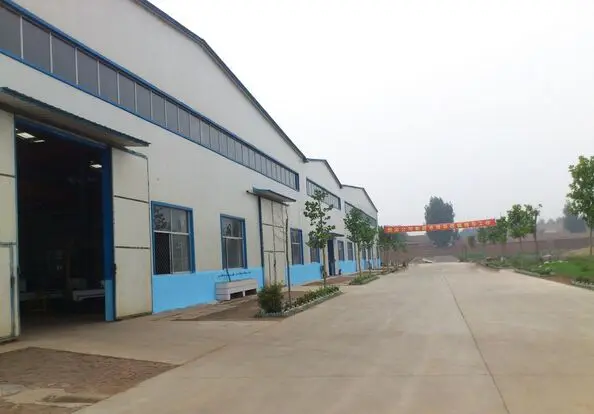
Liaocheng Boge Jiangxin Arts And Crafts Co., Ltd.
- Trading Company
- Shandong, China
- Lead time8 days
- Avg. response≤ 6h
Main productslaser cut wood,laser etch wood ornament,acrylic ornament,wood card,holiday decorations
Main marketsWestern Europe(40.00%), Southern Europe(25.00%), Northern Europe(20.00%), South America(10.00%), South Asia(5.00%)

Beijing Ulike Technology Co., Ltd.
- Trading Company,Manufacturer/Factory
- China Beijing
- Lead time23 days
- Avg. response≤ 11h
Main productsHome Storage, Laundry and Kitchen Products
Main marketsSouth America,Mid East,North America,Southeast Asia,Eastern Asia,Western Europe

$0.64 - $0.70
MOQ: 3000 Pieces

Non Slip Felt Round Drinks Coasters Cup Table Pads Cup Mate Coasters Desk Coasters Mat
$0.50 - $0.70
MOQ: 1000 Pieces

OEM Promotion Absorbent Felt Table Placemat Coaster Sets for Coffee Cups Drinks Unique Design
$0.18 - $0.25
MOQ: 5000 Sets

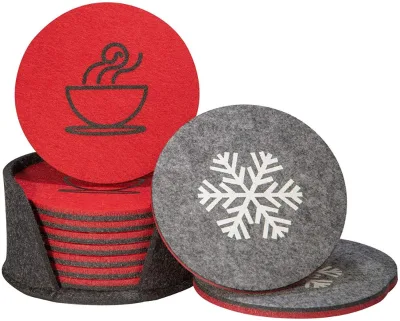
Factory Wholesale Cheap Coffee Cups with Snowflake Patterns, Various Patterns, Felt Coasters
$0.50 - $0.70
MOQ: 1000 Pieces

- Verified by SGS
- Trading Company,Manufacturer/Factory
- China Shaanxi
- Lead time23 days
- Avg. response≤ 3h
Main productsCork Sheets, Cork Rolls, Cork Granules, Yoga Cork, Cork Stoppers, Cork Placemats, Cork Coasters, Cork Sticks, Cork Mats, Cork Wall Panels

EVER GREATER IMP. & EXP. CO., LIMITED
- Verified by TUVRHEINLAND
- Trading Company
- China Zhejiang
- Lead time15 days
- Avg. response≤ 6h
Main productsDisposable Cup, Paper Cup, Pet Cup, PLA Cup, Sleeve, Coaster, Food Packag Box, Pizza Box, Cake Box, Paper Box
Main marketsSoutheast Asia/ Mideast,Europe,Australia,North America

Custom Promotional Coaster Waterproof Rubber Coasters Customised Soft PVC Cup Coaster
$0.25 - $0.50
MOQ: 1000 Pieces

PVC Soft Glue Insulated Colorful Custom Waterproof Non-Slip Cup Coaster
$0.25 - $0.50
MOQ: 1000 Pieces

Customized Ceramic Coasters for Beverages Logo Printed Non-Slip Promotional Coasters
$0.50 - $1.20
MOQ: 1000 Pieces

Ningbo Quanwei Rubber Products Co., Ltd.
- Verified by BV
- Combined
- China Jiangsu
- Lead time15 days
- Avg. response≤ 4h
Main marketsDomestic

Custom Logo Promotion Coaster Mat Eco-Friendly Soft Rubber Cup Coasters for Drinks
$0.31 - $0.68
MOQ: 500 Pieces


Custom Blank Round Promotion Coaster Mat Sublimation Neoprene Car Coasters
$0.31 - $0.68
MOQ: 500 Pieces

Fujian Angel Nonwoven Fabric Tech Co., Ltd.
- Verified by SGS
- Manufacturer
- China Fujian
- Lead time15 days
- Avg. response≤ 7h
Main productsNonwoven Fabric, Disposable Bed Sheet, Meltblown, Nonwoven Bag, Mattress Cover, Earloop/Nose Wire for Mask, PLA/Pet Nonwoven Fabric, Landscape Cover, Weed Control, TNT Table Cloth
Main marketsSoutheast Asia/ Mideast,Europe
Fuzhou Bison Import And Export Co., Ltd.
- Trading Company
- Lead time旺季: "1 - 1000":15,"1001 - 10000":23,"10001 - 100000":40,"> 100000":"To be negotiated", 淡季: "1 - 1000":15,"1001 - 10000":23,"10001 - 100000":40,"> 100000":"To be negotiated"
- Avg. response≤ 3h
Main productsLanyard, Hand Fans, PU Products, Key Chains, Cans

Zhongshan Mingxin Silicone Manufactory
- Verified by SGS
- Combined
- China Guangdong
- Lead time15 days
- Avg. response≤ 5h
Main productsSilicone Kitchenware, Silicone Keypaid, Silicone Bracelet, Silicone Wristband, Silicone Ashtray, Silicone Tube, Silicone Watch, Silicone Rubber, Silicone Sex Doll, Silicone Mold
Main marketsEurope,North America

Custom Design Soft Anti-Hot PVC Cup Mat Eco-Friendly Silicone Rubber PVC Cup Coaster
$0.10 - $1.00
MOQ: 100 Pieces

Eco-Friendly Customized Design Soft PVC Cup Mat Coaster Silicone Custom Rubber PVC Cup Coaster
$0.10 - $1.00
MOQ: 100 Pieces

New Design Soft Silicone Cup Mat Coasters Custom Non-Slip Silicone Drink Coaster
$0.31 - $0.37
MOQ: 100 Pieces

Eco Friendly Silicone Anti Slip Silicone Drink Cup Coaster Silicone Mat Pad for Beer Tea
$0.31 - $0.37
MOQ: 100 Pieces

Wenzhou Cathylin International Trade Co., Ltd.
- Verified by TUVRHEINLAND
- Trading Company
- China Zhejiang
- Lead time15 days
- Avg. response≤ 5h
Main productsFlatware, Cutlery, Kitchen Tools, Tableware, Cookware, Bakeware, Drinkware
Main marketsNorth America

Absorbent Waterproof Paper Beermat Non-Slip Barware Coaster Cup Mat Coaster
$0.23 - $0.26
MOQ: 500 Sets


Sublimation High Quality PU Coaster Round Non-Slip Coffee Waterproof Coasters
$0.44 - $3.54
MOQ: 1000 Sets

Ceramic Insulation Shell Cup Mat Tea Table Hand Woven Heat-Resistant Shell Coaster
$0.73 - $0.84
MOQ: 500 Pieces

Quanzhou Changyi Crafts Gifts Limited
- Verified by TUVRHEINLAND
- Manufacturer/Factory
- China Fujian
- Lead time23 days
- Avg. response≤ 7h
Main productsBallpoint Pen, Silicone Bracelet, Name Card Holder, Luggage Tag, Gift Set, Mobile Phone Accessory, Passport Cover, Ceramic Coaster, Gift Bag, Gift Box
Main marketsSouth America,Mid East,North America,Southeast Asia,Eastern Asia,Oceania,Western Europe,Africa


Round PU Leather Coaster Mat Coasters Insulation Pad Tea Coffee Cup Pad for Hotel
$0.39 - $0.55
MOQ: 100 Pieces
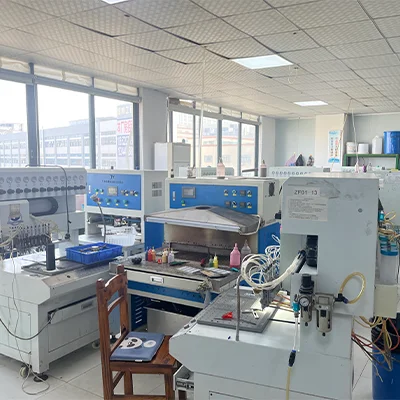
Zhongshan City Dongfeng Town Lifelong Craft & Gifts Factory
- Manufacturer, Trading Company
- Guangdong, China
- Lead time1 days
- Avg. response≤ 1h
Main productsFridge Magnet, Coasters, Keychain, Bottle Opener, Luggage Tag
Main marketsSouthern Europe(20.00%), Eastern Europe(20.00%), Western Europe(20.00%), North America(20.00%), Southeast Asia(10.00%), South America(10.00%), Eastern Asia(10.00%), Northern Europe(10.00%), Oceania(10.00%), Central America(5.00%), Mid East(5.00%)
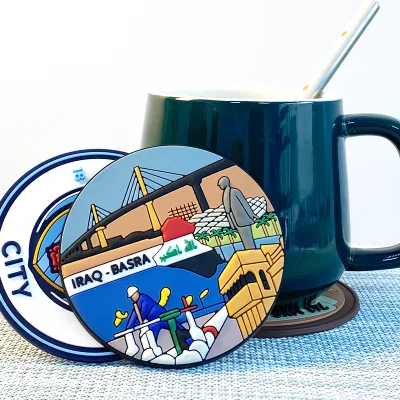
Hot Selling Paper Coasters Custom logo Circular Rubber Collapsible Soft PVC Silicone Rubber coaster
$0.12 - $0.30
MOQ: 50 pieces
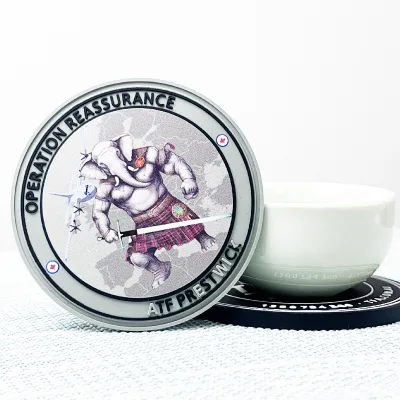
Beautiful Silicone coaster Set Custom Black Coasters Pretty Cup Holder coaster with logo
$0.10 - $0.32
MOQ: 10 pieces
Hangzhou Jiusi Import And Export Co., Ltd.
- Trading Company
- Lead time旺季: "1 - 100":7,"101 - 1000":10,"1001 - 3000":15,"> 3000":"To be negotiated", 淡季: "1 - 100":7,"101 - 1000":10,"1001 - 3000":15,"> 3000":"To be negotiated"
- Avg. response≤ 2h
Main productsLanyard, Coaster, Luggage Tag, Travel Accessories
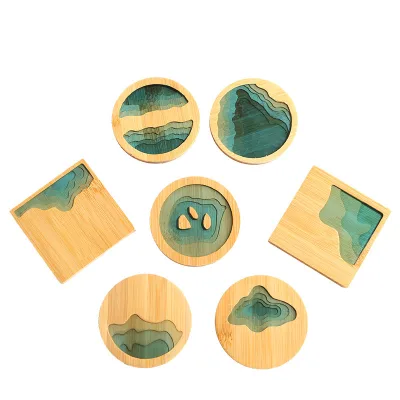
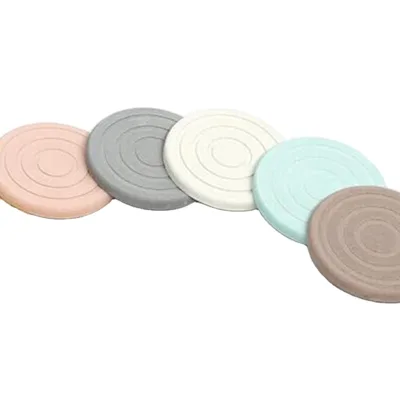
Custom Logo Quick Water Absorption Non-Slip Round Diatomite Coasters
$0.4722 - $0.8724
MOQ: 100 pieces

Yixin Technology Ningbo Co., Ltd
- Verified by BV
- Trading Company
- China Zhejiang
- Lead time30 days
- Avg. response≤ 17h
Main productsPackaginig, Daily Necessities, Handicrafts, Luggage, Printing, Plastic Products, Nozzle, Cosmetic Bottles
Main marketsNorth America


Bamboo Coasters, Mosaic Coasters, DIY Coasters, Creative Rectangular and Circular Shapes
$0.19 - $0.50
MOQ: 10000 Pieces
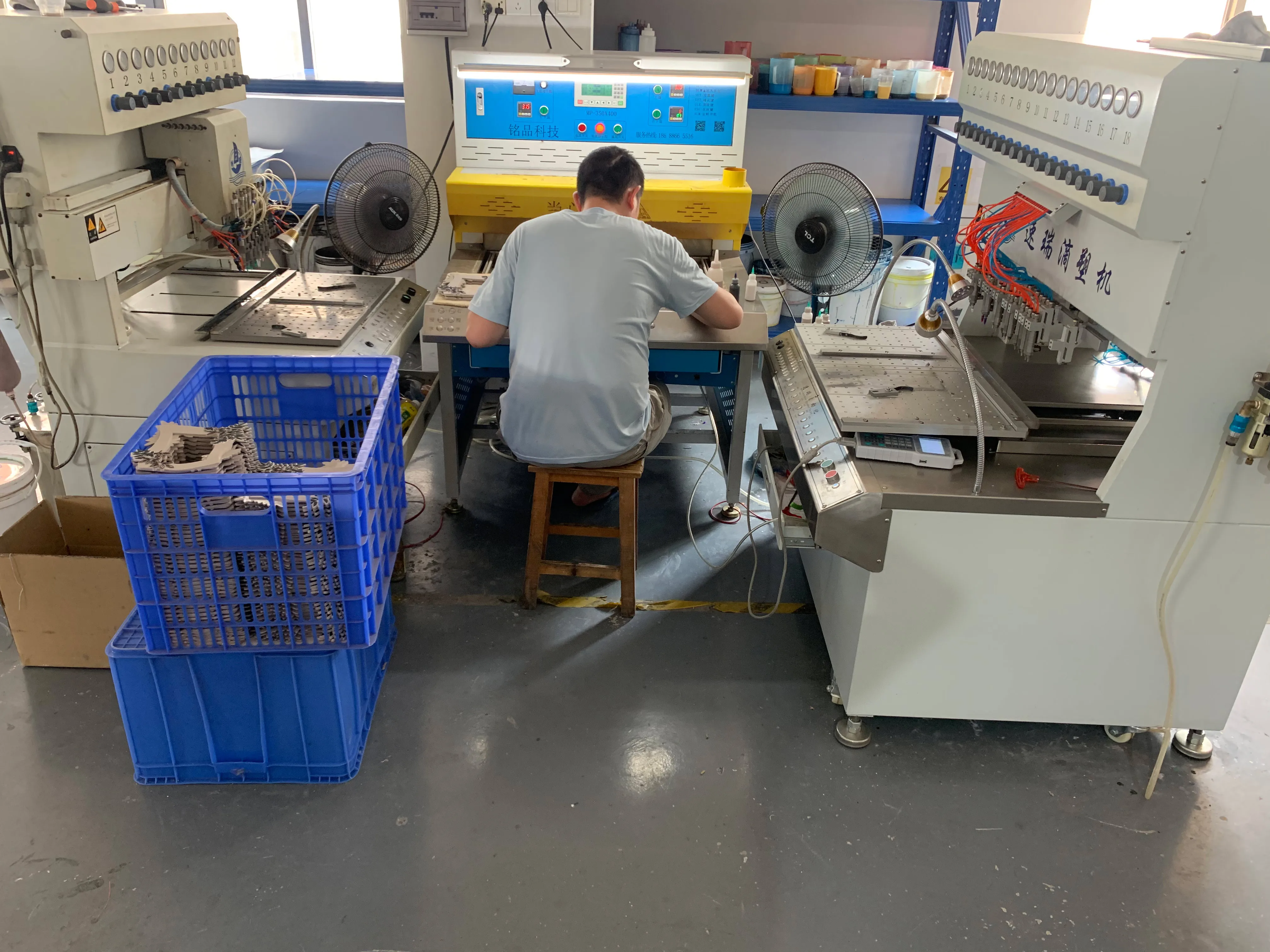
Zhongshan City Hongfeng Craft & Adornment Factory
- Manufacturer, Trading Company
- Guangdong, China
- Lead time15 days
- Avg. response≤ 8h
Main productsKeychain , Bracelet, Magnet, Bottle Opener, Coasters
Main marketsNorth America(30.00%), South America(30.00%), Western Europe(10.00%), Eastern Europe(10.00%), Domestic Market(10.00%), Southeast Asia(10.00%)
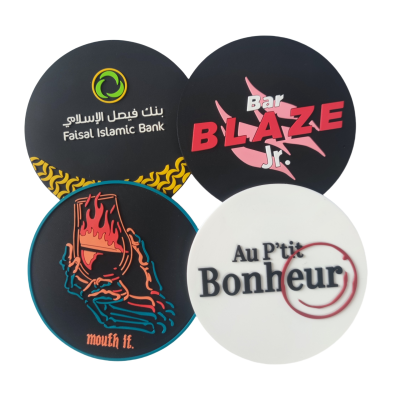
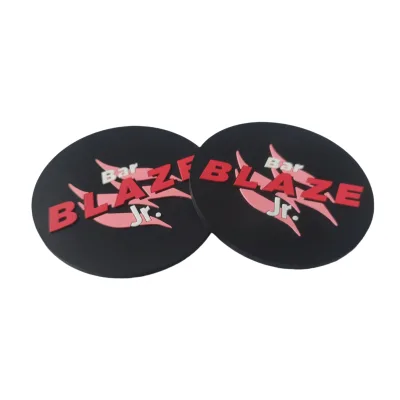
Factory Absorbent Rubber coaster Cheap Blank coaster Pvc coaster Customized
$0.10 - $0.26
MOQ: 50 pieces
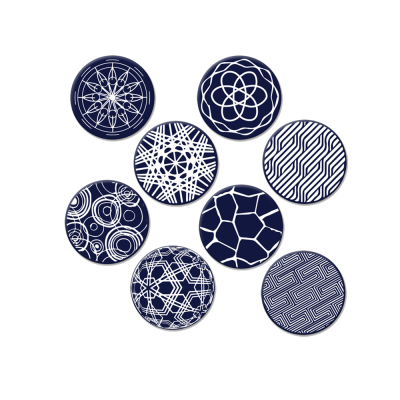
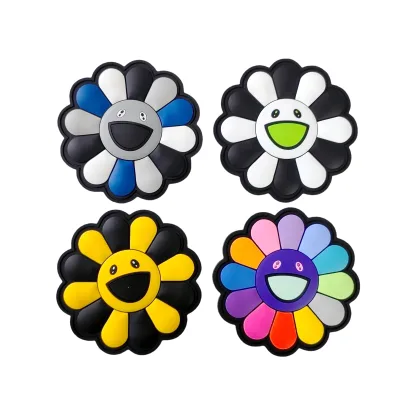
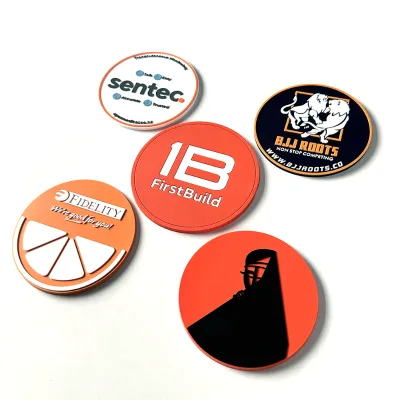
$0.12 - $0.26
MOQ: 50 pieces

DONGGUAN HUI TAI TONG TECHNOLOGY CO., LIMITED
- Manufacturer/Factory
- China Guangdong
- Lead time23 days
- Avg. response≤ 2h
Main productsPlastic Toy, Children Toy, Educational Toy, Action Figure, PVC Figure, Promotional Gift, Sport Figure
Main marketsNorth America,Eastern Asia,Western Europe

Zhongshan Xinyuan Silicone Rubber Co. Ltd
- Verified by TUVRHEINLAND
- Combined
- China Guangdong
- Lead time15 days
- Avg. response≤ 2h
Main productsSilicone Mold, Silicone Ice Cube Tray, Silicone Wristband, Silicone Tea Infuser, Silicone Bakeware, Silicone Keychain, Silicone Cup Coaster, Silicone Bag
Main marketsSouth America,Southeast Asia/ Mideast,Domestic,Europe,North America

Custom Circular Silicone Coaster Suspendable Coasters Desktop Protection Mat
$0.20 - $0.55
MOQ: 50 Pieces


Customized Printable Patterns Silicone Coaster Anti Slip and Heat-Insulating Coasters
$0.20 - $0.55
MOQ: 50 Pieces

- Verified by BV
- Trading Company
- China Guangdong
- Lead time15 days
- Avg. response≤ 5h
Main productsPromotional Gift, Badge, Medal, Keychain, Dog Tag, Cufflink, Fridge Magnet, Luggage Tag, Coin, Patch
Main marketsSouth America,Southeast Asia/ Mideast,Europe,Australia,North America

$0.02 - $0.12
MOQ: 1000 Pieces

Cheap 3D Custom Logo Rubber Coasters Wholesale Round Silicone Soft PVC Cup Mat for Drink
$0.10 - $2.00
MOQ: 100 Pieces
Leadsub International Trade Co., Limited
- Verified by TüVRheinland
- Manufacturer, Trading Company
- Lead time7 days
- Avg. response≤ 4h
Main productsSublimation Christmas Ornament, Sublimation Slate, Sublimation Frame, Sublimation Home Products, Sublimation Machine
Main marketsNorth America(60%), Western Europe(10%), South America(5%)
- Trading Company
- Taiwan, China
- Lead time30 days
- Avg. response≤ 19h
Main productssand paperweight,hourglass,liquid paperweight,liquid coaster,mouse pads
Main marketsWestern Europe(40.00%), Mid East(30.00%), North America(20.00%), Southeast Asia(10.00%)
- Verified by TüVRheinland
- Trading Company
- Lead time30 days
- Avg. response≤ 8h
Main productsPromotional Office Products, Promotional Gifts, Promotional Bags, Promotional Drinkware, Promotional Apparel And Accessories
Main marketsNorth America(75%), Western Europe(10%), Mid East(5%)







Comprehensive Sourcing Guide
Eco-Friendly Water Absorbing Felt Coaster Supplier Concentration and Factory Types
The current supplier landscape for eco-friendly water absorbing felt coasters is characterized by a diverse mix of manufacturing entities and trading companies, offering buyers a range of operational models to suit different procurement strategies. Evidence indicates that the primary company types available are manufacturers and trading companies, which suggests that buyers can choose between direct factory engagement for potentially tighter cost control and trading companies for streamlined communication and consolidated logistics. This duality is critical for sourcing decisions, as manufacturers often provide deeper customization capabilities while trading companies may offer broader product assortments and faster response times for smaller inquiries. The presence of both types ensures that buyers with varying volume requirements and service expectations can find suitable partners, although it requires careful vetting to distinguish between true production capacity and intermediary services.
Geographic concentration plays a significant role in the sourcing ecosystem for these specific home decor items. Product evidence consistently points to Hebei, China, as the place of origin for the majority of the listed felt coaster products, including those described as eco-friendly and absorbent. This regional clustering implies a mature supply chain infrastructure specialized in felt processing, laser cutting, and stitching techniques. Buyers should leverage this geographic data to assess logistics costs and lead times, as suppliers located in this cluster likely benefit from established raw material sourcing networks and specialized labor pools. Understanding this concentration helps in predicting shipping efficiencies and potential bottlenecks, allowing for more accurate planning of inventory replenishment cycles and production schedules based on the known industrial hubs for felt goods.
How to Verify Eco-Friendly Water Absorbing Felt Coaster Suppliers
Verification of supplier credibility is paramount when sourcing eco-friendly water absorbing felt coasters, particularly given the emphasis on environmental claims and material safety. Buyers should prioritize suppliers that display third-party verification badges, such as those from TüVRheinland, which serve as an initial indicator of operational legitimacy and adherence to certain quality standards. Beyond basic verification, it is essential to scrutinize the specific certifications held by the supplier, as these documents provide concrete proof of compliance with international regulations. The available data highlights certifications such as (EC) 1907/2006, CPC, RoHS, CE, REACH, and GRS, which are critical for ensuring that the felt materials are free from harmful substances and meet environmental recycling standards. These certifications are not merely decorative; they are legal requirements for exporting to many major markets and serve as a strong filter for identifying serious, compliant manufacturers.
In addition to certifications, buyers must verify the supplier’s capacity for customization and sample processing, as these factors directly impact the ability to meet specific brand requirements. The evidence shows that suppliers offer capabilities such as sample processing, graphic processing, and customized on-demand production, which are vital for creating unique product designs. Buyers should request samples to physically assess the absorbency, thickness, and finish of the felt, ensuring that the product meets the stated specifications for heat insulation and home decor utility. Furthermore, checking the supplier’s response time is a practical method for gauging their operational efficiency; a response time of four hours, as observed in some results, indicates a high level of customer service readiness. This metric can be a proxy for how quickly issues will be resolved during the production and shipping phases, making it a key factor in supplier selection.
What to Compare Across Eco-Friendly Water Absorbing Felt Coaster Suppliers
When evaluating multiple suppliers for eco-friendly water absorbing felt coasters, buyers must systematically compare key operational metrics to identify the most suitable partner for their specific needs. One of the most critical dimensions is the minimum order quantity (MOQ), which varies significantly across different product listings. For instance, some suppliers may require an MOQ of 500 pieces, while others offer lower thresholds of 100 pieces, which can be crucial for small businesses or those testing new markets. Comparing these MOQs allows buyers to align their procurement volumes with their sales forecasts and storage capabilities, avoiding excessive inventory costs or stockouts. Additionally, the price range is a fundamental factor, with observed prices varying from as low as $0.06 to over $3.00 per unit depending on the design, thickness, and packaging complexity. Buyers should analyze these price points in conjunction with the MOQ to determine the true cost efficiency of each supplier.
Another vital aspect of comparison is the lead time and the supplier’s ability to handle customized orders. The evidence indicates a lead time of 15 days for some suppliers, which is a standard benchmark for production and shipping preparation. Buyers should compare this against their own delivery deadlines to ensure that the supplier can meet their launch schedules. Furthermore, the variety of main products offered by each supplier can indicate their specialization and flexibility. Suppliers focusing on a narrow range of items like coasters and placemats may offer higher quality control, while those with broader catalogs including diaper caddies and storage baskets might provide more comprehensive sourcing solutions. Comparing these product portfolios helps buyers assess whether a supplier can serve as a single-source partner for multiple home decor needs, potentially simplifying logistics and reducing administrative overhead.
Common Eco-Friendly Water Absorbing Felt Coaster Sourcing Risks
Sourcing eco-friendly water absorbing felt coasters involves several inherent risks that buyers must proactively manage to ensure a smooth procurement process. One significant risk is the discrepancy between claimed eco-friendly attributes and actual material composition. While suppliers may advertise products as biodegradable or eco-friendly, buyers must verify these claims through the provided certifications such as GRS or REACH. Without concrete documentation, there is a risk of receiving products that do not meet environmental standards, potentially leading to compliance issues in the destination market. Additionally, the variability in product specifications, such as thickness and size, poses a risk if not carefully managed. For example, thickness options ranging from 3mm to 5mm or customized dimensions can lead to confusion if not explicitly agreed upon in the purchase order, resulting in products that do not fit the buyer’s design or functional requirements.
Another common risk is the inconsistency in sample quality versus bulk production. Suppliers often provide free samples that are refundable upon order placement, but the quality of these samples may not always reflect the final bulk output. Buyers must establish clear quality control protocols and, if possible, conduct third-party inspections before shipment. The risk is compounded by the fact that some suppliers offer customized shapes and colors, which introduces variability in the manufacturing process. If the supplier’s production capacity is not adequately verified, there is a risk of delays or quality defects in large orders. Furthermore, the reliance on laser cutting and stitching techniques means that any error in the design file can lead to significant waste and rework. Buyers should mitigate these risks by maintaining open communication with suppliers and requesting detailed production timelines and quality assurance plans.
Eco-Friendly Water Absorbing Felt Coaster Regional Sourcing and Logistics
Regional sourcing strategies for eco-friendly water absorbing felt coasters are heavily influenced by the geographic concentration of suppliers in specific manufacturing hubs. As noted, Hebei, China, is a primary origin point for these products, which suggests that buyers should consider the logistical advantages and challenges associated with sourcing from this region. Suppliers in this area likely have established relationships with local raw material suppliers and specialized labor, which can lead to more efficient production cycles. However, buyers must also account for the logistics of shipping from this region, including transit times and freight costs. Understanding the specific location of the supplier allows for more accurate calculation of landed costs, which is essential for maintaining competitive pricing in the final market. Buyers should also consider the proximity of the supplier to major ports, as this can impact shipping speed and reliability.
Logistics planning should also take into account the packaging specifications provided by suppliers, as these directly affect shipping efficiency. Product evidence indicates various single package sizes, such as 12x12x2 cm or 11x11x6 cm, which influence how many units can be packed into a standard shipping container. Buyers should work with suppliers to optimize packaging dimensions to maximize container utilization and reduce per-unit shipping costs. Additionally, the weight of the products, such as a single gross weight of 0.150 kg or 0.05 kg, is a critical factor in determining freight charges. By comparing these logistical details across different suppliers, buyers can identify those who offer the most cost-effective shipping solutions. It is also advisable to discuss incoterms and shipping responsibilities early in the negotiation process to avoid unexpected costs or delays in the delivery of goods.
Eco-Friendly Water Absorbing Felt Coaster Commercial Terms and Order Planning
Commercial terms and order planning are critical components of a successful sourcing strategy for eco-friendly water absorbing felt coasters. Buyers must carefully review the payment terms, sample policies, and return conditions to ensure they align with their financial and operational capabilities. The evidence shows that many suppliers offer free samples that are refundable upon order placement, which is a favorable term that reduces the initial cost of evaluation. However, buyers should clarify the refund process and any associated shipping costs for samples to avoid hidden expenses. Additionally, understanding the lead time of 15 days is essential for planning production schedules and ensuring that goods arrive in time for market launches. Buyers should also consider the supplier’s capacity for handling rush orders, as this can be a valuable asset during peak seasons or unexpected demand spikes.
Order planning should also involve a detailed analysis of the product attributes and customization options available. Suppliers offer a wide range of features, including eco-friendly materials, custom logos, and various shapes and colors, which allow for significant product differentiation. Buyers should leverage these options to create unique offerings that stand out in the market. However, customization often comes with higher MOQs and longer lead times, so buyers must balance their desire for uniqueness with the practicalities of production. It is also important to consider the branding aspects, such as the use of ODM or OEM labels, which can impact the perceived value of the product. By carefully planning the order specifications and commercial terms, buyers can minimize risks and maximize the potential for success in their target markets.
FAQs
What certifications do eco-friendly felt coasters have?
Suppliers offer products certified under RoHS, CE, REACH, GRS, CPC, and (EC) 1907/2006 standards. These credentials verify material safety and environmental compliance for global markets. Buyers should request specific test reports to confirm adherence to regional regulations before placing bulk orders.
What is the minimum order quantity for felt coasters?
Minimum order quantities typically range from 100 to 500 pieces depending on the specific product design. Customized shapes or special packaging may require higher volumes. Buyers should verify the exact MOQ with the supplier to ensure it aligns with their initial procurement needs.
How long does production take for custom orders?
Standard lead times are approximately 15 days for manufacturing. This duration covers material preparation, laser cutting, stitching, and quality control. Expedited options may be available for urgent requests, but buyers must confirm specific timelines with the supplier to avoid supply chain delays.
Are samples available for felt coaster orders?
Many suppliers provide free samples that are refundable upon placing a bulk order. This allows buyers to verify material quality, absorbency, and finish before committing to large volumes. Buyers should contact the supplier directly to arrange sample shipment and confirm refund policies.
What is the price range for felt coasters?
Prices generally range from $0.06 to $3.00 per piece based on size, thickness, and customization. Basic round coasters start at lower price points, while complex designs or larger sets cost more. Buyers should request detailed quotes to understand cost variations for their specific requirements.
Where are these felt coasters manufactured?
Products are primarily manufactured in Hebei, China. This region is known for its felt processing capabilities and competitive pricing. Buyers should verify the exact factory location to assess logistics costs and ensure the supplier meets their specific sourcing and quality control standards.