Source bohemian environment-friendly ceramic dinnerware for dining, catering, events
Compare 30 listings of bohemian environment-friendly ceramic dinnerware from suppliers in Zibo and Shandong. Buyers can review specifications like plate sizes, colors, and certifications including CE, FDA, and SGS to find suitable options for various tableware needs; compare the available evidence and request quotations based on your requirements.
Updated
Key considerations
Products List


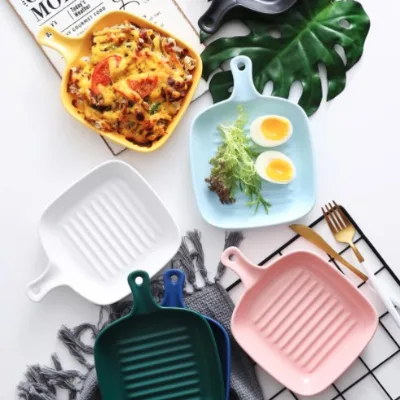
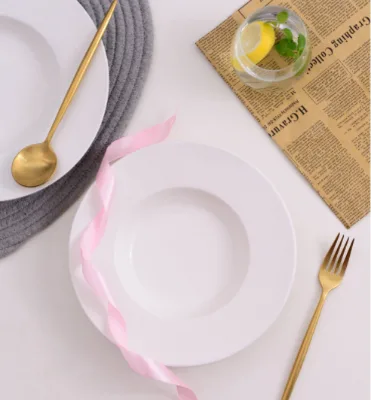
Environmental Protection custom printed houseware ceramic bone china dinner plates
$1.80 - $3.00
MOQ: 5000 pieces
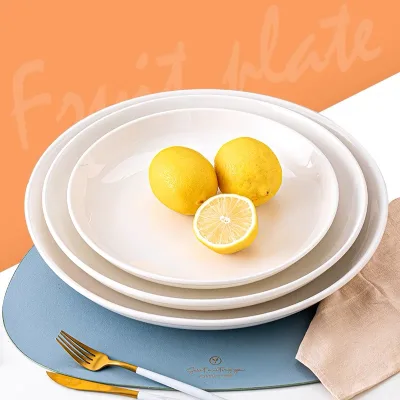
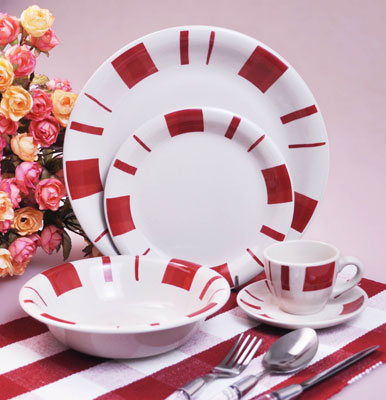
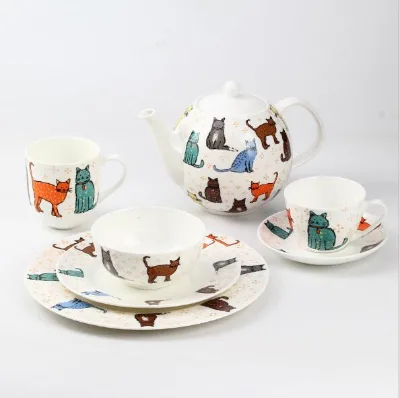
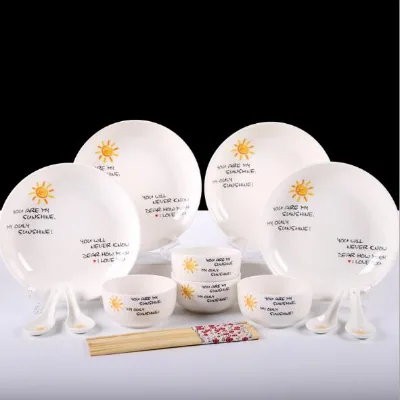


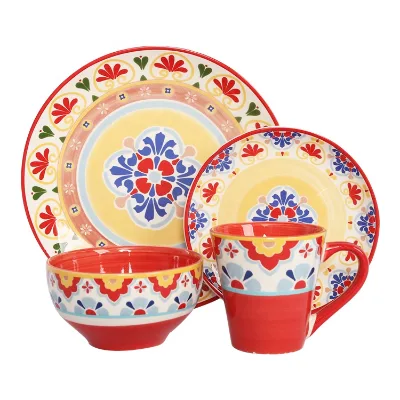
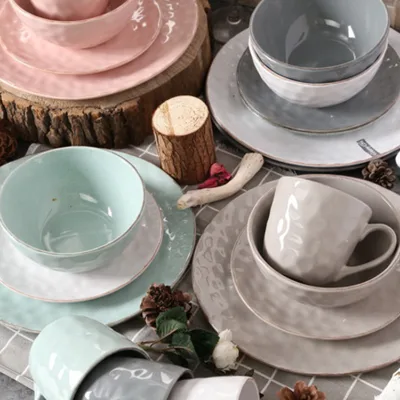
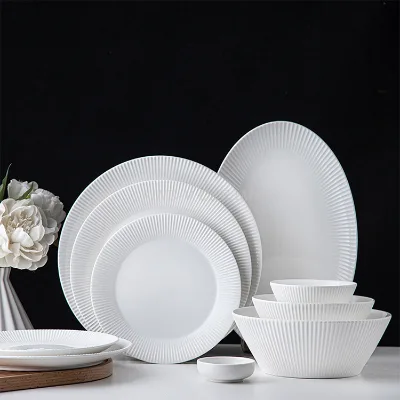
Custom White Ceramic Tableware Bowl Japanese Style Porcelain Dinnerware
$3.6321 - $5.0321
MOQ: 500 pieces


Comprehensive Sourcing Guide
Bohemian Environment-Friendly Ceramic Dinnerware Sourcing Guide
Sourcing bohemian-style ceramic dinnerware requires balancing aesthetic uniqueness with rigorous functional standards. Buyers must navigate a market where "eco-friendly" claims intersect with traditional manufacturing processes. The observed product landscape reveals a strong emphasis on customization, with many suppliers offering tailored designs to meet specific brand identities. This flexibility allows purchasers to create distinct tableware collections that stand out in competitive retail environments. However, this customization often introduces complexity in quality control and supply chain management.
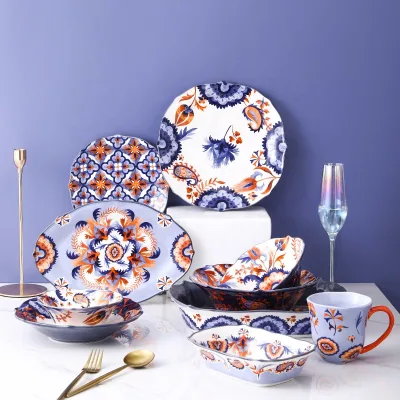
The core material base for these products is predominantly ceramic and porcelain, providing durability and a premium feel. Observed listings indicate a variety of finishes, including two-tone designs, white with decal patterns, and unicolor embossed styles. These aesthetic choices cater to diverse interior design trends, from rustic bohemian to modern minimalist. Buyers should carefully evaluate how these visual elements align with their target demographic’s preferences. The interplay between color, shape, and texture is critical for creating a cohesive brand narrative across different product lines.
Product Scope and Observed Listing Signals
The current market offers a wide range of dinnerware sets, with observed models ranging from basic side plates to complete dining suites. Key specifications include dinner plates sized at 10 to 10.5 inches, side plates between 7.5 and 8 inches, and soup bowls ranging from 5.5 to 7 inches. Mug capacities vary, with common sizes being 11oz and 12oz, while cup volumes are noted at 220cc. These dimensions suggest a focus on standard Western dining formats, though the bohemian aesthetic allows for creative presentation. Buyers should verify these measurements against their specific packaging and storage requirements.
Packaging strategies observed in the market include one set per color box or gift box, with two sets per carton. This packing method influences logistics costs and retail shelf appeal. The minimum order quantities (MOQs) vary significantly, ranging from 1,300 to 2,205 sets, reflecting the custom nature of many orders. Some listings indicate lower MOQs starting at 1,000 sets, which may appeal to smaller retailers or boutique brands. Understanding these volume thresholds is essential for accurate budgeting and inventory planning. Buyers must weigh the cost benefits of larger orders against the flexibility of smaller, more frequent purchases.
Technical Specifications to Verify
Verifying technical specifications is crucial for ensuring product consistency and customer satisfaction. Buyers should confirm the exact dimensions of each piece, as slight variations can affect stacking and storage efficiency. The material composition, primarily ceramic and porcelain, must be checked for density and weight to ensure durability during shipping and daily use. Embossed styles and decal applications require close inspection to guarantee that decorative elements are securely attached and resistant to chipping. These details directly impact the perceived quality and longevity of the dinnerware.
The shape of the products is predominantly round, which is standard for dinner plates and bowls. However, buyers should verify if any unique bohemian shapes are available, as these can be a key differentiator. The regular pack configuration, often one set per color box, should be confirmed to ensure it meets retail display needs. Additionally, the mug and bowl sizes must align with industry standards for portion control and consumer expectations. Any deviation from these norms should be clearly documented and approved by the buyer before production begins.
Compliance and Safety Documentation
Compliance with international safety standards is non-negotiable for ceramic dinnerware. Observed certifications include CE/EU, FDA, SGS, LFGB, and CIQ, indicating that many suppliers adhere to rigorous testing protocols. Buyers must request valid certificates for each product batch to ensure ongoing compliance. These certifications cover aspects such as lead and cadmium leaching, which are critical for food safety. Without proper documentation, products may face rejection in key markets, leading to significant financial losses.
The presence of an "Eco-Friendly" feature suggests that some manufacturers use sustainable practices or materials. Buyers should inquire about the specific environmental claims, such as the use of recycled materials or energy-efficient production methods. While "OEM" logo services are available, buyers must ensure that branding does not compromise the integrity of the safety certifications. Clear communication with suppliers regarding compliance requirements is essential to avoid misunderstandings. Regular audits and third-party testing can provide additional assurance of product safety and quality.
Cost Drivers and Commercial Terms
Several factors influence the final cost of bohemian ceramic dinnerware. Customization is a primary driver, with tailored designs and packaging increasing production complexity and cost. The observed price range of $0.25 to $10,000 USD reflects the diversity of products, from individual pieces to large bulk orders. Buyers should analyze the cost breakdown to understand how material quality, decoration, and packaging contribute to the final price. Transparent pricing structures help in making informed decisions and avoiding hidden fees.
Minimum order quantities (MOQs) also play a significant role in cost management. Higher MOQs often result in lower per-unit costs, but they require greater capital investment and storage capacity. Buyers should negotiate flexible terms that allow for adjustments based on market demand. Lead times and shipping costs are additional considerations that impact the total cost of ownership. Establishing clear commercial terms with suppliers ensures that both parties have a shared understanding of responsibilities and expectations.
Supplier Qualification and Quality Control
Selecting the right supplier is critical for maintaining product quality and reliability. Buyers should prioritize suppliers with a proven track record in ceramic manufacturing and export. The observed origin of many products is Zibo, Shandong, a region known for its ceramic industry. Verifying the supplier’s production capabilities and quality control processes is essential. Buyers should request samples to assess the finish, durability, and aesthetic appeal of the products.
Quality control measures should include pre-production samples, in-process inspections, and final random inspections. Buyers must ensure that suppliers adhere to the agreed-upon specifications and standards. Regular communication and feedback loops help in addressing issues promptly. Additionally, buyers should consider the supplier’s ability to handle customization requests efficiently. A reliable supplier will provide timely updates and support throughout the production process, ensuring a smooth procurement experience.
Long-Term Procurement Checks
Long-term success in sourcing bohemian ceramic dinnerware depends on continuous evaluation and relationship management. Buyers should regularly review supplier performance metrics, including on-time delivery, product quality, and responsiveness. Building a strong partnership with suppliers can lead to better pricing, priority production, and innovative design suggestions. Regular audits and site visits can provide deeper insights into the supplier’s operations and commitment to quality.
Market trends and consumer preferences evolve, requiring buyers to stay agile and adaptable. Monitoring competitor offerings and customer feedback can help in refining product strategies. Buyers should also consider the sustainability of their supply chain, exploring options for reducing environmental impact. By maintaining a proactive approach to procurement, buyers can ensure a steady supply of high-quality, aesthetically pleasing dinnerware that meets the demands of their target market.
FAQs
What certifications do the ceramic dinnerware sets hold?
The ceramic dinnerware sets hold CE/EU, FDA, SGS, LFGB, and CIQ certifications. These standards ensure the products meet international safety and quality requirements for food contact. Buyers can rely on these documented credentials for compliance in various global markets without needing additional third-party verification.
Can the dinnerware be customized with a logo?
Yes, customization is available for the ceramic dinnerware sets. Buyers can request OEM logo printing on the products. This service allows businesses to brand the tableware for specific events or retail needs, ensuring the final product aligns with their unique corporate identity or marketing strategy.
What is the minimum order quantity for these sets?
The minimum order quantity varies by product model, ranging from 1300 to 2205 sets. Specific models like TM2013102902 require 1300 sets, while TMSDSH1407313 requires 1400 sets. Buyers should check the specific model requirements to determine the exact MOQ applicable to their procurement plan.
Where are these ceramic dinnerware products manufactured?
These ceramic dinnerware products are manufactured in Zibo, Shandong, China. This region is known for its ceramic industry, providing a reliable supply chain for high-quality porcelain and ceramic tableware. Buyers sourcing from this location benefit from established manufacturing infrastructure and material availability.
What packaging options are available for the dinnerware?
Packaging options include color boxes and gift boxes. Typically, one set is packed per color box, with two sets per carton. Some models use gift boxes for retail presentation. This flexible packaging ensures product protection during transit while offering suitable presentation for different sales channels.
What sizes are included in the dinnerware sets?
The sets include various sizes such as 10.5-inch dinner plates, 7.5-inch side plates, and 5.5-inch soup bowls. Mug sizes range from 11oz to 12oz. These dimensions provide a complete table setting solution, accommodating different dining needs and preferences for both casual and formal meals.