Botanical Ceramic Coffee Mug Suppliers and Manufacturers
Source Botanical Ceramic Coffee Mug options from 28 verified suppliers in China. Compare key dimensions including ISO 9001 certification, OEM/ODM capabilities, lead times, and pricing. Review product specifications and request quotes directly to streamline your procurement process; review the available evidence before requesting comparable quotations from suitable candidates.
Updated
Suppliers List

Jinjiang Jiaxing Import and Export Co., Ltd.
- Verified by CTI
- Manufacturer/Factory
- China Fujian
- Lead time120 days
- Avg. response≤ 2h
Main productsShoes, Slipper, Clothes, Promotion Gifts, Silicone Products, Outdoor Sports Products, Bags, Fashion Accessories, Consumer Electronics
Main marketsSouth America,Eastern Europe,Mid East,North America,Southeast Asia,Eastern Asia,Oceania,Western Europe,Africa

Chaozhou City Cha'an District Fengtang Town Sai Si Ceramics Factory
- Verified by CTI
- Combined
- China Guangdong
- Lead time30 days
- Avg. response≤ 7h
Main productsMugs, Ceramic Tissue Boxes, Ceramic Pet Bowls, Ceramic Vases
Main marketsDomestic

Zibo Timestone International Co., Ltd.
- Manufacturer/Factory
- China Shandong
- Lead time45 days
- Avg. response≤ 11h
Main productsCeramic Dinnerware, Ceramic Mugs, Stainless Steel Bottles Mugs and Tumblers, Glass Bottles Mugs and Tumblers, Dinnerware, Tableware, Glassware, Kitchenware, Household Items, Ceramic Granding Balls and Filters
Main marketsSouth America,Eastern Europe,Mid East,North America,Southeast Asia,Eastern Asia,Oceania,Western Europe,Africa

Xiamen Yoyo Ceramic Trading Co., Ltd.
- Verified by BV
- Combined
- China Fujian
- Lead time23 days
- Avg. response≤ 11h
Main productsCeramic Mugs, Ceramic Plates, Teawares, Ceramic Canisters, Ceramic Vases, Ceramic Flower Planters, Ceramic Coin Bank, Flowerpot, Canisters, Resin Crafts
Main marketsSouth America,Africa,Southeast Asia/ Mideast,East Asia(Japan/ South Korea),Europe,Australia,North America
Liling Gaodeng Ceramic Industry Co., Ltd.
- Trading Company
- Hunan, China
- Lead time30 days
- Avg. response≤ 2h
Main productsCeramic Mug, Ceramic Bowl, Ceramic Plate, Ceramic Dinner Set
Main marketsNorth America(25.00%), Western Europe(20.00%), Domestic Market(18.00%), Oceania(10.00%), South America(9.00%), Northern Europe(8.00%), Eastern Europe(6.00%), Southern Europe(2.00%), Mid East(2.00%)
- Trading Company
- Lead time旺季: "1 - 240":15,"> 240":"To be negotiated", 淡季: "1 - 240":15,"> 240":"To be negotiated"
- Avg. response≤ 4h
Main productsStorage Containers, Closet Storage, Laundry Storage, Office Storage, Storage Bags
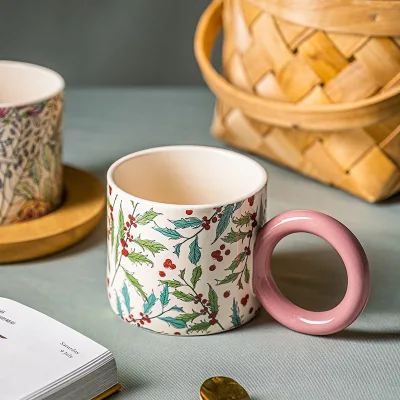
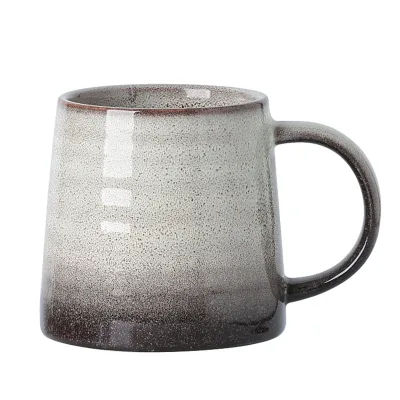
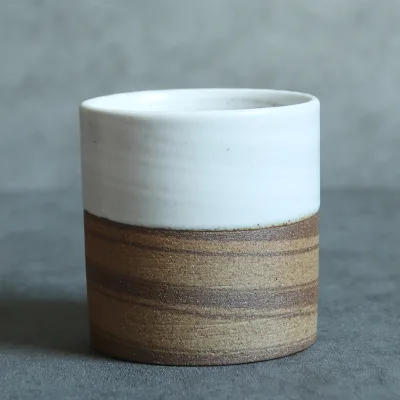
Retro Ceramic Cup Personality Creative Coffee Cup Handmade Coarse Pottery Tea Cup
$3.7435 - $4.5764
MOQ: 20 pieces
- Verified by TüVRheinland
- Manufacturer, Trading Company
- Lead time25 days
- Avg. response≤ 3h
Main productsDrinkware, Ceramicware, Barware, Kitchenware, Glass Bottles
Main marketsNorth America(20%), South America(20%), Southeast Asia(20%)
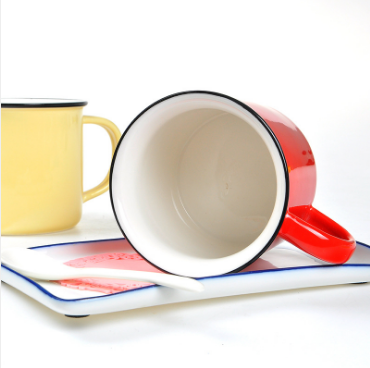
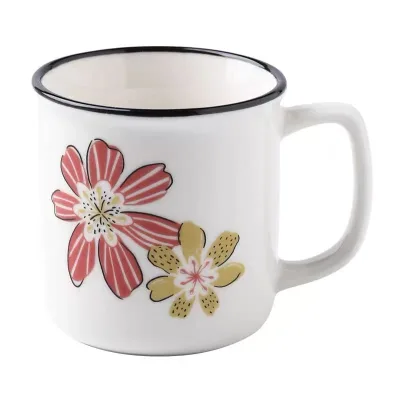
Imitation enamel mug ceramic tea coffee mug OEM color coffee mug for home use
$0.70 - $0.85
MOQ: 1000 pieces
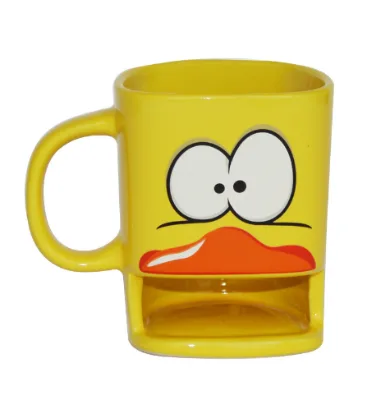
Ceramic cookies mug with biscuit holder cookie sublimation coffee mug
$0.728 - $1.143
MOQ: 3000 pieces
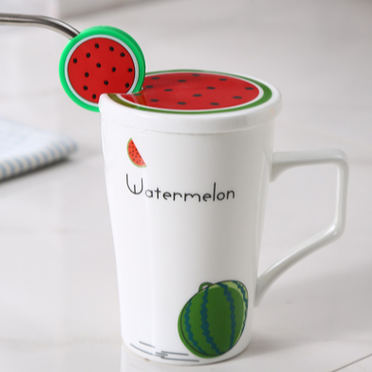
350ml Fruit pattern ceramic coffee mug with cover for coffee mug with straw
$0.90 - $1.20
MOQ: 5000 pieces
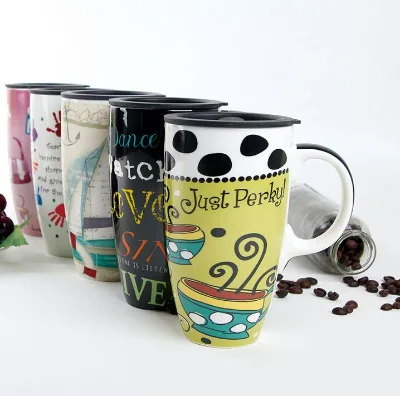
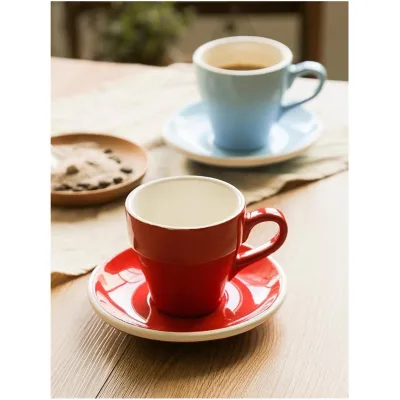
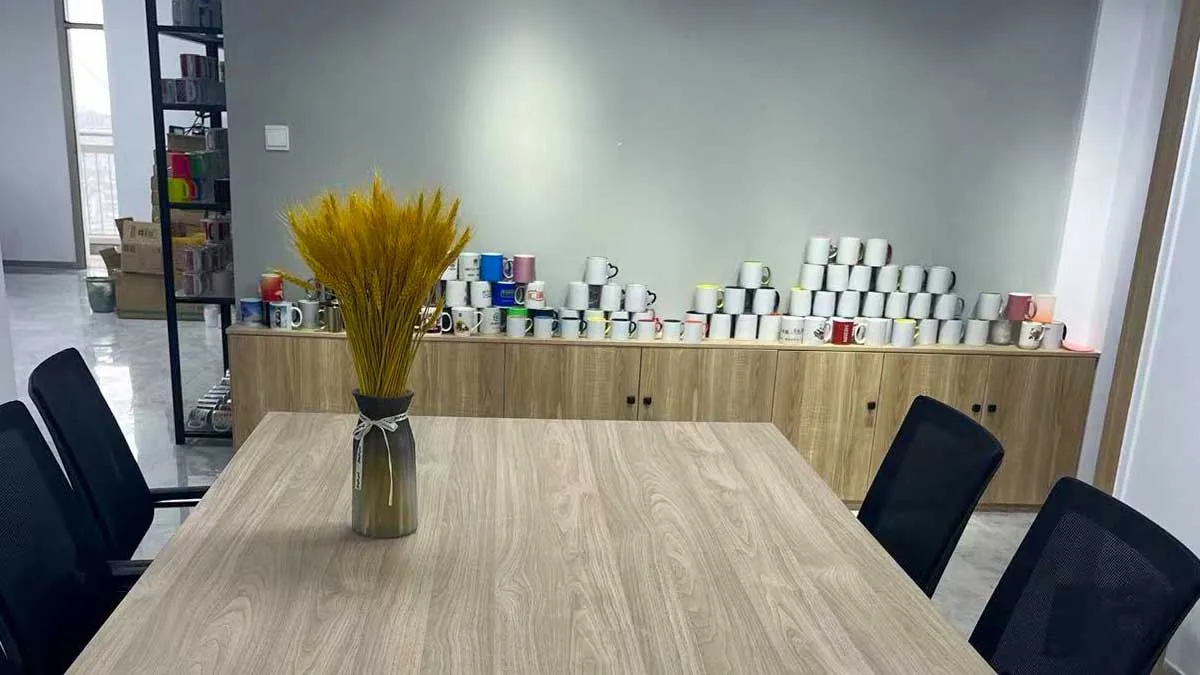
Custom printed 550ml ceramic / stoneware travel coffee mug with plastic lid
$0.49 - $4.99
MOQ: 1000 Minimum
- Manufacturer, Trading Company
- Shandong, China
- Lead time30 days
- Avg. response≤ 3h
Main productsMug,Sublimaion mug,Coffee mug,Ceramic mug,Decal mug
Main marketsWestern Europe(30.00%), North America(30.00%), Southern Europe(10.00%), Northern Europe(10.00%), Eastern Europe(10.00%), Oceania(10.00%)

Anhui Dream-China Technology Co., Ltd.
- Verified by SGS
- Combined
- China Anhui
- Lead time23 days
- Avg. response≤ 4h
Main productsUHF/VHF/Yagi/TV Antenna, LNB, MMDS Downconverter, Power Supply/Adapter, Cables, Diseqc Swithes/Spliter/Sat-Finder, Travel Mug, Fishing Net, Security Seal, SPD/Thermostat
Main marketsDomestic,Europe

Creative Coffee Cup Milk Cup Ceramic Water Cups Color Contrast Ceramic Mug
$3.50 - $4.00
MOQ: 100 Pieces


Ningbo Yinzhou Wenhui Paper Co., Ltd.
- Verified by TUVRHEINLAND
- Manufacturer/Factory
- China Zhejiang
- Lead time45 days
- Avg. response≤ 8h
Main productsStationery Gifts Promotional Homeware, Pen, Pet Products, Board Game, Paper Tube, Notebook, Wooden Toys, DIY Toy, Puzzle, Gift Bag
Main marketsSouth America,Eastern Europe,Mid East,North America,Southeast Asia,Eastern Asia,Oceania,Western Europe,Africa
Ningbo Partner Leisure Products Co., Ltd.
- Trading Company
- Zhejiang, China
- Lead time0 days
- Avg. response≤ 8h
Main productspet supplies,cooker,kitchen accessories,egg incubator,storage box
Main marketsNorth America(80.00%), South America(15.00%), Eastern Europe(5.00%)
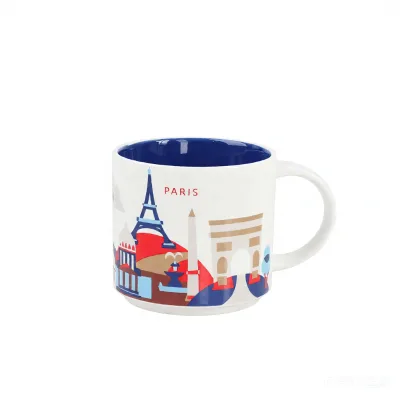
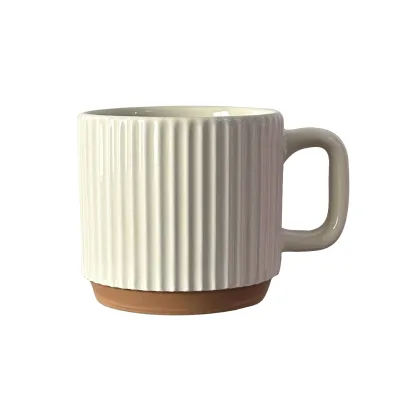
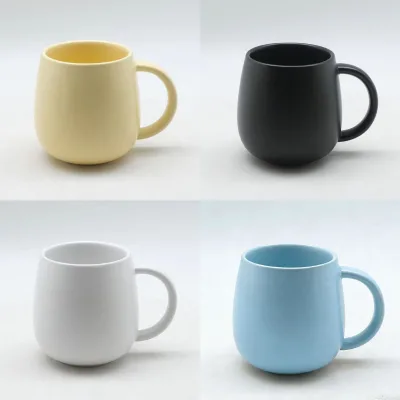
Customizable Solid-color Mug Ceramic Cup Business Gift Cultural and Creative Coffee Cup
$0.33 - $0.45
MOQ: 1000

Longyan Zhanling Industry and Trade Co., Ltd.
- Manufacturer/Factory
- China Fujian
- Lead time150 days
- Avg. response≤ 2h
Main productsStainless Steel Cup, Customized Cup, Stainless Steel Cup & Mug, Double Wall Stainless Steel Cup, Customized Stainless Steel Cup, Water Bottle, Tumbler, Stainless Steel Water Bottle, Stainless Steel Bottle, Whiskey Glass
Main marketsSouth America,Eastern Europe,Mid East,North America,Southeast Asia,Eastern Asia,Oceania,Western Europe,Africa

Shanghai Touch Industrial Development Co., Ltd.
- Verified by TUVRHEINLAND
- Combined
- China Shanghai
- Lead time15 days
- Avg. response≤ 5h
Main productsInstant Hot Pack, Hot Cold Pack, Gel Eye Mask, Gel Ice Pack, Gel Bottle Cooler, Instant Ice Pack, Hand Warmer, Heat Pack, Cooling Scarf, Gel Beads
Main marketsSouth America,Others(foreignTradeCapacity.exportBusinessCapacityMarketOther),Southeast Asia/ Mideast,East Asia(Japan/ South Korea),Domestic,Europe,Australia,North America
Liling Huarui Ceramic Co., Ltd.
- Verified by Intertek
- Manufacturer, Trading Company
- Lead time40 days
- Avg. response≤ 3h
Main productsCeramic Mug, Ceramic Bowl, Ceramic Cup and Saucer, Ceramic Plate, Ceramic Tableware
Main marketsDomestic Market(50%), North America(20%), South America(20%)

Rollin Porcelain Industrial Co., Ltd.
- Verified by BV
- Manufacturer/Factory
- China Guangdong
- Lead time45 days
- Avg. response≤ 5h
Main productsPorcelain Dinnerware, Tableware, Dinner Set, Dinner Plate, Hotel and Restaurant Tableware, Bone China, Cutlery, Glassware, Ceramic Plate, Porcelain
Main marketsEastern Europe,Mid East,North America,Southeast Asia,Eastern Asia,Oceania,Western Europe

Xiamen Ebei Import & Export Co., Ltd.
- Verified by CTI
- Trading Company,Manufacturer/Factory
- China Fujian
- Lead time45 days
- Avg. response≤ 2h
Main productsEco-Friendly Products, Bamboo Tableware, Bamboo Furniture, Bamboo Kitchenware, Bamboo Office Supply, Bamboo Fibre Products, Biodegradable Products, Bamboo Towel, Solar Energy Products, Bamboo Garden Products
Main marketsSouth America,Eastern Europe,Mid East,North America,Southeast Asia,Eastern Asia,Oceania,Western Europe,Africa

Foshan Ron Hospitality Supplies Co., Ltd.
- Verified by BV
- Manufacturer/Factory,Group Corporation
- China Guangdong
- Lead time45 days
- Avg. response≤ 2h
Main productsRestaurant Furniture, Restaurant Booth, Restaurant Chair, Restaurant Table, Bar Stools, Wedding Chairs, Flatware Sets, Dinnerware Sets, Garden Chairs, Disposable Dinnerware & Tableware
Main marketsSouth America,Eastern Europe,Mid East,North America,Southeast Asia,Eastern Asia,Oceania,Western Europe,Africa


Customized Ceramic Porcelain Cappuccino Coffee Tea Mug and Cup for Cafe
$5.00 - $50.00
MOQ: 100 Pieces


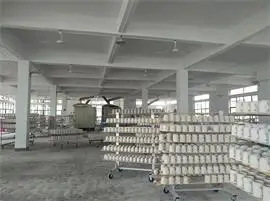
Jingdezhen Suolide Ceramic Co., Ltd.
- Manufacturer, Trading Company
- Jiangxi, China
- Lead time30 days
- Avg. response≤ 2h
Main productsCeramic Vase/Ceramic Jar/Ceramic Table Lamp/Ceramic Stool/Ceramic Floor Vase,ceramic lamp,ceramic dinnerware,ceramic jar
Main marketsDomestic Market(15.00%), Southern Europe(15.00%), Africa(10.00%), Northern Europe(10.00%), South America(10.00%), Central America(6.00%), North America(6.00%), Mid East(5.00%), Oceania(5.00%), Southeast Asia(5.00%), Eastern Europe(5.00%), Western Europe(5.00%), Eastern Asia(3.00%)
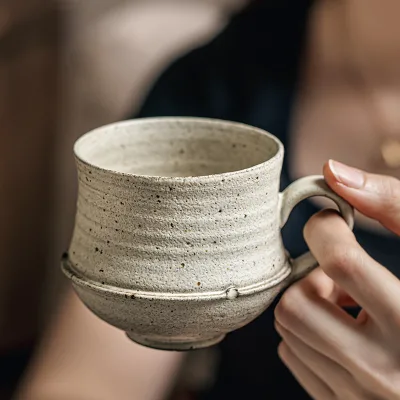
8oz ivory handmade ceramic coffee mug small pottery espresso artists coffee cup
$5.3958 - $6.1208
MOQ: 10 pieces
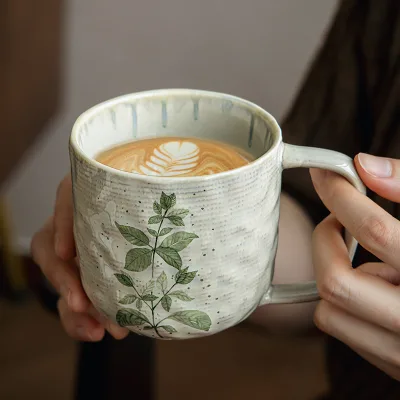
325ml ivory ceramic mug green printed pottery coffee cup with handle for home use
$3.0095 - $3.736
MOQ: 10 pieces
Shenzhen Guyun Ceramics Co., Ltd.
- Manufacturer, Trading Company, Distributor/Wholesaler
- Guangdong, China
- Lead time30 days
- Avg. response≤ 2h
Main productsceramic vase,ceramic pot,ceramic tableware,ceramic mug,ceramic wine bottle
Main marketsNorth America(20.00%), Southeast Asia(10.00%), Mid East(10.00%), Western Europe(10.00%), Central America(10.00%), Northern Europe(10.00%), Southern Europe(10.00%), South America(5.00%), Eastern Europe(5.00%), Eastern Asia(5.00%), South Asia(5.00%)
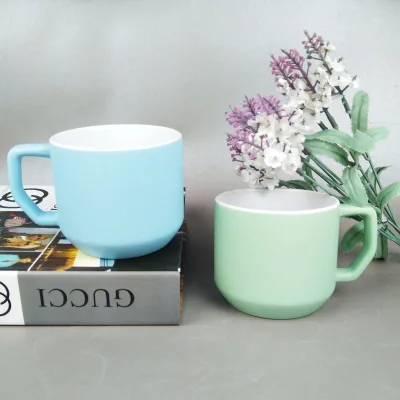
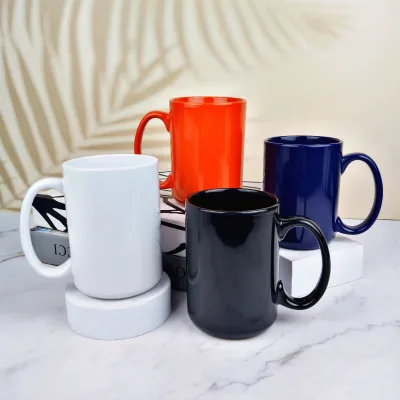
$0.5573 - $0.5977
MOQ: 500 pieces
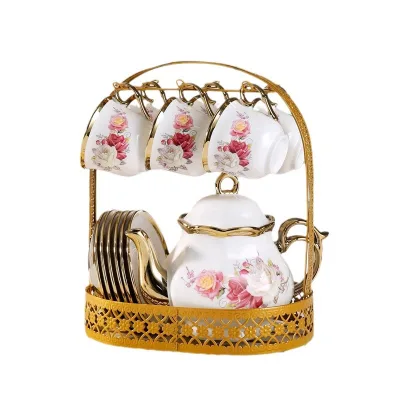
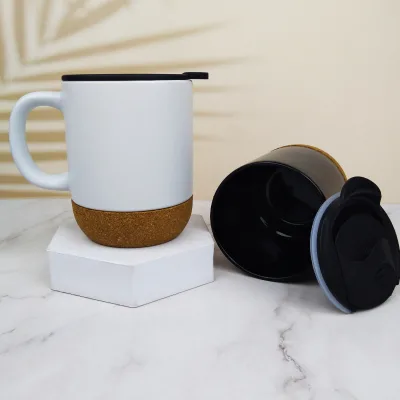
Wholesale ceramic mugs with wooden padded lids customized personalized porcelain water cups
$0.9168 - $1.0097
MOQ: 500 pieces
Qingdao Haojian Import And Export Co., Ltd.
- Verified by TüVRheinland
- Manufacturer, Trading Company
- Lead time15 days
- Avg. response≤ 4h
Main productsCeramic Mug, Stainless Mug, Enamel Mug, Juice Mug
Main marketsNorth America(30%), Western Europe(30%), Domestic Market(6%)
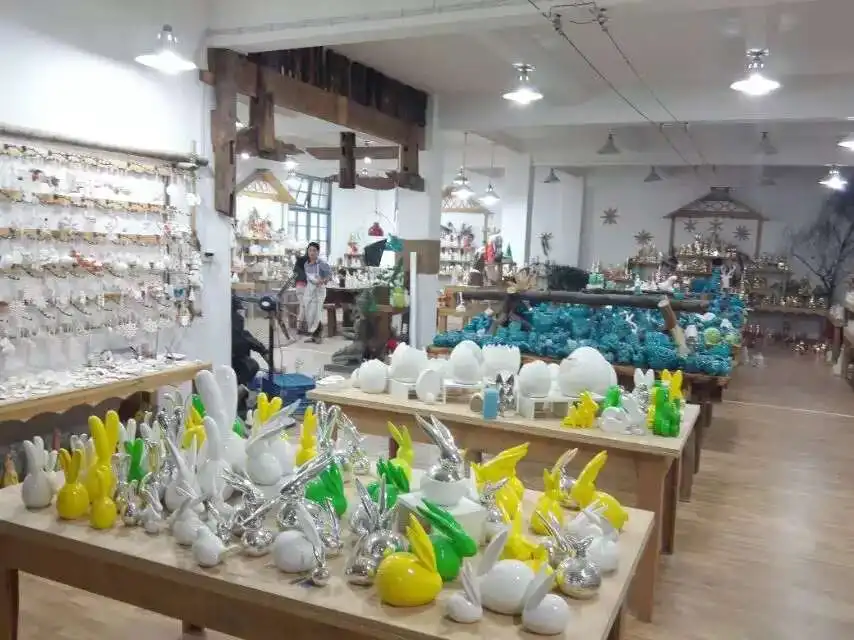
Dehua Beauty Rich Arts & Crafts Co., Ltd.
- Manufacturer, Trading Company
- Fujian, China
- Lead time30 days
- Avg. response≤ 7h
Main productsPolyresin crafts,Ceramic crafts,PVC crafts,Home decoration,Garden decoration
Main marketsEastern Europe(15.00%), North America(15.00%), South America(12.00%), Mid East(5.00%), Oceania(5.00%), South Asia(3.00%), Southern Europe(3.00%), Northern Europe(3.00%), Central America(3.00%), Western Europe(3.00%), Eastern Asia(3.00%), Domestic Market(3.00%), Southeast Asia(3.00%), Africa(2.00%)
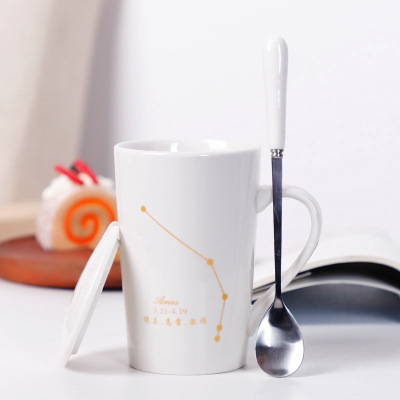
Wholesale Custom the Zodiac Design Ceramic Tea Cup Marble Mug With Lid and Spoon
$3.59 - $5.98
MOQ: 500
Shanghai Fine-V Intl Trade Co., Ltd.
- Manufacturer, Trading Company
- Shanghai, China
- Lead time45 days
- Avg. response≤ 14h
Main productsTea Pot Set,Coffee Cup,Ceramic Mugs,Handicraft Ceramics,Decorative Porcelain
Main marketsNorth America(20.00%), Mid East(10.00%), Domestic Market(10.00%), Northern Europe(10.00%), Eastern Europe(10.00%), Western Europe(10.00%), Oceania(5.00%), Southern Europe(5.00%), Southeast Asia(5.00%), Central America(5.00%), South America(5.00%), Eastern Asia(5.00%)
$1.6388 - $2.0538
MOQ: 1000 pieces
Shenzhen Bogart Kitchenware Co., Ltd.
- Verified by TüVRheinland
- Trading Company
- Lead time15 days
- Avg. response≤ 2h
Main productsCoffee & Tea Sets, Matcha Tools, Portable Coffee Maker, Coffee Tumbler & Mugs, Coffee Accessories
Main marketsMid East(30%), North America(20%), Western Europe(13%)
Suzhou Dajiatong International Trade Co., Ltd.
- Trading Company
- Jiang Su, China
- Lead time35 days
- Avg. response≤ 3h
Main productsglassware,ceramic mug,whiskey glass,glass water bottle,glassjar
Main marketsNorth America(40.00%), Western Europe(26.00%), South America(5.00%), Northern Europe(5.00%), Southeast Asia(5.00%), Eastern Europe(5.00%), Southern Europe(4.00%), Central America(2.00%), Domestic Market(2.00%), South Asia(2.00%), Oceania(1.00%), Eastern Asia(1.00%), Mid East(1.00%), Africa(1.00%)
Harmony Houseware(Yantai) Co., Ltd.
- Verified by SGS Group
- Manufacturer, Trading Company
- Lead time20 days
- Avg. response≤ 2h
Main productsCoffee & Tea Sets
Main marketsNorth America(45%), Oceania(10%), Eastern Europe(10%)
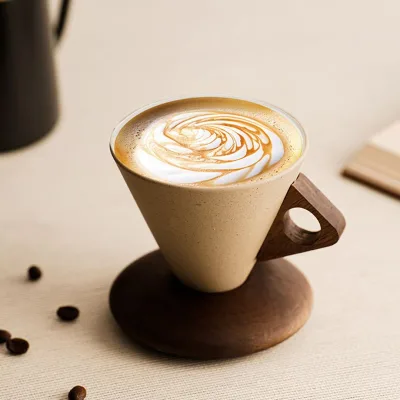
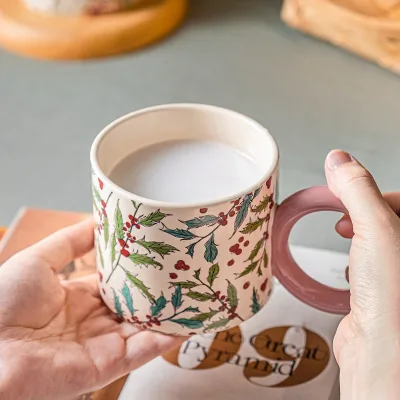
$3.46 - $4.19
MOQ: 100 pieces
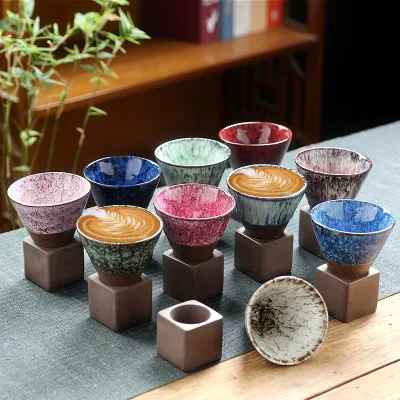
- Trading Company
- Zhejiang, China
- Lead time0 days
- Avg. response≤ 5h
Main productsceramic dinnerware set,coffee set,mug,cup,vase
Main marketsSoutheast Asia(26.00%), Mid East(20.00%), North America(18.00%), South Asia(16.00%), Eastern Europe(10.00%), Western Europe(8.00%), South America(2.00%)
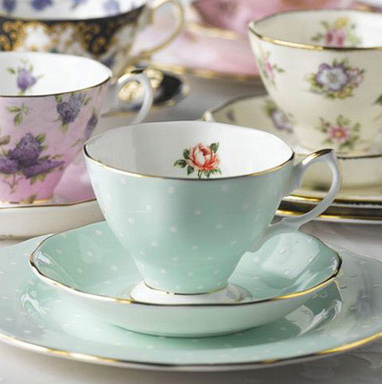
European Practical Coffee Cup Set Bone China Lotus Leaf Coffee Cup Saucer Spoon
$4.90 - $5.90
MOQ: 2 sets
Guangzhou Chenxuan Technology Co., Ltd.
- Trading Company, Distributor/Wholesaler, Other
- Guangdong, China
- Lead time10 days
- Avg. response≤ 2h
Main productssteel kitchenware,round dinner plate,retro cutlery set,gold dinner plate,korean gold dinner plate
Main marketsWestern Europe(30.00%), North America(30.00%), Mid East(15.00%), Oceania(15.00%), South America(10.00%)

Guangzhou Nantian Sources Co., Ltd.
- Manufacturer/Factory
- China Guangdong
- Lead time15 days
- Avg. response≤ 6h
Main productsKitchen Equipment, Kitchenware, Food Machine, Kitchen Appliance, Glassware, Food Machinery, Bakery Equipment, Dinnerware, Kitchen Utensils, Food Processor
Main marketsSouth America,Mid East,Southeast Asia,Eastern Asia,Oceania,Africa




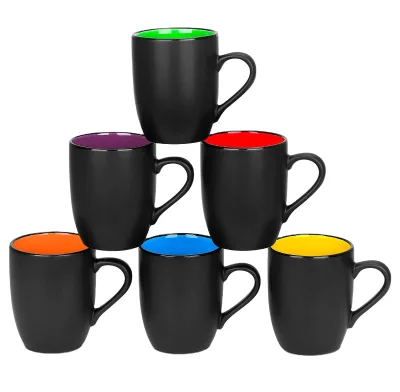
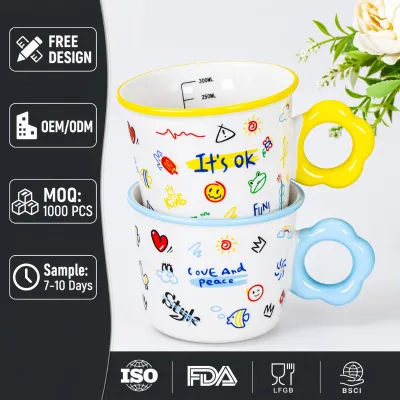


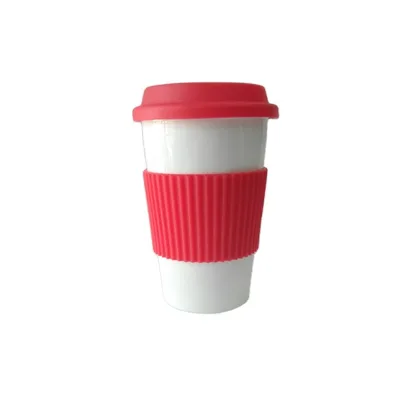
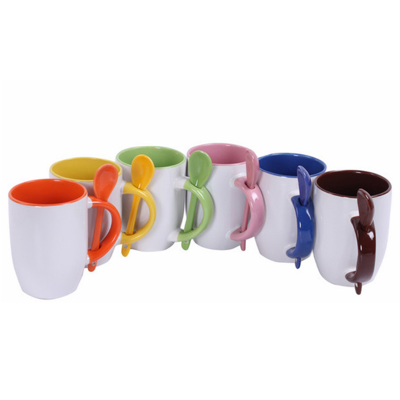
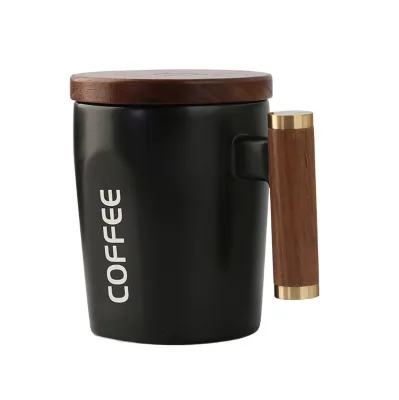
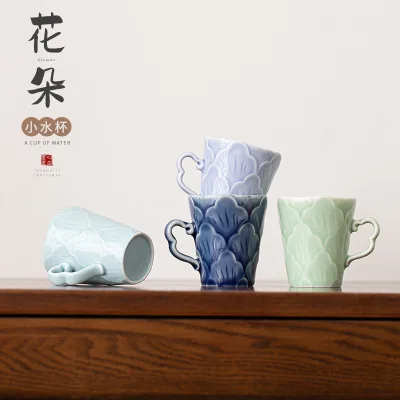
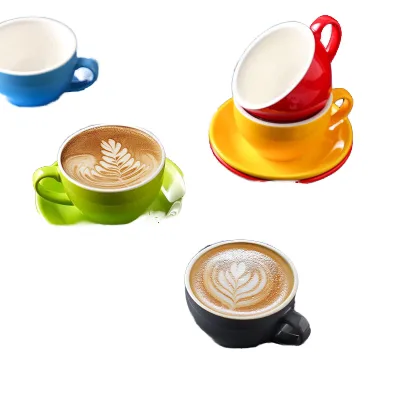
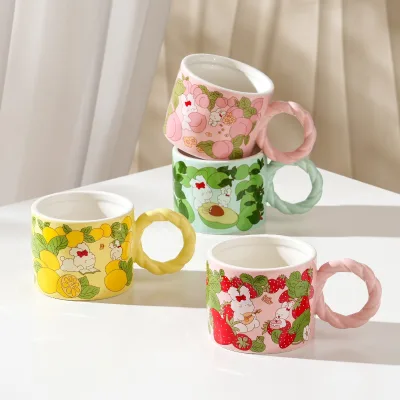


Comprehensive Sourcing Guide
Botanical Ceramic Coffee Mug Supplier Concentration and Factory Types
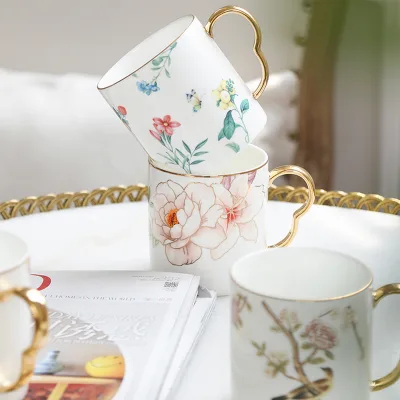
Botanical decoration on ceramic coffee mugs sits within the broader drinkware manufacturing base in China, and the current supplier results point to two provinces with active listings: Fujian and Guangdong. A Fujian-based manufacturer lists ceramic tea and porcelain coffee mugs with printed designs, customization, and a stated 14 oz capacity, while Guangdong suppliers list color-glazed ceramic coffee mugs and related ceramic goods such as vases and pet bowls. When a keyword search does not reveal cluster data for your specific botanical finish, you should identify concentration yourself by filtering results by province, counting how many verified factories list ceramic mugs as a main product, and noting which regions appear repeatedly across multiple listings rather than relying on a single result.
Supplier types in this category differ in ways that affect botanical customization. The Fujian result is labeled Manufacturer/Factory and carries ISO 9001 system certification plus third-party verification, which suggests direct production control over decal application, glazing, and printing. The Guangdong result is labeled Combined, meaning factory and trading functions coexist, and its main products span mugs, ceramic tissue boxes, vases, and pet bowls. A combined supplier can be useful when you want mugs alongside other ceramic items in one shipment, but you should confirm which production steps occur in-house versus subcontracted, because botanical artwork quality depends heavily on the decorating line.
How to Verify Botanical Ceramic Coffee Mug Suppliers
Verification should begin with the credentials actually displayed in supplier results, and you should treat missing fields as items to request rather than assume. In the current results, one Fujian manufacturer shows ISO 9001 system certification and a CTI verification mark, which is concrete evidence you can cite when requesting audit documents. Other listings show no certification or verification data at all, so ask each candidate for the certificate number behind any ISO claim, the scope of the audit, and whether it covers the decorating process relevant to botanical prints. Confirm business licenses, factory address, and whether the entity is a factory, a combined operation, or a trading company.
Beyond paperwork, verify capability with category-specific evidence. Request printed samples of botanical artwork—leaf patterns, floral decals, or hand-painted motifs—rather than generic mugs, because decal registration and color fidelity on curved surfaces are where defects appear. Check the customization fields suppliers publish: several listings state customization available, customized logos, custom shapes, and support for custom colors, which signals a decorating workflow that can absorb your artwork. Ask for the production model numbers behind the listings, since published models such as porcelain coffee mug series give you a traceable reference for sample requests. Finally, verify responsiveness empirically: the results show response times ranging from under two hours to over six hours, so message several candidates with identical technical questions and compare both speed and specificity of answers before committing to samples.
What to Compare Across Botanical Ceramic Coffee Mug Suppliers
Build a comparison sheet from the attributes suppliers actually publish, then fill gaps through direct questions. On price, the current listings span a wide band: one drinking mug is listed at 0.46 per unit, a porcelain hand-painted mug at 0.56, reusable tea and milk mugs at 1.09, color-changing custom mugs at 1.46, printed 14 oz mugs at 1.60, wholesale coffee mugs at 1.00, and color-glazed mugs from 4.00 to 8.00. That range tells you botanical or glazed decoration, capacity, and hand-painting push unit costs up, so compare like-for-like finishes rather than headline prices. On MOQ, published figures include 100, 500, and 1000 units, which matters if you want multiple botanical designs per order.
Compare lead times and responsiveness as operational signals. The results show lead times of 30 days for one Guangdong supplier and 120 days for the Fujian manufacturer—a fourfold difference that likely reflects product mix and order volume, so confirm lead time for your specific decorated quantity, not the listing default. Response times of roughly 1.86 versus 6.15 hours suggest how quickly sampling questions and defect discussions will move. Also compare company type, location, main products, OEM/ODM capability, and whether stock is available or made to order. Establishment year and escrow protection may not appear in every listing; where absent, request the information directly instead of assuming parity across suppliers.
Common Botanical Ceramic Coffee Mug Sourcing Risks
The most category-specific risk is decoration failure on botanical artwork. Printed and hand-painted designs involve decals, screen printing, or brushwork, and defects such as misaligned decals, color drift between firings, blurred leaf detail, and kiln spottings rarely show in a single golden sample. Several listings advertise color-changing features and hand-painted techniques, which add thermal and pigment variables; a mug that passes one firing may fade or shift after another. Mitigate by approving a signed reference sample, defining acceptable color tolerance, and requiring pre-shipment inspection on decorated surfaces specifically, not just on rim chips and glaze crazing.
Commercial risks cluster around assumptions drawn from incomplete listings. Some listings omit MOQ, price, packing detail, or certification entirely, and one published packing note—each mug packed in a polybag—may be insufficient for heavy stoneware shipped internationally, so confirm inner-box protection and carton specifications before booking freight. Customs-origin confusion is avoidable here because listings state origin as China, but confirm the origin on your own invoices. MOQ risk is real when a supplier publishes 1000 units but you want four botanical variants; ask whether the minimum applies per design or per order. Finally, verify claims that are not evidenced: where a result shows no verification mark, no certification, or a vague product standard listed as "customized," request documents and written specifications rather than proceeding on listing text alone.
Botanical Ceramic Coffee Mug Regional Sourcing and Logistics
The two provinces evidenced in these results imply different logistics profiles worth weighing. Guangdong offers mature export infrastructure for home and tableware goods, and the local supplier there quotes a 30-day lead time with a broad ceramic catalog including mugs, vases, and pet bowls, which suits buyers consolidating mixed ceramic orders. Fujian's manufacturer quotes a 120-day lead time, which is substantially longer and may reflect high factory utilization or complex customization; if your launch calendar is fixed, that gap alone can disqualify an otherwise attractive factory, so always confirm current production queues rather than trusting the listing figure.
Plan logistics around the fragility and weight of decorated ceramics. Ask each supplier for packing specifications in writing—the published polybag packing on some listings is a starting point, not a shipping solution—and negotiate double-wall inner boxes, dividers, and drop-test evidence for cartons containing glazed or hand-painted mugs. Because decoration adds a production stage before packing, build buffer time between sample approval and shipment, especially for color-changing or multicolor botanical work that requires extra firing cycles. Compare quotes on both FOB and delivered terms so you can see what freight, insurance, and handling add to a 1.00–1.60 unit price versus a 4.00–8.00 glazed mug. Where a listing does not state port location, ask which port the factory ships from and how far it is from the production site.
Botanical Ceramic Coffee Mug Commercial Terms and Order Planning
Structure commercial terms around the evidence suppliers publish, then negotiate what they omit. Anchor pricing discussions on the observed range: commodity mugs from roughly 0.46 to 1.60 and premium color-glazed pieces from 4.00 to 8.00, using the finish, capacity (10 oz and 14 oz appear in listings), and technique—printed versus hand-painted—as the variables that justify movement within that band. Tie payment milestones to decoration approval: a deposit against tooling and decal setup, a second payment after you approve the pre-production sample of your botanical design, and the balance after inspection. Ask whether escrow or platform protection is offered, since the current results do not display escrow status for these suppliers and you should not assume it exists.
Order planning should respect published MOQs of 100, 500, and 1000 units and the way they interact with design variety. If you want several botanical patterns, negotiate whether minimums apply per SKU; a supplier listing customized sizes, logos, and packages is more likely to flex structure than one locked to stock programs—note that at least one listing explicitly states no stock, meaning everything is made to order. Confirm what "customized" means for the product standard on any quote, since several listings use that word in place of a named standard. Finally, document lead time, response-time expectations, packing, and inspection criteria in the purchase contract so the 30-day versus 120-day spread you saw in listings becomes a committed, enforceable date.
Word count check: each section drafted to roughly 230 words; total approximately 1380 words within the 1350–1450 range.
FAQs
What is the price range for botanical ceramic coffee mugs?
Botanical ceramic coffee mugs are available at prices ranging from $0.46 to $8.00 per unit. The lowest cost options are simple single-layer designs, while premium glazed or hand-painted styles command higher prices. Buyers should expect costs to vary based on customization complexity and order volume.
What are the minimum order quantities for these mugs?
Minimum order quantities vary significantly by supplier and product model. Some manufacturers require a minimum of 100 units for custom designs, while others set the threshold at 500 or even 1000 pieces. Buyers must check specific product listings to confirm the exact MOQ applicable to their order size.
How long does production take for custom orders?
Production lead times depend on the supplier's location and capacity. Suppliers in Guangdong typically offer faster turnaround times of around 30 days. In contrast, manufacturers in Fujian may require up to 120 days for production. Buyers should confirm specific timelines with their chosen supplier before placing orders.
Can I customize the logo and design on the mugs?
Yes, most suppliers offer full customization services including logo printing and design adjustments. Options include hand-painted techniques, color changes, and custom shapes. Many factories support both OEM and ODM services, allowing buyers to create unique botanical patterns or specific branding elements tailored to their market needs.
What certifications do these ceramic mug suppliers hold?
Verified suppliers often hold ISO 9001 system certification, ensuring quality management standards are met. Additionally, products are typically free from ethylene oxide sterilization, making them safe for daily use. Buyers should request specific certification documents to verify compliance with international safety and quality standards for food-contact ceramics.
Where are these ceramic mug manufacturers located?
Manufacturers of botanical ceramic coffee mugs are primarily located in China, specifically in the Fujian and Guangdong provinces. These regions are known for their strong ceramic production capabilities and supply chain efficiency. Buyers can source from verified factories in these areas to ensure reliable quality and logistics support.