ISO 9001 Cast Gas Fitting Suppliers and Manufacturers
Compare 31 verified suppliers offering ISO 9001 Cast Gas Fitting with ISO9001:2015 certification and diverse casting methods. Review response times, lead times, and MOQs to select a partner for your machinery or automotive needs; review the available evidence before requesting comparable quotations from suitable candidates.
Updated
Suppliers List

Jiangsu Shengrong High End Equipment Manufacturing Industry Co., Ltd
- Verified by SGS
- Combined
- China Jiangsu
- Lead time30 days
- Avg. response≤ 7h
Main productsIron Casting, Steel Casting, Investment Cast Product, Steel Products, Lost Wax Casting, Lost Foam Casting, Metal Part Hardware, Spare Part, Sand Casting, Auto Parts
Main marketsDomestic,Europe

Ningbo Suijin Machinery Technology Co., Ltd.
- Verified by CTI
- Combined
- China Zhejiang
- Lead time30 days
- Avg. response≤ 8h
Main productsInvestment Casting Parts, Precision Casting Parts, Machining Parts, Auto Parts, Industry Parts, Building Parts, Marine Hardware, Valve/Pump Parts
Main marketsSoutheast Asia/ Mideast,Europe

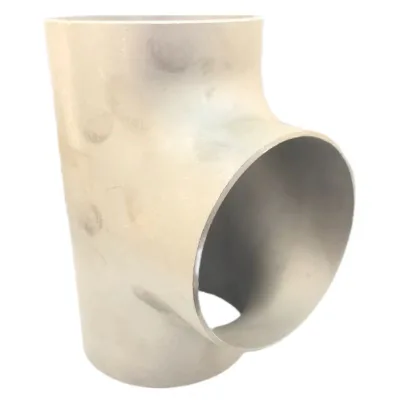
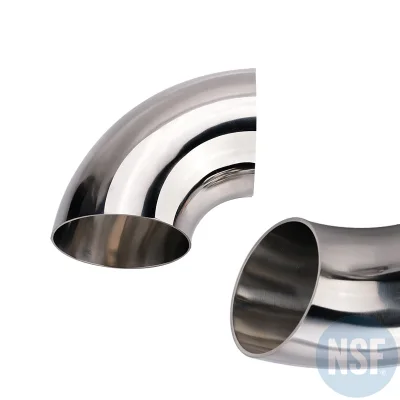
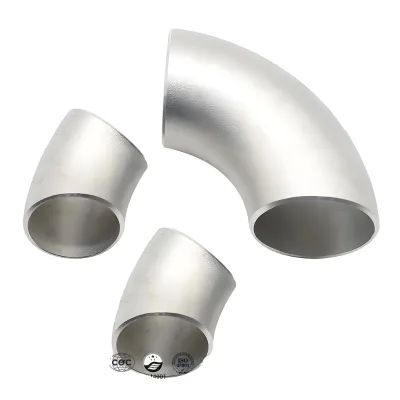
Premium Carbon Steel Elbow Fittings for Investment Casting Applications
$0.80 - $1.30
MOQ: 1000 Pieces


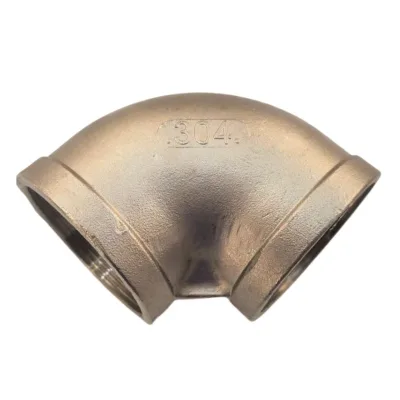
Customizable Precision Castings: 304/316 Stainless Steel Metal Fittings
$1.10 - $1.80
MOQ: 1000 Pieces

Qingdao Best Honest Machinery Co., Ltd.
- Manufacturer/Factory
- China Shandong
- Lead time23 days
- Avg. response≤ 25h
Main productsGrey Iron Casting, Ductile Iron Casting, Metal Casting, Sand Casting, Lost Foam Casting, Shell Mold Casting
Main marketsSouth America,Eastern Europe,Mid East,North America,Southeast Asia,Eastern Asia,Oceania,Western Europe

Ningbo Chenxi Fire Fighting Equipment Co., Ltd.
- Trading Company
- Zhejiang, China
- Lead time20 days
- Avg. response≤ 16h
Main productsFire Hose Reel,Fire Cabinet,Fire Extinguisher,Fire Hydrant,Fire Valve
Main marketsMid East(22.00%), Africa(20.00%), Southeast Asia(12.00%), South Asia(12.00%), North America(10.00%), South America(8.00%), Southern Europe(3.00%), Western Europe(3.00%), Eastern Europe(2.00%), Eastern Asia(2.00%), Northern Europe(2.00%), Central America(2.00%), Oceania(2.00%)
Henan Zhongyu Yonghui Electric Co., Ltd.
- Verified by Intertek
- Trading Company
- Lead time0 days
- Avg. response≤ 1h
Main productsCable Tray, Threading Steel Pipe, Seismic Support, Bus Duct, Screw Rod
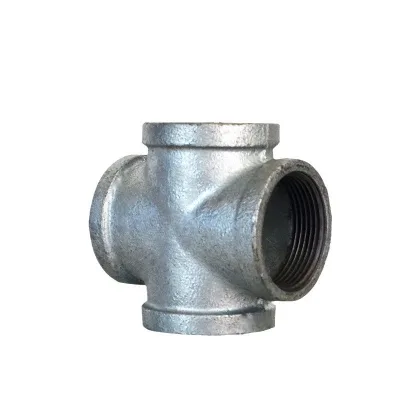
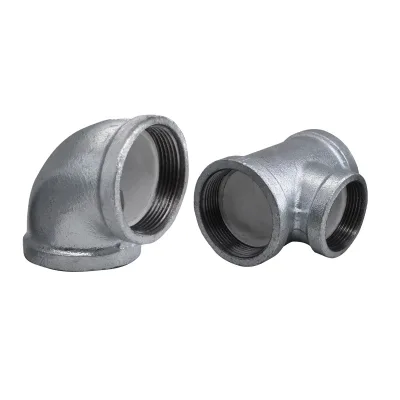
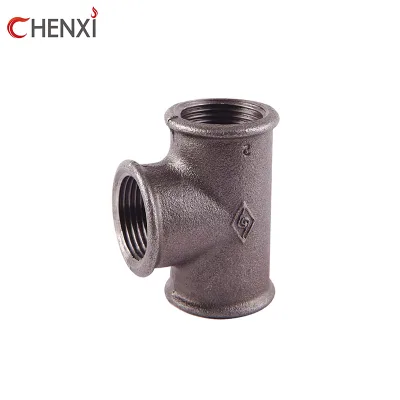
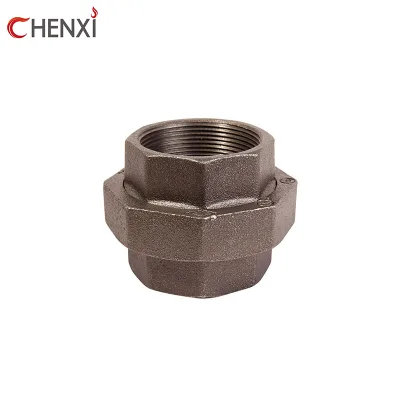
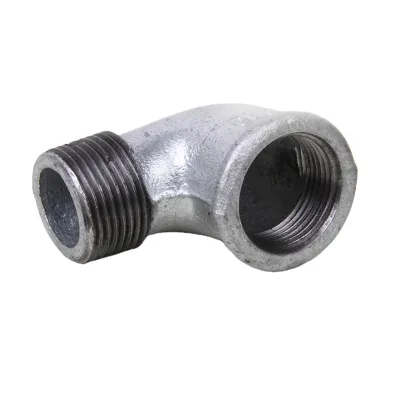
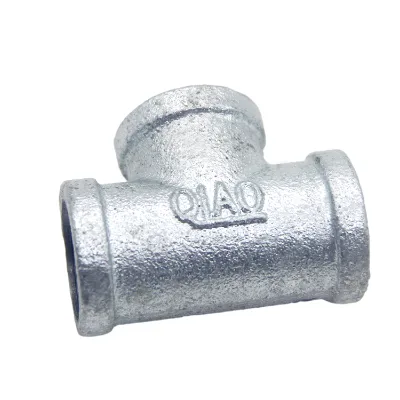
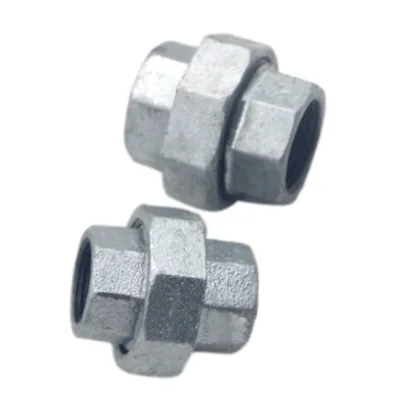
Malleable Cast Iron Galvanized Fittings for Water Heating Gas Steel Pipe Joints Zinc Plated
$0.29 - $0.80
MOQ: 10 pieces

Ningbo Inunion Import and Export Co., Ltd.
- Verified by SGS
- Trading Company
- China Zhejiang
- Lead time30 days
- Avg. response≤ 2h
Main productsMachining Part, Plastic Injection Part, Stamping Parts, Casting Parts, Forging Parts, Weldments, Profile, Metal Parts
Main marketsSoutheast Asia/ Mideast,East Asia(Japan/ South Korea),Europe,Australia,North America

Hebei Dutang Import And Export Trading Co., Ltd.
- Trading Company
- Hebei, China
- Lead time20 days
- Avg. response≤ 4h
Main productsKey Clamp Fitting,Malleable Iron Pipe Fitting,Metal Shelf Bracket,DIY Pipe Furniture,Aluminium Alloy Key Clamp Fitting
Main marketsWestern Europe(35.00%), South America(20.00%), North America(10.00%), Oceania(10.00%), Southeast Asia(10.00%), Southern Europe(10.00%), Eastern Europe(5.00%)

Yu Huan Kaiyu Machine Co., Ltd.
- Verified by BV
- Combined
- China Zhejiang
- Lead time30 days
- Avg. response≤ 17h
Main productsHydraulic Fitting, Stialess Steel Fitting, Pipe Fitting, Hose Fitting, Hydraulic Adaptor, Elbow, Tee, Hydraulic Ferrule, Hydraulic Flange, Nut and Bolt
Main marketsSouth America,Africa,Southeast Asia/ Mideast,East Asia(Japan/ South Korea),Domestic,Europe,Australia,North America
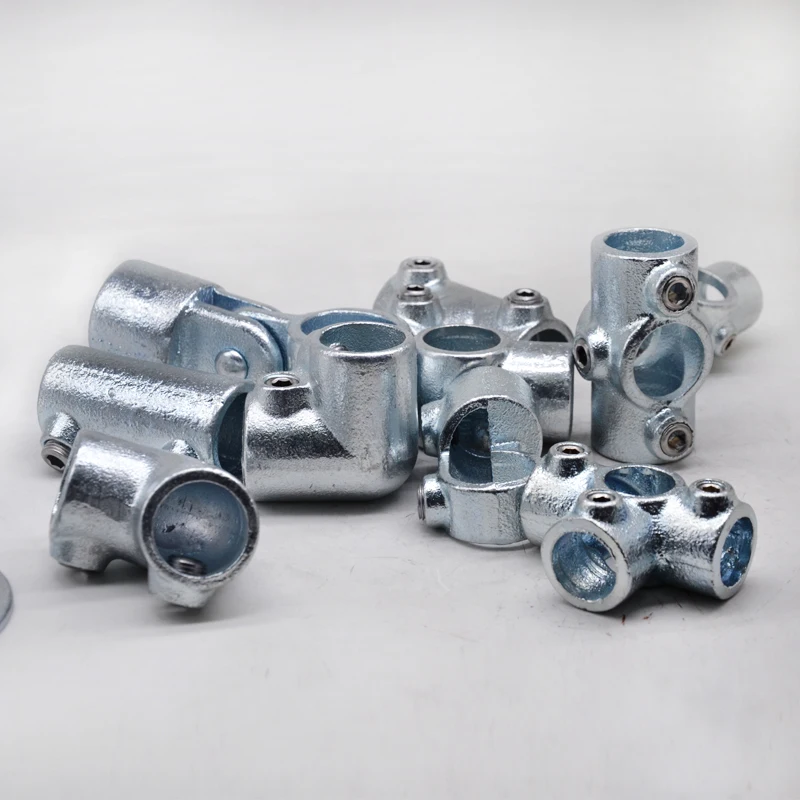
Cangzhou Duotong Metal Products Co., Ltd.
- Manufacturer, Trading Company
- Hebei, China
- Lead time20 days
- Avg. response≤ 3h
Main productsmalleable iron pipe fittings,key clamp pipe fittings,pipe fittings,square tube connectors,Crafts fittings
Main marketsNorth America(50.00%), Africa(30.00%), Western Europe(10.00%), Mid East(10.00%)
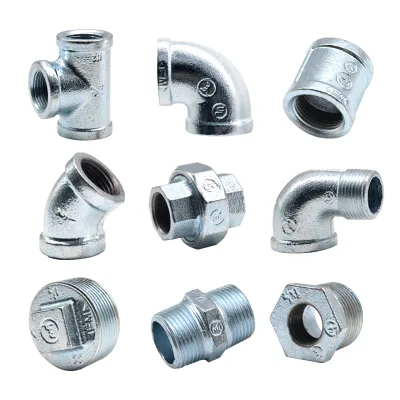
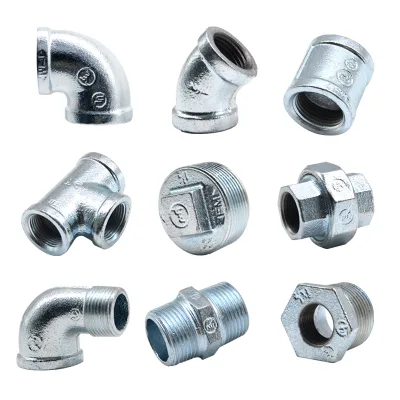
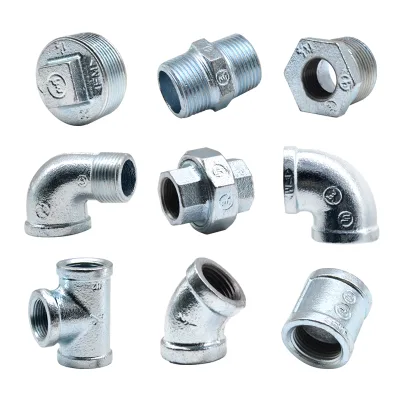
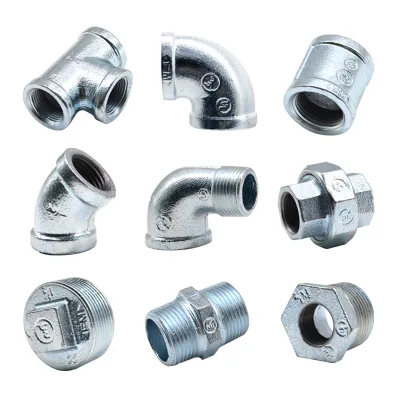
Gas System Pipe Fittings for Agriculture with 3" and 4 Inch Malleable Iron Casting Joints
$0.2159 - $0.2368
MOQ: 5 pieces
Hebei Duotong Trading Co., Ltd.
- Verified by Intertek
- Manufacturer, Trading Company
- Lead time30 days
- Avg. response≤ 3h
Main productsMalleable Iron Pipe Fittings, Grooved Pipe Fittings, Clamp Pipe Fittings
Main marketsDomestic Market(80%), North America(10%), Western Europe(5%)
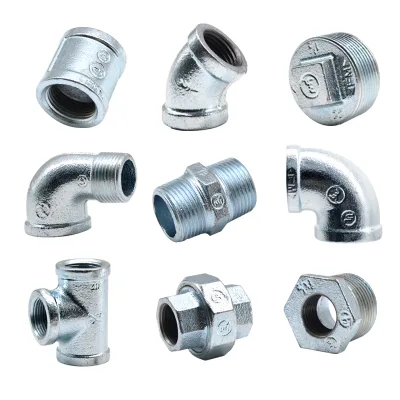
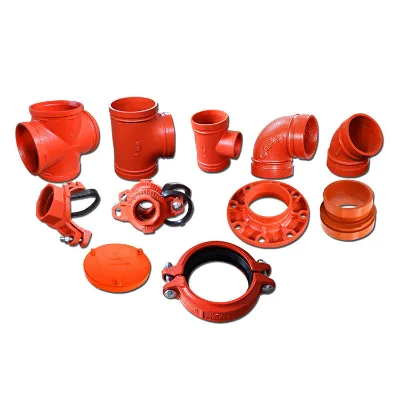
$0.50 - $1.00
MOQ: 100 pieces
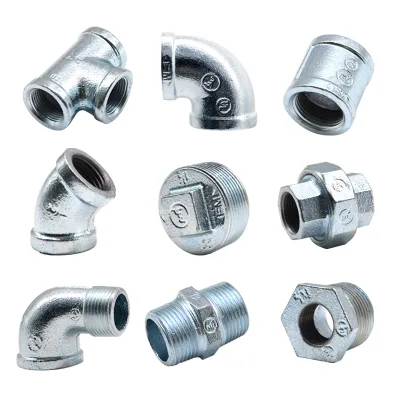
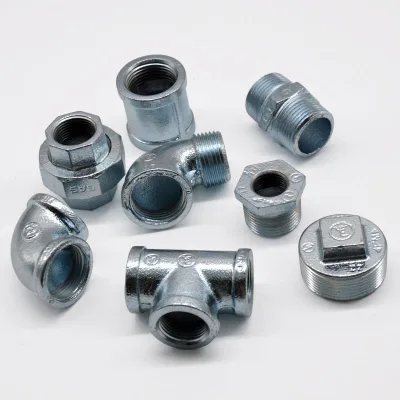
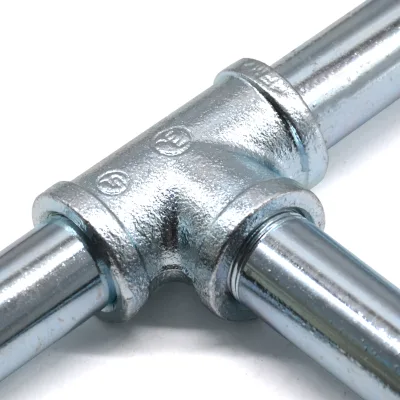
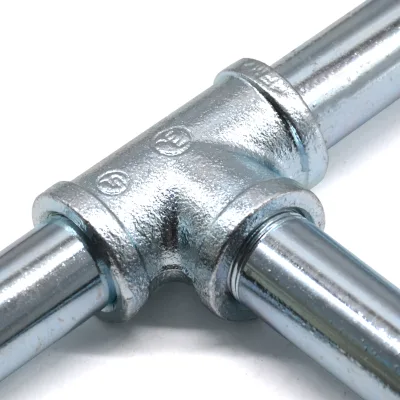
Round Pipe Fittings Steel Structure Natural Gas Custom Pipe Fittings Elbow
$0.1232 - $0.1544
MOQ: 5 pieces
Shanghai Intelsheng International Trading Co., Ltd.
- Manufacturer, Trading Company
- Shanghai, China
- Lead time7 days
- Avg. response≤ 6h
Main productsBrass Valve,Brass Fitting,Brass Manifold,Pump Accessories,Faucet Mixer
Main marketsSoutheast Asia(25.00%), North America(15.00%), Central America(12.00%), South America(11.00%), South Asia(10.00%), Eastern Asia(8.00%), Oceania(5.00%), Western Europe(3.00%), Southern Europe(2.00%), Africa(2.00%), Eastern Europe(2.00%), Mid East(2.00%), Domestic Market(1.00%), Northern Europe(1.00%)

- Verified by SGS
- Combined
- China Jiangsu
- Lead time15 days
- Avg. response≤ 2h
Main productsCastings, Valve, Investment Casting, Sand Casting, Pump Castings, Auto Part Castings, Pipe Fitting Castings, Hardware Castings, Flanges
Main marketsDomestic,North America


Custom Non-Standard Stainless Steel Investment Casting for Pipe Fitting Parts
$2.00 - $25.00
MOQ: 200 Pieces
Guangdong Quanan Materials Import and Export Co., Ltd
- Verified by Intertek
- Trading Company
- Lead time0 days
- Avg. response≤ 2h
Main productsFire Safety Equipment, Steel Pipe, Fire Fittings, Fire Valve
Main marketsSoutheast Asia(20%), Africa(20%), Oceania(20%)
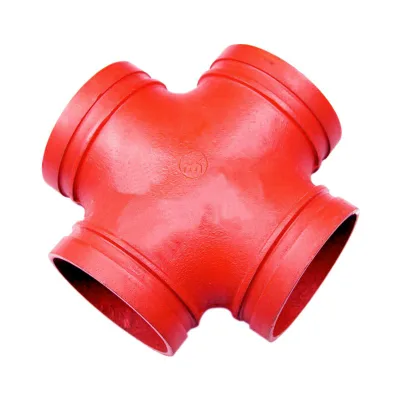
$0.30 - $0.40
MOQ: 10 pieces
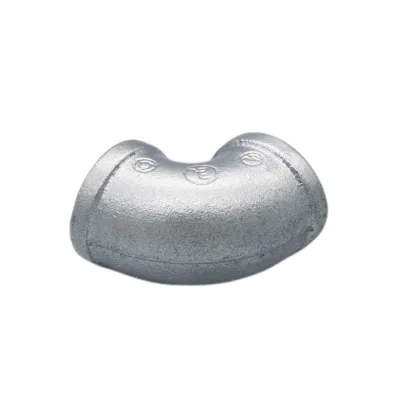
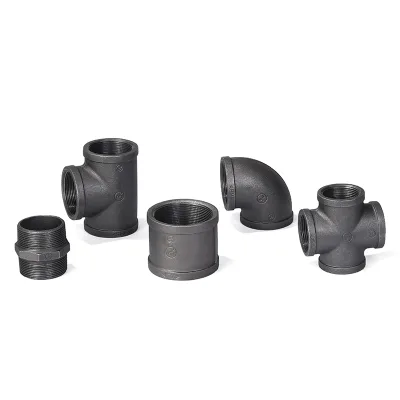
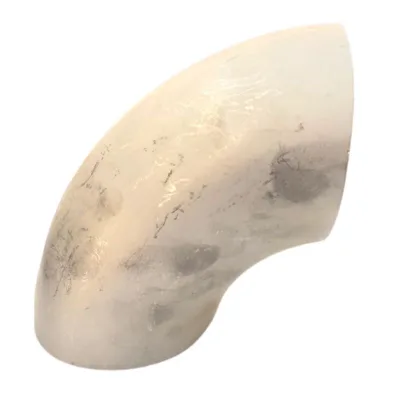
Male and Female Galvanized Pipe Fittings Cross Galvanised Zinc Plated Pipe Fittings Casting Technics
$0.32 - $0.58
MOQ: 100 Minimum
Shanxi Midas Industrial Co., Ltd.
- Manufacturer, Trading Company
- Lead time旺季: "1 - 1000":31,"> 1000":"To be negotiated", 淡季: "1 - 1000":31,"> 1000":"To be negotiated"
- Avg. response≤ 6h
Main productsDuctile Iron Pipes & Fittings,Steel Pipes & Fittings,Manhole Covers,Valves,Flanges
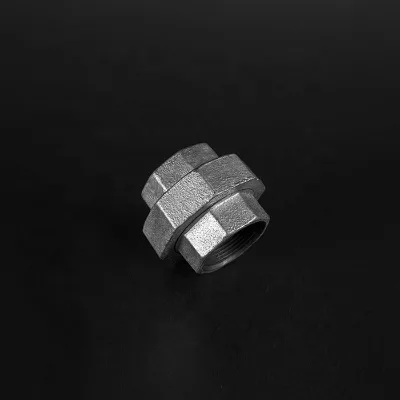
High Quality BS Cast Malleable Iron Pipe Fitting
$0.30 - $0.50
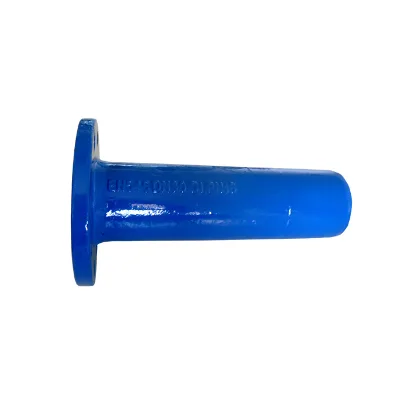
ISO2531 Ductile Cast Iron Soil Pipe Fittings From South Africa
$650.00 - $700.00

Shanxi Jingdong Pipe Industry Co., Ltd.
- Verified by BV
- Trading Company
- China Shanxi
- Lead time15 days
- Avg. response≤ 3h
Main productsDuctile Iron Pipe, Ductile Iron Pipe Fittings, Ductile Iron Manhole Cover
Main marketsAfrica,Southeast Asia/ Mideast,Domestic,Europe,North America


ISO2531 En545 En598 Ductile Cast Iron Joint Fittings Ductile Iron Pipe Fittings
$15.00 - $20.40
MOQ: 50 pieces

Baoding Xinlongtongda Trade Co., Ltd.
- Trading Company
- China Hebei
- Lead time30 days
- Avg. response≤ 9h
Main productsInvestment Casting, Sand Casting, Die Casting, Lost Wax Casting, CNC Machining, Ratchet Tie Down, Precision Casting, Forging, Stamping Parts, Steel Casting
Main marketsDomestic,Europe,North America

Xuzhou Sheng Ming Casting Co., Ltd
- Verified by SGS
- Combined
- China Jiangsu
- Lead time30 days
- Avg. response≤ 4h
Main productsManhole Cover, Ductile Iron Pipes, Valves, Water Meter Tank Cover, Iron Castings(Support Customization), Hardware Tools, Cast Iron Fireplace, Air Fryer, Kettle, coffee Machine
Main marketsDomestic

Tianjin Dongfanglong Petroleum Equipment Manufacture Co., Ltd.
- Manufacturer/Factory
- China Tianjin
- Lead time15 days
- Avg. response≤ 17h
Main productsAPI 5CT Tubing and Casing Pipe, API 5CT Tubing and Casing Pup Joint, API 5CT Tubing and Casing Coupling, Down Hole Tools Cementing Tools
Main marketsSouth America,Eastern Europe,Mid East,North America,Southeast Asia,Eastern Asia,Oceania,Western Europe,Africa
Cangzhou Cencho Solution Co., Ltd.
- Trading Company
- Hebei, China
- Lead time15 days
- Avg. response≤ 9h
Main productscastings,stainless steel casting,ball valve,pipe fittings,flange
Main marketsWestern Europe(50.00%), Eastern Asia(20.00%), South America(20.00%), Mid East(10.00%)
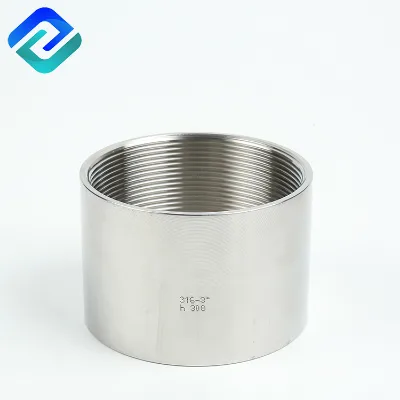
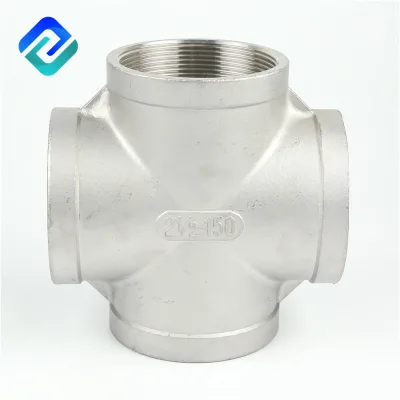
stainless steel sanitary natural gas high pressure durable pipe fittings
$2.3669 - $2.5723
MOQ: 1000 pieces

CANGZHOU BEWIN PIPELINE CO., LTD.
- Manufacturer/Factory,Group Corporation
- China Hebei
- Lead time45 days
- Avg. response≤ 7h
Main productsStainless Steel Fitting, Stainless Steel Ball Valve, Seamless Pipe, Post Anchor, Wire Mesh, Barbed Wire Machine, Spiral Pipe, Grating, Ground Screw, Flange Ball Valve
Main marketsSouth America,Eastern Europe,Mid East,North America,Southeast Asia,Eastern Asia,Oceania,Western Europe,Africa

Ningbo Hansheng Machinery Parts Co.,Ltd.
- Verified by TUVRHEINLAND
- Combined
- China Zhejiang
- Lead time15 days
- Avg. response≤ 6h
Main productsInvestment Casting/Lost Wax Casting, Steel Casting/Sand Casting, Open Die Forging/Forging/Steel Forging, Bucket Tooth/Auto Part/Train Parts, Precision Casting/Die Casting, Lost Foam Casting/Die Casting, Open Die Forging, Machining Part, Steel Sand Casting, Open Forging
Main marketsDomestic
Binzhou Dongli Stainless Steel Products Co., Ltd.
- Manufacturer, Trading Company
- Shandong, China
- Lead time30 days
- Avg. response≤ 3h
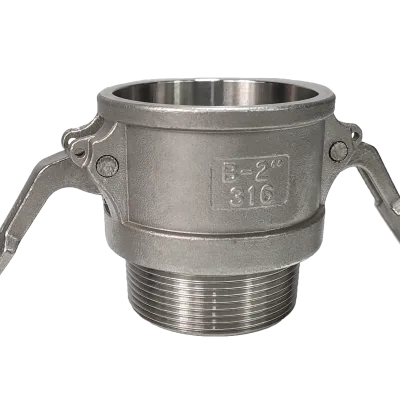
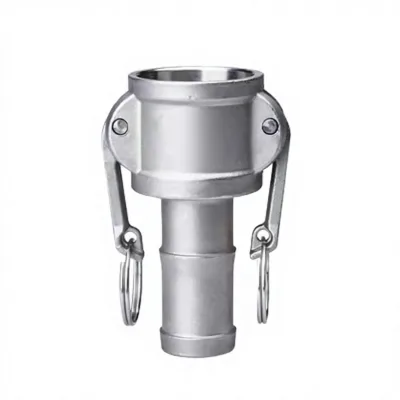
Main productsCamlock Coupling, Pipe Fitting, Ball Valve, Rigging, Hose Fitting With Safety Clamps
Main marketsEastern Asia(45.00%), Oceania(30.00%), Western Europe(20.00%), North America(5.00%)
Shandong Xingyao Special Steel Co., Ltd.
- Verified by SGS Group
- Trading Company
- Lead time14 days
- Avg. response≤ 1h
Main productsLaser Cutting of Plates and Tubes, Welded Sheet Metal, Stamped Parts, Pipes and Fittings, Precision Mechanical Parts
Main marketsMid East(30%), Southeast Asia(20%), Eastern Asia(20%)
Shandong Haoxuan Materials Co., Ltd.
- Verified by SGS Group
- Trading Company
- Shandong, China
- Lead time15 days
- Avg. response≤ 1h
Main productsStainless Steel Pipe, Carbon Steel Pipe, Stainless Steel Pipe Fittings, Carbon Steel Pipe Fittings, Grooved Pipe Fittings
Main marketsWestern Europe(17%), South America(14%), Africa(13%)
Hebei Jinmai Casting Co., Ltd.
- Verified by TüVRheinland
- Manufacturer, Trading Company
- Lead time45 days
- Avg. response≤ 7h
Main productsPipe Fitting
Main marketsNorth America(60%), Domestic Market(21%), Mid East(12%)

Opulence (Hebei) Equip Co., Ltd.
- Verified by TUVRHEINLAND
- Manufacturer
- China Hebei
- Lead time30 days
- Avg. response≤ 3h
Main productsCardan Shaft, Cardan Coupling, Gear Coupling, Elastic Coupling, Diaphragm Coupling, Universal Coupling, Grid Coupling, Reducer, Rolling Mill Roller, Cable Tray

Zhejiang Zhengsheng Pipe Fittings Co., Ltd.
- Verified by SGS
- Combined
- China Zhejiang
- Lead time15 days
- Avg. response≤ 3h
Main productsPipe Fittings, Tee, Elbow, Hex Nipple, Cross, Union, Coupling, Socket Banded
Main marketsSoutheast Asia/ Mideast

Foshan Fuhouxiang Fire Valve Co., Ltd.
- Verified by SGS
- Trading Company
- China Guangdong
- Lead time15 days
- Avg. response≤ 4h
Main productsMalleable Iron Fittings, Ductile Iron Grooved Fittings, Pipe Systems, Flanges, Manhole Cover
Main marketsDomestic

Ductile Cast Iron Grooved Fittings 90 Degree Elbow with FM UL Certificates
$0.20 - $3.99
MOQ: 100 Pieces

Ductile Iron Flange Adaptor Grooved Cross Elbow Grooved Pipe Fittings FM UL
$0.20 - $3.88
MOQ: 100 Pieces
- Verified by Intertek
- Manufacturer, Trading Company
- Lead time50 days
- Avg. response≤ 7h
Main productsPipe Fitting
Main marketsEastern Europe(48%), Domestic Market(24%), Western Europe(15%)
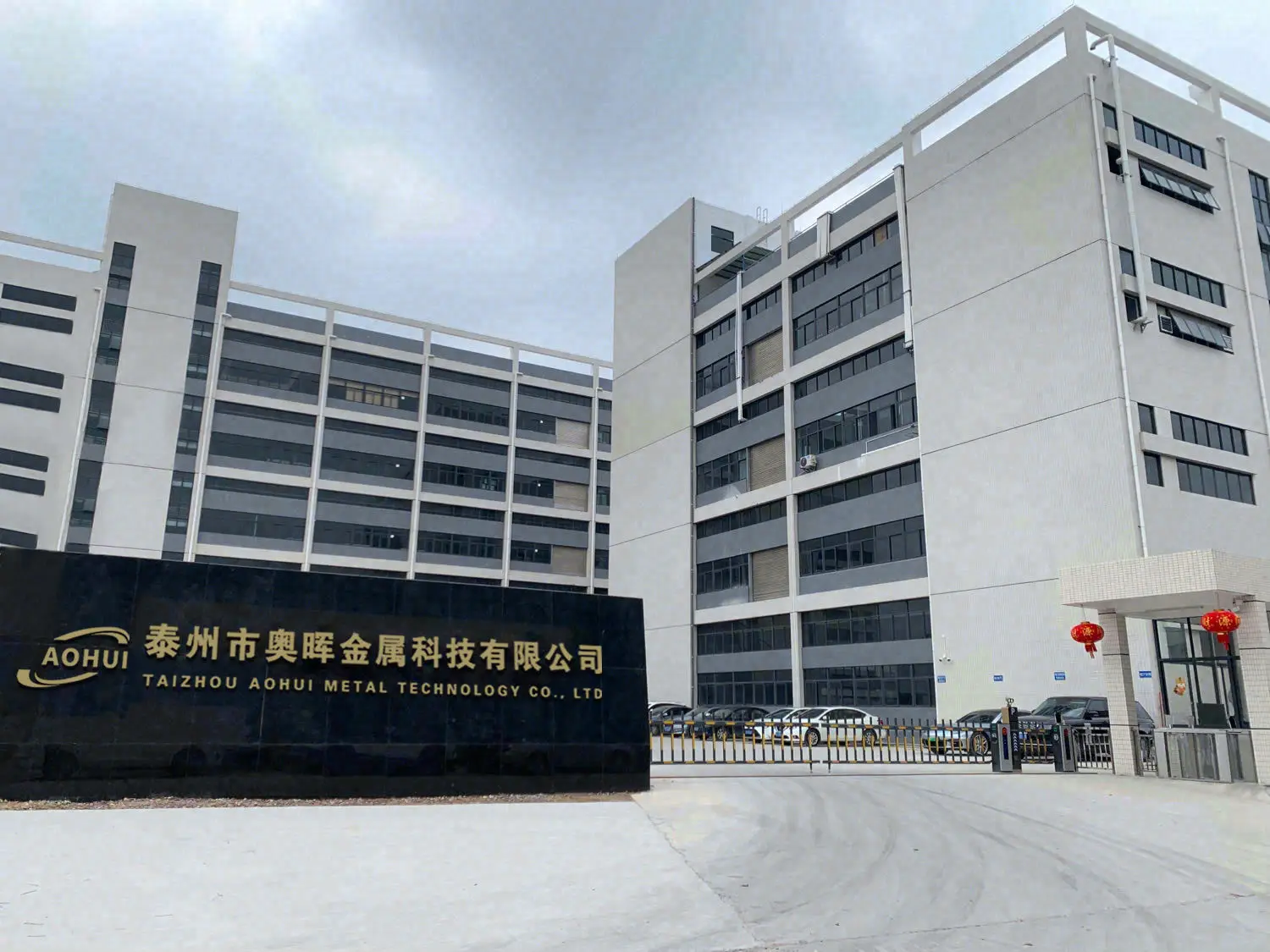
Taizhou Aohui Metal Technology Co., Ltd.
- Manufacturer, Trading Company
- Jiangsu Province, China
- Lead time7 days
- Avg. response≤ 1h
Main productssteel wire rope,OEM,marine hardware,rigging hardware,furniture and building materials hardware
Main marketsMid East(34.00%), North America(26.00%), Eastern Europe(15.00%), South America(14.00%), Northern Europe(10.00%), Africa(1.00%)
- Verified by TüVRheinland
- Manufacturer, Trading Company
- Lead time25 days
- Avg. response≤ 2h
Main productsAngular Steel Communication Tower, 3 Leg Tubular Steel Tower, Monopole Tower, Prefabricated Steel Structure Warehouse, Prefabricated Steel Structure Workshop
Main marketsAfrica(37%), North America(15%), South America(10%)










Comprehensive Sourcing Guide
ISO 9001 Cast Gas Fitting Supplier Concentration and Factory Types
The current supplier landscape for ISO 9001 cast gas fittings reveals a distinct geographic concentration within China, specifically highlighting manufacturing hubs in Jiangsu, Zhejiang, and Shandong provinces. These regions are not merely administrative boundaries but represent established industrial clusters where foundries have developed specialized capabilities in metal casting. Suppliers located in Jiangsu often emphasize a broad range of casting methods, including iron casting, steel casting, investment casting, and lost wax techniques, indicating a versatile production environment capable of handling diverse material requirements. This concentration allows buyers to access a wide variety of metal part hardware and spare parts, ensuring that specific gas fitting designs can be matched with appropriate local expertise. The presence of combined company types in these areas suggests that many entities operate as both manufacturers and trading companies, offering streamlined communication channels while maintaining direct control over the foundry floor. This dual nature can be advantageous for international buyers seeking a single point of contact for complex orders that require both casting and subsequent machining services.
In Zhejiang, the focus appears to shift slightly towards precision casting and high-quality stainless steel applications, with suppliers listing main products that include investment casting parts, precision casting parts, and machining parts. This region’s suppliers often cater to industries requiring tighter tolerances and higher surface finishes, such as marine hardware, valve and pump parts, and auto parts. The emphasis on precision suggests that factories in Zhejiang may be better suited for complex gas fitting geometries that demand strict dimensional accuracy. Meanwhile, Shandong suppliers are noted for their expertise in grey iron casting, ductile iron casting, and sand casting, which are traditional methods often used for larger, heavier components. Understanding these regional specializations helps buyers narrow their search based on the specific material and complexity of their gas fitting needs. By recognizing that Jiangsu offers breadth, Zhejiang offers precision, and Shandong offers traditional robustness, buyers can strategically target suppliers whose core competencies align with their product specifications, thereby reducing the risk of mismatched capabilities and ensuring a smoother sourcing process from initial inquiry to final delivery.
How to Verify ISO 9001 Cast Gas Fitting Suppliers
Verifying the authenticity and scope of ISO 9001 certification is a critical first step in assessing supplier reliability for cast gas fittings. Buyers should request the actual ISO 9001:2015 certificate and cross-reference the issuing body with recognized accreditation databases to ensure the certification is current and valid. It is important to note that while many suppliers display ISO 9001 compliance, the specific scope of this certification may vary; some may cover only the casting process, while others include downstream machining and assembly. Buyers must confirm that the certified scope explicitly includes the production of gas fittings or similar pressure-containing components to ensure regulatory compliance in their target markets. Additionally, third-party verification services such as SGS or CTI provide an additional layer of assurance. Suppliers verified by these agencies have undergone rigorous audits of their quality management systems, production facilities, and testing laboratories. Buyers should look for verification badges or reports that detail the audit findings, paying close attention to any non-conformities or areas for improvement noted during the inspection. This external validation helps mitigate the risk of relying solely on self-declared certifications, which may not reflect actual on-the-ground practices.
Beyond certification, buyers should evaluate the supplier’s response time and communication efficiency as indicators of their operational maturity. A response time of approximately six to seven hours, as observed in some supplier profiles, suggests a dedicated customer service team capable of handling international inquiries promptly. Fast response times are crucial for resolving technical questions regarding casting methods, material specifications, and tolerance requirements. Buyers should also inquire about the supplier’s internal quality assurance processes, such as metallographic analysis, full-process quality inspection, and heat treatment protocols. Suppliers that offer detailed technical documentation, including casting drawings, machining drawings, and material test reports, demonstrate a higher level of transparency and control over their production process. Furthermore, checking for additional certifications or standards compliance, such as DIN or AISI standards, can provide insight into the supplier’s ability to meet specific international requirements. By combining certificate verification with an assessment of communication speed and technical documentation quality, buyers can build a comprehensive profile of a supplier’s reliability and capability to deliver consistent, high-quality cast gas fittings.
What to Compare Across ISO 9001 Cast Gas Fitting Suppliers
When evaluating multiple suppliers, buyers should compare key operational metrics such as lead times, minimum order quantities (MOQs), and pricing structures to determine the best fit for their supply chain needs. Lead times for cast gas fittings can vary significantly based on the complexity of the design and the chosen casting method. For instance, some suppliers offer a standard lead time of around thirty days, while others may require thirty-five to forty-five days for production, with additional time needed for sampling. Buyers must account for these variations when planning their inventory and production schedules, especially for custom orders that require new mold creation. MOQs also differ across suppliers, with some accepting orders as low as one piece for prototyping or small batches, while others require minimums of one thousand pieces for cost-effective production. Understanding these thresholds helps buyers align their order volumes with supplier capabilities, avoiding unnecessary costs associated with high MOQs or delays from low-volume production lines. Pricing should be analyzed in conjunction with these factors, as lower prices may come with higher MOQs or longer lead times, while premium pricing might reflect faster turnaround or superior quality controls.
Another critical aspect of comparison is the range of customization options and technical specifications offered by each supplier. Buyers should assess whether suppliers provide OEM and ODM services, allowing for tailored designs that meet specific application requirements. The availability of customization in casting methods, such as directional crystallization, thermal gravity casting, or investment casting, is essential for achieving desired material properties and structural integrity. Surface roughness requirements, machining tolerances, and heat treatment options should also be compared to ensure they align with the technical demands of the gas fittings. Suppliers that offer precise machining tolerances, such as plus or minus zero point zero one millimeters, are better suited for high-precision applications. Additionally, the type of sand core, molding techniques, and surface preparation methods, such as sand blasting or polishing, can impact the final product’s durability and appearance. By systematically comparing these technical and commercial attributes, buyers can identify suppliers that not only meet their quality standards but also offer the flexibility and efficiency required for successful long-term partnerships.
Common ISO 9001 Cast Gas Fitting Sourcing Risks
One of the primary risks in sourcing cast gas fittings is the potential discrepancy between advertised capabilities and actual production quality. Suppliers may claim ISO 9001 certification and advanced casting technologies, but without rigorous verification, buyers risk receiving products that do not meet specified standards. This is particularly concerning for gas fittings, which are often used in critical applications where failure can lead to safety hazards. Inconsistent material composition, inadequate heat treatment, or poor surface finishing can compromise the integrity of the fittings. Buyers must be vigilant in requesting sample approvals and conducting third-party inspections before committing to large orders. Another risk is the variability in lead times, which can disrupt supply chains if not properly managed. Suppliers may underestimate the time required for mold creation, casting, and machining, leading to delays that impact downstream operations. Clear communication and realistic scheduling are essential to mitigate this risk, and buyers should include penalty clauses for late deliveries in their contracts. Additionally, the complexity of custom designs can introduce technical challenges, such as defects in casting or machining errors, which require close monitoring and quality control throughout the production process.
Intellectual property and design confidentiality are also significant concerns when working with suppliers who offer OEM services. Buyers must ensure that their proprietary designs and specifications are protected from unauthorized use or replication. This requires robust non-disclosure agreements and clear contractual terms that define ownership of the tooling and designs. Furthermore, the reliance on specific casting methods, such as lost foam or investment casting, may limit the supplier’s ability to scale production if demand increases unexpectedly. Buyers should assess the supplier’s capacity to handle volume fluctuations and their contingency plans for equipment failures or material shortages. Another risk is the potential for hidden costs, such as additional charges for packaging, shipping, or rework due to quality issues. Transparent pricing and detailed quotations are necessary to avoid unexpected expenses. By identifying and addressing these risks through thorough due diligence, clear contracts, and ongoing quality monitoring, buyers can protect their interests and ensure a stable supply of high-quality cast gas fittings.
ISO 9001 Cast Gas Fitting Regional Sourcing and Logistics
Sourcing cast gas fittings from specific regions in China offers distinct logistical advantages and challenges that buyers must consider. Suppliers in Jiangsu, Zhejiang, and Shandong are located in major industrial zones with well-developed infrastructure, facilitating efficient transportation of raw materials and finished goods. Jiangsu’s proximity to major ports like Shanghai and Ningbo allows for relatively quick export shipping, reducing transit times for international buyers. Zhejiang, known for its precision manufacturing, also benefits from strong logistics networks, enabling faster delivery of high-value, low-volume orders. Shandong, with its focus on heavy casting, may have slightly longer inland transportation times but still connects well to coastal ports for export. Buyers should evaluate the supplier’s location in relation to their primary shipping routes to optimize freight costs and delivery schedules. Additionally, regional differences in labor costs and regulatory environments can impact pricing and compliance requirements. Understanding these logistical factors helps buyers make informed decisions about where to source their components, balancing cost, speed, and reliability.
Packaging and handling requirements are also influenced by the regional sourcing strategy. Suppliers in these regions typically use export-standard packaging, such as carton boxes and wooden pallets, to protect cast fittings during transit. Buyers should confirm that the packaging meets international shipping standards to prevent damage during handling and storage. For heavy or irregularly shaped fittings, specialized packaging solutions may be necessary to ensure safety. Logistics providers familiar with the specific regions can offer tailored solutions, such as consolidated shipping or just-in-time delivery, to further optimize the supply chain. Buyers should also consider the impact of seasonal factors, such as holidays or weather conditions, on shipping schedules. Planning for these variables and maintaining open communication with suppliers and logistics partners can help mitigate disruptions and ensure timely delivery of cast gas fittings to global markets.
ISO 9001 Cast Gas Fitting Commercial Terms and Order Planning
Effective order planning for cast gas fittings requires careful attention to commercial terms, including payment structures, warranty policies, and after-sales support. Buyers should negotiate clear payment terms that align with production milestones, such as a deposit upon order confirmation and the balance upon shipment or inspection. This approach helps manage cash flow and reduces financial risk for both parties. Warranty policies should be explicitly defined, covering defects in material and workmanship for a specified period. Buyers should also inquire about the supplier’s return and replacement policies for non-conforming products, ensuring that there is a clear process for addressing quality issues. After-sales support, including technical assistance and spare parts availability, is crucial for maintaining the performance of gas fittings in the field. Suppliers that offer comprehensive support demonstrate a commitment to long-term customer satisfaction and can help resolve any operational challenges that arise post-delivery.
Pricing strategies for cast gas fittings often involve a balance between unit cost and order volume. Buyers should request detailed quotations that break down costs for materials, labor, tooling, and packaging to understand the cost structure. Volume discounts may be available for larger orders, but buyers must ensure that quality does not compromise as production scales. Additionally, buyers should consider the total cost of ownership, including shipping, duties, and potential rework costs, when evaluating supplier quotes. Transparent pricing and open communication about cost drivers help build trust and facilitate smoother negotiations. By establishing clear commercial terms and
FAQs
What certifications do these cast gas fitting suppliers hold?
Suppliers in the results hold ISO9001:2015 certificates. Some listings also mention ISO 9001 alongside machining and CNC capabilities. Verify specific system certifications directly with the supplier before placing orders to ensure compliance with your project standards.
What are the typical lead times for custom cast fittings?
Lead times vary between 30 days and 45 days depending on the order. One supplier lists a standard lead time of 30 days, while another specifies a range of 35 to 45 days for production. Sample times may take up to 35 days after payment is received.
Where are the manufacturers of these cast fittings located?
Manufacturers are located in China, specifically in Jiangsu, Zhejiang, and Shandong provinces. These regions host suppliers offering iron casting, steel casting, and investment casting services. Confirm the exact factory location with the supplier to assess logistics and shipping requirements.
What is the minimum order quantity for these products?
Minimum order quantities differ by supplier and product type. One listing shows an MOQ of 1 unit, while another requires 1000 units. Check the specific product page for the exact MOQ to ensure it aligns with your purchasing volume and budget constraints.
Which materials are used for these cast gas fittings?
Materials include iron, stainless steel, alloy steel, and carbon steel. Some products specify gray iron or ductile iron for specific applications. Verify the material grade and standard, such as AISI or DIN, to ensure suitability for your specific gas fitting requirements.
How quickly do suppliers typically respond to inquiries?
Response times recorded in the results range from 6.39 to 7.02 hours. These metrics indicate the average speed at which suppliers reply to initial contact. Expect faster communication if you provide detailed drawings and specifications upfront to streamline the inquiry process.
What casting methods are available for custom fittings?
Available methods include sand casting, lost foam casting, investment casting, and gravity casting. Some suppliers offer directional crystallization or thermal gravity casting techniques. Select the method based on your required precision, surface finish, and the complexity of the part design.