Anti-Static Nylon Test Tube Brush Suppliers and Manufacturers
Compare 29 verified suppliers offering anti-static nylon test tube brushes with varying lead times, response speeds, and customization options. Review their locations in China and product specifications to select the right partner for your lab needs; review the available evidence before requesting comparable quotations from suitable candidates.
Updated
Suppliers List

Rizhao Donggang Mtntai Industry and Trade Co., Ltd.
- Verified by BV
- Trading Company
- China Shandong
- Lead time30 days
- Avg. response≤ 7h
Main productsFlip off Caps, Tubular Glass Vials, Rubber Stoppers, Glass Test Tubes, Aluminum Caps, Screw Caps, Essential Oil Bottles, Hand Crimper for Flip off Caps, Amber Moulded Vials, Glass Sample Bottle
Main marketsSouth America,Africa,Southeast Asia/ Mideast,East Asia(Japan/ South Korea),Europe,Australia,North America
Guangzhou AOQUN New Materials Co., Ltd.
- Manufacturer, Trading Company
- Lead time旺季: "1 - 1":60,"2 - 500":50,"501 - 5000":35,"> 5000":"To be negotiated", 淡季: "1 - 1":60,"2 - 500":50,"501 - 5000":35,"> 5000":"To be negotiated"
- Avg. response≤ 2h
Main productsMedical Brush, Coffee Brush, Dental Brush, Cleaning Brush, Tube Brush
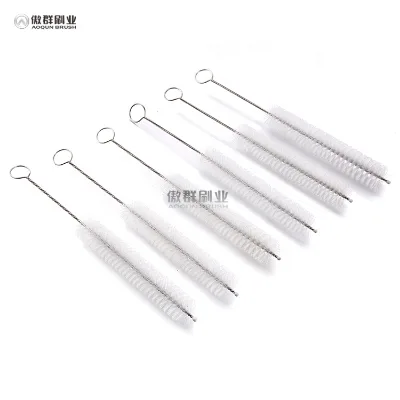
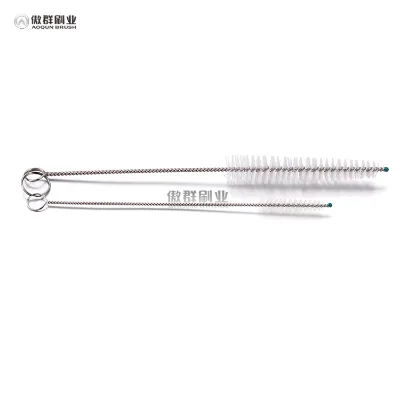
Oval Long Spiral Nylon Test Tube Brush
$0.29 - $1.59
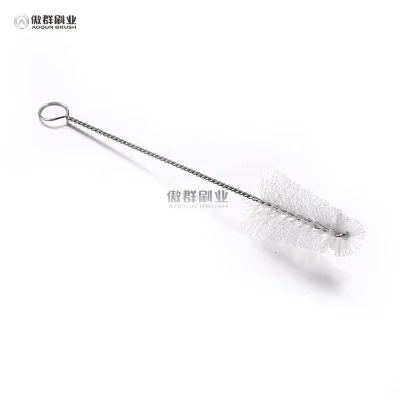
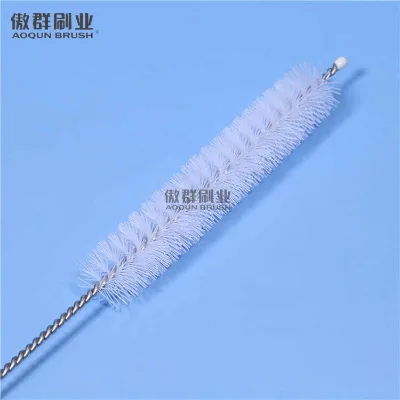
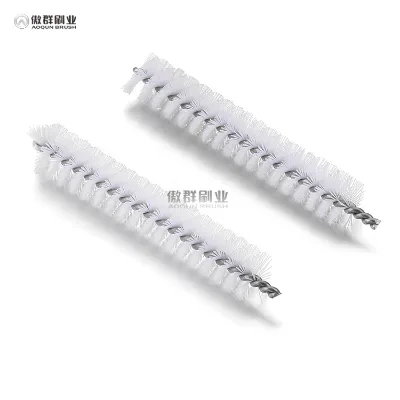
Lab Cylinder Brush Nylon Brushes for Test Tube
$0.29 - $1.59

Chongqing New World Trading Co., Ltd.
- Verified by BV
- Trading Company
- China Chongqing
- Lead time15 days
- Avg. response≤ 10h
Main productsVacuum Blood Collection Tubes, Test Tube, Pipette Tip, Urine Container, Microscope Slide, Filter Tip, Swab, Centrifuge Tube, Cryovial Tube, Blood Lancet
Main marketsSouth America,Africa,Southeast Asia/ Mideast,East Asia(Japan/ South Korea),Europe,Australia,North America


$0.06 - $0.10
MOQ: 500 Pieces
- Trading Company
- Lead time旺季: "1 - 10000000":31,"> 10000000":"To be negotiated", 淡季: "1 - 10000000":31,"> 10000000":"To be negotiated"
- Avg. response≤ 4h
Main productsBlood Collection Tube, Microscope Slide, Urine Cup, Suction Connecting Tube, Oxygen Mask

- Verified by TUVRHEINLAND
- Trading Company
- China Anhui
- Lead time15 days
- Avg. response≤ 6h
Main productsIndustrial Brush, Roller Brush Sweeper Brush, Polishing Brush, Electric Scrubber Brush, Cleaning Brush, Strip Brush, Tube Brush, Paint Brush, Steel Brush, Wheel Brush
Main marketsSouth America,Africa,Southeast Asia/ Mideast,East Asia(Japan/ South Korea),Europe,Australia,North America

Chongqing New World Trading Co., Ltd.
- Trading Company
- China Chongqing
- Lead time15 days
- Avg. response≤ 5h
Main productsFlocked Swab, Pipette Filter Tips, Vtm Kits, Blood Collection Tubes, Face Mask, Pipette Tips, Microscope Slides, Centrifuge Tube, Cryotube, Petri Dish
Main marketsSouth America,Africa,Southeast Asia/ Mideast,East Asia(Japan/ South Korea),Europe,Australia,North America

Glass Plastic Test Tube Cleaning Brush Nylon Spiral Test Tube Brush for Chemical Laboratory
$0.45 - $1.00
MOQ: 500 Pieces

Laboratory Test Tube Cleaning Long Straw15cm 18cm 25cm Nylon Test Tube Brush
$0.45 - $1.00
MOQ: 500 Pieces

Shanghai Huixi Brush Co., Ltd.
- Verified by BV
- Trading Company,Manufacturer/Factory
- China Shanghai
- Lead time23 days
- Avg. response≤ 6h
Main productsStrip Brush, Spiral Brush, Roller Brush, Wheel Brush, Disc Brush, End Brush, Scratch Brush, Tube Brush, Cleaning Brush, Industrial Brush
Main marketsSouth America,Eastern Europe,Mid East,North America,Southeast Asia,Eastern Asia,Western Europe

Shenzhen Longbrush Technology Co., Ltd.
- Trading Company
- Guangdong, China
- Lead time0 days
- Avg. response≤ 2h
Main productsPet Hair Brush,bristle brush,stainless steel brush,cup brush,kettle brush
Main marketsSouth America(50.00%), North America(50.00%)

Anhui Ancient Anhui Brush Industry Co., Ltd.
- Manufacturer, Trading Company
- Anhui, China
- Lead time15 days
- Avg. response≤ 2h
Main productsIndustrial Roller Brush,Road/Snow Sweeper Brush,Floor Scrubber Disc Brush,Cleaning Derusting and Polishing Tools,Drill Brush
Main marketsDomestic Market(60.00%), North America(20.00%), Western Europe(7.20%), Eastern Europe(6.00%), South Asia(6.00%), Mid East(0.80%)
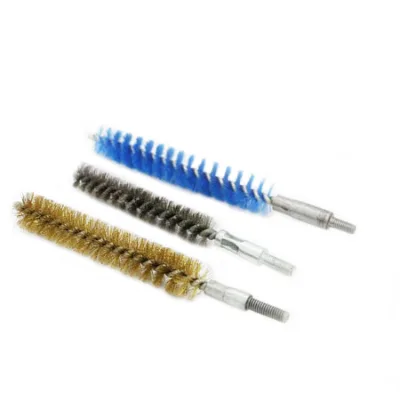
Air Condenser Nylon Tube Cleaning Brush
$0.59 - $1.59
Shenzhen Meixin Brush Industry Co., Ltd.
- Manufacturer, Trading Company
- Guangdong, China
- Lead time7 days
- Avg. response≤ 3h
Main productsStraw cleaning brush,Bottle Cleaning Brush,Flexible Abrasive Honing Brush,Industrial brush,Pipe brush
Main marketsDomestic Market(65.00%), North America(10.00%), Western Europe(8.00%), Eastern Asia(3.00%), Southeast Asia(2.00%), South America(2.00%), Eastern Europe(2.00%), Northern Europe(2.00%), South Asia(1.50%), Oceania(1.00%), Southern Europe(1.00%), Africa(1.00%), Central America(1.00%), Mid East(0.50%)
Foshan Senta Abrasive Tools Co., Ltd.
- Trading Company
- Guangdong, China
- Lead time30 days
- Avg. response≤ 3h
Main productscutting disc,grinding disc,steel wire brush,flap disc,diamond saw blade
Main marketsSouth Asia(14.29%), Eastern Asia(14.29%), Mid East(14.29%), Africa(14.29%), Southeast Asia(14.29%), South America(14.29%), Domestic Market(14.26%)
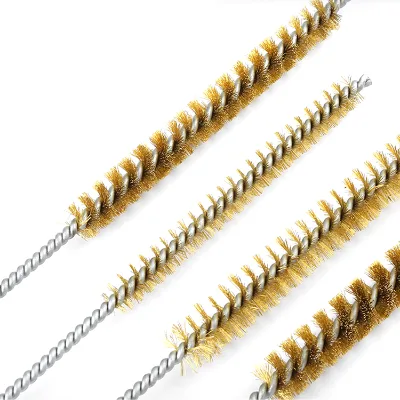
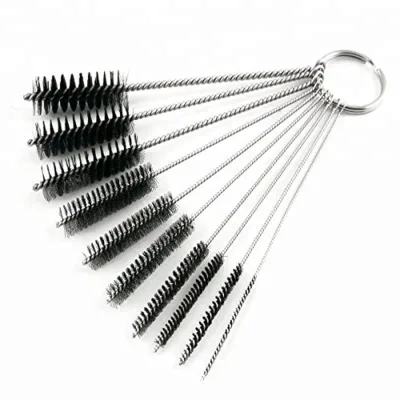
Customized 14 Cm Stainless Steel Nylon Cleaning Brush Test Tube Straw Cleaning Brush
$0.1859 - $0.6686
MOQ: 50 pieces
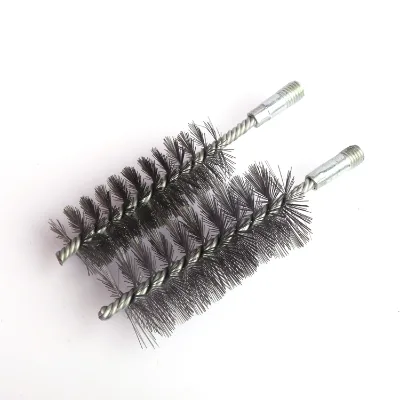
Yongkang Jujian Brush Co., Ltd.
- Verified by TüVRheinland
- Manufacturer, Trading Company
- Lead time25 days
- Avg. response≤ 2h
Main productsGun Cleaning Kit, Hunting Accessories, Chimney Brush
Main marketsNorth America(45%), Western Europe(15%), Eastern Europe(10%)

Ningbo Le Prosperity Import & Export Co., Ltd.
- Trading Company
- zhengjiang, China
- Lead time30 days
- Avg. response≤ 3h
Main productsCleaning Brush,Chimney Brush,Electric Cleaning Brush,Mops,Window Cleaner
Main marketsEastern Europe(30.00%), Western Europe(30.00%), North America(15.00%), Eastern Asia(5.00%), Northern Europe(5.00%), Mid East(4.00%), Southeast Asia(3.00%), South Asia(3.00%), Oceania(2.00%), Central America(1.00%), Southern Europe(1.00%), Africa(1.00%)
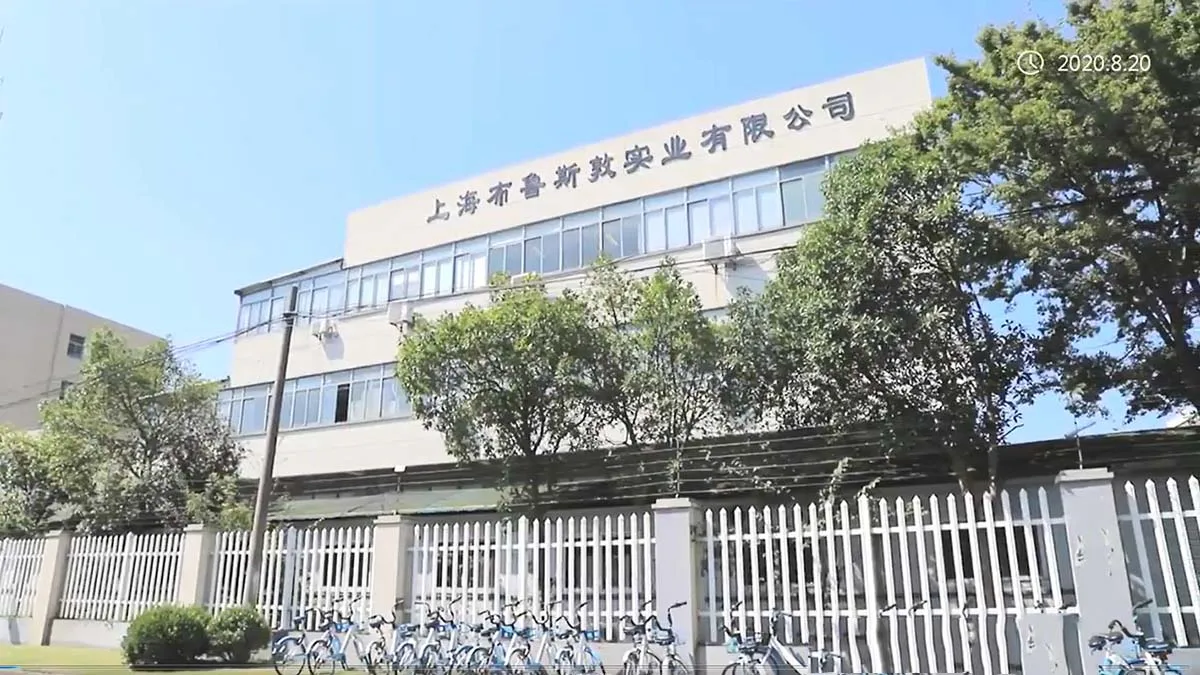
Shanghai Bursten Industrial Co., Ltd.
- Manufacturer, Trading Company
- Shanghai, China
- Lead time10 days
- Avg. response≤ 2h
Main productsStrip Brush,Roller Brush,Brush Wheel,Spiral Brush,Disc Brush
Main marketsDomestic Market(93.20%), Western Europe(2.10%), Southeast Asia(1.30%), Eastern Asia(1.30%), Southern Europe(0.60%), Eastern Europe(0.60%), North America(0.40%), Mid East(0.20%), Oceania(0.20%), South America(0.10%)
Yancheng Cordial Medlab Technology Co., Ltd.
- Manufacturer, Trading Company
- Jiangsu, China
- Lead time25 days
- Avg. response≤ 3h
Main productsLaboratory Glassware,Microscope Slides And Cover Glass,Laboratory Plasticware,Laboratory Instrument Accessories,Educational Apparatus
Main marketsEastern Europe(25.00%), Mid East(20.00%), Western Europe(15.00%), Oceania(10.00%), Northern Europe(10.00%), Domestic Market(5.00%), North America(5.00%)
Henan Yuyue Biotechnology Co., Ltd.
- Trading Company
- Henan, China
- Lead time10 days
- Avg. response≤ 2h
Main productsAnatomic Model,Human Skeleton model,Medical Simulator,Tooch Model,Acupuncture Model
Main marketsDomestic Market(30.00%), Southeast Asia(15.00%), South America(15.00%), North America(10.00%)

- Combined
- China Anhui
- Lead time15 days
- Avg. response≤ 5h
Main productsIndustrial Brush, Civil Brush, Stenter Wheel Brush, Spare Parts for Printing and Dyeing Machinery, Tube Brush, Steel Wire Wheel Brush, Customized Brush, Carbon Bar, Paint Brush and Paint Roller Brush, Road Sweeper Brush
Main marketsSouth America,Africa,Southeast Asia/ Mideast,East Asia(Japan/ South Korea),Domestic,Europe,Australia,North America
Guangzhou AOQUN New Materials Co., Ltd.
- Verified by TüVRheinland
- Manufacturer, Trading Company
- Lead time7 days
- Avg. response≤ 2h
Main productsDisc Brush, Roller Brush, Solar Panel Cleaning Brush, Vacuum Cleaner Brush, Industrial Brush
Main marketsDomestic Market(67%), North America(5%), Western Europe(5%)
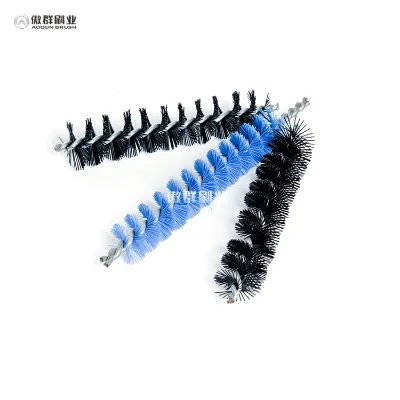
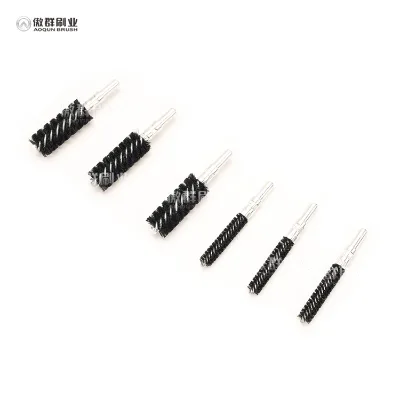
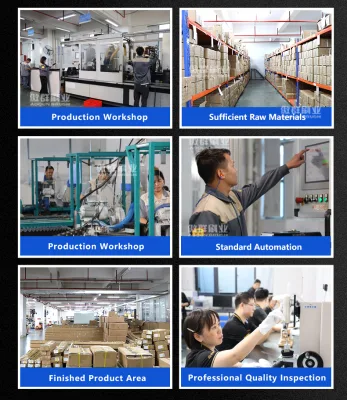
$0.6221 - $1.0373
MOQ: 500 pieces

Zhenjiang Ganlu Light Industrial I/E Co., Ltd.
- Verified by TUVRHEINLAND
- Combined
- China Jiangsu
- Lead time30 days
- Avg. response≤ 9h
Main productsSaw Bits Saw Blade Shanks, Lint Rollers
Main marketsOthers(foreignTradeCapacity.exportBusinessCapacityMarketOther),Europe
Jiujiang Lesin Daily Necessities Co., Ltd
- Verified by SGS Group
- Manufacturer, Trading Company
- Jiangxi, China
- Lead time15 days
- Avg. response≤ 3h
Main productsBottle Brush, Pot Brush, Tube Brush, Cup Brush, Toilet Brush
Main marketsNorth America(30%), Eastern Europe(25%), Northern Europe(25%)
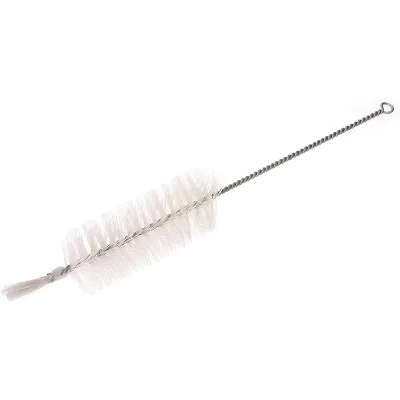
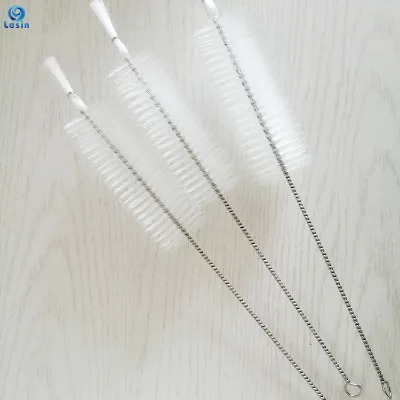
eco-friendly air conditioner vent 33cm Lab Chemistry Test Tube Bottle Cleaning Brushes
$0.36 - $0.39
MOQ: 1000
Guangzhou AOQUN New Materials Co., Ltd.
- Manufacturer, Trading Company
- Lead time旺季: "1 - 500":7,"501 - 1000":15,"> 1000":"To be negotiated", 淡季: "1 - 500":7,"501 - 1000":15,"> 1000":"To be negotiated"
- Avg. response≤ 2h
Main productsGun Brush Kit, Cleaning Brush, Car Wash Brush, Bottle Brush, Car Detailing Brush Kit

- Trading Company,Manufacturer/Factory
- China Shanghai
- Lead time23 days
- Avg. response≤ 11h
Main productsMedical Brushes, Cleaning Brushes, Pipeline Brushes, Wheel Brushes, End Brushes Pencil Brushes, Strip Brushes, Gun Brushes, Tube Brushes, Boiler Brushes, Oil Lubrication Brushes
Main marketsSouth America,Eastern Europe,Mid East,North America,Southeast Asia,Eastern Asia,Oceania,Western Europe,Africa

Guangzhou Newmade Cleaning Products Co., Ltd
- Verified by TUVRHEINLAND
- Combined
- China Guangdong
- Lead time15 days
- Avg. response≤ 7h
Main productsVacuum Cleaner, Wringer Trolley, Janitor Cart, Warning Sign, Gabage Can, Floor Dryer, Window Squeegee, Dust Mop, Paper Dispenser, Floor Squeegee
Main marketsSouth America,Domestic,Australia,North America

HighSight (taizhou) Plastic Co., Ltd.
- Verified by SGS
- Trading Company
- China Zhejiang
- Lead time30 days
- Avg. response≤ 6h
Main productsPetri Dish, Sterile Sampling Bag, Serological Pipette, Centrifuge Tubes
Main marketsSouth America,Africa,Others(foreignTradeCapacity.exportBusinessCapacityMarketOther),Southeast Asia/ Mideast,Australia,North America


Tb-G04420 Laboratory Chemistry Multifunctional Test Tube Measuring Cylinder Flask Brush
$0.20 - $0.21
MOQ: 5000 Pieces


Tb-P15340 Test Tube Brush Essential Tool for Laboratory and Scientific Use
$0.23 - $0.24
MOQ: 5000 Pieces
- Verified by TüVRheinland
- Manufacturer, Trading Company
- Lead time30 days
- Avg. response≤ 1h
Main productsPolishing Brush, Strip Brush, Stenter Brush, Twisted Wire Brush, Cleaning Brush
Main marketsEastern Europe(30%), Western Europe(30%), North America(24%)

Jiangsu JDC Medical Devices Co., Ltd.
- Combined
- China Jiangsu
- Lead time30 days
- Avg. response≤ 11h
Main productsStomach Tube, Suction Tube, Nelaton Catheter, Rectal Tube, Infusion Set, Vaginal Speculum, Hmef, Medical Dressing, Medical Consumable
Main marketsSoutheast Asia/ Mideast,East Asia(Japan/ South Korea),Domestic,Europe,North America

Suzhou Quanjuda Purification Technology Co., Ltd
- Trading Company,Manufacturer/Factory
- China Jiangsu
- Lead time0 days
- Avg. response≤ 9h
Main productsESD Fabric, ESD Garment, ESD Uniform, Sticky Mat, ESD Shoes, ESD Wrist Strap, ESD Glove, Disposable Facemask, Cleanroom Wipers, ESD Finger Cots

- Verified by BV
- Trading Company
- China Jiangsu
- Lead time30 days
- Avg. response≤ 19h
Main productsPaint Brush, Paint Roller, Roller Brush, Paint Set, Brush, Roller, Scraper, Artist Brush, Extension Pole, Paint Tools
Main marketsSouth America,Africa,Others(foreignTradeCapacity.exportBusinessCapacityMarketOther),Southeast Asia/ Mideast,Europe,North America

Huzhou Golden Industrial Brush Co., Ltd.
- Manufacturer
- China Zhejiang
- Lead time15 days
- Avg. response≤ 8h
Main productsFlexible Honing Brushes, Disc Brushes, Tube and Interior Brushes, Wheel Brushes, End Brushes, Spiral and Coil Brushes, Stapled Set Brushes, Strip Brushes, Sponge Rollers, Abrasive Nylon Brush Rollers
Main marketsSouth America,Africa,Southeast Asia/ Mideast,East Asia(Japan/ South Korea),Domestic,Europe,Australia,North America


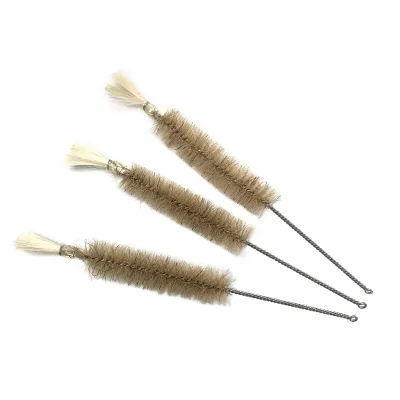
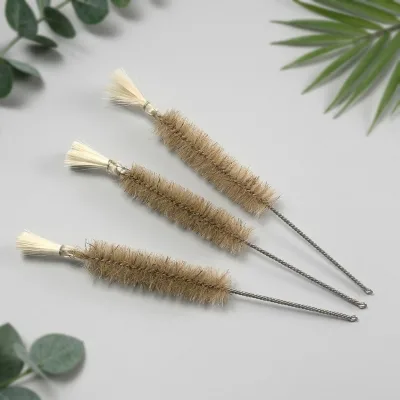
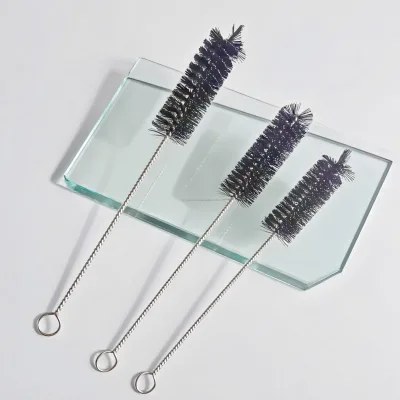
Condenser Tube Brush, Cleaning Twist Brush, Steel Wire Brush, Diameter 38 mm
Negotiable
MOQ: 100 Pieces




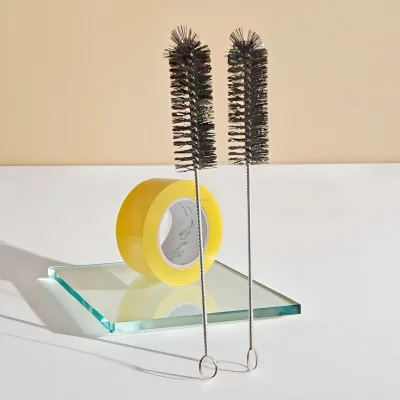
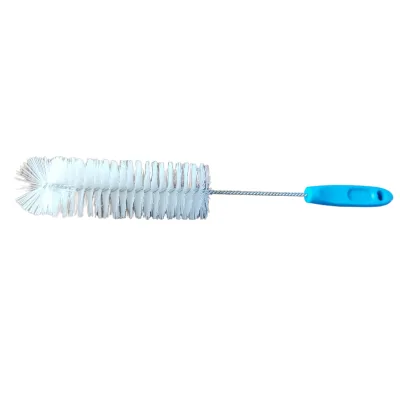
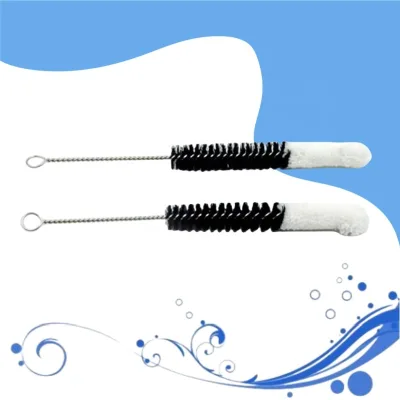
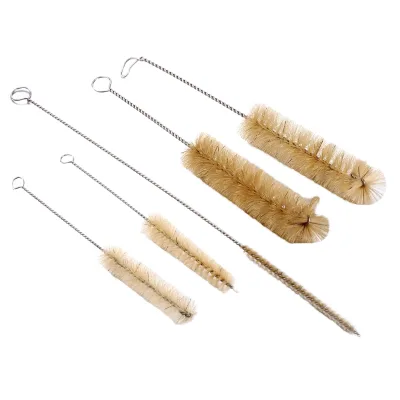
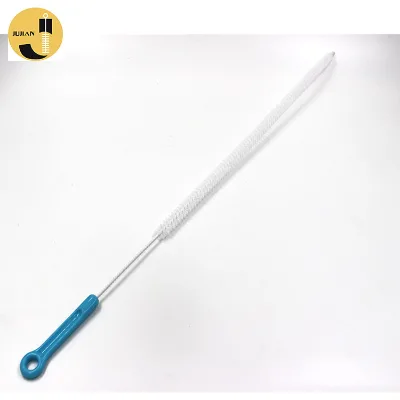
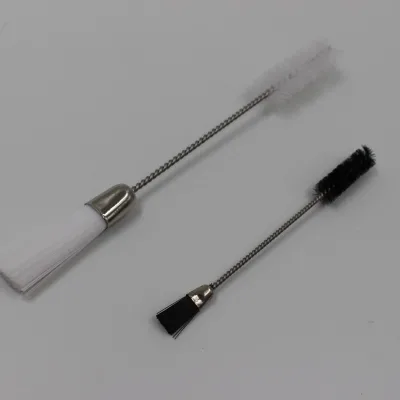
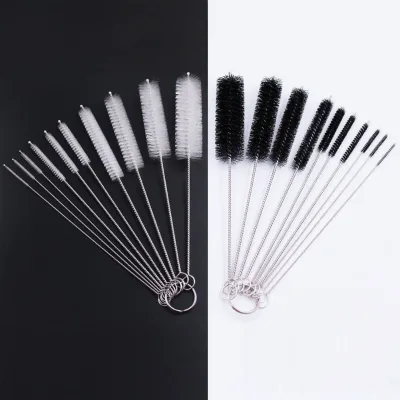
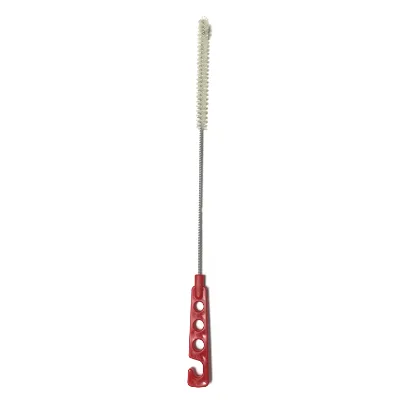
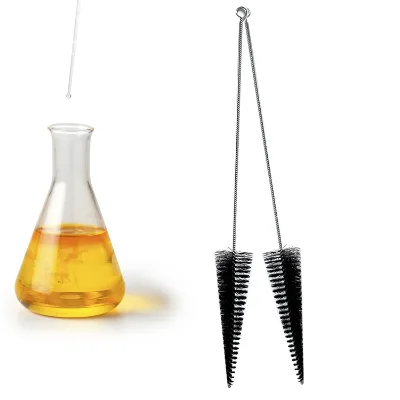
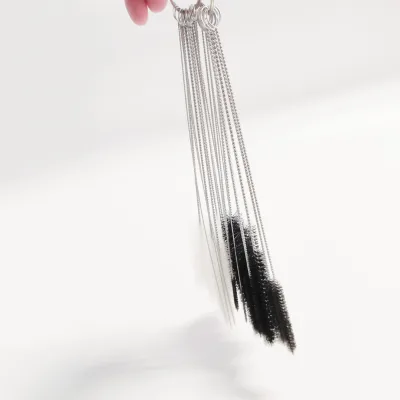
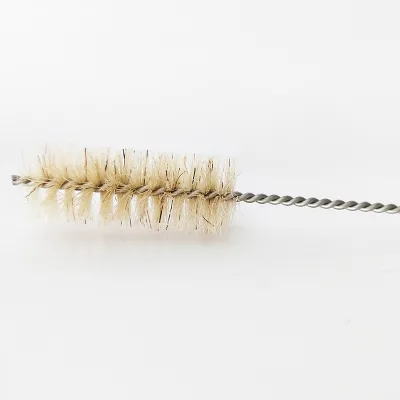






Comprehensive Sourcing Guide
Anti-Static Nylon Test Tube Brush Supplier Concentration and Factory Types
The sourcing landscape for anti-static nylon test tube brushes reveals a distinct concentration of manufacturing capabilities within specific industrial regions, particularly in China. Current data indicates that suppliers are primarily located in Shandong and Guangdong provinces, with Guangdong emerging as a notable hub for specialized cleaning tools. This geographic clustering suggests that buyers seeking these specific brushes will find the highest density of relevant vendors in these areas. The presence of suppliers in Guangdong is especially significant because this region is known for its robust manufacturing infrastructure for plastic and nylon products. When evaluating potential partners, buyers should prioritize suppliers whose listed place of origin aligns with these known manufacturing clusters, as proximity to raw material sources and specialized labor pools often correlates with better production consistency. The concentration of factories in these regions also implies a mature supply chain for components like stainless steel handles and nylon filaments, which are critical for producing durable and effective cleaning brushes.
Beyond geographic location, the types of entities offering these products vary significantly, ranging from pure trading companies to integrated manufacturers. Some suppliers operate exclusively as trading companies, focusing on aggregation and sales, while others identify as both manufacturers and trading companies, offering direct factory access alongside broader product portfolios. This distinction is crucial for buyers who need to determine whether they are dealing with the actual production source or an intermediary. For instance, certain suppliers list main products that include medical brushes, coffee brushes, and dental brushes alongside test tube brushes, indicating a broader specialization in hygiene and cleaning tools. Others may focus more narrowly on laboratory equipment accessories. Understanding this company type helps buyers assess the depth of technical expertise available. A manufacturer-trading hybrid might offer more flexibility in customization and direct communication with production lines, whereas a pure trading company might provide a wider variety of unrelated items but less control over the manufacturing process. Buyers should verify these claims through direct inquiry to ensure alignment with their specific sourcing needs.
How to Verify Anti-Static Nylon Test Tube Brush Suppliers
Verifying the legitimacy and capability of suppliers requires a multi-layered approach that goes beyond simple profile reviews. One critical step is to check for third-party verification badges, such as BV (Bureau Veritas) certification, which serves as an independent validation of the supplier’s business operations. This verification provides a baseline level of trust regarding the company’s legal existence and operational stability. However, verification alone does not guarantee product quality or performance, particularly for specialized items like anti-static brushes. Buyers must also scrutinize the specific product attributes listed to ensure they match technical requirements. For example, some product listings explicitly mention filament functions such as anti-static, conducting, and antibacterial properties. These specific claims should be cross-referenced with the supplier’s ability to provide test reports or material certifications. If a supplier claims their nylon filaments have anti-static properties, buyers should request documentation proving the surface resistance or static dissipation capabilities, as these are not standard features for all nylon brushes.
Another essential verification step involves assessing the supplier’s responsiveness and communication efficiency. Data shows that response times can vary, with some suppliers averaging around six to seven hours, while others respond within two hours. A faster response time often indicates a more active sales team and potentially better customer service support throughout the order lifecycle. Buyers should initiate contact with multiple suppliers to gauge their responsiveness and the quality of their technical answers. Additionally, examining the customization support offered is vital. Some suppliers explicitly state they support OEM, ODM, and OBM services, which is crucial for buyers needing branded or custom-sized brushes. Buyers should ask specific questions about the customization process, such as the minimum order quantity for custom filaments or handle designs. Furthermore, checking the warranty terms provided, such as a three-year warranty on certain brush models, can indicate the supplier’s confidence in their product durability. These verification steps help buyers filter out unreliable vendors and identify partners who are transparent and capable of meeting specific technical and service requirements.
What to Compare Across Anti-Static Nylon Test Tube Brush Suppliers
When evaluating multiple suppliers, buyers must compare a range of operational and commercial metrics to identify the best fit for their needs. One key dimension is the lead time, which can vary significantly based on order volume and seasonal demand. For example, some suppliers provide detailed lead time structures that depend on the quantity ordered, with shorter times for smaller batches and longer times for larger volumes. In peak seasons, lead times may extend, while off-peak periods might offer faster turnaround. Buyers should request specific lead time estimates for their intended order quantity to plan their inventory effectively. Another critical factor is the Minimum Order Quantity (MOQ). While some products may have low MOQs, such as 100 units for standard brushes, others might require higher volumes for customizations. Comparing MOQs helps buyers determine which suppliers can accommodate their initial trial orders or smaller recurring purchases without excessive inventory pressure.
Price and packaging details are also essential comparison points. Product listings may show specific price ranges, such as $0.03 to $1.59 per unit, depending on the model and specifications. Buyers should compare these prices against the quality of materials and features offered, such as the type of nylon filament or the durability of the handle. Additionally, packaging methods, like carton packing, should be evaluated for their impact on product protection and shipping costs. Some suppliers offer customizable packing solutions, which can be beneficial for buyers with specific storage or distribution requirements. The application scope of the brushes is another important comparison factor. Products are often designed for specific environments, such as laboratories, hospitals, or schools. Buyers should ensure that the supplier’s products are suitable for their intended use case, particularly if they require compliance with specific standards like GMP. Finally, the range of main products offered by each supplier can indicate their breadth of expertise. Suppliers offering a wide array of cleaning tools may provide better value through bundled orders, while those specializing in laboratory equipment might offer higher technical precision.
Common Anti-Static Nylon Test Tube Brush Sourcing Risks
Sourcing anti-static nylon test tube brushes involves several potential risks that buyers must actively manage to ensure successful procurement. One significant risk is the discrepancy between claimed product specifications and actual delivered goods. Suppliers may list features such as anti-static properties or specific filament shapes, but without rigorous quality control, these attributes may not be consistently maintained. Buyers should be cautious of suppliers who do not provide detailed technical data or test results for their anti-static claims. Another risk is the variability in lead times, especially during peak seasons. Suppliers may quote short lead times for small orders but fail to meet deadlines for larger volumes, disrupting the buyer’s supply chain. This risk is exacerbated if the supplier does not have clear communication channels or if they lack the capacity to scale production quickly. Buyers should establish clear expectations and penalties for delays in their contracts to mitigate this risk.
Material quality and durability are also common areas of concern. Nylon filaments can vary in quality, affecting the brush’s cleaning efficiency and lifespan. Some brushes may use lower-grade nylon that degrades quickly or fails to dissipate static effectively. Additionally, the handle material, such as stainless steel or iron wire, can impact the brush’s longevity and resistance to corrosion. Buyers should request samples to test the physical properties of the brushes before placing large orders. Another risk is the lack of customization flexibility. Some suppliers may claim to offer OEM services but have limited capabilities in producing custom sizes or shapes. This can lead to delays or additional costs if the buyer’s specific requirements cannot be met. Furthermore, shipping and logistics risks, such as damage during transit, can be mitigated by ensuring proper packaging. Buyers should verify that suppliers use robust packaging methods, such as carton packing, to protect the brushes from damage. By identifying and addressing these risks early, buyers can reduce the likelihood of supply chain disruptions and ensure they receive high-quality products that meet their technical specifications.
Anti-Static Nylon Test Tube Brush Regional Sourcing and Logistics
Regional sourcing plays a pivotal role in determining the efficiency and cost-effectiveness of procuring anti-static nylon test tube brushes. Suppliers located in China, particularly in Shandong and Guangdong, offer distinct advantages in terms of manufacturing proximity and logistical infrastructure. Guangdong, being a major manufacturing hub, often provides faster access to specialized components and a more mature supply chain for plastic and nylon products. This regional concentration can lead to shorter production cycles and more competitive pricing due to economies of scale. Buyers sourcing from these regions should consider the logistical implications, such as shipping times and costs. Proximity to major ports like Guangzhou can facilitate smoother export processes, reducing transit times and potential delays. However, buyers must also account for regional variations in labor costs and regulatory environments, which can impact overall pricing and compliance requirements.
Logistics planning should also consider the packaging and handling requirements of the brushes. Products are typically packed in cartons, which need to be optimized for space efficiency to minimize shipping costs. Buyers should work with suppliers to ensure that packaging designs protect the brushes from damage during transit while maximizing container utilization. Additionally, buyers should be aware of any regional trade regulations or tariffs that may apply to imports from China. Understanding these factors can help buyers anticipate additional costs and plan their budgets accordingly. For buyers in different regions, such as Europe or North America, sourcing from China may involve longer lead times for shipping, which should be factored into inventory planning. Buyers should also consider the supplier’s experience with international logistics, as experienced suppliers can navigate customs clearance and documentation more efficiently. By carefully evaluating regional sourcing options and logistical capabilities, buyers can optimize their supply chain for cost, speed, and reliability.
Anti-Static Nylon Test Tube Brush Commercial Terms and Order Planning
Effective order planning for anti-static nylon test tube brushes requires a thorough understanding of commercial terms and supplier capabilities. Buyers should negotiate clear payment terms, such as escrow services, to ensure transaction security. Escrow provides a layer of protection by holding funds until the buyer confirms receipt and satisfaction with the goods. This is particularly important for new suppliers or large orders where trust has not yet been established. Additionally, buyers should clarify warranty terms, as some suppliers offer warranties of up to three years, which can provide long-term value and peace of mind. Understanding the warranty coverage, including what defects are covered and the process for claims, is essential for risk management. Buyers should also discuss return policies and procedures for defective items, ensuring there is a clear mechanism for resolving quality issues.
Order planning should also involve strategic volume management to leverage pricing and lead time benefits. Suppliers may offer tiered pricing based on order quantity, with lower prices for larger volumes. Buyers should analyze their demand forecasts to determine the optimal order size that balances cost savings with inventory holding costs. For custom orders, buyers should plan well in advance to accommodate longer lead times and potential customization delays. Establishing a long-term relationship with a reliable supplier can also provide benefits such as priority production slots and more flexible terms. Buyers should regularly review supplier performance metrics, including response times, lead time adherence, and product quality, to ensure continued satisfaction. By carefully managing commercial terms and order planning, buyers can build a resilient and cost-effective supply chain for anti-static nylon test tube brushes, ensuring consistent access to high-quality products that meet their operational needs.
FAQs
What is the price range for nylon test tube brushes?
Prices for nylon test tube brushes typically range from $0.03 to $1.59 per unit depending on specifications. Basic models start at the lower end, while specialized brushes with features like anti-static properties or stainless steel handles cost more. Buyers should check specific product listings for exact pricing tiers based on quantity and customization needs.
What is the minimum order quantity for these brushes?
The minimum order quantity for standard nylon test tube brushes is generally 100 units. This baseline allows buyers to test quality before committing to larger volumes. For specialized or custom-branded items, the MOQ may vary, so it is advisable to confirm the specific requirement with the supplier before placing an order to ensure it fits your budget.
How long does delivery take for these products?
Standard lead times are approximately 30 days for most orders. However, during peak seasons, production can take up to 60 days for small batches. Larger orders over 5,000 units may have shorter lead times of 35 days or require negotiation. Buyers should confirm current production schedules with suppliers to avoid delays in their supply chain.
Are these brushes suitable for laboratory and hospital use?
Yes, these brushes are explicitly designed for applications in labs, hospitals, and schools. They meet GMP standards and are made from materials like plastic and nylon that are safe for cleaning glassware. The brushes are available in various sizes to fit different tube diameters, ensuring effective cleaning for medical and scientific equipment without damaging the glass surfaces.
Can I get custom branding or OEM services?
Many suppliers offer OEM, ODM, and OBM customization services for nylon test tube brushes. Buyers can often customize bristle length, handle material, and packaging. Some suppliers also provide logo printing or specific color options. It is important to discuss customization details and minimum order requirements directly with the manufacturer to ensure the final product meets your specific branding needs.
What is the typical response time from suppliers?
Supplier response times vary, with some responding within 2 hours and others taking up to 6.82 hours on average. Quick response times are crucial for resolving queries about pricing, MOQ, and lead times efficiently. Buyers should prioritize suppliers with faster response rates to ensure smoother communication and quicker resolution of any sourcing issues or special requests during the procurement process.