Breathable Moisture Proof Ton Bag Suppliers and Manufacturers
Compare 24 verified suppliers offering breathable moisture proof ton bags with varying lead times, response speeds, and certifications. Review product specs like safety factors and material types to select the right partner for your bulk packaging needs; review the available evidence before requesting comparable quotations from suitable candidates.
Updated
Suppliers List
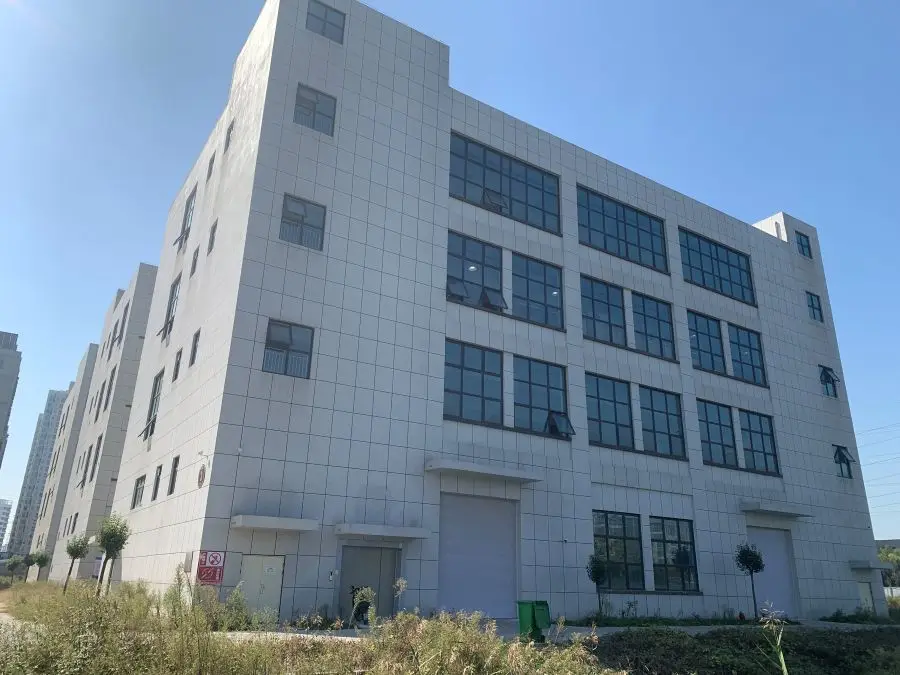
Zhengzhou Ruiding Import And Export Co., Ltd.
- Trading Company
- Henan, China
- Lead time15 days
- Avg. response≤ 1h
Main productswoven bag,paper bag,plastic bag,shopping bag,Container bag
Main marketsAfrica(20.00%), Southeast Asia(10.00%), Mid East(10.00%), Central America(8.00%), North America(8.00%), Eastern Europe(8.00%), Eastern Asia(7.00%), South Asia(5.00%), Northern Europe(5.00%), Oceania(5.00%), Western Europe(5.00%), South America(5.00%), Domestic Market(2.00%), Southern Europe(2.00%)
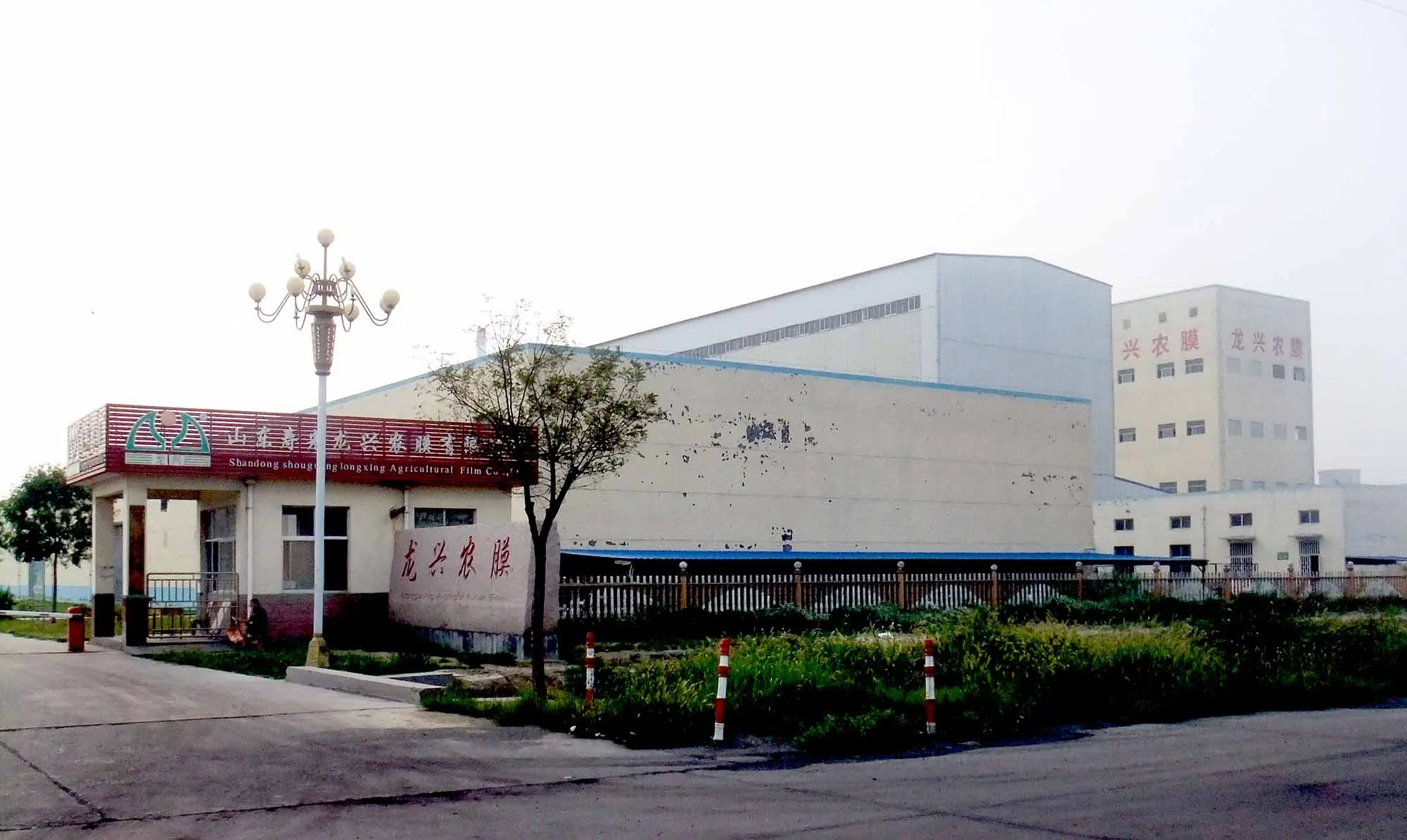
Shandong Longxing Plastic Film Technology Co., Ltd.
- Manufacturer, Trading Company
- Shandong, China
- Lead time20 days
- Avg. response≤ 3h
Main productsGreenhouse Film, Silo Film, Shrink Wrap, Silo Bag, BOPET
Main marketsDomestic Market(60.00%), North America(15.00%), Oceania(7.00%), Mid East(5.00%), Eastern Asia(4.00%), South America(3.00%), Western Europe(3.00%), Southeast Asia(3.00%)

ZIBO YUNDU PLASTIC PRODUCTS CO., LTD.
- Verified by CTI
- Combined
- China Shandong
- Lead time30 days
- Avg. response≤ 3h
Main productsBig Bag, PP Woven Fabric, FIBC Bag, Maxisacos, Bulk Bag, Polypropylene Bag, PP Bag, PP Fabric, Flexitank, Flexi Bag
Main marketsSouth America,Africa,Southeast Asia/ Mideast,East Asia(Japan/ South Korea),Domestic,Europe,Australia,North America

Extra-Large Breathable Bulk Bags Ton Bags for Firewood Suitable for Breathable Products
$3.80 - $4.50
MOQ: 200 Pieces


Hebei Hesheng Plastic Product Co., Ltd
- Verified by TUVRHEINLAND
- Trading Company,Manufacturer/Factory
- China Hebei
- Lead time0 days
- Avg. response≤ 2h
Main productsFIBC Bag, Jumbo Bag, Bulk Bag, Ton Bag, PP Big Bag, Bag Cutting Machine, PP Woven Bag, FIBC, Sling Bag, Fabric
Main marketsSouth America,North America,Southeast Asia,Eastern Asia,Oceania,Africa

Sinopack Strong FIBC Manufacturing Co., Ltd.
- Verified by CTI
- Combined
- China Jiangsu
- Lead time23 days
- Avg. response≤ 1h
Main productsFIBC, Big Bag, Container Bag, Bulk Bag, Jumbo Bag, Salt Bag, Cement Bag, Peanut Bag, Sand Bag, Stone Bag
Main marketsEurope,North America
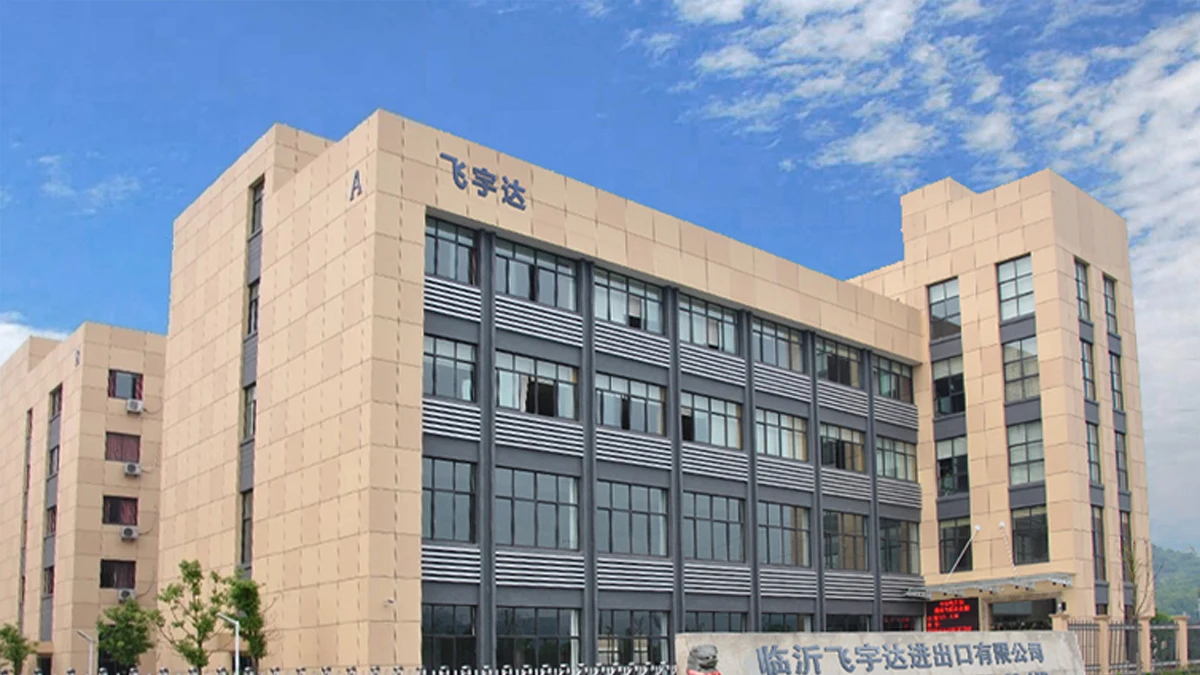
Linyi Feiyuda Imp. & Exp. Co., Ltd.
- Trading Company
- Shandong, China
- Lead time30 days
- Avg. response≤ 11h
Main productsTarpaulin; PP Woven Fabrics; Sunshade Net; PP Woven Bag
Main marketsAfrica(50.00%), South America(20.00%), Eastern Asia(10.00%), Mid East(10.00%), Eastern Europe(5.00%), Southeast Asia(5.00%)
Hengchuang (linyi) International Trade Co., Ltd.
- Manufacturer, Trading Company
- Shandong, China
- Lead time15 days
- Avg. response≤ 14h
Main productsPP Woven Bags,PP Woven Roll,Ton Bags,Plastic Bags,Express Transit Bags
Main marketsDomestic Market(40.00%), Southeast Asia(20.00%), Eastern Asia(15.00%), Africa(10.00%), Mid East(10.00%), North America(5.00%)
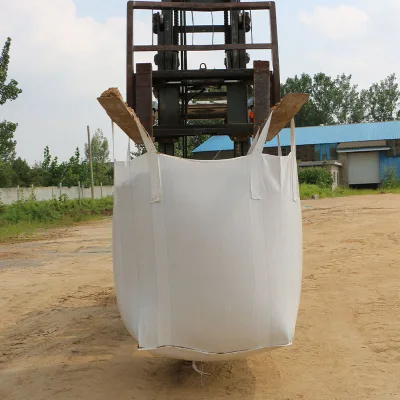
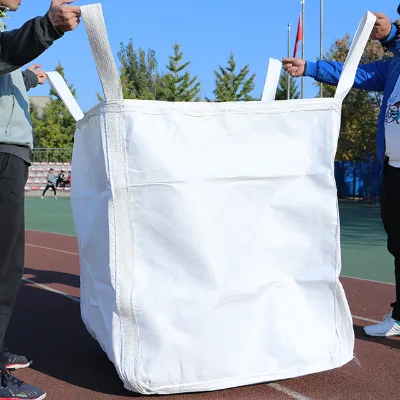

Hot sale Reinforced Push thickness Acceptable Customized Ton bag for packaging grain powder
$3.6171 - $3.6591
MOQ: 100 pieces
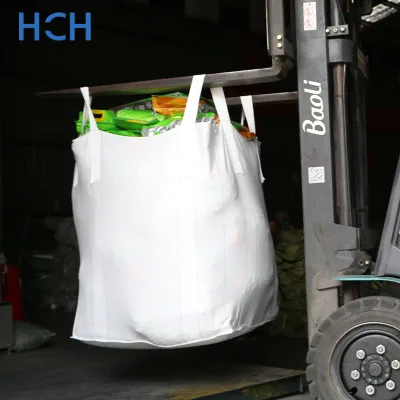
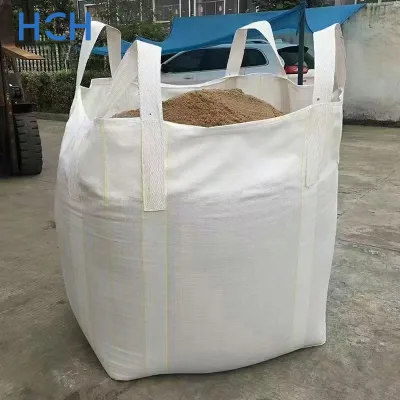
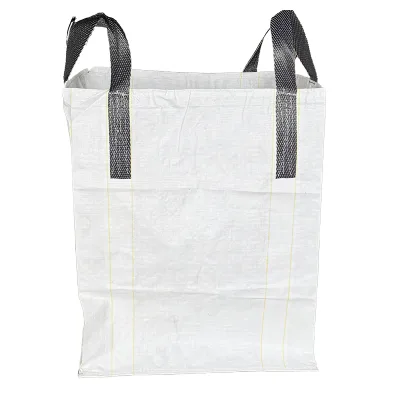
$3.36 - $3.62
MOQ: 1000 Minimum
Yantai Evergreen Packaging Co., Ltd.
- Manufacturer, Trading Company
- Lead time旺季: "1 - 1":7,"2 - 500":15,"501 - 1000":25,"> 1000":"To be negotiated", 淡季: "1 - 1":7,"2 - 500":15,"501 - 1000":25,"> 1000":"To be negotiated"
- Avg. response≤ 7h
Main productsPP Woven Bag, PP Jumbo Bag, PP Ground Cover, Anti Hail Net
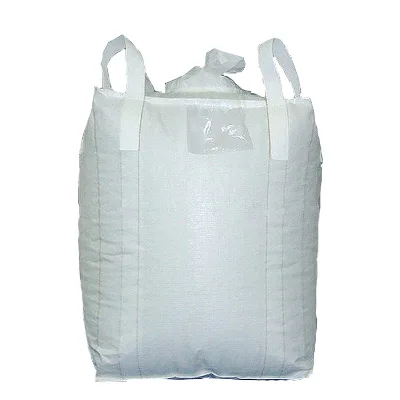
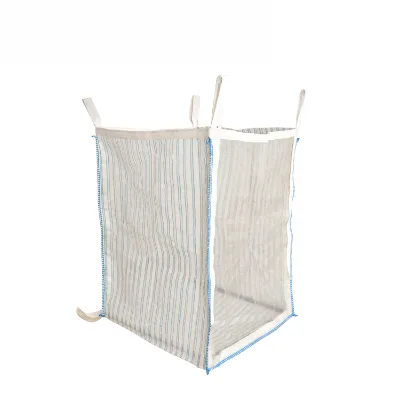
$4.1163 - $4.9392
MOQ: 1 pieces
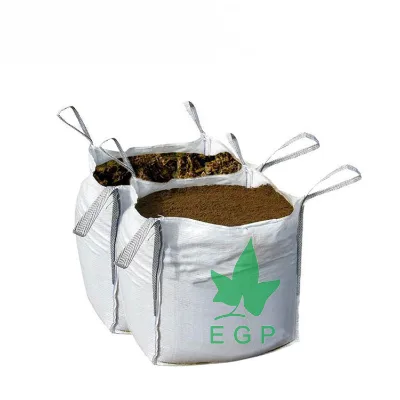
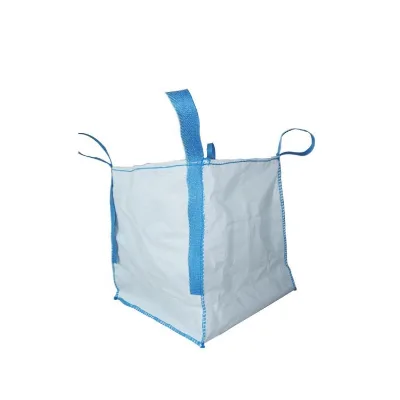
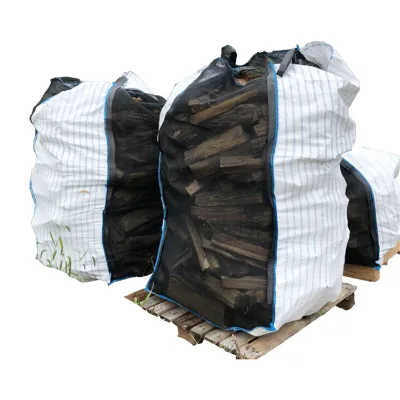
Breathable Food Grade Firewood Jumbo Ton Bag with Special Ventilation System Prevents Mold and Rot
$0.5202 - $4.1537
MOQ: 1 pieces
$4.1163 - $4.9392
MOQ: 1 pieces

Chengda Pack Industry (Qingdao) Co., Ltd.
- Verified by SGS
- Trading Company
- China Shandong
- Lead time30 days
- Avg. response≤ 4h
Main productsFIBC Bag, BOPP Bag, PP Woven Bag, PP Valve Bag, Paper Bag, Stretch Film, PP Fabric
Main marketsSouth America,Southeast Asia/ Mideast,North America
Shanxi Huazhan Wear-Resistant Material Technology Co., Ltd.
- Verified by Intertek
- Manufacturer, Trading Company
- Lead time0 days
- Avg. response≤ 4h
Main productsCeramic Lined Wear-Resistant Pipe, Ceramic Patch Wear-Resistant Pipe, Hydrocyclone, Screening Machine, Crushing Machine
Main marketsNorth America(60%), South Asia(20%), Southeast Asia(10%)

Shanxi Huazhan Wear Resistant Material Co., Ltd.
- Verified by SGS
- Combined
- China Shanxi
- Lead time15 days
- Avg. response≤ 8h
Main productsWear-Resistant Pipe, Ceramic Lined Steel Pipe, Ceramic Patch Straight Tube, Alumina Liner, Hydrocyclone, Plastic UHMWPE Pipe, Ton Bag, Gear Pump
Main marketsSouth America,Southeast Asia/ Mideast,North America


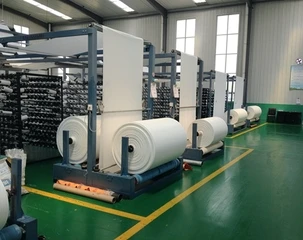
Construction Sandbags for Flood Prevention and Heavy-Duty Loading Ton Bags
$5.00 - $6.00
MOQ: 1 Pieces
Shandong Lianhong Plastic Co., Ltd.
- Manufacturer, Trading Company
- Shandong, China
- Lead time20 days
- Avg. response≤ 5h
Main productsWeed control mat/groud cover/weed barrier/landscape fabric,FIBC big bag/Bulk bag,Anti hail net/Anti Insect net,Date mesh bag,Shade net/shade cloth
Main marketsNorth America(13.00%), Western Europe(11.00%), Oceania(10.00%), Mid East(8.00%), Northern Europe(8.00%), South America(8.00%), Eastern Asia(8.00%), South Asia(5.00%), Southern Europe(5.00%), Central America(5.00%), Eastern Europe(5.00%), Africa(5.00%), Southeast Asia(5.00%), Domestic Market(4.00%)

Shandong Ocean Blue Whale Packing Co., Ltd
- Verified by SGS
- Combined
- China Shandong
- Lead time30 days
- Avg. response≤ 4h
Main productsFlexitank, Flexibag, Dry Bulk Liner, Container Liner Bag, Sea Bulk Liner Bag, Flexitank for Food Grade Liquid, Cotton Picker Film, PP Woven Fabric, PE Film
Main marketsSouth America,Southeast Asia/ Mideast

Xuzhou Multi Solution Packaging Co., Ltd.
- Verified by SGS
- Trading Company,Manufacturer/Factory
- China Jiangsu
- Lead time30 days
- Avg. response≤ 14h
Main productsPolypropylene Big Bag, Jumbo Bag, Bulk Bag, PP Woven Bag, Flexible Intermediate Bulk Containers, PP Woven Fabric, PP Woven Loop, Flyknit Products
Main marketsSouth America,Eastern Europe,Mid East,North America,Southeast Asia,Eastern Asia,Oceania,Western Europe,Africa


Breathable Baffle Jumbo Bag Ventilated Bulk Bag for Grain Moisture Prevention
$4.50 - $5.50
MOQ: 500 Pieces


Durable Ventilated Jumbo Bag with Flat Bottom for Stable Stacking and Handling
$4.11 - $6.17
MOQ: 500 Pieces

Jinan Bollison International Trading Co., Ltd.
- Verified by TüVRheinland
- Trading Company
- Lead time25 days
- Avg. response≤ 3h
Main productsPVC Tarpaulin, Transport Tarpaulin, Waterproof Cover, Storage Bag, Outdoor Tent
Main marketsNorth America(60%), Oceania(15%), Western Europe(15%)
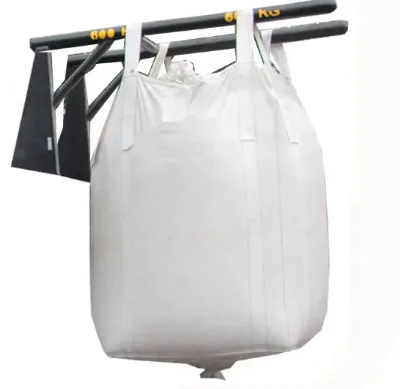
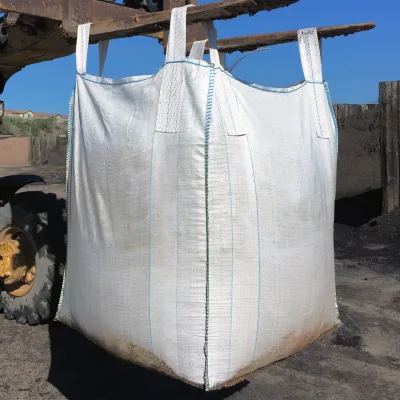
High Quality Durable Waterproof FIBC Bag 500 kg 1000kg Soft Container Ton Bag
$2.93 - $3.56
MOQ: 200 Minimum
Wuxi Loonde Packing & Crafts Co., Ltd.
- Verified by TüVRheinland
- Manufacturer, Trading Company
- Lead time18 days
- Avg. response≤ 5h
Main productsStorage Boxes & Bins, Travel Bags, Cosmetic Bags & Cases, Apparel
Main marketsWestern Europe(40%), North America(30%), Oceania(10%)
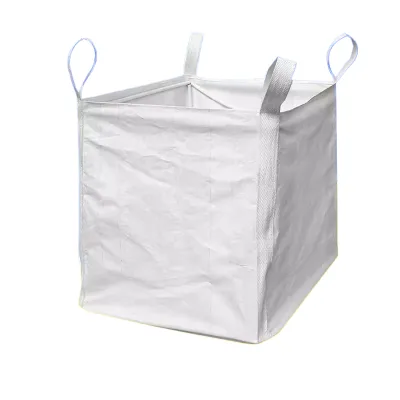
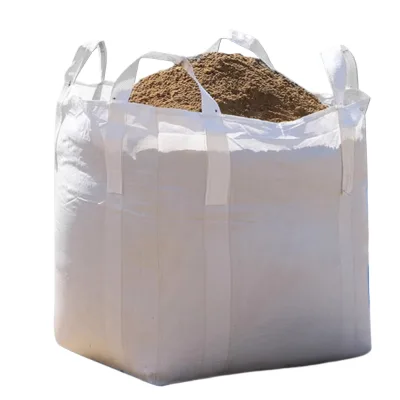
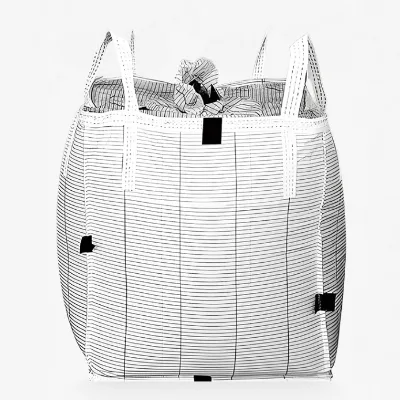
Anti - Static PP Woven Ton Bag TYPE C Bulk Bag Conductive Big Bags 4 Panel Cross Corner Loops
$3.99 - $4.55
MOQ: 500 pieces

Qingdao Sentany International Trading Co., Ltd.
- Verified by TUVRHEINLAND
- Trading Company
- China Shandong
- Lead time30 days
- Avg. response≤ 7h
Main productsPP Bag, PE Tarpaulin, Construction Materials, PE Film, LDPE Film, PP Mesh Bag, Car Cover, Safety Rope, PVC Tarpaulin, Cotton Gloves
Main marketsOthers(foreignTradeCapacity.exportBusinessCapacityMarketOther),East Asia(Japan/ South Korea),Europe

Waterproof Ton Bag with Double - Layered Lining for Protecting Goods From Moisture Damage
$1.20 - $2.50
MOQ: 1000 Pieces

High - Tensile Strength Ton Bag with Reinforced Seams for Reliable Heavy - Load Carrying
$1.20 - $2.50
MOQ: 1000 Pieces
Luoyang Baohua Plastic Industry Co., Ltd.
- Verified by Intertek
- Manufacturer, Trading Company
- Lead time14 days
- Avg. response≤ 2h
Main productsJumbo Bag
Hebei Hesheng Plastic Products Co., Ltd.
- Verified by TüVRheinland
- Manufacturer, Trading Company
- Lead time15 days
- Avg. response≤ 2h
Main productsJumbo Bag, Fibc Bag, Sling Bag, PP Fabric, Loop
Main marketsNorth America(20%), South America(20%), Southeast Asia(20%)

Feixian Qiansi Plastic Packaging Products Co., Ltd.
- Verified by CTI
- Combined
- China Shandong
- Lead time30 days
- Avg. response≤ 18h
Main productsBulk Bag, Big Bag, Jumbo Bag
Main marketsEast Asia(Japan/ South Korea),Domestic


Waterproof Big Bag Protecting Bulk Goods From Rain and Moisture During Transit
$2.50 - $3.00
MOQ: 100 Pieces

Waterproof Bulk Bag with Secure Sealing for Outdoor Bulk Material Storage
$2.50 - $3.00
MOQ: 100 Pieces

Waterproof Dustproof Jumbo Bag Perfect for Outdoor Bulk Material Storage Needs
$2.50 - $3.00
MOQ: 100 Pieces

Big Bag with Dust Cover for Additional Protection Against Contamination During Storage
$2.50 - $3.00
MOQ: 100 Pieces

Weather Resistant Outdoor Bulk Bag for Construction Site Material Storage Needs
$2.50 - $3.00
MOQ: 100 Pieces

Wenzhou Juding Industrial Co., Ltd.
- Verified by CTI
- Combined
- China Zhejiang
- Lead time15 days
- Avg. response≤ 7h
Main productsPP Woven Bag, Tarpaulin, PP Woven Fabric, PP/Kraft Paper Bag, Ground Cover, Mesh Bag, Rice Bag, Feed Bag, PE Tarpaulin, Woven Fabric
Main marketsSouth America,Africa,Domestic,Europe,North America
Qingdao Highway Rubber & Plastic Co., Ltd.
- Verified by TüVRheinland
- Trading Company
- Lead time20 days
- Avg. response≤ 1h
Main productsPVC Liquid Bladder, TPU Fuel Oil Bladder, Collapsible Fish Tanks, Frame Collapsible Tanks, Inflatable Boat
Main marketsAfrica(40%), Southeast Asia(15%), Mid East(15%)

Jining Mingchuang International Co., Ltd.
- Manufacturer/Factory,Group Corporation
- China Shandong
- Lead time15 days
- Avg. response≤ 14h
Main productsPVC Film, Transparent Film, LLDPE Stretch Film, PVC Tarpaulin and Canvas, PE Shrink Film, PVC Sheet, HDPE Liner, PVC Tapes, Packaging Film, PVC Products
Main marketsSouth America,Eastern Europe,Mid East,North America,Southeast Asia,Eastern Asia,Oceania,Western Europe
Zhangjiagang Billion Packaging Materials Co., Ltd.
- Verified by Intertek
- Manufacturer, Trading Company
- Lead time0 days
- Avg. response≤ 2h
Main productsAluminum Foil Bag, PE Bag, Plastic Bucket, Paper Bucket
Main marketsDomestic Market(70%), North America(10%), Southeast Asia(5%)
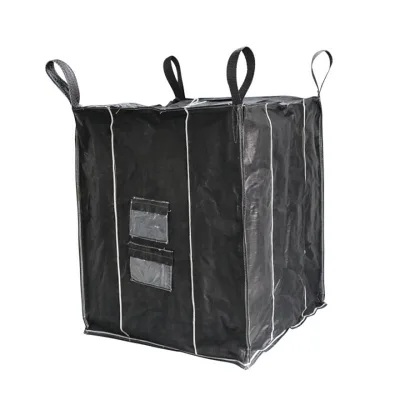
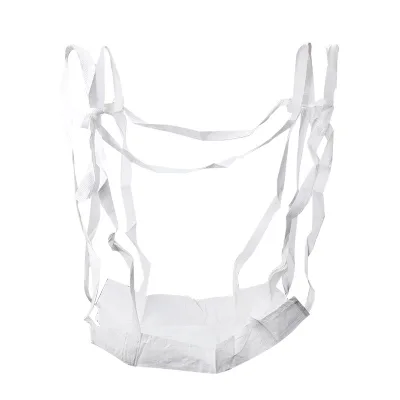
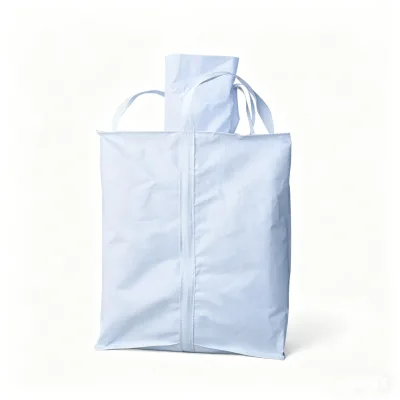
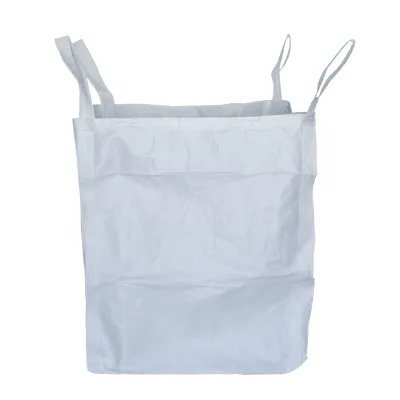










Comprehensive Sourcing Guide
Breathable Moisture Proof Ton Bag Supplier Concentration and Factory Types
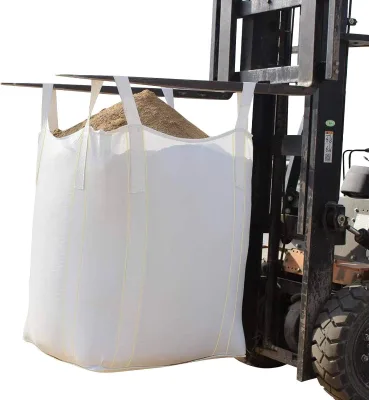
The current supplier landscape for breathable moisture proof ton bags reveals a distinct geographic concentration in Henan and Shandong provinces within China. These regions serve as primary manufacturing hubs for woven packaging solutions, including FIBC bags and bulk containers. Suppliers located in Henan often operate as trading companies, which may offer a broader range of product variations such as paper bags, plastic bags, and shopping bags alongside their core woven bag offerings. This trading model can provide buyers with consolidated sourcing options but requires careful verification of actual manufacturing capabilities. In contrast, suppliers in Shandong frequently present themselves as manufacturers or combined entities that handle both production and trade. This dual role can streamline communication and ensure that technical specifications for moisture-proof and breathable designs are accurately translated from design to production. The presence of ISO9001:2015 certification among some Shandong-based suppliers indicates a structured approach to quality management systems, which is critical for maintaining consistency in breathable mesh and moisture-proof laminates. Buyers should note that while location data is available, the specific factory addresses are not disclosed in the current results, necessitating direct inquiry to confirm physical production sites. Understanding whether a supplier is a pure manufacturer, a trading company, or a combined entity helps in assessing their flexibility, pricing structure, and ability to handle custom orders for specialized bag types like those with ventilated features or specific discharge spouts.
Supplier types also vary in their capacity for customization and original design manufacturing. Some entities explicitly list ODM and OEM capabilities, suggesting they can adapt existing breathable bag designs to meet specific client requirements for industrial use, agriculture, or chemical transport. This is particularly relevant for products requiring specific safety factors, such as the 5:1 ratio observed in some heavy-duty ton bags, or specific loop options like cross-corner or side-seam loops. The ability to customize size, color, and logo printing is widely available, with many suppliers accepting custom orders for dimensions ranging from standard 1000kg capacities to larger 2000kg variants. However, the extent of this customization depends heavily on the supplier’s internal infrastructure. Trading companies may rely on external factories, potentially adding layers of communication and time, whereas manufacturers with in-house weaving and sewing lines can offer more direct control over material structure, such as PP woven fabric thickness and density. Buyers must distinguish between suppliers who merely assemble finished goods and those who control the entire production chain, from raw polypropylene extrusion to final bag sealing. This distinction impacts not only the lead time but also the ability to troubleshoot production issues quickly. For instance, a supplier with a stated supply ability of 20,000 pieces per day demonstrates significant production volume, which is crucial for large-scale orders of breathable bulk bags. Verifying these operational details ensures that the chosen partner can meet both the technical demands of moisture-proof and breathable designs and the logistical demands of timely delivery.
How to Verify Breathable Moisture Proof Ton Bag Suppliers
Verifying the authenticity and capability of Breathable Moisture Proof Ton Bag suppliers requires a multi-layered approach that goes beyond surface-level product listings. Buyers should prioritize suppliers who display third-party verification badges, such as CTI verification, which indicates that an independent inspection agency has validated the company’s business credentials and operational status. This verification is a strong initial indicator of legitimacy, reducing the risk of engaging with fraudulent entities. Additionally, checking for system certifications like ISO9001:2015 provides assurance that the supplier adheres to internationally recognized quality management standards. For breathable and moisture-proof bags, specific product certifications may also be relevant, such as food-grade compliance for agricultural applications or antistatic properties for chemical handling. Buyers should request copies of these certificates and verify their validity through the issuing bodies. It is also crucial to assess the supplier’s response time, as a quick and professional reply often reflects a well-organized customer service team capable of handling complex technical queries. A response time of under three days, as seen in some results, suggests a responsive infrastructure, whereas slower responses may indicate potential delays in communication during the order fulfillment process.
Beyond certifications and response metrics, buyers must conduct direct technical due diligence to ensure the supplier can deliver on specific product requirements. This involves requesting detailed product specifications for breathable moisture proof ton bags, including material structure, thickness options, and safety factors. For example, confirming whether the bags are made from PP woven fabric and understanding the specific weaving density is essential for ensuring breathability without compromising strength. Buyers should also inquire about the testing procedures used to validate moisture-proof claims, such as water resistance tests or humidity exposure simulations. Asking for sample units is a critical step in this verification process, allowing buyers to physically inspect the quality of the stitching, the integrity of the lifting loops, and the effectiveness of any breathable mesh panels. Furthermore, verifying the supplier’s main products helps determine their expertise; a supplier specializing in FIBC bags and bulk containers is likely more knowledgeable about breathable designs than one with a diverse but unrelated product range. Buyers should also check the supplier’s history and establishment year, if available, to gauge their experience in the industry. Long-standing suppliers may have refined their processes for producing durable and reliable ton bags. Finally, reviewing past customer feedback or case studies, if accessible, can provide insights into the supplier’s reliability and consistency in delivering breathable moisture proof ton bags that meet international standards.
What to Compare Across Breathable Moisture Proof Ton Bag Suppliers
When evaluating multiple suppliers for breathable moisture proof ton bags, buyers should systematically compare key operational and commercial dimensions to identify the most suitable partner. Lead time is a critical factor, as it directly impacts inventory management and project timelines. Suppliers may offer lead times ranging from 15 to 30 days, depending on order volume and customization requirements. A shorter lead time, such as 15 days, may be advantageous for urgent orders, but buyers should verify if this applies to standard or customized products. MOQ is another essential comparison point, with some suppliers requiring minimum orders of 1,000 pieces while others may demand 10,000 pieces. This variance can significantly affect the total cost and feasibility for small to medium-sized buyers. Buyers should also compare pricing structures, noting that prices can range from $1.60 to $4.00 per unit depending on specifications like thickness, safety factor, and additional features such as discharge spouts or custom printing. It is important to request detailed quotes that break down costs for materials, labor, and shipping to ensure transparency. Response time is also a valuable metric for assessing supplier reliability; faster response times often correlate with better customer service and quicker issue resolution.
In addition to operational metrics, buyers should compare the technical specifications and customization options offered by each supplier. This includes evaluating the available material structures, such as PP woven fabric, and the range of thickness options, which can vary from 0.12 mm to 5 mm. The safety factor is another crucial technical detail, with some suppliers offering bags with a 5:1 safety ratio, which is essential for heavy-duty applications. Buyers should also compare the loop options, such as cross-corner loops for forklift handling or side-seam loops for specific lifting requirements. The ability to customize colors, logos, and sizes is widely available, but the extent of this customization and any associated costs should be clearly understood. Furthermore, comparing the supplier’s main products can reveal their core competencies; a supplier specializing in FIBC bags may offer more advanced breathable designs than a general packaging company. Buyers should also consider the supplier’s supply ability, as some may have the capacity to produce 20,000 pieces per day, ensuring timely delivery for large orders. Finally, comparing the port of dispatch, such as Qingdao, can help in estimating shipping costs and transit times to the buyer’s destination. By systematically comparing these dimensions, buyers can make informed decisions that balance cost, quality, and delivery speed.
Common Breathable Moisture Proof Ton Bag Sourcing Risks
Sourcing breathable moisture proof ton bags involves several potential risks that buyers must proactively manage to ensure successful procurement. One significant risk is the discrepancy between advertised specifications and actual product quality. Suppliers may claim that their bags are moisture-proof and breathable, but without rigorous testing, these claims may not hold up in real-world conditions. Buyers should be cautious of suppliers who do not provide detailed technical data or testing reports to support their product claims. Another risk is the variability in manufacturing quality, particularly when dealing with trading companies that may source from multiple factories. This can lead to inconsistencies in bag strength, stitching quality, and material durability. Buyers should verify the supplier’s quality control processes and request samples to assess the consistency of their products. Additionally, there is a risk of delayed shipments due to production bottlenecks or logistical issues. Suppliers with longer lead times or lower supply abilities may struggle to meet urgent deadlines, potentially disrupting the buyer’s supply chain. Buyers should establish clear communication channels and regular updates to monitor production progress and address any delays promptly.
Another common risk is the lack of transparency in pricing and additional costs. Suppliers may quote low initial prices but add hidden fees for customization, shipping, or packaging. Buyers should request comprehensive quotes that include all costs to avoid unexpected expenses. There is also a risk of intellectual property infringement if buyers provide custom designs or logos to unverified suppliers. To mitigate this, buyers should use non-disclosure agreements and work with suppliers who have a strong reputation for respecting intellectual property rights. Furthermore, buyers should be aware of the risks associated with non-compliance with international standards and regulations. For example, bags intended for food or chemical transport must meet specific safety and hygiene standards. Buyers should verify that their suppliers comply with these regulations and provide necessary certifications. Finally, there is a risk of supplier insolvency or operational failure, which can disrupt the supply chain. Buyers should assess the financial stability and reputation of their suppliers through third-party verification services and industry references. By identifying and addressing these risks early in the sourcing process, buyers can protect their interests and ensure a smooth procurement experience for breathable moisture proof ton bags.
Breathable Moisture Proof Ton Bag Regional Sourcing and Logistics
Regional sourcing of breathable moisture proof ton bags from China offers distinct logistical advantages and challenges that buyers must navigate. The primary manufacturing clusters in Henan and Shandong provinces provide access to a dense network of suppliers, raw material providers, and logistics infrastructure. Henan, being a central province, offers convenient access to domestic transportation networks, which can reduce inland shipping costs. Shandong, with its major ports like Qingdao, provides direct access to international maritime shipping routes, facilitating efficient export logistics. Buyers should consider the proximity of the supplier to the port of dispatch when estimating shipping costs and transit times. Suppliers located in Shandong may offer faster and cheaper shipping options to international destinations due to their proximity to major ports. However, buyers should also factor in the potential for higher local labor and operational costs in these regions. Understanding the regional logistics landscape helps buyers optimize their supply chain and reduce overall procurement costs.
Logistics planning also involves coordinating with freight forwarders and customs brokers to ensure smooth clearance and delivery. Buyers should verify the supplier’s experience in exporting and their familiarity with international shipping regulations. Suppliers who regularly export to the buyer’s region may have established relationships with reliable freight forwarders, which can streamline the shipping process. Additionally, buyers should consider the packaging and handling requirements for breathable moisture proof ton bags, as improper handling can damage the bags during transit. Suppliers should provide clear instructions on how to stack and secure the bags in containers to prevent damage. Buyers should also plan for potential delays due to weather conditions, port congestion, or customs inspections. Establishing contingency plans and maintaining open communication with suppliers and logistics partners can help mitigate these risks. Furthermore, buyers should consider the
FAQs
What is the price range for breathable ton bags?
Breathable ton bags typically cost between $1.60 and $4.00 per unit. Prices vary based on material thickness, safety factors, and customization needs. Buyers should expect higher costs for specialized features like antistatic properties or specific discharge spouts. Always confirm the final price with the supplier based on your exact order quantity and specifications.
What is the minimum order quantity for these bags?
The minimum order quantity usually starts at 1,000 pieces for standard FIBC bags. Some suppliers may require a higher MOQ of 10,000 units for specific woven bag types. It is essential to verify the exact MOQ with the manufacturer, as bulk discounts often apply to larger orders. Check the supplier's listing for precise quantity requirements.
How long does production take for custom orders?
Production lead times generally range from 15 to 30 days depending on the supplier and order volume. Manufacturers in Henan and Shandong regions often cite these timeframes for woven and PP bags. Custom designs or large quantities may extend the timeline. Confirm the exact delivery schedule with your chosen supplier before placing the order.
Are these bags suitable for agricultural products?
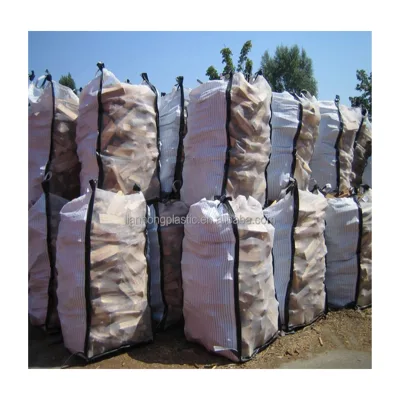
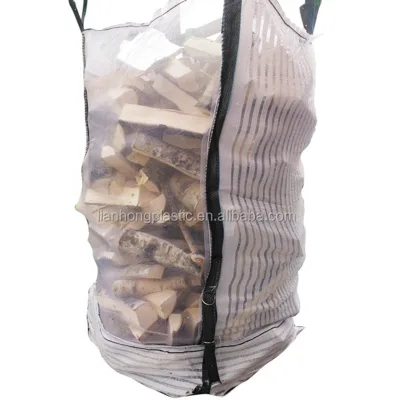
Yes, many breathable ton bags are designed for agricultural use, including vegetables, fruits, and fertilizers. They feature ventilated mesh designs to allow airflow, preventing moisture buildup. Some bags are also suitable for firewood and other bulk goods. Ensure the bag material and safety factor meet your specific storage and transport requirements for agricultural products.
What certifications do these suppliers hold?
Some suppliers hold ISO9001:2015 certification for quality management systems. Others may have CTI verification for product reliability. These certifications indicate adherence to international standards for manufacturing and quality control. Buyers should request valid certificates from the supplier to ensure the bags meet safety and quality requirements for their specific industry applications.
Can I customize the logo and size of the bags?
Most suppliers accept custom orders for logo printing and bag dimensions. You can choose from various sizes and request specific printing methods like gravure or pad printing. Customization allows for brand visibility and tailored fit for your products. Confirm the customization options and any additional costs with the supplier before finalizing your order details.