Fruits Vegetables Plastic Storage Box Suppliers and Manufacturers
Compare 30 verified suppliers offering Fruits Vegetables Plastic Storage Box with varying lead times, MOQs, and response speeds. Review product specs like load capacity and material before requesting quotes; review the available evidence before requesting comparable quotations from suitable candidates.
Updated
Suppliers List

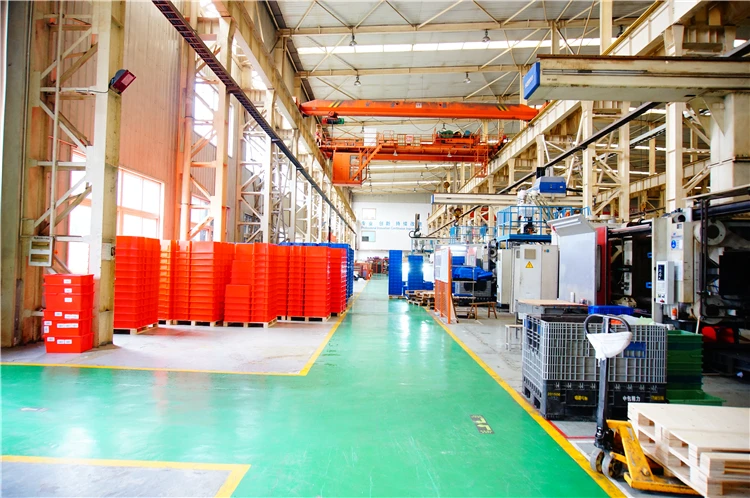
Enlightening Pallet Industry Co., Ltd.
- Verified by SGS
- Combined
- China Shandong
- Lead time15 days
- Avg. response≤ 3h
Main productsPlastic Pallet, Plastic Pallet Box, Plastic Dustbin, Waste Bin, Shelf Bin, Storage Bin, Collapsible Pallet Box, Plastic Pallet Container, Slip Sheet, Spill Pallet
Main marketsSoutheast Asia/ Mideast,Europe,North America


Plastic Pallet Box Fruit Storage Pallet Plastic Palle Box Plastic Palle Bin for Fruit and Vegetable
$49.99 - $79.99
MOQ: 50 Pieces
Chinapack Jingli Supply Chain Management Jiangyin Co., Ltd.
- Manufacturer, Trading Company
- Jiangsu, China
- Lead time10 days
- Avg. response≤ 2h
Main productsCollapsible Pallet Box,Plastic Crate,Plastic Pallet,PP Plastic Sheet,Plastic Turnover Box
Main marketsAfrica(50.00%), Mid East(30.00%), Northern Europe(10.00%), South America(10.00%)
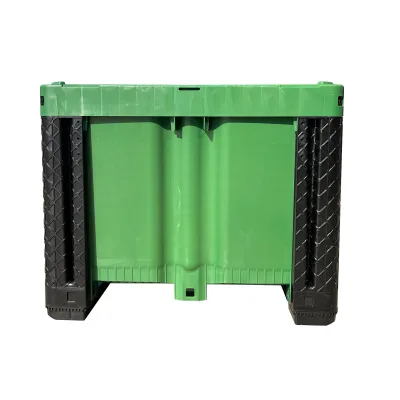
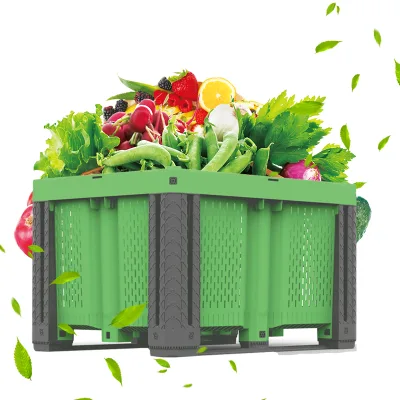
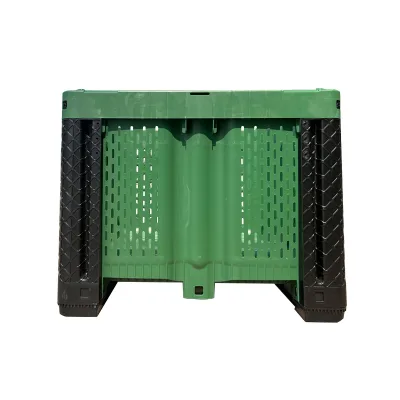
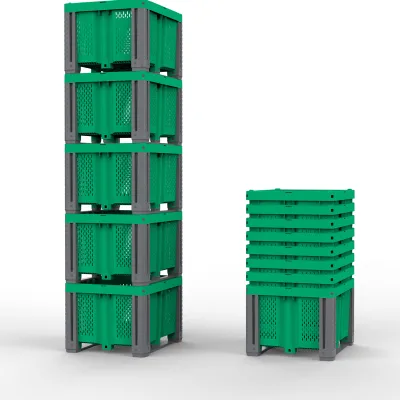
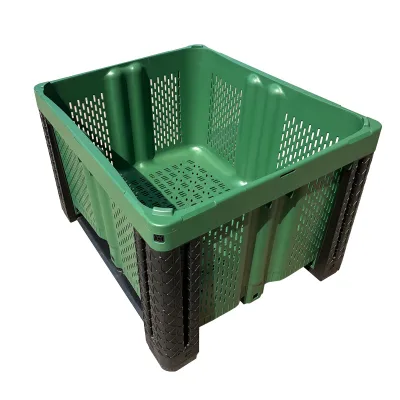
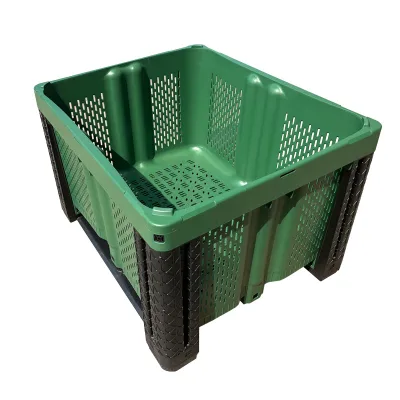
Folding Crate Mesh Surface Storage Box Plastic Plastic Fruit Vegetable Storage Basket
$75.00 - $80.00
MOQ: 100 pieces

Suzhou Huiyuan Plastic Products Co. Ltd.
- Verified by BV
- Manufacturer/Factory
- China Jiangsu
- Lead time23 days
- Avg. response≤ 4h
Main productsPick Bins, PP Layer Pad, Coroplast Sheet, PP Corrugated Sheet, Corrugated Plastic Sheet, Plastic Corrugated Sheet, Corflute Sheets, Corrugated Plastic Box, Pallet Sleeve Box, Delta Traps
Main marketsSouth America,Eastern Europe,Mid East,North America,Southeast Asia,Eastern Asia,Oceania,Western Europe,Africa
Shandong Corruone New Material Co., Ltd.
- Verified by SGS Group
- Manufacturer, Trading Company
- Lead time5 days
- Avg. response≤ 1h
Main productsCorrugated Plastic Sheets, Corrugated Plastic Box, Corrugated Plastic Bin, Floor Protection Sheet, Tree Guard
Main marketsWestern Europe(15%), South Asia(15%), North America(11%)
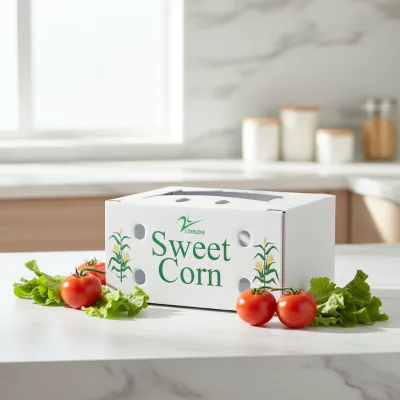
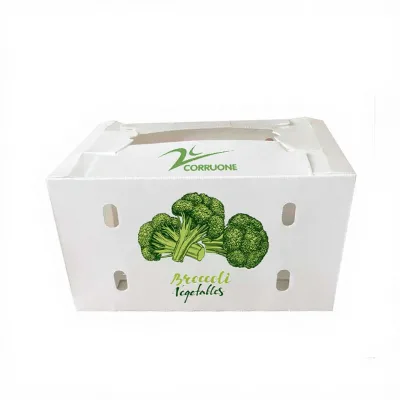
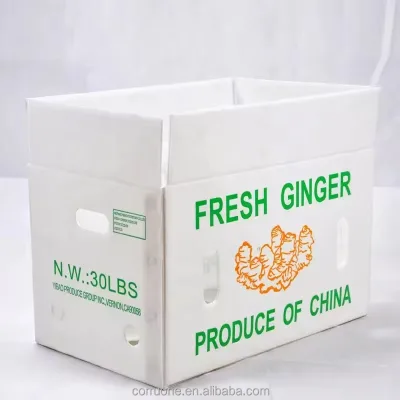
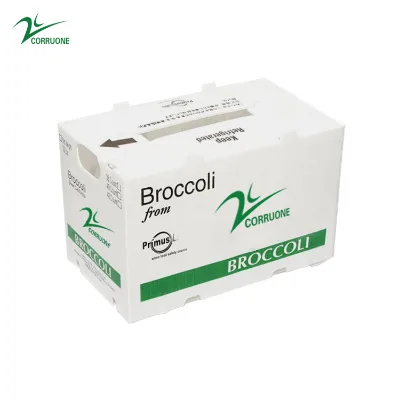
OEM Apple Box Recyclable Plastic Box for Fruits and Vegetables, 4-7mm Food Packaging Storage Box
$0.721 - $0.9788
MOQ: 10 pieces

Suzhou Shunhong Metallic Products Co., Ltd.
- Trading Company,Manufacturer/Factory
- China Jiangsu
- Lead time23 days
- Avg. response≤ 9h
Main productsShopping Cart, Roll Container, Warehouse Trolley, Storage Cage, Shopping Basket, Shopping Trolley, Supermarket Cart, Hand Push Cart, Wire Mesh Cages, Checkout Counter
Main marketsSouth America,Eastern Europe,Mid East,North America,Southeast Asia,Eastern Asia,Oceania,Western Europe,Africa


Hdpp Vegetable Storage Plastic Basket Plastic Plastic Fruit Storage Basket
$10.00 - $15.00
MOQ: 200 Pieces


Taizhou Shangyi Plastic Co., Ltd.
- Verified by TUVRHEINLAND
- Trading Company
- China Zhejiang
- Lead time23 days
- Avg. response≤ 20h
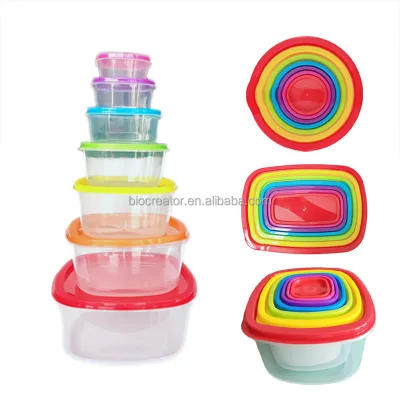
Main productsFood Container, Storage Container, Lunch Box, Bento Box, Plastic Laundry Basket, Plastic Storage Container, Plastic Cutting Board
Main marketsSouth America,Southeast Asia/ Mideast


Organizer Trays Bins Pantry Cabinet Storage Box Fridge Fruits Vegetables Containers Storage Baskets
$0.28 - $0.30
MOQ: 3000 Pieces
Weifang Merchants Creator Bio-tech Company Limited
- Manufacturer, Trading Company
- shandong, China
- Lead time30 days
- Avg. response≤ 5h
Main productsPlastic Products (PP,PS,PET Plastic Sheet And Related Plastic Material Disposable Products,Food And Vegetable Containers,Cups
Main marketsDomestic Market(90.00%), North America(7.00%), Western Europe(2.00%), Eastern Asia(1.00%)
- Verified by SGS Group
- Manufacturer, Trading Company
- Shandong, China
- Lead time5 days
- Avg. response≤ 2h
Main productsPlastic Pallet, Plastic Garbage Bin, Plastic Pallet Box, Plastic Attached Lid Container, Foldable Large Container
Main marketsSouth America(31%), Africa(31%), Mid East(13%)
Shanghai Dehuan Industry Co., Ltd.
- Trading Company
- Lead time旺季: "1 - 100000":31,"> 100000":"To be negotiated", 淡季: "1 - 100000":31,"> 100000":"To be negotiated"
- Avg. response≤ 3h
Main productsHydroponic Fodder System, Ebb And Flow Table, NFT Hydroponic System, Plastic Plant Pots, Dutch Bucket
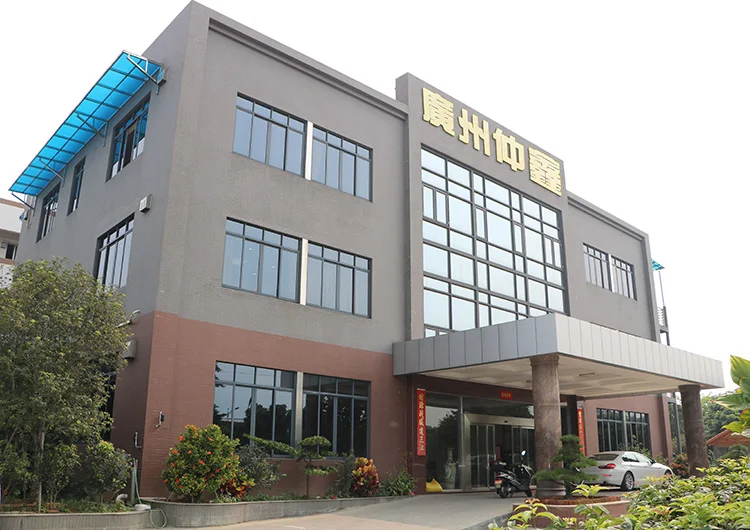
Guangzhou Hengxin Industry Co., Limited
- Manufacturer
- Guangdong Province, China
- Lead time10 days
- Avg. response≤ 6h
Main productsBallot boxes,Package boxes,Polling Booth,Security seals,Election Goods
Main marketsAfrica(15.00%), Domestic Market(10.00%), North America(10.00%), Central America(10.00%), South America(10.00%), Oceania(5.00%), South Asia(5.00%), Southern Europe(5.00%), Northern Europe(5.00%), Eastern Europe(5.00%), Western Europe(5.00%), Eastern Asia(5.00%), Mid East(5.00%)
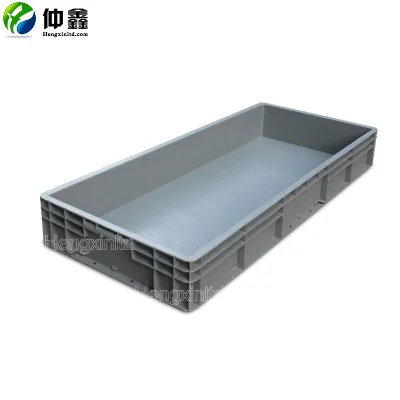
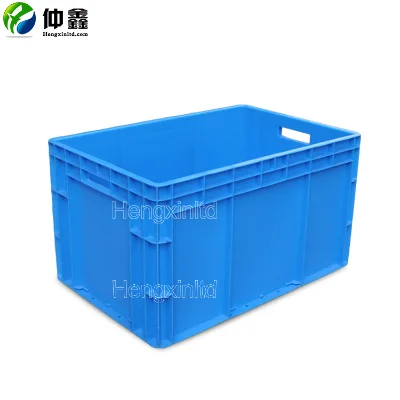
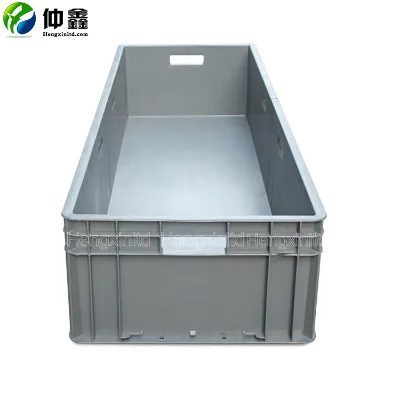
Factory Price Plastic Food Storage Box/plastic Milk Crate/fruit Plastic Crate
$3.00 - $6.50
MOQ: 1000 pieces

Suzhou Highbright Enterprise Limited
- Combined
- China Jiangsu
- Lead time30 days
- Avg. response≤ 5h
Main productsShopping Trolley, Shopping Cart, Gondola Shelf, Display Shelf, Shop Fittings, Store Fixtures, Roll Container, Shopping Basket, Checkout Counter, Swing Gate
Main marketsSouth America,Africa,Southeast Asia/ Mideast,East Asia(Japan/ South Korea),Europe,Australia,North America

Adjustable Collapsible Mesh Style Fruit Foldable Plastic Vegetable Storage Box
$4.50 - $7.50
MOQ: 500 Pieces


Fruits and Vegetables Attached Lidded Crates Logistic Box with Hinged Lids
$20.00 - $45.00
MOQ: 20 Pieces


Hangzhou Meituo Home Technology Co., Ltd.
- Manufacturer, Trading Company
- Zhejiang, China
- Lead time25 days
- Avg. response≤ 5h
Main productsStorage container,Storage box,PET PRODUCT,OUTDOOR PRODUCTS
Main marketsWestern Europe(20.00%), Southeast Asia(20.00%), Eastern Asia(20.00%), North America(20.00%), Mid East(10.00%), South America(10.00%)
Ningbo Bafuluo International Trading Co., Ltd.
- Manufacturer, Trading Company
- Zhejiang, China
- Lead time45 days
- Avg. response≤ 10h
Main productsfoldable trolley,foldable crate,foldable basket,plastic crate,storage box
Main marketsSoutheast Asia(50.00%), South America(20.00%), Northern Europe(10.00%), Central America(10.00%), North America(10.00%)

Globalink International Limited
- Verified by SGS
- Trading Company,Manufacturer/Factory,Other
- China Shandong
- Lead time45 days
- Avg. response≤ 13h
Main productsPlastic Packaging, Food Container, Fruit packaging, Paper Bags, Paper Packaging, Plastic Bags, Plastic Tape, Egg Tray, Aluminum Foil, Sushi Container
Main marketsSouth America,Eastern Europe,Mid East,North America,Southeast Asia,Eastern Asia,Oceania,Western Europe,Africa

Jiangsu Xuansheng Plastic Technology Co., Ltd.
- Verified by TUVRHEINLAND
- Combined
- China Jiangsu
- Lead time30 days
- Avg. response≤ 11h
Main productsPlastic Pallets, Foldable Crates, Foldable Baskets, Plastic Bins, Turnover Crates, Turnover Baskets, Fruits Box, Vegetable Box, Nestable & Stackable Crates, Backing Hanging Bin
Main marketsOthers(foreignTradeCapacity.exportBusinessCapacityMarketOther),Southeast Asia/ Mideast,Domestic


Food Grade Transparent Collapsible Foldable Plastic Storage Box for Fruit Storage
$3.00 - $8.00
MOQ: 1 Pieces

Fruit Storage Container and Vegetable Stackable Plastic Turnover Basket/Crates
$1.00 - $5.00
MOQ: 1 Pieces

Cheap Collapsible and Foldable Plastic Storage Box for Vegetable and Fruit Use
$3.00 - $8.00
MOQ: 1 Pieces

Food Grade Vegetable and Fruit Storage PP Plastic Folding Nestable Logistics Box with Lid
$3.00 - $8.00
MOQ: 1 Pieces

Vegetable and Food Hot Sales Folding Plastic Box for Logistics and Storage
$3.00 - $6.00
MOQ: 1 Pieces
- Verified by Intertek
- Trading Company
- Lead time45 days
- Avg. response≤ 3h
Main productsPlastic Hanger, Rotating Turntable Organizers, Plastic Storage Boxes, Folding Stool, Food Storage & Container
Main marketsNorth America(28%), Eastern Asia(23%), Western Europe(18%)
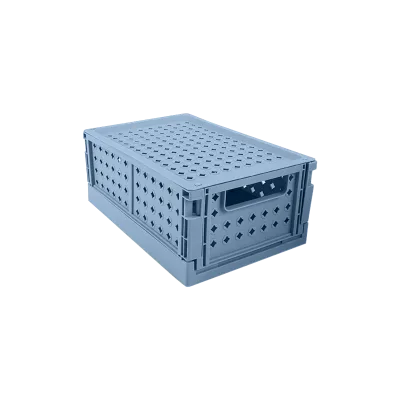
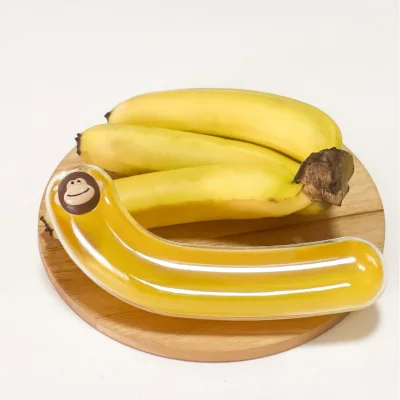
GREENSIDE Refrigerated Fruit Box for Sealing and Preserving Bananas When Carrying Outside
$0.6491 - $0.6895
MOQ: 100 pieces

Ningbo Toprank Imp. & Exp. Co., Ltd.
- Verified by Intertek
- Trading Company
- Lead time30 days
- Avg. response≤ 5h
Main productsPlastic Storage Box, Food Storage and Containers, Storage Rack, Cosmetics Storage, Coffee Table
Main marketsEastern Europe(35%), North America(30%), South America(20%)
Yiwu Fuguang Plastic Products Co., Ltd.
- Verified by TüVRheinland
- Manufacturer, Trading Company
- Lead time0 days
- Avg. response≤ 5h
Main productsPlastic Storage Box, Plastic Shoe Box, Plastic Belt, Plastic Corner Protector, Plastic Hanger
Main marketsDomestic Market(25%), North America(20%), Eastern Europe(8%)
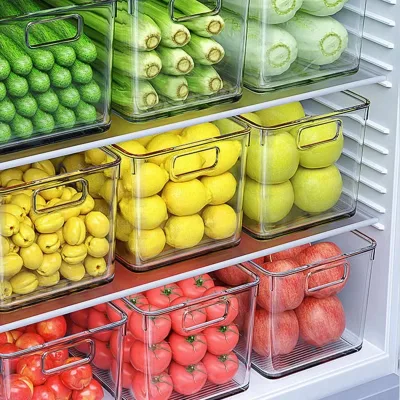
Large Capacity Plastic Drawer Fridge Storage Organizer Box Fruit Vegetable Beverage Egg Storage Box
$1.87 - $9.27
MOQ: 100 Minimum
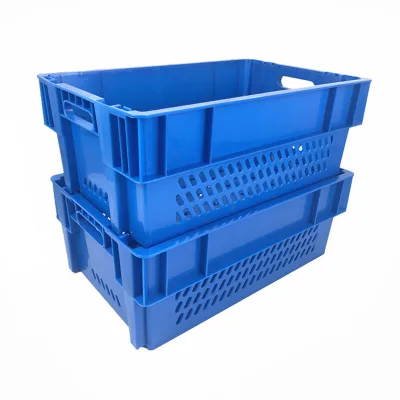
Supermarket Market Available Fruit Vegetable Folding Plastic Storage Basket
$3.50 - $4.50
MOQ: 500 pieces

Guangzhou Jianxin Plastic Products Co., Ltd.
- Verified by BV
- Combined
- China Guangdong
- Lead time15 days
- Avg. response≤ 4h
Main productsPlastic Packaging, Disposable Tableware, Disposable Plastic Cup&Lid, Plastic Bowl, Plastic Tary, Plastic Container, Blister Packaging, Plastic Food Packaging, Disposable Food Container, Disposable Catering Supplies
Main marketsSouth America,Africa,Southeast Asia/ Mideast,East Asia(Japan/ South Korea),Europe,Australia,North America

Shanghai Forests Packaging Group Co., Ltd.
- Verified by CTI
- Combined
- China Shanghai
- Lead time15 days
- Avg. response≤ 10h
Main productsPaper Gift Box, Carton Cardboard Box, Gift Box, Paper Box, Carton Box, Cardboard Box, Corrugated Box, Packaging Box, Paper Packaging, Paper Carton
Main marketsDomestic,Europe,North America

Qingdao Junrui Environmental Protection Materials Co., Ltd.
- Verified by TUVRHEINLAND
- Combined
- China Shandong
- Lead time15 days
- Avg. response≤ 2h
Main marketsSoutheast Asia/ Mideast,Europe
Ningbo Partner Leisure Products Co., Ltd.
- Trading Company
- Zhejiang, China
- Lead time0 days
- Avg. response≤ 8h
Main productspet supplies,cooker,kitchen accessories,egg incubator,storage box
Main marketsNorth America(80.00%), South America(15.00%), Eastern Europe(5.00%)

Hangzhou Junshengjia International Trade Co., Ltd.
- Trading Company
- China Zhejiang
- Lead time0 days
- Avg. response≤ 3h
Main productsPlastic Cup, Plastic Box, Egg Box, Fruit Box, Clear Plastic Cup

Ningbo Hongwei Plastic Co., Ltd
- Verified by SGS
- Combined
- China Zhejiang
- Lead time23 days
- Avg. response≤ 1h
Main marketsDomestic

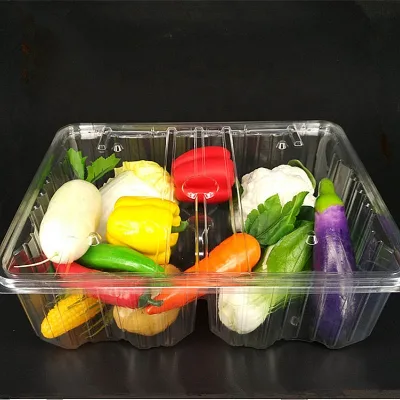
Transparent Plastic Box for Easy Transport and Organized Fruit Storage
$0.12 - $0.15
MOQ: 20000 Pieces

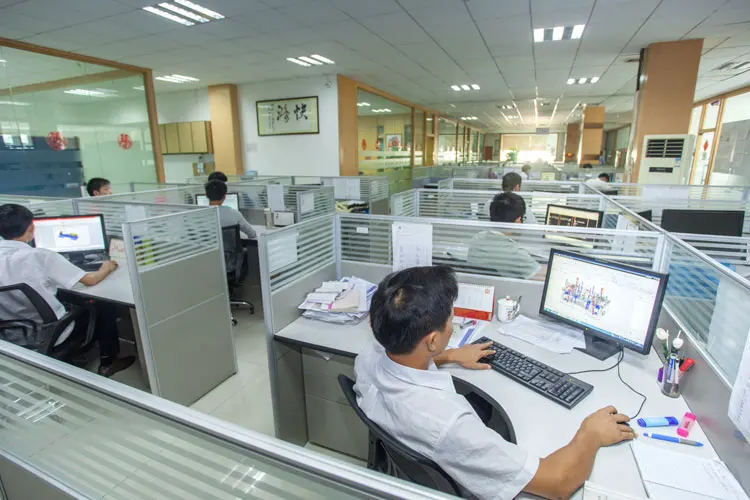
Shenzhen Kuaihong Industrial Co., Ltd.
- Manufacturer, Trading Company
- Guangdong, China
- Lead time25 days
- Avg. response≤ 5h
Main productsMould,Plastic Injection Mold,Plastic Injection Molding Parts,Injection Molding Service,Product Assembly
Main marketsNorth America(45.00%), Oceania(10.00%), Western Europe(10.00%), Eastern Asia(10.00%), Eastern Europe(10.00%), Southeast Asia(10.00%), Northern Europe(5.00%)

Taizhou City Huangyan Beiwei Mould Industry Co., Ltd.
- Verified by SGS
- Combined
- China Zhejiang
- Lead time15 days
- Avg. response≤ 2h
Main productsPlastic Crate; Plastic Shelf Plastic Storage Box, Plastic Tactical Helmets and Accessories, Milk Crate
Main marketsAfrica,Others(foreignTradeCapacity.exportBusinessCapacityMarketOther),Southeast Asia/ Mideast,East Asia(Japan/ South Korea),Europe,Australia,North America
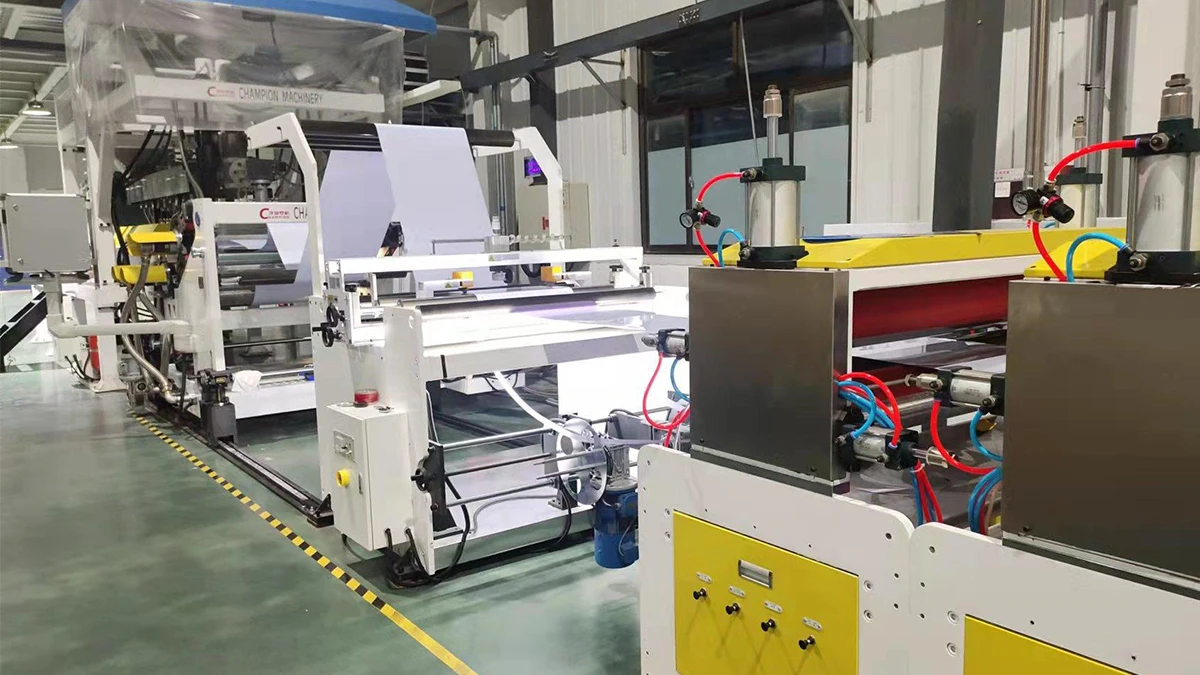
Beijing Daqian Plastic Products Factory
- Manufacturer, Trading Company
- Beijing, China
- Lead time0 days
- Avg. response≤ 3h
Main productsGeneral Plastic Products,Food Grade Plastic Products,Food Container,Plastic Packaging,Fruit Tray
Main marketsDomestic Market(60.00%), North America(30.00%), Northern Europe(10.00%)
Zhejiang Yimei Technology Co., Ltd.
- Verified by Intertek
- Manufacturer, Trading Company
- Lead time25 days
- Avg. response≤ 3h
Main productsPlastic Storage Basket, PET Fridge Organizer, Plastic Folded Crate
Main marketsDomestic Market(33%), North America(25%), Southeast Asia(25%)

Ningbo Sv Plastic Hardware Co., Ltd.
- Verified by SGS
- Manufacturer/Factory
- China Zhejiang
- Lead time30 days
- Avg. response≤ 18h
Main productsInjection Molding, Mould, Plastic Injection, Plastic Tooling, OEM Plastic, Injection Mold, Peek Injection, Medical Injection, Ts16949 Injection, OEM Injection
Main marketsSouth America,Eastern Europe,Mid East,North America,Southeast Asia,Eastern Asia,Oceania,Western Europe,Africa


Multi-Functional Household Storage Box Fruit Box Food Storage Factory Wholesale
$1.00 - $5.00
MOQ: 1000 Pieces

Suzhou Yuanda Commercial Products Co., Ltd.
- Verified by SGS
- Combined
- China Jiangsu
- Lead time15 days
- Avg. response≤ 7h
Main productsShelf, Warehouse Duty Rack, Shopping Trolley, Shopping Basket, Logistic Cart, Stacking Storage Cage, Cashier, Locker, Vegetable Rack, Promotion Table
Main marketsNorth America


Wholesale Hollow Basket Supermarket Vegetable Display Storage Plastic Basket
$3.50 - $4.00
MOQ: 20 Pieces











Comprehensive Sourcing Guide
Fruits Vegetables Plastic Storage Box Supplier Concentration and Factory Types
The current supplier landscape for fruits and vegetables plastic storage boxes reveals a distinct geographic concentration in China, with specific manufacturing hubs identified in Shandong and Jiangsu provinces. These regions serve as primary centers for producing a wide array of plastic logistics solutions, including collapsible pallet boxes, plastic crates, and turnover bins. Suppliers in these areas often operate as combined entities, functioning as both manufacturers and trading companies, which allows them to offer diverse product lines ranging from simple dustbins to complex, heavy-duty storage containers. This dual operational model provides buyers with flexibility, as they can access direct factory pricing for standard items while leveraging trading capabilities for customized or specialized logistics equipment. The presence of these combined company types suggests a mature industrial ecosystem where production capacity is readily available, and supply chain integration is streamlined to meet varying order sizes and specifications.
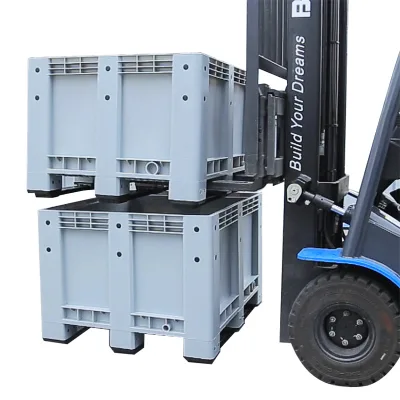
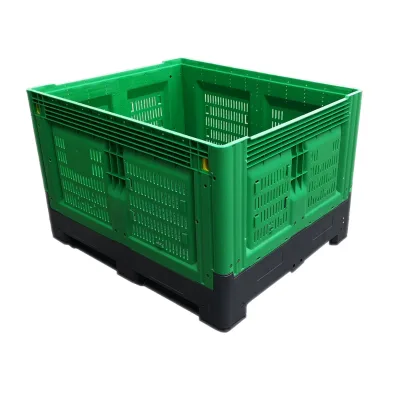
Within these manufacturing clusters, the product portfolio is extensive, covering everything from medium-sized nestable crates to large-volume foldable pallet containers. Key products include plastic storage boxes for fruit and vegetable crates, heavy-duty plastic storage boxes for vegetable transport, and foldable fruit and vegetable storage plastic pallet containers. These items are categorized under logistics packaging and home storage, indicating their versatility across different market segments. The materials used are predominantly polypropylene (PP) and high-density polyethylene (HDPE), chosen for their durability, chemical resistance, and suitability for food-grade applications. Suppliers often highlight features such as nestability, stackability, and customization options, including logo printing and color variations. This variety allows buyers to select products that best fit their specific logistical needs, whether for short-distance local distribution or long-haul international shipping, ensuring that the storage solution aligns with the product's weight, volume, and handling requirements.
How to Verify Fruits Vegetables Plastic Storage Box Suppliers
Verifying the credibility and capability of suppliers requires a multi-layered approach that goes beyond basic profile reviews. Buyers should prioritize suppliers who have undergone third-party verification processes, such as SGS certification, which provides an additional layer of trust regarding the company's operational legitimacy and product quality standards. While system certifications like ISO may not be explicitly listed for all suppliers, the presence of SGS verification is a strong indicator of a supplier's commitment to maintaining recognized quality benchmarks. Additionally, buyers should examine the supplier's response time, which serves as a proxy for their operational efficiency and customer service readiness. A response time of approximately 2.70 hours, or even faster at 2 hours, suggests that the supplier has dedicated teams available to address inquiries promptly, which is crucial for resolving technical questions or negotiating custom specifications without significant delays.
Beyond verification badges and response metrics, buyers must scrutinize the detailed product attributes and specifications provided by the supplier. For instance, checking if a supplier offers customization options, such as logo printing via silk screen, embossing, or hot stamping, can indicate their flexibility in meeting brand-specific requirements. Furthermore, examining the material composition, such as PP or HDPE, and the load capacities, including dynamic and static load ratings, is essential to ensure the product meets the intended usage conditions. Suppliers who provide comprehensive data on weight, volume capacity, and nested dimensions demonstrate a higher level of transparency and professionalism. Buyers should also look for evidence of past performance, such as mentions of star clients or specific industry applications, which can provide insight into the supplier's experience and reliability in handling large-scale or specialized orders.
What to Compare Across Fruits Vegetables Plastic Storage Box Suppliers
When evaluating multiple suppliers, it is critical to compare key operational metrics such as lead time, minimum order quantity (MOQ), and pricing structures to determine the best fit for your procurement strategy. Lead times can vary significantly, with some suppliers offering a 15-day turnaround while others may provide faster service with a 10-day lead time. This difference can impact inventory management and supply chain responsiveness, making it essential to align lead times with your production schedules and demand forecasts. Similarly, MOQs range widely, from as low as 10 units for large, specialized pallet containers to 600 units for smaller, nestable crates. Buyers with smaller initial orders or those testing new markets may prefer suppliers with lower MOQs, while those with established demand can leverage higher volumes to negotiate better pricing and economies of scale.
Pricing is another vital factor, with costs varying based on product size, material, and customization requirements. For example, smaller plastic crates may range from $3.00 to $8.00 per unit, whereas larger, heavy-duty pallet containers can cost between $49.99 and $105.00 per unit. Buyers should also consider the total cost of ownership, including shipping and handling, which can be influenced by the product's nested height and packing method. Some suppliers offer pallet packing, which optimizes container space and reduces freight costs, while others may use nude cargo packing, which could affect stability and protection during transit. Additionally, comparing the warranty periods, such as a 3-year warranty, and the availability of spare parts like lids and wheels, can provide long-term value and reduce maintenance costs. By systematically comparing these attributes, buyers can make informed decisions that balance cost, quality, and service levels.
Common Fruits Vegetables Plastic Storage Box Sourcing Risks
One of the primary risks in sourcing plastic storage boxes is the potential discrepancy between advertised specifications and actual product performance, particularly regarding load capacities and material durability. Buyers must be cautious of suppliers who do not provide detailed technical data on dynamic and static load ratings, as this information is crucial for ensuring the safety and integrity of the supply chain. For instance, a supplier claiming a 1-ton dynamic load capacity must be able to substantiate this with test results or certifications, as overloading can lead to product failure and potential safety hazards. Additionally, the risk of material degradation over time, especially when exposed to harsh environmental conditions or chemical substances, necessitates a thorough understanding of the plastic type used, such as HDPE or PP, and its resistance properties.
Another significant risk is the inconsistency in product quality and customization accuracy, which can arise from poor communication or inadequate quality control processes. Buyers should be wary of suppliers who offer vague descriptions of customization options, such as logo printing or color variations, without providing clear guidelines or samples. This lack of clarity can lead to misunderstandings and final products that do not meet the buyer's brand standards or functional requirements. Furthermore, the risk of delayed shipments or incomplete orders is heightened when dealing with suppliers who have longer lead times or lower response speeds. To mitigate these risks, buyers should establish clear communication channels, request detailed product samples before placing large orders, and implement strict quality inspection protocols to ensure that the delivered goods match the agreed-upon specifications and quality standards.
Fruits Vegetables Plastic Storage Box Regional Sourcing and Logistics
Sourcing from specific regions in China, such as Shandong and Jiangsu, offers logistical advantages due to the concentration of manufacturing facilities and established export infrastructure. Suppliers in these areas are well-positioned to handle international shipping, with many offering optimized packing solutions to maximize container space and reduce freight costs. For example, foldable and nestable designs allow for efficient loading, with some containers fitting up to 75 pieces in a 20-foot container or 210 pieces in a 40-foot high-cube container. This efficiency is particularly beneficial for buyers looking to minimize transportation expenses and carbon footprint. Additionally, the proximity to major ports in these regions facilitates faster and more reliable shipping schedules, reducing the risk of delays and ensuring timely delivery to global markets.
However, buyers must also consider the logistical challenges associated with importing large, bulky items, even when they are designed to be foldable or nestable. The weight and dimensions of the products, such as a 43kg weight for a 700L volume container, can impact handling and storage at the destination. Buyers should plan for adequate warehouse space and material handling equipment to manage the received goods efficiently. Furthermore, the choice of packing method, whether palletized or nude cargo, can affect the stability of the shipment and the need for additional securing materials. By understanding the logistical implications of sourcing from these regions, buyers can optimize their supply chain operations, reduce costs, and ensure that the products arrive in optimal condition, ready for immediate use in their distribution networks.
Fruits Vegetables Plastic Storage Box Commercial Terms and Order Planning
Effective order planning requires a clear understanding of the commercial terms offered by suppliers, including payment conditions, warranty policies, and after-sales support. Many suppliers provide a 3-year warranty on their products, which offers buyers peace of mind and protection against manufacturing defects. Additionally, the availability of spare parts, such as lids, wheels, and other components, ensures that the products can be maintained and repaired, extending their lifespan and reducing replacement costs. Buyers should also inquire about the supplier's policy on logo printing and customization, as some may offer free logo printing for larger orders, while others may charge additional fees. Understanding these terms helps buyers budget accurately and avoid unexpected costs that could impact the overall profitability of the procurement project.
Furthermore, buyers should develop a robust order planning strategy that accounts for lead times, MOQs, and seasonal demand fluctuations. By aligning order quantities with production schedules and market demand, buyers can minimize inventory holding costs and ensure product availability when needed. It is also advisable to establish long-term relationships with reliable suppliers, as this can lead to better pricing, priority service, and improved communication. Buyers should regularly review supplier performance metrics, such as response times and delivery accuracy, to identify areas for improvement and maintain high standards of supply chain management. By proactively managing commercial terms and order planning, buyers can enhance their operational efficiency, reduce risks, and achieve sustainable growth in their logistics and storage operations.
FAQs
What is the price range for plastic storage boxes?
Prices for plastic storage boxes range from $3.00 to $105.00 per unit depending on specifications. Smaller nestable crates start at $3.00, while heavy-duty pallet containers cost between $49.99 and $105.00. Buyers should verify exact pricing based on volume capacity and material type.
What is the minimum order quantity for these products?
Minimum order quantities vary significantly by product type. Small nestable crates require a minimum of 600 units, while larger foldable pallet containers may only need 10 units. Heavy-duty mesh boxes typically require 42 units. Buyers must check specific product listings for accurate MOQ requirements.
How long does production take for orders?
Standard lead times for plastic storage boxes are generally 10 to 15 days. Suppliers in China Shandong and Jiangsu offer these production windows. Buyers should confirm exact delivery schedules with suppliers, as lead times may vary based on customization needs and order volume.
What materials are used for fruit and vegetable crates?
Most plastic storage boxes are manufactured from PP or HDPE materials. These materials ensure durability and suitability for food-grade applications. Some products feature insulation properties or specific load capacities. Buyers should verify material specifications to ensure compliance with their storage and transportation requirements.
Are customization options available for plastic storage containers?
Customization is available for many plastic storage box products. Buyers can request specific colors, logo printing via silk or embossing, and custom dimensions. Some suppliers offer OEM and ODM services. Buyers should discuss specific customization requirements directly with suppliers to ensure feasibility and cost implications.
What load capacities do these plastic boxes support?
Load capacities vary by design. Small nestable crates support single loads of 35kg and stacking loads of 175kg. Heavy-duty pallet containers can handle dynamic loads of 1 ton and static loads of 4 tons. Buyers should select products based on their specific weight requirements.