Circular FIBC Bag Suppliers and Manufacturers in China
Compare 26 verified suppliers of Circular FIBC Bag based on location, lead time, and certifications. Review product specs like safety factors and customization options to select the right partner for your bulk packaging needs; review the available evidence before requesting comparable quotations from suitable candidates.
Updated
Suppliers List

Sinopack Strong FIBC Manufacturing Co., Ltd.
- Verified by CTI
- Combined
- China Jiangsu
- Lead time23 days
- Avg. response≤ 1h
Main productsFIBC, Big Bag, Container Bag, Bulk Bag, Jumbo Bag, Salt Bag, Cement Bag, Peanut Bag, Sand Bag, Stone Bag
Main marketsEurope,North America

Gaoqing Anthente Container Package Co.,Ltd
- Trading Company,Manufacturer/Factory
- China Shandong
- Lead time30 days
- Avg. response≤ 2h
Main productsContainer Liner, Flexitnak, FIBC/Bulk Bag, IBC PE Liner, PE/PA/EVOH/PE Film, Aluminum Film, Aluminum Film Liner, Seabulk Liner, Bag in Box, PE/PA/PE Film
Main marketsSouth America,Eastern Europe,Mid East,North America,Southeast Asia,Eastern Asia,Oceania,Western Europe,Africa
Hebei Hesheng Plastic Products Co., Ltd.
- Verified by TüVRheinland
- Manufacturer, Trading Company
- Lead time15 days
- Avg. response≤ 2h
Main productsJumbo Bag, Fibc Bag, Sling Bag, PP Fabric, Loop
Main marketsNorth America(20%), South America(20%), Southeast Asia(20%)
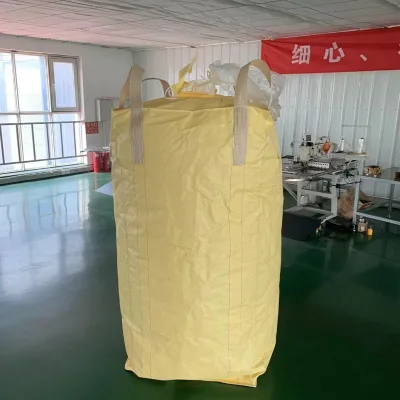
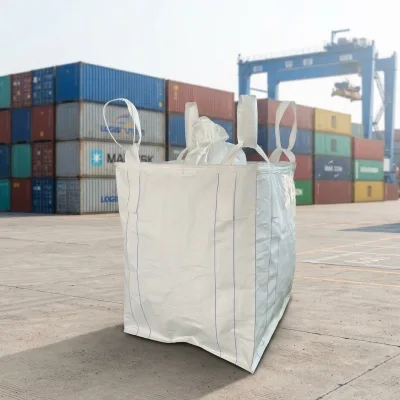
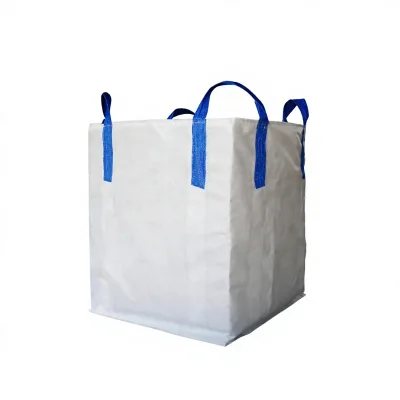
Hesheng Circular Fibc Bag Fibc 2500 lb White Bulk Bag Breathable Grain Seed Bag
$2.0506 - $7.2132
MOQ: 1 pieces
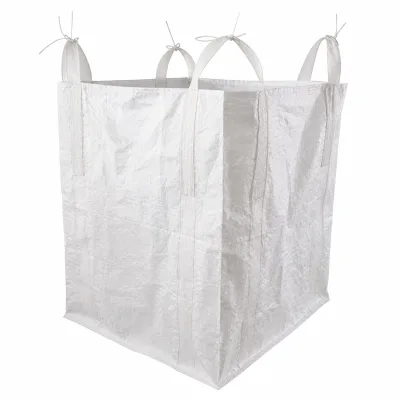
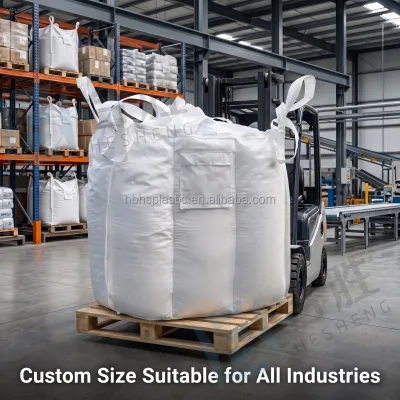
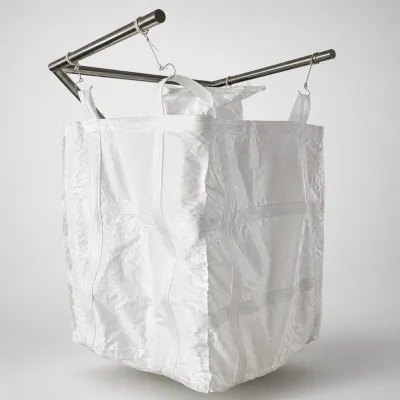

Hebei Hesheng Plastic Product Co., Ltd
- Verified by TUVRHEINLAND
- Trading Company,Manufacturer/Factory
- China Hebei
- Lead time0 days
- Avg. response≤ 2h
Main productsFIBC Bag, Jumbo Bag, Bulk Bag, Ton Bag, PP Big Bag, Bag Cutting Machine, PP Woven Bag, FIBC, Sling Bag, Fabric
Main marketsSouth America,North America,Southeast Asia,Eastern Asia,Oceania,Africa
Xinjiang Cailin New Material Co., Ltd.
- Verified by SGS Group
- Manufacturer, Trading Company
- Lead time7 days
Main productsPlastic Woven Bags
Main marketsNorth America(30%), South America(20%), Southeast Asia(6%)

Jinan Million World Packaging Co., Ltd.
- Verified by SGS
- Trading Company
- China Shandong
- Lead time30 days
- Avg. response≤ 3h
Main productsGeobag
Main marketsSoutheast Asia/ Mideast
Hengchuang (linyi) International Trade Co., Ltd.
- Manufacturer, Trading Company
- Shandong, China
- Lead time15 days
- Avg. response≤ 14h
Main productsPP Woven Bags,PP Woven Roll,Ton Bags,Plastic Bags,Express Transit Bags
Main marketsDomestic Market(40.00%), Southeast Asia(20.00%), Eastern Asia(15.00%), Africa(10.00%), Mid East(10.00%), North America(5.00%)
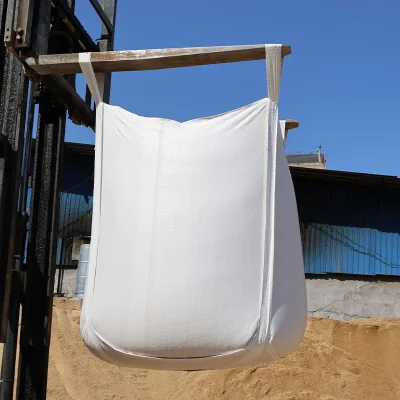
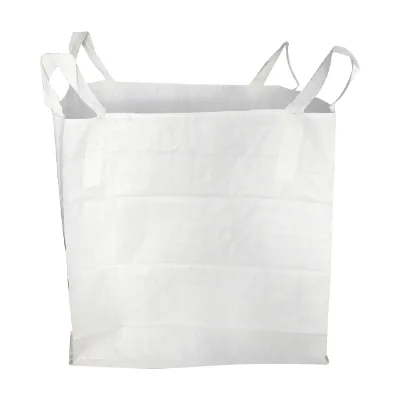
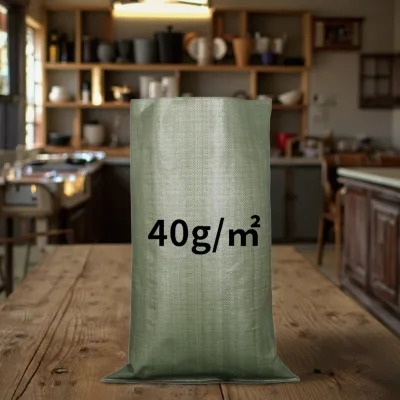
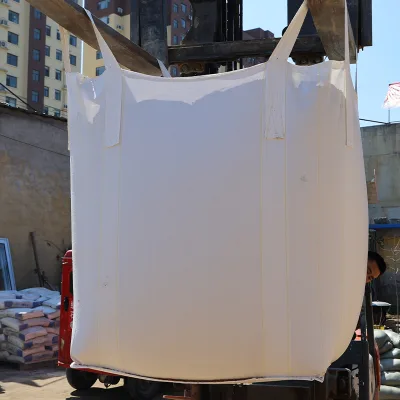
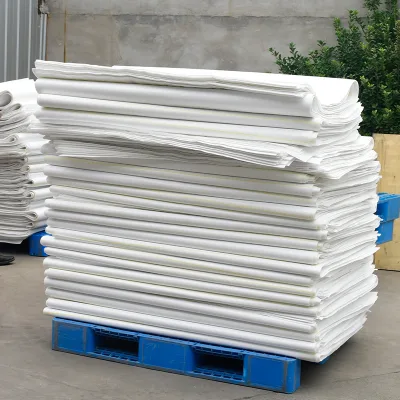
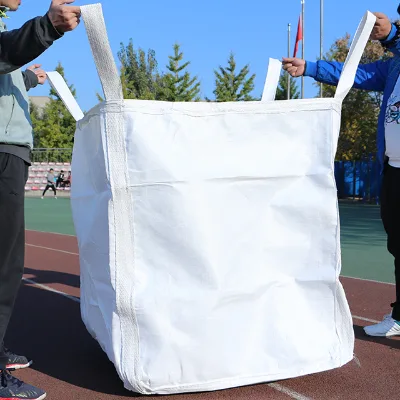
Hot Sale X Bottom Support Tubular Fibc Bag Reinforced Thickness Posh Stone Heavy Duty Jumbo Bag
$3.36 - $3.40
MOQ: 100 pieces

Xuzhou Multi Solution Packaging Co., Ltd.
- Verified by SGS
- Trading Company,Manufacturer/Factory
- China Jiangsu
- Lead time30 days
- Avg. response≤ 14h
Main productsPolypropylene Big Bag, Jumbo Bag, Bulk Bag, PP Woven Bag, Flexible Intermediate Bulk Containers, PP Woven Fabric, PP Woven Loop, Flyknit Products
Main marketsSouth America,Eastern Europe,Mid East,North America,Southeast Asia,Eastern Asia,Oceania,Western Europe,Africa


FIBC Bulk Bag 1000kgs-1500kgs 100% New Material Wholesale PP FIBC Bulk Bag One Loop Jumbo Bag
$4.11 - $6.17
MOQ: 500 Pieces


Shouguang Longxing New Materials Co., Ltd.
- Verified by TüVRheinland
- Trading Company
- Lead time15 days
- Avg. response≤ 2h
Main productsSilo Bag, Bale Wrap, Silage Cover, Cotton Wrap, BOPET Film
Main marketsDomestic Market(50%), North America(8%), Eastern Europe(8%)
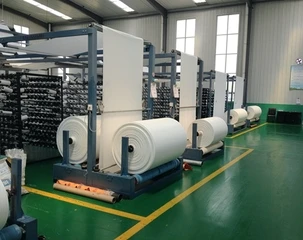
Shandong Lianhong Plastic Co., Ltd.
- Manufacturer, Trading Company
- Shandong, China
- Lead time20 days
- Avg. response≤ 5h
Main productsWeed control mat/groud cover/weed barrier/landscape fabric,FIBC big bag/Bulk bag,Anti hail net/Anti Insect net,Date mesh bag,Shade net/shade cloth
Main marketsNorth America(13.00%), Western Europe(11.00%), Oceania(10.00%), Mid East(8.00%), Northern Europe(8.00%), South America(8.00%), Eastern Asia(8.00%), South Asia(5.00%), Southern Europe(5.00%), Central America(5.00%), Eastern Europe(5.00%), Africa(5.00%), Southeast Asia(5.00%), Domestic Market(4.00%)
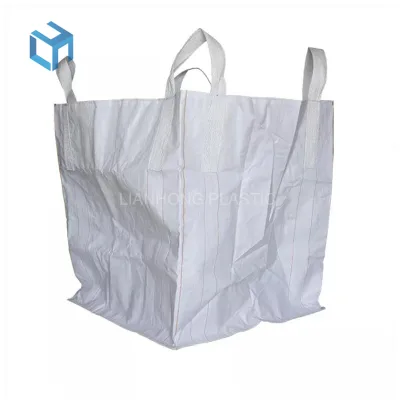
Tonner Bag Plastic Factory Direct Sale Fibc Bags With Cross Corner Woven Jumbo Bag New Arrivals
$1.00 - $2.60
MOQ: 1000 Minimum
LUOYANG DAZI PLASTIC INDUSTRY CO., LTD.
- Verified by TüVRheinland
- Manufacturer, Trading Company
- Lead time15 days
- Avg. response≤ 1h
Main productsPP Big Bag, PP Webbing, Formed Lining Bag, PP Woven Fabric, Jumbo Bag
Main marketsDomestic Market(40%), North America(12%), Eastern Europe(10%)

Shandong Welink Packaging Co., Ltd.
- Verified by BV
- Combined
- China Shandong
- Lead time23 days
- Avg. response≤ 5h
Main productsBulk Bag, Big Bag, FIBC Bag, Woven Bag, Plastic Bag, Jumbo Bag, Packaging Bag, Shopping Bag, Ton Bag, Container Bag
Main marketsSouth America,Africa,Southeast Asia/ Mideast,East Asia(Japan/ South Korea),Europe,North America

Chengda Pack Industry (Qingdao) Co., Ltd.
- Verified by SGS
- Trading Company
- China Shandong
- Lead time30 days
- Avg. response≤ 4h
Main productsFIBC Bag, BOPP Bag, PP Woven Bag, PP Valve Bag, Paper Bag, Stretch Film, PP Fabric
Main marketsSouth America,Southeast Asia/ Mideast,North America
Yantai Evergreen Packaging Co., Ltd.
- Manufacturer, Trading Company
- Lead time旺季: "1 - 3000":31,"3001 - 5000":40,"5001 - 10000":47,"> 10000":"To be negotiated", 淡季: "1 - 3000":31,"3001 - 5000":40,"5001 - 10000":47,"> 10000":"To be negotiated"
- Avg. response≤ 7h
Main productsPP Woven Bag, PP Jumbo Bag, PP Ground Cover, Anti Hail Net
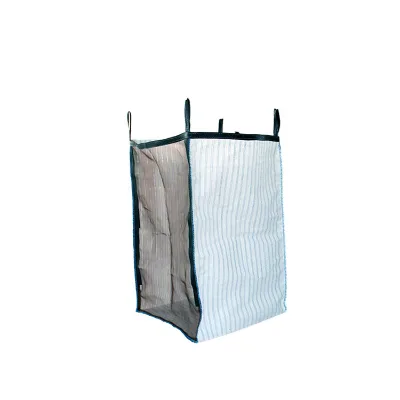
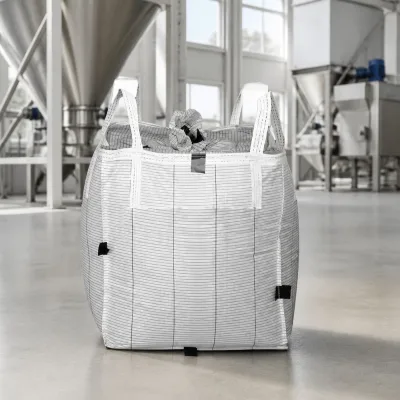
Food Grade White FIBC Bag with PE Liner and Dust-Free Design for Packaging 2000kg Capacity
$4.1013 - $4.9227
MOQ: 1 pieces
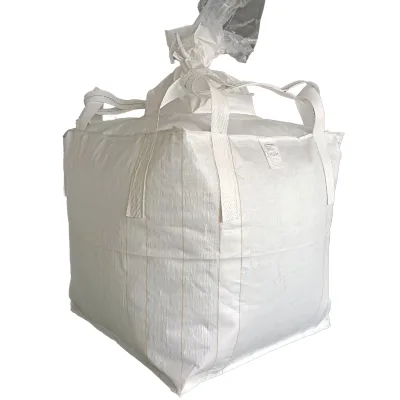
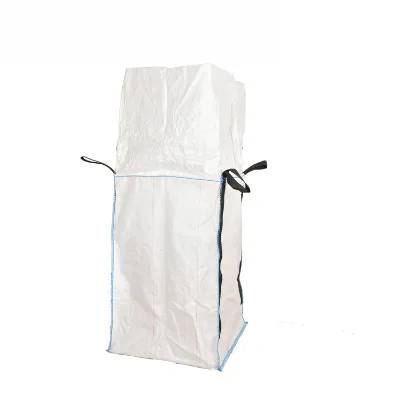
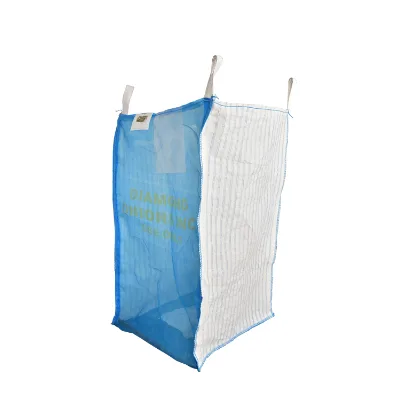
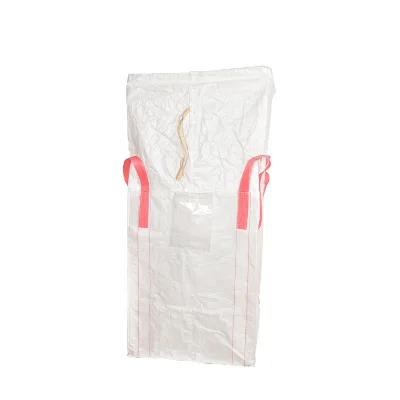
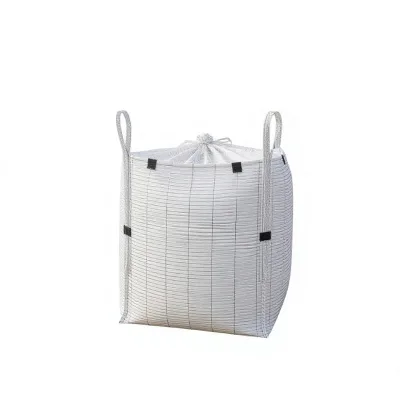
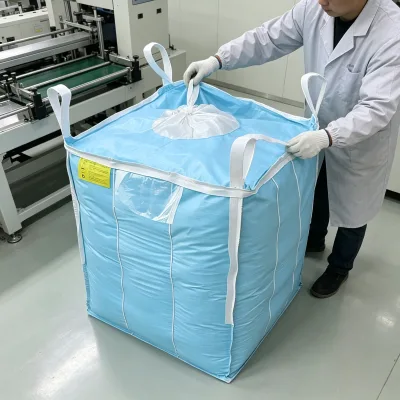
FIBC Bag with Ergonomic Design and Safety Labels for Manual Handling and Transportation
$4.00 - $4.80
MOQ: 1 pieces
$4.00 - $4.80
MOQ: 1 pieces
Shijiazhuang Boda Plastic Chemical Co., Ltd.
- Verified by SGS Group
- Manufacturer, Trading Company
- Lead time20 days
- Avg. response≤ 3h
Main productsPP Woven Bags, Ad Star Bag, PP Big Bag, BOPP Laminated Bag
Main marketsDomestic Market(25%), South America(20%), Oceania(15%)

ZIBO YUNDU PLASTIC PRODUCTS CO., LTD.
- Verified by CTI
- Combined
- China Shandong
- Lead time30 days
- Avg. response≤ 3h
Main productsBig Bag, PP Woven Fabric, FIBC Bag, Maxisacos, Bulk Bag, Polypropylene Bag, PP Bag, PP Fabric, Flexitank, Flexi Bag
Main marketsSouth America,Africa,Southeast Asia/ Mideast,East Asia(Japan/ South Korea),Domestic,Europe,Australia,North America
Qingdao Honor Faith Packaging Technology Co., Ltd.
- Manufacturer, Trading Company
- Shandong, China
- Lead time15 days
- Avg. response≤ 4h
Main productsFIBC Bag,PP Woven Bag,Mesh Bag,Stretch film,Plastic rope
Main marketsSoutheast Asia(20.00%), North America(15.00%), South America(15.00%), Western Europe(10.00%), Africa(10.00%), Eastern Europe(10.00%), Southern Europe(5.00%), Northern Europe(5.00%), Mid East(5.00%), Eastern Asia(5.00%)
Hebei Shengshi Jintang Packaging Co., Ltd.
- Verified by SGS Group
- Manufacturer, Trading Company
- Lead time30 days
- Avg. response≤ 4h
Main productsPP Woven Bag, Ad Star Bag, PP Big Bag, BOPP Laminated Bag
Main marketsDomestic Market(25%), South America(15%), Oceania(15%)
Nanning Endian Plastic Packaging Co., Ltd.
- Verified by SGS Group
- Manufacturer, Trading Company
- Lead time0 days
- Avg. response≤ 2h
Main productsPP Woven Bag, Fibc Bag, Kraft Paper Bags, Handle Bag, Valve Bag
Main marketsDomestic Market(90%), Southeast Asia(5%), Mid East(2%)

DEZHOU ANKANG IMPORT AND EXPORT CO., LTD.
- Manufacturer/Factory
- China Shandong
- Lead time15 days
- Avg. response≤ 3h
Main productsExhibition Carpet, Carpet, PVC Mat, Geomembrane, Geotextile, PP Woven Fabric, Weed Control Fabric, Rib Carpet, Red Carpet, Velour Carpet
Main marketsSouth America,Eastern Europe,Mid East,North America,Southeast Asia,Eastern Asia,Oceania,Western Europe,Africa
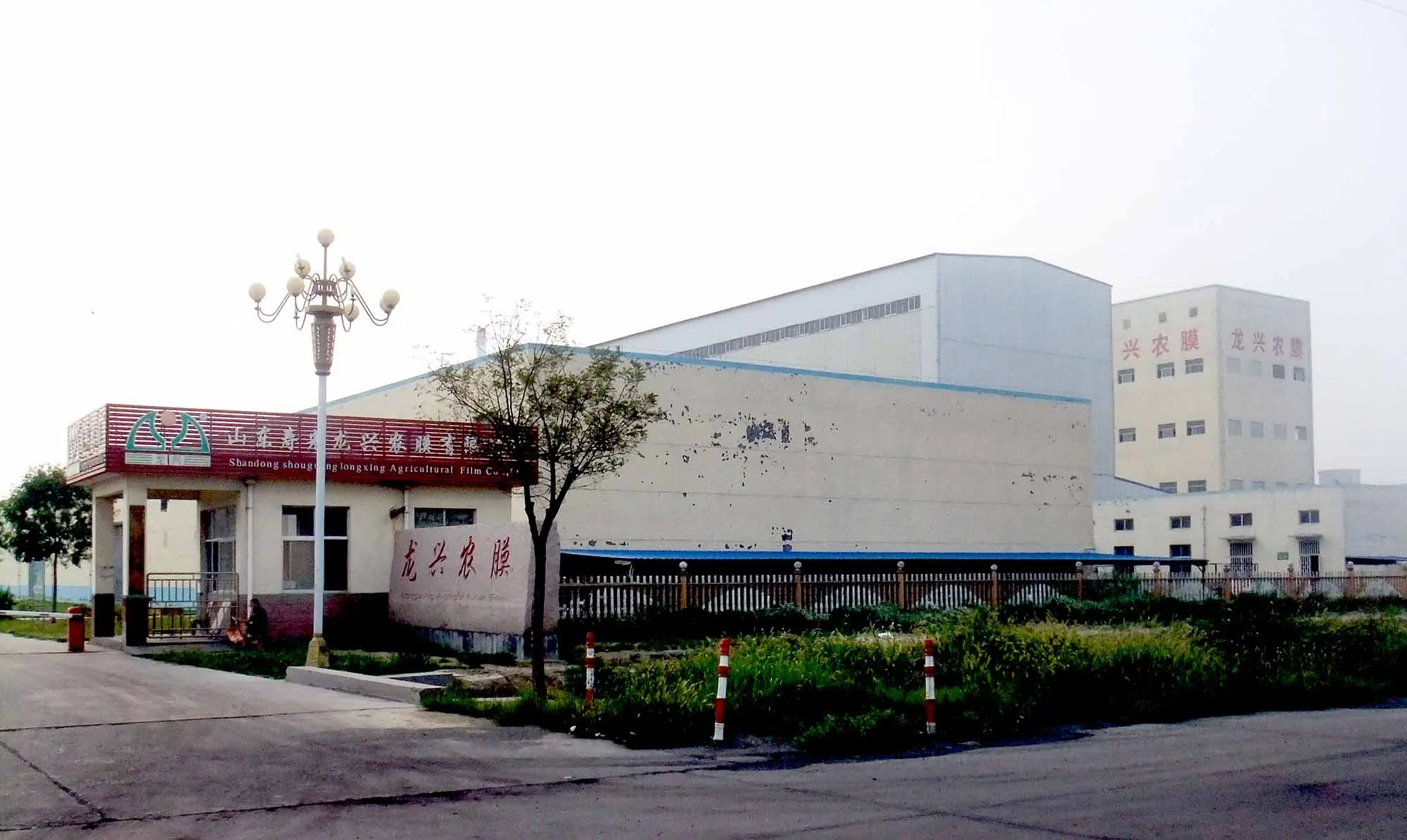
Shandong Longxing Plastic Film Technology Co., Ltd.
- Manufacturer, Trading Company
- Shandong, China
- Lead time20 days
- Avg. response≤ 3h
Main productsGreenhouse Film, Silo Film, Shrink Wrap, Silo Bag, BOPET
Main marketsDomestic Market(60.00%), North America(15.00%), Oceania(7.00%), Mid East(5.00%), Eastern Asia(4.00%), South America(3.00%), Western Europe(3.00%), Southeast Asia(3.00%)
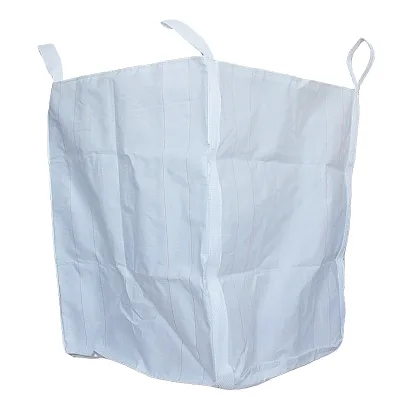
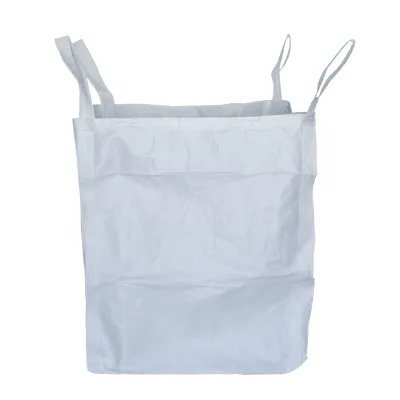
Jumbo Bag FIBC Bag Ton Bag Manufacturer High-Quality with Discharge Spout Loading 1000kg
$3.10 - $4.00
MOQ: 1000 pieces
Luoyang Baohua Plastic Industry Co., Ltd.
- Verified by Intertek
- Manufacturer, Trading Company
- Lead time14 days
- Avg. response≤ 2h
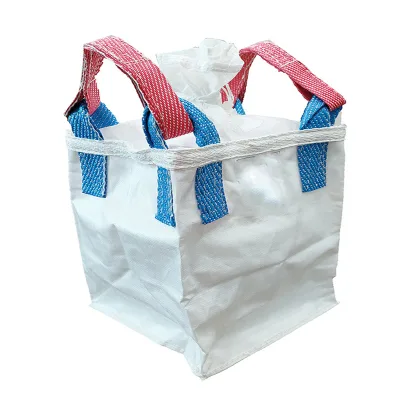
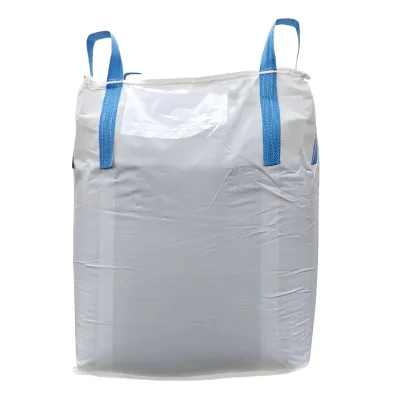
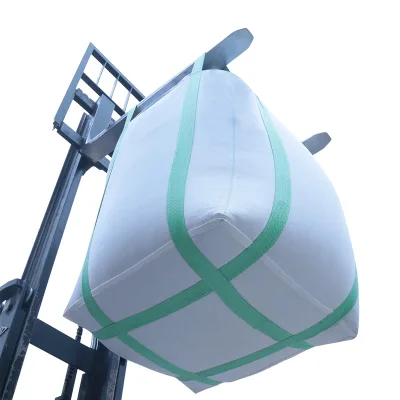
Main productsJumbo Bag
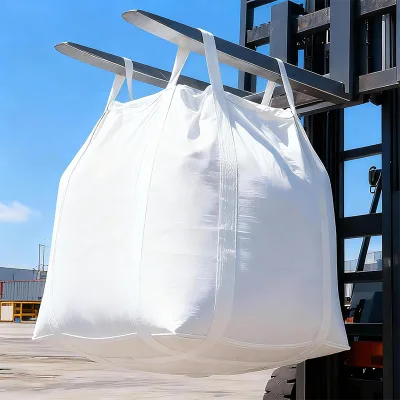
$1.3866 - $2.5678
MOQ: 200 pieces
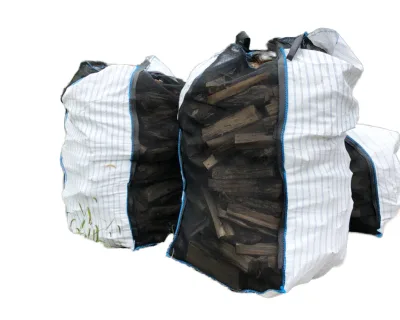
$1.3806 - $2.5573
MOQ: 200 pieces
$1.73 - $2.00
MOQ: 2000 pieces
$1.4016 - $2.5948
MOQ: 200 pieces

Qingdao Twell Sansino Import & Export Co., Ltd.
- Trading Company
- China Shandong
- Lead time15 days
- Avg. response≤ 21h
Main productsFood Additive, Citric Acid, Sodiumalglinate, Malic Acid, Tartaric Acid, Sodium Benzoate, Sodium Saccharin, Aspartame, Carboxymethylcellulose Sodium CMC, Acetic Acid Glacial
Main marketsSouth America,Others(foreignTradeCapacity.exportBusinessCapacityMarketOther),Europe
Linyi Feiyuda Imp. & Exp. Co., Ltd.
- Trading Company
- Shandong, China
- Lead time30 days
- Avg. response≤ 11h
Main productsTarpaulin; PP Woven Fabrics; Sunshade Net; PP Woven Bag
Main marketsAfrica(50.00%), South America(20.00%), Eastern Asia(10.00%), Mid East(10.00%), Eastern Europe(5.00%), Southeast Asia(5.00%)

Wenzhou Juding Industrial Co., Ltd.
- Verified by CTI
- Combined
- China Zhejiang
- Lead time15 days
- Avg. response≤ 7h
Main productsPP Woven Bag, Tarpaulin, PP Woven Fabric, PP/Kraft Paper Bag, Ground Cover, Mesh Bag, Rice Bag, Feed Bag, PE Tarpaulin, Woven Fabric
Main marketsSouth America,Africa,Domestic,Europe,North America
Shandong Guangcheng Plastic Industry Co., Ltd.
- Manufacturer, Trading Company
- Shandong, China
- Lead time20 days
- Avg. response≤ 5h
Main productsFIBC Bag, PP Woven Bag, PP Woven Fabric
Main marketsNorth America(29.00%), Domestic Market(20.00%), Eastern Asia(15.00%), Oceania(8.00%), Africa(8.00%), Southeast Asia(5.00%), South Asia(3.00%), South America(3.00%), Southern Europe(2.00%), Eastern Europe(2.00%), Mid East(2.00%), Western Europe(1.00%), Central America(1.00%), Northern Europe(1.00%)








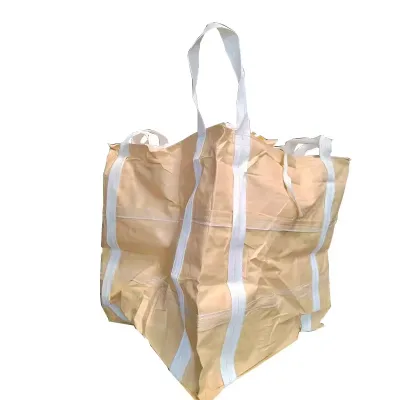
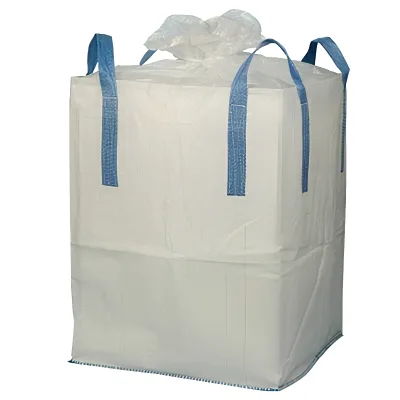
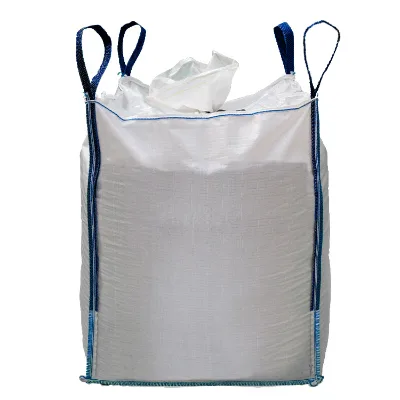
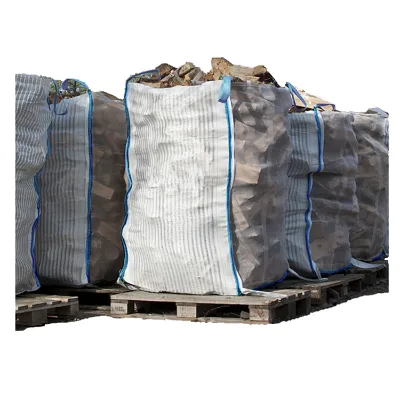




Comprehensive Sourcing Guide
Circular FIBC Bag Supplier Concentration and Factory Types
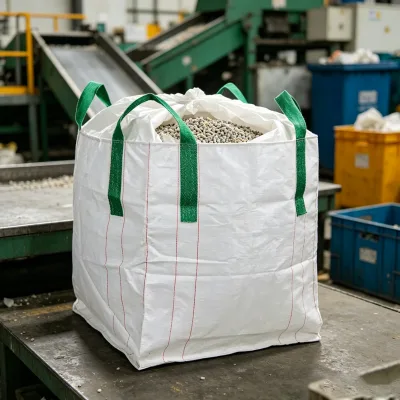
Current data indicates a concentration of suppliers in China Jiangsu and China Shandong, regions where manufacturers and trading companies operate together to serve global demand for flexible intermediate bulk containers. In Jiangsu, the supplier profile shows a combined company type with a focus on FIBC, Big Bag, and Container Bag production, suggesting a mature industrial cluster capable of handling diverse order volumes. These facilities often list main products including Salt Bag, Cement Bag, and Peanut Bag, indicating a broad capacity to adapt production lines for various bulk materials. The presence of ODM and own brand capabilities in this region suggests that buyers can expect suppliers with internal design and engineering resources rather than simple assembly operations.
In contrast, suppliers located in China Shandong present a mix of trading companies and manufacturers, often specializing in Container Liner, Flexitnak, and IBC PE Liner alongside standard FIBC products. This region's supplier data highlights certifications such as BRC, ISO 14001, and ISO 9001, which are critical for buyers requiring strict quality management systems for food or chemical applications. The combination of trading and manufacturing entities in Shandong allows for a flexible sourcing model where buyers can access both direct factory pricing and the logistical support of established trading firms. When evaluating these clusters, buyers should verify if the specific facility holds the necessary certifications for their intended application, as the presence of a trading company does not guarantee direct factory oversight of the production process.
How to Verify Circular FIBC Bag Suppliers
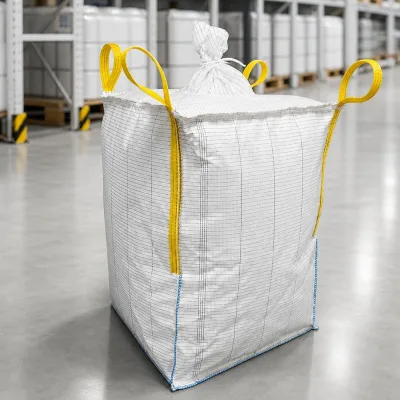
Verification of Circular FIBC Bag suppliers requires a rigorous check of their stated credentials against independent third-party reports, as the supply chain involves complex manufacturing processes that impact product safety. Some suppliers in the current results display CTI verification status, which serves as a tangible indicator of their operational legitimacy and adherence to specific quality benchmarks. Buyers must confirm that the verification covers the specific product line they intend to purchase, as a general company verification may not extend to specialized antistatic or food-grade FIBC bags. The presence of certifications like SGS, HACCP, and ISO 22000 in supplier profiles provides a baseline for trust, but these must be cross-referenced with the specific product attributes listed, such as the safety factor or material composition.
Beyond certifications, buyers should scrutinize the response time and lead time data provided in supplier profiles to gauge operational reliability. A response time of 0.11 hours suggests a highly active sales team capable of rapid communication, which is essential for resolving technical queries regarding bag dimensions or loop options. Conversely, a response time of 1.03 hours may indicate a larger organization with structured workflows, which can be equally reliable if the lead time remains consistent. Buyers must verify that the stated lead times, such as 23 days or 30 days, align with their project schedules and that the supplier can maintain these timelines during peak production seasons. It is crucial to confirm that the supplier's claimed capabilities, such as ODM or OEM services, are backed by actual production capacity rather than just marketing claims.
What to Compare Across Circular FIBC Bag Suppliers
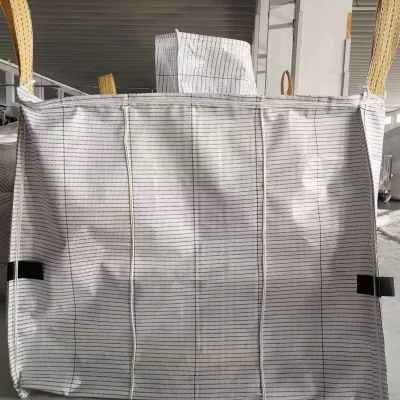
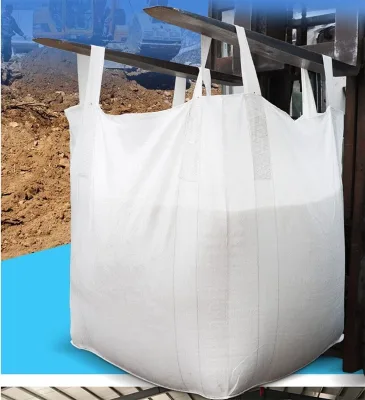
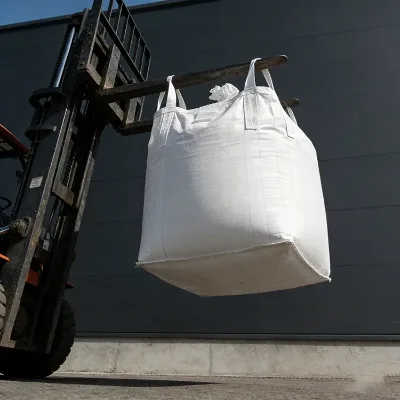
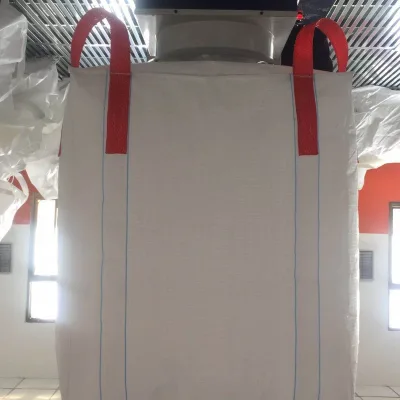
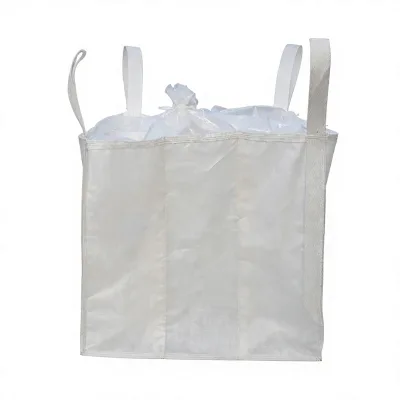
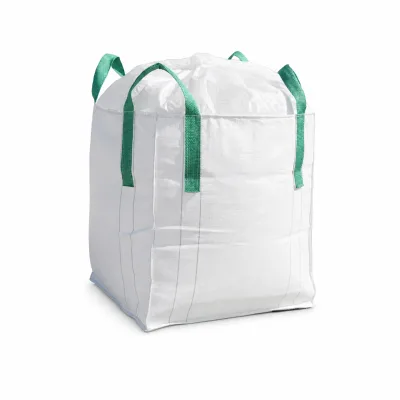
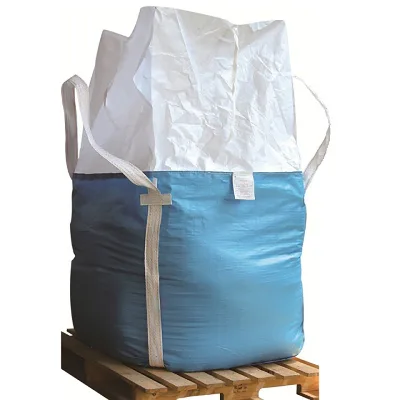
When comparing suppliers, the primary focus should be on the specific product attributes that define the performance of the Circular FIBC Bag, such as material composition, safety factors, and customization options. The data shows variations in material specifications, with some products listing PP as the standard material while others emphasize antistatic features for chemical applications. Buyers must compare the safety factor ratings, which appear as "5:1" in some profiles, to ensure the bags can withstand the intended load without failure. Additionally, the loop options, such as Cross Corner Loop or Side-Seam Loop, significantly impact the lifting stability of the bag, and these details must be matched against the specific handling equipment available at the buyer's facility.
Price and minimum order quantity (MOQ) are critical financial metrics that vary significantly across the supplier base, requiring careful budget planning. Product listings indicate price ranges from 5.00 to 35.00 per unit, with MOQs ranging from 1000 to 2000 units depending on the customization level and bag type. Buyers should compare the price per unit against the included features, such as spout options or specific packing methods like Pallet or Bale Packing, to determine the true value proposition. A lower price point might correspond to a standard configuration, while a higher price could include specialized features like antistatic fabric or custom branding. It is essential to verify if the quoted price includes all necessary certifications and testing fees, as these can add hidden costs to the final order total.
Common Circular FIBC Bag Sourcing Risks
One significant risk in sourcing Circular Fibc Bags is the potential mismatch between the claimed application and the actual product performance, particularly regarding chemical compatibility and food safety. Some product profiles list applications ranging from Transport and Sand Bag to Food and Fertilizer, but the specific material treatment required for food-grade applications differs from standard industrial use. Buyers must verify that the supplier's product attributes explicitly state compliance with relevant standards, such as HACCP or REACH, to avoid regulatory issues upon import. The presence of an antistatic feature is another area of risk, as the effectiveness of this feature depends on the specific manufacturing process and raw materials used, which must be validated through independent testing.
Another risk involves the reliability of the supply chain regarding lead times and production capacity, especially when dealing with combined trading and manufacturing entities. While some suppliers list a lead time of 23 days, others may require 30 days, and these timelines can fluctuate based on raw material availability or production bottlenecks. Buyers should assess the supplier's capacity to handle their specific order volume, as the stated MOQ of 1000 or 2000 units may not reflect the actual production speed for custom orders. The risk of receiving substandard products is also present if the supplier lacks proper quality control measures, making it vital to request pre-shipment inspection reports or third-party verification before finalizing the transaction.
Circular FIBC Bag Regional Sourcing and Logistics
Sourcing from China Jiangsu offers logistical advantages due to the region's established manufacturing infrastructure and proximity to major shipping ports, which can reduce transit times for global orders. Suppliers in this area often list their origin as China and provide detailed product attributes that align with international shipping standards, facilitating smoother customs clearance. The concentration of FIBC manufacturers in Jiangsu allows for efficient consolidation of orders, potentially lowering freight costs for buyers purchasing multiple bag types or sizes. However, buyers must verify the specific shipping terms and packaging methods, such as Pallet or Bale Packing, to ensure the goods are protected during long-distance transport.
In contrast, sourcing from China Shandong provides access to suppliers with diverse product lines, including Container Liner and Flexitnak, which may offer integrated logistics solutions for complex supply chains. The presence of ISO 14001 and ISO 9001 certifications in this region suggests a focus on environmental and quality management, which can be beneficial for buyers with sustainability goals. Logistics from Shandong may involve different port options and transit routes, requiring buyers to calculate the total landed cost including freight and insurance. Buyers should compare the response times and lead times of suppliers in both regions to determine which location offers the best balance of speed and cost for their specific project requirements.
Circular FIBC Bag Commercial Terms and Order Planning
Order planning for Circular Fibc Bags requires a detailed understanding of the commercial terms, including payment structures, delivery schedules, and warranty provisions, to mitigate financial and operational risks. The data indicates that suppliers offer various customization options, which can impact the final price and lead time, necessitating clear communication of specifications before placing an order. Buyers should verify the exact dimensions and features, such as the "Top Fill Skirt" or "With Spout" options, to ensure the bags meet their operational needs. It is also important to confirm the packing details, such as Pallet or Bale Packing, to avoid additional handling costs at the destination.
Financial planning must account for the wide range of prices and MOQs observed in the supplier market, which can vary from 5.00 to 35.00 per unit with minimum orders of 1000 to 2000 units. Buyers should negotiate based on the total volume and the specific features required, ensuring that the price reflects the quality and certifications provided. The response time of suppliers, ranging from 0.11 to 1.03 hours, can influence the speed of order processing and the ability to resolve issues quickly. Buyers should establish a clear timeline for order placement, production, and delivery, factoring in the lead times of 23 or 30 days to ensure timely arrival of goods. Finally, buyers must verify the escrow or payment protection mechanisms offered by the platform to safeguard their investment against potential non-delivery or quality disputes.
FAQs
What is the price range for circular FIBC bags?
Circular FIBC bags are priced between $5.00 and $35.00 per unit. The final cost depends on specific customization options, material thickness, and order volume. Buyers should verify exact pricing with suppliers based on their required specifications and quantity.
What is the minimum order quantity for these bags?
The minimum order quantity typically ranges from 1000 to 2000 units. Some suppliers require a minimum of 2000 pieces, while others accept orders starting at 1000 units. Buyers must confirm the specific MOQ with the chosen supplier before placing an order.
How long does production take for these bags?
Production lead times generally range from 23 to 30 days. This timeframe allows for manufacturing, quality control, and preparation for shipment. Buyers should confirm the exact delivery schedule with the supplier to ensure it aligns with their project deadlines.
Are these bags suitable for food and chemical applications?
Yes, many circular FIBC bags are designed for food, chemical, and fertilizer applications. Some products feature antistatic properties and meet standards like SGS or HACCP. Buyers should verify specific certifications and material safety data sheets to ensure compliance with their industry requirements.
What materials are used to make these FIBC bags?
These bags are primarily made from polypropylene (PP) woven fabric. The material offers durability and resistance to various environmental conditions. Some variants include antistatic features for safe handling of sensitive materials. Buyers can request samples to verify material quality and suitability.
Can I customize the design and size of the bags?
Customization is available for size, color, and printing. Suppliers offer options for different loop styles, bottom configurations, and spout types. Buyers should provide detailed specifications to receive accurate quotes and ensure the final product meets their specific packaging needs.