Built-in Silent Curtain Rail Track Suppliers and Manufacturers
Source built-in silent curtain rail track from 26 verified suppliers in China. Compare key dimensions including lead times, MOQs, and response speeds to identify suitable partners. Review product specifications and request quotes directly; review the available evidence before requesting comparable quotations from suitable candidates.
Updated
Suppliers List

Hebei Kunna Metal Products Co., Ltd.
- Verified by CTI
- Combined
- China Hebei
- Lead time23 days
- Avg. response≤ 3h
Main productsSolar Roof Mounting System, Curtain Rod, Curtain Rod Holder, Photovoltaic Accessories, Curtain Rod Bracket, Solar Ground Mounting System, Solar Carport Structure, Solar Bracket
Main marketsDomestic


Silent Monorail Double Single Curtain Track Aluminum Alloy Heavy Duty Curtain Track Rail
$0.35 - $1.20
MOQ: 120 Meters


Foshan Lvtron Motorized Curtain Co., Ltd.
- Manufacturer, Trading Company
- Guangdong, China
- Lead time15 days
- Avg. response≤ 5h
Main productsSmart Curtain Motor/Motorized Curtain Track/Track Accessories/Smart Control Devices/S Wave Curtain Accessories
Main marketsDomestic Market(50.00%), North America(15.00%), Eastern Europe(10.00%), Southeast Asia(10.00%), South America(5.00%), Mid East(5.00%), Africa(3.00%), Eastern Asia(2.00%)
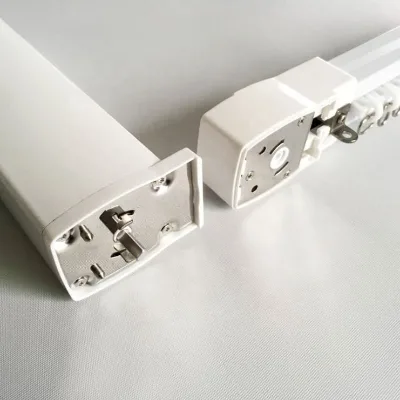
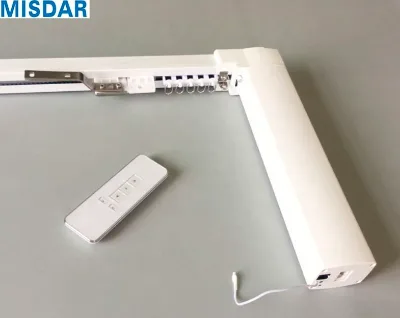
Guangzhou Misdar Shade Co., Ltd.
- Verified by TüVRheinland
- Trading Company
- Lead time15 days
- Avg. response≤ 5h
Main productsRoller Blind, Zebra Blind, Shangri-La Blind, Motorized Curtain Track, Curtain Motor
Main marketsNorth America(35%), South America(5%), Eastern Europe(5%)
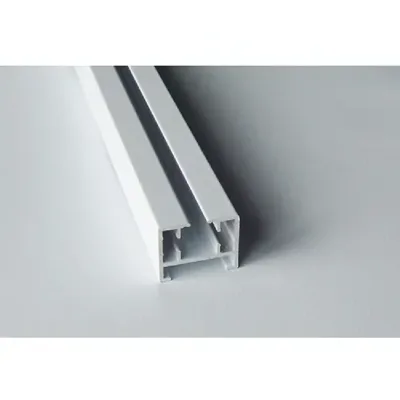
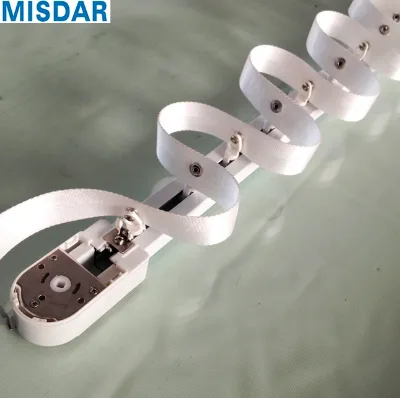
Wholesale Thickened Silent Curtains Track Pulley Curtains Straight Track Slide Curtains
$13.00 - $15.00
MOQ: 1 meters
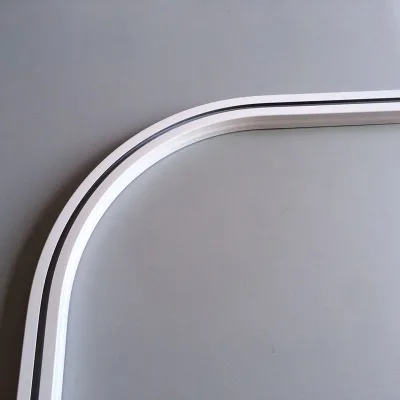
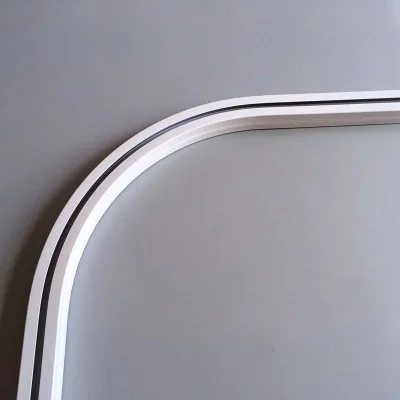

R & C FUZHOU HOUSEWARE CO., LTD.
- Combined
- China Fujian
- Lead time23 days
- Avg. response≤ 1h
Main productsVenetian Blind, Curtain, Curtain Tieback, Sofa Cover, Bedding Set, Zebra Blind, Curtain Rod, Luxury Curtains, Electric Track, Curtain Accessories
Main marketsSouth America,Africa,Southeast Asia/ Mideast,East Asia(Japan/ South Korea),Europe,Australia,North America


Manufacture Modern Curtain Track and Accessories Hotel Hidden Aluminium Curtain Rail Track
$1.24 - $1.44
MOQ: 134 meters


Tianjin Hunters Technology Co., Ltd.
- Manufacturer, Trading Company
- Tianjin, China
- Lead time5 days
- Avg. response≤ 5h
Main productswindow blinds,Fabric curtain,Sun awning,Rainproof Awning,Aluminum Louver
Main marketsNorth America(40.50%), Mid East(15.38%), Western Europe(9.70%), South Asia(8.44%), South America(6.50%), Central America(5.69%), Domestic Market(5.55%), Northern Europe(4.64%), Africa(2.55%), Oceania(1.05%)
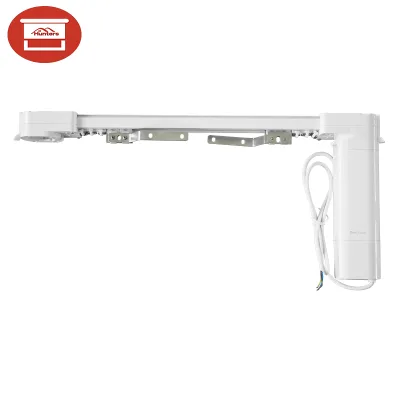
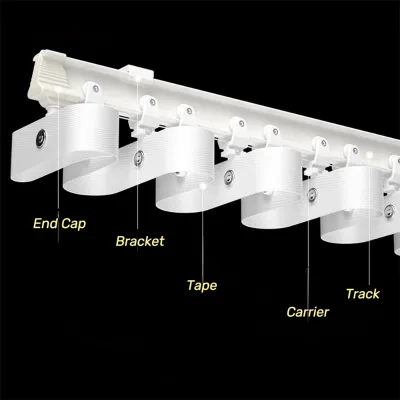
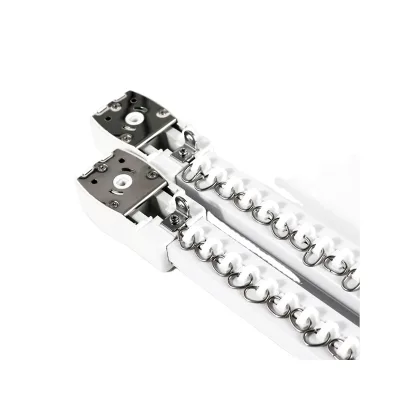
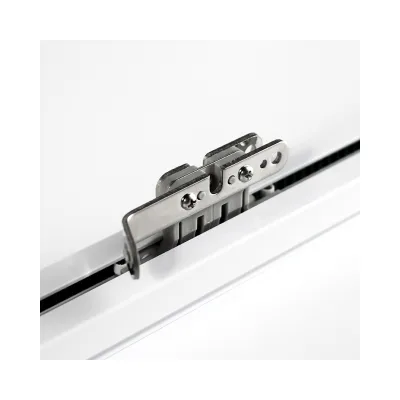
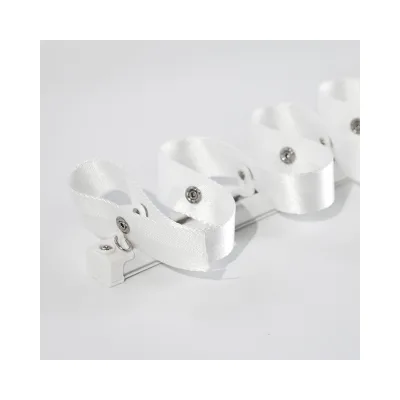
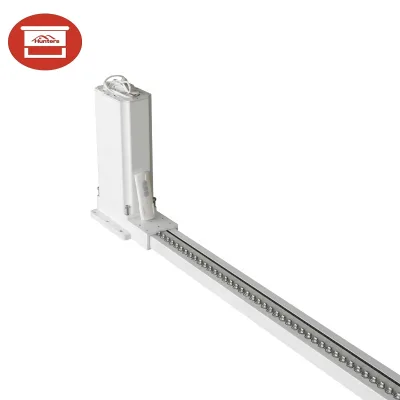
Motorized Remote Control Double Curtain Track System
$29.00 - $35.00
Foshan Nanhai Wandaochaoche Curtain Decoration Co., Ltd.
- Verified by SGS Group
- Manufacturer, Trading Company
- Lead time30 days
- Avg. response≤ 2h
Main productsBlackout Curtain, Ripple Fold Curtain Track, Curtain Rails, Curtain Tape, Roller Blinds
Main marketsMid East(45%), Southeast Asia(30%), Oceania(20%)
Chanda (Chengdu) Sourcing Co., Ltd.
- Trading Company
- Sichuan, China
- Lead time0 days
- Avg. response≤ 2h
Main productsSunshades,Pergeola,Awning,Zip Screen,Roof roller
Main marketsNorthern Europe(20.00%), Eastern Europe(20.00%), South America(20.00%), North America(20.00%), Southern Europe(10.00%), Western Europe(10.00%)
Wenling Botai Window Decoration Material Co., Ltd.
- Manufacturer
- Zhejiang, China
- Lead time30 days
- Avg. response≤ 3h
Main productscurtain rod,curtain pole,curtain track,curtain rail,home decoration
Main marketsAfrica(20.00%), Southeast Asia(20.00%), Mid East(20.00%), Northern Europe(10.00%), Eastern Asia(10.00%), North America(10.00%)

Fujian Xinyabo Power Technology Co., Ltd.
- Verified by SGS
- Combined
- China Fujian
- Lead time30 days
- Avg. response≤ 18h
Main productsDiesel Generator, Silent Diesel Generator, Open Diesel Generator
Main marketsSoutheast Asia/ Mideast

Guangzhou JADY Window Coverings Technology CO., LTD
- Combined
- China Guangdong
- Lead time45 days
- Avg. response≤ 8h
Main productsRoller Blinds Components, Roman Blinds Components, Venetian Blinds Components, Honeycomb Blinds Components, Curtain Tracks & Accessories, Outdoor Roller Blinds System, Zip Screen, Awning, Skylight, Sliding Screen Door
Main marketsSoutheast Asia/ Mideast,East Asia(Japan/ South Korea),Europe,Australia
Foshan Aootus Sunshade Curtain Co., Ltd.
- Manufacturer, Trading Company
- Guangdong, China
- Lead time20 days
- Avg. response≤ 8h
Main productsCurtain Track,Curtain Rod,Curtain Runner,Curtain Tapes,Curtain Brackets
Main marketsDomestic Market(67.00%), Mid East(11.00%), Southeast Asia(11.00%), Oceania(6.00%), South America(3.00%), North America(2.00%)
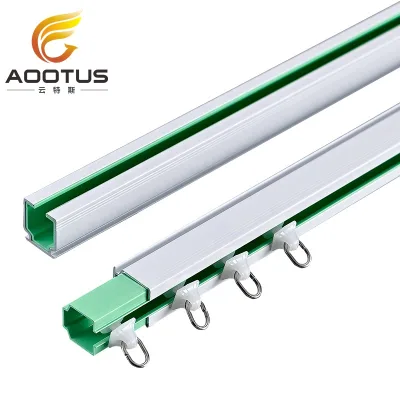
Super Silent Curtain Track Easy Assemble Silent Curtain Rail for Heavy Duty Curtain
$2.28 - $3.40
MOQ: 1000
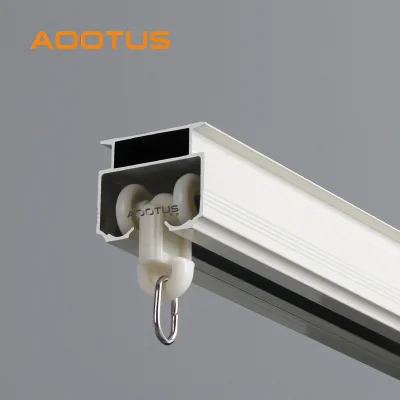
New Design Popular Hot Selling Modern Style Curtain Track Rail With Silent Pulley System
$6.32 - $7.11
MOQ: 1000
Guangzhou Unihome Smart Shade Technology Co., Ltd.
- Trading Company
- GUANGDONG, China
- Lead time10 days
- Avg. response≤ 4h
Main productsRoller Blinds,Zebra Blinds,Honeycomb Blinds,Outdoor Zip Blinds,Fabric Curtain
Main marketsNorth America(40.00%), Oceania(25.00%), South America(10.00%), Central America(5.00%), Eastern Asia(5.00%), Africa(3.00%), Eastern Europe(3.00%), Western Europe(2.00%), Southeast Asia(2.00%), Domestic Market(1.00%), South Asia(1.00%), Mid East(1.00%), Southern Europe(1.00%), Northern Europe(1.00%)
FOSHAN GARDENS INDUSTRIAL CO., LTD.
- Verified by TüVRheinland
- Trading Company
- Guangdong, China
- Lead time15 days
- Avg. response≤ 3h
Main productsSmart Curtain, DIY Smart Curtain, Smart Blinds, Smart Curtain Motor, Smart Switch
Main marketsSouth America(13%), Western Europe(12%), Africa(11%)
Guangdong Junpai Intelligent Sun Shading Technology Co., Ltd.
- Verified by SGS Group
- Manufacturer, Trading Company
- Lead time25 days
- Avg. response≤ 1h
Main productsCurtain track, Curtain pole, Curtain accessories, Roller blinds and blinds components, CurtainS
Main marketsDomestic Market(60%), North America(10%), Mid East(10%)
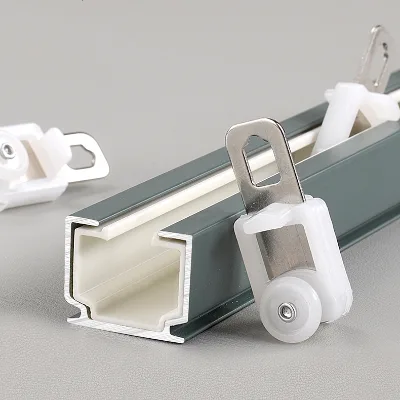
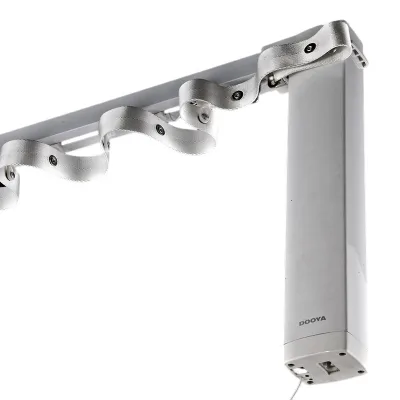
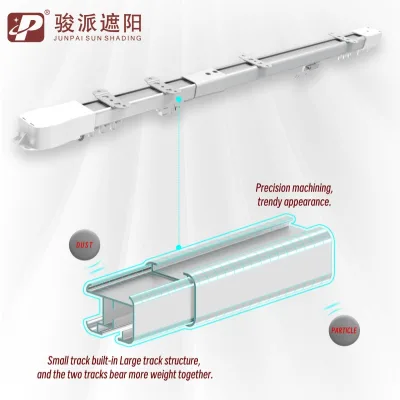
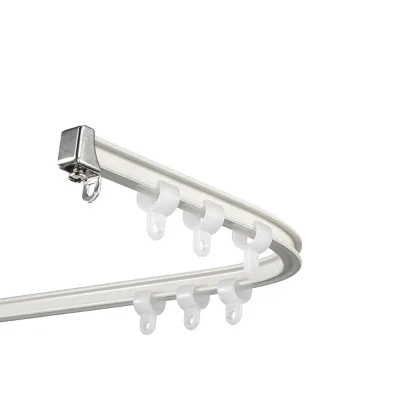
$0.63 - $0.77
MOQ: 200 meters
Foshan Sanshui Dingchengda Metal Products Factory
- Manufacturer
- Guangdong, China
- Lead time25 days
- Avg. response≤ 14h
Main productscurtain track,aluminium curtain accessories,window blind,roller blind,Smart home appliances
Main marketsSoutheast Asia(60.00%), Domestic Market(15.00%), Mid East(15.00%), Northern Europe(10.00%)
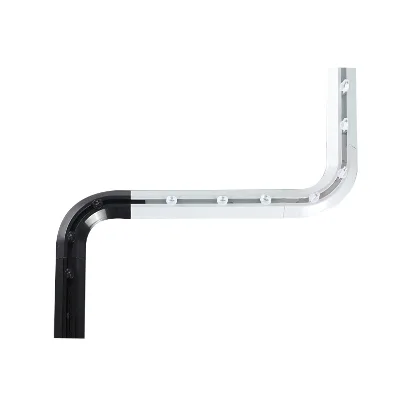
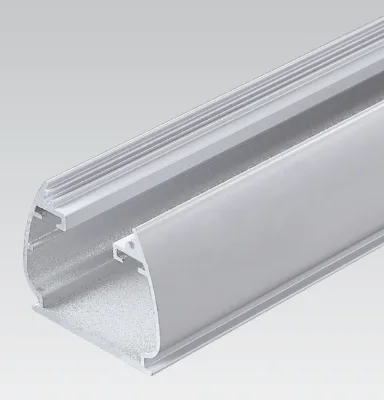
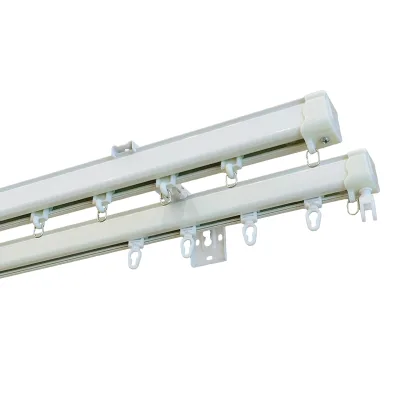
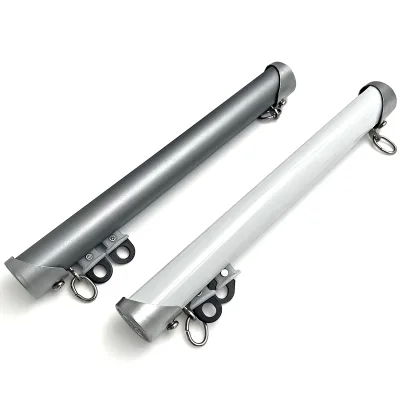
$3.2522 - $3.6147
MOQ: 1 meters
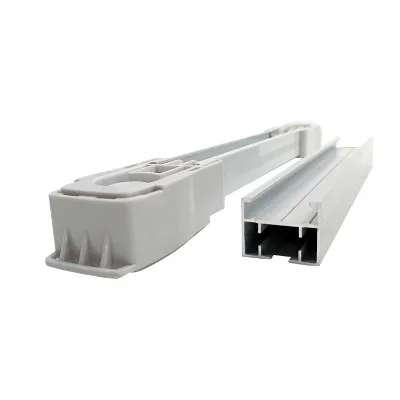
$28.6268 - $33.7574
MOQ: 1 meters

Shouguang Runchen Environmental Protection Technology Co., Ltd.
- Verified by BV
- Combined
- China Shandong
- Lead time15 days
- Avg. response≤ 4h
Main productsZebra Blinds, Roller Blinds, Honeycomb Blinds, Shangri-La Blinds, Sunshine Blinds, Dream Curtain, Vertical Curtain, Sunscreen Blinds, Wooden Blinds, Motor End Caps Heading
Main marketsSouth America,Africa,Southeast Asia/ Mideast,Europe,Australia,North America


Iksun High Quality Double Rail Curtain Track Double Roller Blind Curtains Tracks
$1.09 - $1.29
MOQ: 1 Pieces

Shanghai Wellsource Industrial Co., Ltd.
- Verified by CTI
- Trading Company
- China Shanghai
- Lead time23 days
- Avg. response≤ 3h
Main productsBlinds
Main marketsSouth America,Southeast Asia/ Mideast,East Asia(Japan/ South Korea),Domestic,Europe,Australia,North America

Jinan Hengsheng New Building Materials Co., Ltd.
- Verified by TUVRHEINLAND
- Trading Company,Manufacturer/Factory
- China Shandong
- Lead time15 days
- Avg. response≤ 13h
Main productsGrab Bar, Blind Bricks, Stair Nosing, Handrail, Hospital Curtain and Curtain Track
Main marketsSouth America,Eastern Europe,Mid East,North America,Southeast Asia,Eastern Asia,Oceania,Western Europe,Africa

Shandong Jincheng Building Materials Co., Ltd
- Verified by TUVRHEINLAND
- Manufacturer/Factory
- China Shandong
- Lead time23 days
- Avg. response≤ 3h
Main productsHospital Handrail, Wall Protection Guard, Wall Protection Sheet, Bathroom Grab Bar, Hospital Curtain, Tactile Indicator, Stair Nosing, Bedhead Unit, Medical Products, Wall Skirting
Main marketsEastern Europe,Mid East,North America,Western Europe,Africa

Hospital Curtain Track Rail System Smooth Gliding Aluminum Track for Medical Ward Partition Curtains
$2.89 - $8.89
MOQ: 100 Meters

Medical Curtain Rail System Ceiling Mounted Aluminum Track for ICU and Operating Rooms
$2.89 - $8.89
MOQ: 100 Meters
Foshan HDCC Curtain Decoration Co., Ltd.
- Manufacturer, Trading Company
- Guangdong, China
- Lead time0 days
- Avg. response≤ 3h
Main productsBlackout Curtain, Ripple Fold Curtain Track, Curtain Rails, Curtain Tape, Roller Blinds
Main marketsMid East(45.00%), Southeast Asia(30.00%), Oceania(20.00%), North America(5.00%)

Huakang Medical Technology (Tianjin) Co., Ltd.
- Verified by TUVRHEINLAND
- Combined
- China Tianjin
- Lead time15 days
- Avg. response≤ 2h
Main productsNurse Call System, Bed Head Unit, Medical Gas Outlet, PVC Handrail, Stainless Steel Sink, Stainless Steel Cabinet, Nurse Paging System, Bed Head Panel, Wired Call System, Surgical Sink
Main marketsOthers(foreignTradeCapacity.exportBusinessCapacityMarketOther),Domestic

Wholesale Hospital Aluminum Curtain Track Curved Suspension Curtain Rails for Privacy Room
$2.00 - $4.00
MOQ: 50 Meters

Wholesale Curved Curtain Track Aluminum Bendable Curtain Rail for Hospital Flexible Curtain Rail
$3.00 - $4.00
MOQ: 50 Meters
Guangdong Yushun Intelligent Technology Co., Ltd.
- Manufacturer, Trading Company
- Guangdong, China
- Lead time3 days
- Avg. response≤ 5h
Main productsCurtain Motor/Roller Shade/Zebra Blinds/Tubular Motor,windproof roller blinds,tubular motor
Main marketsNorth America(30.00%), Southeast Asia(10.00%), Western Europe(10.00%), South America(10.00%), Domestic Market(7.00%), South Asia(6.00%), Oceania(6.00%), Southern Europe(5.00%), Northern Europe(5.00%), Eastern Europe(5.00%), Africa(3.00%), Mid East(3.00%)
Foshan Boningsi Window Decoration Factory(general Partnership)
- Verified by Intertek
- Trading Company
- Lead time7 days
- Avg. response≤ 3h
Main productsCurtain Track, Curtain Accessory, Electric Curtain Track, Curtain Rod, Roman Blind
Main marketsMid East(70%), Africa(20%), South America(5%)

Shenzhen Jiayunfeng Stage Equipment Co., Ltd.
- Verified by SGS
- Combined
- China Guangdong
- Lead time15 days
- Avg. response≤ 5h
Main productsStage Curtain, Velvet, Stage Machinery, Projection Screen, LED Star Screen, Motorized Curtain Track, Motorized Topic, Laser Light Demo Screen
Main marketsOthers(foreignTradeCapacity.exportBusinessCapacityMarketOther),Domestic

Auditorium & Hall Durable Electric Bi-Parting Stage Curtain Drape Rail Track
$13.57 - $16.42
MOQ: 150 Meters

OEM Factory Durable Aluminum Alloy Stage Curtain/Rail Track for Heavy Duty Drape
$14.00 - $22.00
MOQ: 1 Meters

Multi-Hall & Auditorium Durable Electric Bi-Parting Stage Curtain Drape Rail Track
$13.57 - $16.42
MOQ: 150 Meters

Smart Automatic Motorized Curtain Track/Rail System for Stage Curtain/Modern Homes
$20.00 - $23.00
MOQ: 1 Meters

Remote Control Electric Stage Curtain Track for Stage and Theater Applications
$20.00 - $23.00
MOQ: 1 Meters

Foshan Xiongjie Intelligent Technology Co., Ltd.
- Manufacturer, Trading Company, Distributor/Wholesaler
- Guangdong, China
- Lead time7 days
- Avg. response≤ 1h
Main productselectric curtain track,curtain track accessories,tubular motor,curtain motor,extendable curtain track
Main marketsWestern Europe(25.00%), Mid East(22.00%), Southeast Asia(15.00%), North America(5.00%), Eastern Asia(5.00%), South America(5.00%), Oceania(5.00%), Central America(5.00%), South Asia(5.00%), Domestic Market(2.00%), Northern Europe(2.00%), Africa(2.00%), Southern Europe(1.00%), Eastern Europe(1.00%)

Shanghai Interwell Industrial Co., Ltd.
- Verified by SGS
- Manufacturer/Factory
- China Shanghai
- Lead time15 days
- Avg. response≤ 3h
Main productsAluminum Industrial Extrusion Profile, Aluminium Window Profile, Aluminum CNC Products, Aluminum Heatsink, Aluminium Machine Frame, Hinge, Handle, Aluminium Bar, Aluminium Heat Sink, Aluminum Tube
Main marketsSouth America,Eastern Europe,Mid East,North America,Southeast Asia,Eastern Asia,Oceania,Western Europe,Africa

Wholesale High Quality Aluminum Silent Rail Curtain Track, Ceiling Curtain Track
Negotiable
MOQ: 1000 Meters

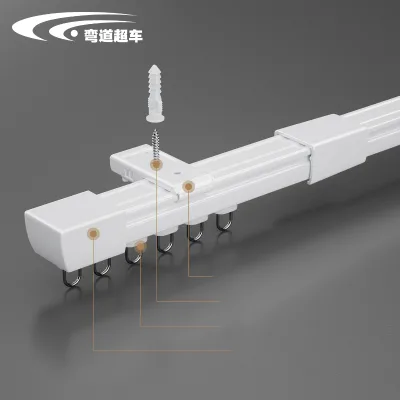
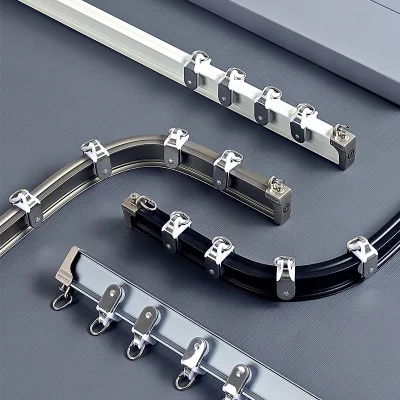
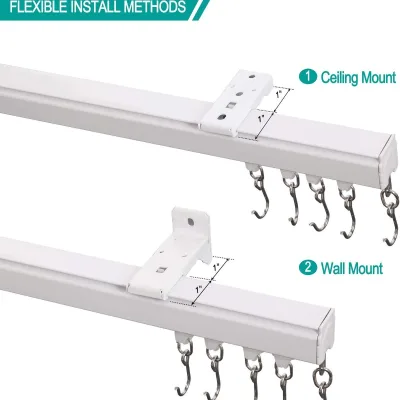
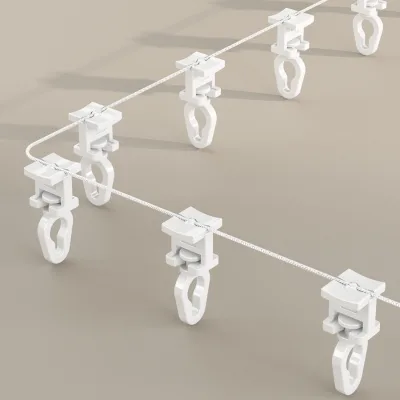


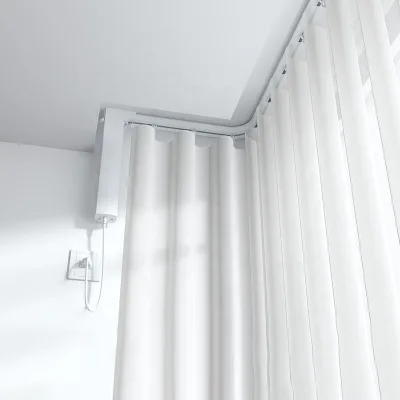


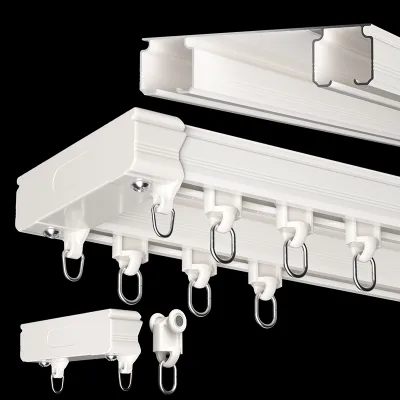
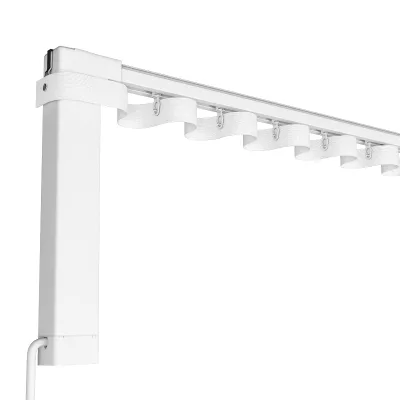
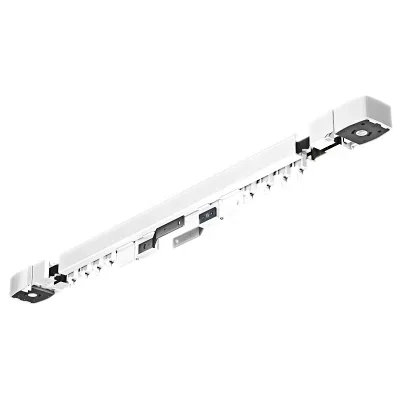
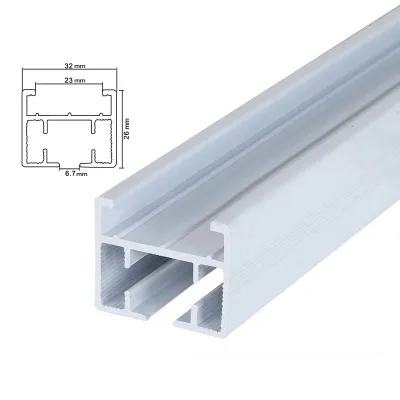
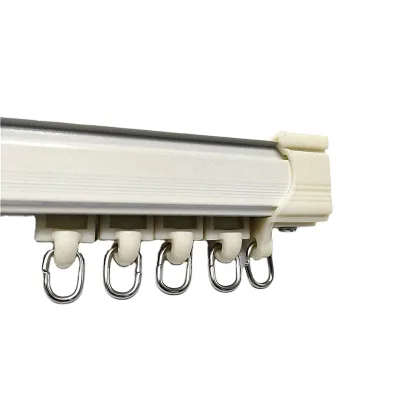
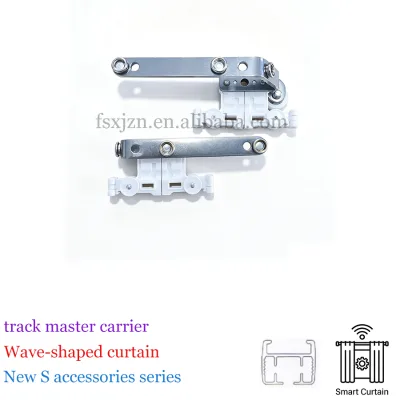
Comprehensive Sourcing Guide
Built-In Silent Curtain Rail Track Supplier Concentration and Factory Types
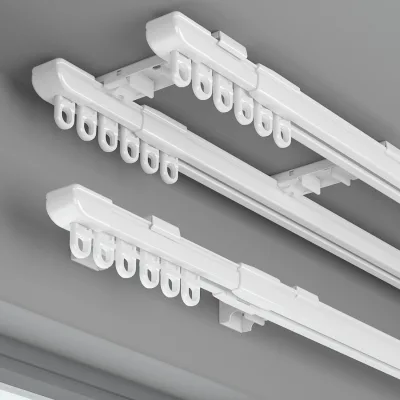
The current supplier landscape for built-in silent curtain rail tracks reveals a distinct geographic concentration in China, with specific manufacturing hubs identified in Hebei and Guangdong provinces. These regions serve as primary centers for producing both standard aluminum curtain tracks and more complex motorized systems. Suppliers in these areas often operate as combined entities, functioning as both manufacturers and trading companies, which allows them to offer a broader range of product variations while maintaining direct control over production quality. This dual role is particularly evident in the availability of OEM and ODM services, indicating that many factories are equipped to handle custom designs and private labeling for international buyers. The presence of verified suppliers, such as those with CTI verification, suggests a baseline level of trust and operational transparency within these clusters. Buyers looking for bulk orders or customized solutions will find that these concentrated regions offer the necessary infrastructure to support large-scale production runs. The diversity in company types means that buyers can choose between pure manufacturing entities for cost efficiency or trading companies for easier communication and logistics management. Understanding this distribution helps in narrowing down the search to regions with established supply chains for curtain accessories and smart home integration components.
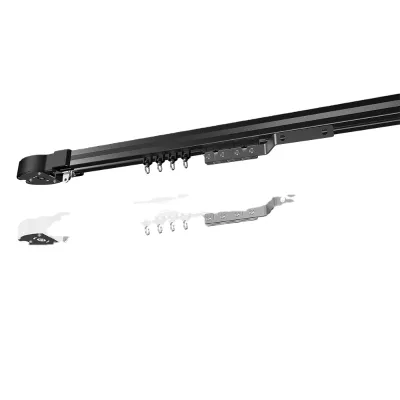
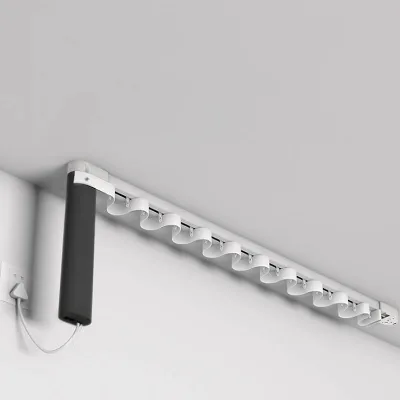
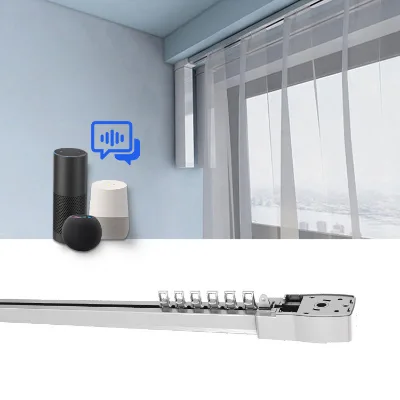
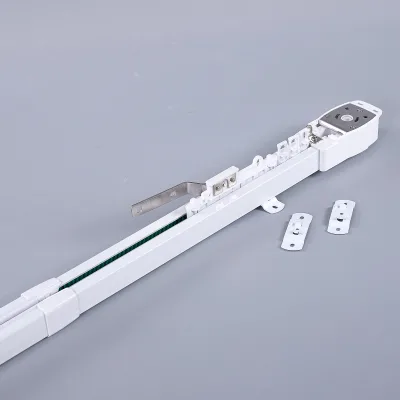
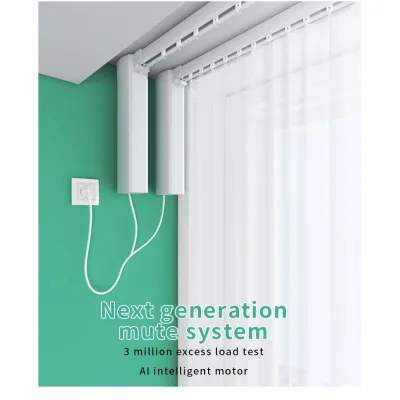
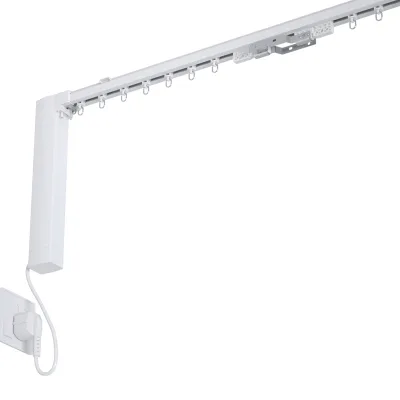
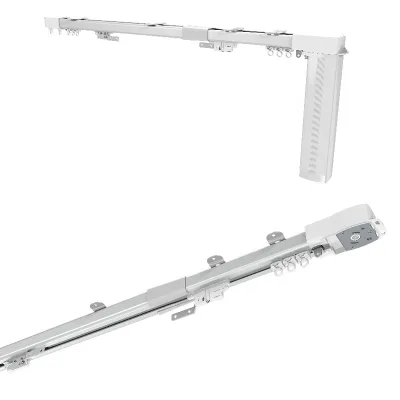
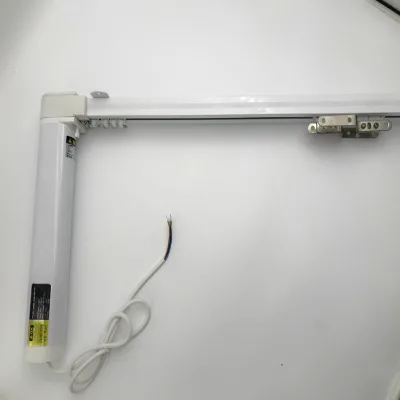
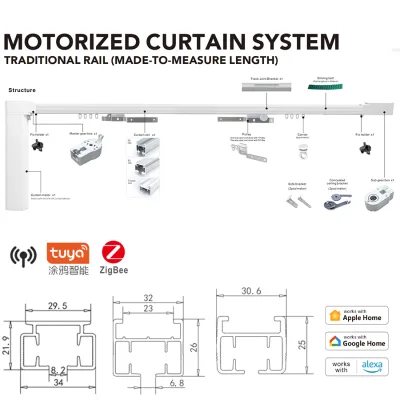
Within these manufacturing clusters, the product range extends beyond simple static tracks to include sophisticated electric and motorized systems. Suppliers in Guangdong, for instance, are noted for producing smart curtain motors and wave tracks that integrate with voice control systems like Alexa and Google Home. This indicates a technological maturity in the region, where factories are not just assembling metal profiles but are also integrating electronic components and software controls. The main products listed by these suppliers include solar mounting systems alongside curtain tracks, suggesting that some factories have diversified their capabilities to serve multiple home improvement sectors. However, the core competency remains in the production of aluminum alloy tracks, which are highlighted for their durability and silent operation. The availability of customization options, such as custom sizes and top mounting configurations, further underscores the flexibility of these factories. Buyers should recognize that while the geographic concentration is clear, the specific capabilities vary significantly between suppliers. Some may focus on high-volume production of standard flatted tracks, while others specialize in low-volume, high-complexity motorized solutions. This variation requires buyers to carefully assess the specific factory type and its alignment with their project needs, whether they are sourcing for residential renovations or large commercial hotel projects.
How to Verify Built-In Silent Curtain Rail Track Suppliers
Verifying the legitimacy and capability of suppliers requires a multi-layered approach that goes beyond simple profile reviews. Buyers should prioritize suppliers who have undergone third-party verification processes, such as CTI certification, which provides an independent assessment of the company’s business scope and production capabilities. This verification status is a critical indicator of reliability, as it confirms that the supplier’s registered information and operational facilities have been inspected by a recognized authority. In addition to verification badges, buyers should examine the supplier’s response time, which serves as a proxy for their operational efficiency and customer service readiness. A response time of under three hours, as observed in some results, suggests a highly responsive team capable of addressing urgent inquiries and technical questions promptly. This responsiveness is particularly important when dealing with custom orders or complex motorized systems where technical specifications need to be clarified quickly. Buyers should also look for clear indications of the supplier’s company type, distinguishing between pure manufacturers and trading companies, as this affects pricing structures and communication channels. Understanding whether a supplier is a manufacturer or a trader helps in setting realistic expectations regarding lead times and customization flexibility.
Beyond verification and response metrics, buyers must scrutinize the detailed product attributes and certifications provided in the supplier listings. The presence of specific product models, such as RY-10 or T5 track, indicates a standardized production process rather than ad-hoc manufacturing. Buyers should request detailed product specifications, including material composition, such as aluminum alloy grades, and mounting types, to ensure compatibility with their installation requirements. It is also essential to verify the supplier’s ability to provide necessary documentation, such as material safety data sheets or electrical compliance certificates for motorized tracks, although these specific documents are not explicitly listed in the current results. Buyers should proactively ask for these documents to ensure regulatory compliance in their target markets. Additionally, examining the supplier’s main products can reveal their core expertise; a supplier listing solar mounting systems alongside curtain tracks may have broader industrial capabilities, whereas a supplier focused solely on curtain accessories may offer deeper specialization in that niche. Buyers should also check for any displayed establishment years or production capacity figures, as these provide context for the supplier’s experience and scalability. By combining verification status, response speed, and detailed product analysis, buyers can build a comprehensive profile of each supplier’s reliability and suitability for their specific sourcing needs.
What to Compare Across Built-In Silent Curtain Rail Track Suppliers
When evaluating multiple suppliers, buyers should systematically compare key operational metrics to identify the most suitable partner for their project. Lead time is a critical factor, with observed values ranging from 15 to 23 days, indicating variations in production capacity and inventory management. Suppliers with shorter lead times may be better suited for urgent orders or projects with tight deadlines, while those with longer lead times might offer more competitive pricing for planned purchases. Buyers should also compare the Minimum Order Quantity (MOQ) requirements, which vary significantly across different product lines. Some suppliers offer an MOQ of just one unit, which is ideal for sampling or small residential projects, while others require higher volumes, such as 20 or 120 units, which are more appropriate for bulk commercial orders. This variation allows buyers to align their order size with the supplier’s flexibility, ensuring they do not incur unnecessary inventory costs or face stockouts. Additionally, response time should be weighed against lead time, as a supplier with a fast response but long lead time may still be efficient if the buyer plans ahead. Comparing these metrics across several suppliers helps in creating a balanced selection matrix that considers both speed and volume requirements.
Price and customization options are equally important dimensions for comparison. The price range for curtain tracks varies from as low as $0.35 to over $8.00 per unit, depending on the product type, such as standard aluminum tracks versus motorized systems. Buyers should analyze the price-to-feature ratio, considering that motorized tracks with voice control capabilities naturally command a higher price due to their electronic components. It is also essential to compare the customization capabilities offered by each supplier. Some suppliers explicitly state that customization is available, allowing for custom sizes and specific mounting configurations, which is crucial for built-in installations where precise dimensions are required. Buyers should also look at the packaging details, such as carton packing or snake-skin bags, as this affects shipping costs and product protection during transit. Furthermore, comparing the main products listed by each supplier can reveal their specialization; a supplier focusing on smart curtain motors may offer better integration support for automated systems, while another focusing on silent tracks may provide superior acoustic performance. By systematically comparing lead times, MOQs, prices, and customization options, buyers can make informed decisions that balance cost, speed, and quality.
Common Built-In Silent Curtain Rail Track Sourcing Risks
One of the primary risks in sourcing built-in silent curtain rail tracks is the potential mismatch between product specifications and actual installation requirements. Since these tracks are often designed for seamless integration into ceilings or walls, precise dimensions and mounting configurations are critical. Buyers may encounter issues if the supplier’s standard products do not align with their specific architectural plans, leading to costly modifications or delays. This risk is heightened when dealing with suppliers who offer limited customization options or have rigid production processes. Additionally, the complexity of motorized tracks introduces technical risks, such as compatibility issues with existing smart home systems or power supply requirements. Buyers must ensure that the supplier provides clear technical documentation and support to mitigate these risks. Another significant risk is the variability in product quality, particularly regarding the silent operation feature. If the track’s internal mechanisms or pulley systems are not of high quality, the intended silence may not be achieved, leading to customer dissatisfaction. Buyers should request samples to test the acoustic performance and durability before committing to large orders. This step is essential to verify that the product meets the advertised standards and performs as expected in real-world conditions.
Logistical and communication risks also pose challenges in the sourcing process. Differences in time zones and language barriers can lead to misunderstandings regarding order details, shipping instructions, or quality expectations. Buyers should assess the supplier’s communication effectiveness by evaluating their response time and clarity in addressing technical queries. A slow or unclear response can indicate potential issues in post-sale support or problem resolution. Furthermore, the risk of supply chain disruptions cannot be ignored, especially when sourcing from specific geographic regions. Buyers should consider the supplier’s production capacity and inventory levels to ensure they can meet demand during peak seasons or unexpected surges. Another risk is the lack of transparency in pricing, where hidden costs for customization, packaging, or shipping may emerge later in the process. Buyers should seek detailed quotes that include all potential costs to avoid budget overruns. Additionally, the risk of intellectual property infringement exists if buyers are working with custom designs, so it is crucial to ensure that the supplier respects confidentiality agreements. By identifying and mitigating these risks through careful supplier selection and clear communication, buyers can protect their projects from potential setbacks and ensure a smooth sourcing experience.
Built-In Silent Curtain Rail Track Regional Sourcing and Logistics
Sourcing from specific regions in China, such as Hebei and Guangdong, offers distinct logistical advantages and challenges for buyers. Guangdong, in particular, is known for its advanced manufacturing capabilities and proximity to major shipping ports, which can facilitate faster and more cost-effective export logistics. Suppliers in this region often specialize in high-tech products, including motorized curtain tracks with smart home integration, benefiting from a robust ecosystem of electronic component suppliers. This concentration of related industries can lead to shorter lead times for complex products and easier access to specialized materials. Buyers sourcing from Guangdong should consider the potential for higher quality control standards due to the competitive nature of the local market. However, they must also account for potential logistics bottlenecks during peak shipping seasons, which can affect delivery schedules. On the other hand, suppliers in Hebei may offer more competitive pricing for standard aluminum tracks, leveraging lower labor and operational costs. Buyers should evaluate the trade-off between cost and speed when choosing between these regions, considering the specific needs of their project. Understanding the regional strengths helps in selecting suppliers that align with the project’s technical and logistical requirements.
Logistics planning should also consider the packaging and shipping requirements of the products. Curtain tracks, especially motorized ones, require careful packaging to prevent damage during transit. Suppliers often use carton packing or specialized bags to protect the products, but buyers should verify the packaging standards to ensure they meet international shipping requirements. The weight and dimensions of the products, such as the single gross weight of 0.500 kg for some motorized tracks, impact shipping costs and handling procedures. Buyers should work with suppliers to optimize packaging for efficiency, reducing void space and minimizing the risk of damage. Additionally, buyers should consider the supplier’s experience with international shipping and their ability to handle customs documentation. Suppliers with a strong export track record are more likely to navigate regulatory requirements smoothly, reducing the risk of delays at customs. Buyers should also factor in the lead time for production and shipping when planning their inventory, ensuring they have sufficient stock to meet demand. By understanding the logistical implications of sourcing from different regions, buyers can make informed decisions that balance cost, speed, and reliability.
Built-In Silent Curtain Rail Track Commercial Terms and Order Planning
Effective order planning requires a clear understanding of the commercial terms offered by suppliers, including payment methods, warranty policies, and after-sales support. Buyers should negotiate terms that protect their interests, such as secure payment options like escrow, which ensures funds are released only upon
FAQs
What is the minimum order quantity for silent curtain tracks?
The minimum order quantity varies by supplier and product type. Some manufacturers offer a low MOQ of just one unit for standard aluminum tracks, while others require a minimum of 20 units. Certain electric or motorized systems may have an MOQ of 10. Buyers should verify the specific requirement for their chosen model before placing an order.
What materials are used for silent curtain rail tracks?
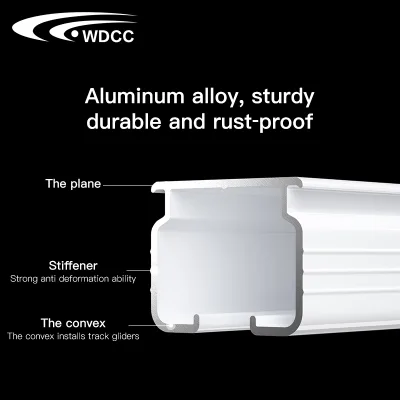
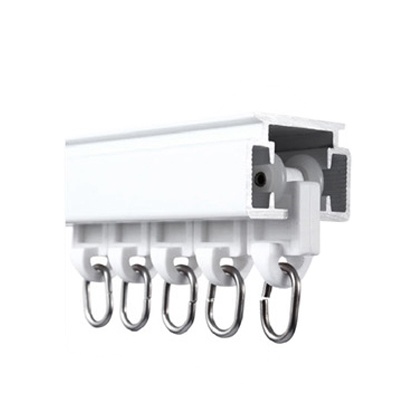
Most silent curtain tracks are constructed from aluminum alloy to ensure durability and smooth operation. Some electric or motorized variants also utilize metal components for the track structure. These materials provide a sturdy foundation for both single and double rail systems, ensuring the tracks can support heavy curtains while maintaining a silent gliding mechanism.
What is the typical lead time for curtain track orders?
Lead times generally range from 15 to 23 days depending on the supplier and product complexity. Suppliers in Guangdong often report a lead time of 15 days, while those in Hebei may take up to 23 days. Buyers should confirm the exact production schedule with the supplier to ensure timely delivery for their specific project requirements.
Are silent curtain tracks available with smart home integration?
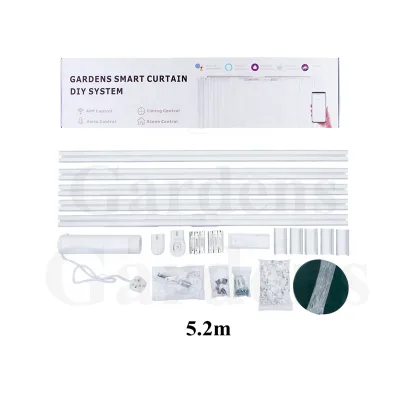
Yes, motorized curtain tracks are available with smart home integration capabilities. These systems support voice control via Alexa and Google Home, as well as remote and mobile app control. They are designed for modern interiors and can be customized for various room types, including living rooms and bedrooms, offering automated convenience for users.
What is the price range for aluminum curtain tracks?
Prices for standard aluminum curtain tracks typically range from $0.35 to $1.20 per unit. For motorized or electric curtain tracks, the price range is higher, generally between $6.00 and $8.80 per unit. The cost depends on the material quality, track length, and whether the system includes smart features or motorized components.
Can silent curtain tracks be customized for specific sizes?
Customization is available for many silent curtain track models. Buyers can request custom sizes, with some electric tracks offering lengths up to 8 meters. Manufacturers also provide options for different mounting types, such as top mounting, and various design styles. It is advisable to confirm customization options and any associated costs with the supplier.