Crazy Curl Cake Decorating Tip Suppliers and Manufacturers
Compare 17 verified suppliers offering Crazy Curl Cake Decorating Tip sets with ODM, OEM, and own brand capabilities. Review response times, lead times, and certifications to select a partner for your baking needs; review the available evidence before requesting comparable quotations from suitable candidates.
Updated
Suppliers List

Zhongshan Mingxin Silicone Manufactory
- Verified by SGS
- Combined
- China Guangdong
- Lead time15 days
- Avg. response≤ 5h
Main productsSilicone Kitchenware, Silicone Keypaid, Silicone Bracelet, Silicone Wristband, Silicone Ashtray, Silicone Tube, Silicone Watch, Silicone Rubber, Silicone Sex Doll, Silicone Mold
Main marketsEurope,North America


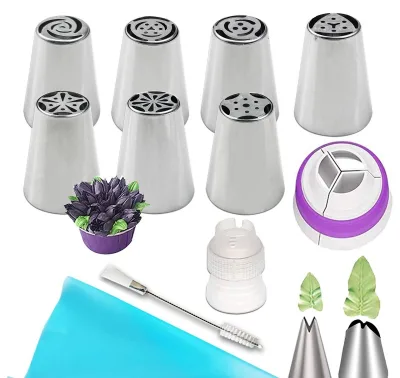
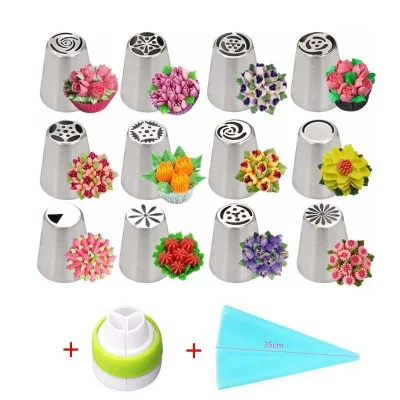
27PCS Cake Icing Tools Decorating Nozzles Russian Piping Tips for Cupcake Cookies Birthday Party
$3.50 - $3.65
MOQ: 100 Pieces

Decorating Piping Icing Cake Pastry Nozzles Russian Piping Bag Stainless Steel Tips Set
$3.00 - $3.29
MOQ: 100 Pieces

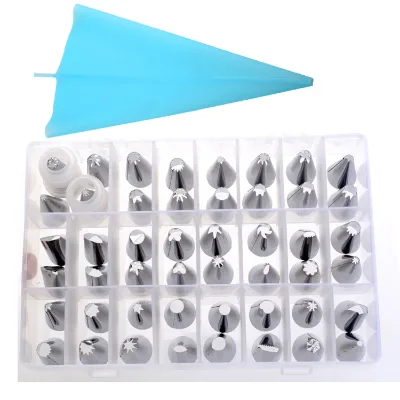
35PCS/Set Cake Accessories Stainless Cake Decorating Pastry Bag Nozzle Piping Tips Set Cake Tools
$3.00 - $3.25
MOQ: 10 Pieces


35PCS Cake Tools Cake Decorating Tools Piping Icing Bag Nozzles Piping Tip Set
$3.00 - $3.25
MOQ: 10 Pieces
Dongguan Loyal Industrial Co., Ltd.
- Manufacturer, Trading Company
- Guangdong, China
- Lead time30 days
- Avg. response≤ 7h
Main productsSilicone Kitchen Utensils,Silicone Bakeware,Kitchen Accessories
Main marketsWestern Europe(30.00%), North America(30.00%), Northern Europe(10.00%), Southeast Asia(10.00%), Mid East(10.00%), Oceania(10.00%)
- Verified by SGS Group
- Trading Company
- Lead time20 days
- Avg. response≤ 10h
Main productsKitchenware, Coffee French Maker, Plastic Bento Box, Bamboo Wooden Kitchen Items, Ceramic & Glass Products
Main marketsNorthern Europe(20%), South Asia(20%), North America(10%)
Xinxiang Hongqi District Huafeiwu Import And Export Trade Co., Ltd.
- Trading Company
- Henan, China
- Lead time0 days
- Avg. response≤ 4h
Main productsHome decor,Kitchenware,Garden Supplies
Main marketsSoutheast Asia(20.00%), Mid East(20.00%), South Asia(20.00%), Africa(10.00%), Eastern Asia(10.00%), Northern Europe(10.00%), Domestic Market(10.00%)
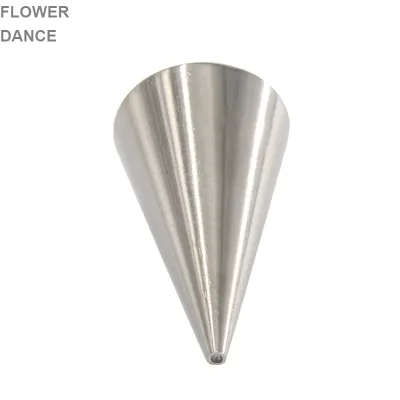
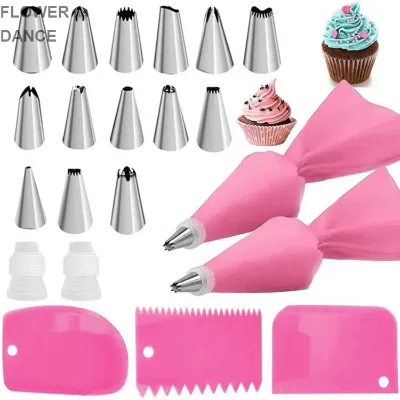
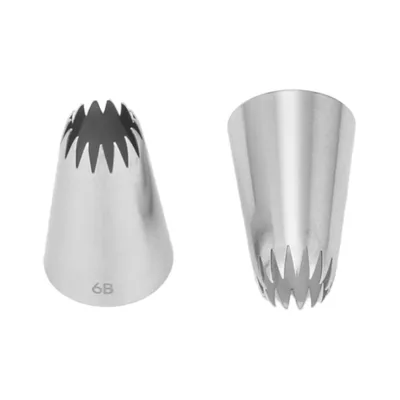
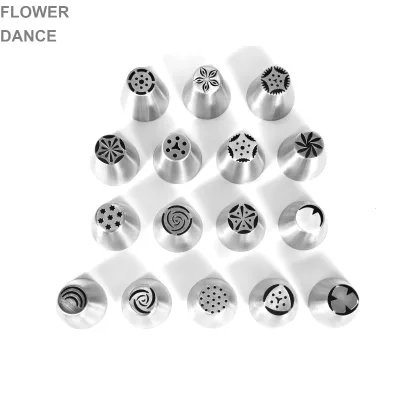
$0.14 - $0.15
MOQ: 50 Minimum
Ningbo Lixsun Imp. & Exp .co., Ltd.
- Trading Company
- Zhejiang, China
- Lead time10 days
- Avg. response≤ 4h
Main productsKitchenware,Houseware,Bakeware,Cleaning products,Promotional gifts
Main marketsWestern Europe(32.00%), North America(25.00%), South America(10.00%), Mid East(5.00%), Eastern Europe(4.00%), Domestic Market(3.00%), Northern Europe(3.00%), Central America(3.00%), South Asia(3.00%), Southern Europe(3.00%), Oceania(3.00%), Africa(2.00%), Eastern Asia(2.00%), Southeast Asia(2.00%)
Guangzhou Chenghi Technology Co., Ltd.
- Manufacturer, Trading Company
- Guangdong, China
- Lead time7 days
- Avg. response≤ 3h
Main productsCake decorating tools,baking tools,Kitchen supplies,cake tools
Main marketsDomestic Market(26.00%), North America(15.00%), Western Europe(8.00%), Africa(8.00%), Mid East(8.00%), Eastern Europe(8.00%), Southern Europe(6.00%), Northern Europe(5.00%), South America(5.00%), Southeast Asia(5.00%), South Asia(4.00%), Oceania(1.00%), Eastern Asia(1.00%)
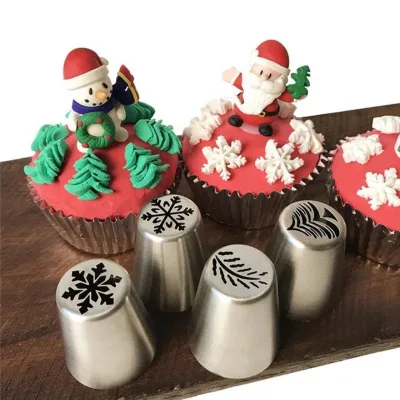
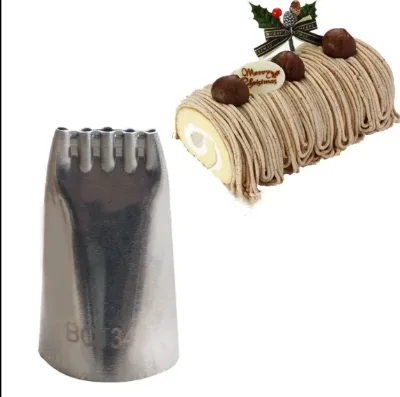
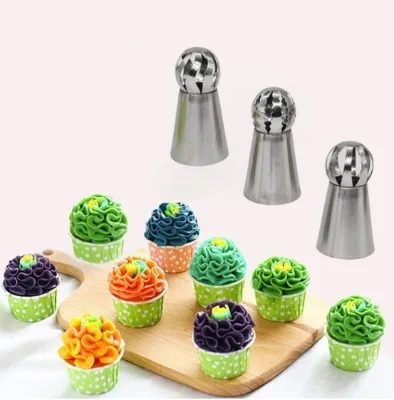
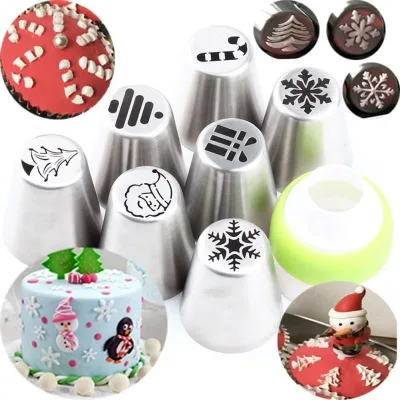
6-tooth Cake Piping Cookie Rose Cream Baking DIY Tool 304 Stainless Steel Piping Tip Medium Size
$0.16 - $0.26
MOQ: 5 bags
$1.1639 - $3.4782
MOQ: 10 Minimum

- Verified by SGS
- Trading Company,Manufacturer/Factory
- China Zhejiang
- Lead time23 days
- Avg. response≤ 5h
Main productsTent, Project Screen, Bicycle, Trampoline, Backpack, Kitchenware, Hammock, Pet Accessories, Garden Products
Main marketsSouth America,Eastern Europe,Mid East,North America,Southeast Asia,Eastern Asia,Oceania,Western Europe,Africa
Hangzhou Bangyun Lianyue Trading Co., Ltd.
- Verified by Intertek
- Trading Company
- Lead time15 days
- Avg. response≤ 4h
Main productsStainless Steel Mesh Leak, Vegetable Chopper, Cake Mould, Cake Pan
Main marketsMid East(30%), Eastern Europe(20%), North America(15%)
- Trading Company
- Guangdong, China
- Lead time30 days
- Avg. response≤ 3h
Main productschildren's and adult baking products,family baking parent-child set,ids apron and chef hat set,rolling pins,cookie cutter
Main marketsWestern Europe(20.00%), North America(20.00%), South America(10.00%), Mid East(10.00%), South Asia(5.00%), Southern Europe(5.00%), Northern Europe(5.00%), Central America(5.00%), Southeast Asia(5.00%), Eastern Asia(5.00%), Eastern Europe(5.00%), Africa(5.00%)
Shenzhen Mantimelong Electronic Co., Ltd.
- Manufacturer, Trading Company
- Guangdong, China
- Lead time3 days
- Avg. response≤ 10h
Main productsBALL PEN,STATIONERY,HOUSEHOLD SUNDRIES,PEN
Main marketsNorthern Europe(25.00%), South America(20.00%), Mid East(13.00%), Western Europe(10.00%), North America(10.00%), Eastern Europe(8.00%), Oceania(5.00%), Eastern Asia(5.00%), Southeast Asia(4.00%)

- Verified by TUVRHEINLAND
- Manufacturer/Factory
- China Zhejiang
- Lead time23 days
- Avg. response≤ 5h
Main productsOutdoor Furniture, Trampoline, Building, Camping, Houseware, Promotion, Clothes, Rope Light, Garden, Sourcing
Main marketsSouth America,Eastern Europe,Mid East,North America,Southeast Asia,Eastern Asia,Oceania,Western Europe,Africa
Yiwu Riyuan Goods Trading Co.,Ltd.
- Trading Company
- Zhejiang, China
- Lead time15 days
- Avg. response≤ 6h
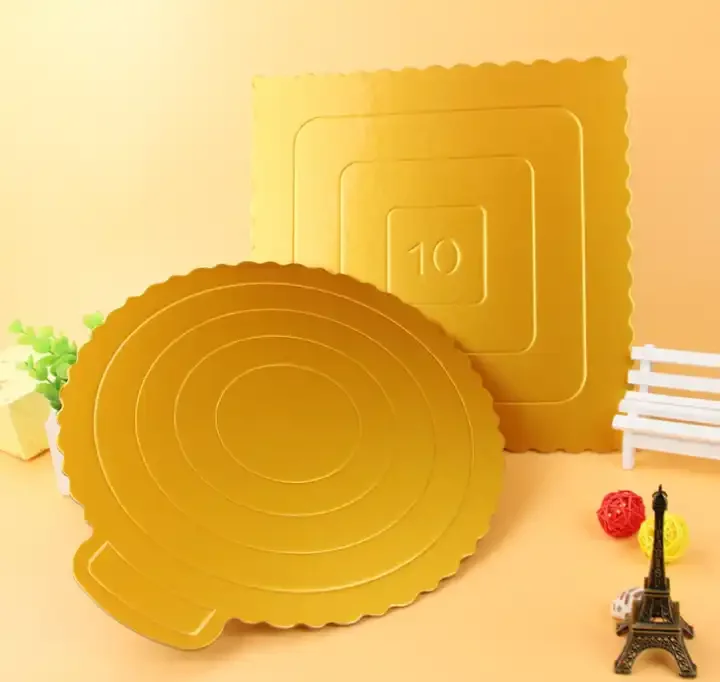
Main productsCake Decorating Supplies,cake board,Cake topper,Cake Tools,Baking & Pastry Tools
Main marketsNorth America(20.00%), Southeast Asia(19.00%), South America(16.00%), Western Europe(12.00%), Northern Europe(5.00%), Southern Europe(5.00%), Oceania(5.00%), Eastern Europe(5.00%), Eastern Asia(3.00%), South Asia(3.00%), Africa(3.00%), Central America(2.00%), Mid East(2.00%)
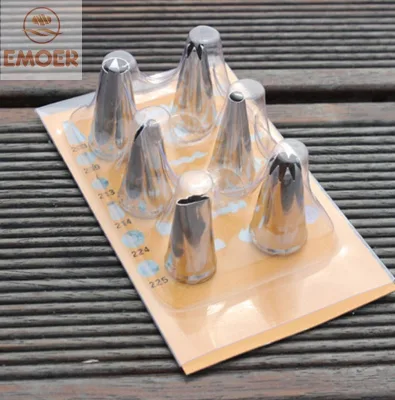
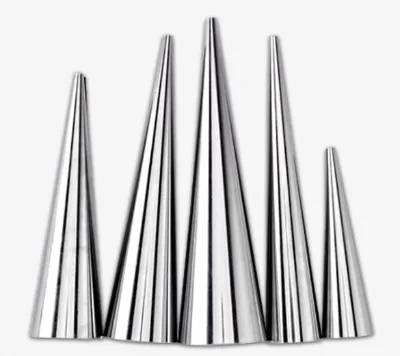
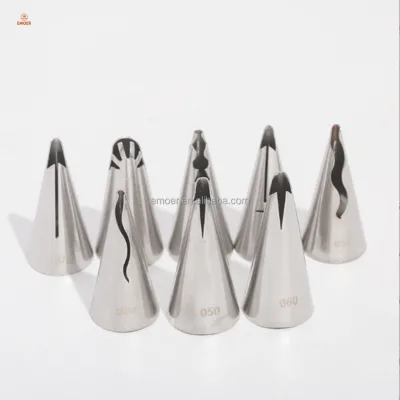
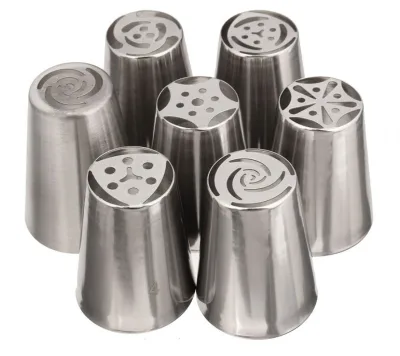
304 Stainless Steel Cake Cupcake Decorating Supplies Icing Frosting Nozzles 6 Pcs Piping Tips Set
$0.48 - $0.71
MOQ: 200 sets
Henan Jielun Import And Export Co., Ltd.
- Trading Company
- Henan, China
- Lead time7 days
- Avg. response≤ 2h
Main productsWomen's clothing,Men's clothing,Sexy lingerie,women underwear/panty,Men's bag & Women's bag
Main marketsNorth America(23.00%), South America(21.00%), Eastern Europe(11.00%), Southeast Asia(10.00%), Africa(6.00%), Oceania(5.00%), Domestic Market(3.00%), South Asia(3.00%), Southern Europe(3.00%), Northern Europe(3.00%), Central America(3.00%), Western Europe(3.00%), Eastern Asia(3.00%), Mid East(3.00%)
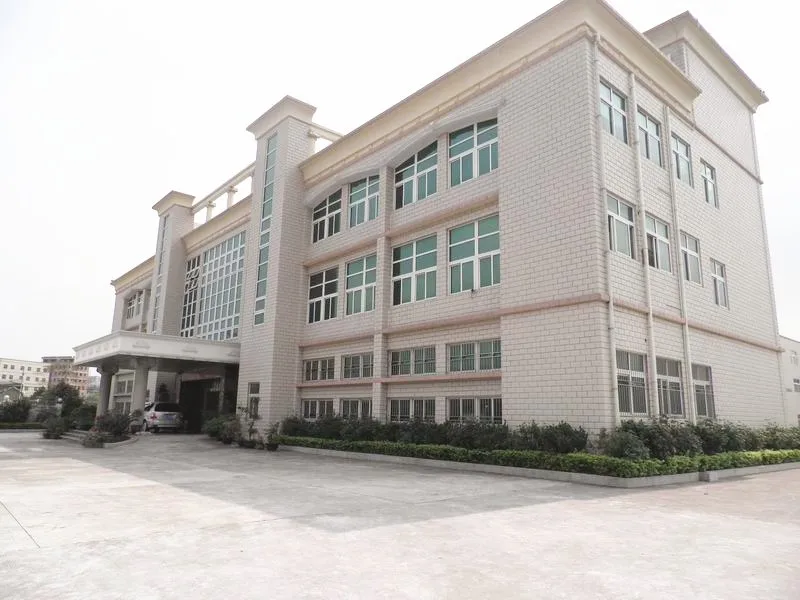
Huizhou Camellia Industry & Trade Co., Ltd
- Trading Company
- Guangdong, China
- Lead time20 days
- Avg. response≤ 6h
Main productsSilicone Kitchenware,Silicone Mold,Silicone Promotion Gifts,Stainless Steel Items,Plastic Product
Main marketsWestern Europe(20.00%), North America(20.00%), South America(10.00%), Northern Europe(10.00%), Central America(5.00%), Southeast Asia(5.00%), Domestic Market(5.00%), Southern Europe(5.00%), Oceania(5.00%), Eastern Europe(5.00%), Mid East(3.00%), South Asia(3.00%), Eastern Asia(2.00%), Africa(2.00%)

Shenzhen Jasmine Import& Export Ltd.
- Manufacturer, Trading Company
- Guangdong, China
- Lead time20 days
- Avg. response≤ 7h
Main productssilicone kitchenware,silicone promotion gifts,Plastic bottles,stainless steel kitchen tools,silicone kitchen utensils
Main marketsWestern Europe(20.00%), North America(15.00%), Domestic Market(10.00%), South America(10.00%), Northern Europe(10.00%), Eastern Asia(10.00%), Oceania(5.00%), Central America(5.00%), Eastern Europe(5.00%), Southern Europe(3.00%), Southeast Asia(3.00%), Africa(2.00%), South Asia(2.00%)
Yulong Plastic Products Co., Ltd.
- Manufacturer, Trading Company
- Guangdong, China
- Lead time15 days
- Avg. response≤ 3h
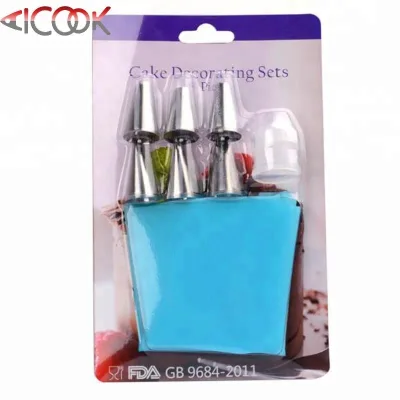
Main productsPiping Bags,Cake Tools,OPP Packing,Cake Collar,nozzles
Main marketsDomestic Market(20.00%), Southeast Asia(15.00%), North America(15.00%), Eastern Europe(15.00%), Southern Europe(10.00%), South America(10.00%), Western Europe(10.00%), Central America(5.00%)

Guangzhou Nantian Sources Co., Ltd.
- Manufacturer/Factory
- China Guangdong
- Lead time15 days
- Avg. response≤ 6h
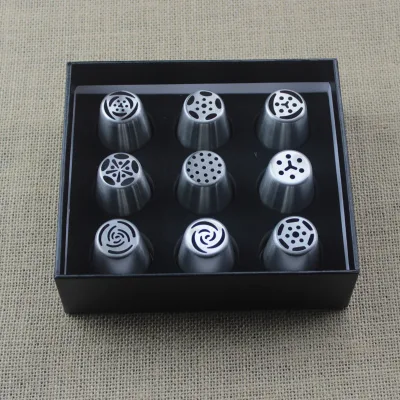
Main productsKitchen Equipment, Kitchenware, Food Machine, Kitchen Appliance, Glassware, Food Machinery, Bakery Equipment, Dinnerware, Kitchen Utensils, Food Processor
Main marketsSouth America,Mid East,Southeast Asia,Eastern Asia,Oceania,Africa


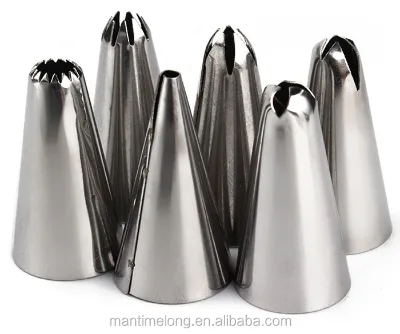


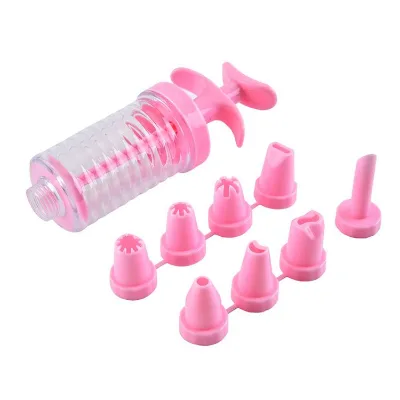
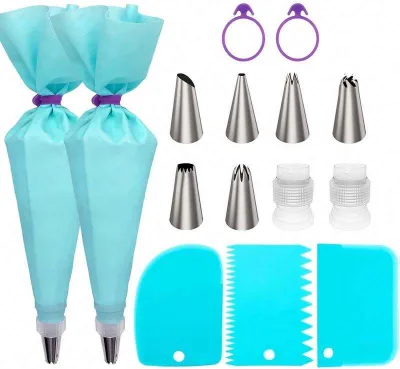
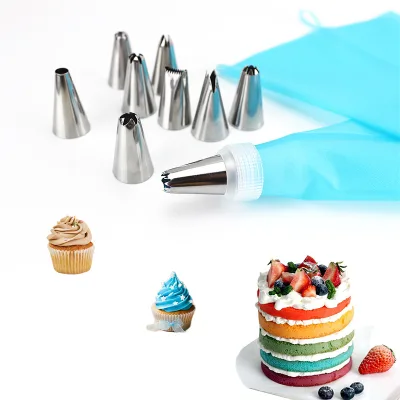


Comprehensive Sourcing Guide
Crazy Curl Cake Decorating Tip Supplier Concentration and Factory Types
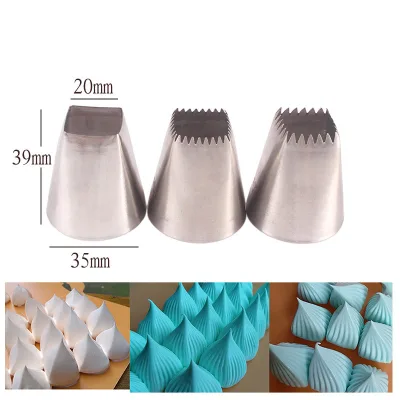
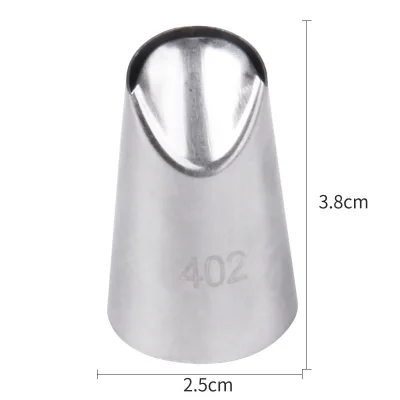
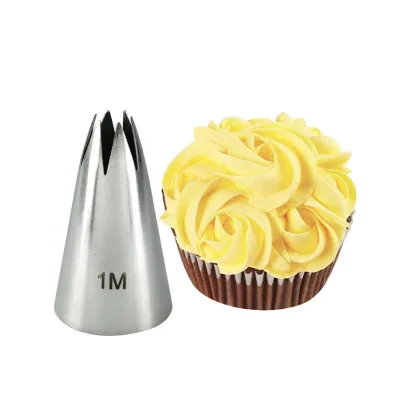
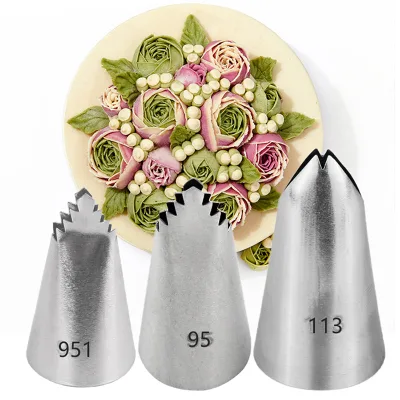
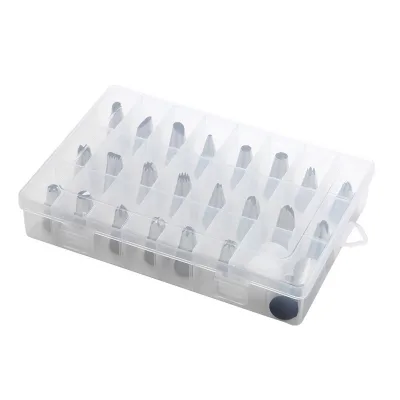
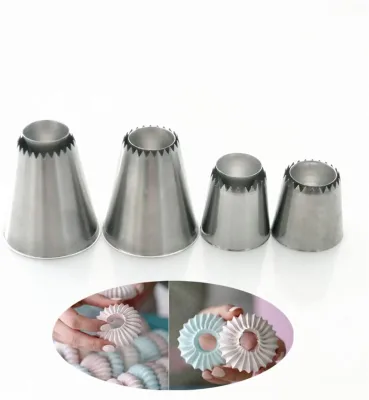
The current supplier landscape for cake decorating tools reveals a distinct concentration in Guangdong, China, where manufacturing capabilities are heavily clustered. This region serves as a primary hub for producing a wide array of silicone kitchenware and baking accessories, including the specific piping tips and nozzles required for intricate cake designs. The presence of combined company types, encompassing both manufacturers and trading companies, indicates a mature supply chain ecosystem that supports both direct factory sourcing and flexible trading arrangements. Buyers evaluating suppliers in this geographic area will often encounter entities that specialize in silicone rubber products, which are increasingly popular for their durability and ease of cleaning compared to traditional metal alternatives. The main products listed by these suppliers frequently include silicone bracelets, ashtrays, and molds, suggesting that many factories possess the necessary injection molding or extrusion infrastructure to produce high-quality silicone piping tips. This industrial concentration allows for efficient raw material sourcing and streamlined production processes, which can translate to competitive pricing and faster turnaround times for bulk orders. Understanding this geographic and industrial context helps buyers identify suppliers who are not just general traders but have genuine manufacturing roots in the region.
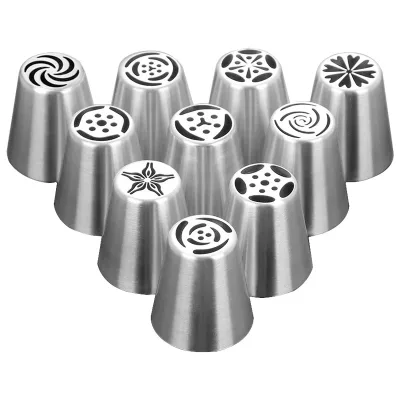
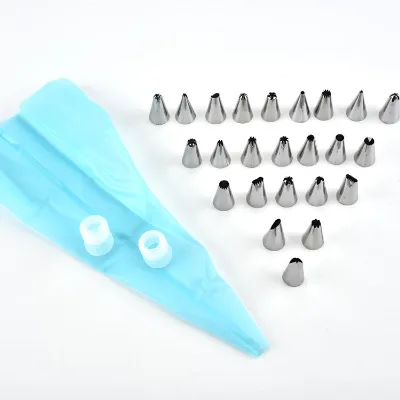
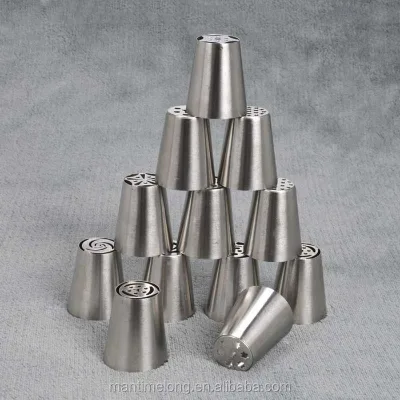
Supplier types vary significantly within this concentrated market, offering buyers different levels of control and flexibility. Some entities operate strictly as manufacturers, providing direct access to production lines and the ability to customize molds for unique curling designs. Others function as trading companies, aggregating products from multiple factories to offer a broader catalog of cake tools, including stainless steel nozzles and Russian piping sets. The verification status of these suppliers, such as SGS certification, provides an additional layer of assurance regarding their operational legitimacy and quality control standards. Buyers should carefully distinguish between these company types based on their specific sourcing needs, whether they require deep customization of silicone materials or prefer the convenience of ready-stock items. The availability of OEM and ODM services further highlights the manufacturing depth present in this cluster, allowing brands to develop proprietary designs for crazy curl tips. By recognizing the interplay between factory capabilities and trading company logistics, buyers can better navigate the supplier landscape and select partners that align with their strategic goals for product quality and supply chain stability.
How to Verify Crazy Curl Cake Decorating Tip Suppliers
Verifying the authenticity and capability of suppliers requires a systematic approach that goes beyond surface-level product listings. Buyers should prioritize suppliers who display clear verification badges, such as SGS, which indicates that an independent third party has assessed their business operations and product quality. This verification is crucial for ensuring that the supplier is a legitimate entity capable of fulfilling orders consistently. In addition to verification status, buyers must examine the supplier’s response time, which serves as an indicator of their operational efficiency and customer service commitment. A response time of around four hours suggests a responsive team that can address technical queries regarding material specifications or mold designs promptly. This responsiveness is particularly important when discussing customizations for crazy curl tips, where precise dimensions and silicone hardness are critical for achieving the desired decorative effect. Buyers should also look for detailed product attributes, such as material composition and weight, to ensure the supplier provides transparent and accurate information about their offerings.
Beyond verification and response metrics, buyers should scrutinize the supplier’s main product focus and production capacity. Suppliers listing silicone kitchenware and baking tools as their primary offerings are more likely to have specialized expertise in producing high-quality piping tips compared to general merchandise traders. The presence of ODM and OEM capabilities further confirms that the supplier has the engineering resources to support custom designs. Buyers should request samples to physically assess the quality of the silicone material, checking for flexibility, durability, and food-safe properties. Additionally, examining the supplier’s established years and company type can provide insights into their stability and experience in the industry. While some suppliers may be newer entrants, those with a longer track record often have refined quality control processes. Buyers should also verify the origin of the products, ensuring they are manufactured in regions known for high-quality silicone production, such as Guangdong. By combining these verification steps, buyers can build a reliable shortlist of suppliers who meet their quality and operational standards.
What to Compare Across Crazy Curl Cake Decorating Tip Suppliers
When evaluating multiple suppliers, buyers must compare key operational metrics to determine the best fit for their procurement strategy. Lead time is a critical factor, with some suppliers offering turnaround times as short as fifteen days, while others may require up to thirty days for production. This variation can significantly impact inventory planning and order fulfillment, especially for seasonal baking trends. Buyers should also compare the minimum order quantities (MOQ) to assess flexibility, as some suppliers may accept orders as low as ten pieces, while others require higher volumes. This comparison helps buyers determine which suppliers can accommodate small test orders or large bulk purchases without excessive financial risk. Additionally, response speed should be weighed against lead times, as a supplier with a quick response but long lead time may not be suitable for urgent orders. By creating a comparison matrix of these metrics, buyers can objectively assess which suppliers offer the best balance of speed, flexibility, and cost.
Price and customization options are equally important dimensions for comparison. The price range for cake decorating tips can vary significantly, with some items costing as little as $0.45 per unit and others reaching up to $3.65, depending on the complexity and material. Buyers should compare these prices against the MOQ and lead time to calculate the total cost of ownership. Customization availability is another key differentiator, with some suppliers offering logo printing and custom packaging, while others provide standard products. The ability to customize shapes and materials is particularly relevant for crazy curl tips, where unique designs can offer a competitive advantage. Buyers should also compare the product attributes, such as weight and packaging standards, to ensure they meet their logistical requirements. By systematically comparing these factors, buyers can identify suppliers that offer the best value proposition and align with their specific business needs, ensuring a successful sourcing outcome.
Common Crazy Curl Cake Decorating Tip Sourcing Risks
One of the primary risks in sourcing cake decorating tips is the inconsistency in material quality, particularly when dealing with silicone products. Buyers must be vigilant about ensuring that the silicone used is food-grade and free from harmful additives, as this is critical for consumer safety. Some suppliers may list generic material specifications without providing detailed test reports, which can lead to quality issues upon receipt. Additionally, the durability of the tips can vary, with some products becoming brittle or discolored over time, affecting their performance and aesthetic appeal. Buyers should mitigate this risk by requesting material certifications and conducting thorough sample testing before placing bulk orders. Another risk is the discrepancy between the ordered product and the delivered item, especially when custom designs are involved. Suppliers may produce items that do not match the agreed-upon specifications, leading to delays and additional costs. To address this, buyers should establish clear quality control checkpoints and require pre-shipment inspections.
Logistical and communication risks also pose significant challenges in the sourcing process. Delays in production can occur due to raw material shortages or capacity constraints, particularly during peak seasons. Buyers should maintain open communication with suppliers to monitor production progress and address any potential bottlenecks early. Furthermore, the risk of miscommunication regarding customization details can lead to incorrect orders, highlighting the importance of detailed technical drawings and specifications. Buyers should also be aware of the risk of hidden costs, such as shipping fees or customs duties, which can impact the total cost of the order. By understanding these common risks, buyers can implement proactive measures to protect their interests and ensure a smooth sourcing experience. Establishing strong relationships with suppliers and maintaining clear documentation can help mitigate these risks and foster a more reliable supply chain.
Crazy Curl Cake Decorating Tip Regional Sourcing and Logistics
Sourcing from Guangdong, China, offers logistical advantages due to the region’s well-developed infrastructure and proximity to major shipping ports. This geographic concentration allows for efficient consolidation of goods, reducing transportation costs and lead times for international buyers. Buyers should leverage this regional advantage by coordinating with suppliers who have experience in exporting to their target markets. Understanding the local logistics landscape can help buyers optimize their supply chain, from factory pickup to final delivery. Additionally, the presence of specialized packaging facilities in the region ensures that products are protected during transit, minimizing the risk of damage. Buyers should work closely with suppliers to determine the most cost-effective shipping methods, whether by sea or air, based on their urgency and budget. By aligning their logistics strategy with the regional strengths of Guangdong, buyers can enhance their operational efficiency and reduce overall sourcing costs.
However, buyers must also consider the complexities of international shipping and customs clearance. Different countries have varying regulations regarding food-contact materials, which can impact the importation of silicone cake tools. Buyers should ensure that their suppliers comply with these regulations and provide necessary documentation, such as certificates of analysis. Additionally, buyers should plan for potential delays caused by port congestion or weather disruptions, which are common in global logistics. By incorporating these logistical considerations into their sourcing strategy, buyers can minimize disruptions and ensure timely delivery of their orders. Collaborating with experienced freight forwarders can also help navigate these complexities, providing valuable insights into shipping routes and customs procedures. Ultimately, a well-planned logistics strategy is essential for maximizing the benefits of regional sourcing while mitigating potential risks.
Crazy Curl Cake Decorating Tip Commercial Terms and Order Planning
Commercial terms play a crucial role in defining the relationship between buyers and suppliers, particularly regarding payment and delivery conditions. Buyers should negotiate clear terms that outline the responsibilities of each party, including the Incoterms used for shipping. This clarity helps avoid disputes and ensures that both parties understand their obligations. Additionally, buyers should establish a structured order planning process that aligns with their sales forecasts and inventory requirements. By forecasting demand accurately, buyers can place orders at optimal times, avoiding stockouts or excess inventory. This planning is particularly important for seasonal products, where demand can fluctuate significantly. Buyers should also consider the supplier’s production capacity when planning orders, ensuring that they can meet their volume requirements without compromising quality. By integrating commercial terms with strategic order planning, buyers can create a resilient and efficient sourcing operation.
Payment terms are another critical aspect of commercial negotiations, with options ranging from advance payments to letters of credit. Buyers should choose payment methods that balance risk and cash flow, depending on their relationship with the supplier. For new suppliers, using escrow services can provide an additional layer of security, ensuring that payment is only released upon satisfactory delivery. Buyers should also plan for contingencies, such as order cancellations or modifications, by including flexible clauses in their contracts. This flexibility allows buyers to adapt to changing market conditions without incurring significant penalties. By carefully structuring their commercial terms and order planning, buyers can protect their interests and foster a collaborative relationship with their suppliers. This approach not only enhances operational efficiency but also builds trust and long-term partnership value.
FAQs
What is the typical lead time for cake decorating tips?
The typical lead time for these items is 15 days, though some suppliers offer a 30-day window. Buyers should verify specific production schedules with the manufacturer before placing bulk orders to ensure timely delivery for their events.
What is the minimum order quantity for piping tips?
Minimum order quantities vary significantly, ranging from 10 sets to 100 units depending on the specific product. Some suppliers require a minimum of 20 sets for certain models. Always check the specific MOQ listed for the desired tip set.
Are these tips made from food-safe silicone or stainless steel?
Products are available in both silicone and stainless steel materials. Silicone options are often marketed as disposable and sustainable, while stainless steel nozzles provide durability. Verify the material specification on the product page to ensure it meets your safety standards.
What is the price range for a set of decorating tips?
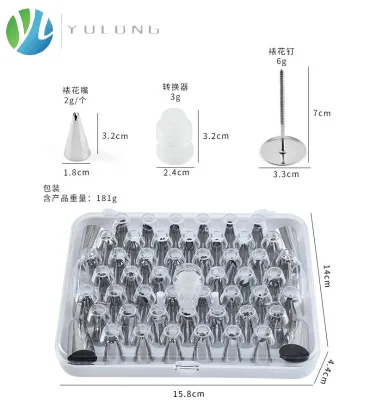
Prices generally range from $0.45 to $3.65 per unit or set. Basic single tips may cost around $0.70, while comprehensive 27-piece or 35-piece sets are priced higher. Costs depend on the number of pieces and included accessories.
Can I customize the logo or packaging for these tools?
Customization is available for both logos and packaging on many products. Suppliers offer options for customized shapes, printed logos, and specific packaging like color boxes or OPP bags. Confirm customization details and any associated costs directly with the supplier.
Where are these cake decorating tools manufactured?
These tools are primarily manufactured in Guangdong, China. This region is a known hub for kitchenware and silicone product production. Buyers can verify the specific origin listed on the product details page to confirm the manufacturing location.
How quickly do suppliers respond to inquiries?
Response times vary, with some suppliers responding within 4.05 hours and others taking up to 7 hours. Faster response times can help streamline the sourcing process. Check the supplier profile for their average response time to gauge communication efficiency.