Ripple Fold Curtain Runner Track Suppliers and Manufacturers
Explore 30 verified options for Ripple Fold Curtain Runner Track from China. Compare response times, lead times, certifications, and product specifications like material and MOQ. Contact suppliers directly to request quotes; review the available evidence before requesting comparable quotations from suitable candidates.
Updated
Suppliers List

R & C FUZHOU HOUSEWARE CO., LTD.
- Combined
- China Fujian
- Lead time23 days
- Avg. response≤ 1h
Main productsVenetian Blind, Curtain, Curtain Tieback, Sofa Cover, Bedding Set, Zebra Blind, Curtain Rod, Luxury Curtains, Electric Track, Curtain Accessories
Main marketsSouth America,Africa,Southeast Asia/ Mideast,East Asia(Japan/ South Korea),Europe,Australia,North America

Vikson Blinds Enterprise Co., Ltd.
- Verified by BV
- Manufacturer/Factory
- China Guangdong
- Lead time38 days
- Avg. response≤ 7h
Main productsRoller Blind, Roman Blind, Curtains, Aluminium Blind
Main marketsSouth America,Eastern Europe,North America,Southeast Asia,Eastern Asia

Fold Rails Wave Curtain Tracks Ripple Fold Curtain Track Ripple Fold Sheer Curtains
$7.00 - $12.00
MOQ: 100 Square Meters

Vikson Window Curtain Fold Rails Wave Curtain Tracks Ripple Fold Curtains Track
$7.00 - $12.00
MOQ: 100 Square Meters

Wenling Botai Window Decoration Material Co., Ltd.
- Manufacturer
- Zhejiang, China
- Lead time30 days
- Avg. response≤ 3h
Main productscurtain rod,curtain pole,curtain track,curtain rail,home decoration
Main marketsAfrica(20.00%), Southeast Asia(20.00%), Mid East(20.00%), Northern Europe(10.00%), Eastern Asia(10.00%), North America(10.00%)

Ningbo Weilai Window Decorations Co., Ltd.
- Manufacturer, Trading Company
- Zhejiang, China
- Lead time10 days
- Avg. response≤ 2h
Main productsBlinds Components, Curtain Accessory, Finished Blinds, Blinds Fabric, Aluminum Track
Main marketsNorth America(21.00%), Western Europe(10.00%), South America(9.00%), Oceania(9.00%), Central America(9.00%), Eastern Europe(8.00%), Southeast Asia(8.00%), Northern Europe(6.00%), South Asia(5.00%), Southern Europe(5.00%), Eastern Asia(5.00%), Africa(5.00%)
Foshan Jinlang Curtain Blinds Co., Ltd.
- Verified by SGS Group
- Manufacturer, Trading Company
- Lead time25 days
- Avg. response≤ 9h
Main productsRoman Blind, Curtain Track, Hospital Track, Motorized Track, Wave Track & Accessories
Main marketsDomestic Market(58%), Eastern Asia(10%), Western Europe(10%)
Guangzhou Misdar Shade Co., Ltd.
- Verified by TüVRheinland
- Trading Company
- Lead time15 days
- Avg. response≤ 5h
Main productsRoller Blind, Zebra Blind, Shangri-La Blind, Motorized Curtain Track, Curtain Motor
Main marketsNorth America(35%), South America(5%), Eastern Europe(5%)
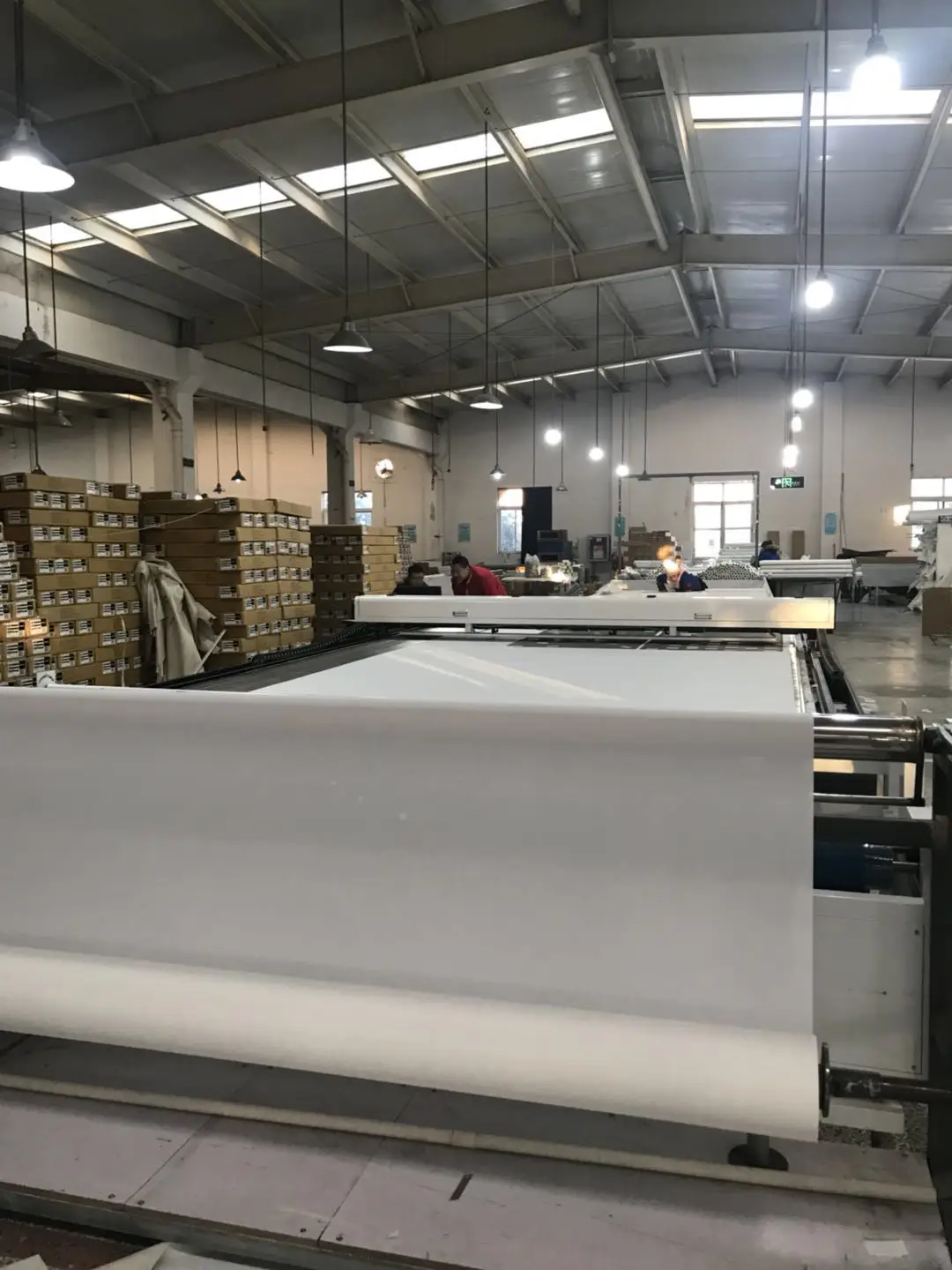
Tianjin Hunters Technology Co., Ltd.
- Manufacturer, Trading Company
- Tianjin, China
- Lead time5 days
- Avg. response≤ 5h
Main productswindow blinds,Fabric curtain,Sun awning,Rainproof Awning,Aluminum Louver
Main marketsNorth America(40.50%), Mid East(15.38%), Western Europe(9.70%), South Asia(8.44%), South America(6.50%), Central America(5.69%), Domestic Market(5.55%), Northern Europe(4.64%), Africa(2.55%), Oceania(1.05%)

Shouguang Runchen Environmental Protection Technology Co., Ltd.
- Verified by BV
- Combined
- China Shandong
- Lead time15 days
- Avg. response≤ 5h
Main productsZebra Blinds, Roller Blinds, Honeycomb Blinds, Shangri-La Blinds, Sunshine Blinds, Dream Curtain, Vertical Curtain, Sunscreen Blinds, Wooden Blinds, Motor End Caps Heading
Main marketsSouth America,Africa,Southeast Asia/ Mideast,Europe,Australia,North America

S Fold Curtain Track Pulley Ripple Easily Slide Wave Curtain Runner for Glydea Curtain Tracks
$1.09 - $1.29
MOQ: 1 Pieces


Iksun High Quality Double Rail Curtain Track Double Roller Blind Curtains Tracks
$1.09 - $1.29
MOQ: 1 Pieces

Foshan Boningsi Window Decoration Factory(general Partnership)
- Trading Company
- Guangdong, China
- Lead time7 days
- Avg. response≤ 3h
Main productsCurtain Track, Curtain Accessory, Electric Curtain Track, Curtain Rod, Roman Blind
Main marketsMid East(40.00%), North America(10.00%), Southeast Asia(10.00%), Eastern Europe(10.00%), South America(10.00%), South Asia(5.00%), Eastern Asia(5.00%), Africa(5.00%), Oceania(5.00%)
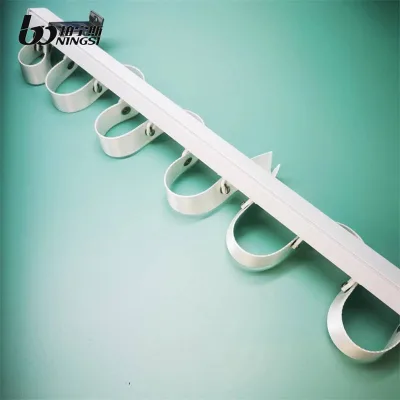
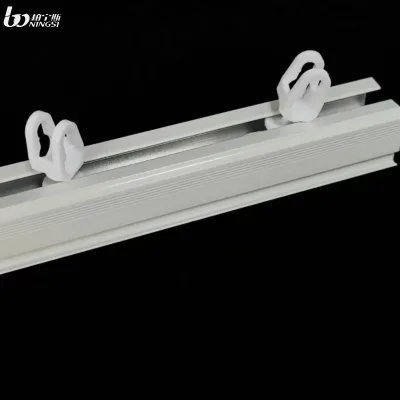
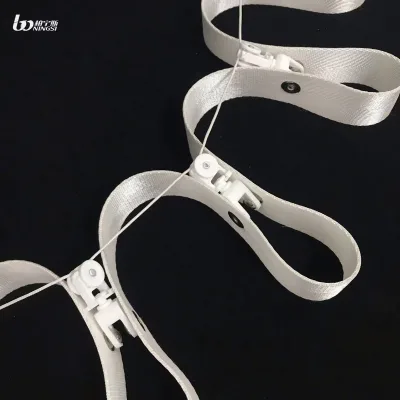
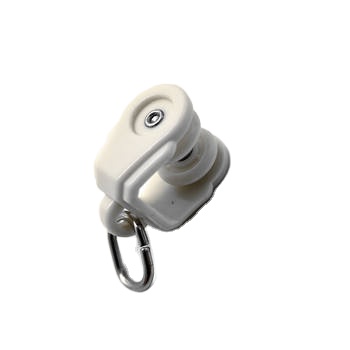
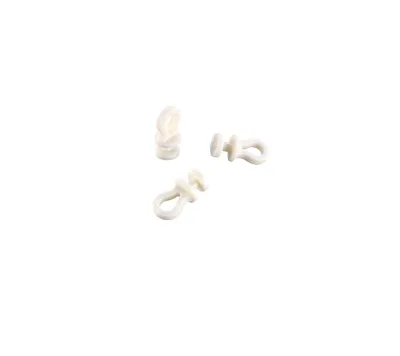
Hot Sale Quiet Curtain Track Runner, Silent Gliss
$0.01 - $0.03
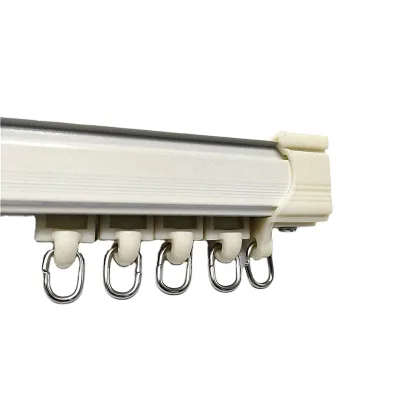
Hangzhou Smartop Decoration Co., Ltd.
- Verified by SGS Group
- Trading Company
- Lead time45 days
- Avg. response≤ 5h
Main productsCurtain Rod, Blinds
Main marketsWestern Europe(30%), North America(25%), Africa(10%)

Guangzhou JADY Window Coverings Technology CO., LTD
- Combined
- China Guangdong
- Lead time45 days
- Avg. response≤ 8h
Main productsRoller Blinds Components, Roman Blinds Components, Venetian Blinds Components, Honeycomb Blinds Components, Curtain Tracks & Accessories, Outdoor Roller Blinds System, Zip Screen, Awning, Skylight, Sliding Screen Door
Main marketsSoutheast Asia/ Mideast,East Asia(Japan/ South Korea),Europe,Australia


New design Noiseless Curtain Track, Smooth Curtain Runner, Bendable Track, Motor Track
$0.33 - $0.39
MOQ: 10000 Pieces

Hot Selling Noiseless Curtain Track, Smooth Curtain Runner, Bendable Track, Motor Track
$1.69 - $1.99
MOQ: 2000 Pieces

Wholesale Noiseless Curtain Track, Smooth Curtain Runner, Bendable Track, Motor Track
$0.33 - $0.39
MOQ: 10000 Pieces

Wholesale Home Decoration Noiseless Curtain Track, Smooth Curtain Runner
$1.49 - $1.99
MOQ: 2000 Pieces

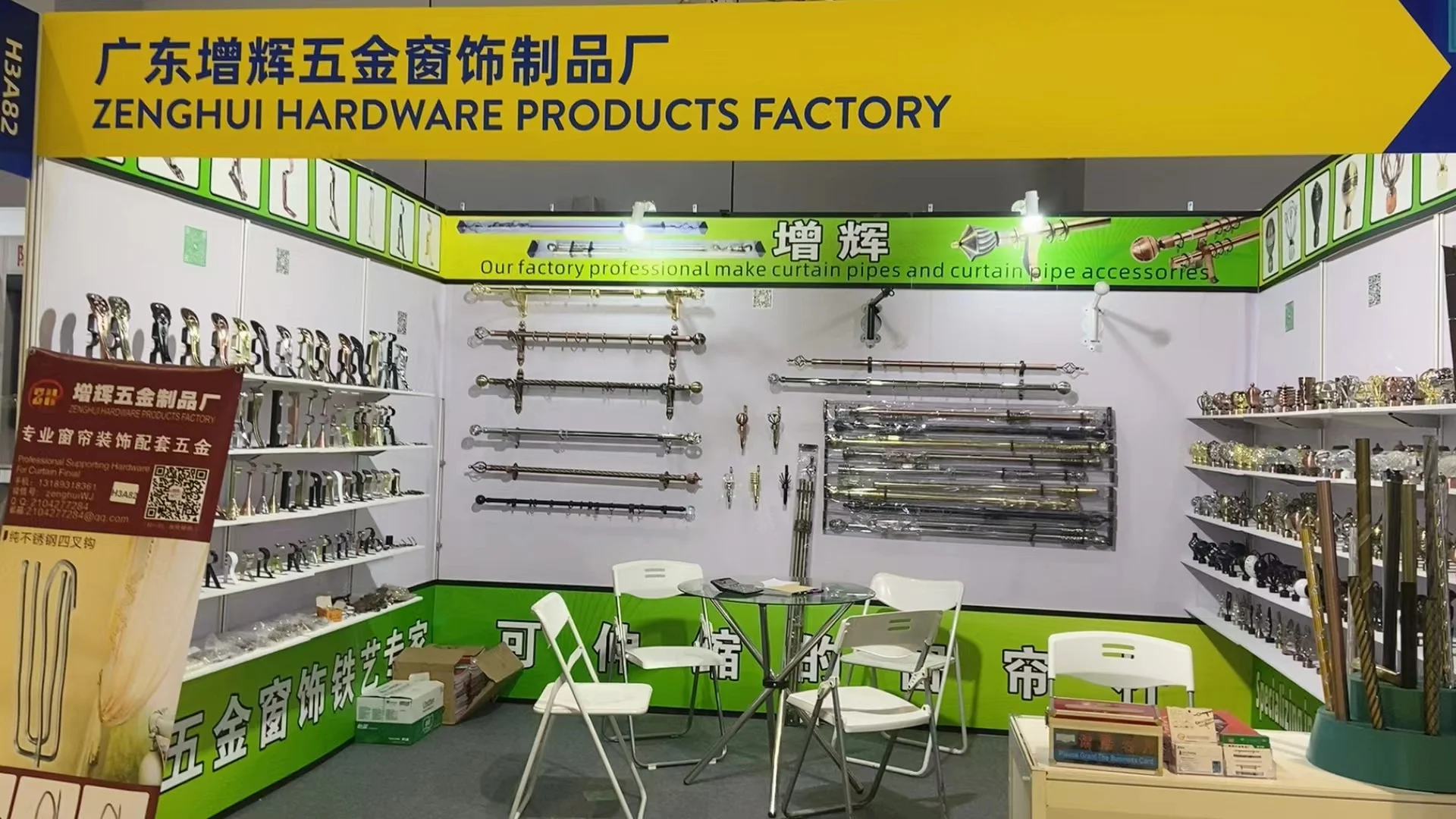
Zhaoqing Jinteng Hardware Products Co., Ltd.
- Manufacturer, Trading Company
- Guangdong, China
- Lead time15 days
- Avg. response≤ 19h
Main productsCurtain rod,Curtain finial,The curtain accessories,Curtain pipe,curtain bracket
Main marketsAfrica(40.00%), Mid East(30.00%), Domestic Market(10.00%), South Asia(10.00%), Southeast Asia(10.00%)
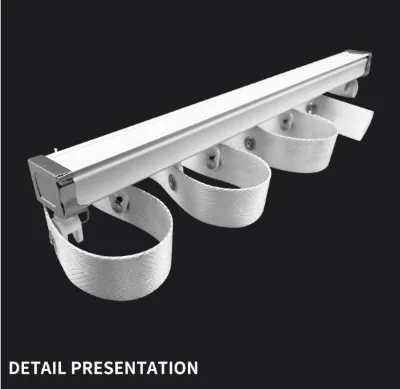
$3.0982 - $5.1732
MOQ: 150 pieces

$13.1932 - $21.3135
MOQ: 150 rolls
Foshan Aootus Sunshade Curtain Co., Ltd.
- Manufacturer, Trading Company
- Guangdong, China
- Lead time20 days
- Avg. response≤ 8h
Main productsCurtain Track,Curtain Rod,Curtain Runner,Curtain Tapes,Curtain Brackets
Main marketsDomestic Market(67.00%), Mid East(11.00%), Southeast Asia(11.00%), Oceania(6.00%), South America(3.00%), North America(2.00%)
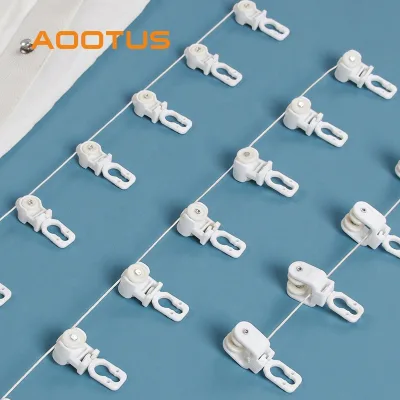
Ripple Fold Drapes Single Curtain Runner 80Mm
$1.10 - $1.24
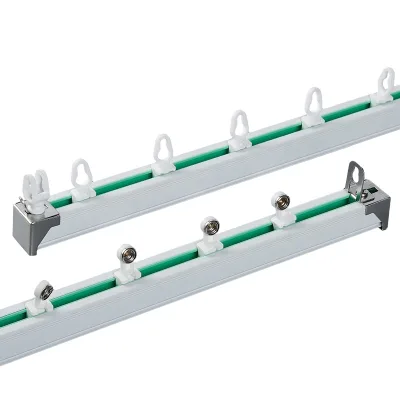
$5.0699 - $7.5683
MOQ: 1000 meters
Guangdong Aoli Chuang Yun Technology Co., Ltd.
- Manufacturer, Agent, Distributor/Wholesaler
- Guangdong, China
- Lead time5 days
- Avg. response≤ 2h
Main productsBlinds Accessories,Curtain Driver,Curtain Track,Curtain Motor,Blinds Motor
Main marketsMid East(30.00%), South Asia(20.00%), Domestic Market(10.00%), Northern Europe(10.00%), Eastern Asia(8.00%), Africa(6.00%), South America(6.00%), Eastern Europe(5.00%), Southern Europe(3.00%), Oceania(2.00%)
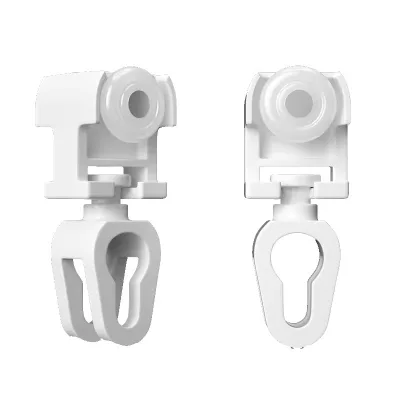
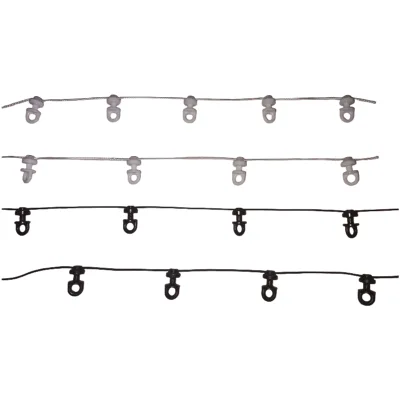
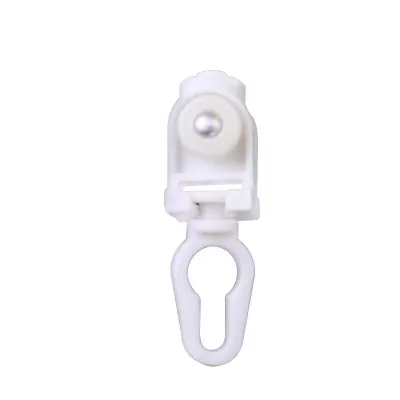
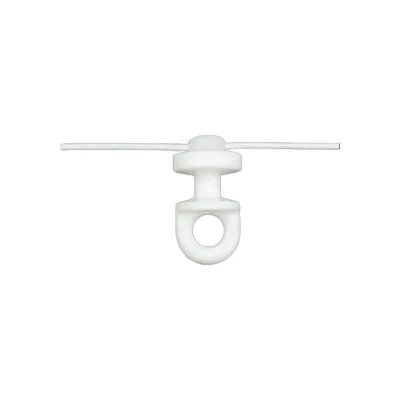
Eco-friendly Plastic Ripple Fold Runners for Home Office With Curtain Track Poles
$0.26 - $0.29
MOQ: 100
Qingyuan Leyou Household Products Co., Ltd.
- Manufacturer, Trading Company
- Lead time旺季: "1 - 50":2,"51 - 100":5,"101 - 500":7,"> 500":"To be negotiated", 淡季: "1 - 50":2,"51 - 100":5,"101 - 500":7,"> 500":"To be negotiated"
- Avg. response≤ 3h
Main productsHoneycomb Blinds, Roller Blinds, Window Blinds, Window Curtains, Curtain Rods And Tracks

Shanghai Wellsource Industrial Co., Ltd.
- Verified by CTI
- Trading Company
- China Shanghai
- Lead time23 days
- Avg. response≤ 3h
Main productsBlinds
Main marketsSouth America,Southeast Asia/ Mideast,East Asia(Japan/ South Korea),Domestic,Europe,Australia,North America
Foshan Lvtron Motorized Curtain Co., Ltd.
- Manufacturer, Trading Company
- Guangdong, China
- Lead time15 days
- Avg. response≤ 5h
Main productsSmart Curtain Motor/Motorized Curtain Track/Track Accessories/Smart Control Devices/S Wave Curtain Accessories
Main marketsDomestic Market(50.00%), North America(15.00%), Eastern Europe(10.00%), Southeast Asia(10.00%), South America(5.00%), Mid East(5.00%), Africa(3.00%), Eastern Asia(2.00%)
Foshan Hour Smart Tech Co., Ltd.
- Manufacturer, Trading Company, Agent
- Guangdong, China
- Lead time25 days
- Avg. response≤ 2h
Main productsManual curtain track,Manual curtain track accessories,Electric Track,Electric Track accessories,runner
Main marketsDomestic Market(50.00%), Mid East(25.00%), Southeast Asia(7.00%), Africa(4.00%), Eastern Europe(4.00%), Central America(2.00%), South Asia(1.00%), Southern Europe(1.00%), South America(1.00%), Northern Europe(1.00%), Oceania(1.00%), Western Europe(1.00%), Eastern Asia(1.00%), North America(1.00%)
Ningbo Yibo Curtain Decoration Co.,ltd
- Verified by SGS Group
- Manufacturer, Trading Company
- Lead time5 days
- Avg. response≤ 2h
Main productsCurtain Accessories
Main marketsOceania(25%), South America(20%), North America(15%)

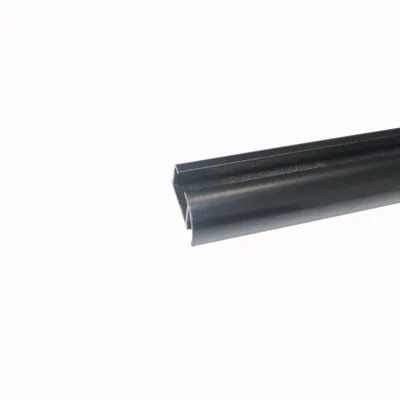
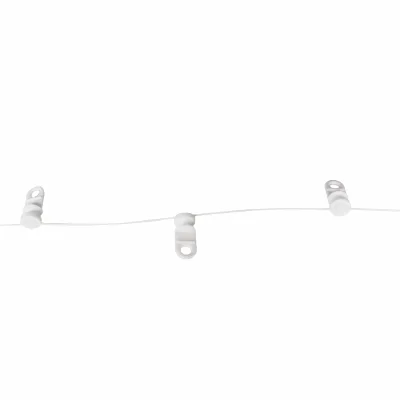
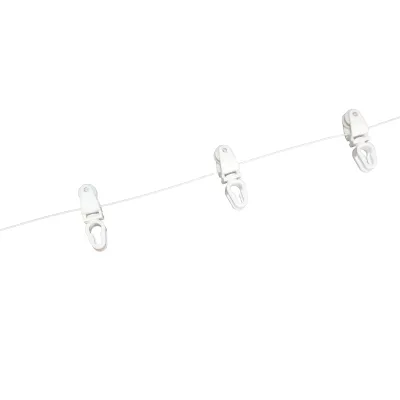
YIBO Factory Wholesale Bendable Track Runners String Runner S Fold Runner Ripple
$0.98 - $1.18
MOQ: 1000 meters
- Verified by SGS Group
- Manufacturer, Trading Company
- Lead time0 days
- Avg. response≤ 4h
Main productsGarment Hardware, Curtain Ring, Curtain Hardware
Main marketsCentral America(75%), Central America(20%), North America(5%)
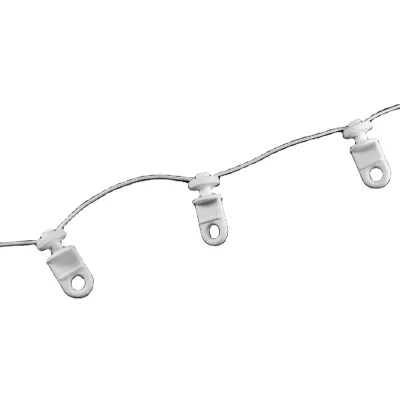
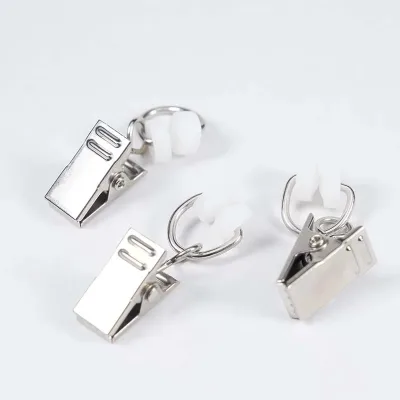
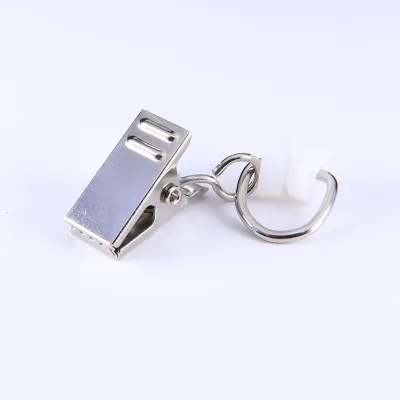
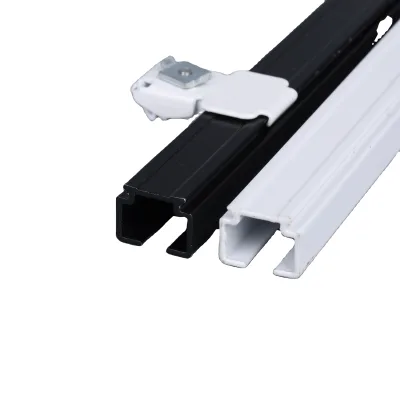
Steel Traditional Curtain Runner with Hook for I Shaped Track for Hotels
$0.1541 - $0.2259
MOQ: 1 pieces
Foshan Nanhai Songgang Guanhua Hardware Machinery Spring Factory
- Manufacturer, Distributor/Wholesaler
- Guangdong, China
- Lead time40 days
Main productsCurtain Track,Curtain Accessories,Aluminium Track,Spring,Hardware
Main marketsNorth America(50.00%), Eastern Europe(20.00%), Oceania(10.00%), Southeast Asia(10.00%), South America(10.00%)
Foshan Hualink Home Furnishings Co., Ltd.
- Manufacturer, Trading Company, Distributor/Wholesaler
- Guangdong, China
- Lead time15 days
- Avg. response≤ 12h
Main productsSmart Curtain Track,Smart ripple fold curtain,Smart Roman Blind,Hospital track,Smart roller blind
Main marketsSouth America(20.00%), North America(20.00%), Western Europe(10.00%), Southern Europe(10.00%), Oceania(10.00%), Northern Europe(10.00%), Eastern Europe(10.00%), Eastern Asia(5.00%), Southeast Asia(5.00%)
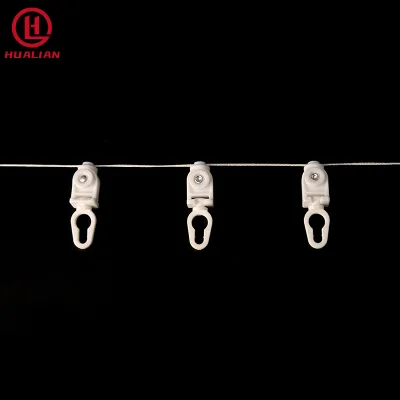
$0.41 - $0.44
MOQ: 300 meters
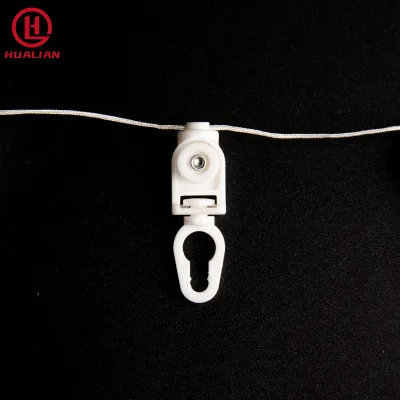
$0.41 - $0.44
MOQ: 300 meters
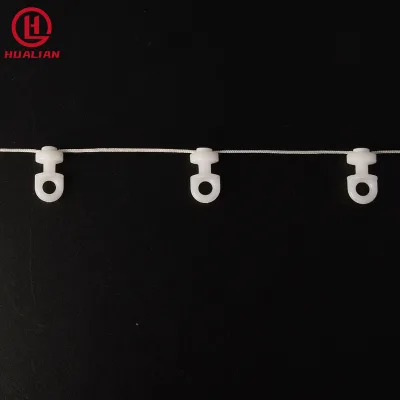
Flat Curtain Track Runner for Drapes Silent Durable and Reliable Solution Curtain Track Runner
$0.3186 - $0.3501
MOQ: 300 meters
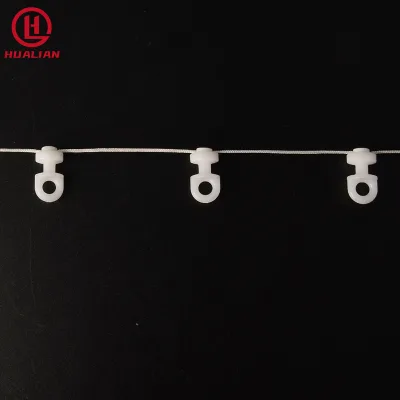
Curtain Runner Rail for Window Treatments Durable Smooth and High Load Bearing S Wave Curtain Runner
$0.3201 - $0.3501
MOQ: 300 meters
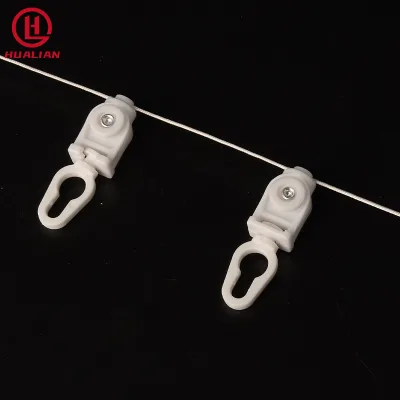
Flat Shape Curtain Track Runner Hooks for Drapes Smooth Reliable High Quality S Wave Curtain Runner
$0.41 - $0.44
MOQ: 300 meters

Haining Haohan Import and Export Co., Ltd.
- Verified by SGS
- Manufacturer/Factory
- China Zhejiang
- Lead time23 days
- Avg. response≤ 20h
Main productsCeiling, PVC Ceiling, PVC Wall Panel, Spc Flooring, Wall Stickers, Laminated Flooring, PVC Flooring, Wood Flooring, PVC Panel, WPC Panel
Main marketsSouth America,Eastern Europe,Mid East,North America,Southeast Asia,Eastern Asia,Oceania,Western Europe,Africa

Zhejiang Xinwei Decorative Material Co., Ltd.
- Combined
- China Zhejiang
- Lead time30 days
- Avg. response≤ 21h
Main productsPVC Ceiling, PVC Panels, PVC Wall Panels, Ceiling Tile, PVC Wall, Wall Panels, PVC Ceiling Panels, Decorative Materials, Suspended Ceiling, Plastic Ceiling
Main marketsDomestic
Foshan HDCC Curtain Decoration Co., Ltd.
- Verified by SGS Group
- Manufacturer, Trading Company
- Guangdong, China
- Lead time0 days
- Avg. response≤ 3h
Main productsBlackout Curtain, Ripple Fold Curtain Track, Curtain Rails, Curtain Tape, Roller Blinds
Main marketsMid East(45%), Southeast Asia(30%), Oceania(20%)
Trond (Guangdong) Sunshade Technology Co., Ltd.
- Manufacturer, Trading Company
- Guangdong, China
- Lead time8 days
- Avg. response≤ 3h
Main productsElectric Curtain/Electric Roller Blind/Awning Skylight/Honeycomb Shade,Track Bender,Curtain Motor
Main marketsNorth America(20.00%), Eastern Europe(20.00%), Oceania(15.00%), Mid East(15.00%), Western Europe(10.00%), South America(10.00%), Southeast Asia(2.00%), Domestic Market(1.00%), South Asia(1.00%), Southern Europe(1.00%), Northern Europe(1.00%), Central America(1.00%), Africa(1.00%), Eastern Asia(1.00%)
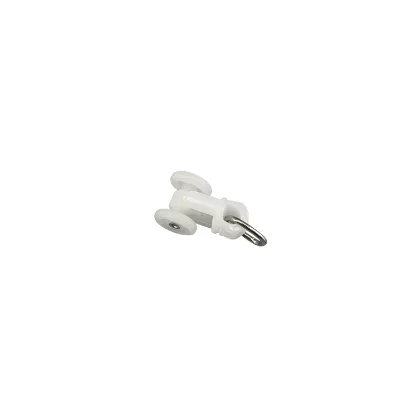
Good Price of Rail Roller Runner High Quality Durable Material for Light Duty Curtain Track
$0.03 - $0.04
MOQ: 2 pieces

Jinan Hengsheng New Building Materials Co., Ltd.
- Verified by TUVRHEINLAND
- Trading Company,Manufacturer/Factory
- China Shandong
- Lead time15 days
- Avg. response≤ 13h
Main productsGrab Bar, Blind Bricks, Stair Nosing, Handrail, Hospital Curtain and Curtain Track
Main marketsSouth America,Eastern Europe,Mid East,North America,Southeast Asia,Eastern Asia,Oceania,Western Europe,Africa
Guangzhou Jady Window Covering Technology Co., Ltd.
- Verified by SGS Group
- Manufacturer, Trading Company
- Lead time25 days
- Avg. response≤ 4h
Main productsRoller Blinds, Cassette Roller Blinds, Venetian Blinds, Curtain Tracks, Windproof Roller Shutter
Main marketsOceania(20%), Western Europe(20%), North America(10%)
Foshan Xinbang Aluminum Co., Ltd.
- Manufacturer, Trading Company
- Guangdong, China
- Lead time15 days
- Avg. response≤ 2h
Main productsAluminum Curtain Rail, Curtain Accessories, S Fold Curtain Runner, S Fold Curtain Tape, Motorized Curtain Track
Main marketsMid East(25.00%), Southeast Asia(25.00%), Domestic Market(20.00%), South Asia(5.00%), Central America(5.00%), North America(5.00%), Oceania(2.00%), Southern Europe(2.00%), Northern Europe(2.00%), Eastern Europe(2.00%), Western Europe(2.00%), Eastern Asia(2.00%), South America(2.00%), Africa(1.00%)

Foshan Greenland Metal Co., Ltd.
- Verified by TUVRHEINLAND
- Manufacturer/Factory
- China Guangdong
- Lead time23 days
- Avg. response≤ 6h
Main productsAluminium Profiles, Roller Blind, Vertical Blind, Roman Blind, Sliding Curtain Track, Aluminium Tile Trim, Curtain Accessories, Roller Shutter, Electric Blinds Profile, Awnings Profile
Main marketsSouth America,Eastern Europe,Mid East,North America,Southeast Asia,Eastern Asia,Oceania,Western Europe,Africa



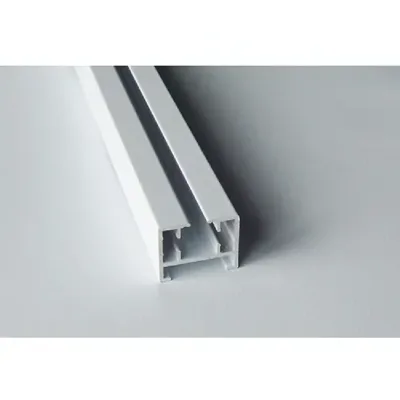
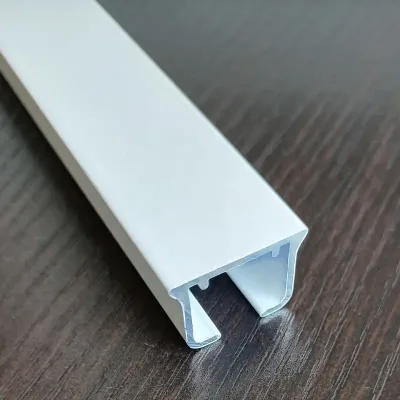
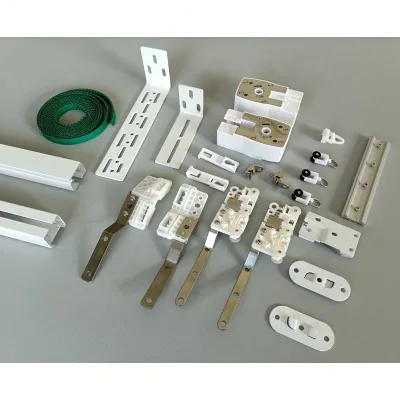
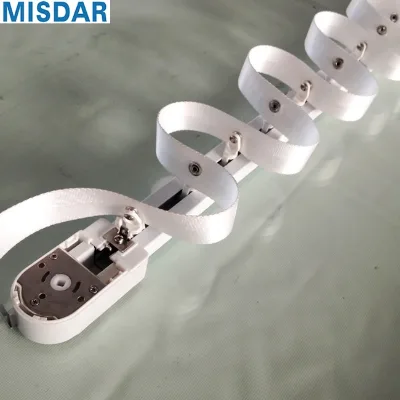
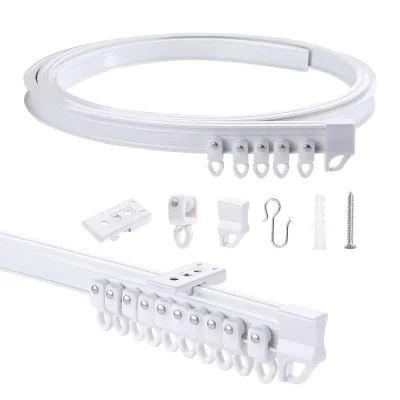


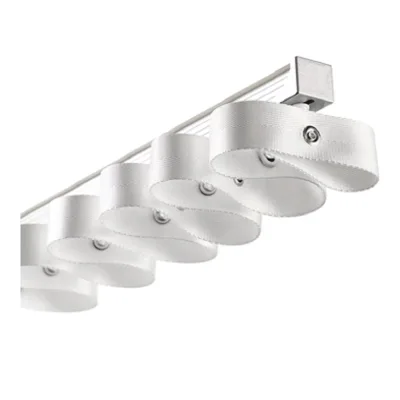
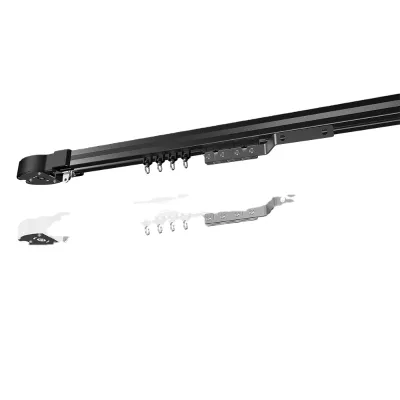
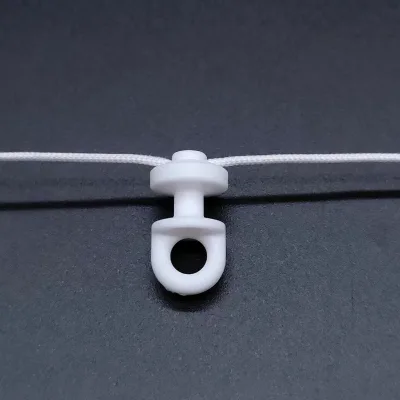






Comprehensive Sourcing Guide
Ripple Fold Curtain Runner Track Supplier Concentration and Factory Types
The current supplier landscape for ripple fold curtain runner tracks reveals a distinct geographic concentration in China, specifically within the provinces of Fujian and Guangdong. These regions serve as primary manufacturing hubs for window hardware and home decor accessories, offering buyers access to established industrial clusters. Suppliers located in these areas often benefit from localized supply chains for raw materials such as aluminum alloys and plastics, which are critical for producing durable tracks and runners. When evaluating potential partners, it is essential to distinguish between different company types, as this significantly impacts production capabilities and service models. The observed results include both combined trading companies and dedicated manufacturers or factories. Combined entities may offer a broader range of related products, such as curtain tiebacks, sofa covers, and bedding sets, alongside the core curtain tracks. In contrast, manufacturer-focused suppliers typically specialize in specific product lines like roller blinds, roman blinds, and aluminum blinds, allowing for deeper expertise in the structural integrity and functionality of the tracks themselves.
Understanding the distinction between these supplier types is crucial for aligning your sourcing strategy with your business needs. A combined supplier might provide the convenience of a one-stop-shop for various home decor items, potentially simplifying logistics if you are sourcing multiple product categories simultaneously. However, a manufacturer or factory may offer more direct control over the production process, particularly for customizations like ODM (Original Design Manufacturing) and OEM (Original Equipment Manufacturing) services. Some suppliers explicitly list ODM and OEM capabilities, indicating they can adapt designs to meet specific brand requirements or technical specifications. This is particularly relevant for buyers seeking unique features, such as specific mounting styles or material compositions. By identifying whether a supplier is a factory or a trading company, you can better anticipate their responsiveness to custom requests, their pricing structure, and their ability to scale production. It is advisable to review the main products listed for each supplier to gauge their primary focus and ensure they have the necessary infrastructure to support your order volume and quality expectations.
How to Verify Ripple Fold Curtain Runner Track Suppliers
Verifying the legitimacy and capability of Ripple Fold Curtain Runner Track suppliers requires a multi-layered approach that goes beyond surface-level product listings. One of the most effective initial steps is to check for third-party verification badges, such as BV (Bureau Veritas) certification, which indicates that an independent agency has assessed the supplier’s business operations. Additionally, examining system certifications like ISO 9001, ISO 14000, and BSCI provides insight into the supplier’s commitment to quality management, environmental responsibility, and social compliance. These certifications are not merely decorative; they often reflect standardized processes in production and quality control that can reduce the risk of defects in curtain tracks and runners. Buyers should also pay close attention to the response time metric, which serves as an indicator of the supplier’s operational efficiency and customer service readiness. A lower response time, such as under one hour, suggests a highly responsive team capable of addressing inquiries and resolving issues promptly, which is vital for maintaining smooth communication throughout the sourcing process.
Beyond certifications and response metrics, buyers should scrutinize the specific product attributes and evidence provided in the supplier’s catalog. Detailed product specifications, including material composition (e.g., aluminum alloy vs. plastic), mounting types (side vs. top), and track configurations (single vs. double), offer tangible proof of the supplier’s technical knowledge and product range. For instance, suppliers listing attributes like "Customization: Available" and specific model numbers demonstrate a capacity for tailored solutions rather than just off-the-shelf sales. It is also important to verify the origin of the products, ensuring they match the supplier’s stated location, such as Jiangmen, Guangdong, China. Buyers should request additional documentation, such as factory audit reports or recent test results, to corroborate the claims made in the product listings. If a supplier lacks clear verification badges or detailed product evidence, it is prudent to proceed with caution and seek further clarification. Engaging in direct communication to ask specific questions about their manufacturing process and quality assurance protocols can further help in assessing their reliability and suitability as a long-term partner.
What to Compare Across Ripple Fold Curtain Runner Track Suppliers
When evaluating multiple suppliers for ripple fold curtain runner tracks, it is essential to compare key operational and commercial dimensions to identify the best fit for your specific requirements. One critical factor is the Minimum Order Quantity (MOQ), which can vary significantly across different suppliers. Some suppliers may offer low MOQs, such as one set, which is ideal for testing the market or fulfilling small-scale orders, while others may require higher volumes, such as 100 square meters, to ensure production efficiency. Understanding these MOQ thresholds helps in planning inventory levels and managing cash flow effectively. Another important aspect to compare is the lead time, which indicates how long it takes from order placement to shipment. Suppliers with shorter lead times, such as 23 days compared to 38 days, can offer faster turnaround, which is beneficial for projects with tight deadlines or for maintaining agile supply chains. Comparing these metrics allows buyers to balance speed against cost and volume requirements.
In addition to MOQ and lead time, buyers should assess the range of main products and customization options offered by each supplier. Suppliers with a diverse product portfolio, including various types of blinds, curtains, and accessories, may provide greater flexibility in sourcing complementary items. However, those specializing in specific hardware components might offer superior quality and innovation in their core products. It is also crucial to compare the material options available, such as aluminum alloy for tracks and plastic for runners, as these choices impact durability, aesthetics, and price. Some suppliers provide detailed product attributes, including color, finish, and mounting styles, which can help in matching the tracks to specific interior design requirements. Furthermore, comparing the after-sales service and warranty terms, such as quality assurance promises, can provide peace of mind regarding product reliability. By systematically evaluating these factors, buyers can make informed decisions that align with their strategic goals, ensuring they select suppliers who offer the best combination of value, quality, and service.
Common Ripple Fold Curtain Runner Track Sourcing Risks
Sourcing ripple fold curtain runner tracks from international suppliers involves several potential risks that buyers must proactively manage to ensure a successful procurement process. One significant risk is the discrepancy between the advertised product specifications and the actual goods received. This can occur if the supplier lacks rigorous quality control measures or if there is a miscommunication regarding material grades, dimensions, or finishing details. For example, a track advertised as aluminum alloy might be of a lower grade than expected, affecting its durability and smooth operation. Another risk is related to the customization process, where suppliers may struggle to meet specific design requirements or fail to deliver prototypes that match the final production quality. This can lead to delays and additional costs as buyers seek to rectify issues or find alternative suppliers. Additionally, the reliance on third-party logistics can introduce risks related to shipping delays, damage during transit, or customs clearance issues, which can disrupt supply chains and impact project timelines.
Communication barriers and cultural differences can also pose challenges in the sourcing process, potentially leading to misunderstandings about order details, payment terms, or delivery schedules. Suppliers with slower response times may be less responsive to urgent queries or changes in order specifications, increasing the risk of errors. Furthermore, the lack of transparency in pricing structures can result in hidden costs, such as unexpected fees for packaging, labeling, or expedited shipping. Buyers should also be aware of the risk of intellectual property infringement if they are sourcing custom designs, as suppliers may not adequately protect proprietary information. To mitigate these risks, buyers should establish clear communication channels, request detailed product samples before placing large orders, and use secure payment methods that offer buyer protection. Conducting regular quality inspections and maintaining open dialogue with suppliers can help identify and address issues early in the process. By anticipating these potential pitfalls and implementing robust risk management strategies, buyers can safeguard their interests and ensure a smoother sourcing experience.
Ripple Fold Curtain Runner Track Regional Sourcing and Logistics
The geographic location of suppliers plays a pivotal role in determining logistics efficiency and cost structures for ripple fold curtain runner tracks. Suppliers based in China, particularly in regions like Fujian and Guangdong, benefit from well-developed manufacturing ecosystems and proximity to major shipping ports, which can facilitate faster and more cost-effective export processes. Guangdong, for instance, is a major hub for window hardware and home decor products, offering buyers access to a wide variety of suppliers with established export capabilities. When sourcing from these regions, buyers should consider the impact of shipping methods on lead times and costs. Suppliers often offer shipping options such as by sea, which is cost-effective for large volumes but requires longer transit times, or by air, which is faster but more expensive. Understanding these logistics options allows buyers to optimize their supply chain based on their inventory needs and budget constraints.
Additionally, buyers should be mindful of regional trade regulations and import duties that may apply to curtain tracks and runners. Different countries have varying tariff structures and compliance requirements, which can affect the final landed cost of the products. It is advisable to work with suppliers who have experience in exporting to your target market, as they can provide valuable insights into documentation requirements and customs procedures. Some suppliers may offer assistance with shipping arrangements, including packaging and labeling to meet specific destination standards. For example, products may be packed in carton boxes or paper boxes, with specific dimensions and weights that impact shipping costs. Buyers should also consider the environmental impact of their sourcing decisions, as some suppliers hold certifications like ISO 14000, indicating a commitment to sustainable practices. By carefully evaluating the logistical advantages and challenges associated with different supplier locations, buyers can make informed decisions that enhance supply chain resilience and reduce overall procurement costs.
Ripple Fold Curtain Runner Track Commercial Terms and Order Planning
Effective order planning for ripple fold curtain runner tracks requires a thorough understanding of the commercial terms offered by suppliers, including payment methods, pricing structures, and warranty policies. Payment terms such as T/T (Telegraphic Transfer) are common in international trade, and buyers should clarify the deposit and balance payment percentages to manage cash flow effectively. Some suppliers may offer additional payment options or escrow services to enhance transaction security, which can be particularly useful for new business relationships. Pricing for curtain tracks and runners can vary based on factors such as material quality, customization requirements, and order volume. For instance, aluminum alloy tracks may have different price points compared to plastic runners, and bulk orders often attract discounts. Buyers should request detailed quotations that break down costs for materials, labor, packaging, and shipping to ensure transparency and avoid hidden fees.
Warranty and after-sales service terms are also critical components of commercial agreements, providing assurance regarding product quality and supplier support. Suppliers may offer warranties that cover defects in materials or workmanship, with specific conditions and durations. It is important to review these terms carefully to understand the scope of coverage and the process for making claims. Additionally, buyers should consider the supplier’s reputation for customer service, as responsive and helpful support can resolve issues quickly and maintain business continuity. When planning orders, buyers should align their purchase volumes with the supplier’s MOQ and lead times to avoid stockouts or excess inventory. Establishing a clear communication protocol for order updates, shipping notifications, and quality inspections can further streamline the procurement process. By negotiating favorable commercial terms and implementing robust order planning strategies, buyers can minimize risks and maximize the value derived from their sourcing partnerships, ensuring a smooth and efficient supply chain for ripple fold curtain runner tracks.
FAQs
What is the minimum order quantity for ripple fold curtain tracks?
The minimum order quantity varies by product type. Aluminum alloy tracks typically require a minimum of one set, while plastic runners often have a minimum of 200 units. Some suppliers also list a minimum of 100 square meters for specific curtain track systems. Buyers should verify the exact MOQ for their chosen material and configuration before placing an order.
What materials are used for ripple fold curtain tracks?
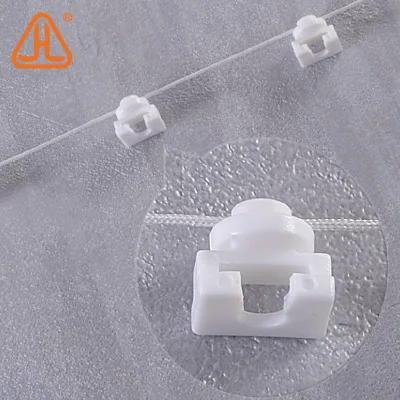
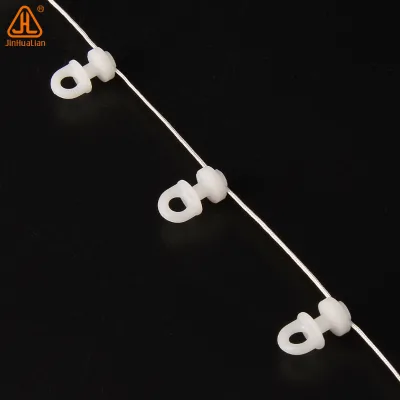
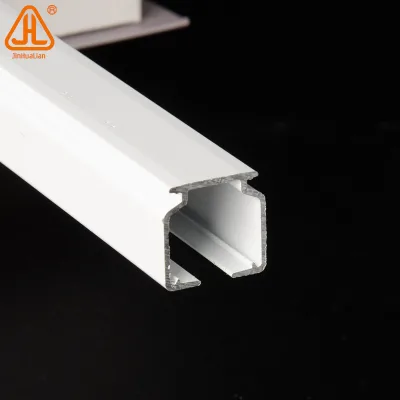
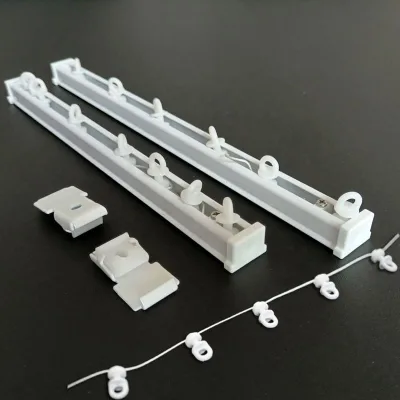
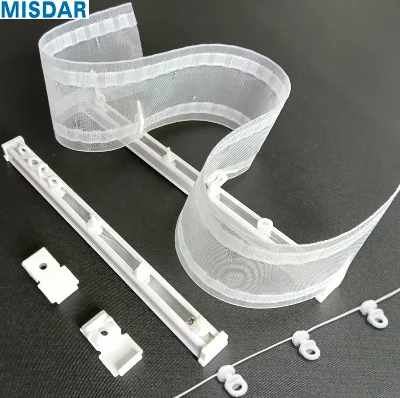
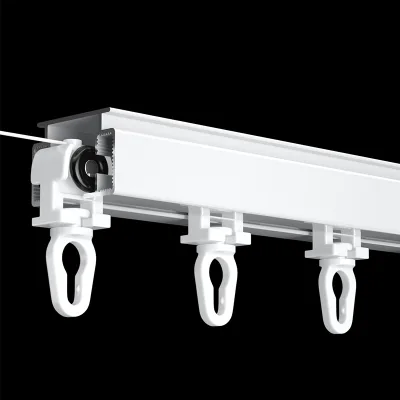
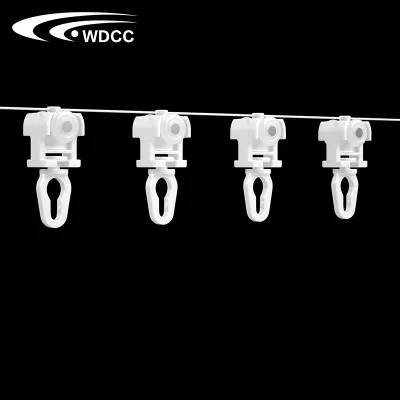
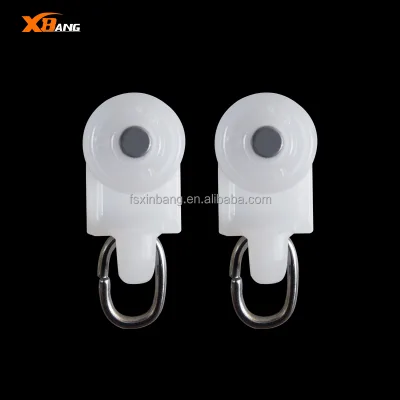
Ripple fold curtain tracks are primarily manufactured from aluminum alloy or plastic. Aluminum alloy tracks are often described as flatted tracks with side mounting options. Plastic runners are designed for wave fold curtains and feature easy assembly. Both materials offer customization options to meet specific window covering requirements and aesthetic preferences.
What is the price range for ripple fold curtain tracks?
Prices for ripple fold curtain tracks range from approximately 0.64 to 12.00 per unit depending on the product. Plastic runners are priced around 0.64, while aluminum alloy tracks start at 2.49. Higher-end systems or specific curtain tracks can cost up to 12.00. The final price depends on the material, customization, and order volume.
How long does it take to produce ripple fold curtain tracks?
Lead times for ripple fold curtain tracks generally range from 23 to 38 days. Suppliers in China offer these production windows for standard orders. Buyers should confirm the specific lead time with their chosen supplier, as it may vary based on customization needs, order quantity, and current production schedules. Early planning is recommended to ensure timely delivery.
Are ripple fold curtain tracks customizable?
Yes, ripple fold curtain tracks are available with customization options. Buyers can request specific sizes, colors, and mounting types such as side or top mounting. Customization is available for both aluminum alloy tracks and plastic runners. Suppliers often support OEM and ODM services to meet unique design requirements and functional needs for various window covering applications.
What certifications do ripple fold curtain track suppliers have?
Some ripple fold curtain track suppliers hold certifications such as ISO 9001, ISO 14000, and BSCI. These certifications indicate adherence to quality and environmental management standards. Buyers should verify the specific certifications held by their chosen supplier, as not all suppliers may have these credentials. Certification status can impact product quality assurance and compliance with international standards.