Metal Framed Dressing Mirror Suppliers and Manufacturers
Source Metal Framed Dressing Mirror options from 28 verified suppliers in Guangdong and Hebei. Compare lead times, MOQs, and certifications like ISO 9001. Contact suppliers directly to request samples and pricing details; review the available evidence before requesting comparable quotations from suitable candidates.
Updated
Suppliers List
Dongguan Jinbaoma Technology Co., Ltd.
- Trading Company
- Guangdong, China
- Lead time7 days
- Avg. response≤ 3h
Main productsKitchenware,Daily necessitiess,Storage tools,Storage tools,Decorations
Main marketsSouthern Europe(50.00%), Mid East(10.00%), North America(10.00%), Eastern Asia(10.00%), South America(10.00%), Africa(5.00%), Eastern Europe(5.00%)
Hebei Huicheng Glass Products Co., Ltd.
- Verified by SGS Group
- Manufacturer, Trading Company
- Lead time0 days
- Avg. response≤ 2h
Main productsFloor Mirror, Home Decoration Mirror, LED Mirror, Mural, Furniture
Main marketsWestern Europe(46%), Mid East(20%), Oceania(19%)
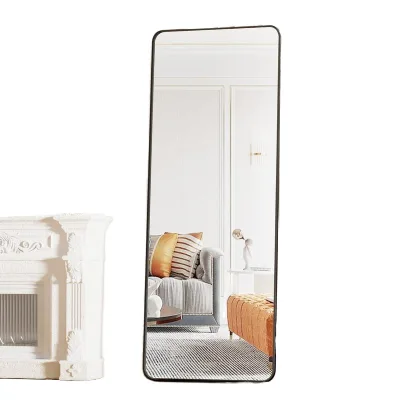
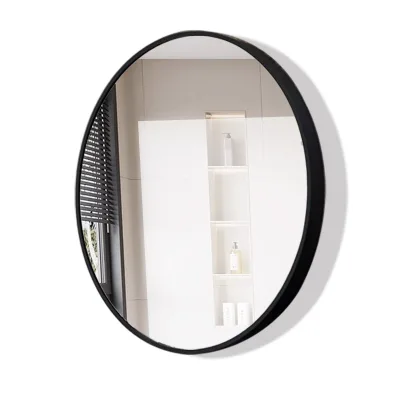
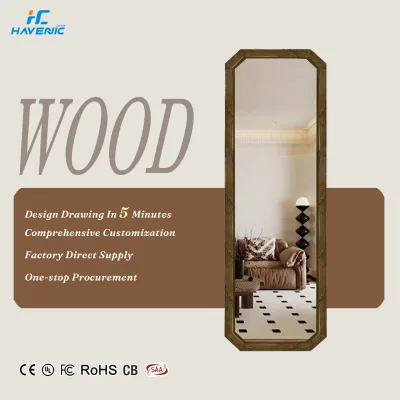

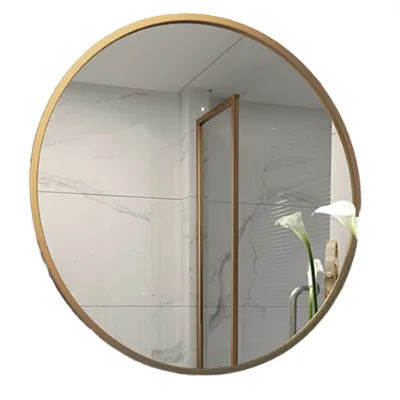
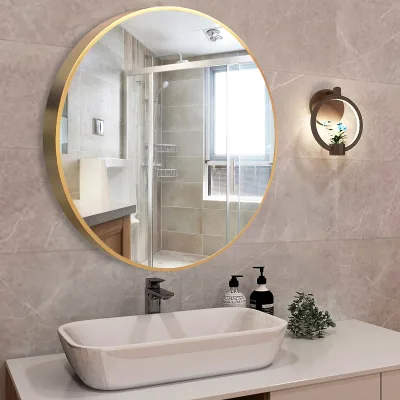
$8.3469 - $10.4321
MOQ: 2 Minimum

Shouguang Shuangyuan Glass Products Co., Ltd
- Verified by SGS
- Combined
- China Shandong
- Lead time15 days
- Avg. response≤ 3h
Main productsMirror, Tempered Glass, Frame Mirror, Ultra-Clear Glass, Bathroom Mirror, LED Mirror, Laminated Glass
Main marketsSoutheast Asia/ Mideast,Australia,North America


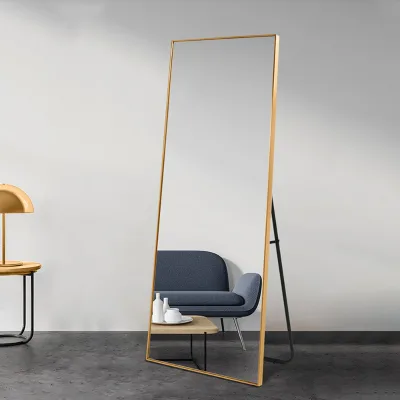
Aluminum Alloy Framed Dressing Mirrors Rectangular Mirror Standing Full Length Mirror
$15.20 - $20.20
MOQ: 50 Pieces

High Quality Full-Lenght Dressing Decoration Furniture Salon Hotel Bedroom Metal Framed Mirror
$15.00 - $20.00
MOQ: 50 Pieces

Hot Sale Framed Full Length Standing Floor Dressing Mirror for Wholesale Mirrors
$15.20 - $20.20
MOQ: 50 Pieces

$15.00 - $20.00
MOQ: 50 Pieces

Dressing Mirror Furniture Dressing Room Floor Mirror Ladies Dressing Mirror
$16.20 - $21.20
MOQ: 50 Pieces

Xintai Belinda Company Limited
- Verified by SGS
- Trading Company,Manufacturer/Factory
- China Hebei
- Lead time0 days
- Avg. response≤ 9h
Main productsLED Bathroom Mirrors Hollywood Mirrors, Hildren's Mirrors Mirror Cabinets Glass Mirror, Full-Length Mirrors 3D Infinity Mirrors, Hospital Disabled Auxiliary Mirrors, Frameless Mirror Silver Mirror Aluminum Mirror, Copper Free Mirror Hot Bent Glass, Tempered Glass (Large Size Accept)Laminated Glas, Glass Non-Slip Stairs Clear Float Glass, Tinted Glass Reflective Glass Patterned Glass, Stained Glass Ultra-White Glass
Main marketsSouth America,Eastern Europe,Mid East,North America,Southeast Asia,Eastern Asia,Oceania,Western Europe,Africa

Metal Frame Decorative Full Length Floor Standing Dressing Mirror Hot Sale
$85.00 - $95.00
MOQ: 50 Pieces


$65.31 - $68.91
MOQ: 50 Pieces

Modern Style Living Room Silver Decorative Dressing Full Length Framed Floor Standing Mirror
$65.31 - $68.91
MOQ: 50 Pieces

Shenzhen Hamirror Industrial Co., Ltd.
- Manufacturer
- Guangdong, China
- Lead time45 days
- Avg. response≤ 2h
Main productsbacklit mirror,bathroom mirror,full length mirror,framless LED mirror,metal framed mirror
Main marketsNorth America(80.00%), Northern Europe(10.00%), Mid East(10.00%)

Hangzhou Jinghu Glass Co., Ltd.
- Verified by TUVRHEINLAND
- Combined
- China Zhejiang
- Lead time15 days
- Avg. response≤ 6h
Main productsLED Mirror, Bathroom Mirror, Framed Mirror, Shower Enclosure, Tempered Glass, Bathroom Cabinet, Vanity Mirror, Safety Mirror, Glass, Mirror
Main marketsAfrica,Southeast Asia/ Mideast,Europe,Australia,North America

$8.00 - $30.00
MOQ: 100 Pieces

Milestone (hainan) Technology Co., Ltd.
- Verified by TüVRheinland
- Trading Company
- Lead time15 days
- Avg. response≤ 2h
Main productsMirror, Floor Mirror, LED Mirror, Makeup Mirror, Glass
Main marketsNorth America(30%), Eastern Europe(20%), Western Europe(10%)
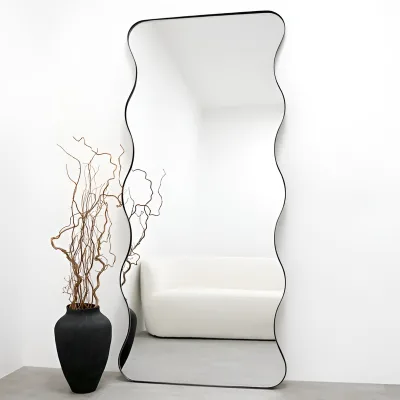
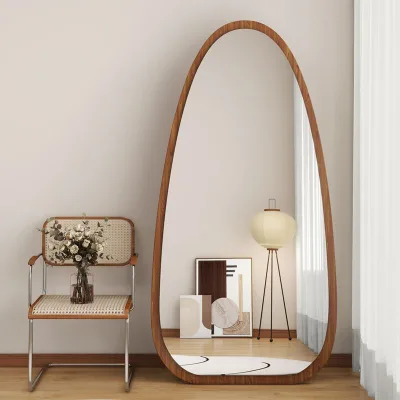
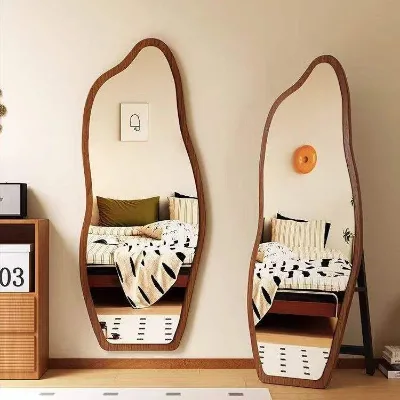
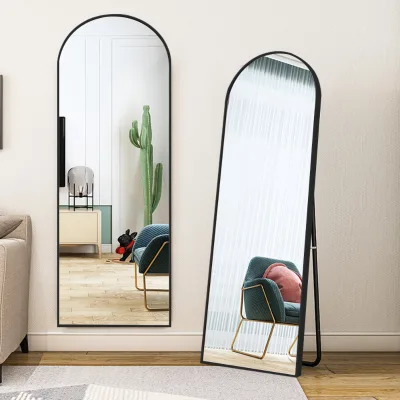
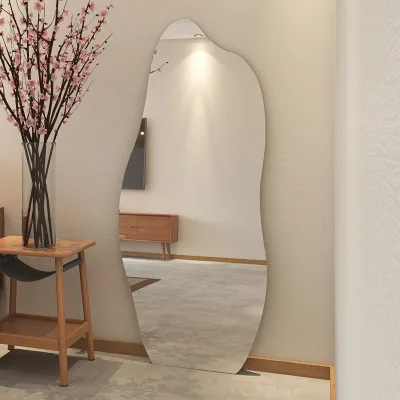
Modern Long Wavy Dressing Mirror with Arch Framed Metal and Wavy Style for Cosmetics
$14.4153 - $16.4735
MOQ: 20 pieces
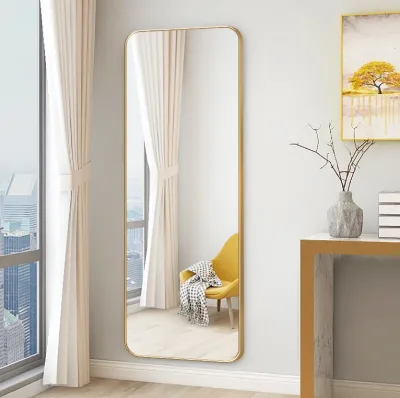
$7.517 - $9.1633
MOQ: 10 pieces
- Trading Company
- Hebei, China
- Lead time15 days
- Avg. response≤ 6h
Main productsFur Blanket,Fur Products,Glass Craft
Main marketsNorth America(9.00%), Domestic Market(7.00%), South Asia(7.00%), Southern Europe(7.00%), Northern Europe(7.00%), Central America(7.00%), Western Europe(7.00%), Eastern Asia(7.00%), Mid East(7.00%), Oceania(7.00%), Africa(7.00%), Southeast Asia(7.00%), Eastern Europe(7.00%), South America(7.00%)

- Verified by TUVRHEINLAND
- Combined
- China Zhejiang
- Lead time30 days
- Avg. response≤ 3h
Main productsLED Mirror, Light Mirror, Bathroom Mirror, Mirror Lamp, Mirror Cabinet, LED Bathroom Mirror, Makeup Mirror, Smart Mirror, Wall Mirror, Wall-Mounted Makeup Mirror
Main marketsEurope,Australia


Floor Stainless Steel Frame Dressing Mirror Full-Length Mirror Floor Mirror Home Floor
$54.88 - $66.89
MOQ: 100 Pieces

Foshan Xingang Glass Co., Ltd.
- Manufacturer/Factory
- China Guangdong
- Lead time15 days
- Avg. response≤ 4h
Main productsTinted Float Glass, Decorative Glass, Table Top, Sintered Stone, Art Glass, Tempered Glass, Safety Glass, Laminated Glass, Insulating Glass, Bevelled Glass Mirrors
Main marketsSouth America,Eastern Europe,Mid East,North America,Southeast Asia,Eastern Asia,Oceania,Western Europe,Africa


Dressing Mirror PVC Frame Standing Floor Length Mirror Full Length Mirror
$10.00 - $30.00
MOQ: 100 Pieces

Wholesale Mirrors Frame Mirror Frameless Mirror Dressing Mirror Furniture and Floor Mirrors
$10.00 - $30.00
MOQ: 100 Pieces

Framed Wall Mirror Full Length Mirror Dressing Mirror Floor Length Mirror Standing Mirror
$10.00 - $30.00
MOQ: 100 Pieces

Furniture and Floor Mirrors Floor Length Mirror Full Length Mirror Dressing Mirror
$10.00 - $30.00
MOQ: 100 Pieces

Jiaxing Chengtai Mirror Co., Ltd.
- Verified by Intertek
- Manufacturer, Trading Company
- Lead time30 days
- Avg. response≤ 3h
Main productsMirrors
Main marketsDomestic Market(40%), North America(20%), Oceania(15%)
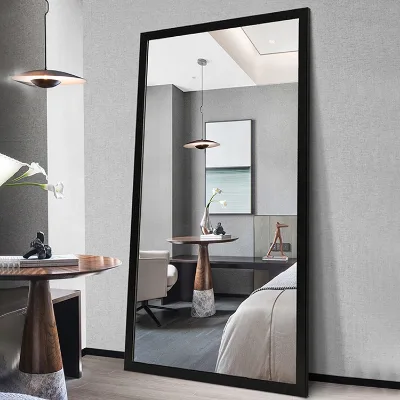
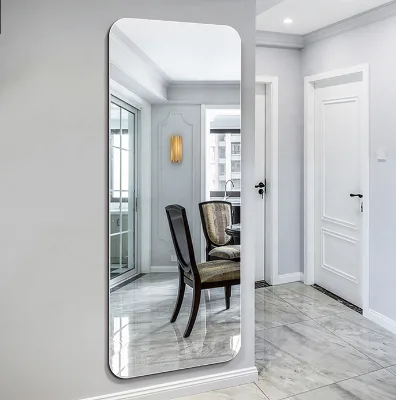
5mm Silver Mirror Rectangle Frameless Dressing Mirror Standing Full Length Mirror
$31.2962 - $62.5909
MOQ: 50 pieces

Shouguang Yamazon Home Materials Co., Ltd.
- Verified by BV
- Manufacturer/Factory
- China Shandong
- Lead time23 days
- Avg. response≤ 7h
Main productsWooden Furniture, Wood Beam, Glulam Beam, Wardrobe, Wooden Plywood Beams, Aluminum Alloy, Wooden Column, Log Cabins, Equestrian Jump Poles, Aluminum Car Pedals
Main marketsSouth America,Eastern Europe,Mid East,North America,Southeast Asia,Eastern Asia,Oceania,Western Europe,Africa


Simple Retro Distressed Full-Body Mirror Bedroom Home Clothing Store Fitting Mirror
$51.90
MOQ: 100 Pieces

Hangzhou Kongshing Smart Home Co., Ltd.
- Verified by SGS
- Combined
- China Zhejiang
- Lead time23 days
- Avg. response≤ 5h
Main productsMirror Tempered Glass
Main marketsDomestic

Custom Vintage Iron Framed Full Length Dressing Mirror for Interior Styling
$6.99 - $13.99
MOQ: 100 Square Meters

Framed Irregular Full Body Dressing Mirror for Interior Styling Customizable
$6.99 - $13.99
MOQ: 100 Square Meters

Vintage Style Framed Full Dressing Mirror for Interior Styling Customizable
$6.99 - $13.99
MOQ: 100 Square Meters

Irregular Shaped Vintage Floor Mirror Framed Dressing Mirror, Customizable
$6.99 - $13.99
MOQ: 100 Square Meters
- Verified by TüVRheinland
- Manufacturer, Trading Company
- Lead time20 days
- Avg. response≤ 1h
Main productsWall Mirror, Floor Mirror, Bathroom Mirror, LED Mirror, Glass
Main marketsNorthern Europe(40%), North America(30%), Eastern Europe(30%)
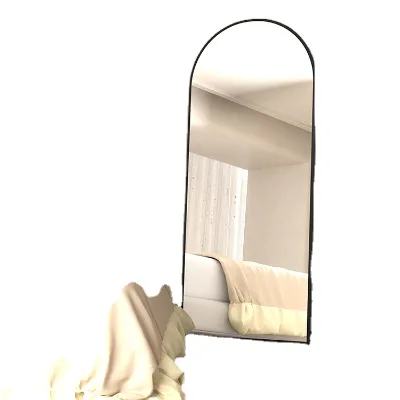
Customizable Decorative Aluminum Framed Dressing Mirror with Vanity Function
$10.1939 - $12.2521
MOQ: 100 pieces

Hangzhou Hengyi Mirror Industry Co., Ltd.
- Verified by CTI
- Combined
- China Zhejiang
- Lead time15 days
- Avg. response≤ 9h
Main productsBathroom Mirror, LED Mirror, Bathroom Cabinet, Framed Mirror, Frameless Mirror, Seamless Frame Mirror, Frame with Seam Mirror, Plain Mirror, Smart Mirror, Dressing Mirror
Main marketsSouth America,Southeast Asia/ Mideast,Domestic


Fashion Metal Single Sided Rustic Mirrors Over Large Framed Bathroom Vanity Mirror
$9.88 - $18.88
MOQ: 50 Pieces
Hebei Balee Intelligent Technology Co., Ltd.
- Verified by TüVRheinland
- Manufacturer, Trading Company
- Lead time25 days
- Avg. response≤ 1h
Main productsBathroom Mirror, Full-Length Mirror, Dressing Mirror, Wall Mirror, Smart Mirror
Main marketsDomestic Market(40%), North America(10%), Oceania(10%)

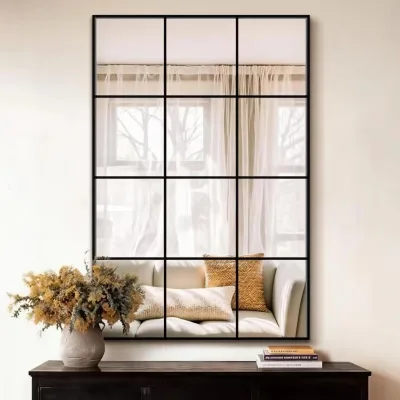
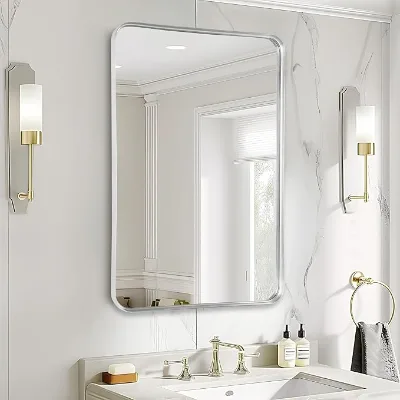
Modern Stainless Steel Metal Bathroom Mirror Framed Wall Hanging Mirror for Christmas
$30.00 - $35.00
MOQ: 50


Jiaxing Chengtai Mirror Co., Ltd.
- Manufacturer, Trading Company
- Lead time旺季: "1 - 50":31,"51 - 200":35,"> 200":"To be negotiated", 淡季: "1 - 50":31,"51 - 200":35,"> 200":"To be negotiated"
- Avg. response≤ 2h
Main productsLED Intelligent Mirror

Qingdao Salience Industry Co.,Ltd
- Verified by SGS
- Trading Company,Manufacturer/Factory
- China Shandong
- Lead time15 days
- Avg. response≤ 2h
Main productsLaminated Glass, Tempered Glass, Silver Mirror, Aluminium Mirror, Reflective Glass, Building Glass, Tinted Glass, Float Glass, Acid Etched Glass, Pattern Glass
Main marketsSouth America,Eastern Europe,Mid East,North America,Southeast Asia,Eastern Asia,Oceania,Western Europe,Africa

Qingdao Creation Classic Glass Co., Ltd.
- Manufacturer/Factory
- China Shandong
- Lead time15 days
- Avg. response≤ 15h
Main productsBuilding Glass, Float Glass, Tempered Glass, Laminated Glass, Insulated Glass, Glass Block/Brick, Reflective Glass, Tinted Glass, Mirror, Patterned Glass
Main marketsSouth America,Eastern Europe,Mid East,North America,Southeast Asia,Eastern Asia,Oceania,Western Europe,Africa

- Combined
- China Shandong
- Lead time15 days
- Avg. response≤ 9h
Main productsMirror, Silver Mirror, Beveled Mirror, Mirror Glass, Glass Mirror, Lacquered Glass, Back Painted Glass, Frosted Glass, Solar Mirror, Safety Mirror
Main marketsEurope,Australia,North America


ISO9001: 2008 Certificated Shaped Quality Silver Mirror Dressing Mirror
$2.19 - $6.99
MOQ: 2000 Square Meters


Ningbo K&B Home Products Imp. & Exp. Co., Ltd.
- Manufacturer, Trading Company
- Zhejiang, China
- Lead time35 days
- Avg. response≤ 23h
Main productsHome and Garden Goods,Gifts and Crafts,Home Furnishings
Main marketsWestern Europe(30.00%), Northern Europe(22.00%), Southern Europe(15.00%), North America(15.00%), Oceania(5.00%), Southeast Asia(3.00%), South Asia(3.00%), Eastern Asia(2.00%), Africa(2.00%), Eastern Europe(2.00%), South America(1.00%)
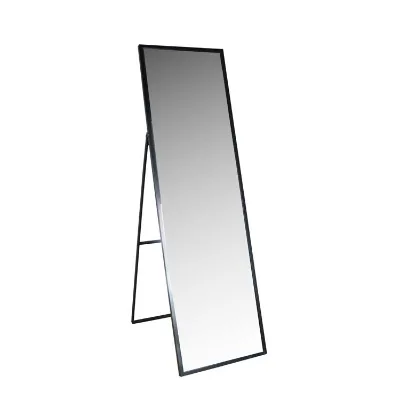
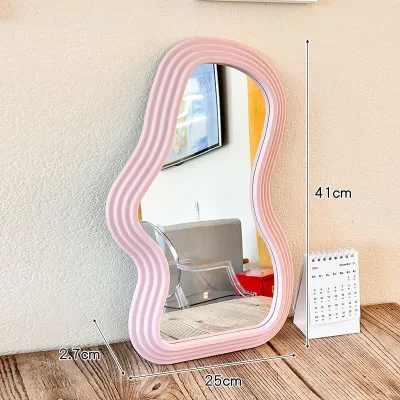
K&B 2021 Top Sale Modern Design Black Floor Standing Full-length Dressing Mirror with Metal Frame
$28.2748 - $30.8453
MOQ: 200 pieces

A&T GLASS INDUSTRY CO., LIMITED
- Trading Company,Manufacturer/Factory
- China Shandong
- Lead time23 days
- Avg. response≤ 8h
Main productsBuilding Glass, Clear Float Glass, Laminated Glass, Toughened Glass, Tinted Float Glass, Reflective Glass, Patterned Glass, Acid Etched Glass, Aluminum Mirror, Silver Mirror
Main marketsSouth America,Eastern Europe,Mid East,North America,Southeast Asia,Eastern Asia,Western Europe,Africa


1.8mm-8mm Safety Mirror Dressing Mirror Bathroom Mirror Furniture Mirror Silver Mirror
$1.89 - $8.39
MOQ: 100 Square Meters

1.8-6mm Silver Mirror Used for Dressing Mirror Furniture Mirror Bathroom Mirror
$2.29 - $8.99
MOQ: 100 Square Meters
Qingdao New Hope Industry & Trade Co., Ltd.
- Verified by SGS Group
- Trading Company
- Lead time20 days
- Avg. response≤ 2h
Main productsGlass Mirror, Tempered Glass, Furniture Glass, Laminated Glass, Insulating Glass
Main marketsNorth America(30%), Oceania(25%), Eastern Europe(10%)

QINGDAO RISING STAR GLASS CO.,LTD
- Verified by TUVRHEINLAND
- Manufacturer/Factory,Group Corporation
- China Shandong
- Lead time15 days
- Avg. response≤ 4h
Main productsBuilding Glass, Tempered Glass, Float Glass, Aluminium and Silvered Mirror, Laminated Glass, Acid Etched Glass, Back Painted Glass, Reflective Glass, Low-E Glass, Bath Room Glass
Main marketsSouth America,Eastern Europe,Mid East,North America,Southeast Asia,Eastern Asia,Oceania,Western Europe,Africa


Dressing Mirror Bathroom Mirror Decorative Glass Decorative Mirror 1830 2440
$9.00
MOQ: 1800 Square Meters

Zhongshan Chaolang Lighting Co., Ltd.
- Verified by SGS
- Combined
- China Guangdong
- Lead time30 days
- Avg. response≤ 1h
Main marketsEurope
Hebei Huishi Technology Co., Ltd
- Trading Company
- Hebei, China
- Lead time30 days
- Avg. response≤ 1h
Main productsDigital Scale, Body Fat Scale, Smart Scale, Bathroom Scale, Kitchen Scale
Main marketsSouth Asia(25.00%), Mid East(15.00%), Southeast Asia(15.00%), North America(10.00%), South America(10.00%), Africa(10.00%), Oceania(5.00%), Eastern Asia(2.00%), Western Europe(2.00%), Central America(2.00%), Eastern Europe(2.00%), Southern Europe(1.00%), Northern Europe(1.00%)
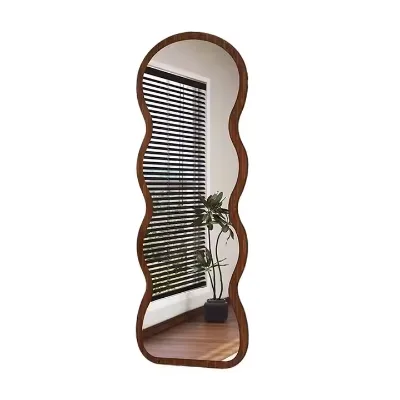
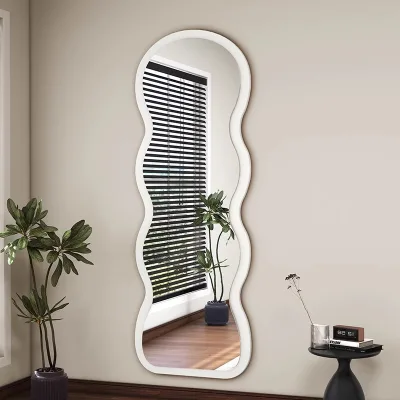
Wholesale Wall Mounted Large Size Salon Body Dressing Full Length Floor Standing Mirror
$26.80 - $29.50
MOQ: 100

- Verified by SGS
- Combined
- China Hubei
- Lead time30 days
- Avg. response≤ 1h
Main productsGlass Deep Processing, Clear Tempered Glass, Laminated Glass, Wired Glass, Pattern Glass, Glazed Glass, Mirror, Oil Sand Glass, Insulating Glass, Paint Glass
Main marketsDomestic,North America

Elegant Illuminated Colorful Dressing Mirror for Living Room Decor
$8.80 - $20.00
MOQ: 500 Square Meters


- Combined
- China Shandong
- Lead time15 days
- Avg. response≤ 8h
Main productsTempered Glass, Furniture Glass, Laminated Glass, Mirror, Float Glass, Louver Glass, Low E Glass, Silk Printing Glass, Tinted Glass, Reflective Glass
Main marketsDomestic

Safety Polished Kinds Shape Aluminum/Silver Mirror Dressing Mirror for Living Room
$2.20 - $2.50
MOQ: 100 mix FCL




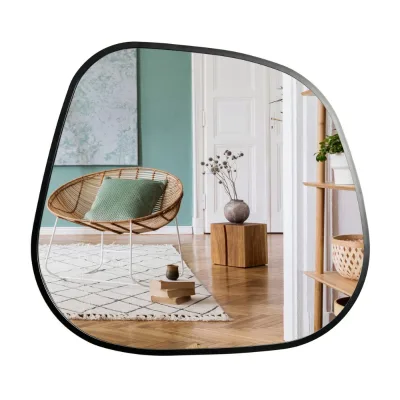
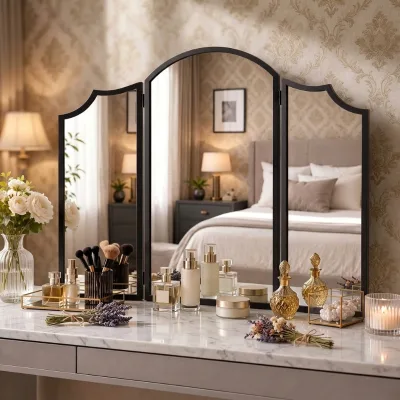
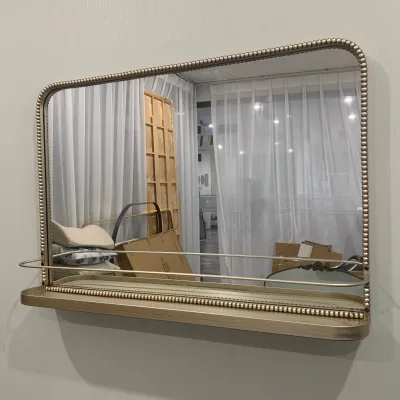
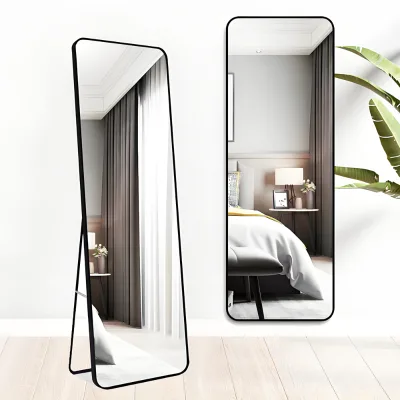


Comprehensive Sourcing Guide
Metal Framed Dressing Mirror Supplier Concentration and Factory Types
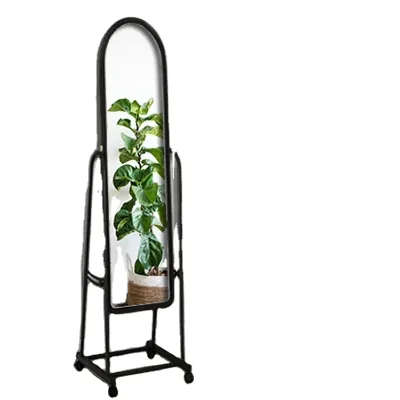
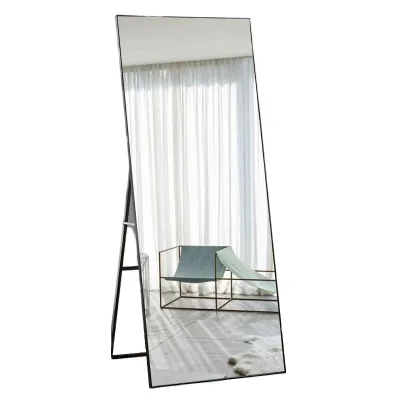
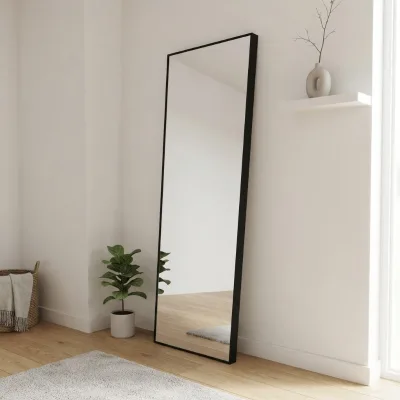
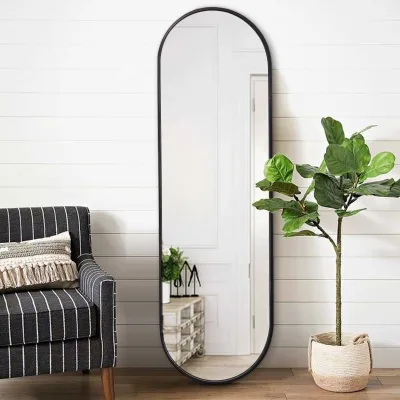
The sourcing landscape for metal framed dressing mirrors reveals a distinct concentration of manufacturing and trading activity within specific industrial regions, with Guangdong, China, emerging as a primary hub for these goods. Suppliers located in this region often specialize in a diverse array of home decor items, including kitchenware, daily necessities, and storage tools, indicating a broad capability in metal fabrication and assembly. This geographic clustering suggests that buyers can access a high density of potential partners who are already integrated into established supply chains for metalworking and finishing processes. The presence of both manufacturers and trading companies in these areas allows for flexibility in engagement, whether a buyer seeks direct factory pricing or the logistical support of a trading entity. Understanding this concentration helps in targeting outreach efforts more effectively, as suppliers in these hubs are likely to have refined their production lines for items like floor mirrors and wall-mounted dressing units.
Company types vary significantly among these suppliers, ranging from pure trading companies to integrated manufacturers that also handle trading operations. Some entities identify primarily as trading companies, leveraging their network to source products from various factories, while others claim dual roles as both manufacturers and traders, offering the benefit of direct production control alongside commercial services. This distinction is crucial for buyers evaluating cost structures and communication efficiency. A trading company might offer a wider variety of designs and faster response times due to their focus on customer service and market trends, whereas a manufacturer might provide greater customization capabilities and potentially lower unit costs for large volumes. The overlap in these roles means that buyers must carefully assess the specific operational model of each supplier to ensure it aligns with their procurement strategy, whether that involves high-volume standard orders or bespoke design requirements.
How to Verify Metal Framed Dressing Mirror Suppliers
Verification of suppliers requires a multi-layered approach that goes beyond basic profile reviews, focusing on tangible evidence of capability and compliance. One critical step is to examine third-party verification badges, such as those provided by SGS Group, which indicate that an independent agency has audited the supplier’s business legitimacy and operational standards. Buyers should also scrutinize system certifications like ISO 9001, RoHS, CE, FCC, and LVD, which demonstrate adherence to quality management and safety standards, particularly important for products involving electrical components or specific material compositions. These certifications serve as a baseline for reliability, ensuring that the supplier’s processes meet internationally recognized benchmarks. Additionally, checking the supplier’s response time can offer insights into their operational efficiency; a rapid response, such as within two to three days, often correlates with a well-organized sales and customer service team that can handle inquiries and order processing promptly.
Beyond certifications and response metrics, buyers should verify the supplier’s actual product offerings and production capacity through detailed product specifications. Reviewing product attributes such as material composition, mirror thickness, and frame construction provides concrete evidence of their manufacturing expertise. For instance, suppliers listing specific mirror thicknesses like 3mm, 4mm, or 5mm, and frame materials such as aluminum alloy or iron, demonstrate a clear understanding of product quality parameters. Buyers should also look for evidence of customization capabilities, such as the ability to process graphics or handle on-demand customizations, which indicates a flexible production line. Furthermore, assessing the supplier’s main products can reveal their core competencies; a supplier whose primary focus includes floor mirrors and home decoration mirrors is likely more specialized and reliable for this category than a generalist. Cross-referencing these details with the supplier’s claimed capabilities helps build a comprehensive picture of their reliability and suitability for long-term partnership.
What to Compare Across Metal Framed Dressing Mirror Suppliers
When evaluating multiple suppliers, buyers must systematically compare key operational metrics to identify the most suitable partner for their specific needs. Lead time is a critical factor, with some suppliers offering rapid turnaround times of zero to seven days, which can be vital for meeting tight project deadlines or restocking inventory quickly. Comparing these lead times against the supplier’s production capacity and current order volume helps in predicting actual delivery dates. Similarly, the minimum order quantity (MOQ) varies across suppliers, with some requiring as few as two units, making them accessible for small businesses or sample testing, while others may have higher thresholds. Understanding these MOQs allows buyers to align their order sizes with their inventory management strategies and cash flow constraints, ensuring they do not overcommit to stock that may not sell quickly.
Price and product specifications are equally important dimensions for comparison. Buyers should analyze the price ranges for similar products, noting that costs can vary significantly based on materials, size, and customization options. For example, prices for metal framed mirrors can range from low-cost decorative items to higher-priced durable, full-body dressing mirrors with specific frame finishes. Comparing these prices alongside detailed product attributes, such as single package size, gross weight, and available colors, helps in assessing the true value proposition of each supplier. Additionally, evaluating the supplier’s response time and communication quality can provide insights into their customer service standards. A supplier with a quick response time and clear communication is often easier to work with, reducing the risk of misunderstandings and delays. By systematically comparing these factors, buyers can make informed decisions that balance cost, quality, and service efficiency.
Common Metal Framed Dressing Mirror Sourcing Risks
Sourcing metal framed dressing mirrors involves several inherent risks that buyers must proactively manage to ensure a smooth procurement process. One significant risk is the potential for quality inconsistencies, particularly when dealing with suppliers who offer a wide range of products or lack specialized focus. Variations in mirror thickness, frame durability, and finishing quality can lead to customer dissatisfaction and returns if not strictly controlled. Buyers should mitigate this risk by requesting detailed product samples and conducting thorough quality inspections before placing large orders. Additionally, the risk of miscommunication regarding customization requirements can lead to production errors, especially when dealing with complex designs or specific material preferences. Clear and documented specifications, including detailed drawings and material standards, are essential to avoid discrepancies between the ordered product and the final delivery.
Another common risk is the reliability of supply chain logistics, which can be affected by factors such as packaging integrity and transportation damage. Metal framed mirrors are fragile and prone to breakage if not packaged correctly, leading to increased costs and delays. Buyers should verify the supplier’s packaging standards, ensuring that they use appropriate materials to protect the mirrors during transit. Furthermore, the risk of delayed shipments due to production bottlenecks or external factors like raw material shortages can disrupt business operations. Buyers should maintain open communication with their suppliers and establish clear contingency plans for potential delays. By identifying and addressing these risks early in the sourcing process, buyers can build a more resilient supply chain and minimize the impact of unforeseen challenges on their business.
Metal Framed Dressing Mirror Regional Sourcing and Logistics
Regional sourcing plays a pivotal role in determining the efficiency and cost-effectiveness of procuring metal framed dressing mirrors. Suppliers located in Guangdong, China, benefit from a well-developed infrastructure and proximity to major shipping ports, which can facilitate faster and more reliable logistics. This geographic advantage allows for streamlined transportation of goods, reducing transit times and associated costs. Buyers should consider the logistical implications of sourcing from different regions, as suppliers in other areas, such as Hebei, China, may have different shipping dynamics and lead times. Understanding these regional differences helps in selecting suppliers that align with the buyer’s logistical preferences and delivery requirements. Additionally, the concentration of suppliers in specific regions can lead to economies of scale, potentially lowering production costs and improving overall value.
Logistics planning also involves considering the packaging and handling requirements of metal framed mirrors, which are sensitive to damage during transit. Buyers should work with suppliers who have experience in exporting these products and can provide robust packaging solutions. This includes using protective materials like foam, cardboard, and wooden crates to ensure the mirrors arrive in pristine condition. Furthermore, buyers should be aware of the customs and regulatory requirements in their destination countries, which can impact the clearance process and delivery timelines. Collaborating with suppliers who are familiar with international shipping regulations can help navigate these complexities more effectively. By carefully planning the logistics and leveraging the advantages of regional sourcing, buyers can optimize their supply chain and ensure timely delivery of high-quality metal framed dressing mirrors.
Metal Framed Dressing Mirror Commercial Terms and Order Planning
Commercial terms and order planning are essential components of a successful sourcing strategy for metal framed dressing mirrors. Buyers should negotiate clear payment terms, such as using escrow services to protect their funds until the goods are received and verified. This provides a layer of security and ensures that the supplier fulfills their obligations before payment is released. Additionally, buyers should establish clear delivery terms, including Incoterms, to define the responsibilities of both parties regarding shipping, insurance, and customs clearance. Understanding these terms helps in avoiding unexpected costs and disputes. Furthermore, buyers should plan their orders based on accurate demand forecasts and inventory levels, considering factors like lead times and MOQs to optimize stock levels and minimize holding costs.
Order planning also involves building a strong relationship with the supplier to facilitate smoother transactions and better support. Regular communication and feedback can help identify potential issues early and foster a collaborative partnership. Buyers should also consider the supplier’s capacity for handling large orders and their ability to scale production as needed. This is particularly important for businesses with growing demand or seasonal peaks. By carefully planning their orders and negotiating favorable commercial terms, buyers can ensure a stable and efficient supply of metal framed dressing mirrors. Additionally, buyers should keep detailed records of all transactions and communications, which can be valuable for future reference and dispute resolution. This structured approach to commercial terms and order planning helps in building a resilient and reliable sourcing network.
FAQs
What is the typical minimum order quantity for metal framed dressing mirrors?
Listed offers for metal framed dressing mirrors start at a minimum order quantity of just 2 pieces, which suits retailers testing demand. Some suppliers may set higher MOQs for customized colors, sizes, or finishes, so confirm the requirement before ordering. Sampling separately is common practice before committing to a larger production run.
How long does production and delivery usually take?
Lead times among the listed suppliers range from around 7 days for available designs to longer periods for custom specifications. Small orders of stock items ship fastest, while made-to-order sizes or finishes add production days. Always confirm the quoted lead time in writing and factor in shipping time to your destination port.
Where are these dressing mirror suppliers located?
The suppliers listed are based mainly in Guangdong and Hebei provinces in China, both established manufacturing regions for mirrors and home decor. Guangdong suppliers often focus on decorative floor and standing mirrors, while Hebei suppliers specialize in framed wall and full-body mirror production. Location affects shipping costs, so compare departure ports when calculating landed cost.
Which certifications should I check before ordering mirrors?
Some listed suppliers hold ISO 9001, CE, RoHS, FCC, and LVD certifications, and at least one has been verified by SGS Group. CE and RoHS matter most for European buyers, while ISO 9001 indicates a managed quality system. Request current certificate copies and confirm they cover the specific mirror models you plan to import.
What sizes and finishes are commonly available?
Common configurations include full-body floor mirrors around 150 by 40 cm up to 190 by 90 cm, wall mirrors near 160 by 50 cm, and round decorative pieces from 30 by 30 cm. Popular finishes are black, white, gold, and silver metal frames, with pink accents on some standing models. Customized sizes and colors are widely offered.
How quickly do suppliers respond to inquiries?
The listed suppliers report average response times of roughly 2 to 3 hours during working hours. Faster responses usually indicate a dedicated sales team familiar with export orders. Send a detailed inquiry covering size, finish, quantity, and destination to receive an accurate quote quickly, and follow up by chat if email replies lag.