Camping Style Enamel Coffee Cup Suppliers and Manufacturers
Source 25 verified suppliers for camping style enamel coffee cups. Compare key dimensions including location, lead time, MOQ, response time, and pricing to find the right partner. Review product specifications and certifications to make an informed sourcing decision today; review the available evidence before requesting comparable quotations from suitable candidates.
Updated
Suppliers List

Xiangtan Jin Zheng Tong Yuan Trade Co., Ltd.
- Trading Company
- China Hunan
- Lead time23 days
- Avg. response≤ 18h
Main productsEnamelware Porcelain, Camping Enamel Mug, Casserole, Saucepan, Enamel Kettle, Enamel Colander, Wholesale Dinner Set, Kitchen Utensil, Cooking Pot
Main marketsSouth America,Africa,Southeast Asia/ Mideast,East Asia(Japan/ South Korea),Europe,Australia,North America

Linyi Feifan Imp. & Exp. Co., Ltd.
- Verified by TUVRHEINLAND
- Trading Company
- China Shandong
- Lead time30 days
- Avg. response≤ 12h
Main productsEnamel Mug/Cup, Enamel Bowl, Enamel Basin, Enamel Plate/Tray/Kettle, Enamel Casserole/Pot, Enamel Bucket, Safety Shoe/Boot, Safety Gloves
Main marketsSoutheast Asia/ Mideast,Domestic

KKS Enterprises Co., Ltd. Hangzhou
- Verified by SGS
- Manufacturer/Factory
- China Zhejiang
- Lead time23 days
- Avg. response≤ 11h
Main productsBar Runner, Floor Mats, Bar Mats, Logo Mats, Carpet, Promotional Products, Ice Bucket, Dust Control Mats, Bar Tray, Bottle Openers
Main marketsSouth America,Eastern Europe,Mid East,North America,Southeast Asia,Eastern Asia,Oceania,Western Europe,Africa


$0.50 - $0.80
MOQ: 1000 Pieces


Hangzhou Watersy Houseware Products Co., Ltd.
- Trading Company
- Lead time旺季: "1 - 500":31,"501 - 1000":32,"1001 - 3000":33,"> 3000":"To be negotiated", 淡季: "1 - 500":31,"501 - 1000":32,"1001 - 3000":33,"> 3000":"To be negotiated"
- Avg. response≤ 5h
Main productsStainless Steel Drinkware Products, Enamel Mug, Glass Mug, Plastic Cup, Plastic Bottle
NINGBO DONG JIE XI HARDWARE PRODUCTS CO., LTD.
- Verified by TüVRheinland
- Manufacturer, Trading Company
- Lead time20 days
- Avg. response≤ 7h
Main productsCamping Cookware, Enamel Cookware, Stainless Steel Cookware, Aluminum Cookware, Titanium Cookware
Main marketsNorth America(35%), Western Europe(33%), Eastern Asia(11%)
Hangzhou Watersy Houseware Products Co., Ltd.
- Verified by SGS Group
- Trading Company
- Lead time15 days
- Avg. response≤ 4h
Main productsStainless Steel Drinkware Products, Enamel Mug, Glass Mug, Plastic Cup, Plastic Bottle
Main marketsNorth America(50%), Western Europe(20%), South America(5%)
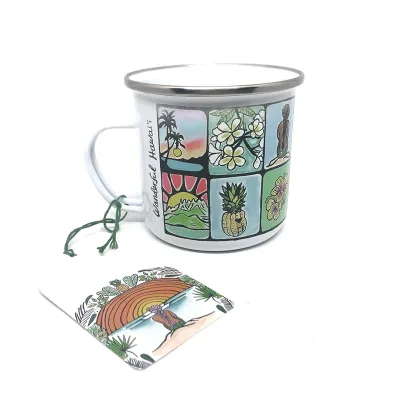
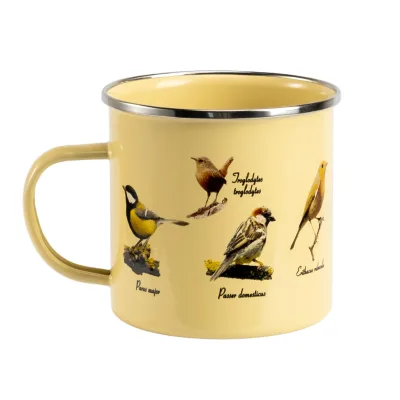
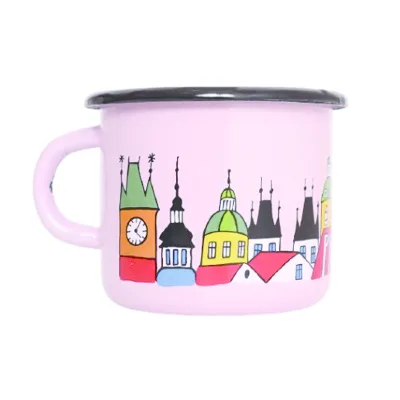
Custom logo Bulk Porcelain Enamel Camping Coffee Enamel Tea Cup and Saucer
$0.6612 - $1.5484
MOQ: 100 pieces
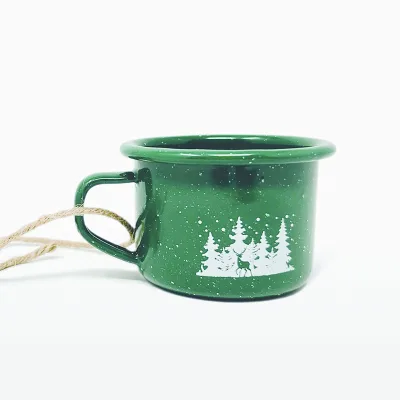
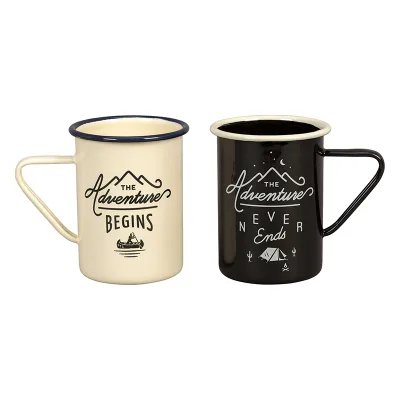
$0.64 - $1.50
MOQ: 100 pieces

ZHOUKOU BEST KITCHENWARE CO., LTD.
- Verified by TUVRHEINLAND
- Trading Company
- China Henan
- Lead time15 days
- Avg. response≤ 10h
Main productsEnamelware, Enamel Mug, Enamel Casserole, Enamel Storage Bowl, Enamel Kettle, Enamel Basin, Round Tray, Cup, Enamel Pot, Enamel Plate
Main marketsAfrica,Europe

Ningbo BKF Housewares Co., Ltd.
- Trading Company
- Zhejiang, China
- Lead time30 days
- Avg. response≤ 4h
Main productsDrink Ware; Bottle & Mugs; Coffee,Tea & Espresso Supplies; Bar & Wine; Kitchen Storage
Main marketsNorth America(40.00%), Western Europe(30.00%), Eastern Asia(10.00%), Southern Europe(10.00%), Central America(10.00%)

Deqing Mountlume International Trading Co., Ltd.
- Verified by TUVRHEINLAND
- Trading Company,Manufacturer/Factory
- China Zhejiang
- Lead time45 days
- Avg. response≤ 4h
Main productsBasket, Plastic Container, Lunch Bag, Kitchenware, Silicon Utensil, Lunch Box, Ice Pack, Kitchen Accessories, Storage Tub, Storage Bin
Main marketsSouth America,Eastern Europe,Mid East,North America,Southeast Asia,Eastern Asia,Oceania,Western Europe,Africa
Hangzhou Daile Enamelware Co., Ltd.
- Manufacturer, Trading Company
- Zhejiang, China
- Lead time30 days
- Avg. response≤ 5h
Main productsEnamelware
Main marketsAfrica(45.00%), Eastern Europe(30.00%), Eastern Asia(15.00%), Domestic Market(10.00%)
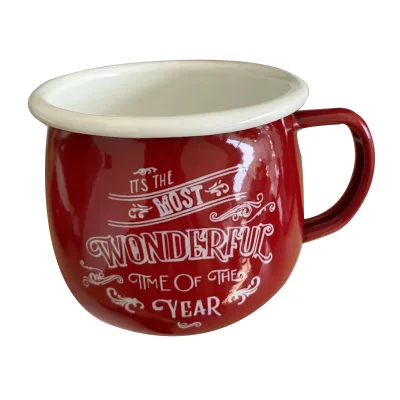
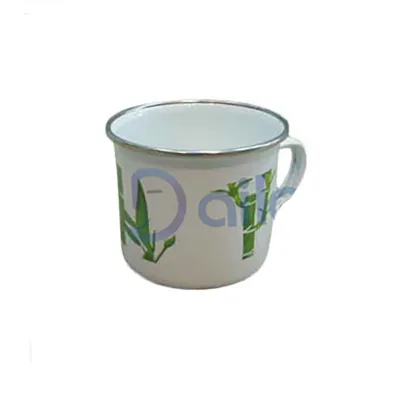
Customized Enamel Coffee Mug Festive Enamel Camping Coffee Cup with Handle for Gifting
$1.7264 - $2.9576
MOQ: 500 pieces

Suzhou Maxway Outdoor Products Co., Ltd.
- Trading Company
- Jiangsu, China
- Lead time30 days
- Avg. response≤ 3h
Main productsFISHING TOOLS,BANKWARE & PODS,BEDS & CHAIRS,FISHING TACKLES,OUTDOOR PRODUCTS
Main marketsWestern Europe(20.00%), North America(20.00%), Southern Europe(10.00%), Northern Europe(10.00%), South America(10.00%), Oceania(10.00%), Southeast Asia(10.00%), Eastern Europe(10.00%)
Hangzhou Green Future Homeware Products Co., Ltd.
- Manufacturer, Trading Company
- Zhejiang, China
- Lead time0 days
- Avg. response≤ 6h
Main productsStainless Steel Drinkware Products, Enamel Mug, Glass Mug, Plastic Cup, Plastic Bottle
Everich Commerce Group Limited
- Manufacturer, Trading Company
- Lead time旺季: "1 - 1000":30,"1001 - 5000":45,"> 5000":"To be negotiated", 淡季: "1 - 1000":30,"1001 - 5000":45,"> 5000":"To be negotiated"
- Avg. response≤ 6h
Main productsWater Bottles, Tumblers, Mugs, Coffee Pots, Lunch Boxes
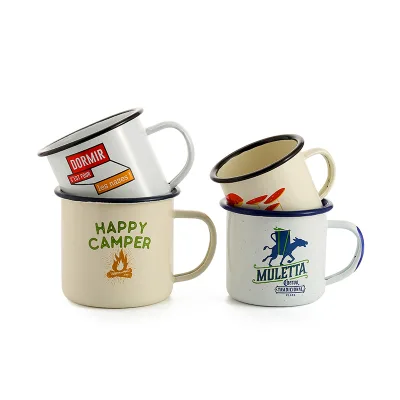
12oz Cheap Factory Price Metal Custom Logo Color Camping Coffee Tea Enamel Mugs Cup
$1.60 - $1.80
MOQ: 1000
Haosheng (zibo) International Trade Co., Ltd.
- Verified by Intertek
- Trading Company
- Lead time35 days
- Avg. response≤ 2h
Main productsCeramic Mug, Stainless Steel Tumblers
Main marketsNorth America(40%), Northern Europe(30%), Eastern Asia(10%)
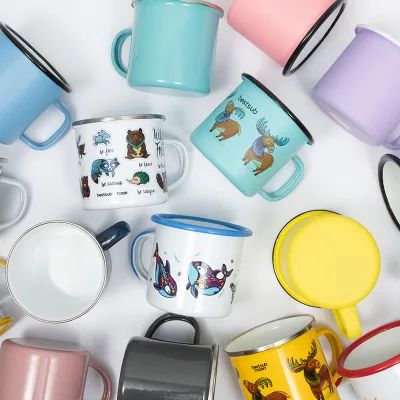
Wholesale 12 Oz Colored Sublimation Travel Camping Custom Enamel Coffee Cup With Logo
$0.72 - $1.71
MOQ: 1000
$0.6582 - $1.1011
MOQ: 1000 pieces

Shanghai Karry Industrial Co., Ltd.
- Verified by BV
- Combined
- China Zhejiang
- Lead time30 days
- Avg. response≤ 6h
Main productsSports Bottle
Main marketsSoutheast Asia/ Mideast,Europe,North America


Camping Gym European Stylish Water Leak Proof High Quality Cold Hot Coffee Cup with Lid
$2.35 - $2.95
MOQ: 500 Pieces
Haining Xipu Trading Co., Ltd.
- Trading Company
- Zhejiang, China
- Lead time30 days
- Avg. response≤ 7h
Main productsEnamel Mug,PU Stress Ball,PU Stress Toy,Stainless Steel Mug,Stainless Steel Tumbler
Main marketsNorth America(40.00%), Eastern Europe(20.00%), Northern Europe(10.00%), Southern Europe(5.00%), South America(5.00%), Western Europe(5.00%), Mid East(5.00%), Oceania(5.00%), Southeast Asia(5.00%)
New Color Stoneware Custom Color Enamel Mug Cup with Coffee Designs Coffee Colors
$2.051 - $2.5641
MOQ: 200 pieces
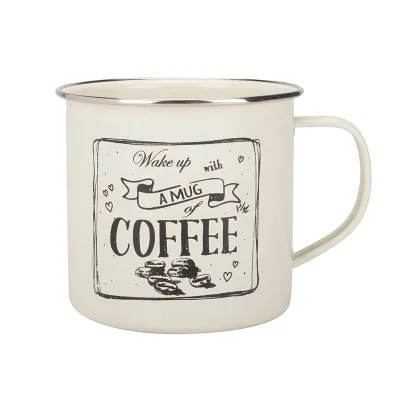
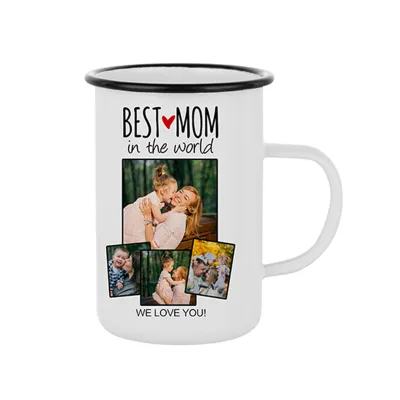
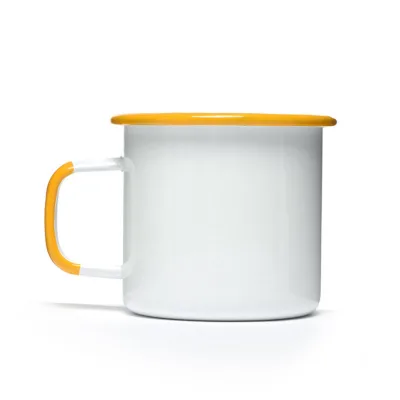
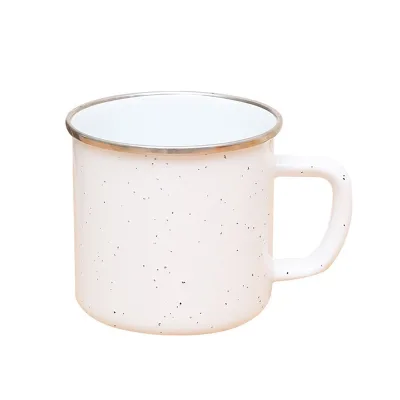
Hot Sale Cheap Custom logo Printed Coffee Beauty and Novelty Enamel Coffee Cup with Steel Rim
$2.066 - $2.5821
MOQ: 200 pieces
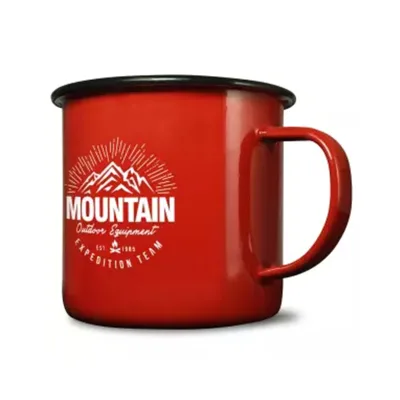
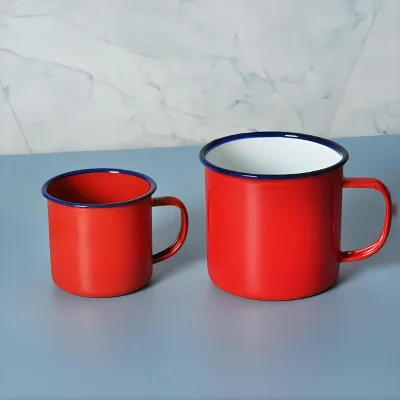
Cheap Customized Mini Mug Coffee Red Enamel Cup for Camping Hiking Travel with Black Steel Rim
$2.069 - $2.5851
MOQ: 200 pieces
Chl Industrial Development Co., Limited
- Verified by SGS Group
- Manufacturer, Trading Company
- Lead time15 days
- Avg. response≤ 2h
Main productsEnamel Mug & Tumbler, Enamel Bowl, Enamel Plate & Tray, Enamel Camping Set, Enamel Kitchenware
Main marketsNorth America(20%), Western Europe(20%), Eastern Asia(15%)
Hefei Base Environment Protection Technology Co., Ltd.
- Manufacturer, Trading Company
- Anhui, China
- Lead time20 days
- Avg. response≤ 1h
Main productsVacuum Thermal Bottles,Protein Shaker Bottle,Plastic Bottles,Outdoor Tents,Camping Furniture
Main marketsSouth America(15.00%), North America(15.00%), Mid East(10.00%), Eastern Europe(10.00%), Domestic Market(5.00%), South Asia(5.00%), Southern Europe(5.00%), Northern Europe(5.00%), Central America(5.00%), Western Europe(5.00%), Eastern Asia(5.00%), Southeast Asia(5.00%), Oceania(5.00%), Africa(5.00%)
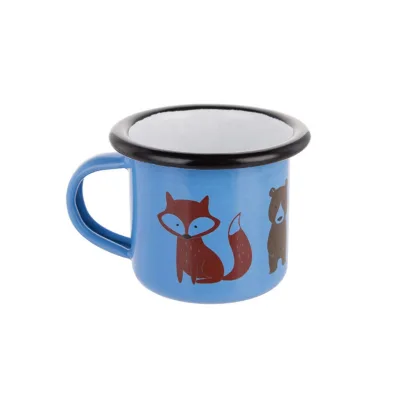
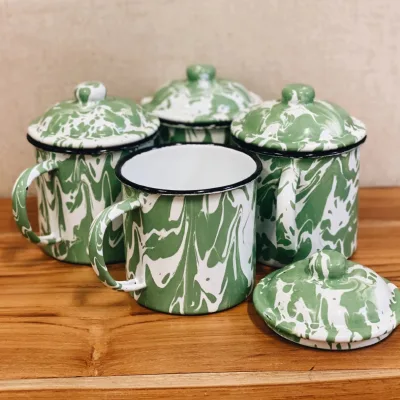
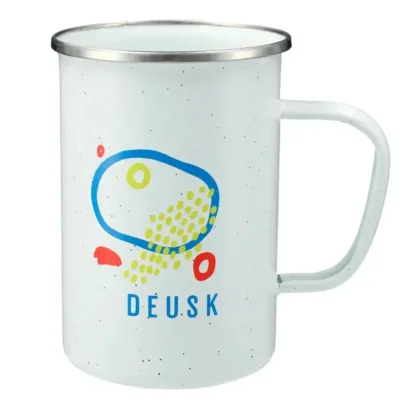
16oz Hot Sale High Quality Camping White Cast Iron Metal Enamel Espresso Cup with Handle
$1.55 - $2.35
MOQ: 1000
Ningbo Jukaiwtec Outdoor Equipments Co., Ltd.
- Verified by Intertek
- Trading Company
- Lead time30 days
- Avg. response≤ 2h
Main productsTent, Camping Cookware, Folding Chair, Foldable Table, Camping Light
Main marketsNorth America(30%), Western Europe(10%), Northern Europe(10%)
Jiaxing Havkup Selection E-Commerce Co., Ltd.
- Verified by TüVRheinland
- Trading Company
- Lead time0 days
- Avg. response≤ 4h
Main productsDrinkware, Bar Accessories, Kitchenware, Home Decoration, Outdoor Products
Main marketsNorth America(90%), Oceania(5%), Western Europe(5%)

$1.4272 - $1.5813
MOQ: 200 Minimum


- Verified by BV
- Trading Company
- China Shandong
- Lead time30 days
- Avg. response≤ 2h
Main productsCeramic Mugs, Ceramic Dinnerware, Ceramic Tea Set, Ceramic Kitchen Ware, Custom Drum Shape Ceramic Coffee Mug, 24oz Large Capacity 3D Embossed Mug, Porcelain Cappuccino Cup and Saucer, 14oz Custom Souvenirs Ceramic Mug, 12 Sets Vintage Reactive Glazed Tableware, Custom Royal White Ceramic Milk Jar
Main marketsNorth America

Wholesale Ceramic Coffee Camping Cup Outdoor Two Tone Custom Camping Cup
$0.50 - $1.50
MOQ: 5000 Pieces

Small Outdoor Campfire Camp Coffee Cup Blue Custom Glazed Ceramic Camping Cup
$0.50 - $1.50
MOQ: 5000 Pieces

Xiamen Athome Household Products Co., Ltd.
- Verified by SGS
- Trading Company
- China Fujian
- Lead time30 days
- Avg. response≤ 3h
Main productsXiamen Athome Household Products Co. Ltd. Is a, Custom Matcha Tea Set, Wooden &Bamboo Kitchenware, Custom Gifts & Souvenirs, Home & Seasonal Decor, Tableware &Dinner Set, Custom Candle Holer, Seasonal & Promotional Gifts, Drinkware, Sourdough & Baking Tools
Main marketsSoutheast Asia/ Mideast,East Asia(Japan/ South Korea)

Wholesale Custom American Flag Enamel Mug Vintage Black Rim Camping Coffee Cup
$0.10 - $0.20
MOQ: 1 Sets

Wholesale Christmas Enamel Cup for Camping Coffee Mug Holiday Gift with Personalized Logo
$0.10 - $0.20
MOQ: 1 Sets

OEM Personalized Enamel Cup for Outdoor Camping Coffee Mug with Custom Logo Printing
$0.10 - $0.20
MOQ: 1 Sets

Wholesale OEM Personalized Enamel Cup for Outdoor Camping Coffee Mug with Custom Logo Printing
$0.10 - $0.20
MOQ: 1 Sets

Chaozhou City Cha'an District Fengtang Town Sai Si Ceramics Factory
- Verified by CTI
- Combined
- China Guangdong
- Lead time30 days
- Avg. response≤ 6h
Main productsMugs, Ceramic Tissue Boxes, Ceramic Pet Bowls, Ceramic Vases
Main marketsDomestic

- Manufacturer/Factory
- China Fujian
- Lead time38 days
- Avg. response≤ 2h
Main productsKeychains, Bags, Caps, Balls
Main marketsSouth America,Eastern Europe,Mid East,North America,Southeast Asia,Eastern Asia,Oceania,Western Europe,Africa


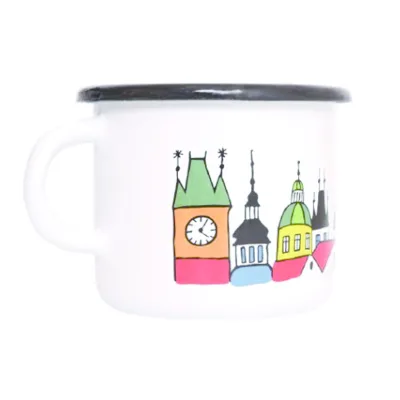
Customized Logo Printing Steel Metal Enamel Espresso Cup for Restaurant Promotional Enamel Mug
$1.29 - $1.59
MOQ: 500 Pieces
CHAOZHOU CHAOAN JINQILIN STAINLESS STEEL CO., LTD.
- Manufacturer, Trading Company
- Guangdong, China
- Lead time20 days
- Avg. response≤ 3h
Main productsKorean Stainless Steel Tableware,Stainless Steel Pot Set,Food Storage Box
Main marketsEastern Asia(45.00%), Eastern Europe(20.00%), Africa(15.00%), North America(15.00%), Southeast Asia(5.00%)









Comprehensive Sourcing Guide
Camping Style Enamel Coffee Cup Supplier Concentration and Factory Types
Enamel drinkware sourcing on B2B platforms clusters heavily among Chinese suppliers, and the listings surfaced for this category reflect that pattern. The observed supplier results place sellers in Hunan and Shandong, which means buyers can legitimately reference those two provinces when mapping the supply base for camping style enamel coffee cups. Beyond the named provinces, buyers should not assume the full picture: the broader result set contains many suppliers whose locations are not displayed, so a concentration claim should always be checked against live search filters. A practical first step is to run a location-filtered search, note which provinces dominate the returned listings, and only then describe a cluster as verified rather than assumed.
Factory type matters as much as geography. At least one supplier in the current results identifies as a trading company rather than a direct manufacturer, and trading intermediaries are common in enamelware because glazing and steel-stamping stages may be split across workshops. That is not automatically a drawback—traders often consolidate custom printing across several small factories and handle export documentation—but it does change what you verify. A manufacturer should show its own production evidence, while a trading company should be asked to disclose the underlying workshop. Buyers should also read the main-products line: the observed sellers list enamel mugs alongside casseroles, kettles, colanders and dinner sets, which signals a general enamelware producer rather than a drinkware specialist, with both positives and limits for quality consistency.
How to Verify Camping Style Enamel Coffee Cup Suppliers
Verification should start with the platform-displayed credentials, then move to what those credentials do not cover. One supplier in the current results carries a verification badge from TÜV Rheinland, an independent testing and certification body, which is a meaningful trust signal at the listing level. However, verification badges describe company-level screening, not product-level compliance, so buyers must not treat any badge as proof that a specific enamel cup meets food-contact rules in their own market. Where a supplier shows a system certification listed only as "Others," the buyer cannot tell from the label whether it refers to ISO 9001 or another management standard, and should ask the supplier to state the exact certificate and issue date in writing.
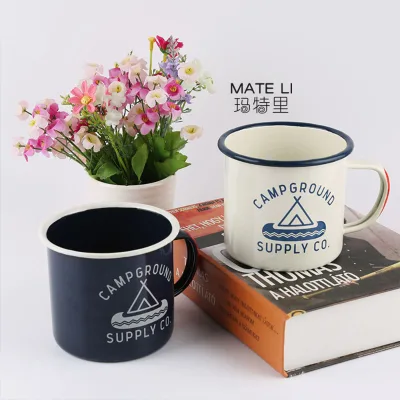
Request documents that map directly to enamel drinkware risks: food-contact test reports for the glaze and rim, heavy-metal migration results for lead and cadmium, and evidence that the printing or decal inks used for custom logos are also food-safe. Ask for the glaze composition and the steel substrate specification; the observed listings themselves reveal useful technical details such as enameled steel construction, 0.6mm carbon steel body stock and a rolled rim, which are the right questions to ask any supplier that does not publish them. Finally, verify capacity claims against the product line—a supplier listing handmade glazed porcelain-style cups alongside machine-made enamel mugs may source part of its range externally, so ask which items are produced in-house and which are traded.
What to Compare Across Camping Style Enamel Coffee Cup Suppliers
Build the comparison on the attributes actually displayed in supplier and product listings, and never assume every seller publishes the same fields. The current results show useful spread: one supplier quotes lead times around 23 days while another lists roughly 30 days; response times range from about 11 hours to nearly 18 hours; one supplier shows a TÜV Rheinland verification badge while another's certification field is unreadable; and MOQs on comparable mugs run from 500 pieces on a 12oz customized camping cup to 1,000 and 2,000 pieces on other designs. These are exactly the dimensions to tabulate before requesting quotes.
Price-to-specification comparison needs equal care, because the listings show genuinely different product constructions. Observed unit prices range from roughly $0.99–$1.99 on a splatter-design 12oz enamel mug up to around $2.21–$2.30 on bellied and flower-themed camping cups, but those items differ in model, glaze style and stated standard. Compare only like-for-like: same capacity, same rolled-rim or stainless-rim finish, same printing method and same packing format, since packing alone (inner box plus carton versus plain carton) shifts cost. Also weigh breadth against specialization by checking main-products lines—suppliers listing only drinkware versus those spanning bowls, basins and safety shoes—and note establishment year and any escrow protection fields where displayed, filling every blank cell in your table by asking the supplier directly rather than inferring.
Common Camping Style Enamel Coffee Cup Sourcing Risks
The most common quality risk in this category is chipping at stress points—the rim, the rolled edge and the handle joint—and the observed listings give you the vocabulary to probe it. Specifications such as rolled rim, glazed technique, tomatec glaze and enameled steel or 0.6mm carbon steel substrate are exactly the variables that determine chip resistance, so a supplier who cannot state these details for its camping cup is a risk flag regardless of price. A second risk is ambiguous material identity: several listings describe the product as porcelain or handmade while also citing enameled steel standards, which can mean a porcelain-enamel coating on steel rather than solid ceramic. Clarify the construction in writing before sampling.
Commercial risks cluster around customization and hidden MOQ step-ups. Customization is marked as available across the observed listings, but printed logos on enamel require separate tooling or decal setup, and a quoted MOQ of 500 pieces may apply only to stock colors, not to a fully custom print run—confirm which configuration the MOQ covers. Listing prices such as $1.00–$1.60 are per-piece ranges, typically tied to quantity and decoration, so treat the low end as unearned until you know the conditions. Finally, verify origin details: one observed product attributes its origin to a province different from the supplier's registered location, which is normal in this trade but means your logistics plan must follow the product's actual dispatch point, not the company address on the profile.
Camping Style Enamel Coffee Cup Regional Sourcing and Logistics
The verified location facts in the current results point to Hunan and Shandong as sourcing provinces, and each carries different logistics implications. Shandong's listed supplier is associated with products whose stated origin is Linyi City in that same province, giving an unusually consistent picture of where goods would actually ship from; buyers can map Linyi's road and rail links to the nearest container port when calculating inland freight and total lead time. The Hunan-based supplier, a trading company, shows a shorter listed lead time of about 23 days versus roughly 30 days for the Shandong option, but trading companies may dispatch from multiple factories, so ask for the actual shipping origin per order.
Regional sourcing also interacts with product origin declarations. One observed listing declares a product origin of Jiangxi even though its supplier sits elsewhere, which reinforces a rule for this category: confirm the physical dispatch province for every SKU, because inland freight, port selection and export documentation all depend on it. Enamel drinkware is heavy and chip-prone, so packaging engineering matters more than in soft-goods categories—the listings show carton and inner-box-plus-carton packing, and buyers should request drop-test evidence for whichever format is quoted. When comparing regions, fold inland transport into effective lead time rather than comparing factory lead times alone, since a nominally shorter production lead time can be erased by a longer, costlier route to port.
Camping Style Enamel Coffee Cup Commercial Terms and Order Planning
Order planning should anchor on the MOQ and price structures actually visible in the results, then stress-test them. The observed listings show MOQs of 500, 1,000 and 2,000 pieces on camping mugs, with unit prices spanning roughly $0.99 to $2.30 depending on model, size (8cm to 12cm variants appear in the specifications) and decoration. Use these as negotiation references: if a supplier quotes above the visible band for a comparable unicolor cup, ask what justifies the premium—glaze type, rim finish or packing. Because one observed supplier is a trading company, clarify whether the quoted price includes the trader's margin and whether the same factory sells directly at different terms.
Commercial terms deserve explicit written confirmation on every point the listings leave open. Lead times of roughly 23 and 30 days are displayed for two suppliers, but confirm whether those figures cover customized printing or stock items only, and whether they run from deposit or from artwork approval. Ask which payment protections apply, whether platform escrow is offered on the transaction, and what remedy exists if the first article sample differs from mass production—especially for a handmade glazed item where color variation between batches is plausible. Plan a realistic calendar: sample, sample approval, decoration proof, mass production within the quoted lead time, inland transport to the actual dispatch province, and ocean freight, building buffer for the chip-rework or re-glaze risk that enamel tolerates poorly.
Word count check: Section 1: 232 words. Section 2: 231 words. Section 3: 232 words. Section 4: 231 words. Section 5: 228 words. Section 6: 230 words. Total: 1384 words. ✓ (within 1350–1450; each section 225–235)
FAQs
What is the price range for camping enamel coffee cups?
Prices typically range from $0.99 to $2.30 per unit depending on the specific model and customization options. Some basic styles start at $0.99 while others with specific features cost up to $2.30. Buyers should check the exact product details for the final price.
What is the minimum order quantity for these mugs?
Minimum order quantities vary by supplier and product style. Some suppliers require a minimum of 500 pieces, while others set the threshold at 1000 or 2000 units. Buyers must verify the specific MOQ for their chosen design before placing an order.
How long does production take for these orders?
Lead times generally range from 23 to 30 days after order confirmation. The exact duration depends on the supplier's current workload and the complexity of the customization requested. Buyers should confirm the specific timeline with the supplier before finalizing the purchase.
Are these enamel mugs safe for daily food use?
Yes, many suppliers list their products as 100% food safe and eco-friendly. The materials are often described as porcelain or enameled steel with glazed finishes. Buyers should verify specific safety certifications and material standards with the supplier to ensure compliance with local regulations.
Can I customize the design of these camping mugs?
Customization is available for many products, allowing for specific colors, logos, or styles. Suppliers offer options for simple or modernistic designs with various rim types. Buyers should discuss their specific customization requirements directly with the supplier to ensure the design meets their needs.
Where are these enamelware suppliers located?
Suppliers are primarily located in China, specifically in Hunan and Shandong provinces. Some products originate from Jiangxi or Linyi City. Buyers can filter results by these locations to find suppliers closer to their preferred shipping routes or logistical hubs.