Cargo Transportation Electric Pickup Truck Suppliers and Manufacturers
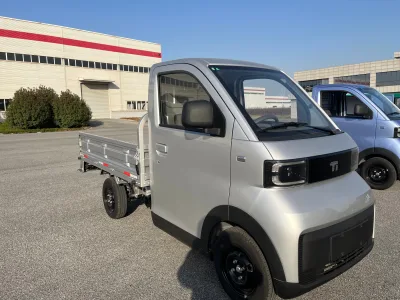
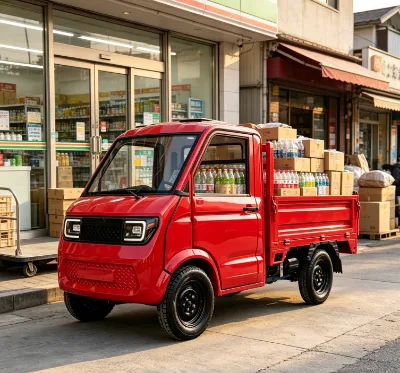
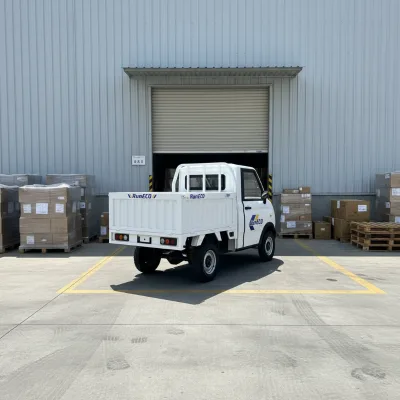
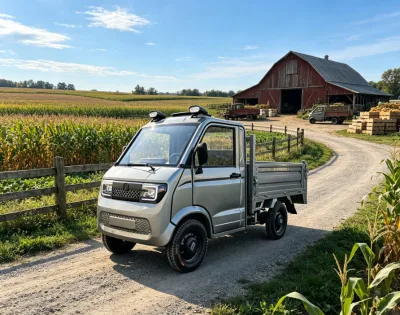
Explore 25 verified options for Cargo Transportation Electric Pickup Truck from China Anhui and Guangdong. Compare ISO certifications, response times, lead times, and product specs like battery voltage and load capacity. Contact suppliers directly to request quotes; review the available evidence before requesting comparable quotations from suitable candidates.
Updated
Suppliers List

Anhui Zhengmin Vehicle Industry Co., Ltd.
- Manufacturer/Factory,Group Corporation
- China Anhui
- Lead time23 days
- Avg. response≤ 1h
Main productsElectric Golf Car, Electric Golf Cart, Electric Scooter, Electric Rickshaw, Mobility Scooter, Electric Tricycle
Main marketsSouth America,Eastern Europe,Mid East,North America,Southeast Asia,Eastern Asia,Oceania,Western Europe,Africa


Durable Electric Cargo Truck with 4 Wheels and Disc Brakes Pickup Truck
$1380.00 - $1980.00
MOQ: 10 Sets


Guangzhou Langqing Electric Car Co., Ltd.
- Verified by TUVRHEINLAND
- Combined
- China Guangdong
- Lead time30 days
- Avg. response≤ 6h
Main productsElectric Car, Shuttle Bus, Golf Cart, Tourish Car, Patrol Car, Club Car, Classic Club Car, Electric Freight Car, Utility Car, Ambulance Car
Main marketsSouth America,Others(foreignTradeCapacity.exportBusinessCapacityMarketOther),North America

- Manufacturer/Factory
- China Jiangsu
- Lead time23 days
- Avg. response≤ 10h
Main productsElectric Box Truck, Electric Pickup Truck, Electric Cart, Electric Minitruck, Electric Car, Lithium Battery Pack & Charger, Airconditioned Golf Cart, Electric Sightseeing Bus, EV Motor & Controller, EV Driving System
Main marketsSouth America,Eastern Europe,Mid East,North America,Southeast Asia,Eastern Asia,Oceania,Western Europe,Africa

4 Wheels Electric Cargo Delivery EV Pickup Truck for Express Transportation
$1.00 - $9999.00
MOQ: 4 unit


Northern Automobile (Shandong) Co., Ltd.
- Verified by TUVRHEINLAND
- Trading Company
- China Shandong
- Lead time15 days
- Avg. response≤ 5h
Main productsElectric Mini Car, Electric Mini Truck, Electric Pickup Truck, Mini Electric Cargo Truck, Electric Loader, Electric Sweeper, Electric Golf Cart, Electric Lawnmower
Main marketsSoutheast Asia/ Mideast


Keyu Budget-Friendly Mini Truck Electric Cargo Pickup Trucks for Transportation
$2700.00 - $2900.00
MOQ: 1 pieces


Keyu Clearance Sales 4 Wheel Electric Cargo Pickup Truck with Cargo Bed
$3290.00 - $3590.00
MOQ: 1 pieces


Keyu Exclusive 4kw 2doors Electric Pickup Truck for Municipal Transportation
$4200.00 - $4500.00
MOQ: 1 pieces

Jiangsu Jinpeng Group Co., Ltd.
- Verified by TUVRHEINLAND
- Trading Company,Manufacturer/Factory
- China Jiangsu
- Lead time30 days
- Avg. response≤ 13h
Main productsTricycle, Electric Tricycle, Electric Vehicle, Electric Car, Electric Bike, Gasoline Tricycle, Electric Scooter, Electric Leisure Three Wheel, Electric Passenger Tricycle, Mini Electric Car
Main marketsSouth America,Eastern Europe,Mid East,North America,Southeast Asia,Eastern Asia,Oceania,Africa


High-Performance Electric Pickup Truck for Efficient Cargo Delivery
$15798.00 - $16989.00
MOQ: 1 Pieces


Xiamen Aecoauto Technology Co., Ltd.
- Verified by SGS Group
- Trading Company
- Lead time15 days
- Avg. response≤ 3h
Main productsElectric Car, Used Car, EV Charger, Charing Station, Spare Parts
Main marketsSouth America(40%), Eastern Europe(30%), Mid East(20%)
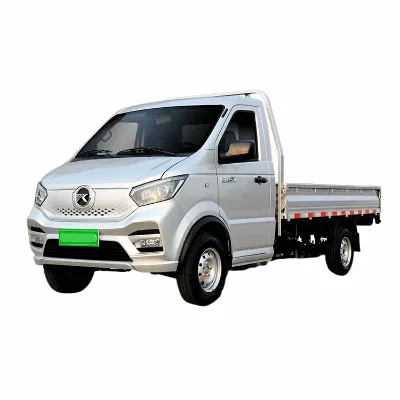
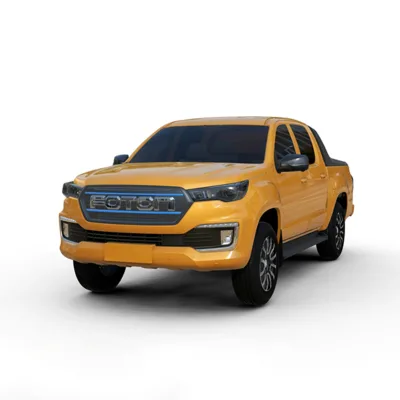
New Electric Truck Chinese 90 Max.speed Km/h Pickup Cargo Electric Pickup Vehicle
$12300.00 - $12700.00
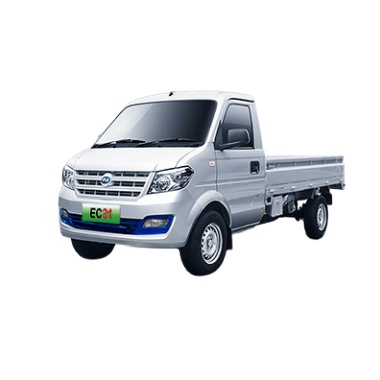
$19883.4453 - $20733.5184
MOQ: 1 sets
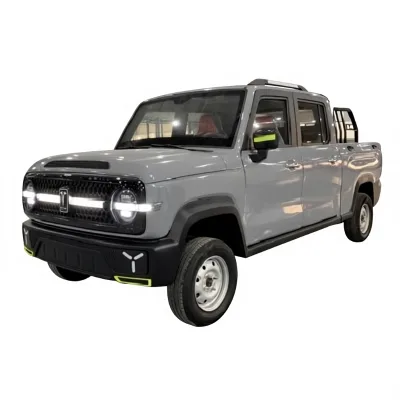
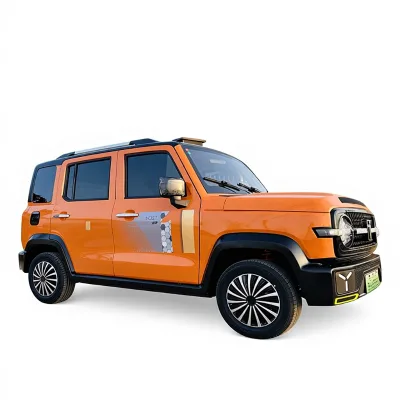
Four-door Four-seat Low-speed Pickup Truck
$3200.00 - $3500.00
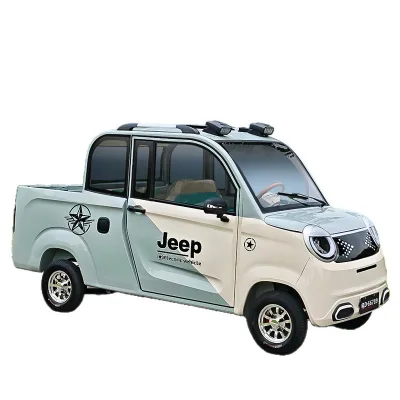
Shandong Dabang Environmental Technology Co., Ltd.
- Verified by SGS Group
- Trading Company
- Lead time7 days
- Avg. response≤ 5h
Main productsElectric Tricycles, Low-speed Electric Four-wheeled Vehicle, Motorized Tricycle, Electric Pickup Trucks
Main marketsSoutheast Asia(25%), Mid East(16%), South America(15%)
Henan Tarzan Heavy Industry Group Co., Ltd.
- Verified by SGS Group
- Manufacturer, Trading Company
- Lead time35 days
- Avg. response≤ 4h
Main productsExcavator, Loader, Bulldozer, Road Roller, Truck Crane
Main marketsAfrica(50%), South America(15%), Mid East(10%)
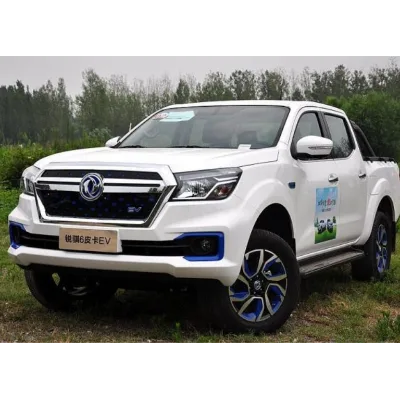
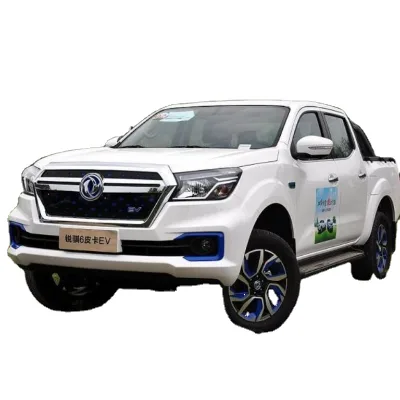
Electric Pickup Truck 2023 New EV Pickup
$12375.00 - $15642.00
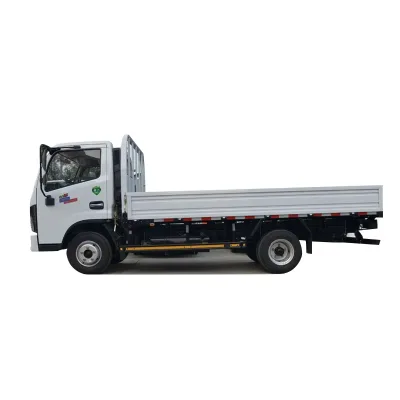
2023 New Energy Cargo Trucks Electric Cargo Trucks Used Truck Lights
$8122.2848 - $8739.1672
MOQ: 1 units
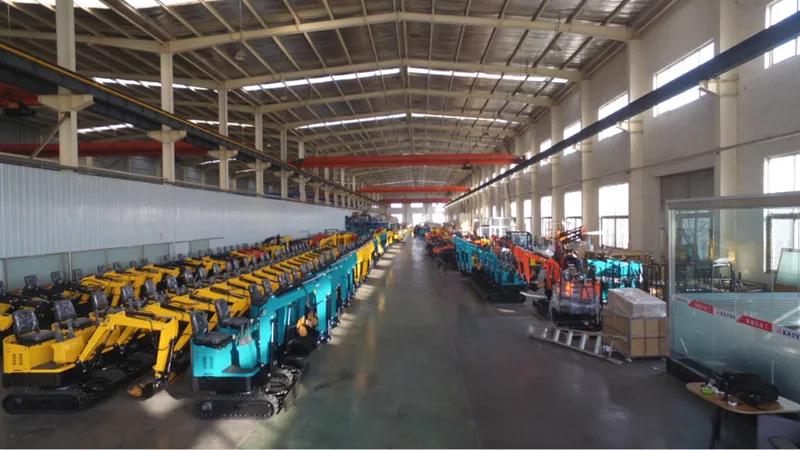
Etoo Machinery (Jining) Co.,Ltd
- Trading Company
- Shandong, China
- Lead time7 days
- Avg. response≤ 4h
Main productsTRICYCLE,loader,mower,mini dumper,foaming machine
Main marketsNorth America(38.00%), Mid East(25.00%), Northern Europe(16.00%), Eastern Europe(8.00%), Southern Europe(8.00%), Eastern Asia(5.00%)
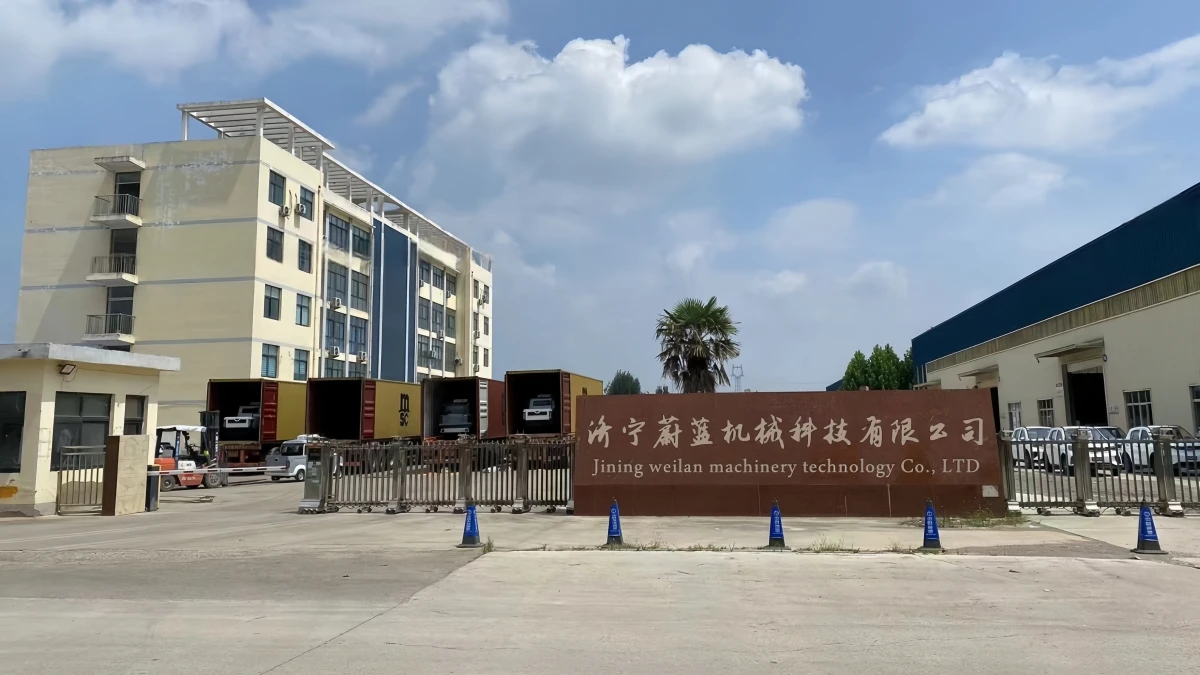
Jining Ulan Machinery Technology Co., Ltd.
- Trading Company
- Shandong, China
- Lead time15 days
- Avg. response≤ 3h
Main productsElectric small car,Electric four-wheel vehicle,Electric tricycle,electric golf cart,Forklift
Main marketsSouth America(30.00%), Southeast Asia(30.00%), Africa(20.00%), North America(20.00%)
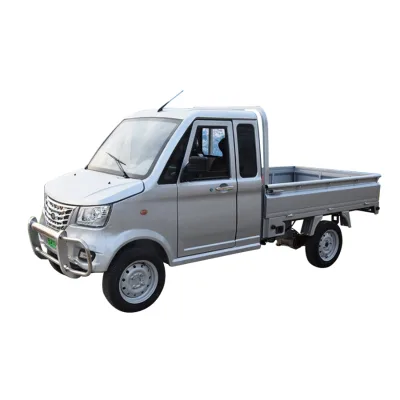
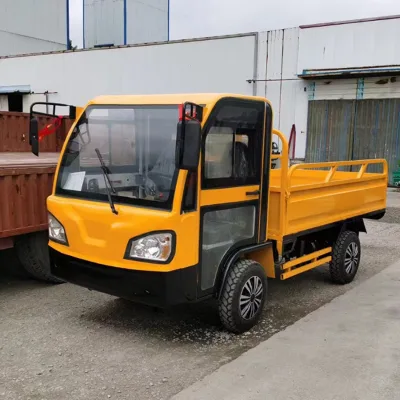
Electric Pickup Pure Electric Logistics Cargo Van City Logistics Vehicle Mini Light Truck
$2878.7845 - $3084.412
MOQ: 3 pieces
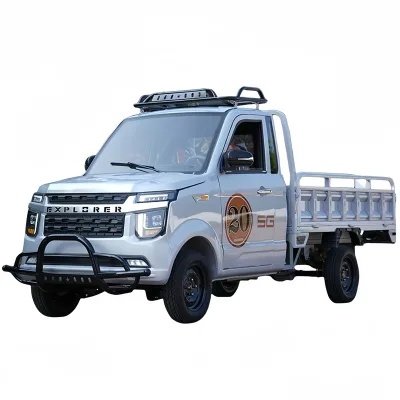
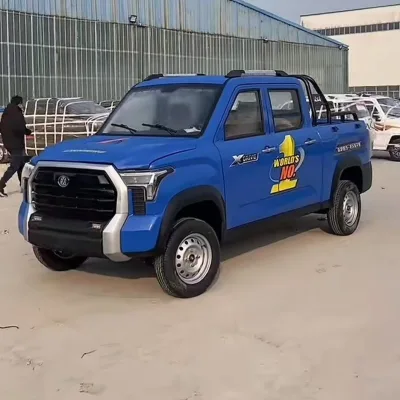
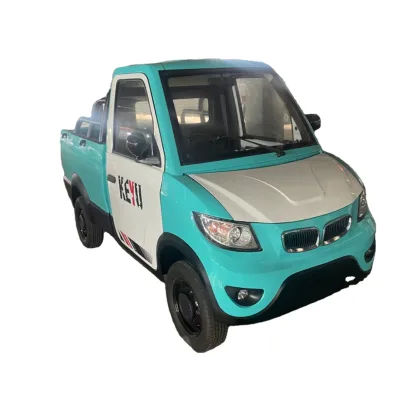
Jinan Runyuan Automobile Sales Co., Ltd.
- Trading Company
- Lead time旺季: "1 - 3":30,"4 - 5":40,"6 - 10":50,"> 10":"To be negotiated", 淡季: "1 - 3":30,"4 - 5":40,"6 - 10":50,"> 10":"To be negotiated"
- Avg. response≤ 1h
Main productsCargo Trucks, Dump Trucks, Refrigerator Trucks, New Energy Vehicle

Bagsfirst Eco Technology (Xiamen) Co., Ltd.
- Verified by SGS
- Manufacturer/Factory
- China Fujian
- Lead time23 days
- Avg. response≤ 2h
Main productsElectric Vehicle, Electric Tricycle, Electric Truck, Electric Pickup, Mini Electric Car, Electric Golf Cart
Main marketsSouth America,Eastern Europe,Mid East,North America,Southeast Asia,Eastern Asia,Oceania,Western Europe,Africa

Shandong Degres Machinery Co.,Ltd
- Trading Company
- Shandong, China
- Lead time3 days
- Avg. response≤ 4h
Main productsCONSTRUCTION MACHINE,foam machine,AGRICULTURAL MACHINE,tools
Main marketsNorth America(23.20%), Western Europe(18.60%), South Asia(12.40%), Northern Europe(9.80%), Domestic Market(8.50%), Southeast Asia(6.60%), Eastern Europe(5.60%), Eastern Asia(5.50%), Mid East(4.00%), Oceania(2.30%), Southern Europe(1.20%), South America(1.20%), Central America(0.90%), Africa(0.20%)
Shandong Yunlong Eco Technologies Co., Ltd.
- Verified by TüVRheinland
- Trading Company
- Lead time30 days
Main productsThree Wheel Electric Cabin Car, Four Wheel Electric Cabin Car, Electric Pickup Truck Car, Electric Pickup Cargo Car, New Energy Vehicles
Main marketsWestern Europe(55%), Eastern Europe(30%), Southeast Asia(10%)
Anhui Yoto Electric Technology Co., Ltd.
- Trading Company
- Anhui, China
- Lead time30 days
- Avg. response≤ 2h
Main productselectric passenger tricycles,electric pickups,cargo vehicles,mini buses,leisure electric tricycles
Main marketsDomestic Market(60.00%), Southeast Asia(10.00%), Africa(10.00%), Northern Europe(8.00%), South America(5.00%), Eastern Europe(4.00%), Mid East(3.00%)

Guizhou Zhonghui Heavy Industry Co., Ltd.
- Verified by SGS
- Combined
- China Guizhou
- Lead time23 days
- Avg. response≤ 5h
Main marketsDomestic

Shandong Bus New Energy Vehicle Co., Ltd.
- Manufacturer, Trading Company
- Shandong, China
- Lead time30 days
- Avg. response≤ 8h
Main productsMotorbike,Electrocar,Parts for new energy vehicle,New Energy Vehicle
Main marketsDomestic Market(80.00%), South Asia(5.00%), Africa(5.00%), Southeast Asia(4.00%), South America(2.00%), North America(1.00%), Eastern Europe(1.00%), Eastern Asia(1.00%), Mid East(1.00%)
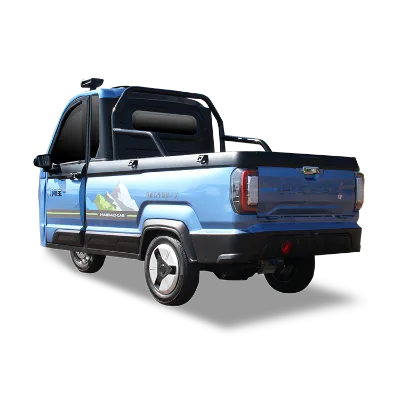
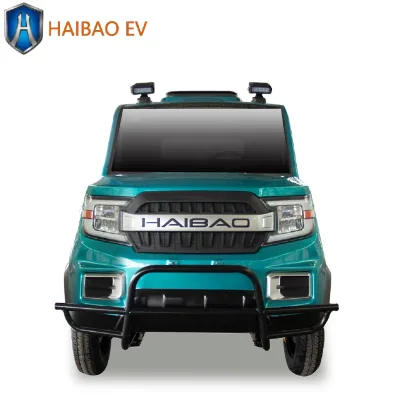
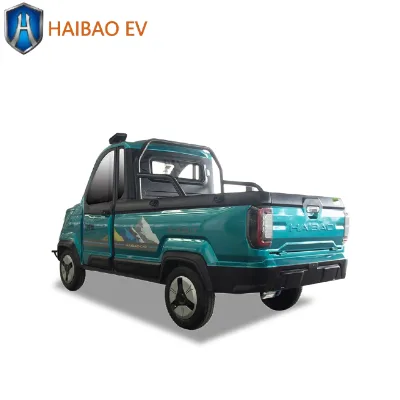
Low Speed Electric 4-Wheel Pickup Truck | 35km/h Top Speed | 120km Range |
$2370.1191 - $2380.3789
MOQ: 4 units
Esun International Trade Co., Ltd.
- Verified by SGS Group
- Trading Company
- Lead time15 days
- Avg. response≤ 2h
Main productsElectric Tricycles, Electric Vehicles, Electric Mini Car, Electric Pickup/Trucks, Electric Golf Cart
Main marketsSouth America(35%), North America(20%), Africa(20%)
Suzhou Gold Partner Technology Co., Ltd.
- Verified by SGS Group
- Trading Company
- Lead time30 days
- Avg. response≤ 4h
Main productsLED Headlights, Led Lens, Led Working Light, Led Truck Light, Led MINI BULB
Main marketsSouth America(50%), North America(20%), Eastern Europe(5%)
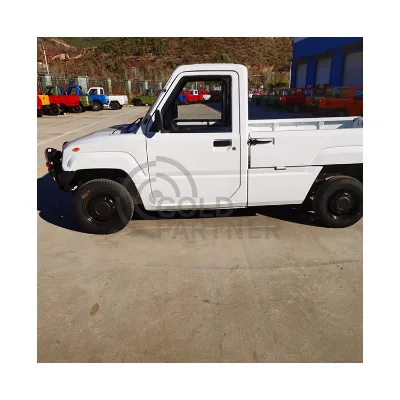
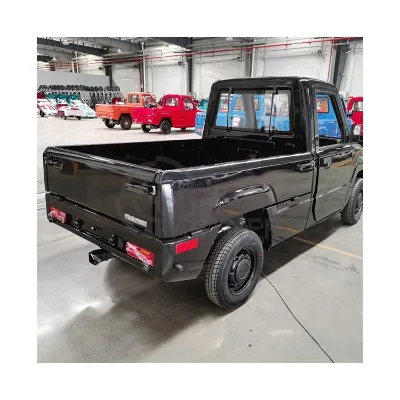
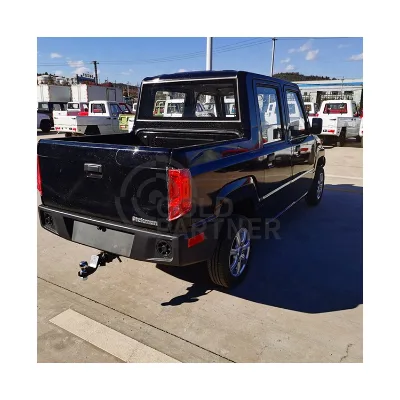
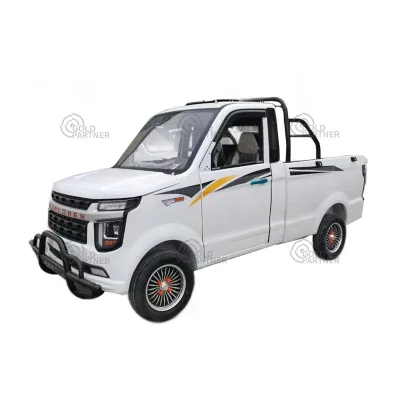
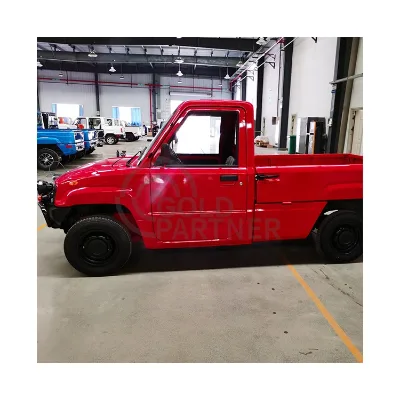
Low Speed Left Hand Drive LHD Longer Range Fast Speed Electric Cars Pickup
$2420.00 - $2915.00
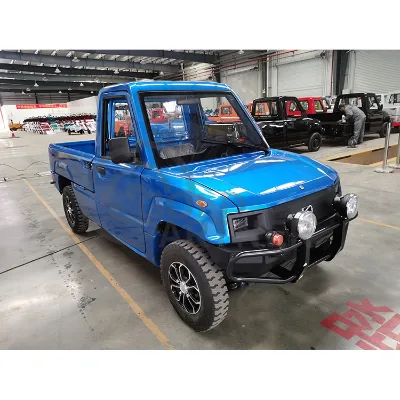
Xiamen Runeco Technology Co., Ltd.
- Manufacturer, Trading Company
- Fujian, China
- Lead time15 days
- Avg. response≤ 7h
Main productscitycoco,e roller,electric motorbike,e chopper,electric scooter
Main marketsSouthern Europe(25.00%), Western Europe(15.00%), North America(15.00%), Northern Europe(15.00%), South America(10.00%), Eastern Europe(8.00%), Africa(3.00%), Central America(3.00%), Southeast Asia(2.00%), South Asia(1.00%), Oceania(1.00%), Eastern Asia(1.00%), Mid East(1.00%)

Chongqing Lehman Automobile Service Co., Ltd.
- Verified by SGS
- Trading Company
- China Chongqing
- Lead time30 days
- Avg. response≤ 3h
Main productsAutomobile, Bus, Van, Pickup, Truck, Truck Crane
Main marketsOthers(foreignTradeCapacity.exportBusinessCapacityMarketOther)

500kg Electric Energy Pickup Transport Small General Cargo Truck with Factory Price
$5550.00 - $6320.00
MOQ: 1 Pieces

4× 2 New Small Transport Cargo Car Electric Pickup Truck with Good Price
$5550.00 - $6320.00
MOQ: 1 Pieces
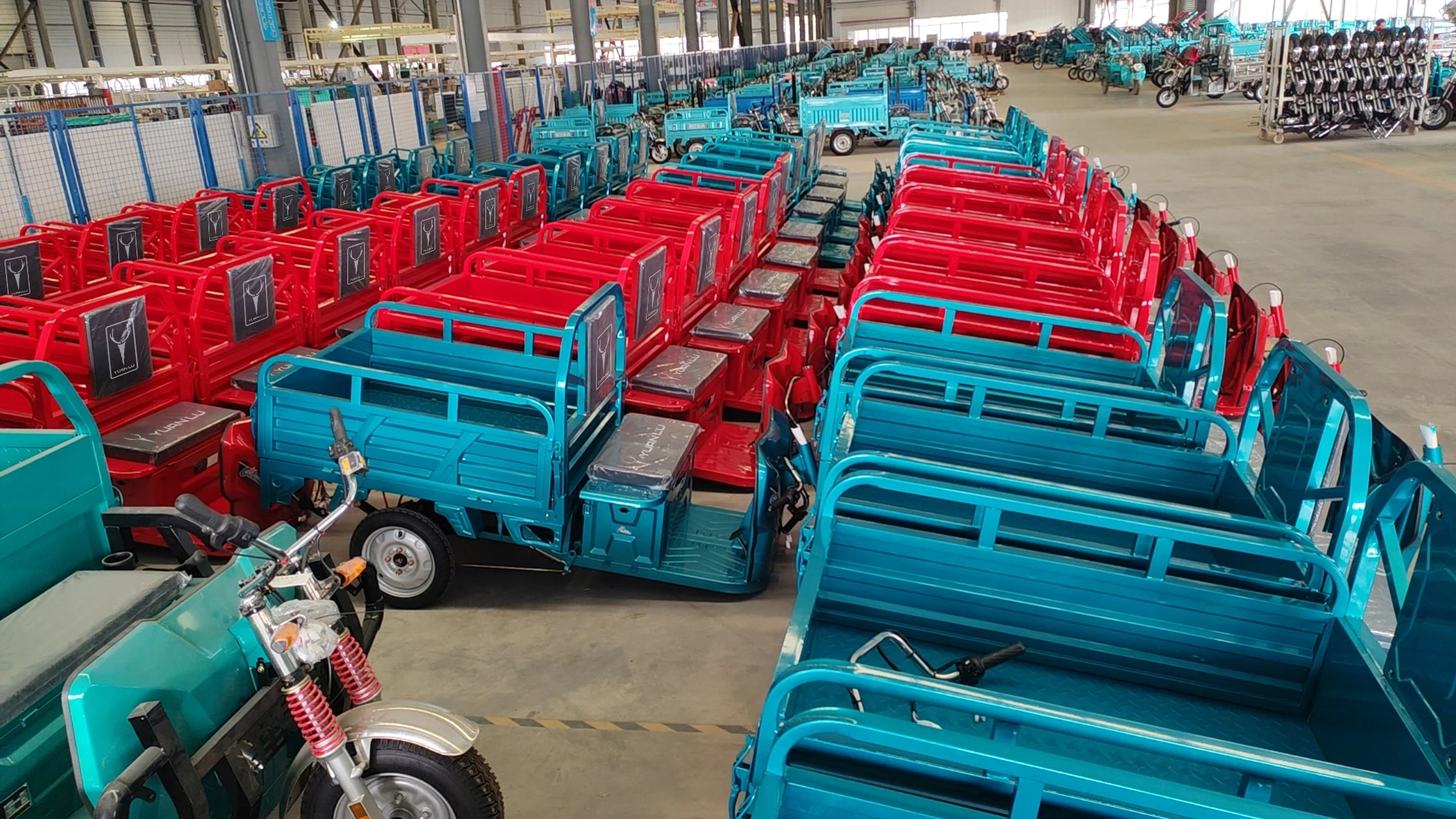
Chongqing Jinjian Global Trading Co., Ltd.
- Trading Company
- Chongqing, China
- Lead time30 days
- Avg. response≤ 5h
Main productsElectric Motorcycles / Three-wheeled Motorcycles,Electric Scooters,Electric Tricycles,Gasoline/Fuel Motorcycles,Automobile
Main marketsOceania(10.00%), Africa(10.00%), South America(10.00%), Southern Europe(10.00%), Northern Europe(10.00%), Central America(10.00%), Domestic Market(8.00%), Western Europe(7.00%), Southeast Asia(5.00%), Mid East(5.00%), Eastern Asia(5.00%), North America(5.00%), Eastern Europe(3.00%), South Asia(2.00%)
Xiamen 3plus Technology Co., Ltd.
- Verified by Intertek
- Manufacturer, Trading Company
- Lead time15 days
- Avg. response≤ 6h
Main productsElectric Scooter, Citycoco, Electric Cargo Tricycle, Electric Bike
Main marketsSouthern Europe(25%), South America(20%), North America(15%)

Wuxi Xushi Thunder International Trade Co., Ltd.
- Verified by TUVRHEINLAND
- Manufacturer/Factory
- China Jiangsu
- Lead time23 days
- Avg. response≤ 19h
Main productsE Bike, Electric Motorcycle, Electric Tricycle., Electric Scooter, Electric Car
Main marketsSouth America,Eastern Europe,Mid East,North America,Southeast Asia,Eastern Asia,Oceania,Western Europe,Africa


Electric Cargo Truck Cargo Pick up, Mini Pick up, Mini Car, Electric Pick up
$500.00 - $1380.00
MOQ: 1 Pieces

Guangxi Nanning Huibang International Trading Company Ltd
- Trading Company
- Guangxi, China
- Lead time30 days
- Avg. response≤ 4h
Main productsFIRE EXTINGUISHR,FIRE CABINET,HOSE REEL,VALVE,COUPLING
Main marketsAfrica(50.00%), South America(20.00%), Eastern Asia(10.00%), Mid East(10.00%), Southeast Asia(10.00%)


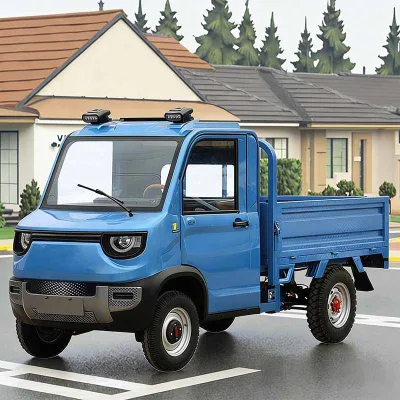








Comprehensive Sourcing Guide
Cargo Transportation Electric Pickup Truck Supplier Concentration and Factory Types
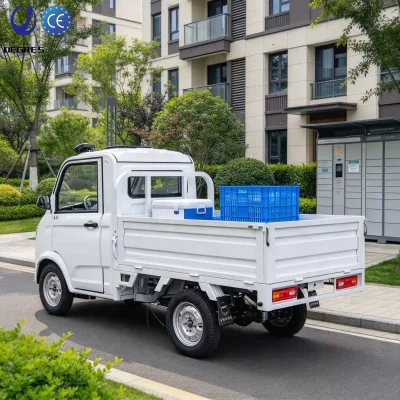
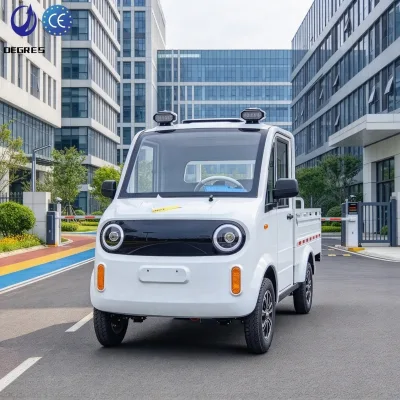
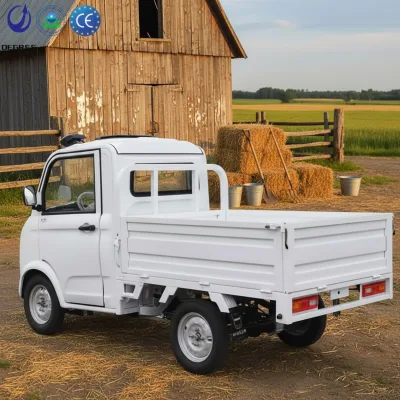
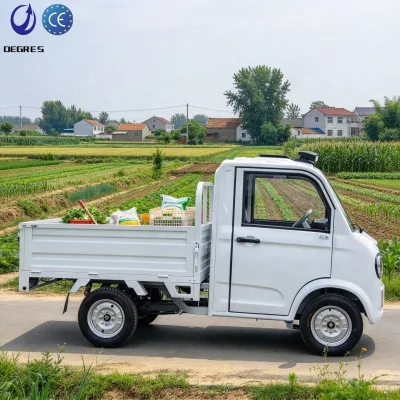
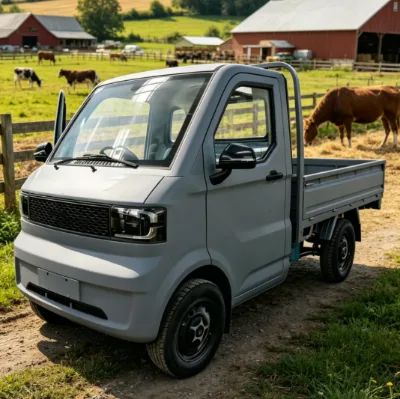
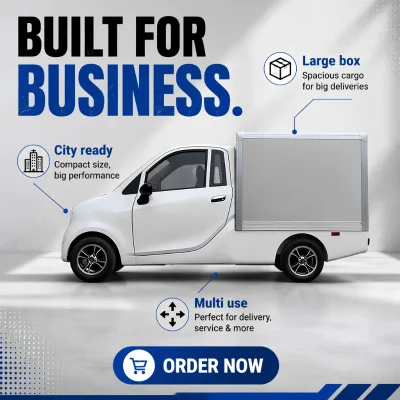
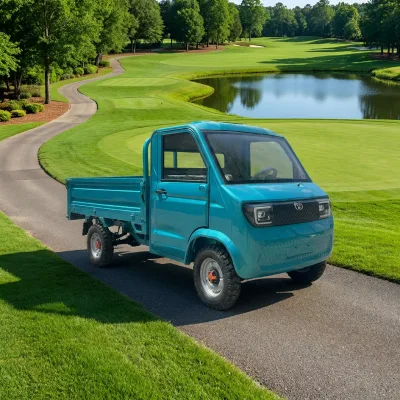
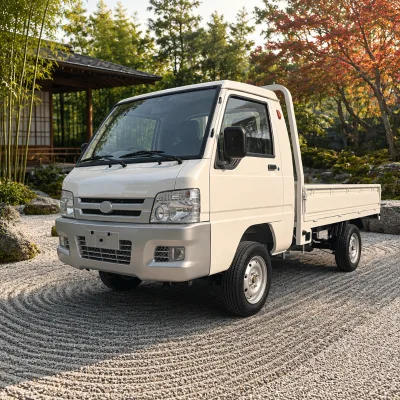
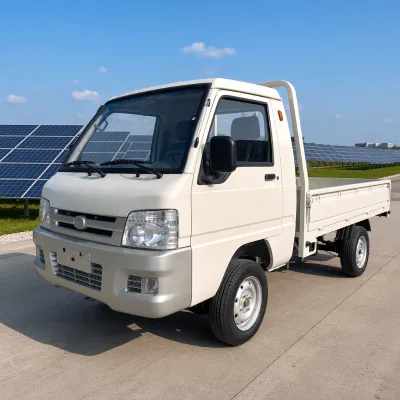
The current supplier landscape for cargo transportation electric pickup trucks reveals a distinct geographic concentration in China, specifically within the provinces of Anhui and Guangdong. These regions serve as primary manufacturing hubs for this specialized vehicle category, offering buyers access to established industrial ecosystems. Suppliers located in these areas typically operate as manufacturers, factories, or group corporations, indicating a direct link to production facilities rather than purely trading entities. This structural advantage often translates to greater control over the manufacturing process, allowing for more consistent quality assurance and potentially more flexible customization options for bulk orders. The presence of these specific location facts provides a reliable baseline for identifying suppliers with genuine production capabilities, helping buyers filter out intermediaries who may lack direct oversight of the assembly line.
Company types in this sector vary between dedicated manufacturers and combined entities that may integrate trading services with production. Many suppliers list their main products to include electric golf cars, scooters, rickshaws, and mobility scooters alongside the core cargo pickup trucks, suggesting a diversified manufacturing capability. This diversification can be beneficial, as it indicates that the factory has the infrastructure to handle various electric vehicle components and assembly processes. Some suppliers also highlight their capacity for OEM and ODM services, along with maintaining their own brands, which demonstrates a mature operational model capable of adapting to specific buyer requirements. Understanding these factory types allows buyers to assess whether a supplier is better suited for private labeling or for sourcing standard models with minor modifications, ensuring alignment with their specific business needs and market positioning strategies.
How to Verify Cargo Transportation Electric Pickup Truck Suppliers
Verifying the legitimacy and capability of suppliers requires a close examination of their certification records and verification badges. Several suppliers in the current results display system certifications such as ISO 14001, ISO 9001, and ISO 14000, which are critical indicators of standardized quality management and environmental responsibility. Additionally, product-specific certifications like CE, DOT, and ISO are frequently listed, signaling compliance with international safety and performance standards. Buyers should prioritize suppliers who explicitly display these credentials, as they provide evidence of rigorous internal testing and adherence to regulatory frameworks. The presence of verification badges from recognized third-party entities, such as TÜV Rheinland, further strengthens the credibility of a supplier, offering an additional layer of assurance regarding their business practices and product quality.
Beyond certifications, buyers must scrutinize the specific product attributes and technical specifications provided in the supplier listings. Detailed information such as battery voltage, range, braking distance, and load capacity offers tangible evidence of the supplier’s technical competence. For instance, some suppliers list battery voltages of 48V, 60V, or 72V, with corresponding ranges and speeds that vary by model. Buyers should cross-reference these technical details with their own operational requirements to ensure compatibility. Furthermore, checking the response time of suppliers can provide insight into their customer service efficiency, with some suppliers demonstrating rapid response capabilities. This diligence in verification helps mitigate the risk of engaging with suppliers who may lack the necessary technical expertise or regulatory compliance, ensuring that the chosen partner can reliably deliver high-quality cargo transportation electric pickup trucks.
What to Compare Across Cargo Transportation Electric Pickup Truck Suppliers
When evaluating multiple suppliers, comparing key operational metrics such as lead time, minimum order quantity (MOQ), and pricing is essential for effective sourcing. Lead times in the current results vary, with some suppliers indicating a production period of around 23 to 30 days. Buyers should align these timelines with their inventory planning to avoid stockouts or excessive holding costs. Similarly, MOQs differ significantly, ranging from as low as one unit to ten or more, depending on the supplier and product model. This variation allows buyers with smaller initial orders to test the market with lower risk, while those seeking bulk discounts can negotiate based on higher volumes. Understanding these operational differences helps buyers select suppliers that match their scale and logistical capabilities, ensuring a smoother procurement process.
Pricing and customization options are also critical factors in supplier comparison. The price range for cargo transportation electric pickup trucks in the current results spans from approximately $1,380 to $7,400, reflecting differences in specifications, battery capacity, and build quality. Buyers should analyze these price points in conjunction with the provided technical specifications, such as horsepower, drive wheel configuration, and carriage size, to determine the best value proposition. Additionally, the availability of customization services, such as OEM branding or specific design modifications, should be assessed. Suppliers that offer flexible customization options can provide a competitive advantage by allowing buyers to tailor products to their brand identity. By systematically comparing these dimensions, buyers can make informed decisions that balance cost, quality, and operational flexibility.
Common Cargo Transportation Electric Pickup Truck Sourcing Risks
One significant risk in sourcing cargo transportation electric pickup trucks is the potential mismatch between advertised specifications and actual product performance. Buyers must be cautious of suppliers who provide vague or incomplete technical details, as this can lead to discrepancies in battery range, load capacity, or durability. For example, while some suppliers list specific battery voltages and ranges, others may omit critical information, making it difficult to assess the vehicle’s suitability for specific tasks. This lack of transparency can result in unexpected operational challenges, such as insufficient range for daily deliveries or inadequate load-bearing capacity. To mitigate this risk, buyers should request detailed product datasheets and conduct thorough due diligence on the technical claims made by suppliers, ensuring that all specifications are clearly documented and verifiable.
Another risk involves the variability in supplier response times and after-sales support capabilities. While some suppliers demonstrate rapid response times, others may have slower communication channels, which can delay critical decision-making and order processing. This inconsistency can impact the overall sourcing experience, particularly when addressing technical queries or resolving post-delivery issues. Buyers should prioritize suppliers with proven track records of responsive customer service and clear communication protocols. Additionally, the absence of comprehensive warranty or maintenance support information in some listings can pose a long-term risk, as buyers may face difficulties in obtaining spare parts or technical assistance. By identifying and addressing these risks early in the sourcing process, buyers can establish more reliable partnerships and reduce the likelihood of operational disruptions.
Cargo Transportation Electric Pickup Truck Regional Sourcing and Logistics
Sourcing from specific regions like China’s Anhui and Guangdong provinces offers logistical advantages due to their established manufacturing clusters and export infrastructure. These regions are well-connected to major shipping ports, facilitating efficient international transportation of heavy vehicles like cargo pickup trucks. Buyers should consider the implications of regional sourcing on shipping costs and transit times, as proximity to ports can reduce handling fees and accelerate delivery schedules. Additionally, the concentration of suppliers in these areas often leads to competitive pricing and a wider selection of models, as factories benefit from shared supply chains and specialized labor pools. Understanding the logistical landscape of these regions helps buyers optimize their supply chain, ensuring timely delivery and cost-effective transportation of their orders.
However, buyers must also account for the complexities of international logistics, including customs clearance and import regulations. Different countries have varying requirements for electric vehicles, particularly concerning battery safety and emissions standards. Buyers should verify that their chosen suppliers are familiar with the regulatory requirements of their destination market, ensuring that products are properly certified and documented for smooth customs clearance. Additionally, the packaging methods used by suppliers, such as iron frame packing or export-standard crating, play a crucial role in protecting vehicles during transit. Buyers should inquire about these packaging details to minimize the risk of damage during shipping. By carefully planning the logistics and regulatory aspects of regional sourcing, buyers can ensure a seamless import process and maintain the integrity of their cargo transportation electric pickup trucks.
Cargo Transportation Electric Pickup Truck Commercial Terms and Order Planning
Effective order planning requires a thorough understanding of the commercial terms offered by suppliers, including payment structures, warranty policies, and delivery conditions. Buyers should negotiate clear terms that outline the responsibilities of both parties, ensuring that any potential disputes are resolved efficiently. The availability of escrow services can provide an additional layer of security, protecting buyers’ payments until the goods are received and verified. Additionally, buyers should clarify the warranty period and coverage details, as this impacts the long-term cost of ownership and maintenance. By establishing robust commercial terms, buyers can mitigate financial risks and ensure a fair and transparent transaction process, fostering a trustworthy relationship with their suppliers.
Furthermore, buyers must align their order planning with the supplier’s production capacity and lead times to avoid delays. Coordinating with suppliers to schedule production runs based on demand forecasts can help maintain a steady supply of cargo transportation electric pickup trucks. Buyers should also consider the scalability of their orders, assessing whether suppliers can accommodate increased volumes during peak seasons. This proactive approach to order planning ensures that buyers can meet market demand without compromising on quality or delivery timelines. By integrating commercial terms and order planning into their sourcing strategy, buyers can optimize their supply chain efficiency, reduce operational costs, and enhance their competitive position in the market.
FAQs
What is the price range for electric cargo pickup trucks?
Prices typically range from $1,380 to $7,400 per unit. Costs vary based on battery voltage, load capacity, and customization options. Buyers should verify specific quotes for models with enclosed cabins or higher voltage systems to ensure accurate budgeting for their fleet needs.
What is the minimum order quantity for these vehicles?
Minimum order quantities generally range from 1 to 10 units. Some suppliers accept single-unit orders for testing, while others require small batches. Buyers should confirm the specific MOQ with the manufacturer to align with their initial procurement strategy and inventory requirements.
How long does production and delivery take?
Lead times typically range from 23 to 30 days. This duration covers manufacturing, quality checks, and export preparation. Buyers should account for shipping time separately and confirm exact schedules with the supplier to ensure timely arrival for their operational requirements.
What certifications do these electric trucks hold?
Common certifications include CE, DOT, and ISO standards. Manufacturers often hold ISO 9001 and ISO 14001 for quality and environmental management. Buyers should verify specific certification documents for their target market to ensure compliance with local regulations and safety standards.
Where are these electric trucks manufactured?
Manufacturing locations include Anhui and Guangdong provinces in China. These regions host specialized factories producing electric utility vehicles. Buyers should verify the exact factory location to assess logistics costs and supply chain reliability for their specific procurement needs.
What battery options are available for these trucks?
Battery voltages typically include 48V, 60V, and 72V systems. Higher voltage options often support greater range and load capacity. Buyers should select the voltage based on their daily operational distance and payload requirements to optimize performance and efficiency.