China Mainland LED Light Suppliers and Manufacturers
Explore 28 verified suppliers offering China Mainland LED Light products with varying certifications like FCC, CE, and RoHS. Compare response times, lead times, and MOQs to find the right partner for your needs and request samples today; review the available evidence before requesting comparable quotations from suitable candidates.
Updated
Suppliers List
Shenzhen Kingsway Technology Co., Ltd.
- Verified by SGS Group
- Trading Company
- Lead time0 days
- Avg. response≤ 4h
Main productsAndroid TV Box, Mini Projector, TV Dongle, Mini Keyboard, Wireless WiFi Media Share Devices
Main marketsNorth America(35%), Western Europe(27%), South America(10%)

Qingdao Sunshine New Energy Co., Ltd.
- Verified by TUVRHEINLAND
- Combined
- China Shandong
- Lead time30 days
- Avg. response≤ 3h
Main productsSolar Lamp, Solar Lantern, Solar System, Solar Light, Solar Street Light, Solar Lawn Lamp
Main marketsAfrica,Southeast Asia/ Mideast,North America
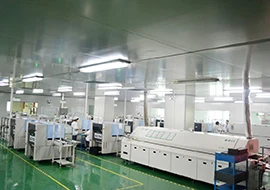
Shenzhen Euleep Technology Co., Limited
- Manufacturer
- Guangdong, China
- Lead time10 days
- Avg. response≤ 2h
Main productsled linear light,led chandeliar light,led pandent light,led ceiling light,led tube light
Main marketsCentral America(20.00%), Oceania(15.00%), Northern Europe(15.00%), Eastern Europe(10.00%), Western Europe(10.00%), South Asia(5.00%), Southern Europe(5.00%), South America(5.00%), North America(5.00%), Southeast Asia(5.00%), Eastern Asia(5.00%)

Jiangmen City Feidong Lighting Co., LTD
- Combined
- China Guangdong
- Lead time30 days
- Avg. response≤ 15h
Main productsLED Flood Light, LED Panel Light, LED Street Light, LED High Bay Light, Solar LED Flood Light, Solar LED Street Light, LED Downlight, Garden Light
Main marketsSouth America,Africa,Southeast Asia/ Mideast,Europe

Peony Lighting Technology Co., Ltd.
- Verified by BV
- Manufacturer/Factory
- China Guangdong
- Lead time15 days
- Avg. response≤ 4h
Main productsLED High Bay Light, LED Street Lighyt, LED Flood Light, LED Gas Station Light, LED Track Light, LED Down Light, LED Tri-Proof Light, LED Linear Light, LED Stadium Sports Light
Main marketsSouth America,Mid East,North America,Southeast Asia,Eastern Asia,Oceania,Western Europe,Africa

Shenzhen XinYingxin Electronics Technology Co., Ltd.
- Trading Company,Manufacturer/Factory
- China Guangdong
- Lead time38 days
- Avg. response≤ 9h
Main productsElectric Fireplace APP Control Board, Fireplace&Appliance Customizing Control Board, Intelligent Home System Products, Modern Electric Fireplace, Fireplace Electronics Accessories, Wood Plastic Composite Flooring, Electric Fireplace
Main marketsSouth America,Eastern Europe,Mid East,North America,Southeast Asia,Eastern Asia,Oceania,Western Europe,Africa

Yixing Sea Fountain Equipment Co., Ltd.
- Verified by SGS
- Combined
- China Jiangsu
- Lead time30 days
- Avg. response≤ 8h
Main productsFountain
Main marketsAfrica,Others(foreignTradeCapacity.exportBusinessCapacityMarketOther),Southeast Asia/ Mideast,East Asia(Japan/ South Korea),Domestic,Europe
Ningbo Anpu Lighting Co., Ltd.
- Verified by SGS Group
- Manufacturer, Trading Company
- Lead time7 days
- Avg. response≤ 7h
Main productsGiant Christmas Tree, Motif Light, Pixel RGB LED Light, Christmas Decorative Light, Walk Through Arch & Tunnel Light
Main marketsNorth America(30%), Domestic Market(18%), Mid East(15%)

Ningbo Stellar Technology Co., Ltd.
- Verified by BV
- Manufacturer
- China Zhejiang
- Lead time15 days
- Avg. response≤ 17h
Main productsLED Street Light, Street Lamp, Flood Light, Project Light, Garden Lamp, Wall Washer Light, Outdoor Light, LED Packaging Products

Shanghai Leipold Electric Co., Ltd.
- Verified by BV
- Trading Company,Manufacturer/Factory
- China Shanghai
- Lead time45 days
- Avg. response≤ 3h
Main productsAxial Fans, Fan Filters, Thermostat, Electric Heater, Control Transformers, Terminal Blocks, Cable Entry Plate, Cable Glands, Power Distribution Blocks, Busbar Terminal
Main marketsSouth America,Eastern Europe,North America,Southeast Asia,Eastern Asia,Oceania,Western Europe,Africa

Yangzhou Dingxin Photoelectric Technology Co., Ltd.
- Trading Company,Manufacturer/Factory
- China Jiangsu
- Lead time15 days
- Avg. response≤ 3h
Main productsSolar Lamp, Solar Street Light, LED and Sodium Street Lights, Lighting Pole/Tower, High Mast Lighting, Lamp Post, LED Lights, LED Lighting Fixture, Traffic Light Signal Pole, Solar Home System/Solar Kit
Main marketsSouth America,Eastern Europe,Mid East,North America,Southeast Asia,Eastern Asia,Oceania,Western Europe,Africa

Yangzhou Jieyao Lighting Equipment Co., Ltd
- Verified by SGS
- Combined
- China Jiangsu
- Lead time15 days
- Avg. response≤ 1h
Main marketsAfrica,Southeast Asia/ Mideast,Europe,North America

Cixi Yuanhui Lighting Electric Co., Ltd.
- Verified by SGS
- Combined
- China Zhejiang
- Lead time30 days
- Avg. response≤ 21h
Main productsTri-Proof Light, Waterproof Light, LED Bulkhead, IP65 LED Triproof Light, IP65 Waterproof Fluorescent Light, LED Waterproof Light, IP65 Industrial Light, Non-Corrossive Light, LED Tri-Proof Light, LED Ceiling Lamp
Main marketsAfrica,Southeast Asia/ Mideast,Europe,Australia,North America
Shenzhen Evolite Lighting Limited
- Manufacturer
- Guangdong, China
- Lead time15 days
- Avg. response≤ 2h
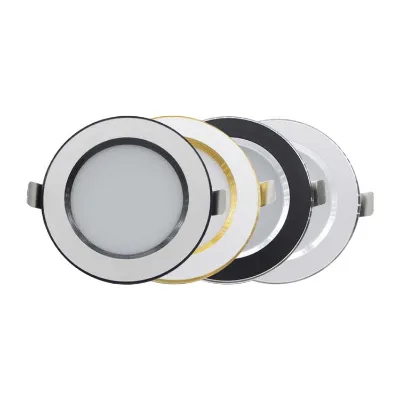
Main productsLED down light,LED MR16 module,LED track light,LED ground light,LED spot light
Main marketsSouth Asia(20.00%), South America(10.00%), Southern Europe(10.00%), Northern Europe(10.00%), Western Europe(10.00%), Eastern Asia(10.00%), Mid East(10.00%), Southeast Asia(10.00%), Eastern Europe(10.00%)
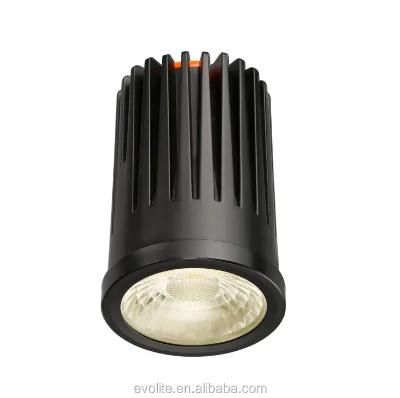
$7.00 - $8.00
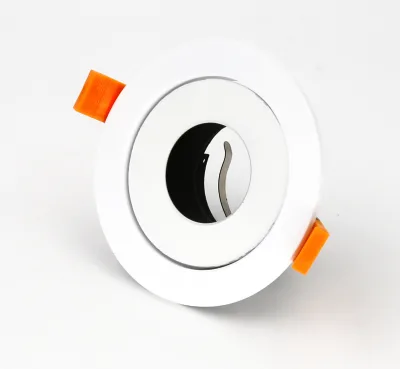

Ningbo Haishu Kaiau Electronics Co., Ltd.
- Trading Company,Manufacturer/Factory
- China Zhejiang
- Lead time23 days
- Avg. response≤ 17h
Main productsPIR Sensor, Microwave Sensor, Photocell Sensor, LED Sensor Ceiling Light, LED Sensor Flood Light, LED Sensor Night Light, Solar LED Security Light, Sensor Lamp Holder, Remote Control Socket, LED Solar Light
Main marketsSouth America,Eastern Europe,Mid East,North America,Southeast Asia,Eastern Asia,Oceania,Western Europe,Africa
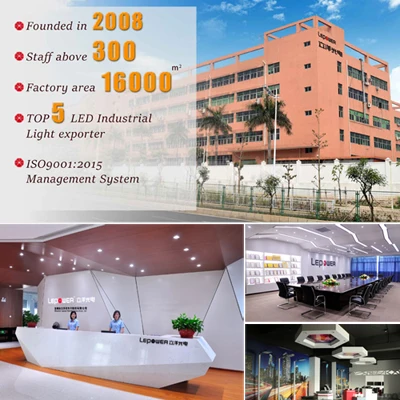
Shenzhen Lepower Opto Electronics Corp., Ltd
- Manufacturer, Trading Company
- Guangdong, China
- Lead time7 days
- Avg. response≤ 2h
Main productsLED Street Light, LED Flood Light, LED Module
Main marketsSouth America(30.00%), Domestic Market(13.00%), North America(10.00%), Western Europe(10.00%), Southern Europe(8.00%), Southeast Asia(5.00%), Eastern Europe(5.00%), Northern Europe(5.00%), South Asia(3.00%), Africa(3.00%), Central America(2.00%), Eastern Asia(2.00%), Mid East(2.00%), Oceania(2.00%)

Jiangmen Gepsen Lighting Electric Co., Ltd.
- Combined
- China Guangdong
- Lead time30 days
- Avg. response≤ 2h
Main productsLED Bulb, LED Panel Lamp, LED Strip Light, LED Tube, LED Flood Lamp, LED Ceiling Light, LED Filament /Candle Light, LED Down Light, Energy Saving Light
Main marketsSouth America,Africa,Southeast Asia/ Mideast

Guangzhou Zhengji Lighting&electronic Tech Co., Ltd.
- Manufacturer, Trading Company
- Guangdong, China
- Lead time20 days
- Avg. response≤ 5h
Main productsLighting Lifter,High Bay Lighting,Flood Lights,street lights,LED Bulb
Main marketsWestern Europe(11.11%), Eastern Asia(11.11%), Mid East(11.11%), Oceania(11.11%), Southeast Asia(11.11%), Eastern Europe(11.11%), South America(11.11%), North America(11.11%)
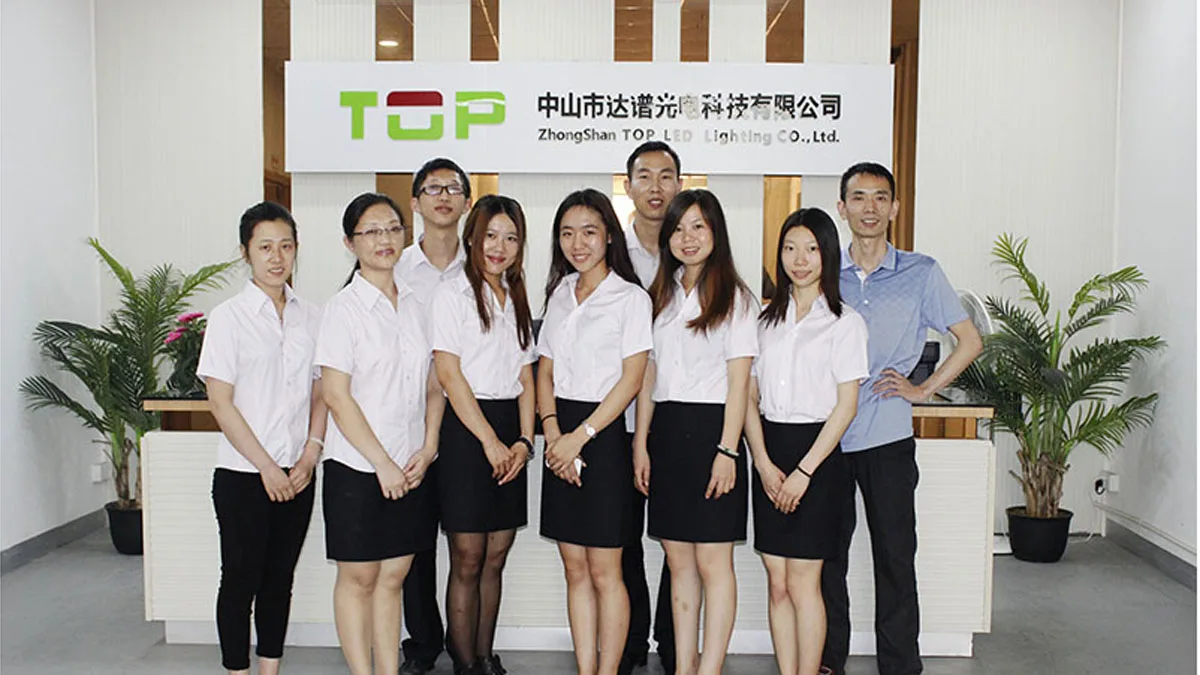
Zhongshan Top Optoelectronics Technology Co., Ltd,
- Manufacturer
- Guangdong, China
- Lead time15 days
- Avg. response≤ 7h
Main productsstadium light,street light,flood light,high bay light,driver
Main marketsDomestic Market(40.00%), South America(35.00%), Southeast Asia(15.00%), Southern Europe(5.00%), Eastern Europe(2.00%), North America(2.00%), Western Europe(1.00%)
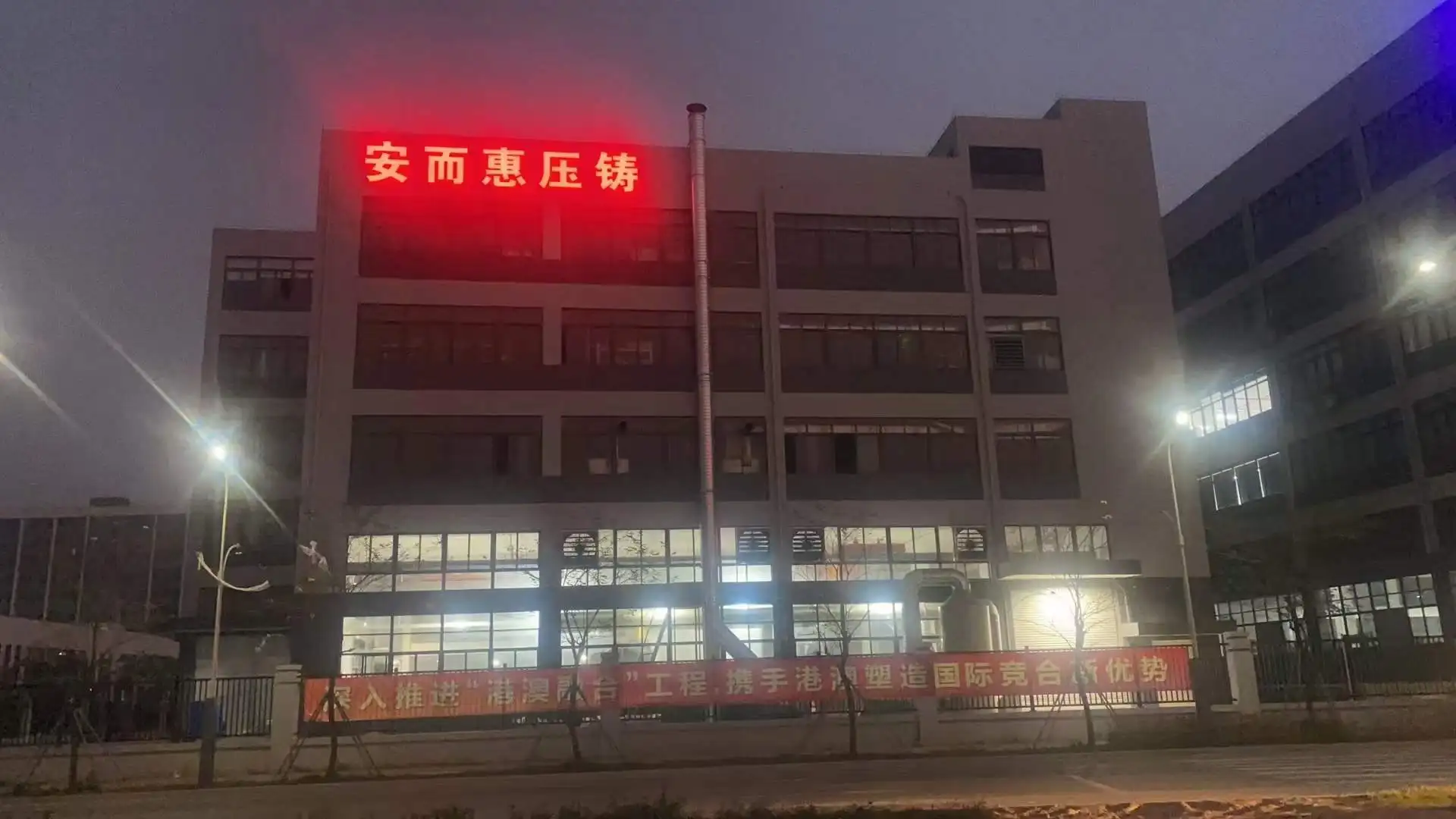
Jiangmen Anerhui Lighting Technology Co., Ltd.
- Manufacturer
- Guangdong, China
- Lead time30 days
- Avg. response≤ 2h
Main productsLED Light Housing,LED high bay light shell,LED light kit,LED canopy light,LED street light housing
Main marketsDomestic Market(40.00%), North America(30.00%), Western Europe(20.00%), Eastern Europe(10.00%)

K-Lite (Shanghai) Industrial Co., Ltd.
- Verified by TUVRHEINLAND
- Trading Company
- China Shanghai
- Lead time30 days
- Avg. response≤ 12h
Main productsReflector, Motorcycle LED Lamps, Road Markers, Vehicle Lamps, Trailer LED Lamps, Pedestrian Reflector, Light Guide Strip, Road Stud, Auto Parts, Headlamp
Main marketsSoutheast Asia/ Mideast,East Asia(Japan/ South Korea)

Xinjiang Likang Xiangyun Biotechnology Co.,Ltd.
- Verified by SGS
- Combined
- China Xinjiang
- Lead time30 days
- Avg. response≤ 10h
Main productsMedical Instrument, Hearing Aids, ECG Machine, Blood Pressure Moitor, Glucometer, Medical Consumables, Nebulizer, Wound Dressing, Infusion Pump
Main marketsDomestic
- Manufacturer, Trading Company
- Hong Kong S.A.R.
- Lead time30 days
- Avg. response≤ 2h
Main productsEmergency Light Emergency,Exit Sign light,Emergency Power Supply,Home Light,camping light
Main marketsSoutheast Asia(30.00%), Domestic Market(20.00%), South America(20.00%), Mid East(10.00%), Eastern Europe(5.00%), Southern Europe(5.00%), Africa(3.00%), North America(3.00%), Oceania(2.00%), Central America(2.00%)
Zhongshan Haofeng Lighting Decoration Factory
- Manufacturer, Trading Company
- Guangdong, China
- Lead time15 days
- Avg. response≤ 5h
Main productsLinear Light,surface downlights,spotlights,Track spotlights,Office panel lights
Main marketsDomestic Market(50.00%), Southeast Asia(10.00%), North America(10.00%), Western Europe(8.00%), Southern Europe(3.00%), Africa(3.00%), Eastern Asia(3.00%), South Asia(2.00%), Mid East(2.00%), Eastern Europe(2.00%), Northern Europe(2.00%), Central America(2.00%), South America(2.00%), Oceania(1.00%)

Zhongshan Zenlea Lighting Technology Co., Ltd
- Verified by BV
- Combined
- China Guangdong
- Lead time15 days
- Avg. response≤ 5h
Main productsLED Street Light, Street Light, Solar Street Light, LED High Bay Light, LED High Mast Light, LED Module, Solar Flood Lights, Stadium Lights, Engineering Street Light
Main marketsSouth America,Africa,Southeast Asia/ Mideast,Domestic,Europe,North America

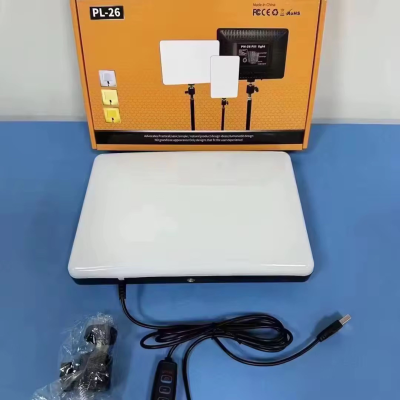
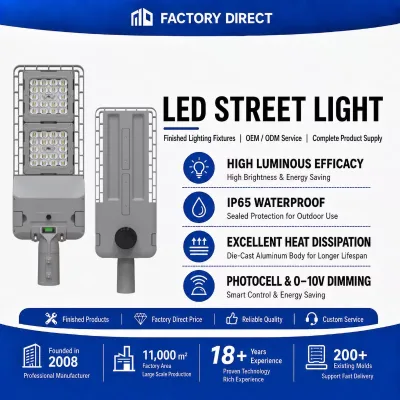
Lighting Standard Lighting Market Lampshade Lighting Design Luminosity Factory Light
$36.58
MOQ: 100 Pieces


Jinhua SunMaster Solar Co., Ltd.
- Verified by BV
- Combined
- China Zhejiang
- Lead time30 days
- Avg. response≤ 17h
Main productsSolar Street Light, Solar LED Lamp, Solar Power System, LED Bulb Light, LED Light, LED Spotlight, LED High Bay Light, LED Corn Light, Solar LED Street Light
Main marketsAfrica,Others(foreignTradeCapacity.exportBusinessCapacityMarketOther),Southeast Asia/ Mideast

- Trading Company,Manufacturer/Factory
- China Guangdong
- Lead time0 days
- Avg. response≤ 13h
Main productsChristmas Ball, Christmas Decoration, Christmas Ornaments, Christmas Tree, Tinsel Garland, Mirror Ball, Disco Ball, Inside Painted Glass Ball

Shenzhen GISIH Lighting Co., Ltd.
- Manufacturer/Factory
- China Guangdong
- Lead time15 days
- Avg. response≤ 2h
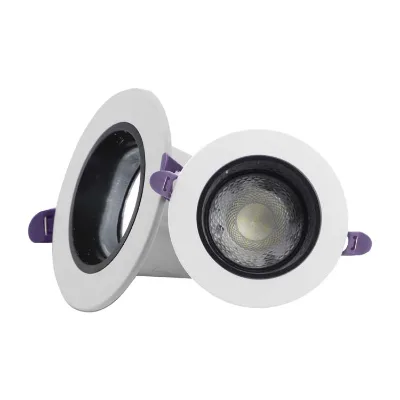
Main productsLED Display Special Lights, LED Ceiling Spotlight, LED Cabinet Spotlight, LED Track Light, LED Ceiling Light, LED Vertical Spotlight, LED Downlight, LED Strip Light, LED Showcase Lights
Main marketsSouth America,Eastern Europe,Mid East,North America,Southeast Asia,Eastern Asia,Oceania,Western Europe,Africa












Comprehensive Sourcing Guide
China Mainland LED Light Supplier Concentration and Factory Types
The landscape of suppliers for LED lighting products in China mainland is diverse, encompassing various business models that cater to different procurement needs. Current data indicates the presence of trading companies, manufacturers, and combined entities, each offering distinct advantages. Trading companies often provide a broader range of products, such as Android TV boxes, mini projectors, and various dongles, alongside lighting solutions. These entities act as intermediaries, consolidating inventory from multiple factories to offer one-stop shopping experiences. On the other hand, manufacturers focus on production capabilities, offering services like OEM, ODM, and own brand development. Some suppliers are identified as combined entities, blending manufacturing strengths with trading flexibility. This variety allows buyers to select partners based on whether they prioritize product diversity, production control, or supply chain integration. Understanding these company types is crucial for aligning supplier capabilities with specific project requirements, ensuring that the chosen partner can deliver the necessary scale and customization.
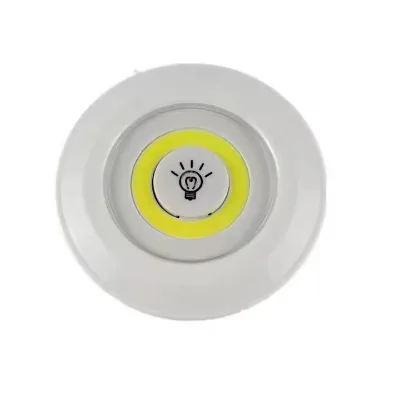
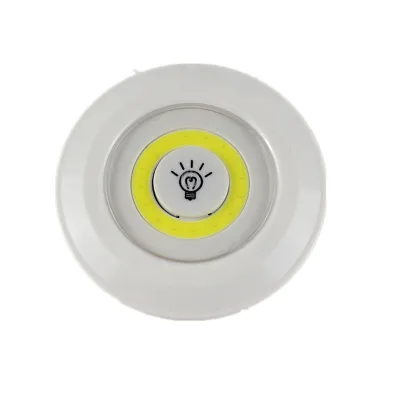
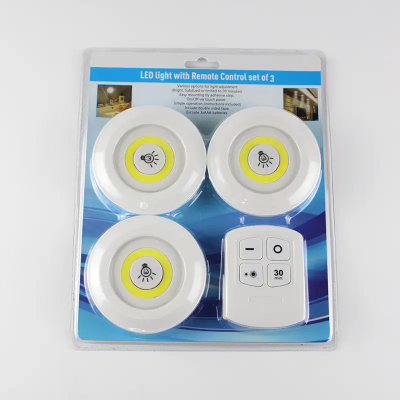
Location plays a significant role in supplier concentration, with results indicating presence in regions like Guangdong and Shandong. Guangdong is a major hub for consumer electronics and lighting, offering robust supply chains for components like LED chips and drivers. Suppliers in this region often specialize in innovative products such as solar lights, LED mini lights with remotes, and touch night lights. Shandong, while less prominent in the current dataset for lighting, represents another geographic node for industrial manufacturing. Buyers should verify the specific location of their potential suppliers to assess logistical advantages and cluster benefits. Proximity to component suppliers can reduce lead times and improve quality control. Additionally, regional specialization often correlates with expertise; for instance, Guangdong-based manufacturers may have deeper experience in smart home products and portable lighting solutions. By mapping supplier locations against their product specializations, buyers can identify clusters that offer the best value for their specific LED lighting needs, whether for general illumination, decorative lighting, or specialized solar applications.
How to Verify China Mainland LED Light Suppliers
Verification is a critical step in mitigating risk when sourcing LED lights from China mainland. Buyers should prioritize suppliers who have undergone third-party verification processes, as these provide an additional layer of trust beyond self-reported information. Current results show that some suppliers are verified by reputable organizations such as SGS Group and TÜV Rheinland. These verifications often involve on-site inspections of manufacturing facilities, quality management systems, and production capabilities. For instance, a supplier verified by SGS Group may have demonstrated compliance with specific operational standards, while TÜV Rheinland verification might indicate rigorous testing of product safety and performance. Buyers should look for these verification badges on supplier profiles and request detailed reports if available. Additionally, system certifications such as FCC, CE, RoHS, and ISO14001:2015 are strong indicators of a supplier’s commitment to quality and environmental standards. These certifications are not just paperwork; they reflect adherence to international regulations that are essential for exporting to markets like North America and Europe.
Beyond certifications, buyers should assess the supplier’s response time and communication efficiency. A quick response time, such as four hours or less, suggests a well-organized sales team that can address inquiries and resolve issues promptly. This is particularly important for complex orders involving customization or technical specifications. Buyers should also examine the supplier’s product evidence, including detailed product attributes, images, and specifications. For example, a supplier listing LED lights with specific certifications like CCC, CE, and RoHS, along with detailed technical data such as IP ratings and LED chip brands, demonstrates transparency and professionalism. Furthermore, checking for escrow services or trade assurance programs can provide financial protection. While not all suppliers may display these features, their presence indicates a commitment to secure transactions. Buyers should also verify the supplier’s establishment year and business history to ensure stability. A supplier with a long track record is more likely to have refined processes and reliable quality control measures. By combining verification badges, certifications, response metrics, and product transparency, buyers can build a comprehensive profile of supplier reliability.
What to Compare Across China Mainland LED Light Suppliers
When evaluating multiple suppliers, buyers must compare key operational metrics to determine the best fit for their procurement strategy. Lead time is a critical factor, especially for time-sensitive projects. Current data shows lead times ranging from ten days to thirty days, depending on the supplier and product complexity. Suppliers with shorter lead times, such as those offering ten-day turnaround, may be preferable for urgent orders or just-in-time inventory management. However, buyers should also consider the trade-off between speed and cost, as faster production may come at a premium. Minimum Order Quantity (MOQ) is another essential comparison point. Some suppliers offer low MOQs, such as ten units or even single items, which are ideal for sampling or small-batch testing. Others may require higher MOQs, such as one thousand pieces, which are suitable for large-scale distribution. Buyers should align their order volume with supplier MOQs to avoid excess inventory or production delays. Additionally, comparing price ranges helps in budgeting. Prices for LED lights can vary significantly, from under one dollar for basic components to over five dollars for specialized solar bulbs. Buyers should request detailed quotes that include shipping and taxes to get a true cost comparison.
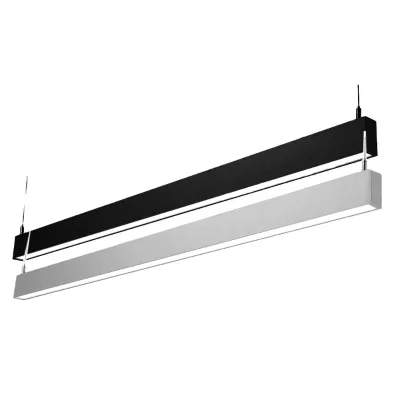
Response time and customization capabilities are also vital differentiators. Suppliers with rapid response times, such as two to four hours, can facilitate smoother communication and quicker decision-making. For buyers requiring custom designs, it is important to assess the supplier’s R&D capacity. Some suppliers offer full OEM and ODM services, allowing for complete product customization, while others may only provide light customization or sample processing. Buyers should inquire about the supplier’s ability to handle graphic processing, customized on-demand requests, and other specific requirements. Furthermore, comparing the range of main products offered can reveal a supplier’s versatility. Some suppliers specialize in a narrow range of LED products, such as linear lights or chandeliers, while others offer a broader portfolio including solar lamps, street lights, and smart home products. This breadth can be advantageous for buyers seeking a single source for multiple lighting needs. By systematically comparing lead times, MOQs, prices, response speeds, and customization options, buyers can make informed decisions that balance cost, quality, and operational efficiency.
Common China Mainland LED Light Sourcing Risks
Sourcing LED lights from China mainland involves several risks that buyers must proactively manage to ensure successful procurement. One significant risk is quality inconsistency, particularly when dealing with suppliers who offer a wide range of products without specialized expertise. For instance, a trading company selling both Android TV boxes and LED lights may not have deep technical knowledge of lighting components, leading to potential mismatches in product specifications or performance. Buyers should verify that the supplier has dedicated quality control processes for LED products, including testing for light output, color temperature, and durability. Another risk is intellectual property infringement, especially when working with suppliers who offer OEM services. Buyers must ensure that their designs and branding are protected and that the supplier does not share proprietary information with competitors. Clear contracts and non-disclosure agreements are essential to mitigate this risk. Additionally, buyers should be cautious of suppliers who do not provide detailed product evidence or certifications, as this may indicate a lack of transparency or compliance with international standards.
Logistical and supply chain disruptions are also common risks. Lead times can vary significantly, and delays may occur due to raw material shortages, production bottlenecks, or shipping issues. Buyers should establish clear communication channels and request regular updates on production status. Furthermore, currency fluctuations and changes in shipping costs can impact the final price of orders. Buyers should consider using fixed-price contracts or hedging strategies to manage these financial risks. Another risk is the mismatch between sample quality and bulk production. Buyers should always request samples before placing large orders and conduct thorough inspections upon receipt. If possible, hiring a third-party inspection service can provide an unbiased assessment of product quality. Additionally, buyers should be aware of regulatory changes in their target markets, such as new energy efficiency standards or safety requirements. Ensuring that suppliers are up-to-date with these regulations is crucial to avoid customs delays or product recalls. By identifying and addressing these risks early in the sourcing process, buyers can build a more resilient and reliable supply chain for their LED lighting needs.
China Mainland LED Light Regional Sourcing and Logistics
Regional sourcing strategies can significantly impact the efficiency and cost of procuring LED lights from China mainland. Suppliers located in Guangdong province benefit from a mature industrial ecosystem, with easy access to component suppliers, skilled labor, and advanced manufacturing infrastructure. This region is particularly strong in consumer electronics and smart lighting products, making it an ideal source for innovative LED solutions. Buyers sourcing from Guangdong can leverage the region’s logistics networks, which include major ports like Shenzhen and Guangzhou, to facilitate efficient export operations. However, buyers should also consider suppliers in other regions, such as Shandong, which may offer competitive pricing for certain types of lighting products. While Shandong may not be as prominent in the current dataset for LED lighting, it represents a viable alternative for buyers seeking to diversify their supply base. By evaluating suppliers across different regions, buyers can compare costs, lead times, and logistical advantages to optimize their sourcing strategy.
Logistics planning is crucial for managing the transportation of LED lights, which can be fragile and require careful handling. Buyers should work with suppliers who have experience in exporting to their target markets and can provide reliable shipping solutions. For example, suppliers in Guangdong may offer faster shipping times to North America and Europe due to proximity to major ports. Buyers should also consider the packaging requirements for LED products, ensuring that they are protected against damage during transit. Some suppliers provide detailed packing information, such as carton dimensions and weight, which can help buyers calculate shipping costs and optimize container loading. Additionally, buyers should be aware of import regulations and duties in their home countries, which can vary by region and product type. Working with suppliers who are familiar with international trade compliance can help streamline the customs clearance process. By aligning regional sourcing decisions with logistical capabilities, buyers can reduce lead times, lower costs, and ensure the safe delivery of their LED lighting orders.
China Mainland LED Light Commercial Terms and Order Planning
Effective order planning and clear commercial terms are essential for successful procurement of LED lights from China mainland. Buyers should establish detailed specifications for their orders, including product dimensions, materials, certifications, and packaging requirements. This clarity helps suppliers provide accurate quotes and prevents misunderstandings during production. For instance, specifying the LED chip brand, color temperature, and IP rating ensures that the final product meets the buyer’s expectations. Buyers should also negotiate payment terms that balance risk and cash flow, such as using escrow services or partial payments. Escrow provides security by holding funds until the buyer confirms receipt and quality of the goods. Additionally, buyers should define clear delivery schedules and penalties for delays to protect their interests. For large orders, buyers may consider using Incoterms to define responsibilities for shipping and insurance. Understanding these commercial terms helps in budgeting and risk management.
Furthermore, buyers should plan for post-order activities, such as quality inspections and after-sales support. Establishing a relationship with the supplier for ongoing communication can facilitate smoother transactions for future orders. Buyers should also consider the supplier’s capacity for handling returns or replacements in case of defects. Some suppliers offer warranties, such as one-year coverage for LED mini lights, which can provide additional peace of mind. By integrating commercial terms with order planning, buyers can create a structured procurement process that minimizes risks and maximizes value. This approach ensures that both parties have a clear understanding of their obligations and expectations, leading to a more collaborative and successful business relationship. Ultimately, careful attention to commercial details and order logistics is key to leveraging the advantages of sourcing LED lights from China mainland while mitigating potential challenges.
FAQs
What certifications do the LED light suppliers hold?
Suppliers offer FCC, CE, RoHS, and Declaration of Conformity certifications. Some also provide ISO14001:2015 certificates for environmental management. Verify specific product compliance with CCC standards for certain models before placing large orders.
What are the typical lead times for LED light orders?
Lead times vary significantly between suppliers, ranging from zero days to thirty days. Some manufacturers offer quick turnaround for customized samples, while others require a month for bulk production. Confirm the exact delivery schedule with your chosen vendor.
What is the minimum order quantity for LED lights?
Minimum order quantities differ by product type, starting as low as five units for specific items. Other products require a minimum of one thousand pieces for solar-based lighting solutions. Always check the specific MOQ listed for the exact model you intend to purchase.
Where are the LED light manufacturers located in China?
Manufacturers are primarily located in Guangdong and Shandong provinces within China. These regions host companies specializing in consumer electronics and solar lighting systems. Verify the specific origin of your product to ensure it matches your logistical requirements.
Do suppliers offer customization services for LED lights?
Many suppliers provide OEM and ODM services for customized lighting solutions. Capabilities include graphic processing, light customization, and accepting specific design requests. Check if the supplier supports your brand requirements before finalizing the order details.
What is the price range for LED light products?
Prices for LED lights range from approximately 0.59 to 5.00 US dollars per unit. Costs depend on the product type, such as mini lights or solar bulbs. Review the specific price list for the model you select to determine the final cost.
How quickly do suppliers respond to inquiries?
Response times vary, with some suppliers replying within two hours and others taking up to four hours. Faster response rates are common among verified trading companies. Expect a prompt reply if you contact suppliers with high verification status.