CNG LPG ECU Conversion Kit Suppliers and Manufacturers
Find 10 verified suppliers offering cng lpg ecu conversion kits with CE, ISO9001, and BV certifications. Compare response times, lead times, and MOQs from factories in Sichuan, China. Contact suppliers directly to request quotes; review the available evidence before requesting comparable quotations from suitable candidates.
Updated
Suppliers List

Chengdu Zhijin Machinery Equipment Co., Ltd.
- Manufacturer/Factory
- China Sichuan
- Lead time0 days
- Avg. response≤ 6h
Main productsHydraulic Cylinder, Hydraulic RAM, Valve, Custom Made Metal Parts, Casting, Forging, Machining, Pulley, Pins, Fabricated Parts
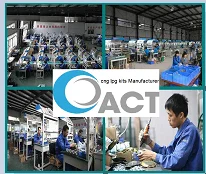
Chengdu ACT Technology Co., Ltd.
- Trading Company
- Sichuan, China
- Lead time3 days
- Avg. response≤ 6h
Main productsAuto Parts,cng lpg kits,gas kits,cng lpg conversion kits,gas glp gnv kits
Main marketsSouth America(60.00%), Eastern Europe(10.00%), Mid East(7.00%), Africa(5.00%), North America(5.00%), Eastern Asia(3.00%), South Asia(2.00%), Central America(2.00%), Southeast Asia(2.00%), Western Europe(1.00%), Southern Europe(1.00%), Northern Europe(1.00%), Oceania(1.00%)
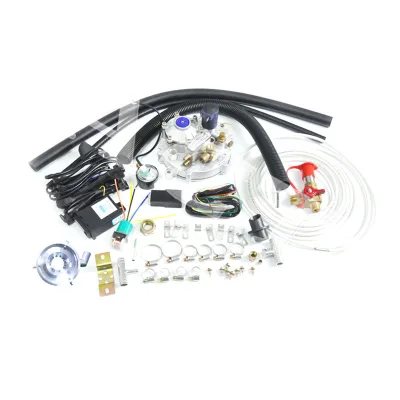
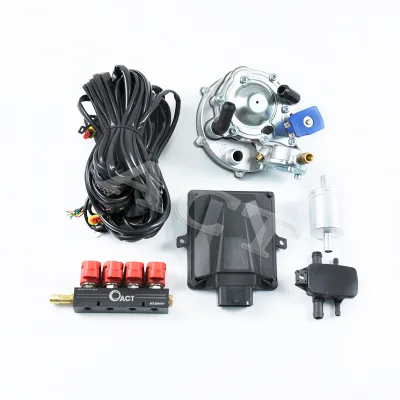
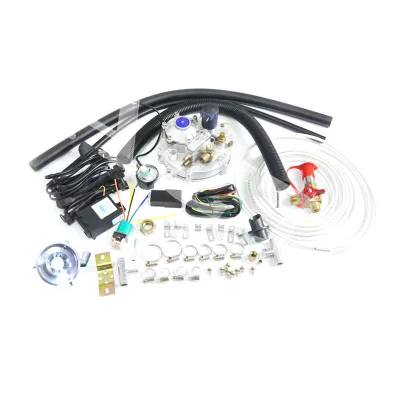
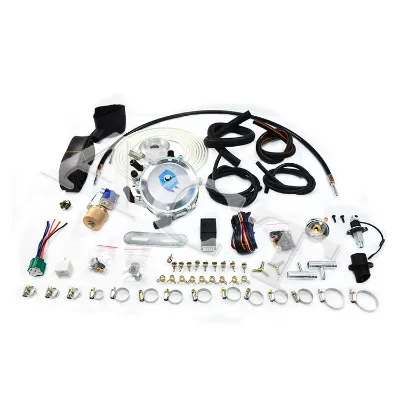
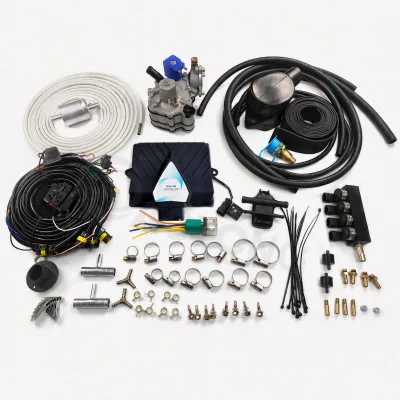
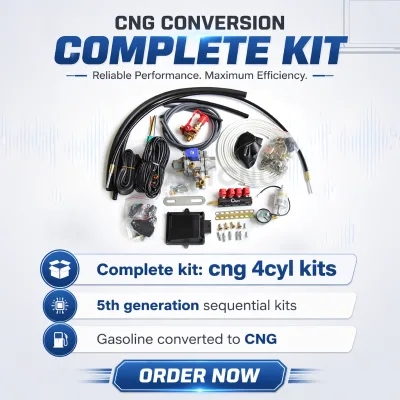
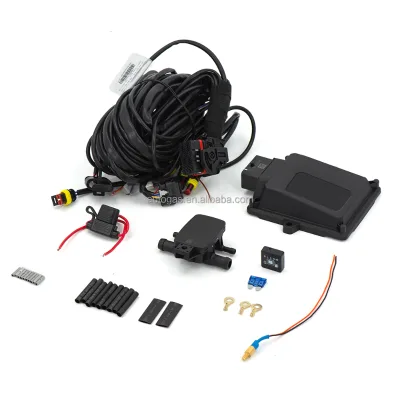
ACT lpg Cng Conversion Kit Cng Electric Outboard Conversion Kits for Sale
$69.1346 - $70.695
MOQ: 1 sets
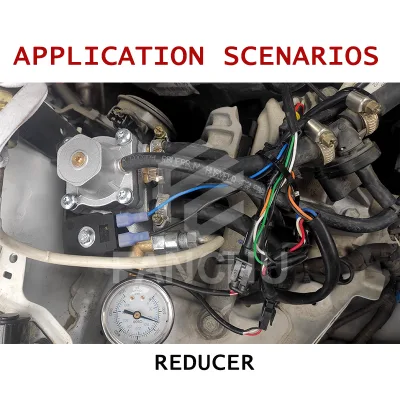
Chengdu Fanchu Technology Co., Ltd.
- Trading Company
- Sichuan, China
- Lead time10 days
- Avg. response≤ 4h
Main productsCNG LPG reducer regulator,cng lpg ecu kits,cng LPG conversion kits,CNG LPG injector rail,ADAS System
Main marketsSouth America(20.00%), Africa(20.00%), North America(10.00%), Southeast Asia(10.00%), Mid East(10.00%), Eastern Asia(10.00%)
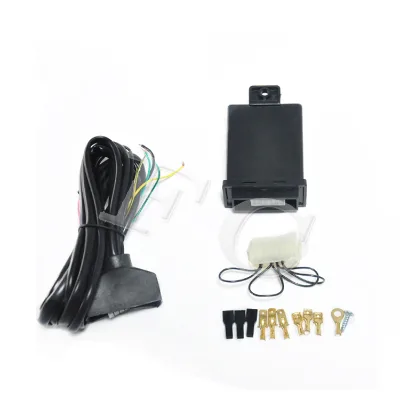
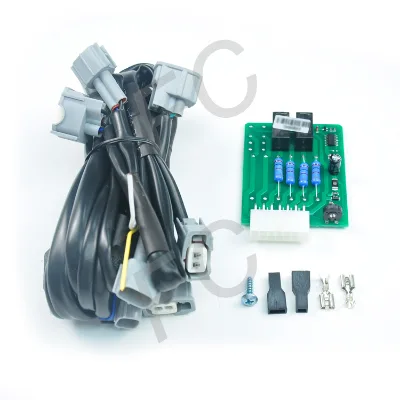
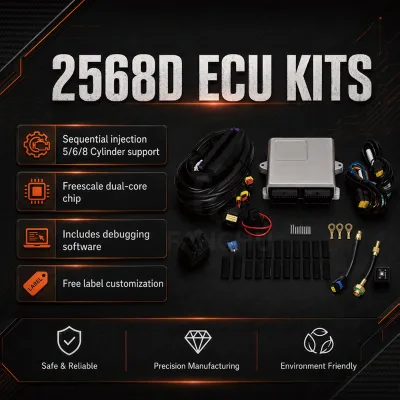
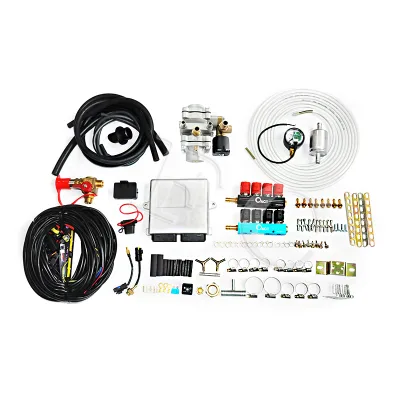
FC 8 Cylinder Cng Gas Conversion Kit Centralina lpg 8 Cilindri Auto Gnc diesel Cng Conversation Kit
$138.00 - $148.00
MOQ: 2 sets

Jiangsu Huayan International Trade Co., Ltd.
- Verified by TUVRHEINLAND
- Trading Company,Manufacturer/Factory
- China Jiangsu
- Lead time0 days
- Avg. response≤ 3h
Main productsHydraulic Axle Trailer, Modular Trailer, Flatbed Trailer, Heavy Duty Flatbed Trailer, Pressure Regulating Skid, Prms Skid, Gas Pressure Regulating Skid, Cryogenic Storage Tank, Gas Vaporizer, Cryogenic Vaporizer

High-Quality CNG Conversion Kit for Cars 6-Cylinder CNG/LPG Kit for Toyota Sienna and Other Vehicles
$70.00 - $110.00
MOQ: 10 Sets

Car CNG Conversion Kit Aeb 2568 ECU Style for 8cly Engine Petrol to Gas Conversion Equipment
$100.00 - $150.00
MOQ: 10 Sets


CNG Car Kit CNG and Petrol Switch CNG Sequential Conversion Kits 4 6 8 Cylinder Gas Car
$97.00 - $139.00
MOQ: 10 Sets

Fuan Shaluo Electronic Co., Ltd.
- Verified by TUVRHEINLAND
- Trading Company,Manufacturer/Factory
- China Fujian
- Lead time15 days
- Avg. response≤ 7h
Main productsGenerator Parts & Accessories, Automatic Voltage Regulator, Solenoid, Oil Pressure Sensor, Vdo Sensor, Charging Adapter, Generator Controller, Carburetor, Carbon Brush Holder, Dual Fuel Conversion Kit
Main marketsSouth America,Eastern Europe,Mid East,North America,Southeast Asia,Eastern Asia,Oceania,Western Europe,Africa

Gasoline Generator Engine Spare Parts Carburetor Petrol Generator LPG Natural Gas Conversion Kit
$11.00 - $13.00
MOQ: 20 pieces

$9.00 - $10.00
MOQ: 20 pieces


$31.00 - $33.00
MOQ: 5 Pieces


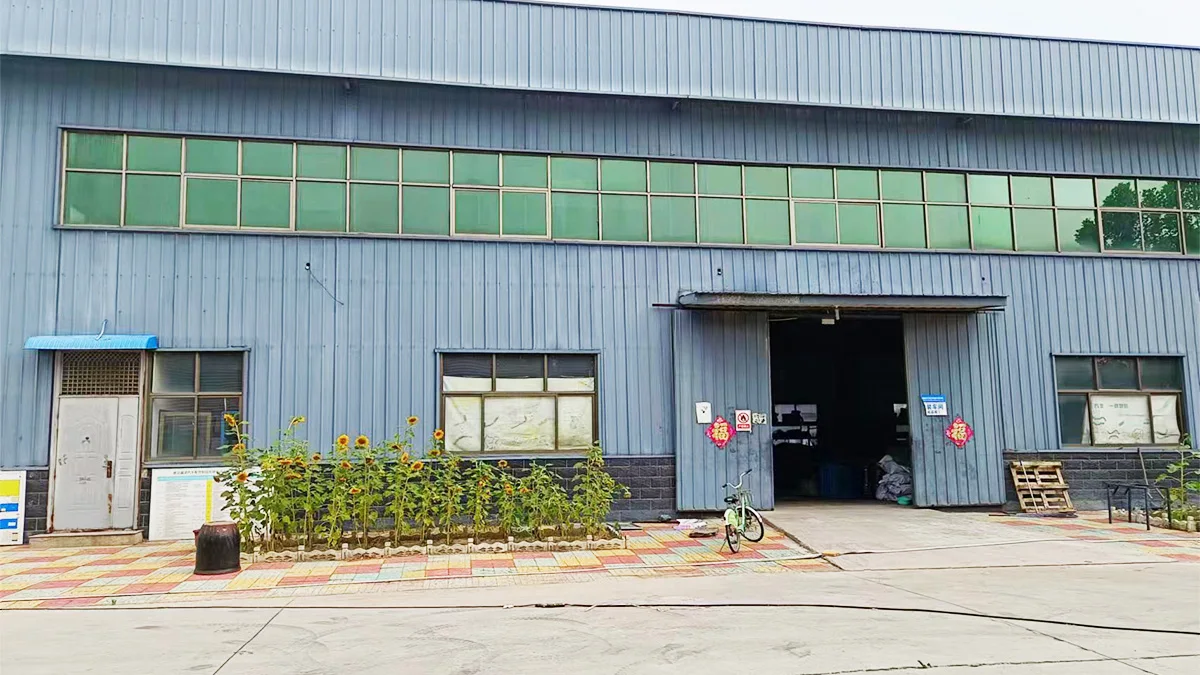
Hebei Ruisen Auto Parts Co., Ltd.
- Manufacturer, Trading Company
- Hebei, China
- Lead time15 days
- Avg. response≤ 5h
Main productscar cng hose,car lpg hose,Honeycomb filter,Various automotive rubber products,CNG /lpg Gas Filter
Main marketsEastern Europe(20.00%), Domestic Market(10.00%), Oceania(10.00%), Eastern Asia(10.00%), Southeast Asia(10.00%), North America(10.00%), South America(10.00%), Mid East(5.00%), Northern Europe(5.00%), Western Europe(5.00%), Africa(5.00%)
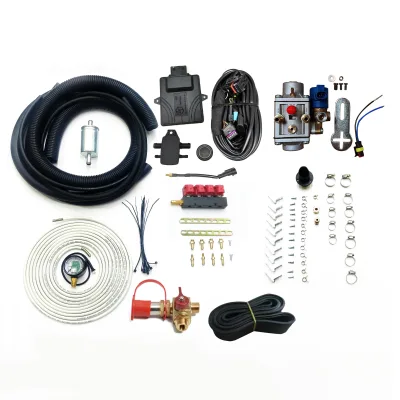
CNG AutogasSequential Conversion Kit for 4 Cylinder Engines
$62.00 - $70.00
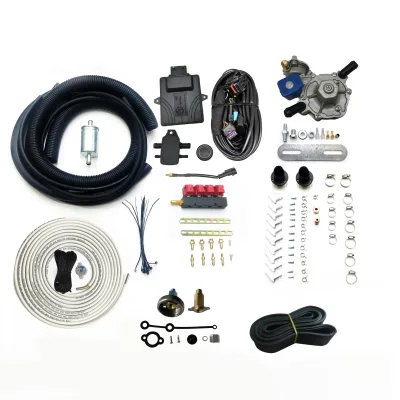
Professional Conversion ECU Kits for LPG Sequential System
$93.00 - $105.00
Chengdu Lineng Autogas Technology Co., Ltd.
- Manufacturer, Trading Company
- Sichuan, China
- Lead time7 days
- Avg. response≤ 6h
Main productslpg cng regulator,lpg cng reducer,lpg cng ecu,lpg cng rail injector,cng lpg convesion kits
Main marketsDomestic Market(50.00%), Eastern Europe(26.00%), Southeast Asia(22.00%), Africa(1.00%), South Asia(1.00%)
- Trading Company
- Zhejiang, China
- Lead time15 days
- Avg. response≤ 1h
Main productsCNG/LPG ECU,lpg/cng reducer,Change over Switch,CNG LPG RAIL INJECTOR,MAP SENSOR
Main marketsSouth America(35.00%), Eastern Europe(32.00%), Southeast Asia(10.00%), South Asia(10.00%), Central America(3.00%), Southern Europe(2.00%), Domestic Market(1.00%), Oceania(1.00%), Northern Europe(1.00%), Africa(1.00%), Western Europe(1.00%), Eastern Asia(1.00%), North America(1.00%), Mid East(1.00%)

Shanghai Eternal Faith Industry Co., Ltd.
- Verified by TUVRHEINLAND
- Combined
- China Shanghai
- Lead time15 days
- Avg. response≤ 4h
Main productsGas, Gas Station, Tank, Cylinder, Plant, Helium Gas Cylinder, Oxygen Gas Cylinder, Gas Cylinder, Helium Balloon Cylinder, Aluminum Gas Cylinder
Main marketsSouth America,Africa,Southeast Asia/ Mideast,Europe,North America

Sichuan Zhongzhi Shenghe Performance Co., Ltd.
- Trading Company
- China Sichuan
- Lead time23 days
- Avg. response≤ 1h
Main productsCity Bus, Travel Coach, New Energy Vehicle, Mini Van, Heavy Duty Truck, Truck, Agriculture Tractor, Agriculture Machine, Solar Power
Main marketsSouth America,Eastern Europe,Mid East,North America,Southeast Asia,Eastern Asia,Oceania,Western Europe,Africa




Comprehensive Sourcing Guide
CNG LPG ECU Conversion Kit Supplier Concentration and Factory Types
The current supplier landscape for CNG LPG ECU Conversion Kit products reveals a distinct concentration of manufacturing and trading entities within specific geographic regions. Evidence indicates that a significant portion of available suppliers are located in Sichuan, China, establishing this area as a notable hub for this specialized automotive component sector. Within this cluster, the supplier base is divided between two primary company types: Manufacturer/Factory and Trading Company. This structural division is critical for buyers to understand, as it directly influences the nature of the engagement, the flexibility of customization, and the transparency of the supply chain. Manufacturers typically offer direct access to production capabilities, allowing for deeper integration of custom specifications, while trading companies may provide a broader aggregation of products from various sources, potentially simplifying logistics for smaller or mixed orders.
Understanding the operational model of these suppliers is essential for aligning procurement strategies with business needs. The presence of both factory and trading entities in Sichuan suggests a mature local ecosystem where specialized knowledge in gas conversion systems is concentrated. Buyers should recognize that while manufacturers might provide more direct control over quality assurance and production timelines, trading companies could offer advantages in terms of consolidated shipping or access to a wider variety of compatible components. The distinction is not merely semantic; it dictates how a buyer approaches negotiations, verifies credentials, and manages risk. By identifying whether a supplier is a direct producer or an intermediary, buyers can better anticipate the level of technical support available and the potential for cost savings through direct factory engagement versus the convenience of a single-point procurement solution.
How to Verify CNG LPG ECU Conversion Kit Suppliers
Verifying the legitimacy and capability of CNG LPG ECU Conversion Kit suppliers requires a rigorous examination of documented credentials and operational metrics. Buyers must prioritize the validation of certifications that are explicitly listed in supplier profiles, such as CE, ISO9001, BV, ECE110R, and TS16949. These certifications are not merely decorative; they serve as objective proof that the supplier’s manufacturing processes and product quality meet international safety and performance standards. For instance, the presence of ECE110R certification is particularly relevant for gas conversion kits, as it indicates compliance with specific regulations regarding the safe installation and operation of liquefied petroleum gas equipment in vehicles. Buyers should request copies of these certificates and verify their validity through the issuing bodies, ensuring that the certifications are current and applicable to the specific products being sourced.
Beyond certifications, buyers should assess the supplier’s responsiveness and operational transparency as indicators of reliability. Response time metrics, such as those averaging around five to six hours, can provide insight into the supplier’s customer service efficiency and willingness to engage in detailed technical discussions. A quick response often correlates with a more organized internal process, which is crucial when dealing with complex automotive components that require precise specifications. Additionally, buyers should inquire about the supplier’s establishment year and track record, although specific dates may not always be publicly displayed. It is also advisable to verify the supplier’s main product focus; suppliers listing Cng Lpg Conversion Kits as a core competency are likely to have more specialized expertise than general auto parts traders. Cross-referencing these data points helps build a comprehensive profile of the supplier’s capability and reliability.
What to Compare Across CNG LPG ECU Conversion Kit Suppliers
When evaluating multiple suppliers for CNG LPG ECU Conversion Kit products, buyers must systematically compare key operational dimensions to identify the most suitable partner. One of the most critical factors is the Minimum Order Quantity (MOQ), which can vary significantly across different suppliers. Some suppliers may offer an MOQ of just one piece, which is ideal for testing quality or fulfilling small-scale repair needs, while others may require bulk purchases, such as twenty units or more, to initiate an order. This variation directly impacts inventory management and cash flow, making it essential for buyers to align supplier MOQs with their sales volume and storage capabilities. Additionally, the lead time for production and delivery is a vital comparison point. While some suppliers may list a lead time of zero, indicating immediate availability of stock, others might have a lead time of three days or more, reflecting a make-to-order production cycle.
Price and packaging specifications also play a crucial role in the comparison process. Buyers should analyze the price range for equivalent products, noting that costs can fluctuate based on the complexity of the ECU system, the inclusion of additional components, and the volume of the order. For example, prices for certain conversion kits may range from approximately ten dollars to over seventy dollars, depending on the features and certification level. It is important to ensure that price comparisons are made between identical or highly similar product specifications to avoid misleading conclusions. Furthermore, packaging details, such as carton dimensions and gross weight, should be compared to estimate shipping costs accurately. Suppliers offering neutral packing or specific protective measures can reduce the risk of damage during transit, adding value beyond the base product price.
Common CNG LPG ECU Conversion Kit Sourcing Risks
Sourcing Cng Lpg Ecu Conversion Kits involves several inherent risks that buyers must proactively manage to ensure a successful procurement outcome. One significant risk is the potential mismatch between product specifications and actual delivery, particularly when dealing with complex electronic control units. Buyers must be vigilant about verifying that the ECU software and hardware are compatible with their target vehicle models, as incompatibility can lead to installation failures and customer complaints. This risk is exacerbated when sourcing from suppliers who do not provide detailed technical documentation or who offer generic products without specific vehicle application data. To mitigate this, buyers should request comprehensive compatibility lists and test samples before committing to large orders, ensuring that the product performs as expected in real-world conditions.
Another common risk is the variability in quality control and after-sales support. While some suppliers offer warranties of one or two years, the actual enforcement of these warranties can be inconsistent, especially for international buyers. Buyers should be aware that a warranty claim process may involve significant logistical hurdles, including return shipping costs and communication barriers. Additionally, there is a risk associated with relying on suppliers who do not provide clear evidence of their manufacturing capabilities. If a supplier claims to be a manufacturer but lacks verifiable production facilities or quality assurance processes, the risk of receiving substandard products increases. Buyers should prioritize suppliers who demonstrate transparency in their operations and provide clear channels for technical support and dispute resolution, thereby reducing the potential for costly errors and delays.
CNG LPG ECU Conversion Kit Regional Sourcing and Logistics
The geographic concentration of CNG LPG ECU Conversion Kit suppliers in Sichuan, China, presents both opportunities and challenges for international buyers. Sourcing from this region allows buyers to benefit from a established industrial cluster that specializes in automotive gas conversion systems, potentially offering competitive pricing and specialized expertise. However, buyers must carefully consider the logistics implications of shipping from this specific location. Transportation costs and delivery times can vary depending on the destination country and the chosen shipping method, whether by air, sea, or express courier. Buyers should work closely with their suppliers to determine the most efficient shipping routes and to understand any regional restrictions or customs requirements that may apply to gas-related automotive components.
Logistics planning should also account for the packaging and handling requirements of the products. Cng Lpg Ecu Conversion Kits often include sensitive electronic components and metal parts that require careful packaging to prevent damage during transit. Buyers should verify that suppliers use appropriate packaging materials, such as sturdy cartons and protective inserts, to ensure the products arrive in pristine condition. Additionally, buyers should be aware of any hazardous material regulations that may apply to the shipment of gas conversion kits, as these items may be subject to special handling procedures. By understanding the logistical nuances of sourcing from Sichuan, buyers can optimize their supply chain, reduce transit times, and minimize the risk of damage or loss during transportation.
CNG LPG ECU Conversion Kit Commercial Terms and Order Planning
Effective order planning for Cng Lpg Ecu Conversion Kits requires a thorough understanding of the commercial terms offered by suppliers. Buyers should pay close attention to payment terms, such as the availability of escrow services, which provide an additional layer of security for both parties. Escrow ensures that funds are only released to the supplier once the buyer confirms receipt and satisfaction with the products, reducing the risk of fraud or non-delivery. Additionally, buyers should clarify the terms for sample orders, including whether samples are free or paid, and how sample costs are handled in subsequent bulk orders. This clarity helps in budgeting accurately and avoids unexpected expenses during the initial stages of the procurement process.
Warranty and return policies are also critical components of commercial terms that buyers must evaluate. Suppliers may offer different warranty periods, ranging from one to two years, and the conditions for claiming warranty coverage can vary significantly. Buyers should ensure that the warranty terms are clearly documented and that the supplier has a reliable process for handling defects or failures. Furthermore, buyers should negotiate clear terms for returns and exchanges, particularly for products that do not meet the specified quality standards. By establishing robust commercial terms and planning orders with these considerations in mind, buyers can protect their interests and ensure a smooth and successful procurement experience for Cng Lpg Ecu Conversion Kits.
FAQs
What certifications do CNG LPG conversion kits have?
Suppliers offer kits with CE, ISO9001, BV, ECE110R, and GOST certifications. These standards ensure compliance with international safety and quality requirements for automotive gas systems. Buyers should verify specific certificates for their target market to ensure regulatory approval and product reliability.
What is the minimum order quantity for these kits?
Minimum order quantities vary by supplier and product type. Some manufacturers accept orders as low as one piece for testing, while others require a minimum of twenty units for bulk purchases. Buyers should check specific listings to confirm the MOQ before placing an order.
Where are these conversion kits manufactured?
Most suppliers are located in Sichuan, China. This region is a known hub for automotive parts manufacturing. Buyers can source directly from factories or trading companies based in this area, ensuring proximity to established supply chains for metal parts and electronic components.
What is the typical response time for suppliers?
Supplier response times typically range from five to six hours. This indicates a relatively quick turnaround for initial inquiries. Buyers can expect prompt communication regarding product specifications, pricing, and shipping details, facilitating faster decision-making during the sourcing process.
What is the lead time for production?
Lead times vary, with some suppliers listing zero days for ready stock and others indicating three days for production. Buyers should confirm current inventory levels and production schedules with suppliers to ensure timely delivery for their specific project requirements and deadlines.
What is the price range for CNG LPG kits?
Prices range from approximately ten dollars to seventy-three dollars per unit. The cost depends on the kit type, such as simple reducers or complex EFI ECUs. Buyers should compare quotes from multiple suppliers to find the best value for their specific application needs.