Commercial Household Air Fryer with Observation Window Suppliers and Manufacturers
Explore 27 verified suppliers offering Commercial Household Air Fryer with Observation Window units with varying capacities, certifications, and lead times. Compare specifications like voltage, power, and MOQ to select the right factory for your needs; review the available evidence before requesting comparable quotations from suitable candidates.
Updated
Suppliers List

Shanghai Prime Technology Co., Ltd.
- Verified by SGS
- Trading Company
- China Shanghai
- Lead time45 days
- Avg. response≤ 2h
Main productsCoffee Machine Bread Machine, Blender Food Processor Juicer, Air Fryer Hair Dryer Ect.
Main marketsSouth America,Eastern Europe,Mid East,North America,Southeast Asia,Eastern Asia,Oceania,Western Europe,Africa

Home Use Visible Air Fryer Digital Touch Control Non Stick Air Fryer with View Window
$18.99 - $27.89
MOQ: 500 Pieces

Household Oil-Less Air Fryer Digital Electric Air Fryer Oven with Visible Window
$22.45 - $26.50
MOQ: 200 Pieces


Large Capacity Oil-Free Air Fryer Visible Window Air Fryer for Home Kitchen
$9.99 - $15.99
MOQ: 200 Pieces


Ningbo Hantai Intelligent Technology Co., Ltd.
- Verified by SGS
- Combined
- China Zhejiang
- Lead time30 days
- Avg. response≤ 7h
Main productsAirfryer
Main marketsSouth America

Household Air Fryer with 11L Visible Window Foldable Screen Air Fryer
$34.85 - $37.72
MOQ: 1010 Pieces


Ningbo Yicheng Technology Co., Ltd.
- Verified by TUVRHEINLAND
- Trading Company
- China Zhejiang
- Lead time30 days
- Avg. response≤ 5h
Main productsElectric Grill, Waffle Maker, Air Fryer, BBQ, Food Processor, Kitchenware, Pizza Maker, Multifunction Cooker, Thermomixer, Coffee Grinder
Main marketsEurope


8.5L Household Air Fryer with Transparent Viewing Window and Smart Color Touch Panel for Cooking
$21.00 - $22.00
MOQ: 1000 Pieces


$28.50 - $29.00
MOQ: 1000 Pieces
Cixi Zhaofeng Electric Appliance Co., Ltd.
- Manufacturer, Trading Company
- Zhejiang, China
- Lead time30 days
- Avg. response≤ 10h
Main productsAir Fryer, Digital Air Fryer
Main marketsNorth America(12.00%), South America(10.00%), Domestic Market(10.00%), Western Europe(8.00%), Eastern Europe(8.00%), Africa(7.00%), Mid East(7.00%), South Asia(6.00%), Eastern Asia(6.00%), Southern Europe(6.00%), Northern Europe(6.00%), Southeast Asia(6.00%), Oceania(4.00%), Central America(4.00%)

Shanghai BM Industrial Co., Ltd.
- Verified by SGS
- Trading Company,Manufacturer/Factory
- China Shanghai
- Lead time38 days
- Avg. response≤ 10h
Main productsSilicone Sealant, PU Foam, PU Sealant, Silicone Adhesive, PU Adhesive, Waterproof Coating, Sealant Gun, Caulking Gun
Main marketsSouth America,Eastern Europe,Mid East,North America,Southeast Asia,Eastern Asia,Oceania,Western Europe,Africa

Air Fryer Kitchen Appliance Best Large Family Air Fryer with Visual Touch Screen
$20.00 - $22.00
MOQ: 500 Pieces


FOSHAN OSUN ELECTRICAL CO., LTD.
- Manufacturer
- Guangdong, China
- Lead time0 days
- Avg. response≤ 15h
Main productscoffee machine,electric bread maker,air fryer,stir fryer
Main marketsNorthern Europe(20.00%), North America(20.00%), Southern Europe(10.00%), South America(10.00%), Western Europe(10.00%), Mid East(10.00%), Southeast Asia(10.00%), Eastern Europe(10.00%)

Foshan Oushine Technology Co., Ltd.
- Verified by TUVRHEINLAND
- Manufacturer/Factory
- China Guangdong
- Lead time90 days
- Avg. response≤ 7h
Main productsIce Maker, Ice Cream Maker, Slushie Machine, Toaster, Food Waste Disposer
Main marketsSouth America,Eastern Europe,Mid East,North America,Southeast Asia,Eastern Asia,Oceania,Western Europe,Africa

Household Multi-Functional Oil Free 7L Visible Air Fryer with Digital Touch Screen
$32.00 - $35.00
MOQ: 1000 Pieces


New Type of Household Air Fryer with Simple Design and Multiple Functions
$15.00 - $20.00
MOQ: 1000 Pieces

Ningbo Careline Electric Appliance Co., Ltd.
- Verified by Intertek
- Manufacturer, Trading Company
- Lead time45 days
Main productsAir Fryer, Air Fryer Oven
Main marketsNorth America(58%), Western Europe(12%), South America(5%)

Jiangmen Junsheng Industrial Co., Ltd
- Verified by TUVRHEINLAND
- Combined
- China Guangdong
- Lead time30 days
- Avg. response≤ 1h
Main productsInjection Mould, Plastic Product, Molde De Silicona, Injection Molding, Mould, Mold, Plastic Injection Molding, Plastic Injection Mold, Plastic Mould, Plastic Part
Main marketsDomestic

Ningbo Jewin Electrical Appliances Co., Ltd.
- Verified by BV
- Trading Company,Manufacturer/Factory
- China Zhejiang
- Lead time23 days
- Avg. response≤ 5h
Main productsAir Fryer, Air Fryer Oven, Water Filter, Water Dispenser, Blender, Stand Mixer, Juicer, Ice Maker, Coffee Maker, Washing Machine
Main marketsSouth America,Eastern Europe,Mid East,North America,Southeast Asia,Eastern Asia,Oceania,Western Europe,Africa

4.5L 1400W Overheat Protection Air Fryer Without Oil Household Electric Air Fryer
$24.60 - $25.00
MOQ: 672 Pieces


Hangzhou Galileo Technology Co., Ltd.
- Verified by SGS
- Trading Company
- China Zhejiang
- Lead time15 days
- Avg. response≤ 1h
Main marketsOthers(foreignTradeCapacity.exportBusinessCapacityMarketOther)

4.5L Household Mechanical Air Fryer 1400W Low Oil Hot Air Fryer with Adjustable Settings
$21.80 - $28.90
MOQ: 1000 Pieces

$31.00 - $39.00
MOQ: 1000 Pieces

$29.00 - $39.00
MOQ: 1000 Pieces


Household Multifunctional Air Fryer 1400W Touch Control Low Oil Hot Air Cooker
$25.80 - $28.90
MOQ: 1000 Pieces
Guangdong Gonron Industrial Co., Ltd.
- Verified by TüVRheinland
- Manufacturer, Trading Company
- Lead time45 days
- Avg. response≤ 4h
Main productsToasters Oven, Air Fryer Oven, Buit-In Oven, Air Fryer
Main marketsNorth America(30%), Western Europe(30%), Southeast Asia(20%)
$140.00 - $150.00
MOQ: 351 pieces

Qingdao Yunlei Electric Applicance Co., Ltd.
- Verified by TUVRHEINLAND
- Manufacturer/Factory
- China Shandong
- Lead time45 days
- Avg. response≤ 6h
Main productsShowcase, Freezer, Refrigerator, Ice Maker Microwave, Oven Air-Cooled Glass Cabinet, Kitchen Equipment, Kitchen Fridge, Air-Cooled Glass Cabinet, Cooling Workbench, Stainless Steel Stove
Main marketsSouth America,Eastern Europe,Mid East,North America,Southeast Asia,Eastern Asia,Oceania,Western Europe,Africa

Energy-Efficient Household Air Fryer with Adjustable Temperature Settings
$22.50 - $42.00
MOQ: 610 Pieces


Foshan Autumn Beginning Technology Co., Ltd.
- Verified by SGS
- Trading Company
- China Guangdong
- Lead time30 days
- Avg. response≤ 4h
Main productsConveyor Belt Dehydrator, Drying System, Cabinet Dryer
Main marketsDomestic
NINGBO ANBO UNITED ELECTRIC APPLIANCE CO.LTD
- Verified by TüVRheinland
- Trading Company
- Lead time40 days
- Avg. response≤ 2h
Main productsHome Appliance
Main marketsSoutheast Asia(13%), Mid East(13%), North America(12%)
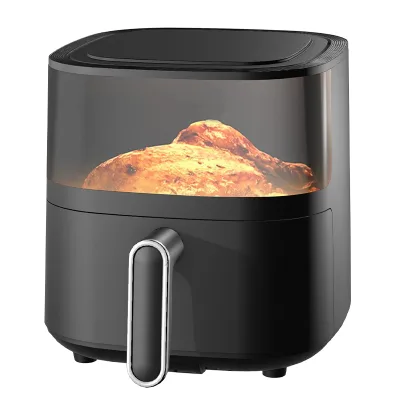
$21.00 - $23.00
MOQ: 1000 pieces
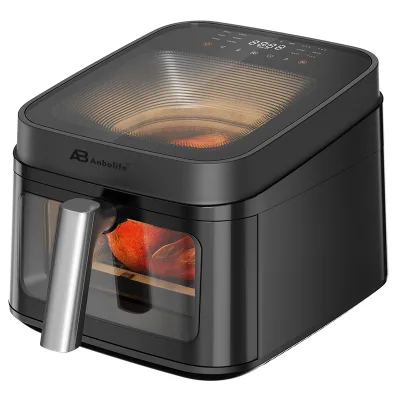
$25.90 - $34.90
MOQ: 1000 pieces
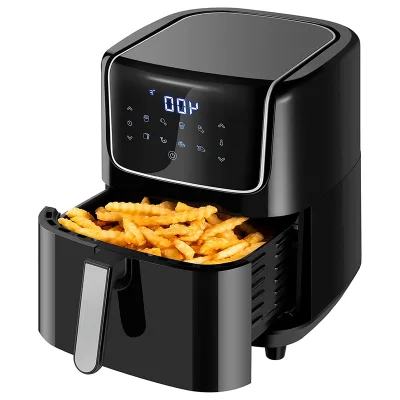
$27.00 - $30.00
MOQ: 1000 pieces
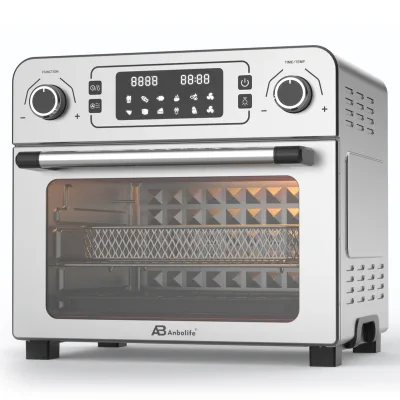
$34.90 - $46.90
MOQ: 1000 pieces
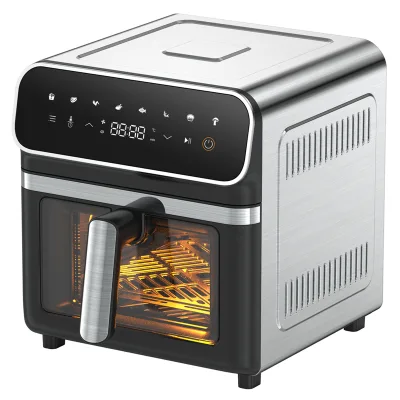
Top product New design Factory 15L 1600W electric deep Fryer household air fryer cheap price 25L
$34.00 - $35.00
MOQ: 1000 pieces
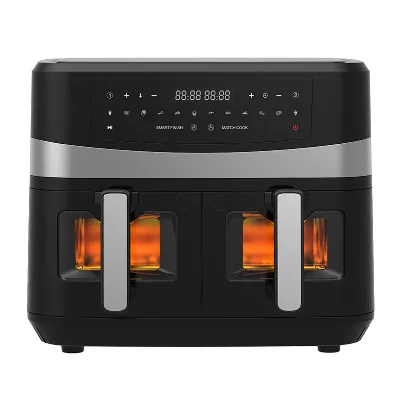
Guangzhou Qianshun Electric Appliance Co., Ltd.
- Trading Company,Manufacturer/Factory,Group Corporation
- China Guangdong
- Lead time0 days
- Avg. response≤ 13h
Main productsCoffee Machine, Induction Cooker, Electric Fan, Rice Cooker
Shanghai Antronic Electrical Appliance Co., Ltd.
- Verified by TüVRheinland
- Trading Company
- Lead time35 days
- Avg. response≤ 2h
Main productsAir Fryer, Vacuum Cleaner, Steam Iron, Sandwich Maker, Blender
Main marketsEastern Europe(15%), Western Europe(15%), North America(10%)

Cixi Meizhi Electric Appliance Co., Ltd.
- Trading Company
- Zhejiang, China
- Lead time30 days
- Avg. response≤ 1h
Main productsPizza Maker,Refrigerator,Fridge,Freezer,Washing Machine
Main marketsSouthern Europe(8.33%), Northern Europe(8.33%), Central America(8.33%), Western Europe(8.33%), Eastern Asia(8.33%), Mid East(8.33%), Oceania(8.33%), Africa(8.33%), Southeast Asia(8.33%), Eastern Europe(8.33%), South America(8.33%), North America(8.33%)
Handinhand (Zhejiang) Electronic Commerce Co., Ltd.
- Manufacturer, Trading Company
- Lead time旺季: "1 - 1000":15,"> 1000":"To be negotiated", 淡季: "1 - 1000":15,"> 1000":"To be negotiated"
- Avg. response≤ 5h
Main productsAir Fryer, Hot Pot, Boiler, Lunch Box, Electric Steamer
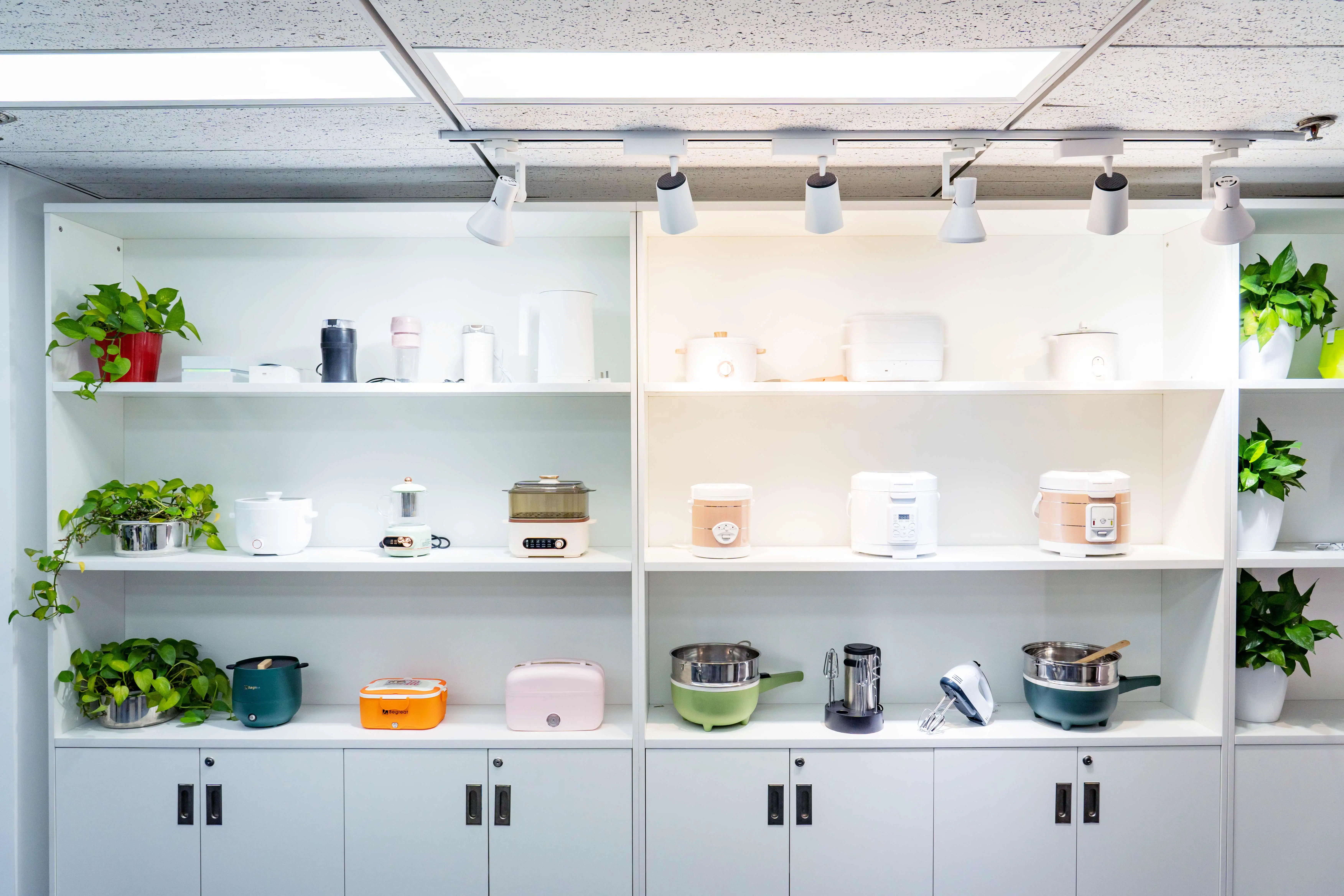
Guangzhou Lecko Smart Houseware Co., Ltd.
- Manufacturer, Trading Company
- Guangdong, China
- Lead time20 days
- Avg. response≤ 7h
Main productsAir Fryer, Coffee Grinder, Ice Maker, Suitcase Grill
Main marketsNorth America(30.00%), Southeast Asia(30.00%), South America(20.00%), Western Europe(10.00%), Africa(10.00%)
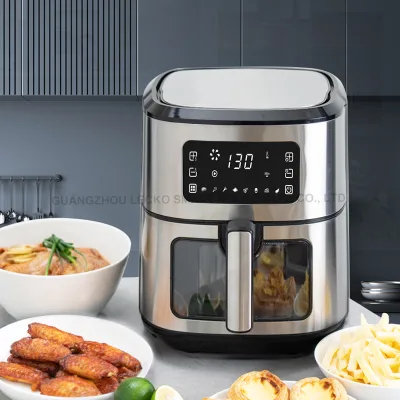
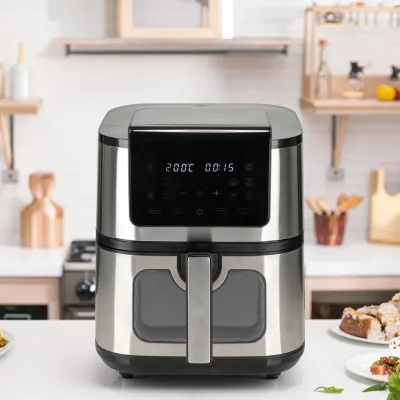
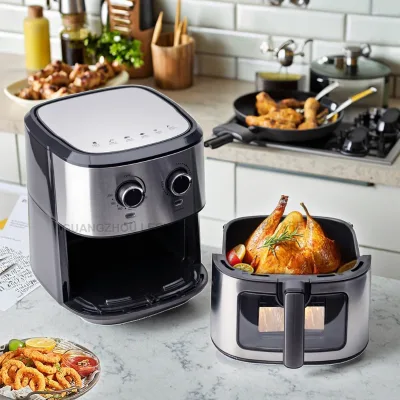
$21.5633 - $22.5896
MOQ: 520 sets
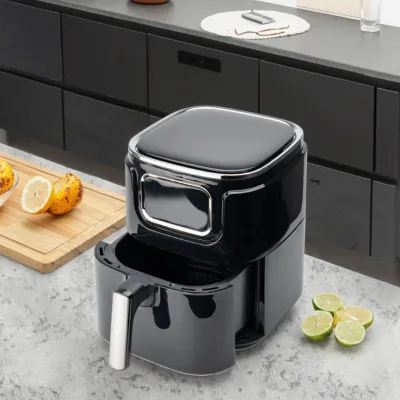
$19.7068 - $20.1197
MOQ: 630 pieces
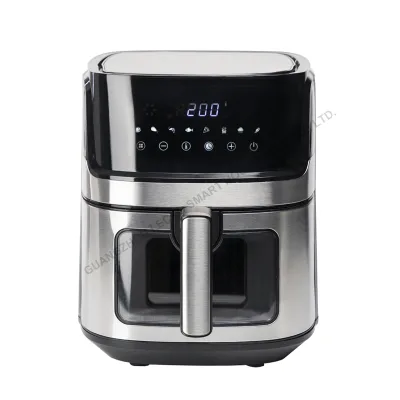
Zhongshan Jieweishi Electrical Appliance Co., Ltd.
- Verified by Intertek
- Manufacturer, Trading Company
- Lead time15 days
- Avg. response≤ 4h
Main productsRice Cooker, Air Fryer, Electric Oven, Electric Pressure Cooker, Blender
Main marketsDomestic Market(50%), Southeast Asia(30%), Africa(10%)
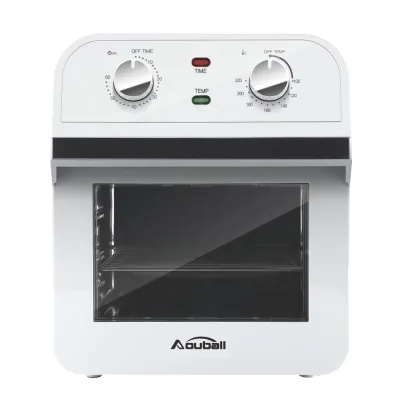
Zhongshan Aouball Electric Appliances Co., Ltd.
- Verified by SGS Group
- Manufacturer, Trading Company
- Lead time30 days
- Avg. response≤ 4h
Main productsCoffee Machine, Pizza Oven, Kitchen Waste Disposer, Air Fryer, Meat Grinder
Main marketsSoutheast Asia(20%), North America(15%), Mid East(15%)
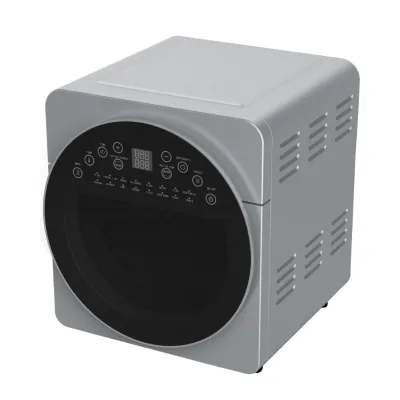
$51.0241 - $80.6179
MOQ: 855 Minimum
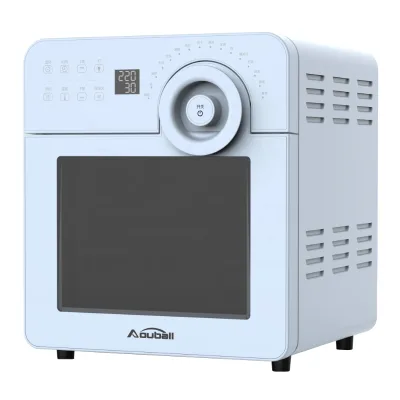
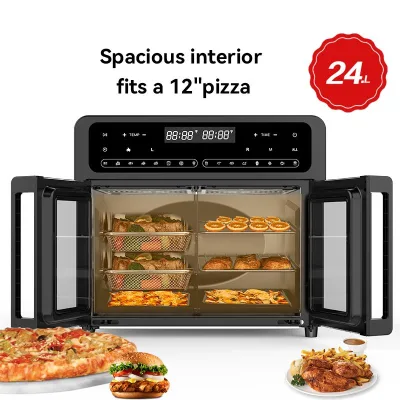
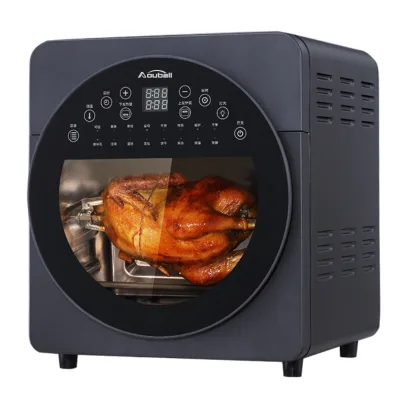

- Trading Company
- Hongkong_China Hongkong
- Lead time0 days
- Avg. response≤ 2h
Main productsWorkwear, Umbrella, Pet Beds, Outdoor Products, Household Articles, Woven Fabric, Knit Fabric
Chongqing Double Win Technology Co., Ltd.
- Trading Company
- Chong Qing, China
- Lead time30 days
- Avg. response≤ 5h
Main productsAir fryer,Coffee machine,Blender,Fan,Humidifier
Main marketsNorth America(60.00%), Oceania(10.00%), Southern Europe(5.00%), Northern Europe(5.00%), Western Europe(5.00%), Mid East(5.00%), South America(5.00%), Eastern Europe(5.00%)

Ningbo Yinyu Purification Technology Incorporated Company
- Combined
- China Zhejiang
- Lead time30 days
- Avg. response≤ 10h
Main productsAir Fryer, Medical Purifier, Oxygen Generator, Sleep Instrument
Main marketsDomestic
Ningbo Ambel International Co., Ltd.
- Verified by Intertek
- Trading Company
- Lead time60 days
- Avg. response≤ 8h
Main productsBlender, Air Fryer, Juicer, Kettle, Meat Grinder
Main marketsSoutheast Asia(23%), North America(18%), Western Europe(15%)
- Trading Company
- Beijing, China
- Lead time20 days
- Avg. response≤ 5h
Main productsHousehold Appliances
Main marketsNorth America(80.00%), Western Europe(5.00%), Southeast Asia(5.00%), Eastern Europe(5.00%), South America(5.00%)










Comprehensive Sourcing Guide
Commercial Household Air Fryer with Observation Window Supplier Concentration and Factory Types
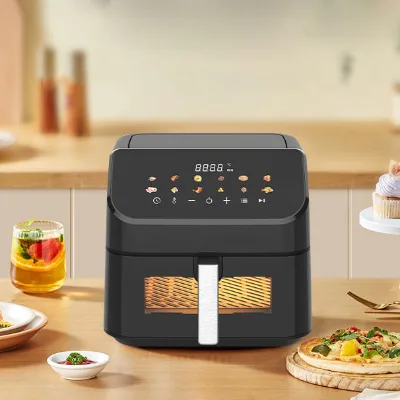
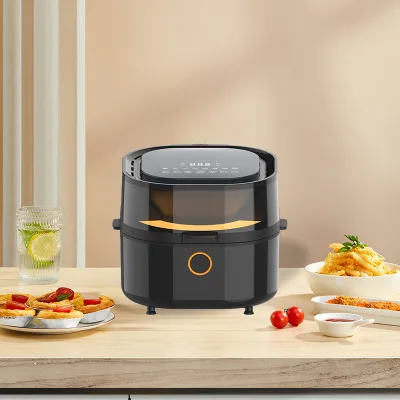
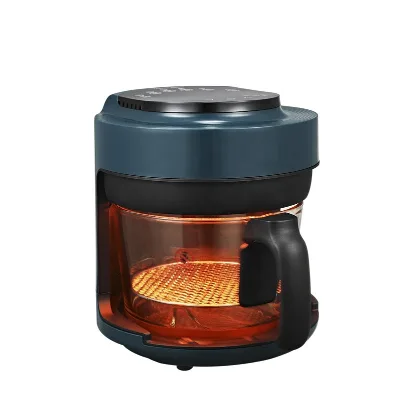
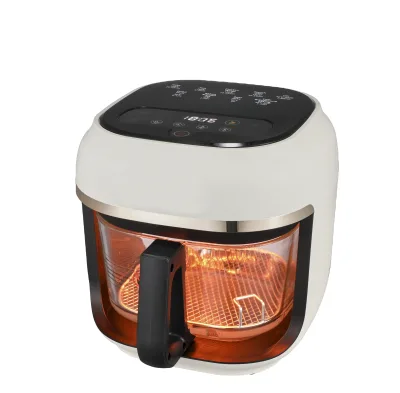
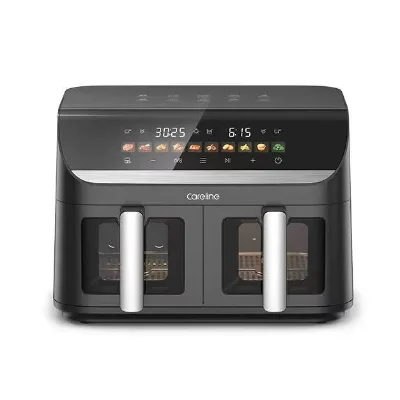
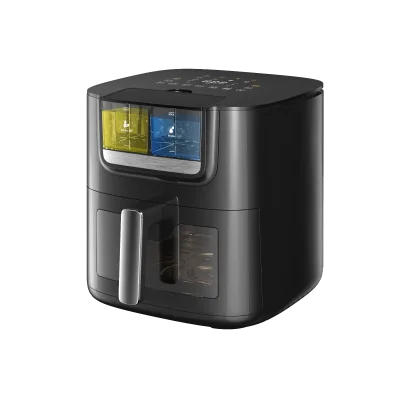
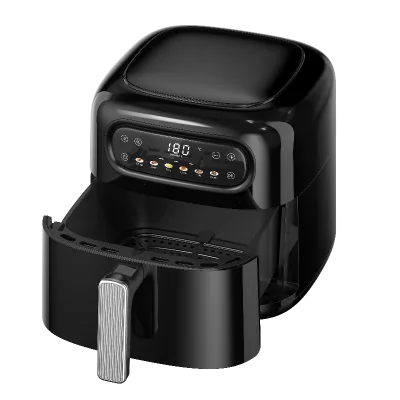
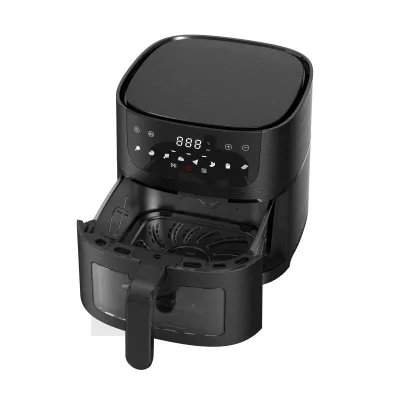
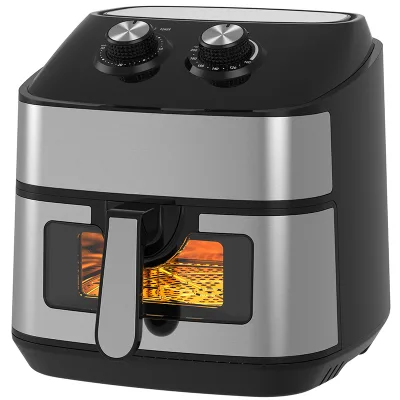
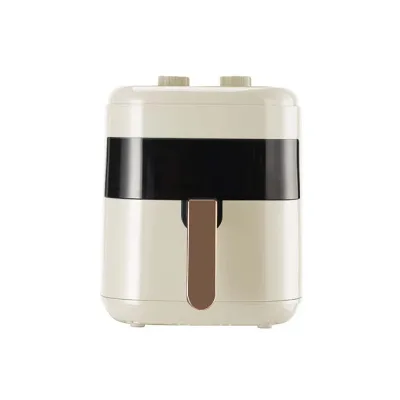
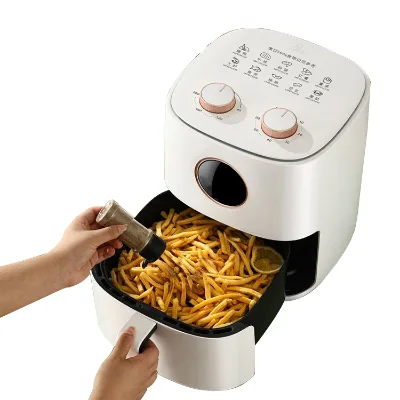
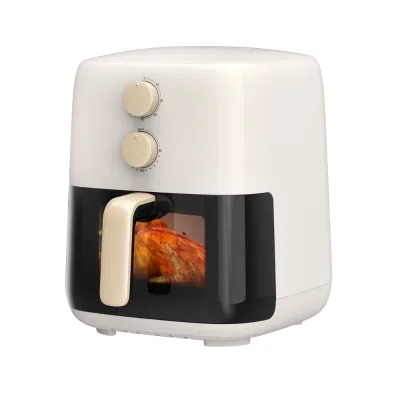
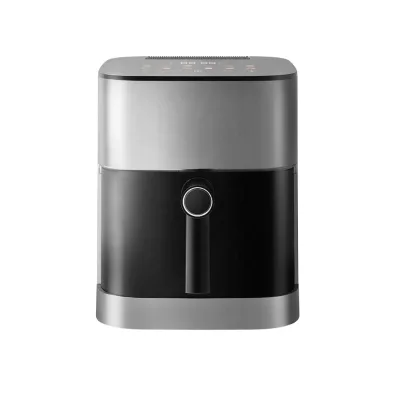
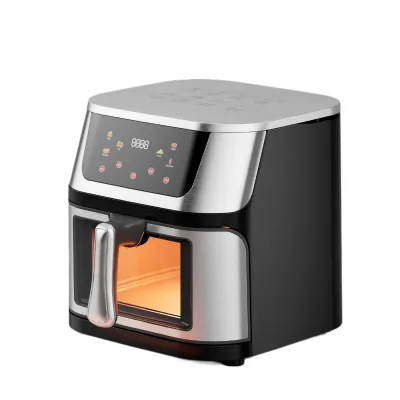
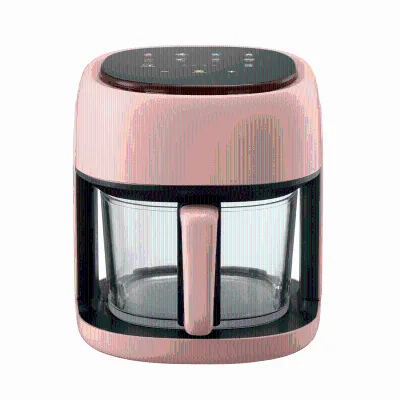
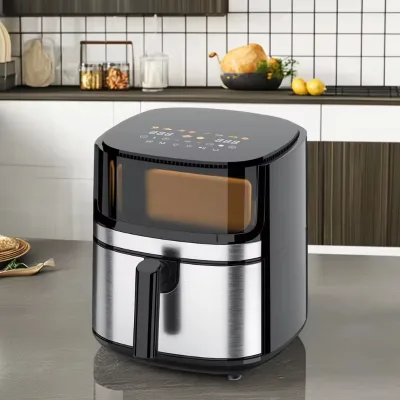
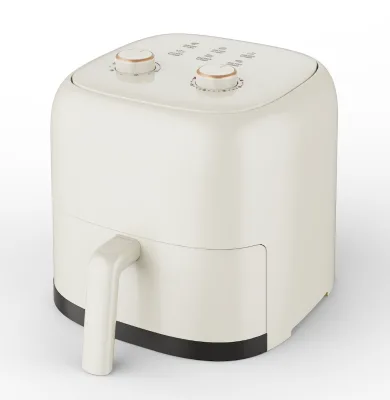
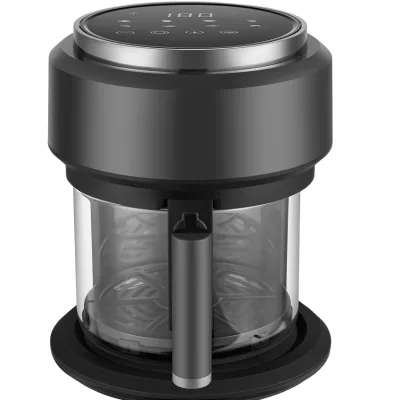
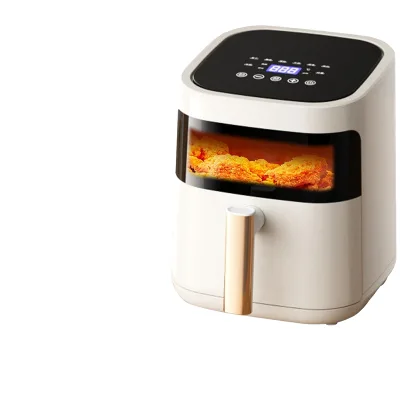
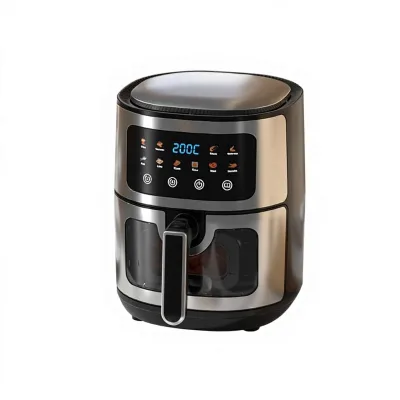
Current supplier data indicates a concentration of manufacturers and trading companies located in China, specifically within Shanghai and Zhejiang provinces. These regions serve as primary hubs for small kitchen appliance production, offering a dense network of facilities capable of handling the specific requirements for visible air fryers. The observed supplier types include both trading companies and direct manufacturers, with trading companies often aggregating products from various factories to offer a broader catalog. This mix allows buyers to access diverse product lines, ranging from digital touch control models to knob-operated units, all featuring the requested observation window technology.
When evaluating the factory types, it is essential to distinguish between entities that design and manufacture versus those that facilitate trade. The available data shows suppliers offering OEM and ODM capabilities, which suggests a capacity for customization in terms of capacity, voltage, and material composition. Some suppliers list main products that extend beyond air fryers to include blenders and food processors, indicating a broader manufacturing scope. Buyers should verify if a specific supplier focuses exclusively on air fryers or operates as a general appliance trader, as this distinction impacts the depth of technical expertise available for the specific observation window mechanism and safety standards required for commercial and household use.
How to Verify Commercial Household Air Fryer with Observation Window Suppliers
Verification of suppliers in this category relies heavily on third-party audit reports and specific product certifications found in the data. Several observed listings include verification status from SGS, which serves as a critical indicator of a supplier's operational legitimacy and quality control processes. Additionally, product evidence frequently cites certifications such as CE, CCC, and CB, which are mandatory for selling these appliances in various international markets. Buyers must cross-reference these claims with the specific product models, such as the QF-605B or AF-605, to ensure the certifications apply to the exact unit being sourced rather than a generic category claim.
Beyond certifications, the response time and verification status provide insight into supplier reliability. Data points show response times as low as 1.12 hours, suggesting a high level of engagement and readiness to address technical queries regarding the observation window or electrical specifications. However, buyers should not assume all suppliers maintain this speed. It is crucial to request proof of the stated certifications and verify the SGS report directly. Furthermore, checking the supplier's establishment year and specific product attributes, such as the material of plastic parts (PP, PBT, ABS), helps confirm that the supplier has the technical depth to support the complex engineering required for a transparent, heat-resistant viewing window in a high-power appliance.
What to Compare Across Commercial Household Air Fryer with Observation Window Suppliers
Comparing suppliers requires a detailed analysis of key operational metrics including lead time, minimum order quantity, and pricing structures. The observed data reveals significant variation in lead times, with some suppliers indicating a 45-day production window, while others may offer faster turnaround depending on stock availability. Minimum order quantities also differ substantially, ranging from 200 units for certain models to 1000 units for others. Buyers must align these MOQs with their inventory strategy, as a lower MOQ might be preferable for testing the market, whereas higher volumes could unlock better unit pricing tiers.
Pricing and product specifications form another critical comparison dimension. Unit prices observed range from approximately $5.99 to $39.90, heavily influenced by capacity, material quality, and feature sets like touch screens versus knob controls. Suppliers offering larger capacities, such as 6L or 5L models, often command different price points compared to 3L units. Additionally, the voltage specifications vary, with options for 110V/220V or specific regional standards like 120V-60Hz. Buyers should compare the power ratings, which range from 1000W to 1400W, against their target market's energy requirements. It is vital to ensure that the price includes all necessary certifications and that the customization options, such as logo printing or color variations, are clearly defined in the quote.
Common Commercial Household Air Fryer with Observation Window Sourcing Risks
One primary risk in sourcing these appliances involves the integrity of the observation window and its ability to withstand high temperatures without deforming or cracking. The product attributes list materials like PP, PBT, and ABS, but the specific formulation for the transparent window is not always detailed in general listings. Buyers must verify that the window material is heat-resistant and meets the safety standards required for commercial use, as failure in this component can lead to product recalls or safety hazards. The difference between a standard plastic window and a specialized heat-resistant glass or high-grade polymer is a critical technical detail that requires direct supplier confirmation.
Another significant risk relates to the variability in electrical safety and certification compliance across different suppliers. While some products list CE, CCC, and CB certifications, others may only list partial compliance. The voltage specifications vary widely, from 110V to 240V, and incorrect voltage adaptation can lead to equipment failure or fire hazards. Buyers must ensure that the supplier provides a valid test report for the specific model being ordered, rather than relying on generic certification claims. Additionally, the lead time of 45 days or more introduces supply chain risks, where delays in production or shipping can disrupt market entry. Verifying the supplier's ability to meet deadlines and their contingency plans for production delays is essential to mitigate these risks.
Commercial Household Air Fryer with Observation Window Regional Sourcing and Logistics
Sourcing from the identified regions of Shanghai and Zhejiang in China offers logistical advantages due to the established infrastructure for exporting small kitchen appliances. These provinces are home to major ports and a dense network of logistics providers, facilitating efficient shipping to global markets. The proximity of manufacturers to these ports can reduce inland transportation costs and lead times. However, buyers must account for the specific packaging dimensions provided in the data, such as 37.53235cm or 27.72533cm, to accurately calculate container loading and freight costs. Different models have varying packing sizes, which directly impacts the number of units that can be shipped per container.
Logistics planning also requires attention to the specific voltage and plug configurations required by the destination market. The data shows suppliers offering European, British, American, and domestic three-plug options, but the compatibility of these plugs with the local grid must be confirmed. Buyers should verify that the supplier's packaging includes the correct plugs and that the voltage ratings match the destination country's standards to avoid costly returns or modifications. Furthermore, the weight of the units, ranging from 3kg to 4.75kg, affects shipping costs and handling requirements. Coordinating with freight forwarders who specialize in appliance logistics can help navigate these complexities and ensure that the goods arrive in optimal condition.
Commercial Household Air Fryer with Observation Window Commercial Terms and Order Planning
Commercial terms for these orders often involve specific payment structures and escrow services to protect both parties. While the data does not explicitly list all payment terms, the presence of SGS verification and specific product evidence suggests that reputable suppliers are likely to offer secure transaction methods. Buyers should negotiate clear terms regarding the deposit percentage, balance payment timing, and the conditions under which escrow services are utilized. Understanding the lead time of 45 days is crucial for planning production schedules and ensuring that inventory arrives before peak selling seasons. Delays in production can have a cascading effect on the entire supply chain, making accurate lead time verification a priority.
Order planning must also consider the customization options available, such as logo printing and color variations. The data indicates that customization is available for many models, but the MOQ for customized orders may differ from standard stock items. Buyers should clarify the lead time impact of customization, as adding a custom logo or changing the color scheme can extend the production window. Additionally, the price range observed, from $5.99 to $39.90, suggests that bulk purchasing can significantly reduce the unit cost. Buyers should plan their order volumes to maximize these economies of scale while maintaining a buffer for potential quality issues or unexpected demand fluctuations. Clear communication regarding these terms ensures a smoother transaction and a successful market launch.
FAQs
What is the price range for visible air fryers?
Prices for these units typically range from $5.99 to $39.90 depending on capacity and features. Lower-cost models often have smaller capacities around 3L to 6L, while premium options with stainless steel casings and advanced touch screens command higher prices. Buyers should verify specific pricing tiers based on order volume and customization needs.
What certifications are available for these appliances?
Common certifications include CE, CCC, and CB, ensuring compliance with international safety and quality standards. These documents are essential for importing into various global markets. Buyers must confirm that the specific model they select holds the necessary certifications for their target region before finalizing any purchase agreements.
What is the minimum order quantity for bulk purchases?
Minimum order quantities vary significantly, ranging from 200 to 1000 units per model. Smaller batches may be available for specific models, while larger capacities often require higher volumes. Buyers should check the specific MOQ for each product code to ensure it aligns with their inventory requirements and budget constraints.
How long does production take for these orders?
Standard lead times are approximately 45 days for manufacturing and preparation. This duration allows for quality control and assembly processes. Buyers should plan their supply chain accordingly, considering that rush orders or custom branding may extend this timeline beyond the standard production window.
Can suppliers offer OEM and ODM services?
Yes, many suppliers provide both OEM and ODM capabilities for customization. Buyers can request custom logos, packaging, and specific design modifications. This flexibility allows businesses to create unique products that meet their brand identity while leveraging the supplier's manufacturing expertise and established production lines.
Where are these air fryers manufactured?
Manufacturing facilities are primarily located in China, specifically in regions like Shanghai and Zhejiang. These areas are known for their robust appliance manufacturing ecosystems. Buyers can verify the exact origin of each unit to ensure it meets their sourcing preferences and logistical requirements for international shipping.