Commercial Laptop Control Aroma Diffuser Suppliers and Manufacturers
Find 26 verified suppliers offering Commercial Laptop Control Aroma Diffuser units with ODM and OEM capabilities. Compare dimensions, noise levels, oil capacity, and response times to select the right vendor. Contact suppliers directly to request quotes; review the available evidence before requesting comparable quotations from suitable candidates.
Updated
Suppliers List

Guangdong Vinescents Fragrance Technology Co., LTD
- Verified by BV
- Combined
- China Guangdong
- Lead time23 days
- Avg. response≤ 6h
Main productsAroma Diffuser, Large Space Scent Diffuser Machine, Home Aroma Diffuser, Car Aroma Diffuser
Main marketsSouth America,Africa,Southeast Asia/ Mideast,East Asia(Japan/ South Korea),Europe,Australia,North America

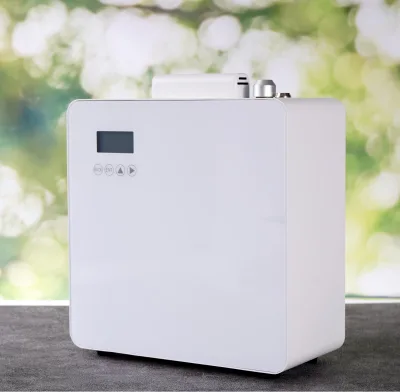
Touchscreen-Controlled 1L or 5L Capacity Bottles Commercial HVAC System Aroma Diffuser
$60.00 - $75.00
MOQ: 2 Pieces

Home Hotel Office 360 Aroma APP Control Powerful Scent Machine Fragrance Diffuser
$21.00 - $25.00
MOQ: 2 Pieces

Aroma Diffuser Home Hotel Office Diffuser Fragrance Machine Electric Scent Diffuser
$18.00 - $22.00
MOQ: 2 Pieces


Suzhou Ramon Aroma Technology Co.,Ltd.
- Combined
- China Jiangsu
- Lead time30 days
- Avg. response≤ 2h
Main productsAroma Diffuser
Main marketsDomestic


Commercial Factory Price Intelligent WiFi Function Aroma Scent Diffuser
$109.00 - $130.00
MOQ: 100 Pieces


Shenzhen Changlin Houseware Co., Ltd.
- Manufacturer, Trading Company
- Guangdong, China
- Lead time15 days
- Avg. response≤ 1h
Main productsAroma Diffuser, Humidifier, Dehumidifier, Air Purifier
Main marketsEastern Europe(15.00%), Southeast Asia(15.00%), Oceania(13.00%), Domestic Market(10.00%), South Asia(9.00%), Western Europe(9.00%), Southern Europe(5.00%), Central America(5.00%), Northern Europe(5.00%), Eastern Asia(4.00%), North America(3.00%), Mid East(3.00%), South America(2.00%), Africa(2.00%)
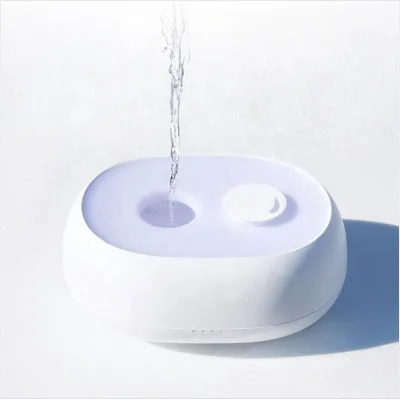
1L IR Remote Control Sea Clouds Electronic Aroma Diffuser
$18.50 - $22.00
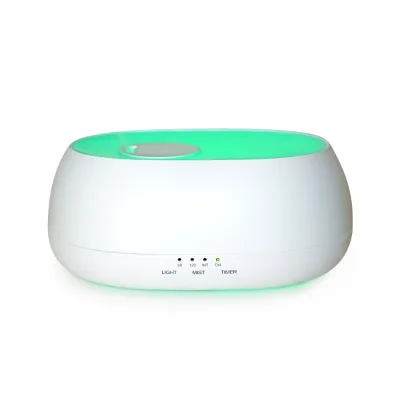
Nebulizer Diffuser Oil Home Diffuser Fragrance Diffuser
$13.99 - $16.00

Glass Diffuser Essential Oil Diffuser Humidifier Diffuser
$11.00 - $14.00
Ningxia Tianqing Technology Co., Ltd.
- Trading Company
- Ningxia, China
- Lead time15 days
- Avg. response≤ 23h
Main productsScent Diffuser Machine, Essential Oil, Car Aroma Diffuser
Main marketsNorth America(36.00%), Mid East(23.00%), Western Europe(16.00%), Eastern Europe(9.00%), Southeast Asia(9.00%), Oceania(3.00%), South America(2.00%), Africa(2.00%)

Outstanding Design & Manufacture Co., Ltd.
- Verified by BV
- Combined
- China Shanghai
- Lead time30 days
- Avg. response≤ 14h
Main productsScented Candle, Reed Diffuser, Car Air Freshener, Aroma Diffuser, Incense Gift Set, Scented Sachet, Oil Burner, Fragrance Oil, Essential Oil, Fragrance Lamp
Main marketsEurope,Australia,North America
Guangzhou Xiangyun Flavor Technology Co., Ltd.
- Verified by SGS Group
- Manufacturer, Trading Company
- Lead time7 days
- Avg. response≤ 2h
Main productsHome Aroma Diffuser, Commerical Scent Diffuser, Essential Oil
Main marketsNorth America(60%), Southeast Asia(30%), Eastern Europe(10%)
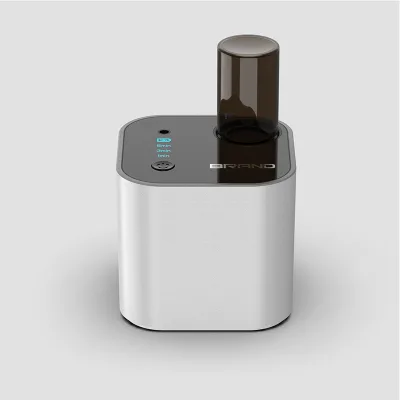
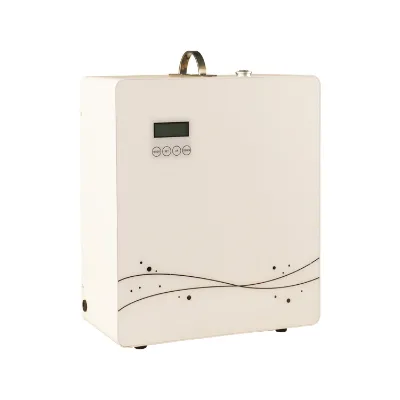
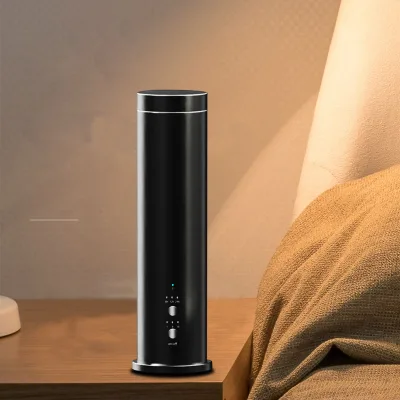
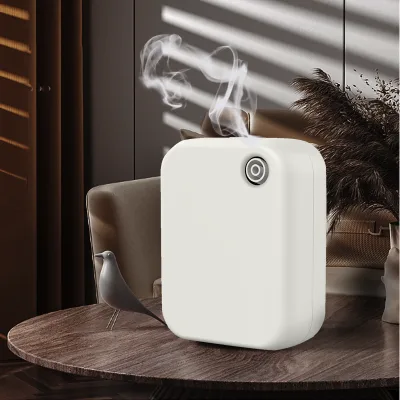
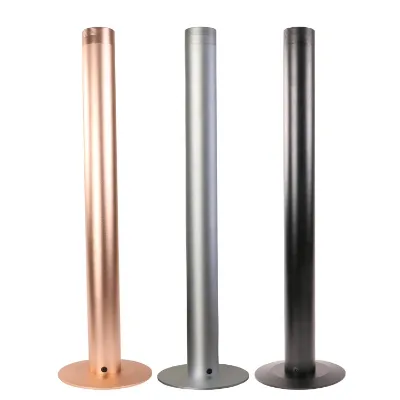
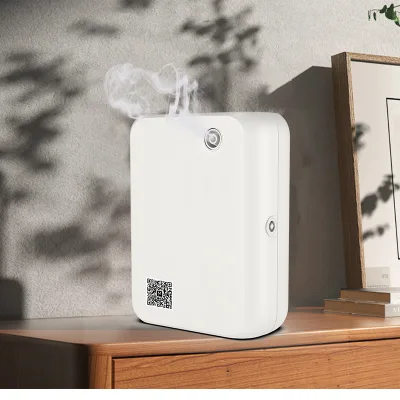
Ultra-Quiet ≤38dB A1500 Bluetooth WiFi Diffuser 1500m³ 500ml Commercial Aroma Oil Nebulizer
$14.90 - $16.90
MOQ: 2 Minimum
Suzhou Industrial Park Airsafer Environmental Technology Co., Ltd.
- Manufacturer, Trading Company
- Jiangsu, China
- Lead time0 days
- Avg. response≤ 11h
Main productsfragrance essential oil,diffuser,deodorant,Deodorizer
Main marketsNorth America(50.00%), Southeast Asia(30.00%), Eastern Europe(20.00%)

Shenzhen HY Electronic Technology Co., Ltd.
- Verified by SGS
- Manufacturer/Factory
- China Guangdong
- Lead time23 days
- Avg. response≤ 4h
Main productsAroma Diffuser, Humidifier, Essential Oil Diffuser, Essential Oil, Flame Humidifier, Atomizing Diffuser, Scent Oil, Aromatherapy Oils, Fragrance Oils, Waterless Diffuser
Main marketsSouth America,Eastern Europe,Mid East,North America,Southeast Asia,Eastern Asia,Oceania,Western Europe,Africa

$97.00 - $108.00
MOQ: 10 Pieces

Aroma Diffuser Remote Control for Home and Office Essential Oil Scent Air Diffuser
$97.00 - $108.00
MOQ: 10 Pieces

Luxury Electric Aromatic Air Aroma Diffuser Water Free Aroma Diffuser Aroma Diffuser
$97.00 - $108.00
MOQ: 10 Pieces

Air Fragrance Perfume Diffuser USB Essential Oil Diffuser Humidifier Aroma Diffuser
$5.50 - $6.80
MOQ: 1 Pieces

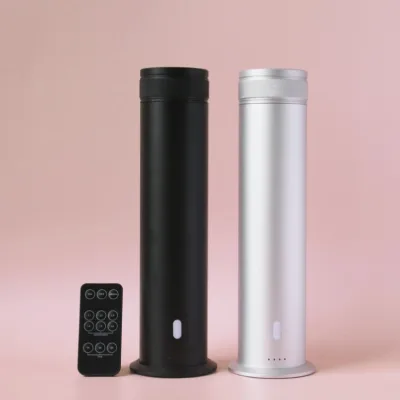
Ultra Quiet Aluminum Silver Small Fragrance Diffuser with Remote Control for Office Use
$97.00 - $108.00
MOQ: 10 Pieces
Shenzhen Beautystar Technology Company Ltd
- Trading Company
- Guangdong, China
- Lead time15 days
- Avg. response≤ 4h
Main productsLED Gifts,Air Humidifier,Aroma Diffuser,LED projector light,Holiday lighting
Main marketsSoutheast Asia(18.00%), Mid East(18.00%), South America(18.00%), North America(18.00%), Domestic Market(6.00%), Western Europe(3.00%), Southern Europe(3.00%), Oceania(3.00%), Northern Europe(3.00%), South Asia(2.00%), Eastern Europe(2.00%), Eastern Asia(2.00%), Central America(2.00%), Africa(2.00%)
Xiamen HIITII Fragrance Technology Co., Ltd.
- Manufacturer, Trading Company
- Fujian, China
- Lead time7 days
- Avg. response≤ 4h
Main productsEssential Oil Nebulizing Diffuser,Car Diffuser,Ultrasonic Aroma Diffuser
Main marketsSoutheast Asia(23.00%), North America(18.00%), Domestic Market(18.00%), Oceania(10.00%), Western Europe(6.00%), Eastern Asia(5.00%), Eastern Europe(4.00%), Mid East(4.00%), Southern Europe(3.00%), Northern Europe(3.00%), Central America(2.00%), South America(2.00%), Africa(1.00%), South Asia(1.00%)
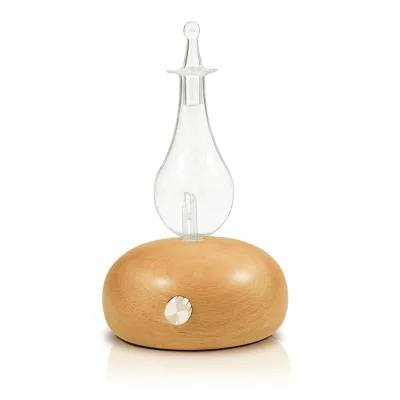
New Style Soundless Scent Home Aroma Diffuser
$12.6186 - $14.7951
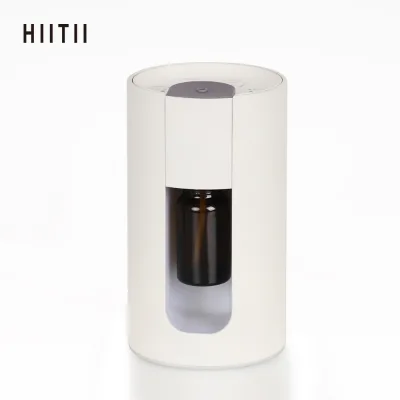
Best Seller USB Office Use Aroma Diffuser High Quality Gift Promotion Car Aroma Own EU US UK Patents
$16.465 - $20.7656
MOQ: 504 pieces
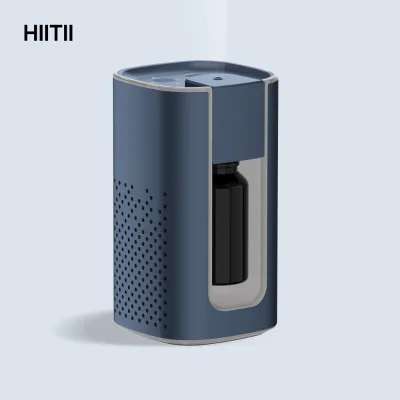
$15.5551 - $18.5636
MOQ: 1 pieces
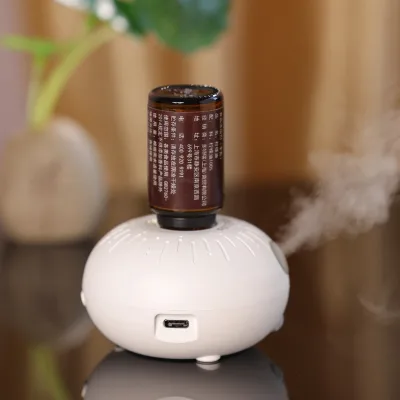
Shenzhen Crearoma Tech Limited
- Manufacturer, Trading Company
- Lead time旺季: "1 - 8":14,"9 - 50":20,"51 - 100":30,"> 100":"To be negotiated", 淡季: "1 - 8":14,"9 - 50":20,"51 - 100":30,"> 100":"To be negotiated"
- Avg. response≤ 2h
Main productsHousehold Aroma Difuser, Commercial Scent Diff User, Fragrance Oil, Car Aroma Diffuser, Advertising Scent Machine
Guangzhou Fegela Fragrance Technology Co., Ltd.
- Manufacturer
- Guangdong, China
- Lead time0 days
- Avg. response≤ 8h
Main productsAroma Diffuser,Scent Diffuser,Essential Oil Diffuser,Aroma Oil,Fragrance Oil
Main marketsNorth America(20.00%), Mid East(20.00%), Southeast Asia(10.00%), Eastern Europe(8.00%), Domestic Market(7.00%), Africa(6.00%), South Asia(5.00%), Eastern Asia(5.00%), Western Europe(4.00%), South America(3.00%), Oceania(3.00%), Southern Europe(3.00%), Northern Europe(3.00%), Central America(3.00%)

guangzhou xichi Technology Co.,LTD
- Verified by SGS
- Trading Company,Manufacturer/Factory
- China Guangdong
- Lead time15 days
- Avg. response≤ 10h
Main productsScent Diffuser, Aroma Diffuser, Fragrance Oils, Scent Machine, Diffuser Machine, Electric Aroma Diffuser, Car Air Fresher, Car Diffuser, Car Clean
Main marketsSouth America,Eastern Europe,North America,Southeast Asia,Eastern Asia,Oceania,Western Europe,Africa

Aroma Diffusers with 200ml Capacity Bluetooth Control Fragrance Diffuser
$19.90 - $25.90
MOQ: 49 Pieces

Guangzhou Ideal Tech Co., Ltd.
- Verified by TüVRheinland
- Trading Company
- Lead time35 days
- Avg. response≤ 4h
Main productsHumidifier, Aroma Diffuser, Scent Diffuser, Essential Oil, Mini Fan
Main marketsWestern Europe(50%), North America(20%), Oceania(10%)

Guangzhou Xiangyun Flavor Technology Co., Ltd.
- Verified by CTI
- Combined
- China Guangdong
- Lead time15 days
- Avg. response≤ 6h
Main productsAroma Diffuser
Main marketsSoutheast Asia/ Mideast,Europe,North America


Mechanical Long-Lasting Scent Aroma Diffuser with Timing Function for Car
$8.20 - $8.88
MOQ: 10 Pieces


Shenzhen Chenghaoxing Fragrance Technology Co., Ltd.
- Verified by TüVRheinland
- Manufacturer, Trading Company
- Lead time14 days
- Avg. response≤ 1h
Main productsAroma Diffusers, Fragrance Diffuser, Essential Oil Diffuser, Scent Diffuser, Waterless Diffuser
Main marketsNorth America(50%), Mid East(20%), Western Europe(15%)
Guangzhou DanQ Environmental Technology Co., Ltd.
- Verified by SGS Group
- Manufacturer, Trading Company
- Lead time40 days
- Avg. response≤ 2h
Main productsScent Diffuser, Aroma Diffuser, Fragrance Oil
Main marketsMid East(25%), North America(20%), Southeast Asia(12%)
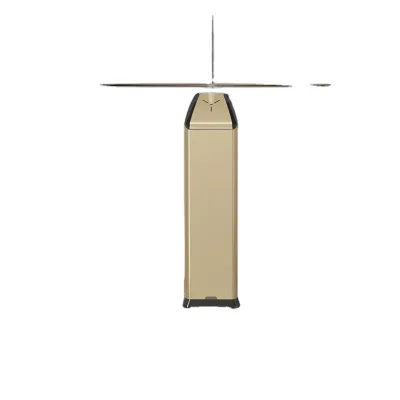
Home Use Aroma Diffuser,Scent Diffuser System for Commercial Use,scent Oil Equipment
$87.2718
MOQ: 8 Minimum
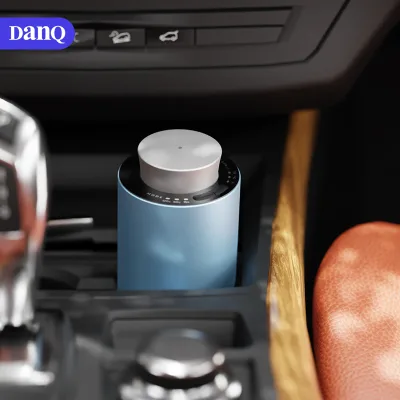
$18.9953 - $22.5884
MOQ: 50 pieces
Shenzhen Dazhi Technology Co., Ltd.
- Verified by TüVRheinland
- Manufacturer, Trading Company
- Lead time10 days
- Avg. response≤ 2h
Main productsAroma Diffuser, Air Humidifier, Air Freshener Dispenser, Soap Dispenser
Main marketsNorth America(25%), Southeast Asia(15%), South America(10%)
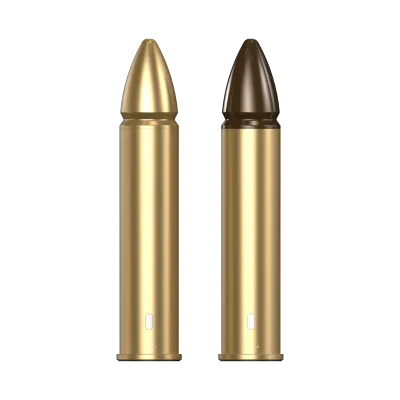
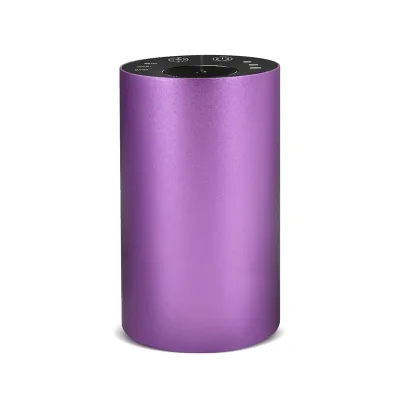
Custom Waterless Fragrance Oil Rechargeable Mist Office Table Diffuser Car Home Diffuser Perfume
$10.5515 - $11.2695
MOQ: 2 pieces

Doumen District Baijiao Town Hengli Electronics Business Department
- Manufacturer, Trading Company
- Guangdong, China
- Lead time7 days
- Avg. response≤ 7h
Main productsLED kechain,UV Torch,Promotion Wristband,LED candles,Promotional Gifts
Main marketsEastern Europe(13.00%), Domestic Market(11.00%), Southern Europe(10.00%), Mid East(10.00%), North America(10.00%), Southeast Asia(8.00%), Oceania(8.00%), South America(7.00%), South Asia(6.00%), Africa(5.00%), Eastern Asia(5.00%), Northern Europe(3.00%), Central America(2.00%), Western Europe(2.00%)

- Verified by SGS
- Trading Company
- China Zhejiang
- Lead time15 days
- Avg. response≤ 10h
Main productsFan, Heater Fan, Air Fryer, Toaster, Rice Cooker, Vacuum Cleaner, Coffee Machine, Hairdressing Appliance, Electric Toothbrush, Steam Iron
Main marketsEurope,Australia

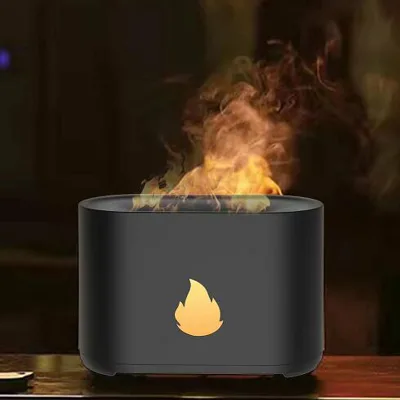
Office Desktop Humidifier Fragrance Flame Diffuser Essential Oil Ultrasonic Aroma Diffuser
$10.94 - $11.14
MOQ: 100 Pieces


- Manufacturer, Trading Company
- Guangdong, China
- Lead time30 days
- Avg. response≤ 9h
Main productsAroma Diffusers,Aroma humidifier,Aromatherapy diffusers,Essential oil diffusers,Oil Diffusers
Main marketsWestern Europe(26.10%), Northern Europe(23.80%), Eastern Asia(14.90%), North America(10.80%), South America(9.50%), Oceania(7.70%), Domestic Market(4.40%), Africa(1.70%), Southeast Asia(1.10%)
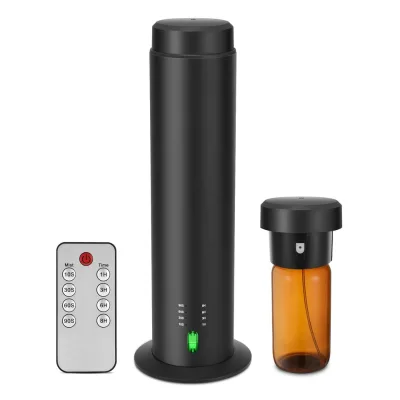
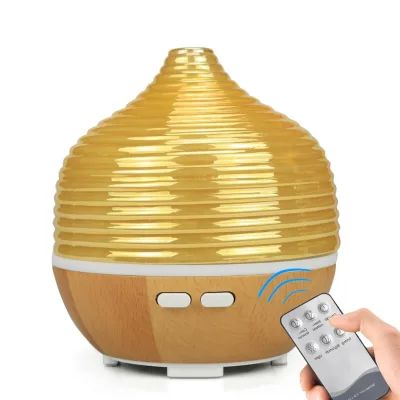
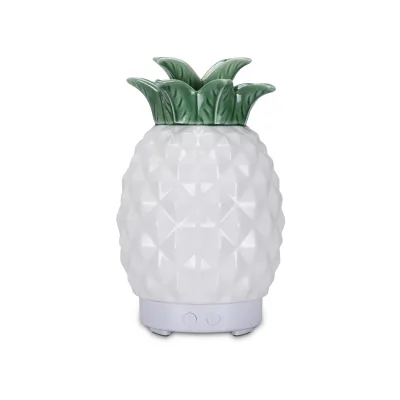
Collection Diffuser Fragrance Scent Large Aroma Diffuser Quiet Operation
$22.5884 - $26.6957
MOQ: 12 pieces
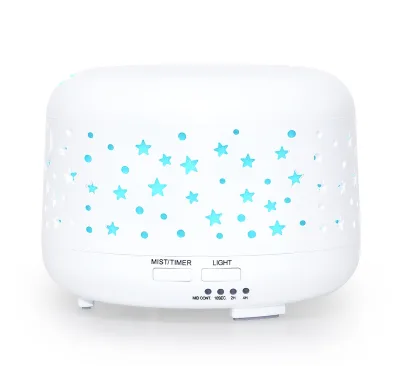
$15.1954 - $18.4812
MOQ: 2 pieces
$11.0896 - $13.8613
MOQ: 1 units
Shenzhen Ivyaroma Technology co.,Ltd
- Manufacturer
- Guangdong, China
- Lead time35 days
- Avg. response≤ 2h
Main productsAromatherapy Diffuser,Aroma Diffuser,ODM Service,Scent Diffuser,Essential Oil
Main marketsMid East(20.00%), North America(16.00%), Domestic Market(15.00%), Eastern Europe(12.00%), Eastern Asia(5.00%), South America(5.00%), Oceania(5.00%), Western Europe(5.00%), Southeast Asia(3.00%), Southern Europe(3.00%), Northern Europe(3.00%), Central America(3.00%), Africa(3.00%), South Asia(2.00%)
Zhongshan Auramor Smart Technology Co., Ltd.
- Manufacturer, Trading Company
- Guangdong, China
- Lead time30 days
- Avg. response≤ 5h
Main productsAroma Diffuser,Humidifier,Air Purifier,Essential oil,Air deodorizer
Main marketsNorth America(36.00%), Mid East(16.00%), South America(8.00%), Northern Europe(8.00%), Eastern Europe(7.00%), Western Europe(6.00%), Southern Europe(6.00%), South Asia(3.00%), Southeast Asia(3.00%), Eastern Asia(2.00%), Oceania(2.00%), Central America(2.00%), Africa(1.00%)
$19.508 - $24.1279
MOQ: 100 pieces
Helloworld (guangzhou) Import & Export Co., Ltd.
- Manufacturer, Trading Company
- Guangdong, China
- Lead time0 days
- Avg. response≤ 5h
Main productsSilicone Product,Plastic Product,Gel Products,House Products,Gift & Craft
Main marketsNorth America(36.00%), South America(35.00%), Eastern Europe(15.00%), Southeast Asia(9.00%), Domestic Market(1.00%), Western Europe(1.00%), Eastern Asia(1.00%), Mid East(1.00%), Africa(1.00%)
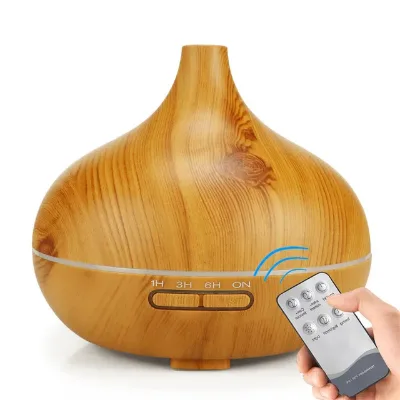
$4.3846 - $4.9797
MOQ: 200 pieces

Cangnan Sindh Commodity Factory
- Verified by CTI
- Trading Company
- China Zhejiang
- Lead time15 days
- Avg. response≤ 8h
Main productsAroma Diffuser, Essential Oil, Cleaning Cloth, Shoe Cover, Luggage Cover, Blanket, Flannel Fleece Fabric, Mop Strips, Microfiber Mop Yarn
Main marketsDomestic,Europe,North America

180ml WiFi Aroma Diffuser with Waterless Scent Technology for HVAC Systems
$50.00 - $60.00
MOQ: 1 Pieces

Shenzhen Jing Xin Tai Houseware Co., Ltd.
- Verified by SGS Group
- Manufacturer, Trading Company
- Lead time30 days
- Avg. response≤ 8h
Main productsAroma Diffuser, Essential Oil Diffuser, Air Humidifier, Mini Fan
Main marketsNorth America(35%), Eastern Europe(22%), Eastern Asia(13%)
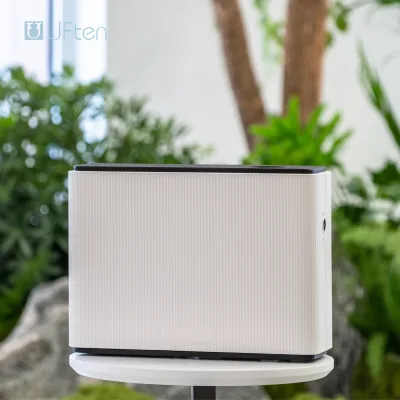
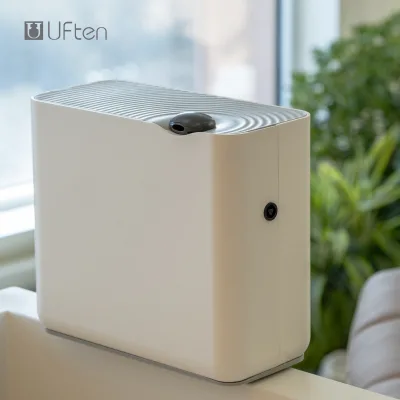
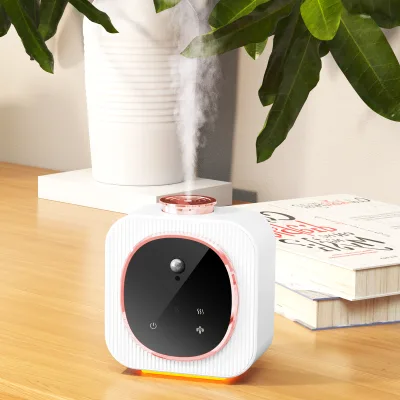


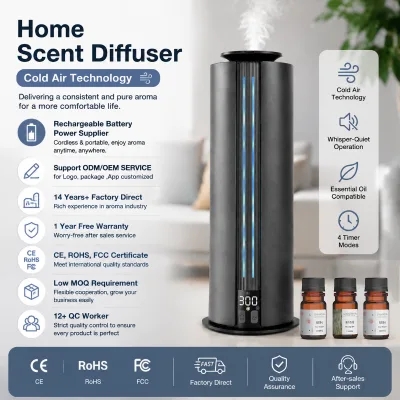
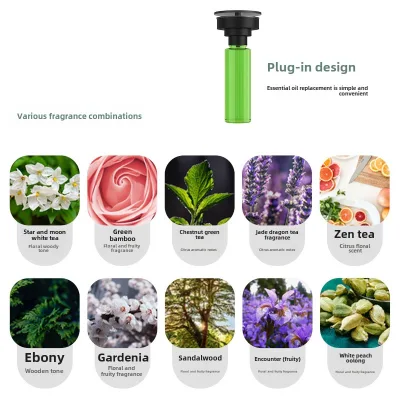
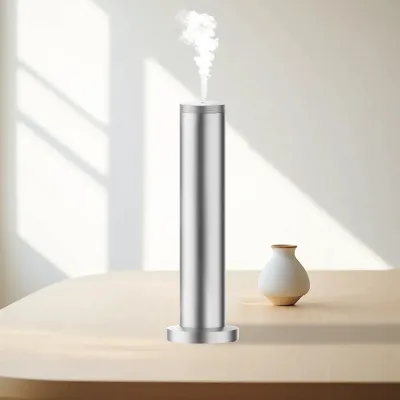
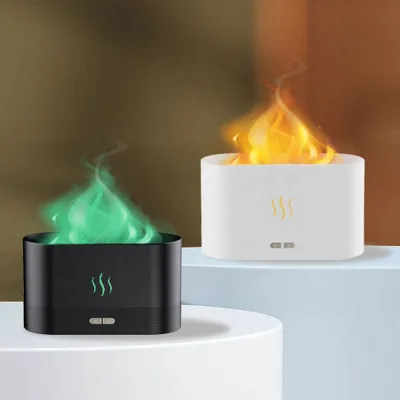

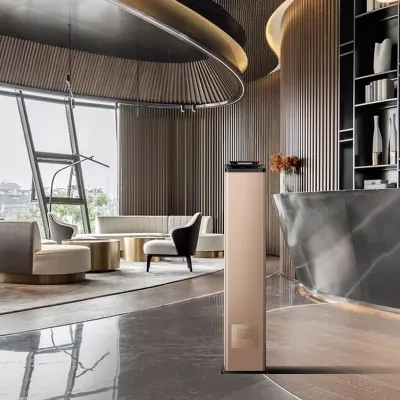
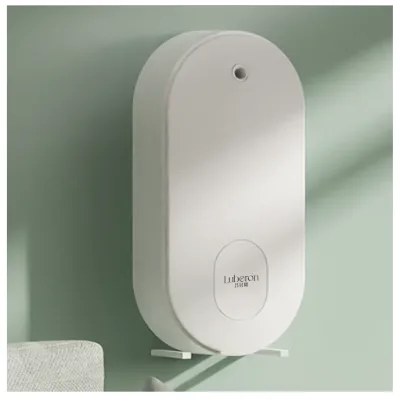
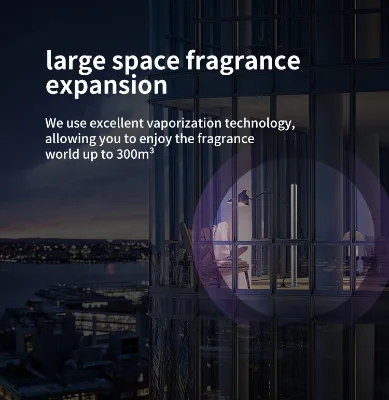
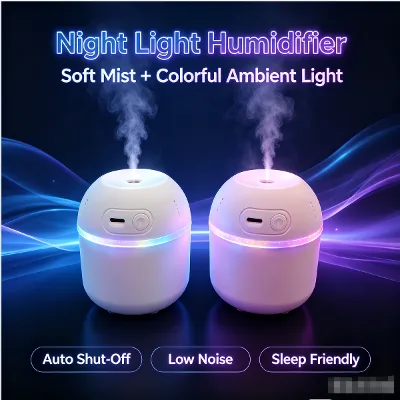
Comprehensive Sourcing Guide
Commercial Laptop Control Aroma Diffuser Supplier Concentration and Factory Types
The current supplier landscape for commercial laptop control aroma diffusers reveals a distinct concentration of manufacturing capabilities within specific industrial regions. Based on the available data, a significant portion of these suppliers is located in China, specifically within the Guangdong province. This geographic clustering is not accidental but reflects a mature supply chain ecosystem that supports the production of complex electronic and plastic components required for smart scenting devices. Buyers evaluating this market should recognize that Guangdong serves as a primary hub for electronics assembly, allowing for rapid prototyping and efficient logistics for international orders. The presence of suppliers in this region often correlates with access to specialized materials such as PP, PC panels, and metal housings, which are frequently cited in product specifications for these units. Understanding this geographic concentration helps buyers anticipate shipping routes, potential transit times, and the general availability of skilled labor for assembly tasks. It also suggests that many suppliers may offer competitive pricing due to the density of supporting industries, from circuit board manufacturing to injection molding services. However, buyers must verify that the listed location corresponds to the actual factory where production occurs, as some entities may be trading companies operating out of the same industrial parks. The concentration in Guangdong also implies a high level of competition among suppliers, which can drive innovation in features like WiFi control, app integration, and low-noise operation. Buyers should leverage this knowledge to prioritize suppliers who can demonstrate direct factory access or strong OEM/ODM capabilities, as these are often more prevalent in established manufacturing clusters. This regional insight provides a foundational layer for assessing the reliability and scalability of potential partners, ensuring that the sourcing strategy aligns with the logistical realities of importing high-tech home and commercial appliances.
Supplier types in this category vary, with many entities identifying as combined entities that handle both manufacturing and trading functions. This hybrid model can offer buyers flexibility, as these suppliers often possess the technical capacity for OEM and ODM services while maintaining the commercial agility of a trading firm. The data indicates that many suppliers offer customization options, including acrylic panel pattern customization and logo services, which are critical for brands seeking to differentiate their commercial scenting solutions. The main products listed frequently include aroma diffusers, large space scent diffuser machines, and HVAC system integrated units, suggesting a broad capability range. Buyers should note that while some suppliers focus on tabletop or portable units, others specialize in wall-mounted or floor-standing models, each requiring different manufacturing expertise. The presence of certifications such as ISO9001:2015 among some suppliers indicates a baseline commitment to quality management systems, which is essential for maintaining consistency in electronic components and plastic molding processes. Verification statuses, such as BV verification, provide an additional layer of confidence regarding the legitimacy and operational capacity of these suppliers. However, buyers must carefully distinguish between suppliers who merely assemble components and those who design the core technology, particularly for laptop or app-controlled features. The ability to produce units with specific noise levels, such as less than 45dba or even lower, requires precise engineering and quality control measures that vary significantly between suppliers. Understanding the specific factory type and its capabilities is crucial for determining whether a supplier can meet the technical demands of commercial laptop control aroma diffusers. Buyers should inquire about the supplier’s internal R&D capacity and their history with similar electronic integrations to ensure they can deliver reliable, long-lasting products that meet commercial standards.
How to Verify Commercial Laptop Control Aroma Diffuser Suppliers
Verifying suppliers for commercial laptop control aroma diffusers requires a multi-layered approach that goes beyond basic profile reviews. Buyers should prioritize suppliers who have undergone third-party verification processes, such as BV verification, which provides an independent assessment of the company’s legal status and operational capabilities. This verification is a critical first step in establishing trust, as it confirms that the entity exists and operates within the declared business scope. However, verification alone is not sufficient; buyers must also examine the supplier’s certification records, such as ISO9001:2015, to ensure that their quality management systems are up to date and compliant with international standards. These certifications are particularly important for electronic devices, as they indicate a structured approach to production consistency and defect reduction. Buyers should request copies of these certificates and verify their validity through the issuing bodies to avoid fraudulent documentation. Additionally, the response time of a supplier can serve as an indirect indicator of their operational efficiency and customer service quality. A supplier with a rapid response time, such as under six hours, is likely to have a dedicated team handling inquiries and technical support, which is essential for resolving issues during the sourcing process. Buyers should test this responsiveness by asking detailed technical questions about the laptop control functionality, app compatibility, and connectivity protocols. The supplier’s ability to provide clear, accurate, and timely answers can reveal their technical depth and commitment to customer satisfaction. Furthermore, buyers should inquire about the supplier’s establishment year and track record in the industry, as longer-standing companies often have more refined processes and a proven history of fulfilling orders.
Beyond documentation and response metrics, buyers must conduct thorough due diligence on the supplier’s product evidence and technical specifications. The product listings for commercial laptop control aroma diffusers often include detailed attributes such as power type, control mode, and oil consumption rates. Buyers should cross-reference these details with the supplier’s claims to ensure consistency and accuracy. For instance, if a supplier claims their device supports WiFi control, buyers should ask for demonstration videos or technical datasheets that confirm this functionality. It is also crucial to verify the supplier’s ability to provide customization services, such as logo printing or panel pattern adjustments, as these are common requirements for commercial branding. Buyers should request samples to physically inspect the build quality, material durability, and ease of use of the laptop control interface. The sample evaluation should include testing the device’s noise levels, coverage area, and oil consumption to ensure they meet the specified standards. Additionally, buyers should check the supplier’s warranty policies and after-sales service provisions, as these are critical for long-term commercial operations. A supplier that offers free repairs or comprehensive support indicates confidence in their product quality and a commitment to customer retention. Buyers should also verify the supplier’s production capacity and lead times to ensure they can meet large order volumes without compromising quality. By combining documentary verification, technical testing, and service evaluation, buyers can build a comprehensive profile of each supplier’s reliability and suitability for their specific sourcing needs. This rigorous verification process minimizes the risk of partnering with unreliable suppliers and ensures that the final products meet the high standards required for commercial environments.
What to Compare Across Commercial Laptop Control Aroma Diffuser Suppliers
When comparing suppliers for commercial laptop control aroma diffusers, buyers must evaluate a range of operational and commercial metrics to identify the most suitable partner. One of the primary factors to compare is the lead time, which directly impacts inventory management and project timelines. Suppliers may offer varying lead times, such as twenty-three days, which buyers must align with their delivery schedules. It is essential to clarify whether this lead time includes production, testing, and packaging, or if it excludes shipping and customs clearance. Buyers should also compare the minimum order quantity (MOQ) requirements, as these can vary significantly between suppliers. Some suppliers may have an MOQ of just two units, which is ideal for testing or small-scale deployments, while others may require larger volumes for cost efficiency. Understanding these MOQs helps buyers determine the financial risk associated with initial orders and the scalability of the partnership. Additionally, buyers should compare the price ranges offered by different suppliers, keeping in mind that lower prices may not always correlate with better quality or service. The price for commercial laptop control aroma diffusers can range from approximately eighteen to seventy-five dollars per unit, depending on features, materials, and customization options. Buyers should analyze the cost breakdown to understand what is included in the price, such as packaging, documentation, and basic accessories. Comparing these financial terms allows buyers to balance cost against value, ensuring they receive the best possible return on investment.
Beyond pricing and volume, buyers should compare the technical specifications and customization capabilities of each supplier. The control mode is a critical differentiator, with some suppliers offering Bluetooth, WiFi, or app-based control via laptop interfaces. Buyers should verify the compatibility of these control systems with their existing infrastructure and user preferences. The material composition of the diffuser, such as PP, PC panels, or metal housings, also varies and affects durability and aesthetic appeal. Buyers should compare the noise levels, oil consumption rates, and coverage areas to ensure the products meet the specific requirements of their commercial spaces. For example, a supplier offering a unit with a noise level below twenty-five dba may be preferable for quiet environments like libraries or spas. Additionally, buyers should compare the warranty terms and after-sales support provided by each supplier. A one-year warranty with free repairs is a common offering, but buyers should verify the scope of coverage and the process for claiming service. The availability of OEM and ODM services is another key comparison point, as it determines the supplier’s flexibility in adapting products to brand-specific needs. Buyers should also compare the supplier’s response time and communication quality, as these factors influence the efficiency of the sourcing process. By systematically evaluating these dimensions, buyers can create a weighted scoring matrix to objectively rank suppliers and select the one that best aligns with their strategic goals and operational requirements. This structured comparison ensures that decisions are based on comprehensive data rather than isolated factors.
Common Commercial Laptop Control Aroma Diffuser Sourcing Risks
Sourcing commercial laptop control aroma diffusers involves several inherent risks that buyers must proactively manage to ensure a successful procurement outcome. One significant risk is the discrepancy between advertised specifications and actual product performance. Suppliers may claim features such as WiFi control or low noise levels, but the actual units may fall short of these promises. This risk is particularly prevalent in the electronics sector, where component quality and software stability can vary widely. Buyers must mitigate this risk by requesting detailed technical documentation and conducting rigorous sample testing before placing large orders. It is crucial to verify that the laptop control interface is stable and responsive, as any lag or connectivity issues can disrupt commercial operations. Additionally, buyers should be aware of the risk of intellectual property infringement, especially when dealing with suppliers who offer extensive customization options. Some suppliers may use unauthorized designs or components, which can lead to legal complications and product recalls. Buyers should ensure that all customizations are original and that the supplier has the necessary rights to produce and sell the modified products. Another common risk is the inconsistency in quality control, which can result in defective units reaching the end user. This risk is heightened when suppliers have high production volumes or when they outsource certain manufacturing steps. Buyers should implement strict quality assurance protocols, including pre-shipment inspections and random sampling, to detect and address defects early. The risk of supply chain disruptions, such as delays in component delivery or production bottlenecks, is also a concern. Buyers should maintain open communication with suppliers and have contingency plans in place to handle potential delays. By identifying and addressing these risks early in the sourcing process, buyers can protect their interests and ensure the reliable delivery of high-quality commercial laptop control aroma diffusers.
Another critical risk is the potential for miscommunication regarding commercial terms and logistics. Suppliers may have different interpretations of Incoterms, payment terms, or warranty conditions, leading to disputes later in the process. Buyers must ensure that all agreements are clearly documented in writing and that both parties have a mutual understanding of their responsibilities. The risk of currency fluctuation and payment fraud is also present, particularly when dealing with international suppliers. Buyers should use secure payment methods, such as escrow services, to protect their funds until the goods are received and verified. Additionally, buyers should be cautious of suppliers who offer unusually low prices, as this may indicate compromised quality or hidden costs. The risk of environmental and regulatory non-compliance is another concern, as commercial
FAQs
What is the price range for commercial aroma diffusers?
Commercial aroma diffusers are priced between $18 and $75 per unit. The cost varies based on capacity and control features. Smaller tabletop models start at $18, while larger HVAC-compatible units with touchscreens reach $75. Buyers should verify specific pricing for bulk orders to ensure accurate budgeting for their facility.
What is the minimum order quantity for these diffusers?
The minimum order quantity is typically two units. This low MOQ allows buyers to test product quality before committing to larger purchases. It is ideal for small hotels or offices looking to trial scent marketing strategies. Buyers should confirm if the supplier offers tiered pricing for quantities exceeding the initial minimum requirement.
How long does delivery take for these orders?
The standard lead time for production and delivery is 23 days. This timeframe applies to most standard commercial models. Buyers requiring urgent shipments should contact suppliers directly to check for expedited options. Delays may occur during peak seasons, so early planning is recommended to maintain facility scenting schedules.
Are these diffusers suitable for hotel and office use?
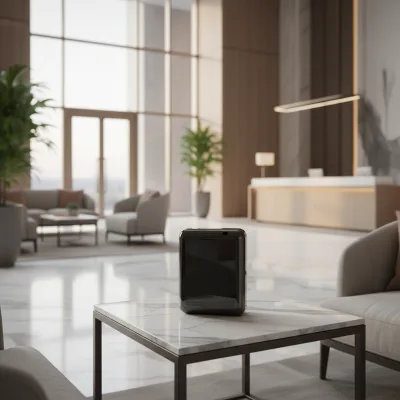
Yes, these diffusers are explicitly designed for hotel and office environments. They feature quiet operation, often below 45 decibels, ensuring minimal disruption. Many models offer wall-mounted or tabletop styles to fit various interior designs. Smart controls allow for precise scent distribution in large commercial spaces like lobbies and conference rooms.
What certifications do these suppliers hold?
Suppliers hold ISO9001:2015 system certification, ensuring quality management standards. Products are verified by BV, adding a layer of trust for international buyers. These credentials indicate reliable manufacturing processes. Buyers should request copies of these certificates to verify compliance with their specific procurement policies and safety requirements.
Can I customize the diffuser design or logo?
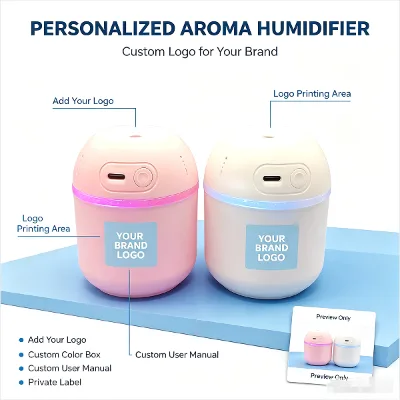
Customization is available for many commercial aroma diffuser models. Buyers can often request logo printing or specific color options. Some suppliers offer acrylic panel pattern customization for a unique brand identity. OEM and ODM services are supported, allowing for tailored solutions. Buyers should discuss specific design requirements directly with the supplier to confirm feasibility.