European Standard Gas Stove Suppliers and Manufacturers
Find 31 verified suppliers offering European Standard Gas Stove options from Zhejiang, China. Compare response times, lead times, MOQs, certifications, and prices to source efficiently. Review product details and contact suppliers directly for quotes; review the available evidence before requesting comparable quotations from suitable candidates.
Updated
Suppliers List
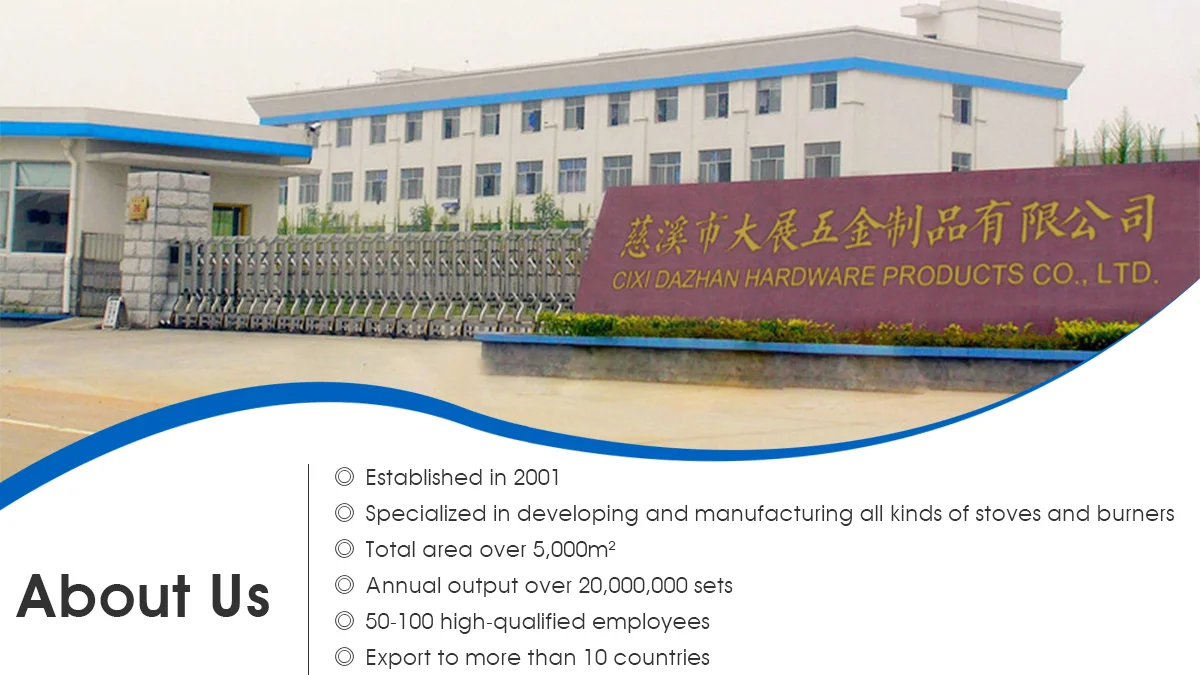
Cixi Dazhan Hardwares Co., Ltd.
- Manufacturer, Trading Company
- Zhejiang, China
- Lead time15 days
- Avg. response≤ 3h
Main productsgas stove,camping stove,camping burner,picnic stove,gas burner
Main marketsAfrica(38.00%), Mid East(25.00%), Northern Europe(8.00%), Eastern Europe(6.00%), South America(5.00%), North America(5.00%), Southern Europe(3.00%), Southeast Asia(2.00%), South Asia(2.00%), Western Europe(2.00%), Eastern Asia(2.00%), Central America(1.00%), Oceania(1.00%)

Asialord Electric Appliance Co., Ltd.
- Manufacturer, Trading Company
- Guangdong, China
- Lead time60 days
- Avg. response≤ 4h
Main productsGas Appliances/Valves/Regulators/Fittings/Metal Parts,Electric Appliance
Main marketsWestern Europe(40.00%), North America(30.00%), Eastern Asia(20.00%), Oceania(10.00%)
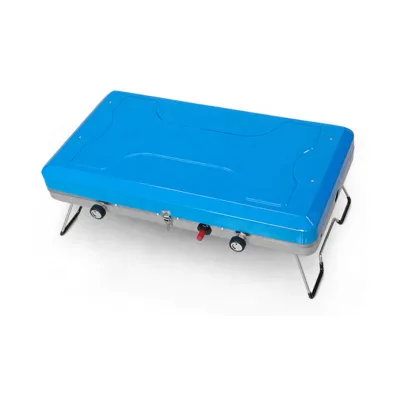
Portable Stove of Australia Standard
$21.80 - $22.80
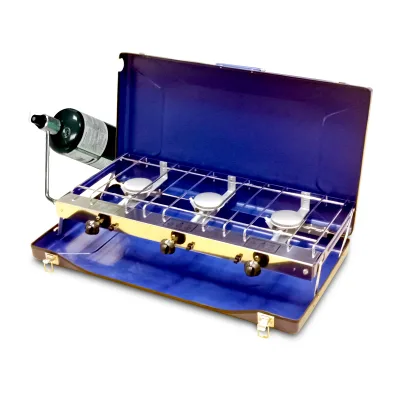
$16.90 - $17.90

ZHONG SHAN MEILONG ELECTRONIC CO.,LTD
- Verified by BV
- Combined
- China Guangdong
- Lead time30 days
- Avg. response≤ 5h
Main productsGas Stove, Range Hoods, Induction
Main marketsSouth America,Africa,Southeast Asia/ Mideast

Guangzhou Nantian Sources Co., Ltd.
- Manufacturer/Factory
- China Guangdong
- Lead time15 days
- Avg. response≤ 6h
Main productsKitchen Equipment, Kitchenware, Food Machine, Kitchen Appliance, Glassware, Food Machinery, Bakery Equipment, Dinnerware, Kitchen Utensils, Food Processor
Main marketsSouth America,Mid East,Southeast Asia,Eastern Asia,Oceania,Africa


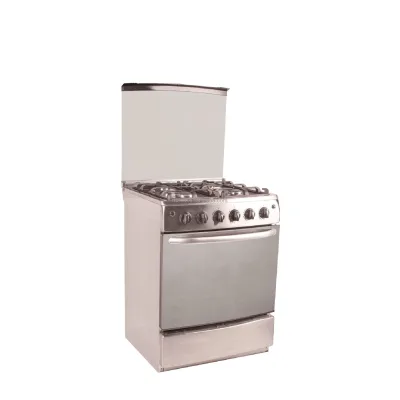
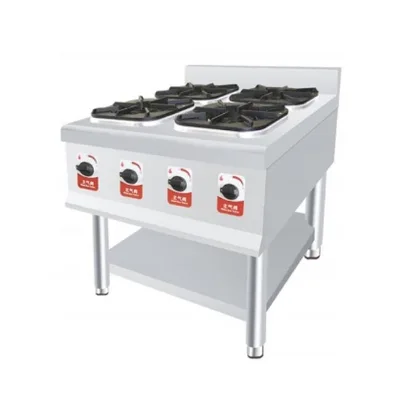
Commercial Gas Cooking Stoves, 4 Gas Burner with Cabinet (European style burner)
$1175.00
MOQ: 1 Pieces


Zhongshan Aokesi Kitchen And Bathroom Electrical Appliance Co., Ltd.
- Manufacturer, Trading Company
- Guangdong, China
- Lead time0 days
- Avg. response≤ 1h
Main productsGas Water Heater,Electric water heater
Main marketsNorth America(50.00%), Oceania(10.00%), Africa(10.00%), Southeast Asia(10.00%), Eastern Europe(10.00%), South America(10.00%)
Zhongshan Hanbang Electric Appliance Co., Ltd.
- Verified by TüVRheinland
- Manufacturer, Trading Company
- Lead time30 days
- Avg. response≤ 5h
Main productsGas Stove, Free Standing Gas Oven, Built In Oven
Main marketsSouth America(22%), Eastern Europe(16%), North America(15%)

Guangzhou Sunrry Kitchen Equipment Co., Ltd.
- Verified by CTI
- Trading Company,Manufacturer/Factory
- China Guangdong
- Lead time30 days
- Avg. response≤ 3h
Main productsCommercial Kitchen Solutions, Turnkey Kitchen Solutions, Catering Equipment, Restaurant Equipment, Commercial Refrigeration Equipment, Commercial Bakery Equipment, Commercial Cooking Equipment, Stainless Steel Equipment, Commercial Food Prep Equipment, Commercial Kitchen Equipment
Main marketsSouth America,Eastern Europe,Mid East,North America,Southeast Asia,Eastern Asia,Oceania,Western Europe,Africa

Shandong Wilk Kitchen Equipment Co., Ltd
- Verified by SGS
- Trading Company
- China Shandong
- Lead time15 days
- Avg. response≤ 2h
Main productsStainless Steel Work Table, Stainless Steel Sink, Commercial Rice Steamer, Drink Display Frrezer, Deep Freezer, Four/Six Door Refrigerator, Commercial Oven, Egg/Dough Mixer, Electric/Gas Deep Fryer, Electric/Gas Griddle
Main marketsSoutheast Asia/ Mideast


Commercial Stainless Steel Engineering Type Stove and Gas Dual Gas Stove
$150.00 - $240.00
MOQ: 10 Sets
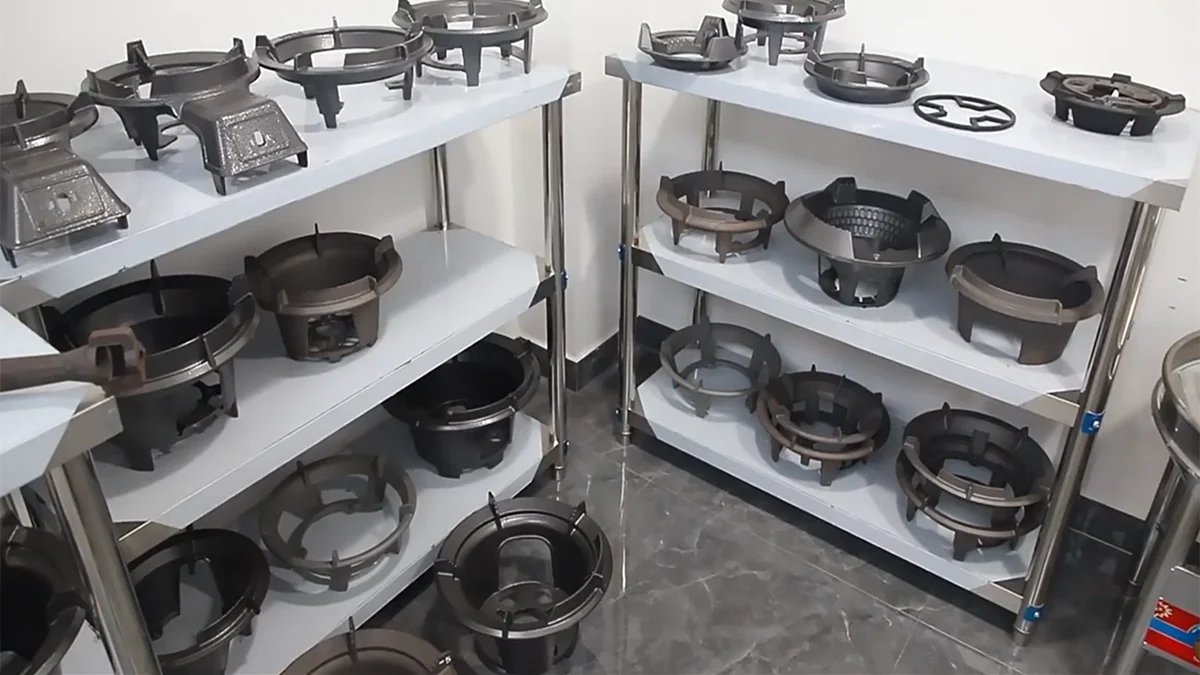
Jingmen Haihao Industry and Trade Co., Ltd
- Manufacturer, Trading Company
- Hubei, China
- Lead time30 days
- Avg. response≤ 2h
Main productsGas Stove,Gas Stove Valve,Gas Stove Spare Accessories
Main marketsAfrica(40.00%), North America(20.00%), South America(20.00%), Eastern Europe(10.00%), Southeast Asia(10.00%)

Zhengzhou Hento Machinery Co., Ltd.
- Verified by SGS
- Trading Company,Manufacturer/Factory,Group Corporation
- China Henan
- Lead time15 days
- Avg. response≤ 7h
Main productsMeat Processing Machinery, Egg Processing Machinery, Dairy Processing Machinery, Fruit & Vegetable Processing Machinery, Grain Product Making Machines, Snack Machines, Nuts Processing Machinery, Packing Machines, Drying Machines, Commodity Making Machines
Main marketsSouth America,Eastern Europe,Mid East,North America,Southeast Asia,Eastern Asia,Oceania,Western Europe,Africa

Tongling Dingyan Import and Export Trading Co., Ltd.
- Trading Company
- China Anhui
- Lead time0 days
- Avg. response≤ 1h
Main productsOutdoor Fryer & Burners, Turkey Fryer, Seafood Pot Kit, Burners

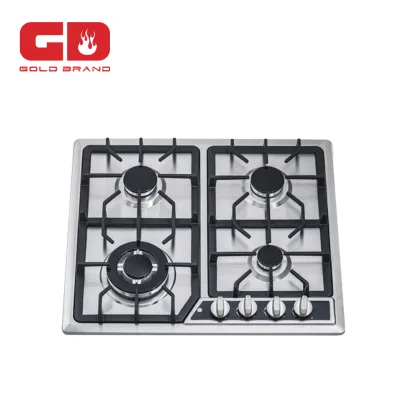
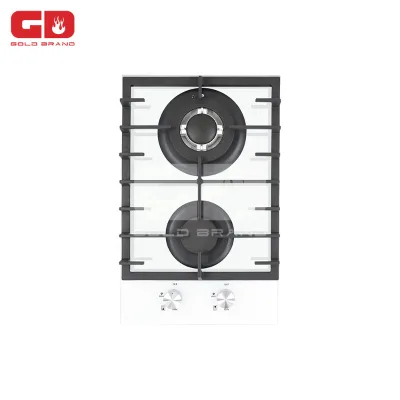
Zhongshan Gold Brand Electric Appliance Co., Ltd.
- Manufacturer, Trading Company
- Guangdong, China
- Lead time30 days
- Avg. response≤ 14h
Main productsGas Hob/Gas Stove/Gas Water Heater/Gas Electric Hob/CKD Parts
Main marketsMid East(40.00%), North America(30.00%), South America(10.00%), Northern Europe(10.00%), Western Europe(5.00%), Africa(5.00%)

- Verified by SGS
- Combined
- China Guangdong
- Lead time30 days
- Avg. response≤ 12h
Main productsBakery Equipment, Catering Equipment, Fryer, Griddle, Oven, Dough Mixer, Grill, Food Display Cabinet, Freezer, Refrigerator
Main marketsDomestic,Europe,North America
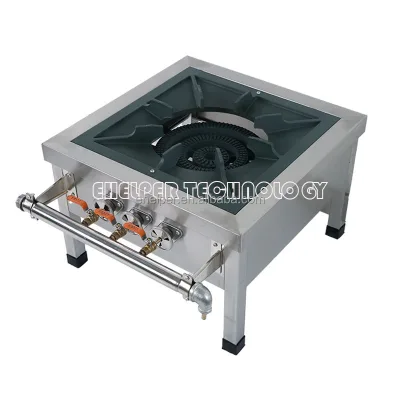
Yiwu Ehelper Technology Co., Ltd.
- Verified by TüVRheinland
- Trading Company
- Lead time30 days
- Avg. response≤ 2h
Main productsPrecision Air Conditioner, Industrial Cooking Pot, Meat Grinder, Kitchen Equipment, Kitchenware
Main marketsNorth America(41%), Eastern Europe(30%), South America(10%)

Sunbird Technology Development Co., Limited
- Manufacturer/Factory
- China Guangdong
- Lead time45 days
- Avg. response≤ 11h
Main productsBBQ Grill, Free Standing Oven, Coffee Maker, Rice Cookers, Induction Cookers, Gas Cookers, Electric Oven, Pizza Oven, Deep Fryer, Bread Maker
Main marketsSouth America,Eastern Europe,Mid East,North America,Southeast Asia,Eastern Asia,Oceania,Western Europe,Africa

Qingdao Vestar International Industry Co., Ltd.
- Verified by BV
- Trading Company
- China Shandong
- Lead time30 days
- Avg. response≤ 2h
Main productsRefrigerator, Air Conditioner, Range Hood, Gas Hobs, Oven, Washing Machine, Microwave, Dishwasher, Showcase, Chest Freezer
Main marketsSouth America,Africa,Southeast Asia/ Mideast,Domestic,Europe,Australia,North America
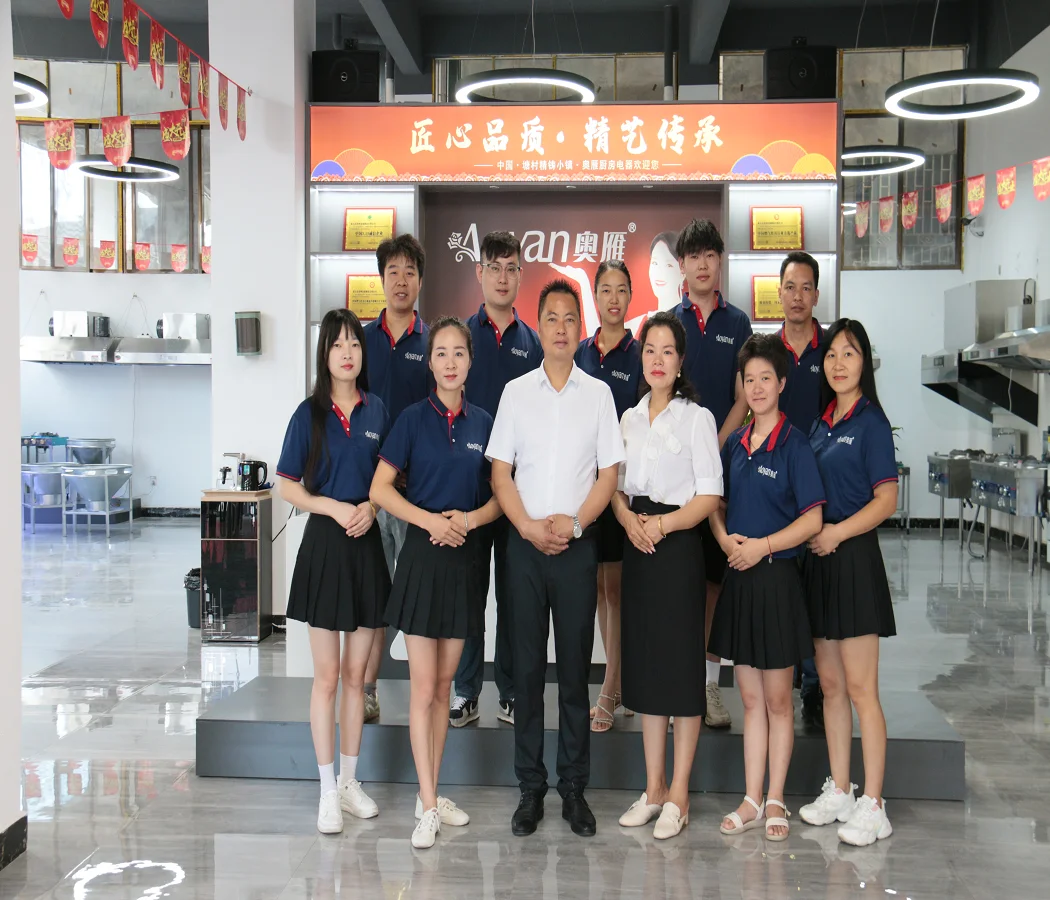
Hunan Aoyan Kitchen Electric Appliance Co., Ltd.
- Trading Company
- Hunan, China
- Lead time20 days
- Avg. response≤ 1h
Main productsC30 Burner, GB01 Gas Stove, GB13 Gas Stove, 31A Gas Stove, 380 Burner
Main marketsDomestic Market(50.00%), Southeast Asia(20.00%), Mid East(15.00%), North America(5.00%), South America(5.00%), Africa(5.00%)
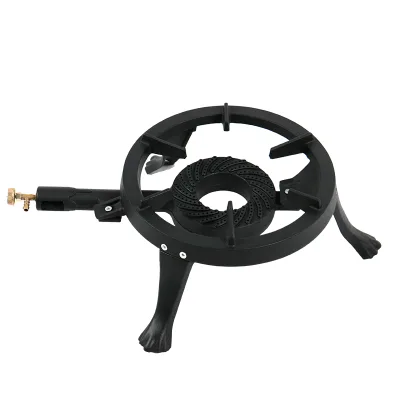
Export Quality Products Portable Camping Stove and Accessories Gas Stove
$9.0495 - $9.9114
MOQ: 10 pieces
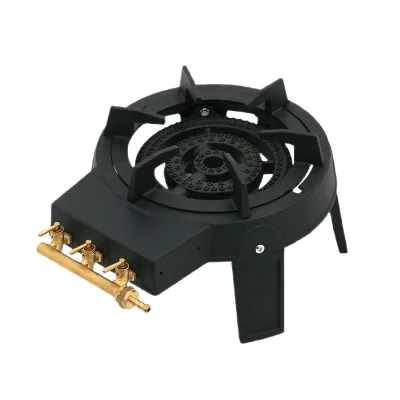
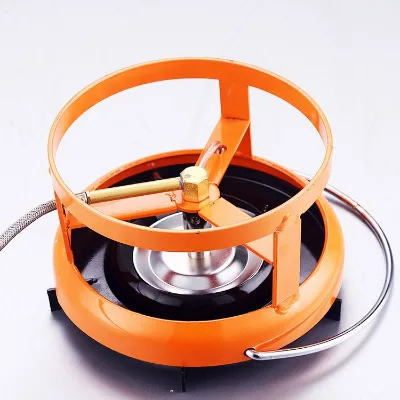
Triangle Bracket Stove Portable Outdoor Gas Stove Bbq burner Gas Stove Burners Kitchen
$16.57 - $18.02
MOQ: 100
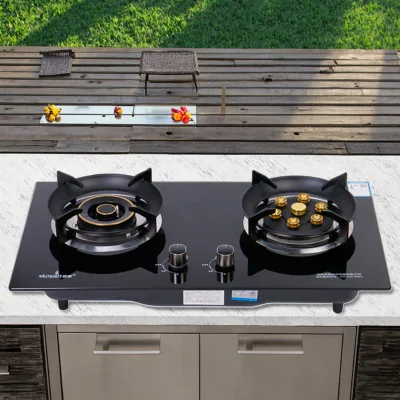
Good Prices Support Custom Tempered Glass Stoves, Gas Stoves, burner Gauges and Gas Stoves
$56.4314 - $56.8421
MOQ: 1 pieces

Guangdong Jieguan Kitchen Equipment Manufacturing Co., Ltd.
- Combined
- China Guangdong
- Lead time30 days
- Avg. response≤ 6h
Main productsCombi Oven, Convection Oven, Fryer, Griddle, Induction Cooker, Coffee Maker, Chicken Rotisserie, Food Warmer, Bain Marie, Pasta Cooker and Cooking Range
Main marketsSouth America,Africa,Others(foreignTradeCapacity.exportBusinessCapacityMarketOther),Europe,Australia

Kaesid Kitchen Equipment (Shenzhen) Co., Ltd.
- Verified by TUVRHEINLAND
- Manufacturer/Factory
- China Guangdong
- Lead time0 days
- Avg. response≤ 4h
Main productsKitchen Equipment, Catering Equipment, Kitchen Furniture, Ice Cream Maker, Refrigerator, Bakery Equipment, Ice Maker, Home Appliances, Electric Griddle, Electric Pressure Cooker
Shaanxi Ruitai Kitchen Industry Co., Ltd.
- Verified by SGS Group
- Manufacturer, Trading Company
- Lead time7 days
- Avg. response≤ 2h
Main productsKitchen Equipment, Kitchenware, Wok Stove
Main marketsSoutheast Asia(40%), North America(30%), Africa(10%)
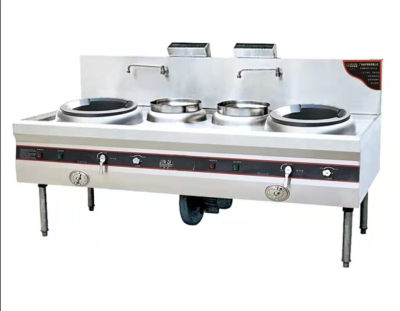
Multiple Burner Gas Stove with High Quality
$746.9052 - $809.1482
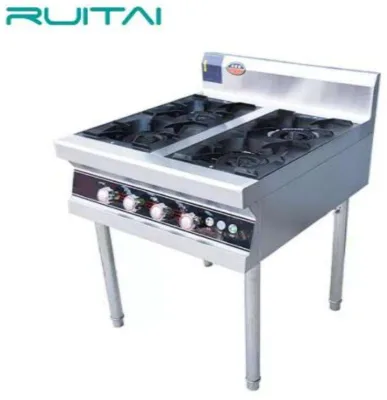
Factory LPG/NG Strong Flame 4/6/8 Burners Stainless Steel Gas Stove
$206.1904 - $257.7381
MOQ: 1 pieces
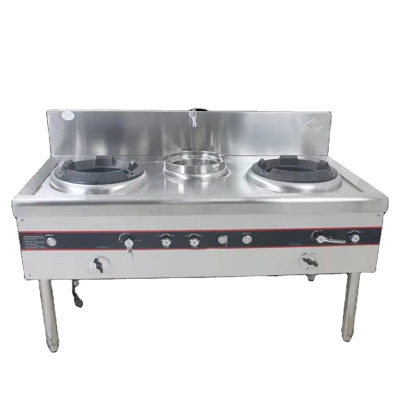
Cooking Stoves /Stainless Steel Kind Gas
$720.00 - $780.00
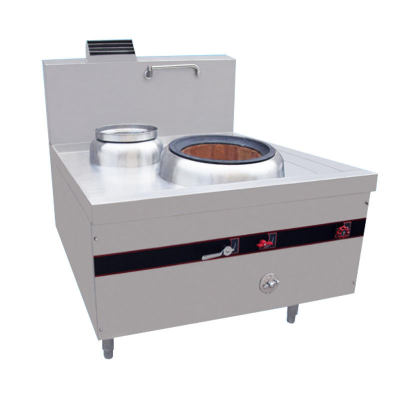
Gas Stove High Quality Stand Major Kitchen Appliances
$720.00 - $780.00
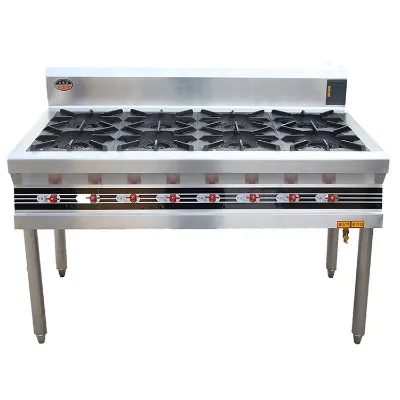
$204.5026 - $255.629
MOQ: 2 pieces
Hangzhou Joy Kitchen Equipment Co., Ltd.
- Verified by TüVRheinland
- Trading Company
- Lead time10 days
- Avg. response≤ 4h
Main productsFryer, Sushi Machine, Oven, Mixer, Warmer
Main marketsNorth America(30%), Mid East(13%), Western Europe(12%)

Zhongshan Jiaye Electric Appliance Co., Ltd.
- Verified by SGS
- Combined
- China Guangdong
- Lead time23 days
- Avg. response≤ 5h
Main productsGas Hob, Gas Stove, Range Hood, Built-in Oven, Microwave Oven, Induction Cooker, Ceramic Hob
Main marketsSouth America,Africa,Southeast Asia/ Mideast,Europe
Guangzhou Jieguan Western Kitchen Equipment Factory
- Verified by Intertek
- Manufacturer, Trading Company
- Lead time15 days
- Avg. response≤ 3h
Main productsOven, Gas Range, Fryer, Griddle, Food Warmer Cabinet
Main marketsWestern Europe(18%), Southeast Asia(15%), Mid East(12%)
Henan Shanpu Machinery Equipment Co., Ltd.
- Trading Company
- Henan, China
- Lead time0 days
- Avg. response≤ 2h
Main productsoil press machine,package machine,juicer machine,Woodworking machinery,Rubber and plastic machinery
Main marketsNorth America(15.00%), Mid East(10.00%), Northern Europe(10.00%), Western Europe(10.00%), Southeast Asia(10.00%), Eastern Europe(10.00%), Southern Europe(10.00%), Oceania(5.00%), South Asia(5.00%), Africa(5.00%), South America(5.00%), Central America(2.00%), Eastern Asia(2.00%), Domestic Market(1.00%)

Foshan City YIGOU Electrical Appliances Co., Ltd
- Verified by CTI
- Combined
- China Guangdong
- Lead time30 days
- Avg. response≤ 10h
Main productsGas Stove, Cooktop Gas Stove
Main marketsAfrica,Southeast Asia/ Mideast,Australia

- Manufacturer, Trading Company
- Guangdong, China
- Lead time0 days
- Avg. response≤ 5h
Main productsBBQ Grill,Gas Stove,Oven,Camping Lantern,Heater
Main marketsNorth America(50.00%), Western Europe(15.00%), Southern Europe(5.00%), Oceania(5.00%), South America(5.00%), Mid East(3.00%), Northern Europe(3.00%), Domestic Market(2.00%), South Asia(2.00%), Africa(2.00%), Central America(2.00%), Southeast Asia(2.00%), Eastern Europe(2.00%), Eastern Asia(2.00%)

Guangdong Zhongxi Electric Co., Ltd.
- Verified by BV
- Manufacturer/Factory
- China Guangdong
- Lead time23 days
- Avg. response≤ 6h
Main productsRange Hood, Gas Stove, Gas Water Heater, Induction Cooker, Infrared Cooker, Gas Hobs, Freestanding Stove
Main marketsSouth America,Eastern Europe,Mid East,North America,Southeast Asia,Eastern Asia,Oceania,Western Europe,Africa
Henan Jinfuda Trading Co., Ltd.
- Trading Company
- Lead time旺季: "1 - 1":15,"> 1":"To be negotiated", 淡季: "1 - 1":15,"> 1":"To be negotiated"
- Avg. response≤ 3h
Main productsFruit Vegetables Processing Machines, Meat Processing Machines, Bakery Pastry Processing Machines, Snack Processing Machines, Packaging Machines

Zhongshan Hengji Life Technology Co., Ltd.
- Trading Company
- Guangdong, China
- Lead time30 days
- Avg. response≤ 2h
Main productsRang hood,Gas stove,Induction cooker,Water heater,Kitchen sink
Main marketsSoutheast Asia(30.00%), South Asia(20.00%), Domestic Market(12.00%), Eastern Asia(10.00%), North America(5.00%), Eastern Europe(3.00%), Western Europe(3.00%), Africa(3.00%), Northern Europe(3.00%), Oceania(3.00%), Central America(2.00%), South America(2.00%), Southern Europe(2.00%), Mid East(2.00%)
Binzhou Daweite Import And Export Co., Ltd.
- Trading Company
- Shandong, China
- Lead time0 days
- Avg. response≤ 2h
Main productsgas cooker,Single-head Low Soup Stove,Electromagnetic oven,Electromagnetic seafood steaming cabinet,stainless steel work table
Main marketsSoutheast Asia(15.00%), Western Europe(10.00%), Mid East(10.00%), Oceania(10.00%), Africa(10.00%)
Zhongshan Jiaye Electric Appliance Co., Ltd.
- Verified by SGS Group
- Manufacturer, Trading Company
- Lead time40 days
- Avg. response≤ 3h
Main productsGas Hob, Gas Stove, Gas Cooker, Gas Cooktop, Electric Hob
Main marketsSouth America(30%), Western Europe(20%), Southeast Asia(10%)





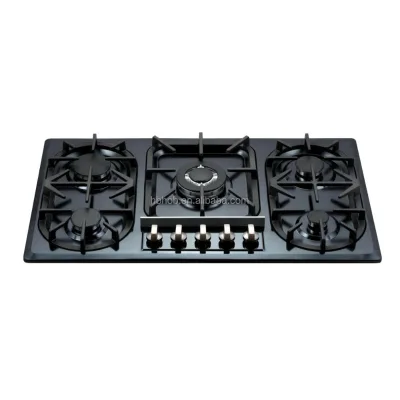


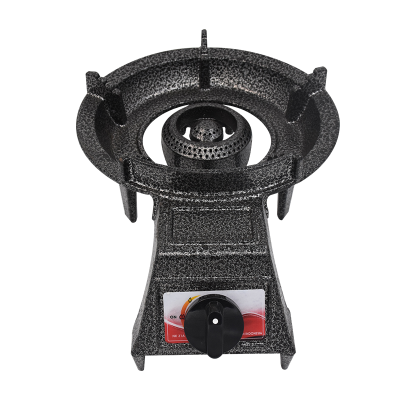
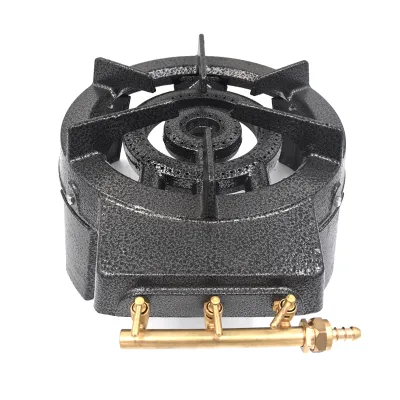
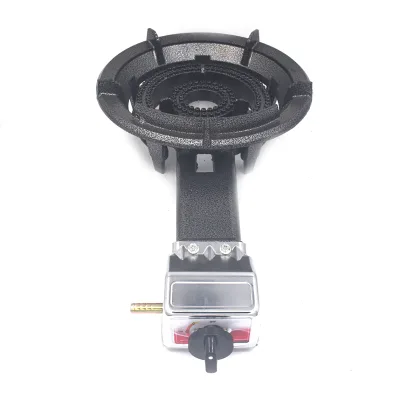













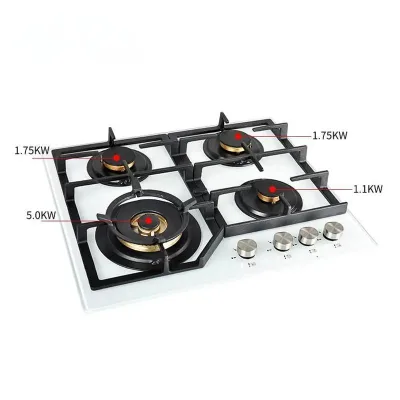
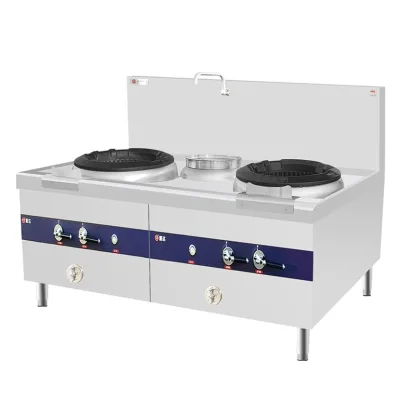
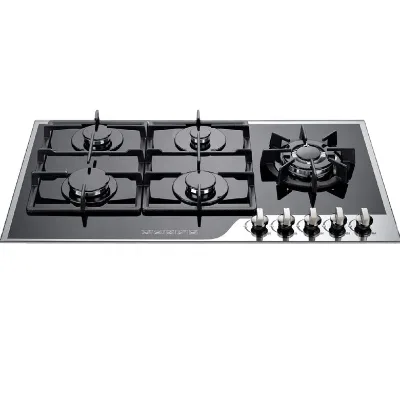
Comprehensive Sourcing Guide
European Standard Gas Stove Supplier Concentration and Factory Types
The current supplier landscape for European Standard Gas Stove components reveals a distinct concentration in Zhejiang, China, where manufacturing capabilities are clustered. This geographic focus suggests a mature industrial ecosystem dedicated to producing portable and household cooking appliances, including camping stoves and gas burners. Buyers evaluating these suppliers will find that the region hosts both manufacturers and trading companies, offering a dual advantage of direct factory pricing and flexible sourcing options. The presence of trading companies alongside original equipment manufacturers allows for varied engagement models, catering to different procurement scales and customization needs. Understanding this mix is crucial for determining whether a buyer seeks direct production control or streamlined logistical support. The concentration in Zhejiang indicates that supply chain efficiencies are likely optimized for this specific product category, potentially reducing transit times for raw materials and finished goods.
Within this cluster, the types of entities range from specialized factories focusing on specific ignition modes and surface materials to broader trading firms that aggregate products from multiple workshops. Suppliers in this region often highlight attributes such as chrome or cast iron surface materials, manual or electronic ignition systems, and compatibility with LPG or propane gases. The diversity in company types means that buyers must carefully distinguish between those who own production lines and those who facilitate trade. This distinction impacts lead times, quality control processes, and the ability to implement custom branding or OEM specifications. The observed data indicates that many suppliers offer OEM services under brand names like Dazhan, suggesting a willingness to adapt products for international markets. Recognizing the specific factory type helps buyers align their procurement strategy with their operational requirements, whether they prioritize volume discounts, rapid prototyping, or strict adherence to European safety standards.
How to Verify European Standard Gas Stove Suppliers
Verifying the legitimacy and capability of suppliers requires a systematic approach to checking the provided factual data points. Buyers should begin by confirming the supplier’s location, specifically looking for Zhejiang, China, as a primary manufacturing hub, which aligns with the observed concentration of gas stove producers. It is essential to validate the company type, distinguishing between a Manufacturer and a Trading Company, as this affects direct communication and quality assurance protocols. Response time is a critical metric for assessing operational efficiency; a response time of three days or less indicates a responsive supply chain capable of addressing urgent inquiries or custom requests. Buyers must also scrutinize the product evidence, ensuring that the listed certifications, such as CE or other relevant standards, are explicitly stated and verifiable through official documentation. The absence of specific certification names in some listings, marked only as "Other," necessitates direct inquiry to confirm compliance with European regulatory requirements.
Further verification involves examining the product attributes and specifications provided in the supplier results. Buyers should check for details such as the gas burner ignition mode, whether manual or electronic, and the surface material, such as chrome or cast iron, to ensure the product meets their durability and aesthetic requirements. The place of origin must be confirmed as Zhejiang, China, to avoid discrepancies in shipping and customs documentation. Additionally, buyers should request samples to physically inspect the build quality, including the valve type, such as brass valves, and the packaging details, which may range from color boxes to corrugated boxes. It is also important to verify the supply ability, with some suppliers claiming up to 10,000 pieces per day, to ensure they can meet large order volumes. By cross-referencing these factual data points with direct supplier communication, buyers can build a reliable profile of each potential partner, minimizing the risk of sourcing from unverified or underperforming entities.
What to Compare Across European Standard Gas Stove Suppliers
When comparing suppliers, buyers should focus on key operational metrics such as lead time, minimum order quantity, and pricing structures to determine the best fit for their business model. The observed lead time of 15 days provides a baseline for production scheduling, but buyers must confirm if this duration includes material procurement and final quality inspections. Minimum order quantities vary significantly, ranging from as low as one piece for sample orders to 2,000 pieces for bulk production, allowing flexibility for different procurement stages. Pricing is another critical factor, with costs ranging from approximately $0.47 to $15.40 per unit depending on the product specifications, such as stainless steel construction or multi-burner configurations. Buyers should analyze these price ranges in conjunction with the MOQ to calculate the total landed cost, considering factors like shipping and tariffs. Comparing these financial metrics helps in identifying suppliers that offer the best value proposition without compromising on quality or delivery timelines.
Beyond financials, buyers should compare the technical specifications and customization options offered by each supplier. Attributes such as the gas type compatibility, including LPG, propane, and butane, and the installation type, whether portable or fixed, are vital for ensuring the product suits the target market. The application scope, ranging from outdoor camping to household and hotel use, also influences the design and durability requirements. Buyers should evaluate the brand name options, noting that many suppliers offer OEM services under their own brand or a customer-provided name. The surface material, such as chrome plating or cast iron, and the ignition mode, whether manual or electronic, should be matched against the buyer’s product positioning. Additionally, the packaging types, from color boxes to corrugated boxes, impact retail presentation and logistics efficiency. By systematically comparing these dimensions, buyers can create a shortlist of suppliers that align with their specific product requirements and market strategies.
Common European Standard Gas Stove Sourcing Risks
One of the primary risks in sourcing European standard gas stoves is the potential mismatch between claimed certifications and actual regulatory compliance. Suppliers may list certifications as "Other" or fail to provide specific documentation, leaving buyers vulnerable to non-compliance with European safety standards. This ambiguity requires buyers to conduct thorough due diligence, requesting valid test reports and certificates from recognized bodies before placing orders. Another significant risk is the variability in product quality, particularly regarding materials and construction. For instance, while some suppliers specify chrome or cast iron surfaces, others may use inferior materials that do not meet durability expectations. Buyers must verify the material specifications and request samples to assess the build quality, including the integrity of the brass valves and the reliability of the ignition systems. Failing to do so can result in high return rates and damage to brand reputation in the European market.
Logistical and communication risks also pose challenges in the sourcing process. Although the observed response time is three days, delays can occur during peak seasons or due to misunderstandings in custom specifications. Buyers should establish clear communication channels and confirm all technical details, such as gas type compatibility and installation methods, in writing. Additionally, the port of dispatch, often Ningbo for Zhejiang-based suppliers, should be considered in logistics planning to avoid unexpected shipping delays or costs. Another risk is the inconsistency in supply ability, with some suppliers claiming high daily output but lacking the infrastructure to sustain it. Buyers should verify production capacity through factory audits or third-party inspections. By proactively addressing these risks through rigorous verification and clear contractual terms, buyers can mitigate potential disruptions and ensure a smooth sourcing experience for European standard gas stoves.
European Standard Gas Stove Regional Sourcing and Logistics
Sourcing from Zhejiang, China, offers logistical advantages due to its proximity to major ports like Ningbo, which facilitates efficient export operations. Buyers should leverage this geographic benefit by coordinating with suppliers who have established shipping routes to Europe, ensuring timely delivery and reduced transit times. The port of dispatch being Ningbo is a common feature among suppliers in this region, indicating a well-developed infrastructure for handling international shipments. Buyers should confirm the packaging details, such as the number of pieces per carton, to optimize container loading and reduce shipping costs. For example, some suppliers pack 40 pieces in a carton, which can significantly impact the total volume and weight of the shipment. Understanding these logistical details helps buyers plan their inventory management and distribution strategies more effectively, minimizing storage costs and ensuring product availability in European markets.
Additionally, buyers should consider the implications of the place of origin on customs clearance and tariff regulations. Products originating from Zhejiang, China, may be subject to specific import duties and regulatory requirements in European countries. Buyers must ensure that all documentation, including certificates of origin and compliance certificates, is accurate and complete to avoid delays at customs. The application scope, whether for outdoor camping or household use, may also influence the regulatory scrutiny and testing requirements. Buyers should work closely with their suppliers to ensure that all products meet the necessary European standards, such as CE marking, and that the packaging includes all required labeling and safety information. By carefully managing the logistical aspects of sourcing from this region, buyers can streamline their supply chain and enhance their competitiveness in the European market.
European Standard Gas Stove Commercial Terms and Order Planning
Effective order planning for European standard gas stoves requires a clear understanding of commercial terms, including payment methods, delivery schedules, and after-sales support. Buyers should negotiate terms that align with their cash flow requirements, such as using escrow services for secure transactions or arranging partial payments for large orders. The lead time of 15 days should be factored into the production schedule, allowing for buffer time to address any potential delays or quality issues. Buyers should also clarify the warranty terms and return policies, ensuring that they have recourse in case of defective products. The minimum order quantity, ranging from one to 2,000 pieces, should be matched with the buyer’s sales forecast to avoid overstocking or stockouts. By establishing clear commercial terms, buyers can build a stable and predictable supply chain that supports their business growth.
Furthermore, buyers should plan for scalability by identifying suppliers with sufficient supply ability, such as those claiming 10,000 pieces per day, to handle increased demand. It is essential to maintain open communication with suppliers regarding production updates and shipping status to ensure timely delivery. Buyers should also consider the customization options, such as OEM branding and specific product features, to differentiate their offerings in the European market. By integrating these commercial and logistical considerations into their sourcing strategy, buyers can optimize their procurement process, reduce risks, and enhance their overall competitiveness. Careful planning and proactive management of supplier relationships are key to successfully sourcing European standard gas stoves from Chinese manufacturers.
FAQs
Where are these gas stoves manufactured?
The suppliers are located in Zhejiang, China. This region is a known hub for manufacturing home appliances and outdoor equipment. Buyers can verify the specific factory address during the inquiry process to ensure the origin matches their sourcing requirements.
What is the typical response time?
The average response time for these suppliers is 3 hours. This indicates a high level of availability for addressing initial inquiries. Buyers should expect prompt communication regarding product specifications, pricing, and shipping details during the early stages of negotiation.
What is the standard lead time?
The standard lead time is 15 days. This duration applies to the production and preparation of orders for shipment. Buyers should factor this timeline into their inventory planning to ensure timely delivery, especially for large bulk orders or customized requests.
What certifications are available?
Certifications vary by product, with some items holding CE marks while others list Other certifications. Buyers must verify specific compliance documents for their target market. It is essential to request valid certificates directly from the supplier before finalizing any purchase agreement.
What is the minimum order quantity?
MOQs range from 1 piece to 2000 units depending on the product. Some items allow single-piece purchases, while others require bulk orders. Buyers should check the specific MOQ for each model to determine the best fit for their volume needs.
What gas types are supported?
These stoves support LPG, propane, and butane gas types. Some models are designed for portable use with specific gas connections. Buyers should confirm the compatible gas type for their region to ensure safe and efficient operation of the purchased appliances.