Commercial Industrial Vegetable Cutting Machine Suppliers and Manufacturers
Source Commercial Industrial Vegetable Cutting Machine options from 30 verified suppliers in China. Compare key dimensions including lead times, response speeds, certifications, and pricing to identify the right partner. Contact suppliers directly to request quotes and verify production capabilities; review the available evidence before requesting comparable quotations from suitable candidates.
Updated
Suppliers List

Zhengzhou Bogen Machinery Equipment Co., Ltd.
- Verified by CTI
- Trading Company
- China Henan
- Lead time30 days
- Avg. response≤ 2h
Main productsPeanut Butter Machine, Spice Grinder, Meat Grinder, Meat Slicer, Meat Chopper, Potato Washing and Peeling Machine, Vegetables and Fruits Cutting Machine, Sausage Stuffer, Sausage Filler, Sausage Making Machine
Main marketsAfrica,Europe,North America

ZHENGZHOU HONGLE MACHINERY EQUIPMENT CO., LTD.
- Trading Company,Manufacturer/Factory
- China Henan
- Lead time0 days
- Avg. response≤ 9h
Main productsVegetable Fruit Production Machine, Meat Processing Machines, Nuts Processing Machine, Water Treatment System, Snack Processing Machine
Main marketsSouth America,Eastern Europe,Mid East,North America,Southeast Asia,Eastern Asia,Oceania,Western Europe,Africa

Gelgoog Intelligent Technology Co., Ltd.
- Verified by TUVRHEINLAND
- Manufacturer/Factory
- China Henan
- Lead time23 days
- Avg. response≤ 5h
Main productsBiscuit Making Machine, Ice Cream Cone Machine, French Fries Machine, Snack Frying Machine, Vegetable Washing Machine, Cellophane Wrapping Machine, Peanut Butter Machine, Garlic Processing Machine, Cocoa Procssting Machine, Nut Roasting Machine
Main marketsSouth America,Eastern Europe,Mid East,North America,Southeast Asia,Eastern Asia,Oceania,Western Europe,Africa


Industrial Vegetable Slicer|Vegetable Cutting Machine for Restaurant|Cutting Machine
$1000.00 - $1200.00
MOQ: 1 Sets

Henan Foodline Machinery Co., Ltd.
- Verified by TUVRHEINLAND
- Trading Company
- China Henan
- Lead time15 days
- Avg. response≤ 4h
Main productsFreeze Dryer, Cold Storage, French Fries Machine, Color Sorter Machine, Round Trailer, Pasteurizing Machine, Doughnut Production Line, Commercial Meat Slicer, Biscuit Machine, Vegetable Washing Machine
Main marketsEurope,North America

Zhucheng Lanchuang Machinery Technology Co., Ltd.
- Trading Company
- China Shandong
- Lead time0 days
- Avg. response≤ 3h
Main productsSteam Generator, Meat Grinder, Sterilization Pot

Zhengzhou Angd Machinery Co., Ltd.
- Trading Company
- Henan, China
- Lead time20 days
- Avg. response≤ 5h
Main productsCake Display,Kitchen Refrigerator,stainless steel refrigerator,ice maker,baking oven
Main marketsNorth America(30.00%), Eastern Europe(15.00%), South America(15.00%), Domestic Market(10.00%), Western Europe(10.00%), Africa(10.00%), Mid East(5.00%), Oceania(5.00%)

Qingdao Tune Machinery Co., Ltd.
- Manufacturer/Factory
- China Shandong
- Lead time23 days
- Avg. response≤ 7h
Main productsFrozen French Fries Production Line, Potato Chips Production Line, Fruit and Vegetable Processing Equipment, Meat Food Processing Equipment, Frying Machine
Main marketsSouth America,Eastern Europe,Mid East,North America,Southeast Asia,Eastern Asia,Oceania,Western Europe,Africa

Potato Cutter Industrial Commercial China Fruit and Vegetable Cutting Machine
$1200.00 - $5000.00
MOQ: 1 Pieces


Henan Baixin Machinery Equipment Co., Ltd.
- Verified by SGS
- Combined
- China Henan
- Lead time15 days
- Avg. response≤ 2h
Main productsMesh Belt Continuous Dryer, Heat Pump Dryer, Microwave Dryer, French Fries Production Line
Main marketsSouth America,Africa,Southeast Asia/ Mideast,Europe

Industrial Commercial Vegetable Cutters Potato Slicing Dicer Salad Cutting Machine
$3300.00 - $3500.00
MOQ: 1 Pieces

Industrial Vegetable Carrot Cucumber Cutter Cutting Machine Slicing Machine
$3300.00 - $3500.00
MOQ: 1 Pieces


Multipurpose Vegetable Cutting Machine for Restaurant and Food Processing Plant Cutter
$3300.00 - $3500.00
MOQ: 1 Pieces

Johtank (shandong) Food Machinery Co., Ltd.
- Verified by TüVRheinland
- Manufacturer, Trading Company
- Lead time15 days
- Avg. response≤ 1h
Main productsForming And Coating Line, Frozen French Fries And Chips Frying Line, Vegetables And Fruits Washing Line, Drying Line, Food Products Sterilization Retort Machine
Main marketsSoutheast Asia(40%), Africa(20%), South America(10%)

HENAN SHULIY MACHINERY CO., LTD.
- Verified by TUVRHEINLAND
- Trading Company
- China Henan
- Lead time30 days
- Avg. response≤ 6h
Main productsPacking Machinery, Food Processing Machinery, Agriculture Processing Machinery, Wood Processing Machinery, Charcoal Processing Machinery, Plastic Processing Machinery, Waste Recycling Machinery, Metal Processing Machinery, Paper Processing Machinery
Main marketsAfrica,Southeast Asia/ Mideast,Europe,North America
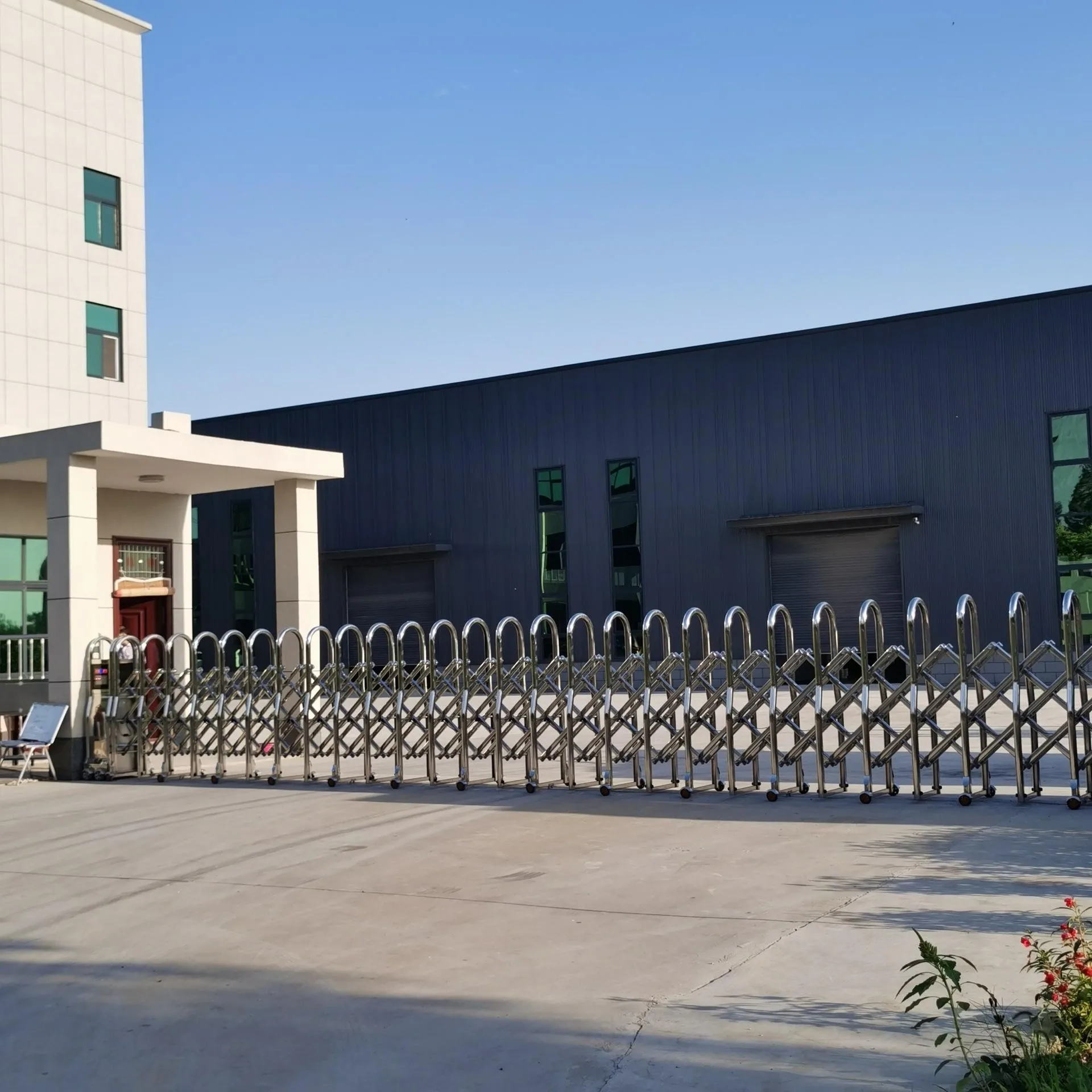
Henan Qinbiao Industrial Development Co., Ltd.
- Trading Company
- Henan, China
- Lead time45 days
- Avg. response≤ 1h
Main productsFruit and vegetable slicer,Fruit and vegetable peeler,Sauce making machine,Dumpling skin making machine,Wax melting pot
Main marketsDomestic Market(70.00%), North America(8.00%), Northern Europe(5.00%), Mid East(5.00%), Eastern Europe(5.00%), Central America(4.00%), South America(3.00%)

Vegetables Industrial Vegetable Cutter Cuttings Machine
$450.00 - $480.00
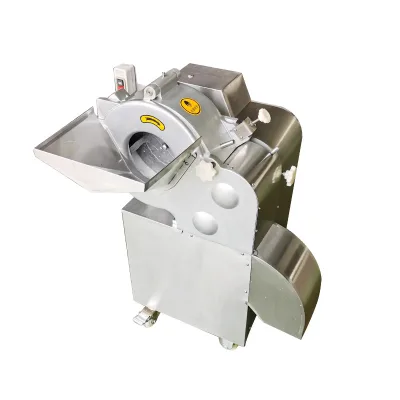
$391.7859 - $399.4155
MOQ: 1 pieces

Zhengzhou Lerford Machinery Equipment Co., Ltd.
- Verified by SGS
- Trading Company
- China Henan
- Lead time15 days
- Avg. response≤ 5h
Main productsPellet Machine, Packing Machine, Vegetable Processing Machine, Fruit Washing Machine, Dryer Machine, Briquette Machine, Toothpick Machine, Snack Machine, Oil Press, Potato Chips Machine
Main marketsSouth America,Africa,Others(foreignTradeCapacity.exportBusinessCapacityMarketOther),Europe,North America

Shandong Leading Machinery Co., Ltd.
- Manufacturer, Trading Company
- Shandong, China
- Lead time30 days
- Avg. response≤ 2h
Main productsVegetable processing machine,fruit processing machine,meat processing machine,date processing machine,food processing machine
Main marketsMid East(45.00%), Eastern Europe(30.00%), Western Europe(5.00%), North America(5.00%), Africa(5.00%), Southeast Asia(5.00%), South America(5.00%)
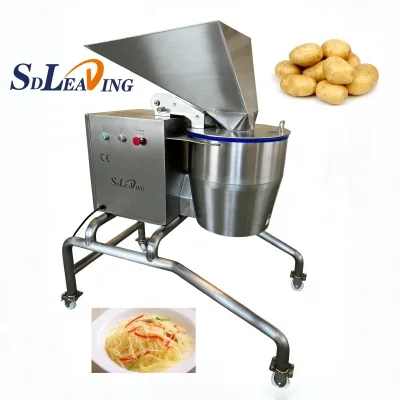
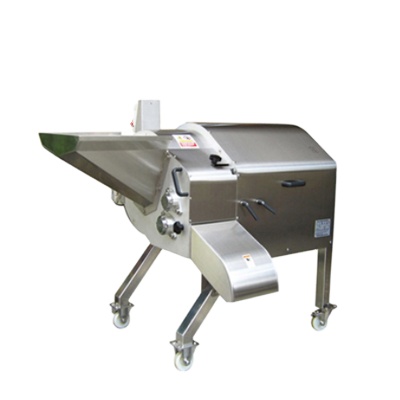
$13338.7998 - $14057.0428
MOQ: 1 sets
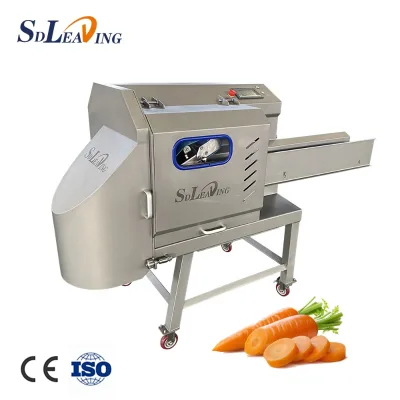
Multifunctional Automatic Vegetable Cutter Electric Small Cutting Vegetable Machine
$4000.00 - $5300.00
MOQ: 1 sets

Luohe Xingdian Electromechanical Equipment Co., Ltd.
- Verified by BV
- Manufacturer/Factory
- China Henan
- Lead time0 days
- Avg. response≤ 1h
Main productsDrilling Rig, Meat Process Machine, Farm Machine, Packing Machine, Vegetable Process Machine, Textile Machine, Food Machine, Embroidery Machine, Construction Products, Industrial Product
Main marketsSouth America,Eastern Europe,Mid East,North America,Southeast Asia,Eastern Asia,Oceania,Western Europe,Africa

Industrial Commercial Vegetable Cutters Potato Slicing Dicer Salad Cutting Machine
$159.00 - $179.00
MOQ: 1 Pieces


Zhaoqing Tengsheng Machinery Co., Ltd.
- Verified by SGS
- Combined
- China Guangdong
- Lead time15 days
- Avg. response≤ 6h
Main productsVegetable Machine
Main marketsSoutheast Asia/ Mideast,Europe,North America


Industrial Vegetable Processing Machine Fruit Cutter Cutting Slicing Machine (TS-Q118)
$2500.00 - $2800.00
MOQ: 1 Pieces

$3000.00 - $3500.00
MOQ: 1 Pieces

$5000.00 - $5500.00
MOQ: 1 Pieces

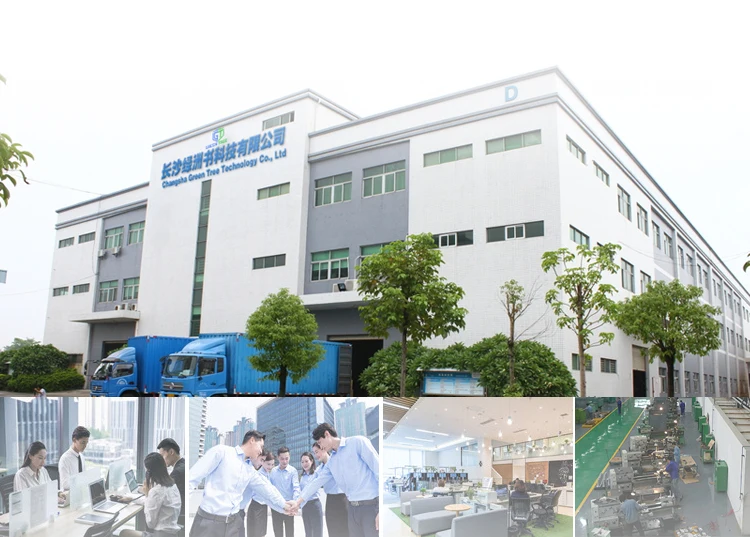
Changsha Lvzhoushu Technology Co., Ltd.
- Trading Company
- Hunan, China
- Lead time0 days
- Avg. response≤ 3h
Main productsindustrial machinery,Commercial service equipment
Main marketsNorthern Europe(100.00%), Eastern Europe(100.00%), North America(100.00%)

ZHUCHENG MBC INDUSTRIAL & TRADING CO., LTD.
- Verified by TUVRHEINLAND
- Combined
- China Shandong
- Lead time15 days
- Avg. response≤ 5h
Main productsFruit & Vegetable Processing Lines, Industrial Jacketed Kettles with Mixer, Retort Sterilizers & Pasteurizers, Frying & Cooking Systems, Tunnel Pasteurization Machine, Food Fryer, Vegetable Cutting Machine, Vacuum Cooking & Concentrating Equipment, Food Sterilizer, Potato Processing French Fries Production Line
Main marketsSouth America,Africa,Southeast Asia/ Mideast,Europe,North America

China New Technology Industrial vegetable cutting machine for Restaurant
$2600.00 - $5800.00
MOQ: 1 Sets

Environment Protection Electric Operation Industrial Fruits Vegetable Cutting Machinery
$2600.00 - $5800.00
MOQ: 1 Sets


New Technology Industrial Vegetable Cutting Machine for carrot With Lifetime Services
$2600.00 - $5800.00
MOQ: 1 Sets

Existing Goods Big Capacity Industrial Automatic Vegetable Cutting Machinery For Sale
$3100.00 - $3200.00
MOQ: 3 Sets

Zhucheng Tianshun Machinery Co., Ltd.
- Verified by TUVRHEINLAND
- Combined
- China Shandong
- Lead time15 days
- Avg. response≤ 2h
Main productsFood Machine, Frying Machine, Vacuum Packaging Machine, Vegetable Washing Machine, Drying Machine, Potato Chips Frying Machine, Fully Automatic Fried Pasta Machine, French Fries Frying Machine, Package Cleaning Machine, Blanching Machine
Main marketsSouth America,Europe

Zhengzhou Xingsheng Machinery Equipment Co., Ltd.
- Verified by TUVRHEINLAND
- Trading Company
- China Henan
- Lead time15 days
- Avg. response≤ 3h
Main productsCharcoal Briquette Machine, Agricultural Machinery, Food Machine, Animal Feed Pellet Machinery, Fruit Vegetable Washing Machine, Grinding Crusher Machine, Meat Crusher Machine, Toothpick Machine, Hydraulic Press Machine, Some Other Hots Machines
Main marketsSouth America

Industrial Vegetable Cutting Machine Automatic Onion Vegetable Potato Slicer
$1250.00 - $2500.00
MOQ: 1 Pieces

Industrial Fruit Slicer Vegetable Potato Tomato Cutter Potato Cutting Machine
$1250.00 - $2500.00
MOQ: 1 Pieces

Industrial Fruit Cutting Machine Vegetable Slicer Potato Cutter Automatic Machinery
$1250.00 - $2500.00
MOQ: 1 Pieces

Professional Root Vegetable Cutting Machine Potato Vegetable Cutter Machine
$1250.00 - $2500.00
MOQ: 1 Pieces
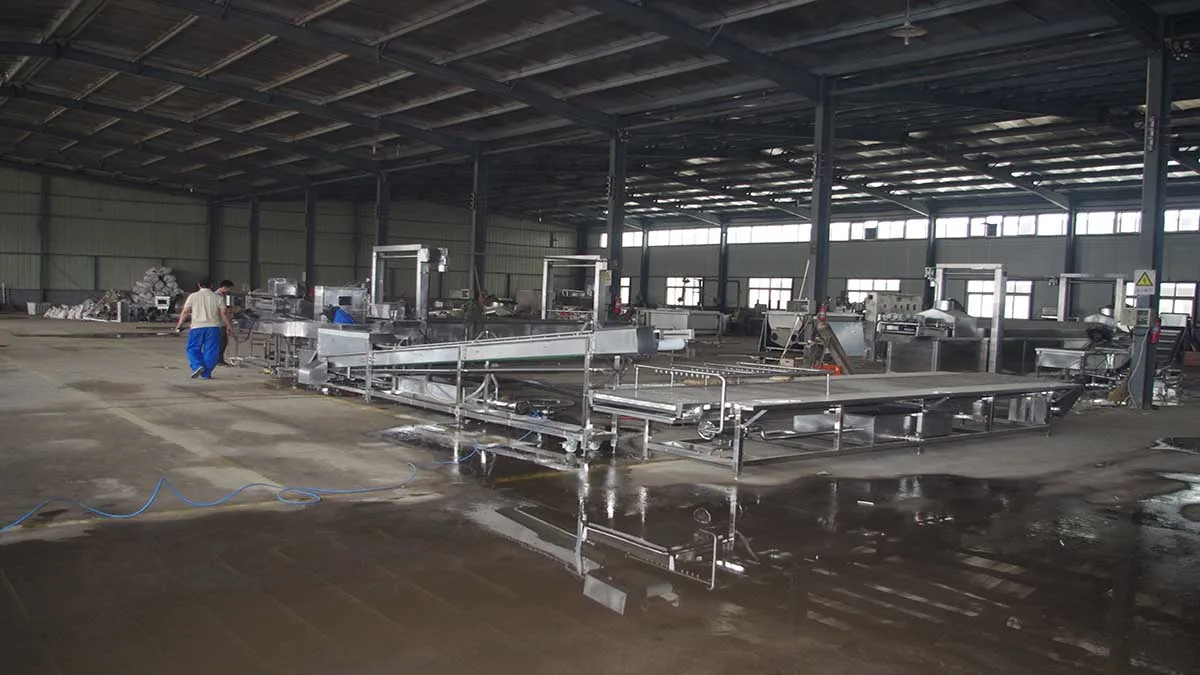
Henan Deshine Machinery Co., Ltd.
- Trading Company
- Henan, China
- Lead time7 days
- Avg. response≤ 2h
Main productsMeat Processing Equipment,Vegetable and fruit Processing Equipment,Food processing machine,Slaughtering Equipment,Chocolate Processing Equipment
Main marketsAfrica(19.00%), North America(15.00%), Southeast Asia(12.00%), Oceania(10.00%), Eastern Asia(7.00%), Mid East(6.00%), Northern Europe(6.00%), Eastern Europe(5.00%), South Asia(3.00%), South America(3.00%), Central America(3.00%), Western Europe(3.00%), Domestic Market(2.00%)

Jiaozuo Taoding Trading Co., Ltd
- Verified by SGS
- Trading Company
- China Henan
- Lead time15 days
- Avg. response≤ 3h
Main productsVarious Food Machines, Dumpling Machine, Meat Cutting Machine, Roti Machine, Vegetable Cutting Machine, Snack Machine, Packing Machine
Main marketsSouth America,Africa,Southeast Asia/ Mideast,East Asia(Japan/ South Korea),Europe,Australia,North America

$950.00 - $1250.00
MOQ: 1 Pieces

$550.00 - $850.00
MOQ: 1 Pieces


CE Certified Automatic Vegetable Cutter Potato Cutting Machine Industrial Vegetable Cutter
$950.00 - $1250.00
MOQ: 1 Pieces

Guangdong Shenghui Machinery Co., Ltd
- Verified by TUVRHEINLAND
- Combined
- China Guangdong
- Lead time23 days
- Avg. response≤ 9h
Main productsFood Machine, Vegetable Cutting Machine, Vegetable Washing Machine, Fruit Cleaning Machine, Bone Sawing Machine, Grinding Machine, Peeling Machine, Packing Machine, Fish Skinning Machine, Fish Extraction Machine
Main marketsSoutheast Asia/ Mideast,Domestic
Luohe Bard Machinery Equipment Co., Ltd.
- Manufacturer, Trading Company
- Henan, China
- Lead time7 days
- Avg. response≤ 2h
Main productsGeneral Machinery,Fruit Vegetables Processing Machines,Meat Processing Machines,Snack food machinery,Packaging Machinery
Main marketsNorth America(30.00%), Mid East(15.00%), Western Europe(13.00%)

Johtank (Shandong) Food Machinery Co., Ltd.
- Verified by SGS
- Combined
- China Shandong
- Lead time30 days
- Avg. response≤ 3h
Main productsPotato Chips Production Line, Frozen French Production Line, Banana Chips Making Machines, Sausage Production Line, Hamburger Patty Processing Line, Chicken Processing Assembly Line, Retort Machine, Pasteurization Machine, Fruit Processing Series Products, Vegetable Processing Series Products
Main marketsSouth America,Australia,North America

Zhengzhou Honest Machinery Co., Ltd.
- Trading Company,Manufacturer/Factory
- China Henan
- Lead time15 days
- Avg. response≤ 5h
Main productsFood Machinery, Packing Machines, Microwave Equipment, Drying Machines, Grain Product Making Machines, Commodity Making Machines, Texitle Machines, Construction Machinery
Main marketsSouth America,Eastern Europe,Mid East,North America,Southeast Asia,Eastern Asia,Oceania,Western Europe,Africa

$199.00 - $350.00
MOQ: 1 Set

Fruit Cutter / Vegetable Cutter / Potato Cutting Machine / Vegetable and Fruit Cutting Machine
$369.00 - $569.00
MOQ: 1 SET

Stainless Steel Vegetable Cutter / Vegetable Cutting Machine / Cabbage Cutting Machine
$1589.00 - $2489.00
MOQ: 1 set

Factory Direct Sales Potato Cutter / Cabbage Cutter / Vegetable Cutting Machine
$1589.00 - $2489.00
MOQ: 1 set

Stainless Steel Vegetable Cutter Machine / Potato Cutter / Vegetable Cutting Machine
$369.00 - $569.00
MOQ: 1 SET
Shenzhen Hanbeter Technology Co., Ltd.
- Manufacturer
- Guangdong Province, China
- Lead time15 days
- Avg. response≤ 2h
Main productsFood & Beverage Machinery,Drying Equipments,Grain processing machine,Quick Freezing Equipment,Food Packing Machine
Main marketsNorth America(30.00%), Western Europe(15.00%), South America(10.00%), Northern Europe(10.00%), Eastern Europe(10.00%), Southern Europe(5.00%), Central America(3.00%), South Asia(3.00%), Oceania(3.00%), Mid East(3.00%), Domestic Market(2.00%), Africa(2.00%), Eastern Asia(2.00%), Southeast Asia(2.00%)

- Verified by BV
- Combined
- China Guangdong
- Lead time15 days
- Avg. response≤ 4h
Main productsHood Type Dishwasher, Conveyor Type Dishwasher, Ultrasonic Dishwasher, Undercounter Dishwasher, Bakery Equipment, Food Processor
Main marketsSouth America,Africa,Others(foreignTradeCapacity.exportBusinessCapacityMarketOther),North America


Versatile Multifunctional Vegetable Cutting Machine for Industrial Use and Efficiency
$520.00 - $527.00
MOQ: 1 Pieces
Henan Carde Machinery Equipment Co., Ltd.
- Trading Company
- Henan, China
- Lead time20 days
- Avg. response≤ 5h
Main productsSpray dryer,drying machine,Smoking machine,Grinding machine,Packing machine
Main marketsSoutheast Asia(20.00%), Africa(15.00%), South Asia(10.00%), North America(10.00%), Eastern Europe(10.00%), Domestic Market(5.00%), Southern Europe(5.00%), Eastern Asia(5.00%), Northern Europe(5.00%), South America(5.00%), Western Europe(3.00%), Mid East(3.00%), Central America(2.00%), Oceania(2.00%)
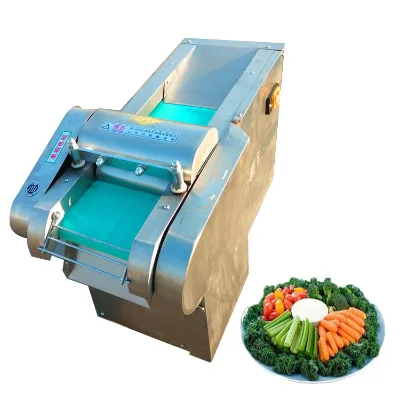
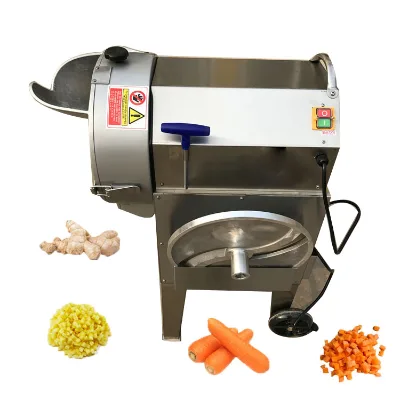
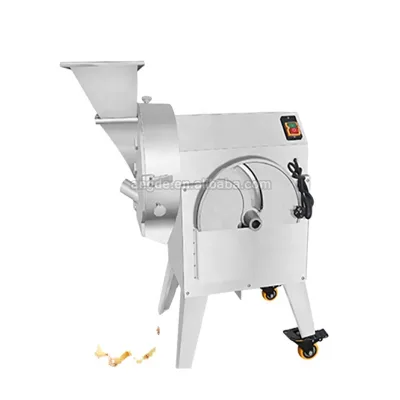
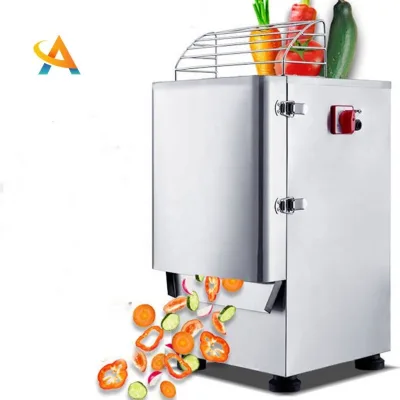
Commercial Vegetable Slicer Cutter Celery Spinach Chili Peppers Cucumber Onion Cutting Machine
$844.9887 - $927.5275
MOQ: 1 pieces
$618.0081 - $927.5275
MOQ: 1 pieces
Henan Jiude Intelligent Equipment Co., Ltd.
- Manufacturer, Trading Company
- Henan, China
- Lead time25 days
- Avg. response≤ 1h
Main productsdrying machine,heat pump dryer,microwave dryer,hot air drying machine,vegetable/fruit production line
Main marketsDomestic Market(50.00%), Southeast Asia(20.00%), South Asia(20.00%), Southern Europe(20.00%), Africa(15.00%), North America(10.00%), Mid East(10.00%), Western Europe(10.00%), South America(6.00%), Central America(5.00%), Oceania(5.00%), Eastern Asia(2.00%), Eastern Europe(2.00%), Northern Europe(2.00%)
Zhengzhou Havery Machinery Technology Co., Ltd.
- Verified by Intertek
- Trading Company
- Lead time20 days
- Avg. response≤ 7h
Main productsFruit Vegetable Washing Equipments, Food Processing Lines, Fruit Vegetable Grading Machine, Fruit Vegetable Processing Machines, Fruit and Vegetable Cleaning Production Line


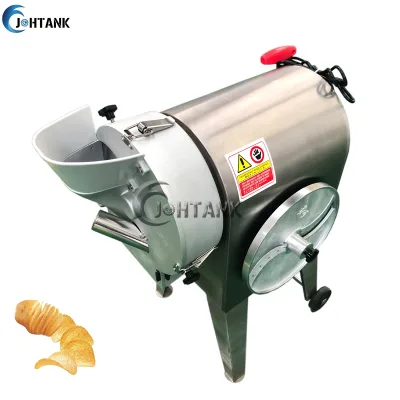


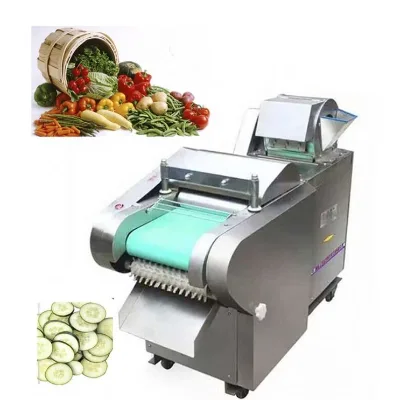
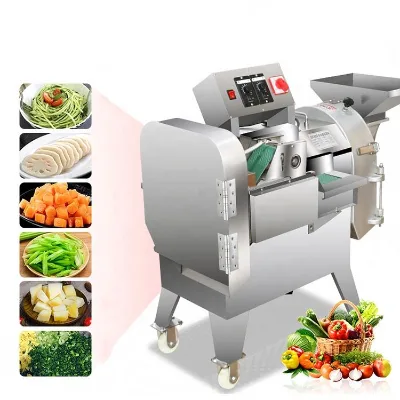


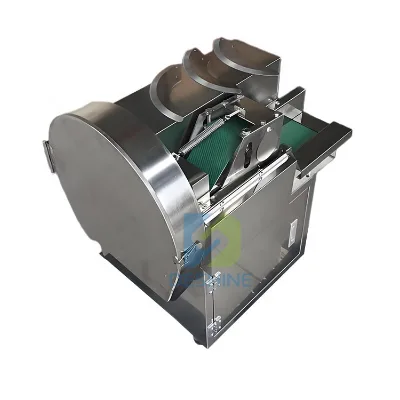




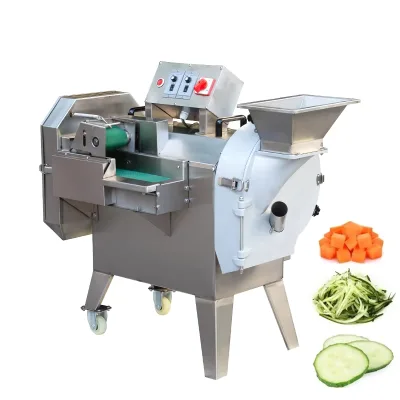
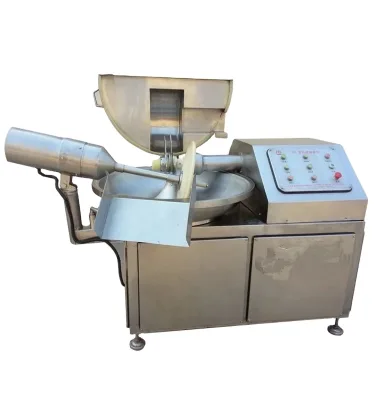
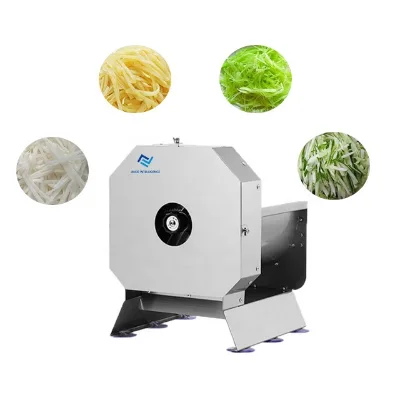
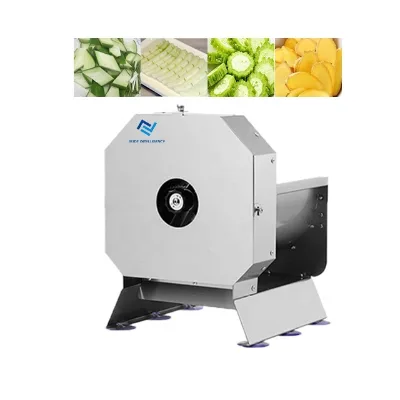
Comprehensive Sourcing Guide
Commercial Industrial Vegetable Cutting Machine Supplier Concentration and Factory Types
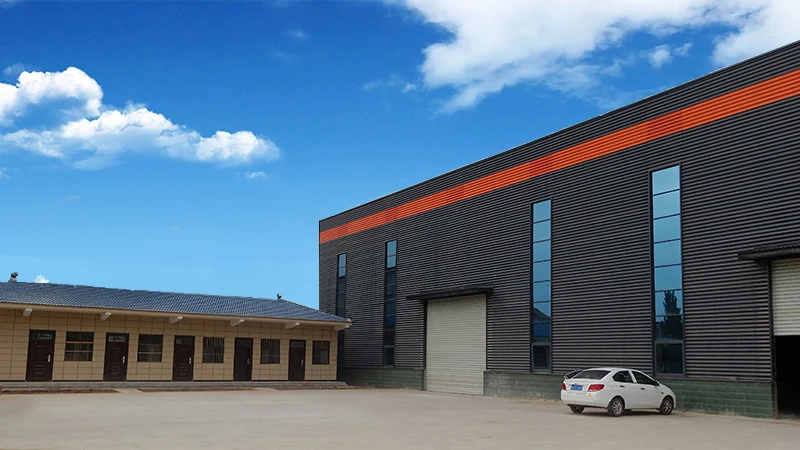
The available data indicates a significant concentration of suppliers operating from China, specifically within the Henan province region. This geographic clustering suggests a specialized industrial hub for food processing machinery, where supply chains for components like stainless steel and motors are likely established. Buyers should prioritize verifying the specific factory address within this region, as the presence of a trading company does not guarantee direct manufacturing control. The distinction between a trading company and a manufacturer is critical, as the current results show a mix of both entity types offering similar product lines.
When assessing the factory type, buyers must look for explicit declarations of "Manufacturer/Factory" versus "Trading Company" in the supplier profile. Some suppliers in the results list themselves as manufacturers with OEM and ODM capabilities, while others operate strictly as intermediaries. This distinction impacts the ability to customize machinery specifications and the depth of technical support available. A manufacturer typically offers more flexibility for custom voltage or capacity adjustments, whereas a trading company may rely on a network of third-party factories. Verifying the actual production capacity and the specific machinery lines, such as peanut butter or meat processing equipment, helps confirm if the supplier is a dedicated factory or a general trader.
How to Verify Commercial Industrial Vegetable Cutting Machine Suppliers
Verification of supplier credentials is essential when sourcing industrial machinery, and the current results highlight specific third-party verification badges like CTI and TÜV Rheinland. These certifications indicate that an independent body has audited the supplier's business license or production capabilities, providing a layer of trust beyond self-declared claims. Buyers should request to see the physical verification certificates and cross-reference the certificate numbers with the issuing agency's database to ensure authenticity. Relying solely on platform badges without independent validation can lead to purchasing from entities that have not met rigorous safety or quality standards.
Beyond verification badges, buyers must scrutinize the product attributes listed for compliance with international standards. The data shows specific certifications such as CE, SGS, ISO, BV, and QS attached to product listings, which are crucial for machinery intended for export or commercial use. These certifications often relate to electrical safety, material quality, and food-grade compliance, particularly for machines handling vegetables and fruits. Buyers should verify that the specific model they intend to purchase carries the relevant certification for their target market, as a machine certified for one region may not meet the regulatory requirements of another. Confirming the "Engineers Available to Service Machinery Overseas" claim is also vital for long-term operational reliability.
What to Compare Across Commercial Industrial Vegetable Cutting Machine Suppliers
Comparing suppliers requires a detailed analysis of response times, lead times, and minimum order quantities to ensure alignment with project timelines. The observed data reveals a wide variance in response speeds, ranging from approximately 1.91 hours to over 8 hours, which can significantly impact the negotiation process and the speed of resolving technical queries. Similarly, lead times vary, with some suppliers indicating a 30-day production window while others show zero days, a figure that often requires clarification regarding stock availability versus custom manufacturing. Buyers should prioritize suppliers with consistent, realistic lead times that match their production schedules to avoid bottlenecks in their own operations.
Price and capacity are other critical dimensions for comparison, as the results show a broad price range from roughly $750 to over $4,000 depending on the model and specifications. Factors influencing these prices include power ratings, such as 0.75KW versus 1.5KW, and capacity outputs ranging from 600kg/H to 1500kg/H. Buyers must compare the price per unit of capacity rather than just the total unit price to determine true value. Additionally, the minimum order quantity (MOQ) is a key differentiator, with some suppliers offering an MOQ of just one unit, which is ideal for testing or small-scale operations. Evaluating the main product portfolio, such as whether a supplier also offers meat grinders or snack machines, can indicate their breadth of expertise in food processing.
Common Commercial Industrial Vegetable Cutting Machine Sourcing Risks
One significant risk in sourcing this category is the potential mismatch between the advertised specifications and the actual delivered product, particularly regarding voltage and material standards. The data indicates that machines are available in both 220V and 380V configurations, and using the wrong voltage can lead to equipment failure or safety hazards. Buyers must explicitly confirm the voltage requirement for their facility before placing an order, as the standard voltage in the supplier's region may differ from their own. Furthermore, while many listings specify "Stainless Steel," the grade and thickness are not always detailed, which can affect the machine's durability and resistance to corrosion in a commercial kitchen environment.
Another risk involves the reliability of after-sales support and the availability of spare parts, especially for international buyers. Although some suppliers claim to provide engineers for overseas service, the logistics of dispatching technical staff can be costly and time-consuming. Buyers should verify the specific terms of the after-sales service, including response times for remote troubleshooting and the availability of replacement parts like blades or motors. The lack of a standardized warranty across different suppliers adds to this uncertainty. Without clear documentation on service protocols, buyers may face extended downtime if the machine requires repair, making it essential to negotiate detailed service agreements before finalizing the purchase.
Commercial Industrial Vegetable Cutting Machine Regional Sourcing and Logistics
Sourcing from the identified region in China involves specific logistical considerations, particularly regarding packaging and shipping standards. The product evidence frequently mentions "Wooden Case" or "Standard Export Wooden Box" as the primary packing method, which is designed to protect heavy machinery during transit. However, buyers must verify if the wooden packaging meets international phytosanitary standards to avoid delays at customs. The dimensions of the machines, ranging from compact units to large industrial models, also impact shipping costs and container utilization. Understanding the exact weight and volume of the equipment is necessary for accurate freight calculation and ensuring the chosen shipping method can accommodate the cargo.
Regional sourcing also implies navigating the complexities of export documentation and customs clearance in the destination country. Suppliers in the Henan region are accustomed to exporting, but buyers should confirm that the supplier provides all necessary export documents, including commercial invoices, packing lists, and certificates of origin. The origin of the machinery is listed as China, which may trigger specific tariff classifications or duties depending on the buyer's location. Buyers should work with their freight forwarders to understand the total landed cost, including duties and taxes, to ensure the final price remains within budget. Clear communication regarding Incoterms is essential to define who is responsible for insurance and freight charges during the transit phase.
Commercial Industrial Vegetable Cutting Machine Commercial Terms and Order Planning
Order planning for industrial machinery requires careful attention to payment terms and the structure of the commercial agreement. While the data does not specify exact payment percentages, buyers should expect to negotiate terms that balance risk, such as using escrow services or partial payments upon shipment. The presence of verification badges like CTI and TÜV Rheinland suggests that these suppliers may be more open to secure payment methods, but buyers must explicitly request these options in the contract. Establishing a clear timeline for production, quality inspection, and shipping is crucial to prevent delays, especially when dealing with custom orders that may require additional manufacturing time.
Customization is a key factor in order planning, as the results indicate that customization is available for many models, including voltage and capacity adjustments. Buyers should submit detailed technical specifications early in the process to ensure the manufacturer can accommodate the request without compromising the machine's integrity. The lead time for customized orders may differ from standard stock items, so buyers must confirm the revised production schedule before committing to a purchase. Additionally, buyers should plan for the installation and commissioning phase, ensuring that local technicians are available to receive the machine and that the power supply matches the machine's requirements. Clear communication of these requirements prevents costly errors and ensures a smooth transition from order to operation.
FAQs
What is the price range for commercial industrial vegetable cutting machines?
Prices typically range from $750 to $4,299 depending on capacity and power. Basic models start around $750, while high-capacity units reaching 1,500kg/H cost approximately $4,299. Buyers should verify specific pricing for customized configurations or bulk orders directly with suppliers to ensure accurate quotes.
What certifications are available for these vegetable cutting machines?
Common certifications include CE, SGS, ISO, BV, and QS. Some manufacturers also hold ISO 9001 and ISO 14001 system certifications. Buyers should request valid certificate copies to verify compliance with international safety and quality standards before finalizing any procurement agreements.
What is the typical lead time for manufacturing these machines?
Lead times generally range from 23 to 30 days for standard production. Some suppliers may list zero days for immediate stock availability, but this requires direct confirmation. Buyers should always verify current production schedules with the supplier to avoid delays in their supply chain.
What is the minimum order quantity for these machines?
The minimum order quantity is typically one unit, allowing for single-machine purchases. This low MOQ supports small businesses or testing phases. Buyers should confirm if bulk discounts apply for larger orders and verify shipping costs for single-unit international deliveries.
Where are these commercial vegetable cutting machines manufactured?
These machines are primarily manufactured in China, with specific production hubs in Henan province. Buyers should verify the exact factory location and origin details on product listings to ensure alignment with their sourcing preferences and potential logistics requirements.
What power options are available for industrial vegetable cutters?
Available power ratings include 0.75KW, 1.1KW, and 1.5KW models. Voltage options typically include 220V and 380V configurations. Buyers must select the appropriate power and voltage specifications to match their facility's electrical infrastructure and operational capacity requirements.